

 EN
EN English
 中文简体
中文简体Polyester Chips: Types, Intrinsic Viscosity & Selection Guide
Content
Every Fiber Starts Here
Over 60 million metric tons of polyester are churned out each year, and almost every strand, every bottle, every film starts the same way — as tiny, translucent pellets called polyester chips. These granules are the building block of the polyester world, carrying the chemical signature that determines whether a yarn dyes deep, a bottle holds pressure, or a film stretches without tearing.
A polyester chip are essentially a melt-quenched flake or pellet of polyethylene terephthalate (PET). Its intrinsic viscosity (IV), carboxyl end groups, diethylene glycol content, and crystallinity all trace back to the chip. Get the chip wrong and downstream processing turns into a very expensive problem.
What Are Polyester Chips?
Polyester chips are solid, semi-crystalline pellets produced by polymerizing purified terephthalic acid (PTA) with monoethylene glycol (MEG). The continuous or batch melt-phase reaction yields an amorphous polymer that is extruded, cooled, and cut into uniform granules — typically 2–4 mm in size. These chips are then dried and fed into downstream processes like melt spinning, injection stretch blow molding, or film extrusion.
The molecular weight of the polymer is expressed as intrinsic viscosity (IV, measured in dL/g). A higher IV means longer polymer chains, which translates to higher melt strength, better tenacity, and often better clarity in bottle resin. A textile-grade chip may run at an IV of 0.62–0.68, while a water bottle preform demands something closer to 0.80. The chip isn't just a feedstock; it's a specification.
Types of Polyester Chips
Not all polyester chips are interchangeable. Their morphology, catalyst system, additives, and IV are tuned for specific outcomes. The families break down into three broad groups — normal, recycled, and specialty — with dozens of subgrades under each.
Normal Polyester Chips
Normal or standard chips form the bulk of the market. They are produced from virgin PTA and MEG using antimony-based catalysts and can be split by luster:
- Bright (BR) chips contain no delustering agent and deliver a high-gloss finish suitable for CD yarns or bottle resin.
- Semi-dull (SD) chips include 0.3–0.5% TiO₂, the workhorse for most textile filament and staple fiber.
- Full-dull (FD) chips carry 1.5–2.5% TiO₂, producing a matte hand in apparel and home textiles.
A subset of normal chips is textile bottle-grade recycled (TBR) chips, which blend post-consumer regrind with virgin material. For a full look at the standard range, explore normal polyester chips.

Recycled Polyester Chips
Recycled polyester chips are made by grinding, washing, and re-extruding post-consumer PET bottles or post-industrial waste. The mechanical recycling process inevitably reduces IV; virgin bottle chip might be 0.80, but the recycled flake often drops to 0.72–0.76. Solid-state polymerization (SSP) can rebuild IV, yet managing carboxyl end groups and yellowness remains a daily battle. Still, a well-processed recycled chip reduces carbon footprint by up to 50% versus virgin material. Details on sustainable feedstocks sit in recycled polyester chips.

Cationic Dyeable (CD) Chips
These chips incorporate a sulfonate comonomer — typically sodium sulfoisophthalate — that opens dye sites for basic (cationic) dyes. The result: deep, brilliant shades at atmospheric boil without carriers, critical for polyester-cotton blends and high-fashion activewear. CD chips require tighter control of diethylene glycol and IV because the ionic comonomer can accelerate thermal degradation during spinning.
Specialty Polyester Chips
Specialty grades push beyond standard recipes. High-IV chips (0.90–1.20) go into industrial yarns and tire cord; low-IV chips (0.48–0.55) feed masterbatch and coating applications. Other niche examples include flame-retardant chips (phosphorus-based), antimony-free chips for food contact, matte chips, and low-melting chips for nonwoven bonding. Proprietary additive packages mean each grade lives in its own silo. A broad range is available under special polyester chips.

How Polyester Chips Are Made
The process starts with a slurry of PTA and MEG — mixed at a molar ratio around 1:1.15 — entering a continuous esterification reactor. Temperatures of 260–280°C drive off water and form bis(2-hydroxyethyl) terephthalate (BHET) and its oligomers. The melt then feeds a polycondensation train, where vacuum and high surface area strip out ethylene glycol, pushing the reaction to the target IV.
For bottle-grade and high-IV applications, the amorphous chips undergo solid-state polymerization (SSP). Under vacuum and constant tumbling, the chips are heated just below their melting point, causing chain extension without melting. SSP can lift intrinsic viscosity by 0.15–0.25 dL/g while slashing acetaldehyde and oligomer levels to food-contact specs.
Key Properties That Decide Performance
Selecting a polyester chip is a multivariable optimization. The intrinsic viscosity governs melt viscosity and final strength: too low, and filaments break at the godet; too high, and extruder pressure spikes. The melting point (typically 245–265°C) shifts with copolymer content; CD chips melt lower, while bottle chips aim for 253–256°C. Carboxyl end groups (CEG) above 30 meq/kg accelerate hydrolytic degradation in hot-wet environments. Diethylene glycol (DEG) content, a natural byproduct, affects dye uptake and thermal stability — standard limits are 0.7–1.5%. Color measured as L* and b* values reflects thermal history; a b* below 2.0 is expected for bright chip.
| Application | IV (dL/g) | Melting Point (°C) | DEG (%) | TiO₂ (%) |
|---|---|---|---|---|
| Textile filament (POY) | 0.62–0.68 | 256–260 | 0.7–1.2 | 0.3 (SD) |
| Staple fiber | 0.58–0.64 | 256–260 | 0.8–1.3 | 0.4–0.5 (SD) |
| Bottle resin | 0.78–0.85 | 248–253 | 0.9–1.5 | 0 |
| BOPET film | 0.60–0.65 | 255–262 | 0.7–1.1 | 0 or low |
Matching Chips to the Process
Pick the wrong chip and the entire line stumbles. For high-speed POY spinning above 3,000 m/min, the chip must have a tight IV distribution (±0.01 dL/g) and extremely low fines — anything below 0.5 mm clogs filters fast. FDY for warp knitting demands consistent TiO₂ dispersion to avoid broken filaments in size coating. Bottle preform injection molding needs IV stability through the dryer and an acetaldehyde level under 1 ppm. Coextruded film layers often call for a low-IV chip that melds evenly without degrading.
Run a pilot trial on any new lot. Check the IV drop after 4-hour drying at 170°C; a gap larger than 0.03 dL/g signals insufficient thermal stability. Always pull a color sample from the melt filter pack after 24 hours — a shift in b* tells you more about the chip than any certificate of analysis.
Recycling and What Comes Next
The push toward circularity is rewriting chip specifications. Mechanical recycling delivers a chip, but chemical recycling — glycolysis, methanolysis, enzymatic hydrolysis — aims to depolymerize PET back to monomers. In theory, you get a virgin-equivalent chip without the IV drop. For now, mechanically recycled chip still carries the load, and blending it with virgin material at 20–50% is the practical sweet spot for maintaining mechanical properties while meeting recycled-content targets.
As post-consumer streams clean up and sorting technology improves, the quality gap between virgin and recycled chip will shrink. The brands that demand 100% recycled content are already forcing the spec sheets to converge, and the chip that wins will be the one that marries consistent quality with a transparent chain of custody.
Popular products
-

Premium Cationic Interlock Stretch Comfort Fabric
-
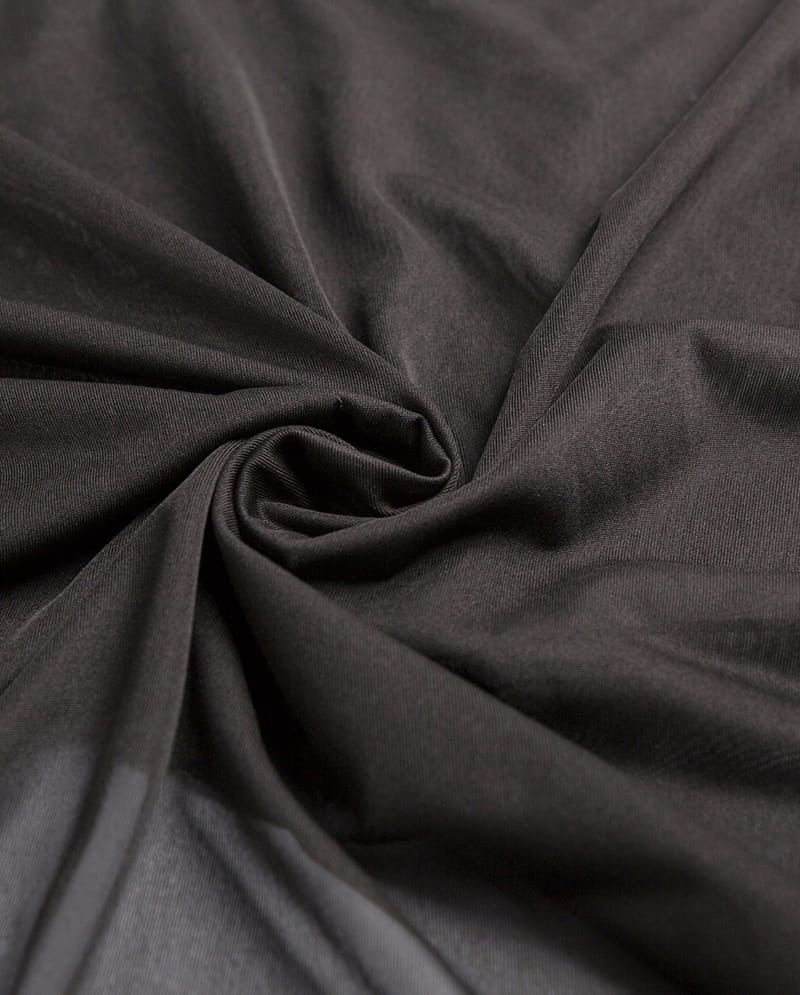
Moisture-Wicking Nylon Woven Fabric
-
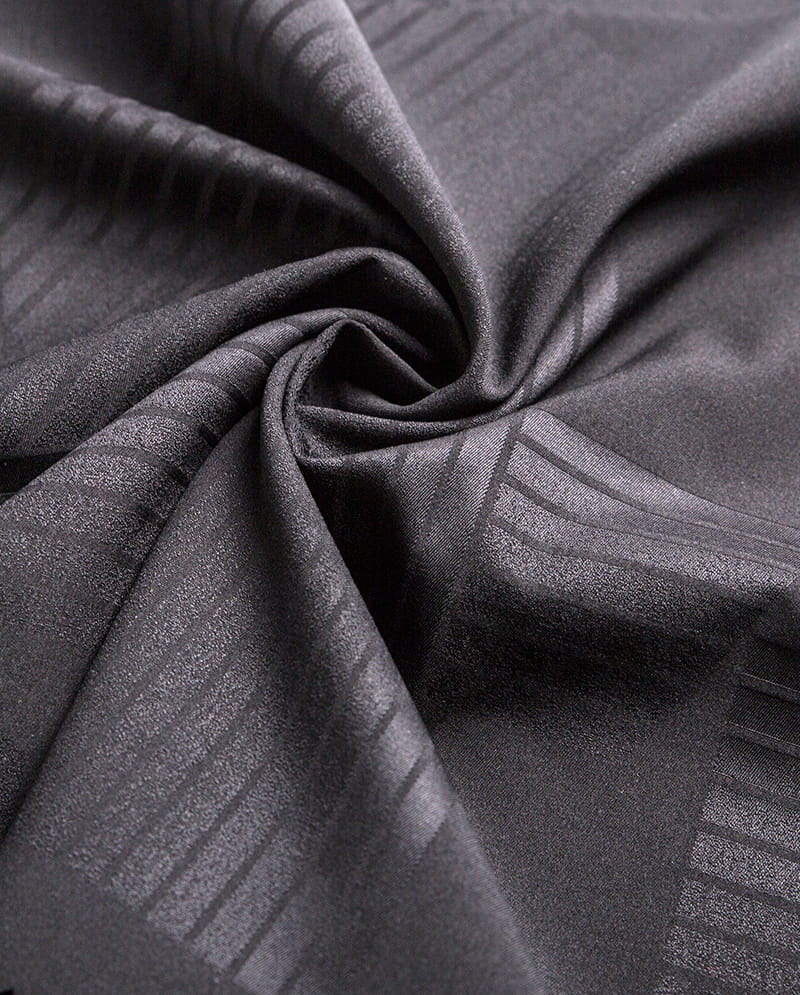
Double-faced jacquard elastic fabric
-
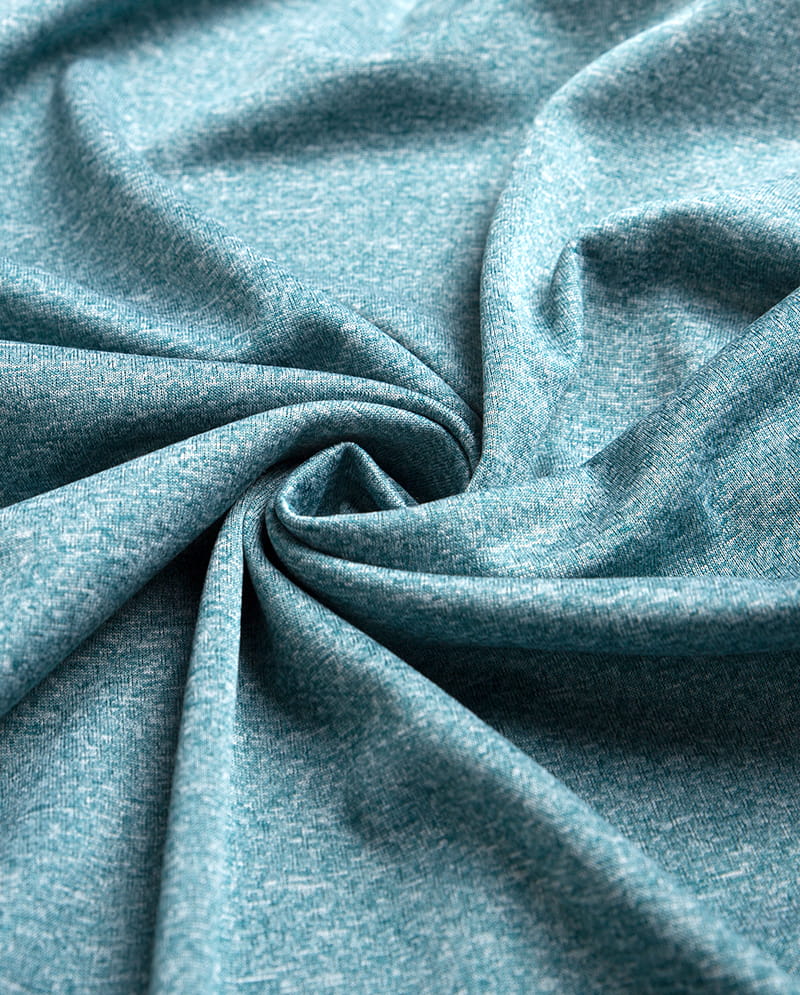
Heather Grey Double-faced cationic jersey fabric
-
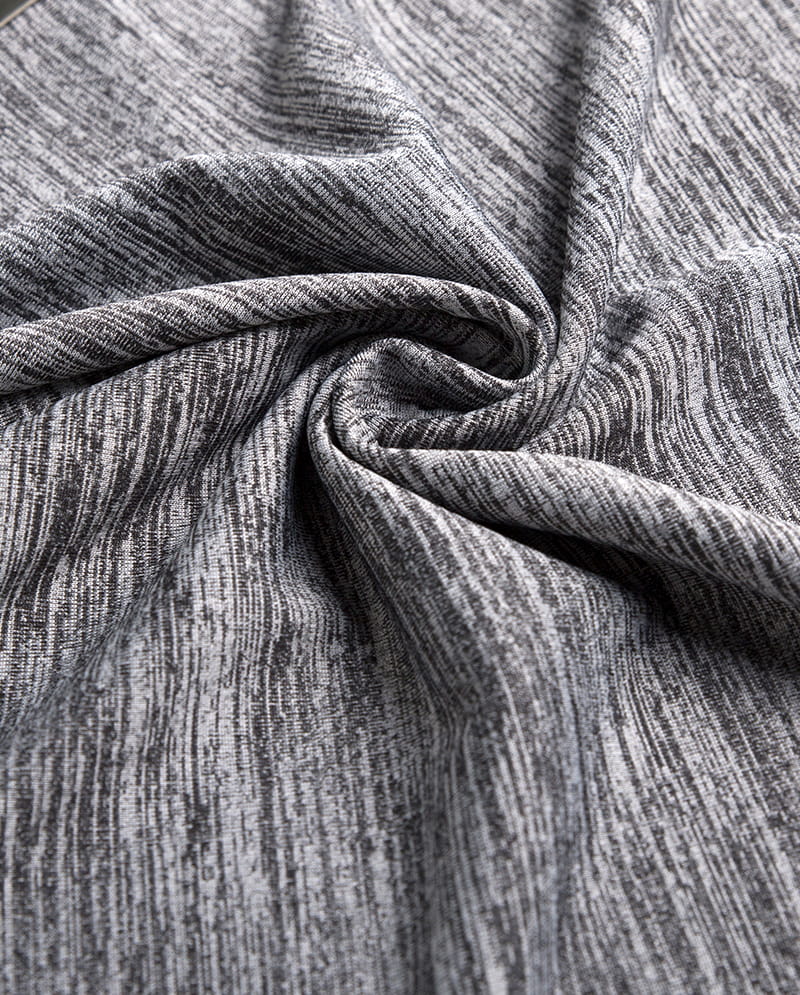
Anti-static Cationic Knitted Rib Fabric
-
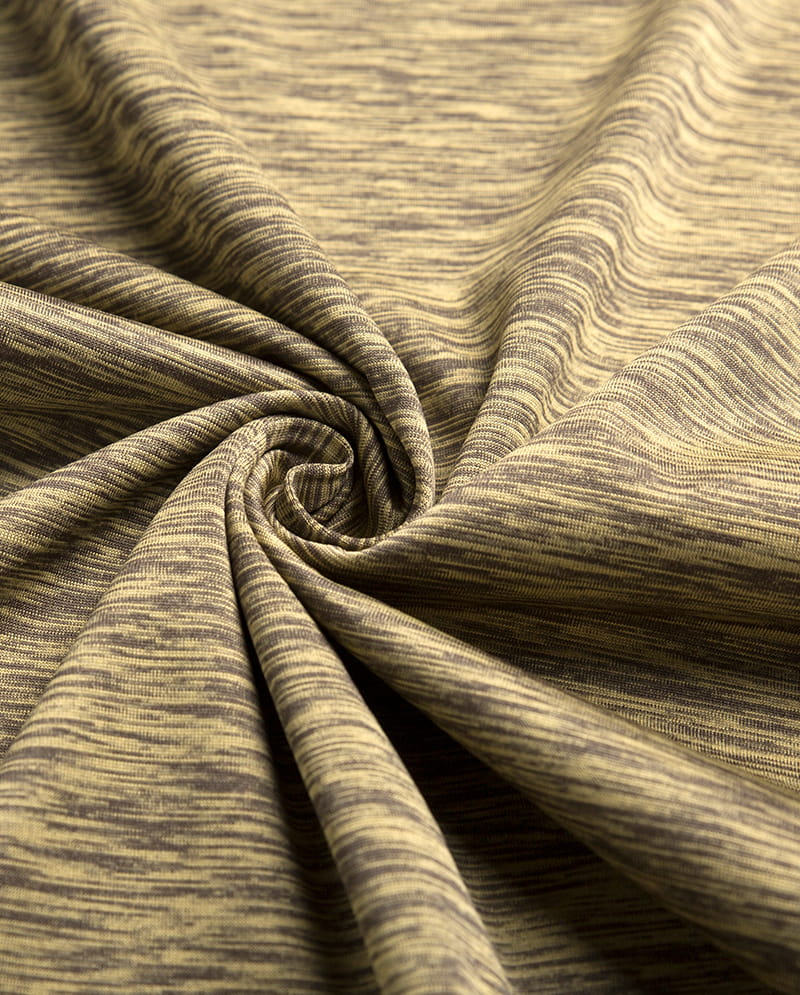
High-Stretch Cationic Jersey Fabric
-
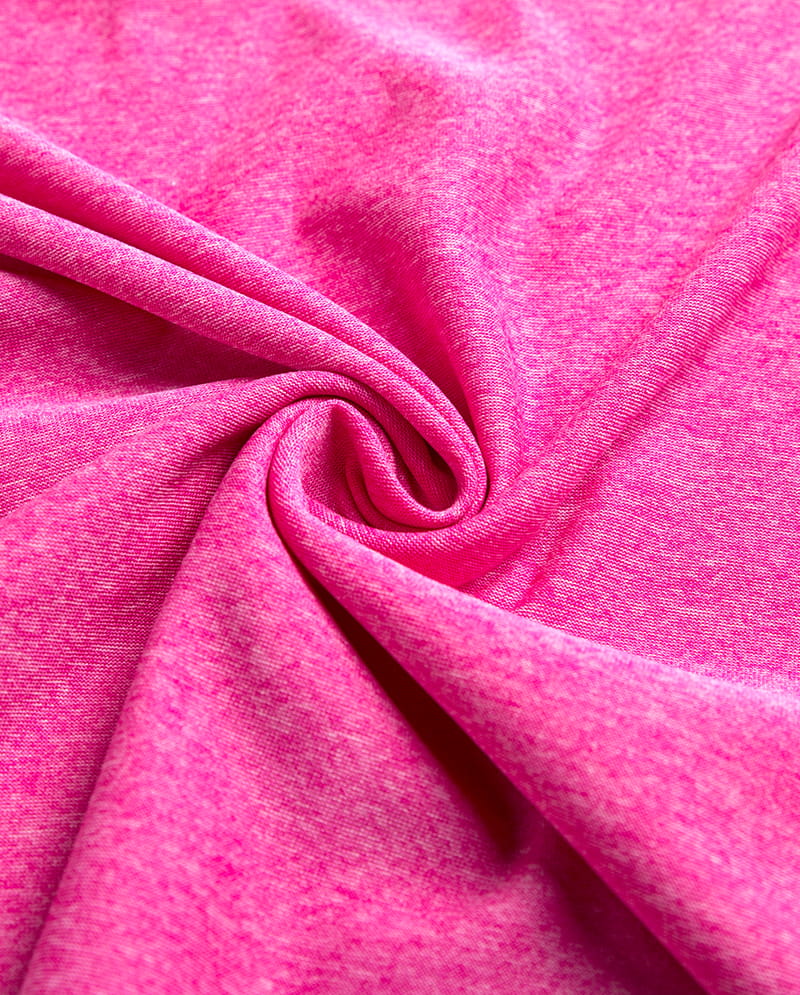
High Quality Cationic DTY Spandex Two Sides Brush Dralon Knit Fabric for Garment Thermal Underwear
-
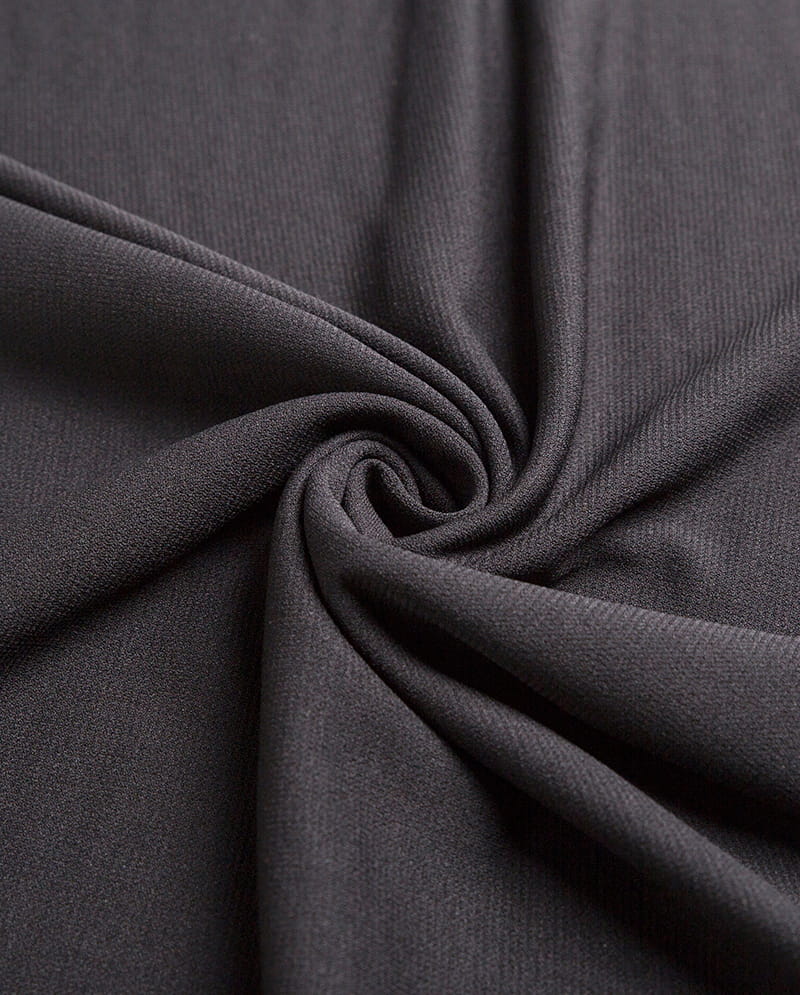
Durable Anti-Pilling Knitted Fabric for Home Textiles
-
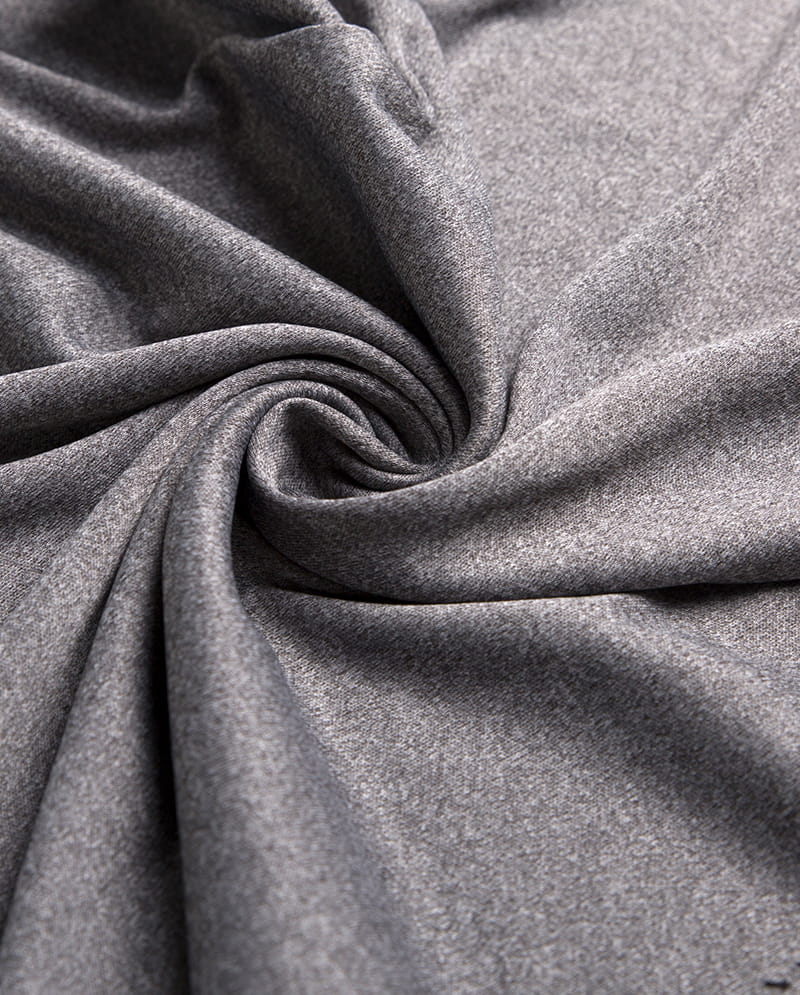
Wash-Resistant Cationic Elastic Knitted Fabric for Garment Industry
-
Breathable Double-Faced Elastic Composite Fabric
-
-
-
- whatsapp:
- 0086-13962559622
-
- skype:
- skype.aliceshenghong
-
- Wechat:


COPYRIGHT © 2016 Suzhou Junhui Textile Co., Ltd.
