

 EN
EN English
 中文简体
中文简体PET Yarn Explained: Performance, Processing, and Practical Applications
Content
- 1 Understanding PET Yarn: Structure, Performance, and Industrial Value
- 2 Raw Materials and Polymer Processing for PET Yarn
- 3 Spinning Methods Used in PET Yarn Production
- 4 Mechanical and Physical Properties of PET Yarn
- 5 Dyeing and Finishing Considerations for PET Yarn
- 6 Applications of PET Yarn Across Industries
- 7 Sustainability and Recycled PET Yarn (rPET)
- 8 Practical Guidelines for Selecting PET Yarn
- 9 Conclusion: Maximizing Value with the Right PET Yarn Choice
Understanding PET Yarn: Structure, Performance, and Industrial Value
PET yarn, derived from polyethylene terephthalate, is one of the most widely used synthetic yarns in modern textile manufacturing. Its popularity comes from a balanced combination of mechanical strength, dimensional stability, chemical resistance, and cost efficiency. Unlike natural fibers, PET yarn offers predictable performance, making it suitable for high-volume, standardized production across apparel, home textiles, industrial fabrics, and technical applications.
In practice, PET yarn is engineered rather than harvested. This allows manufacturers to precisely control filament thickness, tensile strength, elongation, and surface characteristics. For buyers and product developers, understanding these controllable properties is critical when selecting yarn for weaving, knitting, or nonwoven processes.
Raw Materials and Polymer Processing for PET Yarn
The performance of PET yarn begins at the polymer level. PET resin is synthesized through the polycondensation of purified terephthalic acid (PTA) and monoethylene glycol (MEG). The molecular weight and intrinsic viscosity of the resin directly influence yarn strength and heat resistance.
Before spinning, PET chips are dried to extremely low moisture levels to prevent hydrolytic degradation. Even minimal moisture can reduce molecular chains, leading to weaker yarn and inconsistent dyeing performance. This drying step is often overlooked by buyers, yet it is one of the most critical quality control stages.
Key Polymer Parameters Affecting Yarn Quality
- Intrinsic viscosity (IV) determining tensile strength and durability
- Additive formulation for UV resistance or anti-pilling performance
- Chip uniformity affecting spinning stability and yarn evenness
Spinning Methods Used in PET Yarn Production
PET yarn can be produced using several spinning techniques, each designed to meet different application requirements. The most common method is melt spinning, where molten polymer is extruded through spinnerets to form continuous filaments. These filaments are then cooled, drawn, and wound.
For applications requiring higher strength or lower elongation, additional drawing stages are applied. Fully Drawn Yarn (FDY) and Partially Oriented Yarn (POY) are common commercial forms, each offering different downstream processing flexibility.
Comparison of Common PET Yarn Types
| Yarn Type | Key Features | Typical Applications |
| POY | High elongation, flexible processing | Texturing, DTY production |
| FDY | High strength, low shrinkage | Weaving, knitting |
| DTY | Textured, bulked structure | Apparel, upholstery fabrics |
Mechanical and Physical Properties of PET Yarn
PET yarn is valued for its excellent tensile strength, abrasion resistance, and dimensional stability. These properties ensure consistent fabric performance even after repeated washing, stretching, or exposure to environmental stress. Compared to nylon yarn, PET offers better UV resistance and lower moisture absorption.
Low moisture regain, typically around 0.4%, makes PET yarn resistant to mildew and microbial growth. This characteristic is especially important for outdoor textiles, luggage fabrics, and industrial filtration materials where environmental exposure is unavoidable.
Performance Advantages in Daily Use
- High color fastness when properly dyed
- Resistance to creasing and wrinkling
- Stable dimensions under heat-setting processes
Dyeing and Finishing Considerations for PET Yarn
PET yarn is typically dyed using disperse dyes under high temperature and pressure conditions. The compact molecular structure of PET requires sufficient thermal energy to allow dye molecules to penetrate the fiber. Proper temperature control ensures uniform shade and minimizes dye migration.
Finishing treatments such as anti-static, moisture-wicking, or flame-retardant finishes can significantly enhance end-use performance. These treatments are often application-specific and should be selected based on the final product’s functional requirements.
Applications of PET Yarn Across Industries
The versatility of PET yarn allows it to serve a wide range of industries. In apparel, it is commonly used in sportswear, casual wear, and lining fabrics due to its durability and ease of care. In home textiles, PET yarn supports curtains, upholstery, and bedding products that require long service life.
Beyond consumer goods, PET yarn plays a critical role in industrial textiles such as conveyor belts, geotextiles, filtration fabrics, and reinforcement materials. Its predictable behavior under mechanical stress makes it suitable for engineered fabric structures.
Sustainability and Recycled PET Yarn (rPET)
Recycled PET yarn, commonly known as rPET yarn, is produced from post-consumer PET bottles or industrial waste. Through advanced cleaning, melting, and re-spinning processes, recycled material can achieve performance levels comparable to virgin PET yarn.
From a sustainability perspective, rPET yarn reduces landfill waste and lowers carbon emissions associated with raw material extraction. Many global brands now specify recycled polyester yarn in their sourcing standards, making rPET an important growth segment in the textile market.
Practical Guidelines for Selecting PET Yarn
Choosing the right PET yarn requires aligning yarn specifications with end-use requirements. Buyers should evaluate not only price, but also consistency, certification, and technical support from the supplier. Small variations in denier, filament count, or draw ratio can significantly affect fabric performance.
- Confirm yarn type and drawing level for the intended process
- Request test data for tensile strength and shrinkage
- Verify compliance with REACH or GRS standards if required
Conclusion: Maximizing Value with the Right PET Yarn Choice
PET yarn remains a cornerstone material in the global textile industry because of its adaptability, performance stability, and scalable production. By understanding its polymer structure, processing methods, and application-specific properties, manufacturers and buyers can make informed decisions that improve product quality and long-term value.
A well-chosen PET yarn not only enhances fabric performance but also supports efficient production and sustainability goals. For businesses aiming to compete in demanding markets, technical knowledge of PET yarn is no longer optional but essential.
Popular products
-
Premium Cationic Interlock Stretch Comfort Fabric
-
Moisture-Wicking Nylon Woven Fabric
-
Double-faced jacquard elastic fabric
-
Heather Grey Double-faced cationic jersey fabric
-
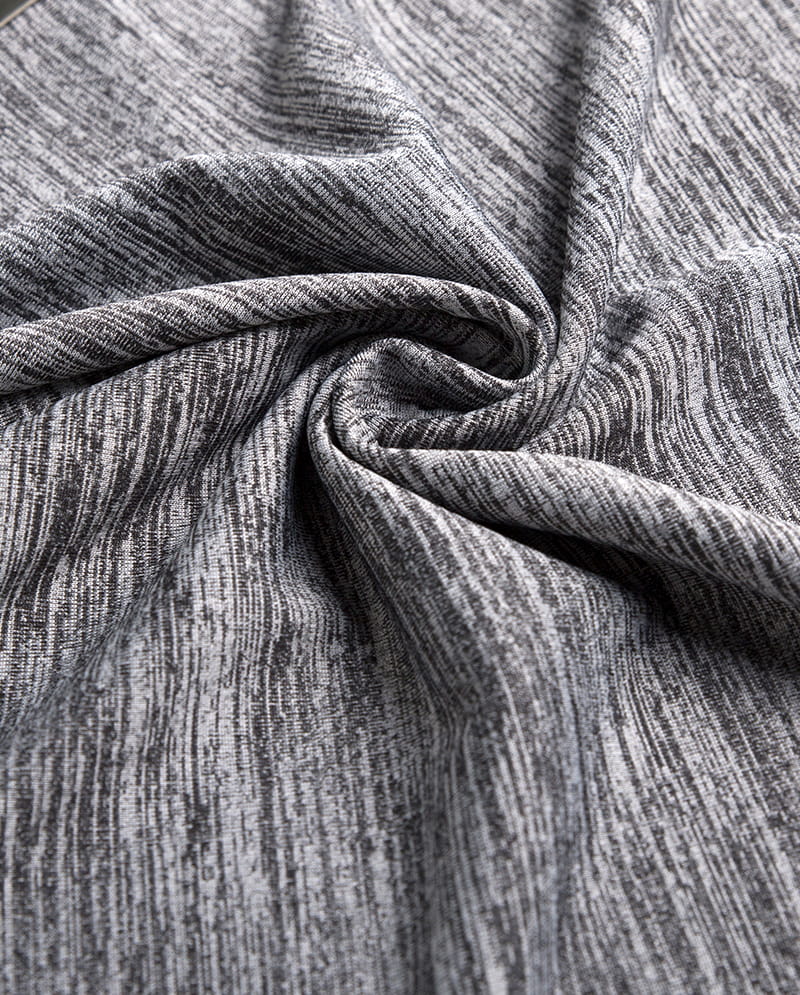
Anti-static Cationic Knitted Rib Fabric
-
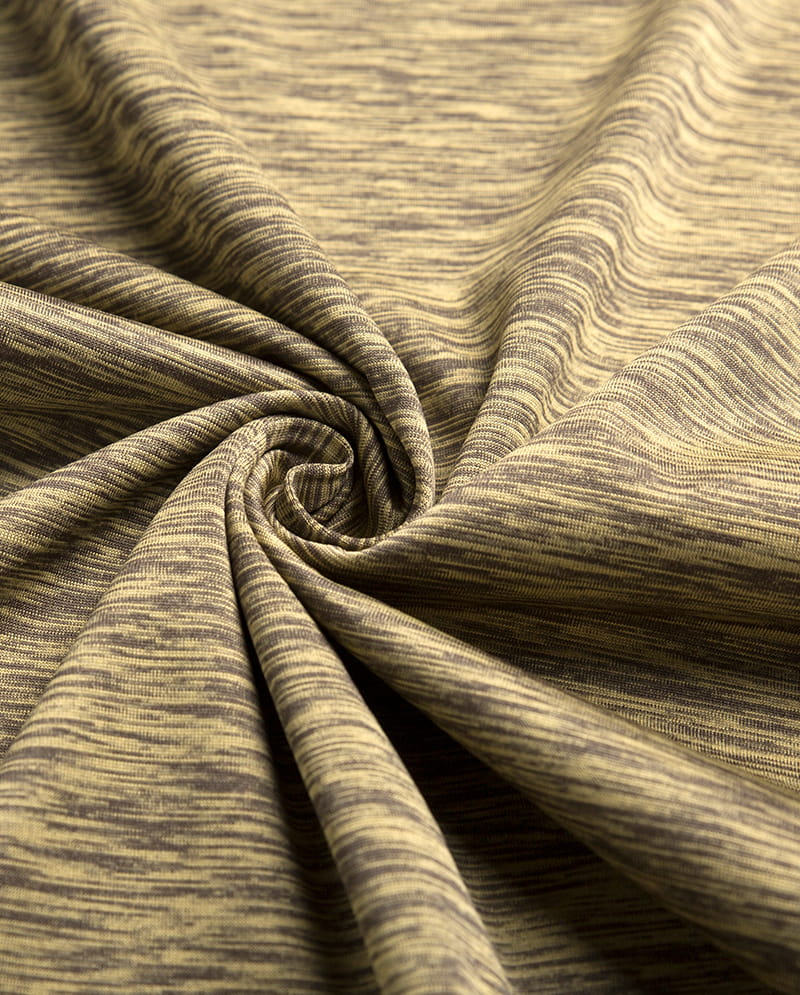
High-Stretch Cationic Jersey Fabric
-
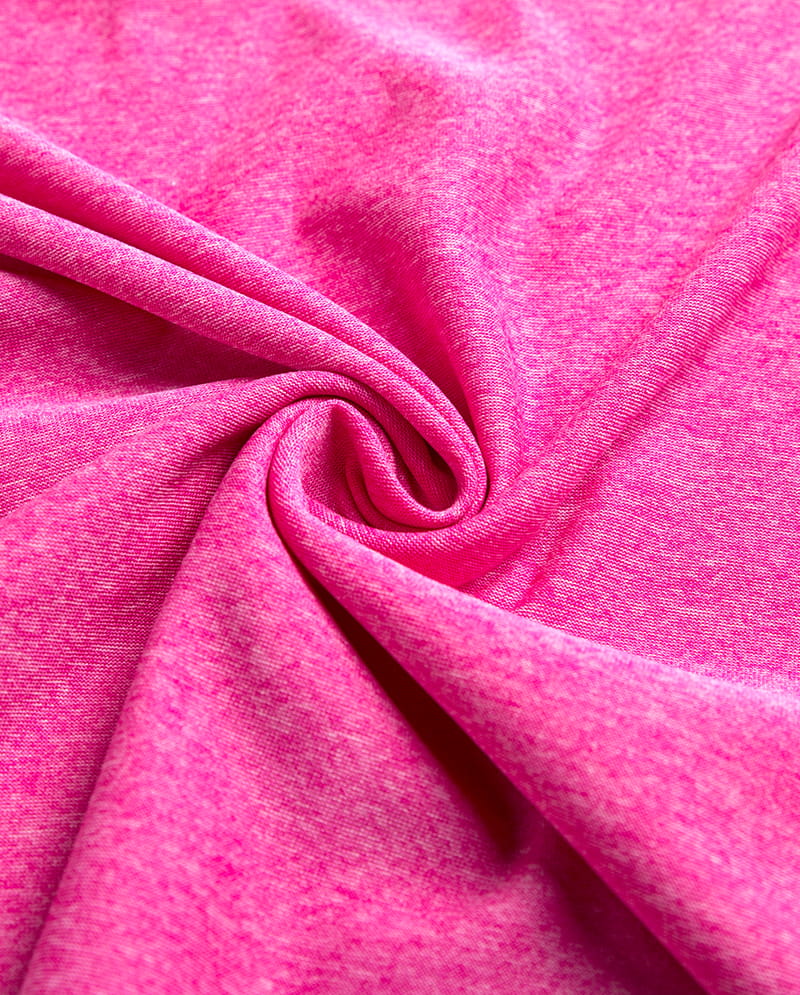
High Quality Cationic DTY Spandex Two Sides Brush Dralon Knit Fabric for Garment Thermal Underwear
-
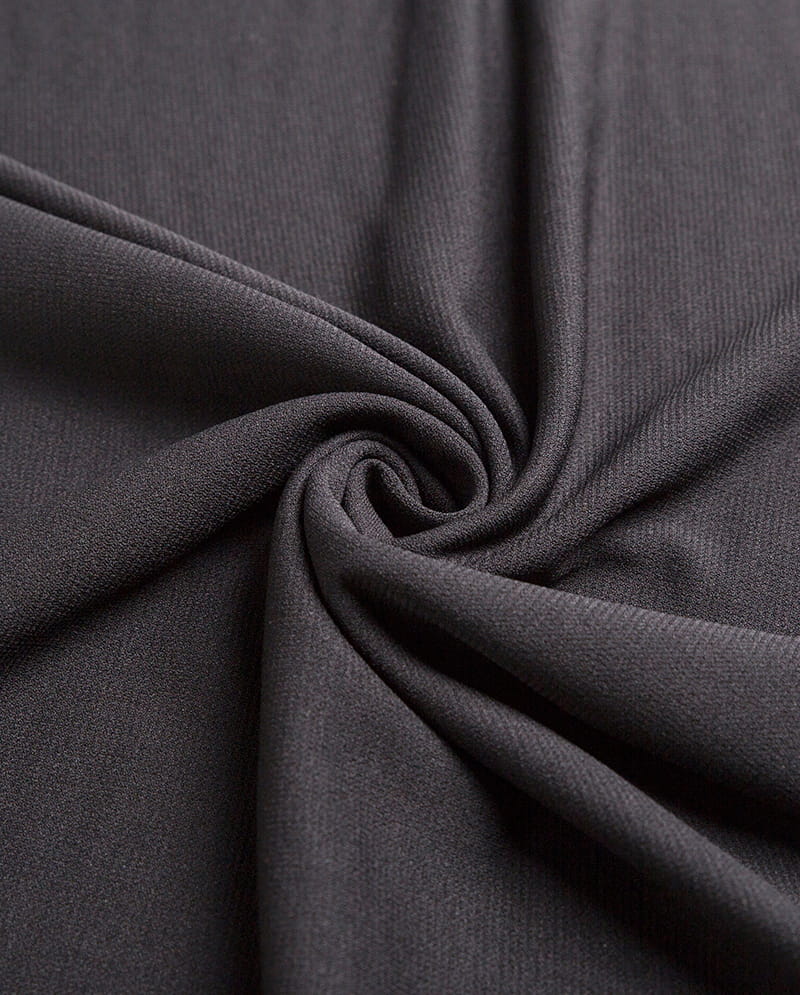
Durable Anti-Pilling Knitted Fabric for Home Textiles
-
Wash-Resistant Cationic Elastic Knitted Fabric for Garment Industry
-
Breathable Double-Faced Elastic Composite Fabric
-
- Tiktok
-
-
- whatsapp:
- 0086-13962559622
-
- skype:
- skype.aliceshenghong
-
- Wechat:

COPYRIGHT © 2016 Suzhou Junhui Textile Co., Ltd.
