

 EN
EN English
 中文简体
中文简体Performance-Driven Drop-Dyed DTY Yarn for Modern Textile Manufacturing
Content
- 1 Understanding Drop-Dyed DTY Yarn
- 2 Product Advantages Over Conventional Yarn Options
- 3 Core Product Series and Typical Specifications
- 4 Advanced Manufacturing Processes Behind Stable Yarn Quality
- 5 Why Drop-Dyed DTY Yarn Performs Well in Fabric Production
- 6 Environmental Value Through Recycled Yarn Options
- 7 Cationic Dyeable and Color-Effect Advantages
- 8 Functional Series for Value-Added Textile Development
- 9 High-Elastic Series for Comfort and Stretch
- 10 Manufacturing Strengths and Technical Service Capability
- 11 Quality Control for Reliable Downstream Production
- 12 Applications Across Textile Markets
- 13 How Buyers Can Select the Right Drop-Dyed Yarn
- 14 Competitive Benefits for Fabric Manufacturers and Brands
- 15 Practical Production Considerations
- 16 Q&A: Common Questions About Drop-Dyed DTY Yarn
- 16.1 What is the main advantage of drop-dyed DTY yarn?
- 16.2 Is drop-dyed yarn suitable for both knitting and weaving?
- 16.3 How does cationic dyeable yarn help fabric design?
- 16.4 Can recycled drop-dyed yarn be used for sustainable collections?
- 16.5 What specifications are available?
- 16.6 What functional yarn options are available?
- 16.7 Why is supplier technical support important?
- 16.8 How should buyers start a new development project?
- 17 Conclusion
- 18 References
- 19 Product: Drop-dyed Yarn
Drop-dyed yarn has become an increasingly important material for fabric mills, garment producers, and textile developers seeking stronger color effects, reliable processing performance, and wider design flexibility. In the polyester yarn market, the demand is no longer limited to standard white yarns or basic dyed yarns. Buyers now expect materials that can support differentiated fabric appearance, stable quality, functional performance, environmental responsibility, and cost-efficient production. Drop-dyed DTY yarn answers these requirements by combining the familiar advantages of polyester drawn textured yarn with enhanced color and texture possibilities.
As a product in the DTY yarn category, drop-dyed yarn is widely used in woven and knitted fabrics, fashion textiles, home textiles, sportswear, casualwear, lining materials, decorative fabrics, and various functional textile applications. It provides a balanced combination of softness, bulkiness, elasticity, dimensional stability, and visual richness. Compared with conventional single-color yarns, drop-dyed yarn can create more distinctive fabric effects and help downstream manufacturers develop products with greater market appeal.
Suzhou Junhui Textile Co., Ltd. and Suzhou Xiaoran New Material Co., Ltd. focus on differential yarn development and supply, including recycled yarn, polyester drop-dyed yarn, cationic dyeing yarn, flame-retardant yarn, microfine yarn, functional yarn, and knitting fabric products. Their product range covers recycled series, normal series, cationic dyeable series, high-elastic series, and functional series. This broad product structure gives buyers the flexibility to select yarn specifications according to fabric purpose, dyeing requirements, performance targets, and price positioning.
For modern textile procurement, yarn quality is not judged only by price. A reliable yarn supplier must offer consistency, technical understanding, product variety, stable delivery, and the ability to support customized development. Drop-dyed DTY yarn stands out because it allows fabric manufacturers to reduce design limitations and create textiles that are visually attractive, comfortable, and commercially practical. When produced with advanced texturing, controlled dyeing technology, and strict quality inspection, it becomes a competitive material for both basic production and high-value fabric development.
Understanding Drop-Dyed DTY Yarn
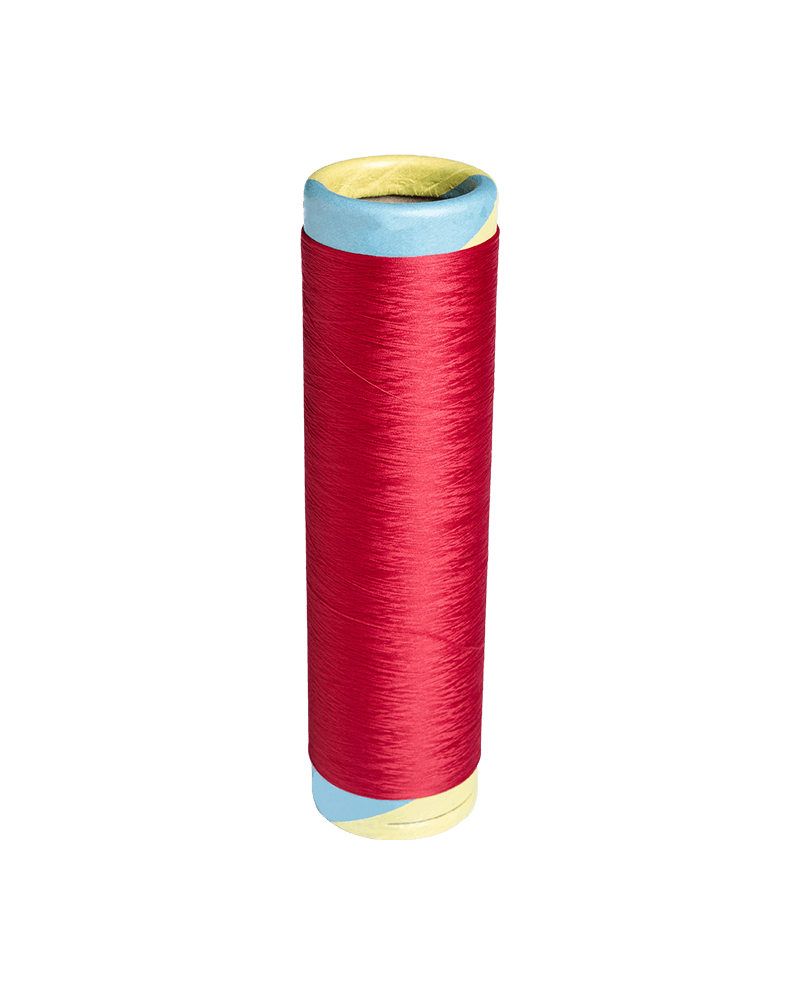
DTY, or drawn textured yarn, is a polyester filament yarn processed through drawing and texturing. This process gives the yarn a crimped, bulky, and elastic structure. Compared with flat filament yarn, DTY offers improved softness, better coverage, and a more fabric-friendly hand feel. It is widely selected for applications where comfort, drape, stretch, and texture are required.
Drop-dyed yarn refers to yarn designed to produce differentiated color effects through controlled dyeing characteristics. In practical fabric development, the yarn can support unique tones, contrasting appearances, melange-like effects, or other visual variations depending on the yarn composition, dyeing system, and fabric construction. This makes it valuable for designers and manufacturers who want to create products beyond ordinary solid-color textiles.
The supplied product information shows that drop-dyed yarn is offered under the DTY yarn category and is supported by a wide product list. Available structures include recycled SD DTY, recycled FD DTY, recycled DDB DTY, recycled CD DTY, SD+CD DTY, normal SD DTY, FD DTY, CD DTY, high-elastic yarn, PBT/PET yarn, fire-retardant yarn, anti-bacterial yarn, moisture-wicking yarn, cotton-like yarn, hollow warm yarn, and air-covered yarn structures. This indicates that drop-dyed yarn is not a single narrow product but part of a broad differential yarn platform.
The key value of drop-dyed DTY yarn lies in its ability to combine aesthetic differentiation with production reliability. A fabric manufacturer can use it to produce textiles that look more sophisticated without completely changing existing weaving or knitting systems. In many cases, the yarn can be integrated into circular knitting, warp knitting, woven fabric, jacquard fabric, and blended fabric development. This processing adaptability makes it attractive to both large-scale fabric mills and specialized textile developers.
Product Advantages Over Conventional Yarn Options
Drop-dyed DTY yarn offers several practical advantages over ordinary polyester DTY, basic dyed yarn, and low-differentiation yarns. The first advantage is design richness. Standard polyester yarn often requires additional dyeing, printing, coating, or finishing to create special visual effects. Drop-dyed yarn can contribute to distinctive color expression from the yarn level, enabling fabric producers to create more attractive surfaces with fewer design restrictions.
The second advantage is product differentiation. In competitive textile markets, many fabrics appear similar because they use standard yarn counts and common dyeing methods. Drop-dyed DTY yarn helps manufacturers develop fabric collections with unique appearance, improved texture, and better customer recognition. This is especially valuable for fashion fabrics, casualwear fabrics, sportswear materials, home decoration textiles, and fabric programs that require seasonal color innovation.
The third advantage is processing flexibility. Because DTY yarn has a textured structure, it provides bulk, stretch, and softness. These characteristics help improve the comfort and handle of fabrics. When combined with drop-dyed effects, the yarn supports both visual and tactile performance. Compared with flat filament yarns, DTY yarn generally gives better fabric fullness and a more natural feel.
The fourth advantage is specification diversity. The product list includes many denier and filament combinations, such as 30/12, 30/24, 50/36, 50/72, 75/36, 75/72, 75/144, 100/72, 150/48, 150/144, 300/96, and other variants. This allows buyers to match yarn size and filament count to target fabric weight, density, texture, and performance. Fine denier yarns can be used for lightweight fabrics, while higher denier yarns can support heavier textiles, upholstery, sports fabrics, and technical fabric development.
The fifth advantage is compatibility with functional and recycled programs. The product range includes recycled series and functional series such as fire-retardant, anti-bacterial, moisture-wicking, hollow warm, and cotton-like yarn. This means buyers can pursue both visual differentiation and performance differentiation. In today’s textile market, fabrics often need to meet multiple requirements at once, such as attractive appearance, comfort, environmental positioning, and functional value.
Core Product Series and Typical Specifications
The drop-dyed yarn platform includes a wide variety of DTY-related products. These specifications help fabric producers select yarn based on dyeing behavior, elasticity, filament structure, environmental positioning, and final fabric application. The following table summarizes major series and representative options based on the supplied product list.
Product Series |
Representative Yarn Types |
Typical Specifications |
Main Application Value |
Recycled Series |
Recycled SD DTY, Recycled FD DTY, Recycled DDB DTY, Recycled CD DTY, Recycled SD+CD DTY |
50/72, 75/36, 75/72, 150/144, 300/96, 300/288 |
Supports environmentally oriented fabrics with stable polyester performance |
Normal Series |
SD DTY, FD DTY, SD DDB |
30/36, 50/72, 75/144, 100/72, 150/144, 300/96 |
Suitable for general woven and knitted fabrics requiring reliable quality |
Cationic Dyeable Series |
CD DTY, SD+CD DTY, White and Black DTY |
25/24, 50/48, 75/72, 100/144, 150/288, 300/96 |
Enables richer color contrast and differentiated dyeing effects |
High-Elastic Series |
High-elastic DTY, PBT/PET, PBT/PET DDB |
30/12, 50/36, 75/72, 150/144, 300/144 |
Designed for stretch fabrics, comfort textiles, and elastic structures |
Functional Series |
Fire-retardant, anti-bacterial, moisture-wicking, hollow warm, cotton-like, air-covered yarn |
30/24, 50/72, 75/72, 150/144, 40+75/36, 40+150/144 |
Adds performance functions for sportswear, home textiles, and specialty fabrics |
This broad specification system is a major competitive advantage. Many yarn suppliers can offer only a narrow range of standard DTY products, which limits downstream design freedom. A larger product matrix helps buyers reduce supplier fragmentation because they can source multiple yarn categories from one technical team. This is especially useful for manufacturers producing varied seasonal collections or handling several fabric programs for international customers.
For lightweight knitted fabrics, lower denier and fine-filament yarns can provide soft touch and smooth fabric surfaces. For heavier woven fabrics, higher denier yarns can improve body, coverage, and durability. For fashionable color effects, cationic dyeable combinations and white-black variants can be selected. For sports and comfort fabrics, moisture-wicking and high-elastic options can provide added performance. For environmentally focused collections, recycled DTY and recycled FD or SD structures provide a more responsible material direction.
Advanced Manufacturing Processes Behind Stable Yarn Quality
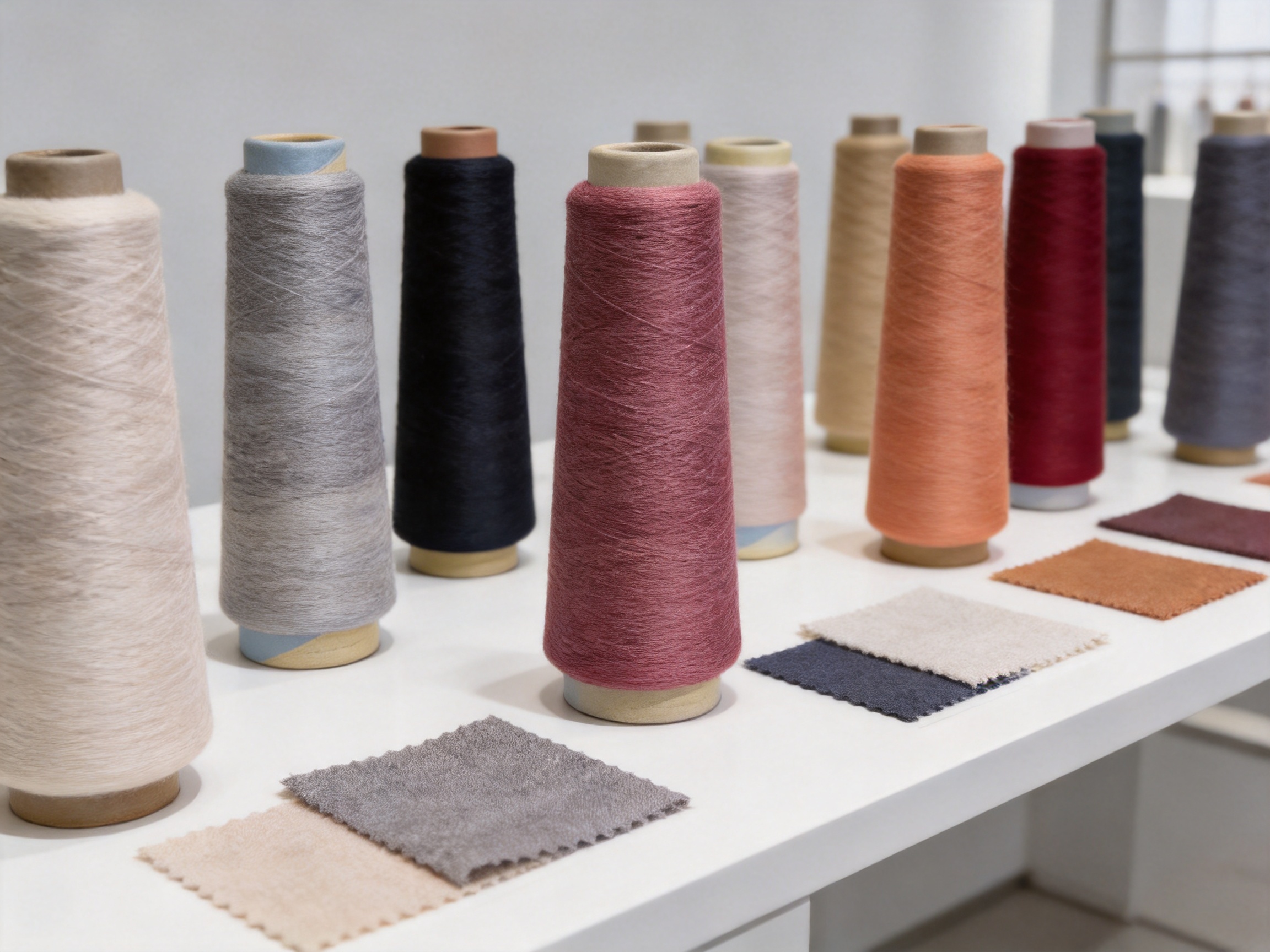
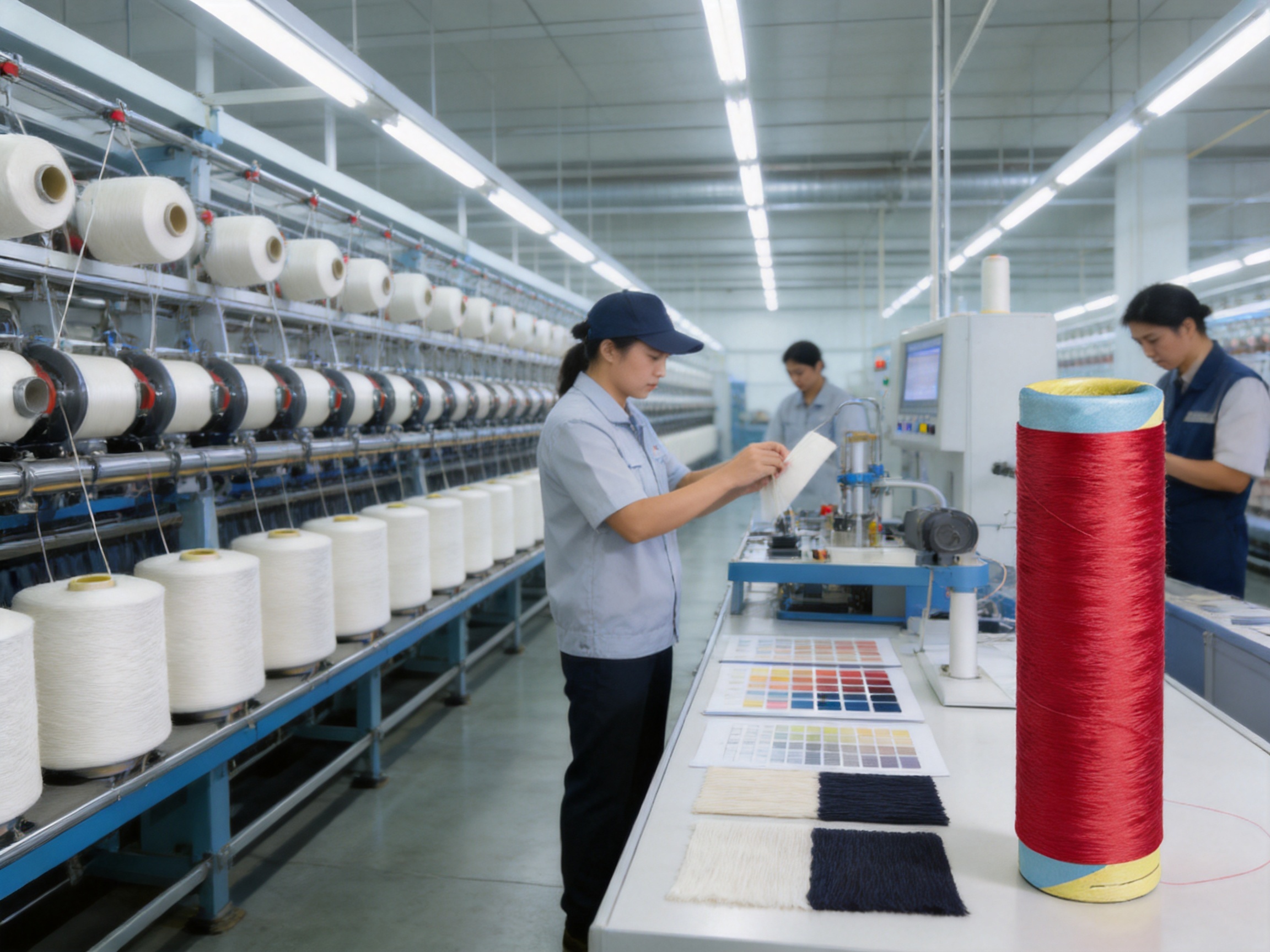
High-quality drop-dyed DTY yarn requires more than basic yarn production. The process must control polymer material selection, spinning uniformity, drawing conditions, texturing parameters, heat setting, winding tension, dyeing behavior, package formation, and quality inspection. Each stage affects the final fabric appearance and processing performance. If tension is inconsistent, the yarn may cause barre marks, uneven dyeing, broken ends, or unstable fabric hand feel. If texturing is poorly controlled, elasticity and bulk may vary from package to package.
A strong manufacturing approach begins with raw material control. Polyester chips or filament feedstock must meet stable viscosity, cleanliness, and thermal performance requirements. For recycled yarn programs, raw material consistency is especially important because recycled polyester must be carefully selected and processed to reduce variation. Recycled yarn can provide environmental advantages, but only when the supplier maintains strict control over feedstock quality and spinning stability.
The spinning and filament formation stage determines yarn evenness, filament integrity, and basic strength. Uniform filament formation helps ensure that the yarn performs consistently during texturing and fabric production. Fine filament counts such as 75/144 or 150/288 require more precise control than coarse filament structures because a larger number of filaments must remain stable, smooth, and evenly distributed.
Drawing and texturing are central to DTY performance. During texturing, the yarn is processed under controlled heat, tension, and mechanical action to create crimp and elasticity. The process must be carefully adjusted according to denier, filament count, luster type, and functional composition. Semi-dull, full-dull, cationic dyeable, and blended yarn structures may require different parameter settings. Well-controlled texturing gives the yarn desirable bulk, stretch recovery, soft feel, and fabric coverage.
Heat setting helps stabilize the textured structure and reduce unwanted shrinkage. If the heat setting is insufficient, fabrics may shrink excessively or display uneven texture after dyeing and finishing. If excessive heat is applied, the yarn may lose elasticity or become harsh. Proper heat setting contributes to dimensional stability and predictable fabric processing.
Winding and package formation also play a critical role. A good yarn package should have stable shape, proper density, consistent unwinding tension, and minimal defects. Downstream weaving and knitting machines often operate at high speed, so package quality directly affects productivity. Poor package formation can cause yarn breakage, irregular tension, and machine stoppage. A supplier that understands package quality can help customers reduce waste and improve production efficiency.
Quality inspection is another area where advanced manufacturing creates competitive value. Testing may include denier control, tenacity, elongation, crimp contraction, shrinkage, oil content, dyeing uniformity, color behavior, and appearance inspection. For drop-dyed and cationic dyeable yarns, dyeing performance must be particularly consistent so fabric mills can reproduce color effects across batches. Reliable testing reduces the risk of claims, rework, and production delays.
Why Drop-Dyed DTY Yarn Performs Well in Fabric Production
Fabric producers value yarns that run smoothly on machines, dye predictably, and create consistent finished products. Drop-dyed DTY yarn performs well because its textured structure improves fabric fullness while its dyeing characteristics support unique visual results. The yarn can be used in both warp and weft directions, depending on fabric construction, and it can be combined with other polyester, cationic, elastic, or functional yarns.
In knitting, DTY yarn contributes softness, stretch, and comfortable touch. Circular knitted fabrics made with DTY often show good coverage and flexibility. When drop-dyed effects are introduced, the fabric surface can gain a more dynamic look. This is useful for fashion knits, casualwear, sportswear, leggings, jackets, shirts, and decorative knitted textiles.
In weaving, DTY yarn can help produce fabrics with improved hand feel and textured appearance. It can be used in plain weave, twill, satin, dobby, jacquard, and other structures. When combined with FDY or other yarns, it can create contrast between smooth and textured surfaces. Drop-dyed yarn also supports woven fabrics that require color depth, heather-like appearance, or visual movement.
In dyeing and finishing, yarn consistency is essential. Drop-dyed yarns must respond predictably to dyeing recipes and finishing conditions. Cationic dyeable versions and SD+CD combinations are especially useful for creating two-tone or contrast effects. These options allow fabric mills to produce more complex appearances without relying entirely on printing or coating.
Another advantage is commercial adaptability. Fabric manufacturers can use drop-dyed DTY yarn to upgrade existing product lines. Instead of developing a completely new fabric from the beginning, mills can replace standard yarn with drop-dyed or cationic dyeable yarn to achieve a new surface effect. This can shorten development cycles and reduce design risk.
Environmental Value Through Recycled Yarn Options
Sustainability has become a major factor in textile sourcing. Many brands and retailers now ask suppliers to provide recycled materials, improved resource efficiency, and more responsible product options. The recycled series within the drop-dyed yarn platform gives manufacturers a practical route to develop fabrics with environmental value while maintaining polyester performance.
Recycled DTY options include recycled semi-dull DTY, recycled full-dull DTY, recycled DDB DTY, recycled cationic dyeable DTY, and recycled SD+CD DTY. These products allow fabric makers to develop recycled-content fabrics for apparel, home textiles, bags, linings, and decorative materials. Since the product list includes multiple specifications from fine counts to heavier counts, the recycled series can be applied to different fabric weights and end uses.
Compared with suppliers offering only one or two recycled yarn types, a broad recycled yarn portfolio is more useful for professional fabric development. Buyers often need not only recycled content but also specific denier, filament count, dyeing behavior, luster, and hand feel. A recycled 75/72 yarn may be suitable for one fabric, while 150/144 or 300/288 may be needed for another. The availability of multiple specifications allows customers to create recycled fabrics without sacrificing design requirements.
Recycled drop-dyed yarn also supports market differentiation. Many recycled fabrics look similar when made from standard yarn. By using drop-dyed or cationic dyeable recycled options, mills can create fabrics that offer both environmental positioning and attractive appearance. This combination is increasingly important because sustainable products must also meet consumer expectations for beauty, comfort, and performance.
Cationic Dyeable and Color-Effect Advantages
Cationic dyeable DTY yarn is one of the most important materials for color-effect textile development. It can be dyed with cationic dyes and can create contrast when combined with regular polyester yarn. This makes it suitable for two-tone fabrics, melange effects, patterned surfaces, and special color designs. The supplied product list includes CD DTY, SD+CD DTY, and white-black variants, demonstrating a strong focus on differentiated dyeing solutions.
For fabric designers, cationic dyeable yarn provides creative flexibility. A fabric can be engineered so that some yarns absorb one type of dye while others respond differently. This opens the door to tonal contrast without complicated printing. In jacquard or textured fabric structures, this effect can be especially attractive because color and structure work together to create depth.
Compared with post-printing or coating methods, yarn-level color differentiation can offer better integration with the fabric structure. The visual effect is not merely on the surface but built into the fabric. This can improve durability of appearance and give the textile a more natural look. It also gives mills more options for developing customer-specific collections.
White and black DTY variants such as 100D B01/B02/B03 and 150D B01/B02/B03 provide additional design possibilities. Black yarn effects can be used to create shadow contrast, dark heather surfaces, or mixed-color textures. Such products are useful in sportswear, casualwear, fashion textiles, and modern home decoration fabrics.
Functional Series for Value-Added Textile Development
The functional series expands drop-dyed yarn beyond visual appearance. It includes fire-retardant, anti-bacterial, moisture-wicking, cotton-like, hollow warm, and air-covered yarn options. These yarns are important because modern fabrics often need to deliver measurable performance in addition to attractive design.
Fire-retardant yarn can be used for textiles where flame resistance is required or preferred. Applications may include certain home textiles, decorative materials, public-space fabrics, protective-related materials, and specialty textile products. When developing such fabrics, buyers must also consider applicable testing standards and end-use regulations.
Anti-bacterial yarn is valuable for apparel and textile products where hygiene performance is desired. It may be used in sportswear, underwear, socks, bedding, medical-related textile applications, and daily-use fabrics. As consumer interest in comfort and cleanliness grows, anti-bacterial textile functions continue to receive attention.
Moisture-wicking yarn helps move moisture away from the skin and supports comfort in activewear and performance fabrics. The product list includes moisture-wicking options such as 30/24, 50/48-72, 75/48-72, and 150/48-72. These specifications can support lightweight and medium-weight sports textiles, casual active fabrics, and comfort-oriented knitted products.
Hollow warm yarn is designed to help improve warmth retention while maintaining a relatively light structure. Hollow fibers can trap air and provide thermal comfort. This makes hollow warm yarn useful for autumn and winter garments, thermal underwear, blankets, soft home textiles, and lightweight warm fabrics.
Cotton-like yarn, listed in 32S, 40S, and 80S, offers a different hand-feel direction. Polyester yarns with cotton-like touch are useful when manufacturers want the durability and easy-care characteristics of polyester but desire a more natural feeling. This can be attractive for casualwear, shirts, leisure fabrics, and blended-look textiles.
Air-covered yarn options such as 40+75/36-72, 30+100/96, and 40+150/48-96-144 provide combined structures for stretch and comfort. These yarns can be used in elastic fabrics, sportswear, leggings, shape-retention textiles, and other applications requiring flexibility.
High-Elastic Series for Comfort and Stretch
Comfort has become a central requirement in apparel and textile design. Consumers expect clothing to move with the body, recover after stretching, and remain comfortable during long wear. The high-elastic series in the drop-dyed yarn portfolio addresses this need with specifications such as 30/12, 50/36-72, 60/72, 75/36-72, 150/48-144, and SD or FD high-elastic options including 30/24, 50/36-48-72, 75/36-48-72, 150/72-144, and 300/96-144.
High-elastic DTY yarn supports knitted and woven stretch fabrics that need recovery and resilience. It can improve fit, reduce bagging, and enhance wearer comfort. In sportswear and active casualwear, these properties are particularly important. Fabrics made with high-elastic yarn can support movement while maintaining shape.
PBT/PET yarn options add another dimension to elastic textile development. PBT has good elastic recovery characteristics, and when combined with PET, it can support fabrics with improved stretch behavior. PBT/PET DDB options also create potential for dyeing and visual differentiation. This combination is useful for fabric developers seeking alternatives to traditional stretch solutions.
Compared with ordinary DTY, high-elastic and PBT/PET structures can provide greater comfort value. They help manufacturers respond to market trends in athleisure, stretch denim alternatives, body-conscious fashion, soft sportswear, and flexible home textiles. When combined with drop-dyed or color-effect yarns, elastic fabrics can achieve both performance and design appeal.
Manufacturing Strengths and Technical Service Capability
A yarn product is only as reliable as the company behind it. Suzhou Junhui Textile Co., Ltd. and Suzhou Xiaoran New Material Co., Ltd. are committed to developing and supplying differential yarns and related textile products. The company information highlights professional research and development capability, cooperation with internationally recognized enterprises, and a focus on environmental protection and functional yarn and fabric applications.
This technical orientation is important for buyers because differential yarns require more knowledge than commodity yarns. When customers select recycled yarn, drop-dyed yarn, cationic dyeable yarn, flame-retardant yarn, or functional yarn, they often need guidance on specifications, dyeing behavior, fabric structure, and finishing compatibility. A supplier with research and development capability can help reduce trial errors and shorten the development cycle.
The company’s products are more than 90 percent exported, and customers are located in 36 countries. This international market experience is a strong advantage because export customers often have strict requirements for consistency, documentation, communication, and shipment reliability. Serving global buyers requires stable production, responsive service, and the ability to understand different textile standards and market expectations.
The company also emphasizes customer support within 12 hours globally. In textile production, fast communication matters. If a fabric mill faces yarn selection questions, dyeing issues, specification confirmation, or urgent order planning, timely technical response can prevent delays. This service capability is especially valuable for buyers working under tight seasonal delivery schedules.
Another strength is the broad product range. Instead of offering only standard yarn, the company supplies multiple differential yarn categories. This gives customers access to a more complete material solution. A buyer can source recycled yarn for sustainable collections, cationic dyeable yarn for color effects, high-elastic yarn for stretch fabrics, and functional yarn for performance programs from one supplier. This improves procurement efficiency and technical consistency.
Quality Control for Reliable Downstream Production
Quality control is a decisive factor in DTY yarn performance. Even small variations in yarn count, tension, shrinkage, or dyeing behavior can create visible fabric defects. Drop-dyed yarn must be especially stable because its value depends on controlled visual effects. A successful manufacturer must therefore manage quality from raw material to finished package.
Important quality indicators include denier uniformity, filament count accuracy, tensile strength, elongation, crimp stability, shrinkage rate, oil pickup, package weight, package shape, dyeing consistency, and absence of defects such as broken filaments, tight spots, loops, or uneven winding. For high-speed knitting and weaving, yarn unwinding stability is also critical.
Dyeing control is one of the most important requirements for drop-dyed and cationic dyeable yarns. If dye uptake varies between packages, finished fabrics may show color difference or streaks. Stable production parameters and batch control help ensure that the yarn behaves predictably during dyeing. This reduces the risk of fabric rejection and supports consistent bulk production.
For recycled yarn, quality control must also address raw material variation. Recycled polyester feedstock can vary in properties, so careful selection and processing are necessary. A reliable supplier must maintain consistency while still providing recycled-content value. This is essential for brands and mills that require both sustainability and production reliability.
For functional yarns, performance testing and process control are necessary to maintain the intended properties. Fire-retardant, anti-bacterial, moisture-wicking, and hollow warm yarns must be produced according to their function and end-use expectations. Fabric developers should also perform final fabric testing because fabric structure and finishing can influence performance results.
Applications Across Textile Markets
Drop-dyed DTY yarn has broad application potential because it combines textile comfort, visual differentiation, and production practicality. In apparel, it can be used for fashion knits, casualwear, sportswear, jackets, shirts, trousers, dresses, leggings, innerwear, and lining fabrics. Its textured hand feel helps improve comfort, while color effects help create marketable designs.
In sportswear, high-elastic and moisture-wicking variants are particularly useful. These yarns can support fabrics that stretch, recover, and manage moisture during activity. When combined with drop-dyed effects, sportswear fabrics can look more dynamic and modern, helping brands distinguish their collections.
In home textiles, drop-dyed DTY yarn can be used for curtains, sofa fabrics, bedding, cushions, decorative textiles, blankets, and upholstery-related materials. Full-dull and semi-dull options can create different surface appearances, while hollow warm and functional yarns can add comfort value. Higher denier yarns can support heavier constructions for durable home products.
In fashion and decorative fabric markets, cationic dyeable and white-black yarns provide strong creative potential. Designers can create two-tone effects, contrast patterns, shadow textures, and subtle color changes. These effects can increase fabric value without relying solely on post-treatment decoration.
In environmentally oriented collections, recycled drop-dyed yarn can be used to develop fabrics that combine responsible material choices with attractive design. This is important because sustainable textiles must still meet style and quality expectations. Recycled yarn with differentiated color behavior gives brands a way to present sustainability as visually appealing rather than plain or limited.
How Buyers Can Select the Right Drop-Dyed Yarn
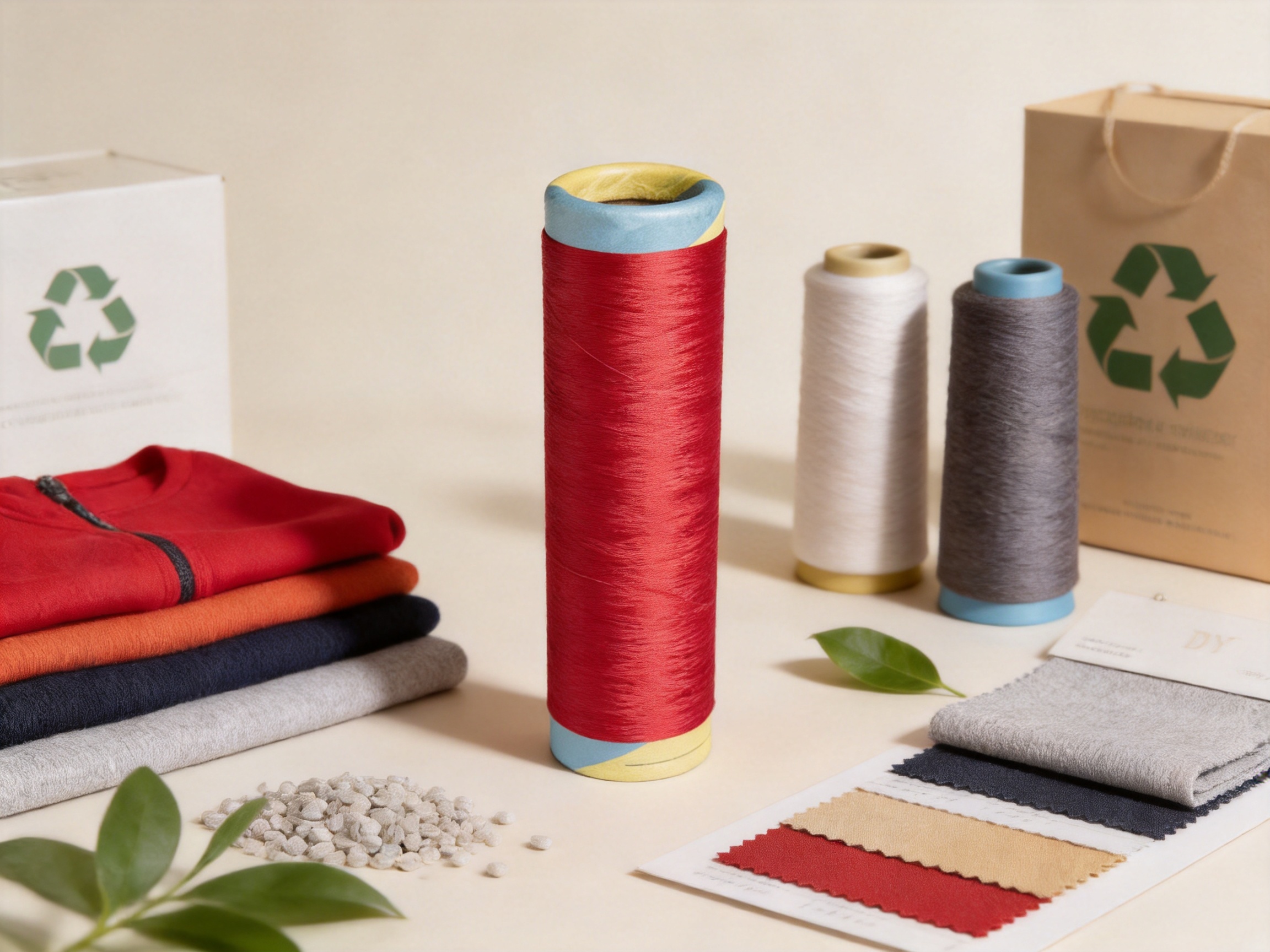
Selecting the right yarn begins with the final fabric target. Buyers should define fabric weight, construction, hand feel, elasticity, color effect, functional requirements, and price range. Once the fabric purpose is clear, the appropriate denier, filament count, luster, dyeing behavior, and yarn series can be selected.
For soft lightweight fabrics, fine denier yarns with higher filament counts may provide a smooth and comfortable touch. For example, 50/72 or 75/144 can be suitable for soft knitted or woven fabrics. For medium-weight fabrics, 100/72, 150/96, or 150/144 may provide a balance of body and comfort. For heavier or more durable textiles, 300/96, 300/192, or 300/288 may be considered.
If the goal is visual color contrast, CD DTY or SD+CD DTY should be evaluated. These yarns can support differentiated dyeing behavior and two-tone effects. For darker or shadow-style designs, white-black variants may be useful. If sustainability is a key selling point, recycled versions should be selected according to fabric performance requirements.
If the fabric requires stretch, high-elastic yarn or PBT/PET options should be considered. The exact choice depends on the required stretch direction, recovery, fabric structure, and finishing process. For sportswear, moisture-wicking yarn may be added to improve comfort. For warm fabrics, hollow warm yarn can be selected. For safety or hygiene-oriented applications, fire-retardant or anti-bacterial yarn may be appropriate.
Sampling is essential before bulk production. Because drop-dyed and cationic dyeable yarns create visual effects through interaction with fabric structure and dyeing conditions, mills should conduct trial knitting or weaving, dyeing tests, finishing tests, and dimensional stability checks. Working closely with the supplier’s technical team can reduce development time and improve final results.
Competitive Benefits for Fabric Manufacturers and Brands
Drop-dyed DTY yarn gives fabric manufacturers a way to increase product value without completely changing production systems. This is a major commercial advantage. In many cases, mills can use existing knitting or weaving machines while upgrading the yarn selection to produce more distinctive fabrics. This lowers the barrier to innovation.
For brands, fabrics made with drop-dyed yarn can support stronger visual storytelling. A garment or home textile product with unique color depth and texture can stand out in retail environments. When combined with recycled or functional properties, the product becomes easier to position as modern, comfortable, responsible, or performance-oriented.
Compared with competitors that offer only commodity yarn, a supplier with multiple differential yarn series can support more complete development. Buyers can build collections around coordinated yarn technologies, including recycled, cationic dyeable, high-elastic, and functional options. This creates better continuity across product lines.
The export experience of the supplier also benefits international customers. Global buyers often need reliable communication, stable packing, consistent specifications, and timely problem-solving. A company already serving customers in many countries is more likely to understand these requirements and provide practical support.
The ability to accept orders for different kinds of differentiation yarn is another advantage. Textile trends change quickly, and buyers often need customized effects, special counts, or application-specific solutions. A supplier open to differential yarn development can become a long-term technical partner rather than only a commodity vendor.
Practical Production Considerations
When using drop-dyed DTY yarn in bulk production, fabric mills should pay attention to storage, package handling, machine settings, dyeing recipes, and batch management. Yarn packages should be stored in clean and dry conditions, protected from contamination and excessive humidity. Before production, yarn batch numbers should be checked to avoid mixing incompatible lots unless approved by testing.
Machine tension should be adjusted according to yarn denier and elasticity. High-elastic yarns may require different tension settings compared with normal DTY. Fine filament yarns should be handled carefully to reduce filament damage. In knitting, feeder tension should be balanced to prevent uneven loops or fabric streaks. In weaving, warp preparation and weft insertion conditions should be optimized to reduce breakage.
Dyeing tests are important for every new fabric program. Since drop-dyed and cationic yarns may respond differently from regular polyester, mills should confirm dye selection, temperature curve, reduction cleaning, finishing treatment, and final color effect. For blended structures, all yarn components should be considered.
Finishing conditions can influence hand feel, elasticity, shrinkage, and color appearance. Heat setting temperature and time should be controlled carefully, especially for elastic yarns or special functional yarns. Over-finishing can reduce softness or elasticity, while insufficient finishing may cause unstable dimensions. Proper finishing helps reveal the full value of the yarn.
Q&A: Common Questions About Drop-Dyed DTY Yarn
What is the main advantage of drop-dyed DTY yarn?
The main advantage is that it combines the soft, bulky, and elastic properties of DTY yarn with differentiated color-effect potential. This helps fabric manufacturers create more attractive textiles with richer appearance and better market distinction.
Is drop-dyed yarn suitable for both knitting and weaving?
Yes. Drop-dyed DTY yarn can be used in knitted and woven fabrics, depending on the specification and fabric design. It is suitable for circular knitting, warp knitting, woven fashion fabrics, home textiles, and various decorative materials.
How does cationic dyeable yarn help fabric design?
Cationic dyeable yarn can respond differently in dyeing compared with regular polyester. When combined with other yarns, it can create two-tone, contrast, or melange-like effects, giving designers more creative freedom.
Can recycled drop-dyed yarn be used for sustainable collections?
Yes. The recycled series includes multiple DTY and related yarn options. These yarns can help fabric makers develop environmentally oriented products while still maintaining polyester strength, flexibility, and design diversity.
What specifications are available?
The product range includes many specifications, such as 30/12, 50/36, 50/72, 75/36, 75/72, 100/72, 150/48, 150/144, 300/96, and many other denier and filament combinations. Options vary by series, including recycled, normal, cationic dyeable, high-elastic, and functional yarns.
What functional yarn options are available?
Functional options include fire-retardant yarn, anti-bacterial yarn, moisture-wicking yarn, cotton-like yarn, hollow warm yarn, and air-covered yarn. These products support performance fabrics for apparel, sportswear, home textiles, and specialty uses.
Why is supplier technical support important?
Drop-dyed and differential yarns require correct selection, dyeing tests, fabric trials, and finishing control. Technical support helps customers choose suitable specifications, reduce trial errors, and improve production success.
How should buyers start a new development project?
Buyers should define the target fabric, select candidate yarns, request samples, conduct knitting or weaving trials, test dyeing behavior, and confirm finishing results before bulk production. Cooperation with the supplier’s technical team is recommended.
Conclusion
Drop-dyed DTY yarn is a valuable material for textile manufacturers that want to produce fabrics with stronger visual identity, reliable processing performance, and broader application potential. It provides the comfort and texture of polyester DTY while supporting differentiated dyeing effects and creative fabric development. With options across recycled, normal, cationic dyeable, high-elastic, and functional series, it allows buyers to create fabrics for fashion, sportswear, home textiles, sustainable collections, and specialty applications.
The competitive strength of this product lies in its combination of specification diversity, color-effect capability, functional expansion, and production practicality. Unlike ordinary commodity yarns, drop-dyed DTY yarn helps fabric manufacturers add value at the yarn level. It can improve fabric appearance, support market differentiation, and reduce dependence on surface-only decoration methods.
Suzhou Junhui Textile Co., Ltd. and Suzhou Xiaoran New Material Co., Ltd. provide a broad differential yarn platform supported by research and development capability, export experience, and responsive customer service. Their product structure allows buyers to select from many denier and filament combinations and to develop customized textile solutions according to market needs.
For manufacturers seeking to upgrade fabric collections, improve design freedom, and respond to modern textile trends, drop-dyed DTY yarn offers a practical and competitive solution. Its ability to combine aesthetics, performance, sustainability options, and manufacturing stability makes it a strong choice for today’s textile supply chain.
References
1. Textile Institute. Textile Terms and Definitions. Textile Institute Publications.
2. Hearle, J. W. S., Hollick, L., and Wilson, D. K. Yarn Texturing Technology. Woodhead Publishing.
3. McIntyre, J. E. Synthetic Fibres: Nylon, Polyester, Acrylic, Polyolefin. Woodhead Publishing.
4. Salem, D. R. Structure Formation in Polymeric Fibers. Hanser Publishers.
5. Kothari, V. K. Progress in Textiles: Science and Technology. IAFL Publications.
6. Majumdar, A., Das, A., Alagirusamy, R., and Kothari, V. K. Process Control in Textile Manufacturing. Woodhead Publishing.
Product: Drop-dyed Yarn

Popular products
-
Premium Cationic Interlock Stretch Comfort Fabric
-
Moisture-Wicking Nylon Woven Fabric
-
Double-faced jacquard elastic fabric
-
Heather Grey Double-faced cationic jersey fabric
-
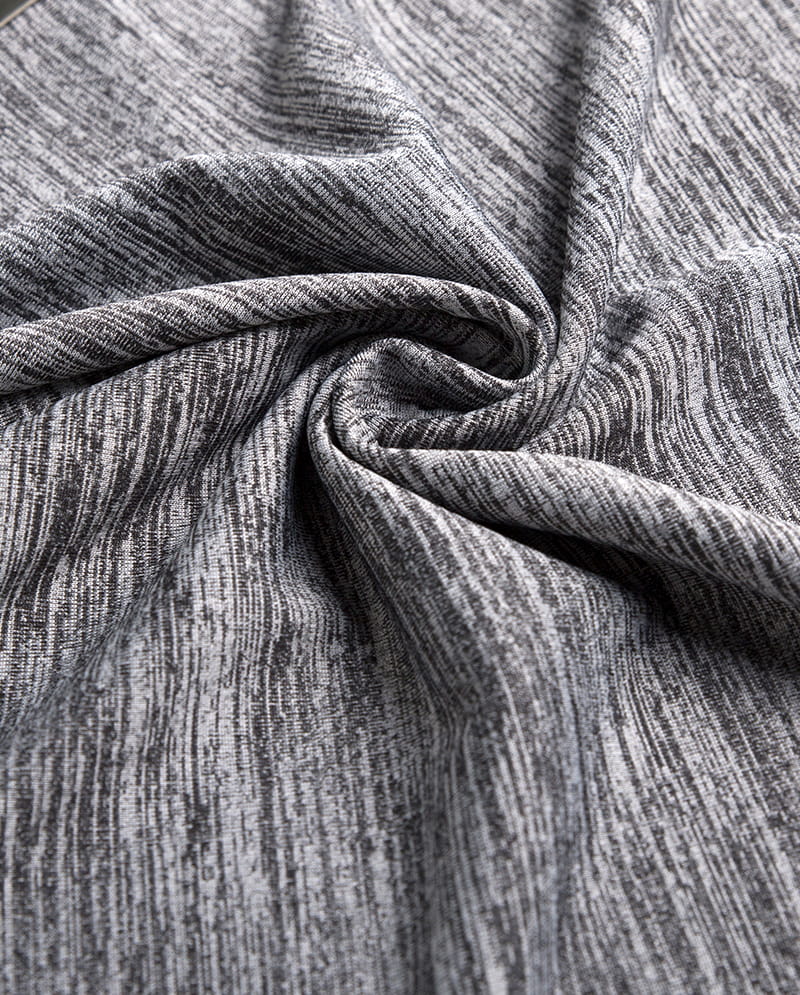
Anti-static Cationic Knitted Rib Fabric
-
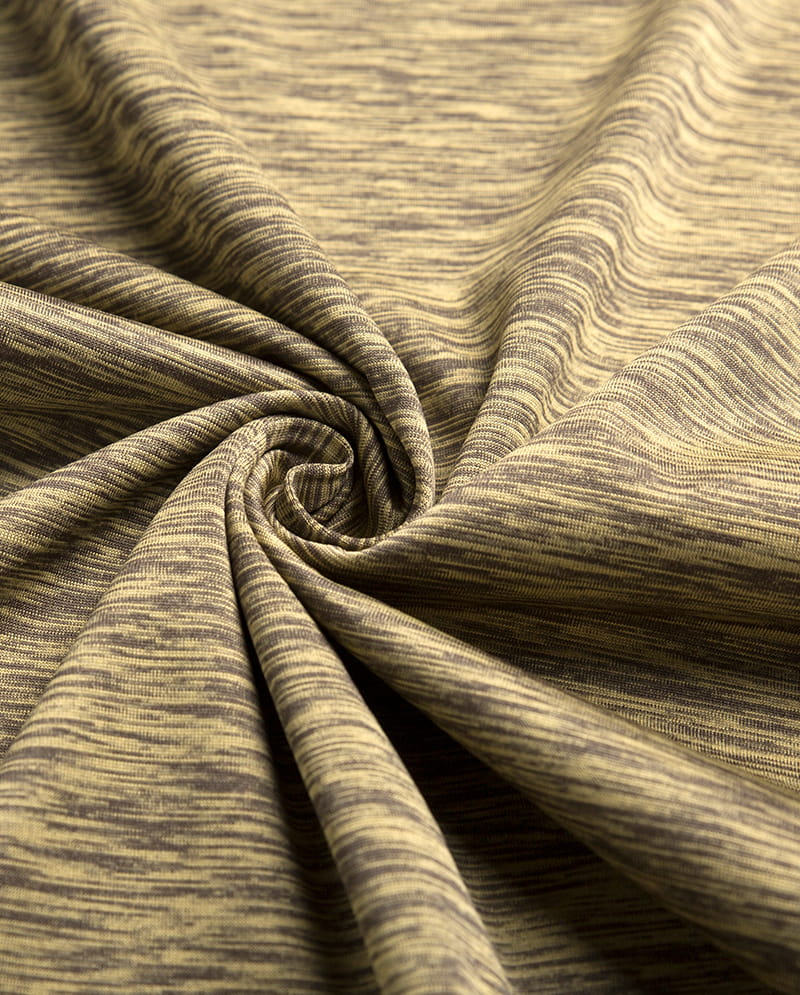
High-Stretch Cationic Jersey Fabric
-
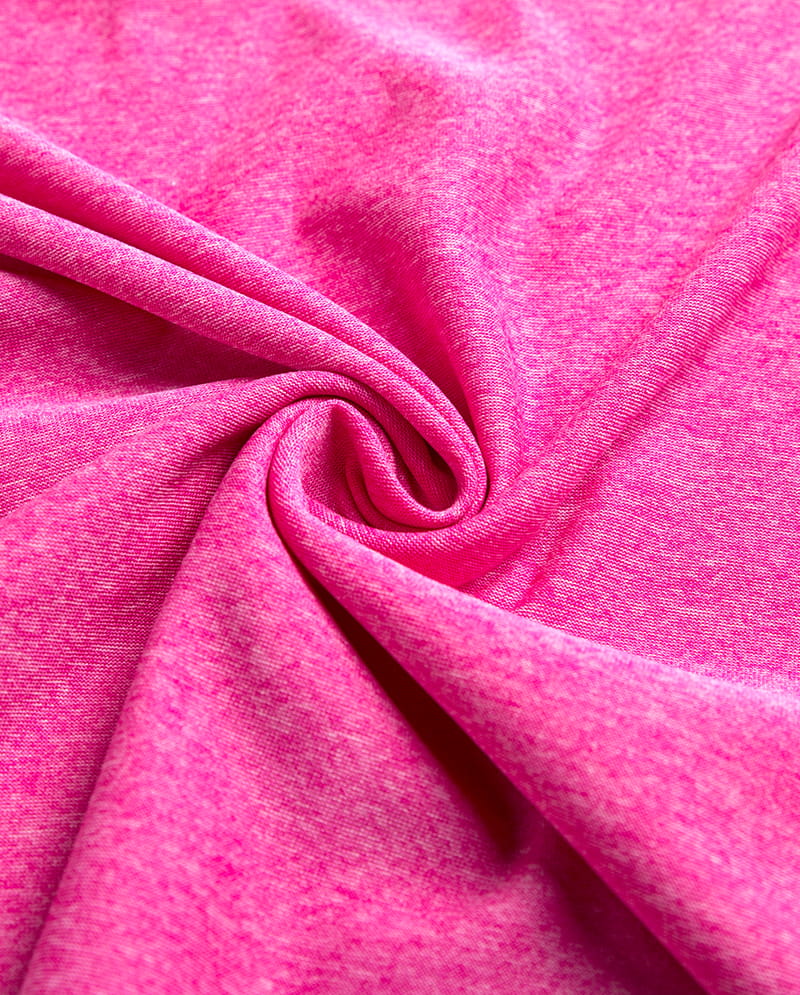
High Quality Cationic DTY Spandex Two Sides Brush Dralon Knit Fabric for Garment Thermal Underwear
-
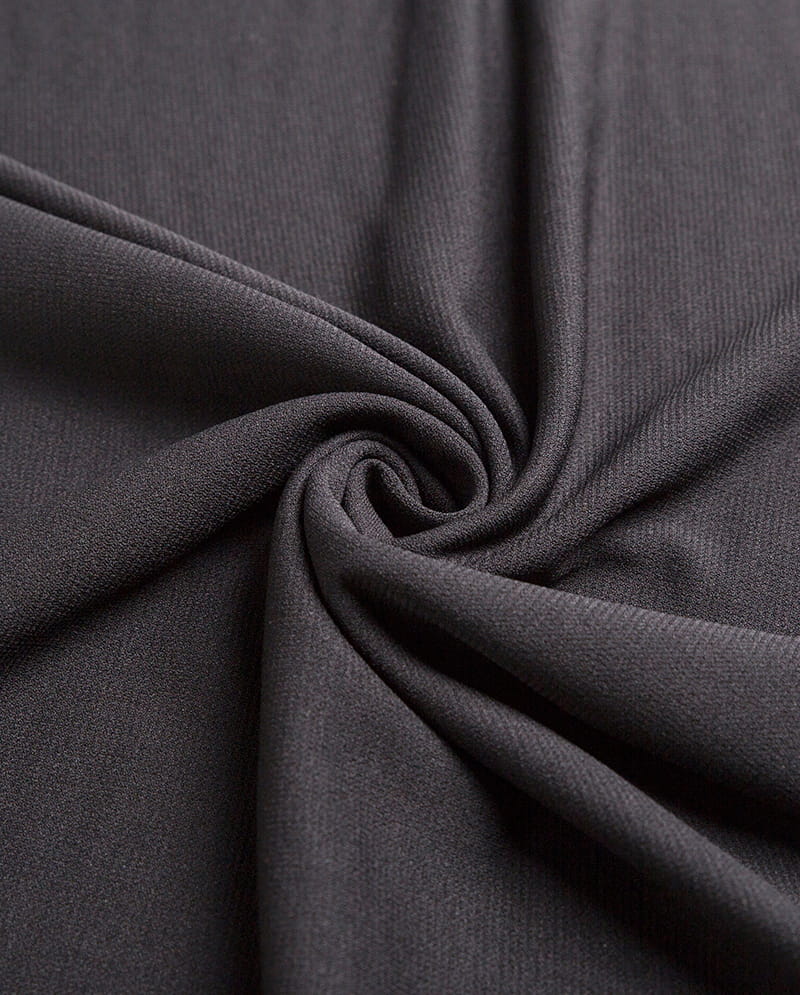
Durable Anti-Pilling Knitted Fabric for Home Textiles
-
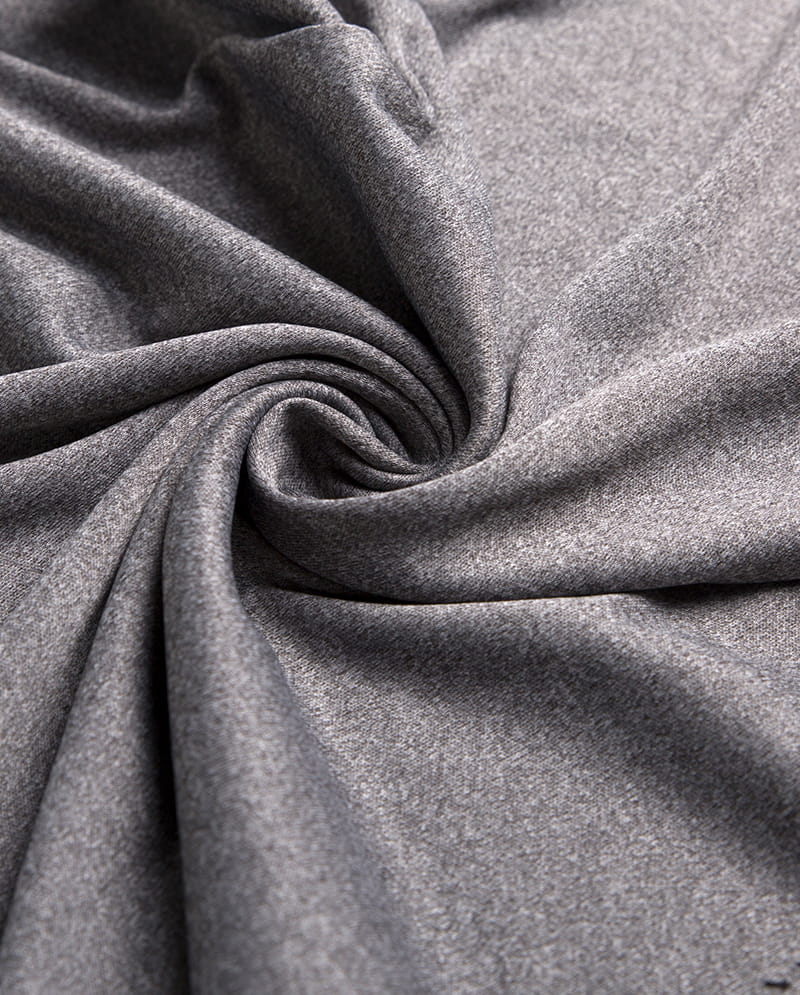
Wash-Resistant Cationic Elastic Knitted Fabric for Garment Industry
-
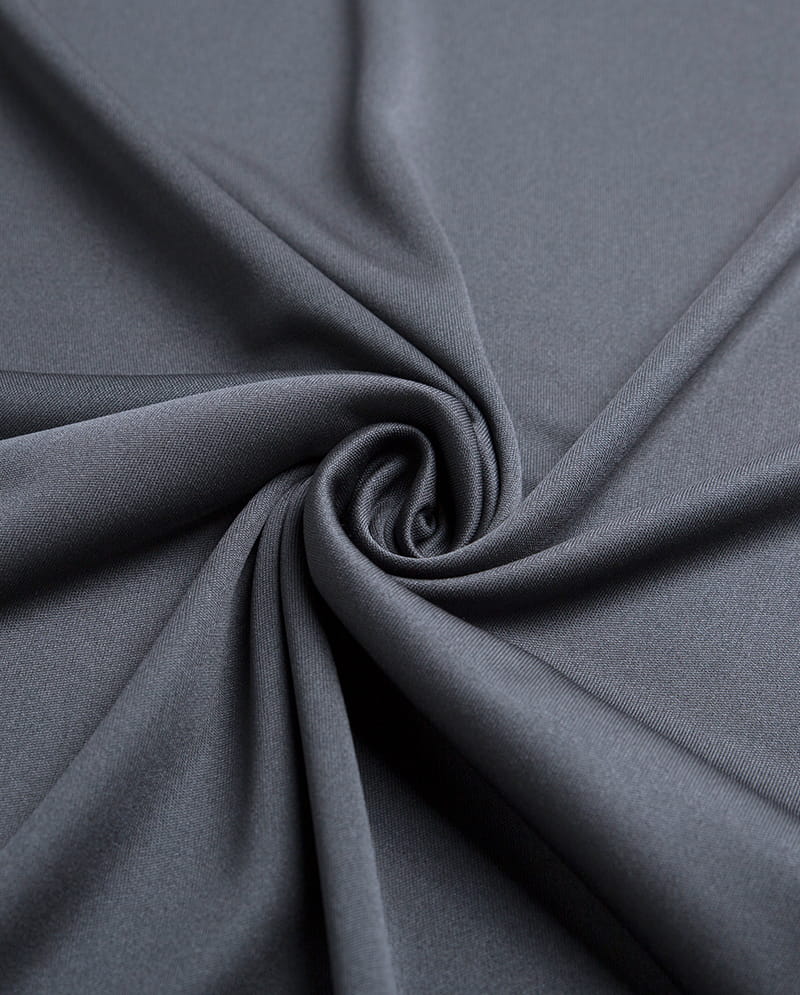
Breathable Double-Faced Elastic Composite Fabric
-
-
-
- whatsapp:
- 0086-13962559622
-
- skype:
- skype.aliceshenghong
-
- Wechat:

COPYRIGHT © 2016 Suzhou Junhui Textile Co., Ltd.
