

 EN
 English
 中文简体
OEKO-TEX Standard 100: What It Certifies and How Buyers Verify Official Coverage
Content
- 1 What Standard 100 actually certifies
- 2 The four product classes decide the limits
- 3 What is screened: banned substances and risk substances
- 4 How the certificate is issued and how long it holds
- 5 Reading a certificate without getting caught out
- 6 Where it overlaps with GRS and recycled claims
- 7 A short checklist before you accept the claim
- 8 Frequently asked questions
What Standard 100 actually certifies
Standard 100 certifies that a named textile article, including every thread, button, print, coating and accessory used in it, has been laboratory-tested against a limit-value catalogue of harmful substances and has passed for its declared product class.
The label dates from 1992 and is administered by the OEKO-TEX association of independent testing institutes. What it never changed is the unit of certification: the article. Not the mill, not the brand, not a fibre category in the abstract. A certificate issued for a specific 150D cationic polyester yarn in a specific colour is a statement about that yarn, and it says nothing about the next shade in the same machine.
- Limit values for regulated and non-regulated harmful substances
- Every component, including trims, prints and zips
- Colourfastness to sweat, saliva and water where skin contact applies
- Testing at yarn, fabric, garment or accessory stage
- Recycled content and chain of custody
- Organic fibre origin and farm-level claims
- Wastewater, emissions and worker safety at the mill
- Performance such as pilling, strength or stretch recovery
That narrow scope is exactly why buyers in Europe and North America keep asking for it. A safety statement that travels with the goods behaves differently from a factory audit, and procurement teams treat the two as separate documents.
The four product classes decide the limits
Class I carries the tightest limits and covers articles for babies and toddlers up to three years; Class II covers articles with large skin contact; Class III covers articles worn away from the skin; Class IV covers furnishing and decoration materials.
| Class | Typical articles | Practical consequence |
| Class I | Baby and toddler items up to three years, sleepwear, bedding | Tightest limits; saliva and perspiration colourfastness required |
| Class II | Underwear, T-shirts, leggings, socks, large skin contact | The usual class for apparel yarns and knitted fabric |
| Class III | Jackets, coats, outer shells worn over a base layer | Wider limits, but linings and trims still count as components |
| Class IV | Curtains, upholstery, table linen, decoration | Focused on surface contact and finishing chemistry |
In practice, the class decision belongs at the development stage, not after the order is confirmed. Re-testing a colour or a count costs money and, more painfully, calendar time that a seasonal programme rarely has.
What is screened: banned substances and risk substances
The test plan splits into substances that legislation already bans, listed in the standard's regulated annexes, and substances that are legal but still undesirable, screened against limit values in the non-regulated annexes; both groups are measured, and the second group is where most surprises appear.
- Azo colourants and certain carcinogenic or allergenic dyes
- Formaldehyde, measured on the article rather than declared on paper
- Heavy metals such as lead, cadmium and mercury, plus extractable antimony
- Chlorinated phenols, phthalates, polycyclic aromatic hydrocarbons, organotin compounds
- Alkylphenol ethoxylates left behind by scouring and dyeing
- PFAS and total fluorine, screened as a chemical family
- Pesticide and carrier residues on natural fibre blends
- Colourfastness to perspiration, saliva and water for skin-contact classes
Flame retardants sit in the same conversation. Restricted chemistry does not mean forbidden chemistry, but a flame-retardant finish has to land under the limit values before it can carry the label, which is why formulators ask for the exact system rather than a generic claim. Yarns built around a controlled chemistry, such as a
 Fire-Retardant D/F Functional DTY YarnReview this DTY yarn for flame-resistant fabrics where embedded flame-retardant chemistry, wash durability, and blendability with cotton, polyester, or spandex matter.View Product →
flame retardant DTY yarn, are usually easier to document than a finish applied at the fabric stage.
How the certificate is issued and how long it holds
Certification runs from sample selection through independent laboratory testing to a certificate that stays valid for twelve months, after which the article is re-tested before the label can continue to be used.
- Define the article and the class. Fibre content, yarn count, colour and end use are fixed before any sample leaves the warehouse, because a later change means a new application.
- Submit production samples. Institutes test goods from the line, not laboratory-prepared swatches, so the sample has to reflect what ships.
- Test at an independent institute. The laboratory works through the applicable annexes for the class, and each colourway is normally treated as its own test subject.
- Sign the declaration of conformity. The applicant confirms the article composition and accepts the conditions attached to the certificate.
- Receive, then renew. The certificate lists the article, the class and a number that buyers can check, and it expires quietly twelve months later.
Reading a certificate without getting caught out
Four fields decide whether a certificate is usable: the article description, the product class, the certificate number checked in the OEKO-TEX Label Check, and the validity date against the shipment date.
- The description must match the goods, including fibre content, yarn count and colour, not just the product family.
- The class must match the end use of the finished item the buyer intends to sell.
- The number must resolve in the online check, and the certificate holder must sit upstream of your supplier.
- The expiry date must still be valid when the goods arrive, not only when the purchase order was placed.
Then comes the transfer question. Fabric made from certified yarn does not inherit the yarn certificate automatically. It can carry the label forward when the weaving or knitting and dyeing steps are handled by a certified converter operating under the recognised model; otherwise the fabric needs its own test. Many disputes come from exactly this gap, where a mill quotes a yarn certificate as if it covered the finished roll.
Where it overlaps with GRS and recycled claims
Standard 100 and the Global Recycled Standard answer different questions: Standard 100 tests the article for harmful substances, while GRS verifies recycled content together with chemical, environmental and social criteria at the production site.
That is why brands with recycled programmes rarely accept one without the other. A recycled polyester yarn can be perfectly traceable in content terms and still fail a substance limit if a dyeing auxiliary was chosen badly, and the reverse is equally true. Two certificates, two different risks closed. We hold GRS certification ourselves and describe the scope in our GRS certification note, which buyers usually read alongside the substance test documents.
For programmes that need both positions on the same purchase order, recycled DTY yarns in the SD and FD grades are the usual starting point, since the same lot can be documented for content and submitted for substance testing in the shade the buyer actually wants.
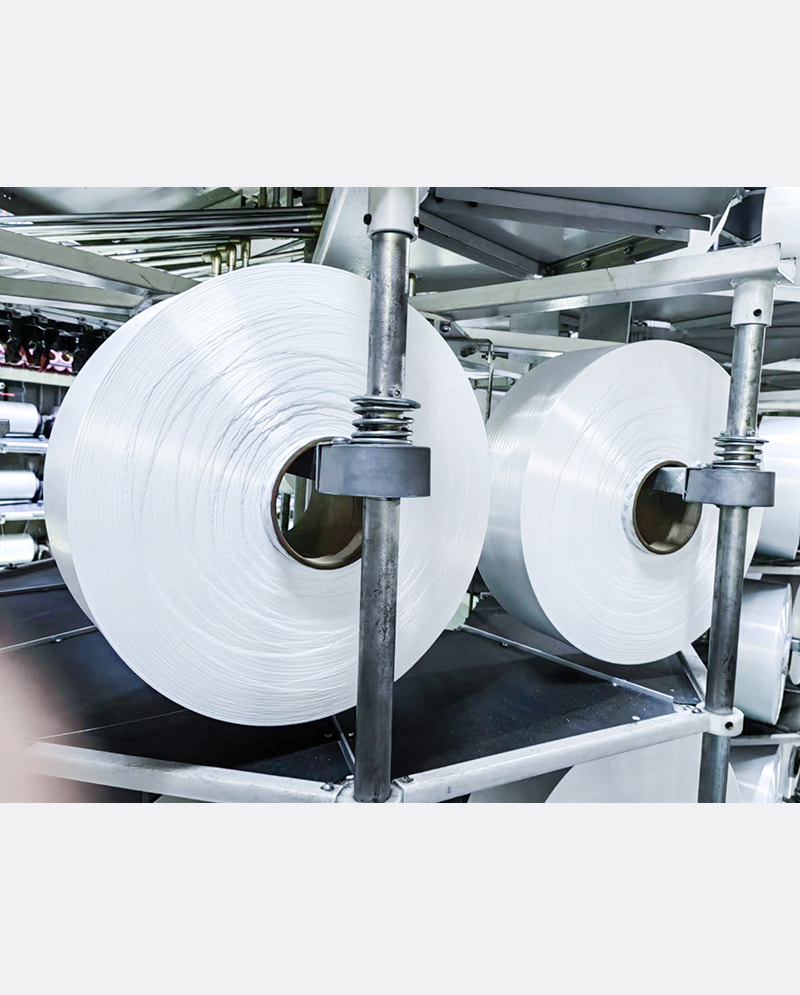 GRS-Certified Recycled Polyester FDY YarnChoose this GRS-certified recycled FDY yarn for programmes needing documented recycled content, SD/FD/CD/TBR options, and use across apparel, home textiles, and industrial fabrics.View Product →
A short checklist before you accept the claim
Accept the claim only when the certificate names the exact article you are buying and the class matches the end use; everything else is paperwork that will not survive a buyer audit.
- Confirm fibre content, count and colour on the certificate against the packing list.
- Confirm the product class against the final garment or furnishing use.
- Verify the certificate number in the official label check and save the result.
- Check that the holder is your supplier or a documented upstream party.
- Check the expiry date covers arrival at the destination port.
- Confirm who tested the next processing stage, and whether a certified converter is involved.
Send the technical sheet and the intended end use together when you ask, and the answer will be a certificate reference rather than a general statement. Our team replies to specification questions within twelve hours through the contact page.
Frequently asked questions
Does Standard 100 mean a product contains no chemicals?
No. It means the tested article stays below limit values for the harmful substances on the catalogue, including substances that are legal but undesirable. A certified article still contains dyes, finishes and fibre chemistry; the certificate is about measured thresholds, not absence.
Is Standard 100 the same thing as GRS?
No. Standard 100 is a product-level substance test. GRS verifies recycled content and adds chemical, environmental and social requirements at the production site. Brands with recycled ranges generally ask for both documents, and one cannot substitute for the other.
How long does a certificate last, and what breaks it?
A certificate is valid for twelve months from issue. Changes to fibre composition, yarn count, dye chemistry or production site can all invalidate the tested article, so a new shade or a substituted supplier usually means a new test rather than an amended certificate.
If I buy certified yarn, is my fabric certified?
Not automatically. The fabric needs its own certificate unless the knitting and dyeing steps are carried out by a certified converter working under the recognised model. Yarn certificates and fabric certificates are separate documents with separate numbers, and buyers check the one that matches the stage they purchase.
Popular products
-
Premium Cationic Interlock Stretch Comfort Fabric
-
Moisture-Wicking Nylon Woven Fabric
-
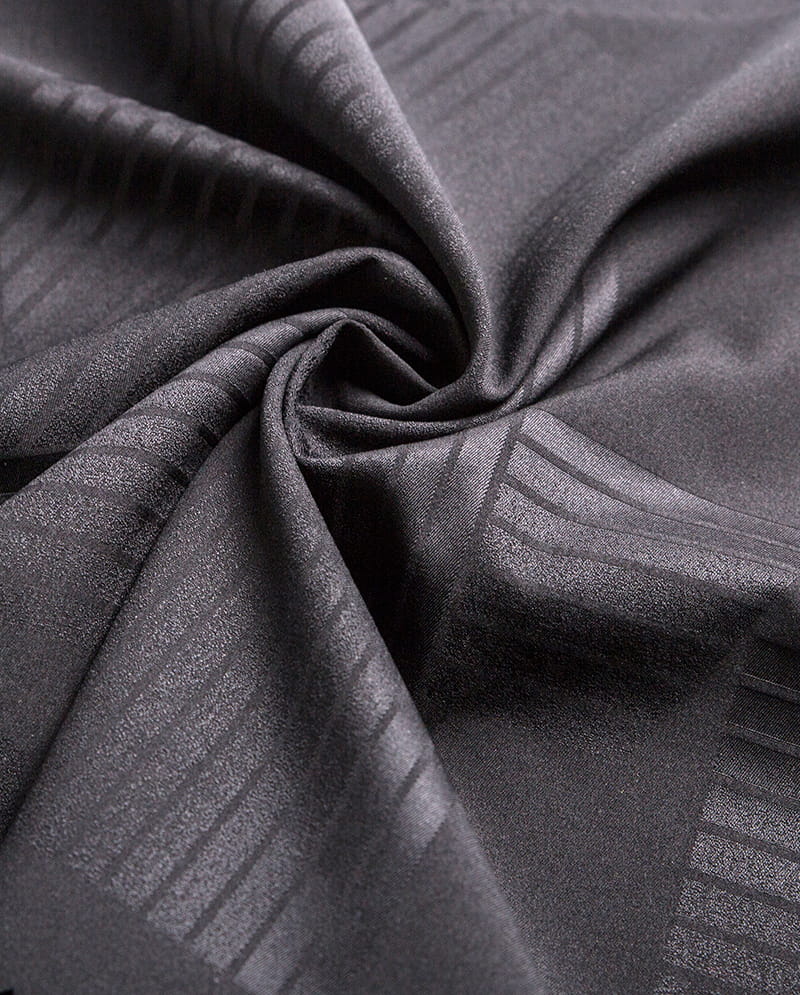
Double-faced jacquard elastic fabric
-
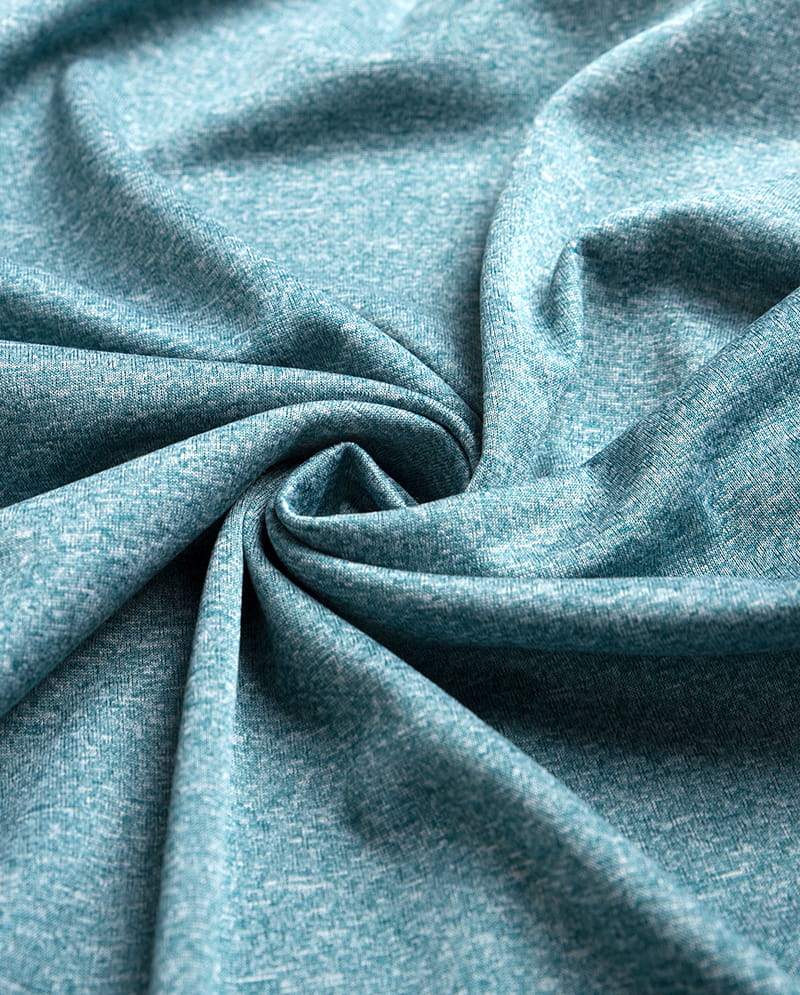
Heather Grey Double-faced cationic jersey fabric
-
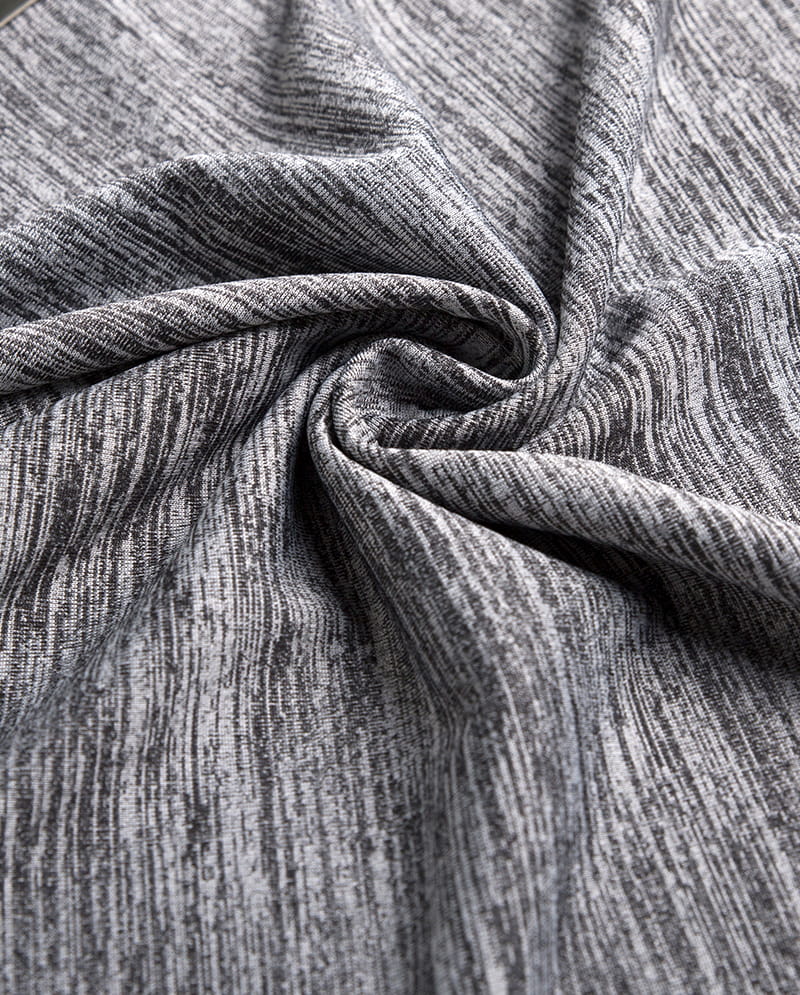
Anti-static Cationic Knitted Rib Fabric
-
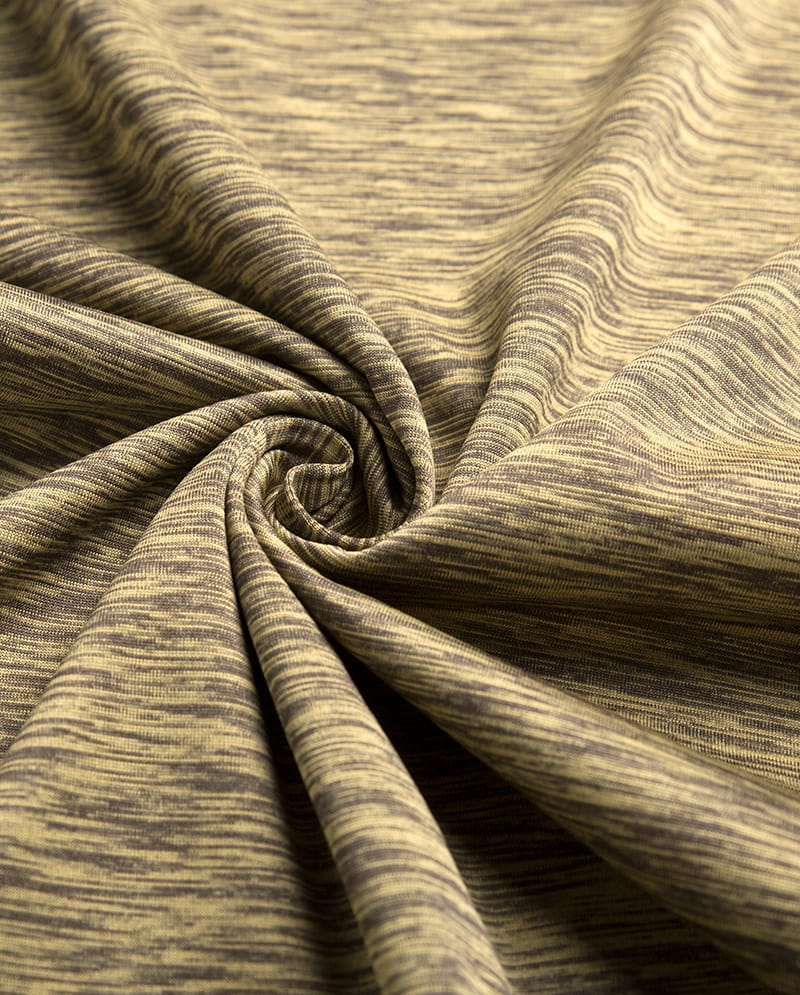
High-Stretch Cationic Jersey Fabric
-
High Quality Cationic DTY Spandex Two Sides Brush Dralon Knit Fabric for Garment Thermal Underwear
-
Durable Anti-Pilling Knitted Fabric for Home Textiles
-
Wash-Resistant Cationic Elastic Knitted Fabric for Garment Industry
-
Breathable Double-Faced Elastic Composite Fabric
-
-
-
- whatsapp:
- 0086-13962559622
-
- skype:
- skype.aliceshenghong
-
- Wechat:

COPYRIGHT © 2016 Suzhou Junhui Textile Co., Ltd.
