

 EN
EN English
 中文简体
中文简体Normal DTY Yarn Guide: Specifications, Applications and Buying Considerations
Content
- 1 What the Normal Label Actually Means
- 2 Reading the Specification Sheet: The Numbers That Define an Order
- 3 SD, FD or DDB: Matching Luster and Color to the Program
- 4 Where Normal DTY Performs Best, and Where It Does Not
- 5 Quality Checkpoints That Prevent Costly Claims
- 6 Sourcing Notes for Overseas Buyers
Most inquiries for this yarn arrive as a single line: 150D/48F DTY, semi-dull, for circular knit jersey, with price and lead time as the only questions. Buyers rarely use the word normal, yet that is exactly what they are asking for. Normal DTY yarn is unmodified polyester (PET) filament that has been drawn, false-twisted and heat-set to carry a durable crimp, and it is the base construction from which cationic, high-elastic, functional and recycled DTY are all derived. When a program needs predictable dyeing behavior, wide availability and the most competitive cost per kilogram, normal DTY remains the default.
This guide explains what the normal label actually means on a supplier's price list, how to read the specification sheet, where the yarn performs best, and which quality checkpoints prevent the most common claims. It is written for overseas buyers, product developers and sourcing teams who need to make that decision with numbers rather than assumptions.
What the Normal Label Actually Means
On a polyester filament producer's catalog, DTY (draw textured yarn) splits into several families: normal yarn, cationic-dyeable yarn, high-elastic yarn, functional yarn and recycled yarn. The normal label is a statement about chemistry, not about quality. It means the polymer is standard PET chip, with no cationic modifier, no antibacterial or flame-retardant additive, no dope coloring and no recycled feedstock. Everything the yarn feels like comes from the texturizing process itself.
That process is worth knowing, because it explains the yarn's behavior. POY (partially oriented yarn) is drawn down to the final denier, false-twisted and heat-set on a texturizing machine, then cooled and untwisted. The filaments keep a permanent helical crimp, and that crimp is what gives DTY its bulk, soft full hand and comfortable stretch. Next to flat FDY of the same denier, DTY covers better, feels rounder and produces fabric with a softer surface.
Two practical consequences follow. First, every variant's premium over normal DTY traces to a specific cause, such as modified polymer, added masterbatch or different feedstock, so those differences can be negotiated like for like. Second, because normal DTY uses the most standard polymer and the most widely operated process in the industry, it offers the deepest supplier pool, the shortest lead times and the tightest pricing, which is why high-volume programs default to it unless a variant solves a defined problem.
Reading the Specification Sheet: The Numbers That Define an Order
A normal DTY order is defined by a short list of figures, and most fabric mismatches trace back to one of them being assumed rather than agreed.
Denier and filament count come first, written as D/F. At the same denier, a higher filament count means finer individual filaments, which produces a softer, more covering hand, while a lower count gives a crisper, more resilient yarn. Moving from 150D/48F to 150D/144F visibly changes the surface of the finished fabric even though the nominal yarn number has not moved.
Luster, intermingling and mechanical settings complete the picture. SD, FD and BR describe titanium dioxide content and therefore sheen. NIM, SIM and HIM describe interlacing knots per meter: warping and weaving need higher node counts to keep filaments together through shedding, while knitting usually prefers lighter intermingling so knot marks do not show on the fabric face. Standard-set normal DTY typically lands around 15-30% elongation with tenacity near 3.2-4.0 cN/dtex, and these are values to fix in the contract rather than leave to a supplier's default.
| Construction (D/F) | Luster | Usual intermingle | Typical end use |
|---|---|---|---|
| 50D-75D / 24F-72F | SD, FD | SIM | Sheer knits, lightweight linings, tricot warp knits |
| 100D-150D / 36F-48F | SD, FD | SIM | Single jersey, rib, woven shirting and lining fabrics |
| 150D-300D / 48F-96F | SD, FD | SIM / HIM | Sportswear base fabrics, home textiles, curtains |
| 300D-600D / 96F-192F | SD | HIM | Heavy upholstery, footwear and industrial cover fabrics |
These groupings are conventions rather than limits. Denier, filament count, luster and intermingling are all adjustable within the production window, so the productive conversation with a supplier starts from the fabric you are building, not from a yarn number alone.
SD-DTY semi-dull normal DTY yarn specifications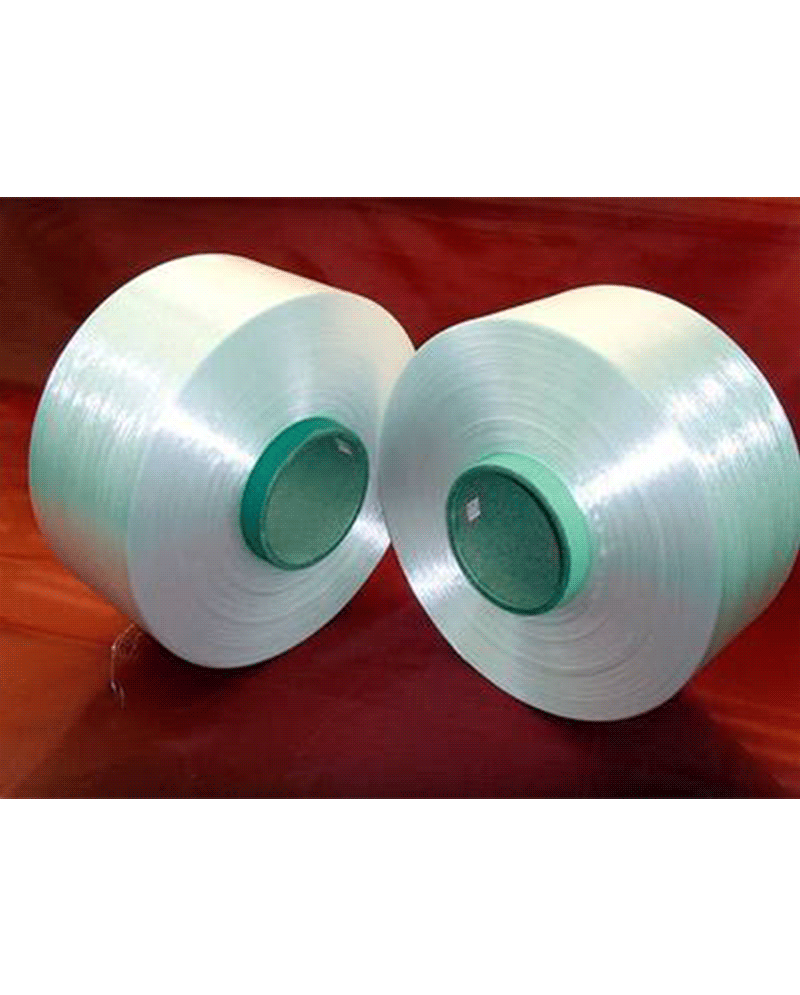 Stable Performance SD DTY (D/F) Normal YarnSemi-dull DTY with moderate titanium dioxide content provides a muted, natural-looking sheen and forgiving dyeing behavior. It suits fabrics needing consistent luster across lots, making it a sensible baseline when comparing quotes.View Product →
SD, FD or DDB: Matching Luster and Color to the Program
Luster is the first fork in the road. Semi-dull is the industry default: its moderate titanium dioxide content gives a muted, natural-looking sheen and the most forgiving dyeing behavior from lot to lot. Full-dull raises the titanium dioxide loading to produce a matte, cotton-like surface that reads well under artificial light, which is why it is a common choice for shirting and garments aiming at a natural hand. The trade-off is tighter process control to keep luster and shade uniform, and that is worth remembering when quotes differ more than expected.
DDB, the dope-dyed black version, moves color further upstream. Pigment is added before spinning, so the yarn arrives already black, with strong fastness and no downstream dyeing step. For buyers that means savings on dyeing cost, water and effluent, but dope-dyed colors normally carry larger minimum order quantities and longer lead times than raw-white, and lot-to-lot shade should be pinned to an approved color standard with an agreed tolerance. Raw-white normal DTY remains the most flexible choice whenever you intend to dye to your own lab dip.
FD-DTY full-dull normal DTY yarn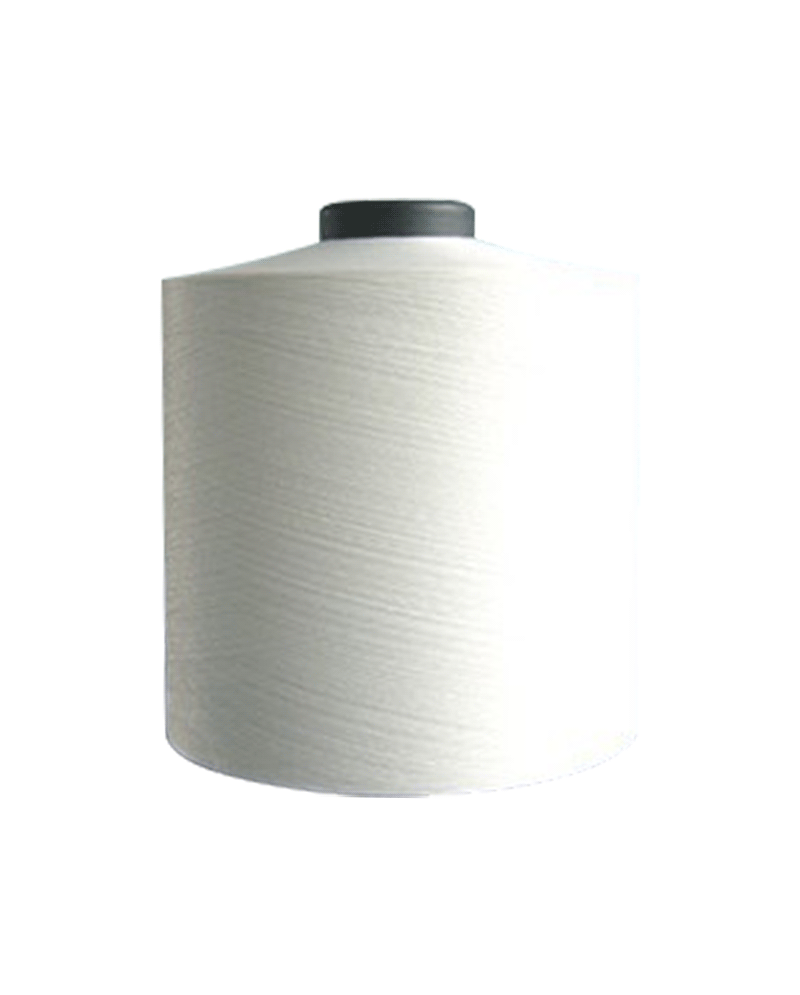 Stable Performance FD DTY (D/F) Normal Yarn for Textile WeavingFull-dull DTY raises titanium dioxide loading for a matte, cotton-like surface that reads well under artificial light. It is a common choice for shirting and natural-hand garments, though it requires tighter process control for uniform shade.View Product →
Where Normal DTY Performs Best, and Where It Does Not
Because it is the base construction, normal DTY turns up across an unusually wide range of fabrics:
- Woven shirting, dress and lining fabrics, where its crimp adds body and a softer hand than flat filament
- Weft-knit single jersey, rib and interlock for T-shirts, hoodies and everyday sportswear
- Warp-knit tricot and Raschel constructions for linings, sportswear panels and shoe materials
- Home textiles such as curtains and sofa covers, where bulk and drape matter more than extreme tensile strength
Knowing where it is the wrong answer matters just as much. Programs that need genuine stretch and recovery, such as socks, seamless underwear and close-fitting activewear, belong on high-elastic DTY or PBT-based yarn. Two-tone melange effects and lower-temperature dyeing strategies call for cationic DTY. Antimicrobial, flame-retardant or moisture-wicking claims require the functional line, and recycled-content commitments belong on the GRS-certified recycled DTY range. Choosing the variant deliberately instead of by default is what keeps cost and performance aligned.
There is also a commercial reason this construction anchors the market: it is the benchmark against which every variant is priced and judged. We examine why normal DTY yarn dominates the polyester filament supply chain in a separate article.
Quality Checkpoints That Prevent Costly Claims
Most quality disputes on DTY trace back to a handful of measurable properties, so the efficient approach is to agree tolerances in the contract and verify them lot by lot. The following checks cover the large majority of issues seen in practice:
- Evenness (Uster CV%): irregularity surfaces as barre and streaks in finished knit fabric, long after the yarn left the texturizing machine
- Elongation and elongation CV: two lots at 22% and 27% elongation give fabric with visibly different growth and recovery on the same machine
- Boiling water shrinkage: a few percent is normal, but a shift between lots changes finished width, hand and residual shrinkage, so it must be held consistent
- Crimp stability: the texturized crimp is what you paid for, and poor crimp recovery shows up as flat, lifeless fabric
- Intermingle node count and knot strength: too few nodes makes warping a battle with filament breaks, while too many leaves knot marks on the fabric face
- Dyeing uniformity: run a laboratory dyeing on samples from several packages in each lot and check shade and depth before release
A practical way to write these into an order: instead of 150D/48F SD DTY, specify 150D/48F SD DTY with elongation of 22% plus or minus 3 points, boiling water shrinkage below 4.0%, and SIM intermingling. The extra precision costs nothing to negotiate and removes most of the ambiguity that later becomes a claim. Ask for lot test certificates covering tenacity, elongation, shrinkage and evenness, and run a small knitting and dyeing trial on the first production lot before releasing bulk volume.
Sourcing Notes for Overseas Buyers
Raw-white normal DTY is the easiest yarn in the polyester filament family to source: standard polymer, standard process and competitive quotes almost everywhere. Dope-dyed colors reverse that picture, because pigment batching and dedicated runs mean larger minimums per color and longer lead times. Prices also track upstream feedstock, so when comparing offers, confirm how long each quotation remains valid instead of anchoring on a single number.
Service matters as much as price on a product this commoditized. As a manufacturer that develops and sells differential yarns across polyester chips, POY, FDY, DTY and finished fabrics, we commit to responding to global customer inquiries within 12 hours, and we treat normal DTY as the entry point to a wider differential yarn portfolio when a program later needs cationic, high-elastic, functional or recycled behavior.
normal DTY yarn rangeNormal Yarn ManufacturersSuzhou Junhui Textile develops and sells differential yarns across polyester chips, POY, FDY, DTY and finished fabrics, offering customization by customer specs or samples. Normal DTY serves as the entry point to cationic, high-elastic, functional or recycled programs.View Product →
If you are mapping normal DTY into a sourcing plan, the sequence that works is simple: start from the fabric and its end use, work back to a written yarn specification with tolerances, and only then negotiate price against that specification. Keeping that order is where the real savings are made.
Popular products
-
Premium Cationic Interlock Stretch Comfort Fabric
-
Moisture-Wicking Nylon Woven Fabric
-
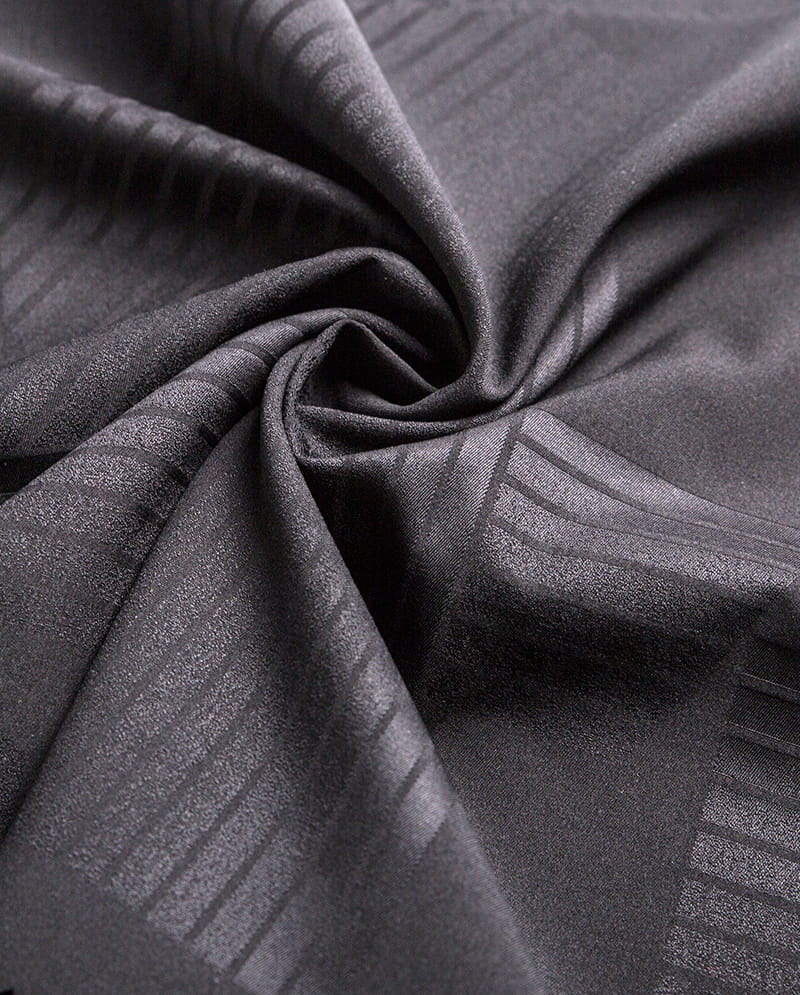
Double-faced jacquard elastic fabric
-
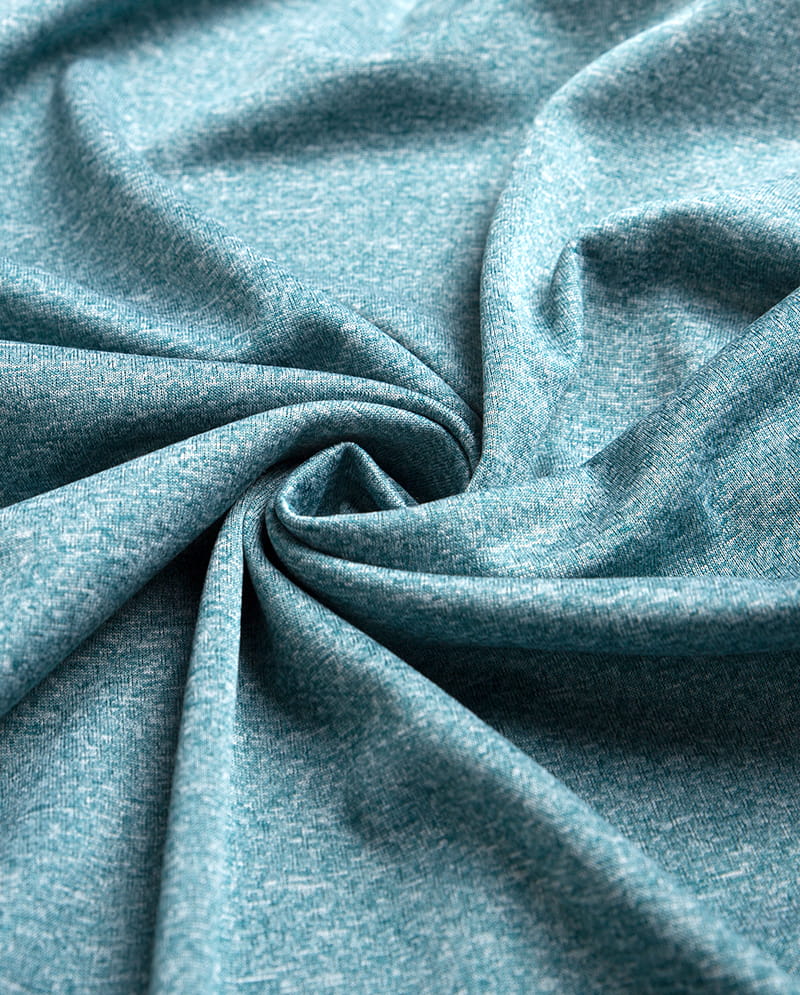
Heather Grey Double-faced cationic jersey fabric
-
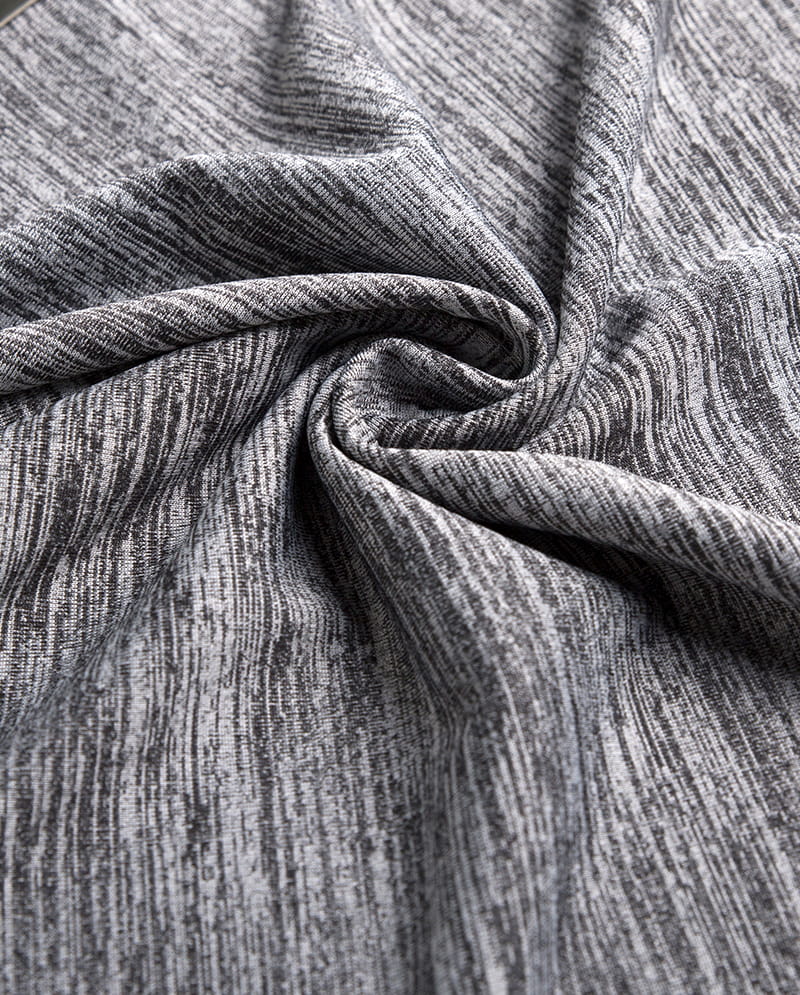
Anti-static Cationic Knitted Rib Fabric
-
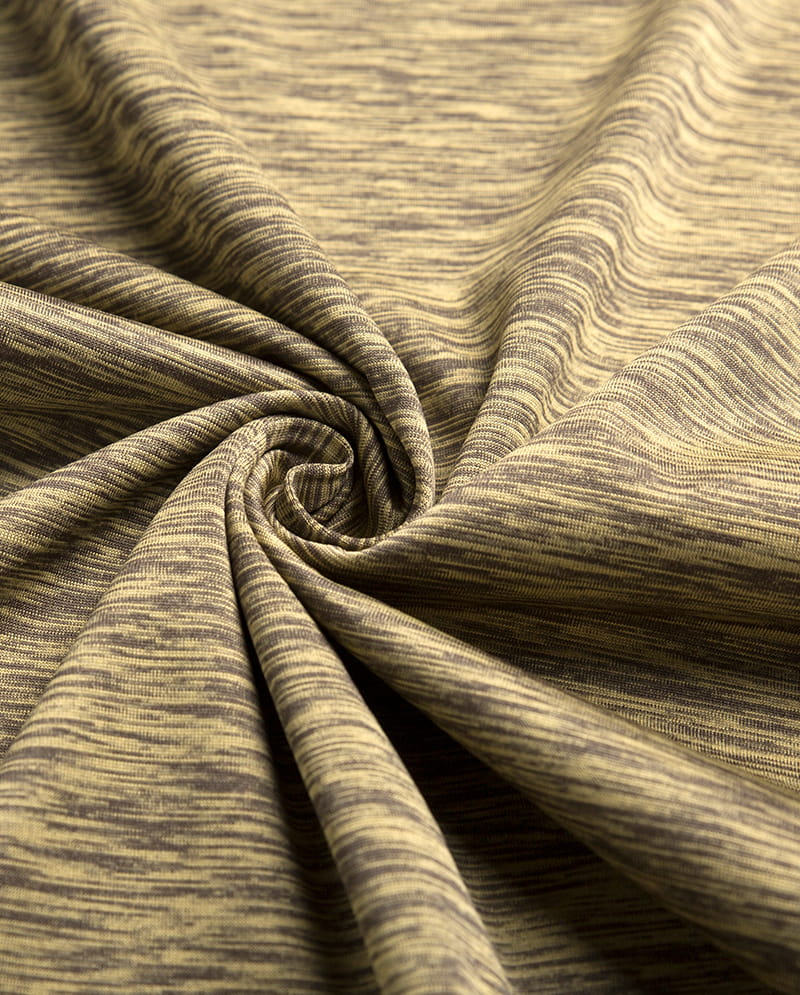
High-Stretch Cationic Jersey Fabric
-
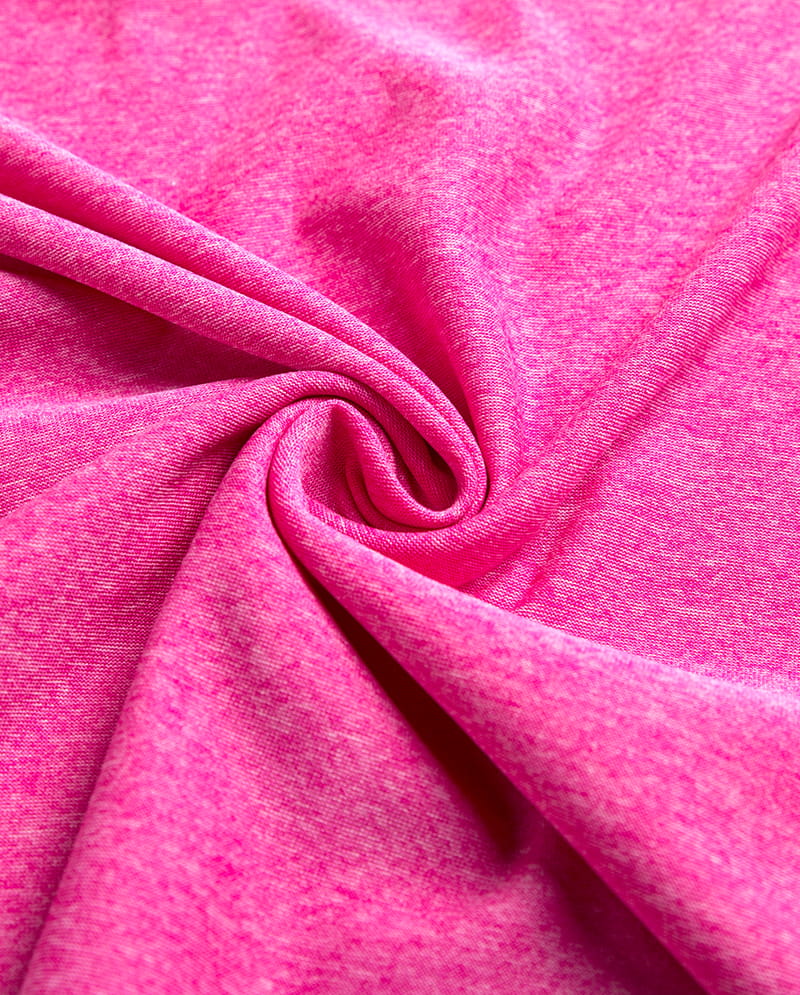
High Quality Cationic DTY Spandex Two Sides Brush Dralon Knit Fabric for Garment Thermal Underwear
-
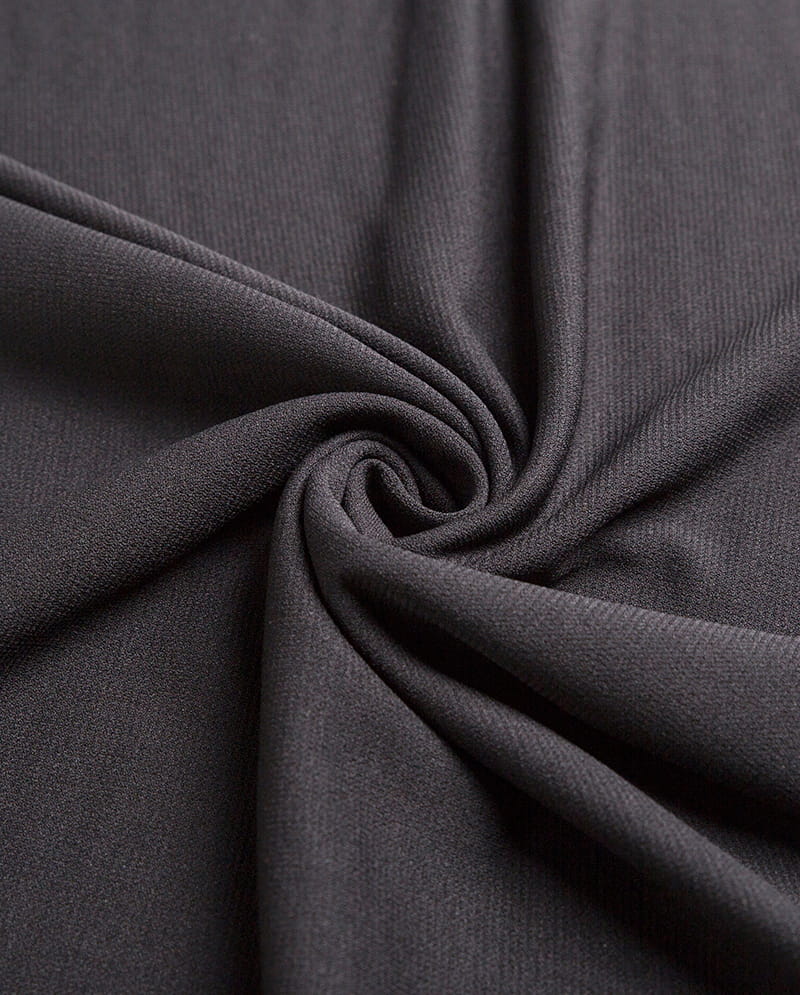
Durable Anti-Pilling Knitted Fabric for Home Textiles
-
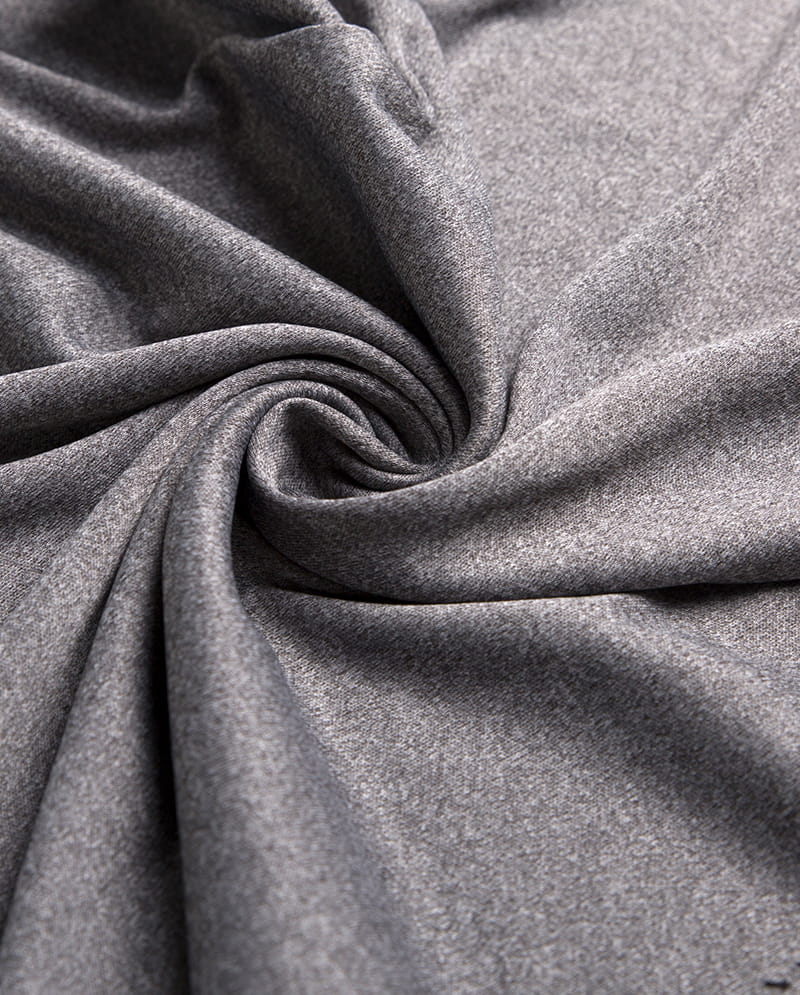
Wash-Resistant Cationic Elastic Knitted Fabric for Garment Industry
-
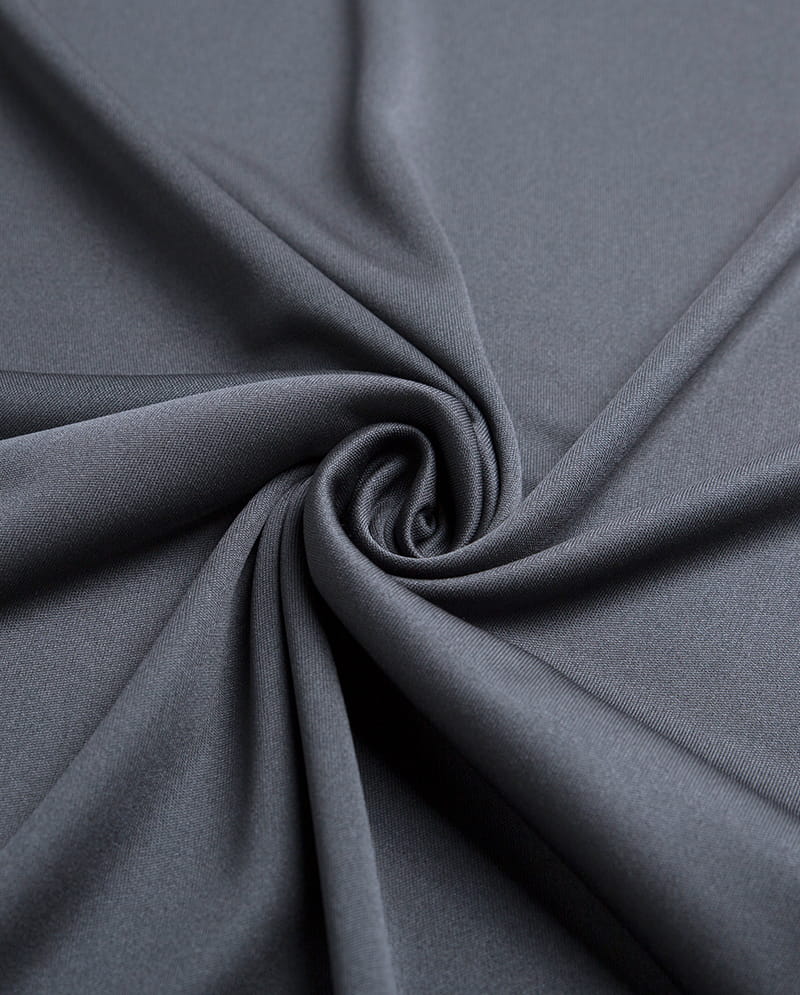
Breathable Double-Faced Elastic Composite Fabric
-
-
-
- whatsapp:
- 0086-13962559622
-
- skype:
- skype.aliceshenghong
-
- Wechat:

COPYRIGHT © 2016 Suzhou Junhui Textile Co., Ltd.
