

 EN
EN English
 中文简体
中文简体Multipurpose SD/FD/CD/TBR Normal POY Yarn for Versatile Textile Manufacturing
Content
- 1 Understanding POY Yarn and Its Manufacturing Role
- 2 Core Product Advantages in Competitive Textile Markets
- 3 Product Types: SD, FD, CD, and TBR
- 4 Specification Range and Application Guidance
- 5 Advanced Manufacturing Process
- 6 Company Strengths Supporting Product Reliability
- 7 Advantages Over Competitors
- 8 Application Value in Apparel Fabrics
- 9 Application Value in Bags, Luggage, and Accessories
- 10 Application Value in Home and Decorative Textiles
- 11 Application Value in Industrial and Functional Fabrics
- 12 Recycled Yarn and Environmental Responsibility
- 13 Quality Control from Yarn to Fabric
- 14 How Customers Can Select the Right POY Yarn
- 15 Packaging, Handling, and Storage Considerations
- 16 Why This Yarn Supports Future Textile Development
- 17 Q&A Section
- 17.1 What is Multipurpose SD/FD/CD/TBR Normal POY Yarn?
- 17.2 What are the main advantages of this POY yarn?
- 17.3 How is SD yarn different from FD yarn?
- 17.4 Why would a fabric manufacturer choose CD yarn?
- 17.5 What does a low broken filament rate mean for textile factories?
- 17.6 Can this yarn be used for both apparel and industrial fabrics?
- 17.7 Is recycled yarn available within the company’s product system?
- 17.8 How should customers select the right specification?
- 17.9 Why is supplier technical support important?
- 18 Conclusion
- 19 References
- 20 Product: Multipurpose SD/FD/CD/TBR Normal POY Yarn
In modern textile manufacturing, yarn is no longer only a basic input material; it is a strategic factor that influences fabric appearance, production efficiency, dyeing performance, mechanical stability, and end-use value. Multipurpose SD/FD/CD/TBR Normal POY Yarn is designed for mills, converters, and fabric producers that require a dependable polyester-based partially oriented yarn platform with wide processing flexibility. Covering semi-dull, full-dull, cationic-dyeable, and bright-related functional variations, this product helps manufacturers build diversified fabric lines from a stable and cost-effective yarn foundation.
The product is positioned for downstream processes such as drawing, texturing, weaving, knitting, and further fabric finishing. Its core value lies in consistency: consistent filament linear density, stable winding quality, controlled elongation, balanced tenacity, and a low broken filament rate. These characteristics help textile factories reduce stoppages, minimize waste, and maintain predictable fabric quality across long production runs. For companies serving apparel, home textiles, luggage fabric, decorative materials, industrial fabrics, and functional textiles, this yarn provides a flexible solution that can support multiple product development directions.
Suzhou Junhui Textile Co., Ltd. and Suzhou Xiaoran New Materials Co., Ltd. focus on differentiated yarns, recycled yarns, cationic dyeing yarns, flame-retardant yarns, microfine yarns, drop-dyed yarns, and knitting fabric products. Their product system reflects a practical understanding of today’s textile market: customers need not only standard yarns, but also yarns that can help them respond to environmental expectations, color diversity, fast sampling, stable bulk production, and functional fabric innovation. The Multipurpose SD/FD/CD/TBR Normal POY Yarn fits into this broader capability by offering a reliable base material for manufacturers seeking both efficiency and variety.
Multipurpose SD/FD/CD/TBR Normal POY Yarn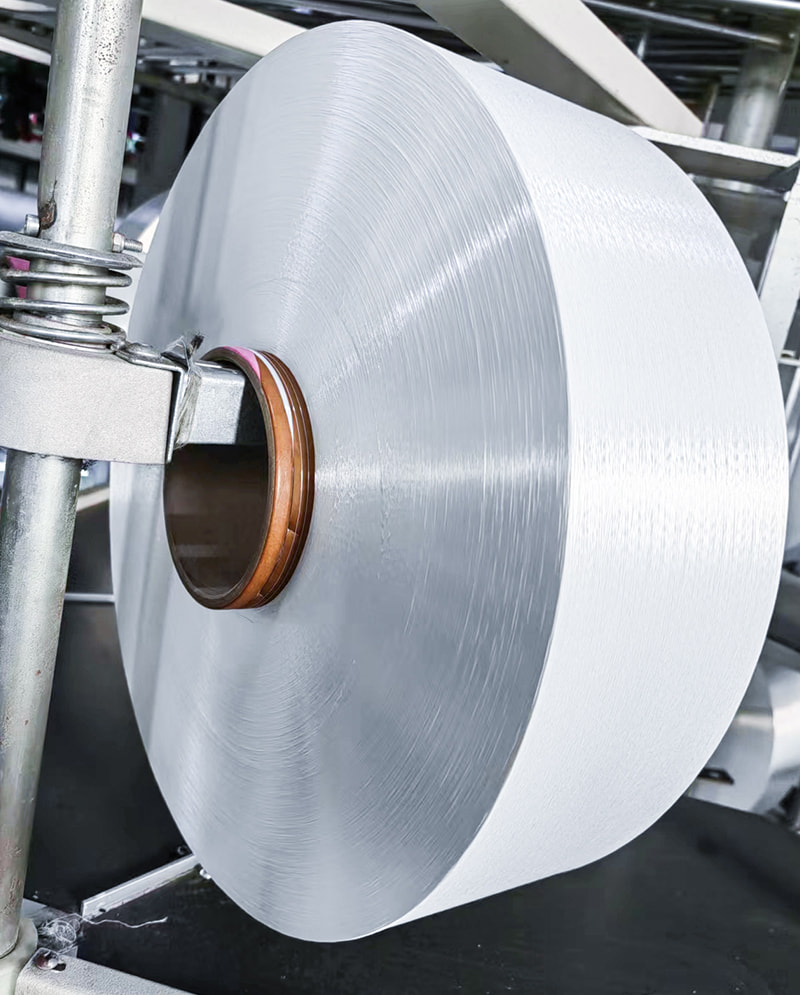
Understanding POY Yarn and Its Manufacturing Role
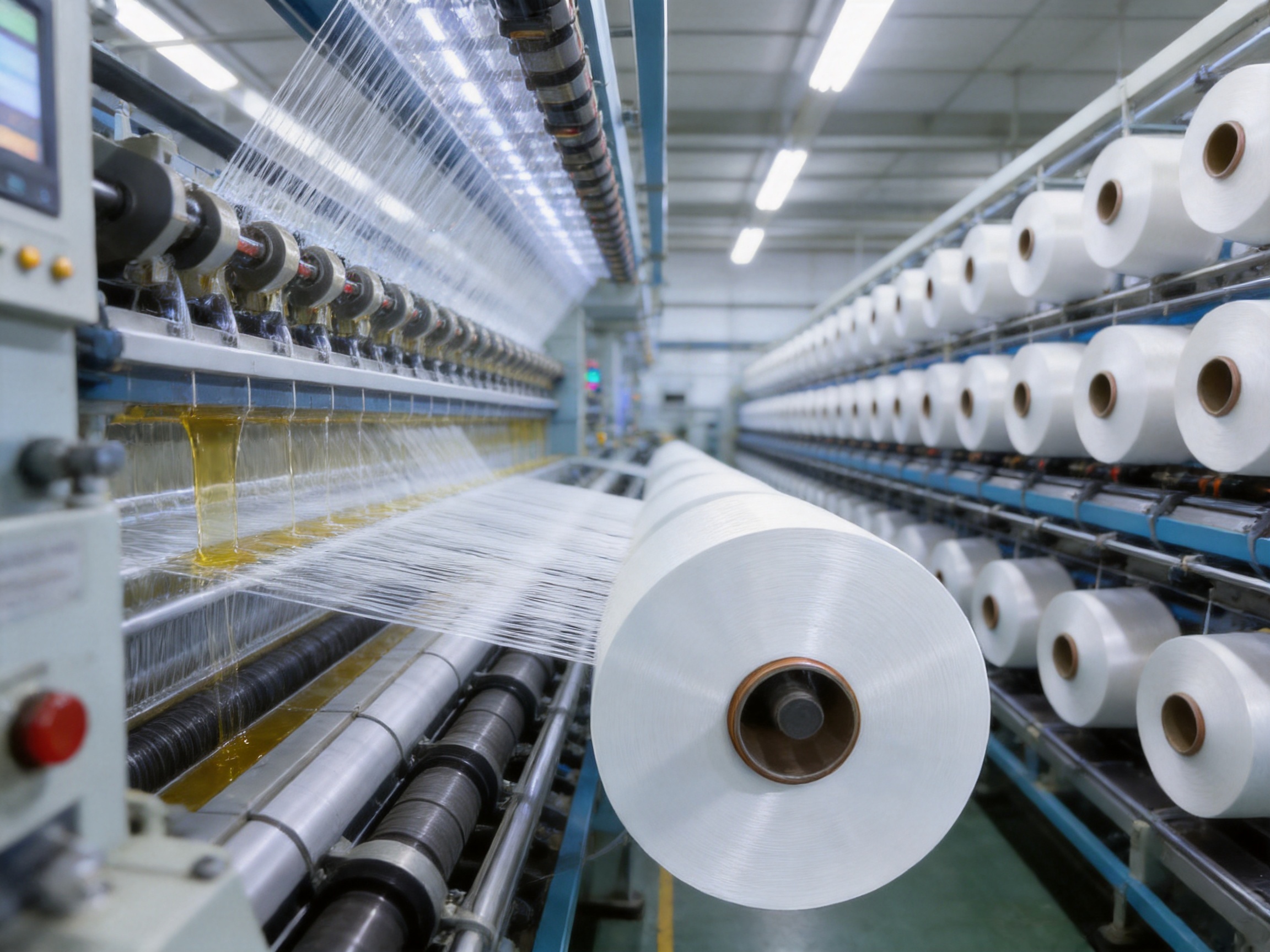
POY, or partially oriented yarn, is a polyester filament yarn produced through high-speed melt spinning. During production, polyester chips or recycled PET feedstock are melted, filtered, extruded through spinnerets, cooled, oiled, and wound at controlled speed. The result is a yarn with partial molecular orientation. It is not fully drawn, which means it remains suitable for further drawing and texturing. This intermediate structure makes POY especially valuable as a raw material for DTY, textured yarn, and various fabric-making processes.
The advantage of POY is its balance between processability and performance potential. Because the yarn has not been fully drawn, downstream manufacturers can adjust drawing ratios, texturing conditions, crimp development, shrinkage, and fabric hand feel according to their specific needs. This is why POY is widely used by mills that produce DTY yarn, elastic fabrics, woven lining, sportswear materials, upholstery fabric, and decorative textile products. It gives manufacturers room to create different final properties while relying on a stable raw yarn base.
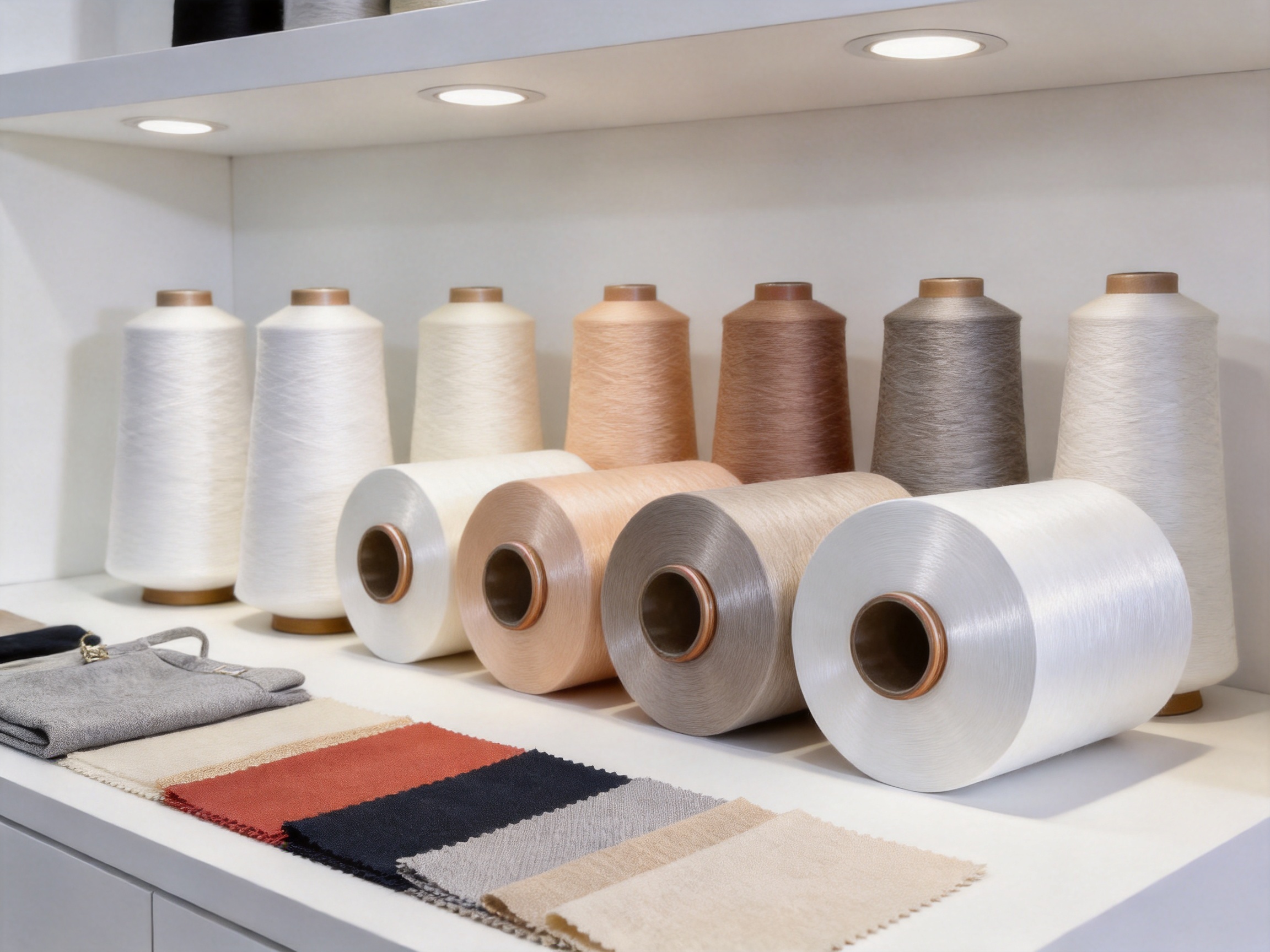
Multipurpose SD/FD/CD/TBR Normal POY Yarn expands this flexibility by covering several important yarn appearances and dyeing behaviors. SD, or semi-dull, is commonly used when fabric needs a balanced, soft luster. FD, or full-dull, is preferred for a matte appearance and reduced shine. CD, or cationic dyeable, supports color contrast effects and different dyeing routes. TBR-related yarns are suitable for applications where brightness, special surface effect, or high-density processing performance may be required. Together, these options allow one product family to support many textile categories.
For downstream producers, this variety is an important competitive advantage. A weaving mill may need semi-dull POY for everyday apparel fabric, full-dull yarn for outdoor or fashion fabric, cationic dyeable yarn for two-tone effects, and special bright yarn for decorative cloth. Instead of sourcing unrelated yarns from multiple suppliers with varying quality systems, the buyer can work from an integrated product platform. This improves procurement efficiency and reduces the risk of inconsistent production behavior.
Core Product Advantages in Competitive Textile Markets
The first major advantage of this Normal POY Yarn is its multipurpose adaptability. Many competing yarns are limited to narrow applications or single finishing requirements. By contrast, this yarn platform supports multiple downstream routes, including texturing into DTY, drawing into further filament structures, weaving, knitting, and functional fabric development. For textile enterprises that serve different customers, this adaptability improves inventory planning because one supplier and one technical framework can support many order types.
The second advantage is stable filament linear density. In filament yarn production, small deviations in denier or filament uniformity can create fabric streaks, uneven dyeing, tension variation, and loom or knitting machine problems. A yarn with controlled linear density helps ensure that the fabric surface remains even. It also allows mills to maintain consistent machine settings during long runs, which improves productivity and reduces the need for frequent adjustment.
The third advantage is the low broken filament rate. Broken filaments are a major hidden cost in textile production. They can cause machine stoppage, package defects, uneven fabric texture, fuzziness, pilling tendency, and quality claims. A low broken filament rate means fewer interruptions during drawing, texturing, warping, weaving, or knitting. For mills operating high-speed equipment, this characteristic directly improves operating efficiency and reduces labor intervention.
The fourth advantage is reliable winding formation. POY packages must unwind smoothly in subsequent processes. Poor package build can create tension fluctuation, edge collapse, yarn slippage, or unwinding breaks. The product is designed to support stable package density and smooth unwinding behavior, which is essential for texturing machines and other high-speed downstream equipment. Reliable winding is especially important for export customers that require stable performance after transportation and storage.
The fifth advantage is broad fabric compatibility. The yarn can be used in daily textiles, industrial fabrics, decorative cloth, bags, luggage, apparel, school bags, handbags, briefcases, fashion bags, storage products, shopping bags, and other woven or knitted applications. This wide application scope gives manufacturers freedom to develop both basic and value-added products. It also supports customers who need yarns for seasonal fabric collections and repeated production orders.
The sixth advantage is cost-effectiveness. Cost-effective does not simply mean low price; it means stable value over the entire production chain. A yarn that reduces breaks, improves dyeing consistency, minimizes waste, and supports multiple applications can lower total manufacturing cost even when its purchase price is not the lowest available. For professional textile manufacturers, total cost per qualified meter of fabric is more important than raw material price alone.
Product Types: SD, FD, CD, and TBR
Semi-Dull Type for Balanced Appearance
SD, or semi-dull, yarn is one of the most widely used polyester filament categories. It provides a moderate luster that is neither too glossy nor fully matte. This makes it suitable for general apparel fabric, lining, woven cloth, knitted fabric, bags, and daily textile products. Semi-dull yarn offers a clean fabric appearance and good dyeing uniformity when processed correctly. In many fabric lines, SD yarn is the standard choice because it balances visual comfort, production stability, and market acceptance.
The SD type in this product family is designed for stable dyeing behavior and consistent downstream performance. For mills producing large volumes of uniform-color fabric, stable dye uptake is essential. Uneven yarn properties may produce shade bars or streaks after dyeing, leading to downgraded fabric. The controlled production process helps reduce such risks and supports efficient bulk dyeing operations.
Full-Dull Type for Matte and Soft Visual Effects
FD, or full-dull, yarn is used when the fabric requires a muted, non-shiny appearance. Full-dull polyester yarn is common in sportswear, outdoor fabric, fashion garments, uniforms, and home textile materials where excessive gloss is undesirable. The matte look can improve perceived softness and make synthetic fabric appear more natural. It can also help create premium visual effects in certain woven and knitted constructions.
In downstream processing, FD yarn must maintain stable elongation and tension response. If the yarn behaves inconsistently, matte fabric may reveal defects more clearly because light reflection is diffused across the surface. The FD type within this POY range is developed to support excellent elongation performance and dependable processing stability. This allows manufacturers to produce fabrics with a refined surface and consistent hand feel.
Cationic-Dyeable Type for Color Variety
CD, or cationic-dyeable, yarn is valuable for textile producers who want richer color effects, two-tone fabrics, heather effects, or special dyeing combinations. Cationic-dyeable polyester can be dyed with cationic dyes, allowing contrast with normal polyester yarn under suitable dyeing systems. This feature is widely used in fashion fabrics, decorative textiles, upholstery, sportswear, and differentiated fabric development.
The CD type in this product line is positioned for balanced strength and elasticity, helping mills maintain processing stability while gaining design flexibility. Compared with ordinary single-color yarn systems, CD yarn can help manufacturers create higher-value fabrics with more visual depth. This is important in competitive markets where buyers often seek distinctive fabrics without excessive production complexity.
TBR-Related Type for Special Processing Requirements
TBR-related yarn options are used for specific fabric effects and high-density processing demands. In some textile contexts, bright or special-luster yarns are selected for decorative surfaces, fashion materials, lining, or technical applications where visual brightness and surface definition matter. High-density fabric processing places extra stress on yarn because warp and weft tensions may be higher, fabric construction may be tighter, and machine speed may require excellent yarn uniformity.
The TBR type is tailored for these more specific downstream conditions. It supports fabric producers that need special brightness, controlled surface effect, and reliable processing behavior. When combined with SD, FD, and CD options, it makes the overall product range more complete, allowing buyers to select the right yarn appearance and performance profile for each fabric line.
Specification Range and Application Guidance
The broader product system includes many denier and filament combinations across normal, recycled, cationic, high-elastic, and functional yarn categories. Normal series specifications include common sizes such as 25/72, 30/12, 30/24, 30/36, 30/72, 50/36, 50/48, 50/72, 50/144, 75/36, 75/48, 75/72, 75/144, 100/36, 100/48, 100/96, 100/144, 120/144, 150/48, 150/96, 150/144, 150/288, 200/96, 200/288, 200/384, 300/96, 300/192, 300/288, and 300/576. Such a broad range allows manufacturers to build fabrics from lightweight, fine-denier materials to heavier and more textured constructions.
The following table summarizes typical product directions and practical application examples. Exact selection should be based on fabric construction, equipment type, dyeing route, and required hand feel.
Yarn Type |
Main Feature |
Typical Specification Direction |
Suitable Applications |
SD Normal POY |
Balanced luster and stable dyeing uniformity |
30D to 300D with multiple filament counts |
Daily textiles, woven cloth, knitted fabric, lining, bags |
FD Normal POY |
Matte appearance and controlled elongation |
50D, 75D, 100D, 150D, and related ranges |
Sportswear, outdoor fabric, fashion textiles, home textiles |
CD Normal POY |
Cationic dyeability and color effect flexibility |
25D to 300D depending on fabric design |
Two-tone fabric, decorative textiles, differentiated apparel |
TBR-Related POY |
Special brightness or high-density processing suitability |
Selected denier and filament combinations |
Decorative cloth, lining, dense woven fabric, fashion surfaces |
Recycle Series Options |
Environmental value from recycled PET resources |
Common recycled DTY and FDY ranges |
Bags, luggage, apparel, school bags, shopping bags |
This table demonstrates that the product is not limited to one fabric category. Instead, it functions as a flexible input for various downstream products. For a manufacturer producing bag fabric, a higher denier yarn with strong dimensional stability may be selected. For lightweight apparel, fine denier and higher filament counts may create a softer hand and smoother drape. For decorative fabric, CD or TBR-related yarn may provide more attractive color and surface effects.
Advanced Manufacturing Process
High-quality POY begins with raw material control. Polyester chips, and where applicable recycled PET feedstock, must meet strict requirements for viscosity, moisture content, impurity level, color, and thermal stability. Moisture control is especially important because polyester is sensitive to hydrolytic degradation during melting. If moisture is too high, molecular chains can break, causing lower strength, uneven spinning, and unstable downstream performance. Therefore, drying and raw material preparation are essential early steps.
After raw material preparation, the polymer is melted under controlled temperature conditions. Stable melting helps maintain uniform viscosity, which is necessary for even extrusion through spinnerets. Advanced filtration systems remove impurities and gels that could otherwise block spinneret holes or create weak points in the filament. Good filtration is one of the reasons for a low broken filament rate. Competitors with less precise filtration may experience more spinning breaks, filament defects, or inconsistent yarn quality.
The molten polymer is then extruded through spinnerets to form continuous filaments. Spinneret design, hole precision, temperature distribution, and extrusion pressure all influence filament uniformity. A professional production system maintains strict control over these factors so that each filament in a yarn bundle has consistent size and behavior. Uniform filament formation is directly related to stable denier, smooth fabric appearance, and predictable dyeing.
After extrusion, the filaments are cooled by controlled quenching air. Quenching conditions affect molecular orientation, crystallization, and filament shape. Uneven cooling can lead to variation between filaments, which may later appear as irregular tension, uneven dyeing, or fabric defects. A well-designed quenching process ensures that the filament bundle develops stable physical properties from the beginning.
Next, spin finish oil is applied. Spin finish is not merely a lubricant; it helps control friction, static electricity, cohesion between filaments, and unwinding behavior. The correct oiling rate supports smooth winding and later texturing or weaving performance. Too little oil may create friction and breakage, while too much oil can cause slippage, staining, or processing problems. Controlled oil application is therefore a critical part of high-quality POY manufacturing.
The yarn is wound at high speed onto packages with controlled tension and package formation. Winding speed influences the partial orientation level of the yarn. Stable winding tension helps avoid internal stress differences between package layers. A professional winding system also prevents package defects such as loose edges, hard ends, ribboning, or unstable unwinding. These details may seem minor, but they are highly important for customers who operate high-speed downstream machines.
Quality control continues after production. Typical checks include denier variation, elongation, tenacity, oil content, package appearance, broken filament inspection, dyeing uniformity evaluation, and downstream simulation when required. By combining in-process control with finished-product testing, the manufacturer can provide yarn that behaves consistently across shipments. This reliability is one of the main reasons customers can reduce trial risk and improve repeat-order stability.
Company Strengths Supporting Product Reliability
Suzhou Junhui Textile Co., Ltd. and Suzhou Xiaoran New Materials Co., Ltd. were established with a focus on differential yarn development and sales. Their product categories include recycled yarn, polyester drop-dyed yarn, cationic dyeing yarn, flame-retardant yarn, microfine yarn, functional yarn, and knitting fabric products. This diversified technical background is important because POY yarn quality is not isolated from broader textile knowledge. A company that understands multiple yarn and fabric categories can better support customers in practical application development.
The company’s professional research and development team works with customers and industry partners on environmental protection yarns, functional yarns, and fabric applications. This is a significant advantage over suppliers that only sell standard commodity yarn. In many textile projects, customers need guidance on specification selection, dyeing behavior, processing conditions, and final fabric performance. A technically capable supplier can help reduce development time and improve the chance of successful bulk production.
The company also has a broad export orientation, with products sold to customers in many countries. International customers often require consistent quality, clear communication, stable documentation, and reliable delivery coordination. Export experience therefore strengthens the company’s ability to meet professional procurement requirements. It also shows that the product system has been tested in diverse market environments and application conditions.
Another company strength is its service response. Textile production is time-sensitive. If a yarn selection issue, shade concern, processing question, or urgent order problem occurs, delayed communication can cause production losses. The company emphasizes professional support and timely assistance, which is valuable for customers operating across global time zones. A responsive supplier becomes a partner rather than merely a material vendor.
The company’s location in Shengze Town, Suzhou, Jiangsu Province, places it in one of China’s important textile industry regions. This regional ecosystem offers access to textile supply chains, weaving and knitting expertise, dyeing and finishing resources, technical talent, and logistics channels. Being located within a mature textile cluster supports faster development, better market awareness, and stronger production coordination.
Advantages Over Competitors
Compared with competitors that provide only narrow product ranges, this POY yarn family offers broader selection and stronger adaptability. Customers can choose SD, FD, CD, and TBR-related options according to fabric appearance, dyeing route, and processing needs. This reduces the complexity of supplier management and allows customers to build consistent product systems from one dependable source.
Compared with low-cost suppliers that focus mainly on price, this product emphasizes total manufacturing value. The low broken filament rate, stable linear density, and reliable package formation can reduce waste and downtime. In textile manufacturing, machine stoppages and quality rejections can cost far more than small differences in yarn purchase price. A stable yarn helps customers achieve higher usable output.
Compared with suppliers lacking technical support, the company provides broader application knowledge from recycled, cationic, flame-retardant, high-elastic, and functional yarn development. This matters when customers need to create differentiated fabrics. For example, a mill developing two-tone fabric may need advice on CD yarn selection, dyeing conditions, and blending with normal polyester yarn. A supplier with practical technical experience can provide more useful support.
Compared with manufacturers that have inconsistent export quality, this company has experience serving customers in many countries. Export-oriented quality management helps maintain shipment consistency, documentation discipline, and customer communication standards. For buyers who produce for international brands or distributors, this reliability reduces sourcing risk.
Compared with conventional yarn offerings, the company’s broader product list includes recycled yarn and functional series options. Recycled PET yarns are increasingly important for customers addressing environmental expectations. Flame-retardant, antibacterial, moisture-wicking, hollow warm, high-elastic, and other functional yarns allow customers to build more specialized product lines. The Normal POY Yarn can therefore be purchased within a larger innovation ecosystem rather than as a standalone commodity.
Application Value in Apparel Fabrics
Apparel fabric manufacturers require yarns that combine comfort, appearance, dyeing stability, and efficient processing. SD Normal POY is suitable for common garment fabrics where a balanced sheen and stable color are needed. FD yarn supports fashion and sportswear fabrics that require a matte surface. CD yarn enables two-tone and melange-like effects, helping designers create more visual interest without relying entirely on complex finishing processes.
In sportswear and casualwear, yarn performance can influence fabric stretch, hand feel, weight, and moisture management when combined with suitable finishing technologies. POY used for texturing can produce DTY with bulk, elasticity, and soft touch. Stable POY quality ensures that the resulting DTY has consistent crimp and dyeing behavior. This is important for garments where fabric panels must match in shade and texture.
For fashion fabrics, visual effect is often as important as mechanical performance. CD and TBR-related yarns help create distinctive surface styles, while FD yarn can provide a more refined matte appearance. By selecting different denier and filament combinations, fabric developers can adjust drape, opacity, thickness, and texture. This flexibility supports seasonal collections and customer-specific fabric development.
Application Value in Bags, Luggage, and Accessories
Bags and luggage fabrics require durability, dimensional stability, abrasion resistance, and consistent appearance. Polyester filament yarn is widely used in these markets because it offers strength, easy care, and good processing performance. Multipurpose POY can be further processed into yarn structures suitable for woven bag fabric, lining, straps, decorative panels, and storage products.
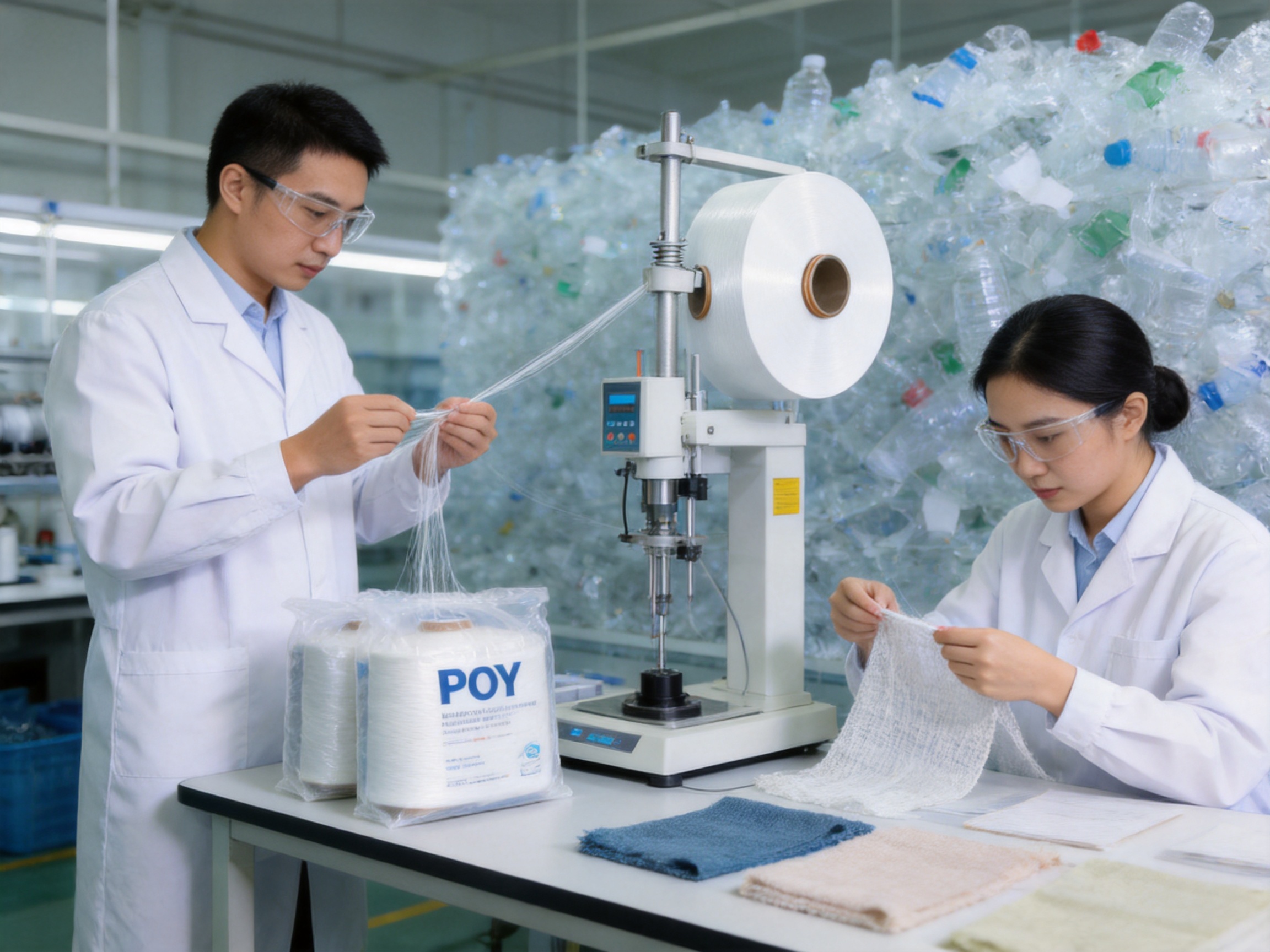
Recycled PET yarn is particularly attractive in bag applications because many brands and consumers value environmental messaging. Recycled yarn made from discarded water bottles and similar PET resources can support products such as mountaineering bags, handbags, school bags, luggage, briefcases, shopping bags, gift bags, and storage boxes. When customers combine recycled options with stable POY and functional yarn choices, they can develop product lines that meet both performance and sustainability expectations.
The low broken filament rate also matters in bag fabric production. Heavy fabric constructions can place significant stress on yarn during weaving. If yarn quality is unstable, loom efficiency declines and fabric defects increase. A reliable yarn base helps factories improve production continuity and meet delivery schedules.
Application Value in Home and Decorative Textiles
Home and decorative textiles include curtains, upholstery, cushions, table textiles, wall coverings, and interior design fabrics. These applications often require controlled luster, color depth, texture, and dimensional stability. SD, FD, CD, and TBR-related yarns provide different tools for achieving these effects. Semi-dull yarn may be used for balanced everyday home textiles, while full-dull yarn can create a soft matte look. Cationic yarn can create two-tone decorative effects, and brighter yarns may be used for highlights or special surface styling.
Decorative textiles may also require heavier deniers and high filament counts to create rich texture and strong fabric body. The availability of specifications such as 150D, 200D, and 300D ranges with multiple filament counts helps fabric designers choose the appropriate structure. Stable yarn quality ensures that complex decorative patterns remain even across wide fabric widths.
Application Value in Industrial and Functional Fabrics
Industrial fabrics and functional textiles require dependable technical properties. Although exact performance depends on final yarn processing and fabric design, a stable POY foundation is essential. Industrial fabric producers may require consistent strength, low defect rates, and predictable behavior during high-tension processing. Functional fabric producers may combine normal yarns with flame-retardant, antibacterial, moisture-wicking, high-elastic, hollow warm, or other specialized yarns.
The company’s functional series includes flame-retardant, antibacterial, moisture-wicking, cotton-like, hollow warm, and composite yarn options. This broader capability allows textile manufacturers to develop fabrics for safety, comfort, warmth, hygiene, and performance. Normal POY can serve as a base material or complementary yarn within such constructions, depending on the design goal.
Recycled Yarn and Environmental Responsibility
Recycled PET fabric is produced from regenerated resources such as discarded water bottles and beverage bottles. This material is often known as RPET fabric. The popularity of recycled PET textiles has grown in Europe, the United States, and other markets because they can reduce dependence on virgin petroleum resources and help divert plastic waste into useful textile products.
The company’s recycled yarn series reflects this market direction. Recycled SD DTY, recycled SD FDY, recycled FD DTY, recycled DDB DTY, recycled CD DTY, and recycled SD plus CD DTY options provide buyers with multiple environmental material choices. These yarns can be used in bags, luggage, clothing, shopping bags, fashion bags, gift bags, and many other applications. For buyers pursuing sustainable product lines, the ability to source both normal and recycled yarn options from a technically experienced supplier is valuable.
Environmental value must be supported by production stability. A recycled yarn that performs poorly can create waste, rejected fabric, and inefficient production. Therefore, the same principles of filtration, spinning control, package quality, and testing apply to recycled yarn production. The company’s focus on differentiated yarn and technical development helps support practical environmental solutions rather than superficial claims.
Quality Control from Yarn to Fabric
Quality control for POY yarn is not limited to laboratory testing. It begins with understanding how yarn will behave in real textile production. A yarn may meet basic numerical specifications but still fail to perform well if package formation, oiling, or filament cohesion is poor. Therefore, practical quality control must include both measurable physical properties and downstream usability.
Important POY quality indicators include denier uniformity, elongation consistency, tenacity, oil content, shrinkage behavior, inter-filament stability, package hardness, package appearance, and broken filament level. For dyeing-sensitive products, dyeing uniformity tests may also be important. For CD yarn, dyeing behavior with cationic dyes and compatibility with other polyester yarns must be considered.
Stable quality improves fabric consistency. In weaving, uniform yarn tension supports even fabric density. In knitting, consistent yarn feed supports loop uniformity. In texturing, stable POY creates more consistent crimp and bulk. In dyeing, controlled yarn properties reduce shade variation. As a result, the customer benefits not only at the yarn stage but throughout the entire production chain.
How Customers Can Select the Right POY Yarn
Customers should begin by defining the final fabric application. Apparel, bag fabric, home textile, industrial fabric, and decorative cloth each have different requirements. A lightweight garment fabric may need fine denier and soft hand feel, while luggage fabric may need stronger yarn and tighter construction. The selected yarn must match the required fabric weight, surface appearance, strength, and finishing process.
The second selection factor is luster. Semi-dull yarn is suitable for general balanced appearance. Full-dull yarn is suitable for matte and less reflective fabrics. Bright or TBR-related yarn may be chosen for a more vivid surface or special decorative effect. Choosing the wrong luster can change the market positioning of the fabric, even if the technical performance is acceptable.
The third factor is dyeing route. If the fabric requires solid uniform color, SD or FD options may be appropriate. If the fabric requires two-tone effects or special color contrast, CD yarn may be needed. Customers should discuss dyeing temperature, dye type, blending ratio, and finishing conditions with technical support to ensure the desired result.
The fourth factor is downstream equipment. High-speed texturing machines, water-jet looms, air-jet looms, circular knitting machines, warp knitting machines, and dyeing equipment all place different demands on yarn. Package size, winding quality, oiling, and tension behavior should match the equipment conditions. A supplier with technical understanding can help customers reduce trial-and-error costs.
The fifth factor is total cost. Customers should evaluate not only yarn price but also breakage rate, machine efficiency, waste level, dyeing success rate, and final fabric acceptance. A higher stability yarn often creates better economic value over the entire production cycle.
Packaging, Handling, and Storage Considerations
Proper packaging and storage are important for preserving POY yarn quality. Packages should be protected from moisture, dust, direct sunlight, excessive heat, and mechanical impact. During transportation, cartons or pallets should remain stable to prevent package deformation. Even a well-produced yarn can create unwinding problems if packages are crushed or exposed to unsuitable conditions.
In storage, yarn should be kept in a clean and dry warehouse with controlled temperature when possible. Long storage under high humidity or heat may affect oil distribution, package stability, or yarn performance. Before use, customers should allow yarn packages to acclimate to the production environment if there is a large temperature difference between storage and workshop conditions. This can reduce condensation and tension fluctuation.
During production, operators should handle packages carefully and avoid damaging package edges. Damaged edges can cause yarn breaks during unwinding. The first package inspection before machine loading can prevent many avoidable production issues. These simple handling practices help customers fully benefit from the yarn’s stable manufacturing quality.
Why This Yarn Supports Future Textile Development
The textile market is moving toward faster product cycles, more functional fabrics, environmental responsibility, and customized appearance. A yarn supplier must therefore offer more than basic commodity material. Multipurpose SD/FD/CD/TBR Normal POY Yarn supports this future by combining a stable polyester POY foundation with diverse appearance and dyeing options. It gives manufacturers a practical platform for both standard production and differentiated fabric innovation.
The product also supports flexible sourcing. As customer orders become smaller, more varied, and more demanding, mills need yarn options that can quickly adapt to new fabric concepts. A broad specification range and technical support reduce the time required to move from sample development to bulk production. This is especially important for exporters and fabric suppliers serving international buyers.
At the same time, the company’s wider involvement in recycled and functional yarns gives customers access to additional product development paths. A buyer may begin with normal POY and later expand into recycled fabric, cationic two-tone textiles, flame-retardant materials, or moisture-wicking fabrics. Working with a supplier that already understands these categories simplifies future development.
Q&A Section
What is Multipurpose SD/FD/CD/TBR Normal POY Yarn?
It is a polyester partially oriented yarn platform designed for downstream textile processing. It includes semi-dull, full-dull, cationic-dyeable, and TBR-related options, allowing textile producers to create different fabric appearances, dyeing effects, and performance profiles.
What are the main advantages of this POY yarn?
The main advantages include broad application flexibility, stable filament linear density, low broken filament rate, reliable package formation, good downstream processability, and cost-effective performance across drawing, texturing, weaving, knitting, and fabric finishing.
How is SD yarn different from FD yarn?
SD yarn has a semi-dull appearance with moderate luster, making it suitable for general-purpose fabrics. FD yarn has a full-dull, matte appearance, making it suitable for fabrics that require reduced shine and a softer visual effect.
Why would a fabric manufacturer choose CD yarn?
CD yarn is cationic dyeable, which allows special color effects such as two-tone fabric, contrast dyeing, and differentiated decorative surfaces. It is useful for fashion, home textiles, and fabric designs that require richer visual depth.
What does a low broken filament rate mean for textile factories?
A low broken filament rate means fewer yarn breaks during downstream processing. This helps reduce machine stoppages, fabric defects, labor intervention, waste, and production delays. It improves total production efficiency.
Can this yarn be used for both apparel and industrial fabrics?
Yes. Depending on the selected denier, filament count, luster, and downstream process, the yarn can be used for apparel fabrics, home textiles, decorative cloth, bags, luggage fabrics, and certain industrial textile applications.
Is recycled yarn available within the company’s product system?
Yes. The company offers recycled yarn options made from regenerated PET resources. These yarns are suitable for environmentally oriented products such as bags, luggage, clothing, shopping bags, school bags, and fashion accessories.
How should customers select the right specification?
Customers should consider final fabric application, desired luster, dyeing method, machine type, fabric weight, hand feel, strength requirement, and cost target. Technical consultation is recommended when developing new fabrics or replacing existing yarns.
Why is supplier technical support important?
Technical support helps customers choose suitable yarns, solve processing problems, improve dyeing results, and reduce development time. A supplier with experience in normal, recycled, cationic, high-elastic, and functional yarns can provide more complete assistance.
Conclusion
Multipurpose SD/FD/CD/TBR Normal POY Yarn is a versatile and practical material for textile manufacturers seeking stable quality, flexible application, and efficient downstream processing. Its semi-dull, full-dull, cationic-dyeable, and TBR-related options allow fabric producers to develop a wide range of products, from everyday apparel and bags to decorative textiles and functional fabric constructions.
The product’s value is built on consistent filament linear density, low broken filament rate, controlled elongation, reliable winding, and broad specification availability. These qualities help reduce production downtime, improve fabric consistency, and lower total manufacturing cost. Compared with competitors that offer narrow selection, limited technical support, or inconsistent quality, this yarn platform provides a stronger foundation for modern textile production.
Supported by the manufacturing experience, research capability, export service, and differentiated yarn portfolio of Suzhou Junhui Textile Co., Ltd. and Suzhou Xiaoran New Materials Co., Ltd., the product is well suited for customers who need both stable supply and technical partnership. In a textile market shaped by customization, sustainability, and performance requirements, this POY yarn offers a reliable path toward efficient production and diversified fabric development.
References
1. Textile Institute. Textile Terms and Definitions. Manchester: The Textile Institute.
2. Gupta, V. B., and Kothari, V. K. Manufactured Fibre Technology. London: Chapman and Hall.
3. Hearle, J. W. S., Hollick, L., and Wilson, D. K. Yarn Texturing Technology. Cambridge: Woodhead Publishing.
4. Deopura, B. L., Alagirusamy, R., Joshi, M., and Gupta, B. Polyesters and Polyamides. Cambridge: Woodhead Publishing.
5. Mather, R. R., and Wardman, R. H. The Chemistry of Textile Fibres. Cambridge: Royal Society of Chemistry.
6. Horrocks, A. R., and Anand, S. C. Handbook of Technical Textiles. Cambridge: Woodhead Publishing.
Product: Multipurpose SD/FD/CD/TBR Normal POY Yarn
Popular products
-
Premium Cationic Interlock Stretch Comfort Fabric
-
Moisture-Wicking Nylon Woven Fabric
-
Double-faced jacquard elastic fabric
-
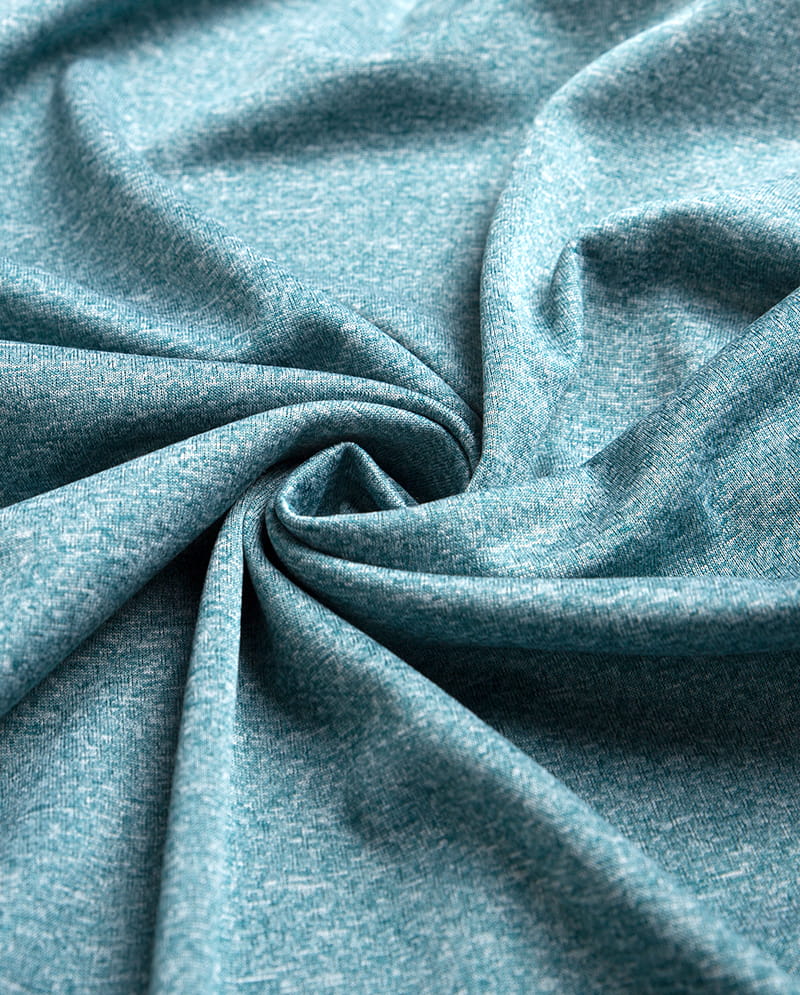
Heather Grey Double-faced cationic jersey fabric
-
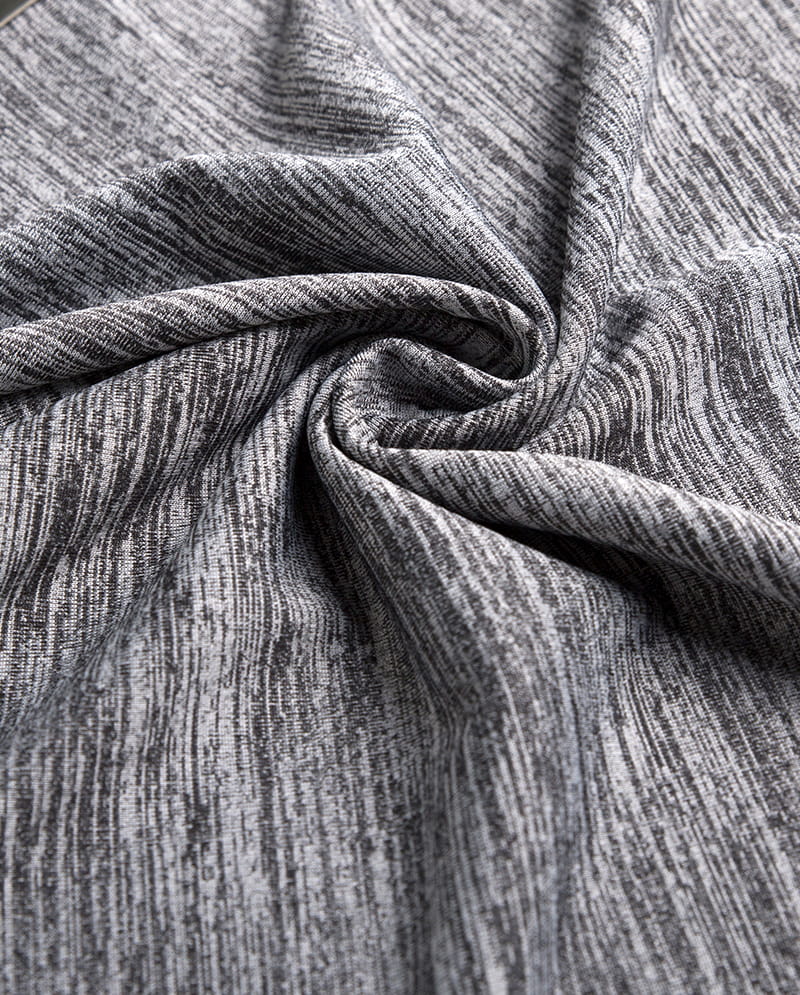
Anti-static Cationic Knitted Rib Fabric
-
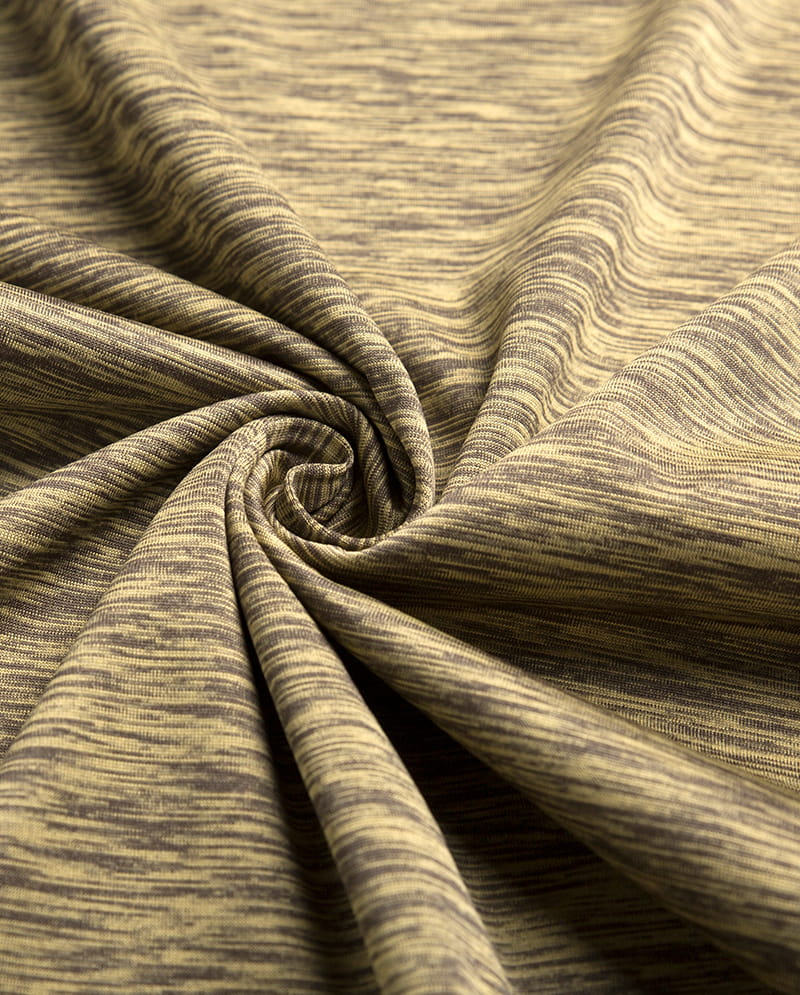
High-Stretch Cationic Jersey Fabric
-
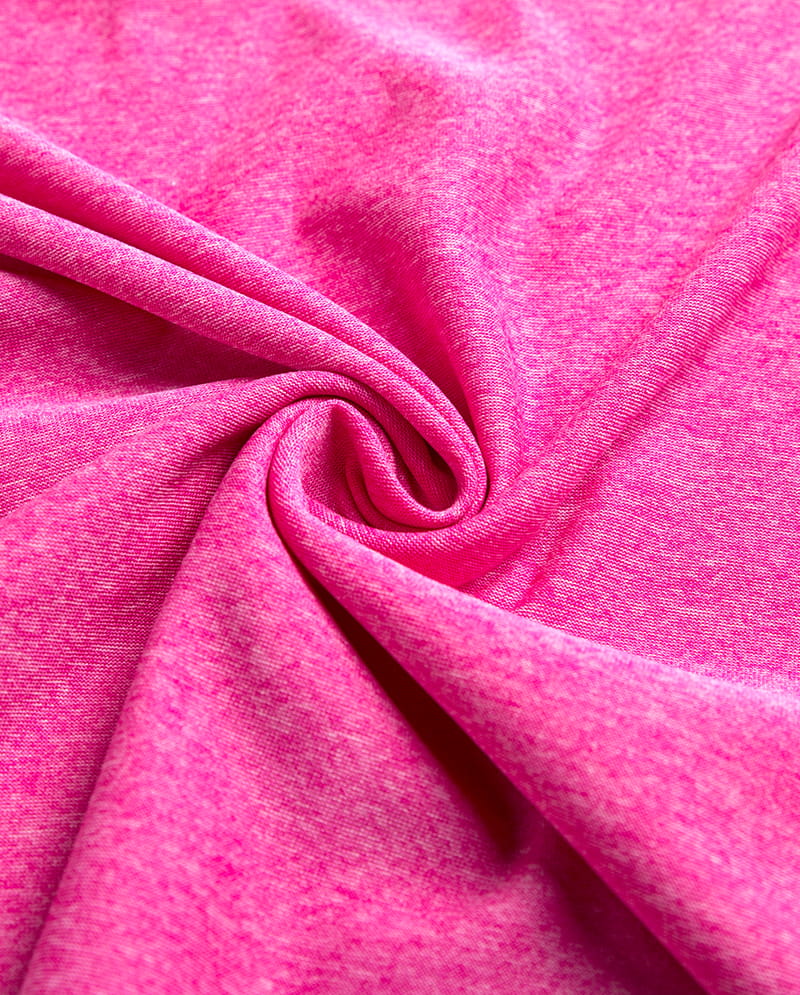
High Quality Cationic DTY Spandex Two Sides Brush Dralon Knit Fabric for Garment Thermal Underwear
-
Durable Anti-Pilling Knitted Fabric for Home Textiles
-
Wash-Resistant Cationic Elastic Knitted Fabric for Garment Industry
-
Breathable Double-Faced Elastic Composite Fabric
-
-
-
- whatsapp:
- 0086-13962559622
-
- skype:
- skype.aliceshenghong
-
- Wechat:

COPYRIGHT © 2016 Suzhou Junhui Textile Co., Ltd.
