

 EN
EN English
 中文简体
中文简体Multipurpose SD/FD/CD/TBR Normal POY Yarn for Flexible Textile Manufacturing
Content
- 1 Understanding Multipurpose Normal POY Yarn
- 2 Product Positioning and Core Value
- 3 Key Yarn Types: SD, FD, CD, and TBR
- 4 Technical and Processing Advantages
- 5 Specification Coverage and Product Family Support
- 6 Advantages Over Common Competitor Offerings
- 7 Advanced Manufacturing Process Strengths
- 8 Research and Development Capability
- 9 Application Potential in Textile Production
- 10 Why Consistency Matters in High-Speed Textile Mills
- 11 Support for Sustainable and Responsible Textile Development
- 12 Company Strengths Behind the Product
- 13 Quality Control from Yarn to Fabric
- 14 How the Yarn Improves Production Efficiency
- 15 Design Flexibility for Fabric Developers
- 16 Recommended Selection Considerations
- 17 Q&A Section
- 17.1 What is Multipurpose SD/FD/CD/TBR Normal POY Yarn?
- 17.2 What makes this POY yarn different from ordinary polyester POY?
- 17.3 Which downstream processes can use this yarn?
- 17.4 What are the main advantages for textile mills?
- 17.5 What applications are suitable for this yarn?
- 17.6 How does CD type yarn help fabric design?
- 17.7 Why is low broken filament rate important?
- 17.8 Can this product support sustainable textile development?
- 17.9 Does the supplier provide technical support?
- 17.10 How should buyers choose between SD, FD, CD, and TBR?
- 18 Conclusion
- 19 References
- 20 Product: Multipurpose SD/FD/CD/TBR Normal POY Yarn
In modern textile production, a dependable partially oriented yarn is more than a raw material; it is the foundation for stable processing, efficient output, and consistent fabric quality. Multipurpose SD/FD/CD/TBR Normal POY Yarn is designed for manufacturers that need one adaptable polyester yarn platform to support multiple downstream processes, including drawing, texturing, weaving, knitting, dyeing, and finishing. With coverage across SD, FD, CD, and TBR types, this product helps mills respond to changing market demands while maintaining reliable production control.
This POY yarn is suitable for a wide range of textile applications, including daily apparel fabrics, decorative cloth, luggage materials, industrial fabrics, fashion textiles, and functional fabric development. Its value lies in stable filament linear density, good processing adaptability, low broken filament rate, and compatibility with diversified fabric requirements. For manufacturers seeking cost-effective production without sacrificing yarn consistency, Multipurpose SD/FD/CD/TBR Normal POY Yarn offers a strong balance of quality, flexibility, and commercial practicality.
Multipurpose SD/FD/CD/TBR Normal POY Yarn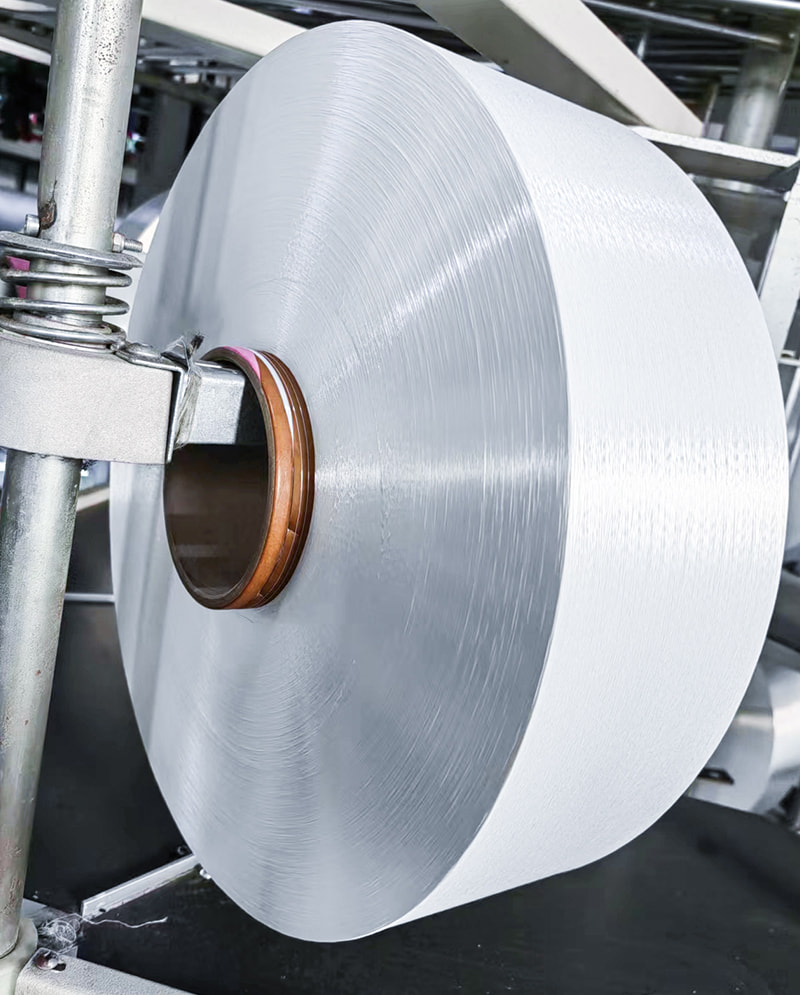
Understanding Multipurpose Normal POY Yarn
POY, or partially oriented yarn, is a polyester filament yarn produced through high-speed spinning. It is not fully drawn during initial production, which means it retains controlled elongation and orientation characteristics for later processing. This makes POY especially suitable as a feed yarn for draw texturing, air texturing, draw warping, weaving preparation, and other downstream operations. Compared with fully finished yarn forms, POY gives textile manufacturers greater flexibility to define final yarn performance according to fabric purpose.
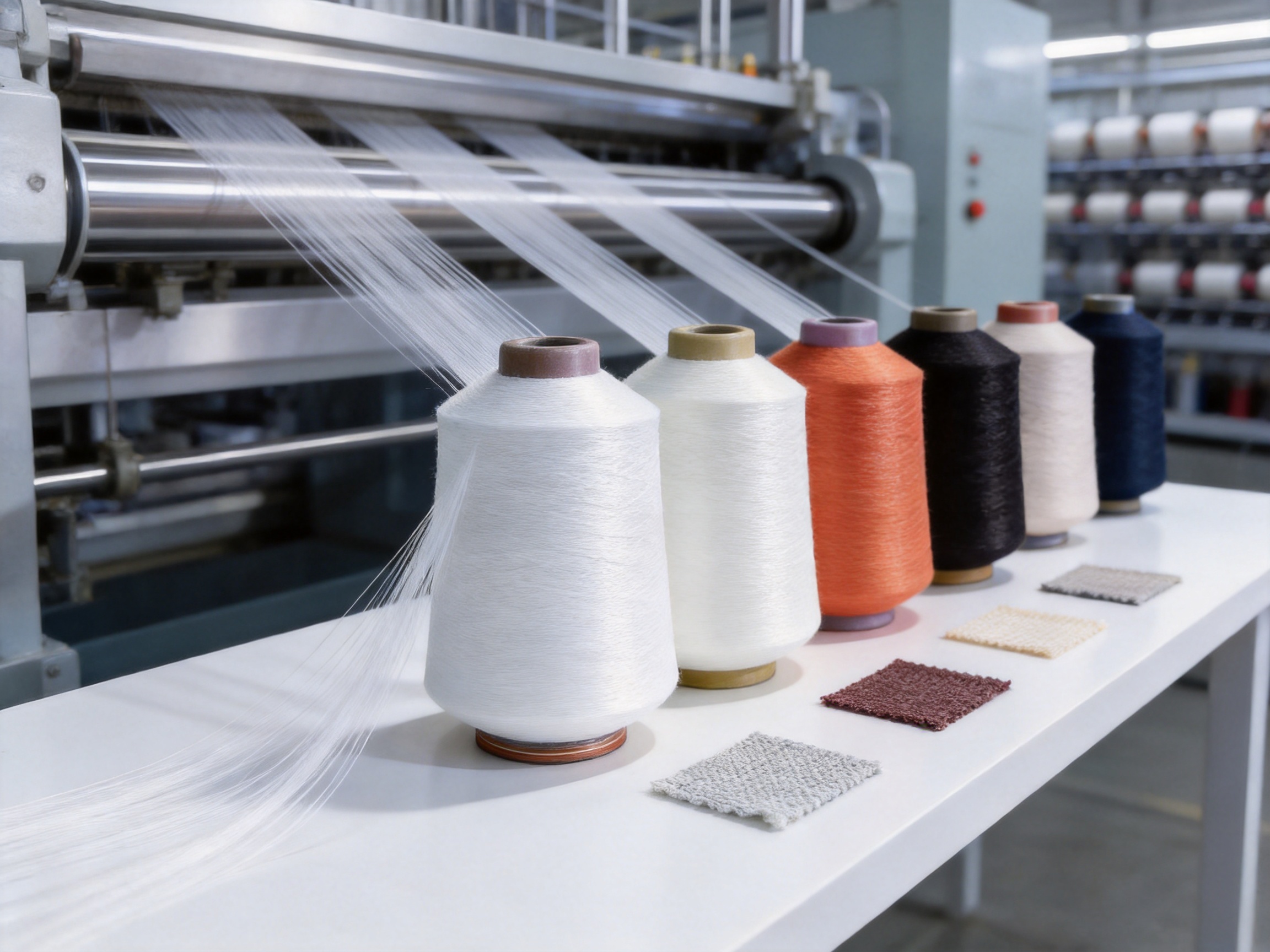
The multipurpose nature of SD/FD/CD/TBR Normal POY Yarn comes from its ability to cover different optical, dyeing, and structural requirements. SD type is commonly selected where stable dyeing and balanced appearance are required. FD type supports soft, low-gloss fabric aesthetics and reliable elongation performance. CD type is suitable for cationic dyeing effects and richer color development when combined with proper dyeing systems. TBR type is generally used when a bright or special optical effect is required, particularly in decorative or high-density fabric structures.
Because fabric trends change quickly, yarn flexibility is increasingly important. A mill may need to produce matte sportswear fabric in one production cycle, bright decorative fabric in another, and cationic two-tone fabric in the next. A yarn supplier capable of supporting multiple POY categories allows manufacturers to simplify purchasing, reduce testing cycles, and maintain continuity in quality management. This is one of the most important competitive advantages of a broad POY product system.
Product Positioning and Core Value
Multipurpose SD/FD/CD/TBR Normal POY Yarn is positioned as a versatile raw material for textile producers that require both stable standard production and diversified product development. It is not limited to one end use or one fabric style. Instead, it supports a broad production chain, from conventional woven textiles to knitting fabrics, home textiles, bags, lining materials, and fabrics that require special color or appearance effects.
The product is especially valuable for textile enterprises that need predictable processing behavior. In high-speed production environments, yarn inconsistency can cause broken filaments, uneven dyeing, machine stoppage, fabric defects, and increased waste. By emphasizing consistent filament linear density and low broken filament rate, this POY yarn helps manufacturers improve production continuity. Lower interruption frequency means better machine utilization, less labor loss, and more stable delivery schedules.
Another major value is its ability to support differentiation. The modern textile market increasingly rewards fabrics that offer more than basic coverage or strength. Buyers want attractive handle, color depth, surface effects, sustainable options, functional finishing, and reliable batch consistency. The broader product system connected with this POY yarn includes recycled yarn, cationic dyeable yarn, flame-retardant yarn, antibacterial yarn, moisture-wicking yarn, hollow warm yarn, cotton-like yarn, and high-elastic yarn. This capability allows customers to build differentiated fabric collections from a stable technical base.
Key Yarn Types: SD, FD, CD, and TBR
SD Type for Balanced Appearance and Dyeing Stability
SD, often associated with semi-dull polyester yarn, is widely used in fabrics that require a balanced surface appearance. It offers a moderate visual effect that is neither overly bright nor excessively matte. For many apparel and home textile applications, this balanced look is preferred because it works well with different dye colors, finishing processes, and fabric textures.
The SD type in this POY yarn range helps support stable dyeing uniformity. Uniform dyeing is essential for large-volume textile production because color variation can lead to rejected fabric, reprocessing costs, and delivery delays. When yarn linear density and filament formation are stable, downstream dyeing performance becomes more predictable. This helps fabric mills produce consistent shades across batches and reduce quality disputes with buyers.
FD Type for Soft Visual Effect and Good Processing Elongation
FD, commonly linked with full-dull yarn, is suitable for fabrics requiring a softer and more subdued surface. Full-dull effects are often chosen for sportswear, casualwear, linings, privacy-oriented home textiles, and products where low light reflection is preferred. In fashion markets, full-dull yarn can also help create a premium, calm, and refined appearance.
The FD type offers excellent elongation performance, which is important during drawing and texturing. Controlled elongation allows the yarn to respond well to mechanical processing without frequent breaks or unstable tension. For mills operating texturing machines at scale, this processing stability is a direct productivity benefit. A yarn that can tolerate downstream stress while maintaining uniform performance helps protect equipment efficiency and fabric quality.
CD Type for Cationic Dyeing and Color Differentiation
CD type yarn is valued for its dyeing versatility, especially when cationic dyeing effects are desired. In the textile market, cationic dyeable polyester is often used to create two-tone, heathered, melange, or contrast dyeing effects. By combining CD yarn with conventional polyester or other compatible yarns, fabric designers can create attractive visual depth without excessively complicated weaving structures.
The CD type in this POY range features balanced strength and elasticity, making it suitable for both woven and knitted fabric development. It supports creative dyeing possibilities while maintaining process reliability. For fabric developers, this opens opportunities to design fabrics for fashion garments, decorative materials, luggage fabrics, and specialty textile products that need distinctive color expression.
TBR Type for Brightness and Special Fabric Effects
TBR type yarn is selected for applications that need special brightness, optical clarity, or high-density fabric performance. In many polyester yarn systems, TBR is associated with bright filament effects, often used in decorative textiles, linings, fashion fabrics, and materials where a more vivid surface is desired. When processed correctly, it can contribute to a clear, luminous, and attractive fabric appearance.
The TBR type is also suitable for specific high-density fabric processing needs. High-density fabric structures demand yarn that can withstand tension, friction, and close interlacing without generating excessive broken filaments or uneven fabric appearance. With controlled yarn formation and consistent filament behavior, this product helps mills achieve smoother operation and better surface uniformity.
Technical and Processing Advantages
The competitiveness of a POY yarn is measured not only by its laboratory values, but also by its behavior in real production. A yarn may appear acceptable in basic specification, yet perform poorly during high-speed texturing or weaving if its filament distribution, package formation, tension stability, or dyeing consistency is weak. Multipurpose SD/FD/CD/TBR Normal POY Yarn is developed to reduce these practical risks.
One important advantage is consistent filament linear density. Linear density affects fabric weight, hand feel, dyeing depth, tensile performance, and surface uniformity. If linear density fluctuates, downstream processes can produce streaks, uneven fabric texture, unstable width, and irregular dye absorption. Consistency in this area allows customers to plan production with greater confidence.
Another major advantage is low broken filament rate. Broken filaments can cause yarn fuzziness, machine stoppage, weaving defects, knitting holes, dyeing streaks, and poor fabric appearance. In high-volume manufacturing, even a small reduction in breakage can create significant savings. Fewer yarn breaks mean fewer operator interventions, less machine downtime, and improved final fabric yield.
The yarn also provides broad downstream compatibility. It can be processed into DTY or other textured yarn forms, used in weaving preparation, or developed into special fabric structures. For mills that serve multiple markets, this adaptability helps reduce dependence on separate yarn suppliers for every product type. A reliable multipurpose POY source improves procurement efficiency and strengthens quality traceability.
Specification Coverage and Product Family Support
The supplied product system covers extensive denier and filament combinations across recycled series, normal series, cationic dyeing series, high-elastic series, and functional series. This broad coverage reflects the company’s ability to respond to different textile production needs, from microfine yarns to heavier denier yarns, from standard semi-dull yarns to functional differentiated yarns.
For normal production, denier and filament combinations include fine options such as 25/72, 30/12, 30/24, 30/36, and 30/72, as well as commonly used medium and heavy yarns such as 50/36, 50/48, 50/72, 75/36, 75/72, 100/36, 100/48, 100/96, 150/48, 150/96, 150/144, 150/288, 200/96, 300/96, 300/192, 300/288, and 300/576. This wide structure allows buyers to select yarns according to fabric density, softness, strength, and intended texture.
The broader product family also includes recycled SD and FD yarns, CD DTY, SD plus CD DTY, white and black yarns, high-elastic yarns, PBT/PET yarns, flame-retardant yarns, antibacterial yarns, moisture-wicking yarns, hollow warm yarns, cotton-like yarns, and air-covered yarn options. This means customers can develop both conventional and differentiated textiles under one technical supply framework.
Yarn Type |
Main Characteristic |
Typical Processing Value |
Suitable Applications |
SD Normal POY |
Balanced semi-dull appearance and stable dyeing behavior |
Supports consistent drawing, texturing, weaving, and dyeing |
Apparel fabrics, linings, home textiles, general woven and knitted fabrics |
FD Normal POY |
Low-gloss surface and good elongation performance |
Suitable for soft appearance fabrics and controlled downstream processing |
Sportswear, casual fabrics, matte textiles, decorative cloth |
CD Normal POY |
Cationic dyeable effect with balanced strength and elasticity |
Enables two-tone, melange, and special dyeing effects |
Fashion fabrics, decorative textiles, bags, creative color fabrics |
TBR Normal POY |
Bright visual effect and suitability for dense fabric structures |
Performs well in selected high-density processing requirements |
Decorative fabrics, bright linings, fashion textiles, special surface fabrics |
Functional Differentiated Yarn |
Optional properties such as flame retardance, antibacterial function, moisture wicking, warmth, or elasticity |
Supports value-added textile development |
Outdoor textiles, performance apparel, luggage fabric, home textile products |
Advantages Over Common Competitor Offerings
In the polyester yarn market, many suppliers can provide basic POY specifications, but not all can deliver a stable multipurpose system with broad type coverage, quality consistency, and differentiated yarn development capability. The advantage of Multipurpose SD/FD/CD/TBR Normal POY Yarn is that it addresses both standard production reliability and modern textile diversification.
First, the product offers broader adaptability than single-purpose POY yarns. Competitors that focus only on one type, such as standard semi-dull POY, may not support customers who need full-dull, cationic dyeable, or bright fabric effects. A customer may then need to buy from multiple suppliers, increasing quality variation and procurement complexity. The SD/FD/CD/TBR system helps reduce this fragmentation.
Second, the yarn emphasizes downstream processing stability. Some low-cost yarns may appear economical at purchase, but their hidden costs emerge during production through higher breakage, uneven dyeing, poor package performance, or increased fabric rejection. A yarn with stable filament linear density and low broken filament rate can lower total production cost even when its purchase price is not the absolute lowest. For professional textile mills, total cost efficiency matters more than simple unit price.
Third, the product is supported by a company experienced in differential yarns and functional yarn development. This matters because textile customers increasingly need technical support, not just goods delivery. When a fabric project requires recycled content, cationic dyeing, flame retardance, moisture management, elastic behavior, or special hand feel, a technically capable supplier can help customers select better yarn combinations. This reduces trial-and-error time and accelerates product development.
Fourth, the company’s export experience and broad customer base provide practical market understanding. With products exported to many countries and cooperation with customers across diverse textile markets, the supplier understands that different regions may require different fabric standards, preferences, and application priorities. This international experience supports more reliable communication, faster problem response, and better alignment with buyer expectations.
Advanced Manufacturing Process Strengths
High-quality POY production depends on disciplined control across multiple manufacturing stages. From raw material selection to melt preparation, spinning, cooling, oiling, winding, package inspection, and final storage, every step affects the yarn’s final performance. Advanced manufacturing is not limited to machines; it also includes process control, quality management, operator training, R&D feedback, and customer application data.
The company behind this product is committed to developing and selling differentiated yarn, including recycled yarn, polyester drop-dyed yarn, cationic dyeing yarn, microfine yarn, flame-retardant yarn, and knitting fabric products. This diversified technical background supports more sophisticated POY production because the team understands how raw yarn behavior influences later texturing, dyeing, finishing, and fabric performance.
In polyester yarn manufacturing, stable melt quality is essential. Polymer chips or recycled PET material must be properly dried, filtered, melted, and extruded to create stable filament streams. Moisture, impurities, or unstable viscosity can cause filament weakness, uneven spinning, and processing breaks. A quality-focused production process pays close attention to raw material preparation and melt uniformity.
Spinning control is another critical area. Spinneret condition, extrusion pressure, cooling air uniformity, take-up speed, and filament convergence all influence yarn quality. Stable spinning helps ensure that the filaments within one yarn bundle are uniform and capable of handling later drawing or texturing. When filament quality is consistent, fabric surfaces are smoother and dyeing results are more predictable.
Winding and package formation are also essential. Even if yarn filaments are well produced, poor winding can create tension variation, package deformation, unwinding problems, and machine stoppages during downstream processing. A strong POY supplier must control package density, winding shape, traverse movement, and tension stability. Good package formation improves customer productivity during texturing and weaving preparation.
Quality inspection further strengthens reliability. Testing may include linear density, elongation, strength, oil pickup, broken filament observation, dyeing consistency, package appearance, and processing simulation. For export markets and long-term cooperation, batch traceability is especially important. Customers need confidence that repeat orders will behave similarly in their machines and produce consistent fabrics.
Research and Development Capability
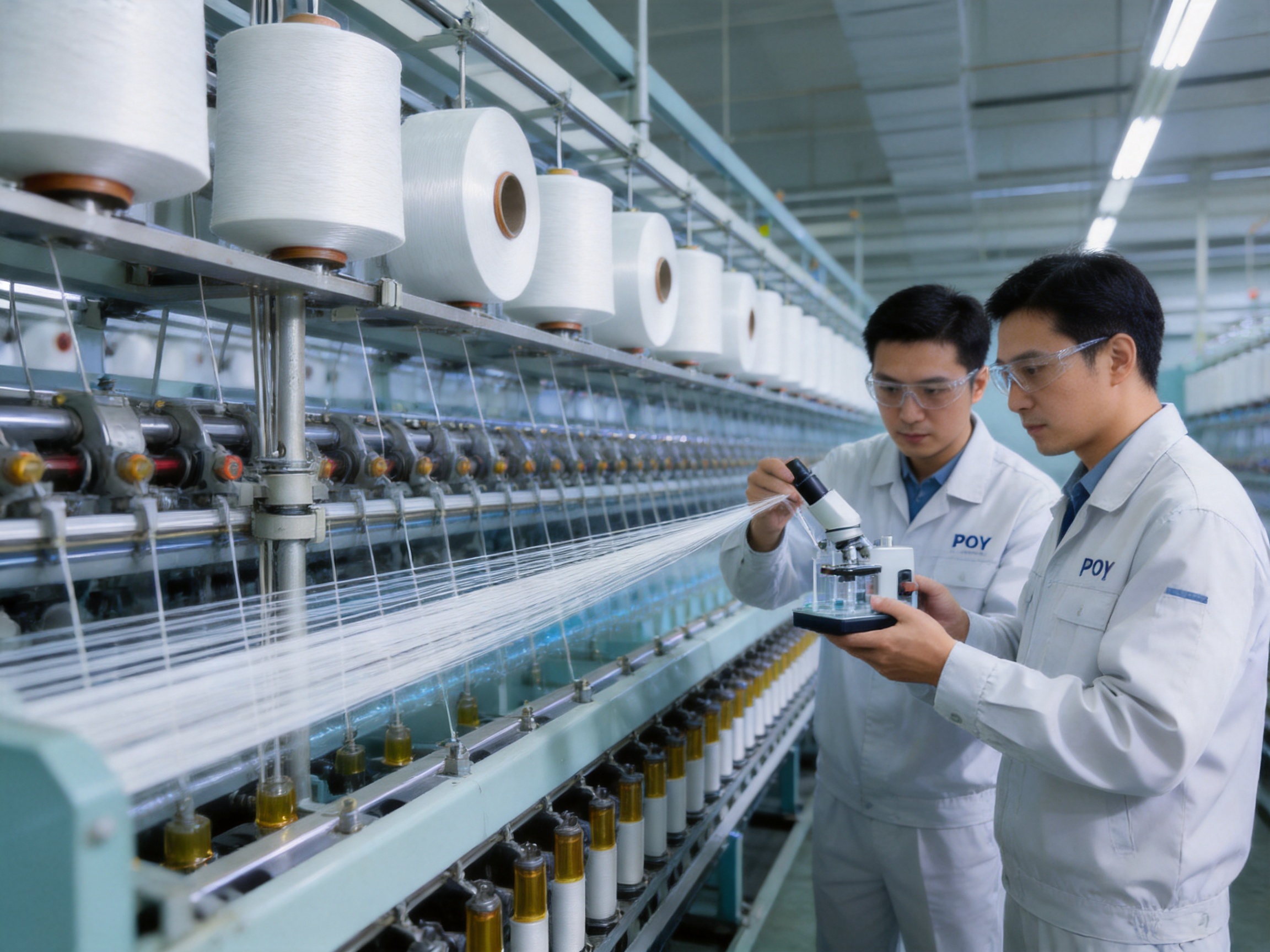
A major strength of the supplier is its professional research and development team. The company works in the field of environmental protection yarn, functional yarn, differential yarn, and fabric applications. This R&D orientation allows it to respond to market trends more quickly than suppliers limited to basic commodity yarn production.
Textile development often requires cooperation between yarn supplier, fabric mill, dyeing factory, finishing plant, and garment or product buyer. A yarn may need adjustment in denier, filament count, dyeability, luster, elasticity, or functional additives before it reaches the ideal fabric result. An R&D team that understands these relationships can provide more effective guidance and reduce the number of failed trials.
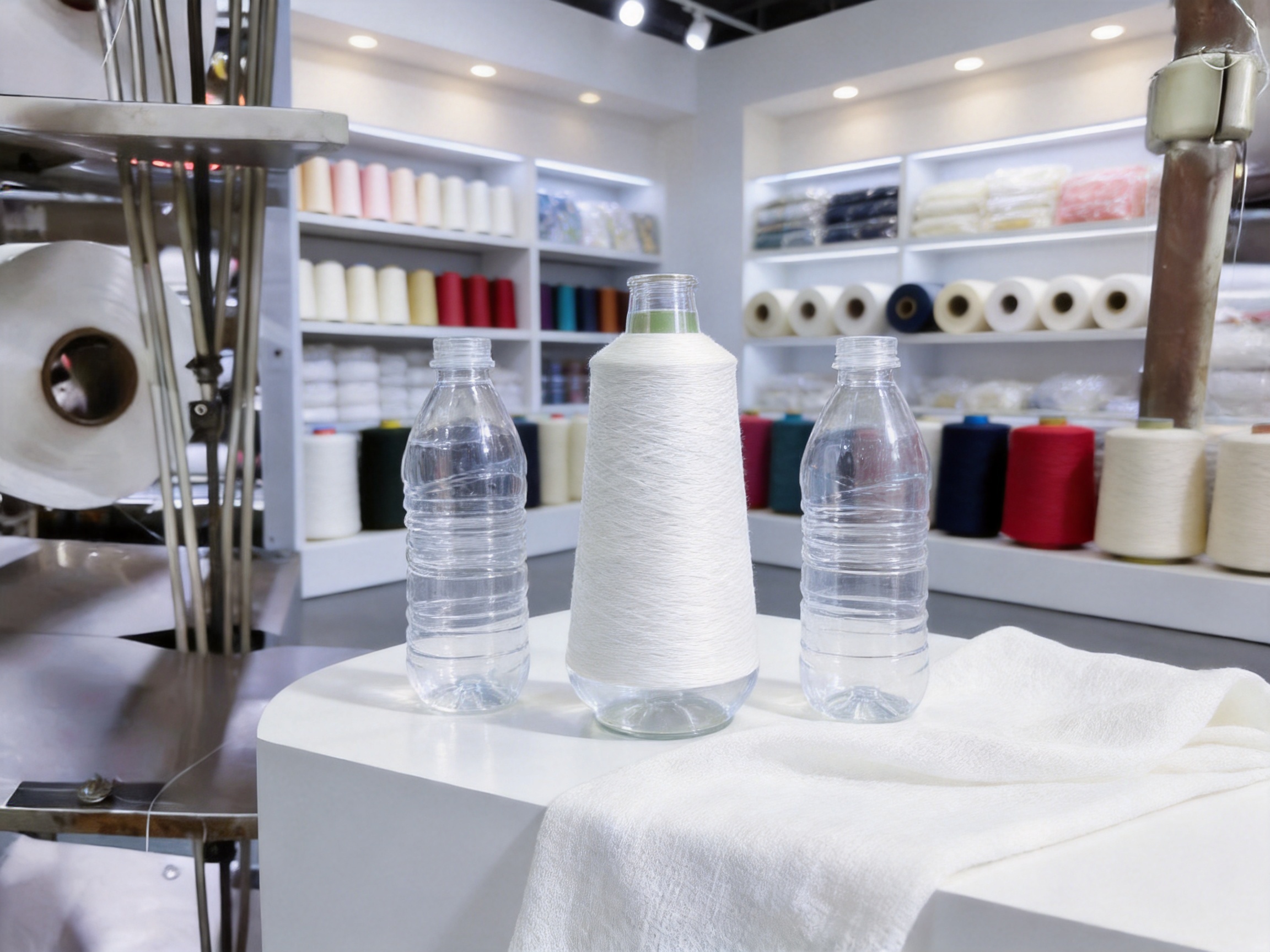
The company’s experience with recycled yarn is particularly relevant. Recycled PET yarn is produced from discarded plastic bottles and related PET sources, then processed into regenerated polyester materials. This type of yarn is popular in many developed markets because it helps reduce dependence on virgin petroleum-based resources and supports circular economy goals. By offering recycled yarn options alongside normal POY and differentiated yarns, the supplier can serve both conventional and sustainability-focused textile programs.
Functional yarn development is another important strength. The product list includes flame-retardant yarn, antibacterial yarn, moisture-wicking yarn, hollow warm yarn, high-elastic yarn, PBT/PET yarn, and cotton-like yarn. These yarns help customers create textiles with added performance value. In competitive fabric markets, such value-added functions can improve product positioning and create better profit potential.
Application Potential in Textile Production
Multipurpose SD/FD/CD/TBR Normal POY Yarn can be used in many textile sectors because it supports different fabric constructions and performance requirements. For apparel fabrics, it can contribute to smooth texture, stable dyeing, controlled elasticity, and varied surface effects. Depending on the selected type and downstream processing, the final fabric can be soft, matte, bright, colorful, compact, or textured.
In home textiles, polyester yarn is valued for durability, easy care, dimensional stability, and broad design possibilities. SD and FD types are suitable for curtains, bedding-related fabrics, decorative panels, and upholstery-related textile materials where appearance and hand feel matter. TBR type can support brighter decorative effects when needed, while CD type can create special color contrast in jacquard or mixed-yarn fabrics.
In bag and luggage materials, yarn strength, abrasion resistance, and stable fabric formation are important. Polyester filament yarn is widely used in backpacks, handbags, school bags, travel luggage, fashion bags, storage boxes, gift bags, and shopping bags. Recycled PET yarn options are especially attractive for bag products because many international brands prefer environmentally responsible materials for consumer goods.
In industrial and semi-industrial fabrics, consistency is critical. Fabrics used for packaging, reinforcement, lining, or technical applications must meet stable strength and dimensional requirements. A reliable POY feed yarn supports better downstream control, reducing the risk of fabric defects that can compromise performance.
The yarn is also useful in fashion and decorative textiles. CD yarn supports special dyeing effects, while TBR yarn supports brightness. FD yarn creates subdued elegance, and SD yarn provides versatile balance. By combining different yarn types, designers can create layered visual effects without relying solely on finishing chemicals or complicated post-treatment.
Why Consistency Matters in High-Speed Textile Mills
Modern textile mills operate under tight delivery schedules, rising labor costs, and increasingly strict quality requirements. Machines run at high speeds, and small yarn defects can quickly become large fabric problems. Therefore, consistency is not simply a technical preference; it is a business requirement.
When yarn elongation varies too much, texturing tension becomes unstable. When filament count is irregular, fabric surfaces may show streaks or roughness. When package winding is poor, unwinding breaks interrupt production. When dyeability differs between batches, fabric lots may fail color matching standards. Each of these problems increases cost.
Multipurpose SD/FD/CD/TBR Normal POY Yarn is designed to reduce such risks by emphasizing stable quality and processing adaptability. This helps customers improve machine efficiency, lower waste, and reduce rework. For mills producing export fabrics, consistency also supports better compliance with buyer expectations and inspection standards.
Support for Sustainable and Responsible Textile Development
Sustainability has become a major direction in the textile industry. Buyers increasingly ask for recycled materials, reduced waste, responsible production, and longer-lasting fabrics. The company’s recycled yarn capability offers customers a route to develop environmentally responsible textile products using regenerated PET sources, including material derived from discarded water bottles and similar PET waste.
Recycled PET fabric is often used in mountaineering bags, handbags, school bags, luggage, clothing, briefcases, fashion bags, storage boxes, gift bags, shopping bags, and related products. Because the yarn is made from recycled PET resources, it helps convert waste into useful textile materials. This supports brands and manufacturers that want to promote greener supply chains.
At the same time, sustainability is not only about recycled input. It is also about reducing production waste. A stable yarn that lowers broken filament rate and fabric defects can reduce wasted energy, labor, dye, water, and raw material. In this sense, quality consistency contributes directly to more responsible manufacturing.
Company Strengths Behind the Product
Suzhou Junhui Textile Co., Ltd. and Suzhou Xiaoran New Materials Co., Ltd. operate with a focus on differentiated yarn development and textile material solutions. Founded in 2015, the enterprise is committed to developing and selling recycled yarn, polyester drop-dyed yarn, cationic dyeing yarn, microfine yarn, flame-retardant yarn, and knitting fabric products. This product direction reflects a strong understanding of both conventional textile production and emerging market needs.
The company has a professional R&D team and cooperates with internationally recognized enterprises in research, development, and application of environmental protection and functional yarn and fabric. This collaboration-oriented model is important because textile innovation often depends on cross-industry knowledge. Environmental materials, functional additives, spinning technology, dyeing methods, and fabric engineering must work together to create successful products.
More than 90 percent of the company’s products are exported, and the customer network extends across 36 countries. This international business experience demonstrates the company’s ability to meet diverse buyer requirements and communicate with customers from different markets. Export-oriented textile supply requires reliable documentation, stable quality, punctual delivery, and responsive service.
The company positions itself as a responsible and service-oriented textile enterprise. It emphasizes customer success as the foundation of its own development and provides professional guidance and support in product selection and problem solving. The commitment to helping customers within a global response framework is especially valuable for textile manufacturers that operate under urgent production schedules.
Quality Control from Yarn to Fabric
For customers, yarn quality is ultimately judged by fabric results. A good POY yarn should support smooth downstream processing, uniform fabric structure, stable dyeing, and desired hand feel. To achieve this, quality control must consider the entire textile chain rather than isolated test values.
Incoming raw material control helps ensure stable polymer properties. Production process monitoring helps maintain filament uniformity. Online and offline inspection helps identify defects before shipment. Package quality control ensures smooth unwinding during customer processing. Technical communication helps match yarn type to fabric design.
For example, a customer producing high-density woven fabric may need a yarn with strong package stability and low filament breakage. A customer producing cationic two-tone fabric may need guidance on CD yarn combination and dyeing compatibility. A customer producing soft matte apparel fabric may need FD yarn with suitable elongation and filament count. A supplier with broad product understanding can support each case more effectively.
How the Yarn Improves Production Efficiency
Production efficiency is influenced by machine speed, downtime, defect rate, operator workload, and yield. Yarn quality plays a direct role in all of these factors. When POY yarn runs smoothly, texturing machines can maintain stable speed, weaving preparation becomes easier, and fabric mills can reduce unexpected stoppages.
Low broken filament rate is especially important. Broken filaments can wrap around machine parts, create fuzz, cause tension spikes, and form fabric defects. In weaving, broken filaments may lead to warp defects or surface irregularities. In knitting, they can cause holes or uneven loops. Reducing breakage helps protect fabric quality and production schedule.
Consistent linear density also improves efficiency. If yarn count varies, the fabric may fail weight specifications or show uneven appearance. Correcting these problems after production is expensive. A stable POY yarn helps mills achieve target fabric specifications from the beginning, reducing waste and rework.
Multipurpose capability further improves efficiency by simplifying supplier management. Instead of sourcing SD, FD, CD, and TBR yarns from unrelated suppliers, customers can coordinate with one experienced supplier. This improves communication, reduces testing duplication, and helps maintain more consistent technical standards across product lines.
Design Flexibility for Fabric Developers
Fabric developers need yarns that allow creativity without sacrificing manufacturability. Multipurpose SD/FD/CD/TBR Normal POY Yarn supports this need by offering multiple appearance and dyeing directions. A designer can use SD yarn for classic balanced fabrics, FD yarn for subdued and soft effects, CD yarn for color contrast, and TBR yarn for brightness and visual attraction.
Combination development is particularly important. For example, CD yarn can be combined with standard polyester to produce two-tone dyeing. FD yarn can be used in outer layers to reduce glare, while brighter yarn can be introduced for decorative highlights. High-filament yarns can create softer hand feel, while lower-filament structures may provide clearer texture. By adjusting denier and filament count, fabric developers can create different weights, textures, and visual results.
The company’s ability to accept orders for various differentiated yarns gives customers more room to create custom textile solutions. This is valuable for brands and mills that must develop seasonal fabric collections, specialized bag materials, functional clothing fabrics, or unique home textile products.
Recommended Selection Considerations
When selecting POY yarn, customers should first define the final fabric purpose. Apparel fabric, luggage fabric, decorative cloth, industrial textile, and functional fabric each require different performance priorities. Strength, elongation, dyeing effect, luster, softness, abrasion resistance, and finishing compatibility should all be considered.
The second consideration is downstream processing. A yarn intended for draw texturing may require different elongation and package behavior from a yarn used for direct weaving preparation. Machine type, processing speed, temperature, tension, and finishing route should be communicated clearly to the supplier.
The third consideration is dyeing and color effect. If stable solid color is the main requirement, SD or FD yarn may be appropriate depending on surface preference. If two-tone or cationic effects are desired, CD yarn should be evaluated. If brightness is important, TBR type may be selected. Testing before mass production is recommended for new fabric designs.
The fourth consideration is sustainability and function. If the final buyer requires recycled content, recycled PET yarn options may be suitable. If the fabric requires flame retardance, antibacterial performance, moisture wicking, hollow warmth, or elasticity, functional yarn options can be explored with technical support.
Q&A Section
What is Multipurpose SD/FD/CD/TBR Normal POY Yarn?
It is a partially oriented polyester filament yarn designed for flexible textile production. It includes SD, FD, CD, and TBR types to support different luster, dyeing, processing, and fabric appearance requirements.
What makes this POY yarn different from ordinary polyester POY?
Its main difference is broad adaptability. Instead of serving only one standard application, it supports multiple textile directions, including semi-dull, full-dull, cationic dyeable, and bright or special-effect fabric production. It also emphasizes consistent linear density and low broken filament rate.
Which downstream processes can use this yarn?
The yarn can be used in drawing, texturing, weaving preparation, knitting, dyeing, and fabric finishing processes. It is especially suitable as a feed yarn for producing textured yarns and diversified polyester fabrics.
What are the main advantages for textile mills?
The main advantages include reduced production downtime, improved yarn running stability, lower risk of fabric defects, better dyeing consistency, simplified sourcing, and stronger flexibility for product development.
What applications are suitable for this yarn?
It is suitable for apparel fabrics, home textiles, decorative cloth, bag materials, luggage fabrics, fashion textiles, industrial fabrics, and functional textile development. Recycled yarn options are also suitable for environmentally responsible bag and clothing products.
How does CD type yarn help fabric design?
CD type yarn supports cationic dyeing effects. It can be used to create two-tone, melange, or contrast color fabrics when combined with appropriate yarns and dyeing processes.
Why is low broken filament rate important?
Low broken filament rate reduces machine stoppages, yarn fuzz, weaving defects, knitting holes, dyeing streaks, and fabric rejection. It improves production efficiency and helps lower total manufacturing cost.
Can this product support sustainable textile development?
Yes. The supplier offers recycled yarn options made from regenerated PET resources. In addition, stable yarn quality helps reduce waste in downstream production, supporting more efficient and responsible manufacturing.
Does the supplier provide technical support?
Yes. The company has a professional R&D team and provides guidance in product selection and problem solving. This is useful for customers developing new fabrics or solving processing challenges.
How should buyers choose between SD, FD, CD, and TBR?
Buyers should select SD for balanced appearance and stable dyeing, FD for matte and soft visual effects, CD for cationic dyeing and color differentiation, and TBR for bright or special surface effects. Final selection should also consider fabric structure, processing method, and end-use requirements.
Conclusion
Multipurpose SD/FD/CD/TBR Normal POY Yarn is a strong choice for textile manufacturers that need a reliable, flexible, and commercially practical polyester yarn platform. Its coverage of semi-dull, full-dull, cationic dyeable, and bright or special-effect types gives customers broad design freedom. Its emphasis on consistent filament linear density and low broken filament rate helps improve production efficiency and fabric consistency.
Compared with ordinary single-purpose POY yarns, this product offers stronger adaptability, better support for differentiated fabric development, and a more complete technical supply system. It is suitable for apparel, home textiles, luggage materials, decorative fabrics, industrial fabrics, and functional textile programs. The supplier’s strengths in R&D, export experience, recycled yarn development, functional yarn capability, and customer support further enhance the value of the product.
For mills seeking stable output, lower processing risk, and more flexible textile development, Multipurpose SD/FD/CD/TBR Normal POY Yarn provides a practical foundation for both current production and future innovation.
References
1. Textile Institute. Textile Terms and Definitions. Textile Institute Publications.
2. Gupta, V. B., and Kothari, V. K. Manufactured Fibre Technology. Springer.
3. Hearle, J. W. S., Hollick, L., and Wilson, D. K. Yarn Texturing Technology. Woodhead Publishing.
4. McIntyre, J. E. Synthetic Fibres: Nylon, Polyester, Acrylic, Polyolefin. Woodhead Publishing.
5. Mather, R. R., and Wardman, R. H. The Chemistry of Textile Fibres. Royal Society of Chemistry.
6. Fourné, F. Synthetic Fibers: Machines and Equipment, Manufacture, Properties. Hanser Publishers.
Product: Multipurpose SD/FD/CD/TBR Normal POY Yarn

Popular products
-
Premium Cationic Interlock Stretch Comfort Fabric
-
Moisture-Wicking Nylon Woven Fabric
-
Double-faced jacquard elastic fabric
-
Heather Grey Double-faced cationic jersey fabric
-
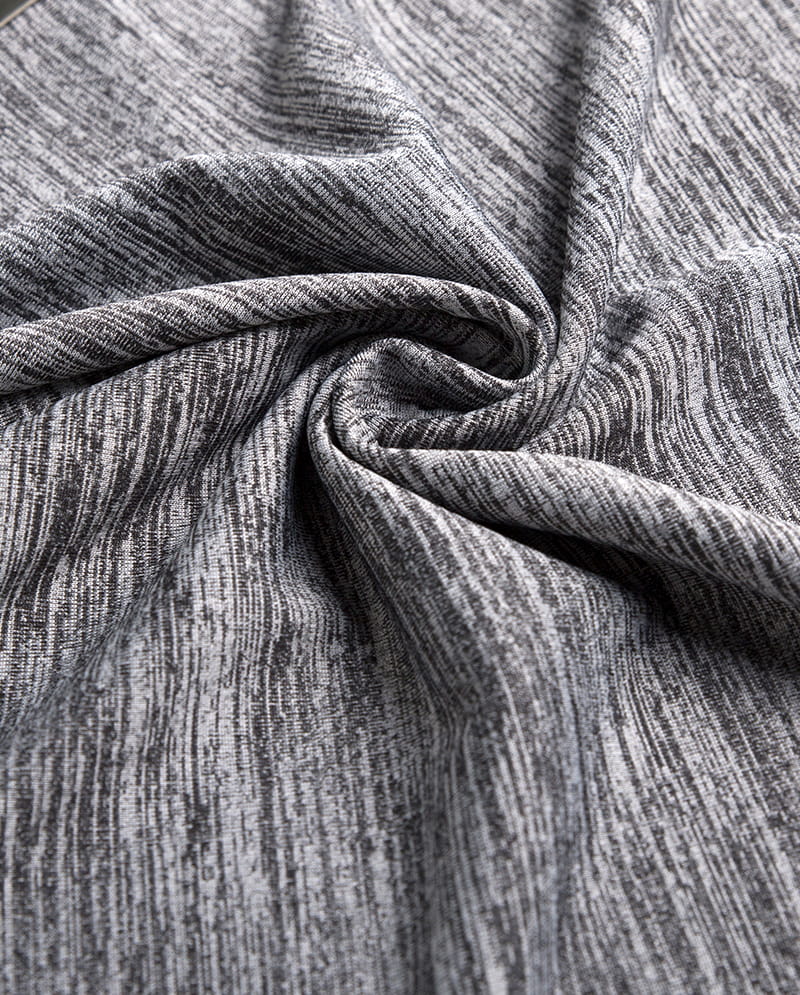
Anti-static Cationic Knitted Rib Fabric
-
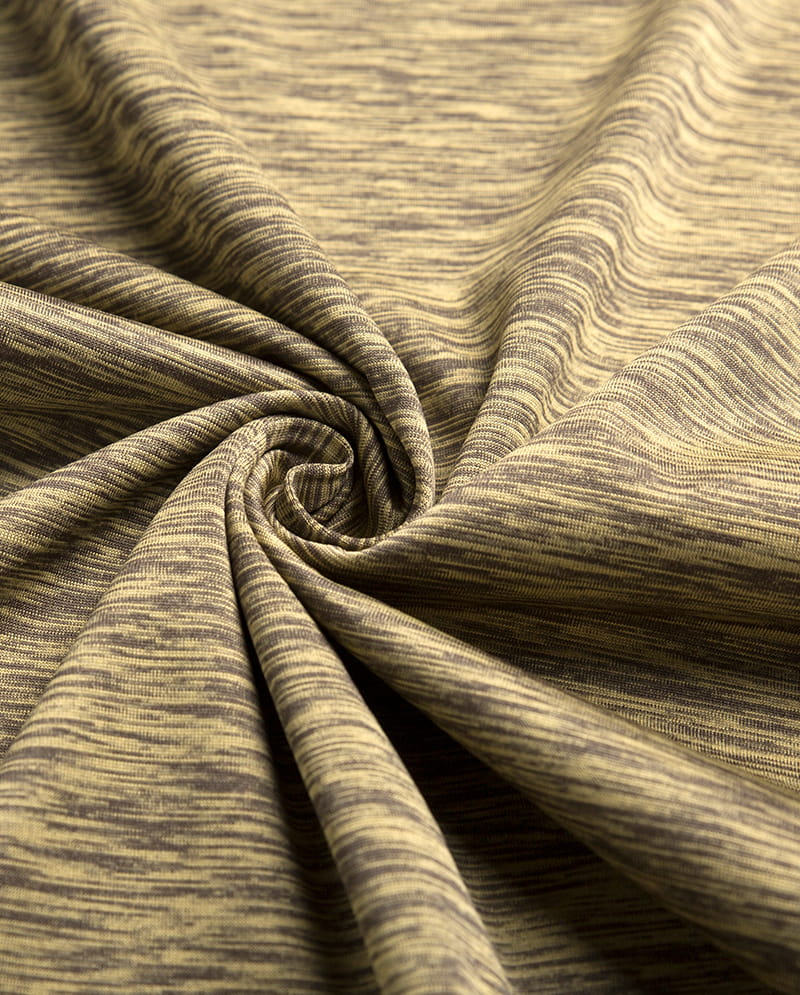
High-Stretch Cationic Jersey Fabric
-
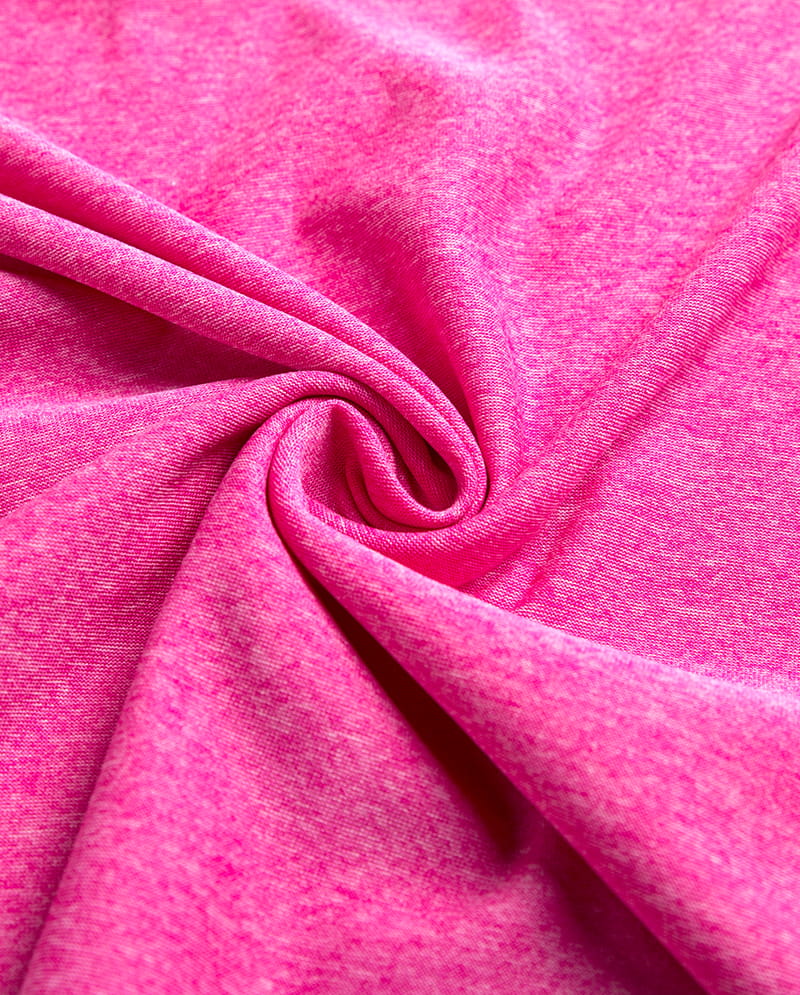
High Quality Cationic DTY Spandex Two Sides Brush Dralon Knit Fabric for Garment Thermal Underwear
-
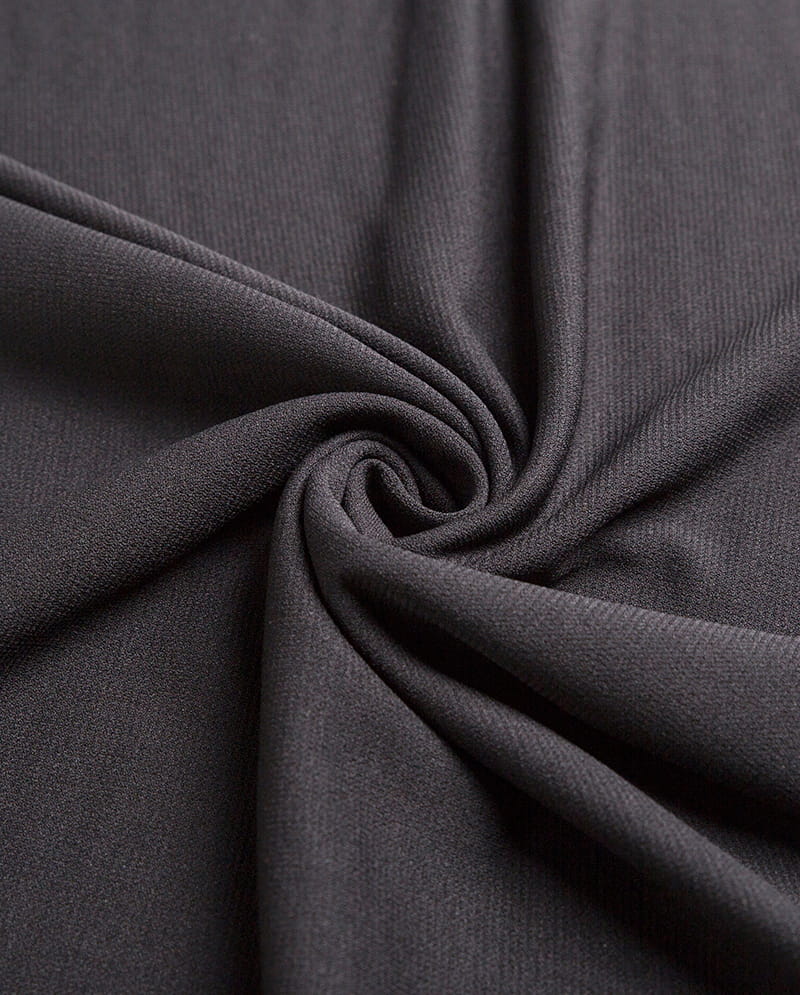
Durable Anti-Pilling Knitted Fabric for Home Textiles
-
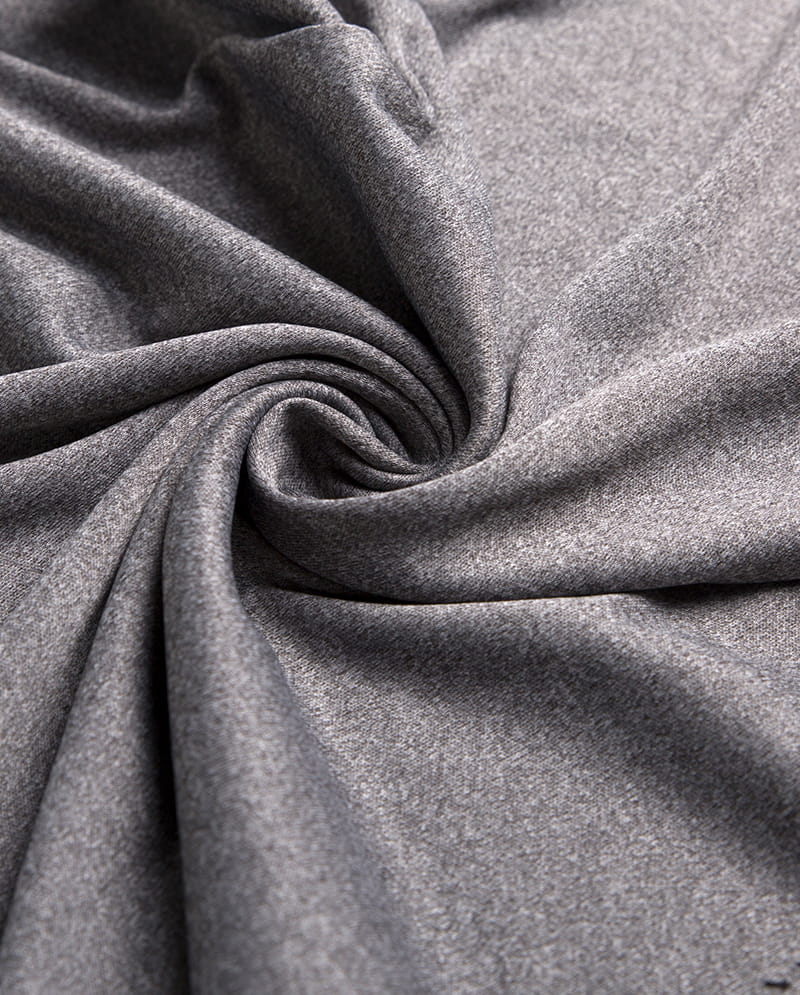
Wash-Resistant Cationic Elastic Knitted Fabric for Garment Industry
-
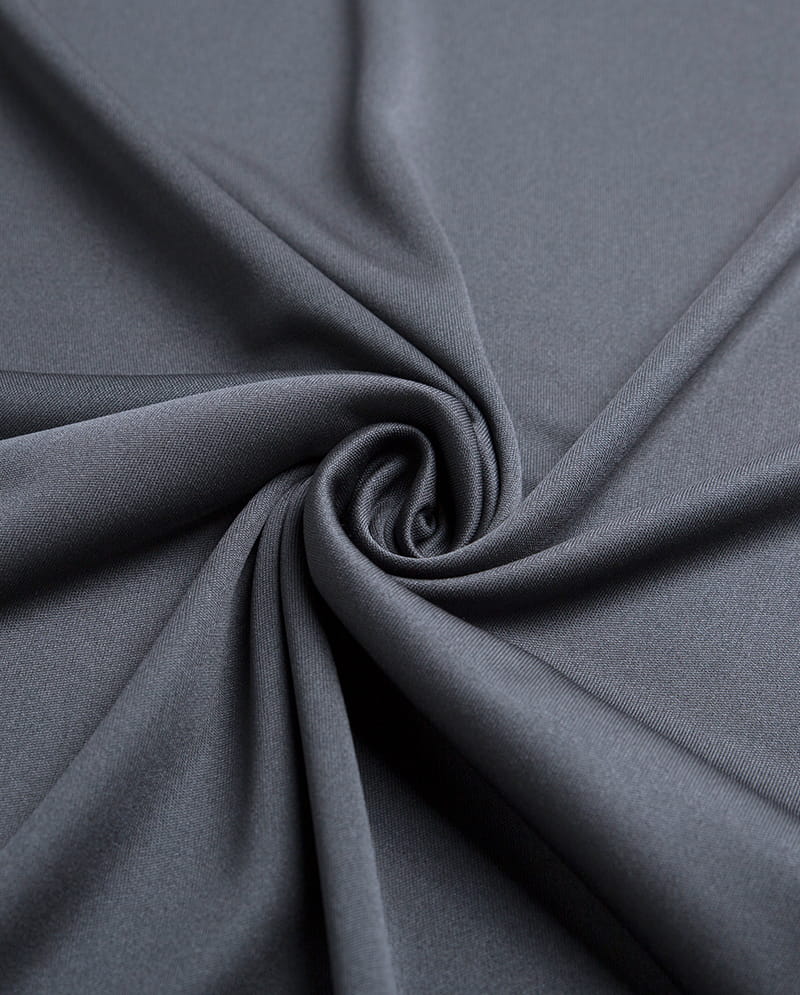
Breathable Double-Faced Elastic Composite Fabric
-
-
-
- whatsapp:
- 0086-13962559622
-
- skype:
- skype.aliceshenghong
-
- Wechat:

COPYRIGHT © 2016 Suzhou Junhui Textile Co., Ltd.
