

 EN
EN English
 中文简体
中文简体Multipurpose SD DDB Full Dull Normal Yarn for Premium Matte, UV-Resistant Fabrics
Content
- 1 Product Overview: A Functional Matte Yarn for Modern Textile Development
- 2 Core Product Advantages
- 3 Available D/F Specifications
- 4 Why Full Dull Yarn Matters in Premium Fabric Design
- 5 Advantages Over Ordinary Polyester Yarn Competitors
- 6 Advanced Manufacturing Process
- 6.1 Raw Material Selection and Polyester Chip Control
- 6.2 Delustering Agent Dispersion
- 6.3 Melt Spinning and Filament Formation
- 6.4 Quenching and Solidification
- 6.5 Oiling and Yarn Protection
- 6.6 Drawing, Texturing, and Heat Setting
- 6.7 Precision Winding and Package Formation
- 6.8 Quality Inspection and Batch Consistency
- 7 Company Strengths Supporting Product Reliability
- 8 Application in Winter Clothing Fabrics
- 9 Application in Outdoor Sports Fabrics
- 10 Application in High-Grade Knitted Fabrics
- 11 Application in Woven Fabrics
- 12 Design Flexibility Through Denier and Filament Selection
- 13 Environmental and Market Relevance
- 14 How the Yarn Supports Brand Differentiation
- 15 Quality Control Considerations for Buyers
- 16 Practical Recommendations for Fabric Development
- 17 Q&A Section
- 17.1 What is Multipurpose SD DDB (D/F) Normal Yarn mainly used for?
- 17.2 What does D/F mean in the product name?
- 17.3 Why is full dull yarn different from bright polyester yarn?
- 17.4 Does the yarn provide ultraviolet protection?
- 17.5 Is the yarn suitable for both knitting and weaving?
- 17.6 Which specification should be selected for soft knitted fabrics?
- 17.7 Why is this yarn suitable for down fabric?
- 17.8 How does the product help manufacturers compete in the market?
- 17.9 What manufacturing controls are important for this yarn?
- 17.10 Can the yarn be customized for special fabric requirements?
- 18 Conclusion
- 19 References
- 20 Product: Multipurpose SD DDB (D/F) Normal Yarn
Multipurpose SD DDB (D/F) Normal Yarn is engineered for fabric manufacturers who need a dependable polyester yarn with a refined matte appearance, comfortable touch, stable processability, and practical protection performance. Designed around a full dull visual effect and a carefully controlled denier/filament structure, this yarn helps textile producers create winter apparel fabrics, down fabric, premium knitted goods, outdoor sports materials, and other high-value textile products where appearance and function must work together.
In a market where many standard polyester yarns still focus mainly on basic strength and low cost, this product offers a more balanced solution. It combines subtle luster control, soft diffuse reflection, enhanced ultraviolet shielding, smooth hand feel, and stable physical properties. These advantages allow mills, knitting factories, weaving plants, dyeing facilities, garment brands, and fabric developers to upgrade ordinary polyester fabric into a more premium material with better comfort and broader application potential.
Multipurpose SD DDB (D/F) Normal Yarn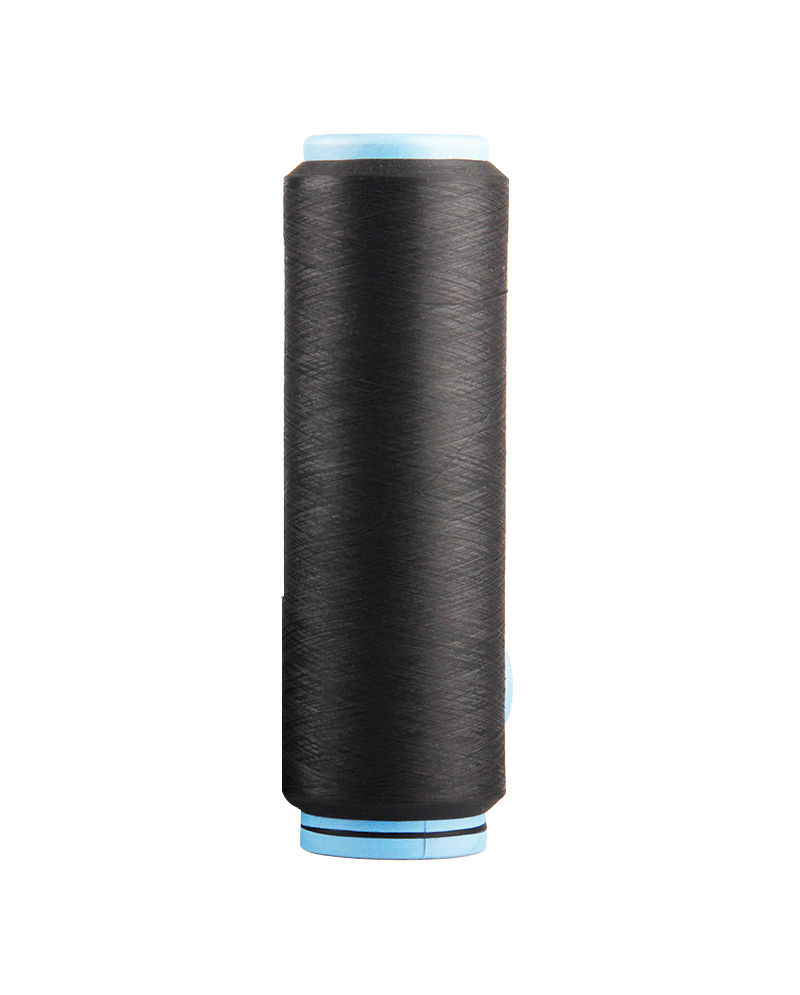
Product Overview: A Functional Matte Yarn for Modern Textile Development
Multipurpose SD DDB (D/F) Normal Yarn belongs to the normal yarn range and is developed for applications requiring an elegant dull appearance and reliable fabric performance. The term D/F refers to denier and filament count, two important parameters that determine the thickness, fineness, coverage, texture, and handle of the yarn. By offering multiple D/F combinations, the yarn gives textile manufacturers flexibility to design fabrics with different density, softness, opacity, and surface effects.
The yarn is characterized by its dull and diffused light effect. Compared with bright polyester yarn, it does not create harsh glare or a shiny plastic-like look. Instead, it produces a softer, calmer, and more premium surface. This makes it especially suitable for winter clothing fabrics, down jacket materials, high-grade knitted fabrics, sportswear textiles, and outdoor fabrics that require an understated appearance.
The full dull effect is achieved through the addition and uniform dispersion of delustering agent during yarn production. This agent changes the way light interacts with the fiber surface and internal fiber structure. Rather than reflecting light directly, the yarn diffuses light more evenly, resulting in a matte finish. At the same time, the delustering system helps improve ultraviolet resistance, making the yarn useful for fabrics exposed to sunlight.
Another major advantage is comfort. By increasing the visual density and modifying the optical and tactile character of the fiber, the yarn provides a smoother, more comfortable hand feel. Fabrics made with this yarn can feel more skin-friendly, less slippery than overly bright polyester, and more suitable for garments worn close to the body or used in performance clothing.
Core Product Advantages
The product’s advantages can be summarized in four major directions: visual refinement, UV shielding, comfort, and processing stability. Each of these points directly supports the needs of modern textile buyers, who increasingly demand materials that offer not only attractive cost performance but also differentiated value.
Soft Matte Appearance
One of the most visible advantages of Multipurpose SD DDB (D/F) Normal Yarn is its soft matte appearance. Many conventional polyester yarns have a strong shine, which can make fabrics look synthetic or low-end in certain applications. For premium winter coats, outdoor jackets, sportswear, knitted tops, and fashion fabrics, excessive brightness is often undesirable. A matte fabric looks more elegant, natural, and refined.
This yarn solves that problem by producing good diffuse reflection. Instead of allowing light to bounce sharply from the fabric surface, it scatters light in a gentler way. The result is a fabric surface that appears calmer, smoother, and more luxurious. This is especially valuable for down fabric, where a subtle matte finish can create a sophisticated garment appearance.
Enhanced Ultraviolet Resistance
The delustering agent used in full dull yarn also contributes to ultraviolet protection. Fabrics made with the yarn can help shield against sun exposure more effectively than many ordinary bright yarn fabrics. This benefit is important for outdoor sportswear, travel clothing, casual jackets, sun-protective textiles, and other products that may be used under natural light for extended periods.
While final UV protection depends on fabric structure, density, color, finishing, and garment design, the yarn itself provides a useful foundation. By improving light diffusion and reducing direct light penetration, it supports the development of fabrics with improved protective performance. This gives textile producers a competitive advantage when developing outdoor-oriented collections.
Comfortable and Smooth Touch
The product is designed to improve human touch and wearing comfort. Full dull polyester yarn can provide a soft, waxy, and pleasant hand feel when properly knitted or woven. Compared with stiff or overly glossy polyester yarns, it can create fabrics that feel more refined and comfortable against the skin.
This is particularly important in high-grade knitted fabrics. Knitted garments often rely heavily on tactile quality because they are worn close to the body. A yarn that combines matte appearance with soft touch allows manufacturers to produce fabrics that satisfy both visual and sensory expectations. For winter apparel, this comfort contributes to a cozy and premium wearing experience.
Stable Physical Properties
Multipurpose SD DDB (D/F) Normal Yarn is produced with attention to consistent physical properties, including reliable tensile strength, stable diameter, and controlled filament uniformity. These factors are essential for efficient downstream processing. In weaving and knitting, unstable yarn can cause broken ends, uneven fabric surface, dyeing irregularities, tension problems, and production loss.
By maintaining a consistent yarn structure, the product supports smoother production and better fabric quality. This advantage is particularly valuable for manufacturers producing bulk orders, where batch-to-batch consistency directly affects delivery reliability and customer satisfaction.
Available D/F Specifications
The product range includes several commonly used denier and filament combinations. These specifications allow manufacturers to select the most suitable yarn based on fabric weight, texture, coverage, strength, and end-use performance.
Product Type |
Available D/F Specifications |
Typical Fabric Direction |
SD DDB Normal Yarn |
30/24, 30/36 |
Lightweight woven or knitted fabrics requiring fine texture and smooth surface |
SD DDB Normal Yarn |
50/36, 50/72 |
Medium-light fabrics, linings, sportswear, and soft-touch apparel materials |
SD DDB Normal Yarn |
75/36, 75/72, 75/144 |
Down fabric, premium knitted fabrics, outdoor apparel, and functional casualwear |
SD DDB Normal Yarn |
100/36, 100/144 |
Medium-weight fabrics with improved coverage and matte visual density |
SD DDB Normal Yarn |
150/48, 150/96, 150/144, 150/288 |
Winter clothing fabrics, sports fabrics, heavier knits, and durable woven materials |
SD DDB Normal Yarn |
300/96 |
Heavier textile structures requiring strength, body, and full fabric coverage |
The availability of fine and heavier specifications makes the yarn suitable for a broad range of fabric design concepts. For example, 30D and 50D yarns can support lighter, softer materials, while 150D and 300D versions can be selected for stronger fabrics, winter apparel, and structures requiring more body. Higher filament counts such as 144F or 288F can create a smoother, finer, and more luxurious touch.
Why Full Dull Yarn Matters in Premium Fabric Design
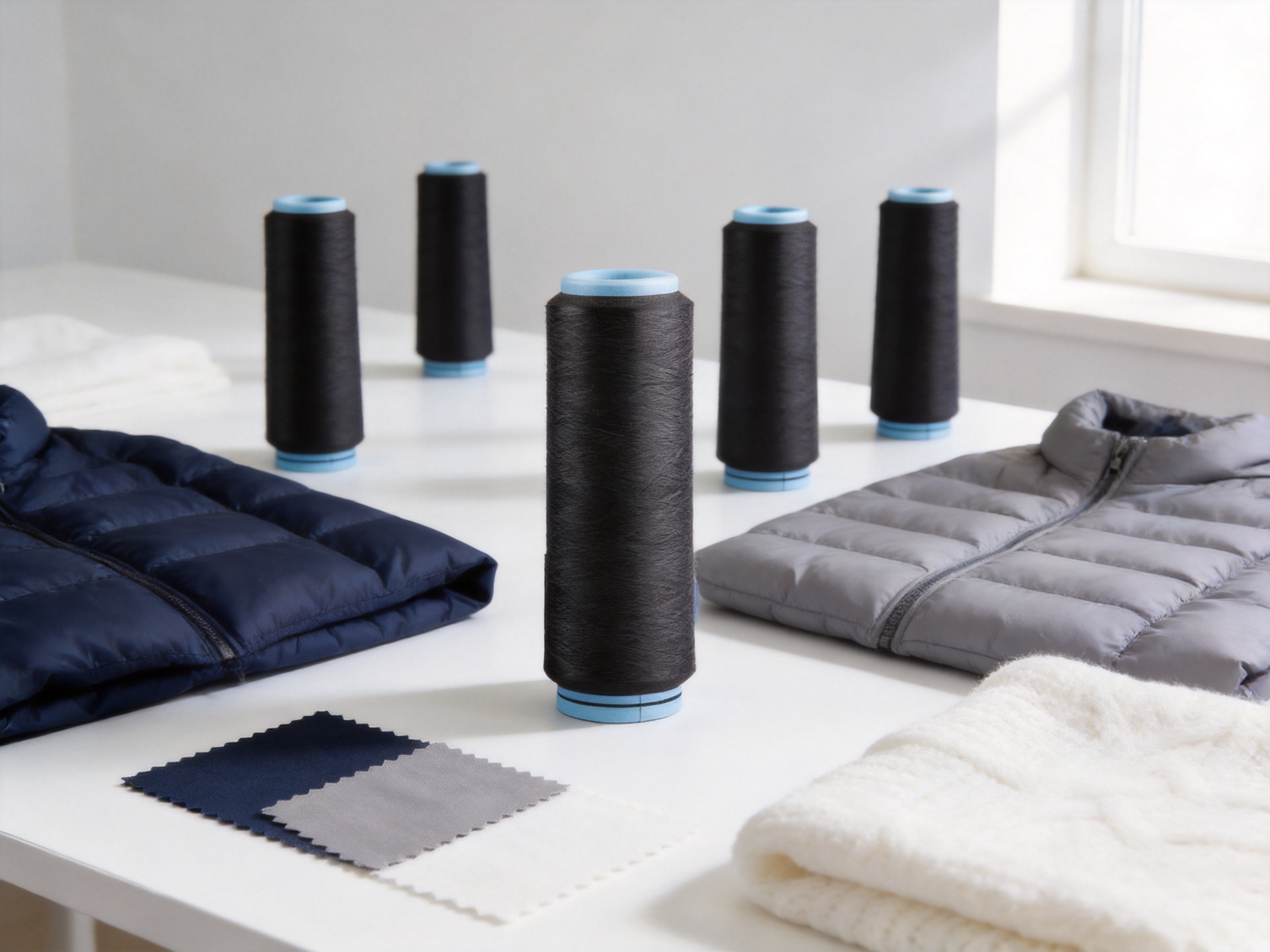
Textile buyers increasingly judge fabric by both performance and appearance. A fabric may have good strength, but if it looks too shiny or feels too synthetic, it may not meet the expectations of apparel brands or consumers. Full dull yarn addresses this issue by changing the optical identity of polyester fabric.
In many end uses, matte fabrics communicate quality. They are less visually aggressive, easier to match with modern fashion colors, and more suitable for outdoor and winter apparel where a refined surface is preferred. Bright fabrics can be attractive in selected fashion categories, but for high-grade sportswear, down jackets, and technical casualwear, a controlled matte finish is often more desirable.
Full dull yarn also supports color depth. Because the yarn diffuses light, dyed fabrics can present a softer and more stable visual tone. This can help reduce the appearance of excessive shine under strong light and improve the overall balance of the fabric surface. For brands building seasonal collections, this visual consistency can be a major advantage.
In addition, matte yarns often align better with the market trend toward natural-looking synthetic fabrics. Consumers may still want the durability, easy-care properties, and cost efficiency of polyester, but they increasingly prefer fabrics that do not look overly artificial. Multipurpose SD DDB (D/F) Normal Yarn helps bridge this gap by providing polyester performance with a more refined appearance.
Advantages Over Ordinary Polyester Yarn Competitors
Compared with many ordinary polyester yarns on the market, Multipurpose SD DDB (D/F) Normal Yarn offers a more complete performance package. Its value is not limited to one feature; rather, it integrates appearance, protection, comfort, and production reliability.
Better Appearance Than Bright Polyester Yarn
Ordinary bright polyester yarn often reflects light strongly. This can result in fabrics that look glossy, sharp, or inexpensive, depending on the application. For down jackets, outdoor sportswear, and premium knitted fabrics, this appearance may not match the desired product positioning. The full dull design of this yarn reduces glare and creates a soft visual impression, helping finished fabrics look more refined.
More Functional Than Basic Normal Yarn
Some normal yarn products provide only standard mechanical performance. They may be suitable for low-cost fabrics, but they do not add meaningful value in terms of UV resistance, fabric appearance, or comfort. Multipurpose SD DDB (D/F) Normal Yarn adds functional value through its delustering system and stable fiber structure. This makes it a better choice for manufacturers seeking to differentiate their fabrics in competitive markets.
Improved Comfort Compared With Coarser Alternatives
Yarn structure strongly affects fabric hand feel. Coarser, less uniform yarns can create roughness, unevenness, or stiffness. This product is designed with consistent diameter and controlled filament distribution, helping fabrics achieve a smoother and more comfortable touch. When higher filament-count versions are selected, the fabric can feel especially soft and refined.
More Reliable Processing Than Inconsistent Low-Grade Yarn
Low-grade yarn may appear economical at first, but it can cause production waste, machine stoppages, uneven dyeing, and customer complaints. Stable yarn quality is crucial for industrial-scale textile production. This product is manufactured with controlled spinning and quality inspection processes, supporting reliable knitting and weaving performance. Fewer defects and better consistency can reduce total production cost even when the yarn itself is positioned as a higher-value material.
Broader Application Potential
Some competitor yarns are suitable only for limited applications. Multipurpose SD DDB (D/F) Normal Yarn is suitable for both knitting and weaving, allowing it to be used across many fabric categories. This flexibility helps fabric mills simplify raw material selection and develop multiple product lines from a consistent yarn platform.
Advanced Manufacturing Process
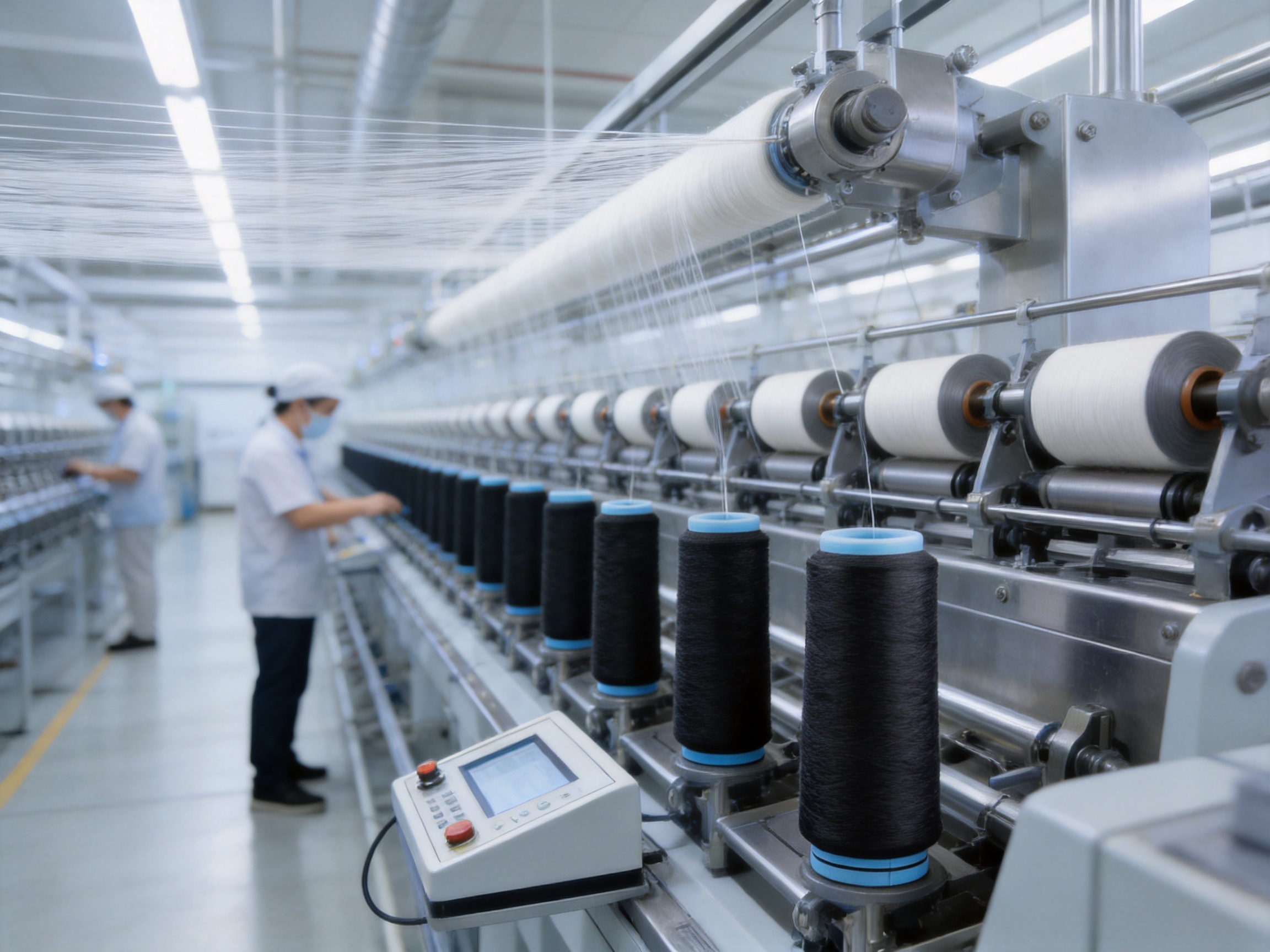
The quality of a functional polyester yarn depends heavily on manufacturing control. From raw material selection to spinning, drawing, texturing, winding, inspection, and packaging, each step affects the final yarn’s strength, evenness, appearance, and processability. The manufacturer behind this product applies advanced production knowledge and practical textile experience to ensure that the yarn meets the needs of export-oriented customers and demanding fabric producers.
Raw Material Selection and Polyester Chip Control
High-quality yarn begins with suitable polyester chips. Polyester chip quality affects melt viscosity, spinning stability, filament formation, dyeing behavior, and mechanical properties. By controlling the quality of polyester chips and selecting appropriate raw materials, the production team establishes a stable foundation for yarn performance.
Moisture management is particularly important. Polyester chips must be dried properly before melt spinning because excess moisture can cause hydrolysis during processing, reducing molecular weight and weakening yarn strength. Controlled drying conditions help maintain polymer integrity and support consistent extrusion.
Delustering Agent Dispersion
The full dull effect depends on the proper addition and dispersion of delustering agent. If the agent is not distributed evenly, the yarn may show inconsistent brightness, weak spots, uneven dyeing, or unstable physical behavior. Advanced mixing and process control help ensure that the delustering component is evenly incorporated into the polymer system.
Uniform dispersion allows each filament to deliver the intended matte appearance and UV-shielding contribution. This is one of the reasons the yarn can maintain a stable dull effect across fabric surfaces, reducing the risk of streaks or visual irregularities.
Melt Spinning and Filament Formation
During melt spinning, the polyester polymer is melted, filtered, and extruded through spinnerets to form filaments. The precision of this step affects filament diameter, cross-sectional consistency, yarn evenness, and downstream processability. Advanced spinning technology helps reduce filament breakage and maintain stable denier control.
Filtration is also essential. Melt impurities can block spinneret holes or create weak points in the yarn. Proper filtration supports cleaner spinning, smoother filament formation, and better final yarn quality. This is especially important for fine-denier and high-filament-count yarns where even small irregularities can affect fabric appearance.
Quenching and Solidification
After extrusion, the filaments must be cooled and solidified under controlled conditions. Airflow, temperature, and quenching uniformity influence the internal structure of the filaments. Inconsistent cooling can lead to uneven orientation, strength variation, and dyeing differences. Controlled quenching supports stable yarn properties and smooth downstream processing.
Oiling and Yarn Protection
Spin finish or oiling is applied to reduce friction, improve handling, and protect filaments during winding and further processing. Proper oiling helps yarn run smoothly through guides, rollers, knitting needles, and weaving equipment. It also reduces static buildup and filament damage. The correct balance is important because too little finish can cause abrasion, while too much can create processing or dyeing issues.
Drawing, Texturing, and Heat Setting
Depending on the exact product route, drawing and texturing processes are used to improve strength, dimensional stability, bulk, elasticity, and fabric hand feel. Drawing aligns polymer chains and increases yarn tenacity. Texturing can create crimp, volume, and improved covering power. Heat setting helps stabilize the yarn structure and reduce unwanted shrinkage during fabric processing.
For fabric manufacturers, these process controls translate into practical benefits. Yarn that has been properly drawn and stabilized is easier to process, gives more predictable fabric dimensions, and supports better finished product quality.
Precision Winding and Package Formation
Even a well-spun yarn can create downstream problems if the package is not formed properly. Winding tension, package density, edge formation, and unwinding behavior all affect the efficiency of weaving and knitting operations. The manufacturer controls package formation to support smooth unwinding and stable tension during use.
Quality Inspection and Batch Consistency
Quality inspection is an essential part of the manufacturing system. Important parameters include denier accuracy, filament count, tensile strength, elongation, evenness, oil content, appearance, package quality, and performance during trial processing. By maintaining consistent inspection standards, the company can support reliable export supply and reduce quality risk for customers.
Company Strengths Supporting Product Reliability
The product is supplied by Suzhou Junhui Textile Co., Ltd. together with Suzhou Xiaoran New Materials Co., Ltd., an enterprise established in 2015 and focused on the development and sale of differentiated yarns and fabric products. The company’s product direction includes recycled yarn, polyester drop-dyed yarn, microfine yarn, flame-retardant yarn, cationic dyeing yarn, knitting fabric products, and other functional textile materials.
One of the company’s key strengths is its commitment to research and development. A professional R&D team works on environmental protection yarns, functional yarns, and fabric applications. This technical background is important because modern yarn development requires more than simple production capacity. It requires understanding of polymer behavior, spinning technology, fabric design, dyeing performance, finishing compatibility, and market requirements.
The company also has a strong export orientation, with more than 90 percent of products exported and customers located in many countries. This global customer base gives the company practical experience with diverse quality standards, application preferences, packaging requirements, and delivery expectations. For international buyers, this experience helps reduce communication risk and supports smoother cooperation.
Another strength is service responsiveness. The company emphasizes professional guidance and support for product selection and problem solving. In yarn purchasing, technical communication is often just as important as price. Customers may need advice on denier selection, filament count, fabric structure, application suitability, and troubleshooting during knitting, weaving, dyeing, or finishing. A supplier with technical service capability can help customers shorten development cycles and reduce trial-and-error costs.
Finally, the company’s broad product portfolio allows customers to source multiple types of differentiated yarn from one supplier. Alongside Multipurpose SD DDB (D/F) Normal Yarn, the product range includes recycled series, normal series, cationic dyeing series, high-elastic series, functional series, cotton-like yarn, hollow warm yarn, and air-covered yarn options. This makes the company a useful partner for mills developing complete fabric collections.
Application in Winter Clothing Fabrics
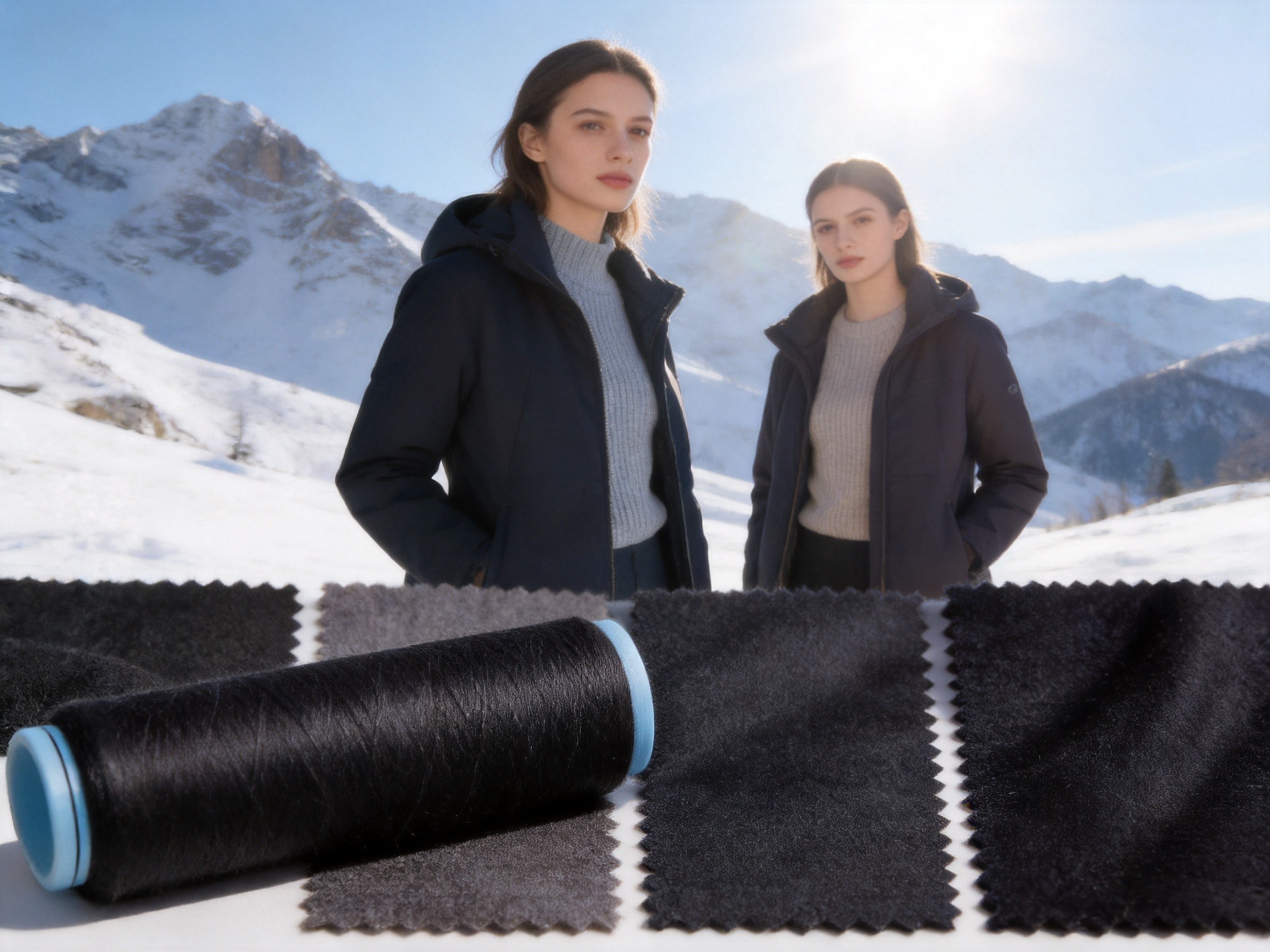
Winter clothing fabrics require warmth, comfort, appearance, durability, and often wind resistance or down-proof performance. Multipurpose SD DDB (D/F) Normal Yarn is well suited to winter apparel because of its matte appearance and smooth hand feel. When used in woven or knitted structures, it can help create fabrics that feel substantial yet refined.
For down jacket materials, the yarn’s dull surface helps create a sophisticated outer appearance. Bright yarns can make down jackets look too shiny or technical, which may not suit premium fashion positioning. A matte fabric, by contrast, can look modern, calm, and high-end. The yarn’s UV resistance also supports outerwear performance, especially for garments used in outdoor environments.
In linings, the yarn can provide smoothness and comfort. A down jacket lining must be comfortable against inner garments and easy to wear. Yarn consistency also supports tight fabric construction, which can be important for reducing fiber migration in down-related products.
For winter knitted fabrics, the yarn can contribute to a waxy, soft, and high-grade touch. It can be used in sweater-like structures, base layers, thermal garments, casual winter tops, and blended textile concepts. Depending on the selected specification, fabric designers can adjust weight, drape, elasticity, and surface texture.
Application in Outdoor Sports Fabrics
Outdoor sports fabrics must balance functionality and comfort. They may need UV resistance, durability, breathability, color stability, abrasion resistance, and a comfortable touch. Multipurpose SD DDB (D/F) Normal Yarn provides a strong foundation for these requirements.
The yarn’s dull effect is especially valuable for outdoor sportswear because it reduces glare. In sunlight, highly shiny fabrics can be visually uncomfortable and may look less refined. Matte fabrics present a more professional and premium appearance. The yarn’s ability to diffuse light also helps support the development of UV-conscious fabrics.
In sportswear, comfort is critical. The yarn’s smooth touch helps reduce irritation and supports wearable fabric design. When combined with appropriate knitting or weaving structures, moisture management finishes, or functional finishing technologies, it can be part of advanced outdoor apparel systems.
The product is also suitable for active casualwear, travel garments, hiking apparel, lightweight jackets, protective overshirts, and lifestyle sports collections. Its versatility allows fabric producers to serve both performance and fashion markets.
Application in High-Grade Knitted Fabrics
High-grade knitted fabrics require excellent hand feel, stable loops, uniform appearance, and reliable dyeing performance. Multipurpose SD DDB (D/F) Normal Yarn can help knitting mills develop fabrics with soft texture and refined visual quality. Higher filament-count versions can provide smoother surfaces and enhanced comfort, while medium-denier versions can support balanced weight and durability.
Knitted fabric quality depends strongly on yarn consistency. Uneven yarn can create barré, streaks, loop irregularities, and fabric defects. By offering stable diameter and reliable tensile properties, the yarn helps reduce these risks. This is important for customers producing fashion knits, sports knits, casualwear fabrics, and premium apparel materials.
The dull appearance also improves the aesthetic value of knitted fabrics. Instead of a shiny synthetic look, the fabric can present a soft, elegant surface. This makes it easier to design garments with a high-end visual identity.
Application in Woven Fabrics
For woven fabrics, yarn stability is essential. Warp and weft yarns must tolerate tension, abrasion, and repeated mechanical movement during weaving. Multipurpose SD DDB (D/F) Normal Yarn offers reliable physical properties that support weaving efficiency. Its matte appearance can enhance the look of woven outerwear fabrics, linings, windbreakers, down-proof fabrics, and casual apparel materials.
Different D/F specifications allow woven fabric designers to adjust density and performance. Fine-denier yarns can support lightweight woven fabrics, while heavier yarns can be used for stronger and more structured textiles. The full dull effect provides good coverage and a more premium surface compared with ordinary bright yarn.
Design Flexibility Through Denier and Filament Selection
Choosing the correct denier and filament count is one of the most important decisions in fabric development. Denier affects yarn thickness and fabric weight, while filament count affects softness, texture, and surface smoothness. A 75/144 yarn, for example, has many fine filaments and can produce a softer hand than a lower-filament alternative of the same denier. A 150/48 yarn may provide more body and strength with a different texture.
Multipurpose SD DDB (D/F) Normal Yarn offers multiple options, allowing textile engineers to design precisely for target applications. Lightweight products may use finer yarns such as 30D or 50D. Medium apparel fabrics may use 75D or 100D. Heavier winter materials may use 150D or 300D. High-filament versions can be selected when softness and smoothness are priorities.
This flexibility gives the product an advantage over suppliers with limited specifications. A broader D/F range means customers can develop more fabric types without changing yarn families or supplier systems. This supports more efficient sampling, production planning, and collection development.
Environmental and Market Relevance
The textile industry is moving toward higher-value, more functional, and more responsible materials. While this product is part of the normal yarn series, it is supplied by a company with strong experience in differentiated and environmentally oriented yarns, including recycled yarn products. This background helps the company understand the broader market trend toward sustainability, functional performance, and customized textile solutions.
Modern buyers do not only ask whether a yarn can be produced; they ask whether it can help them create fabrics that sell. A fabric must meet visual expectations, comfort requirements, functional claims, and stable production needs. Multipurpose SD DDB (D/F) Normal Yarn supports this direction by offering a practical combination of matte aesthetics, UV-related performance, and reliable textile processing.
As apparel brands seek to reduce product sameness, differentiated yarns become more important. A fabric using full dull yarn can look and feel different from ordinary polyester materials. This can help manufacturers improve product positioning and respond to market demand for premium yet cost-effective textiles.
How the Yarn Supports Brand Differentiation
Fabric manufacturers and garment brands face strong competition. Many products use similar fiber compositions, similar fabric structures, and similar colors. Yarn selection is one of the most effective ways to create difference at the material level. Multipurpose SD DDB (D/F) Normal Yarn enables differentiation through its matte finish, tactile comfort, and functional light-diffusion characteristics.
For apparel brands, the yarn can support storytelling around comfort, refined appearance, outdoor suitability, and fabric quality. For fabric mills, it can support the creation of product lines that stand apart from basic polyester fabrics. For sourcing teams, it provides a dependable material option from a supplier with international market experience.
In premium winter apparel, the difference may be visible immediately in the fabric surface. In sportswear, the advantage may be seen in reduced glare and improved comfort. In knitted goods, the yarn can contribute to a soft, waxy touch that encourages consumer preference. These improvements can help create stronger market value than ordinary commodity yarns.
Quality Control Considerations for Buyers
When selecting this yarn, buyers should consider several technical points. First, the correct D/F specification should be chosen according to fabric design. Second, yarn performance should be tested under actual knitting or weaving conditions. Third, dyeing and finishing trials should be conducted to confirm color, hand feel, shrinkage, and fabric stability. Fourth, fabric density and structure should be optimized to achieve the desired UV shielding and matte effect.
Buyers should also communicate target applications clearly. A yarn intended for down fabric may require different priorities from one intended for knitted sportswear. Down fabric may focus on density, surface smoothness, and fabric stability, while sportswear may focus on comfort, weight, moisture management compatibility, and stretch behavior. The company’s technical support can help customers make more suitable selections.
Practical Recommendations for Fabric Development
For lightweight matte woven fabrics, customers can consider 30D or 50D specifications. These yarns can support smooth surfaces and softer textures. For medium-weight outerwear or sportswear, 75D and 100D options provide a useful balance of coverage, strength, and comfort. For winter fabrics requiring more body, 150D or 300D specifications may be appropriate.
For softer knitted fabrics, higher filament counts can be advantageous. A yarn with more filaments of finer individual size can improve smoothness and comfort. For structured woven fabrics, lower or medium filament counts may provide stronger body and clearer texture. Final selection should be based on fabric structure, machine type, finishing route, and end-use requirements.
When UV-related performance is important, fabric construction should not be overlooked. Yarn selection provides a foundation, but fabric density, color depth, finishing, and coating can all influence final protection. A tightly woven or well-covered knitted structure generally improves shielding performance. Darker colors may also enhance UV blocking, depending on the dye and finishing system.
Q&A Section
What is Multipurpose SD DDB (D/F) Normal Yarn mainly used for?
It is mainly used for winter clothing fabrics, down fabric, high-grade knitted fabrics, outdoor sports fabrics, woven apparel materials, linings, and functional casualwear. Its matte appearance, UV-related performance, and comfortable touch make it suitable for both fashion and performance textile applications.
What does D/F mean in the product name?
D/F refers to denier and filament count. Denier indicates yarn thickness, while filament count indicates how many individual filaments are included in the yarn. Together, these values influence fabric weight, softness, coverage, strength, and texture.
Why is full dull yarn different from bright polyester yarn?
Full dull yarn contains a higher level of delustering agent, which changes the way light reflects from the fiber. Instead of a shiny surface, it creates diffuse reflection and a soft matte appearance. This gives fabrics a more refined and premium look.
Does the yarn provide ultraviolet protection?
The delustering system helps improve ultraviolet resistance by diffusing light and reducing direct light transmission. Final UV performance depends on fabric structure, density, color, finishing, and garment design, but the yarn provides a strong foundation for UV-conscious fabric development.
Is the yarn suitable for both knitting and weaving?
Yes. The yarn is designed for versatile processing and can be used in both knitting and weaving. Its stable physical properties and controlled diameter support smooth operation on textile machinery.
Which specification should be selected for soft knitted fabrics?
Higher filament-count specifications are often suitable for softer knitted fabrics because finer individual filaments can create a smoother and more comfortable hand feel. However, the best choice depends on target fabric weight, elasticity, machine gauge, and finishing requirements.
Why is this yarn suitable for down fabric?
Down fabric benefits from a smooth, refined, and stable yarn. This product offers a matte appearance, comfortable touch, and reliable physical properties, making it suitable for down jacket outer layers and linings where appearance and fabric stability are important.
How does the product help manufacturers compete in the market?
It helps manufacturers create fabrics with differentiated appearance and added functional value. Compared with ordinary bright polyester yarn, it offers a more premium matte look, improved comfort, and UV-related performance, allowing fabric products to stand out in competitive textile markets.
What manufacturing controls are important for this yarn?
Important controls include polyester chip quality, drying, delustering agent dispersion, melt spinning precision, filtration, quenching, oiling, drawing, texturing, heat setting, winding, and quality inspection. These steps ensure stable yarn performance and consistent fabric results.
Can the yarn be customized for special fabric requirements?
The manufacturer has experience with differentiated yarn development and can accept orders for various specialty yarn needs. Customers should provide application details, target fabric properties, and processing requirements so that suitable recommendations can be made.
Conclusion
Multipurpose SD DDB (D/F) Normal Yarn is a high-value polyester yarn solution for manufacturers seeking more than basic yarn performance. It offers a refined matte appearance, comfortable touch, UV-related benefits, stable physical properties, and broad application flexibility. These advantages make it suitable for winter apparel, down fabric, high-grade knitted materials, outdoor sportswear, woven fabrics, and other premium textile products.
Its competitive strength lies in the integration of aesthetics and function. Compared with ordinary bright polyester yarn, it creates a softer and more luxurious fabric surface. Compared with low-grade normal yarn, it offers better consistency and broader development potential. Compared with narrow-purpose yarn options, it provides versatility across different fabric structures and end uses.
The company behind the product supports this yarn with advanced manufacturing processes, R&D capability, international export experience, and technical service. From raw material selection and delustering control to spinning, texturing, package formation, and quality inspection, the production system is designed to support stable performance and customer confidence.
For fabric mills and brands that want to upgrade polyester textiles with matte beauty, comfort, and practical outdoor value, Multipurpose SD DDB (D/F) Normal Yarn is a dependable and versatile choice. It gives manufacturers the tools to develop fabrics that look better, feel better, process more reliably, and meet the evolving expectations of modern textile markets.
References
1. Morton, W. E., and Hearle, J. W. S. Physical Properties of Textile Fibres. Woodhead Publishing.
2. Gupta, V. B., and Kothari, V. K. Manufactured Fibre Technology. Springer.
3. Fourne, F. Synthetic Fibers: Machines and Equipment, Manufacture, Properties. Hanser Publishers.
4. Textile Institute. Textile Terms and Definitions. The Textile Institute.
5. Hearle, J. W. S., Hollick, L., and Wilson, D. K. Yarn Texturing Technology. Woodhead Publishing.
6. Saville, B. P. Physical Testing of Textiles. Woodhead Publishing.
Product: Multipurpose SD DDB (D/F) Normal Yarn
Popular products
-
Premium Cationic Interlock Stretch Comfort Fabric
-
Moisture-Wicking Nylon Woven Fabric
-
Double-faced jacquard elastic fabric
-
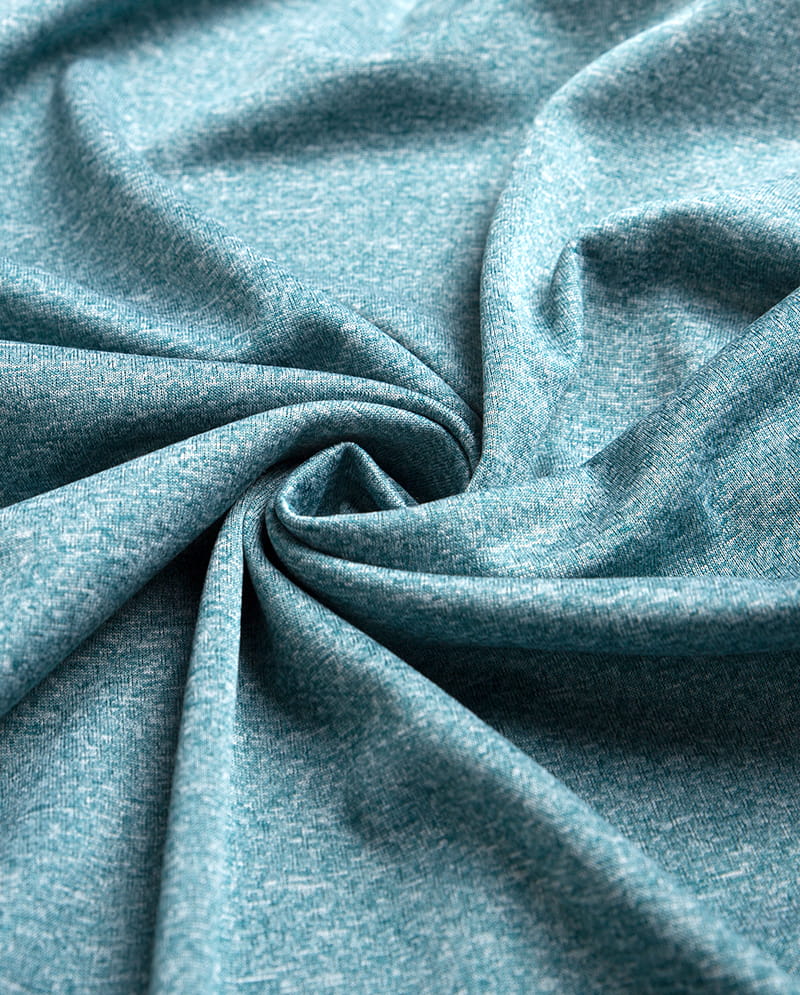
Heather Grey Double-faced cationic jersey fabric
-
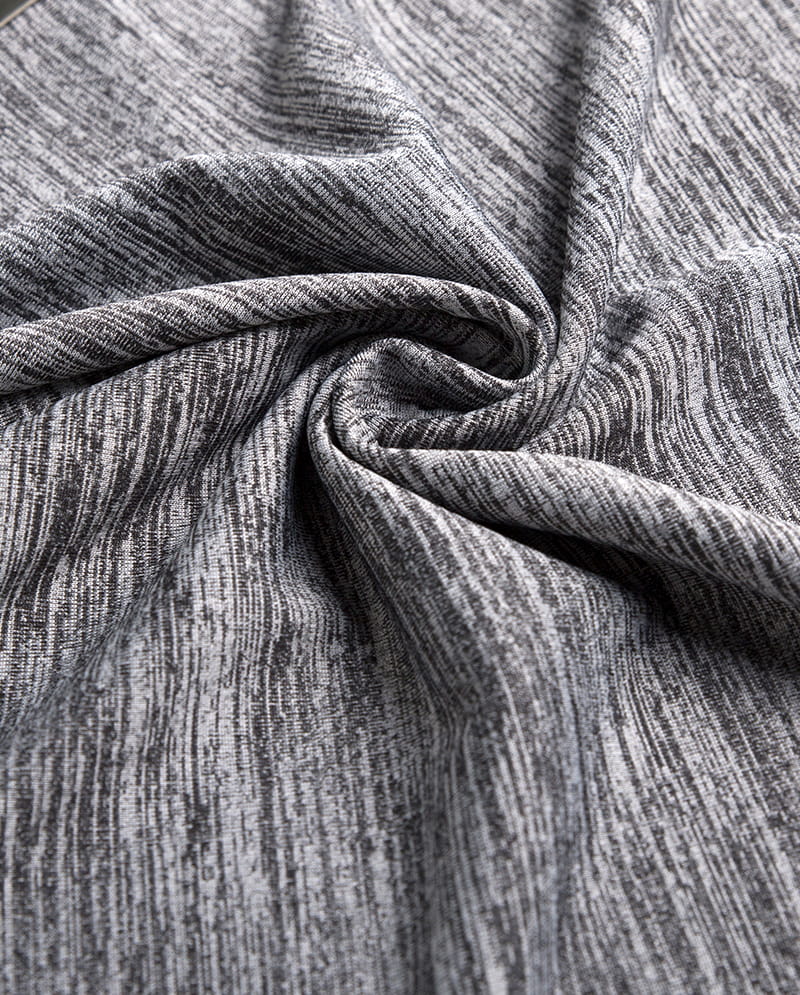
Anti-static Cationic Knitted Rib Fabric
-
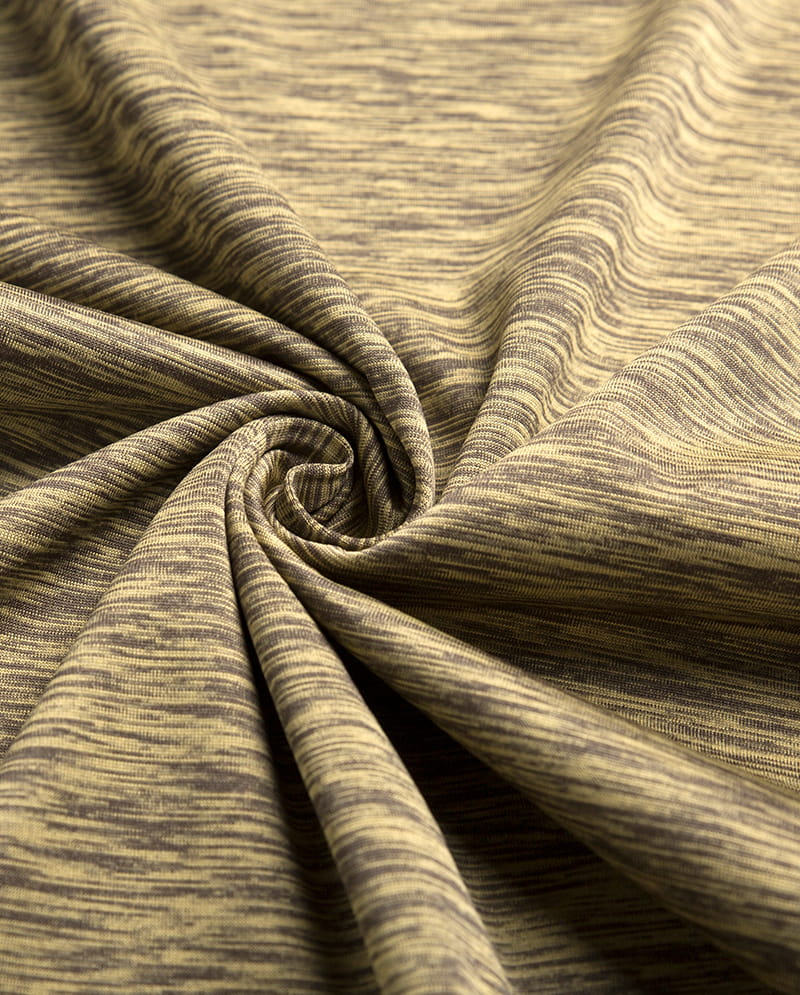
High-Stretch Cationic Jersey Fabric
-
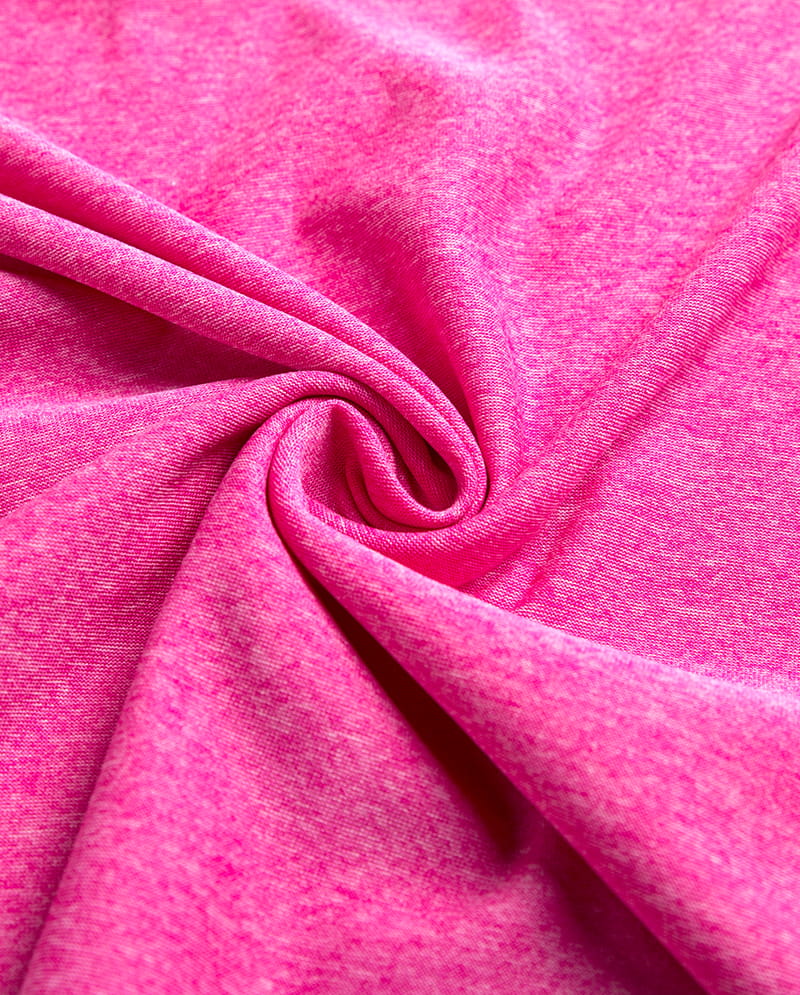
High Quality Cationic DTY Spandex Two Sides Brush Dralon Knit Fabric for Garment Thermal Underwear
-
Durable Anti-Pilling Knitted Fabric for Home Textiles
-
Wash-Resistant Cationic Elastic Knitted Fabric for Garment Industry
-
Breathable Double-Faced Elastic Composite Fabric
-
-
-
- whatsapp:
- 0086-13962559622
-
- skype:
- skype.aliceshenghong
-
- Wechat:

COPYRIGHT © 2016 Suzhou Junhui Textile Co., Ltd.
