

 EN
EN English
 中文简体
中文简体Moisture-Wicking Nylon Woven Fabric: Performance, Manufacturing Excellence, and Applications
Content
- 1 What Is Moisture-Wicking Nylon Woven Fabric?
- 2 Core Performance Advantages
- 3 How Moisture-Wicking Performance Works
- 4 Advantages Over Conventional and Competing Fabrics
- 5 Manufacturing Process and Technical Control
- 6 Manufacturing Strengths and Product Development Capability
- 7 Functional Yarn Expertise Supporting Fabric Performance
- 8 Applications of Moisture-Wicking Nylon Woven Fabric
- 9 Customization Options for Buyers
- 10 Sustainability and Responsible Textile Development
- 11 How to Select the Right Fabric Specification
- 12 Purchasing and Partnership Considerations
- 13 Q&A
- 13.1 What is the main benefit of moisture-wicking nylon woven fabric?
- 13.2 Is the fabric suitable for sportswear?
- 13.3 How is this fabric different from cotton?
- 13.4 How is woven nylon different from knitted fabric?
- 13.5 Can recycled materials be used in functional textile development?
- 13.6 Can the fabric be customized in color and construction?
- 13.7 Does moisture wicking mean that the fabric is waterproof?
- 13.8 Is nylon suitable for repeated washing?
- 13.9 What industries can use this material?
- 13.10 What should buyers request before placing an order?
- 14 Conclusion
- 15 References
- 16 Product: Moisture-Wicking Nylon Woven Fabric
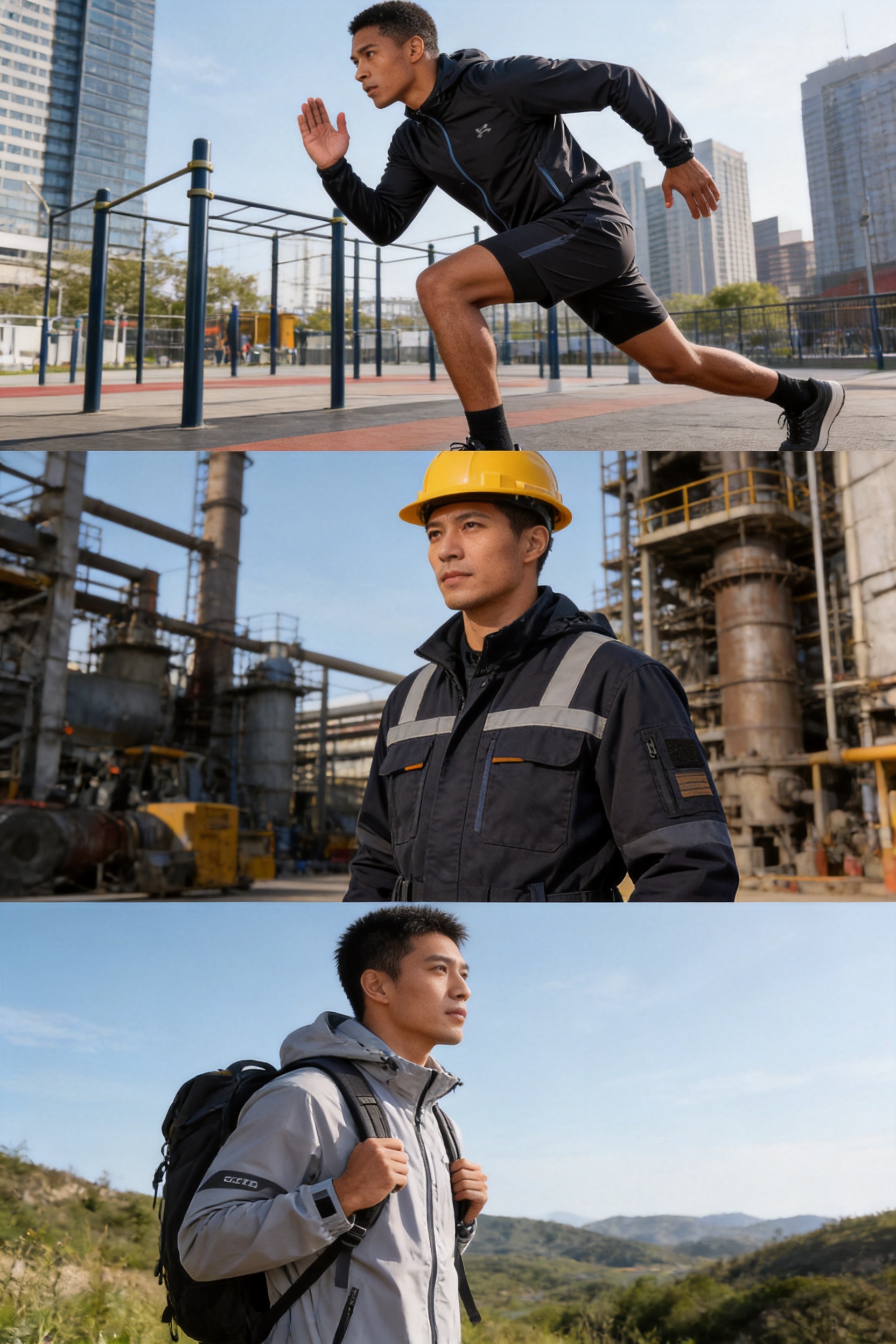
Moisture-wicking nylon woven fabric is engineered for users who need dependable dryness, strength, comfort, and long-term performance from one textile solution. Unlike ordinary woven materials that may retain perspiration against the skin, this functional fabric is designed to move moisture away from the body and support faster evaporation on the outer surface. The result is a cleaner, drier, and more comfortable wearing experience in sportswear, work uniforms, outdoor garments, industrial apparel, and other demanding applications.
The fabric combines the intrinsic performance of high-tenacity nylon with a tightly controlled woven construction. Nylon contributes excellent abrasion resistance, dimensional stability, light weight, flexibility, and chemical resistance. The woven structure contributes durability, shape retention, wind resistance, and a smooth, stable surface. When these characteristics are combined with moisture-management engineering, the material can provide a practical alternative to conventional fabrics that become heavy, clingy, or uncomfortable after absorbing sweat.
Functional textile performance depends on much more than fiber selection. Yarn fineness, filament configuration, weave density, surface structure, finishing conditions, and quality control all affect the final fabric. A reliable textile supplier therefore needs experience across yarn development, differential fiber design, fabric production, and application support. Suzhou Junhui Textile Co., Ltd. and Suzhou Xiaoran New Material Co., Ltd. have built their textile business around differentiated yarns, functional materials, recycled products, and fabric development. Their experience provides a strong foundation for producing and supplying advanced textile solutions for international customers.
What Is Moisture-Wicking Nylon Woven Fabric?
Moisture-wicking nylon woven fabric is a performance textile made by interlacing nylon yarns in a controlled warp-and-weft structure. The fabric is developed to transport liquid moisture from the skin-facing side toward the outer surface. Once moisture reaches the outer layer, it can spread across a larger area and evaporate more efficiently into the surrounding air.
This process is commonly explained through capillary action. Small spaces between fibers and yarns create pathways that encourage liquid movement. The effectiveness of these pathways depends on fiber geometry, filament arrangement, yarn compactness, fabric density, and surface energy. A carefully designed textile can therefore move perspiration more effectively than an untreated fabric with a less suitable structure.
The woven construction gives the material a different performance profile from knitted fabric. Knitted materials are often valued for stretch and softness, while woven fabrics generally provide greater dimensional stability, resistance to snagging, and a more structured appearance. Moisture-wicking nylon woven fabric is particularly suitable when a garment must retain its shape, resist abrasion, and maintain a neat appearance during repeated use.
The fabric can be designed in different weights, widths, surface textures, colors, and finishing configurations according to application requirements. A lightweight version may be suitable for warm-weather uniforms or sports apparel. A denser version may provide greater protection for outdoor clothing, workwear, bags, covers, or industrial garments. The flexibility of the product makes it possible to balance comfort, durability, appearance, and production cost.
Core Performance Advantages
Rapid Moisture Transport
The principal advantage of this fabric is its ability to move perspiration away from the skin. During exercise, outdoor work, or extended daily wear, moisture accumulation can create a damp feeling, increase friction, and make garments cling to the body. By transporting moisture toward the outer surface, the fabric helps reduce these problems.
Moisture management also supports thermal comfort. Wet fabric can remain against the skin and contribute to chilling when activity stops or when the wearer enters a cooler environment. Efficient moisture transfer reduces the time that liquid remains concentrated on the inside of the garment. This is especially valuable for active users who alternate between high-intensity movement and rest.
High Abrasion Resistance
Nylon is recognized for its strong resistance to abrasion. This characteristic is important in garments exposed to repeated rubbing from equipment, backpacks, safety harnesses, furniture, or other surfaces. A moisture-wicking fabric that loses its surface quality quickly would provide limited value, so the durability of nylon helps extend the useful life of the finished product.
For workwear and outdoor applications, abrasion resistance can reduce premature fabric damage and lower replacement frequency. It can also help maintain a professional appearance over time. When the fabric is correctly woven and finished, it can withstand repeated wear while preserving its functional properties.
Light Weight and Good Drapability
Nylon offers a favorable strength-to-weight ratio. A well-designed woven fabric can provide useful mechanical performance without creating unnecessary garment weight. This benefit is important for sportswear, travel clothing, uniforms, and outdoor equipment, where excess weight may reduce mobility and comfort.
Good drapability allows the fabric to follow the shape of a garment without becoming excessively rigid. Designers can use it in shirts, jackets, trousers, vests, protective layers, and accessories. The balance between structure and flexibility also supports clean cutting, sewing, folding, and packing during garment production.
Dimensional Stability
Repeated washing, stretching, and use can cause some fabrics to lose their original shape. Nylon woven fabric is valued for its resistance to deformation when properly processed. Stable dimensions help garments preserve their fit and reduce problems such as twisting, excessive shrinkage, or uneven panels.
Dimensional stability is particularly important for uniforms and technical clothing. These products are often washed frequently and expected to look consistent across long service periods. A stable fabric can simplify garment quality control because pattern pieces remain more predictable during cutting and assembly.
Resistance to Chemicals and Daily Wear
Nylon provides useful resistance to many common sources of wear, including moderate exposure to oils, cleaning agents, and environmental contaminants. The exact resistance depends on the chemical, concentration, temperature, and exposure time, but the material is generally well suited to practical clothing applications.
This property supports the use of the fabric in work environments where garments may encounter dust, perspiration, light industrial substances, and repeated laundering. It also contributes to product reliability in outdoor settings, where clothing may face dirt, rain, and changing environmental conditions.
Breathability with Protective Structure
A dense woven structure does not necessarily mean that a fabric must feel heavy or completely closed. Through appropriate yarn selection and construction control, the textile can provide a balance between breathability and protection. The final air permeability depends on yarn size, weave density, finishing, and fabric weight.
This balance gives product developers greater freedom. A fabric may be made more open and lightweight for active clothing, or more compact for workwear and outdoor protection. The objective is to match the fabric structure to the end use rather than applying one specification to every product.
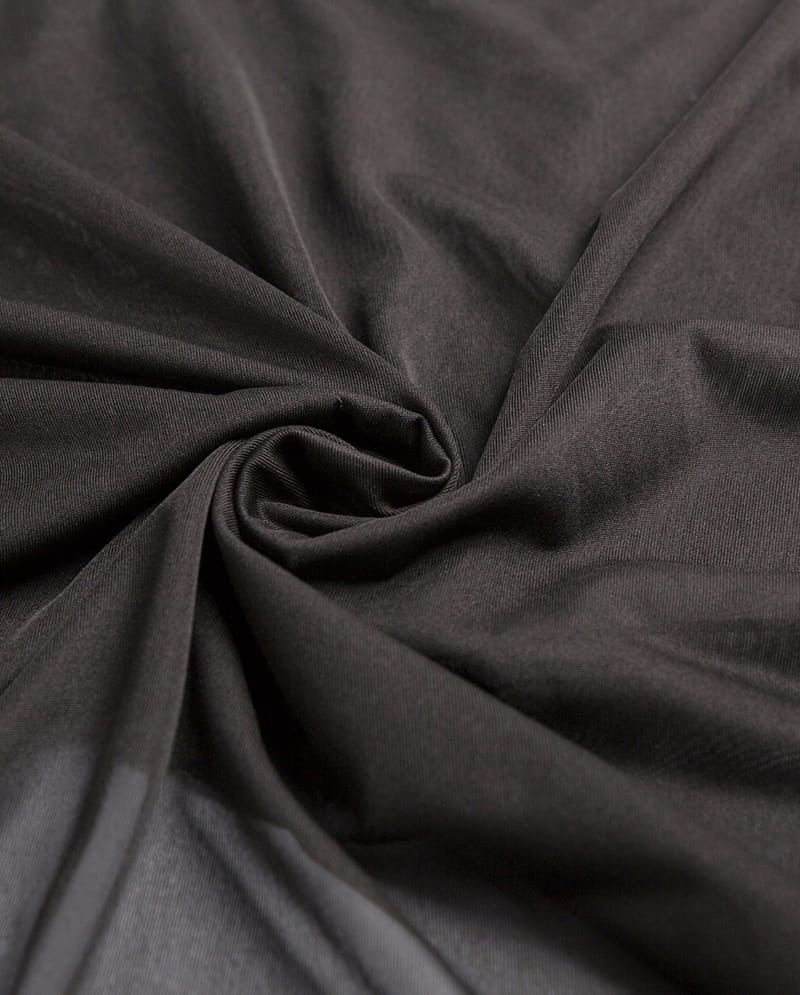
Moisture-Wicking Nylon Woven Fabric
How Moisture-Wicking Performance Works
Moisture management is a multi-stage process. First, perspiration contacts the inner fabric surface. The fabric must allow the moisture to spread rather than remaining in one concentrated area. Next, capillary pathways transport liquid through or along the yarn structure. Finally, the outer surface distributes the moisture across a wider area so that evaporation can take place more rapidly.
Fiber cross-section has an important influence on this behavior. Specialized filament shapes can create additional channels or increase the effective surface area available for moisture movement. Yarn twist, filament arrangement, and inter-fiber spaces also influence the speed and direction of liquid transport.
Fabric construction is equally important. A warp-and-weft structure can be engineered with different densities on the two sides or with a surface arrangement that supports directional movement. One side may be optimized for comfortable skin contact, while the opposite side may encourage spreading and evaporation. Such construction decisions should be made according to the intended garment design and climate.
Finishing treatments may further affect wetting, drying, softness, and surface behavior. However, excessive or unnecessary additives can affect durability, hand feel, environmental performance, or compatibility with later dyeing and garment processing. A practical moisture-wicking solution therefore requires careful control rather than simply adding more chemical treatment.
Advantages Over Conventional and Competing Fabrics
Compared with Ordinary Polyester Fabric
Standard polyester fabrics can be strong, economical, and easy to dye, but not every polyester construction provides effective moisture transport. Some untreated polyester fabrics may hold sweat against the body or develop a clammy sensation when the wearer is active. Moisture-wicking nylon woven fabric is specifically developed around moisture-management requirements, while also providing the characteristic durability and flexibility of nylon.
Polyester may remain an appropriate choice for many applications, especially where cost, color consistency, or high-volume production is the main priority. However, nylon can offer a more refined balance of softness, abrasion resistance, strength, and drape in applications where comfort and durability must coexist. The best selection depends on the garment specification, but functional nylon provides a strong competitive option for higher-performance products.
Compared with Cotton
Cotton is comfortable and familiar, but it absorbs moisture into the fiber and can become heavy when wet. It may also dry more slowly in humid or low-airflow conditions. Moisture-wicking nylon woven fabric is designed to transport moisture outward and dry more efficiently, making it more suitable for continuous physical activity, outdoor exposure, and uniforms that need quick recovery after washing.
Cotton-like yarns can provide a softer or more natural hand feel, and these materials remain valuable for casual apparel. Nevertheless, when abrasion resistance, low moisture retention, dimensional stability, and fast drying are central requirements, nylon generally offers a stronger technical profile.
Compared with Knitted Performance Fabric
Knitted performance fabric is often selected for stretch garments, base layers, and close-fitting sportswear. Its looped structure can provide excellent flexibility, but it may be more vulnerable to snagging, distortion, or edge curling depending on the construction. Woven nylon fabric provides a more stable platform for tailored garments, structured uniforms, outer layers, and equipment covers.
The choice between woven and knitted fabric should be guided by garment function. Woven nylon is especially advantageous when shape retention, tear resistance, a clean surface, and controlled drape are more important than maximum four-way stretch.
Compared with Low-Grade Functional Textiles
Some low-cost textiles are marketed as moisture-wicking materials without sufficient attention to testing, construction, or long-term performance. A fabric may initially feel dry but lose its finish after repeated washing. Another may move moisture effectively but lack the abrasion resistance required for workwear. The competitive strength of a well-developed nylon woven fabric lies in balancing several performance characteristics at the same time.
Consistent yarn quality, controlled weaving, appropriate finishing, and application-based technical support help reduce the risk of performance gaps. Buyers should evaluate not only the initial hand feel but also dimensional stability, wash durability, abrasion behavior, colorfastness, drying performance, and production consistency.
Manufacturing Process and Technical Control
Raw Material and Yarn Selection
Manufacturing begins with the selection of suitable nylon raw materials and yarn specifications. Yarn denier, filament count, strength, elongation, luster, and uniformity must be matched to the desired fabric performance. Fine filaments may support a softer hand and greater surface area, while heavier yarns may provide greater strength and coverage.
Although the final product is a nylon woven fabric, the same principles used in differentiated yarn development are essential to its quality. The supplier’s wider expertise in recycled yarn, semi-dull and full-dull yarns, draw-textured yarn, fully drawn yarn, cationic-dyeable yarn, flame-retardant yarn, antibacterial yarn, moisture-wicking yarn, hollow warm yarn, and other specialized materials demonstrates the importance of fiber and yarn engineering in the textile value chain.
Material selection must also consider the intended dyeing and finishing route. A yarn that performs well mechanically may not produce the desired shade, luster, or surface effect. Early coordination between yarn development, weaving, dyeing, and finishing helps avoid quality problems later in production.
Warp Preparation
Warp preparation creates the foundation for woven fabric stability. Yarns are arranged in parallel and prepared for insertion into the loom. Tension must be controlled carefully because uneven tension can lead to streaks, density variation, broken ends, or inconsistent fabric width.
Functional fabrics require particular attention during this stage. If the warp tension is too high, the finished fabric may become excessively rigid or vulnerable to processing stress. If it is too low, the fabric may show uneven construction or poor dimensional stability. Proper preparation supports uniform moisture-management performance across the fabric width.
Weaving and Construction Design
During weaving, warp and weft yarns interlace according to a selected pattern. Plain, twill, and other construction options can be adapted to achieve different levels of smoothness, strength, flexibility, and surface appearance. Weave density and yarn size determine how closely the fabric structure is packed.
For moisture-wicking performance, the construction should support liquid movement without compromising durability. A fabric that is too open may lose protection and abrasion resistance, while a structure that is too compact may restrict air exchange and slow drying. The production objective is a controlled balance between capillary pathways, coverage, strength, and comfort.
Modern textile production also requires attention to loom efficiency and defect prevention. Yarn breakage, contamination, missing picks, double picks, oil marks, and uneven density must be monitored throughout production. Reducing defects improves fabric yield and helps ensure that customers receive consistent rolls suitable for automated cutting and garment assembly.
Scouring, Dyeing, and Finishing
After weaving, the fabric may undergo preparation processes to remove impurities and improve wetting behavior. Dyeing creates the required color, while finishing can modify softness, smoothness, hand feel, water behavior, dimensional stability, or surface appearance.
For a moisture-wicking product, finishing must be selected carefully. The treatment should support moisture transport rather than create an overly hydrophobic barrier on the skin-facing side. It should also remain stable through laundering and normal wear. Processing conditions such as temperature, time, chemical concentration, drying, and heat setting influence the final result.
Heat setting can help control width, shrinkage, and dimensional stability. However, excessive heat may affect the hand feel, color, or mechanical properties of the material. Controlled finishing is therefore a key part of achieving repeatable performance rather than relying solely on the original nylon yarn.
Inspection and Quality Assurance
Quality assurance should cover both appearance and performance. Visual inspection can identify weaving defects, stains, holes, uneven coloration, and surface irregularities. Laboratory or production testing can evaluate weight, width, thickness, tensile strength, tear strength, abrasion resistance, shrinkage, colorfastness, air permeability, and moisture-management behavior.
Moisture-wicking performance can be assessed through methods that measure liquid spreading, absorption, drying rate, or one-way transport. The most appropriate method depends on the intended market and product specification. For international buyers, a clear testing plan helps align expectations between the textile supplier, garment manufacturer, and final brand.
Quality control is most effective when it is integrated throughout the process. Checking only the finished roll may identify a problem too late to correct efficiently. Monitoring yarn quality, warp preparation, weaving conditions, dyeing parameters, finishing conditions, and final inspection creates stronger process stability.
Manufacturing Strengths and Product Development Capability
Suzhou Junhui Textile Co., Ltd. and Suzhou Xiaoran New Material Co., Ltd. are focused on differentiated yarn and textile material development. Founded in June 2015, the companies have developed products covering recycled yarn, polyester dope-dyed yarn, SHAWLIENCE materials, microfine yarn, flame-retardant yarn, cationic-dyeable yarn, functional yarn, and knitting fabric products.
This broad product range is important because modern textile development rarely depends on one material category. A buyer may need moisture management for one product, recycled content for another, color differentiation for a third, and stretch or warmth for a fourth. A supplier with experience across multiple functional categories can help customers compare alternatives and select a suitable combination of fiber, yarn, fabric, and finishing.
The companies maintain a professional research and development team and have worked with internationally recognized enterprises on environmental protection and functional yarn and fabric research, development, and application. This collaborative approach supports the transition from basic product supply to application-oriented material development.
The company’s product list includes recycled semi-dull and bright draw-textured yarns, recycled fully drawn yarns, recycled cationic and cationic-blended yarns, dope-dyed products, high-elastic materials, PBT/PET yarns, flame-retardant yarns, antibacterial yarns, moisture-wicking yarns, hollow warm yarns, cotton-like yarns, and other differentiated specifications. The range demonstrates an understanding that textile performance can be customized through polymer selection, filament configuration, yarn structure, color development, and finishing compatibility.
More than 90 percent of the products are exported, and the companies have established customer relationships across 36 countries. International experience can help with communication, specification confirmation, packaging, production planning, and export documentation. It also exposes the supplier to a range of climate conditions, garment standards, purchasing models, and end-use expectations.
Customer support is another strength. Textile buyers may require guidance on yarn count, fabric construction, moisture performance, color, elasticity, recycled content, or application suitability. A supplier able to respond quickly and provide practical technical recommendations can reduce development time and help avoid costly sampling errors.
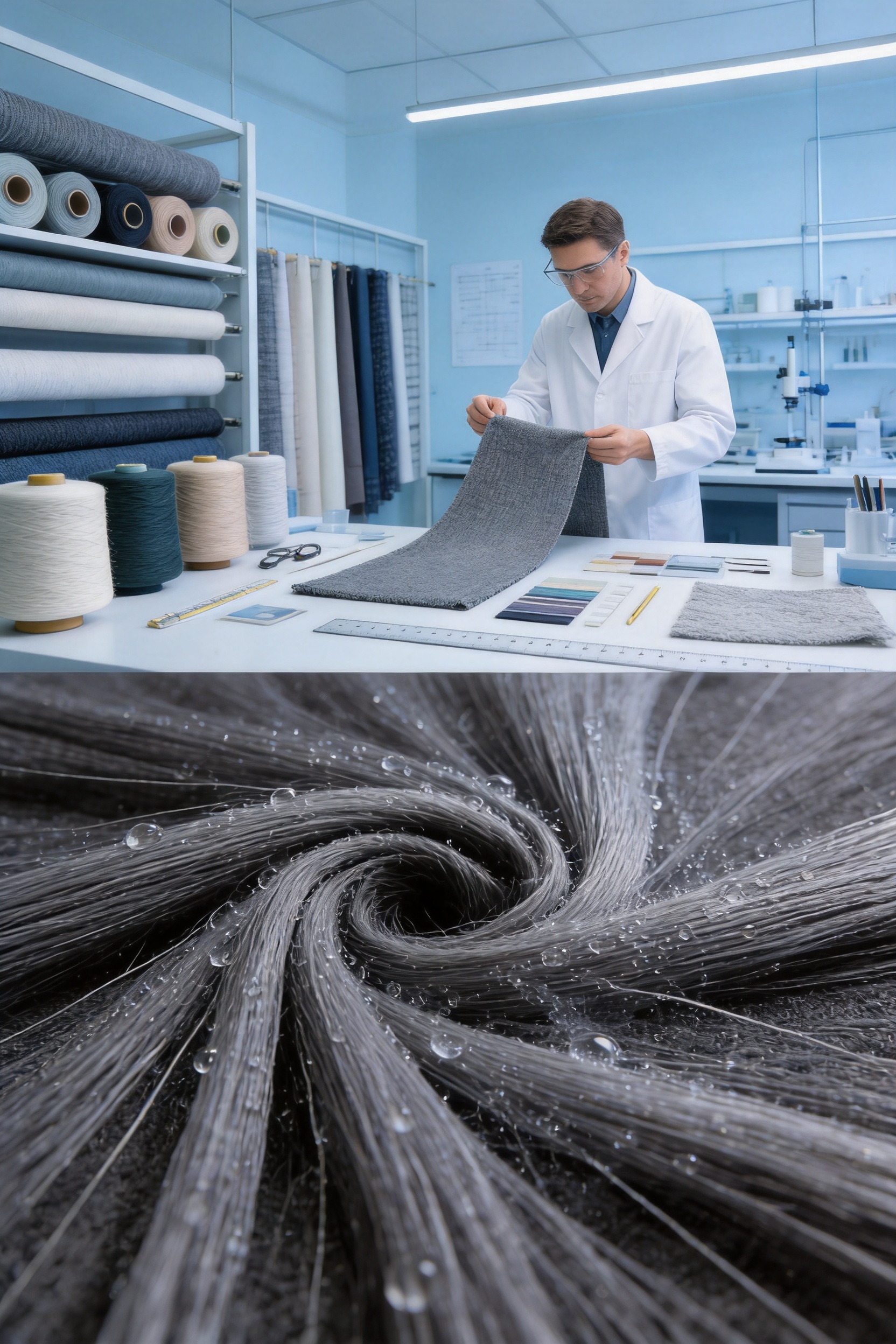
Functional Yarn Expertise Supporting Fabric Performance
Recycled Yarn Options
Recycled yarn can help brands and manufacturers respond to sustainability goals while maintaining required textile performance. Recycled products may be developed in different lusters, deniers, filament counts, and constructions. Their suitability depends on the application, certification requirements, physical performance, and customer specification.
When recycled yarn is considered for a moisture-management fabric, performance must be evaluated across the complete fabric system. Recycled content alone does not guarantee moisture wicking. The yarn must be combined with a suitable woven construction and finishing process. This is why material development experience is valuable: sustainability and function must be coordinated rather than treated as separate objectives.
Dope-Dyed and Color-Differentiated Yarn
Dope-dyed yarn is colored during polymer preparation before spinning. This approach can reduce the need for some later dyeing operations and may provide advantages in color consistency and resource management. It is especially useful for customers seeking stable colors, specialized shades, or improved production efficiency.
Color and function can be developed together. A buyer may require a moisture-wicking woven fabric in a specific corporate color, dark technical shade, or custom seasonal palette. A supplier experienced in colored yarns can help coordinate visual requirements with fabric performance and production volume.
High-Elastic and PBT/PET Materials
Some garments require both moisture management and controlled stretch. High-elastic yarns and PBT/PET products may support recovery, comfort, and movement in suitable fabric constructions. They can be considered for sportswear, uniforms, fitted garments, and hybrid textile designs.
The final stretch behavior depends on yarn type, weave, finishing, and garment pattern. The supplier can help determine whether a nylon base fabric should remain stable or incorporate selected elastic components. This kind of coordinated development is useful when a fabric must combine moisture control with mobility.
Flame-Retardant and Antibacterial Options
Functional clothing may require more than moisture management. Flame-retardant materials can be considered for selected workwear and industrial applications, while antibacterial yarns may be relevant to garments where odor control and hygiene are important. These functions must be evaluated against applicable safety and performance requirements.
Adding several functions can influence cost, hand feel, color, strength, and processing conditions. A qualified textile supplier should therefore help the buyer prioritize essential requirements and verify that the final fabric performs as intended. Moisture wicking, flame resistance, antibacterial properties, colorfastness, and durability should not be assumed merely because a yarn is marketed under a functional category.
Applications of Moisture-Wicking Nylon Woven Fabric
Sportswear and Training Apparel
Sportswear requires comfort during movement and recovery after exercise. Moisture-wicking nylon woven fabric can be used in lightweight training jackets, warm-up pants, running shells, outdoor uniforms, and hybrid sports garments. Its ability to resist abrasion is useful where clothing repeatedly contacts gym equipment, bags, or rough surfaces.
The fabric may also be used in panels or overlays rather than throughout an entire garment. Designers can place it in high-sweat zones, shoulders, sleeves, side panels, or outer layers. This approach allows the garment to combine several materials according to function.
Work Uniforms
Work uniforms often need to appear professional while remaining comfortable throughout long shifts. Employees may work indoors, outdoors, in warehouses, on production floors, or in transportation environments. Moisture-wicking nylon fabric can help reduce discomfort caused by perspiration while providing the durability required for repeated wear.
The fabric’s dimensional stability is also valuable for uniforms that must maintain consistent sizing and appearance. Buyers can specify colors, weights, finishes, and constructions according to the work environment. For corporate apparel, dope-dyed or custom-colored yarns may help support consistent brand presentation.
Outdoor Gear
Outdoor products are exposed to movement, changing weather, dirt, abrasion, and repeated packing. Nylon woven fabric is commonly considered for lightweight outerwear, hiking garments, travel clothing, protective shells, bags, gear compartments, and accessories.
Moisture management is especially useful during hiking, cycling, fieldwork, and travel because users may experience changing activity levels and temperatures. The fabric can help reduce the discomfort associated with accumulated perspiration while retaining a relatively light and portable structure.
Industrial Apparel
Industrial clothing may require a combination of strength, stable dimensions, cleanability, and comfort. Moisture-wicking nylon woven fabric can be adapted for selected industrial garments where abrasion resistance and reduced dampness are important.
However, industrial buyers must evaluate the complete safety specification. If the garment requires electrical protection, high-visibility performance, flame resistance, chemical resistance, or other regulated properties, the fabric must be tested and certified for the relevant application. Moisture wicking should be treated as one performance feature within a complete product design.
Travel and Daily Apparel
Travel clothing benefits from light weight, quick drying, resistance to wrinkling, and easy care. Nylon woven fabric can support shirts, overshirts, trousers, lightweight jackets, and multipurpose garments. Its moisture-management performance can increase comfort during long journeys, warm climates, and active sightseeing.
For everyday apparel, the fabric can be engineered with a softer hand, subdued luster, or cotton-like surface effect. The selection of yarn and finishing allows manufacturers to create a technical textile that does not necessarily look or feel overly industrial.
Customization Options for Buyers
Customization begins with a clear understanding of the final application. Buyers should identify the target garment, climate, activity level, washing conditions, required appearance, and expected service life. These factors determine the appropriate yarn size, woven construction, fabric weight, finishing route, and testing requirements.
Available development variables may include yarn denier, filament count, luster, color, fabric width, weight, weave design, surface texture, softness, elasticity, and moisture-management level. Additional options may include recycled content, dope-dyed color, antibacterial function, flame retardancy, hollow warmth, or cationic dyeing compatibility when appropriate.
Sampling is an essential part of customization. A laboratory sample can confirm hand feel and appearance, while a larger trial can reveal weaving behavior, dyeing consistency, shrinkage, and garment performance. Buyers should assess the fabric after laundering and, where applicable, after abrasion, perspiration, or outdoor exposure.
Clear technical documents help avoid misunderstandings. A specification sheet should identify composition, yarn details, construction, weight, width, color standard, finish, tolerance, packaging, inspection method, and test requirements. When several functions are included, each function should be connected to a measurable performance target.
Sustainability and Responsible Textile Development
Responsible textile development involves more than selecting a recycled label. It includes efficient material use, durable product design, reduced waste, stable production, appropriate chemical management, and a longer service life. A durable moisture-wicking fabric may support sustainability by reducing the frequency of garment replacement.
Recycled yarn options can support brands seeking to increase the proportion of recycled materials in their product lines. Dope-dyed yarn may help reduce some downstream processing requirements. Functional design can also improve product utility by allowing one garment to perform across several situations instead of requiring multiple specialized garments.
Environmental claims should always be supported by appropriate documentation and testing. Buyers should confirm the source of recycled materials, applicable certifications, chemical compliance, and product traceability. Responsible suppliers should provide accurate information rather than relying on broad or unsupported sustainability language.
The companies’ focus on recycled yarn, environmental protection, and functional material research provides a basis for customers developing more responsible textile products. The most effective approach is to combine environmental objectives with measurable durability, comfort, and manufacturing consistency.
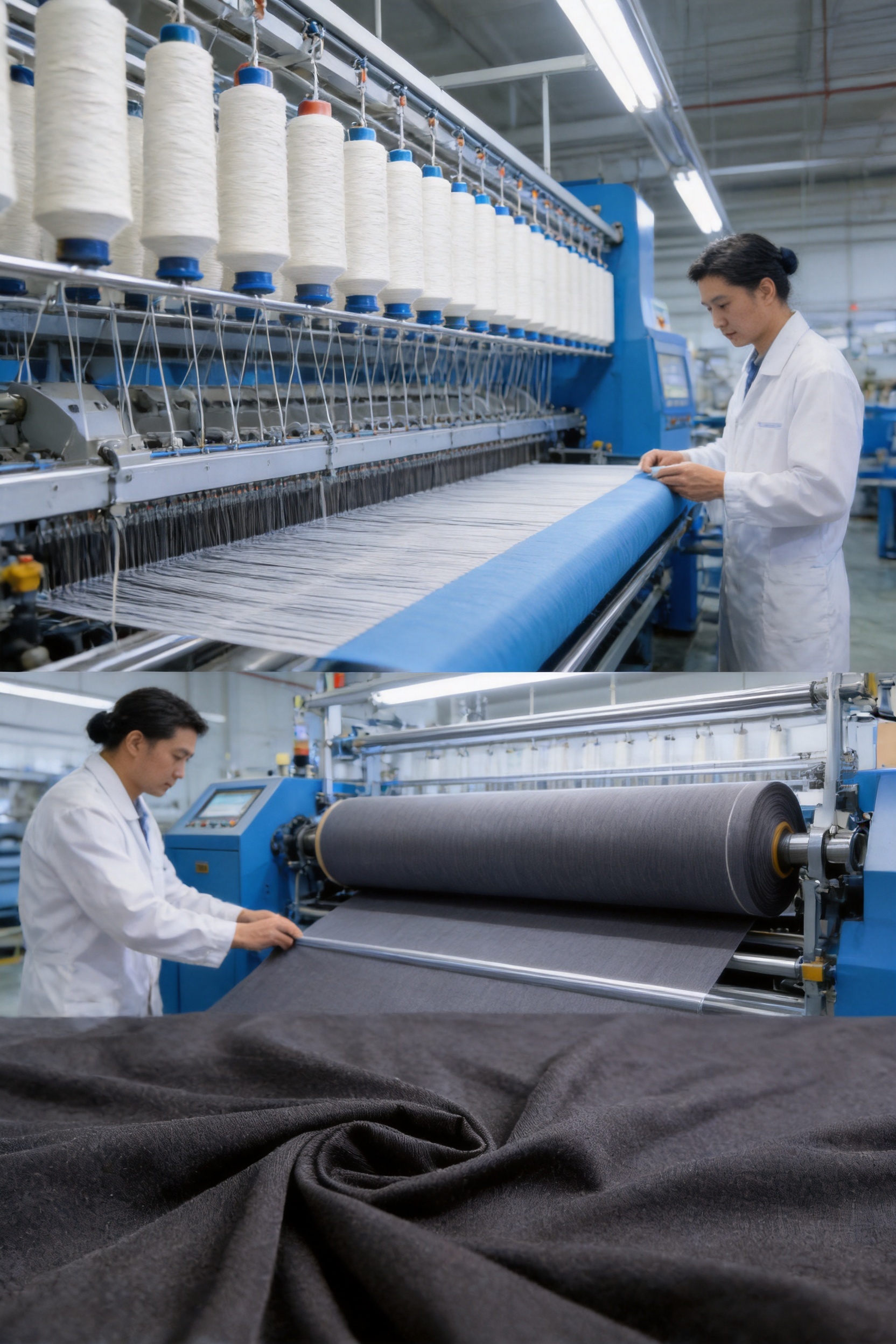
How to Select the Right Fabric Specification
The correct specification depends on the balance between comfort and protection. A lightweight fabric may dry quickly and feel comfortable in warm conditions, but a heavier fabric may be required for abrasion resistance or outdoor use. Buyers should avoid selecting fabric weight in isolation.
Yarn construction affects both appearance and performance. Fine yarns can provide a smoother surface and lighter hand, while larger yarns can create greater coverage and strength. Filament count influences softness, surface area, and visual character. Luster selection affects the appearance of the finished textile, ranging from bright and clean to subdued and technical.
Weave density should be selected according to the garment’s air permeability, coverage, strength, and drape requirements. A tightly woven material may provide greater protection and a more structured appearance, while a more open construction may improve air exchange. The optimum structure depends on whether the fabric is used as a base garment, shell, uniform, panel, or accessory.
Color requirements should be confirmed early. Custom colors may require laboratory dips, approval standards, and minimum order quantities. Buyers should also consider colorfastness to washing, perspiration, rubbing, light, and other relevant exposures. Color consistency across production lots is especially important for uniforms and brand programs.
Finally, the fabric should be judged after actual garment construction. Sewing, seam reinforcement, pressing, labels, coatings, linings, and pattern design can all affect the final user experience. A fabric that performs well in roll form may require different garment engineering to achieve the intended moisture-management result.
Purchasing and Partnership Considerations
International buyers typically need more than a product sample. They need a supplier that can support product development, production planning, quality consistency, communication, and after-sales service. A textile partner should be able to explain available materials, recommend practical alternatives, and respond to technical questions within a reasonable time.
Export experience is valuable because it supports coordination across different countries, languages, shipping arrangements, quality systems, and customer expectations. With products exported to customers in 36 countries, the company has developed experience serving an international customer base and managing the communication requirements associated with overseas textile supply.
Customers may also benefit from access to a broader product portfolio. If a project begins with moisture-wicking nylon woven fabric but later requires recycled yarn, a color-matched yarn, stretch performance, antibacterial treatment, or another functional feature, a diversified supplier can help coordinate development more efficiently.
Technical support should remain focused on customer success. The purpose of consultation is not simply to sell the highest number of functions, but to identify the most suitable material for the application. A balanced solution may outperform a more complicated product if it is easier to manufacture, more stable after washing, and better aligned with the buyer’s budget and target market.
Q&A
What is the main benefit of moisture-wicking nylon woven fabric?
Its main benefit is the ability to transport perspiration away from the skin and support faster evaporation while providing nylon’s strength, abrasion resistance, light weight, and dimensional stability. This combination makes it suitable for active, outdoor, uniform, and industrial apparel.
Is the fabric suitable for sportswear?
Yes. It can be used for training garments, lightweight jackets, running shells, outdoor sports clothing, and other active applications. The exact specification should be selected according to stretch, weight, breathability, abrasion, and drying requirements.
How is this fabric different from cotton?
Cotton absorbs moisture and can become heavy or slow to dry when wet. Moisture-wicking nylon fabric is designed to move moisture toward the outer surface, helping the garment feel drier and recover more quickly during activity or laundering.
How is woven nylon different from knitted fabric?
Woven nylon generally offers greater dimensional stability, a more structured surface, and good resistance to abrasion and snagging. Knitted fabric often provides more natural stretch and flexibility. The appropriate choice depends on the garment design and performance priorities.
Can recycled materials be used in functional textile development?
Yes. Recycled yarn can be considered for functional textile products, provided that the yarn, fabric construction, and finishing process are tested for the required performance. Recycled content should be verified through appropriate documentation and certification where necessary.
Can the fabric be customized in color and construction?
Customization may include color, yarn specification, fabric weight, width, weave density, surface effect, softness, elasticity, and selected functional treatments. Sampling and technical confirmation are recommended before bulk production.
Does moisture wicking mean that the fabric is waterproof?
No. Moisture wicking and waterproofing are different properties. Moisture wicking concerns the movement and evaporation of perspiration. Waterproofing concerns resistance to external liquid penetration. A fabric may be moisture-wicking without being waterproof, or it may be combined with additional coatings or laminations when the application requires both properties.
Is nylon suitable for repeated washing?
Nylon can provide good durability and resistance to deformation when it is correctly processed and cared for. The recommended washing temperature, detergent, drying method, and finishing stability should be confirmed for the specific fabric. Buyers should evaluate moisture performance and dimensional stability after repeated laundering.
What industries can use this material?
Potential applications include sportswear, work uniforms, outdoor clothing, travel apparel, industrial garments, bags, equipment covers, and other textile products where moisture control and durability are important.
What should buyers request before placing an order?
Buyers should request composition details, construction information, weight and width, color standards, finishing information, performance test data, available certifications, sample yardage, production tolerances, packaging details, and estimated lead time. They should also explain the intended end use so the supplier can recommend an appropriate specification.
Conclusion
Moisture-wicking nylon woven fabric offers a well-balanced solution for applications that demand dryness, durability, light weight, and stable appearance. Its performance comes from the interaction of high-quality nylon yarn, controlled woven construction, capillary moisture transport, and carefully selected finishing processes.
Compared with ordinary cotton, untreated polyester, and less durable functional fabrics, the material can provide a stronger combination of moisture management, abrasion resistance, dimensional stability, and practical comfort. Its versatility allows use in sportswear, work uniforms, outdoor gear, travel clothing, and industrial apparel.
The manufacturing strength behind a functional fabric is equally important. Suzhou Junhui Textile Co., Ltd. and Suzhou Xiaoran New Material Co., Ltd. bring experience in differentiated yarns, recycled materials, colored yarns, functional yarns, fabric products, research and development, and international export service. Their broad product portfolio allows buyers to explore integrated textile solutions rather than relying on a single standard material.
For customers seeking a dependable moisture-management textile, the most effective development process begins with a clear application requirement and continues through yarn selection, construction design, finishing, testing, sampling, and production control. With the right technical partnership, moisture-wicking nylon woven fabric can become a durable and commercially valuable foundation for high-performance garments and textile products.
References
1. Textile Institute, Textile Terms and Definitions, reference material on fibers, yarns, woven structures, and textile finishing.
2. A. R. Horrocks and S. C. Anand, Handbook of Technical Textiles, reference material on functional fibers and performance fabrics.
3. ASTM International, Standard Test Methods for Textile Moisture Management, reference material on liquid transport and drying evaluation.
4. ASTM International, Standard Test Methods for Textile Abrasion Resistance, reference material on durability testing.
5. International Organization for Standardization, Textile Testing Standards, reference material on colorfastness, dimensional stability, strength, and fabric performance.
6. International Organization for Standardization, Environmental and Sustainability Guidance for Textile Products, reference material on recycled materials and responsible production.
7. Technical product information supplied by Suzhou Junhui Textile Co., Ltd. and Suzhou Xiaoran New Material Co., Ltd., including functional yarn categories, differentiated textile materials, company capabilities, and export experience.
Product: Moisture-Wicking Nylon Woven Fabric
Popular products
-
Premium Cationic Interlock Stretch Comfort Fabric
-
Moisture-Wicking Nylon Woven Fabric
-
Double-faced jacquard elastic fabric
-
Heather Grey Double-faced cationic jersey fabric
-
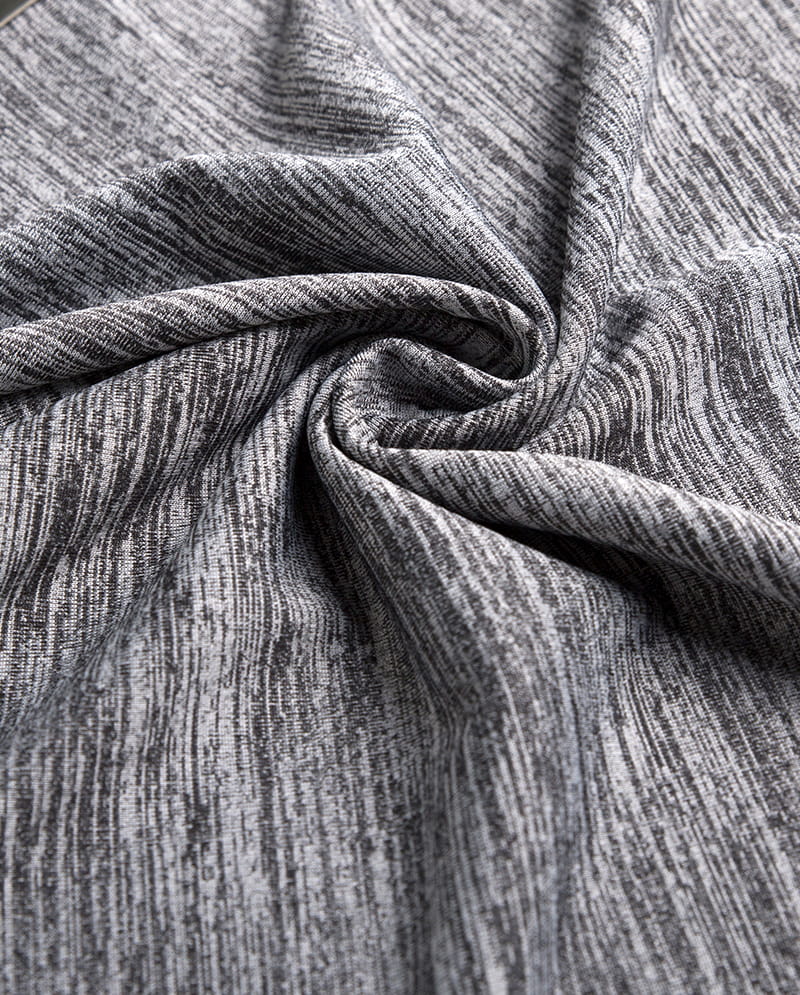
Anti-static Cationic Knitted Rib Fabric
-
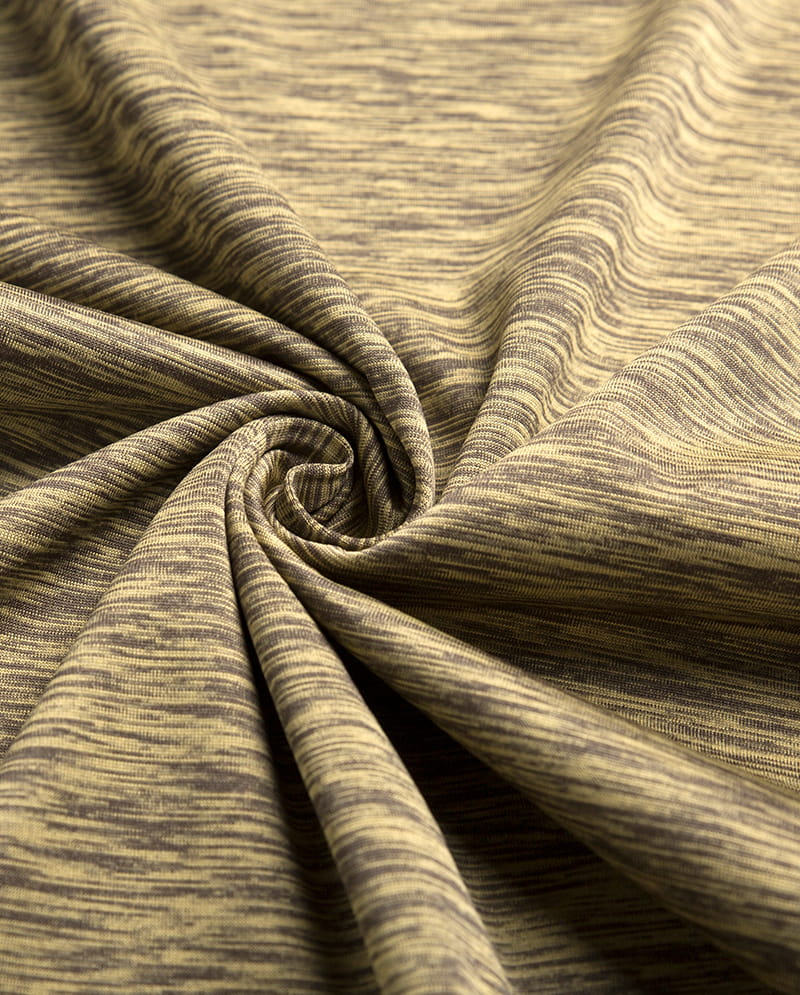
High-Stretch Cationic Jersey Fabric
-
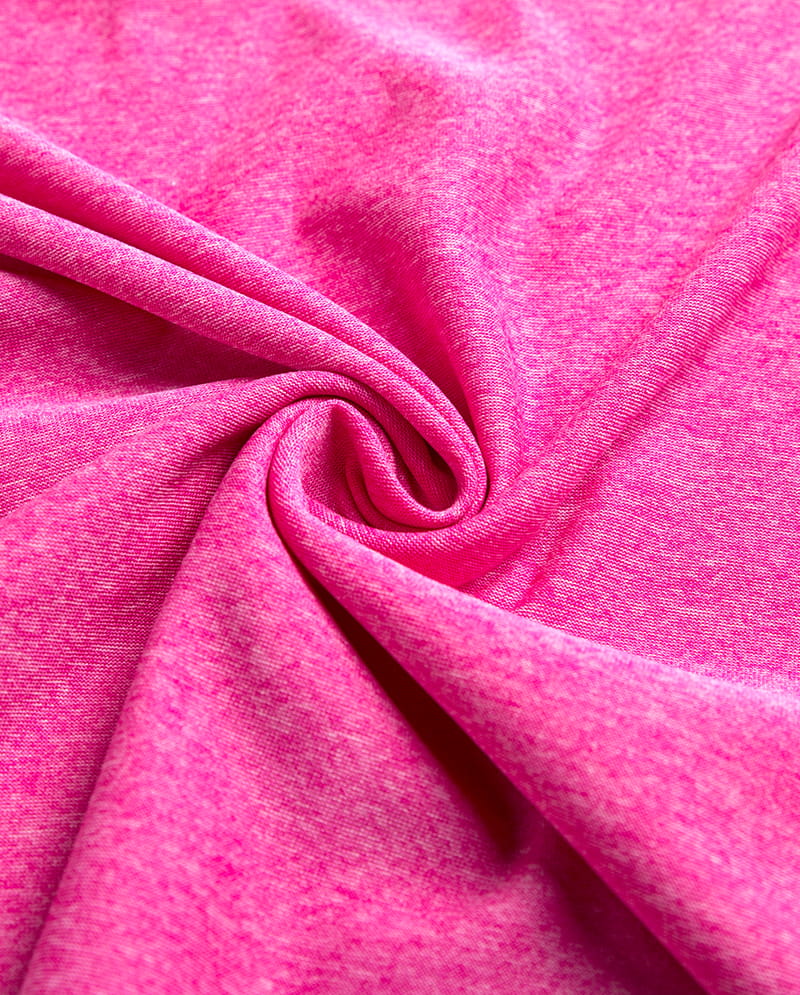
High Quality Cationic DTY Spandex Two Sides Brush Dralon Knit Fabric for Garment Thermal Underwear
-
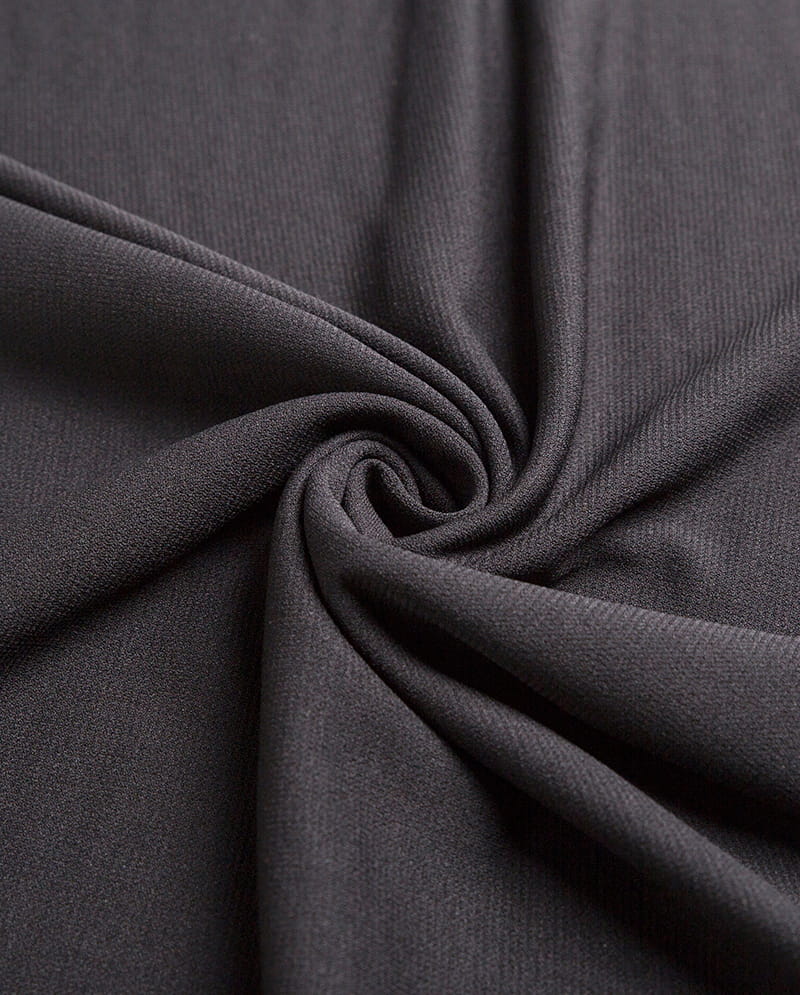
Durable Anti-Pilling Knitted Fabric for Home Textiles
-
Wash-Resistant Cationic Elastic Knitted Fabric for Garment Industry
-
Breathable Double-Faced Elastic Composite Fabric
-
-
-
- whatsapp:
- 0086-13962559622
-
- skype:
- skype.aliceshenghong
-
- Wechat:

COPYRIGHT © 2016 Suzhou Junhui Textile Co., Ltd.
