

 EN
EN English
 中文简体
中文简体Moisture-Wicking Nylon Woven Fabric for Durable Comfort and Performance
Content
- 1 Product Overview: What Makes Moisture-Wicking Nylon Woven Fabric Valuable
- 2 Key Advantages Over Conventional Competitor Fabrics
- 3 Performance Table
- 4 How the Moisture-Wicking Mechanism Works
- 5 Nylon Fiber Strength: A Foundation for Long Service Life
- 6 Woven Structure: Stability, Appearance, and Function
- 7 Advanced Manufacturing Processes Behind the Fabric
- 8 Company Strengths Supporting Product Reliability
- 9 Applications in Sportswear
- 10 Applications in Workwear and Uniforms
- 11 Applications in Outdoor Gear and Travel Apparel
- 12 Functional Fabric Without Unnecessary Complexity
- 13 Customization Possibilities
- 14 Quality Control and Testing Considerations
- 15 Sustainability and Responsible Development
- 16 Why Buyers Choose This Fabric
- 17 Recommended Buyer Evaluation Checklist
- 18 Q&A Section
- 18.1 Q1: What is moisture-wicking nylon woven fabric?
- 18.2 Q2: How does the fabric keep the wearer dry?
- 18.3 Q3: Why use nylon instead of cotton?
- 18.4 Q4: Is this fabric suitable for sportswear?
- 18.5 Q5: Can it be used for uniforms and workwear?
- 18.6 Q6: Does the woven structure reduce breathability?
- 18.7 Q7: Can the fabric be customized?
- 18.8 Q8: What makes the supplier competitive?
- 18.9 Q9: How should buyers test this fabric?
- 18.10 Q10: Is the fabric only for high-performance apparel?
- 19 Conclusion
- 20 References
- 21 Product: Moisture-Wicking Nylon Woven Fabric
Moisture-wicking nylon woven fabric is a high-performance textile created for people and industries that need dryness, strength, breathability, and long-term reliability in demanding environments. Unlike ordinary woven cloth that may hold sweat against the body, this fabric is engineered to move moisture quickly from the skin-facing surface to the outer surface, where it can evaporate more efficiently. The result is a cleaner, drier, and more comfortable wearing experience for sportswear, outdoor apparel, uniforms, workwear, travel garments, and selected industrial textile applications.
The fabric combines two important performance foundations: the durability of nylon fibers and the structural stability of woven construction. Nylon is known for high tensile strength, abrasion resistance, flexibility, resilience, and excellent wear performance. When processed into a dense woven structure, it becomes suitable for garments and equipment that must resist repeated friction, movement, washing, folding, and daily use. The moisture-wicking function adds another layer of value by improving comfort during activity and reducing the unpleasant damp feeling associated with slow-drying fabrics.
Suzhou Junhui Textile Co., Ltd. and Suzhou Xiaoran New Material Co., Ltd. support the development and supply of differential yarns and functional fabrics, including recycled yarn, cationic dyeing yarn, flame-retardant yarn, microfine yarn, moisture-management yarn, and knitted and woven fabric products. With professional research and development capabilities and experience in international markets, the company focuses on practical textile solutions that help customers develop competitive finished products. Its product system covers yarn specifications such as DTY, FDY, POY-related materials, functional yarn series, recycled series, and customized differential yarns, enabling flexible fabric development according to buyer requirements.
In modern textile markets, buyers increasingly expect fabrics to do more than simply cover the body. Apparel brands, uniform suppliers, and outdoor product developers require textiles that can manage heat, sweat, motion, washing, and durability while still looking clean and professional. Moisture-wicking nylon woven fabric responds to these needs by balancing technical performance with commercial practicality. It can be developed into lightweight yet strong fabric, suitable for both daily comfort wear and professional-grade clothing.
Moisture-Wicking Nylon Woven Fabric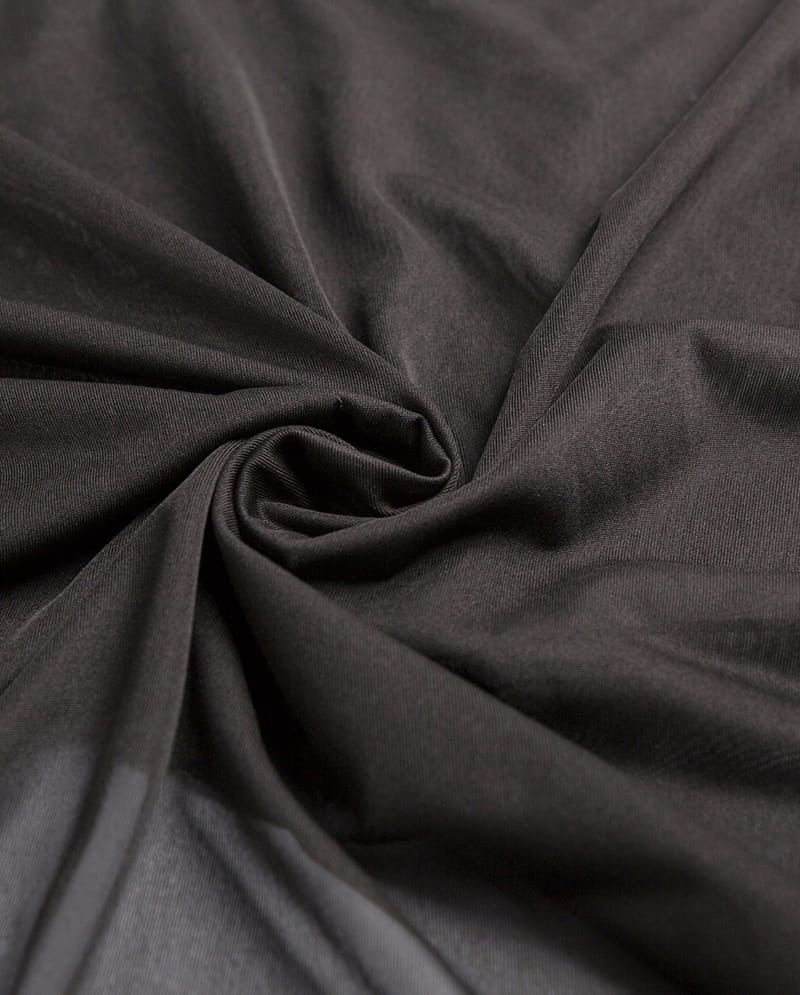
Product Overview: What Makes Moisture-Wicking Nylon Woven Fabric Valuable
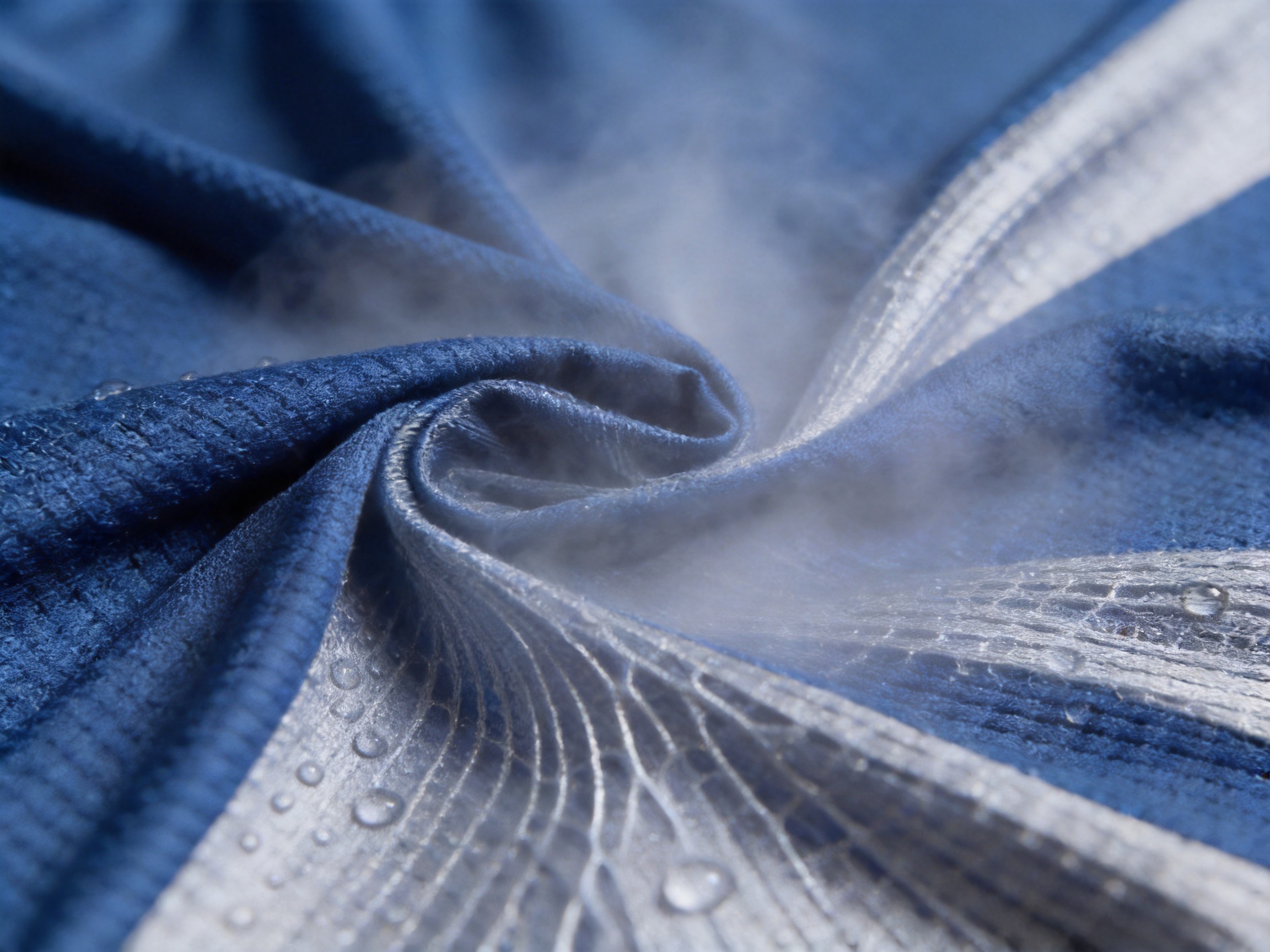
Moisture-wicking nylon woven fabric is designed to transport liquid moisture away from the skin through capillary action. Capillary action occurs when tiny spaces between fibers and yarns pull liquid along the fabric structure. Instead of absorbing sweat deeply and retaining it like some natural fibers, the fabric encourages moisture to spread and move toward the outer layer. Once the moisture reaches a broader surface area, evaporation becomes faster, helping the wearer remain drier during exercise, work, travel, or extended outdoor activity.
The nylon base gives the fabric a strong performance advantage. Nylon fibers are lightweight but tough, and they are especially valued for resistance to abrasion. This matters in garments such as jackets, uniforms, cargo pants, hiking apparel, training wear, and tactical-style products where fabric often rubs against skin, bags, tools, seats, belts, or outdoor surfaces. A moisture-wicking fabric that lacks abrasion resistance may feel comfortable at first but fail after repeated use. Nylon helps extend service life, which is essential for brands and buyers focused on quality and customer satisfaction.
The woven construction also contributes to stability. Compared with some knitted materials, woven fabrics generally offer better dimensional control, cleaner surface appearance, and more structured hand feel. This makes the fabric suitable for apparel that needs a sharp silhouette, dependable shape retention, and resistance to excessive stretching or deformation. At the same time, proper yarn selection and finishing can preserve breathability and drapability, preventing the fabric from becoming stiff or uncomfortable.
For end users, the most visible benefit is comfort. During physical activity, sweat trapped next to the skin can cause clinginess, friction, odor development, chill after exercise, and general discomfort. Moisture-wicking nylon woven fabric helps reduce these problems by moving moisture away and supporting quicker drying. For workers in uniforms, this can mean better comfort during long shifts. For athletes, it can support performance by reducing distraction. For outdoor users, it can help maintain comfort when temperature and activity levels change.
Key Advantages Over Conventional Competitor Fabrics
Compared with ordinary cotton woven fabric, moisture-wicking nylon woven fabric dries faster and resists wet cling more effectively. Cotton has a pleasant natural feel, but it absorbs moisture into the fiber and often remains wet for a long time. In active or professional environments, this can cause discomfort and can make garments heavier. Nylon-based moisture-wicking fabric does not behave in the same way. Its moisture-management structure helps transport sweat outward and promotes evaporation, keeping the fabric lighter and more comfortable during use.
Compared with untreated polyester woven fabric, nylon woven fabric can offer superior abrasion resistance and a softer, smoother touch depending on yarn and finishing choices. Polyester is widely used and cost-effective, but nylon frequently performs better in applications where friction and mechanical stress are high. For garments that need both strength and comfort, nylon can provide an excellent balance. When the fabric is engineered with moisture-wicking function, it gains a competitive position against standard synthetic fabrics that may feel hot, clammy, or less breathable.
Compared with coated or laminated fabrics that rely primarily on surface treatments, moisture-wicking nylon woven fabric can be more comfortable for next-to-skin or semi-active applications because it emphasizes moisture movement and breathability. Heavy coatings may improve water resistance but can reduce air permeability and make garments feel stuffy. Moisture-wicking woven nylon is not intended to replace waterproof shell fabrics in all situations, but it is often a better choice where comfort, dryness, and everyday wearability are more important than full barrier protection.
Compared with low-quality functional fabrics that lose performance after washing, properly manufactured moisture-wicking nylon woven fabric is designed for durability. The company’s experience in functional yarn development, material selection, weaving control, and finishing provides the foundation for stable performance. A fabric should not only test well before shipment; it must also perform reliably after cutting, sewing, wearing, and laundering. This is where advanced production management and quality control create a significant advantage.
Performance Table
Feature |
Moisture-Wicking Nylon Woven Fabric |
Ordinary Cotton Woven Fabric |
Untreated Synthetic Woven Fabric |
Moisture Management |
Rapid capillary transport and faster surface evaporation |
High absorption but slow drying |
Variable; may retain surface moisture without functional design |
Durability |
High abrasion resistance and strong tensile performance |
Moderate; may weaken when wet |
Moderate to high depending on fiber and yarn quality |
Comfort During Activity |
Dryer touch, reduced cling, lightweight performance |
Can become heavy and damp |
May feel hot or clammy if not engineered for moisture transfer |
Shape Stability |
Good stability from woven structure and resilient nylon fiber |
Can shrink or deform depending on finishing |
Generally stable but varies by construction |
Application Range |
Sportswear, workwear, outdoor gear, uniforms, travel apparel |
Casual clothing and soft lifestyle products |
General apparel and lining applications |
How the Moisture-Wicking Mechanism Works
The moisture-wicking function depends on the relationship between fiber surface, yarn structure, fabric density, and finishing process. Sweat begins at the skin surface. If a fabric has poor moisture movement, sweat stays between the body and the garment, creating a wet microclimate. In moisture-wicking nylon woven fabric, the yarn and fabric structure provide channels that encourage liquid to move away from the skin-facing side. These channels distribute moisture across a larger outer surface area, which supports evaporation.
This process is especially important because evaporation is faster when moisture is spread thinly. A single wet spot dries slowly, while a thin film over a larger surface dries more quickly. Capillary action therefore improves both comfort and drying speed. In apparel, this means the wearer may feel less sticky during activity and less chilled after activity, because moisture is not concentrated against the skin for an extended period.
Moisture management is not simply a chemical claim. It must be engineered into the textile. Fiber selection, yarn count, filament number, weaving tightness, fabric weight, finishing temperature, and washing durability all affect the final result. If the fabric is too dense without proper design, breathability may decline. If it is too open, durability and appearance may suffer. The ideal product balances quick moisture transfer with physical strength and stable appearance.
In the company’s broader material system, functional yarn series include moisture-wicking yarns with specifications such as 30/24, 50/48-72, 75/48-72, and 150/48-72, along with other functional categories including anti-bacterial, fire-retardant, hollow warm, cotton-like, and high-elastic products. This yarn development background helps support fabric engineering because moisture management begins long before final fabric finishing. When yarn characteristics are controlled from the beginning, finished fabric performance becomes more stable and repeatable.
Nylon Fiber Strength: A Foundation for Long Service Life
Nylon is widely respected in the textile industry because it offers high strength relative to weight. In active garments and professional clothing, fabric is repeatedly exposed to bending, rubbing, pulling, stretching, and washing. A weaker fabric may pill, tear, thin out, or lose its shape. Nylon helps reduce these risks by providing toughness and resilience. This is one reason nylon is commonly used in outdoor apparel, bags, performance wear, industrial textiles, and high-stress garment parts.
Wear resistance is a major advantage. In daily use, garments experience abrasion from backpack straps, work belts, vehicle seats, office chairs, equipment, and body movement. Moisture-wicking nylon woven fabric can maintain a cleaner appearance and stronger structure under these conditions than many lower-grade fabrics. For brands, this can reduce complaints and returns. For end users, it means garments remain useful and presentable for a longer time.
Nylon also has good resistance to deformation. When woven into a stable fabric and finished correctly, it can maintain shape after repeated wearing and washing. This is useful in uniforms and work apparel, where professional appearance matters. It is also important in sportswear and outdoor products, where the garment must move with the body but still recover and retain its intended fit.
Another benefit is lightweight strength. Heavy fabrics may feel durable, but they can restrict movement and increase fatigue. Nylon allows fabric designers to create lighter materials without sacrificing essential strength. Moisture-wicking nylon woven fabric can therefore serve applications where both mobility and durability are required, such as hiking shirts, athletic jackets, summer work uniforms, tactical shirts, travel trousers, and breathable protective outer layers.
Woven Structure: Stability, Appearance, and Function
The woven structure is central to the identity of this product. Woven fabrics are formed by interlacing warp and weft yarns at controlled angles and densities. This structure provides dimensional stability, controlled stretch, and a clean surface. For moisture-wicking nylon woven fabric, the weave must be engineered to support moisture transfer while preserving strength and appearance.
A dense woven structure can improve durability and wind resistance, while a more balanced construction can enhance breathability and drape. The correct choice depends on the target product. Sportswear may require a lighter, softer, more breathable version. Workwear may require stronger tear resistance and abrasion resistance. Outdoor gear may need a balance of water-repellent finishing, breathability, and strength. The company’s ability to work with differential yarns and functional series allows customized fabric development for different end-use requirements.
Surface appearance also matters. Woven nylon fabric can be finished to achieve a smooth, refined hand feel suitable for modern apparel. It can support solid dyeing, functional finishing, and various fabric styles. When combined with yarns such as cationic dyeing yarn or dope-dyed materials in broader textile development, manufacturers can achieve differentiated colors, heather effects, or special visual results. Although the highlighted product is moisture-wicking nylon woven fabric, the company’s wider yarn and fabric expertise helps customers create more distinctive collections.
For apparel manufacturers, woven stability improves cutting and sewing efficiency. A fabric that curls excessively, stretches unpredictably, or deforms during sewing can increase waste and production difficulty. Moisture-wicking nylon woven fabric provides a more controlled platform for garment production. This can support consistent sizing, cleaner seams, and better finished garment quality.
Advanced Manufacturing Processes Behind the Fabric
High-quality moisture-wicking nylon woven fabric depends on a complete manufacturing process, not a single finishing step. The process begins with raw material selection. Nylon fibers and functional yarns must meet requirements for strength, fineness, uniformity, color consistency, and moisture-management potential. Inconsistent yarn can produce uneven fabric appearance, unstable dyeing, and unreliable performance. The company’s product background in DTY, FDY, POY-related materials, recycled yarn, cationic dyeing yarn, and functional yarn series provides a strong technical foundation for controlled fabric development.
Yarn preparation is the next essential stage. Warping, sizing, and tension control affect how yarns behave during weaving. If tension is uneven, fabric defects such as streaks, density variation, broken ends, or unstable texture may occur. Advanced process management helps ensure that warp and weft yarns interlace consistently. The company’s experience in differential yarn applications is valuable because specialty yarns often require more precise handling than commodity yarns.
Weaving must be controlled carefully. Loom settings, yarn tension, weave pattern, fabric density, and defect inspection determine the base quality of the fabric. For moisture-wicking nylon woven fabric, the weave must maintain enough capillary pathways for moisture movement while also offering the required strength and appearance. This balance requires technical knowledge and production discipline.
Finishing is where functional performance is refined. The fabric may undergo processes such as scouring, heat setting, dyeing, moisture-management finishing, softening, drying, and final inspection. Heat setting is especially important for synthetic fabrics because it stabilizes dimensions and reduces unwanted shrinkage. Moisture-wicking finishing must be applied uniformly so that the fabric performs consistently across the roll. Over-finishing can affect hand feel or breathability, while under-finishing may reduce function. Controlled finishing creates a stable balance.
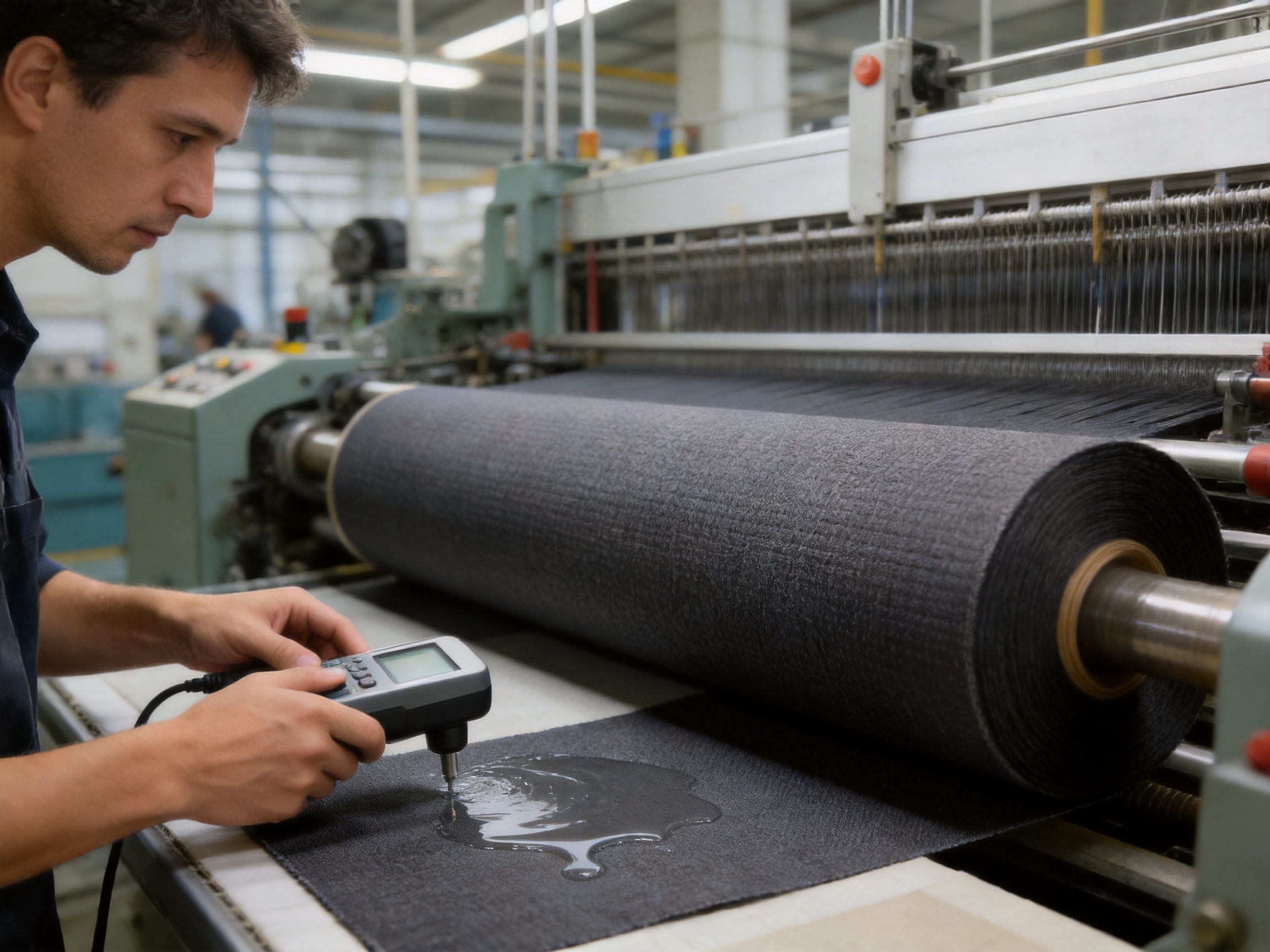
Quality inspection completes the process. Fabric must be evaluated for appearance, width, weight, color, hand feel, strength, dimensional stability, and functional performance. Moisture-wicking performance can be assessed through absorption rate, spreading speed, drying behavior, and wash durability. For export markets, consistent documentation and reliable production records are also important. The company’s experience with customers in many countries supports an understanding of international quality expectations.
Company Strengths Supporting Product Reliability
Suzhou Junhui Textile Co., Ltd. and Suzhou Xiaoran New Material Co., Ltd. are located in Shengze Town, Wujiang Area, Suzhou City, Jiangsu Province, China, a region with a strong textile manufacturing background. The company was founded in 2015 and focuses on the development and sale of differential yarns and fabric products. Its product portfolio includes recycled yarn, polyester drop-dyed yarn, microfine yarn, flame-retardant yarn, cationic dyeing yarn, knitting fabric products, and other functional textile solutions.
One of the company’s major strengths is its professional research and development team. Functional fabrics require technical understanding of fibers, yarns, weaving, dyeing, finishing, and end-use performance. The company works with industry partners and internationally recognized enterprises to explore research, development, and application in environmental protection and functional yarn and fabric fields. This technical approach supports continuous product improvement and helps customers solve practical development problems.
Another strength is export experience. More than 90% of products are exported, and the company has built cooperative relationships with customers in 36 countries. Export-oriented operations require attention to consistency, communication, packaging, documentation, and delivery reliability. Buyers from different regions may require different performance standards, color preferences, testing methods, and compliance expectations. A supplier with broad international experience is better positioned to understand these needs.
The company also emphasizes service. It states a commitment to support customers within 12 hours globally, which is valuable for buyers managing product development schedules, sampling deadlines, bulk production, or urgent technical questions. In textile sourcing, speed and accuracy of communication can greatly affect project success. A responsive supplier can help customers avoid delays, clarify specifications, adjust materials, and make confident purchasing decisions.
The company’s broad product list is another competitive advantage. It includes recycled series, normal series, cationic dyeing series, high-elastic series, and functional series. Available yarn categories include SD DTY, FD DTY, FDY, SD+CD DTY, DDB DTY, CD DTY, PBT/PET, fire-retardant, anti-bacterial, moisture-wicking, hollow warm, cotton-like, and air-covered yarn options. This extensive base makes it easier to customize fabrics according to performance, appearance, stretch, color, and sustainability requirements.
Applications in Sportswear
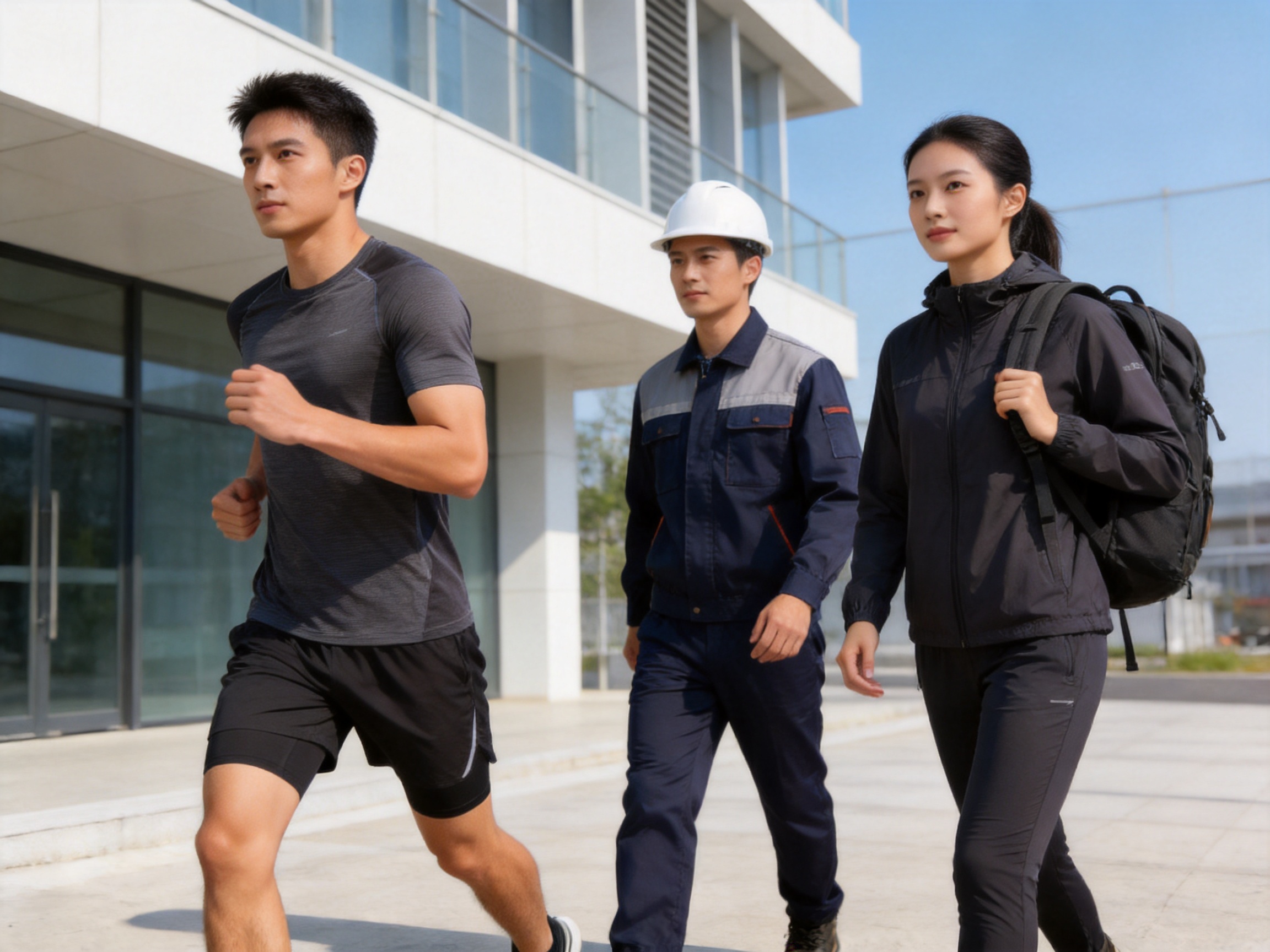
Sportswear is one of the most natural applications for moisture-wicking nylon woven fabric. During training and competition, athletes generate sweat and heat. A fabric that traps moisture can distract the wearer, increase friction, and reduce comfort. Moisture-wicking nylon woven fabric supports active performance by moving sweat away and helping the garment dry faster.
For running jackets, training pants, athletic shorts, warm-up suits, and lightweight outer layers, the fabric provides a useful combination of strength and moisture management. Its woven structure offers a clean and sporty appearance, while nylon contributes abrasion resistance and resilience. Depending on fabric weight and finishing, it can be used in both high-movement garments and casual athleisure products.
The fabric is also suitable for teamwear and sports uniforms. Uniforms must look consistent, withstand repeated washing, and remain comfortable during activity. Moisture-wicking nylon woven fabric can help athletes and active users feel dry while maintaining a professional appearance. Its durability also supports repeated use during training sessions, travel, and events.
In sportswear manufacturing, material consistency is essential because garments often use multiple panels and sizes. Fabric width, weight, color, and shrinkage must remain stable to ensure accurate cutting and sewing. The company’s manufacturing control and quality inspection help support this consistency, making the fabric a practical choice for production-scale orders.
Applications in Workwear and Uniforms
Workwear and uniforms require comfort and durability over long periods. Workers may wear the same garment for full shifts, often in warm, humid, or physically demanding environments. If fabric becomes damp and heavy, comfort declines and productivity may be affected. Moisture-wicking nylon woven fabric helps improve the wearer’s experience by reducing wet cling and supporting faster drying.
For corporate uniforms, logistics uniforms, security apparel, maintenance clothing, hospitality uniforms, and light industrial workwear, the fabric offers a professional appearance combined with functional performance. The woven surface can look neat and structured, while the nylon fiber improves resistance to abrasion from tools, belts, equipment, and repetitive movement.
Uniform buyers also value wash durability. Garments may be washed frequently, sometimes under commercial laundry conditions. Fabrics that deform, fade, shrink, or lose function quickly create replacement costs and dissatisfaction. Properly manufactured moisture-wicking nylon woven fabric is designed to maintain performance and appearance through repeated care cycles, depending on the selected finishing and care conditions.
The fabric can also be adapted for seasonal needs. Lightweight versions may support summer workwear, while denser constructions may be used for transitional outerwear or layered uniforms. With additional functional development, buyers may explore combinations such as moisture-wicking plus anti-bacterial performance, moisture-wicking plus flame-retardant properties, or moisture-wicking plus mechanical stretch, depending on technical feasibility and end-use standards.
Applications in Outdoor Gear and Travel Apparel
Outdoor users need fabric that can handle changing environments. A hiker may sweat while climbing, cool down during rest, face wind on an exposed ridge, and encounter abrasion from a backpack. Moisture-wicking nylon woven fabric is well suited to such situations because it supports dryness, strength, and lightweight mobility. It can be used in shirts, pants, jackets, vests, packable outer layers, and accessories.
Travel apparel also benefits from fast drying and durability. Travelers often need garments that can be worn repeatedly, washed easily, and dried quickly. A fabric that stays wet for a long time is inconvenient during travel. Nylon woven moisture-wicking fabric can provide a cleaner, lighter, and more practical solution for travel shirts, trousers, shorts, and utility garments.
Outdoor and travel consumers also appreciate wrinkle resistance and shape stability. While performance depends on construction and finishing, nylon woven fabrics can be engineered to resist excessive deformation and maintain a neat appearance. This helps garments transition from active use to casual settings, increasing product value.
For brands developing outdoor collections, fabric customization is important. Some products require higher tear resistance, while others prioritize breathability or softness. The company’s wide yarn and functional material system allows buyers to discuss specific development targets, including denier, filament count, hand feel, fabric weight, color, and finishing options.
Functional Fabric Without Unnecessary Complexity
A key advantage of moisture-wicking nylon woven fabric is that it provides practical function without unnecessary complexity. Many buyers do not need an overly complicated textile with multiple expensive treatments. They need a fabric that reliably manages moisture, resists wear, looks good, and can be produced consistently. This fabric meets those priorities.
The product information emphasizes that the fabric is free of redundant additives and balances functionality with practicality. This is significant because excess chemical finishing can sometimes affect hand feel, cost, breathability, or long-term stability. A focused moisture-management design allows the fabric to deliver the performance that matters most: dryness, comfort, durability, and reliable use.
Practicality also supports broader market acceptance. For mass-market sportswear, uniforms, and outdoor apparel, brands need performance fabrics that can be sourced at reasonable scale and integrated into normal garment production. A fabric that is too specialized may be difficult to dye, cut, sew, wash, or commercialize. Moisture-wicking nylon woven fabric offers a strong balance between technical value and production practicality.
This balance is especially valuable for wholesale and custom textile buyers. The company positions itself as a supplier of textile fabric and colored yarn solutions, offering custom textile fabric yarn at wholesale levels. Buyers can explore product development according to their target markets, whether they need standard functional fabric or a more differentiated specification.
Customization Possibilities
Customization is essential in textile sourcing because no single fabric specification fits every product. Moisture-wicking nylon woven fabric can be adjusted through yarn selection, weave design, fabric weight, width, color, finishing, and performance targets. A lightweight sports shirt fabric will differ from a durable workwear fabric. A travel pant fabric may require different drape and hand feel than an outdoor jacket fabric.
The company’s differential yarn portfolio supports this customization. Recycled series yarns can help customers develop environmentally oriented products. Cationic dyeing yarns can support color effects and dyeing flexibility. High-elastic series yarns can support stretch-related development. Functional series yarns can support fire-retardant, anti-bacterial, moisture-wicking, hollow warm, and other performance directions. This broad technical base helps buyers create fabrics with targeted functions.
Yarn specifications in the product list include many denier and filament combinations, such as 30/24, 50/48-72, 75/36-72-144, 100/72-144, 150/48-96-144, and 300/96-192-288 variations. These options influence fabric texture, strength, softness, coverage, and appearance. Fine filament yarns can create smoother and softer fabrics, while heavier yarns can improve strength and coverage. The ability to select from many yarn structures provides more design flexibility.
Custom development also includes finishing choices. Depending on end use, buyers may request a softer hand, water-repellent treatment, anti-static performance, anti-bacterial support, or enhanced quick-dry behavior. Each additional function must be balanced carefully to avoid reducing breathability, comfort, or wash durability. A technically capable supplier can guide buyers toward realistic combinations.
Quality Control and Testing Considerations
Quality control is crucial for any functional fabric. A moisture-wicking claim must be supported by repeatable performance, not only marketing language. Testing may evaluate water absorption time, wicking height, spreading area, drying rate, air permeability, tensile strength, tear strength, abrasion resistance, dimensional change after washing, color fastness, and pilling resistance.
For bulk orders, roll-to-roll consistency is important. A garment factory may cut hundreds or thousands of pieces from multiple rolls. If fabric weight, shade, width, or shrinkage varies, production problems occur. Advanced production management reduces these risks by controlling raw materials, weaving parameters, dyeing conditions, finishing recipe, and inspection standards.
Color quality is also essential. Nylon dyeing requires technical control to achieve level color and acceptable fastness. Poor dyeing can cause streaks, shade variation, or washing problems. A supplier experienced in yarn and fabric development can better manage the interaction between fiber, dye, heat, and finishing chemicals.
Functional durability should be discussed clearly between buyer and supplier. Some moisture-wicking effects may be inherent to yarn structure, while others may be enhanced by finishing. Wash durability depends on the finishing method, care conditions, detergent type, and garment construction. Professional communication helps set realistic expectations and select the appropriate testing methods for the target market.
Sustainability and Responsible Development
Modern textile buyers increasingly consider environmental responsibility. The company’s product system includes recycled yarn series, showing attention to environmental protection and resource-conscious development. While the highlighted product is moisture-wicking nylon woven fabric, customers may explore whether recycled or lower-impact material options can be integrated into future fabric programs where technically appropriate.
Durability itself is also a sustainability-related advantage. A garment that lasts longer can reduce replacement frequency. Moisture-wicking nylon woven fabric’s abrasion resistance, shape stability, and wash durability can support longer product life. This is important because sustainability is not only about raw material origin; it is also about how long a product remains useful.
Efficient moisture management may also improve garment usability. If a travel shirt or uniform dries faster after washing, users may need fewer garments for the same activity schedule. Quick-drying performance can reduce inconvenience and improve product practicality. For outdoor users, it may also reduce the need to carry heavier backup clothing.
Responsible fabric development requires balancing performance, cost, durability, and environmental goals. The company’s experience in recycled yarn, functional yarn, and international customer collaboration provides a platform for discussing these trade-offs. Buyers can work with the technical team to identify suitable yarns, fabric constructions, and finishing approaches.
Why Buyers Choose This Fabric
Buyers choose moisture-wicking nylon woven fabric because it addresses real market needs. It helps create garments that feel dry, look professional, resist wear, and perform under repeated use. For apparel brands, these qualities support stronger product value. For uniform suppliers, they support wearer satisfaction and service life. For outdoor and sportswear developers, they support performance and mobility.
The fabric’s competitive advantage comes from its combination of properties. Many fabrics offer one strength but lack another. Cotton can be comfortable but slow-drying. Some synthetic fabrics are durable but uncomfortable in heat. Some coated fabrics resist weather but feel stuffy. Moisture-wicking nylon woven fabric provides a more balanced solution for applications where comfort and durability must coexist.
The company’s manufacturing strengths further increase buyer confidence. Technical yarn knowledge, functional fabric development, export experience, broad product categories, and responsive service all support successful sourcing. Textile purchasing is not only about selecting a fabric; it is about choosing a supplier who can deliver consistent quality, solve problems, and support long-term cooperation.
For wholesalers and manufacturers, the product also offers commercial flexibility. It can be positioned as performance fabric for sportswear, comfort fabric for uniforms, durable fabric for outdoor apparel, or practical quick-dry fabric for travel products. This versatility helps buyers serve multiple markets with one technical foundation.
Recommended Buyer Evaluation Checklist
Before placing an order, buyers should define the final product application. A sports jacket, work uniform, hiking pant, and travel shirt may all use moisture-wicking nylon woven fabric, but each requires different specifications. Buyers should clarify fabric weight, hand feel, breathability, strength, color, finishing, washing requirements, and target price.
Buyers should request samples and evaluate them under realistic conditions. Touch, drape, thickness, and surface appearance matter, but functional testing is equally important. Wear trials, washing trials, and quick-dry comparisons can reveal how the fabric performs in actual use. If the fabric will be used in uniforms or outdoor garments, abrasion and tear testing may be important.
Communication with the supplier should include details such as order quantity, delivery schedule, color standards, packaging requirements, testing standards, and any restricted substances or compliance requirements. Clear communication helps prevent misunderstandings and improves development efficiency.
Because the company offers various yarn and fabric products, buyers can also ask about related materials. For example, a collection may require moisture-wicking woven fabric for outer garments, high-elastic yarn for stretch panels, recycled yarn for sustainability-oriented products, or anti-bacterial yarn for special uniforms. A supplier with a broad material system can help coordinate these needs.
Q&A Section
Q1: What is moisture-wicking nylon woven fabric?
It is a functional woven textile made with nylon fibers and engineered to move sweat or moisture away from the skin-facing surface toward the outer surface. This helps moisture evaporate faster and improves comfort during activity, work, travel, or outdoor use.
Q2: How does the fabric keep the wearer dry?
The fabric uses capillary action. Small spaces between fibers and yarns pull liquid moisture away from the skin and spread it across a wider area. This wider distribution helps evaporation occur more quickly than when sweat remains concentrated in one wet spot.
Q3: Why use nylon instead of cotton?
Nylon offers higher abrasion resistance, lighter strength, better resilience, and faster drying potential. Cotton can feel soft, but it absorbs moisture deeply and often stays wet longer. For active or professional garments, nylon moisture-wicking fabric usually provides better dryness and durability.
Q4: Is this fabric suitable for sportswear?
Yes. It is suitable for sports jackets, athletic pants, training wear, shorts, warm-up garments, and performance casual apparel. Its quick-dry comfort and abrasion resistance make it useful for repeated motion and sweat-generating activities.
Q5: Can it be used for uniforms and workwear?
Yes. The fabric is appropriate for uniforms and workwear that require a neat woven appearance, durability, and improved comfort during long shifts. It can help reduce dampness and cling while maintaining good resistance to wear.
Q6: Does the woven structure reduce breathability?
Not necessarily. Breathability depends on yarn selection, fabric density, weave design, and finishing. A properly engineered woven nylon fabric can provide good durability while still allowing moisture and air movement suitable for comfort applications.
Q7: Can the fabric be customized?
Yes. Customization may include fabric weight, yarn specification, weave construction, color, hand feel, finishing, and functional performance. The company’s wide yarn portfolio supports development for sportswear, workwear, outdoor gear, and other textile products.
Q8: What makes the supplier competitive?
The supplier has experience in differential yarns, functional yarns, recycled yarns, cationic dyeing yarns, flame-retardant yarns, microfine yarns, and fabric products. Its R&D capability, export experience, broad customer base, and responsive service help support reliable product development and bulk supply.
Q9: How should buyers test this fabric?
Buyers may evaluate wicking speed, drying rate, absorption behavior, air permeability, tensile strength, tear strength, abrasion resistance, color fastness, dimensional stability, and wash durability. Testing should match the final garment application and market requirements.
Q10: Is the fabric only for high-performance apparel?
No. While it is suitable for performance garments, it can also be used for practical daily clothing, travel apparel, corporate uniforms, light workwear, and comfortable casual products where dryness, durability, and easy care are valued.
Conclusion
Moisture-wicking nylon woven fabric is a practical and competitive textile solution for modern apparel and functional product development. It combines the strength and abrasion resistance of nylon with the stability of woven construction and the comfort of moisture-management technology. By transporting sweat away from the skin and supporting faster evaporation, it helps reduce dampness, clinginess, discomfort, and post-activity chill.
The fabric’s advantages over conventional competitors are clear. It dries faster than cotton, offers strong wear resistance compared with many ordinary fabrics, provides better comfort than untreated synthetic materials, and avoids the excessive stiffness or stuffiness that can occur with heavily coated textiles. Its balance of comfort, durability, structure, and practicality makes it suitable for sportswear, uniforms, workwear, outdoor gear, travel apparel, and other performance-oriented products.
Suzhou Junhui Textile Co., Ltd. and Suzhou Xiaoran New Material Co., Ltd. strengthen the product’s value through advanced material knowledge, differential yarn development, functional fabric capabilities, international export experience, and responsive customer service. Their product system includes recycled, normal, cationic dyeing, high-elastic, and functional yarn series, giving buyers flexibility to create fabrics that match specific market needs.
For brands and manufacturers seeking a reliable fabric that supports comfort and long-term performance, moisture-wicking nylon woven fabric offers a strong foundation. It is not merely a fabric with a functional label; it is a carefully engineered material built around moisture movement, physical durability, production stability, and real-world usability. In a market where consumers expect clothing to be comfortable, durable, and easy to care for, this fabric provides a meaningful competitive advantage.
References
1. Horrocks, A. R., and Anand, S. C. Handbook of Technical Textiles. Woodhead Publishing.
2. Kadolph, S. J. Textiles. Pearson Education.
3. Saville, B. P. Physical Testing of Textiles. Woodhead Publishing.
4. Das, A., and Alagirusamy, R. Science in Clothing Comfort. Woodhead Publishing India.
5. Morton, W. E., and Hearle, J. W. S. Physical Properties of Textile Fibres. Woodhead Publishing.
6. Kissa, E. Wetting and Wicking. Textile Research Journal.
7. Textile Institute. Textile Terms and Definitions. The Textile Institute.
Product: Moisture-Wicking Nylon Woven Fabric
Popular products
-
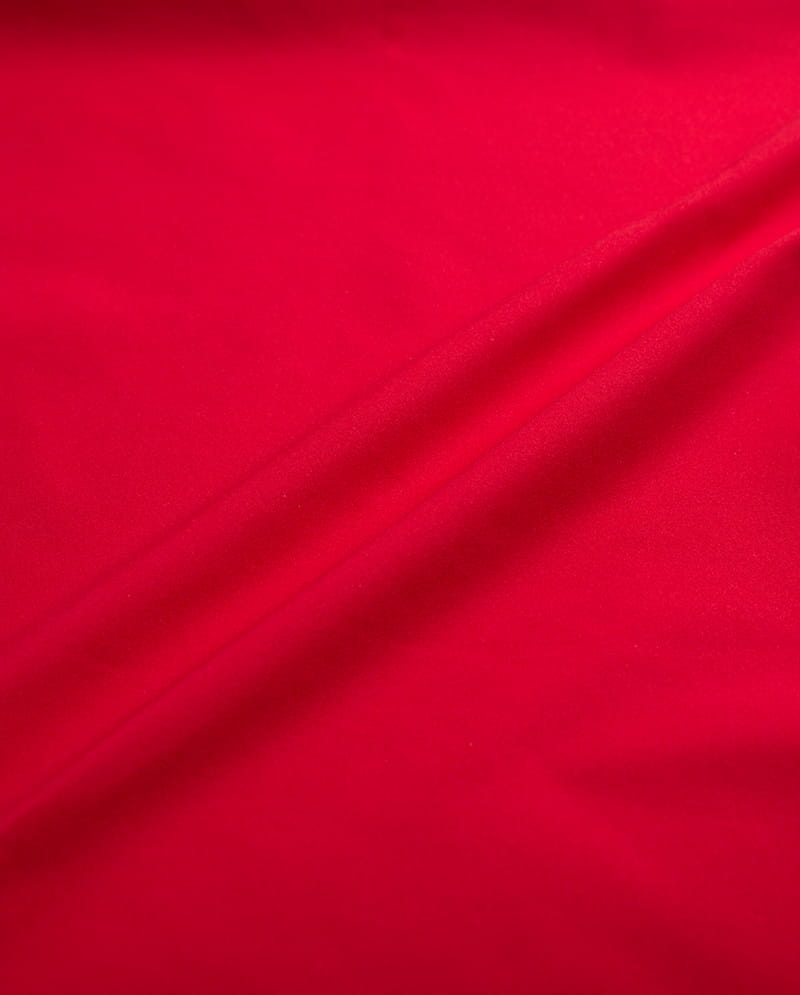
Premium Cationic Interlock Stretch Comfort Fabric
-
Moisture-Wicking Nylon Woven Fabric
-
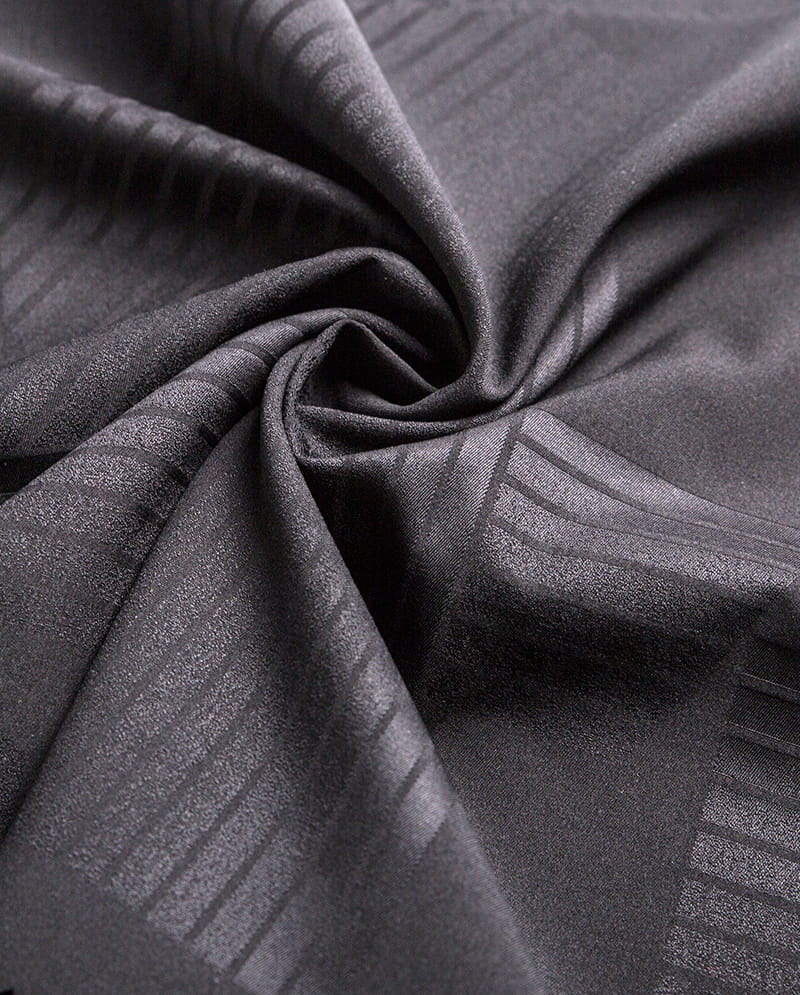
Double-faced jacquard elastic fabric
-
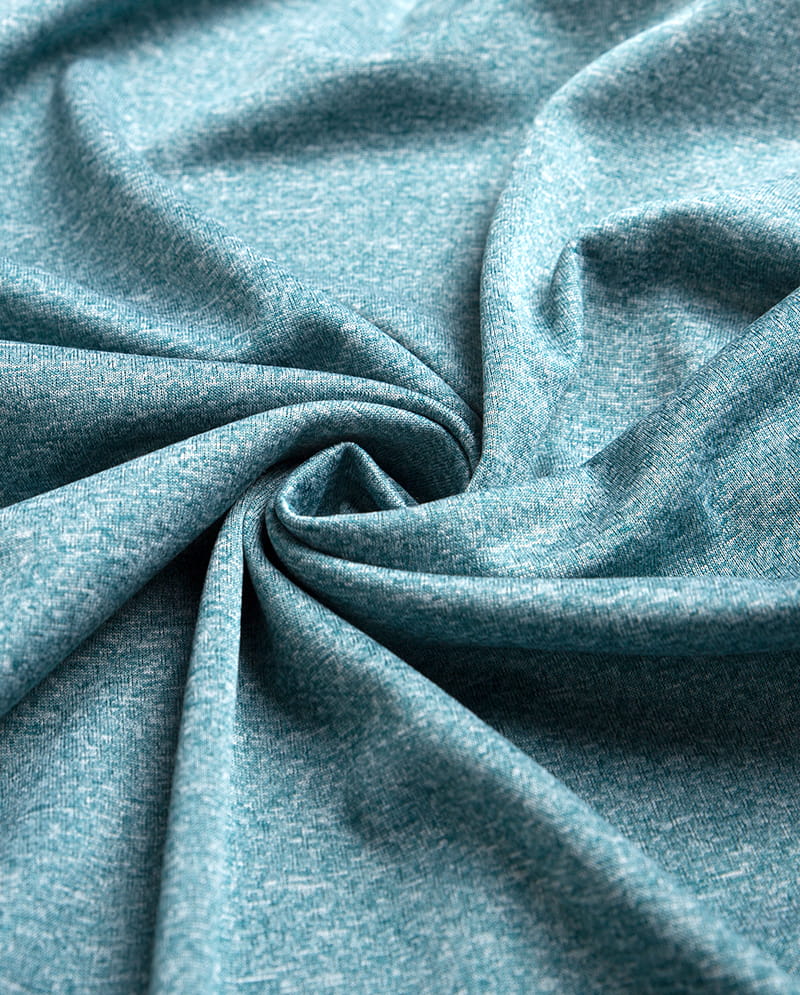
Heather Grey Double-faced cationic jersey fabric
-
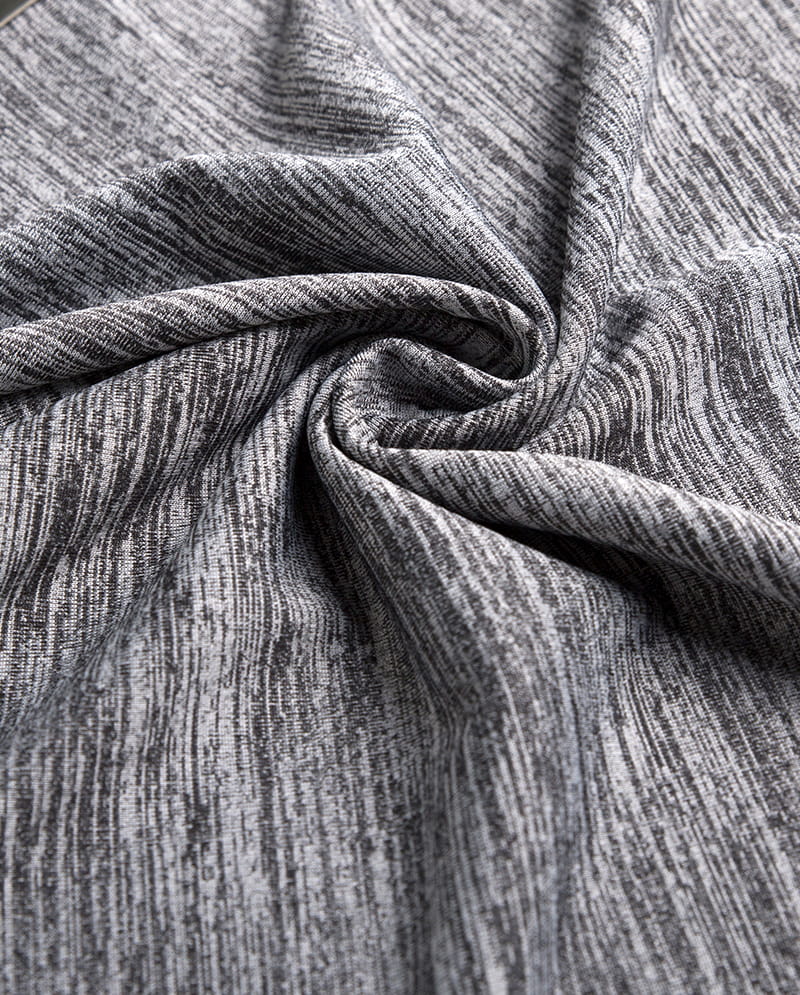
Anti-static Cationic Knitted Rib Fabric
-
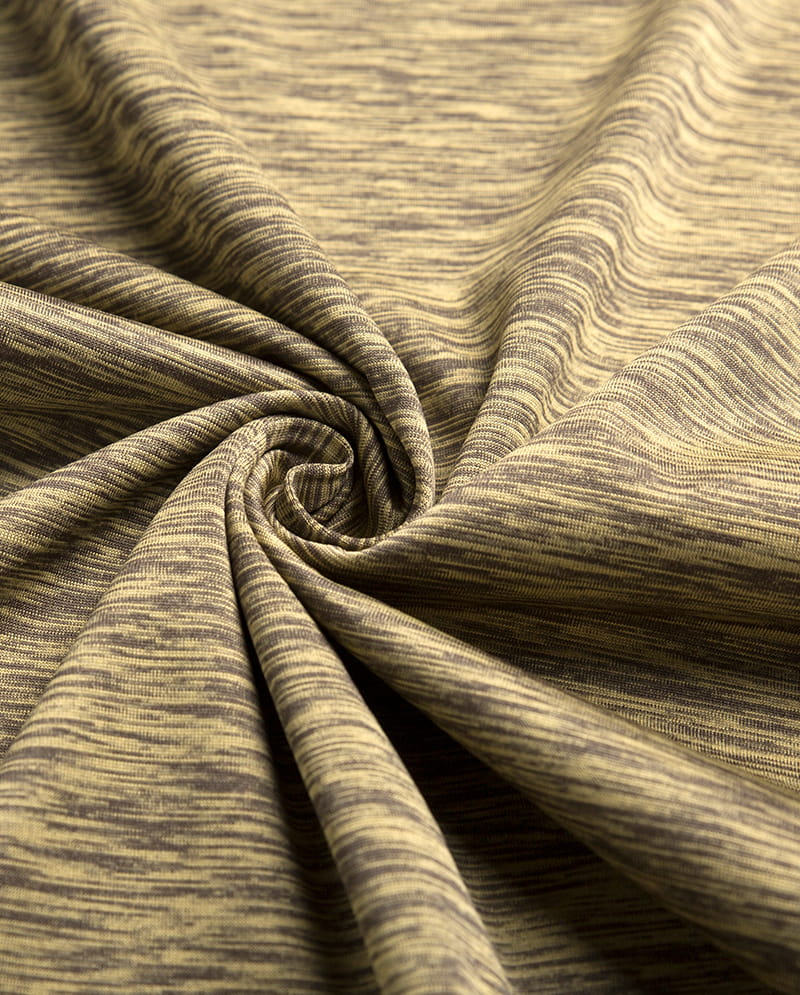
High-Stretch Cationic Jersey Fabric
-
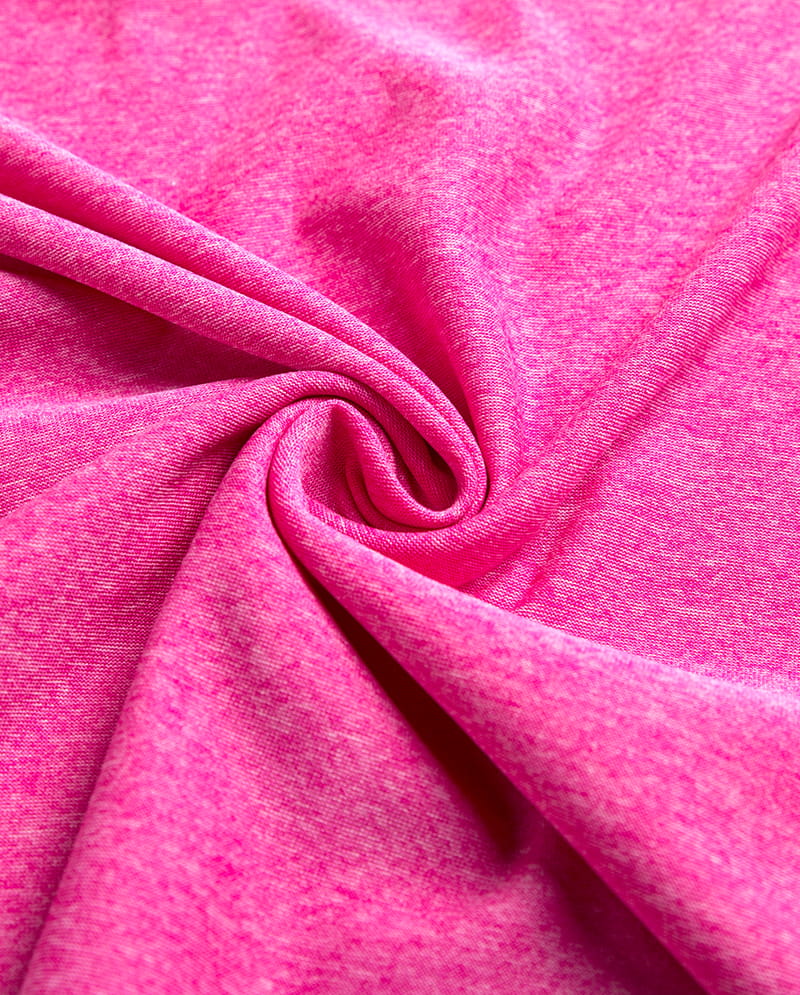
High Quality Cationic DTY Spandex Two Sides Brush Dralon Knit Fabric for Garment Thermal Underwear
-
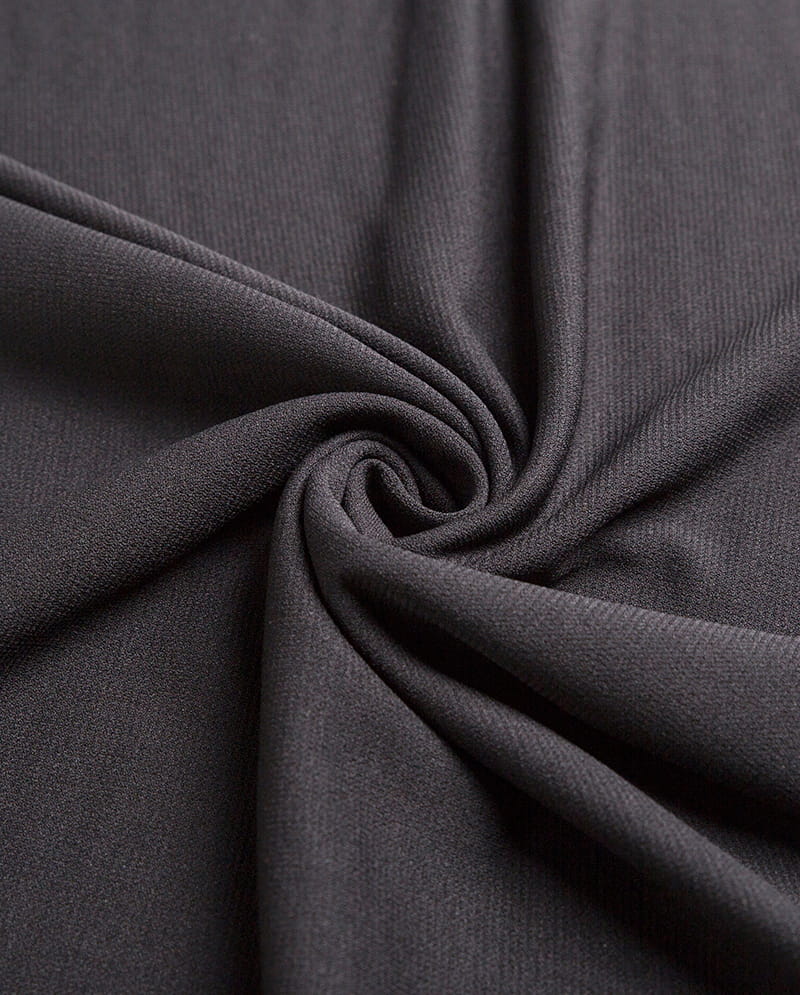
Durable Anti-Pilling Knitted Fabric for Home Textiles
-
Wash-Resistant Cationic Elastic Knitted Fabric for Garment Industry
-
Breathable Double-Faced Elastic Composite Fabric
-
-
-
- whatsapp:
- 0086-13962559622
-
- skype:
- skype.aliceshenghong
-
- Wechat:

COPYRIGHT © 2016 Suzhou Junhui Textile Co., Ltd.
