

 EN
EN English
 中文简体
中文简体Moisture-Wicking High-Density Mini Pique Knit Fabric for Performance Apparel
Content
- 1 Product Overview: A Practical Fabric for Active and Professional Use
- 2 Key Fabric Advantages at a Glance
- 3 Understanding the Mini Pique Structure
- 4 Moisture-Wicking Performance and Wearer Comfort
- 5 Advantages Over Ordinary Competing Fabrics
- 6 Applications in Sportswear
- 7 Applications in Daily Activewear
- 8 Applications in Professional Work Uniforms
- 9 Yarn Foundation and Functional Textile Capability
- 10 Advanced Manufacturing Processes
- 11 Company Strengths Supporting the Fabric
- 12 Differentiated Yarn Series and Customization Potential
- 13 Why High Density Matters in Garment Production
- 14 Comfort Without Compromising Durability
- 15 Environmental and Functional Development Direction
- 16 How Buyers Can Evaluate This Fabric
- 17 Quality Value for Wholesale and Custom Fabric Buyers
- 18 Q&A Section
- 18.1 Q1: What is the main advantage of this mini pique knit fabric?
- 18.2 Q2: How does the moisture-wicking function work?
- 18.3 Q3: Is this fabric suitable for sportswear?
- 18.4 Q4: Can it be used for work uniforms?
- 18.5 Q5: How is it different from ordinary cotton pique?
- 18.6 Q6: How is it different from plain polyester jersey?
- 18.7 Q7: Does the fabric have stretch?
- 18.8 Q8: Why is high density important?
- 18.9 Q9: Can the fabric be customized?
- 18.10 Q10: What types of buyers can benefit from this fabric?
- 19 Conclusion
- 20 References
- 21 Product: Moisture-Wicking Performance High-Density Mini Pique Knit Fabric
Modern apparel is expected to do more than simply cover the body. It must support movement, manage moisture, maintain shape, resist repeated washing, and remain comfortable during long hours of wear. The Moisture-Wicking Performance High-Density Mini Pique Knit Fabric is developed for these exact requirements, combining a compact knitted structure with functional moisture-transfer performance and reliable durability.
This fabric is designed for sportswear, daily activewear, professional uniforms, casual performance garments, and other textile applications where comfort and practicality matter. Its mini pique texture creates a refined surface with tiny, evenly distributed raised points, giving the material a clean visual character while improving airflow across the skin. Compared with ordinary flat jersey fabrics, the pique structure provides a more dimensional surface, better breathability, and a more stable hand feel.
The fabric also addresses a common challenge in performance apparel: how to keep the wearer dry without sacrificing softness or long-term usability. Through moisture-wicking functionality, sweat is transferred away from the skin and guided toward the fabric surface, where it can evaporate more efficiently. This helps reduce cling, discomfort, and the heavy damp feeling often associated with conventional fabrics.
Behind this product is a textile manufacturing capability built around differentiated yarns, functional fibers, knitting technology, and controlled finishing processes. By combining yarn development, fabric engineering, and quality management, the fabric is positioned as a dependable solution for buyers seeking consistent performance, large-scale supply capability, and adaptable textile options.
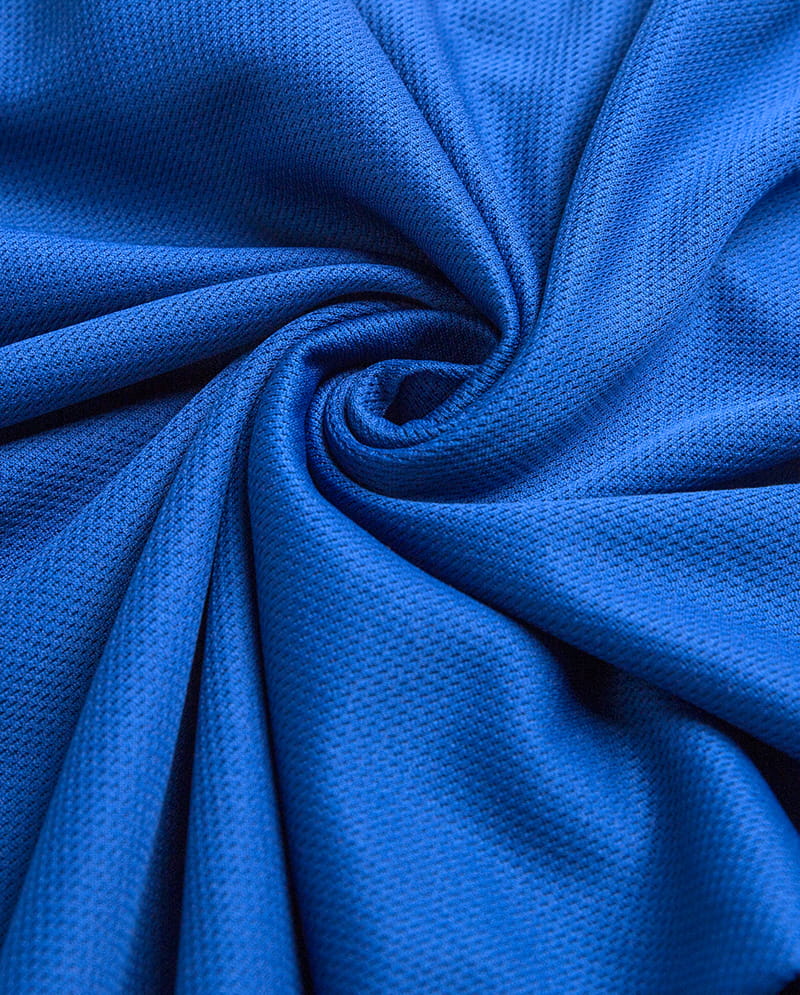
Moisture-Wicking Performance High-Density Mini Pique Knit Fabric
Product Overview: A Practical Fabric for Active and Professional Use
The Moisture-Wicking Performance High-Density Mini Pique Knit Fabric belongs to the knitted fabric category. Its main feature is the compact mini pique construction, which uses a textured knit effect to create a surface that is breathable, neat, and comfortable against the skin. Unlike heavy or coarse pique fabrics, the mini pique version is more refined, making it suitable for garments that require both a professional appearance and everyday wearability.
The high-density structure gives the fabric excellent dimensional stability. This means the fabric is less likely to lose shape, deform, or become loose after repeated use. In many applications, especially uniforms and activewear, shape retention is a major factor. Garments need to maintain their fit and appearance after washing, drying, folding, and daily movement. A fabric that stretches out, shrinks excessively, or becomes uneven quickly increases replacement costs and reduces wearer satisfaction.
This product is also designed with moderate stretchability. It allows natural body movement without becoming overly elastic or unstable. This is important for sports polo shirts, training tops, work shirts, school uniforms, service uniforms, and casual performance garments. The wearer can move freely, while the garment maintains a clean, structured look.
The moisture-wicking function further improves comfort. During exercise, outdoor activity, factory work, commuting, or long working hours, the body produces sweat. If the fabric absorbs moisture but does not move it away efficiently, the wearer may feel sticky, cold, or uncomfortable. This high-density mini pique knit fabric supports moisture transfer, helping keep the skin drier and improving comfort in active scenarios.
Key Fabric Advantages at a Glance
| Feature | Performance Benefit | Application Value |
|---|---|---|
| High-density mini pique knit | Stable structure with refined surface texture | Suitable for sportswear, uniforms, activewear, and casual apparel |
| Moisture-wicking function | Moves sweat from skin to fabric surface for faster evaporation | Improves comfort during exercise, work, and daily wear |
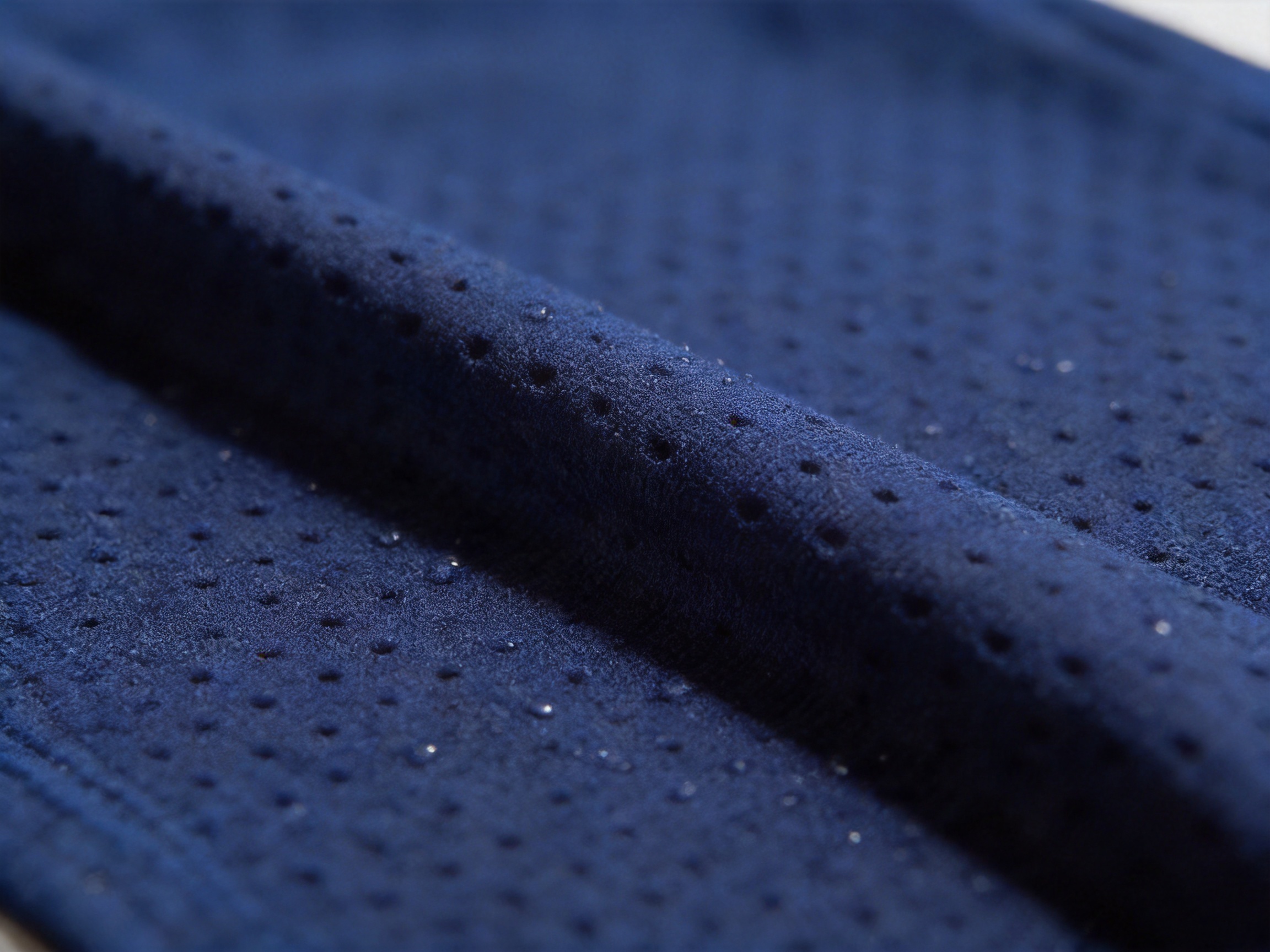
| Compact raised-dot texture | Enhances surface ventilation while maintaining a smooth touch | Balances breathability and a neat appearance |
| Shape retention | Resists shrinkage and deformation after repeated washing | Supports longer garment life and better cost efficiency |
| Moderate stretchability | Allows easier movement without excessive looseness | Improves fit and wear comfort |
| Functional yarn and fabric expertise | Enables customization and performance-oriented development | Supports buyers with different product requirements |
Understanding the Mini Pique Structure
Mini pique is a knitted structure recognized for its subtle raised texture. The surface does not appear flat like single jersey; instead, it has small geometric or dot-like effects that create a sense of depth. In this fabric, the compact pique design helps form tiny spaces between the skin and the garment surface, improving air circulation and reducing direct cling when the wearer sweats.
For apparel designers, the mini pique structure offers several visual and functional benefits. It looks more structured than ordinary jersey, which makes it well suited for polo shirts, workwear tops, corporate uniforms, and smart casual active garments. At the same time, it remains flexible and soft enough for sports and lifestyle clothing.
The high-density construction is especially important. A loosely knitted pique can feel unstable, deform easily, and become less attractive after washing. A high-density version, by contrast, provides a firmer fabric body and improved resistance to distortion. The fabric can support garment panels, collars, plackets, hems, and seams more effectively, helping finished apparel maintain a clean silhouette.
The surface texture also improves practical comfort. When a fabric lies completely flat against the skin, sweat may create a sticky sensation. The raised-dot structure helps reduce this effect by creating micro-spacing. Although the texture is visible and functional, it remains small enough to preserve a smooth, skin-friendly hand feel.
Moisture-Wicking Performance and Wearer Comfort
Moisture-wicking performance is one of the main reasons buyers choose this fabric. The function is designed to accelerate the transfer of moisture from the skin-facing side of the fabric to the outer surface. Once moisture reaches the outer surface, it spreads and evaporates more efficiently. This process helps keep the wearer dry, cool, and comfortable.
In activewear, moisture control directly influences the user experience. A garment may look attractive and fit well, but if it traps sweat, the wearer quickly becomes uncomfortable. Moisture accumulation can cause cling, odor concerns, skin irritation, and temperature imbalance. A fabric that supports rapid moisture movement helps reduce these issues.
For professional uniforms, moisture management is equally valuable. Workers in logistics, hospitality, manufacturing, retail, and outdoor service roles often wear uniforms for long hours. They may not be engaged in sports, but they still need comfort during movement, changing temperatures, and repeated daily activity. A moisture-wicking mini pique fabric helps improve the practical wearing experience without making the garment look overly technical.
The fabric’s moisture-wicking ability also complements the mini pique structure. While the functional finish or yarn selection supports liquid movement, the textured surface supports airflow and evaporation. Together, these features create a balanced comfort system suitable for everyday use and performance scenarios.
Advantages Over Ordinary Competing Fabrics
Many fabrics claim to be suitable for activewear or uniforms, but their real performance can vary greatly. This high-density mini pique knit fabric offers a combination of advantages that makes it stronger than many conventional alternatives.
Compared with Standard Cotton Pique
Traditional cotton pique is comfortable and familiar, but it can absorb moisture heavily and dry slowly. When worn during physical activity or in warm conditions, cotton may become damp and heavy. It can also shrink or lose shape if not properly controlled. The moisture-wicking high-density mini pique knit fabric is engineered to reduce these disadvantages. It supports faster moisture transfer, better drying comfort, and improved dimensional stability.
Another advantage is durability in repeated washing. Uniforms and sportswear must be laundered frequently. A fabric that retains shape, texture, and smoothness after washing provides better long-term value. Compared with many cotton-based alternatives, this performance fabric is better suited for buyers seeking practical maintenance and longer garment life.
Compared with Ordinary Polyester Jersey
Standard polyester jersey can be lightweight and quick drying, but it may appear too plain, cling to the skin, or lack structure. This can be a limitation for polo shirts, work uniforms, and garments that require a more polished appearance. The mini pique texture gives the fabric a more refined look and better air circulation. The high-density structure also helps the garment appear more stable and less flimsy.
Ordinary jersey may also show body outlines too clearly or lack enough surface character for professional apparel. The raised mini pique effect improves fabric coverage and adds visual richness while remaining clean and modern. This makes it suitable for both functional and presentable garments.
Compared with Low-Density Knits
Low-density knitted fabrics may reduce cost in the short term, but they often compromise durability, shape retention, and appearance. They can stretch out, twist, curl, or become uneven after repeated washing. In contrast, the high-density construction of this fabric supports stable garment production and long-term use. It helps reduce customer complaints related to deformation, poor fit recovery, and surface irregularity.
For brands and manufacturers, fabric stability can also improve cutting and sewing efficiency. A more stable fabric is easier to handle during garment production, helping reduce defects and improve consistency across batches.
Compared with Heavy Performance Fabrics
Some performance fabrics are highly functional but too heavy, stiff, or synthetic in feel. They may be suitable for specialized sports but uncomfortable for daily wear. This mini pique knit fabric provides a more balanced solution. It combines moisture management, breathability, moderate stretch, and a skin-friendly touch, making it useful for both athletic and everyday garments.
This balance is important in today’s apparel market. Consumers increasingly prefer clothing that can move between work, travel, exercise, and casual settings. A fabric that offers technical comfort without an overly industrial feel has broader commercial potential.
Applications in Sportswear
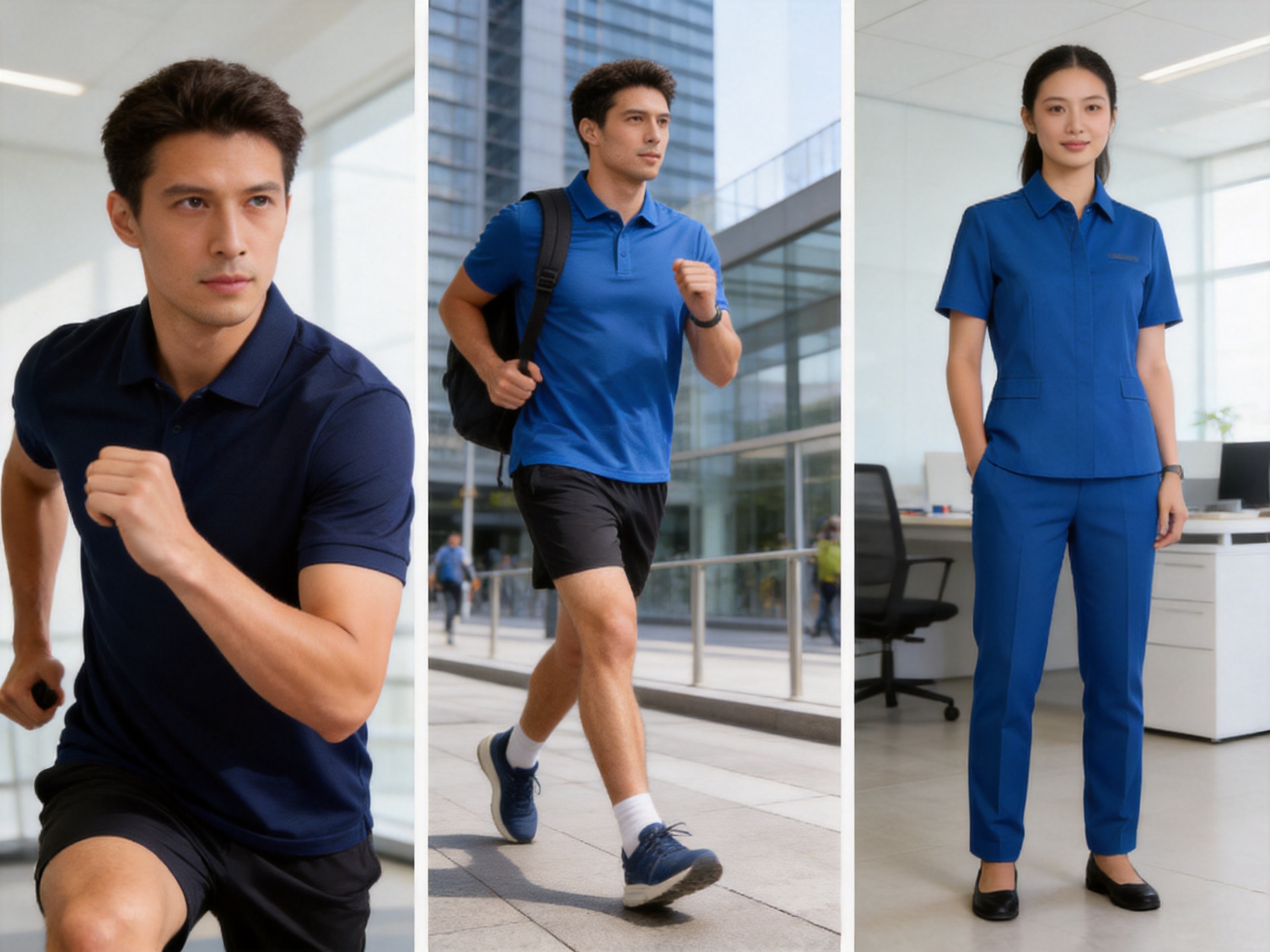
Sportswear requires fabrics that support movement, ventilation, and moisture control. This fabric is suitable for training tops, polo shirts, teamwear, warm-weather activity shirts, golf-style apparel, casual sports uniforms, and gym-related garments. The mini pique texture provides a more premium look than plain jersey while still offering the flexibility expected from knitted fabric.
For sportswear brands, the fabric can help create garments that feel practical and durable. The high-density knit improves fabric body, while the moisture-wicking performance helps the wearer remain more comfortable during exercise. The moderate stretch supports common body movements such as bending, reaching, twisting, and walking.
In teamwear or club apparel, appearance consistency is also important. The fabric’s stable structure helps maintain shape across repeated washing cycles, which is useful for garments worn frequently. The texture also provides an attractive surface for solid colors and functional styling.
Applications in Daily Activewear
Daily activewear has become a major apparel category because consumers want clothing that can be worn in many situations. A shirt may be worn for commuting, light exercise, travel, errands, casual office settings, and weekend activities. This fabric is well matched to that trend because it offers comfort without appearing too technical or too casual.
The mini pique surface gives garments a neat, structured look, making them suitable for everyday outfits. At the same time, the moisture-wicking function provides a comfort advantage over ordinary casual fabrics. The fabric can help reduce discomfort during warm weather or extended wear.
Another advantage for daily activewear is easy care. Consumers prefer garments that can be washed repeatedly and still look presentable. The fabric’s resistance to shrinkage and deformation supports this expectation. When apparel maintains its original size, texture, and shape, consumers are more likely to continue wearing it and trust the brand that produced it.
Applications in Professional Work Uniforms
Professional work uniforms require a careful balance of durability, comfort, appearance, and cost efficiency. Employees may wear uniforms for entire shifts, sometimes in physically demanding environments. The fabric must remain comfortable while also presenting a clean and consistent image for the organization.
This high-density mini pique knit fabric is suitable for service uniforms, corporate polo shirts, industrial work tops, logistics uniforms, retail uniforms, school staff apparel, hospitality garments, and other professional clothing. Its compact structure helps garments maintain a tidy look, while the moisture-wicking function supports wearer comfort throughout the day.
Uniform buyers often focus on total value rather than fabric price alone. A cheaper fabric may lead to faster garment replacement, poor employee satisfaction, and inconsistent appearance. A fabric with better dimensional stability and functional comfort can reduce long-term costs by extending garment usability. This product is therefore a practical choice for buyers who need reliable performance across repeated wear and laundering.
Yarn Foundation and Functional Textile Capability
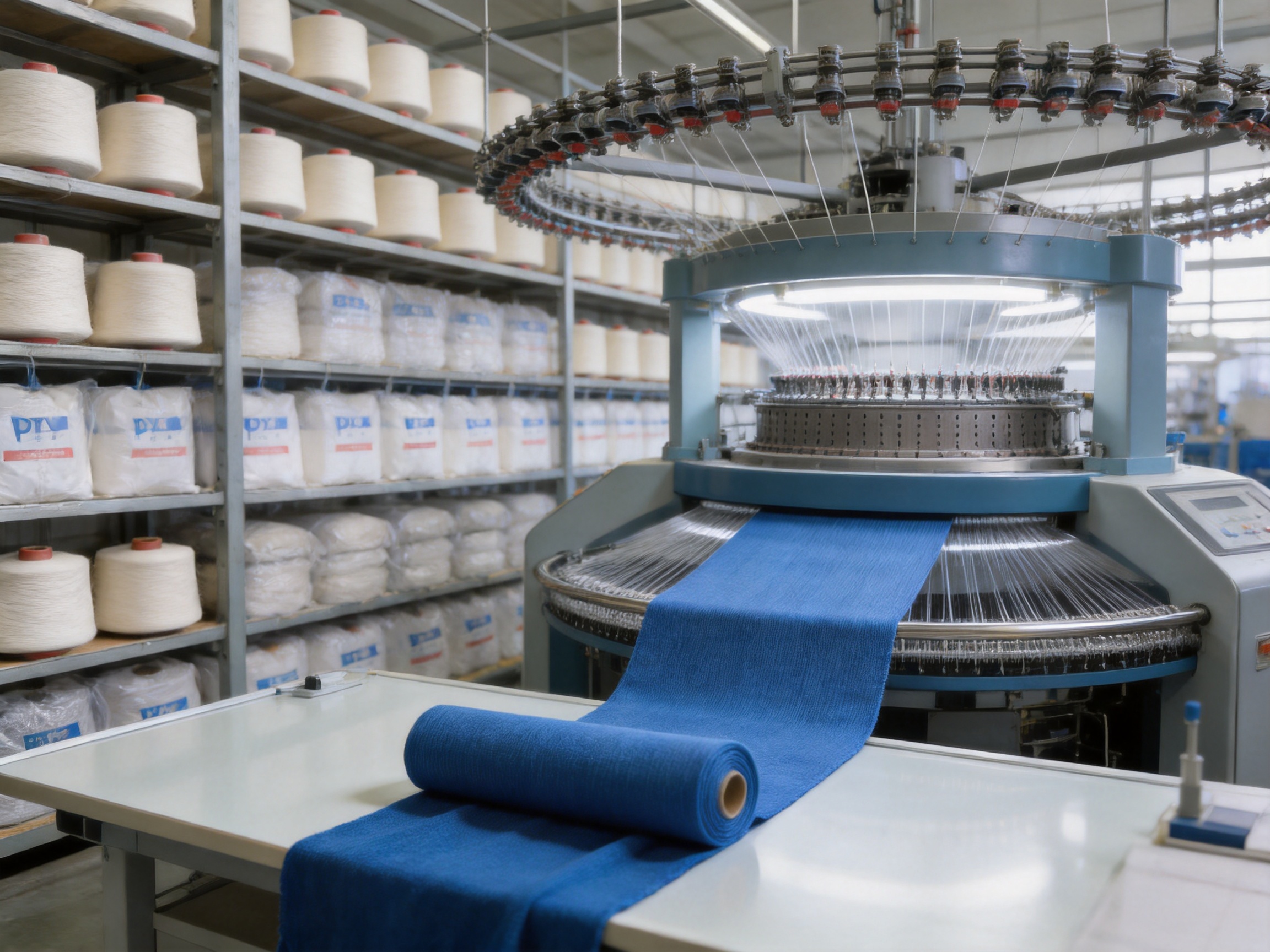
The performance of a knitted fabric begins with yarn. A fabric can only be as reliable as the yarns used to make it. The manufacturing background behind this product includes expertise in differentiated yarns, including recycled yarn, polyester drop-dyed yarn, microfine yarn, flame-retardant yarn, cationic dyeing yarn, and functional yarn systems.
This wide yarn capability supports fabric customization and performance development. For example, moisture-wicking fabric can be adjusted through yarn selection, cross-section design, finishing technology, or a combination of these methods. High-density mini pique fabric can also be developed with different yarn counts, filament structures, and functional characteristics depending on the buyer’s target application.
The available product categories include textile fabric, DTY yarn, FDY yarn, POY yarn, and polyester chips. This indicates a strong upstream and downstream understanding of polyester textile production. In practical terms, it gives buyers access to broader technical support, from raw material selection to final fabric performance.
Advanced Manufacturing Processes
Producing a high-quality moisture-wicking mini pique fabric requires more than simply knitting yarn into a textured surface. It depends on a series of controlled manufacturing steps, each affecting the final fabric’s appearance, hand feel, stability, and functional performance.
Yarn Selection and Preparation
The process begins with yarn selection. Suitable polyester yarns or differentiated yarns are chosen according to fabric requirements such as softness, stretch, moisture transfer, density, texture, and durability. DTY yarn is often valued for its bulk, elasticity, and soft hand feel, while FDY and other yarn types may be selected for strength, smoothness, or specific fabric effects.
Yarn consistency is essential. Uneven yarn can lead to streaks, fabric defects, unstable weight, and inconsistent dyeing. By controlling yarn specifications and working with functional yarn series, the manufacturer can better ensure that the final fabric meets performance and appearance targets.
Knitting Structure Control
The mini pique texture is created during the knitting process. Machine settings, yarn tension, stitch length, loop formation, and pattern control all influence the final fabric. If tension is unstable, the fabric may show uneven texture, skewing, or poor dimensional performance. High-density knitting requires precise control because the fabric must be compact without becoming harsh or rigid.
The goal is to create a balanced structure: dense enough for stability and durability, but still breathable and comfortable. This balance distinguishes a well-engineered mini pique fabric from low-quality alternatives that may either feel too loose or too stiff.
Functional Finishing
Moisture-wicking performance can be enhanced through functional finishing. The finishing process helps improve how moisture spreads and moves across the fabric surface. Proper finishing must be uniform, durable, and compatible with the fabric’s hand feel. A good moisture-wicking finish should not make the fabric sticky, rough, or overly chemical in touch.
Finishing also supports dimensional stability, appearance, and softness. Heat setting and controlled finishing conditions help reduce shrinkage and deformation. The fabric is engineered to resist changes after repeated washing, making it more reliable for brands and garment manufacturers.
Dyeing and Color Management
Color consistency is critical for textile buyers, especially when fabrics are used for uniforms, team apparel, or repeat orders. The manufacturing capability includes knowledge of polyester yarns and cationic dyeing yarns, which can support different color effects and differentiated appearances. Controlled dyeing helps improve shade consistency, fabric levelness, and repeatability.
For buyers, reliable color management means fewer production risks. It reduces the chance of mismatched panels, inconsistent garment lots, or customer complaints. This is especially important for wholesale textile supply and long-term apparel programs.
Inspection and Quality Control
Quality control is essential in functional fabric production. The fabric should be checked for surface defects, weight consistency, width stability, texture uniformity, color levelness, and functional performance. Inspection helps identify issues before fabric reaches garment factories, reducing downstream production losses.
In a competitive textile market, consistent quality is a major advantage. Many suppliers can produce fabric samples, but not all can maintain stable bulk production. A strong manufacturing and inspection system helps ensure that buyers receive fabric that matches the approved standard.
Company Strengths Supporting the Fabric
Suzhou Junhui Textile Co., Ltd. and Suzhou Xiaoran New Material Co., Ltd. were established with a commitment to developing and selling differentiated yarns and knitted fabric products. Their product scope includes recycled yarn, polyester drop-dyed yarn, microfine yarn, flame-retardant yarn, cationic dyeing yarn, and knitting fabric. This background provides the technical foundation for performance-oriented fabrics such as moisture-wicking high-density mini pique knit fabric.
The company emphasizes research and development, working with professional teams and cooperating with internationally recognized enterprises in the areas of environmental protection, functional yarn, and fabric application. This R&D orientation is important because performance apparel markets change quickly. Buyers need suppliers who can respond to new requirements, not only provide standard products.
Another strength is international market experience. With products exported to many countries and a broad customer base, the company understands the expectations of global buyers. Export-oriented production requires attention to quality consistency, documentation, communication, packaging, and delivery reliability. These capabilities help support long-term cooperation with apparel manufacturers, fabric wholesalers, and brand supply chains.
The company also highlights service responsiveness, with experts ready to assist buyers in product selection and problem solving. This is valuable because fabric sourcing often involves technical questions. Buyers may need guidance on yarn choice, fabric structure, performance finishing, dyeing effects, or garment application. Timely technical support can reduce development time and help avoid costly mistakes.
Differentiated Yarn Series and Customization Potential
The available yarn portfolio shows strong customization potential. The product list includes recycled series, normal series, cationic dyeing series, high-elastic series, and functional series. These categories can support many different fabric developments beyond a single standard item.
For example, recycled yarn can support environmental and sustainability-oriented apparel programs. Flame-retardant yarn can support protective or specialized applications. Anti-bacterial yarn can be used in garments where hygiene and freshness are priorities. Moisture-wicking yarn is directly relevant to sportswear and active uniforms. High-elastic and PBT/PET yarn options can support fabrics that require stronger stretch and recovery.
This broad yarn capability gives the moisture-wicking mini pique fabric a practical advantage: it can be adjusted according to buyer needs. A buyer may request a lighter version for summer polo shirts, a firmer version for uniforms, a recycled-content version for sustainability programs, or a special color effect using cationic dyeing systems. The ability to accept orders for various differentiated yarns supports flexible product development.
Why High Density Matters in Garment Production
High-density fabric is not only about weight or thickness. It is about structure, stability, and performance consistency. In garment production, fabric density affects cutting accuracy, sewing behavior, seam stability, recovery, shrinkage, and final appearance. A loose fabric may stretch during cutting or sewing, causing size deviation. It may also distort after washing, affecting the finished garment’s fit.
The high-density mini pique fabric helps address these problems. Its compact structure supports better fabric control during production. This can help garment manufacturers achieve cleaner seams, more consistent sizes, and improved finished-product appearance. For large uniform programs or wholesale apparel orders, this consistency can be very valuable.
High density also contributes to durability. The fabric is designed to resist deformation and maintain shape after repeated washing and use. This helps preserve the garment’s original design and improves the wearer’s perception of quality. A stable fabric is more likely to maintain collar shape, body length, sleeve fit, and overall garment balance.
Comfort Without Compromising Durability
Some fabrics are comfortable at first touch but lack durability. Others are durable but feel stiff, heavy, or unpleasant. The strength of this product lies in its balance. The mini pique texture creates breathability and a pleasant surface feel, while the high-density knit improves structure and long-term performance.
The fabric’s moderate stretchability enhances freedom of movement. It is not designed to be an extreme compression or high-spandex fabric; instead, it provides practical movement comfort suitable for everyday active use. This makes it versatile for garments that must look presentable while still allowing natural body motion.
The smooth, skin-friendly touch also matters for wearer satisfaction. A performance fabric should not feel abrasive or uncomfortable during long wear. The compact mini pique surface offers texture without roughness, helping the garment remain comfortable in direct contact with the skin.
Environmental and Functional Development Direction
The textile industry is increasingly focused on responsible material development, performance efficiency, and product longevity. While this fabric is primarily valued for moisture-wicking comfort and durability, it can also fit within broader development trends. The company’s experience with recycled yarn and environmentally oriented research provides opportunities for buyers interested in more responsible textile options.
Long-lasting fabrics also support sustainability in a practical way. When garments retain shape and function longer, they may need replacement less frequently. Durability, wash resistance, and stable performance can therefore contribute to better resource efficiency across the garment life cycle.
Functional textile development is another important direction. Consumers increasingly expect garments to provide added value, such as moisture management, antibacterial properties, warmth, flame retardancy, or improved elasticity. The company’s functional series, including moisture-wicking, fire-retardant, anti-bacterial, hollow warm, and high-elastic options, supports this evolving market demand.
How Buyers Can Evaluate This Fabric
When selecting a moisture-wicking mini pique fabric, buyers should evaluate both the fabric itself and the supplier’s production capability. A sample may look good, but bulk consistency is the real test. Important evaluation points include hand feel, surface texture, moisture-wicking performance, fabric weight, width stability, shrinkage, color fastness, stretch recovery, and garment sewing behavior.
Buyers should also consider end-use requirements. A sports polo shirt may require a lighter and more breathable version, while a work uniform may need a firmer structure and stronger durability. A daily activewear garment may prioritize softness and easy care. Because this fabric can be supported by a broad yarn and fabric development system, it can be adapted for different applications.
Communication with technical staff is also useful. The buyer can discuss yarn selection, target fabric weight, color requirements, finishing needs, and expected washing performance. A supplier with strong R&D and product knowledge can help guide these decisions and recommend suitable solutions.
Quality Value for Wholesale and Custom Fabric Buyers
For wholesale textile buyers and apparel manufacturers, value is created through a combination of price, performance, consistency, service, and development flexibility. The Moisture-Wicking Performance High-Density Mini Pique Knit Fabric offers value because it addresses multiple practical needs at once. It is comfortable, breathable, moisture-managing, stable, durable, and visually suitable for both sports and professional garments.
The company’s textile background strengthens this value. With experience in yarn development, knitted fabrics, functional materials, and export markets, it can support buyers who require more than a basic fabric supplier. The ability to provide custom textile fabric and yarn at wholesale scale is especially important for brands and manufacturers with repeat orders or specialized product lines.
In competitive apparel markets, fabric selection can determine whether a garment succeeds. A polo shirt that feels dry, holds shape, and looks clean after many washes will perform better than one that quickly becomes damp, misshapen, or worn. This fabric is engineered to help garment makers deliver that better experience.
Q&A Section
Q1: What is the main advantage of this mini pique knit fabric?
The main advantage is its combination of moisture-wicking performance, high-density stability, breathable mini pique texture, and comfortable hand feel. It is designed to keep the wearer drier and more comfortable while maintaining garment shape after repeated use and washing.
Q2: How does the moisture-wicking function work?
The fabric supports the movement of sweat from the skin-facing side to the outer surface of the fabric. Once moisture reaches the surface, it spreads and evaporates more easily. This helps reduce dampness, cling, and discomfort during activity or long-term wear.
Q3: Is this fabric suitable for sportswear?
Yes. The fabric is suitable for sports polo shirts, training tops, teamwear, casual athletic apparel, and other active garments. Its breathable structure and moisture-management function help improve comfort during movement.
Q4: Can it be used for work uniforms?
Yes. The high-density structure and neat mini pique appearance make it suitable for professional uniforms. It provides a clean look, stable shape, and improved wearer comfort during long working hours.
Q5: How is it different from ordinary cotton pique?
Ordinary cotton pique can absorb sweat heavily and dry slowly. This performance mini pique fabric is designed to move moisture more efficiently and resist deformation after washing. It offers better easy-care performance and active comfort.
Q6: How is it different from plain polyester jersey?
Plain polyester jersey may be lightweight but can look too flat and cling to the skin. This fabric has a mini pique texture that improves airflow, visual structure, and garment appearance while still offering functional comfort.
Q7: Does the fabric have stretch?
Yes. It has moderate stretchability, allowing comfortable movement without compromising durability or shape retention. This makes it suitable for both active and daily wear.
Q8: Why is high density important?
High density improves fabric stability, durability, shape retention, and garment production consistency. It helps the finished garment resist shrinkage, deformation, and loose appearance after repeated washing.
Q9: Can the fabric be customized?
Customization is possible through yarn selection, fabric structure, functional finishing, color development, and other technical adjustments. The company’s broad yarn portfolio, including recycled, cationic, high-elastic, and functional yarns, supports different product requirements.
Q10: What types of buyers can benefit from this fabric?
Sportswear brands, uniform suppliers, garment factories, textile wholesalers, activewear developers, and private-label apparel companies can all benefit from this fabric. It is especially useful for buyers seeking reliable performance, bulk supply capability, and product development support.
Conclusion
The Moisture-Wicking Performance High-Density Mini Pique Knit Fabric is a practical and versatile textile solution for today’s apparel market. It combines the refined texture of mini pique knit with moisture-wicking comfort, high-density stability, moderate stretch, and reliable durability. These qualities make it suitable for sportswear, daily activewear, work uniforms, and other garments that require comfort and long-term performance.
Compared with standard cotton pique, ordinary polyester jersey, low-density knits, and heavy performance fabrics, this fabric offers a stronger balance of breathability, structure, easy care, and wearer comfort. Its raised-dot surface supports ventilation, while the moisture-wicking function helps keep the wearer dry. Its compact construction resists deformation, helping garments maintain their fit and appearance after repeated washing.
The manufacturing strength behind the product further enhances its value. With expertise in differentiated yarns, functional textile development, knitting, finishing, dyeing, and quality control, the supplier can support both standard production and customized fabric programs. Its international market experience and R&D orientation make it a strong partner for buyers seeking dependable textile solutions.
For apparel companies that want to create garments with better comfort, stable quality, and practical performance, this high-density mini pique knit fabric provides a reliable foundation. It is not simply a fabric with texture; it is a carefully engineered material designed to meet the real needs of active users, professional wearers, and competitive garment markets.
References
1. Textile Institute. Textile Terms and Definitions. Textile Institute Publications.
2. Saville, B. P. Physical Testing of Textiles. Woodhead Publishing.
3. Kadolph, S. J. Textiles. Pearson Education.
4. Hu, J. Fabric Testing. Woodhead Publishing.
5. Collier, B. J., and Epps, H. H. Textile Testing and Analysis. Pearson.
6. Horrocks, A. R., and Anand, S. C. Handbook of Technical Textiles. Woodhead Publishing.
Product: Moisture-Wicking Performance High-Density Mini Pique Knit Fabric
Popular products
-
Premium Cationic Interlock Stretch Comfort Fabric
-
Moisture-Wicking Nylon Woven Fabric
-
Double-faced jacquard elastic fabric
-
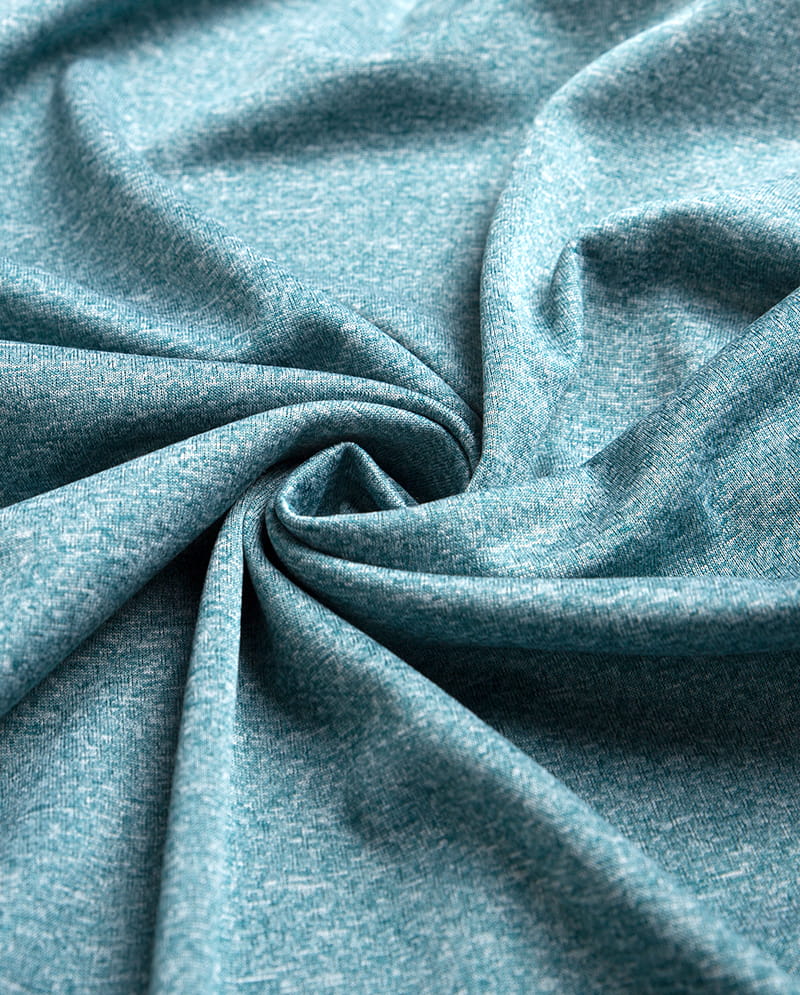
Heather Grey Double-faced cationic jersey fabric
-
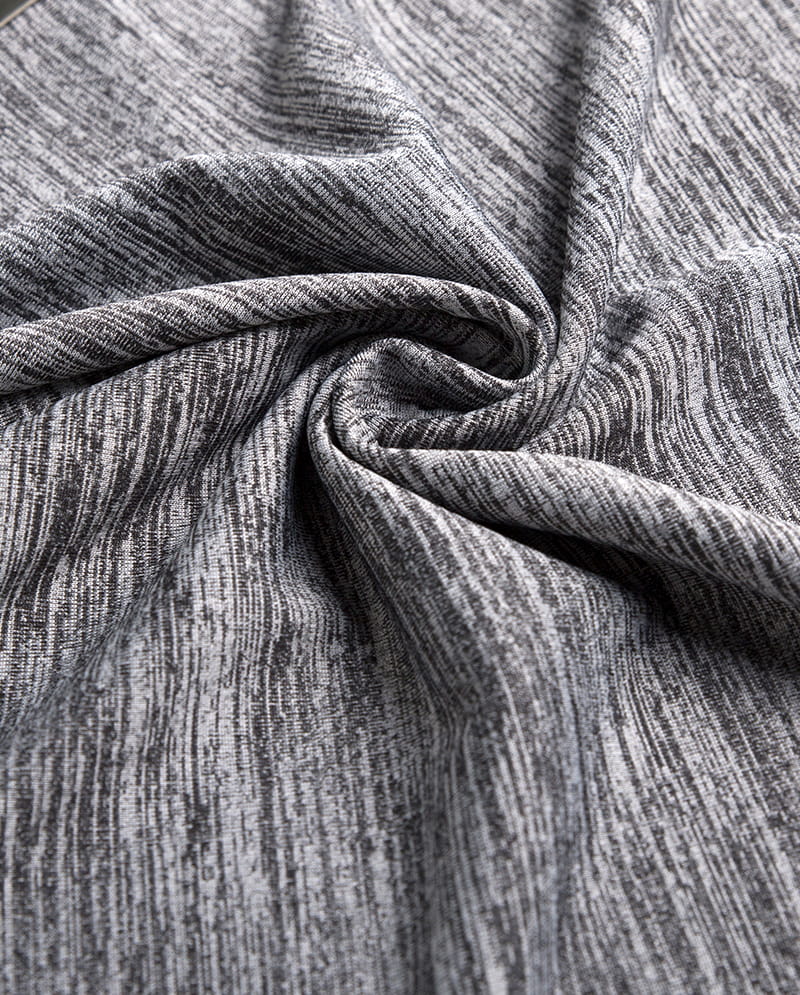
Anti-static Cationic Knitted Rib Fabric
-
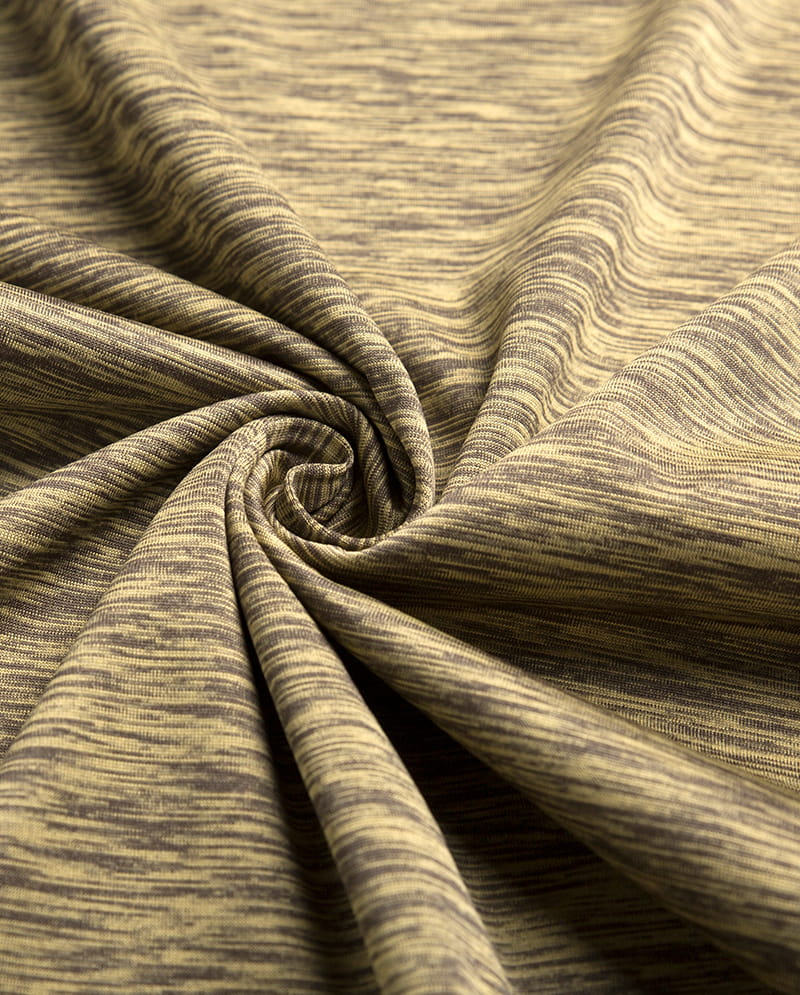
High-Stretch Cationic Jersey Fabric
-
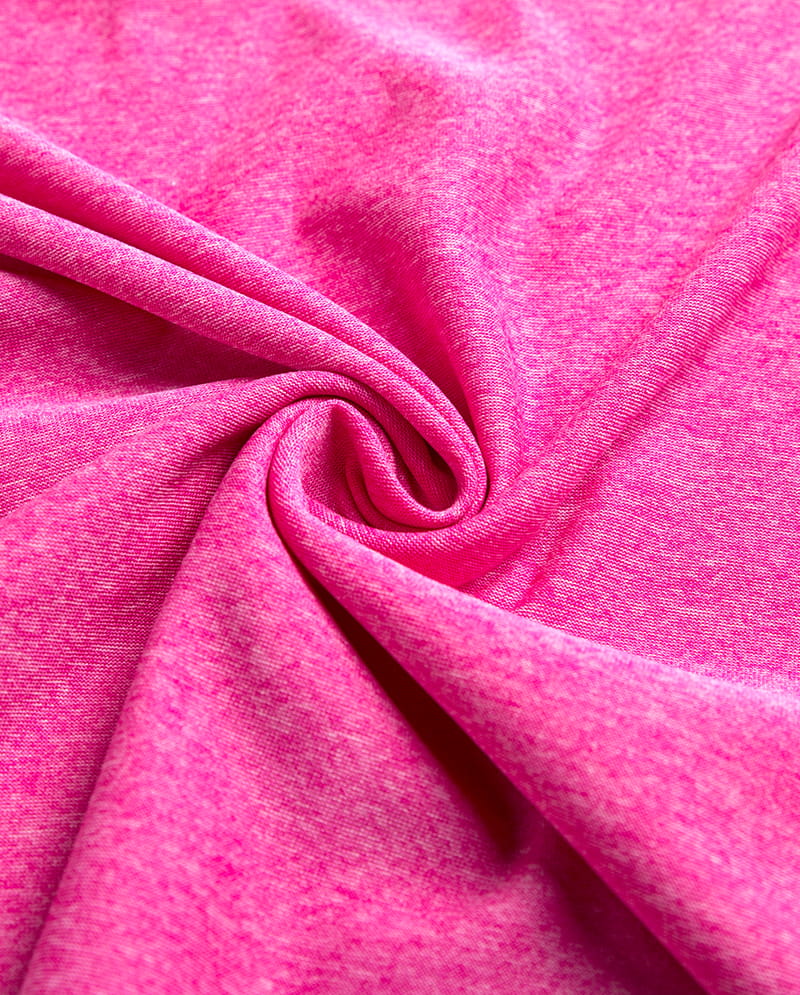
High Quality Cationic DTY Spandex Two Sides Brush Dralon Knit Fabric for Garment Thermal Underwear
-
Durable Anti-Pilling Knitted Fabric for Home Textiles
-
Wash-Resistant Cationic Elastic Knitted Fabric for Garment Industry
-
Breathable Double-Faced Elastic Composite Fabric
-
-
-
- whatsapp:
- 0086-13962559622
-
- skype:
- skype.aliceshenghong
-
- Wechat:


COPYRIGHT © 2016 Suzhou Junhui Textile Co., Ltd.
