

 EN
 English
 中文简体
Moisture-Wicking and Quick-Drying Functional Yarn for Comfortable Performance Textiles
Content
- 1 What Is Moisture and Drying Quickly Functional Yarn?
- 2 How the Moisture-Wicking Structure Works
- 3 Main Advantages Compared with Conventional Yarn Options
- 4 Product Specifications and Available Yarn Families
- 5 Advanced Manufacturing Approach
- 6 Company Strengths in Research, Development, and Supply
- 7 Applications in Modern Apparel
- 8 Combining Moisture Management with Other Functional Features
- 9 Recommended Development and Testing Process
- 10 Comparison of Functional Yarn Options
- 11 Quality, Sustainability, and Responsible Product Selection
- 12 Why Choose This Functional Yarn for Competitive Textile Development?
- 13 Purchasing and Customization Considerations
- 14 Frequently Asked Questions
- 14.1 What makes this yarn different from ordinary polyester yarn?
- 14.2 Is the yarn suitable for sportswear?
- 14.3 Can it be used in casual clothing?
- 14.4 Does the yarn absorb water like cotton?
- 14.5 Is the moisture-wicking effect created by a coating?
- 14.6 Which yarn count should a buyer choose?
- 14.7 Can the yarn be combined with recycled polyester?
- 14.8 Can it be combined with elastic yarn?
- 14.9 Is it available in different colors?
- 14.10 What products can be made with the yarn?
- 14.11 What tests should be requested before bulk production?
- 14.12 How does the supplier support overseas buyers?
- 14.13 Can customized differentiated yarn be ordered?
- 15 Conclusion
- 16 References
- 17 Product: Moisture And Drying Quickly Functional Yarn
Moisture and Drying Quickly Functional Yarn is a performance-oriented textile raw material developed for fabrics that need to manage perspiration efficiently while maintaining softness, breathability, and wearing comfort. It is designed for modern sportswear, casual clothing, shirts, underwear, and other applications in which a dry hand feel and rapid moisture movement are important.
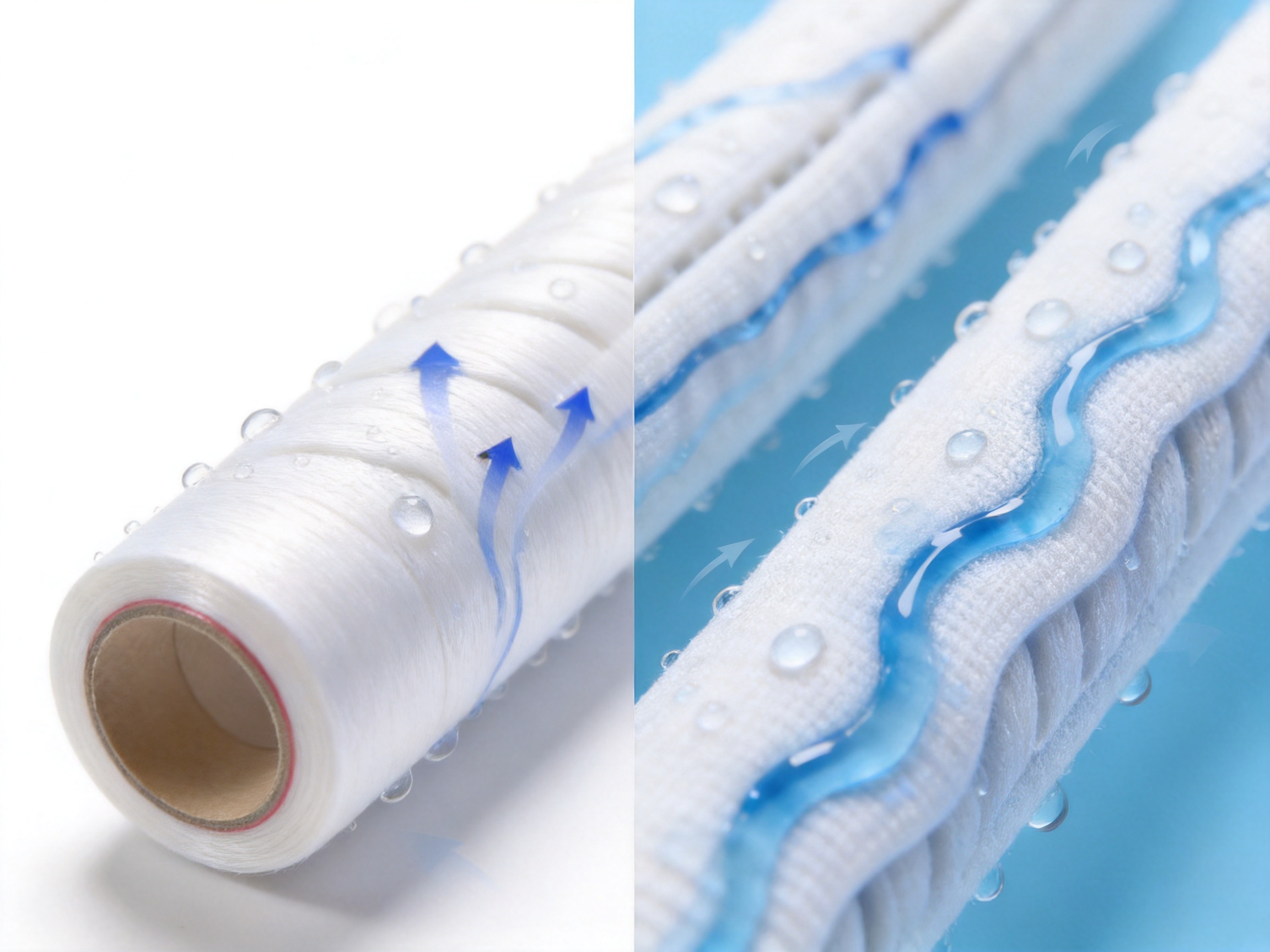
Unlike ordinary round-section polyester yarns, this functional yarn uses a specially profiled cross-section with a comparatively high surface area and engineered grooves. These structural features create additional pathways for moisture to move along the filament surface. Perspiration can be absorbed from the skin-side fabric, spread across a larger area, and transferred toward the outer surface, where it can evaporate more quickly.
The result is a textile material that supports a dry, soft, and breathable fabric environment. For consumers, this can mean reduced discomfort during exercise, commuting, outdoor activity, work, and everyday wear. For fabric manufacturers, the yarn provides a practical foundation for creating differentiated textile products with clear performance value.
The product is supplied by Suzhou Junhui Textile Co., Ltd. and Suzhou Xiaoran New Materials Co., Ltd., textile companies based in Shengze Town, Suzhou, Jiangsu Province, China. The companies focus on differentiated yarns, recycled yarns, polyester dope-dyed yarns, flame-retardant yarns, cationic-dyeable yarns, microfine yarns, and knitting fabrics. Their product portfolio also includes DTY, FDY, POY-related textile materials, functional yarns, high-elastic yarns, and recycled yarn series.
This broad product background is important because moisture management rarely depends on yarn alone. The final result is influenced by yarn count, filament number, cross-section, texturing method, knitting or weaving construction, fabric weight, dyeing, finishing, and garment design. A supplier with experience across multiple yarn categories can help buyers select an appropriate specification instead of treating quick drying as an isolated feature.
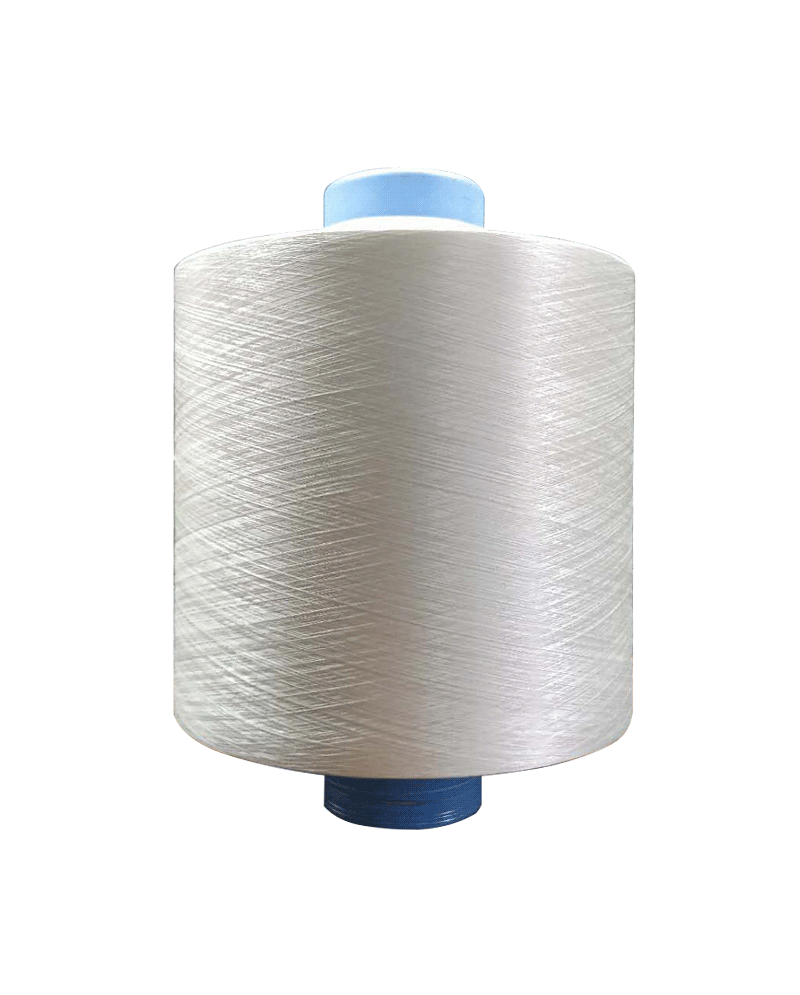
Moisture And Drying Quickly Functional Yarn
What Is Moisture and Drying Quickly Functional Yarn?
Moisture and Drying Quickly Functional Yarn is a synthetic performance yarn engineered to accelerate the absorption, spreading, diffusion, and evaporation of liquid moisture. It is also described as Cool Dry Yarn because its moisture-management behavior can help fabrics feel more comfortable during warm or physically active conditions.
The yarn uses a special section rather than a simple circular filament profile. The section contains grooves and a larger effective surface area. These geometrical characteristics encourage liquid movement through capillary action. When the yarn is incorporated into a fabric, the filaments can help draw moisture away from the skin-contact area and distribute it across a wider region of the textile.
Spreading moisture over a larger surface is valuable because evaporation is affected by the area exposed to air. A concentrated patch of perspiration can remain wet and uncomfortable for a relatively long time. When the moisture is dispersed through the fabric, the outer surface can dry more effectively, particularly when the garment is exposed to airflow, body movement, or a warm and dry environment.
The product is therefore not simply a yarn with a marketing label. Its main functional concept is based on physical filament geometry. The grooves and profiled surfaces are intended to support moisture transport without depending entirely on a temporary topical finish. This can be advantageous for fabric developers seeking a durable functional effect that is integrated into the yarn structure.
The yarn is suitable for both lightweight and medium-weight textile constructions, subject to the selected specification and end-use requirements. It may be used in knitted fabrics, woven fabrics, sportswear panels, base layers, casual garments, shirts, underwear, and other products in which moisture control is part of the comfort specification.
How the Moisture-Wicking Structure Works
Increased Surface Area
A profiled filament exposes more surface area than a conventional smooth circular filament of a comparable fineness. The greater surface area gives liquid moisture more contact points and more potential routes for spreading along the yarn.
In a fabric structure, individual filaments are positioned close to one another. The combination of profiled filament surfaces and spaces between yarns can create interconnected channels. These channels assist the movement of perspiration from one location to another, helping avoid excessive accumulation in a small area.
Grooved Cross-Section
The grooves in the filament section can support capillary transport. Capillary action is the movement of liquid through narrow spaces caused by surface tension and the interaction between the liquid and the solid surface. In a textile, the effect is influenced by filament shape, filament spacing, yarn twist or entanglement, fabric density, and finishing conditions.
Because moisture transport is affected by the complete fabric system, yarn selection should be combined with appropriate knitting or weaving design. Nevertheless, the grooved profile provides a useful structural starting point. It gives fabric engineers a yarn that is specifically intended to support moisture movement rather than relying on a standard yarn profile.
Moisture Absorption and Diffusion
The product information identifies two connected actions: moisture absorption and rapid diffusion. Absorption in this context refers to the movement of liquid perspiration from the skin-side area into the textile structure. Diffusion refers to the spreading and transfer of moisture through the fabric toward a larger exposed area.
This dual action is important. A yarn that only absorbs moisture may become saturated and remain wet. A yarn that spreads moisture without drawing it away from the skin may not provide sufficient comfort. Effective moisture management requires the fabric to move liquid away from the wearer, distribute it, and support drying.
Softness and Breathability
Comfort is not determined by drying speed alone. A fabric must also feel soft, flexible, and breathable. The yarn is designed to help fabrics obtain a dry, soft, and breathable handle. The final hand feel will depend on the yarn specification, filament fineness, texturing, fabric construction, dyeing process, and finishing recipe.
For clothing manufacturers, this balance can be especially valuable. Highly technical fabrics may provide performance but feel stiff or harsh if not carefully engineered. A moisture-wicking yarn that can be incorporated into comfortable fabric constructions gives brands more freedom to develop garments for extended wear.
Main Advantages Compared with Conventional Yarn Options
Purpose-Built Moisture Management
Conventional polyester yarn is widely used because it offers strength, dimensional stability, dyeability, and cost efficiency. However, a standard round-section yarn is not necessarily optimized for rapid moisture transport. The functional yarn described here is developed specifically for moisture-wicking and quick-drying applications.
Its profiled surface and grooves provide a physical basis for enhanced liquid movement. This gives fabric developers a more targeted material than an ordinary yarn when the product brief includes moisture management, dry touch, or active comfort.
Structural Function Rather Than a Surface-Only Treatment
Some moisture-management effects are created through chemical finishes applied to the fabric surface. Such finishes can be useful, but their performance may be influenced by washing, abrasion, finishing conditions, and chemical compatibility. A yarn with an engineered cross-section incorporates the main moisture-transport concept into the filament geometry itself.
This does not mean that all fabric finishes are unnecessary. Finishing may still be used to improve softness, appearance, odor control, or other properties. However, a structurally functional yarn gives the textile a built-in performance foundation before additional finishing is applied.
Compatibility with Multiple Product Categories
The product is suitable for sportswear, casual wear, shirts, and underwear. These categories have different requirements, but they share a need for comfortable moisture behavior. Sportswear needs rapid handling of perspiration during activity. Casual wear benefits from a dry and breathable feel during daily use. Shirts require comfort in changing temperatures and indoor environments. Underwear must manage direct skin contact and repeated wear.
Because the yarn can be specified in different counts and filament configurations, buyers can select a version that fits the intended fabric weight and appearance. This allows the same functional concept to be adapted to lightweight base layers, smooth shirt fabrics, textured activewear, and other constructions.
Potential for Product Differentiation
Textile markets are increasingly competitive. Buyers often need more than basic polyester because garment brands are looking for meaningful performance stories. Moisture-wicking and quick-drying yarn can help mills and garment manufacturers create products with a distinct technical identity.
It can also be combined with other differentiated yarn technologies. The supplier’s portfolio includes recycled series, cationic-dyeable yarns, high-elastic yarns, hollow warm yarns, flame-retardant yarns, antibacterial yarns, cotton-like yarns, and other special constructions. Such a portfolio allows customers to discuss combinations of comfort, sustainability, elasticity, warmth, color, and protection.
Suitable for Domestic and Export-Oriented Supply
The companies state that more than 90 percent of their products are exported and that they have established customer relationships in 36 countries. This export experience indicates familiarity with international purchasing procedures, overseas customer communication, and product selection requirements.
The supplier also states that its professional experts can provide guidance and support within 12 hours globally. For international buyers, timely technical communication can reduce delays during sample development, specification confirmation, color approval, and production planning.
Product Specifications and Available Yarn Families
The supplied product list contains a wide range of yarn counts and filament configurations. In textile specifications, a notation such as 75/72 generally indicates a yarn of approximately 75 denier with 72 filaments, although the exact commercial interpretation should always be confirmed with the supplier’s technical data sheet. Denier expresses linear density, while the filament number indicates how many individual filaments form the yarn.
A higher filament count at a similar denier generally produces finer individual filaments and can contribute to a softer, smoother, or more refined surface. A lower filament count may create a different texture and hand feel. The final choice depends on fabric construction, target weight, stretch requirements, appearance, and performance expectations.
| Product Group | Representative Specifications | Typical Development Considerations |
|---|---|---|
| Moisture-wicking functional yarn | 30/24, 50/48-72, 75/48-72, 150/48-72 | Suitable for evaluating moisture transport, fabric hand, and garment comfort |
| Functional fire-retardant yarn | SD/FD 75/36-72, SD/FD 150/36-48-144 | For applications requiring both functional performance and flame-retardant development |
| Antibacterial yarn | 50/48-72, 75/36-48-72, 150/48-72-96-144 | For products where odor control or hygiene-related performance is requested |
| Recycled SD DTY | 15/6 through 300/96-192-288-576 | For recycled-content fabric development in a range of weights |
| Recycled FDY | 40/24-72, 50/24-36-48-72, 75/36-72-144 | For smooth filament fabric constructions and selected woven or knitted products |
| High-elastic yarn | 30/12, 50/36-72, 60/72, 75/36-72, 150/48-144 | For stretch comfort and body-movement requirements |
| Cotton-like yarn | 32S, 40S, 80S | For a natural-looking and natural-feeling textile direction |
| Hollow warm yarn | 75/72, 150/144 | For lightweight insulation and warmth-oriented fabric concepts |
The listed moisture-wicking specifications include 30/24, 50/48-72, 75/48-72, and 150/48-72. These options cover different combinations of linear density and filament count. Buyers should select the specification according to the planned fabric structure rather than assuming that one count is suitable for every product.
For a lightweight next-to-skin fabric, a finer yarn may be preferred to achieve a smooth surface and low fabric weight. For a more substantial sportswear fabric, a heavier yarn may offer the desired coverage, opacity, and construction stability. Knitting machine gauge, loop length, fabric density, and finishing must be reviewed together with the yarn count.
The supplier also accepts orders for different types of differentiated yarn. This is relevant when a project requires a customized combination of count, color, cross-section, elasticity, recycled content, or other performance features. Custom development should be confirmed through technical discussion, laboratory sampling, and production trials.
Advanced Manufacturing Approach
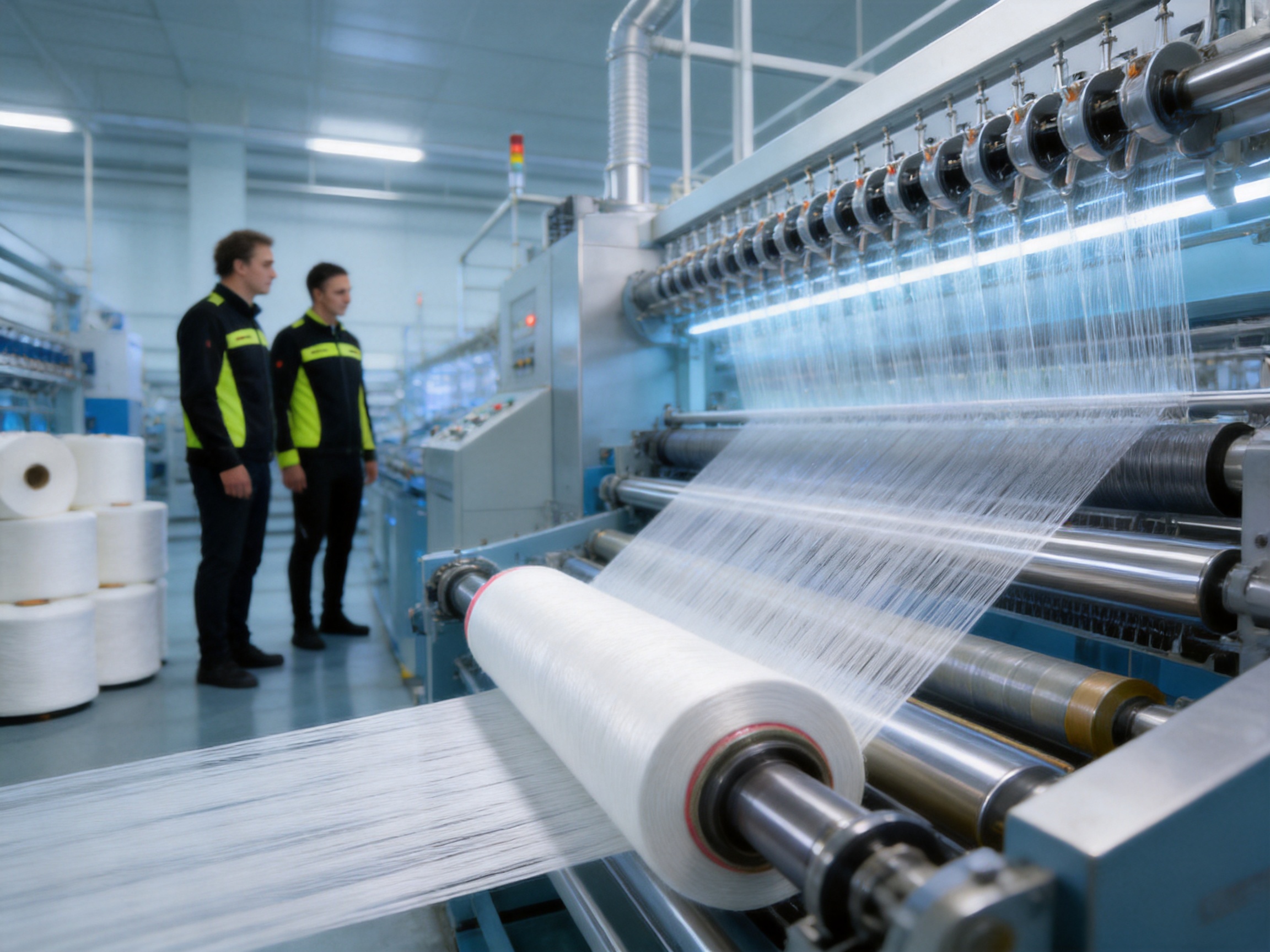
The performance of a profiled functional yarn begins with polymer preparation and continues through spinning, drawing, texturing, winding, inspection, and packing. Although the supplied information does not disclose every machine model or process parameter, the product design clearly requires controlled manufacturing at several stages.
Polymer Preparation and Melt Control
Polyester yarn production begins with polymer material prepared for melt spinning. Consistent polymer quality is important because variations in melt viscosity, moisture content, or thermal history can affect spinning stability and yarn performance.
Before spinning, the polymer must be handled under controlled conditions. Proper drying and temperature management help reduce the risk of hydrolytic degradation during melting. Stable melt flow supports uniform extrusion through the profiled spinneret and helps maintain consistent filament formation.
For functional yarn, melt control is particularly important because the cross-section is not simply circular. The polymer must flow evenly through the specialized spinneret openings so that grooves and other profile features are formed consistently along the filament length.
Profiled Spinneret Technology
The special cross-section is created during melt spinning through an engineered spinneret design. Molten polymer is extruded through shaped capillaries, producing filaments with the intended surface profile. The design and condition of the spinneret influence section regularity, filament uniformity, and the stability of the moisture-management effect.
Uniform quenching after extrusion is also important. The newly formed filaments must be cooled in a controlled manner to stabilize their shape and prevent excessive variation between filaments. Airflow, temperature, and quenching conditions can influence the final cross-section and the physical properties of the yarn.
Drawing and Orientation
After spinning, the filaments undergo drawing or orientation processes that improve molecular alignment and contribute to strength, elongation, dimensional stability, and handling characteristics. The balance between orientation and elongation must be managed according to the intended product type.
Overly aggressive processing could affect filament integrity or alter the desired hand feel. Insufficient orientation could produce unstable yarn behavior. A controlled drawing process helps maintain consistent performance across packages and production lots.
Texturing and Bulk Development
When the yarn is supplied as DTY, texturing may be used to introduce crimp, bulk, stretch response, and a softer hand. Draw-textured yarn can provide a different fabric appearance and comfort level compared with fully drawn smooth yarn. The texturing conditions must be selected so that the functional cross-section remains useful while the yarn obtains the desired bulk and elasticity.
Texturing can also influence fabric coverage, air permeability, moisture distribution, and drying behavior. For this reason, yarn testing should ideally be combined with fabric testing. A yarn that performs well in isolation may behave differently after knitting, weaving, dyeing, and finishing.
Winding and Package Quality
Consistent winding is essential for downstream processing. Proper package density and yarn tension help reduce unwinding problems, machine stoppages, snarling, and uneven feeding. For buyers, package quality can be as important as laboratory performance because unstable packages increase production waste and reduce efficiency at the knitting or weaving stage.
Modern yarn production therefore depends on coordination between process control and quality inspection. The objective is not only to produce a functional filament but also to deliver it in a package form that can run reliably on customer equipment.
Inspection and Process Feedback
Quality control for functional yarn may include checks of linear density, filament uniformity, tensile strength, elongation, interlace or entanglement, evenness, oil content, package appearance, and moisture-management performance. The exact inspection program depends on the product category and customer specification.
Process feedback is especially important for differentiated yarns. If a test reveals variation in section shape, moisture transport, or mechanical performance, the production team can review melt conditions, spinneret status, quenching, drawing, texturing, and winding parameters.
Company Strengths in Research, Development, and Supply
Suzhou Junhui Textile Co., Ltd. and Suzhou Xiaoran New Materials Co., Ltd. were founded in June 2015 and focus on the development and sale of differentiated yarns and knitting fabric products. Their stated product range includes recycled yarn, polyester dope-dyed yarn, SHAWLIENCE, microfine yarn, flame-retardant yarn, cationic-dyeing yarn, and related textile materials.
The companies report that they have a professional research and development team and cooperate with internationally renowned enterprises on research, development, and applications involving environmental protection, functional yarn, and functional fabric. This cooperation-oriented approach can help connect yarn development with real downstream requirements.
For customers, a supplier’s value is not limited to production capacity. Technical support is also important when the customer must choose between DTY and FDY, determine a suitable denier and filament count, evaluate the effect of fabric construction, or combine moisture management with recycled content and stretch.
The supplier’s broad product list demonstrates experience with multiple yarn structures. It includes normal series yarns, recycled SD and FD products, CD yarns, high-elastic yarns, PBT/PET yarns, flame-retardant yarns, antibacterial yarns, cotton-like yarns, hollow warm yarns, cationic yarns, and moisture-wicking yarns.
This range creates several practical advantages over a narrow specialist that supplies only one standard polyester specification. First, buyers can discuss a complete product family with one experienced source. Second, the supplier may help compare performance trade-offs among different yarn structures. Third, customers developing a collection can coordinate several fabric concepts through a common technical and commercial channel.
The company’s export-oriented business model is another strength for international customers. Products are reported to be exported to buyers in 36 countries, with more than 90 percent of output intended for export markets. International experience can support clearer documentation, packaging coordination, communication across time zones, and awareness of varied market requirements.
The companies are located in Shengze Town, Wujiang District, Suzhou City, Jiangsu Province. Shengze is widely recognized as an important textile manufacturing and trading center. A location within a concentrated textile region can offer access to upstream materials, machinery services, testing resources, weaving and knitting mills, dyeing facilities, and logistics networks.
For product development, geographic proximity to a textile ecosystem can shorten the distance between yarn manufacture and fabric trial production. It can also make it easier to coordinate sample development with downstream partners, although actual lead times should be confirmed for each project.
Applications in Modern Apparel
Sportswear
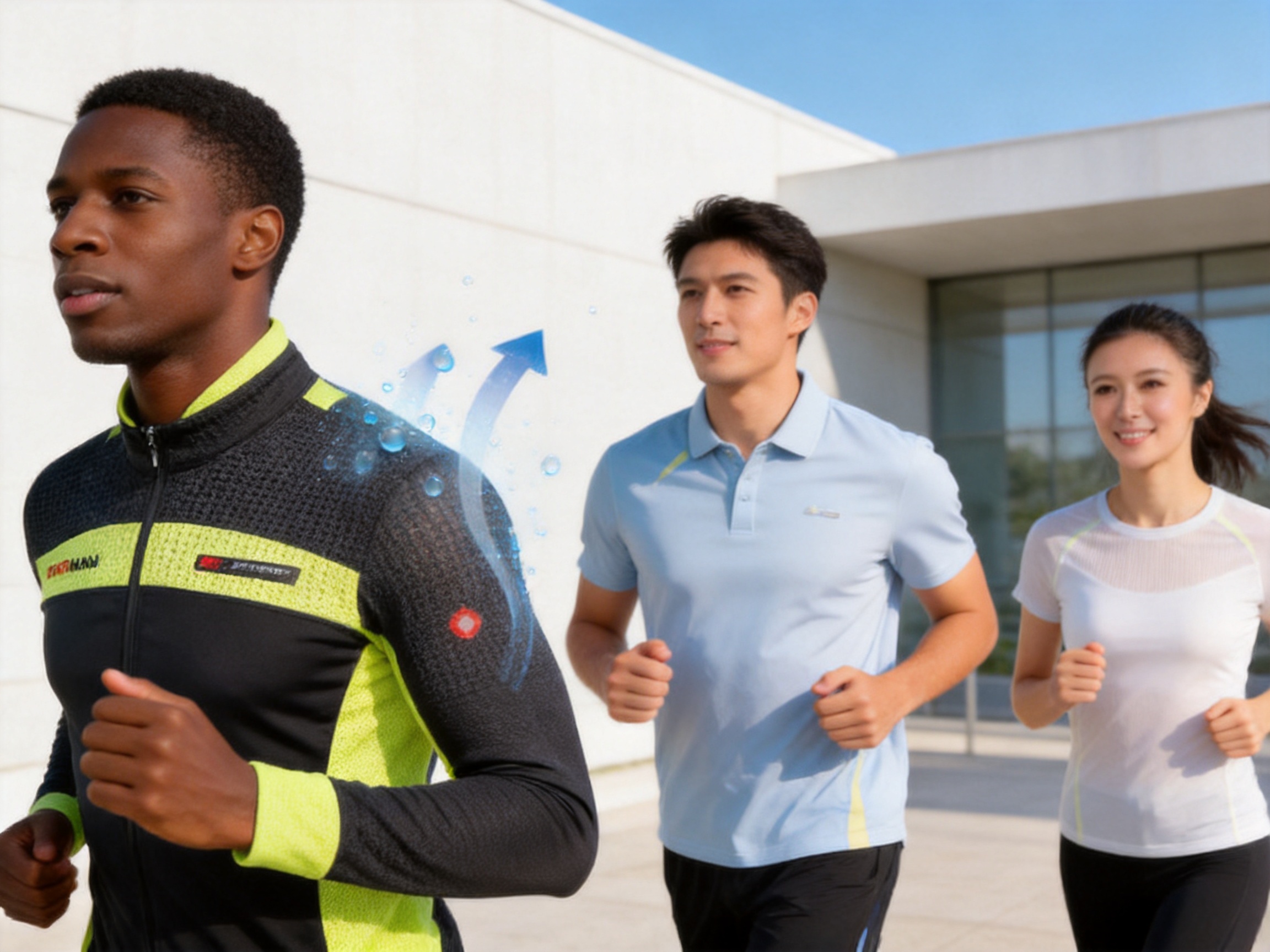
Sportswear is one of the most direct applications for moisture-wicking yarn. During exercise, perspiration can accumulate rapidly on the skin and in the garment. A textile made with a profiled functional yarn can help transport this moisture outward, distribute it across a larger area, and support faster drying.
The yarn can be used in training shirts, running tops, cycling garments, gym clothing, yoga wear, team uniforms, base layers, and outdoor activity apparel. The final fabric may be engineered for lightweight comfort, stretch, opacity, breathability, or abrasion resistance depending on the intended sport.
Casual Wear
Casual garments are worn across a wide range of conditions, from indoor offices to outdoor travel. Consumers increasingly expect everyday clothing to provide the comfort once associated mainly with sportswear. Moisture-wicking yarn can help casual fabrics remain comfortable during commuting, walking, light activity, and warm weather.
Potential products include T-shirts, polo shirts, casual tops, lightweight trousers, travel garments, and relaxed-fit knitwear. The yarn may be combined with cotton-like or soft-textured constructions to create a balance between familiar appearance and technical moisture performance.
Shirts
Shirts often require a smooth surface, stable appearance, low pilling tendency, comfortable touch, and good dimensional control. Functional yarn can support moisture movement in woven or knitted shirt fabrics while helping the garment remain more comfortable during long periods of wear.
For work shirts and uniforms, the product may be considered where the wearer experiences warm indoor conditions, frequent movement, or extended shifts. The precise yarn selection should take account of fabric weight, wrinkle performance, dyeing method, and care requirements.
Underwear and Base Layers
Underwear and base layers remain in close contact with the skin, making moisture management particularly important. A yarn with grooves and increased surface area can help reduce the wet sensation caused by perspiration and support a drier next-to-skin environment.
In these products, softness, seam design, stretch, fabric recovery, and breathability are as important as drying speed. The functional yarn can be paired with high-elastic or PBT/PET yarns when the garment requires close fit and freedom of movement.
Layered Garment Systems
Moisture-wicking yarn can also be used as part of a layered clothing system. A base layer can move perspiration away from the skin, while a middle layer provides warmth and an outer layer provides wind or rain protection. The effectiveness of the complete system depends on the compatibility of all layers.
In such applications, fabric developers should consider not only liquid moisture transfer but also air permeability, thermal resistance, stretch, garment fit, and seam construction. Yarn selection is the first stage of a larger performance design process.
Combining Moisture Management with Other Functional Features
Many modern garments require several functions at once. A sports shirt may need moisture management, elasticity, odor-control performance, recycled content, colorfastness, and a soft hand. A work uniform may require moisture transport, durability, flame resistance, and easy care. A base layer may need quick drying, warmth, stretch, and low weight.
The supplier’s product portfolio provides options for discussing these combinations. Recycled polyester yarn can support a recycled-content product direction. High-elastic yarn and PBT/PET yarn can contribute to stretch and recovery. Antibacterial yarn can be evaluated for hygiene-related requirements. Flame-retardant yarn can be considered for protective or industrial applications where appropriate testing is required.
These functions should not be combined automatically. Each additional feature can affect dyeability, cost, handle, processability, and final performance. A technical development program should identify the primary requirement, determine acceptable trade-offs, and verify the complete fabric after processing.
For example, adding a high percentage of elastic yarn may improve fit but reduce the proportion of moisture-wicking polyester. Using a heavy fabric may improve coverage but slow drying. A dense construction may reduce air permeability even when the yarn itself supports moisture transport. Professional fabric engineering is needed to balance these variables.
Recommended Development and Testing Process
Step One: Define the End Use
Start by identifying the garment type, target consumer, climate, activity level, fabric construction, and care conditions. A running shirt, a casual polo, and an underwear fabric may all require moisture management, but they will not use identical specifications.
Step Two: Select Yarn Count and Filament Number
Choose a preliminary yarn specification based on fabric weight, desired surface, machine gauge, coverage, and hand feel. The listed options of 30/24, 50/48-72, 75/48-72, and 150/48-72 provide a starting point for discussion.
Step Three: Produce a Fabric Sample
Yarn performance should be evaluated after knitting or weaving. Create sample fabrics using the intended construction, then apply a representative dyeing and finishing process. This allows the development team to assess moisture transport, drying behavior, softness, appearance, dimensional stability, and color performance together.
Step Four: Test Moisture Performance
Testing may include absorption rate, spreading speed, one-way transport, drying rate, moisture management, air permeability, and wicking height. The appropriate test method should be agreed upon by the buyer and supplier. The product information states that testing refers to international standards and surpasses national standards, but specific test methods and results should be requested for each order.
Step Five: Confirm Durability and Care Performance
Evaluate the fabric after repeated laundering, abrasion, stretching, and drying cycles. The purpose is to determine whether the desired moisture-management behavior remains acceptable after normal use. Testing should also include pilling, tensile strength, tear strength, colorfastness, and dimensional change when relevant to the garment.
Step Six: Approve Bulk Production Parameters
Once the sample is approved, confirm yarn count, filament number, package form, color, lot control, packing, inspection documents, and delivery schedule. Any custom requirement should be documented clearly before bulk production begins.
Comparison of Functional Yarn Options
The following comparison is intended as a development guide rather than a substitute for laboratory testing. Different yarn categories can address different priorities, and the best selection depends on the final fabric and garment.
| Yarn Type | Primary Strength | Potential Application | Key Selection Question |
|---|---|---|---|
| Moisture-wicking profiled yarn | Moisture absorption, spreading, and quick-drying support | Sportswear, casual wear, shirts, underwear | Does the fabric need faster moisture transport and a dry hand? |
| Standard SD or FD polyester yarn | General-purpose strength, stability, and processing familiarity | Broad apparel and textile applications | Is advanced moisture management required, or is basic polyester performance sufficient? |
| Recycled polyester yarn | Recycled-material product direction | Apparel and home textile products with recycled-content goals | What recycled-content level and verification documents are required? |
| High-elastic yarn | Stretch and recovery | Fitted clothing, sportswear, comfort garments | How much stretch is required, and how will it affect moisture transport? |
| Antibacterial yarn | Hygiene-oriented functional development | Underwear, sportswear, socks, uniforms | Which antibacterial test method and durability level are required? |
| Flame-retardant yarn | Flame-retardant performance development | Protective and industrial textile applications | Which end-use regulation and certification apply? |
| Cotton-like yarn | Natural-looking and natural-feeling surface | Casual wear and comfort-oriented garments | How should natural appearance be balanced with technical performance? |
Quality, Sustainability, and Responsible Product Selection
Moisture-wicking performance should be considered together with responsible material selection. The company offers recycled series products, including recycled SD DTY, recycled FDY, recycled FD DTY, recycled cationic and combined constructions. These products can be evaluated when brands or manufacturers are seeking recycled polyester options.
Recycled content does not automatically guarantee a complete sustainability solution. Buyers should review the source of recycled material, chain-of-custody documentation, processing energy, packaging, transport, durability, and expected garment life. A durable garment that remains functional through repeated wear can support a more responsible product strategy.
Functional yarn can also contribute to product longevity by improving comfort and usefulness. When a garment manages moisture effectively and remains comfortable during activity, consumers may be more likely to wear it frequently and retain it longer. The environmental value of this benefit depends on the complete product life cycle.
Responsible selection also requires transparent performance claims. Terms such as “quick drying,” “cool dry,” and “moisture wicking” should be supported by defined test methods and measurable results. Buyers should request technical data, sample testing, and care-performance information before making claims in marketing materials.
The supplier’s statement that its products refer to international standards and surpass national standards provides a basis for further technical discussion. However, the specific standard, test laboratory, test conditions, and acceptance criteria should be confirmed for the exact yarn or fabric being purchased.
Why Choose This Functional Yarn for Competitive Textile Development?
The strongest reason to select this yarn is that its moisture-management concept is integrated into the filament design. The high-surface-area profiled section and grooves are intended to improve the movement and spreading of perspiration, supporting dry, soft, and breathable fabrics.
A second advantage is specification flexibility. The available functional yarn counts cover several denier and filament combinations, allowing textile manufacturers to develop different fabric weights, appearances, and hand feels. The yarn can be considered for lightweight garments, medium-weight activewear, smooth shirt fabrics, and close-fitting base layers.
A third advantage is access to a wider differentiated-yarn portfolio. Customers can discuss moisture-wicking yarn alongside recycled, high-elastic, antibacterial, flame-retardant, cotton-like, hollow warm, cationic, and other yarn types. This supports integrated product development instead of requiring buyers to source every special function from a different supplier.
A fourth advantage is the supplier’s stated research and development orientation. The companies work on environmental protection, functional yarn, and functional fabric applications, and they maintain relationships with customers in multiple international markets. This background can be useful when a buyer needs technical guidance rather than a standard catalog item.
Finally, the product is practical for a broad range of apparel categories. It is not limited to professional sportswear. Its intended applications include casual wear, shirts, and underwear, making it relevant to brands developing everyday performance garments as well as high-activity products.
Purchasing and Customization Considerations
Before ordering, buyers should provide the intended end use, fabric construction, target yarn count, color requirements, estimated quantity, performance objectives, and delivery expectations. If the product will be used in a garment with stretch, recycled content, or another special function, this should be stated at the beginning of development.
Sample approval is recommended before bulk purchase. The sample process should confirm yarn appearance, package performance, fabric hand, moisture behavior, dyeing response, dimensional stability, and compatibility with the customer’s machinery.
For custom differentiated yarn, the buyer and supplier should agree on terminology. Expressions such as SD, FD, DTY, CD, DDB, PBT/PET, denier, filament number, and color code should be defined in the purchase specification. Clear terminology reduces the risk of differences between the buyer’s expectation and the delivered product.
Packaging and labeling should also be confirmed. Important information may include product name, yarn specification, lot number, net weight, gross weight, package count, production date, and handling instructions. Consistent lot identification helps with traceability and fabric production planning.
International customers can contact the company through its sales team for technical discussion, sampling, and quotation. The supplied company information identifies Alice as a contact person and lists an email address, telephone number, and WhatsApp contact. Commercial terms, minimum order quantity, lead time, payment conditions, and shipping arrangements should be confirmed directly for each project.
Frequently Asked Questions
What makes this yarn different from ordinary polyester yarn?
The main difference is the filament cross-section. This functional yarn uses a profiled structure with a high surface area and grooves designed to support moisture absorption, spreading, and diffusion. Ordinary polyester may provide general durability and stability but may not be specifically engineered for rapid moisture transport.
Is the yarn suitable for sportswear?
Yes. Sportswear is one of the principal applications. It can be used for training shirts, running garments, base layers, gym clothing, cycling apparel, and other active products, provided that the selected specification and fabric construction meet the required performance targets.
Can it be used in casual clothing?
Yes. The product is also intended for casual wear, shirts, and underwear. It can help everyday garments provide a drier and more breathable wearing experience, especially in warm conditions or during light physical activity.
Does the yarn absorb water like cotton?
The product is designed to manage liquid moisture through its profiled filament surface and grooves. Its behavior is not identical to cotton. It is intended to move and diffuse moisture efficiently so that the fabric can dry more rapidly. The precise result depends on fabric construction and finishing.
Is the moisture-wicking effect created by a coating?
The main functional concept is based on the yarn’s special cross-sectional structure. The grooves and increased surface area are integrated into the filament design. Additional finishing may still be used for softness or other properties, but the moisture-management foundation is structural.
Which yarn count should a buyer choose?
The correct count depends on fabric weight, knitting or weaving equipment, desired appearance, hand feel, coverage, and garment use. Representative moisture-wicking options include 30/24, 50/48-72, 75/48-72, and 150/48-72. A sample trial is recommended before final selection.
Can the yarn be combined with recycled polyester?
The supplier offers recycled yarn series products and can discuss differentiated yarn requirements. Whether a specific recycled and moisture-wicking combination is available should be confirmed through technical consultation and sample development.
Can it be combined with elastic yarn?
It may be incorporated into fabrics that also use high-elastic or PBT/PET yarns. The proportion and arrangement of each yarn should be designed carefully because stretch, fabric density, and elastic recovery can influence moisture movement and drying time.
Is it available in different colors?
The company offers colored yarns and polyester dope-dyed yarn products. Color availability, color cards, minimum quantities, and dyeing options should be confirmed for the specific functional yarn specification.
What products can be made with the yarn?
Potential products include sportswear, casual shirts, polo shirts, underwear, base layers, training garments, lightweight activewear, and other breathable apparel. The yarn can also be evaluated for selected woven and knitted fabric applications.
What tests should be requested before bulk production?
Buyers should consider testing linear density, tensile strength, elongation, evenness, moisture absorption, wicking, drying rate, air permeability, colorfastness, dimensional stability, pilling, and washing durability. The final test list should reflect the garment’s end use and applicable market requirements.
How does the supplier support overseas buyers?
The companies state that more than 90 percent of their products are exported and that they serve customers in 36 countries. They also state that professional experts are available to provide product-selection and problem-solving support within 12 hours globally.
Can customized differentiated yarn be ordered?
Yes. The product list states that orders for various differentiated yarns can be accepted. Custom requirements should be discussed in detail, including composition, yarn type, count, filament number, color, functional target, package form, quantity, and testing requirements.
Conclusion
Moisture and Drying Quickly Functional Yarn provides a practical route to the development of comfortable, breathable, and performance-oriented textiles. Its profiled cross-section, high surface area, and grooves are designed to accelerate moisture absorption and diffusion, helping fabrics move perspiration away from the skin and support faster drying.
The yarn is suitable for sportswear, casual wear, shirts, underwear, and other garments where dry comfort is important. Its advantages over conventional yarn options include purpose-built moisture management, a structural rather than purely surface-based functional concept, several available specifications, and compatibility with a wider range of differentiated textile materials.
Manufacturing quality depends on controlled polymer preparation, profiled melt spinning, stable quenching, drawing, optional texturing, accurate winding, and systematic inspection. The supplier’s experience in recycled, functional, elastic, colored, and specialty yarns provides a useful foundation for customers developing more complex textile products.
For the best result, buyers should treat the yarn as part of a complete fabric-engineering system. Count, filament number, knitting or weaving construction, dyeing, finishing, garment design, and care conditions all influence final performance. With appropriate sampling and testing, this functional yarn can help textile manufacturers create products that combine moisture control, softness, breathability, and commercial versatility.
References
1. Product information supplied for Moisture and Drying Quickly Functional Yarn, including the description of profiled cross-section, surface area, grooves, moisture absorption, diffusion, and application fields.
2. Product list supplied for recycled yarn, normal yarn, cationic yarn, high-elastic yarn, PBT/PET yarn, functional yarn, cotton-like yarn, hollow warm yarn, and other differentiated yarn categories.
3. Company information supplied for Suzhou Junhui Textile Co., Ltd. and Suzhou Xiaoran New Materials Co., Ltd., including company history, product scope, research and development activities, export markets, and customer support.
4. International textile-testing principles relating to moisture management, wicking, drying behavior, tensile performance, colorfastness, dimensional stability, and fabric comfort.
5. General textile engineering references concerning melt spinning, filament cross-section design, capillary transport, draw-texturing, yarn count, filament number, and performance fabric construction.
Product: Moisture And Drying Quickly Functional Yarn

Popular products
-
Premium Cationic Interlock Stretch Comfort Fabric
-
Moisture-Wicking Nylon Woven Fabric
-
Double-faced jacquard elastic fabric
-
Heather Grey Double-faced cationic jersey fabric
-
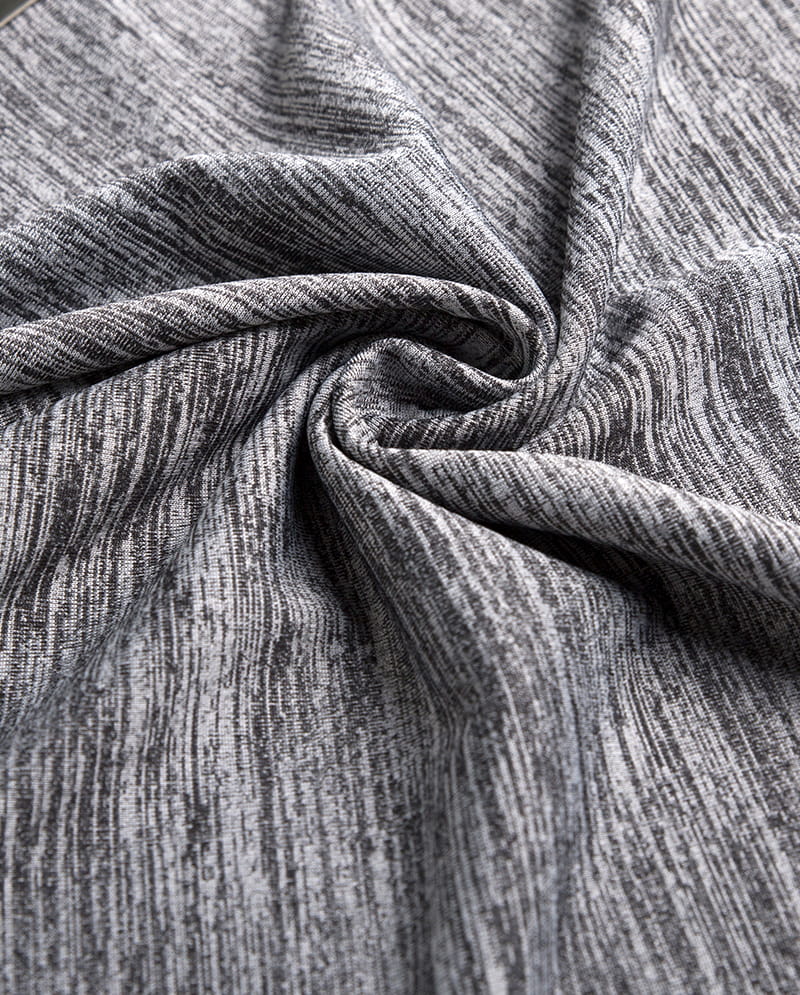
Anti-static Cationic Knitted Rib Fabric
-
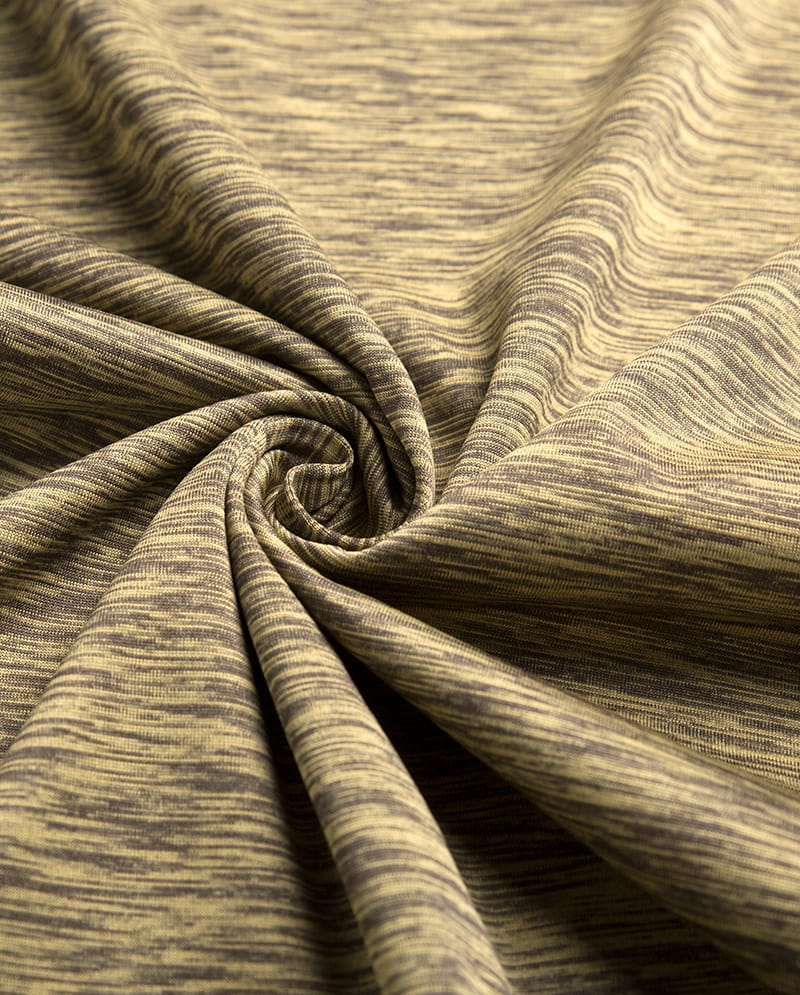
High-Stretch Cationic Jersey Fabric
-
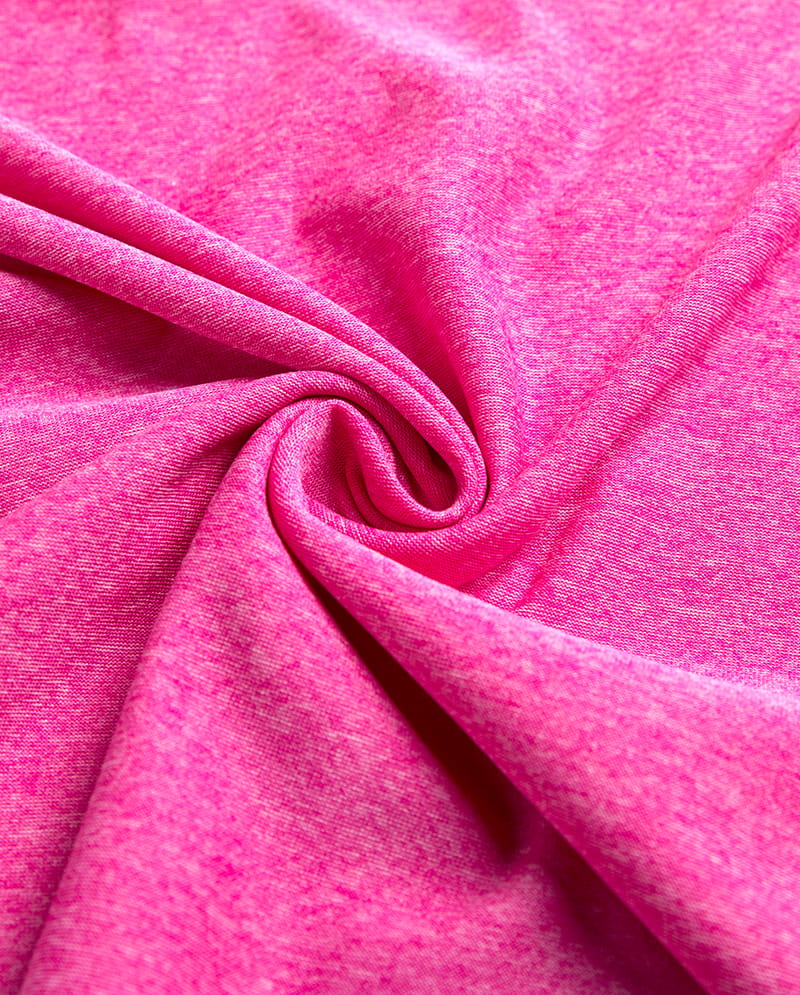
High Quality Cationic DTY Spandex Two Sides Brush Dralon Knit Fabric for Garment Thermal Underwear
-
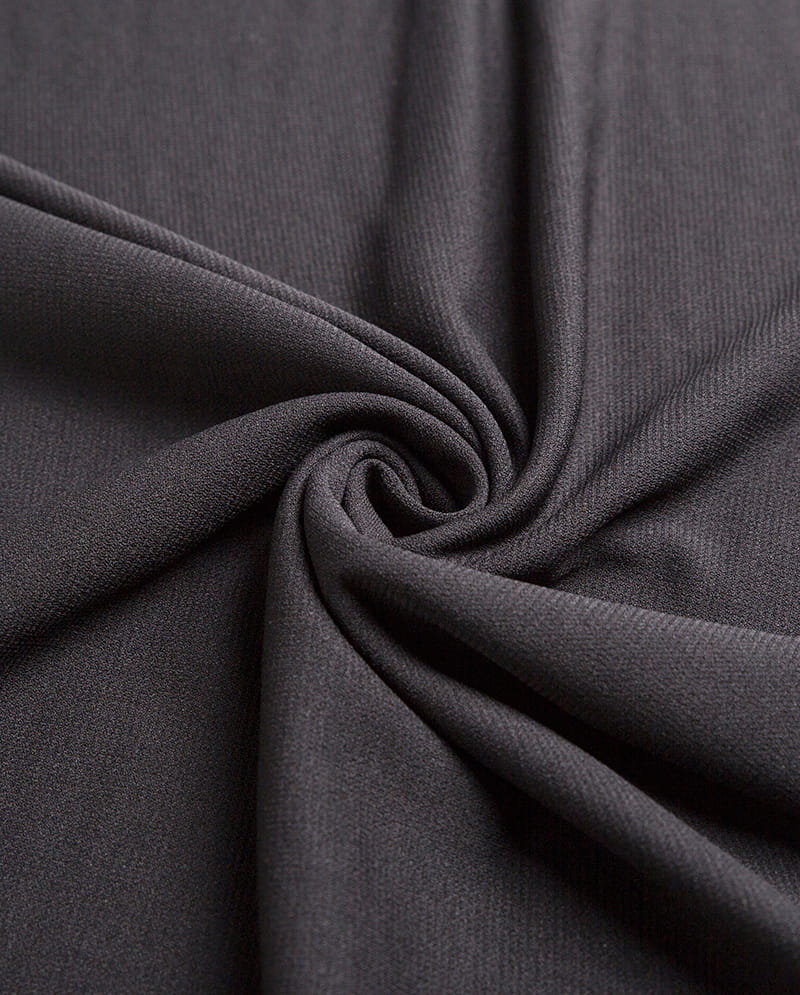
Durable Anti-Pilling Knitted Fabric for Home Textiles
-
Wash-Resistant Cationic Elastic Knitted Fabric for Garment Industry
-
Breathable Double-Faced Elastic Composite Fabric
-
-
-
- whatsapp:
- 0086-13962559622
-
- skype:
- skype.aliceshenghong
-
- Wechat:

COPYRIGHT © 2016 Suzhou Junhui Textile Co., Ltd.
