
 EN
 English
 中文简体
Moisture and Quick-Drying Functional Yarn for Comfortable Performance Textiles
Content
- 1 What Is Moisture and Drying Quickly Functional Yarn?
- 2 How the Special Profile Improves Moisture Management
- 3 Key Product Advantages
- 4 Available Specifications and Product Selection
- 5 Applications in Sportswear
- 6 Applications in Casualwear and Shirts
- 7 Applications in Underwear and Skin-Contact Garments
- 8 Manufacturing and Technical Strengths
- 9 Quality and Performance Verification
- 10 Advantages Compared with Conventional Yarns
- 11 Integration with Other Yarn Technologies
- 12 Recommended Development Process for Buyers
- 13 Supply and Customization Capability
- 14 Why Manufacturers Choose This Functional Yarn
- 15 Frequently Asked Questions
- 15.1 What is the main function of this yarn?
- 15.2 How does the grooved structure support quick drying?
- 15.3 Is this yarn suitable for sportswear?
- 15.4 Can it be used for casualwear and underwear?
- 15.5 What specifications are available?
- 15.6 Can the yarn be combined with recycled materials?
- 15.7 Can it be combined with elastic yarn?
- 15.8 Does the product require a special fabric construction?
- 15.9 Is the moisture-wicking function only caused by a surface finish?
- 15.10 Can the yarn be dyed in different colors?
- 15.11 What testing should buyers request?
- 15.12 Can the company provide customized yarn?
- 15.13 What makes the supplier suitable for international buyers?
- 16 Conclusion
- 17 References
- 18 Product: Moisture And Drying Quickly Functional Yarn
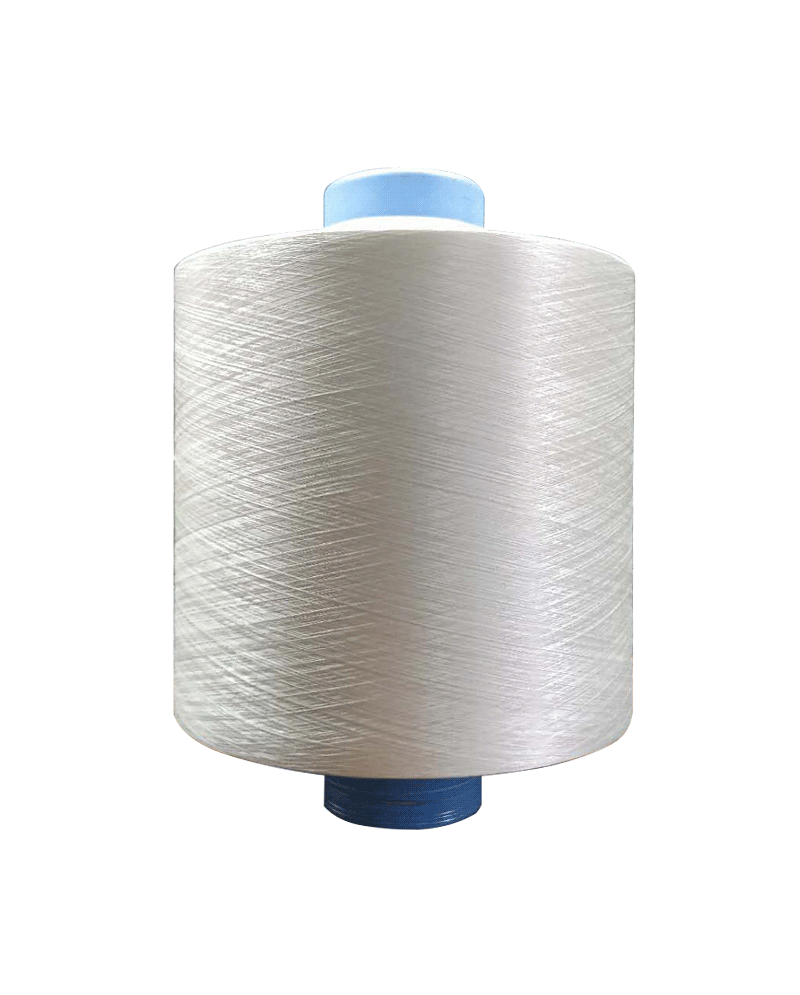
Moisture and Drying Quickly Functional Yarn is a performance-oriented textile raw material developed for fabrics that need to manage perspiration efficiently while maintaining softness, breathability, and wearing comfort. It is designed for applications in sportswear, casualwear, shirts, underwear, and other garments where moisture accumulation can negatively affect the user experience.
Unlike ordinary round-section polyester yarns, this functional yarn uses a specially profiled cross-section with a high surface area and built-in grooves. These structural features create efficient channels for moisture movement. Perspiration can be absorbed from the skin-side fabric surface, distributed through the yarn structure, and diffused toward the outer surface, where it can evaporate more quickly. The result is a textile material that helps reduce the clammy sensation associated with damp clothing.
The product is part of a broader portfolio of differentiated yarns supplied by Suzhou Junhui Textile Co., Ltd. and Suzhou Xiaoran New Materials Co., Ltd. The portfolio includes recycled yarns, semi-dull and full-dull yarns, cationic-dyeable yarns, high-elastic yarns, fire-retardant yarns, antibacterial yarns, hollow warm yarns, cotton-like yarns, and other customized textile materials. This product range gives buyers access to complementary yarn solutions from one experienced development and supply partner.
For textile manufacturers, the value of moisture-wicking yarn extends beyond a single performance feature. A well-designed yarn must also offer stable processing, reliable fineness options, compatibility with knitting and weaving, consistent dyeing behavior, and the possibility of integration with recycled or other functional materials. The supplied specifications and manufacturing capabilities demonstrate that this product is intended to support both standard production and differentiated textile development.
Moisture And Drying Quickly Functional Yarn
What Is Moisture and Drying Quickly Functional Yarn?
Moisture and Drying Quickly Functional Yarn is a synthetic filament yarn engineered to improve the transport and release of liquid moisture in a finished fabric. Its primary function is not simply to absorb water like a conventional absorbent fiber. Instead, the yarn is designed to encourage rapid movement of moisture through the fabric and promote outward diffusion and evaporation.
The yarn uses a special cross-sectional profile rather than relying only on a conventional circular filament shape. The profiled structure increases the effective surface area of the filament and creates grooves or channels. When multiple filaments are assembled into a yarn and then incorporated into a knitted or woven fabric, these channels help distribute moisture across a larger area.
This mechanism can support three important stages of moisture management:
1. Moisture pickup: perspiration is transferred from the body-facing side of a garment into the yarn and fabric structure.
2. Moisture distribution: grooves and enlarged surface areas help spread liquid moisture along the yarn and across the fabric.
3. Quick drying: the expanded moisture distribution area encourages faster exposure to air and supports evaporation from the fabric surface.
The final performance depends on the yarn specification, fabric construction, knitting or weaving parameters, finishing process, garment design, and environmental conditions. Nevertheless, the yarn provides a strong structural foundation for producing fabrics with a dry, soft, and breathable hand feel.
The product is therefore suitable for textile manufacturers that want to develop fabrics with a clear functional positioning. It can be used alone or combined with other yarn types, including recycled polyester, cationic-dyeable yarn, high-elastic yarn, cotton-like yarn, or other differentiated materials.
How the Special Profile Improves Moisture Management
The central technical advantage of this yarn is its profiled filament geometry. Ordinary filaments generally have a relatively smooth and compact surface. Although conventional polyester yarn can provide strength, dimensional stability, and easy processing, its surface does not necessarily provide the most efficient pathway for rapid moisture diffusion.
The special profile introduces grooves and additional surface area. These features increase the contact area between the yarn and surrounding moisture. Capillary effects can assist the movement of liquid along the grooves, while the open profile can improve the distribution of water across the fabric. Once the moisture has spread over a larger area, the fabric can release it to the atmosphere more efficiently than a dense, smooth structure may allow.
This design can provide several practical benefits to downstream fabric manufacturers:
Improved moisture transfer from the skin-side surface.
More uniform distribution of perspiration through the fabric.
Faster exposure of moisture to air.
A drier feeling during exercise and everyday wear.
Better support for lightweight and breathable fabric constructions.
Compatibility with garments requiring softness and flexibility.
The yarn does not depend solely on a topical finish to provide its moisture-management effect. Because the function is based substantially on the filament structure, the performance concept is integrated into the yarn itself. This can be advantageous for manufacturers seeking durable functional value throughout the service life of the textile, although actual durability should always be verified through product-specific testing.
The profiled structure also offers design flexibility. By selecting different deniers, filament counts, yarn forms, and fabric constructions, manufacturers can adjust coverage, softness, appearance, stretch response, and moisture movement. This allows the same functional concept to be used in lightweight shirts, athletic garments, underwear, casual knitwear, and other applications.
Key Product Advantages
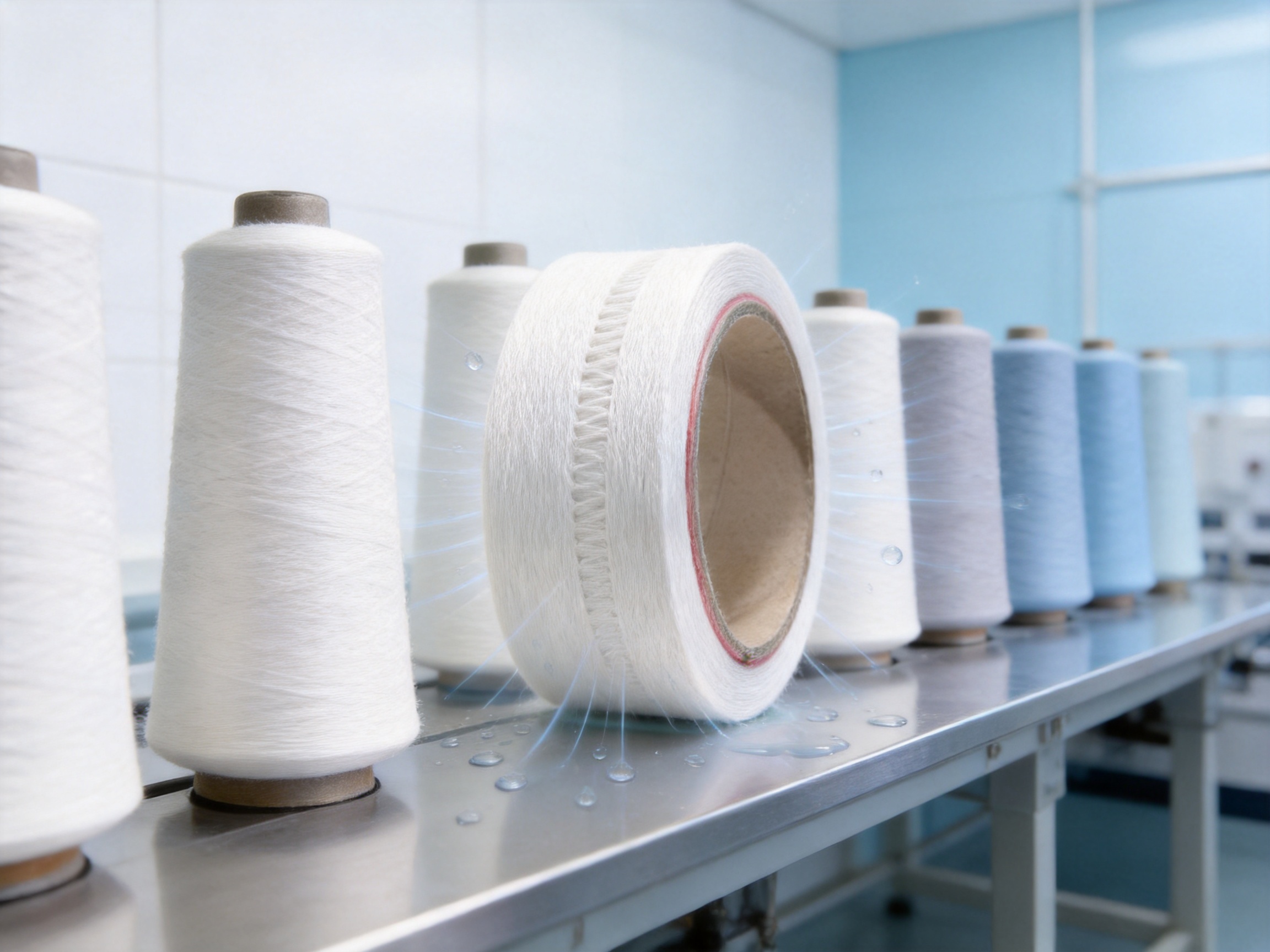
Rapid moisture diffusion
The yarn is designed to accelerate the movement of moisture away from the skin-side fabric surface. The combination of high surface area and grooves helps moisture spread through the yarn and fabric instead of remaining concentrated in one area. This supports a more comfortable wearing experience during physical activity and warm-weather use.
Quick-drying performance
When moisture is distributed over a wider surface, more of it is exposed to air. This can shorten the time required for the fabric to return to a drier condition. Quick-drying performance is particularly valuable in sportswear, travel garments, workwear, base layers, and clothing used in humid environments.
Soft and breathable comfort
The product is intended to help finished fabrics retain a soft hand feel while improving moisture movement. Its breathable functional positioning makes it suitable for clothing worn directly against the skin, including underwear, shirts, and lightweight sportswear.
Versatile application potential
The yarn can be used in several fabric categories and can be adapted to different production requirements. Its application range includes sportswear, casualwear, shirts, and underwear. It may also be considered for uniforms, athleisure garments, sleepwear, lining materials, and other products where moisture comfort is important.
Wide range of specifications
The available product portfolio includes multiple denier and filament combinations. The listed moisture-wicking options include 30/24, 50/48-72, 75/48-72, and 150/48-72. These specifications provide a starting point for selecting yarns according to fabric weight, coverage, softness, appearance, and production method.
Potential for product differentiation
Textile brands increasingly seek functional features that can distinguish their products in competitive markets. Moisture management is an easily understood benefit for consumers. By using a specially engineered yarn, fabric manufacturers can develop products positioned around comfort, freshness, breathability, exercise performance, and quick drying.
Combination with other functional properties
The supplier’s broader portfolio includes fire-retardant, antibacterial, high-elastic, recycled, cationic, cotton-like, hollow warm, and other differentiated yarns. This means buyers can discuss blended or coordinated solutions for fabrics requiring more than one performance characteristic. For example, a moisture-wicking yarn may be combined with recycled yarn for an environmental positioning, or with high-elastic yarn for sportswear requiring stretch and recovery.
Available Specifications and Product Selection
Yarn selection should be based on the intended fabric construction and end use rather than fineness alone. Denier indicates the mass of the yarn, while the filament number influences the yarn’s surface character, softness, coverage, and processing behavior. The following listed options can support different product-development directions.
| Functional Yarn Specification | Typical Development Consideration | Potential Application Direction |
|---|---|---|
| 30/24 | Lightweight construction, fine appearance, and comfortable hand feel | Light shirts, underwear, thin sportswear, and breathable knit fabrics |
| 50/48-72 | Balanced coverage, softness, and moisture-management potential | Casualwear, activewear, shirts, and lightweight performance fabrics |
| 75/48-72 | Higher yarn mass and adaptable filament configuration | Sportswear, midweight knitted fabrics, and everyday garments |
| 150/48-72 | More substantial construction and potential for increased coverage | Structured sportswear, heavier knitwear, and selected outerwear fabrics |
The notation and available combinations should be confirmed with the technical sales team before ordering because production availability, yarn form, luster, color, and processing requirements may vary. Buyers may also request guidance on whether a semi-dull, full-dull, bright, draw-textured, or other yarn form is most appropriate for a specific fabric.
The company’s broader product list includes SD DTY, FD DTY, SD FDY, recycled SD DTY, recycled SD FDY, recycled FD DTY, CD DTY, SD plus CD DTY, DDB yarn, high-elastic yarn, PBT/PET yarn, and other options. This broad selection can simplify sourcing for manufacturers developing multiple fabric collections or seasonal product lines.
Applications in Sportswear
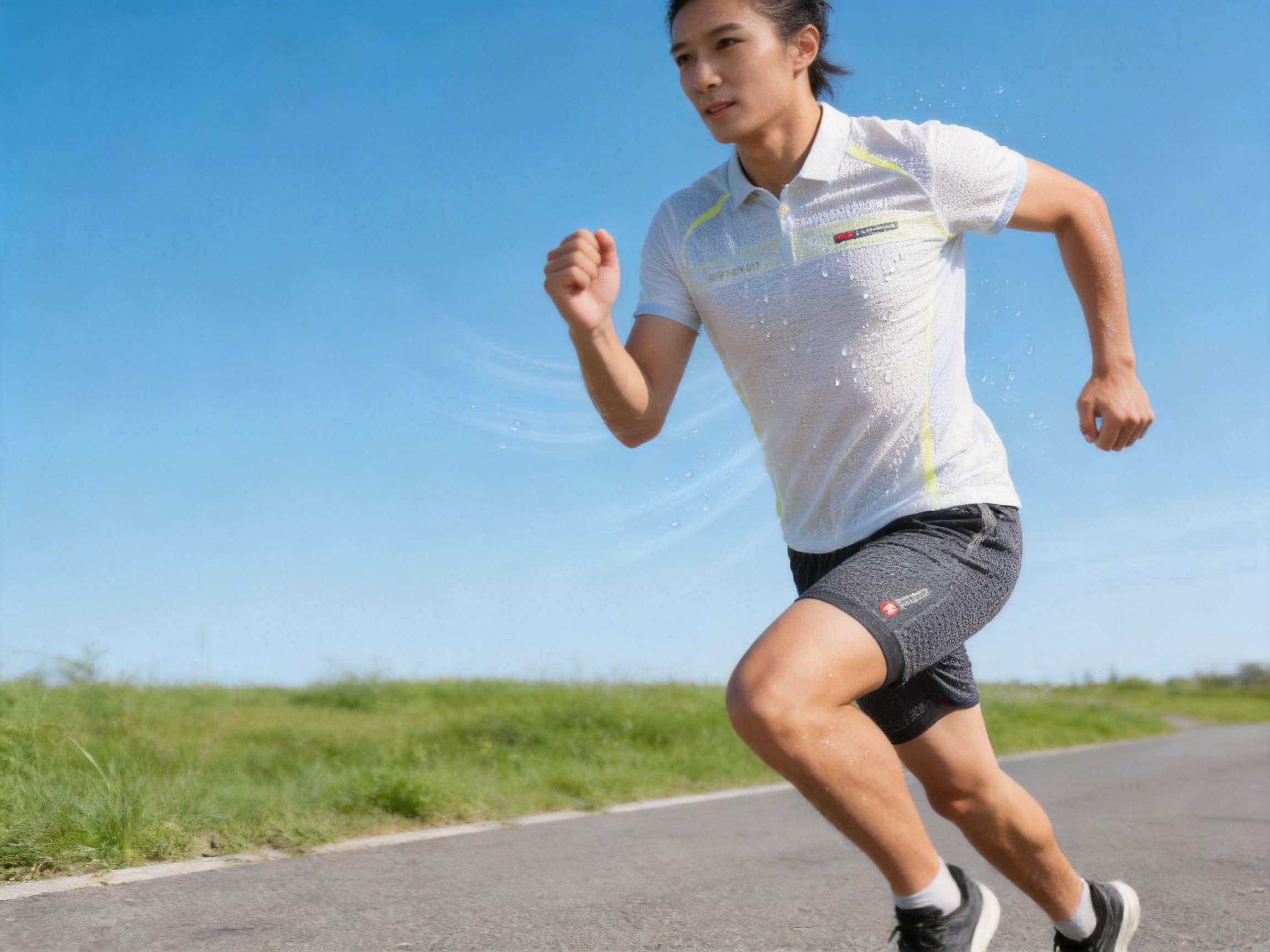
Sportswear is one of the most important applications for moisture-wicking yarn. During running, cycling, fitness training, team sports, and outdoor activities, the body produces perspiration that must be moved away from the skin. If moisture remains in the inner surface of a garment, the wearer may experience a wet, heavy, or uncomfortable sensation.
Moisture and Drying Quickly Functional Yarn can help sportswear fabrics manage perspiration by supporting rapid transfer and outward diffusion. It can be used in T-shirts, base layers, training tops, leggings, shorts, jerseys, and lightweight jackets. When combined with suitable fabric construction, it can help create garments that feel drier during movement and dry more quickly after washing or intensive use.
For athletic apparel, yarn selection should be coordinated with stretch, recovery, opacity, abrasion resistance, and color requirements. The product portfolio includes high-elastic yarns and PBT/PET options that may be considered when a sports fabric also needs elasticity. A manufacturer can therefore evaluate moisture management together with fit, movement, and durability rather than treating each requirement separately.
Sportswear brands may also use recycled functional yarns when sustainability is part of their product strategy. The listed recycled series includes recycled SD DTY, recycled SD FDY, recycled FD DTY, recycled DDB DTY, recycled CD DTY, and recycled SD plus CD DTY. Depending on the required performance and certification needs, buyers can discuss whether a recycled base or blended construction is appropriate.
Applications in Casualwear and Shirts
Moisture comfort is not limited to exercise garments. Consumers also expect daily clothing to remain comfortable during commuting, office work, travel, shopping, and outdoor activities. Casualwear and shirts made with moisture-wicking yarn can provide a more comfortable experience in warm or humid conditions.
The yarn may be used in polos, T-shirts, casual button shirts, woven tops, knitted tops, and lightweight fashion garments. Its moisture-management function can be combined with color, texture, stretch, and visual effects to create fabrics that provide both performance and style.
In shirts, the yarn can support a clean and comfortable inner surface. For casual garments, it can help reduce the heavy feeling that sometimes occurs when a fabric absorbs perspiration without releasing it efficiently. Fabric developers can adjust the yarn count and construction to create different levels of drape, coverage, softness, and visual texture.
The supplier’s cationic-dyeable and color-related yarn capabilities may also help manufacturers develop differentiated color effects. Cationic yarns can be used in selected blended constructions to achieve special dyeing results, contrast, mélange appearances, or two-tone visual effects. These options can be evaluated alongside moisture-wicking yarn when a collection requires both performance and distinctive appearance.
Applications in Underwear and Skin-Contact Garments
Underwear and base-layer products require a careful balance between softness, moisture movement, breathability, stretch, and dimensional stability. Since these garments remain close to the skin for extended periods, moisture accumulation can quickly affect comfort.
The profiled surface of the yarn is suitable for development programs focused on moving perspiration away from the body-facing side. It can be incorporated into lightweight knitted fabrics for briefs, undershirts, camisoles, sports underwear, thermal base layers, and similar products.
For skin-contact applications, the final fabric must be evaluated for softness, seam comfort, pilling, colorfastness, washing durability, and any requirements related to skin sensitivity. Yarn selection is only one part of the final product system, so knitting parameters and finishing conditions should be carefully controlled.
The supplier also offers cotton-like yarn and hollow warm yarn. These alternatives can support additional comfort concepts, including a natural-touch effect or thermal insulation. A manufacturer may compare the moisture-wicking option with cotton-like constructions or combine selected yarns to develop a fabric with both dry comfort and a particular hand feel.
Manufacturing and Technical Strengths
The product is supported by a manufacturing organization focused on differentiated yarn development and textile-material application. Suzhou Junhui Textile Co., Ltd. and Suzhou Xiaoran New Materials Co., Ltd. were founded in June 2015 and have built their product strategy around functional and specialized yarns.
Specialized differentiated-yarn development
The company’s product range demonstrates experience in developing yarns with different cross-sections, lusters, dyeing properties, elasticity levels, thermal characteristics, and environmental profiles. The moisture-wicking yarn is therefore not an isolated product but part of a broader technical system for differentiated textile materials.
This specialization is valuable because buyers often need more than a standard commodity yarn. A functional fabric may require a particular denier, filament count, luster, stretch response, dyeing behavior, or compatibility with another yarn. A supplier experienced in multiple yarn categories can assist with product matching and reduce the need to coordinate several unrelated sources.
Profile-controlled filament production
The moisture-management effect is based on the geometry of the filament. Manufacturing must therefore control the formation of the special profile, including the shape of the surface grooves and the consistency of the cross-section. Stable profile formation is important because variations can affect moisture movement, fabric appearance, processing behavior, and final performance.
The product description identifies a high-surface-area structure with grooves designed to accelerate moisture absorption and diffusion. In practical manufacturing terms, this requires careful control of polymer flow, spinneret design, cooling conditions, drawing behavior, winding, and subsequent texturing where applicable. Although exact production parameters are proprietary, the product concept reflects a process in which yarn geometry is deliberately engineered rather than left to a conventional circular form.
Multiple yarn forms and processing routes
The product portfolio includes DTY and FDY formats, as well as SD, FD, CD, DDB, recycled, high-elastic, and composite options. This indicates the ability to address different downstream processing requirements. Draw-textured yarn can provide bulk, elasticity, and a soft fabric character, while fully drawn yarn can offer a different balance of smoothness, stability, and processing performance.
Different yarn forms can be selected according to whether the customer plans to knit, weave, cover, blend, or otherwise process the material. The ability to discuss several formats with one supplier is a practical advantage for fabric mills and garment manufacturers.
Recycled-material capability
The recycled series includes recycled semi-dull DTY, recycled semi-dull FDY, recycled full-dull DTY, recycled DDB DTY, recycled cationic-dyeable DTY, and recycled SD plus CD DTY. This product breadth supports brands that are seeking to reduce reliance on virgin polyester or introduce recycled content into selected textile collections.
Recycled content does not automatically guarantee the same performance in every application, so customers should confirm the applicable recycled-material source, certifications, test results, and production conditions. However, the presence of a dedicated recycled series shows that environmental material development is integrated into the company’s product offering rather than treated as an occasional special request.
Research and development collaboration
The company maintains a professional R&D team and has worked with internationally recognized enterprises on research, development, and application projects related to environmental protection, functional yarns, and fabrics. This collaborative orientation is important for buyers that need assistance beyond a standard catalog selection.
Research support can include choosing suitable yarn specifications, evaluating fabric construction, discussing functional combinations, and solving processing issues. For a moisture-wicking project, effective cooperation may involve reviewing the intended end use, target fabric weight, knitting or weaving method, finishing route, test requirements, and desired hand feel.
Export experience and responsive service
More than 90 percent of the company’s products are exported, and the company has established cooperative relationships with customers in 36 countries. International sales experience can help with communication across different markets, export documentation, product specifications, packaging requirements, and delivery coordination.
The company states that its experts are available to assist customers globally within 12 hours. Responsive technical communication can be especially useful during sampling, where small changes in yarn specification or fabric construction may significantly influence the final result.
Quality and Performance Verification
The product information states that testing refers to international standards, surpasses corresponding national standards, and is intended to replace overseas products. These claims should be supported by project-specific test reports and agreed acceptance criteria during procurement.
For moisture-wicking yarn and fabrics, performance verification may include several categories:
Moisture absorption and wicking rate: evaluates how quickly moisture is taken up and transported.
Drying rate: measures the time required for a wet specimen to reach a specified moisture level or mass condition.
Vertical wicking: examines the upward or longitudinal movement of liquid through the textile.
One-way transport capability: evaluates whether moisture can move preferentially from the skin side toward the outer side.
Air permeability: assesses the movement of air through the finished fabric.
Water vapor transmission: examines the passage of water vapor through the textile.
Wash durability: determines whether the moisture-management performance remains after repeated laundering.
Colorfastness and dimensional stability: confirm suitability for garment production and consumer care.
The exact testing method should be selected according to the destination market, product category, customer specification, and relevant international or national standard. Yarn-level results and fabric-level results should not be treated as identical. A yarn may provide strong functional potential, but final performance is influenced by fabric density, stitch or weave structure, finishing, garment design, and laundering conditions.
Advantages Compared with Conventional Yarns
Conventional polyester yarns remain useful because they offer strength, dimensional stability, chemical resistance, and cost efficiency. However, they may not provide the same moisture-management pathway as an engineered profiled yarn. The key difference is that the functional yarn is designed specifically to influence liquid movement.
A conventional smooth filament may retain moisture in localized areas or allow liquid to remain close to the skin-side surface. The profiled yarn provides additional channels and surface area that can support more rapid distribution. This can make the fabric feel drier and less clammy, particularly when the garment is worn during activity.
Compared with products relying only on topical hydrophilic finishes, a structurally profiled yarn offers an integrated approach to moisture management. Finishes can be useful, but their performance may change with repeated washing, chemical exposure, or abrasion. A yarn-based structural function can provide a more stable foundation, although suitable testing is still necessary to confirm durability in the intended product.
Compared with basic commodity yarn suppliers, a differentiated-yarn manufacturer can provide greater flexibility in specification, luster, cross-section, recycled content, dyeing behavior, and functional combinations. This flexibility can reduce development time when a buyer needs a customized or multi-property material.
The product also offers a balance between technical performance and broad usability. It is not limited to a highly specialized industrial textile. Its listed applications include everyday garments such as casualwear, shirts, and underwear, as well as sportswear. This broad applicability can help textile mills use the material across several product categories.
Integration with Other Yarn Technologies
Modern textiles often combine several yarn types to achieve a balanced performance profile. Moisture management may be required together with stretch, thermal insulation, sustainability, softness, antibacterial properties, or special color effects.
For stretch sportswear, moisture-wicking yarn can be combined with high-elastic yarn or PBT/PET yarn. The functional yarn can help manage perspiration, while the elastic component contributes to movement and recovery.
For sustainable collections, recycled moisture-wicking yarn may be considered where available and technically suitable. Buyers should confirm recycled content, traceability, certification, and the effect of recycled feedstock on color, tenacity, and processing.
For garments requiring odor-control positioning, the moisture-wicking yarn may be evaluated alongside antibacterial yarn. These are different functions: moisture movement helps manage perspiration and wetness, while antibacterial performance depends on the specific material and test method. Combining them requires validation to ensure that one component does not compromise the other.
For warm but comfortable garments, moisture-wicking yarn can be coordinated with hollow warm yarn. A suitable fabric structure may help balance moisture release and thermal insulation. This is relevant for base layers and transitional-season clothing where excessive heat and trapped perspiration can reduce comfort.
For visual differentiation, moisture-wicking yarn can be used with cationic-dyeable yarn or color-effect materials. The result may be a fabric with both performance value and a distinctive appearance. The final dyeing recipe should be developed with the yarn combination in mind.
Recommended Development Process for Buyers
Define the end-use requirement
Begin by identifying the garment category, climate, activity level, target consumer, fabric weight, and desired hand feel. A lightweight underwear fabric may need a different yarn selection from a structured sports jacket.
Select the yarn format
Discuss whether DTY, FDY, semi-dull, full-dull, cationic, recycled, or a composite construction is most suitable. The choice affects appearance, bulk, softness, stretch, and downstream processing.
Choose the initial specification
Use the available 30/24, 50/48-72, 75/48-72, or 150/48-72 options as starting points. The final choice should reflect fabric density, required coverage, machine gauge, fabric weight, and desired moisture movement.
Develop a fabric sample
Test the yarn in the intended knitting or weaving construction. Evaluate the fabric’s hand feel, air permeability, moisture transport, drying speed, appearance, pilling, dimensional stability, and dyeing result.
Optimize finishing
Finishing conditions can significantly affect moisture performance. Excessive softener or hydrophobic treatment may reduce moisture transfer, while an unsuitable heat-setting process may alter fabric dimensions or hand feel. The finishing route should be adjusted through laboratory and pilot trials.
Confirm testing and compliance
Agree on test standards, sampling procedures, minimum performance values, restricted-substance requirements, colorfastness expectations, and wash-durability targets before mass production.
Move to controlled production
Once the specification is approved, maintain consistent yarn lot control, fabric construction, dyeing conditions, and finishing parameters. Functional textiles perform best when the complete production chain is controlled.
Supply and Customization Capability
The company states that it can accept orders for various types of differentiated yarn. This customization capability is useful for buyers that cannot meet their product requirements with standard stock specifications.
Customization may involve denier, filament count, luster, color, recycled content, dyeing behavior, elastic composition, functional combination, or packaging. Each project should be evaluated according to minimum order quantity, sampling time, production capacity, raw-material availability, and testing requirements.
Customers can also request assistance with problem solving. Common development questions may include how to improve wicking speed, how to achieve a softer touch, how to reduce pilling, how to match a target color, how to combine recycled and functional materials, or how to select an appropriate yarn for a particular machine gauge.
A supplier that understands both yarn production and downstream fabric application can provide more useful recommendations than a supplier that only quotes a standard specification. This application-oriented approach is one of the important strengths associated with the product range.
Why Manufacturers Choose This Functional Yarn
Manufacturers choose moisture-wicking yarn when they need a practical and marketable comfort feature that can be incorporated into common textile products. The yarn’s profiled structure provides a clear technical basis for moisture absorption, diffusion, and quick drying.
The product is supported by a wide yarn portfolio, allowing buyers to explore combinations with recycled, elastic, cationic, antibacterial, fire-retardant, cotton-like, or hollow warm materials. This is especially valuable for textile groups managing multiple product lines.
The company’s R&D capability, export experience, differentiated-yarn focus, and willingness to accept customized orders further support commercial development. Customers can use the product as a standard functional input or as the foundation for a more specialized fabric program.
Most importantly, the yarn addresses a real consumer need. Dampness and slow drying can reduce comfort in both sports and daily life. By helping fabrics move and release moisture more efficiently, the yarn enables textile manufacturers to create garments that feel fresher, lighter, and more comfortable.
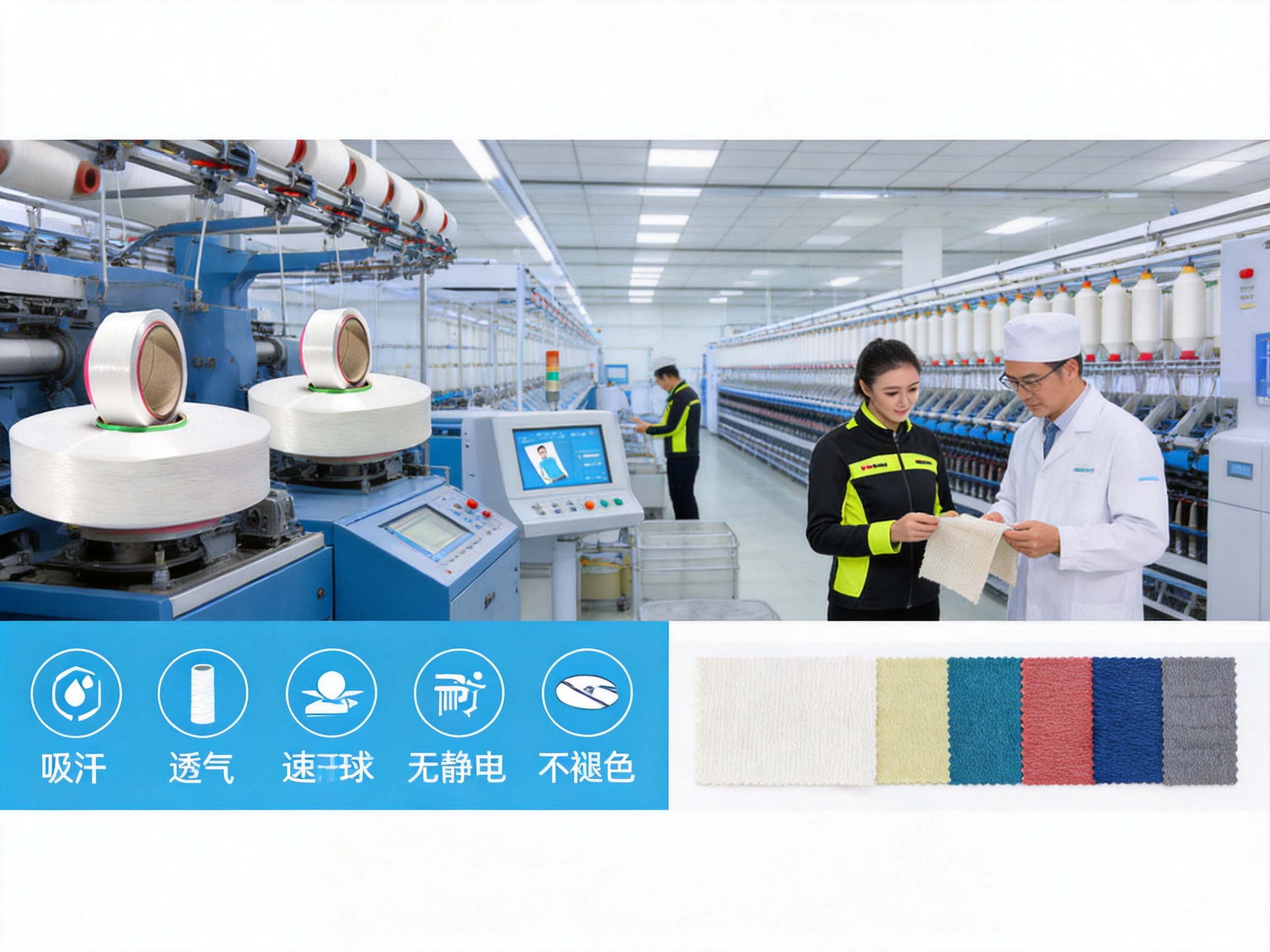
Frequently Asked Questions
What is the main function of this yarn?
Its main function is to help absorb, distribute, and diffuse moisture through a fabric so that the fabric can dry more quickly and feel more comfortable. The yarn uses a special profiled structure with high surface area and grooves.
How does the grooved structure support quick drying?
The grooves create channels that help move moisture along the yarn. The high surface area distributes the moisture across a larger region of fabric, increasing contact with air and supporting evaporation.
Is this yarn suitable for sportswear?
Yes. Sportswear is one of its primary application areas. It can be considered for training tops, athletic shirts, base layers, leggings, shorts, jerseys, and other garments where perspiration management is important.
Can it be used for casualwear and underwear?
Yes. The listed applications include casualwear, shirts, and underwear. The yarn can be developed into fabrics that require a soft, breathable, and dry-wearing comfort profile.
What specifications are available?
The listed moisture-wicking specifications include 30/24, 50/48-72, 75/48-72, and 150/48-72. The suitable option depends on fabric construction, weight, coverage, softness, and processing requirements.
Can the yarn be combined with recycled materials?
The supplier offers a recycled series that includes several recycled DTY and FDY options. Customers can discuss whether a recycled moisture-management construction or a combination of recycled and functional yarns is appropriate for their project.
Can it be combined with elastic yarn?
It may be combined with high-elastic or PBT/PET yarn when the fabric needs both moisture management and stretch. The appropriate ratio and construction should be confirmed through sampling and performance testing.
Does the product require a special fabric construction?
The yarn can be used in various fabric constructions, but the final moisture-wicking result depends on knitting or weaving parameters, fabric density, finishing, and garment design. A pilot sample is recommended before bulk production.
Is the moisture-wicking function only caused by a surface finish?
No. The product is designed with a special filament profile that includes high surface area and grooves. This structural design is intended to support moisture movement within the yarn and fabric.
Can the yarn be dyed in different colors?
Color options and dyeing behavior depend on the specific yarn form and material composition. The supplier also offers cationic-dyeable yarns and other color-related options. Color matching should be confirmed through laboratory sampling.
What testing should buyers request?
Buyers may request moisture absorption, wicking, drying-rate, air-permeability, water-vapor, wash-durability, colorfastness, dimensional-stability, and relevant safety or compliance test reports. The final test plan should reflect the destination market and product application.
Can the company provide customized yarn?
The company states that it accepts orders for various differentiated yarns. Buyers can discuss customized denier, filament count, luster, color, recycled content, functional combinations, and other specifications subject to technical and commercial feasibility.
What makes the supplier suitable for international buyers?
The company exports more than 90 percent of its products, serves customers in 36 countries, maintains a professional R&D team, and provides support for product selection and technical problem solving. These capabilities can help international buyers manage development and sourcing projects.
Conclusion
Moisture and Drying Quickly Functional Yarn provides a practical solution for textile manufacturers seeking improved comfort, breathability, and drying performance. Its special profiled cross-section, high surface area, and built-in grooves are designed to accelerate moisture absorption, diffusion, and release.
The yarn is suitable for sportswear, casualwear, shirts, underwear, and other garments requiring a dry and comfortable wearing experience. Its available specifications, compatibility with different fabric constructions, and potential integration with recycled, elastic, antibacterial, cationic, and other differentiated yarns provide broad development flexibility.
Backed by specialized differentiated-yarn manufacturing, application-oriented research and development, recycled-material capabilities, international export experience, and customized order support, the product can serve both standard textile programs and advanced fabric-development projects. For buyers seeking a reliable foundation for moisture-management textiles, this functional yarn offers a balance of performance potential, versatility, and supply capability.
References
1. Product information and technical description for Moisture and Drying Quickly Functional Yarn, supplied by the manufacturer.
2. Product portfolio information covering recycled, normal, cationic, high-elastic, functional, cotton-like, and hollow warm yarn series.
3. General textile testing principles for moisture management, wicking, drying rate, air permeability, and water-vapor transmission.
4. International textile-fiber and fabric performance evaluation practices applicable to sportswear and skin-contact garments.
5. Manufacturer-provided company information regarding research and development, export experience, differentiated yarn production, and customized product support.
Product: Moisture And Drying Quickly Functional Yarn
Popular products
-
Premium Cationic Interlock Stretch Comfort Fabric
-
Moisture-Wicking Nylon Woven Fabric
-
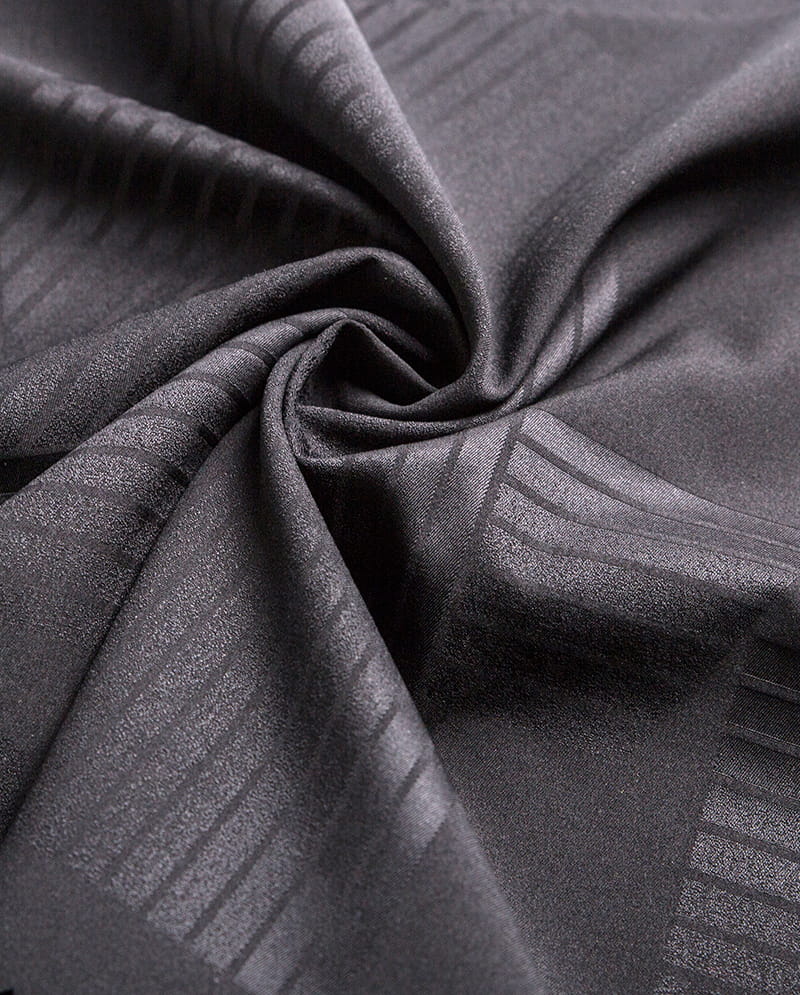
Double-faced jacquard elastic fabric
-
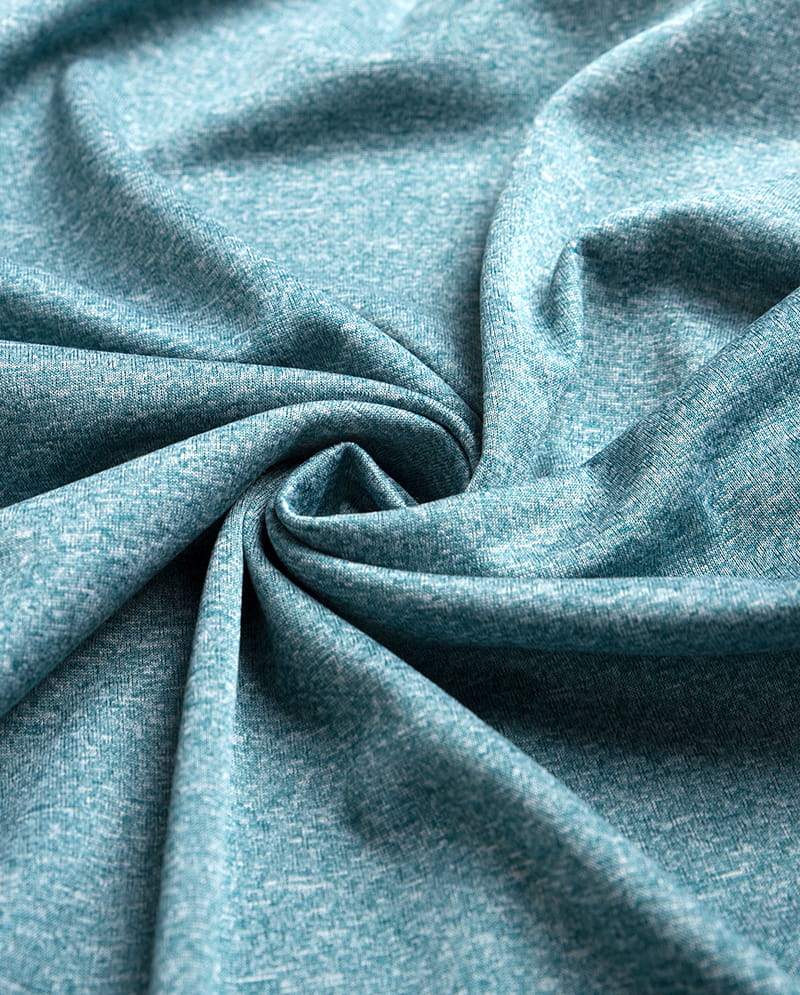
Heather Grey Double-faced cationic jersey fabric
-
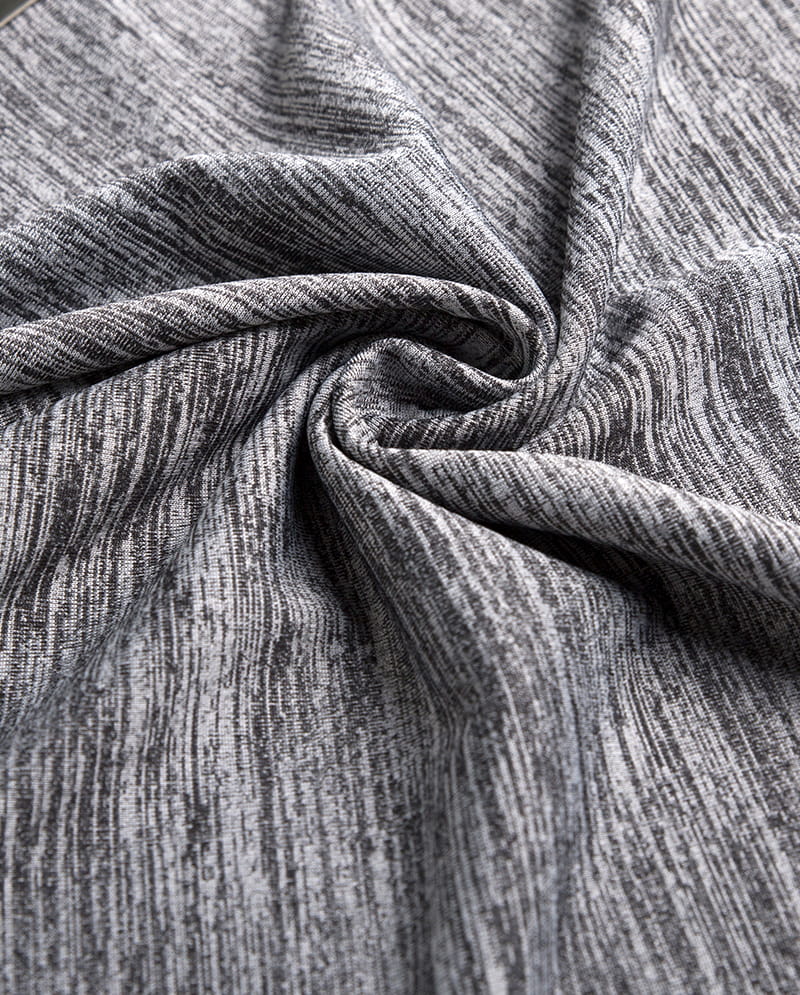
Anti-static Cationic Knitted Rib Fabric
-
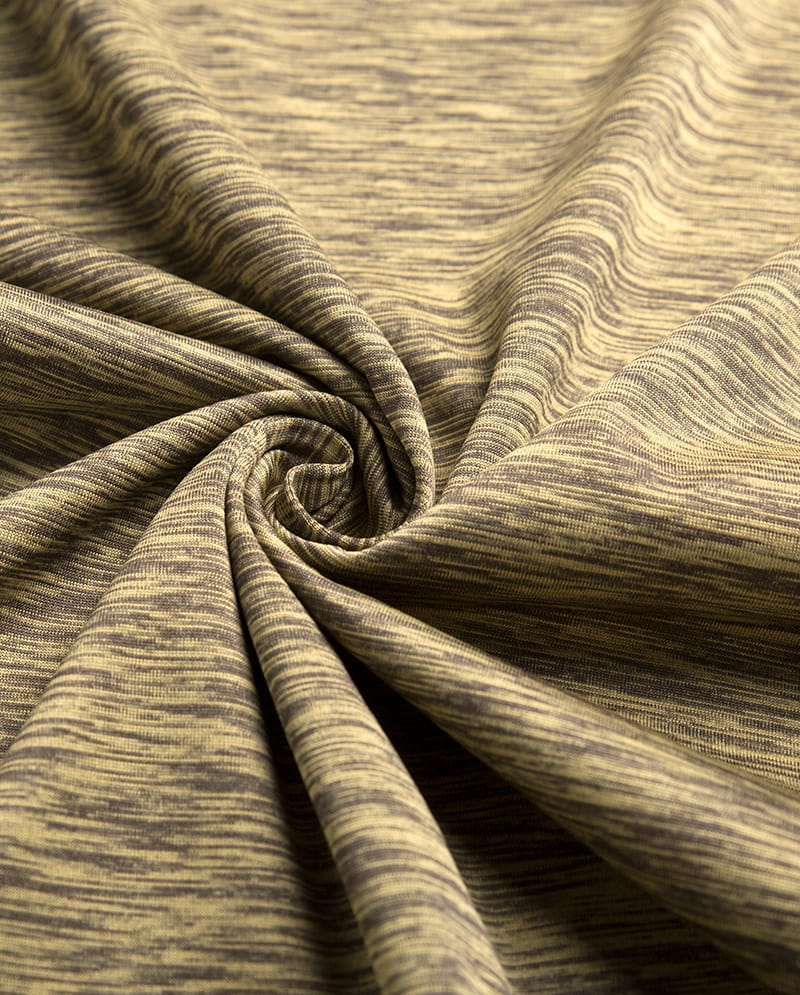
High-Stretch Cationic Jersey Fabric
-
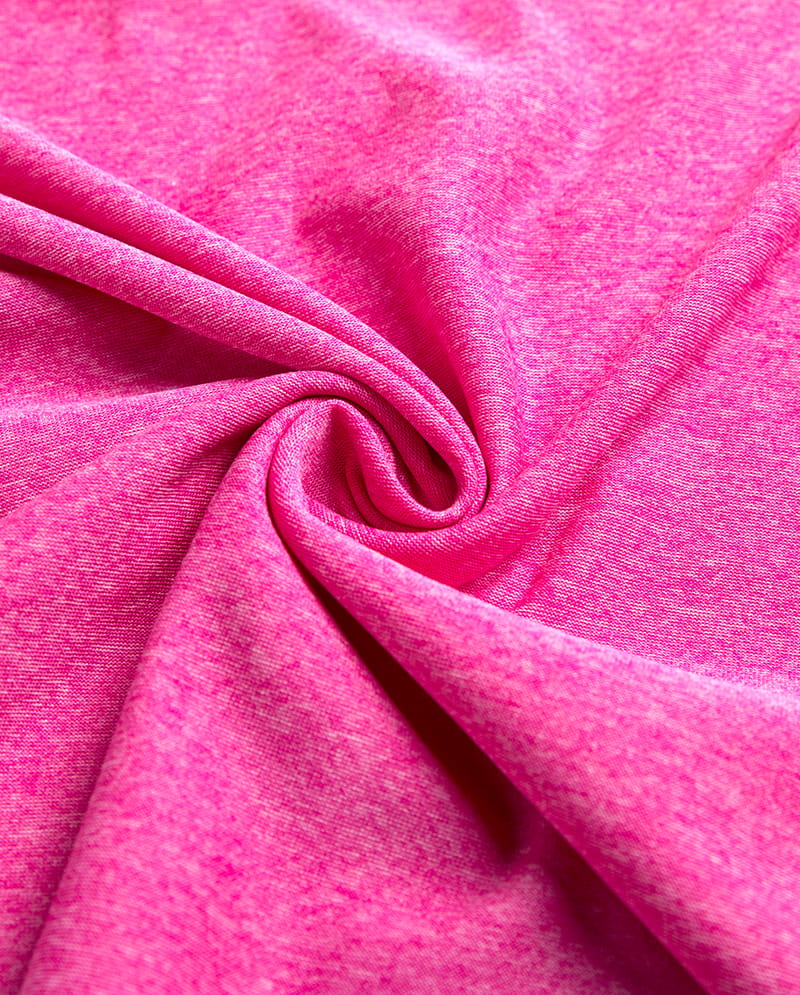
High Quality Cationic DTY Spandex Two Sides Brush Dralon Knit Fabric for Garment Thermal Underwear
-
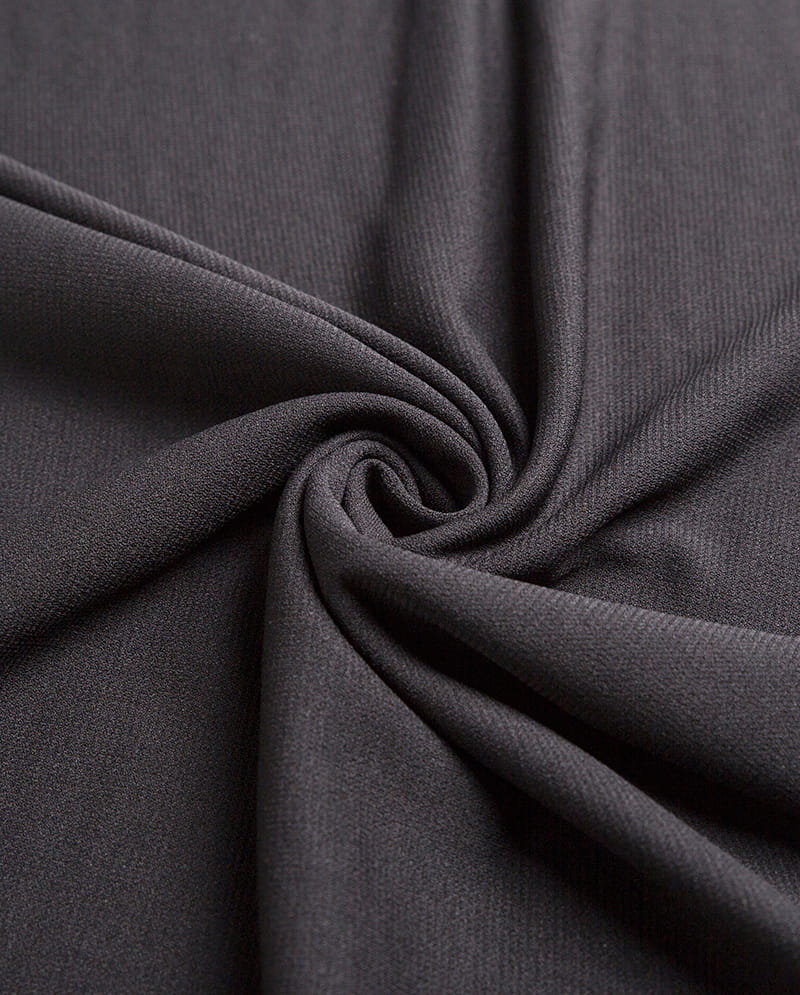
Durable Anti-Pilling Knitted Fabric for Home Textiles
-
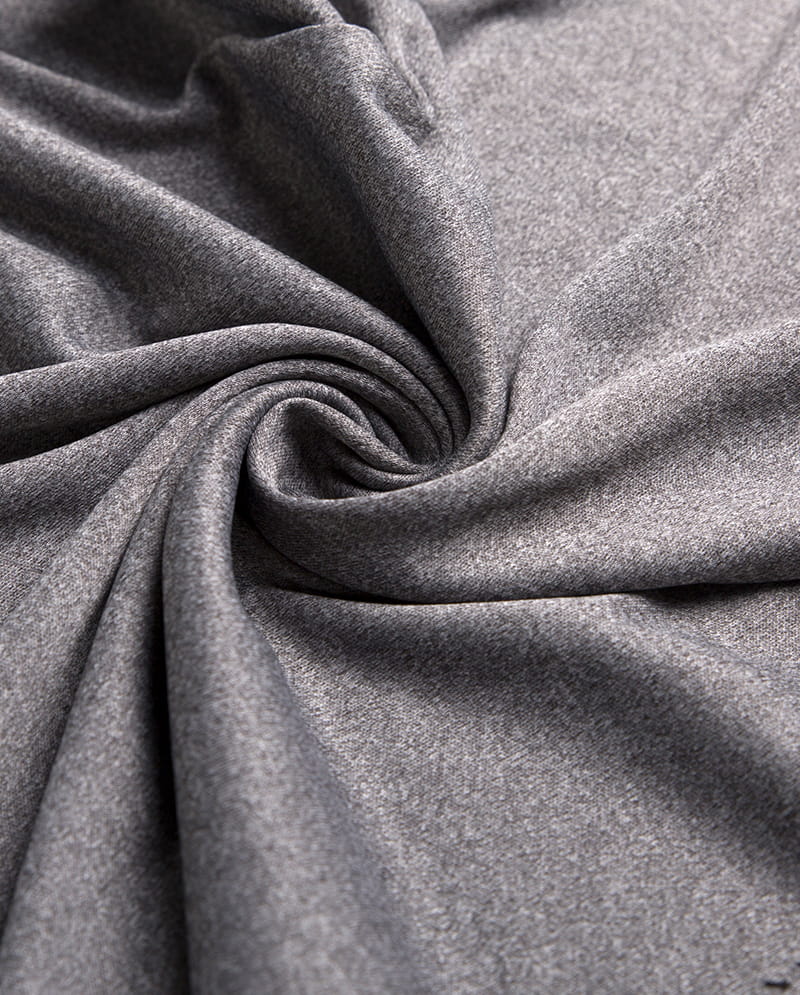
Wash-Resistant Cationic Elastic Knitted Fabric for Garment Industry
-
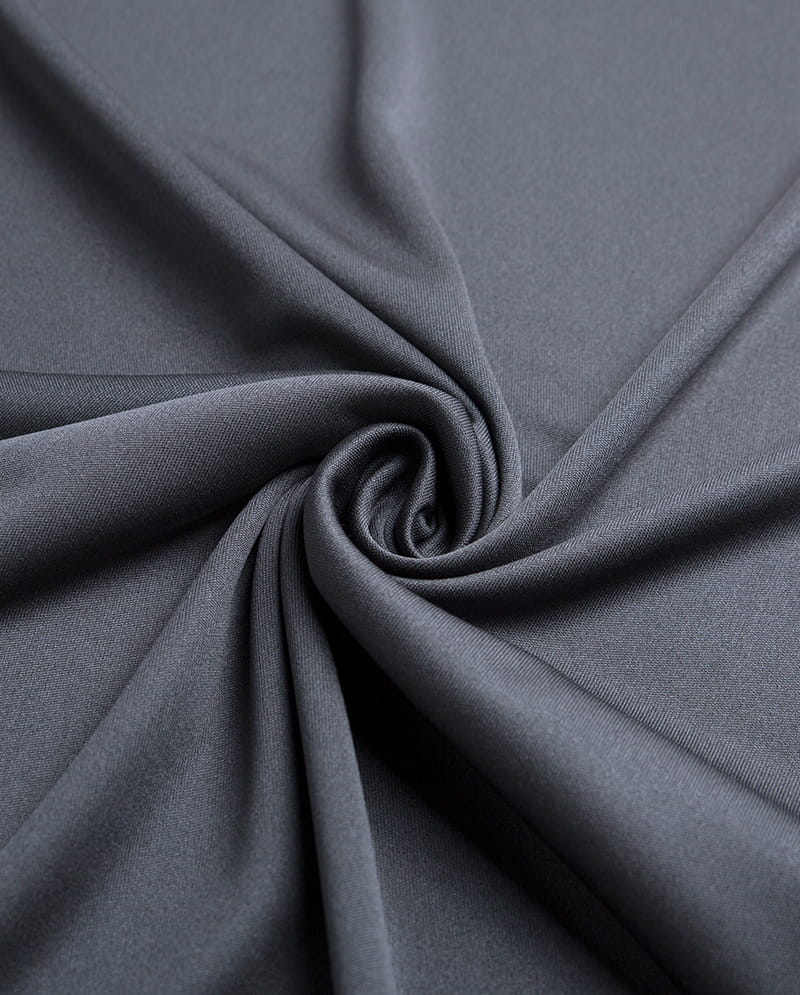
Breathable Double-Faced Elastic Composite Fabric
-
-
-
- whatsapp:
- 0086-13962559622
-
- skype:
- skype.aliceshenghong
-
- Wechat:

COPYRIGHT © 2016 Suzhou Junhui Textile Co., Ltd.
