

 EN
EN English
 中文简体
中文简体Microfine Yarn Explained: A Practical Guide to Properties and Applications
Content
What Is Microfine Yarn?
A buyer comparing two polyester knits side by side may find that one feels dramatically softer even though both contain the same fiber type. The difference is usually hidden in filament fineness. Microfine yarn is a multifilament synthetic yarn with individual filaments below 1 denier per filament (dpf), and that structural difference changes the fabric’s hand feel, luster, drape, and coverage.
In commercial specifications, microfine yarn usually means a filament fineness below 1.0 dpf, or roughly below 1.1 dtex. The yarn can be made from polyester, polyamide, or recycled polyester, and it can be supplied as flat FDY, textured DTY, or as part of a broader functional yarn program. The key is not the total yarn count alone, but how much of that total weight is distributed across very fine filaments.
How Microfine Yarn Is Made
Production starts with polymer chips that are melted and extruded through spinnerets with many fine holes. The resulting yarn has a high filament count but a low denier per filament. Draw texturing can then add crimp, bulk, and a softer surface. This is why buyers should specify the final yarn structure rather than simply asking for “microfine.” A fine-denier DTY gives a more supple, slightly lofty hand, while an FDY version stays smoother and more stable in flat fabrics.
For a first evaluation, our fine-denier SD DTY yarn is a practical starting point because it balances softness, strength, and downstream processability.
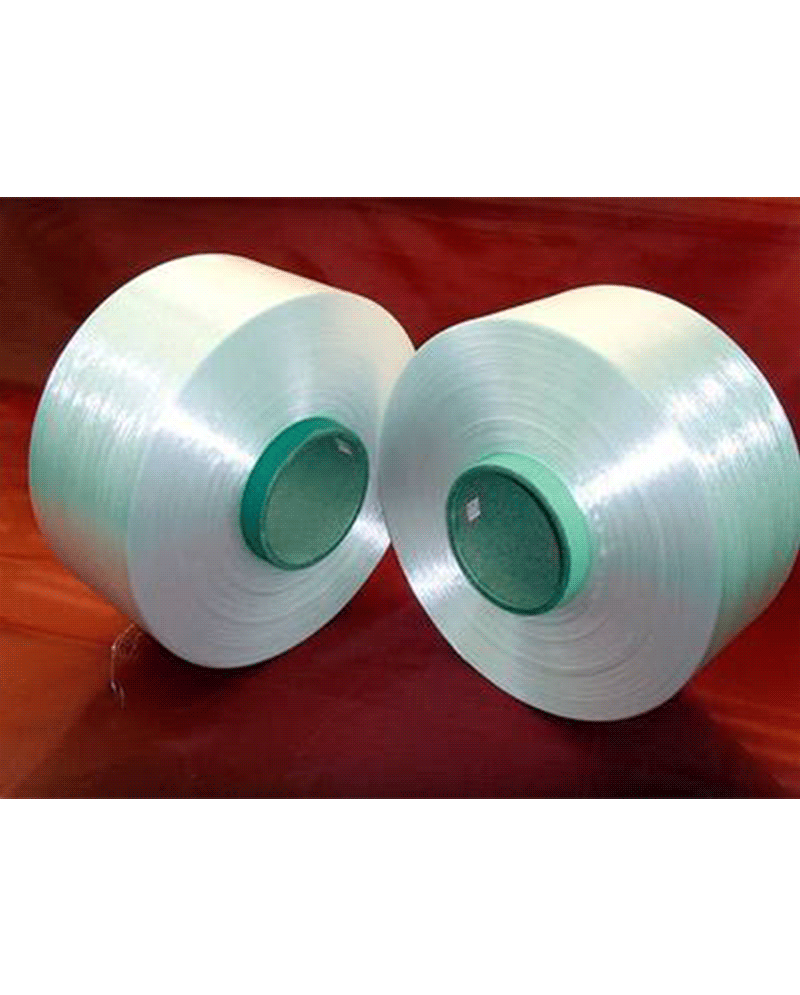 Custom Stable Performance SD DTY (D/F) Normal Yarn Company, OEM/ODM Factory - SuSuzhou Junhui Textile Co., Ltd is China custom Stable Performance SD DTY (D/F) Normal Yarn company and OEM/ODM factory, SUZHOU JUNHUI TEX...View Product →
Microfine Yarn vs. Microfiber Fabric
The word “microfiber” can be confusing because it is often associated with cleaning cloths or synthetic leather. Microfine yarn is a step earlier in the chain: it is the yarn that later becomes those fabrics. A fabric labeled microfiber may be made from fine fibers, but a yarn labeled microfine must meet the dpf requirement. That is why yarn buyers need to ask for full technical specifications instead of relying only on a product name.
Why Filament Fineness Changes Fabric Performance
The conclusion up front: microfine yarn improves hand feel and drape through structure, not through chemical softeners. Fine filaments have a larger total surface area and lower bending stiffness than coarse filaments. A bundle of fine filaments can move independently, which makes the final fabric softer and more fluid while still maintaining the strength of a conventional polyester yarn.
| Comparison point | Standard polyester yarn | Microfine yarn |
|---|---|---|
| Filament fineness | Often above 2 dpf | Usually below 1 dpf |
| Hand feel | Crisp and technical | Soft, smooth, silk-like |
| Drape | Medium | High and fluid |
| Luster | Bright or flat depending on grade | Rich, subdued luster |
| Typical use | Linings, outerwear, standard knitwear | Premium activewear, loungewear, high-density woven fabrics |
| Cost structure | Lower | Higher filament count and more demanding process control |
Denier and Filament Count: The Numbers That Matter
To assess a yarn, calculate dpf by dividing total denier by the number of filaments. A 75D/72F yarn has about 1.0 dpf, so it sits at the boundary of the microfine definition. A 75D/144F yarn has about 0.5 dpf and clearly qualifies as microfine. When a supplier quotes “microfine,” ask for the full denier and filament count and verify it on the technical data sheet.
Heat Resistance and Fire Safety
One limitation to keep in mind is heat behavior. Polyester is a thermoplastic polymer, and standard polyester microfine yarn will melt under high heat. For safety-critical projects, review how microfiber yarn performs in heat resistance and fire safety before finalizing the specification. Workwear, automotive, and upholstery applications may require a flame-retardant variant rather than standard polyester microfine yarn.
Where Microfine Yarn Works Best
Microfine yarn is not a generic replacement for every polyester yarn. It earns its place when softness, surface smoothness, or fabric drape defines the commercial value of the finished product.
Fashion, Loungewear, and Lining Materials
In fashion fabrics, fine filaments reduce the stiffness that can make ordinary polyester feel synthetic. A fabric knitted from microfine yarn moves like a higher-value material and often needs less chemical softening. For lining materials, a smooth surface reduces friction against the skin and improves the inner finish of a garment.
When a softer, matte surface is preferred, a textured yarn construction adds bulk without sacrificing filament fineness. For flat and stable fabrics, the normal FDY yarn range is a practical place to test luster and dyeing behavior across different specifications.
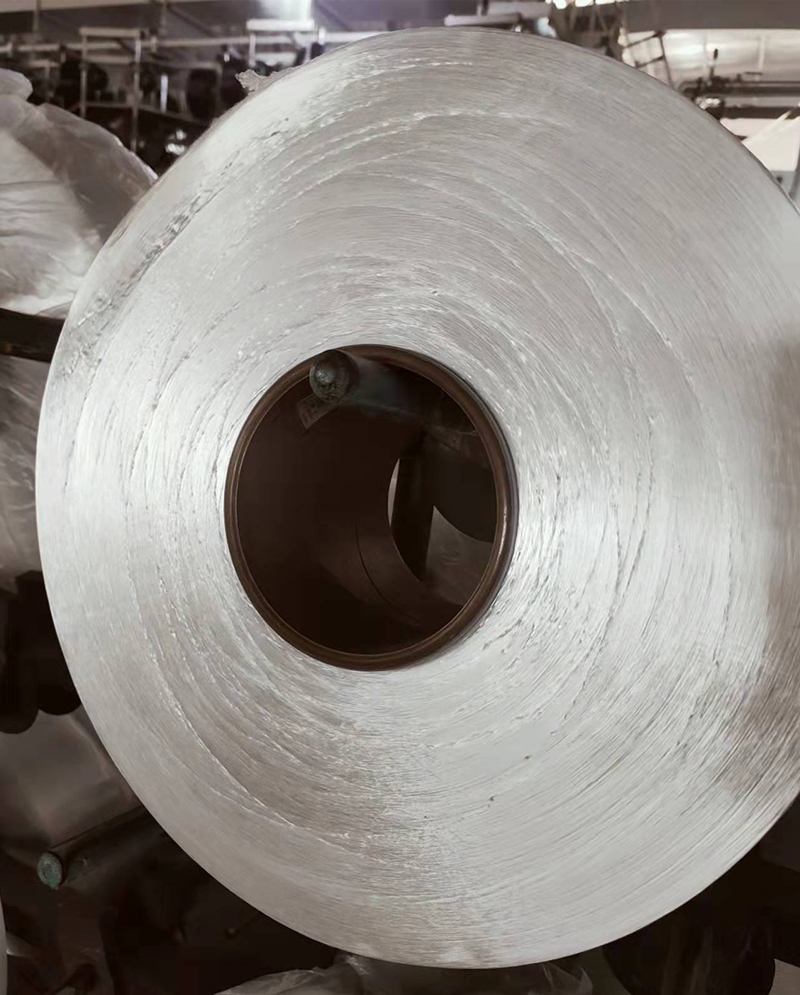 Custom Durable SD/FD/CD TBR Normal FDY Yarn Company, OEM/ODM Factory - Suzhou JuSuzhou Junhui Textile Co., Ltd is China custom Durable SD/FD/CD TBR Normal FDY Yarn company and OEM/ODM factory, SUZHOU JUNHUI TEXTILE CO...View Product →
Sportswear and Activewear
Sportswear brands use microfine yarn when they want lightweight coverage without an obvious technical hand. The large number of filaments increases the surface area inside the fabric, which helps moisture spread and evaporate more quickly in engineered structures. Still, microfine yarn is one component, not the complete solution. Knitting structure, finishing, and garment design also determine breathability and stretch recovery.
Home Textiles and High-Density Woven Fabrics
Microfine polyester yarn also appears in bedding, mattress covers, and high-density woven fabrics because fine filaments allow narrow fabric constructions while keeping the surface smooth and opaque. It is also common in cleaning textiles, where microfine fibers collect dust by contact. The right choice depends on the required fabric density and the end-use environment.
Sourcing Microfine Yarn: What to Confirm Before You Order
The main risk when sourcing microfine yarn is treating it as a generic product. Because filament fineness is difficult to see in the greige state, quality problems can appear only after dyeing and finishing. Confirm the details before bulk production.
- Confirm the filament count and calculate dpf. Do not accept “microfine” as a marketing description alone.
- Choose luster and cross-section: semi-dull, full dull, bright, or trilobal, since each changes the finished appearance.
- Specify the intended fabric structure and dyeing route. A microfine yarn suitable for jersey may behave differently in a plain woven fabric.
- Check processability: winding quality, broken filament rate, and evenness become more critical as filaments become finer.
- If recycled content is part of your sustainability target, request GRS or equivalent traceability documentation and compare filament uniformity against a virgin reference.
Cost is another point to resolve early. Microfine yarn is usually more expensive per kilogram than a conventional 75D/72F yarn because the spinning process is more demanding. However, a fabric with fine filaments can be lighter while remaining opaque, which may reduce the total material cost per garment. Evaluate the cost per finished garment rather than the raw yarn price alone.
A useful working relationship starts with a supplier that can explain these trade-offs. Our brand-oriented differential yarn supplier profile describes how we support buyers in product selection from chip to fabric. If your program also requires traceable recycled content, our recycled SD DTY yarn options are a practical place to start.
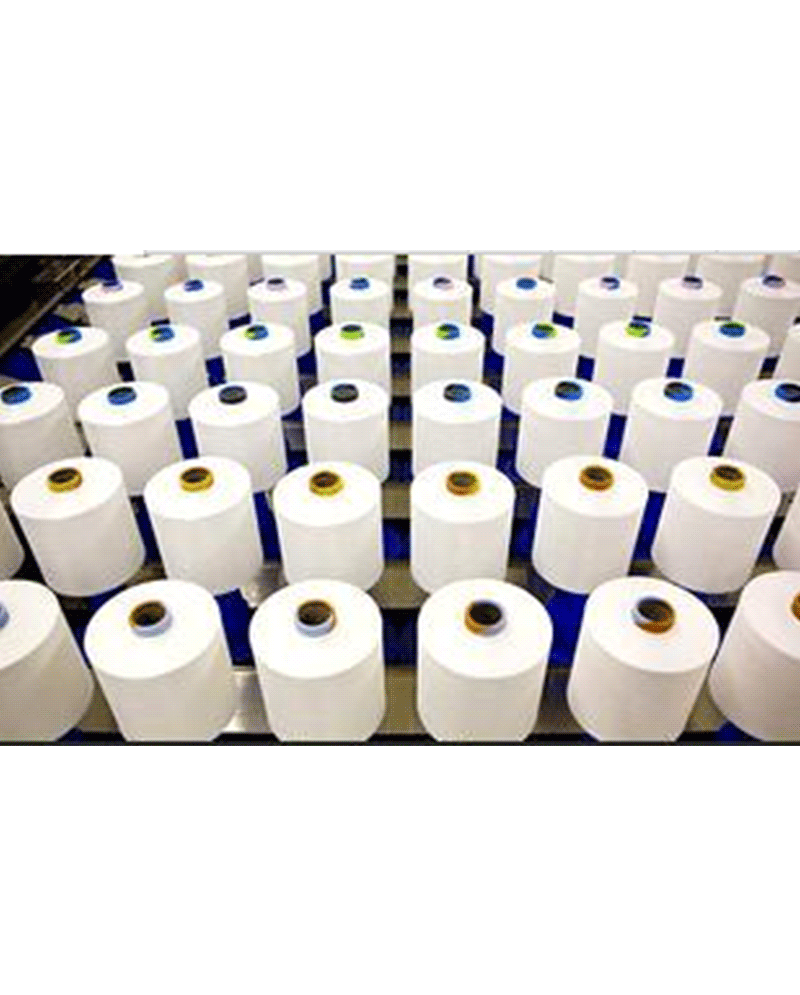 Custom SD DTY (D/F) High-Strength Recycled Polyester Yarn Company, OEM/ODM FactoSuzhou Junhui Textile Co., Ltd is China custom SD DTY (D/F) High-Strength Recycled Polyester Yarn company and OEM/ODM factory, SUZHOU JUN...View Product →
The Bottom Line
Microfine yarn is a reliable way to make polyester fabrics softer, lighter, and more refined without relying on heavy chemical finishing. The definition is simple—filaments below 1 dpf—but the sourcing decisions require care. Buyers should verify dpf, choose the right FDY or DTY structure, confirm heat and safety requirements, and ask for process data from the supplier.
When the right specification is matched to the right application, microfine yarn delivers the premium feel buyers expect while keeping the practical strengths of polyester: durability, fast drying, and versatile dyeing behavior.
Popular products
-
Premium Cationic Interlock Stretch Comfort Fabric
-
Moisture-Wicking Nylon Woven Fabric
-
Double-faced jacquard elastic fabric
-
Heather Grey Double-faced cationic jersey fabric
-
Anti-static Cationic Knitted Rib Fabric
-
High-Stretch Cationic Jersey Fabric
-
High Quality Cationic DTY Spandex Two Sides Brush Dralon Knit Fabric for Garment Thermal Underwear
-
Durable Anti-Pilling Knitted Fabric for Home Textiles
-
Wash-Resistant Cationic Elastic Knitted Fabric for Garment Industry
-
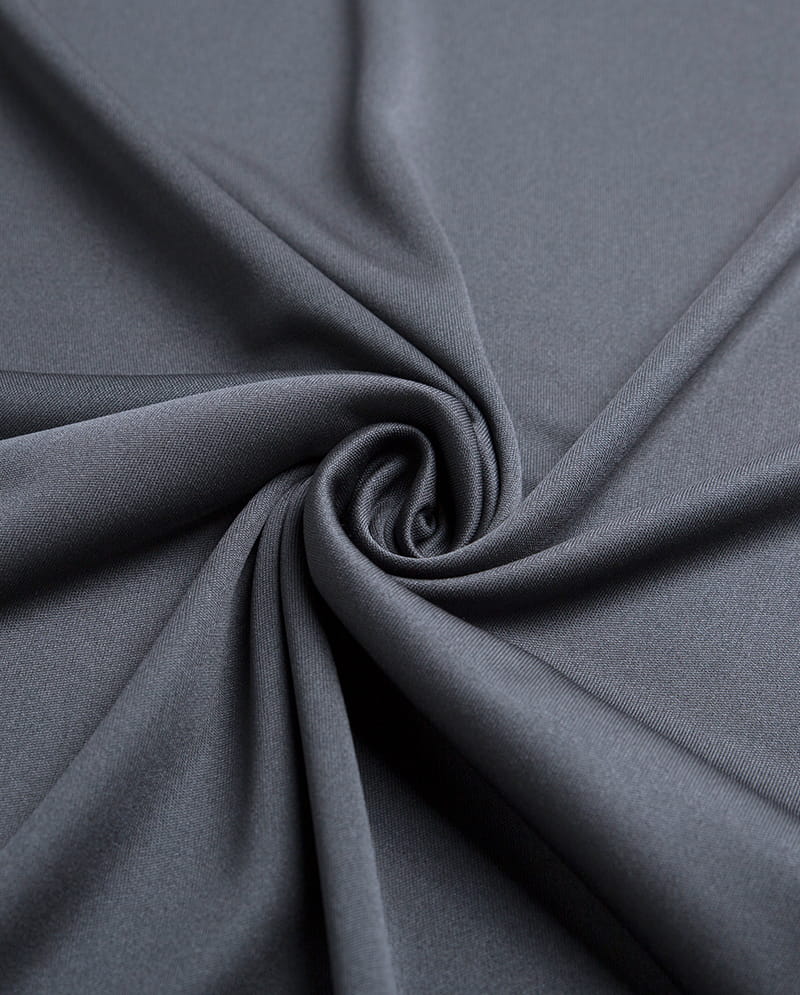
Breathable Double-Faced Elastic Composite Fabric
-
-
-
- whatsapp:
- 0086-13962559622
-
- skype:
- skype.aliceshenghong
-
- Wechat:


COPYRIGHT © 2016 Suzhou Junhui Textile Co., Ltd.
