

 EN
 English
 中文简体
Lycra and Spandex: Why the Same Fibre Carries Different Names and Prices
Content
- 1 Are Lycra and Spandex the Same Material?
- 2 Where the Name Split Costs Real Money
- 3 The Numbers That Decide Whether the Fabric Survives
- 4 When It Makes Sense to Skip Elastane
- 5 Blend Ratios and Construction Detail
- 6 Recycled Content and Claim Discipline
- 7 Four Checks Before You Confirm the Order
- 8 Frequently Asked Questions
A spec sheet arrives with 8% Lycra in one column and 8% spandex three lines below it, quoted at a fifteen percent price gap. Both lines describe the same fibre. One is a trademark, the other is a generic name, and most of the difference between them sits in paperwork rather than in the polymer.
Are Lycra and Spandex the Same Material?
Yes. Lycra and spandex are the same elastane fibre, and the words differ only in ownership: Lycra is a registered trademark, spandex is the generic trade name used in North America, and elastane is the generic name printed on European care labels.
The word spandex was coined around 1959 as an anagram of expands, when the fibre was being positioned as a lighter replacement for rubber in foundation garments. The Lycra trademark reached the market from DuPont in 1958 and was commercialised in 1962. The trademark has changed hands more than once since then, but it has never described a different polymer, and that is the part buyers keep missing.
| Term | Legal status | Where it usually appears |
| Spandex | Generic fibre name, US usage | US spec sheets, retail fibre content |
| Elastane | Generic fibre name, ISO and EU usage | EU and UK care labels, test reports |
| Lycra | Registered trademark | Brand marketing, premium fabric claims |
| Polyurethane elastic yarn | Technical description | Mill process sheets, customs paperwork |
Where the Name Split Costs Real Money
The word on the purchase order controls price, documentation and test method far more than it controls performance.
- Price: branded elastane routinely quotes 10 to 25 percent above generic grades of the same denier, and the gap widens on small orders and short lead times.
- Specification: naming a trademark without adding or equivalent narrows your supply base to one licensed chain and removes most of your negotiating room.
- Labelling: European textile rules require the generic name elastane in the fibre composition, so a trademark alone is not a complete fibre declaration.
- Claims: performance claims tied to a brand need documentation from that brand owner, and you cannot inherit them from yarn bought on the open market.
That single phrase, or equivalent, is the cheapest clause in a textile contract. It keeps three qualified suppliers in the room while the brand name stays a performance reference instead of a restriction.
The Numbers That Decide Whether the Fabric Survives
Four values separate a fabric that lasts a season from one that generates return claims: elongation, recovery, heat tolerance and chlorine resistance.
Elongation gets the marketing attention because it is easy to print on a hangtag, but recovery does the real work. A yarn that stretches to 600 percent and recovers to 96 percent keeps a legging in shape through fifty wash cycles. A cheaper yarn with identical elongation and 88 percent recovery shows bagging at the knee within two weeks of wear.
| Property | Typical value | What it changes on the floor |
| Elongation at break | 400-700% | Higher values soften hand but lower modulus |
| Recovery after 300% stretch | 95-98% | Below 95% appears as growth after washing |
| Heat sensitivity | Softens near 175-190 C | Heat setting and dryer temperature need a ceiling |
| Chlorine resistance | Poor in standard grades | Swimwear needs a resistant polymer or another stretch system |
| Density | About 1.20 g/cm3 | Affects yarn count conversion and blend maths |
| Moisture regain | 0.3-1.3% | Adds no moisture management; pair with polyester or nylon |
When It Makes Sense to Skip Elastane
Polyester-based high-elastic yarns can replace part or all of the elastane in a knit, and they remove three problems elastane creates by design.
Chlorine is the first. Standard elastane degrades in chlorinated pool water, which is why swim programmes pay a premium for resistant grades. PBT and PET high-elastic yarns hold their recovery in the same conditions. Recycling is the second: a knit carrying 5 percent elastane rarely re-enters a mechanical recycling stream, while a mono-material polyester knit can. Heat is the third, because high-elastic polyester tolerates dyeing and heat setting above the range where elastane begins to lose recovery.
Core-spun elastane
- Fabric stretch 150-250%
- Recovery excellent at low loads
- Chlorine resistance weak
- Recyclability low in blends
- Hand soft, rubbery, high power
High-elastic polyester
- Fabric stretch 25-45%
- Recovery good after heat setting
- Chlorine resistance strong
- Recyclability high, mono-material
- Hand crisp to soft by texturising
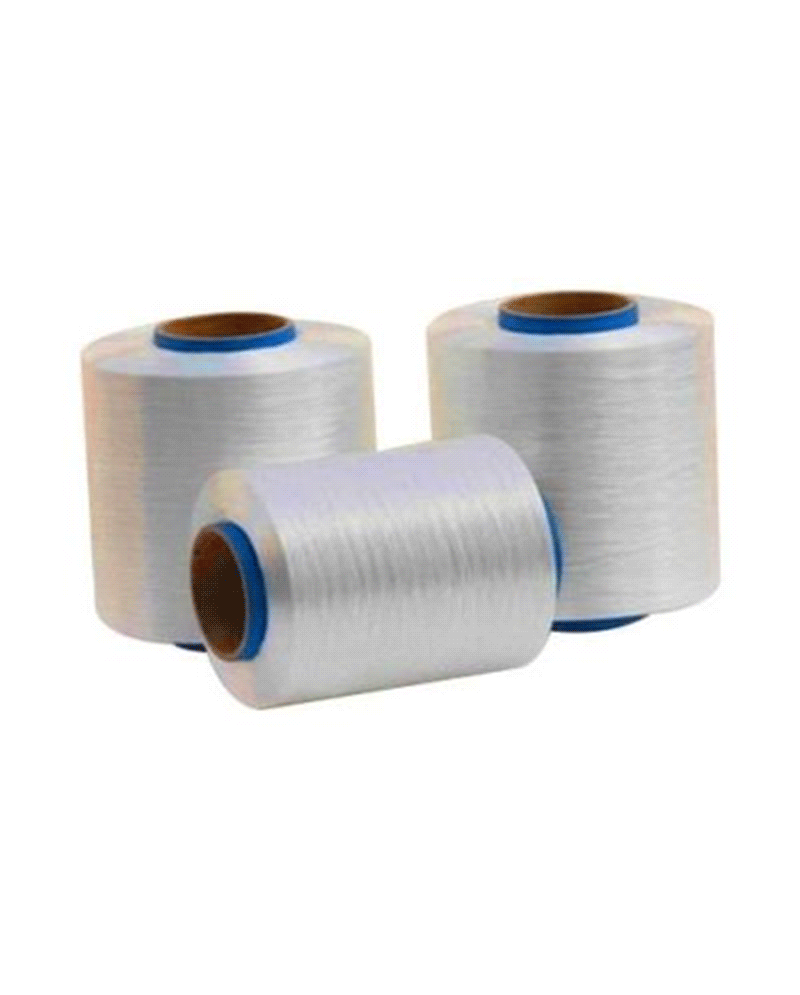 Eco-Friendly PBT/PET High-Elastic Recycled YarnRecycled PBT/PET yarn with rapid rebound, chlorine resistance and low-temperature dyeing for swimwear, sportswear and mono-material stretch programmes.View Product →
For cover yarns, a 40D elastane core is usually wrapped with 75D/72F polyester or nylon. That wrap protects the core during knitting, reduces friction at the needle and gives the dyehouse a surface that accepts colour predictably.
Blend Ratios and Construction Detail
Most apparel stretch comes from 2 to 8 percent elastane by weight, and anything above 12 percent is a performance decision rather than a comfort decision.
Construction matters as much as the percentage. A single-covered yarn delivers moderate stretch with a clean surface, while a double-covered yarn adds abrasion resistance where the fabric rubs. Exposed elastane is only acceptable in tulle, lace and a few technical meshes, because bare filaments age faster under sunlight and sweat. Heat setting before dyeing locks the recovery you paid for; skipping that step is the most common reason a fabric tests well in the lab and grows in the garment.
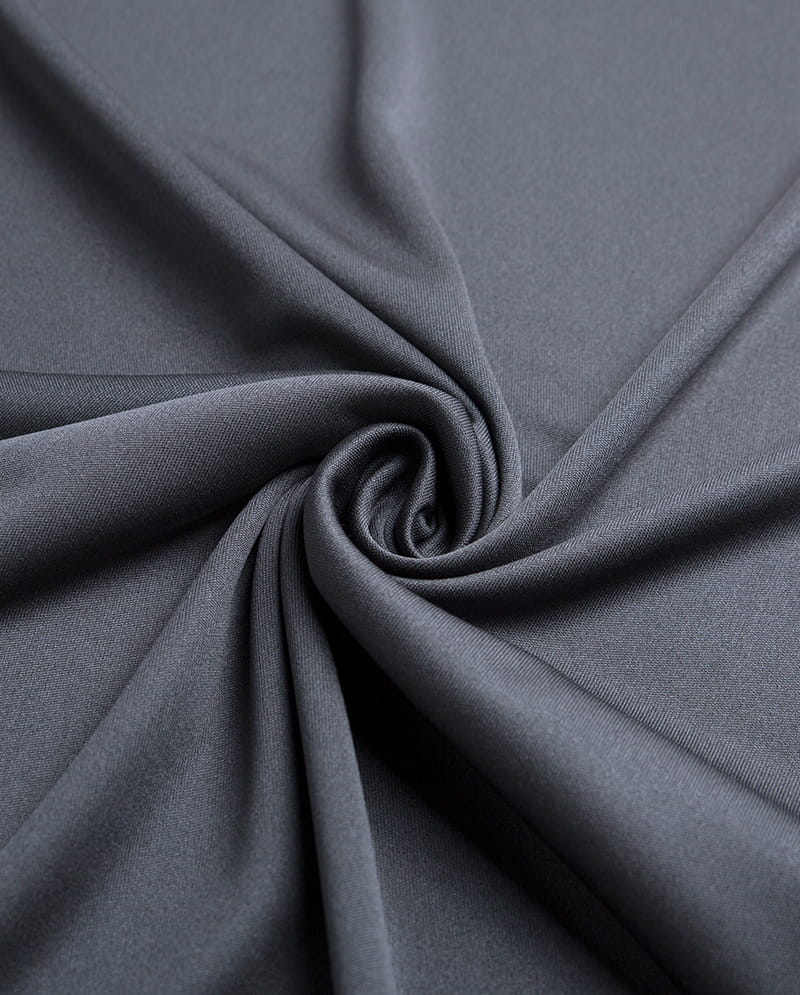 Breathable Double-Faced Nylon Spandex Composite FabricFour-way stretch knit with smooth double-faced comfort, moisture wicking and abrasion resistance for yoga pants, activewear and fitted athletic garments.View Product →
Recycled Content and Claim Discipline
Recycled polyester is easy to claim and hard to verify, and elastane is the ingredient most likely to break the claim.
Chain of custody is where the conversation usually starts. Our own GRS certification from 2019 covers recycled polyester across chips, POY, FDY and DTY, and it is auditable from the input material to the shipped yarn. What it cannot do is turn a blended fabric into a recyclable one. A jersey with 5 percent elastane is still a blend, and most mechanical recycling streams will reject it, so buyers working on take-back programmes are shifting toward mono-material stretch built on high-elastic polyester.
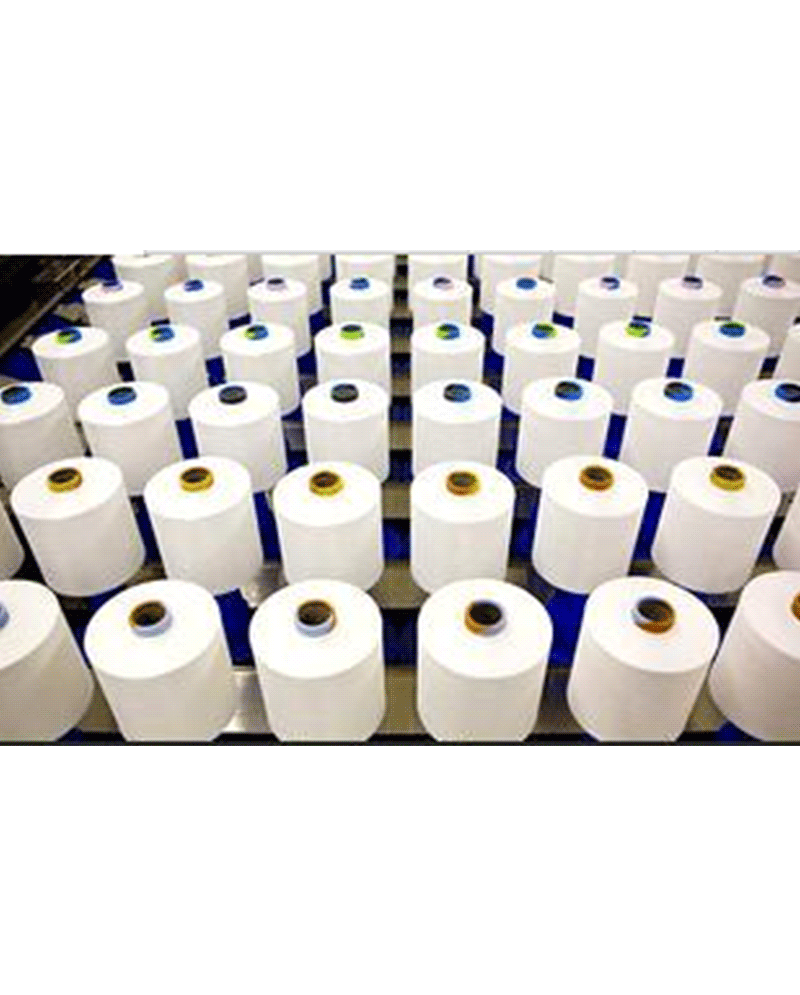 SD DTY High-Strength Recycled Polyester YarnGRS-certified recycled PET yarn with high tensile strength, consistent denier and low shrinkage for sportswear, outdoor gear and durable woven or knitted fabrics.View Product →
Four Checks Before You Confirm the Order
Frequently Asked Questions
Is Lycra stronger than spandex?
No. They are the same polymer, so durability comes from denier, covering method, heat setting and the blend around the elastic yarn rather than from the name on the label.
Can I label a garment as Lycra?
Only if the elastane inside is genuinely licensed branded fibre. Otherwise the compliant description is elastane, and in US retail content spandex is also accepted.
How much spandex is in a pair of leggings?
Most leggings use 8 to 12 percent elastane with the balance in nylon or polyester. Below 8 percent the fabric tends to show through on deep bends; above 14 percent it becomes harder to sew without puckering.
Does elastane lose stretch over time?
Yes. Heat, chlorine and UV all attack the polyurethane segments, which is why washing at 30 to 40 C and skipping a hot dryer extends the working life of a stretch garment considerably.
Whether you are comparing a branded elastane against generic spandex or moving a programme onto high-elastic polyester, the decision comes down to the recovery data and the end-use conditions, not the label. If you want a second opinion on a specification before it goes out to tender, send the details to our team and we will come back with the yarn options that fit.
Popular products
-
Premium Cationic Interlock Stretch Comfort Fabric
-
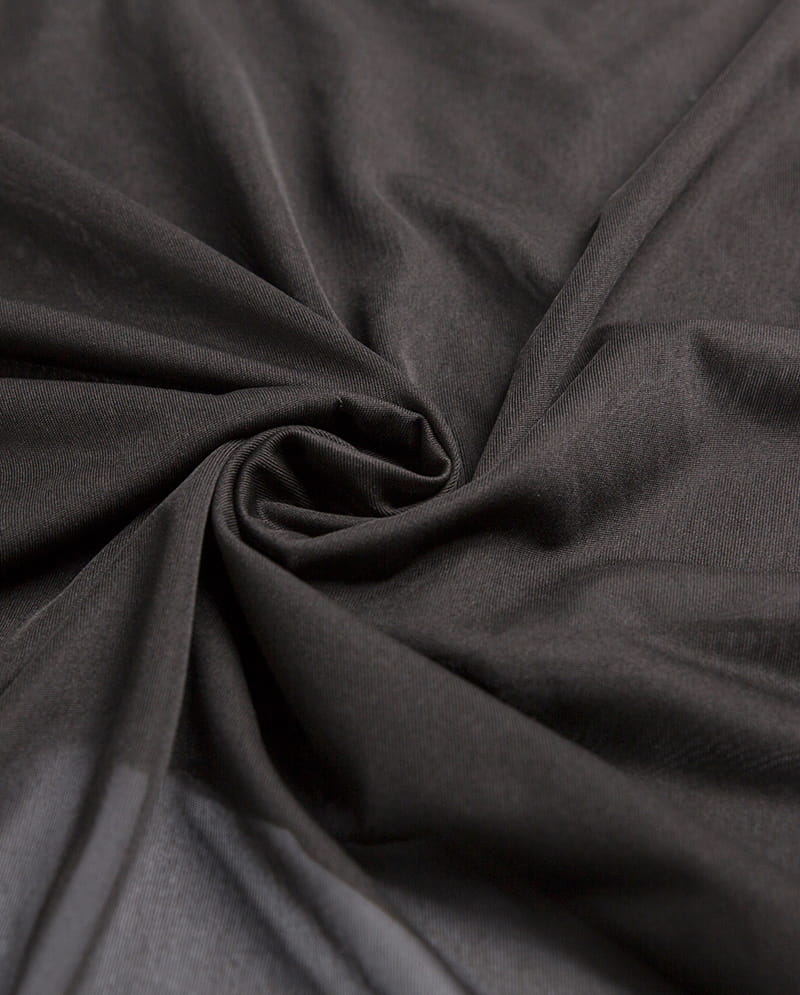
Moisture-Wicking Nylon Woven Fabric
-
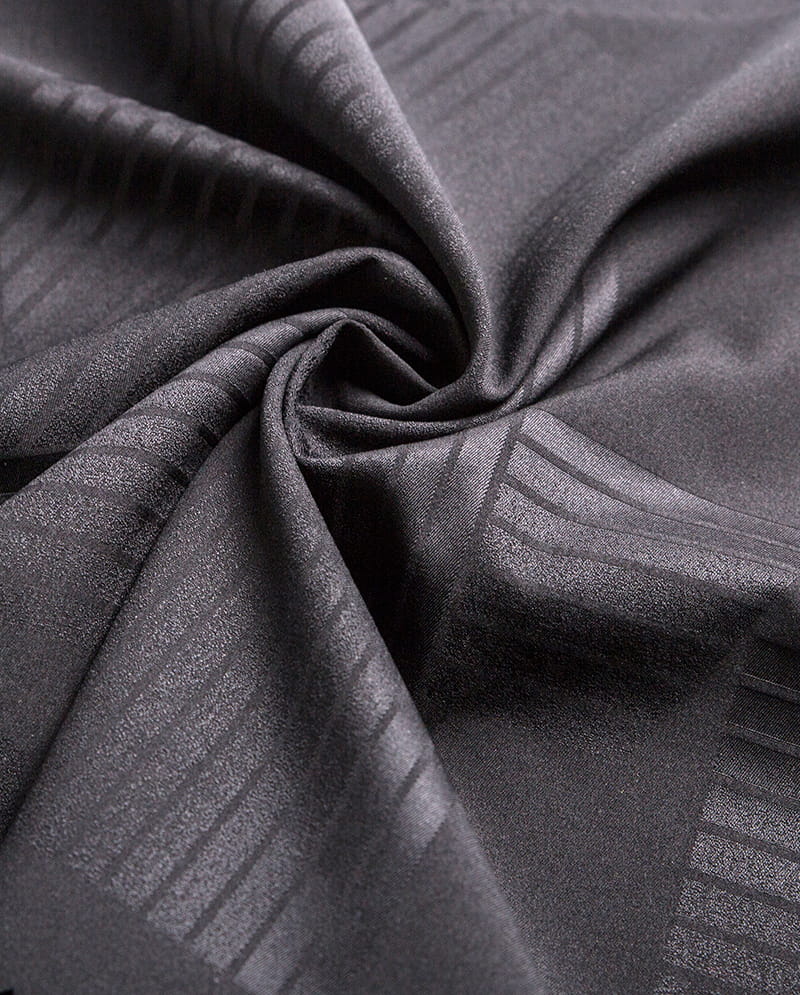
Double-faced jacquard elastic fabric
-
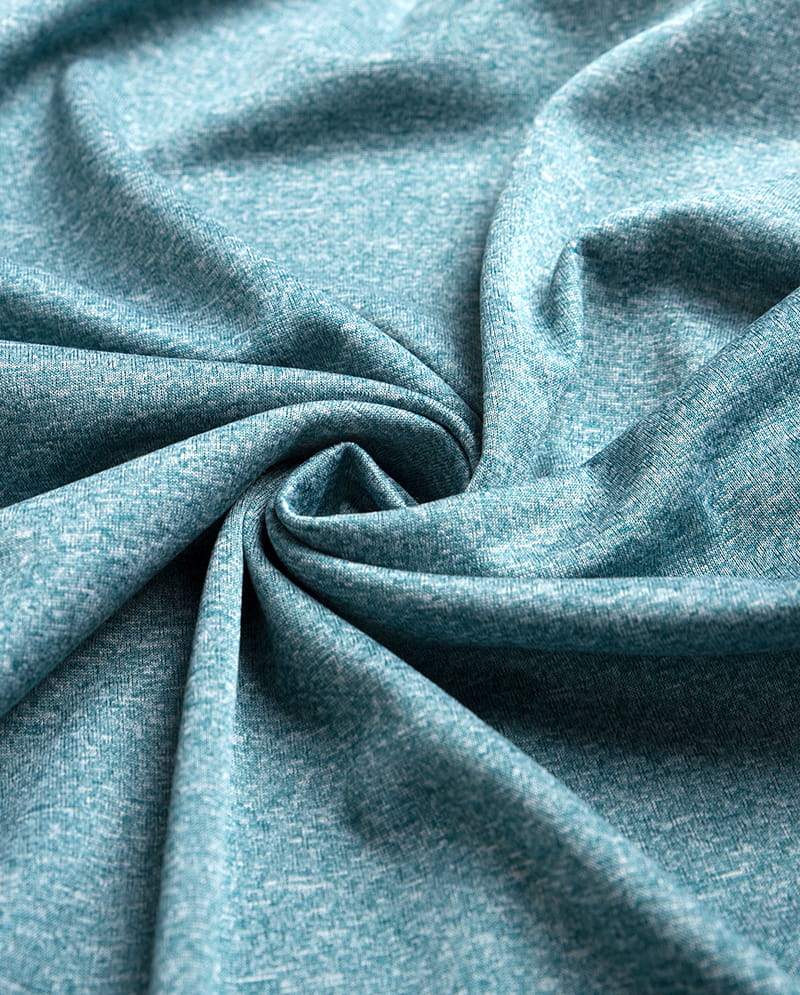
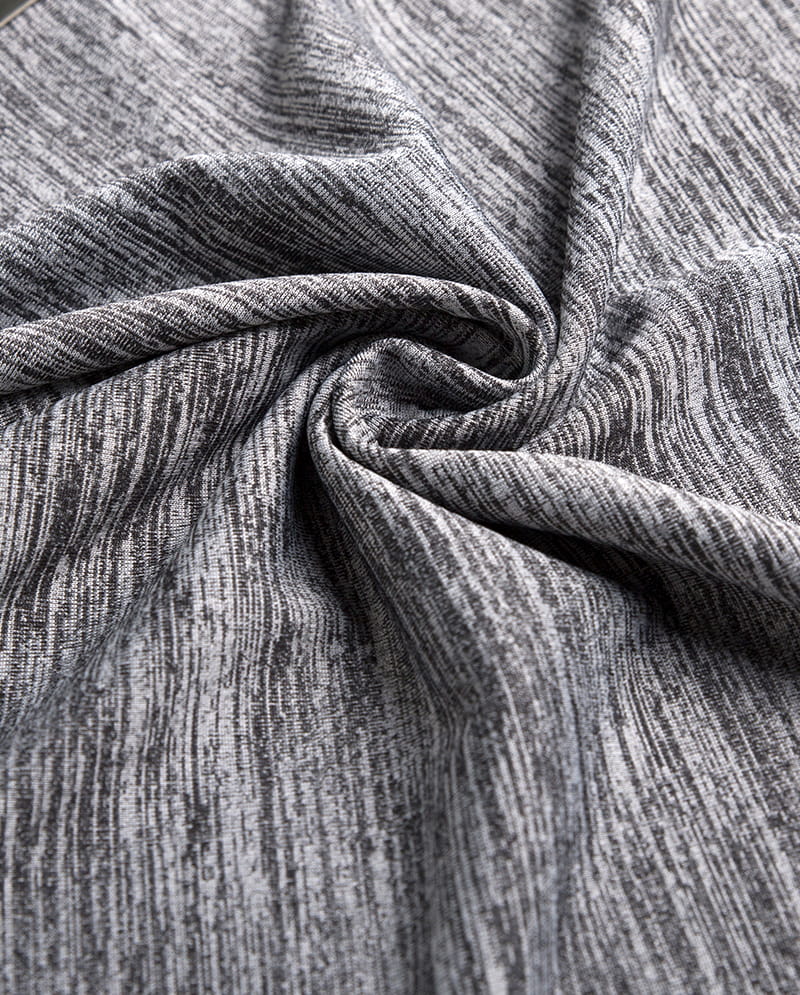
Heather Grey Double-faced cationic jersey fabric
-
Anti-static Cationic Knitted Rib Fabric
-
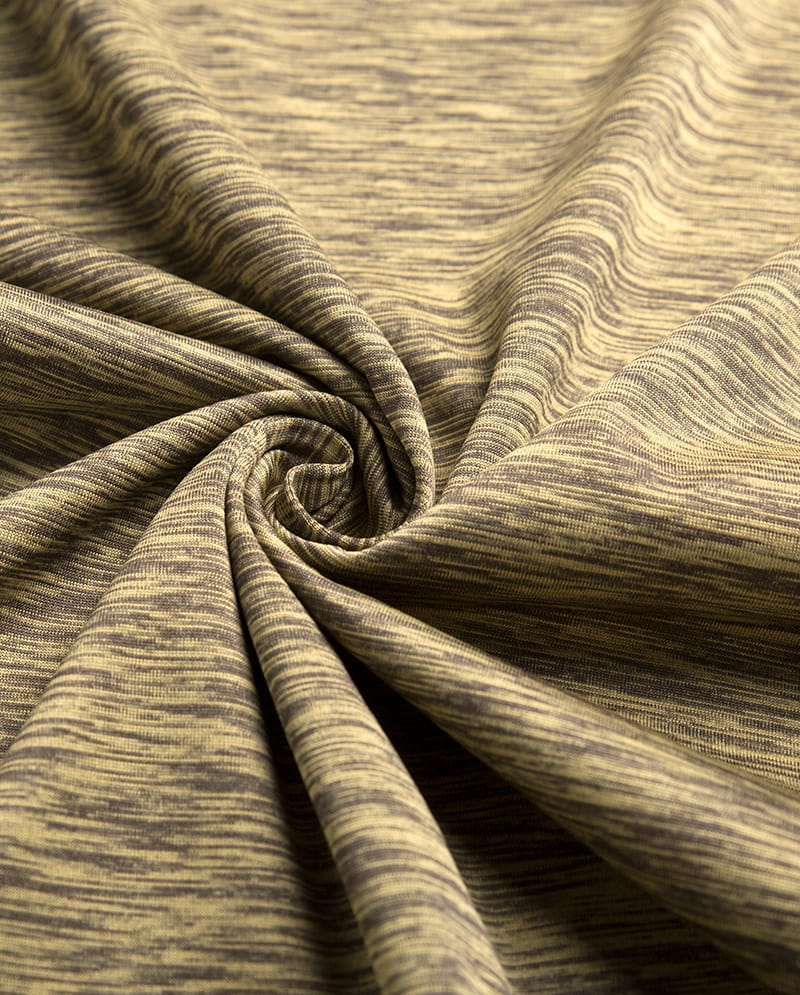
High-Stretch Cationic Jersey Fabric
-
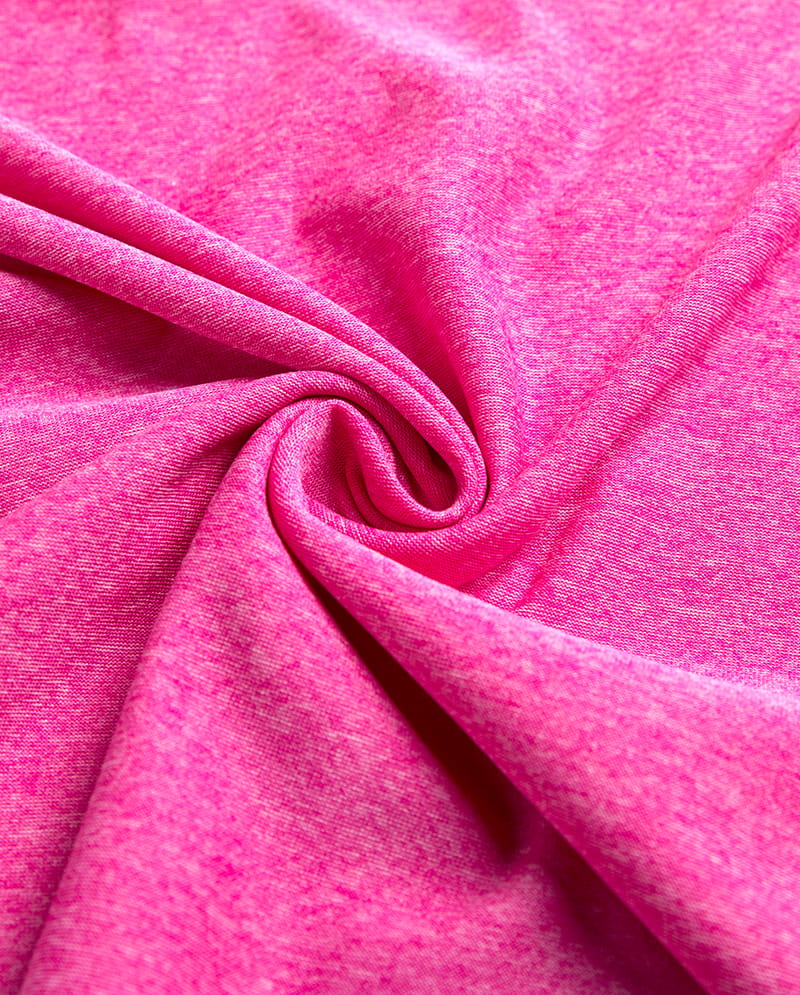
High Quality Cationic DTY Spandex Two Sides Brush Dralon Knit Fabric for Garment Thermal Underwear
-
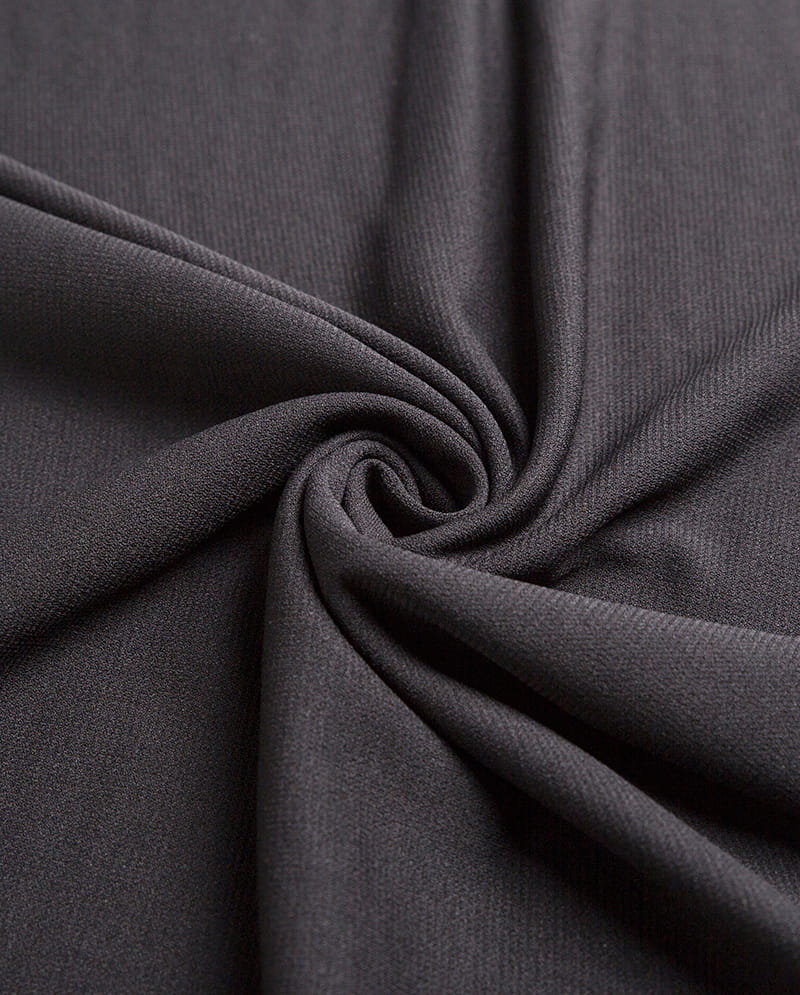
Durable Anti-Pilling Knitted Fabric for Home Textiles
-
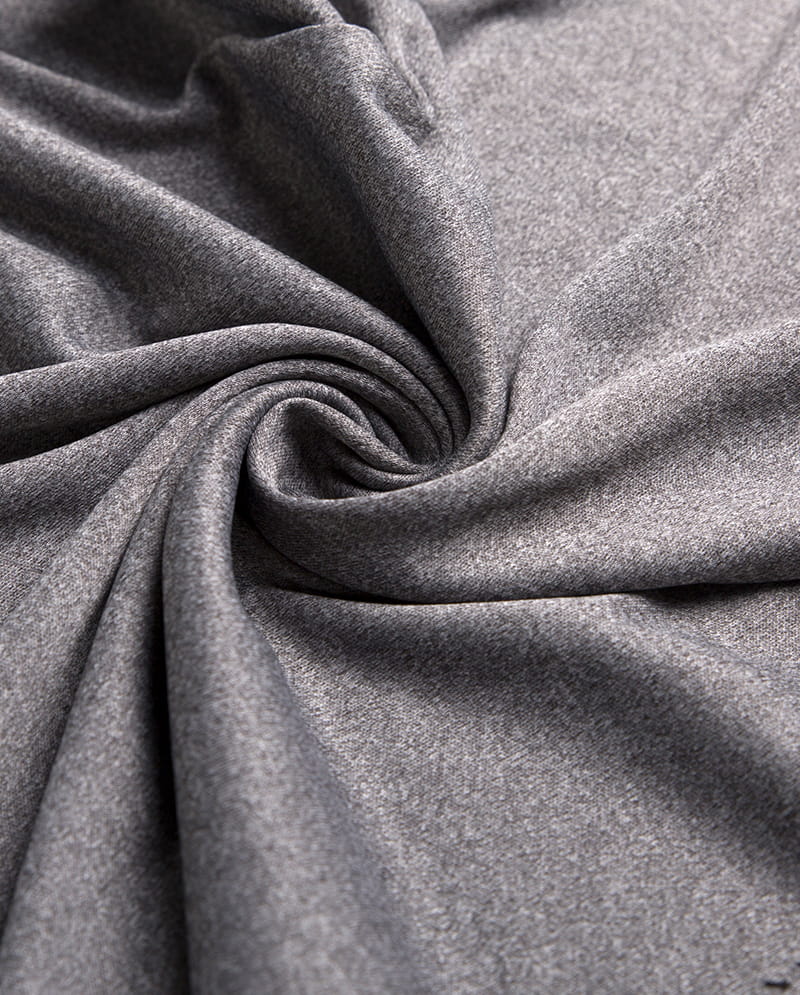
Wash-Resistant Cationic Elastic Knitted Fabric for Garment Industry
-
Breathable Double-Faced Elastic Composite Fabric
-
-
-
- whatsapp:
- 0086-13962559622
-
- skype:
- skype.aliceshenghong
-
- Wechat:

COPYRIGHT © 2016 Suzhou Junhui Textile Co., Ltd.
