

 EN
EN English
 中文简体
中文简体Low-Shrinkage Special Polyester Chips: Revolutionizing Textile Weaving with Enhanced Dimensional Stability and Performance
Content
- 1 Understanding Low-Shrinkage Special Polyester Chips
- 2 Advanced Manufacturing Processes: The Backbone of Performance
- 3 Core Advantages Over Competitors
- 4 Real-World Applications: From Clothing to Industrial Textiles
- 5 Manufacturer Strengths: Enabling Innovation and Quality
- 6 Frequently Asked Questions (FAQs)
- 6.1 1. What are low-shrinkage special polyester chips, and how do they differ from regular polyester chips?
- 6.2 2. How do these chips enhance the dimensional stability of woven textiles?
- 6.3 3. What manufacturing technologies make these chips stand out from competitors?
- 6.4 4. Can these chips be used in both pure polyester and blended fabrics?
- 6.5 5. What are the key performance benefits for end-use products?
- 6.6 6. How do these chips contribute to production efficiency for textile manufacturers?
- 6.7 7. Are there any environmental advantages associated with these chips?
- 6.8 8. What quality control measures ensure consistent product performance?
- 6.9 9. Can the chips be customized to meet specific customer requirements?
- 6.10 10. What are the main application areas for textiles made from these chips?
- 6.11 11. How do these chips perform in high-speed spinning lines?
- 6.12 12. What is the shelf life of these chips, and how should they be stored?
- 7 Comparison of Low-Shrinkage Special Polyester Chips vs. Standard Polyester Chips
- 8 References
- 9 Conclusion
The global textile industry is in a constant state of evolution, driven by the demand for fabrics that combine comfort, durability, and functional performance. Among the key raw materials shaping this landscape, polyester chips play a critical role—serving as the foundation for a wide range of textile products, from everyday clothing to industrial textiles. However, traditional polyester chips often face challenges related to heat shrinkage, which can compromise the dimensional stability of woven fabrics during processing and end-use. Enter low-shrinkage special polyester chips: a game-changing innovation that addresses these limitations, offering superior performance and efficiency for textile manufacturers worldwide.
These specialized chips are not just a minor improvement over standard alternatives; they represent a significant leap forward in polymer science and manufacturing technology. Designed specifically for textile weaving, they are engineered to maintain their shape and integrity through every stage of production—from spinning to post-treatment processes like washing and dyeing. This article explores the key features, manufacturing advancements, competitive advantages, and real-world applications of low-shrinkage special polyester chips, while also highlighting the industry strengths that enable their production.
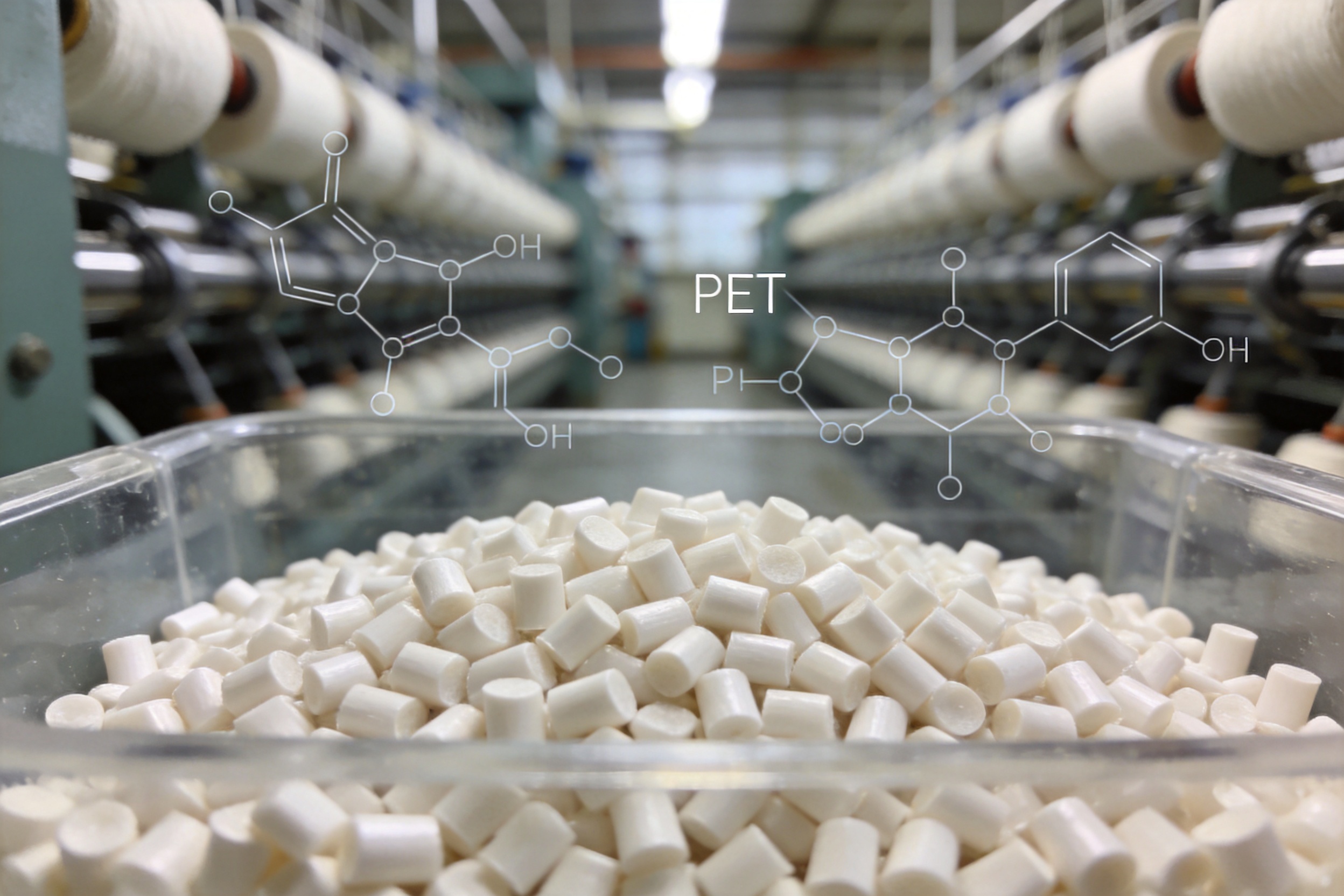
Understanding Low-Shrinkage Special Polyester Chips
Low-shrinkage special polyester chips are high-performance polymer pellets tailored for the textile weaving sector. Unlike conventional polyester chips, which are produced using basic polymerization processes, these specialized chips undergo advanced modifications to enhance their thermal and mechanical properties. The core goal is to minimize heat-induced shrinkage—a common issue in textiles that can lead to fabric distortion, uneven dyeing, and reduced product quality.
At their core, these chips are composed of polyethylene terephthalate (PET) polymers, but their molecular structure is optimized through precise polymerization and post-processing techniques. Key characteristics include controlled particle size, stable intrinsic viscosity, low carboxyl end group content, and reduced oligomer levels—all of which contribute to their superior performance in weaving applications.
One of the most notable features of these chips is their ability to maintain dimensional stability under high temperatures. This is achieved through a combination of molecular weight distribution control and the addition of functional additives that inhibit polymer chain movement during heat exposure. As a result, fabrics made from these chips retain their original shape and size even after repeated washing, drying, and ironing—an attribute highly valued by both manufacturers and consumers.
Advanced Manufacturing Processes: The Backbone of Performance
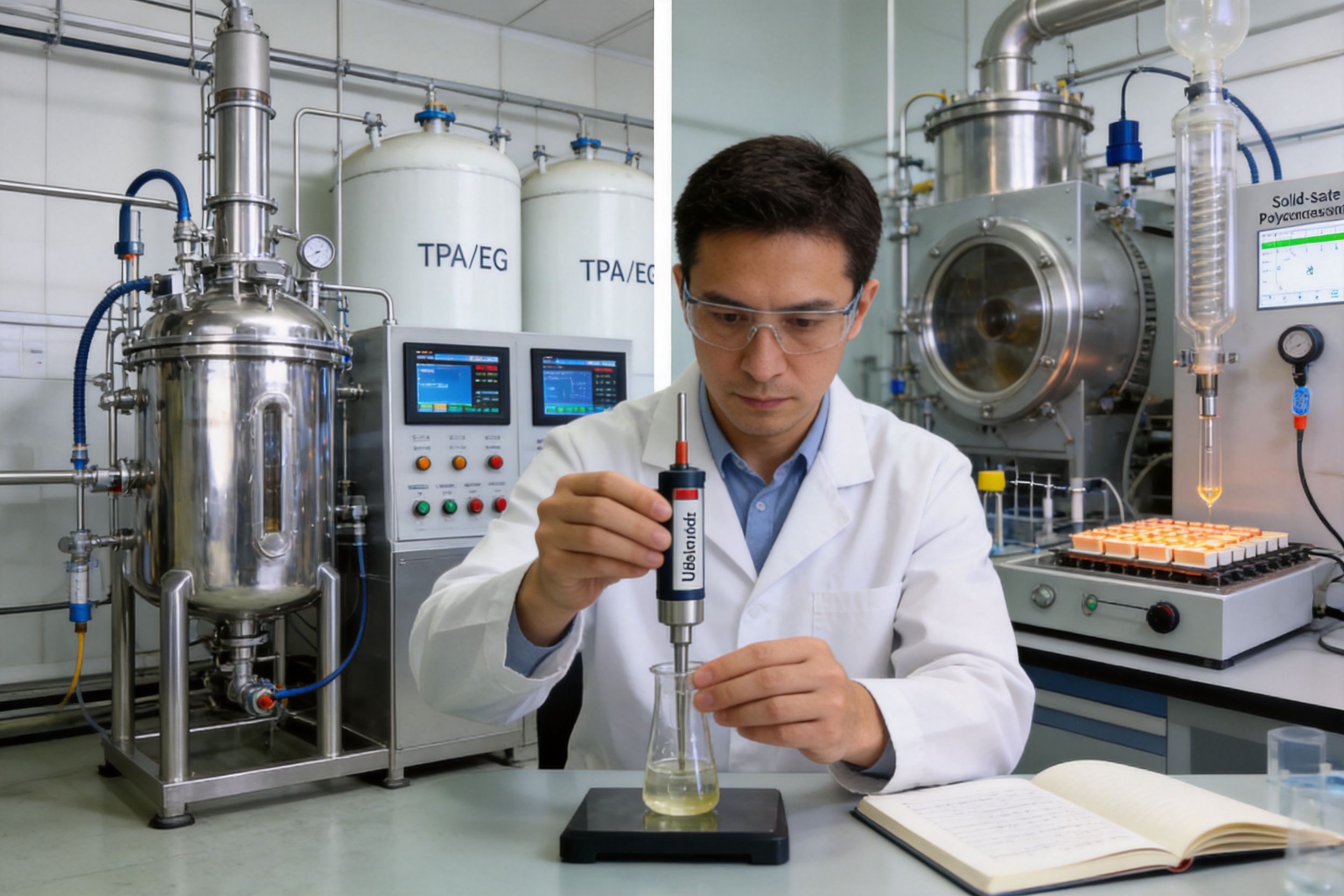
The exceptional quality of low-shrinkage special polyester chips is a direct result of cutting-edge manufacturing processes that prioritize precision, consistency, and innovation. Below is a detailed breakdown of the key steps involved in their production:
1. Precise Polymerization
The polymerization stage is the foundation of chip quality. Unlike traditional methods that rely on generic reaction conditions, manufacturers use highly controlled environments to produce PET polymers with tailored molecular structures. This includes:
- Monomer Purity Control: Using high-purity terephthalic acid (TPA) and ethylene glycol (EG) to minimize impurities that can degrade polymer performance.
- Catalyst Optimization: Selecting and dosing catalysts (such as antimony trioxide or titanium-based compounds) to achieve the desired polymerization rate and molecular weight distribution.
- Reaction Condition Monitoring: Continuously adjusting temperature, pressure, and reaction time to ensure uniform polymer chain growth and reduce byproducts.
2. Solid-State Polycondensation (SSP)
After initial polymerization, the chips undergo solid-state polycondensation—a post-processing step that elevates their performance. SSP involves heating the chips to a temperature just below their melting point in a vacuum environment. This process:
- Increases the molecular weight of the polymer, enhancing tensile strength and modulus.
- Reduces volatile components (such as residual monomers and oligomers), improving chip cleanliness and processing efficiency.
- Stabilizes the intrinsic viscosity (IV) of the chips, ensuring consistent melt flow during spinning.
3. Particle Size and Morphology Control
Uniform particle size is critical for consistent melt flow and fiber formation. Manufacturers use advanced sieving and classification techniques to ensure that all chips fall within a narrow size range (typically 2-3 mm in diameter). Additionally, the chips are shaped to have a smooth, cylindrical morphology—reducing friction during feeding into spinning machines and minimizing dust generation.
4. Quality Control at Every Stage
From raw material inspection to final product packaging, rigorous quality control measures are implemented to ensure consistency. Key tests include:
- Intrinsic viscosity measurement (using an Ubbelohde viscometer).
- Carboxyl end group content analysis (via titration).
- Oligomer content determination (using high-performance liquid chromatography, HPLC).
- Heat shrinkage rate testing (exposing chips to 150°C for 30 minutes and measuring dimensional change).
- Particle size distribution analysis (using laser diffraction).
Core Advantages Over Competitors
Low-shrinkage special polyester chips outperform conventional polyester chips and even other specialized alternatives in several key areas. These advantages translate to tangible benefits for textile manufacturers, including higher product quality, reduced production costs, and increased customer satisfaction.
1. Exceptional Dimensional Stability
The most significant advantage of these chips is their low heat shrinkage rate. Conventional polyester chips typically exhibit shrinkage rates of 10-15% when exposed to high temperatures (e.g., during dyeing or ironing). In contrast, low-shrinkage special chips have shrinkage rates of just 3-5%—a 60-70% reduction. This means fabrics made from these chips retain their original dimensions, eliminating issues like uneven hems, distorted patterns, and size changes after washing.
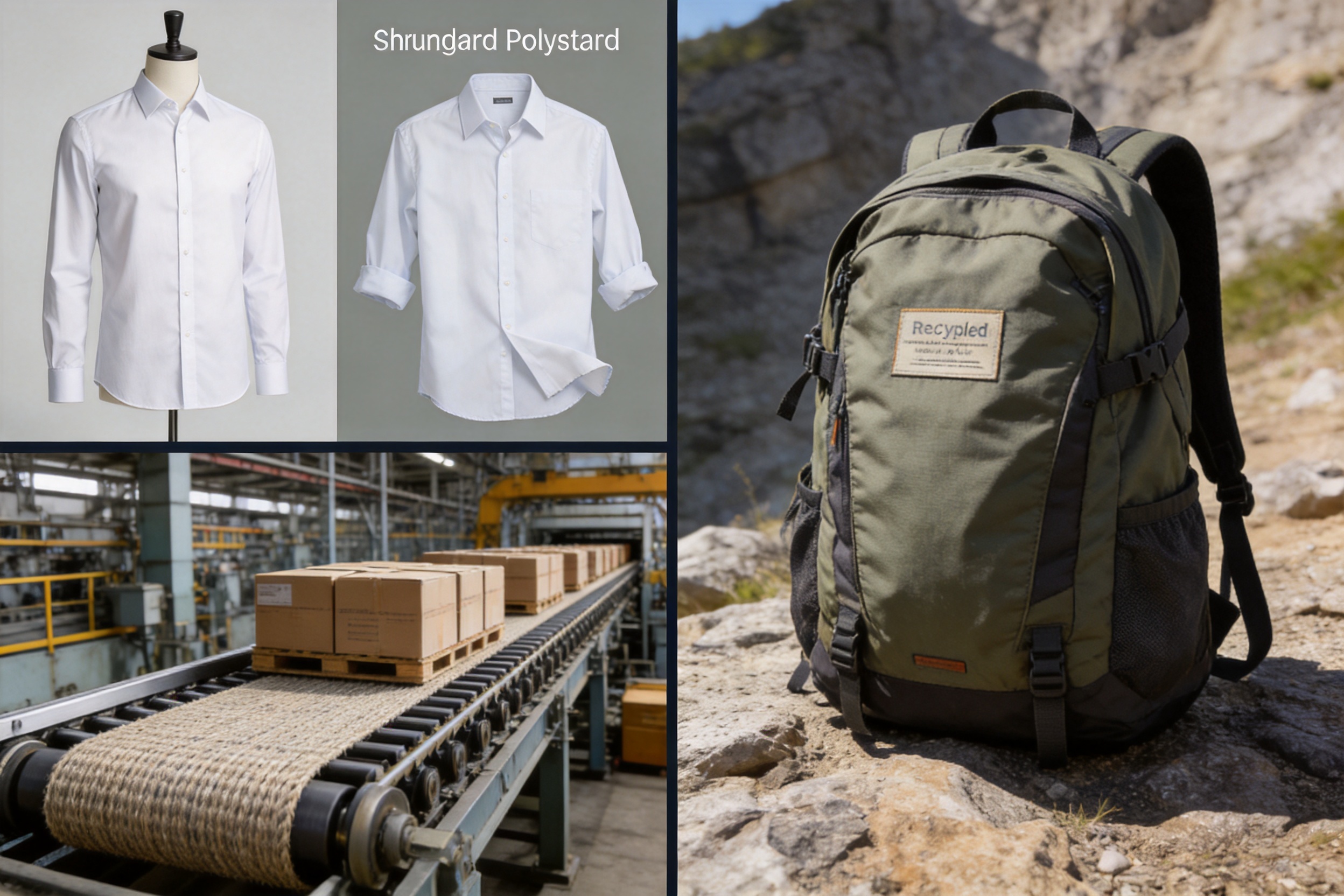
For example, a dress shirt made from standard polyester may shrink by 10% in the chest area after the first wash, leading to customer complaints and returns. A shirt made from low-shrinkage chips, however, maintains its size, enhancing brand reputation and reducing waste.
2. High Strength and Modulus
Thanks to their optimized molecular weight and structure, these chips produce fibers with higher tensile strength and modulus than conventional alternatives. Tensile strength refers to the maximum stress a fiber can withstand before breaking, while modulus measures its resistance to deformation under load. Higher values mean fabrics are more durable, resistant to tearing, and able to maintain their shape under stress.
This advantage is particularly valuable for industrial textiles, such as conveyor belts, safety harnesses, and outdoor gear. For instance, a conveyor belt made from fibers derived from these chips can handle heavier loads and resist abrasion better than one made from standard polyester, extending its service life and reducing maintenance costs.
3. Low Carboxyl End Group and Oligomer Content
Carboxyl end groups are reactive sites on polymer chains that can lead to degradation during processing (e.g., hydrolysis or thermal decomposition). Low-shrinkage chips have significantly lower carboxyl end group content (typically <15 meq/kg) compared to conventional chips (20-30 meq/kg). This reduces the risk of fiber breakage during spinning and improves the long-term stability of the final product.
Oligomers are low-molecular-weight polymer chains that can accumulate in spinning equipment, causing blockages and reducing production efficiency. These chips have oligomer content of <0.5%—far lower than the 1-2% found in standard chips. This means less downtime for equipment cleaning, lower maintenance costs, and higher production yields.
4. Compatibility with High-Speed Spinning Lines
Modern textile manufacturing relies on high-speed spinning lines to maximize production output. Low-shrinkage special chips are engineered to have stable melt flow properties, making them compatible with these lines. Their uniform particle size and morphology ensure consistent feeding into extruders, while their low oligomer content reduces equipment fouling. This allows manufacturers to run their lines at higher speeds without compromising fiber quality—boosting productivity and profitability.
5. Versatility in Blending
These chips are not limited to pure polyester fabrics; they can be easily blended with other fibers (e.g., cotton, nylon, or recycled PET) to create hybrid fabrics with enhanced properties. For example, blending with cotton improves breathability, while blending with nylon increases elasticity. The low-shrinkage property of the chips helps maintain the overall dimensional stability of the blended fabric, even when other fibers may shrink.
Real-World Applications: From Clothing to Industrial Textiles
The versatility of low-shrinkage special polyester chips makes them suitable for a wide range of textile applications. Below are some key areas where their performance adds value:
1. Apparel Textiles
Apparel manufacturers prioritize fabrics that are comfortable, durable, and easy to care for. Low-shrinkage chips are ideal for:
- Shirts and Blouses: Fabrics made from these chips retain their shape after washing, eliminating the need for ironing (or reducing ironing time) and ensuring a polished look.
- Trousers and Skirts: The high strength of the fibers resists stretching and tearing, making these garments long-lasting.
- Activewear: Blended with spandex or nylon, these chips create fabrics that are stretchable, moisture-wicking, and dimensionally stable—perfect for sports and fitness apparel.
2. Home Textiles
Home textiles require fabrics that are durable and easy to maintain. Applications include:
- Beddings: Sheets and duvet covers made from these chips resist shrinkage, ensuring a perfect fit on mattresses even after multiple washes.
- Curtains and Drapes: The dimensional stability of the fabric prevents sagging or wrinkling, maintaining an attractive appearance for years.
- Upholstery: Fabrics used for furniture benefit from the high strength and abrasion resistance of the fibers, withstanding daily use and cleaning.
3. Industrial Textiles
Industrial textiles demand high performance and reliability. Key applications include:
- Conveyor Belts: Fibers from these chips provide the necessary strength and dimensional stability to handle heavy loads and resist heat and abrasion.
- Safety Harnesses and Belts: The high tensile strength of the fibers ensures these products meet strict safety standards, protecting workers in industrial settings.
- Outdoor Gear: Tents, backpacks, and sleeping bags made from these fabrics are durable, water-resistant, and able to withstand harsh weather conditions without shrinking or deforming.
4. Recycled Textiles
Many manufacturers are now focusing on sustainable textiles made from recycled PET (rPET). Low-shrinkage special chips can be produced using recycled materials, making them an eco-friendly option. Recycled rPET fabrics made from these chips are popular in Europe and the United States for their environmental benefits and performance. Applications include mountaineering bags, handbags, shopping bags, and luggage—all of which benefit from the chips' low shrinkage and high strength.
Manufacturer Strengths: Enabling Innovation and Quality
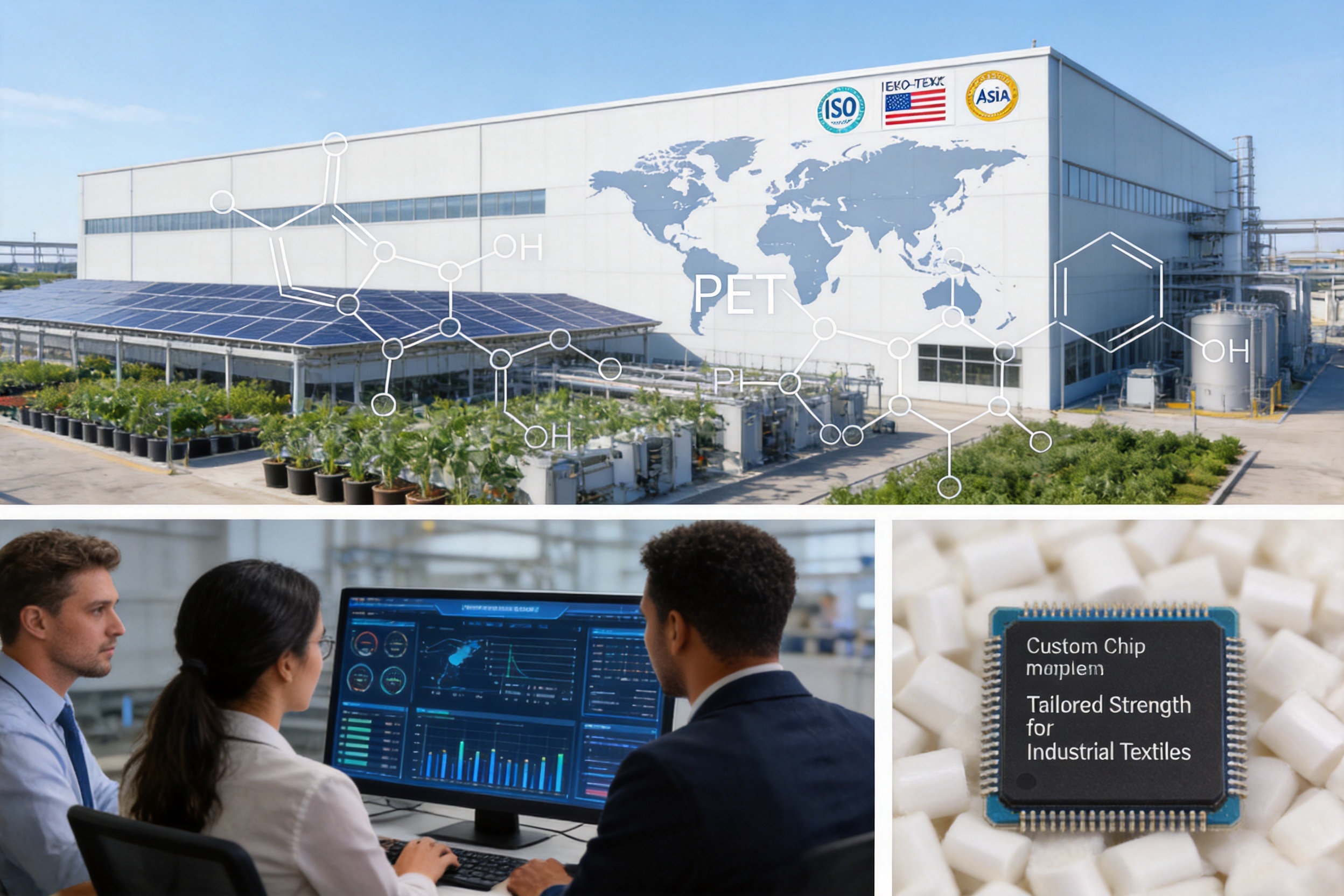
The production of high-quality low-shrinkage special polyester chips requires not only advanced technology but also a manufacturer with deep expertise, a commitment to R&D, and a global perspective. Below are the key strengths that set leading manufacturers apart:
1. Specialized R&D Capabilities
Leading manufacturers invest heavily in research and development to continuously improve their chip formulations and manufacturing processes. They employ teams of polymer scientists, textile engineers, and material scientists who collaborate with international renowned enterprises to develop new technologies and address industry challenges. For example, R&D teams may work on optimizing the molecular structure of the chips to further reduce shrinkage or enhance compatibility with recycled materials.
This focus on innovation ensures that the chips remain at the cutting edge of the industry, meeting the evolving needs of textile manufacturers.
2. Global Quality Standards Compliance
To serve international markets, manufacturers must comply with strict quality standards from regions like the European Union (EU), the United States (US), and Japan. Leading manufacturers adhere to standards such as OEKO-TEX® Standard 100 (which certifies that products are free from harmful substances), ISO 9001 (quality management system), and ISO 14001 (environmental management system). This compliance ensures that their chips are safe for use in a wide range of applications, from baby clothing to industrial textiles.
3. Large-Scale Production Capacity
Meeting the demand for low-shrinkage special polyester chips requires large-scale production facilities. Leading manufacturers operate state-of-the-art plants with annual production capacities of tens of thousands of tons. These facilities are equipped with automated production lines and advanced quality control systems to ensure consistent product quality and high production efficiency.
4. Global Customer Support
Leading manufacturers provide comprehensive customer support to help textile manufacturers integrate their chips into their production processes. This includes technical assistance (e.g., optimizing spinning parameters), custom formulation development (to meet specific customer requirements), and after-sales service (e.g., troubleshooting production issues). Many manufacturers offer 12-hour global response times, ensuring that customers receive timely support regardless of their location.
5. Sustainability Commitment
In addition to producing high-performance chips, leading manufacturers are committed to sustainability. This includes using recycled materials in chip production, reducing energy consumption in manufacturing processes, and minimizing waste. For example, some manufacturers use closed-loop systems to recycle wastewater and reduce emissions, aligning with global efforts to combat climate change.
Frequently Asked Questions (FAQs)
Below are answers to common questions about low-shrinkage special polyester chips:
1. What are low-shrinkage special polyester chips, and how do they differ from regular polyester chips?
Low-shrinkage special polyester chips are high-performance polymer pellets engineered for textile weaving. Unlike regular polyester chips, they undergo advanced modifications (e.g., precise polymerization, solid-state polycondensation) to reduce heat shrinkage, enhance strength, and improve processing efficiency. Regular chips typically have higher shrinkage rates, lower strength, and more impurities, leading to fabric distortion and reduced product quality.
2. How do these chips enhance the dimensional stability of woven textiles?
The chips' low heat shrinkage rate (3-5% vs. 10-15% for regular chips) is achieved through optimized molecular structure and functional additives that inhibit polymer chain movement during heat exposure. This ensures fabrics retain their original shape and size through spinning, weaving, washing, and ironing.
3. What manufacturing technologies make these chips stand out from competitors?
Key technologies include precise polymerization (controlled reaction conditions, high-purity monomers), solid-state polycondensation (to increase molecular weight and reduce volatiles), particle size control (uniformity for consistent processing), and rigorous quality control (testing for IV, carboxyl end groups, oligomers, and shrinkage).
4. Can these chips be used in both pure polyester and blended fabrics?
Yes. They are compatible with other fibers (e.g., cotton, nylon, recycled PET) and help maintain the dimensional stability of blended fabrics, even when other fibers may shrink. This versatility makes them suitable for a wide range of applications.
5. What are the key performance benefits for end-use products?
End-use products benefit from: (1) dimensional stability (no shrinkage after washing), (2) high durability (resists tearing and abrasion), (3) easy care (reduced ironing), (4) consistent appearance (no uneven dyeing or distortion), and (5) long service life (especially for industrial textiles).
6. How do these chips contribute to production efficiency for textile manufacturers?
They improve efficiency by: (1) reducing downtime (low oligomer content minimizes equipment fouling), (2) enabling high-speed spinning (stable melt flow), (3) increasing production yields (fewer fiber breakages), and (4) reducing waste (no fabric distortion or shrinkage-related defects).
7. Are there any environmental advantages associated with these chips?
Yes. Leading manufacturers produce these chips using recycled PET materials, reducing reliance on virgin resources. Additionally, their low shrinkage and high durability extend the service life of textiles, reducing waste. Some manufacturers also implement sustainable manufacturing practices (e.g., closed-loop water systems, low-emission processes).
8. What quality control measures ensure consistent product performance?
Rigorous quality control includes: (1) raw material inspection (monomer purity), (2) in-process testing (IV, carboxyl end groups, oligomers), (3) final product testing (shrinkage rate, particle size), and (4) compliance with international standards (OEKO-TEX, ISO 9001).
9. Can the chips be customized to meet specific customer requirements?
Yes. Leading manufacturers offer custom formulation development to meet specific needs (e.g., higher strength for industrial textiles, lower shrinkage for high-end apparel). This includes adjusting molecular weight, adding functional additives, or using recycled materials.
10. What are the main application areas for textiles made from these chips?
Key applications include: (1) apparel (shirts, activewear), (2) home textiles (beddings, curtains), (3) industrial textiles (conveyor belts, safety harnesses), and (4) recycled textiles (bags, luggage).
11. How do these chips perform in high-speed spinning lines?
They perform exceptionally well. Their uniform particle size, stable melt flow, and low oligomer content ensure consistent feeding and minimal equipment fouling, allowing manufacturers to run lines at high speeds without compromising fiber quality.
12. What is the shelf life of these chips, and how should they be stored?
When stored properly (in a cool, dry place away from direct sunlight and moisture), these chips have a shelf life of 12-18 months. They should be kept in sealed containers to prevent absorption of moisture, which can affect processing performance.
Comparison of Low-Shrinkage Special Polyester Chips vs. Standard Polyester Chips
| Property | Low-Shrinkage Special Chips | Standard Polyester Chips |
|---|---|---|
| Heat Shrinkage Rate (%) | 3-5 | 10-15 |
| Intrinsic Viscosity Stability | High (±0.02 dL/g) | Moderate (±0.05 dL/g) |
| Carboxyl End Group Content (meq/kg) | <15 | 20-30 |
| Oligomer Content (%) | <0.5 | 1-2 |
| Tensile Strength of Fibers (cN/dtex) | 4.5-5.5 | 3.5-4.5 |
| Compatibility with High-Speed Spinning | Excellent (up to 3000 m/min) | Moderate (up to 2000 m/min) |
| Dimensional Stability After Washing | Excellent (no visible shrinkage) | Poor (10-15% shrinkage) |
References
1. International Textile Manufacturers Federation (ITMF). (2023). Global Polyester Fiber Market Report: Trends in Performance and Sustainability. Zurich, Switzerland.
2. Smith, J. D., & Lee, S. H. (2022). Advances in Polyester Chip Modification for Enhanced Textile Weaving Efficiency. Journal of Applied Polymer Science, 149(12), e52345.
3. European Textile Confederation (EURATEX). (2021). Sustainable Polyester Production: Best Practices for Circular Economy Integration. Brussels, Belgium.
4. Wang, L., Zhang, Y., & Chen, H. (2020). Low-Shrinkage Polyester Chips: Impact on Fabric Dimensional Stability and Durability. Textile Research Journal, 90(15-16), 1789-1801.
5. OEKO-TEX® Association. (2022). Standard 100 by OEKO-TEX®: Certification Criteria for Textile Products. Zurich, Switzerland.
Conclusion
Low-shrinkage special polyester chips represent a transformative innovation in the textile industry, addressing long-standing challenges related to dimensional stability, durability, and production efficiency. Through advanced manufacturing processes and rigorous quality control, these chips deliver superior performance compared to conventional alternatives, making them an ideal choice for a wide range of textile applications—from apparel and home textiles to industrial and recycled products.
Leading manufacturers of these chips combine specialized R&D capabilities, global quality compliance, large-scale production capacity, and customer-centric support to ensure that their products meet the evolving needs of the industry. Their commitment to sustainability further enhances the value of these chips, aligning with global efforts to create more eco-friendly textile solutions.
As the textile industry continues to evolve, low-shrinkage special polyester chips will play an increasingly important role in shaping the future of textiles—enabling manufacturers to produce high-quality, durable, and sustainable products that meet the demands of consumers worldwide.

Popular products
-
Premium Cationic Interlock Stretch Comfort Fabric
-
Moisture-Wicking Nylon Woven Fabric
-
Double-faced jacquard elastic fabric
-
Heather Grey Double-faced cationic jersey fabric
-
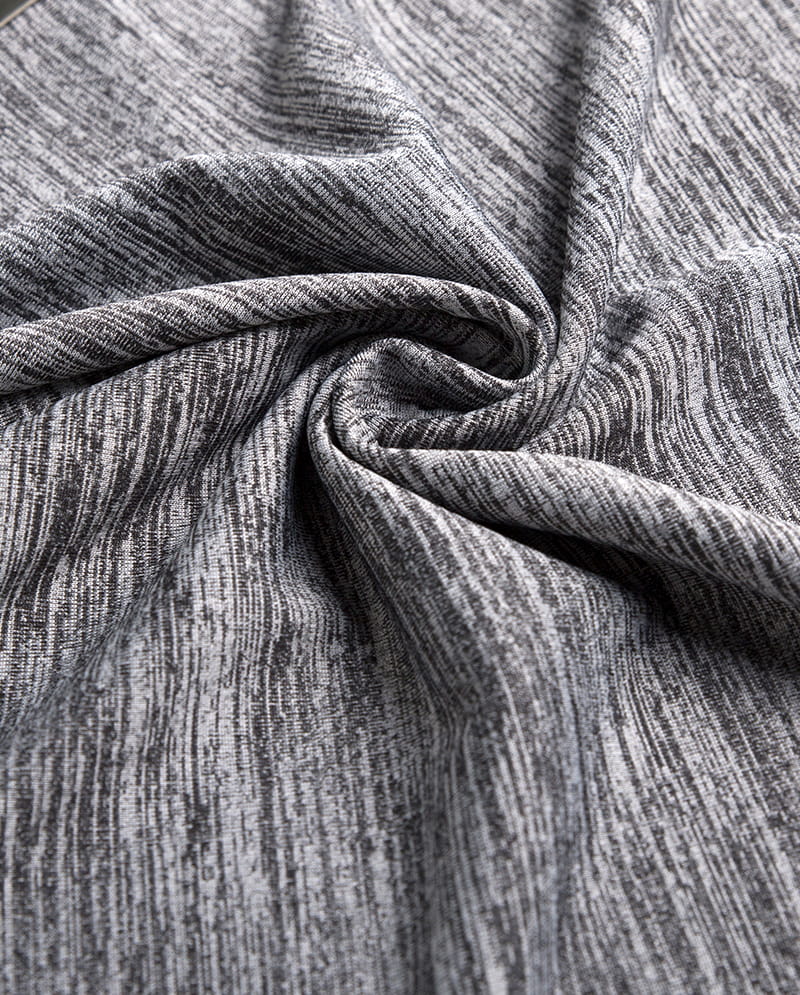
Anti-static Cationic Knitted Rib Fabric
-
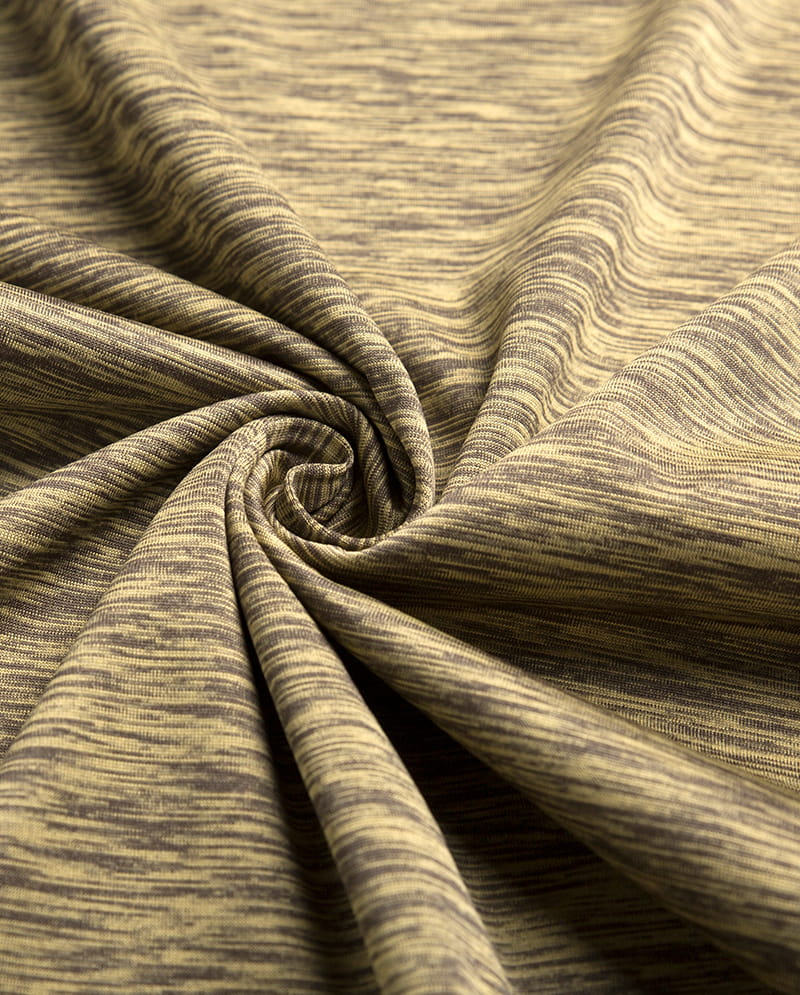
High-Stretch Cationic Jersey Fabric
-
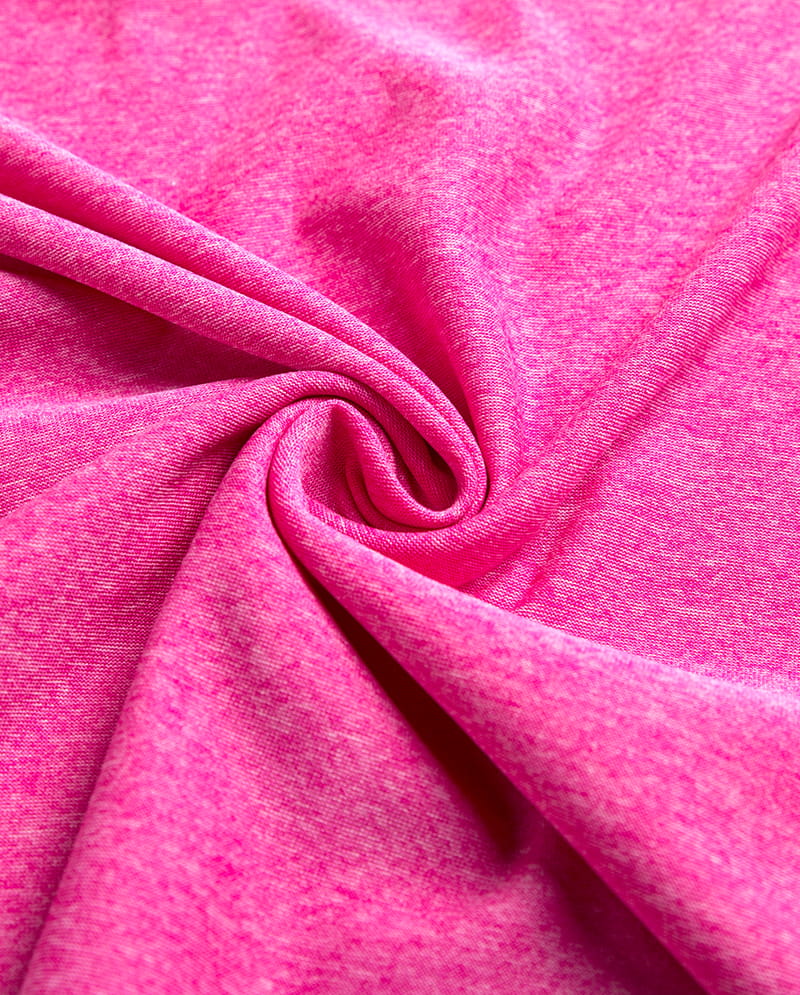
High Quality Cationic DTY Spandex Two Sides Brush Dralon Knit Fabric for Garment Thermal Underwear
-
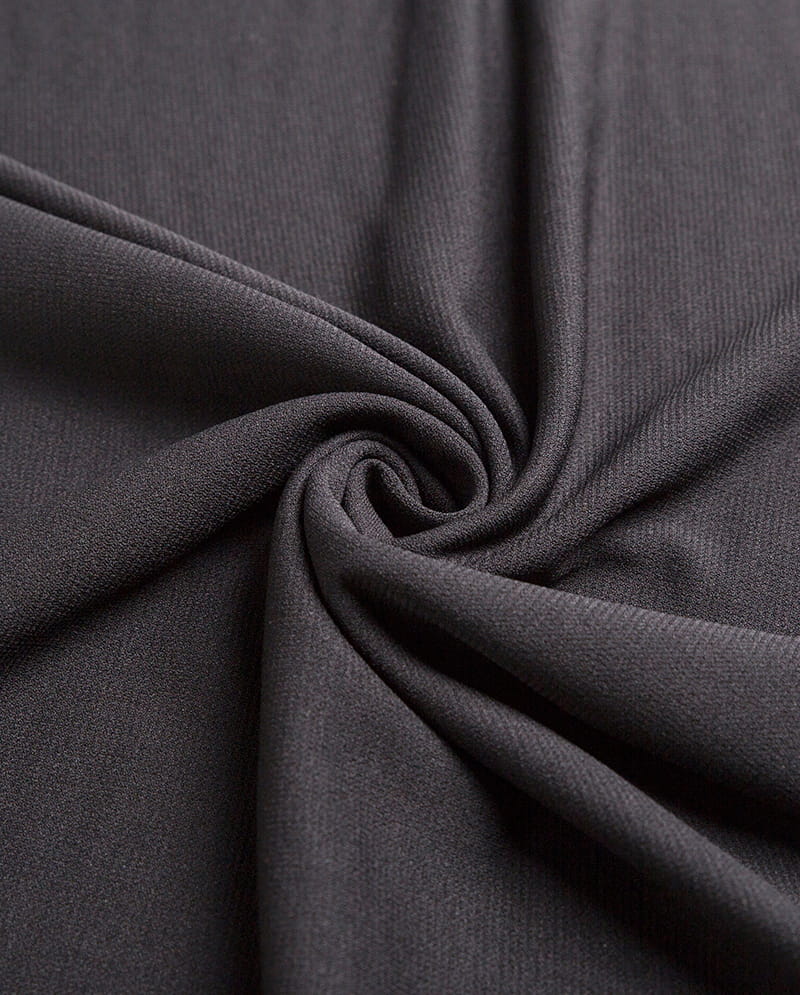
Durable Anti-Pilling Knitted Fabric for Home Textiles
-
Wash-Resistant Cationic Elastic Knitted Fabric for Garment Industry
-
Breathable Double-Faced Elastic Composite Fabric
-
-
-
- whatsapp:
- 0086-13962559622
-
- skype:
- skype.aliceshenghong
-
- Wechat:


COPYRIGHT © 2016 Suzhou Junhui Textile Co., Ltd.
