

 EN
EN English
 中文简体
中文简体Low-Shrinkage Special Polyester Chips for High-Performance Textile Weaving
Content
- 1 Product Overview and Core Positioning
- 2 Why Low Shrinkage Matters in Textile Weaving
- 3 Advanced Manufacturing Process
- 4 Key Technical Advantages
- 5 Advantages over Conventional Polyester Chip Options
- 6 Company Manufacturing Strengths and Textile Expertise
- 7 Role in DTY, FDY, and POY Yarn Production
- 8 Applications in Clothing Textiles
- 9 Applications in Home Textiles
- 10 Applications in Industrial and Outdoor Textiles
- 11 Support for Functional and Differentiated Textiles
- 12 Processing Benefits for Manufacturers
- 13 Quality Control and Consistency
- 14 Sustainability and Responsible Textile Development
- 15 How the Product Helps Reduce Total Cost
- 16 Guidance for Product Selection
- 17 Storage and Handling Considerations
- 18 Frequently Asked Questions
- 18.1 What are low-shrinkage special polyester chips used for?
- 18.2 Why is low shrinkage important in woven textiles?
- 18.3 How do these chips differ from ordinary polyester chips?
- 18.4 Can the chips be used for DTY, FDY, and POY production?
- 18.5 What fabric types can benefit from these polyester chips?
- 18.6 Do the chips help reduce production residue?
- 18.7 Are the chips suitable for mass production?
- 18.8 Can they be used in blended fabrics?
- 18.9 How does the manufacturer support customers?
- 18.10 What should customers provide when requesting technical recommendations?
- 19 Conclusion
- 20 References
In modern textile manufacturing, dimensional stability is no longer a secondary requirement. It is a decisive quality factor that affects spinning efficiency, weaving performance, finishing results, garment fit, home textile appearance, and the long-term reliability of industrial fabrics. Low-shrinkage special polyester chips for textile weaving are engineered to meet these demands by providing stable melt behavior, controlled intrinsic viscosity, low heat shrinkage, high strength, and cleaner processing performance. For textile mills seeking consistent yarn quality, improved fabric stability, and efficient production on high-speed spinning and weaving lines, these chips serve as a reliable foundation material.
The product is designed for manufacturers of polyester yarn, textile fabric, DTY yarn, FDY yarn, POY yarn, and specialized polyester applications. Unlike ordinary polyester chips that may focus mainly on basic spinning performance, low-shrinkage special polyester chips are optimized for textile weaving scenarios where fabric deformation, uneven shrinkage, processing residue, and unstable yarn properties can create costly quality issues. Through precise polymerization, solid-state polycondensation, particle-size control, and strict quality management, the chips help create yarns and fabrics with better dimensional consistency and stronger end-use performance.
As the textile market moves toward higher quality, faster delivery, functional differentiation, and sustainable development, raw material selection has become increasingly strategic. A weaving mill or yarn producer cannot rely only on downstream finishing to correct upstream instability. The choice of polyester chips influences melt flow, filament uniformity, yarn strength, dyeing behavior, weaving tension, heat setting, washing performance, and fabric hand feel. Low-shrinkage special polyester chips address these requirements at the source, enabling manufacturers to build quality into the material rather than trying to repair defects later.
Product Overview and Core Positioning
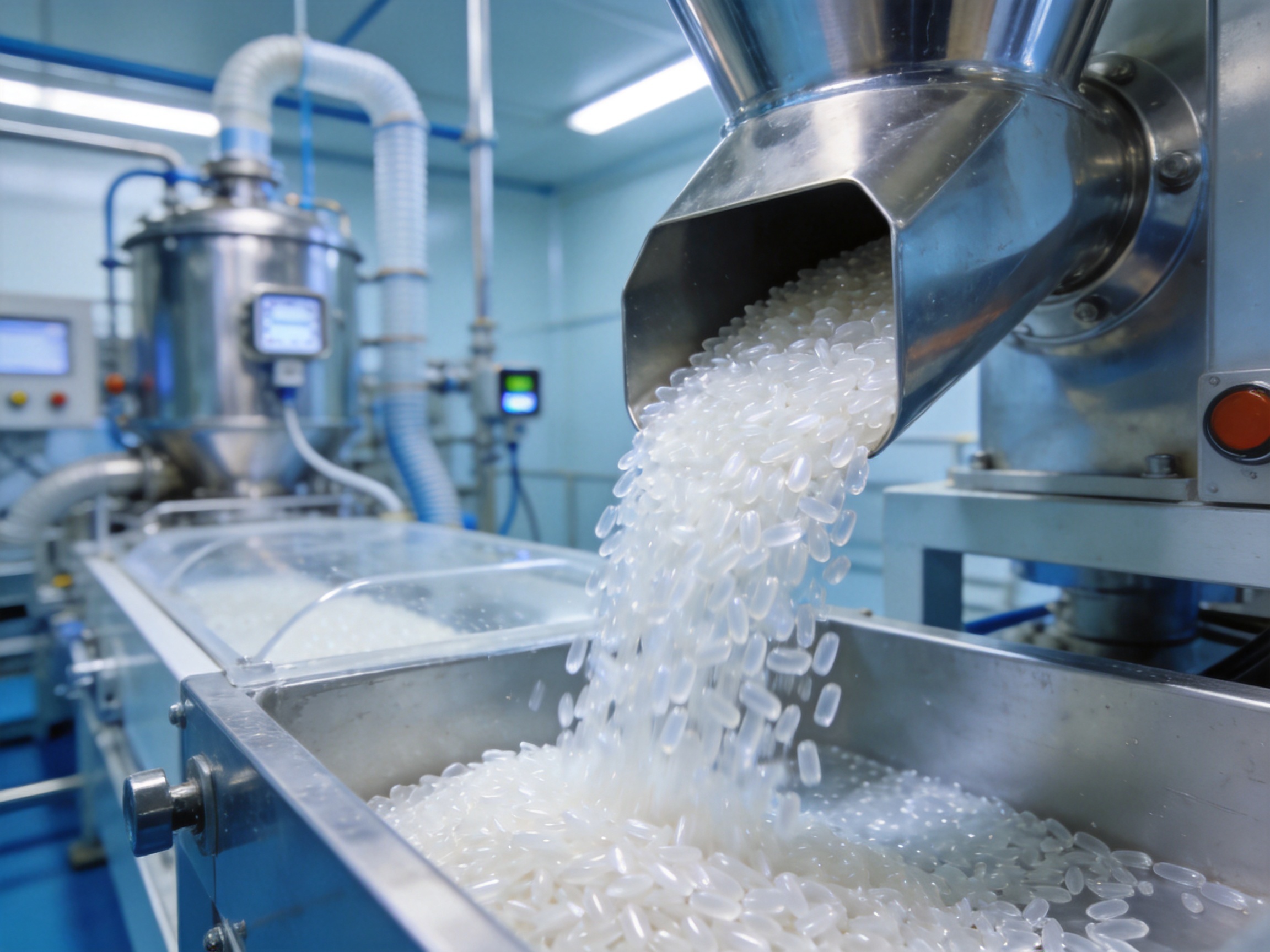
Low-shrinkage special polyester chips are high-performance polyester raw materials tailored for textile weaving and related yarn-processing applications. They are crafted through controlled polymerization and solid-state polycondensation technology to achieve stable intrinsic viscosity, uniform molecular structure, low impurity content, and controlled physical form. These characteristics support smooth melting, consistent extrusion, and reliable spinning behavior in high-speed production environments.
The chips are especially suitable for polyester weaving yarns where dimensional stability is essential. During spinning, drawing, texturing, weaving, dyeing, finishing, washing, and heat exposure, polyester materials can experience shrinkage. If shrinkage is excessive or uneven, the final fabric may show width variation, puckering, distortion, uneven surface appearance, unstable hand feel, or poor garment performance. Low-shrinkage chips help reduce these risks by providing a stable polymer base that supports controlled thermal response.
The product can be used for pure polyester fabrics as well as blended fabrics. It supports applications in clothing textiles, home textiles, outdoor gear, conveyor belts, luggage materials, bags, briefcases, school bags, shopping bags, storage products, and industrial textile structures. Its combination of strength, modulus, stability, and process cleanliness makes it suitable for both mass production and differentiated textile development.
For textile producers that manufacture DTY, FDY, POY, recycled yarn, cationic dyeing yarn, flame-retardant yarn, moisture-wicking yarn, antibacterial yarn, high-elastic yarn, hollow warm yarn, cotton-like yarn, and other differentiated yarns, a stable polyester chip platform is a key starting point. This product is designed to integrate with such manufacturing strategies by supporting both efficiency and quality consistency.
Why Low Shrinkage Matters in Textile Weaving
Shrinkage control is one of the most important performance indicators for woven polyester textiles. In weaving, yarns are arranged under tension in warp and weft directions. After the fabric leaves the loom and undergoes relaxation, dyeing, heat setting, washing, coating, lamination, or garment processing, unstable yarn shrinkage can result in dimensional change. The more complex the fabric construction, the more visible this instability becomes.
Low shrinkage is particularly important for apparel fabrics that must retain size after washing. Shirts, trousers, jackets, sportswear, uniforms, and fashion garments require consistent shape retention. Excessive shrinkage can cause poor fit, seam distortion, uneven panels, and customer complaints. In home textiles such as bedding, curtains, cushion fabrics, and decorative textiles, dimensional stability affects appearance, drape, and long-term usability. In industrial textiles such as conveyor belts, reinforcement fabrics, outdoor fabrics, and technical woven structures, shrinkage control contributes to safety, alignment, and mechanical performance.
Traditional polyester chips may offer acceptable spinning performance but may not provide the same level of shrinkage control required by demanding weaving applications. In contrast, low-shrinkage special polyester chips are engineered to reduce heat-induced dimensional change. This allows fabric manufacturers to maintain better width stability, minimize finishing corrections, reduce waste, and improve batch-to-batch consistency.
Low shrinkage also improves production predictability. When yarn behavior is stable, mills can set process parameters with greater confidence. Tension, temperature, drawing ratio, heat-setting conditions, and loom settings can be optimized more effectively. This leads to fewer machine adjustments, fewer off-spec batches, and better delivery reliability. In a competitive textile market, the ability to reduce uncertainty is a major operational advantage.
Advanced Manufacturing Process
The performance of low-shrinkage polyester chips begins with polymer engineering. The manufacturing process is based on precise polymerization followed by solid-state polycondensation. These steps are carefully controlled to produce chips with stable intrinsic viscosity, reduced carboxyl end group content, low oligomer content, and uniform melt behavior.
Precise Polymerization
Polymerization determines the molecular structure and initial properties of polyester. In this stage, raw materials are reacted under controlled temperature, pressure, catalyst, and time conditions. The goal is to produce polyester with an appropriate molecular chain length and balanced chemical structure. When polymerization is poorly controlled, the resulting chips may show unstable viscosity, poor melt flow, inconsistent spinning performance, or higher degradation risk. Precise polymerization reduces these problems and establishes the foundation for stable textile processing.
For low-shrinkage weaving applications, polymerization must support both high mechanical strength and controlled thermal behavior. The molecular distribution must be consistent enough to avoid uneven filament performance. Uniform polymer quality helps ensure that each chip melts and flows in a predictable manner during extrusion. This improves filament uniformity, reduces breaks, and supports high-speed spinning lines.
Solid-State Polycondensation
Solid-state polycondensation further improves polyester chip performance by increasing molecular weight and stabilizing intrinsic viscosity while the polymer remains in solid form. This process helps enhance strength and processing stability without causing excessive thermal degradation. It is especially valuable for producing polyester chips used in high-performance yarns and fabrics.
During solid-state polycondensation, chips are exposed to carefully controlled heat and gas-flow conditions. Volatile byproducts and residual components are reduced, while molecular chains continue to build. The result is a cleaner, stronger, and more stable polyester raw material. For textile weaving applications, this means better melt stability, improved filament strength, lower residue generation, and more consistent downstream performance.
Controlled Particle Size
Particle-size consistency may appear simple, but it is essential in polyester processing. Chips with irregular size distribution may feed unevenly, dry unevenly, melt inconsistently, or cause fluctuations in extrusion pressure. These variations can affect filament denier, yarn evenness, and production stability. Low-shrinkage special polyester chips are manufactured with controlled particle size to support smooth feeding and consistent melting.
In high-speed spinning, even small melt-flow fluctuations can lead to filament breaks, denier variation, or yarn defects. Uniform chip geometry helps stabilize the process from hopper feeding to extrusion. This is particularly important for producers manufacturing fine-denier yarns, microfine yarns, differentiated yarns, and high-value textile products where defects are less tolerated.
Intrinsic Viscosity Stability
Intrinsic viscosity is a critical indicator of polyester molecular weight and processing behavior. If intrinsic viscosity varies significantly from batch to batch or within the same batch, spinning conditions become difficult to control. Low intrinsic viscosity may reduce yarn strength, while excessively high viscosity may increase melt pressure and processing difficulty. Stable intrinsic viscosity enables manufacturers to maintain consistent extrusion, drawing, and yarn formation.
For textile weaving, stable intrinsic viscosity contributes to yarn strength, elongation control, abrasion resistance, and dimensional stability. It also supports compatibility with high-speed spinning lines and mass-production systems. This product is designed to provide reliable intrinsic viscosity control so mills can achieve repeatable performance across production batches.
Key Technical Advantages
Low-shrinkage special polyester chips offer a combination of technical benefits that distinguish them from general-purpose polyester chips. These advantages influence both production efficiency and final textile performance.
Performance Area |
Low-Shrinkage Special Polyester Chips |
Benefit for Textile Manufacturers |
Heat Shrinkage |
Engineered for low thermal shrinkage and dimensional stability |
Helps fabrics retain size and shape during weaving, finishing, and washing |
Intrinsic Viscosity |
Stable and controlled through advanced processing |
Supports consistent melt flow, yarn strength, and high-speed spinning |
Particle Size |
Uniform chip geometry and controlled distribution |
Improves feeding, drying, melting, and extrusion stability |
Cleanliness |
Low carboxyl end group and oligomer content |
Reduces residue, improves spinneret cleanliness, and supports smoother production |
Mechanical Properties |
High strength and modulus potential in yarn and fabric |
Enhances durability, wear resistance, and end-use reliability |
Application Range |
Suitable for pure polyester and blended fabrics |
Meets diverse needs in apparel, home textiles, outdoor gear, and industrial textiles |
Excellent Low Heat Shrinkage
The main advantage of the product is its excellent low heat shrinkage. This characteristic allows yarns and fabrics to maintain dimensional stability when exposed to heat during processing and use. In polyester textile production, heat exposure occurs at multiple stages, including spinning, drawing, texturing, dyeing, drying, heat setting, calendering, coating, lamination, ironing, and washing. A polymer base with low shrinkage behavior provides better control through these stages.
Compared with ordinary polyester chips, low-shrinkage special chips reduce the risk of fabric deformation. This is especially valuable for woven textiles where warp and weft alignment must remain stable. Fabric skew, bowing, seam distortion, and uneven width loss can often be traced back to yarn instability. By improving raw material stability, manufacturers can minimize these issues before they appear in the final fabric.
High Strength and Modulus
Low-shrinkage special polyester chips are designed to support high strength and modulus in yarn and fabric. Strength helps yarn resist breakage during spinning, texturing, warping, and weaving. Modulus contributes to dimensional stability, shape retention, and resistance to deformation under stress. Together, these properties improve fabric durability and wear resistance.
For apparel, high strength supports longer garment life and better performance under repeated washing and wearing. For bags, luggage, outdoor gear, and industrial fabrics, high strength is essential for load-bearing and abrasion resistance. For home textiles, strength contributes to fabric integrity and long-term appearance. The product therefore provides benefits across a wide variety of markets.
Low Carboxyl End Group Content
Carboxyl end groups can influence hydrolytic stability and processing cleanliness in polyester. High carboxyl end group content may increase sensitivity to degradation under moisture and heat. By keeping carboxyl end group content low, the chips support better processing stability and longer-lasting material performance.
For producers running high-speed equipment, reduced degradation risk is important because processing interruptions can be expensive. Lower carboxyl end group content helps maintain polymer integrity during drying and melt processing. This contributes to more stable yarn properties and fewer quality fluctuations.
Low Oligomer Content
Oligomers are low-molecular-weight components that can migrate or deposit during polyester processing. Excessive oligomer content may cause spinneret contamination, deposits on equipment, dyeing defects, or fabric cleanliness issues. Low-shrinkage special polyester chips are designed with low oligomer content to reduce residues and improve production cleanliness.
This advantage is particularly important for fine yarns, high-speed spinning, and light-colored fabrics where even small defects may be visible. Cleaner processing can extend equipment running time, reduce maintenance frequency, and improve product appearance. Compared with lower-grade chips that may generate more deposits, cleaner chips provide a measurable production advantage.
Compatibility with High-Speed Spinning Lines
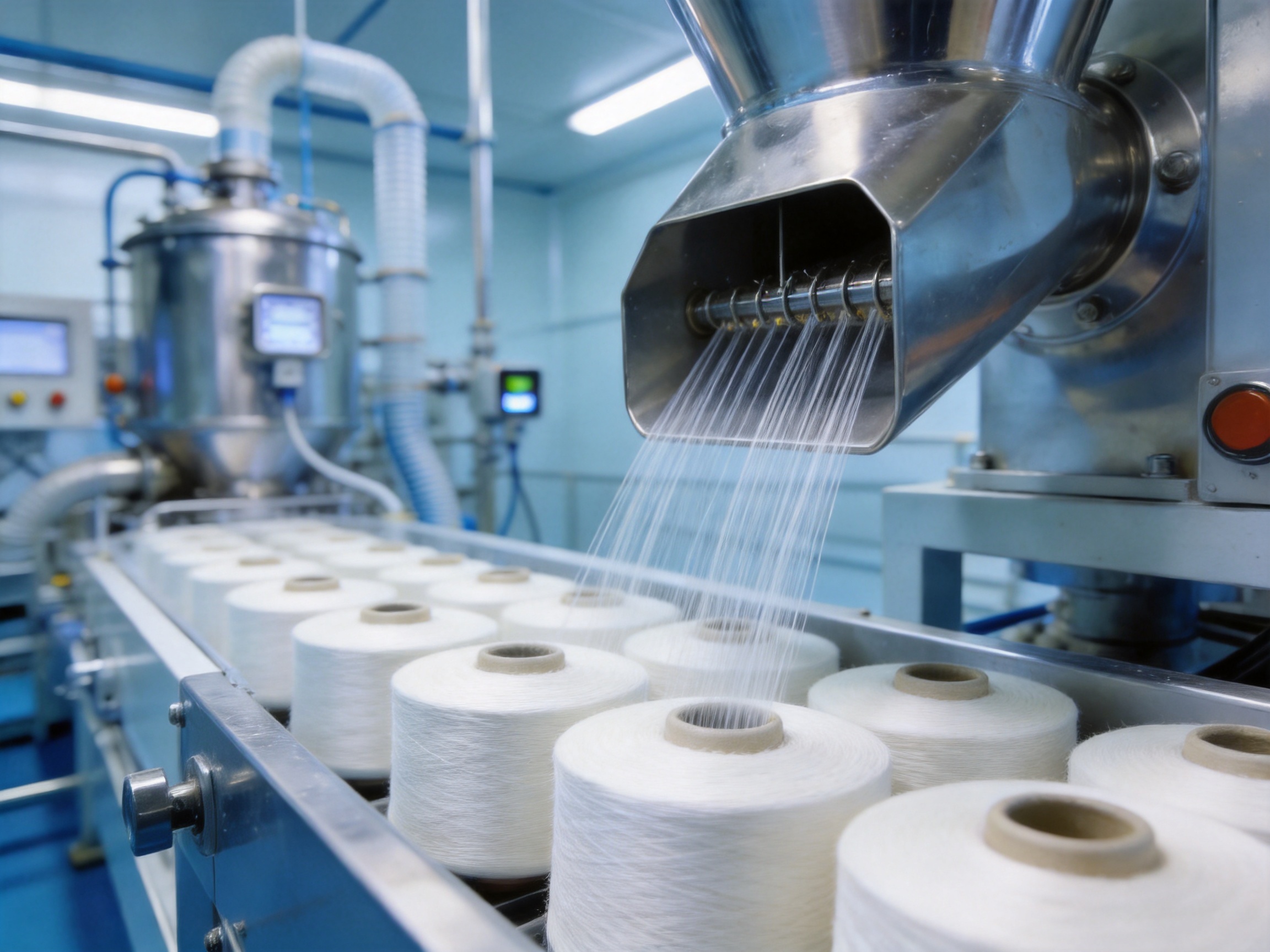
Modern textile factories increasingly depend on high-speed spinning and continuous production systems. Raw materials must melt consistently, extrude smoothly, and support stable filament formation at high throughput. Low-shrinkage special polyester chips are compatible with high-speed spinning lines, making them suitable for large-scale production and demanding delivery schedules.
This compatibility helps manufacturers increase productivity without sacrificing quality. Stable chips reduce filament breaks, process interruptions, and machine downtime. They also make it easier to maintain consistent yarn specifications across long production runs. In competitive export markets, where quality consistency and delivery reliability are essential, this advantage is especially valuable.
Advantages over Conventional Polyester Chip Options
In the market, polyester chips vary significantly in quality. Some are general-purpose grades designed for basic yarn production, while others are engineered for specific performance needs. Low-shrinkage special polyester chips are positioned as a higher-performance solution for textile weaving manufacturers that require stability, efficiency, and fabric reliability.
Compared with conventional polyester chips, this product provides better dimensional control. Ordinary chips may produce yarns with acceptable initial strength but higher heat shrinkage, leading to fabric instability after finishing or washing. Low-shrinkage chips are designed from the polymer stage to reduce this problem, giving textile producers a more dependable foundation.
Compared with lower-cleanliness chips, the product offers reduced oligomer and residue behavior. This can improve spinneret cleanliness, reduce deposits, and lower the risk of defects. For manufacturers operating continuously, even small improvements in cleanliness can create substantial savings by reducing downtime and maintenance.
Compared with chips that have unstable intrinsic viscosity, these special chips provide more predictable melt flow. Stable intrinsic viscosity allows operators to maintain consistent extrusion pressure, filament formation, and drawing behavior. This reduces the need for frequent process adjustment and improves batch-to-batch reliability.
Compared with chips that lack strong technical support, the product is backed by a manufacturer experienced in differential yarn, functional yarn, recycled yarn, cationic dyeing yarn, flame-retardant yarn, knitting fabric products, and textile export service. This means customers are not only purchasing raw material but also gaining access to textile application knowledge, product selection guidance, and problem-solving support.
Company Manufacturing Strengths and Textile Expertise
The product is supported by the manufacturing and market experience of Suzhou Junhui Textile Co., Ltd. and Suzhou Xiaoran New Material Co., Ltd., enterprises committed to the development and sale of differential yarns and textile materials. Their business scope includes recycled yarn, polyester drop-dyed yarn, microfine yarn, flame-retardant yarn, cationic dyeing yarn, knitting fabric products, and other functional textile solutions.
A key strength is the combination of raw-material understanding and downstream textile application knowledge. In textile manufacturing, product success depends not only on polymer chemistry but also on how the material performs in spinning, texturing, weaving, dyeing, finishing, and final use. The company’s experience across yarn and fabric categories allows it to evaluate polyester chips from the perspective of real production needs.
The company has a professional research and development team and cooperates with internationally recognized enterprises in research, development, and application related to environmental protection and functional yarn and fabric. This R&D orientation supports the continuous improvement of product performance, processing stability, and application suitability. It also helps customers develop differentiated textiles that meet market trends.
Export experience is another major advantage. More than 90 percent of the company’s products are exported, and customers are located in 36 countries. This broad international customer base demonstrates the ability to serve different textile standards, market preferences, technical requirements, and logistics expectations. For global buyers, reliable export experience reduces communication risk and improves supply confidence.
The company emphasizes customer success as a foundation of service. Technical guidance and support in product selection and problem solving are available globally, with a commitment to responsive communication. For manufacturers choosing special polyester chips, this service capability is important because raw material performance must align with equipment conditions, target yarn specifications, and fabric requirements.
Role in DTY, FDY, and POY Yarn Production
Polyester chips are the starting point for several major yarn types, including POY, FDY, and DTY. Each yarn type has different process requirements, but all benefit from stable melt quality and controlled shrinkage.
POY Applications
Partially oriented yarn, or POY, is commonly used as a feed yarn for draw texturing. In POY production, melt stability, filament uniformity, and controlled orientation are essential. Low-shrinkage special polyester chips help produce POY with consistent properties, which improves downstream texturing performance. If POY is unstable, the resulting DTY may show uneven bulk, dyeing variation, or inconsistent shrinkage.
By providing stable intrinsic viscosity and melt flow, the chips support smoother POY spinning. This contributes to fewer breaks, better package formation, and improved feed-yarn quality. For producers operating high-speed POY lines, these benefits directly affect efficiency and cost control.
FDY Applications
Fully drawn yarn, or FDY, is widely used in woven and knitted fabrics where smoothness, strength, and dimensional stability are needed. Since FDY is drawn during spinning, the chip quality must support stable drawing behavior and strong filament formation. Low-shrinkage chips help FDY maintain reliable mechanical properties and thermal stability.
For textile weaving, FDY made from stable polyester chips can improve fabric regularity and reduce deformation during finishing. It is suitable for apparel linings, fashion fabrics, home textiles, and technical textiles. The low-shrinkage feature is especially valuable when the fabric must maintain a clean surface and stable width.
DTY Applications
Draw textured yarn, or DTY, is used for fabrics requiring elasticity, bulk, softness, and texture. DTY production involves heat, drawing, twisting, and relaxation. These conditions can reveal weaknesses in raw material quality. Low-shrinkage polyester chips help produce feed yarns that perform consistently during texturing, reducing variation in crimp, elongation, dye uptake, and shrinkage.
In woven fabrics, DTY contributes to hand feel, coverage, and comfort. For functional textile categories such as moisture-wicking fabric, antibacterial fabric, flame-retardant fabric, and outdoor fabric, DTY quality must be stable to ensure final performance. The use of reliable polyester chips improves the consistency of these value-added yarns.
Applications in Clothing Textiles
Clothing is one of the most demanding areas for shrinkage control because consumers expect garments to maintain size, fit, and appearance after repeated wearing and washing. Low-shrinkage special polyester chips help create yarns and fabrics suitable for shirts, blouses, uniforms, trousers, skirts, sportswear, jackets, linings, and casual fashion items.
In woven apparel, fabric shrinkage can lead to poor garment measurements. Even small dimensional changes can affect sleeve length, shoulder alignment, waist fit, collar shape, and seam appearance. By improving the stability of the yarn, low-shrinkage chips help garment producers reduce after-wash variation and improve customer satisfaction.
Polyester fabrics are valued for durability, wrinkle resistance, quick drying, and easy care. Low-shrinkage chips strengthen these benefits by improving dimensional retention. They can be used in pure polyester apparel fabrics or blended fabrics where polyester is combined with other fibers for comfort, drape, or special performance. In blended structures, stable polyester behavior helps balance the fabric and reduce uneven shrinkage between fiber components.
Applications in Home Textiles
Home textiles require a combination of appearance, durability, easy care, and dimensional stability. Low-shrinkage special polyester chips are suitable for bedding, pillow fabrics, curtain fabrics, upholstery-related textiles, decorative fabrics, cushion materials, and household storage textiles. These products are often washed, exposed to sunlight, folded, stretched, or subjected to daily wear. Stable polyester yarn helps maintain fabric shape and surface quality.
For bedding, shrinkage control ensures that sheets and covers retain size after laundering. For curtains, stable fabric dimensions help maintain drape and prevent uneven length changes. For decorative fabrics, surface smoothness and pattern alignment are important. If fabric shrinks unevenly, printed or woven designs may distort. Low-shrinkage yarns provide a better base for maintaining aesthetic quality.
Home textile buyers increasingly prefer products that combine comfort, easy care, and long service life. Polyester made from high-quality chips can deliver these features while supporting efficient large-scale manufacturing. The product therefore helps home textile mills meet both technical and commercial requirements.
Applications in Industrial and Outdoor Textiles
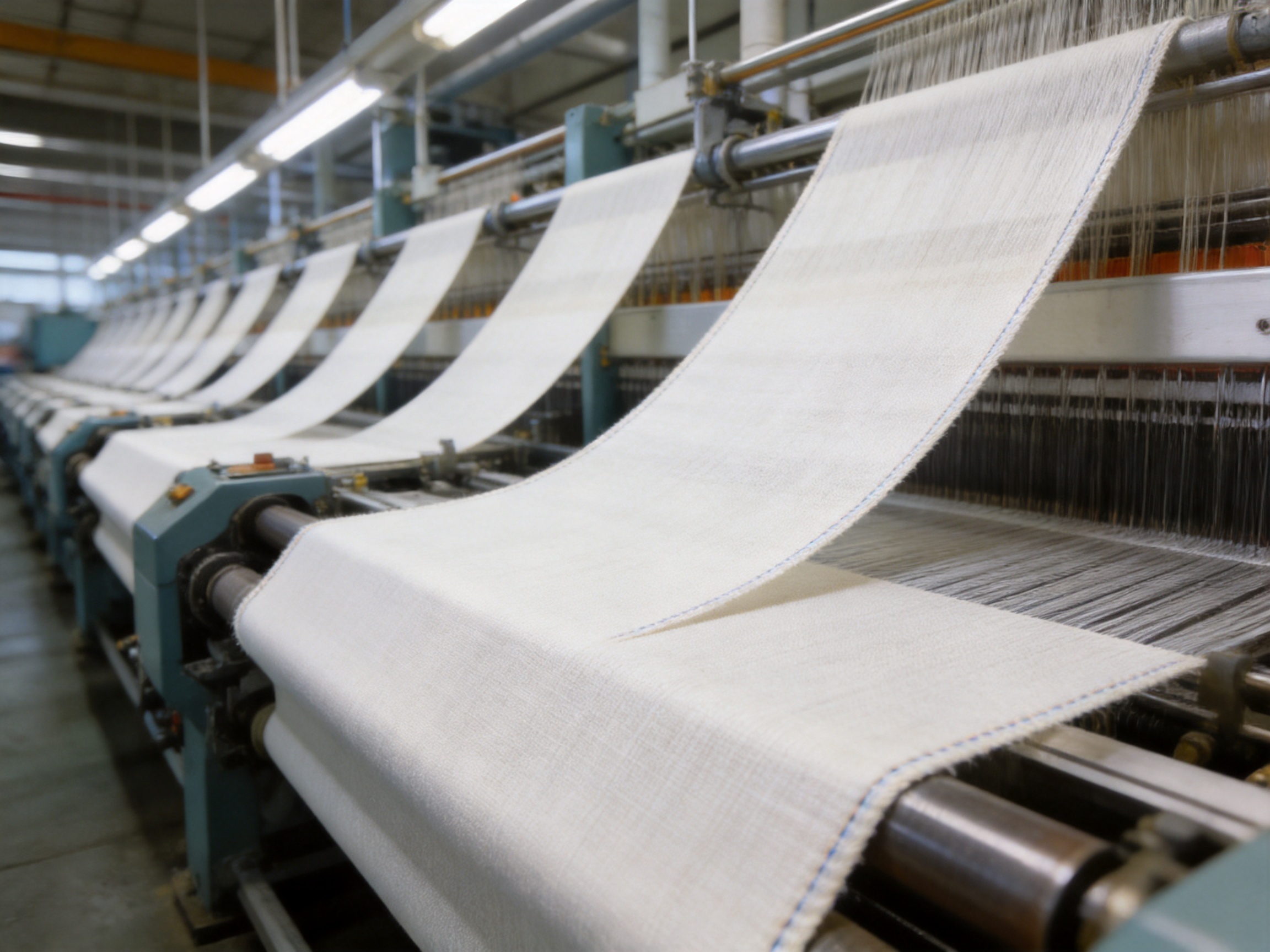
Industrial and outdoor textiles place higher demands on mechanical strength, abrasion resistance, dimensional stability, and environmental durability. Low-shrinkage special polyester chips are suitable for conveyor belts, outdoor gear, luggage fabrics, mountaineering bags, handbags, school bags, shopping bags, briefcases, fashion bags, gift bags, storage boxes, and other structured textile products.
In conveyor belts and reinforcement fabrics, dimensional stability is a functional requirement. Excessive shrinkage can affect alignment, tension distribution, and service performance. Polyester yarns made from low-shrinkage chips help maintain structural consistency under heat and mechanical stress. High strength and modulus also contribute to durability in demanding environments.
For outdoor gear and bags, fabrics must withstand abrasion, repeated loading, sunlight exposure, moisture, and frequent handling. Dimensional stability helps maintain product shape, while yarn strength supports tear resistance and load-bearing performance. The chips’ clean processing properties can also help create smoother, more uniform fabrics suitable for coating, lamination, or finishing.
The product also aligns with growing interest in recycled and environmentally conscious textiles. The company’s experience with recycled PET fabric and recycled yarn, including materials derived from discarded water bottles and beverage bottles, supports the broader development of sustainable textile solutions. While low-shrinkage special polyester chips focus on performance, the same manufacturing knowledge can help customers explore environmental and functional product pathways.
Support for Functional and Differentiated Textiles
Textile markets are increasingly driven by differentiation. Basic yarns remain important, but many buyers now request added value such as flame retardancy, antibacterial performance, moisture wicking, cationic dyeing, high elasticity, hollow warmth, cotton-like hand feel, microfine texture, and recycled content. A reliable polyester chip platform helps manufacturers develop these functional yarns with fewer process risks.
Functional yarn production often involves additives, modified polymers, special spinning conditions, or post-processing treatments. If the base polyester chip is unstable, the added functionality may become inconsistent. Low-shrinkage special polyester chips provide a stable foundation that can support further textile innovation.
For flame-retardant textiles, mechanical stability and uniformity are important because fabric performance must be reliable. For antibacterial yarns, cleanliness and consistent processing help maintain quality. For moisture-wicking fabrics, filament structure and fabric construction must be controlled. For cationic dyeing yarns and blended dyeing effects, polymer consistency influences color performance. In each case, stable chip quality helps downstream manufacturers reduce variation.
The company’s product experience covers multiple yarn series, including recycled yarn, normal yarn, cationic dyeing yarn, high-elastic yarn, and functional yarn. This wide product background gives customers access to broader technical understanding, not just a single raw material. For buyers developing new fabric programs, this application knowledge can shorten development cycles and reduce trial-and-error costs.
Processing Benefits for Manufacturers
Low-shrinkage special polyester chips provide practical benefits throughout the manufacturing process. Their controlled particle size supports stable feeding and drying. Their stable intrinsic viscosity supports smooth melt extrusion. Their low oligomer content supports cleaner spinnerets and reduced deposits. Their low shrinkage behavior supports stable yarn and fabric dimensions. These combined advantages help manufacturers improve both efficiency and quality.
During drying, uniform chips help reduce moisture variation. Moisture control is critical for polyester because excessive moisture can cause hydrolysis during melt processing, reducing molecular weight and weakening yarn. Uniform chip structure supports more predictable drying results, helping protect polymer quality before extrusion.
During melting and extrusion, stable chips reduce pressure fluctuation. This helps maintain consistent filament diameter and reduces defects. In high-speed production, stable melt flow can mean fewer breaks and better package quality. Operators can run lines with greater confidence and fewer interruptions.
During drawing and spinning, the polymer’s strength and viscosity balance influence yarn formation. Stable molecular weight supports consistent drawing behavior, while low shrinkage characteristics help control thermal response. The final yarn can show better uniformity, strength, and dimensional stability.
During weaving, stable yarn reduces tension variation and breakage. This improves loom efficiency and fabric quality. Yarn with predictable shrinkage behavior also makes it easier to manage finishing processes. Mills can reduce excessive correction and improve first-quality output.
Quality Control and Consistency
Quality control is essential for special polyester chips because textile manufacturers depend on repeatable performance. Important quality indicators include intrinsic viscosity, particle size distribution, moisture content, color value, carboxyl end group content, oligomer content, melting behavior, contamination level, and batch uniformity. By controlling these factors, the manufacturer helps customers achieve stable production.
Consistency is especially important for export customers and large-volume textile mills. A single unstable batch can disrupt production planning, delay shipments, and increase quality claims. Low-shrinkage special polyester chips are designed to reduce this risk through controlled production and technical management.
In addition, the manufacturer’s experience with global customers strengthens its quality perspective. Different markets may require different performance priorities, such as high washing stability, low defect rate, environmental expectations, functional fabric performance, or strict delivery schedules. Serving customers in many countries requires a disciplined approach to quality and communication.
Sustainability and Responsible Textile Development
The textile industry is under increasing pressure to reduce environmental impact while maintaining performance. Polyester remains widely used because of its durability, efficiency, recyclability potential, and versatility. Low-shrinkage special polyester chips contribute to sustainability indirectly by improving production efficiency and reducing waste. When fabrics maintain stable dimensions and fewer defects occur, less material is discarded during manufacturing.
Cleaner processing can also reduce maintenance waste and production interruptions. Stable spinning and weaving reduce off-spec yarn and fabric. Durable textiles may have longer service life, reducing the frequency of replacement. These are practical sustainability benefits that arise from better material engineering.
The company’s experience with recycled yarn and recycled PET fabric adds another sustainability dimension. Recycled PET fabric is produced from materials such as discarded water bottles and beverage bottles, transforming waste into usable textile raw material. Such fabrics are widely used in mountaineering bags, handbags, school bags, luggage, clothing, briefcases, fashion bags, shopping bags, gift bags, and related products. This background demonstrates a commitment to environmental regeneration fabrics and functional material development.
Low-shrinkage polyester chip technology and recycled textile expertise can support future product innovation. Customers may pursue fabrics that combine dimensional stability, recycled content, functional finishing, and durable performance. A supplier with experience in both performance polyester and recycled yarn is well positioned to help manufacturers respond to these trends.
How the Product Helps Reduce Total Cost
Although high-performance polyester chips may be evaluated first by purchase price, the more important measure is total manufacturing cost. A lower-cost chip that causes unstable spinning, higher shrinkage, more defects, more downtime, or customer claims may ultimately be more expensive. Low-shrinkage special polyester chips help reduce total cost by improving process stability and final product reliability.
Reduced shrinkage variation means fewer finishing corrections and less fabric waste. Better melt stability means fewer spinning interruptions. Lower oligomer content means cleaner equipment and less maintenance. Higher yarn strength means fewer breaks during weaving. More consistent fabric dimensions mean fewer rejected lots and fewer customer complaints. These benefits accumulate across the production chain.
For export-oriented manufacturers, quality stability also protects reputation. Customers expect consistent fabric performance from shipment to shipment. If fabrics shrink unpredictably or fail quality inspection, the cost includes not only rework but also lost trust. By using stable low-shrinkage chips, manufacturers improve their ability to meet buyer expectations and maintain long-term business relationships.
Guidance for Product Selection
When selecting low-shrinkage special polyester chips, manufacturers should consider the target yarn type, fabric construction, end-use application, processing equipment, spinning speed, dyeing method, finishing temperature, and required shrinkage level. A fabric intended for apparel may require a different balance of softness and stability than an industrial conveyor fabric. A fine-denier yarn may require stricter cleanliness and melt stability than a heavy-denier yarn. A blended fabric may require careful thermal matching with other fibers.
Technical communication with the supplier is therefore important. Customers should share details such as desired denier, filament count, spinning process, texturing conditions, weaving structure, finishing method, and final performance requirements. With this information, the supplier can recommend suitable chip grades and help optimize processing parameters.
The company provides support in product selection and problem solving, which is valuable for mills developing new textile programs. Instead of relying only on trial production, customers can draw on supplier experience in differential yarn, functional yarn, recycled yarn, and fabric applications. This collaborative approach improves development efficiency.
Storage and Handling Considerations
Proper storage and handling help preserve polyester chip quality. Chips should be stored in a clean, dry, and well-ventilated environment. Packaging should be protected from moisture, dust, and contamination. Before processing, chips should be dried according to the equipment and process requirements to reduce moisture content and prevent hydrolytic degradation during melting.
Handling systems should avoid contamination from foreign materials, oil, dust, or incompatible polymers. Feed systems should be clean and stable to maintain uniform chip flow. Operators should monitor drying temperature, drying time, dew point, melt pressure, and extrusion conditions. Even the best polyester chips require proper processing discipline to achieve optimal results.
For manufacturers switching from conventional chips to low-shrinkage special chips, process parameters may need adjustment. The supplier’s technical team can help evaluate suitable drying, spinning, drawing, and heat-setting conditions. Careful trials and data recording can help mills achieve the best balance of productivity and performance.

Frequently Asked Questions
What are low-shrinkage special polyester chips used for?
They are used as high-performance raw materials for polyester yarn and textile weaving applications. They are suitable for producing yarns and fabrics used in clothing, home textiles, outdoor gear, luggage, bags, industrial fabrics, conveyor belts, and other woven or blended textile products requiring dimensional stability.
Why is low shrinkage important in woven textiles?
Low shrinkage helps fabrics maintain their original size and shape during spinning, weaving, dyeing, finishing, washing, and heat exposure. It reduces the risk of fabric distortion, width loss, puckering, seam deformation, and poor garment fit.
How do these chips differ from ordinary polyester chips?
They are engineered for better dimensional stability, controlled intrinsic viscosity, uniform particle size, lower carboxyl end group content, lower oligomer content, cleaner processing, and stronger suitability for high-speed spinning and textile weaving. Ordinary chips may not offer the same shrinkage control or processing consistency.
Can the chips be used for DTY, FDY, and POY production?
Yes. The chips are compatible with high-speed spinning lines and can support POY, FDY, and DTY-related production. Their stable melt flow and intrinsic viscosity help improve yarn consistency and downstream weaving performance.
What fabric types can benefit from these polyester chips?
Apparel fabrics, bedding fabrics, curtain fabrics, decorative home textiles, outdoor fabrics, luggage fabrics, bag materials, industrial woven fabrics, and blended polyester fabrics can benefit from the low-shrinkage and high-strength characteristics.
Do the chips help reduce production residue?
Yes. Their low oligomer content and low carboxyl end group content help reduce residues, deposits, and processing contamination. This can improve spinneret cleanliness, reduce maintenance frequency, and support smoother production.
Are the chips suitable for mass production?
Yes. The chips are designed for compatibility with high-speed spinning lines and large-scale textile manufacturing. Their stable quality helps maintain consistent performance across long production runs.
Can they be used in blended fabrics?
Yes. They are suitable for both pure polyester and blended fabrics. In blended textiles, stable polyester shrinkage behavior helps reduce imbalance between different fiber components.
How does the manufacturer support customers?
The manufacturer offers textile material expertise, product selection guidance, and problem-solving support. With experience in differential yarn, recycled yarn, functional yarn, and textile fabric export, the company can help customers align raw material selection with end-use requirements.
What should customers provide when requesting technical recommendations?
Customers should provide information about target yarn type, denier, filament count, spinning equipment, weaving structure, finishing temperature, shrinkage requirements, dyeing method, and final application. This helps the supplier recommend suitable processing conditions and product solutions.
Conclusion
Low-shrinkage special polyester chips for textile weaving provide a strong technical foundation for manufacturers that require dimensional stability, high strength, clean processing, and efficient production. Through precise polymerization, solid-state polycondensation, controlled particle size, stable intrinsic viscosity, low carboxyl end group content, and low oligomer content, the product addresses many of the common problems associated with conventional polyester raw materials.
For yarn producers, the chips support smoother POY, FDY, and DTY production. For weaving mills, they help reduce shrinkage-related defects and improve fabric regularity. For apparel, home textile, outdoor, and industrial textile manufacturers, they contribute to long-term product reliability and customer satisfaction. For export-oriented companies, they improve consistency, reduce claims, and support stronger market competitiveness.
Beyond the product itself, the manufacturer’s strengths in differential yarn development, functional textile solutions, recycled yarn, R&D cooperation, global export service, and customer support create additional value. Textile production is a system, and success depends on the alignment of raw material, process, equipment, fabric design, and end-use performance. Low-shrinkage special polyester chips help establish that alignment from the very beginning of the textile chain.
As the textile industry continues to demand higher quality, greater efficiency, more functional performance, and more responsible production, advanced polyester chip technology will remain essential. Manufacturers that choose stable, clean, low-shrinkage polyester raw materials are better prepared to produce fabrics that meet modern expectations for durability, dimensional stability, appearance, and value.
References
1. Textile Institute. Textile Terms and Definitions. Textile Institute Publications.
2. Fourné, F. Synthetic Fibers: Machines and Equipment, Manufacture, Properties. Hanser Publishers.
3. Deopura, B. L., Alagirusamy, R., Joshi, M., and Gupta, B. Polyesters and Polyamides. Woodhead Publishing.
4. Hearle, J. W. S., and Morton, W. E. Physical Properties of Textile Fibres. Woodhead Publishing.
5. Gupta, V. B., and Kothari, V. K. Manufactured Fibre Technology. Chapman and Hall.
6. McIntyre, J. E. Synthetic Fibres: Nylon, Polyester, Acrylic, Polyolefin. Woodhead Publishing.

Popular products
-
Premium Cationic Interlock Stretch Comfort Fabric
-
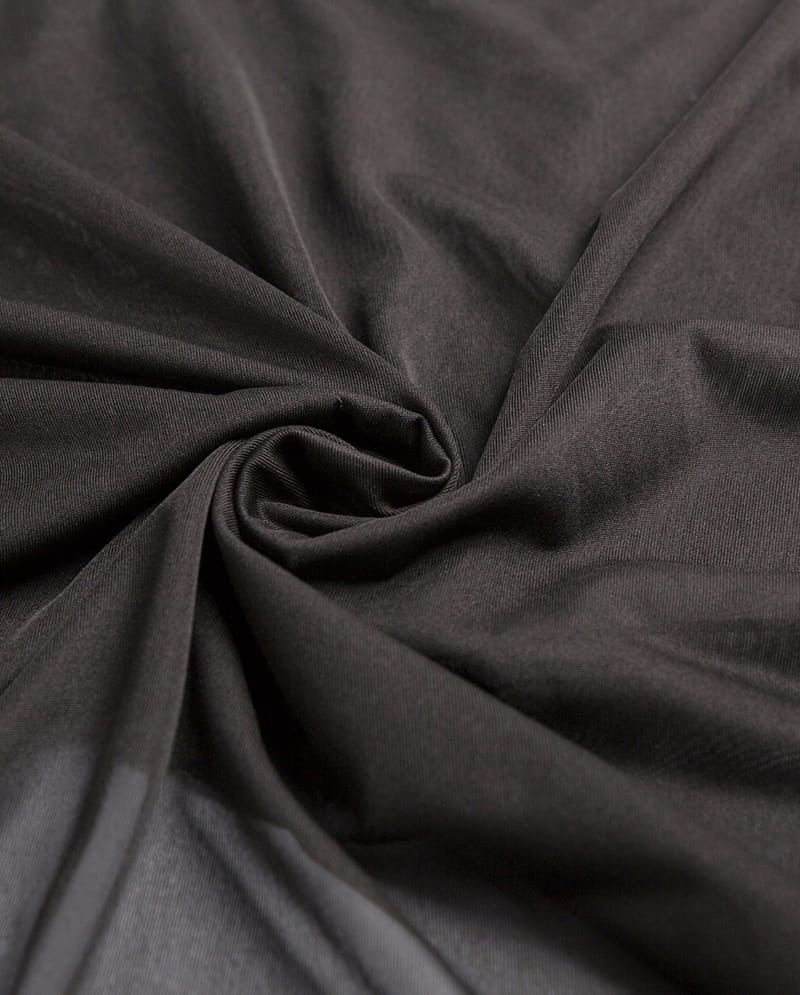
Moisture-Wicking Nylon Woven Fabric
-
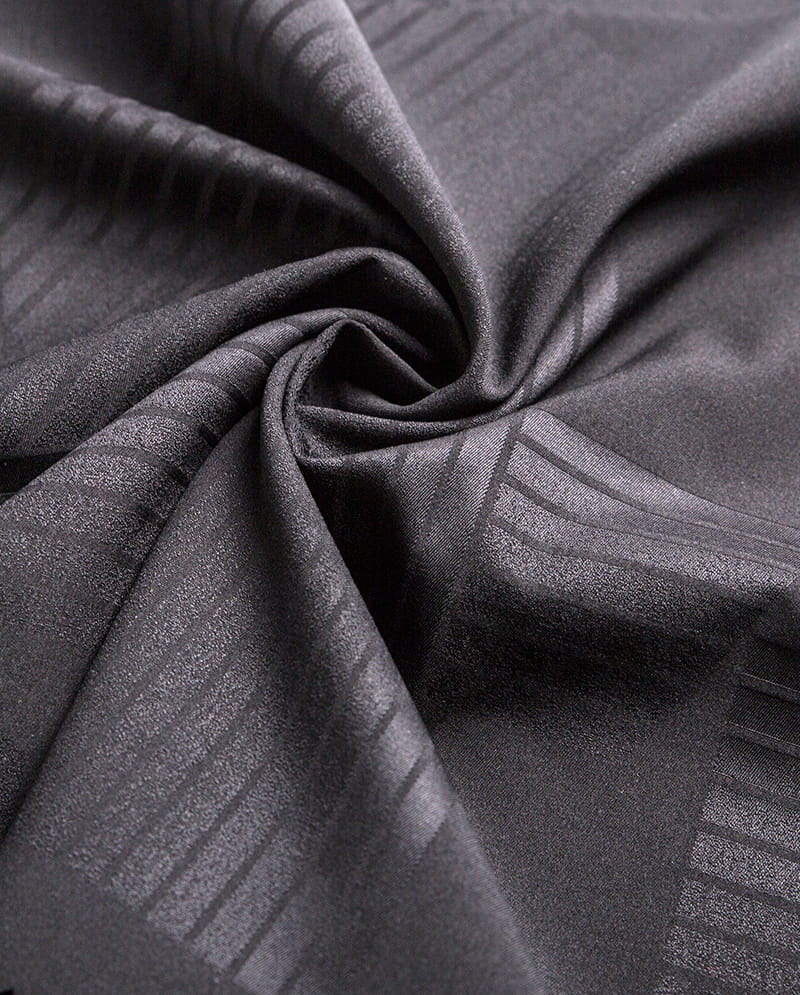
Double-faced jacquard elastic fabric
-
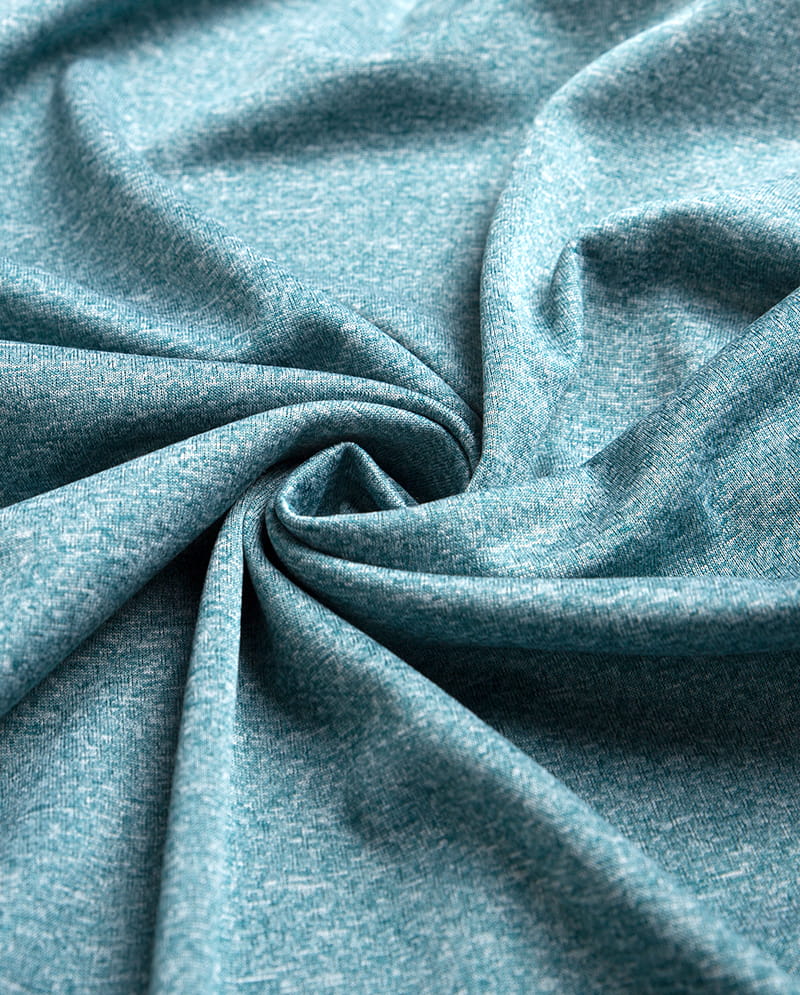
Heather Grey Double-faced cationic jersey fabric
-
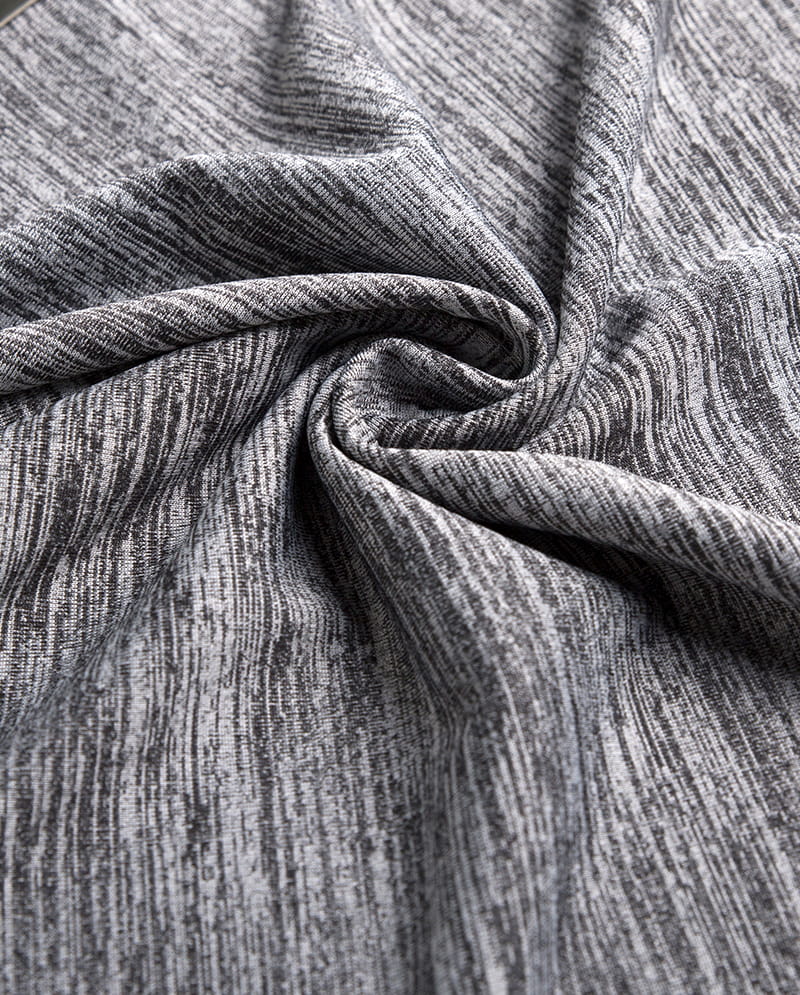
Anti-static Cationic Knitted Rib Fabric
-
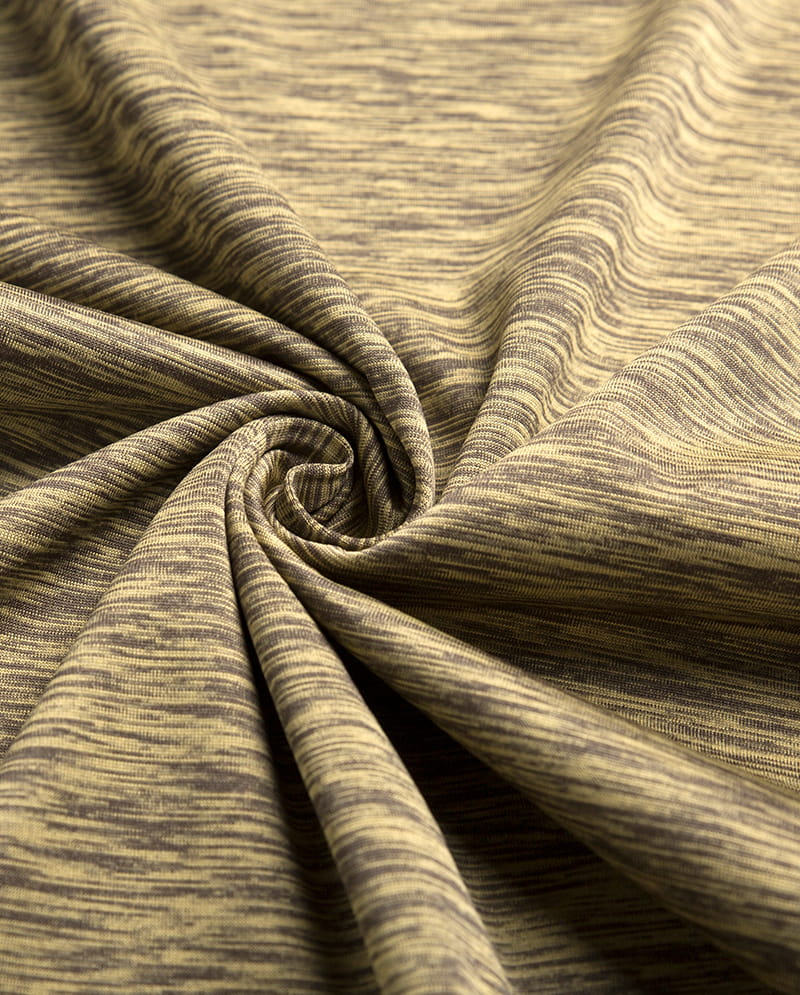
High-Stretch Cationic Jersey Fabric
-
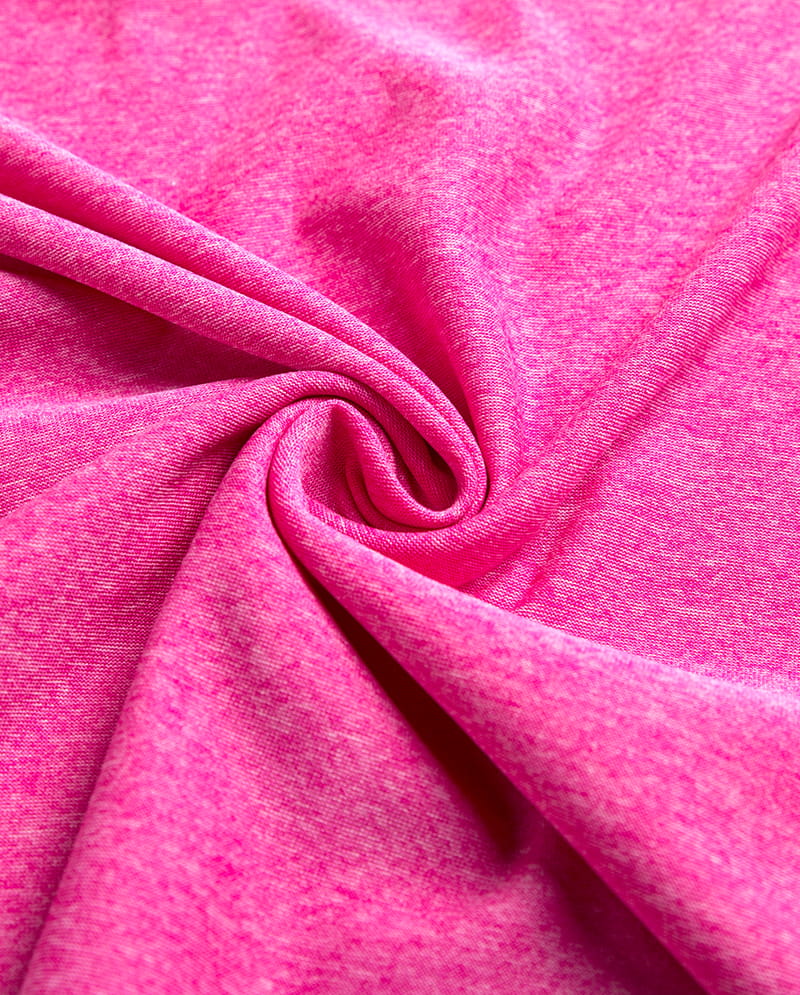
High Quality Cationic DTY Spandex Two Sides Brush Dralon Knit Fabric for Garment Thermal Underwear
-
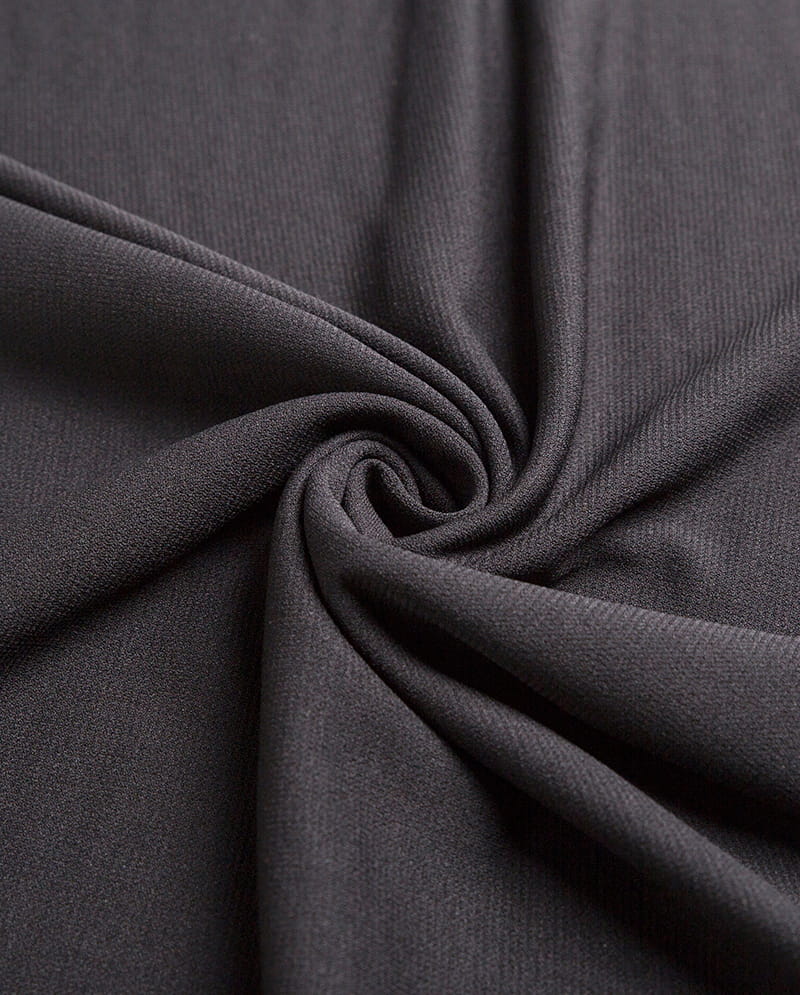
Durable Anti-Pilling Knitted Fabric for Home Textiles
-
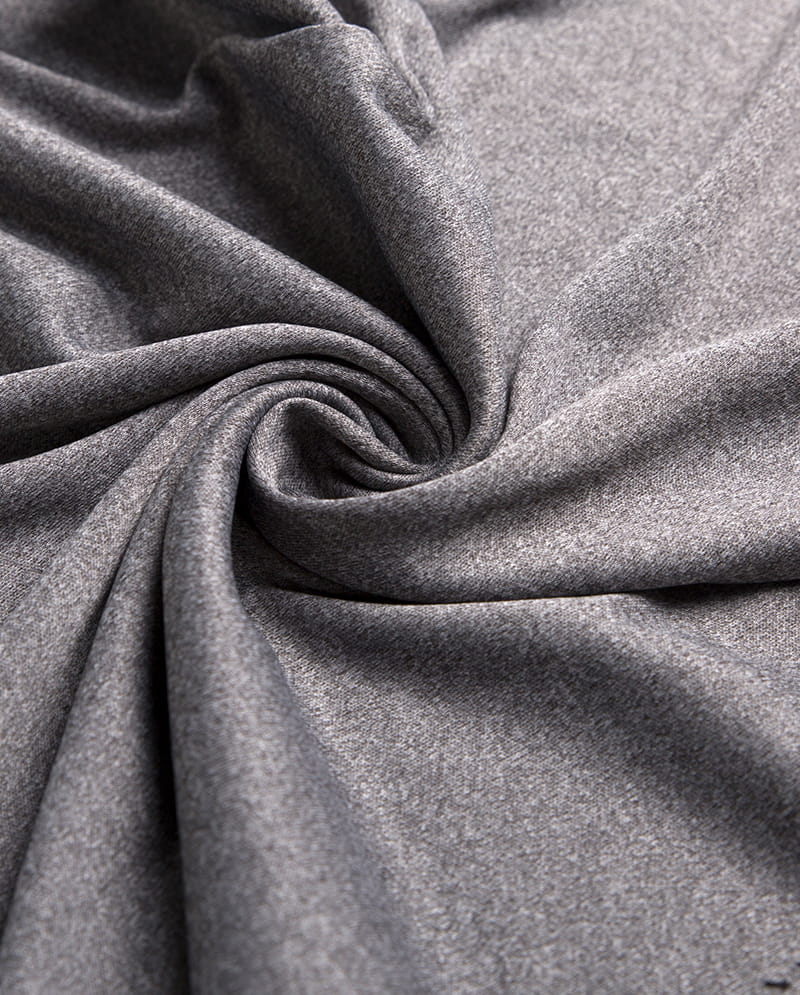
Wash-Resistant Cationic Elastic Knitted Fabric for Garment Industry
-
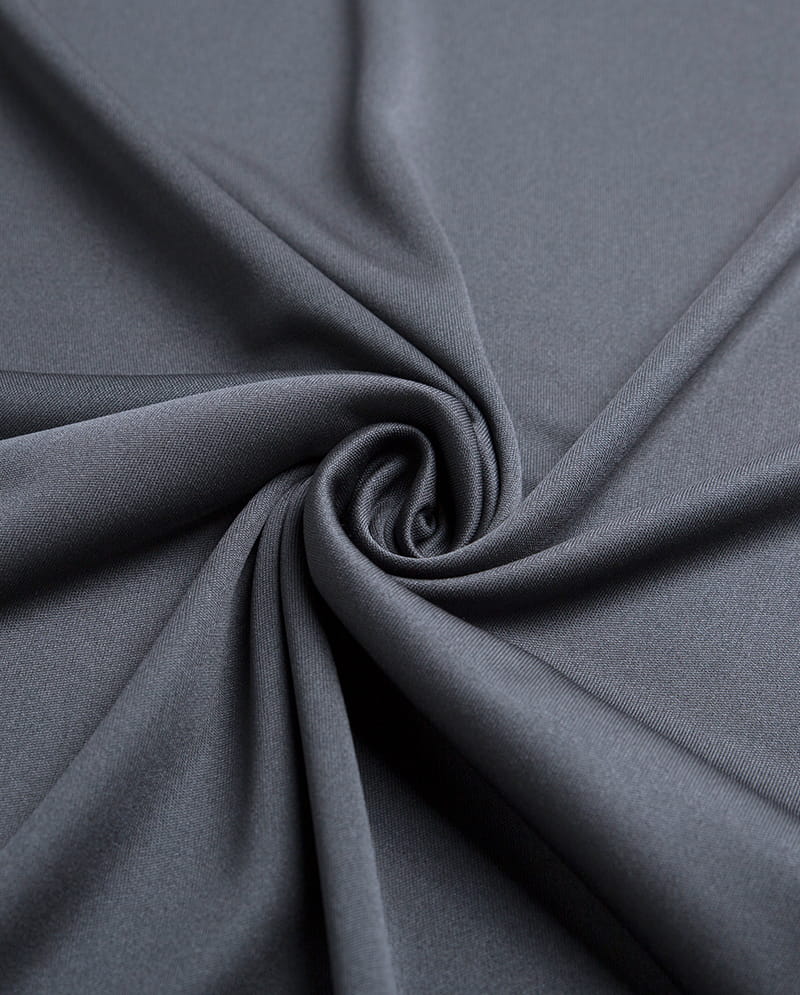
Breathable Double-Faced Elastic Composite Fabric
-
-
-
- whatsapp:
- 0086-13962559622
-
- skype:
- skype.aliceshenghong
-
- Wechat:


COPYRIGHT © 2016 Suzhou Junhui Textile Co., Ltd.
