

 EN
EN English
 中文简体
中文简体Low-Shrinkage Special Polyester Chips for High-Performance Textile Weaving
Content
- 1 Product Overview
- 2 Why Low Shrinkage Matters in Textile Weaving
- 3 Advanced Manufacturing Process
- 4 Key Technical Advantages
- 5 Advantages Compared with Standard Polyester Chips
- 6 Applications in Textile Manufacturing
- 7 Manufacturing Strengths of the Supplier
- 8 Quality Control and Process Reliability
- 9 Processing Guidance for Textile Mills
- 10 Environmental and Circular Textile Considerations
- 11 Why Choose a Specialized Supplier
- 12 Commercial Benefits for Buyers
- 13 Selection Considerations
- 14 Q&A
- 14.1 What are low-shrinkage special polyester chips?
- 14.2 How do these chips improve fabric dimensional stability?
- 14.3 Are the chips suitable for high-speed spinning?
- 14.4 What is the role of solid-state polycondensation?
- 14.5 Why is low oligomer content important?
- 14.6 Can the chips be used for both pure polyester and blended fabrics?
- 14.7 What types of textiles can be made from these chips?
- 14.8 Are low-shrinkage chips the same as recycled polyester chips?
- 14.9 What information should be provided when requesting a quotation?
- 14.10 How should the chips be stored?
- 14.11 How can a customer evaluate the product before placing a large order?
- 14.12 What support does the supplier provide?
- 15 Conclusion
- 16 References
- 17 Product: Low-Shrinkage Special Polyester Chips for Textile Weaving
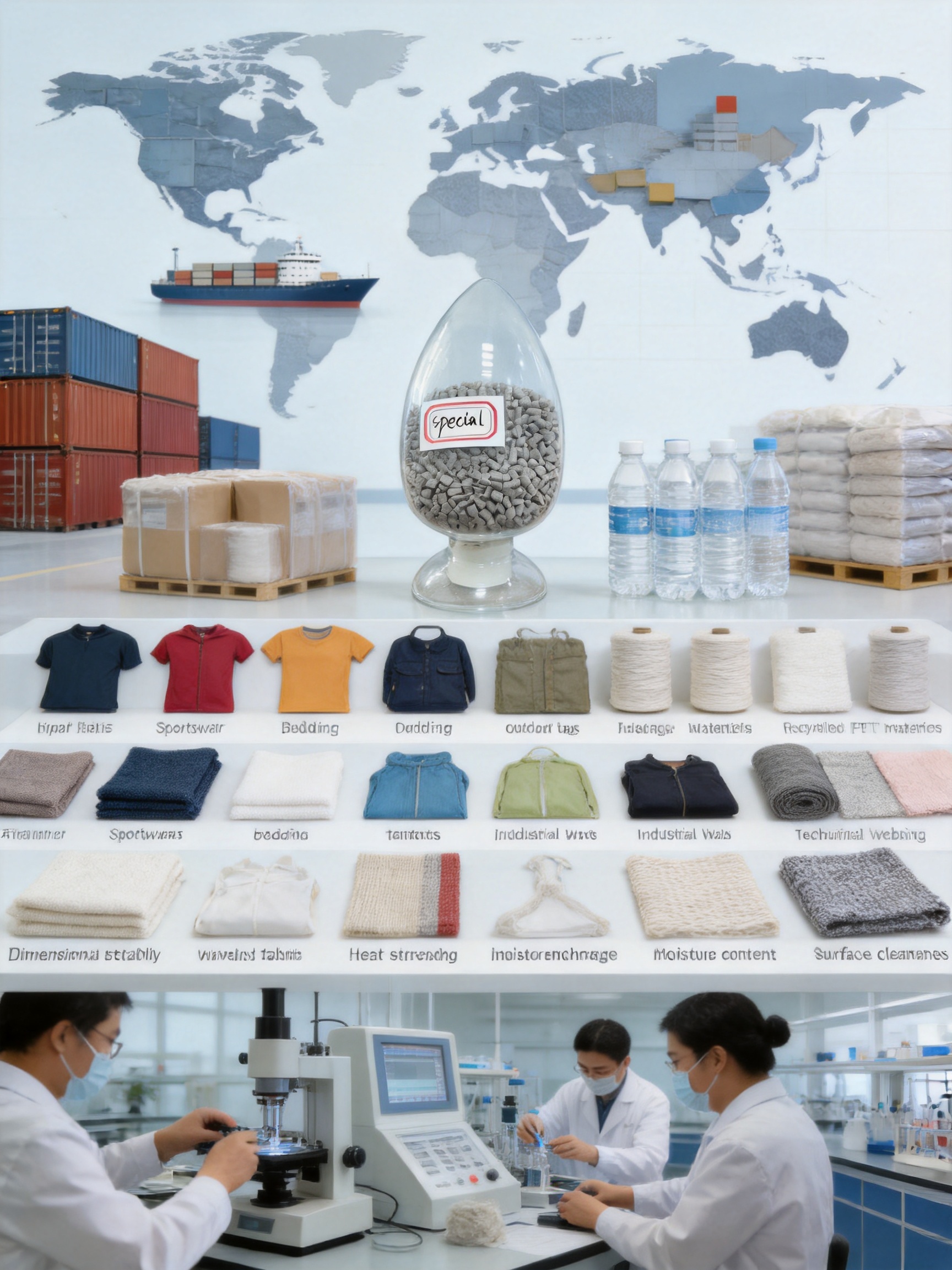
Low-shrinkage special polyester chips are engineered polymer materials designed to give textile manufacturers better dimensional stability, reliable spinning performance, and consistent fabric quality. As the starting material for polyester filament production, these chips influence nearly every stage of the manufacturing process, from melt preparation and spinning to drawing, weaving, dyeing, finishing, and final garment or industrial textile production.
For modern textile mills, selecting the correct polyester chip is no longer based only on price or standard viscosity. Producers increasingly require raw materials that can support high-speed spinning, reduce processing fluctuations, limit thermal shrinkage, improve fabric durability, and satisfy the performance expectations of customers in apparel, home textiles, outdoor products, and technical applications. Low-Shrinkage Special Polyester Chips for Textile Weaving are developed to address these requirements through controlled polymerization, solid-state polycondensation, strict quality management, and carefully controlled physical properties.
These chips are particularly valuable where fabric dimensional stability is essential. Shirts, bedding, woven fashion fabrics, conveyor belts, outdoor products, and many other textile constructions must maintain their original shape during heat exposure, washing, drying, coating, and repeated use. A polyester chip with controlled shrinkage behavior helps manufacturers produce yarns that remain stable throughout these processes, reducing fabric distortion and improving the reliability of finished products.
Product Overview
Low-Shrinkage Special Polyester Chips are high-performance polyethylene terephthalate-based raw materials developed for textile spinning and weaving applications. Their formulation and manufacturing conditions are controlled to achieve a stable balance between intrinsic viscosity, molecular weight distribution, melt flow behavior, strength potential, and thermal dimensional stability.
The chips are produced as uniform solid particles suitable for feeding into modern polyester spinning systems. Consistent particle geometry supports stable conveying, drying, melting, and extrusion. During processing, the material forms a smooth and homogeneous melt that can be converted into polyester filaments with dependable denier, strength, elongation, and shrinkage characteristics.
Compared with ordinary polyester chips, the low-shrinkage grade is designed to provide improved dimensional control after heat treatment. This characteristic is important because the yarn and fabric may experience several thermal and mechanical stresses before reaching the customer. The yarn can be exposed to spinning temperatures, drawing tension, texturing heat, weaving friction, dyeing temperatures, washing, calendaring, and finishing. Controlling shrinkage from the raw material stage helps reduce the risk of uneven fabric width, skewing, puckering, and unwanted deformation.
| Characteristic | Value to Textile Producers | Typical Application Benefit |
|---|---|---|
| Low heat shrinkage | Improves dimensional stability during thermal processing | More stable woven fabric width and length |
| Stable intrinsic viscosity | Supports consistent molecular performance and melt behavior | Reliable spinning and yarn quality |
| Controlled particle size | Promotes uniform feeding, drying, and melting | Fewer interruptions and process fluctuations |
| High strength and modulus potential | Improves load-bearing and wear resistance | Durable apparel, home, and industrial textiles |
| Low carboxyl end group content | Reduces chemical reactivity and degradation risk | Cleaner processing and improved yarn consistency |
| Low oligomer content | Limits deposits and production residues | Better equipment cleanliness and fabric appearance |
| High-speed spinning compatibility | Supports efficient continuous production | Higher productivity for large textile mills |
Why Low Shrinkage Matters in Textile Weaving
Dimensional stability is one of the most important quality requirements in woven textiles. When polyester yarn shrinks unevenly after heat exposure, the fabric may become narrower, shorter, wavier, or less uniform. These changes can create difficulties during dyeing, coating, cutting, sewing, and garment assembly.
Low-shrinkage polyester chips help reduce this risk by providing a more controlled molecular structure before the polymer enters the spinning process. The resulting yarn can be engineered to respond more predictably to heat and tension. This makes it easier for the spinning and weaving mill to establish stable process parameters and maintain repeatable results from one production lot to another.
In apparel fabrics, controlled shrinkage helps garments retain their intended fit and appearance. In bedding, it helps sheets, duvet covers, and other products maintain their size after washing. In outdoor textiles, dimensional stability contributes to consistent panel construction and improved weather-resistant performance. In industrial fabrics, such as conveyor-belt reinforcement or technical woven materials, stable dimensions are essential for accurate assembly and safe operation.
Low shrinkage does not mean that the yarn lacks elasticity or flexibility. Instead, the material is designed to limit unwanted thermal contraction while preserving the processing properties needed for spinning, drawing, texturing, and weaving. The precise balance depends on the final yarn construction, denier, filament count, draw ratio, heat-setting conditions, and end-use requirements.
Dimensional Stability Through Multiple Processing Stages
Polyester fabric is rarely used immediately after weaving. It commonly passes through scouring, dyeing, heat setting, drying, coating, printing, calendaring, or other finishing operations. Each stage may introduce heat, moisture, tension, or mechanical stress. If the polymer and yarn structure are not adequately controlled, the fabric can change shape during these operations.
The low-shrinkage chip provides a stronger foundation for controlling these changes. Textile manufacturers can combine the chips with appropriate spinning and heat-setting conditions to achieve a fabric that remains more stable during post-treatment. This can improve cutting accuracy, reduce fabric waste, and support a more consistent appearance across production runs.
Advanced Manufacturing Process
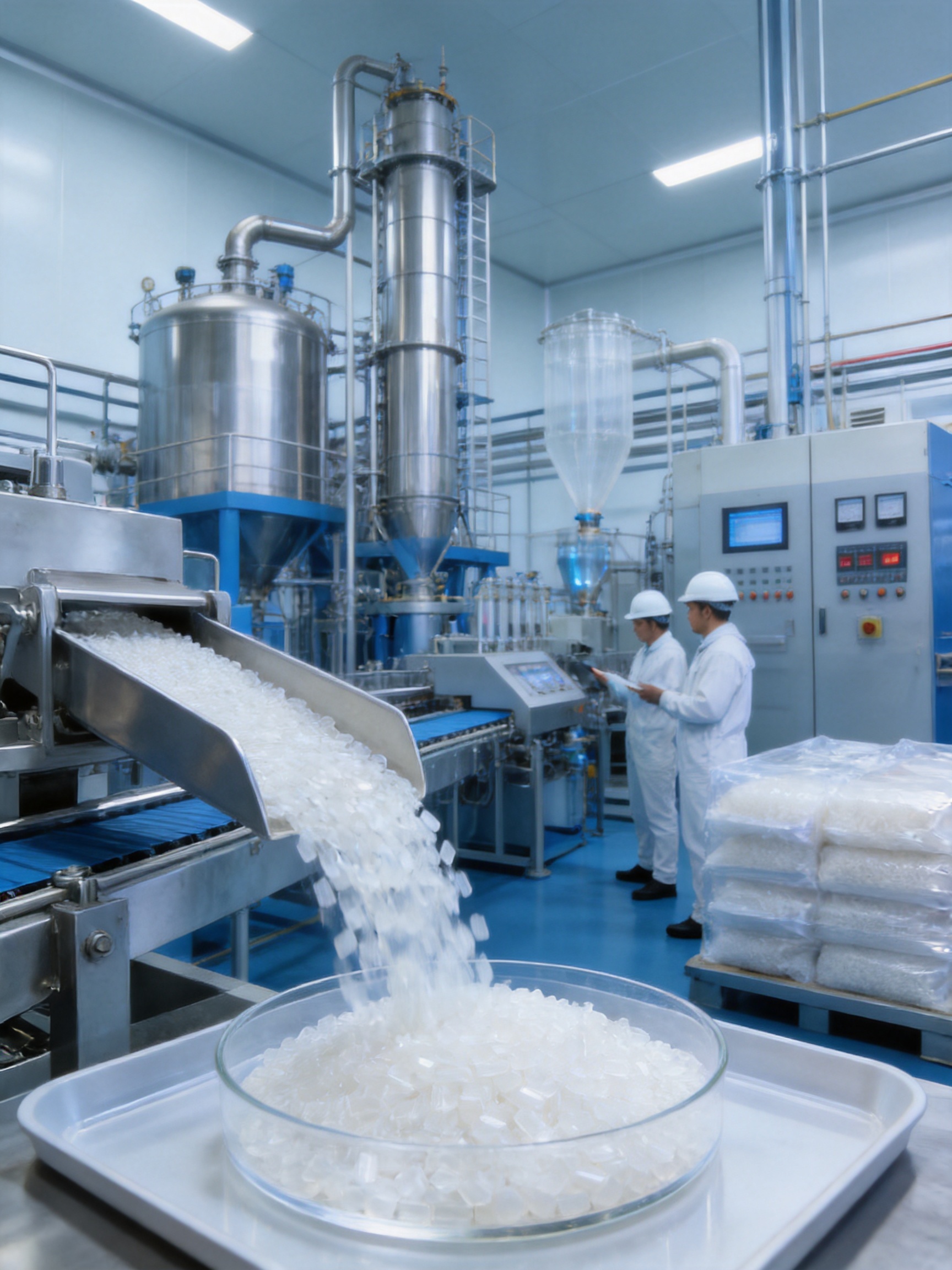
The performance of special polyester chips depends on the precision of their manufacturing process. Suzhou Junhui Textile Co., Ltd. and Suzhou Xiaoran New Material Co., Ltd. use polymerization and solid-state polycondensation technologies to develop polyester materials for demanding textile applications. These processes are supported by controlled production conditions, laboratory testing, and application-oriented product development.
Controlled Polymerization
Polymerization is the first major stage in producing polyester chips. During this stage, the chemical components are reacted under carefully managed temperature, pressure, residence time, and catalyst conditions. The objective is to create polyester molecules with the required molecular weight, molecular structure, and processability.
Accurate control is important because even small changes in polymerization conditions can influence melt viscosity, spinning stability, filament strength, elongation, dyeing behavior, and heat shrinkage. A modern production process therefore monitors the reaction carefully and maintains consistent operating conditions across batches.
For low-shrinkage grades, polymerization must be balanced so that the polymer has sufficient molecular strength without becoming difficult to melt or spin. The final chip should provide a stable melt flow rate, good filtration behavior, and predictable response to drawing and heat treatment. This balance is particularly important for customers operating high-speed spinning lines, where fluctuations in raw material behavior can quickly affect productivity.
Solid-State Polycondensation
Solid-state polycondensation, often abbreviated as SSP, is used to increase molecular weight and improve the performance of polyester chips after the initial polymerization stage. In this process, the solid polymer is treated under controlled temperature and gas-flow conditions. Small molecular by-products are removed while the polymer chains continue to develop.
SSP can improve intrinsic viscosity and enhance the strength potential of the polyester. It also allows manufacturers to adjust the material for specific end uses without relying solely on the initial melt polymerization stage. For textile applications, the process can help create chips with a stable viscosity range suitable for consistent filament production.
Careful SSP control is essential. Excessive treatment may create chips with overly high viscosity or poor melt processability, while insufficient treatment may result in inadequate molecular strength. The manufacturing team must therefore coordinate temperature, treatment duration, gas purity, moisture control, and material residence time.
Moisture and Contamination Control
Polyester chips must be dried thoroughly before melting. Moisture can cause hydrolytic degradation at spinning temperatures, reducing molecular weight and weakening the resulting yarn. The manufacturing and packaging system must therefore protect the chips from excessive humidity and contamination.
Low-shrinkage special chips are produced with attention to cleanliness and storage stability. Controlled particle size and low oligomer content help create a cleaner material for downstream processing. When the chips are correctly dried and handled, textile mills can reduce the risk of melt instability, filter pressure increases, spinneret contamination, filament breaks, and surface defects.
Clean processing is especially important for fine-denier yarns, high-filament-count yarns, and products manufactured on high-speed equipment. Small deposits or unstable melt conditions may have a disproportionate effect on these products. A clean, uniform chip provides a more reliable foundation for advanced yarn production.
Particle Size Uniformity
Uniform chip size supports smooth material handling. Chips that vary widely in size may segregate during transportation or feeding, which can create inconsistent residence times in dryers and extruders. Oversized or undersized particles may also melt at different rates, leading to fluctuations in the melt stream.
By controlling particle dimensions and screening out unsuitable particles, the manufacturer can improve the regularity of drying and melting. This contributes to stable extrusion pressure, consistent spinning-pack performance, and more uniform filament formation. The benefit is valuable for both conventional and high-speed spinning systems.
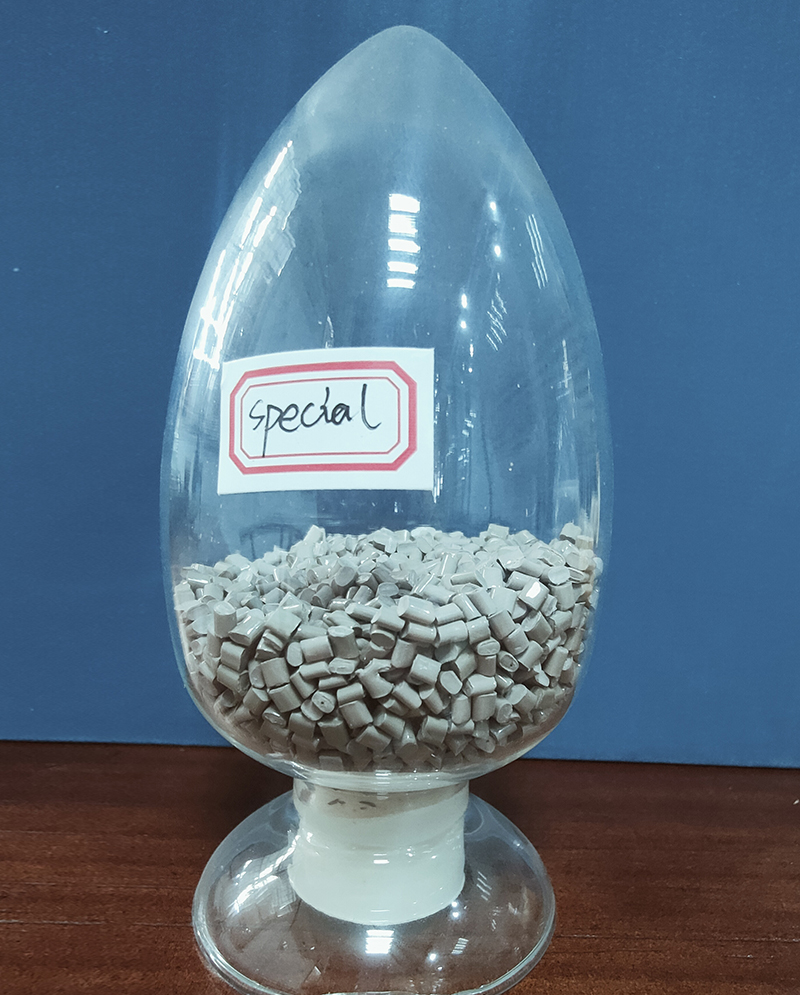
Low-Shrinkage Special Polyester Chips for Textile Weaving
Key Technical Advantages
Excellent Low-Heat-Shrinkage Performance
The primary advantage of this product is its ability to support low thermal shrinkage in polyester yarn and fabric systems. The controlled polymer structure helps manufacturers achieve better dimensional stability when the material is exposed to heat during drawing, texturing, heat setting, dyeing, and finishing.
Lower shrinkage can reduce fabric deformation and improve the consistency of finished textile dimensions. It can also help mills reduce the amount of corrective processing required after weaving. For customers purchasing fabric by fixed width or length, this provides a practical commercial benefit because more of the production can meet specification.
Stable Intrinsic Viscosity
Intrinsic viscosity is an important indicator of polyester molecular characteristics. A stable intrinsic viscosity supports predictable melt behavior and helps textile producers establish reliable spinning conditions. When viscosity fluctuates excessively, the spinning line may experience changes in extrusion pressure, filament formation, denier, strength, elongation, and breakage rate.
Stable viscosity allows the mill to maintain more consistent operating parameters. It can reduce trial-and-error adjustments and support repeatable production across different lots. For manufacturers supplying international customers, this consistency is especially important because buyers often require the same fabric performance over long-term purchasing programs.
High Strength and Modulus Potential
High molecular quality contributes to the strength and modulus potential of the yarn. Strong polyester yarns can resist tension, abrasion, repeated bending, and mechanical wear. These properties are useful in both lightweight apparel and heavy-duty technical textiles.
For woven fabrics, higher yarn strength can improve weaving efficiency by reducing the frequency of warp breaks and other interruptions. It may also allow manufacturers to design lighter fabrics without sacrificing the required durability. In industrial applications, strength and modulus are important for reinforcement, dimensional control, and resistance to mechanical deformation.
Low Carboxyl End Group Content
Low carboxyl end group content can reduce the tendency of polyester to undergo certain degradation reactions under demanding thermal or chemical conditions. This helps preserve polymer quality during melt processing and may contribute to better long-term processing stability.
For textile producers, the practical benefits may include fewer signs of polymer degradation, improved yarn uniformity, and reduced formation of unwanted residues. The exact result depends on equipment settings, drying conditions, additives, and the overall production system, but low carboxyl end group content is an important design feature for high-performance polyester chips.
Low Oligomer Content
Oligomers are low-molecular-weight substances that can migrate or deposit during processing. Excessive oligomer content may contribute to deposits in spinning equipment, filters, guides, heaters, or other components. It may also affect fabric cleanliness and finishing performance.
The low-oligomer design of these special chips helps reduce production residues. Cleaner processing can extend operating intervals between maintenance activities, improve machine availability, and support a more consistent surface appearance in the final yarn and fabric.
Compatibility with High-Speed Spinning
High-speed spinning requires raw materials with stable melting, filtration, extrusion, and filament-forming characteristics. At elevated production speeds, small irregularities can lead to significant losses in productivity. The chips are designed to support smooth melt flow and consistent processing on modern spinning lines.
Compatibility with high-speed equipment may help manufacturers increase output without compromising yarn quality. It can also support more efficient labor and energy use because the line can operate for longer periods with fewer interruptions. Each mill should still optimize drying temperature, residence time, extrusion temperature, spinning speed, and winding conditions according to its own equipment and product specification.
Advantages Compared with Standard Polyester Chips
Standard polyester chips remain suitable for many general-purpose applications, but they may not provide the same level of control required for demanding woven products. The main difference is that low-shrinkage special chips are developed around specific performance targets rather than basic polyester production alone.
| Comparison Area | Standard General-Purpose Chips | Low-Shrinkage Special Chips |
|---|---|---|
| Thermal dimensional control | May require additional process adjustment | Designed to support lower and more predictable shrinkage |
| Batch consistency | Depends greatly on supplier and grade | Controlled viscosity and particle characteristics |
| Melt cleanliness | Can vary according to oligomer and residue levels | Low oligomer design supports cleaner processing |
| High-speed spinning | Suitable only when processing stability is adequate | Engineered for stable high-speed filament production |
| Fabric dimensional stability | May require stronger downstream correction | Provides a better raw-material foundation for stable fabrics |
| Application range | Primarily standard yarn and fabric products | Apparel, home, outdoor, and industrial textiles |
| Process optimization | May involve greater trial and adjustment | Designed with application-specific performance in mind |
The advantage is not simply that the special grade has more technical features. Its value comes from the way those features work together. Low shrinkage, stable viscosity, high strength potential, low oligomer content, and controlled particle size collectively support a more predictable textile production process.
Compared with lower-cost materials of inconsistent quality, a stable special grade may also reduce hidden costs. These costs can include yarn breaks, machine stoppages, off-specification fabric, reprocessing, excessive filter replacement, customer complaints, and material waste. The most economical raw material is often the one that produces the highest percentage of saleable fabric at a stable production speed.
Applications in Textile Manufacturing
Apparel Fabrics
Low-shrinkage polyester chips can be used to produce yarns for shirts, dresses, uniforms, sportswear, trousers, jackets, and fashion fabrics. Apparel producers often require a combination of softness, strength, dimensional stability, color retention, and resistance to repeated washing.
The chips can support the production of smooth filament yarns, textured yarns, and blended constructions. When combined with suitable yarn engineering, they can contribute to fabrics with a clean appearance, stable dimensions, and good resistance to daily wear. The low-shrinkage characteristic is particularly useful for garments that must retain their original fit after laundering.
Home Textiles
Home textile products such as bedding, curtains, upholstery fabrics, table coverings, and decorative woven materials require reliable width and length control. Products may be washed, dried, ironed, coated, or exposed to sunlight and heat during normal use.
Polyester chips with controlled shrinkage help manufacturers produce fabric that is less likely to become distorted during processing or care. Their strength and abrasion resistance also support long service life in products exposed to frequent handling or cleaning.
Outdoor Textiles
Outdoor gear and recreational products often depend on strong, lightweight, and dimensionally stable woven fabrics. Examples include backpacks, luggage, tents, protective covers, outdoor clothing, and travel accessories.
The product information supplied by the manufacturer also identifies recycled polyester yarn as an important part of its broader textile offering. Recycled PET fabric is produced from recovered materials such as discarded water bottles. Although recycled yarn and low-shrinkage polyester chips are distinct product categories, they reflect the company’s broader focus on differentiated and environmentally oriented textile materials.
For outdoor products, stable fabric dimensions are important because panels, seams, coatings, and closures must align accurately. A fabric that changes size unpredictably may create stress at seams or reduce the performance of coatings and laminated structures.
Industrial and Technical Textiles
Technical textiles place greater demands on raw materials than many conventional fashion products. Conveyor-belt fabrics, reinforcement materials, protective coverings, industrial filters, webbing, and other applications may require high strength, controlled elongation, abrasion resistance, and dimensional stability.
Low-shrinkage polyester chips can contribute to these requirements by providing yarn with a reliable molecular foundation. The final performance depends on yarn construction and fabric design, but the chip quality remains a critical starting point. Stable dimensions can support accurate composite construction, consistent tension distribution, and improved product reliability.
Pure Polyester and Blended Fabrics
The chips are suitable for pure polyester fabrics and may also be used in selected blended constructions. Polyester can be combined with fibers such as cotton, viscose, nylon, or elastomeric materials to create specific combinations of comfort, strength, moisture management, stretch, and appearance.
In blended fabrics, controlling polyester shrinkage is important because different fibers may respond differently to heat and moisture. A stable polyester component can make it easier to balance the behavior of the overall fabric. Manufacturers should conduct compatibility trials before commercial production, especially when developing new blends or applying high-temperature finishing treatments.
Manufacturing Strengths of the Supplier
Suzhou Junhui Textile Co., Ltd. and Suzhou Xiaoran New Material Co., Ltd. have developed their business around differentiated yarns, functional materials, and textile products. Founded in June 2015, the companies serve customers in international markets and maintain a product development approach focused on environmental protection, functional performance, and practical textile applications.
Application-Oriented Research and Development
A strong textile raw-material supplier must understand more than polymer chemistry. It must also understand spinning conditions, yarn structures, weaving requirements, dyeing behavior, finishing processes, and the performance expectations of end users. The company’s professional research and development team works with internationally recognized enterprises to discuss the research, development, and application of environmental and functional yarns and fabrics.
This application-oriented approach helps connect material design with real production needs. Customers may require a chip or yarn for a very specific combination of shrinkage, denier, filament count, strength, dyeability, softness, or functionality. Product development that begins with the customer’s manufacturing problem is more likely to produce a commercially useful result than a material developed without a defined application.
Broad Differential Yarn Portfolio
The company’s product list includes recycled yarn, normal polyester yarn, cationic dyeable yarn, high-elastic yarn, PBT/PET yarn, fire-retardant yarn, antibacterial yarn, moisture-wicking yarn, cotton-like yarn, hollow warm yarn, and combined yarn structures. It also lists various SD, FD, CD, DDB, and blended or functional configurations in different deniers and filament counts.
This portfolio provides an important advantage for buyers seeking more than a single standard raw material. A customer developing a new textile collection may be able to discuss the chip, yarn, and fabric requirements with one supplier that understands multiple product categories. This can simplify technical communication and shorten the path from concept to sampling.
Export Experience
More than 90 percent of the company’s products are supplied for export, and the company has established cooperative relationships with customers in 36 countries. International experience requires attention to consistent specifications, packaging, documentation, delivery coordination, communication, and after-sales support.
Export-oriented production also encourages the supplier to maintain repeatable quality standards. Customers in different markets may have distinct requirements for testing, environmental performance, labeling, and production traceability. Experience with international business helps the supplier understand these expectations and organize cooperation more efficiently.
Customer Support and Technical Communication
The company states that its experts are ready to provide assistance within 12 hours globally. Responsive communication is valuable when textile mills are adjusting production lines, evaluating a new grade, solving a yarn problem, or preparing a time-sensitive order.
Technical support may include product selection, sample coordination, processing guidance, specification clarification, and problem analysis. For a special polyester chip, communication before purchase is particularly important because the correct grade depends on the customer’s spinning equipment, target yarn, fabric construction, and finishing process.
Quality Control and Process Reliability
Quality control for polyester chips should cover the material from incoming raw components through polymerization, pelletizing, solid-state treatment, packaging, and shipment. A reliable supplier should evaluate both chemical and physical properties rather than relying on visual inspection alone.
Important Quality Parameters
Intrinsic viscosity is monitored to confirm that the polymer has the required molecular performance. Moisture content is important because excess moisture can cause hydrolysis during melt processing. Particle size and appearance provide information about feeding consistency and contamination. Carboxyl end group content and oligomer levels help assess chemical cleanliness and processing behavior.
Other relevant evaluations may include color, ash content, melting point, differential scanning calorimetry behavior, thermal stability, filtration performance, and shrinkage behavior after yarn formation. The specific testing program should be aligned with the grade specification and the customer’s end-use requirements.
| Quality-Control Stage | Primary Focus | Importance |
|---|---|---|
| Raw-material inspection | Purity and consistency of chemical inputs | Establishes a stable foundation for polymerization |
| Polymerization monitoring | Reaction temperature, pressure, time, and molecular development | Controls viscosity and polymer uniformity |
| Chip formation | Particle dimensions, shape, and surface condition | Improves feeding, drying, and melting consistency |
| Solid-state polycondensation | Viscosity development, temperature, residence time, and gas conditions | Builds required molecular performance |
| Laboratory testing | Moisture, viscosity, end groups, oligomers, color, and thermal behavior | Verifies compliance with specifications |
| Packaging and storage | Protection from moisture, dust, and contamination | Preserves quality before use |
| Customer application testing | Spinning, yarn, weaving, and finishing performance | Confirms suitability for actual production |
Production Consistency
Consistency is often more valuable than a single excellent test result. A textile mill needs material that behaves similarly every time it is delivered. Stable production conditions, documented operating procedures, calibrated instruments, and batch testing all contribute to this goal.
When chip quality is consistent, the customer can reduce frequent changes to extrusion temperature, drying time, spinning tension, and winding settings. This supports better utilization of equipment and helps production managers forecast output more accurately.
Processing Guidance for Textile Mills
Although the chips are designed for stable processing, the final result depends on how they are handled. Polyester is sensitive to moisture, and proper drying is essential before extrusion. The drying system should be operated according to the chip grade, equipment design, throughput, and supplier recommendations.
Storage areas should be clean, dry, and protected from direct exposure to humidity. Packaging should remain sealed until the material is ready for use. If opened packages are not consumed promptly, the remaining chips should be resealed or dried again as appropriate.
During spinning, the mill should monitor melt pressure, filter pressure, extrusion temperature, spinning speed, filament breakage, and yarn quality. These indicators can reveal changes in drying efficiency, contamination, equipment condition, or raw-material behavior.
Drawing and heat-setting conditions should be optimized according to the desired yarn properties. Lower shrinkage in the chip does not eliminate the need for careful control of draw ratio, heater temperature, relaxation, and winding tension. Instead, it provides a stable starting point from which the mill can achieve the desired final performance.
Recommended Trial Procedure
Before full-scale production, a textile mill should conduct a controlled trial. The trial should compare the new chips with the current material under similar equipment conditions. The mill can record drying behavior, melt pressure, spinning stability, yarn denier, tenacity, elongation, shrinkage, appearance, and weaving performance.
Fabric testing should include width and length change after heat treatment and washing, tensile strength, tear strength, abrasion resistance, color appearance, surface cleanliness, and dimensional recovery. The most appropriate tests depend on the final product and customer specification.
A controlled trial allows the customer to identify the best processing window and confirm that the material is suitable for the intended application. It also gives the supplier useful feedback for future grade development.
Environmental and Circular Textile Considerations
The textile industry is under increasing pressure to reduce resource consumption and improve material circularity. Polyester products made with recycled feedstocks can help reduce dependence on virgin resources and give discarded plastic materials a new use. The company’s recycled yarn range is developed from recycled PET sources, including recovered water bottles and related materials.
Low-shrinkage special polyester chips support sustainability in another way: improved process stability can reduce waste. When fewer yarn breaks, fabric defects, and off-specification rolls occur, the mill uses more of its raw material to produce saleable products. Better dimensional stability may also reduce reprocessing and fabric rejection.
Durable textiles can contribute to longer product service life. Apparel, bags, home textiles, and industrial fabrics that retain their structure and appearance may not need to be replaced as frequently. The environmental benefit of any polyester product must be evaluated across its complete life cycle, including raw-material sourcing, manufacturing, use, washing, recycling, and end-of-life management.
Manufacturers seeking recycled or functional materials should verify the specific recycled content, certification status, traceability, and testing documentation required for their target market. Environmental claims should always be supported by appropriate records and independent verification where necessary.
Why Choose a Specialized Supplier
Purchasing polyester chips from a specialized textile supplier can provide advantages beyond the material itself. A supplier with experience in yarns and fabrics is more likely to understand the relationship between polymer characteristics and downstream textile performance.
Specialized suppliers can help customers select materials based on the intended yarn category, including semi-dull, fully dull, cationic dyeable, high-elastic, recycled, functional, or blended products. They may also be able to recommend compatible yarn constructions and provide guidance during sampling.
The broad product range associated with Suzhou Junhui Textile Co., Ltd. and Suzhou Xiaoran New Material Co., Ltd. allows the companies to serve customers requiring different types of differential yarn. Their product list covers a wide range of deniers and filament configurations, including options for DTY, FDY, SD, FD, CD, DDB, high-elastic, fire-retardant, antibacterial, moisture-wicking, and cotton-like products.
This breadth can be useful for textile groups that purchase several materials for different product lines. Instead of managing numerous suppliers with different communication and quality systems, buyers may consolidate some requirements through a company familiar with multiple textile technologies.
Commercial Benefits for Buyers
The commercial value of low-shrinkage chips should be considered across the total production process. A slightly higher raw-material price may be justified when the material improves productivity, lowers defect rates, and reduces downstream corrections.
Stable chips can help reduce production interruptions caused by melt fluctuations, filter blockage, filament breaks, or inconsistent yarn properties. They may also improve weaving efficiency by providing yarn with more consistent strength and elongation. In finishing, better dimensional stability can reduce fabric width variation and minimize the risk of rejected lots.
For exporters and contract textile manufacturers, consistent quality is directly related to customer retention. Buyers of finished fabric often expect repeat orders to match previous shipments in color, width, hand feel, weight, and performance. A controlled raw material helps the mill maintain this repeatability.
Another commercial advantage is product differentiation. Textile manufacturers can use stable, functional, recycled, or specialized polyester materials to develop fabrics that compete on performance rather than price alone. This supports higher-value applications in sportswear, outdoor products, workwear, home textiles, and technical fabrics.
Selection Considerations
Customers should select a polyester chip grade according to the final yarn and fabric requirements. Important questions include the intended denier, filament count, spinning method, target shrinkage, strength level, dyeing process, fabric construction, and finishing temperature.
The customer should also confirm packaging format, minimum order quantity, delivery schedule, storage requirements, test documentation, and available technical support. For export orders, it is advisable to clarify the applicable standards and inspection procedures before production begins.
When the product is intended for recycled or environmentally marketed textiles, the buyer should request clear information about feedstock, recycled content, chain of custody, and available certifications. When the material is intended for functional textiles, the buyer should define how fire retardancy, antibacterial behavior, moisture management, or elasticity will be tested in the final fabric rather than evaluating only the raw chip.
Q&A
What are low-shrinkage special polyester chips?
They are engineered polyester raw materials developed to support reduced and more predictable thermal shrinkage in the yarn and fabric manufacturing process. They are suitable for producing polyester filaments used in weaving, apparel, home textiles, outdoor goods, and industrial fabrics.
How do these chips improve fabric dimensional stability?
The chips are produced with controlled molecular characteristics, stable intrinsic viscosity, and low-shrinkage performance. When processed under suitable spinning and heat-setting conditions, they help the resulting yarn and fabric maintain more consistent length and width during heat treatment, washing, dyeing, and finishing.
Are the chips suitable for high-speed spinning?
Yes. Their controlled particle size, stable melt-flow behavior, and consistent intrinsic viscosity make them suitable for modern high-speed spinning lines. Each customer should still confirm the appropriate drying and extrusion settings through a production trial.
What is the role of solid-state polycondensation?
Solid-state polycondensation increases the molecular weight and intrinsic viscosity of polyester while removing small molecular by-products. It helps the manufacturer adjust the polymer for strength, melt stability, and processing requirements.
Why is low oligomer content important?
Low oligomer content helps reduce deposits and residues in spinning equipment. This may improve equipment cleanliness, reduce maintenance requirements, and support better yarn and fabric appearance.
Can the chips be used for both pure polyester and blended fabrics?
Yes. They can be used in pure polyester textile systems and may also be incorporated into selected blends. Compatibility should be evaluated according to the other fiber, blending ratio, heat treatment, dyeing method, and final performance requirements.
What types of textiles can be made from these chips?
Potential applications include shirts, uniforms, sportswear, bedding, curtains, upholstery, bags, luggage, outdoor clothing, tents, conveyor-belt fabrics, reinforcement materials, and other woven products requiring strength and dimensional stability.
Are low-shrinkage chips the same as recycled polyester chips?
No. Low-shrinkage describes a performance characteristic, while recycled polyester describes the source of the polymer feedstock. A product may be developed for low shrinkage, recycled content, or both, depending on its formulation and certification. Buyers should confirm the exact specification with the supplier.
What information should be provided when requesting a quotation?
Customers should provide the intended application, yarn type, denier, filament count, spinning process, target shrinkage, required intrinsic viscosity, monthly quantity, packaging preference, delivery destination, and any testing or certification requirements.
How should the chips be stored?
The chips should be kept in sealed packaging in a clean, dry area protected from humidity, dust, and contamination. Opened material should be used promptly or handled according to the supplier’s drying and storage recommendations.
How can a customer evaluate the product before placing a large order?
A customer can request technical documentation and samples, then perform a controlled spinning trial. The evaluation should include drying behavior, melt stability, yarn properties, heat shrinkage, weaving performance, and fabric dimensional stability after the intended finishing process.
What support does the supplier provide?
The supplier offers product selection assistance, technical communication, and support for differential yarn and fabric development. Its international customer base and broad product portfolio allow it to discuss raw materials and downstream textile applications with buyers in multiple markets.
Conclusion
Low-Shrinkage Special Polyester Chips for Textile Weaving provide a reliable foundation for manufacturers seeking stable, durable, and efficient polyester textile production. Their key advantages include low heat shrinkage, stable intrinsic viscosity, high strength and modulus potential, low carboxyl end group content, low oligomer content, controlled particle size, and compatibility with high-speed spinning.
These properties can help textile mills improve dimensional stability, reduce processing fluctuations, maintain cleaner equipment, and produce fabrics with consistent quality. The chips are suitable for apparel, home textiles, outdoor products, technical fabrics, and pure or blended textile constructions.
The manufacturing approach combines controlled polymerization, solid-state polycondensation, moisture management, particle-size control, laboratory testing, and application-oriented research. Supported by a broad portfolio of recycled, functional, high-elastic, cationic, cotton-like, and other differential yarns, Suzhou Junhui Textile Co., Ltd. and Suzhou Xiaoran New Material Co., Ltd. can provide more than a commodity raw material. They offer a platform for textile manufacturers developing products that require performance, efficiency, and differentiation.
For buyers, the best results will come from evaluating the chips together with their own spinning, weaving, dyeing, and finishing conditions. A properly controlled production trial can confirm the material’s suitability and identify the most efficient processing window. With the right grade and process settings, low-shrinkage polyester chips can help manufacturers produce more stable fabrics, reduce waste, and meet the increasingly demanding requirements of global textile markets.
References
1. Suzhou Junhui Textile Co., Ltd. and Suzhou Xiaoran New Material Co., Ltd., product information for special polyester chips and differential polyester yarns.
2. Textile Exchange, materials and recycled polyester guidance for the textile industry.
3. International Organization for Standardization, standards relating to textile fiber and yarn testing.
4. ASTM International, standard methods for testing polyester fiber, yarn, fabric, and dimensional stability.
5. Technical literature on polyethylene terephthalate polymerization and solid-state polycondensation.
6. Technical literature on polyester melt spinning, drawing, texturing, weaving, and heat setting.
7. General industrial guidance on moisture control, polymer degradation, and quality management in polyester processing.
Product: Low-Shrinkage Special Polyester Chips for Textile Weaving

Popular products
-
Premium Cationic Interlock Stretch Comfort Fabric
-
Moisture-Wicking Nylon Woven Fabric
-
Double-faced jacquard elastic fabric
-
Heather Grey Double-faced cationic jersey fabric
-
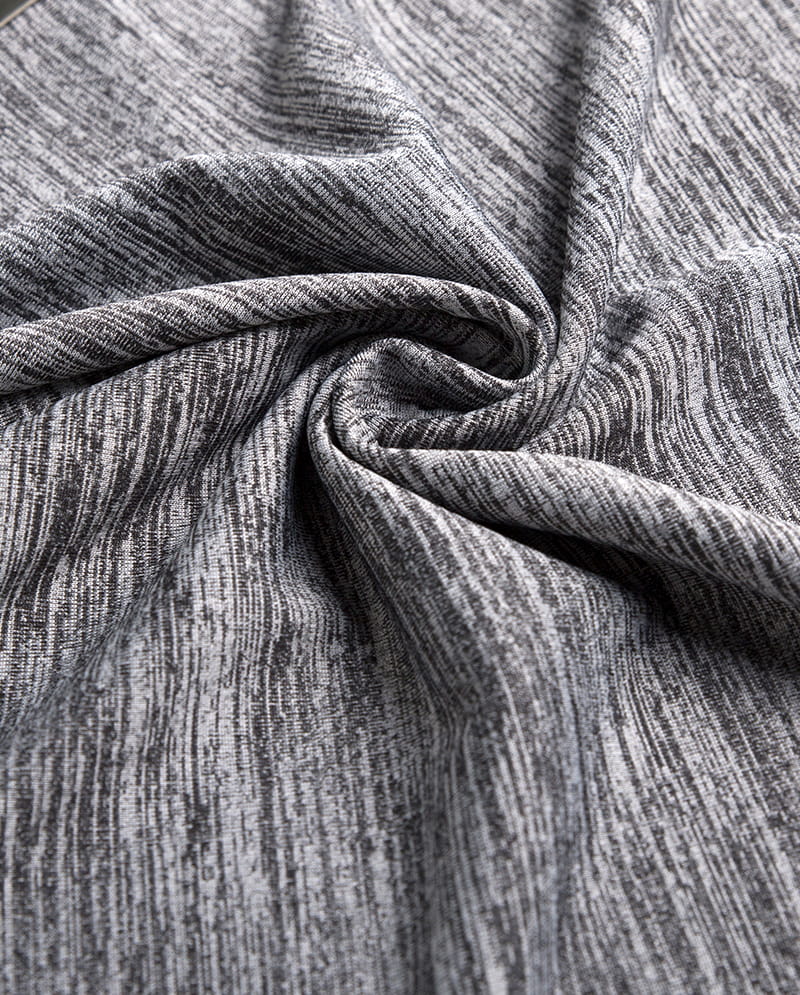
Anti-static Cationic Knitted Rib Fabric
-
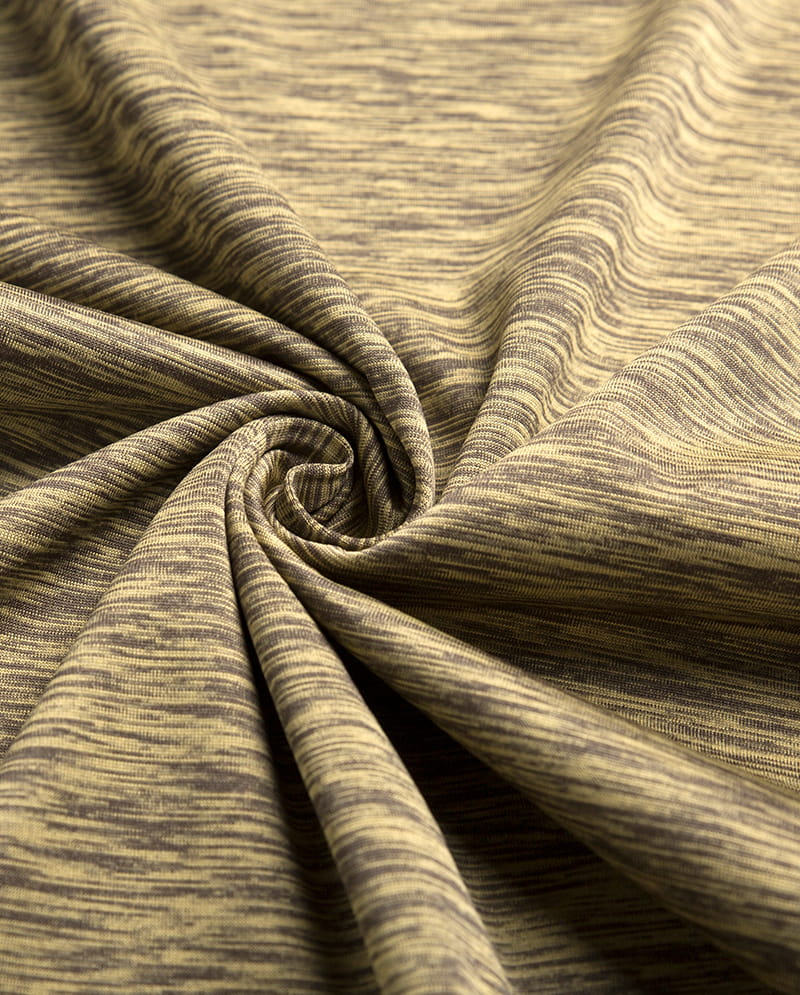
High-Stretch Cationic Jersey Fabric
-
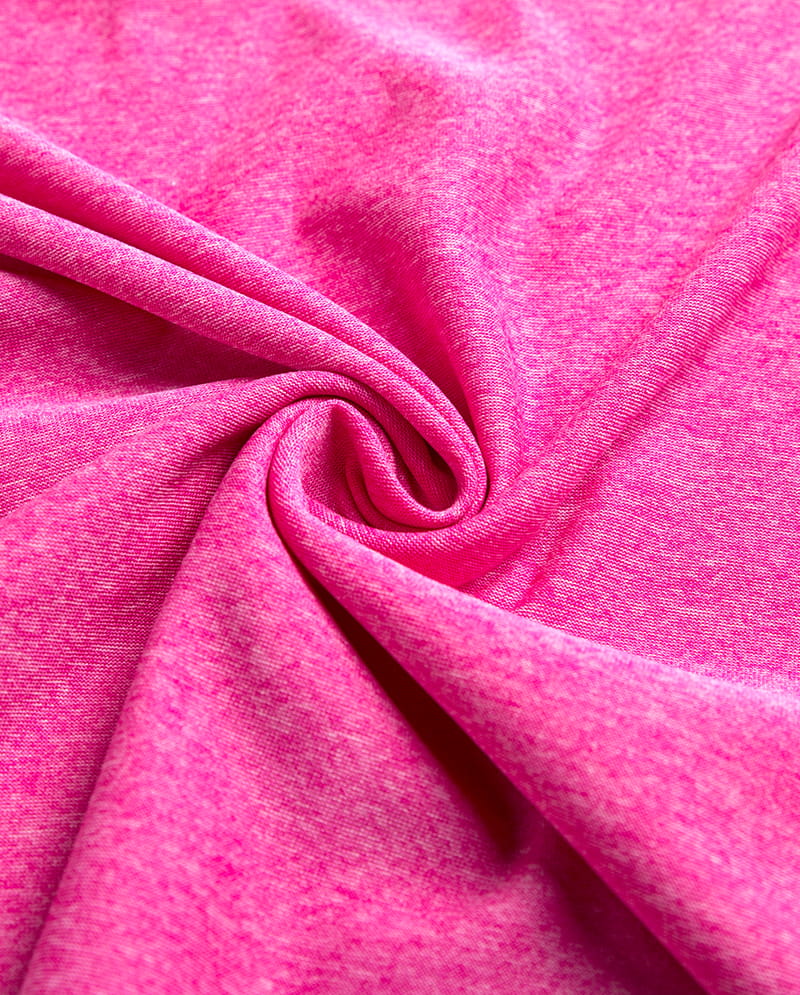
High Quality Cationic DTY Spandex Two Sides Brush Dralon Knit Fabric for Garment Thermal Underwear
-
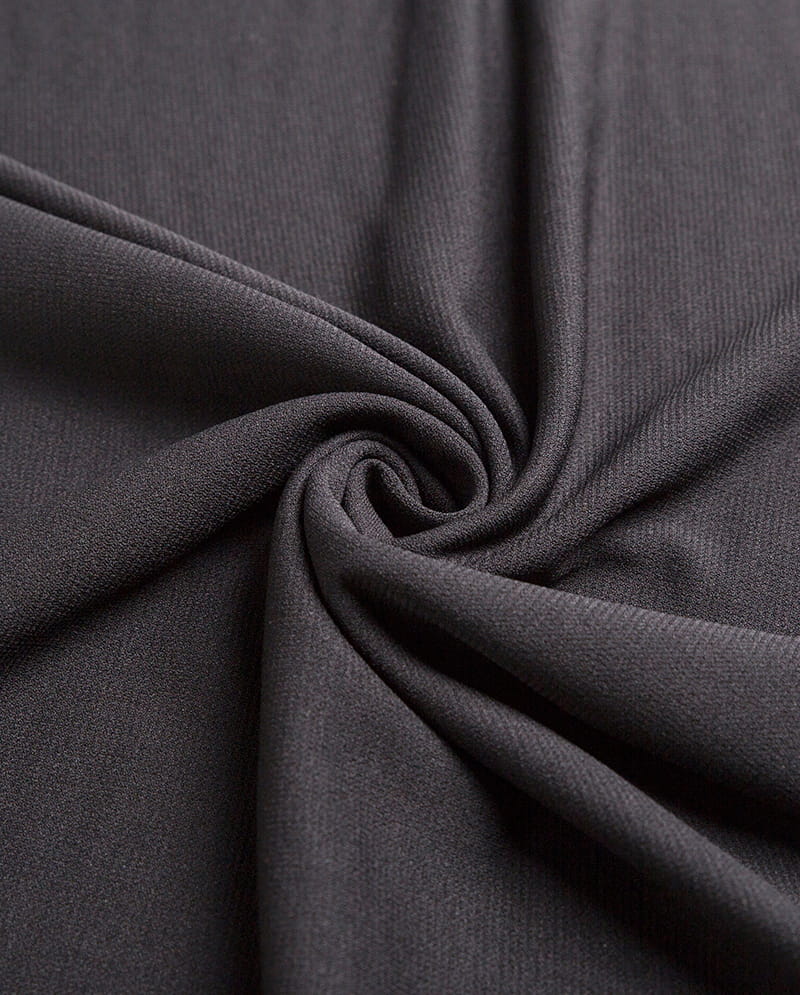
Durable Anti-Pilling Knitted Fabric for Home Textiles
-
Wash-Resistant Cationic Elastic Knitted Fabric for Garment Industry
-
Breathable Double-Faced Elastic Composite Fabric
-
-
-
- whatsapp:
- 0086-13962559622
-
- skype:
- skype.aliceshenghong
-
- Wechat:


COPYRIGHT © 2016 Suzhou Junhui Textile Co., Ltd.
