

 EN
 English
 中文简体
Low-Deformation PBT/PET DDB High-Elastic Yarn: Advanced Performance for Durable Textile Applications
Content
- 1 Understanding Low-Deformation PBT/PET High-Elastic Yarn
- 2 The Complementary Role of PBT and PET
- 3 Core Performance Advantages
- 4 Advantages Over Conventional Stretch Yarns
- 5 Manufacturing Process and Quality Control
- 6 Research and Development Strengths
- 7 Applications in Apparel and Technical Textiles
- 8 Processing Recommendations for Fabric Manufacturers
- 9 Product Selection and Custom Development
- 10 Sustainability and Responsible Textile Development
- 11 Why Choose an Experienced Manufacturing Partner
- 12 Frequently Asked Questions
- 12.1 What is Low-Deformation PBT/PET DDB high-elastic yarn?
- 12.2 What does low deformation mean in textile use?
- 12.3 How is this yarn different from a basic elastic yarn?
- 12.4 Can the yarn be used for both knitting and weaving?
- 12.5 Which products can be made with this yarn?
- 12.6 Does the yarn dry quickly?
- 12.7 Is the yarn suitable for repeated washing?
- 12.8 Can the yarn be dyed in different colors?
- 12.9 What quality tests should buyers request?
- 12.10 Can the product be customized?
- 12.11 What support can the manufacturer provide?
- 12.12 How should fabric manufacturers begin a development project?
- 13 Conclusion
- 14 References
- 15 Product: Low Deformation PBT/PET DDB(D/F) High-elastic Yarn
Modern textile manufacturers are under increasing pressure to produce fabrics that are comfortable, attractive, durable, and stable throughout their service life. Consumers expect garments to retain their original shape after repeated stretching, washing, and drying, while brands and fabric mills seek yarns that can withstand demanding production conditions without sacrificing softness or elasticity. Low-Deformation PBT/PET DDB high-elastic yarn has been developed to answer these requirements through the complementary combination of polybutylene terephthalate and polyethylene terephthalate.
This specialized yarn is designed to provide a balanced performance profile rather than relying on elasticity alone. Its optimized PBT/PET blend delivers stretch, recovery, tensile strength, abrasion resistance, dimensional stability, and process adaptability. The result is a high-performance yarn suitable for knitting, weaving, and the production of functional fabrics for apparel and technical textile applications.
Compared with conventional elastic or stretch-oriented yarns, the low-deformation structure of this product helps reduce permanent elongation and fabric distortion. It is especially valuable when a finished product must remain comfortable during movement while continuing to preserve its intended fit and appearance. Activewear, swimwear, underwear, socks, fitted garments, sports accessories, and other stretch fabrics can all benefit from this combination of elasticity and stability.
Understanding Low-Deformation PBT/PET High-Elastic Yarn
PBT/PET high-elastic yarn is a synthetic textile material formed by blending two polyester-based polymers with different performance characteristics. PBT contributes softness, flexibility, resilience, and elastic recovery, while PET contributes strength, dimensional stability, heat resistance, and processing reliability. Through scientific blending and controlled spinning, these properties can be integrated into one functional yarn.
The DDB or D/F designation refers to the product’s specialized yarn structure and development approach. In practical textile production, the structure is engineered to achieve high elasticity without allowing the yarn to suffer excessive permanent deformation. This is an important distinction. A yarn may stretch significantly but still be unsuitable for premium fabric production if it does not recover its original dimensions. Low deformation ensures that stretch performance is matched by shape retention.
The yarn is suitable for applications where fabric movement, repeated tension, and frequent care cycles are expected. A garment made with this material can provide a close and comfortable fit while maintaining improved resistance to bagging, stretching out, and loss of shape. The yarn can also support a clean surface appearance and stable fabric construction when processed under appropriate knitting or weaving conditions.
The Complementary Role of PBT and PET
The performance of this yarn begins with the selection of two complementary polymer components. PBT and PET are both polyester-family materials, but they offer different advantages in textile applications.
PBT Contributions
PBT is known for its flexibility, softness, resilience, and recovery behavior. When incorporated into a yarn structure, it can provide a more comfortable hand feel and support natural stretch during body movement. Its flexible molecular structure helps the yarn extend under tension and return toward its original length after the tension is removed.
PBT can also contribute to a pleasant fabric touch, making the resulting material appropriate for garments worn directly against the skin. This is important in underwear, sportswear, swimwear, and close-fitting fashion fabrics, where comfort is as important as technical performance.
PET Contributions
PET is widely used in textile manufacturing because of its high tensile strength, dimensional stability, abrasion resistance, and dependable processing behavior. It helps the yarn withstand the mechanical forces applied during winding, knitting, weaving, dyeing, finishing, and garment production.
PET also supports color retention, fabric stability, and resistance to everyday wear. By adding PET to the blend, the yarn can achieve a more balanced structure that is less likely to lose its dimensions during use or care. This makes the yarn more suitable for products that require both elasticity and long-term durability.
Why Blending Is More Effective Than Relying on One Polymer
A single polymer rarely delivers every property required by a modern stretch fabric. A highly flexible material may lack strength or dimensional stability, while a very strong material may not provide sufficient comfort or recovery. The PBT/PET approach is intended to reduce this compromise.
Through an optimized blend ratio and controlled processing, the yarn combines PBT’s elastic and resilient characteristics with PET’s structural support. The final performance depends on raw material quality, blend uniformity, spinning conditions, cooling control, winding precision, and subsequent process management. For this reason, the manufacturing process is as important as the polymer selection itself.
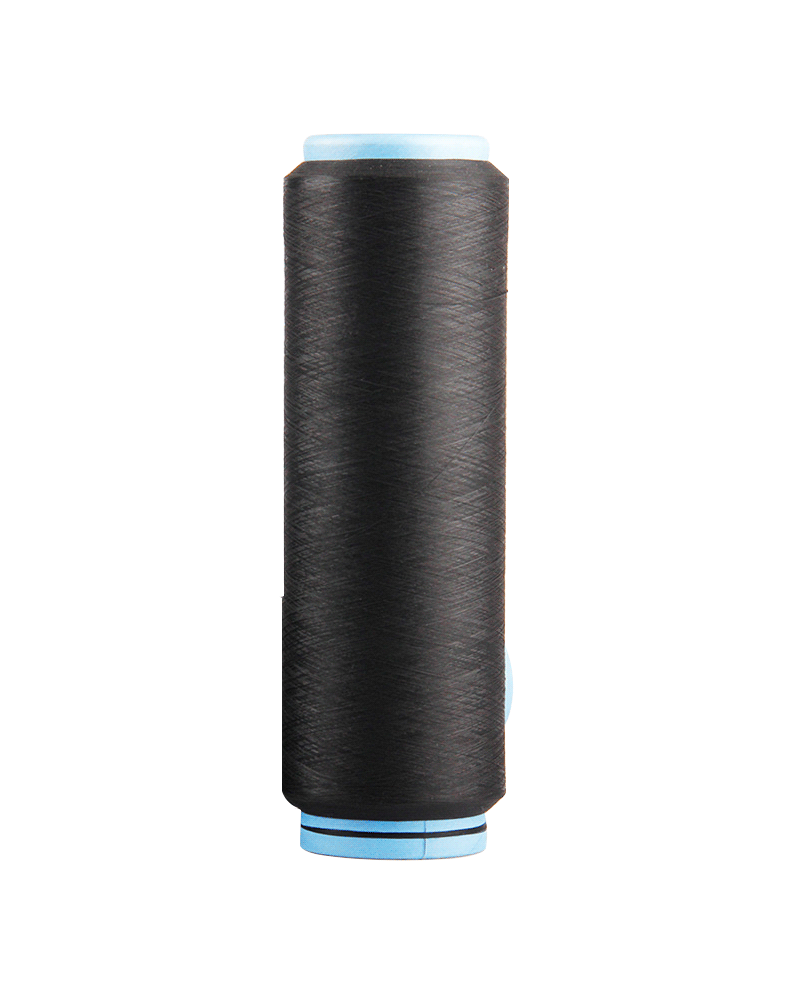
Low Deformation PBT/PET DDB(D/F) High-elastic Yarn
Core Performance Advantages
Low Permanent Deformation
The defining advantage of this yarn is its low deformation performance. During stretching, the yarn extends to accommodate body movement or fabric tension. After the load is released, it is designed to recover toward its original dimensions rather than remaining permanently elongated.
This property is particularly useful in garments that are worn repeatedly or subjected to frequent movement. It helps reduce problems such as stretched knees, loose waistbands, sagging panels, and distorted garment silhouettes. In fabric production, improved dimensional recovery can also make it easier to maintain consistent width, length, and fabric density.
Low deformation is not limited to the moment of production. It is relevant throughout the complete product life cycle. Washing, drying, repeated wearing, and daily mechanical stress can all affect fabric dimensions. A yarn with good recovery and stability gives the finished textile a better opportunity to maintain its original appearance over time.
High Elasticity and Quick Recovery
The yarn provides natural stretch without requiring the fabric to feel excessively restrictive. This makes it suitable for apparel that must follow the body during walking, bending, exercising, swimming, or other physical activities.
Quick recovery is equally important. A textile that stretches easily but recovers slowly may feel loose or lose its intended fit after use. The PBT component supports elastic response, while the combined yarn structure helps maintain a controlled balance between extension and recovery.
For fabric developers, this balance allows the creation of materials with different levels of stretch depending on yarn count, knitting structure, weave design, fabric density, and finishing conditions. The yarn can therefore support both comfort-oriented fabrics and more structured functional textiles.
Strong Tensile Performance
Textile yarns experience tension at many stages of production. They are unwound, guided, fed into needles or heddles, exposed to friction, and subjected to repeated mechanical movement. A high-elastic yarn must withstand these forces without excessive breakage, unevenness, or loss of performance.
The PET component contributes to tensile strength and structural support. This allows the yarn to remain reliable during knitting and weaving when suitable machine settings are used. Stronger yarn performance can also help improve production continuity, reduce interruptions, and support more consistent fabric quality.
Resistance to Abrasion
Finished garments and technical fabrics are exposed to rubbing during use, laundering, storage, and transportation. Activewear may experience friction from movement and equipment, while swimwear may encounter repeated contact with pool surfaces, beach materials, or other fabrics.
The yarn’s polyester-based structure offers good wear resistance, helping the fabric retain its integrity under ordinary service conditions. Abrasion resistance is especially valuable in products that need to remain attractive after repeated use, including sports garments, uniforms, leggings, stretch trousers, socks, and performance accessories.
Dimensional Stability
Dimensional stability is a major concern for fabric manufacturers and garment brands. Excessive shrinkage or distortion can result in inconsistent sizing, poor fit, and customer dissatisfaction. The low-deformation PBT/PET structure is designed to provide stable performance after stretching, washing, and long-term use.
Although final fabric stability depends on the complete manufacturing route, including knitting or weaving parameters, dyeing, heat setting, and finishing, a stable yarn provides a strong foundation. It can help fabric developers control changes in width, length, density, and stretch behavior.
Colorfastness and Dyeing Compatibility
Color is a central part of textile value. Sportswear, fashion garments, underwear, and swimwear often require clear shades, stable color appearance, and resistance to fading during care and use.
The polyester-based composition offers good compatibility with established polyester dyeing systems when appropriate dye classes, temperatures, and process controls are selected. Color performance will depend on the chosen dye, dyeing recipe, fabric construction, finishing method, and testing standard. Nevertheless, the yarn is suitable for applications where reliable color development and reasonable colorfastness are required.
Moisture Resistance and Quick Drying
Polyester fibers generally absorb limited amounts of moisture compared with many natural fibers. This characteristic supports faster drying and can be useful in sportswear, swimwear, travel clothing, and other garments exposed to perspiration or water.
The yarn itself is not a substitute for specialized moisture-management engineering, but it can support quick-drying fabric constructions. Final moisture behavior depends on filament design, cross-sectional shape, fabric density, surface finishing, and garment structure. When these factors are properly combined, the yarn can contribute to a lighter, drier, and more comfortable wearing experience.
Easy Care and Wrinkle Resistance
Low-maintenance textiles are increasingly important for consumers and professional users. Polyester-based yarns generally offer good resistance to wrinkling and can be easier to care for than many delicate natural-fiber alternatives.
Fabrics made with this yarn can be designed to retain a neat appearance after washing and ordinary use. This advantage is useful for travel garments, uniforms, activewear, fitted fashion products, and everyday clothing where frequent ironing is undesirable.
Advantages Over Conventional Stretch Yarns
Traditional stretch yarns may provide high extension but can present challenges involving permanent deformation, heat sensitivity, recovery loss, processing control, or long-term fabric stability. Low-Deformation PBT/PET DDB high-elastic yarn is positioned as a balanced alternative for manufacturers that need more than simple stretch.
| Performance requirement | Low-Deformation PBT/PET DDB Yarn | Potential limitation of basic stretch yarns |
|---|---|---|
| Elasticity | Provides comfortable stretch for movement and fit | May provide stretch without sufficient structural balance |
| Recovery | Designed for quick recovery and reduced permanent elongation | May lose recovery after repeated loading or care cycles |
| Dimensional stability | Supports stable fabric dimensions and shape retention | May contribute to fabric growth, bagging, or distortion |
| Strength | PET content supports tensile performance during processing | Some highly elastic structures may require careful handling |
| Abrasion resistance | Suitable for repeated wear and friction-intensive uses | Performance varies significantly by yarn type and construction |
| Care performance | Offers good wrinkle resistance and quick-drying potential | May require more specialized care or finishing |
| Application range | Suitable for knitting, weaving, apparel, and functional fabrics | Some yarns are limited to narrower product categories |
The comparison does not mean that every conventional stretch yarn is unsuitable. Different textile applications require different technical solutions. However, the PBT/PET blend is advantageous when a manufacturer needs a combined profile of comfort, elasticity, strength, recovery, and stability.
Compared with fabrics that depend entirely on separate elastic components, a well-engineered PBT/PET yarn can simplify material selection and support a more integrated fabric structure. It may also provide a different hand feel, processing route, and visual effect depending on the selected count and fabric design.
Manufacturing Process and Quality Control
The performance of a specialized yarn is determined not only by its formula but also by the consistency of its manufacturing process. Suzhou Junhui Textile Co., Ltd. and Suzhou Xiaoran New Materials Co., Ltd. focus on the development and sale of differential yarns, functional yarns, and knitting fabric products. Their production philosophy emphasizes product development, application research, process control, and customer support.
Raw Material Selection
Manufacturing begins with the selection of suitable PBT and PET raw materials. Polymer quality affects melt behavior, viscosity, strength, color response, spinning stability, and final yarn performance. Materials must be evaluated for consistency before being introduced into the production process.
Careful raw material management helps reduce variations between batches. Stable feedstock is particularly important for blended yarns because differences in polymer behavior can influence blend uniformity, filament formation, elasticity, and dyeing results.
Scientific Blending
The blend ratio is a central factor in balancing elasticity and stability. Excessive flexibility may reduce structural support, while excessive PET content may reduce the desired elastic response. The optimized ratio is selected according to the intended application and required performance profile.
Scientific blending requires accurate weighing, controlled feeding, and consistent mixing. A uniform blend helps ensure that the resulting yarn behaves consistently throughout its length and across different production batches. It also supports more predictable downstream knitting, weaving, dyeing, and finishing behavior.
Melt Preparation and Spinning
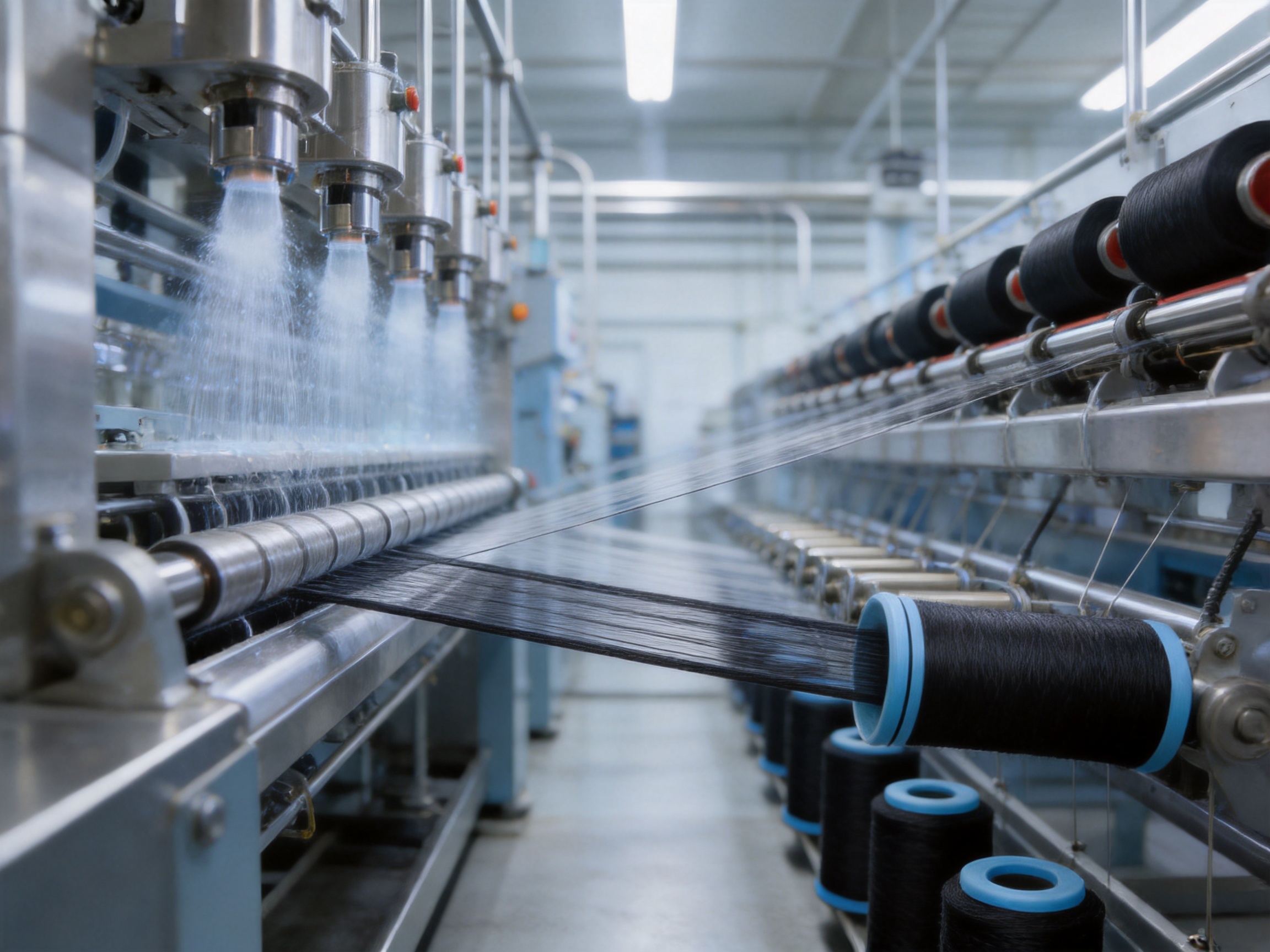
During melt spinning, the polymer mixture is heated to a controlled temperature and passed through spinning components to form filaments. Temperature control is essential. If the melt is too cool, flow may become unstable; if it is too hot or exposed to excessive residence time, polymer degradation may occur.
Spinning conditions must be adjusted to the characteristics of the PBT/PET blend. Melt pressure, throughput, spinneret design, cooling conditions, and drawing behavior all influence filament uniformity. Advanced process management helps produce yarn with consistent fineness, strength, elongation, and surface quality.
Cooling and Solidification
After extrusion, the newly formed filaments must cool and solidify in a controlled environment. Uneven cooling can cause differences in filament structure, leading to variations in shrinkage, elasticity, or dye uptake.
Stable airflow, controlled temperature, and appropriate cooling distance help establish a more uniform filament structure. This stage is especially important for a blended yarn because the two polymer components must develop a balanced morphology during solidification.
Drawing and Orientation Control
Drawing aligns polymer chains and helps establish the mechanical properties of the yarn. The draw ratio, temperature, speed, and tension must be carefully controlled to achieve the required balance between strength and elongation.
For low-deformation high-elastic yarn, orientation control is critical. Excessive orientation may reduce the desired elastic response, while insufficient orientation may reduce tensile strength and process stability. The objective is to create a controlled structure that can stretch under load and recover after the load is released.
Precision Winding
Winding converts the spun yarn into packages suitable for storage, transportation, knitting, or weaving. Package density, winding tension, yarn path, and package shape must be managed carefully.
Uniform packages reduce unwinding problems and support stable feeding on textile machinery. Proper winding also helps minimize tension fluctuations, snarling, slippage, and production stoppages. For customers, consistent packages can translate into better machine efficiency and more predictable fabric quality.
Inspection and Testing
Quality control should cover both physical yarn properties and application performance. Typical evaluation categories include linear density, tensile strength, elongation, elastic recovery, permanent deformation, appearance, package formation, and dyeing behavior.
Depending on the end use, additional testing may include abrasion resistance, dimensional change, colorfastness, moisture-related performance, heat stability, and repeated stretch recovery. Testing results provide a basis for production release, customer recommendations, and continuous product improvement.
Research and Development Strengths
The company’s development activities focus on differential yarns, recycled yarns, polyester dope-dyed yarns, microfine yarns, flame-retardant yarns, cationic-dyeable yarns, and knitting fabrics. This broad product experience is valuable because high-elastic yarn performance is closely related to the broader knowledge of polymer behavior, spinning technology, dyeing, fabric construction, and finishing.
A professional research and development team can work with customers to evaluate how a yarn performs in actual fabric structures rather than considering the yarn in isolation. The same yarn may behave differently in single jersey, interlock, rib, warp knit, woven stretch fabric, or tightly constructed technical fabric. Application-oriented development helps customers select suitable machine settings and fabric parameters.
The company also works with internationally recognized enterprises on research, development, and application relating to environmental protection and functional yarns and fabrics. Such cooperation can support the exchange of technical knowledge and provide insight into evolving market requirements.
Application-Oriented Development
Successful yarn development begins with a clear understanding of the finished product. An activewear fabric may prioritize stretch recovery, sweat-handling performance, and abrasion resistance. A swimwear fabric may require dimensional stability, colorfastness, and resistance to repeated wet use. An underwear fabric may emphasize softness, comfort, gentle stretch, and easy care.
By considering these differences, the company can help customers assess suitable yarn specifications, fabric constructions, and production conditions. This approach is more effective than offering a one-size-fits-all material recommendation.
Export Experience and Customer Support
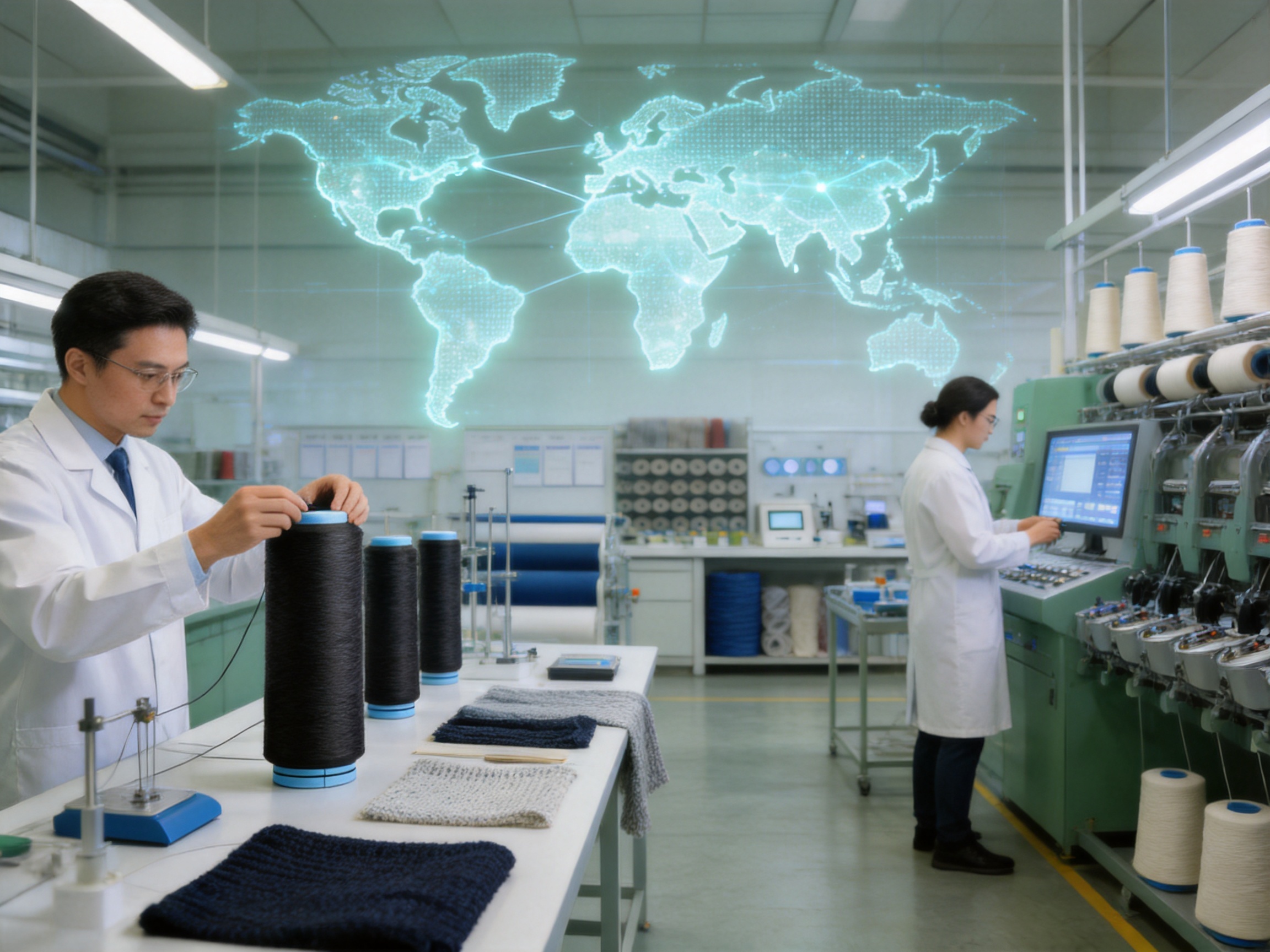
More than 90 percent of the company’s products are exported, and the business has established cooperative relationships with customers in 36 countries. International experience can provide practical knowledge of different market standards, product expectations, packaging requirements, logistics conditions, and communication practices.
The company states that its experts are prepared to provide assistance within 12 hours globally. Timely technical communication is especially important when customers are conducting sampling, adjusting machine settings, investigating fabric defects, or planning production schedules.
For international textile buyers, responsive support can reduce development delays. It can also help bridge the gap between laboratory yarn data and actual factory performance. A responsive supplier is therefore not only a source of raw material but also a partner in product development and problem solving.
Applications in Apparel and Technical Textiles
Activewear
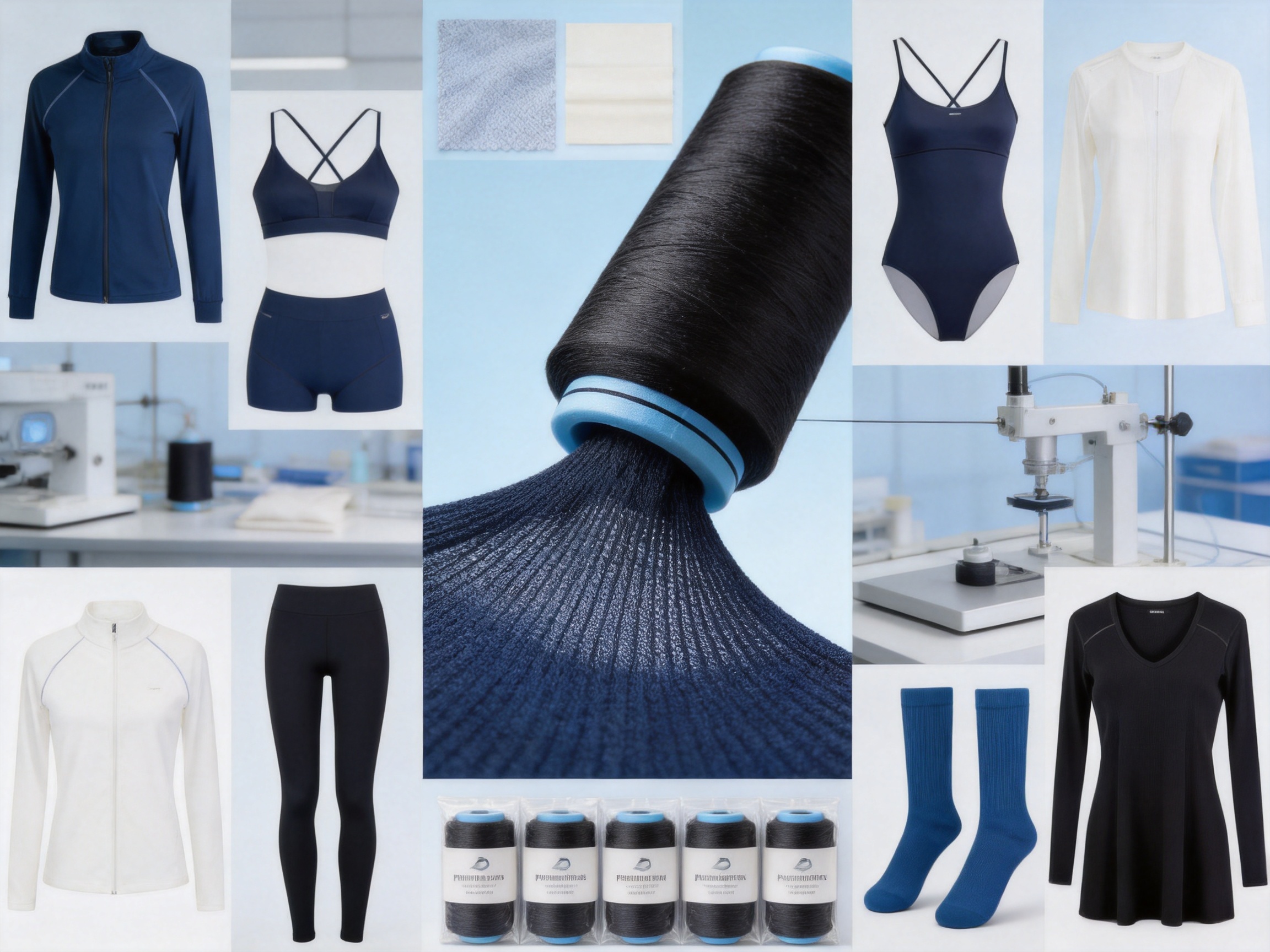
Activewear requires freedom of movement, reliable recovery, comfort, and resistance to repeated washing. Low-Deformation PBT/PET DDB yarn can be used in leggings, training tops, fitted sportswear, cycling garments, fitness apparel, and performance uniforms.
The yarn’s combination of elasticity and shape retention helps garments remain close to the body without becoming excessively loose after repeated activity. Its quick-drying potential and abrasion resistance can further support the demands of sports-related fabrics.
Swimwear
Swimwear must fit securely while allowing extensive movement. It is also exposed to water, body motion, laundering, and frequent stretching. A stable high-elastic yarn can help maintain the fit and silhouette of swimsuits, rash guards, swim shorts, and related products.
Fabric developers should evaluate the yarn alongside the selected dyeing, finishing, lining, and construction systems. When the complete fabric is properly engineered, the material can support durable stretch and a comfortable fit.
Underwear and Intimate Apparel
Underwear requires softness, controlled stretch, dimensional stability, and comfort against the skin. The flexible contribution of PBT can provide a pleasant hand feel, while PET supports strength and shape retention.
The yarn can be considered for briefs, bras, camisoles, base layers, shapewear components, and other close-fitting products. Fabric weight, yarn count, knitting structure, and finishing should be selected according to the desired level of support and softness.
Fashion and Casual Garments
Stretch fashion fabrics are used in trousers, skirts, dresses, fitted jackets, tops, and casual garments. In these products, consumers often expect a garment to fit comfortably while maintaining a polished appearance.
Low deformation can help reduce the risk of visible bagging at high-stress areas. Wrinkle resistance and easy-care properties can also support practical everyday clothing designs.
Socks and Hosiery
Socks and hosiery need controlled elasticity, repeated recovery, abrasion resistance, and comfort. The yarn can be incorporated into selected constructions where stretch and dimensional stability are required.
For these applications, product developers should consider compatibility with other yarns, covering methods, fabric density, and the required compression or support level.
Technical and Functional Fabrics
Beyond apparel, the yarn may be suitable for selected technical textile applications where controlled stretch and durability are useful. These may include protective covers, flexible components, performance accessories, sports supports, and other fabric-based products.
Technical applications require product-specific validation. Buyers should evaluate the yarn against the actual service environment, including temperature, chemicals, load cycles, moisture, abrasion, and required lifetime.
Processing Recommendations for Fabric Manufacturers
Although the yarn is designed for knitting and weaving, processing conditions should be optimized for each fabric structure. Machine speed, yarn tension, feed ratio, needle or heddle configuration, fabric density, and heat-setting conditions can all influence final performance.
Knitting Considerations
During knitting, excessive tension may reduce the available elastic recovery or create uneven fabric dimensions. Stable yarn feeding is important because tension variation can lead to differences in loop size, fabric weight, and stretch behavior.
Knitting trials should evaluate fabric width, length, weight, extensibility, recovery, surface appearance, and dimensional change after laundering. The appropriate machine settings may vary according to yarn count and the proportion of PBT and PET in the blend.
Weaving Considerations
In weaving, warp and weft tensions should be balanced to prevent distortion. The yarn’s tensile properties support weaving, but the loom setup must still be adjusted to avoid excessive friction and sudden tension changes.
Weavers should consider yarn preparation, sizing requirements, loom speed, reed density, and finishing conditions. Trial production can help identify the best settings for stable fabric construction.
Dyeing and Finishing
Dyeing recipes should be selected for polyester-based materials and verified through laboratory testing. Temperature profile, dye concentration, dispersing agents, pH, reduction clearing, and washing conditions may affect shade, colorfastness, and dimensional stability.
Heat setting is particularly important for stretch fabrics. Excessive heat or unsuitable dwell time may alter elasticity, recovery, or fabric dimensions. Process developers should determine appropriate conditions through controlled trials rather than relying only on general polyester settings.
Quality Evaluation of Finished Fabric
Finished fabric should be evaluated in a way that reflects its intended end use. Recommended assessments may include tensile strength, elongation, stretch recovery, growth after repeated extension, dimensional change after washing, colorfastness, pilling, abrasion resistance, and appearance retention.
Garment testing is also valuable because fabric performance can change after cutting, sewing, pressing, and laundering. A yarn that performs well in laboratory fabric may require further optimization in the final garment structure.
Product Selection and Custom Development
Textile buyers should identify the most important performance targets before selecting a high-elastic yarn. Important questions include the required stretch direction, target extension, recovery level, fabric weight, intended dyeing process, machine type, end-use environment, and expected care cycle.
The best specification depends on the balance among comfort, support, appearance, durability, and cost. A lightweight apparel fabric may require a different yarn configuration from a firm technical textile. A supplier with experience across several differential yarn categories can help customers compare options and avoid unnecessary trial-and-error.
| Selection factor | Questions for buyers | Why it matters |
|---|---|---|
| End use | Will the yarn be used for activewear, swimwear, underwear, or technical fabric? | Different applications require different balances of comfort, recovery, strength, and care performance. |
| Fabric construction | Will the material be knitted or woven? | Machine tension, feeding, and fabric behavior differ between processes. |
| Stretch target | How much extension and recovery are required? | Stretch must be matched to fit, support, and movement requirements. |
| Dyeing route | Which color and finishing process will be used? | Processing conditions can influence colorfastness and dimensional stability. |
| Care conditions | Will the product undergo frequent washing, drying, or long-term wear? | Repeated care cycles make low deformation and recovery especially important. |
| Production scale | Is the project for sampling, small-batch production, or continuous supply? | Supply planning and quality consistency are important for commercial production. |
Custom development may include recommendations for yarn count, package format, color, blend ratio, fabric construction, or finishing route. Early communication between the yarn supplier, fabric mill, dye house, and garment manufacturer can significantly improve development efficiency.
Sustainability and Responsible Textile Development
Environmental responsibility is becoming an important consideration throughout the textile supply chain. While PBT/PET high-elastic yarn is a synthetic material, responsible development can still focus on efficient production, longer product life, reduced waste, and appropriate material selection.
A durable yarn that helps garments retain their shape may support longer product use. Longer service life can reduce the frequency of replacement and improve the practical value of the finished textile. Manufacturing efficiency, accurate process control, and reduced defect rates can also help limit material waste.
The company’s wider product portfolio includes recycled yarn and other functional and differential yarn categories. This experience indicates an interest in developing materials that respond to changing environmental and performance requirements. Customers seeking recycled content or other sustainability-related solutions should discuss the specific material composition, certification needs, traceability requirements, and performance targets for each project.
Sustainability claims should always be supported by appropriate documentation and testing. Buyers should assess the complete product life cycle, including raw materials, energy use, dyeing, transportation, use phase, and end-of-life considerations.
Why Choose an Experienced Manufacturing Partner
Purchasing a high-performance yarn is not only a matter of comparing price and nominal specifications. The supplier’s ability to maintain consistency, communicate effectively, provide technical guidance, and respond to quality issues is equally important.
An experienced manufacturing partner can offer support during product selection, sample development, trial production, quality analysis, and commercial scale-up. This is especially valuable for specialized yarns, where small differences in tension, heat treatment, fabric construction, or dyeing can affect the final result.
Suzhou Junhui Textile Co., Ltd. combines textile product development with export experience and a broad differential-yarn portfolio. Its research and development activities cover recycled, dope-dyed, microfine, flame-retardant, cationic-dyeable, and other functional yarn categories. This technical range can help customers identify solutions for both standard and specialized textile programs.
The company’s customer-oriented approach emphasizes that customer success is the foundation of cooperation. Its international customer base and stated global response capability provide practical advantages for buyers who need timely communication across different time zones and production locations.
Frequently Asked Questions
What is Low-Deformation PBT/PET DDB high-elastic yarn?
It is a high-performance synthetic yarn that combines PBT and PET through a controlled blend and spinning process. The yarn is designed to provide elasticity, recovery, tensile strength, abrasion resistance, and improved dimensional stability.
What does low deformation mean in textile use?
Low deformation means that the yarn is designed to limit permanent elongation after stretching. It can extend during movement or fabric use and recover more effectively after the tension is removed, helping the finished fabric retain its intended shape.
How is this yarn different from a basic elastic yarn?
Basic elastic yarns may focus mainly on extension. Low-Deformation PBT/PET DDB yarn is engineered to balance stretch with strength, recovery, dimensional stability, durability, and processing performance. The most suitable choice depends on the requirements of the final fabric.
Can the yarn be used for both knitting and weaving?
Yes. The product is suitable for knitting and weaving applications. However, machine settings, yarn tension, feeding conditions, and finishing parameters should be optimized according to the selected fabric construction.
Which products can be made with this yarn?
Potential applications include activewear, swimwear, underwear, base layers, fitted fashion garments, socks, hosiery, sports accessories, and selected functional or technical fabrics.
Does the yarn dry quickly?
The polyester-based composition offers moisture resistance and quick-drying potential. Final drying performance depends on filament structure, fabric density, surface design, finishing, and garment construction.
Is the yarn suitable for repeated washing?
It is designed for applications where repeated stretching, washing, and long-term use are expected. The finished fabric must still be properly dyed, heat set, and finished to achieve the desired dimensional stability and care performance.
Can the yarn be dyed in different colors?
Yes. It can be used in polyester-compatible dyeing systems. The final shade and colorfastness depend on the dye selection, recipe, temperature, fabric construction, and finishing process.
What quality tests should buyers request?
Buyers may request data for tensile strength, elongation, elastic recovery, permanent deformation, linear density, appearance, package quality, abrasion resistance, colorfastness, and dimensional change. The most appropriate tests depend on the final application.
Can the product be customized?
Customers can discuss application requirements, yarn specifications, packaging, color, blend parameters, fabric construction, and production volume with the supplier. Custom development should begin with clear technical targets and sample evaluation.
What support can the manufacturer provide?
The manufacturer can assist with product selection, application guidance, sampling, process discussions, technical problem solving, and commercial supply coordination. Its research and development background supports cooperation on functional and differential yarn projects.
How should fabric manufacturers begin a development project?
They should provide the intended end use, fabric type, knitting or weaving method, desired stretch and recovery, target weight, color requirements, care conditions, production scale, and any applicable quality standards. This information allows the supplier to recommend a more appropriate yarn solution.
Conclusion
Low-Deformation PBT/PET DDB high-elastic yarn offers a practical solution for textile manufacturers seeking a balance between comfort and durability. Its PBT component contributes flexibility, resilience, and a soft elastic response, while PET supports tensile strength, dimensional stability, abrasion resistance, and processing reliability.
The yarn’s most important advantage is its ability to combine high elasticity with reduced permanent deformation. This helps fabrics remain comfortable during movement while improving resistance to bagging, distortion, and loss of shape. Quick recovery, good colorfastness, moisture resistance, quick-drying potential, wrinkle resistance, and easy-care performance further expand its application value.
For manufacturers, product performance is supported by controlled raw material selection, scientific blending, melt spinning, cooling, drawing, winding, inspection, and application-oriented research. The company’s experience in differential yarns, functional materials, export markets, and customer technical support makes it a capable partner for textile development programs.
When correctly matched with fabric construction and finishing conditions, this high-elastic yarn can support durable activewear, swimwear, underwear, fashion garments, socks, and technical textiles. Its combination of elasticity, recovery, stability, and manufacturing versatility makes it a strong option for textile products that must perform reliably through repeated movement, care, and everyday use.
References
1. Textile Exchange, preferred fiber and material development principles for responsible textile production.
2. International Organization for Standardization, textile testing principles for tensile properties, dimensional change, colorfastness, and abrasion resistance.
3. American Association of Textile Chemists and Colorists, standard methods for polyester dyeing, colorfastness, and textile evaluation.
4. Technical literature on polyester fiber formation, melt spinning, polymer orientation, drawing, and heat setting.
5. Technical literature on PBT and PET polymer properties, elastic recovery, dimensional stability, and textile applications.
6. Industry guidance on knitted and woven stretch fabric development, fabric testing, and garment performance evaluation.
Product: Low Deformation PBT/PET DDB(D/F) High-elastic Yarn

Popular products
-
Premium Cationic Interlock Stretch Comfort Fabric
-
Moisture-Wicking Nylon Woven Fabric
-
Double-faced jacquard elastic fabric
-
Heather Grey Double-faced cationic jersey fabric
-
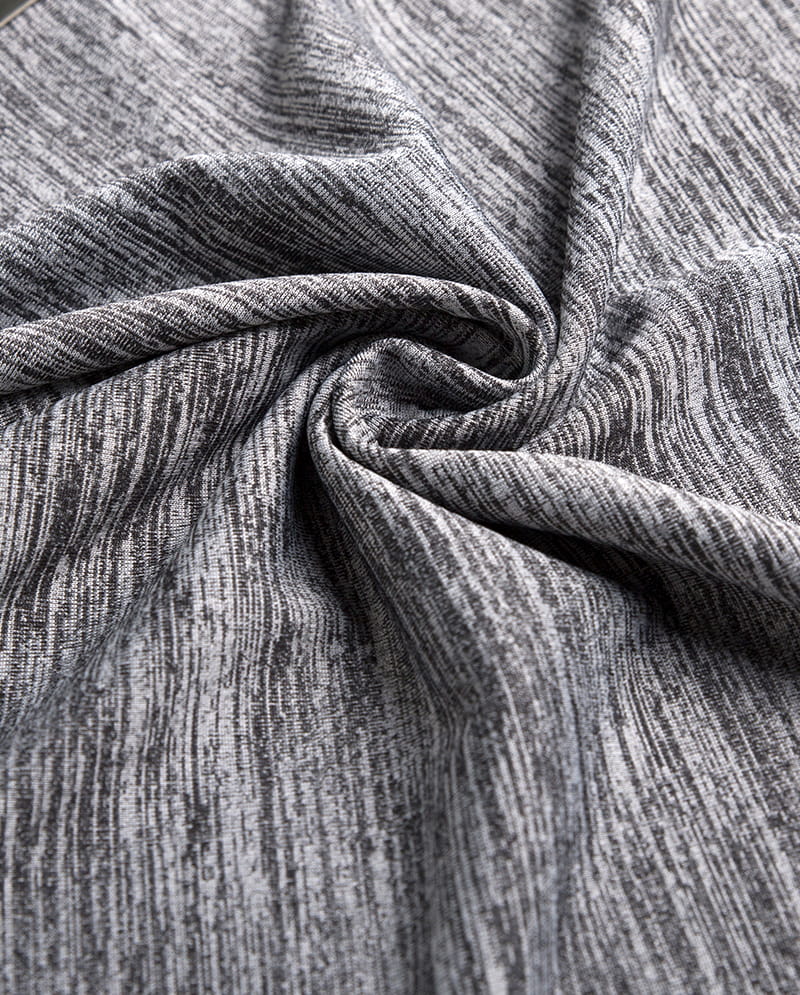
Anti-static Cationic Knitted Rib Fabric
-
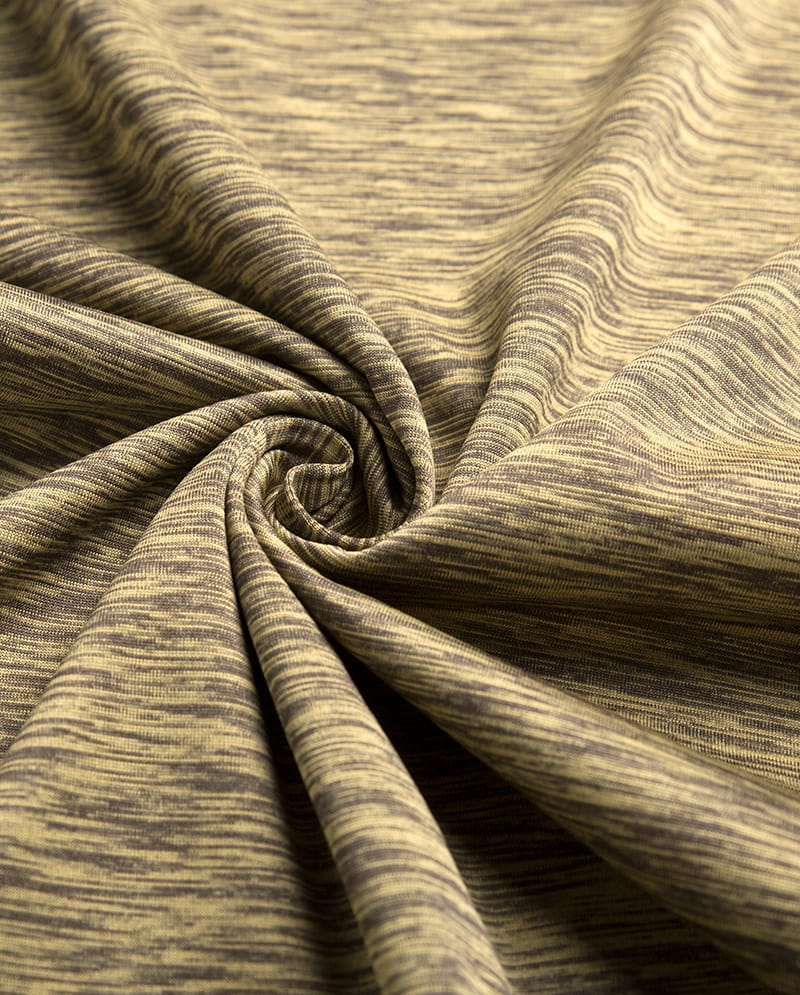
High-Stretch Cationic Jersey Fabric
-
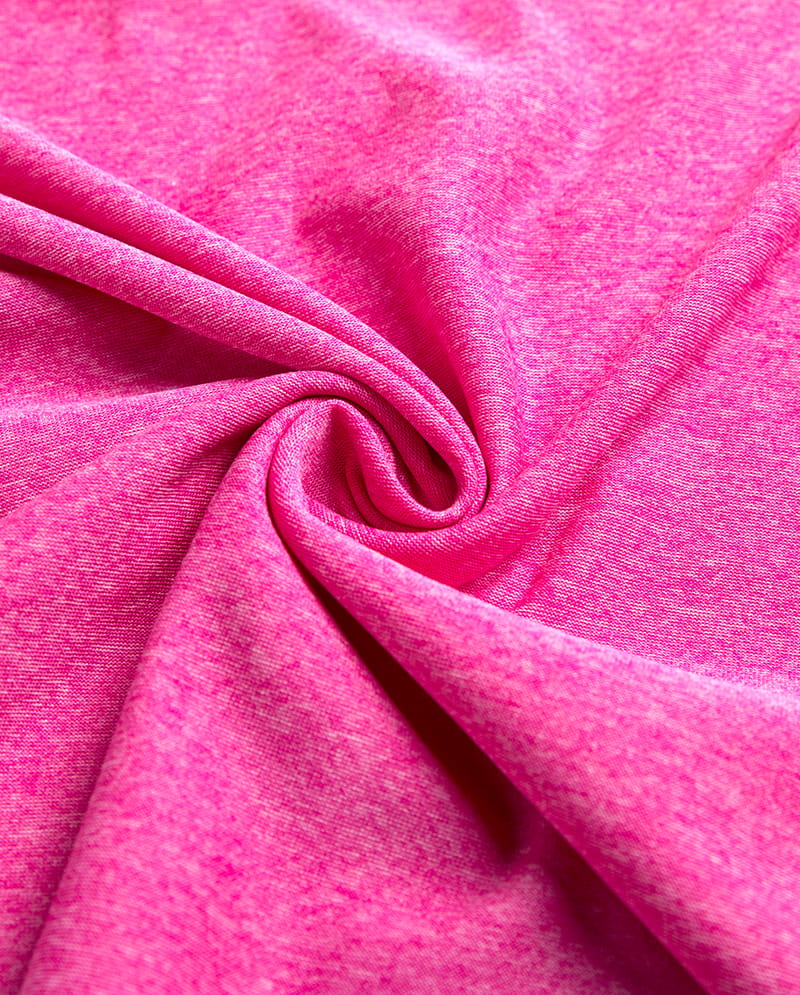
High Quality Cationic DTY Spandex Two Sides Brush Dralon Knit Fabric for Garment Thermal Underwear
-
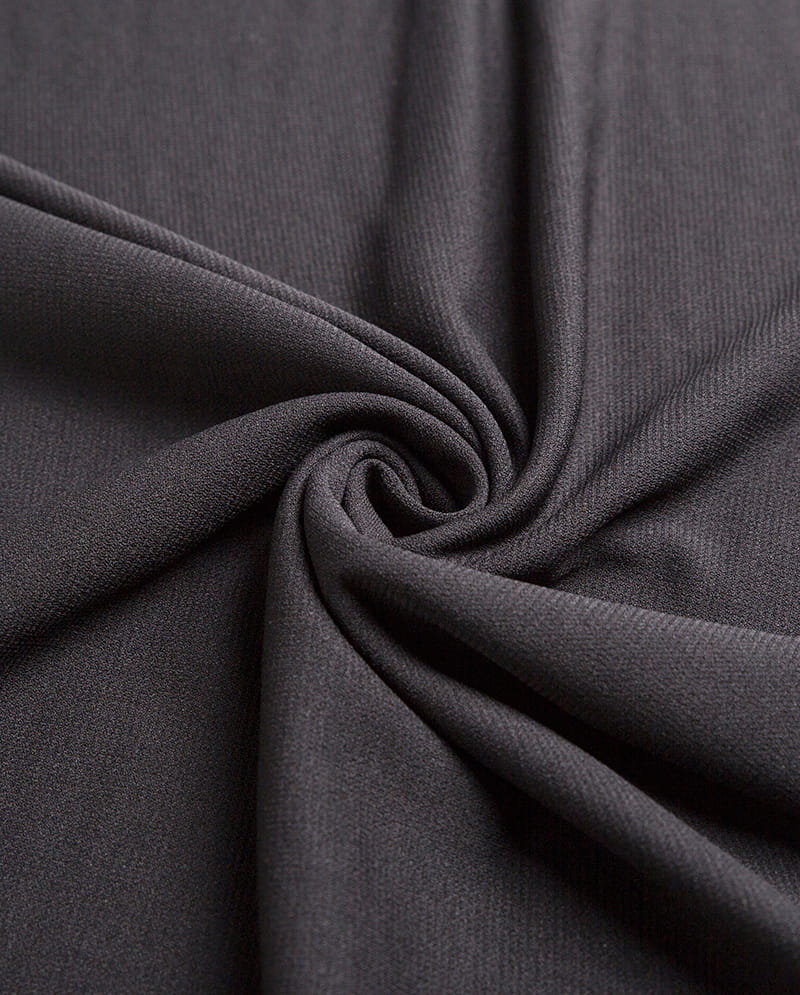
Durable Anti-Pilling Knitted Fabric for Home Textiles
-
Wash-Resistant Cationic Elastic Knitted Fabric for Garment Industry
-
Breathable Double-Faced Elastic Composite Fabric
-
-
-
- whatsapp:
- 0086-13962559622
-
- skype:
- skype.aliceshenghong
-
- Wechat:

COPYRIGHT © 2016 Suzhou Junhui Textile Co., Ltd.
