

 EN
 English
 中文简体
Low-Deformation PBT/PET DDB (D/F) High-Elastic Yarn: Performance, Processing, and Textile Applications
Content
- 1 Understanding Low-Deformation High-Elastic Yarn
- 2 Why the PBT and PET Combination Matters
- 3 Principal Performance Advantages
- 4 Comparison with Common Alternative Yarn Solutions
- 5 Manufacturing Approach and Process Control
- 6 Company Manufacturing Strengths
- 7 Processing Recommendations for Knitting
- 8 Processing Recommendations for Weaving
- 9 Dyeing, Heat Setting, and Finishing Considerations
- 10 Application Areas
- 11 Quality Evaluation for Buyers
- 12 Sustainability and Product Development Context
- 13 How the Product Supports Competitive Textile Manufacturing
- 14 Recommended Cooperation Process
- 15 Q&A
- 15.1 What is Low Deformation PBT/PET DDB (D/F) High-elastic Yarn?
- 15.2 What does low deformation mean in textile use?
- 15.3 How does the yarn compare with standard PET yarn?
- 15.4 How does it compare with conventional highly elastic yarn?
- 15.5 Can the yarn be used for knitting?
- 15.6 Can the yarn be used for weaving?
- 15.7 Is the yarn suitable for activewear?
- 15.8 Is it appropriate for swimwear?
- 15.9 Does the yarn provide quick drying?
- 15.10 Can it be dyed in different colors?
- 15.11 What information should buyers provide when requesting a quotation?
- 15.12 What quality tests are recommended before bulk purchasing?
- 15.13 What manufacturing experience supports this product?
- 15.14 Does the company support international customers?
- 16 Conclusion
- 17 References
- 18 Product: Low Deformation PBT/PET DDB(D/F) High-elastic Yarn
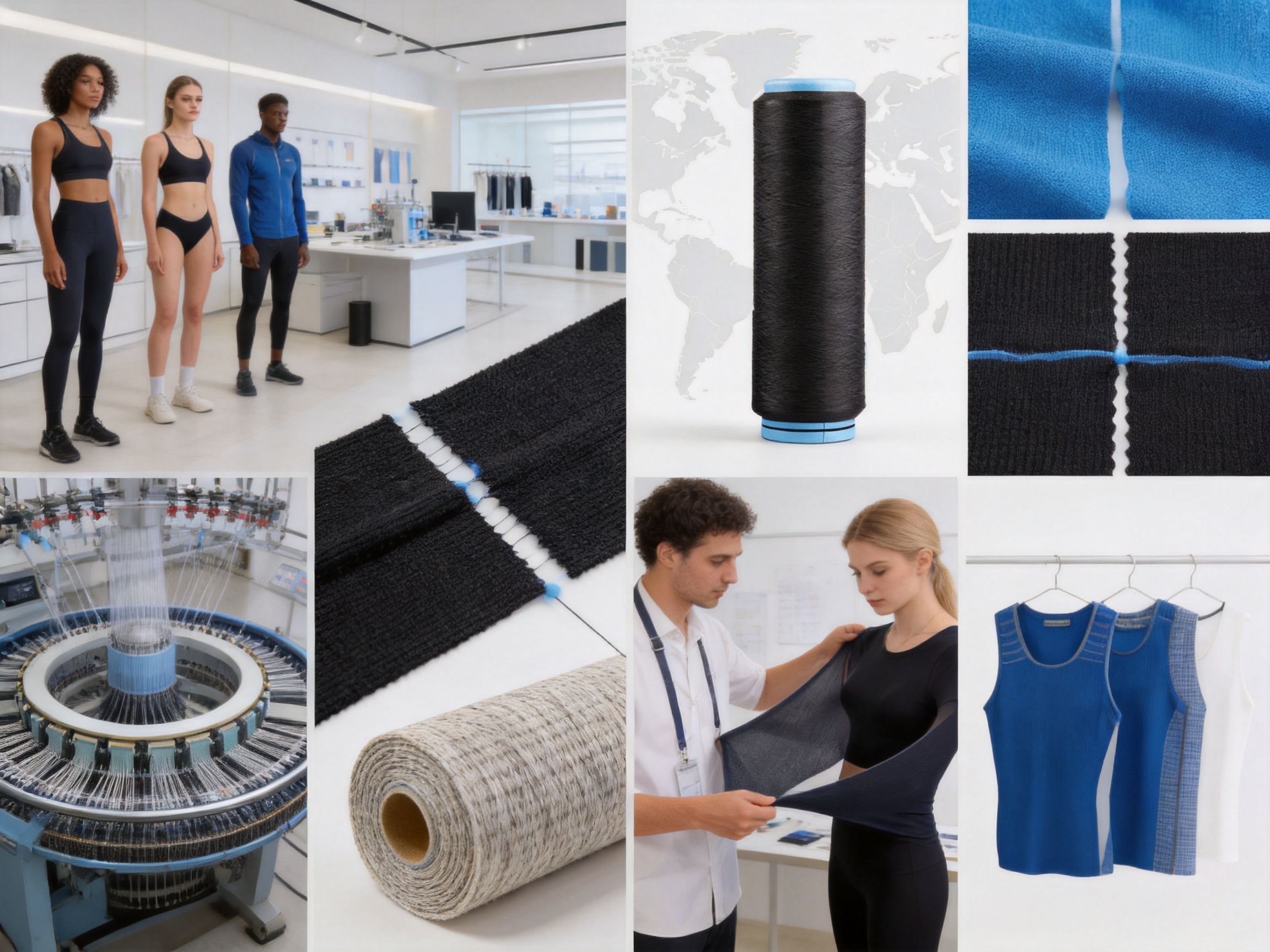
The development of high-performance textile yarns has increasingly focused on solving a difficult combination of requirements: fabrics must stretch comfortably, recover their original shape, withstand repeated laundering, remain attractive after long-term use, and process reliably on modern knitting and weaving equipment. Conventional elastic materials can provide strong stretch, but they may also create challenges related to dimensional stability, recovery, heat sensitivity, fabric appearance, or production consistency. Standard polyester yarns offer strength and durability, yet they may not provide the level of extensibility and comfort required for close-fitting apparel and functional textiles.
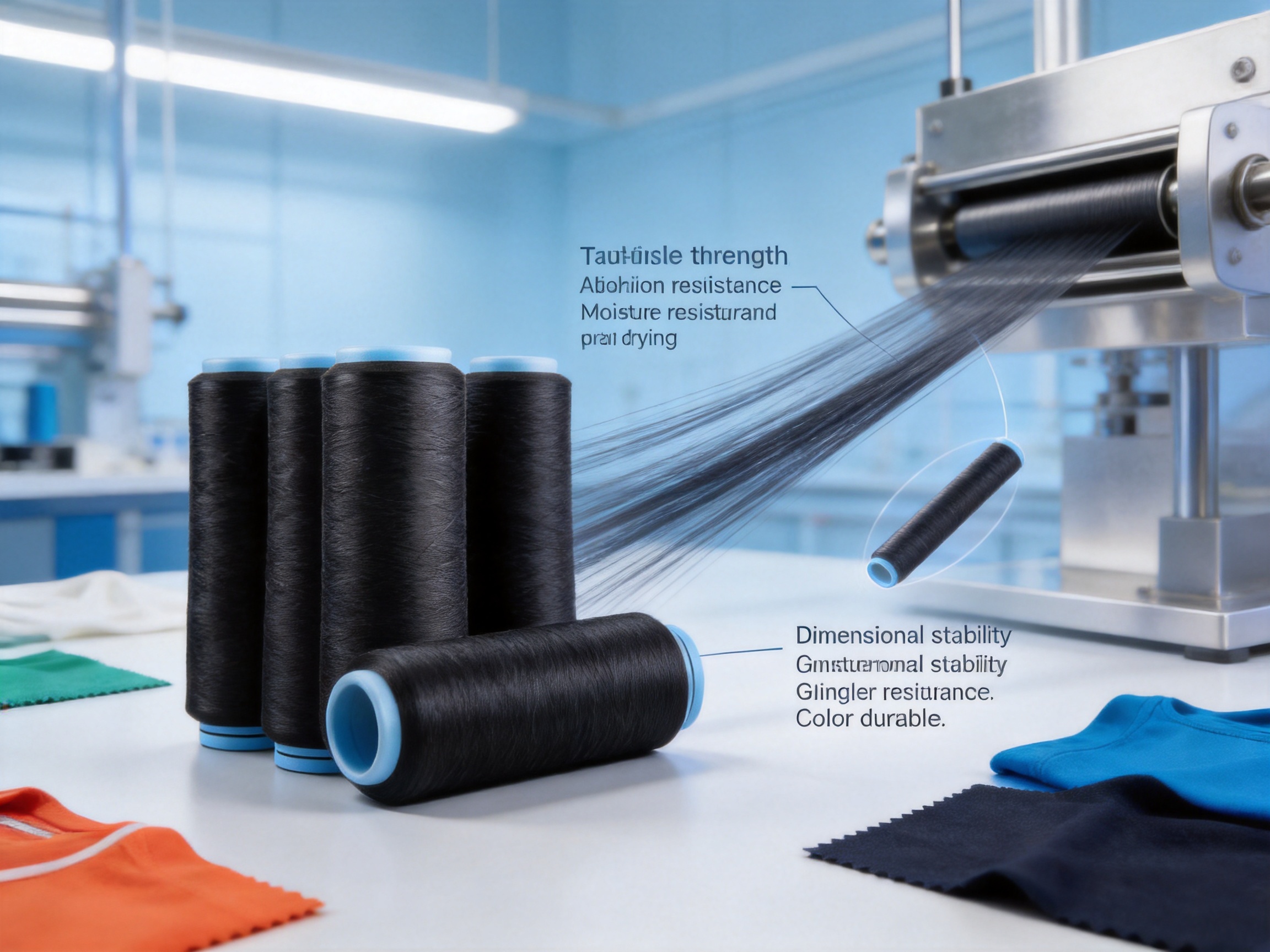
Low Deformation PBT/PET DDB (D/F) High-elastic Yarn is designed to address this performance gap. By combining polybutylene terephthalate, commonly known as PBT, with polyethylene terephthalate, commonly known as PET, the yarn brings together the complementary characteristics of two important polyester-family materials. The optimized blend is intended to provide high elasticity, rapid recovery, tensile strength, wear resistance, color durability, moisture resistance, and a low tendency toward permanent deformation.
This balance is especially valuable for textile manufacturers seeking an alternative to ordinary stretch yarns or materials that lose their shape after repeated use. The yarn can be applied in knitted and woven fabrics for activewear, swimwear, underwear, sports garments, body-hugging apparel, and other products that require flexibility without excessive distortion. It can also serve technical textile applications in which resilience, dimensional control, and long-term service performance are important.
Understanding Low-Deformation High-Elastic Yarn
Elasticity in a textile yarn is not defined only by how far the yarn can stretch. A commercially useful elastic yarn must also recover efficiently, maintain its dimensions after repeated cycles, withstand processing tension, and retain acceptable appearance during the service life of the finished product. A yarn that stretches well but remains permanently elongated may cause sagging, bagging, or loss of fit in the final fabric.
Low deformation refers to the yarn’s ability to resist permanent changes in length or shape after stretching, relaxation, washing, and repeated wearing. In practical terms, the yarn is engineered to support a stable fabric construction. This property can help reduce the risk of garments becoming loose at knees, elbows, waistbands, cuffs, or other high-movement areas.
The DDB and D/F designation identifies the product format used by the manufacturer. The exact interpretation of these designations may vary according to production specifications, denier configuration, filament arrangement, or customer requirements. Buyers should confirm technical details such as denier, filament count, luster, cross-section, blend ratio, stretch percentage, recovery rate, and package type before placing an order.
The product’s central concept is the controlled combination of PBT and PET. PBT contributes useful flexibility and elastic recovery characteristics, while PET contributes strength, stability, durability, and broad compatibility with established textile processing systems. Through scientific blending and controlled yarn formation, the two materials can be integrated into a yarn structure that is more balanced than a single-material solution designed for only one performance objective.
Why the PBT and PET Combination Matters
PBT and PET belong to the polyester family, but their molecular structures and processing characteristics are not identical. This difference allows each polymer to contribute distinct functions to the final yarn. PBT is recognized for its flexibility, resilience, and relatively soft hand in suitable textile constructions. PET is widely used because of its tensile strength, dimensional stability, abrasion resistance, chemical resistance, and reliable performance in industrial-scale fiber production.
When used independently, each material can have limitations depending on the intended application. A highly flexible material may require additional control to maintain structural stability. A rigid and dimensionally stable material may not provide sufficient comfort or stretch for close-fitting garments. The PBT/PET approach aims to create a more useful equilibrium between these characteristics.
The optimized blend ratio is important because the performance of a blended yarn depends on more than the nominal presence of two polymers. If the blend is not controlled, the yarn may show inconsistent elasticity, uneven dye uptake, variable shrinkage, or unstable behavior during knitting and finishing. A suitable blend ratio, together with controlled spinning and drawing conditions, supports a tighter and more uniform fiber structure.
For textile producers, this balance can simplify product development. Instead of choosing between a yarn that stretches easily and a yarn that remains stable, manufacturers can evaluate a material designed to offer both properties within one product family. This does not eliminate the need for correct fabric engineering, but it provides a strong foundation for producing fabrics with comfort and shape retention.
Principal Performance Advantages
Low Permanent Deformation
The most distinctive advantage of this yarn is its low deformation behavior. During garment use, textile materials may be stretched by body movement, repeated bending, tension at seams, washing, and drying. If the yarn does not recover adequately, the fabric may lose its original dimensions. This can reduce garment appearance, comfort, and perceived quality.
Low-deformation yarn helps the fabric retain its intended construction over repeated use. In activewear, this can help preserve the fit around the waist, hips, shoulders, and legs. In swimwear, it can support a closer fit after exposure to repeated stretching and laundering. In underwear, it can contribute to a stable, comfortable shape without excessive looseness.
Dimensional stability also benefits fabric manufacturers. A yarn with predictable recovery behavior can make it easier to control fabric width, length, density, and finishing results. Consistent behavior helps reduce the need for excessive corrective finishing and can support more reliable batch-to-batch production.
High Elasticity and Quick Recovery
Elasticity improves freedom of movement and can make garments feel less restrictive. High-elastic PBT/PET yarn is suitable for applications in which the fabric must extend during body movement and then return toward its original dimensions. This is especially important in sportswear, dancewear, swimwear, compression-related products, and fitted fashion garments.
Quick recovery is as important as extension. When recovery is slow or incomplete, the garment may feel loose after activity and may not provide consistent support. The yarn’s elastic response is intended to support repeated movement while maintaining a more stable fit. Designers can use this characteristic to create fabrics that combine comfort with controlled body-hugging performance.
Compared with ordinary PET yarn, the product offers a more flexible performance profile. Compared with some highly elastic alternatives, the PBT/PET structure may offer a useful balance of stretch, strength, and processing stability. The appropriate choice still depends on the required elongation, fabric construction, finishing process, and end-use standard.
Strength During Processing and Use
Textile yarns are subjected to mechanical stress during winding, warping, sizing, knitting, weaving, dyeing, finishing, cutting, sewing, and final wear. A high-elastic yarn must therefore be more than flexible; it must retain sufficient tensile strength to survive manufacturing operations.
The PET component contributes to the yarn’s strength and structural integrity, while the controlled PBT/PET fiber structure supports elasticity without making the yarn excessively fragile. This combination can help the yarn withstand weaving tension and the repeated friction associated with knitting needles, guides, feeders, rollers, and other machine elements.
In the finished fabric, tensile strength and abrasion resistance help protect against damage caused by daily wear. Garments made for sports, travel, work, or frequent washing benefit from a yarn that can endure repeated mechanical action while maintaining a satisfactory surface and fit.
Wear Resistance
Wear resistance is essential in areas exposed to rubbing, including inner thighs, underarms, waistbands, seat panels, cuffs, and garment edges. Repeated abrasion can create fuzzing, thinning, pilling, or visible changes in appearance. Yarn selection is one of several factors that influence resistance to these effects.
The PBT/PET high-elastic yarn is designed to provide a durable filament structure that can support demanding fabric applications. Its wear resistance is particularly useful in activewear and swimwear, where movement and contact with equipment or other surfaces can be frequent. It can also benefit underwear and base-layer fabrics that are washed often and worn close to the skin.
Actual abrasion performance depends on denier, filament fineness, fabric construction, twist, knitting or weaving density, dyeing conditions, finishing chemistry, and garment design. For that reason, manufacturers should evaluate the yarn in the intended fabric structure rather than relying only on a general material description.
Colorfastness and Dyeing Compatibility
Color is a major purchasing factor in apparel and textile products. A fabric may lose market value if its shade changes quickly under washing, perspiration, light exposure, or rubbing. Good colorfastness supports a longer-lasting appearance and helps brands maintain consistent visual standards.
The yarn offers good colorfastness characteristics and can be incorporated into colored yarn and dyed fabric programs. Polyester-family fibers are widely used in dyeing systems developed for synthetic fibers, and the PBT/PET structure is intended to remain compatible with textile coloration requirements when appropriate process parameters are selected.
Color results can be influenced by temperature, dye class, carrier or auxiliary selection, pH, holding time, liquor ratio, reduction clearing, heat setting, and the specific blend ratio. Textile mills should conduct laboratory trials before bulk production, particularly when matching sensitive shades, fluorescent colors, deep blacks, or multi-component fabric constructions.
Moisture Resistance and Quick Drying
Sportswear and functional garments must manage perspiration and moisture efficiently. A material that retains excessive moisture can feel heavy, clammy, and uncomfortable. A quick-drying yarn can support faster moisture release from the fabric, especially when combined with suitable fabric geometry and finishing.
The yarn’s moisture resistance and quick-drying properties make it suitable for garments used during exercise, outdoor activity, travel, and warm-weather wear. These characteristics can help reduce drying time after laundering and support a fresher wearing experience.
It is important to distinguish moisture resistance from moisture absorption. Polyester-based fibers generally absorb less water than many natural fibers. The final moisture-management performance depends on filament shape, yarn count, fabric thickness, surface area, knitting structure, finishing, and garment construction. Designers can further improve performance by combining the yarn with open structures, mesh zones, textured surfaces, or engineered ventilation areas.
Easy Care and Wrinkle Resistance
Consumers increasingly prefer garments that require less ironing and maintain a neat appearance during travel and daily use. The yarn’s wrinkle resistance can support fabrics that recover more easily from compression and folding. This is useful for uniforms, casualwear, travel clothing, sports apparel, and garments that must move directly from washing to wearing.
Easy-care performance also creates commercial benefits. Retailers and brands can promote products that are convenient to maintain, while consumers can reduce the time and energy required for garment care. The product can contribute to this positioning when the fabric structure and finishing process are designed to preserve resilience and surface smoothness.
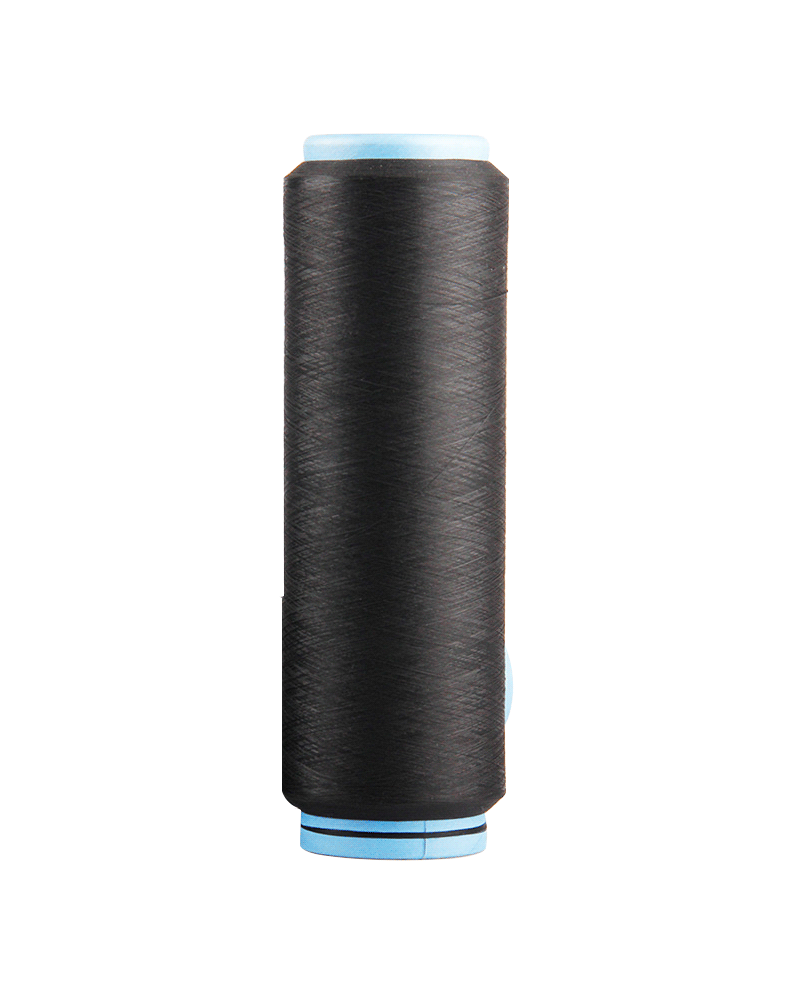
Low Deformation PBT/PET DDB(D/F) High-elastic Yarn
Comparison with Common Alternative Yarn Solutions
Choosing an elastic yarn requires a comparison of multiple performance factors rather than a single headline specification. The following table presents a general qualitative comparison. It is intended as a product-selection guide, not as a replacement for laboratory test data or customer-specific trials.
| Performance factor | Low-deformation PBT/PET high-elastic yarn | Standard PET yarn | Conventional highly elastic yarn | General-purpose stretch blend |
|---|---|---|---|---|
| Elasticity | High, with a balance between stretch and stability | Low to moderate, depending on construction | Very high in many constructions | Moderate to high, depending on fiber ratio |
| Shape recovery | Designed for quick recovery and low deformation | Stable but usually less elastic | Often strong, but may require careful heat and tension control | Variable according to blend and finishing |
| Tensile strength | Good, supported by polyester-family structure | Generally strong | May vary significantly by product type | Dependent on component fibers |
| Processing compatibility | Suitable for knitting and weaving with controlled settings | Broadly compatible with standard systems | May require specialized tension and heat management | Varies according to fiber combination |
| Dimensional stability | Strong focus on low deformation | Generally good, with limited stretch | Can be good but sensitive to process conditions | Depends on fiber interaction and finishing |
| Comfort potential | High, particularly in fitted and active garments | Moderate unless combined with structure or other fibers | High when correctly engineered | Moderate to high |
| Care performance | Quick drying, easy care, and wrinkle resistance | Easy care and quick drying | Usually easy care, but care instructions may vary | Dependent on fiber composition |
Compared with standard PET yarn, the PBT/PET product provides a stronger elastic function while preserving many benefits associated with polyester, including durability, low moisture absorption, and compatibility with synthetic-fiber dyeing systems. This makes it attractive when a fabric must be both resilient and dimensionally controlled.
Compared with some conventional highly elastic solutions, the low-deformation PBT/PET design may offer a useful balance between elasticity and stability. Certain highly elastic materials can deliver exceptional extension but may require very careful control of heat setting, tension, feeding, and finishing. A PBT/PET yarn can be considered when the buyer wants stretch performance without sacrificing tensile integrity and process practicality.
Compared with general-purpose stretch blends, a controlled PBT/PET product can provide greater consistency because the yarn is developed around a defined two-polymer system. However, the best choice will depend on whether the end product prioritizes maximum extension, compression, softness, temperature resistance, sustainability, cost, or another specialized requirement.
Manufacturing Approach and Process Control
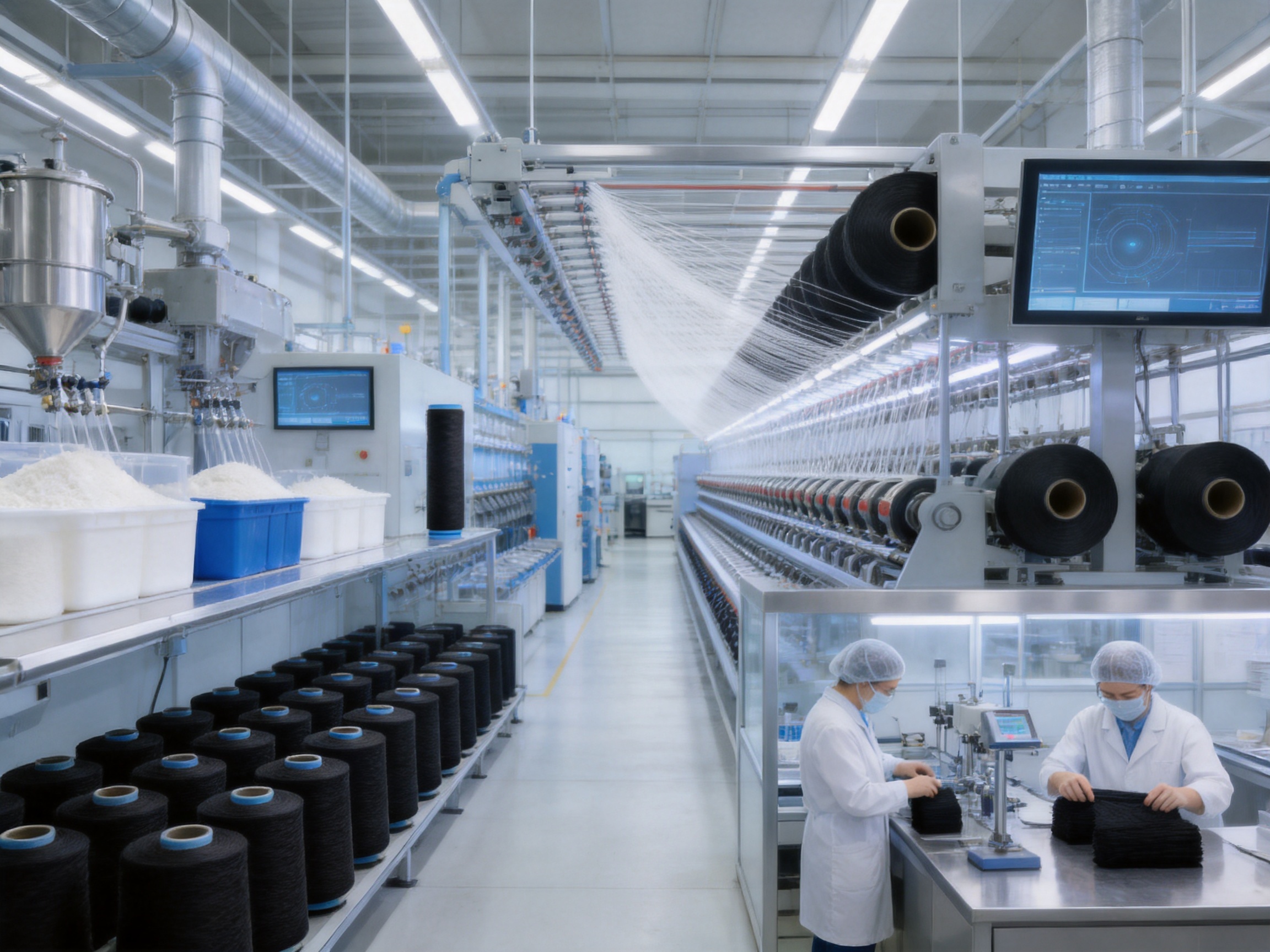
The performance of a blended high-elastic yarn depends on manufacturing discipline. A suitable raw-material concept cannot deliver consistent results if polymer preparation, blending, spinning, drawing, winding, or inspection is not carefully managed. The manufacturing process must therefore be considered as an integrated sequence rather than a collection of independent steps.
Raw-Material Selection
The process begins with the selection and preparation of PBT and PET raw materials. Polymer quality, intrinsic viscosity, moisture content, cleanliness, thermal behavior, and lot consistency can influence spinning stability and final yarn performance. Proper material preparation helps reduce variation in melt behavior and supports stable extrusion.
Polyester-family polymers are sensitive to moisture during high-temperature processing. Excess moisture may contribute to degradation, reduced molecular weight, unstable spinning, or weaker filaments. Effective drying and controlled storage are therefore important parts of a professional manufacturing system. Raw materials should be protected from contamination and tracked by batch to support traceability.
Scientific Blending
The product is based on scientific blending rather than simply mixing two materials without process control. The blend ratio must be selected according to the targeted elasticity, recovery, strength, dyeing behavior, thermal response, and intended application. A blend designed for lightweight sportswear may not be identical to one intended for dense woven fabric or technical textile use.
Uniform blending supports a more consistent fiber structure along the yarn length. Poorly distributed components can create local variations in elasticity, shrinkage, color response, or tensile strength. Controlled blending helps reduce these risks and improves the predictability of downstream knitting, weaving, dyeing, and finishing.
Melt Spinning and Filament Formation
During melt spinning, the prepared polymer blend is heated and delivered through carefully designed spinnerets to form continuous filaments. Temperature, pressure, throughput, cooling conditions, and winding speed must be coordinated to create stable filaments with the desired fineness and structural uniformity.
Filament formation affects many final properties, including smoothness, strength, elongation, luster, friction, dye uptake, and abrasion behavior. Cooling conditions are especially important because they influence solidification and molecular orientation. Stable airflow and controlled quenching can help reduce filament-to-filament variation.
The spinneret configuration and discharge conditions also influence the yarn’s cross-sectional form. A uniform cross-section supports stable processing, while specialized filament profiles may be considered for specific hand-feel, moisture-management, or optical effects. Any such specification should be confirmed with the manufacturer during product development.
Drawing and Orientation
Drawing is used to orient polymer chains and improve the mechanical characteristics of the filaments. The drawing ratio, roller temperature, line speed, and tension profile must be selected carefully. Excessive drawing may reduce the desired elastic response, while insufficient orientation may lower strength and dimensional stability.
For a low-deformation high-elastic yarn, the drawing process must balance molecular orientation with recoverable extension. This is one of the most important stages for developing a yarn that can stretch during use and return toward its original dimensions after the load is removed.
Stable drawing conditions also reduce differences between individual filaments. Uniformity is important in both knitting and weaving because irregular filaments can produce barré, streaks, uneven tension, or inconsistent fabric recovery.
Winding and Package Formation
After spinning and drawing, the yarn is wound into packages suitable for storage and textile processing. Package density, winding tension, yarn traverse, and package shape influence unwinding behavior. A package that is too hard, too soft, or unevenly formed may cause tension fluctuations on knitting or weaving machines.
Controlled winding helps protect the yarn during transportation and supports reliable feeding in subsequent processes. For elastic products, tension management is particularly important. Excessive winding tension can affect the apparent elongation and recovery behavior, while inconsistent tension can create processing problems for customers.
Inspection and Quality Assurance
Quality assurance should cover both physical properties and process behavior. Typical evaluation areas include yarn count, tensile strength, elongation, recovery, deformation after repeated extension, evenness, oil content, package appearance, color, and defects. The exact testing program should reflect the customer’s technical specification and end-use requirements.
Low deformation should be assessed through a defined test method. Such a method may include controlled extension, relaxation, repeated cycling, and measurement of residual elongation. Washing and heat exposure can also be incorporated when the intended application requires stronger simulation of service conditions.
Laboratory testing is most useful when it is supported by production records and batch traceability. If a customer reports variation in stretch or recovery, the manufacturer can review polymer lots, blending records, spinning conditions, drawing parameters, winding data, and inspection results. This supports faster problem analysis and more reliable corrective action.
Company Manufacturing Strengths
Suzhou Junhui Textile Co., Ltd. operates within the wider Suzhou Xiaoran New Materials Co., Ltd. organization. Founded in June 2015, the company focuses on differential yarn and knitting fabric products. Its product development scope includes recycled yarn, polyester dope-dyed yarn, SHAWLIENCE, microfine yarn, flame-retardant yarn, cationic dyeing yarn, and other functional or specialty textile materials.
This product breadth is relevant to the development and supply of PBT/PET high-elastic yarn. A manufacturer working across multiple differential yarn categories is familiar with the need to control fiber composition, appearance, hand feel, dyeing response, environmental considerations, and end-use performance. Experience with varied yarn systems can support more informed product selection and technical communication.
The company reports that it has a professional research and development team and works with internationally recognized enterprises on the research, development, and application of environmentally responsible and functional yarns and fabrics. This collaborative approach can help connect laboratory development with practical requirements from spinners, knitters, weavers, dye houses, garment producers, and textile brands.
More than 90 percent of the company’s products are exported, and the company has established cooperative relationships with customers in 36 countries. International supply experience requires attention to documentation, packaging, lead times, technical specifications, communication, and quality consistency. It also exposes the manufacturer to diverse climate conditions, regulations, production systems, and market preferences.
For customers evaluating a supplier, export experience is valuable because it may indicate familiarity with cross-border order management and the importance of stable product performance. However, each buyer should still confirm current production capacity, quality procedures, sample approval requirements, delivery arrangements, and applicable compliance documentation for the specific order.
Research and Development Orientation
Functional yarn development requires continuous adjustment. A product may need to be modified for a different denier, filament count, luster, color, stretch level, recovery target, or fabric application. The company’s stated focus on differential yarn provides a foundation for this type of application-oriented development.
Research and development is not limited to creating new materials. It also includes improving consistency, refining production windows, reducing defects, responding to customer processing feedback, and developing combinations that meet changing market expectations. For PBT/PET yarn, R&D may focus on blend ratio optimization, thermal behavior, draw conditions, package performance, dyeing response, and fabric recovery.
Customer Support and Technical Guidance
High-elastic yarn performance depends on how it is processed by the customer. Knitting tension, feeding ratio, machine speed, needle selection, heat setting, dyeing temperature, and finishing conditions can all influence the final fabric. A supplier that provides technical guidance can help customers reduce trial-and-error during adoption.
The company states that its experts are prepared to provide professional guidance or support in product selection and problem solving within 12 hours globally. This service commitment is relevant when a customer is developing a new fabric, troubleshooting inconsistent recovery, comparing yarn options, or planning a bulk order. Response speed should be confirmed for each project, but prompt technical communication can improve development efficiency.
Product selection support may include recommending a suitable yarn specification, discussing the intended fabric construction, reviewing sample results, and identifying process variables that could affect performance. The most effective cooperation occurs when customers provide complete information about machine type, fabric weight, stretch target, dyeing method, finishing route, end use, and required test standards.
Processing Recommendations for Knitting
PBT/PET high-elastic yarn can be used in circular knitting, warp knitting, flat knitting, and other suitable systems, subject to the selected yarn specification and machine configuration. Before bulk production, a knitting trial should be conducted to establish stable yarn feeding and fabric dimensions.
Yarn tension should be controlled carefully. Excessive tension may reduce the apparent stretch in the knitted fabric or cause the fabric to relax unpredictably after production. Insufficient control may create loops, uneven courses, barré, or fabric width variation. Positive feeding and appropriate tension-monitoring systems can help stabilize the knitting process.
Machine speed should be selected according to yarn count, filament structure, needle condition, guide settings, and fabric design. Higher speed is not always more efficient if it increases friction, breakage, or fabric defects. Clean machine surfaces, properly maintained yarn guides, and suitable lubrication conditions can also support reliable processing.
Knitted structures can be engineered to emphasize different characteristics. A dense structure may improve coverage and support, while an open structure may improve air permeability and moisture release. Rib, interlock, jersey, mesh, and engineered jacquard constructions can all produce different levels of stretch and recovery even when made from the same yarn.
Processing Recommendations for Weaving
When used in woven fabrics, high-elastic yarn must be managed during warping, sizing, drawing-in, and weaving. Beam tension should be as uniform as possible, and the yarn should not be subjected to unnecessary extension during preparation. Excessive tension may influence fabric width, shrinkage, and final stretch behavior.
Warping conditions should be established through a controlled trial. The appropriate tension depends on yarn count, package characteristics, machine type, warp density, and the position of the yarn in the construction. If sizing is required, the chemistry and drying conditions should be compatible with the yarn and should not create excessive stiffness or reduce recovery.
Weaving settings should be adjusted to prevent abrasion and filament damage. Loom speed, shed formation, heddle condition, reed selection, and take-up tension can all influence yarn performance. After weaving, heat setting and finishing should be evaluated carefully because thermal treatment can either stabilize the fabric or reduce its desired elasticity if applied too aggressively.
Dyeing, Heat Setting, and Finishing Considerations
Synthetic-fiber dyeing requires careful control of temperature, pH, auxiliaries, circulation, and time. The selected process should reflect the PBT/PET blend, fabric construction, shade depth, and customer color standard. Laboratory dyeing should precede bulk production to identify the appropriate recipe and determine whether the fabric requires special reduction clearing or finishing.
Heat setting can improve dimensional stability, control width, reduce unwanted torque, and establish the finished fabric’s handle. However, high temperature or excessive dwell time may alter elastic recovery. The best heat-setting conditions should therefore be established through trials that measure both dimensional stability and stretch recovery.
Finishing may include softening, moisture-management treatment, anti-pilling treatment, wicking enhancement, or other functional processes. Each treatment can influence friction, hand feel, color appearance, and recovery. Chemical compatibility should be evaluated before bulk application, particularly for fabrics intended for close contact with skin or repeated washing.
Fabric testing after finishing is essential because yarn-level performance does not automatically predict finished-fabric behavior. Recommended evaluations may include dimensional change after washing, stretch and recovery, residual deformation, bursting or tensile strength, abrasion, pilling, colorfastness to washing and rubbing, moisture transport, and appearance after repeated care cycles.
Application Areas
Activewear and Sportswear
Activewear requires freedom of movement, comfortable fit, moisture management, durability, and repeated-care performance. Low-deformation PBT/PET yarn can be used in leggings, training tops, sports bras, cycling garments, yoga apparel, running products, and performance base layers.
The yarn’s elasticity allows designers to create close-fitting garments that move with the body. Its quick recovery can help the garment retain its form during repeated exercise. Its quick-drying characteristics can contribute to comfort during perspiration and post-wash drying, while abrasion resistance supports use in demanding environments.
Swimwear
Swimwear fabrics must stretch repeatedly while maintaining coverage and fit. They may also encounter chlorine-treated water, salt water, sunlight, body oils, and frequent washing. A stable elastic yarn can support the recovery required in one-piece swimsuits, training swimwear, swim shorts, rash guards, and performance aquatic garments.
For swimwear, the final fabric should be tested under relevant exposure conditions. The yarn is one component of the complete product, and resistance to chlorine, ultraviolet radiation, salt water, and sunscreen may depend on the dyeing system, finishing, fabric structure, and other fibers used in the construction.
Underwear and Intimate Apparel
Underwear requires softness, flexibility, shape retention, and comfort against the skin. The yarn can be incorporated into stretch jersey, rib structures, seamless products, briefs, camisoles, base layers, and other intimate apparel applications.
Its low deformation behavior may help reduce sagging during repeated wear, while its wrinkle resistance and easy-care properties support consumer convenience. When used in close-contact garments, fabric hand feel, dyeing safety, finishing chemistry, and applicable textile safety requirements should be carefully verified.
Fashion and Body-Fit Garments
Stretch fashion garments often depend on a combination of visual appearance and functional recovery. Dresses, skirts, fitted trousers, tops, bodysuits, and performance-inspired casualwear can benefit from yarns that create a smooth fit without quickly losing shape.
Designers can combine the yarn with different knitting structures, surface textures, colors, or fiber blends to produce a wide range of appearances. Its compatibility with colored yarn and synthetic-fiber dyeing programs also supports product lines requiring stable, repeatable shades.
Functional and Technical Textiles
The yarn may also be considered for selected technical textile applications that require controlled elasticity, durability, and dimensional stability. Examples may include flexible covers, fitted protective components, elasticated textile panels, support fabrics, and specialized knitted structures.
Technical applications require a more detailed specification than general apparel. Buyers should define operating temperature, chemical exposure, required cycle life, tensile load, elongation, recovery, abrasion level, and applicable testing standards. The yarn should be validated in the exact product structure before commercial adoption.
Quality Evaluation for Buyers
Buyers should request representative samples and a technical data sheet before making a purchasing decision. The data sheet should identify yarn count, filament configuration, blend information where applicable, luster, color, package type, recommended processing route, and relevant physical properties.
Stretch testing should include both initial elongation and recovery after a specified relaxation period. Repeated-cycle testing is useful because some yarns perform well in a single extension test but show higher residual deformation after many cycles. Testing should be conducted at controlled temperature and humidity when results will be compared between suppliers.
Fabric trials are equally important. The same yarn may behave differently in a lightweight jersey, a dense interlock, a warp-knit structure, or a woven fabric. Evaluation should include fabric width, weight, thickness, stretch direction, recovery, hand feel, appearance, and dimensional change after washing.
Color evaluation should cover shade consistency, colorfastness to washing, perspiration, rubbing, and light when relevant to the product. For sportswear and swimwear, additional testing may be appropriate for chlorine, salt water, sunscreen, and repeated heat exposure.
Production performance should be monitored during a pilot run. Record yarn breaks, machine stoppages, tension variation, needle or guide problems, fabric defects, dyeing behavior, and finishing results. A successful laboratory sample is encouraging, but stable bulk production provides the stronger indication of commercial suitability.
Sustainability and Product Development Context
The textile industry is seeking materials that combine performance with more responsible resource use. A high-elastic yarn can contribute to product durability by helping garments retain their shape and remain wearable for longer. Longer service life may reduce the frequency of replacement, although overall environmental impact depends on the complete product life cycle.
Sustainability evaluation should consider raw materials, energy consumption, water use, dyeing, transportation, garment lifespan, washing behavior, recycling options, and end-of-life treatment. A product should not be described as environmentally preferable solely because it has a long service life; the full manufacturing and use system should be assessed.
Suzhou Junhui Textile Co., Ltd. has experience in recycled yarn, dope-dyed yarn, and other differential yarn categories. This background is relevant to customers developing collections that combine elastic performance with recycled or coloration-focused solutions. Buyers should request current documentation for recycled content, chain of custody, chemical compliance, and any certification required by their market.
For brands and manufacturers, the PBT/PET product can be part of a broader material strategy. It may be selected for applications in which durability and shape retention are primary requirements, while recycled or specialty options may be chosen for other components. A portfolio approach allows product developers to match materials to actual performance needs instead of applying one yarn to every product.
How the Product Supports Competitive Textile Manufacturing
In competitive apparel markets, fabric performance must be matched by production efficiency. A yarn that offers elasticity but causes excessive breakage, irregular feeding, or unstable dyeing may create hidden costs. Low-deformation PBT/PET yarn is positioned to provide a more balanced production profile, combining stretch performance with strength and processing suitability.
Its value is not limited to the yarn invoice price. Manufacturers should consider total cost, including machine efficiency, defect rates, reprocessing, fabric claims, garment returns, and product lifespan. A yarn that helps reduce shape-related complaints or improves consistency may provide commercial advantages beyond its direct material cost.
The product can also support product differentiation. Brands may develop garments with defined recovery, easy-care benefits, quick drying, and durable fit. These features can be communicated to consumers when supported by accurate testing and appropriate product claims.
Compared with lower-cost commodity yarns, a differential high-elastic yarn may offer additional functional value. Compared with highly specialized elastic materials, it may provide a more practical balance for manufacturers that want to use familiar knitting, weaving, dyeing, and finishing infrastructure. The correct comparison should always include the complete technical specification and the intended application.
Recommended Cooperation Process
A productive supplier relationship normally begins with a clear product brief. The buyer should provide the target application, desired stretch and recovery, yarn count, color requirements, fabric construction, machine type, finishing route, delivery quantity, packaging needs, and compliance expectations.
The supplier can then recommend a suitable specification and provide samples for laboratory and machine trials. During the trial stage, both parties should record the conditions used, including knitting or weaving tension, machine speed, heat-setting temperature, dyeing recipe, and finishing method. This information helps distinguish yarn performance from process-related variation.
After approval, a pilot order can confirm bulk consistency, package performance, delivery capability, and quality documentation. For larger programs, buyers may establish an approved sample, inspection standard, allowable variation range, packaging specification, and corrective-action procedure.
Ongoing communication is especially important for high-elastic products because small changes in fabric construction or finishing may affect the perceived result. A supplier with technical support and international customer experience can help the buyer identify the cause of problems more quickly and select the most suitable corrective action.
Q&A
What is Low Deformation PBT/PET DDB (D/F) High-elastic Yarn?
It is a high-performance synthetic yarn that combines PBT and PET through a controlled blending and yarn-forming process. It is designed to provide elasticity, quick recovery, low permanent deformation, strength, wear resistance, color durability, moisture resistance, and easy-care performance.
What does low deformation mean in textile use?
Low deformation means that the yarn is designed to resist permanent elongation or shape change after stretching, washing, and repeated use. In a finished garment, this can help reduce sagging, bagging, and loss of fit.
How does the yarn compare with standard PET yarn?
Standard PET yarn is known for strength, durability, and dimensional stability but generally provides less elastic performance. The PBT/PET product adds a stronger stretch and recovery function while retaining many polyester-family advantages.
How does it compare with conventional highly elastic yarn?
The product is intended to balance elasticity with tensile strength, processing stability, and low deformation. Some conventional highly elastic yarns may provide greater extension but require more specialized tension or heat control. The appropriate choice depends on the required stretch level and application.
Can the yarn be used for knitting?
Yes. It is suitable for knitting applications, including activewear, swimwear, underwear, base layers, fitted fashion, and functional fabrics. A knitting trial should be used to establish suitable feeding tension, machine speed, and fabric construction.
Can the yarn be used for weaving?
Yes. It can be considered for woven fabrics that require controlled elasticity and recovery. Warping, sizing, weaving tension, heat setting, and finishing should be optimized to preserve the desired yarn performance.
Is the yarn suitable for activewear?
Yes. Its elasticity, recovery, quick-drying characteristics, strength, and wear resistance make it suitable for many activewear constructions. Final moisture-management and durability results depend on fabric structure and finishing.
Is it appropriate for swimwear?
It can be used in swimwear and related aquatic garments. Buyers should perform application-specific testing for chlorine, salt water, ultraviolet exposure, sunscreen, washing, and repeated stretch cycles.
Does the yarn provide quick drying?
It offers moisture resistance and quick-drying characteristics associated with its synthetic fiber structure. The final drying rate depends on yarn specification, fabric thickness, fabric geometry, air movement, and finishing treatment.
Can it be dyed in different colors?
Yes. The yarn is suitable for colored yarn and synthetic-fiber dyeing programs. The exact dyeing recipe should be established through laboratory trials based on the selected blend, shade, fabric construction, and required colorfastness.
What information should buyers provide when requesting a quotation?
Buyers should provide the intended end use, yarn count, filament requirement, color, luster, package format, estimated quantity, knitting or weaving process, required stretch and recovery, delivery location, compliance requirements, and desired test standards.
What quality tests are recommended before bulk purchasing?
Recommended evaluations include yarn count, tensile strength, elongation, elastic recovery, residual deformation after repeated cycles, evenness, package appearance, color consistency, fabric dimensional change, abrasion, pilling, and colorfastness. The exact test program should reflect the final application.
What manufacturing experience supports this product?
Suzhou Junhui Textile Co., Ltd., operating within the Suzhou Xiaoran New Materials Co., Ltd. organization, has developed differential yarns and knitting fabric products since 2015. Its stated product scope includes recycled, dope-dyed, microfine, flame-retardant, cationic dyeing, and other functional yarn categories.
Does the company support international customers?
The company reports that more than 90 percent of its products are exported and that it serves customers in 36 countries. It also states that its technical experts provide product-selection and problem-solving support, with a target response time of within 12 hours globally.
Conclusion
Low Deformation PBT/PET DDB (D/F) High-elastic Yarn is developed for textile applications in which stretch, recovery, durability, and dimensional stability must work together. Its PBT/PET composition addresses the common challenge of obtaining comfortable elasticity without accepting excessive permanent deformation. The product offers a combination of high elasticity, quick recovery, tensile strength, wear resistance, colorfastness, moisture resistance, quick drying, wrinkle resistance, and easy care.
Its advantages are especially relevant to activewear, swimwear, underwear, fitted fashion, knitted fabrics, woven stretch fabrics, and selected technical textiles. Compared with standard PET yarn, it provides a stronger elastic function. Compared with some highly elastic alternatives, it offers a balanced profile that can support practical processing and long-term shape retention.
The quality of the final result depends on more than the polymer blend. Raw-material preparation, scientific blending, melt spinning, drawing, winding, inspection, knitting or weaving conditions, dyeing, heat setting, and finishing must all be controlled. This is why supplier experience, research and development capability, quality assurance, technical support, and international service are important parts of the purchasing decision.
Suzhou Junhui Textile Co., Ltd. brings experience in differential yarns, functional materials, recycled yarn, colored yarn, and knitting fabrics. Its R&D orientation, export experience, broad customer network, and stated technical-support commitment provide a foundation for cooperation with textile manufacturers seeking specialized yarn solutions. For the best commercial outcome, buyers should confirm the technical specification, conduct representative trials, and validate the yarn against the exact requirements of the final product.
References
1. Textile Institute, Textile Terms and Definitions, materials and yarn terminology reference.
2. A. K. Mukhopadhyay, Polyester Fibres: Science and Technology, technical principles of polyester fiber formation and performance.
3. J. E. McIntyre, Synthetic Fibres: Nylon, Polyester and Acrylic, properties and processing considerations for synthetic textile fibers.
4. International Organization for Standardization, Textiles—Determination of Tensile Properties of Yarns, general framework for yarn strength and elongation testing.
5. International Organization for Standardization, Textiles—Tests for Colour Fastness, principles for evaluating textile color durability.
6. American Association of Textile Chemists and Colorists, Technical Manual, textile testing, dyeing, finishing, and colorfastness practices.
7. Company technical information supplied for Low Deformation PBT/PET DDB (D/F) High-elastic Yarn and related differential yarn manufacturing capabilities.
Product: Low Deformation PBT/PET DDB(D/F) High-elastic Yarn

Popular products
-
Premium Cationic Interlock Stretch Comfort Fabric
-
Moisture-Wicking Nylon Woven Fabric
-
Double-faced jacquard elastic fabric
-
Heather Grey Double-faced cationic jersey fabric
-
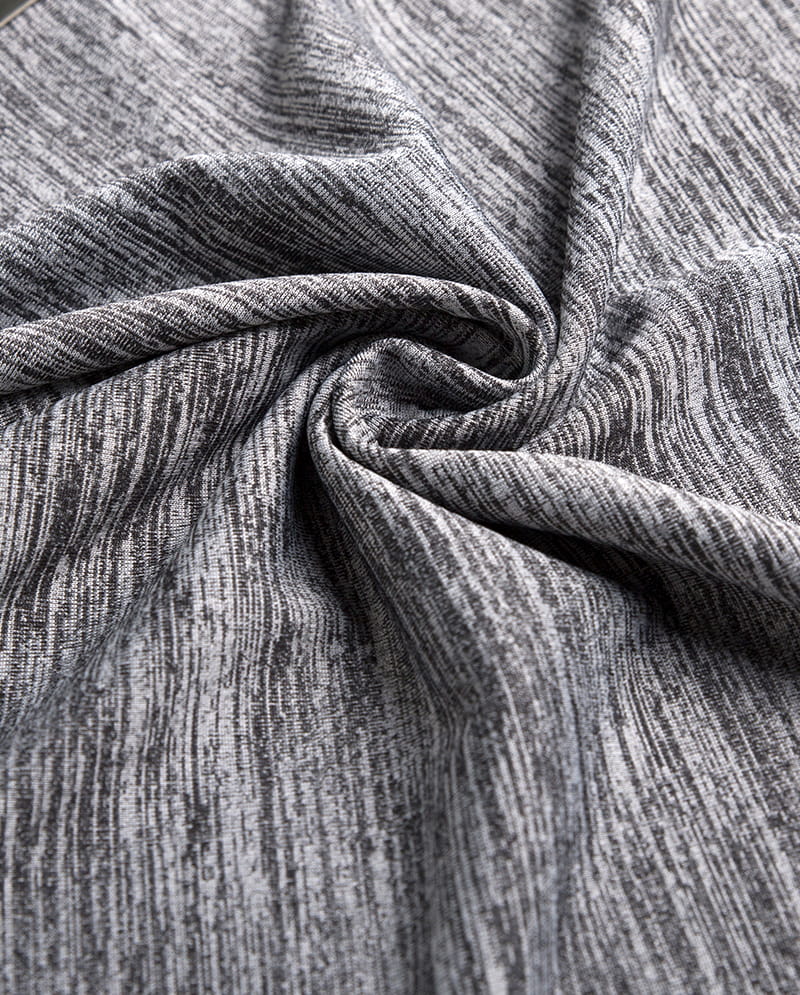
Anti-static Cationic Knitted Rib Fabric
-
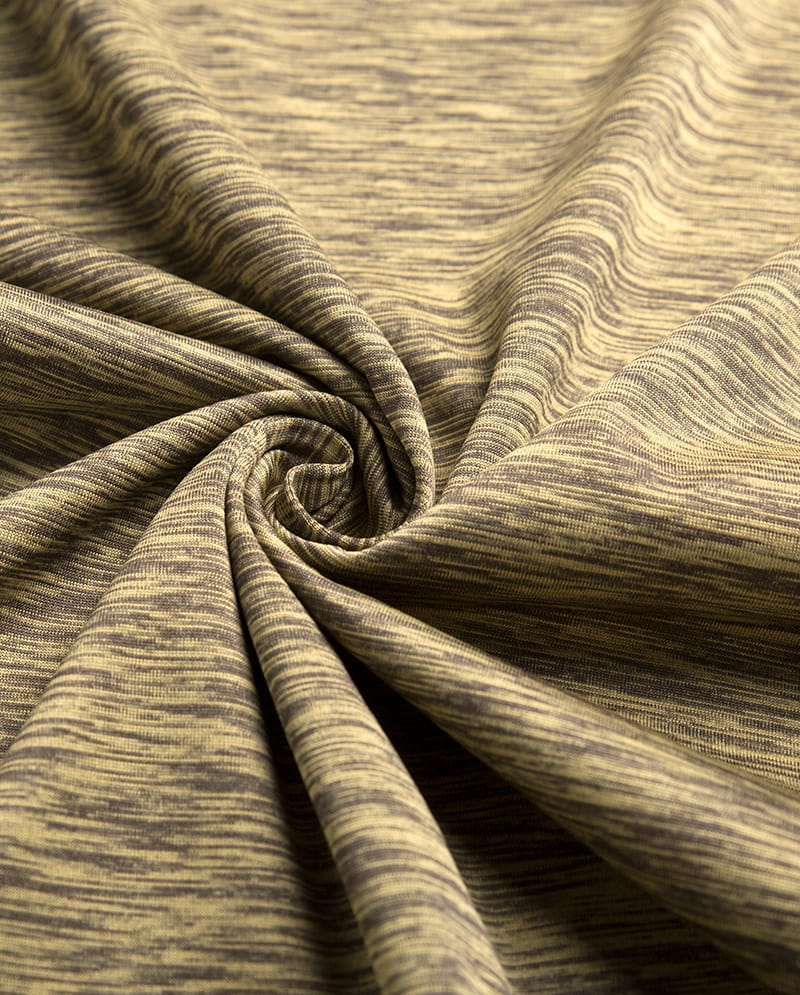
High-Stretch Cationic Jersey Fabric
-
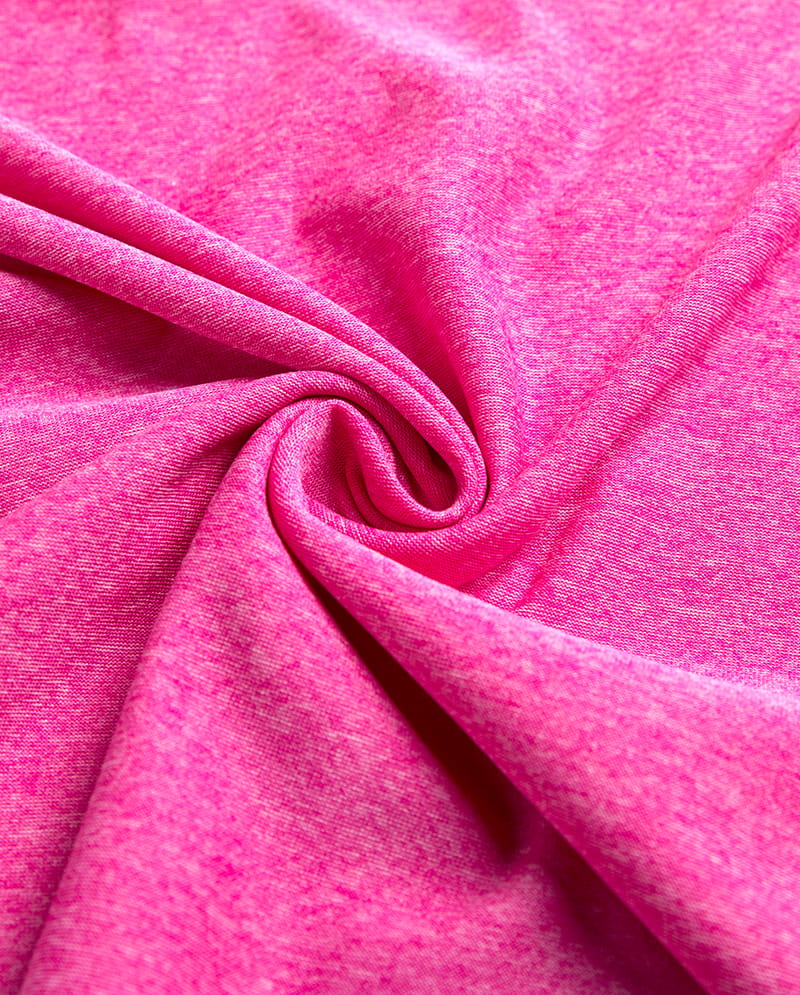
High Quality Cationic DTY Spandex Two Sides Brush Dralon Knit Fabric for Garment Thermal Underwear
-
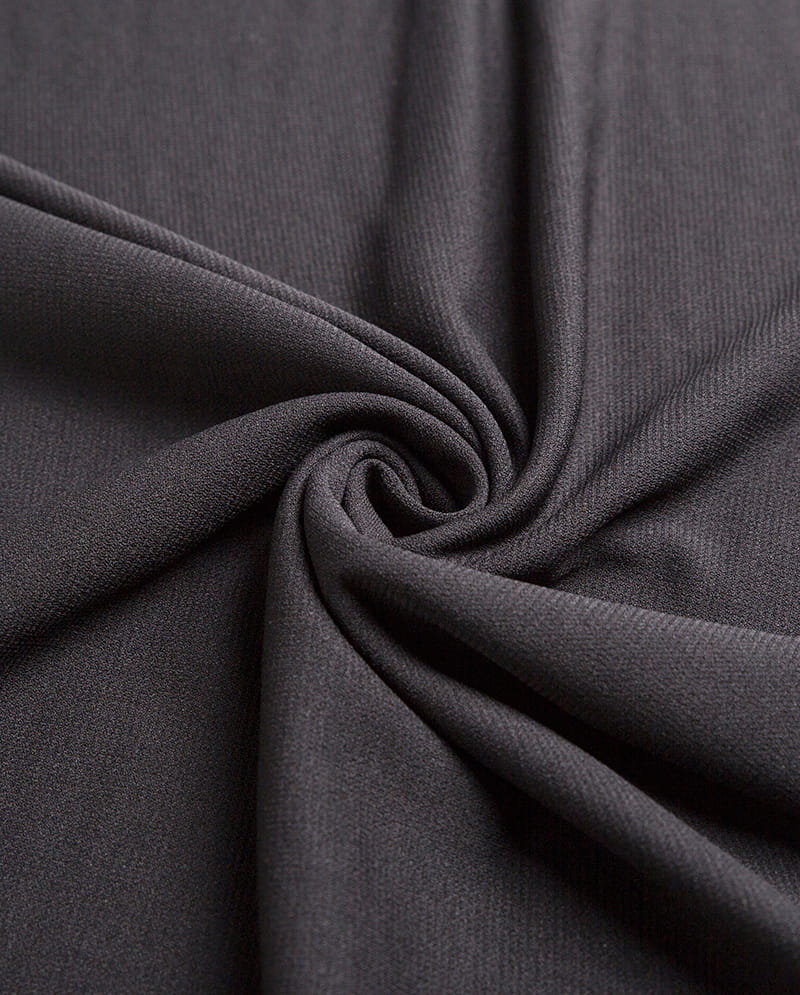
Durable Anti-Pilling Knitted Fabric for Home Textiles
-
Wash-Resistant Cationic Elastic Knitted Fabric for Garment Industry
-
Breathable Double-Faced Elastic Composite Fabric
-
-
-
- whatsapp:
- 0086-13962559622
-
- skype:
- skype.aliceshenghong
-
- Wechat:

COPYRIGHT © 2016 Suzhou Junhui Textile Co., Ltd.
