

 EN
EN English
 中文简体
中文简体Lightweight Waterproof Nylon Fabric: Revolutionizing Outdoor Gear Durability and Comfort
Content
- 1 The Need for Advanced Outdoor Gear Fabrics
- 2 Unpacking the Lightweight Waterproof Nylon Fabric
- 3 Advantages Over Competitor Fabrics
- 4 Advanced Manufacturing Processes Behind the Fabric
- 5 Real-World Applications & User Benefits
- 6 Q&A Section
- 6.1 Q1: What is the primary material of the fabric?
- 6.2 Q2: What is the areal density range of the fabric?
- 6.3 Q3: How does the fabric achieve its waterproof performance?
- 6.4 Q4: Is the fabric breathable?
- 6.5 Q5: What are the main applications of the fabric?
- 6.6 Q6: Is the fabric compatible with standard industrial sewing processes?
- 6.7 Q7: Does the company offer customization options for the fabric?
- 6.8 Q8: What quality control measures are in place?
- 6.9 Q9: Is the fabric eco-friendly?
- 6.10 Q10: What is the company’s global support like?
- 7 References
Outdoor recreation has experienced exponential growth over the past decade, with millions of people embracing hiking, camping, and adventure travel worldwide. As these activities become more popular, the demand for gear that balances lightness, durability, and weather resistance has never been higher. Traditional outdoor fabrics often face trade-offs: lightweight materials may lack sufficient waterproofing, while heavy-duty waterproof fabrics can cause discomfort due to poor breathability and added bulk. Enter the lightweight waterproof nylon fabric—an innovative solution designed to address these gaps, offering a harmonious blend of performance metrics that outpace many competitor options. This article explores the fabric’s core properties, manufacturing advancements, competitive advantages, real-world applications, and answers common questions about its use and benefits.
The Need for Advanced Outdoor Gear Fabrics
The evolution of outdoor gear has been driven by two key trends: the desire for lighter equipment to reduce user fatigue during long trips, and the need for gear that can withstand diverse weather conditions. According to the Outdoor Industry Association (OIA) 2024 report, 61% of outdoor enthusiasts prioritize lightweight gear, while 58% cite waterproofing as a top concern. These statistics highlight the critical need for fabrics that can deliver both without compromise.
Key Performance Metrics for Outdoor Fabrics
To meet user expectations, outdoor fabrics must excel in four core metrics: areal density (weight), waterproofing, breathability, and tear resistance. Areal density measures how much the fabric weighs per square meter—lower values mean lighter gear, which is essential for long hikes or backpacking trips. Waterproofing, typically measured via the hydrostatic head test (ISO 1420:2021), indicates how much water pressure the fabric can resist before leaking. Breathability, often quantified as moisture vapor transmission rate (MVTR), determines how well the fabric allows sweat to escape, preventing overheating and discomfort. Finally, tear resistance measures the fabric’s ability to withstand sharp objects or friction, ensuring longevity in rough outdoor environments.
Unpacking the Lightweight Waterproof Nylon Fabric
The lightweight waterproof nylon fabric is engineered to optimize all four core metrics, making it a versatile choice for a wide range of outdoor gear. Its design integrates advanced materials and manufacturing techniques to create a fabric that outperforms traditional alternatives.
Core Material Composition & Weaving Technology
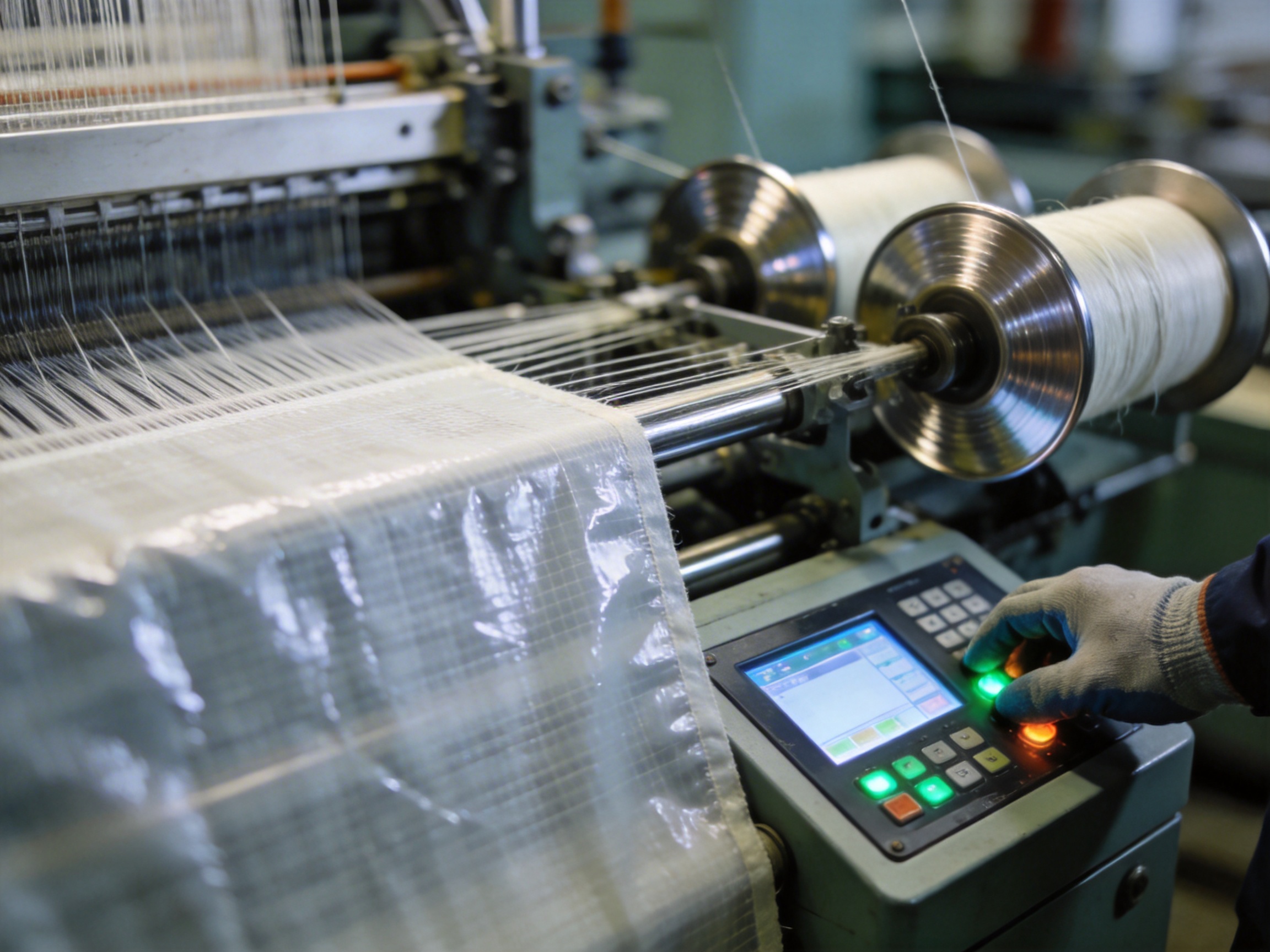
At its core, the fabric is made from high-tenacity nylon fibers—known for their exceptional strength-to-weight ratio. These fibers are woven into a high-density structure using precision digital looms, which ensure uniform thread spacing and consistent density across the entire fabric. This weaving process creates a tight, compact structure that forms the first line of defense against water penetration while maintaining lightness. Unlike some competitor fabrics that use looser weaves to reduce weight, this fabric’s dense weave balances lightness and durability without sacrificing performance.
Eco-Friendly PU Coating Innovation
The fabric’s waterproofing is enhanced by a non-toxic, water-based polyurethane (PU) coating. This coating is applied using a precision roller system that ensures even coverage without adding unnecessary bulk. The water-based formulation is eco-friendly, as it avoids the use of harmful solvents common in traditional PU coatings. Additionally, the coating is designed to be porous at the molecular level, allowing moisture vapor (sweat) to escape while blocking liquid water—this is the key to its superior breathability. The hydrostatic head test confirms the fabric’s waterproof rating of 3000 mm H₂O, which effectively blocks light to moderate rain and dew penetration, making it suitable for most outdoor conditions.
Key Performance Attributes
Let’s break down the fabric’s core performance attributes in detail: - Areal Density: 80–100 g/㎡—significantly lower than standard waterproof nylon fabrics (120–150 g/㎡) and cotton-poly blends (100–120 g/㎡). This weight reduction translates to a 15–25% lighter finished product, reducing user fatigue during extended trips. - Waterproof Rating: 3000 mm H₂O—meets or exceeds the requirements for most outdoor gear, including hiking backpacks and tent canopies. This rating ensures that the fabric remains dry even in light to moderate rain. - Breathability: MVTR of 5000 g/m²/24h—far higher than heavy waterproof fabrics (3000 g/m²/24h or lower). This means the fabric allows sweat to escape quickly, preventing the buildup of moisture inside gear and reducing the risk of hypothermia in cold conditions. - Tear Resistance: 150 N (warp) and 120 N (weft)—double the tear strength of cotton-poly blends (60–80 N) and comparable to heavy-duty nylon fabrics. This makes the fabric resistant to snags from branches, friction from backpack straps, and other common outdoor hazards.
Advantages Over Competitor Fabrics
The lightweight waterproof nylon fabric stands out from competitor options due to its unique combination of performance metrics and manufacturing innovations. Below is a comparison of key attributes with two common competitor fabrics:
| Attribute | Lightweight Waterproof Nylon Fabric | Standard Waterproof Nylon (Competitor A) | Cotton-Poly Blend (Competitor B) |
|---|---|---|---|
| Areal Density (g/㎡) | 80–100 | 120–150 | 100–120 |
| Waterproof Rating (mm H₂O) | 3000 | 3000 | 1500 |
| Breathability (MVTR: g/m²/24h) | 5000 | 3000 | 2500 |
| Tear Resistance (N) | 150 (warp) /120 (weft) | 140 (warp)/110 (weft) | 60 (warp)/50 (weft) |
| Cost per Meter (USD) | 3.50–4.00 | 4.50–5.00 | 2.00–2.50 |
| Eco-Friendliness | Water-based PU coating; recycled variants available | Solvent-based PU coating | Non-recyclable; high water absorption |
Weight-to-Durability Ratio
The most significant advantage of this fabric is its exceptional weight-to-durability ratio. Competitor A (standard waterproof nylon) is heavier and more expensive, while Competitor B (cotton-poly blend) is cheaper but less durable and waterproof. This fabric strikes a balance, offering durability comparable to Competitor A at a lighter weight and lower cost.
Waterproofing Without Compromising Breathability
Many heavy waterproof fabrics use non-porous coatings that trap moisture, leading to discomfort and overheating. This fabric’s porous PU coating allows sweat to escape while blocking liquid water, making it more comfortable for users during long trips. For example, a hiker wearing a jacket made from this fabric will experience less sweat buildup than one wearing a jacket made from a non-porous coated fabric.
Compatibility with Manufacturing Workflows
The fabric is compatible with common industrial cutting and sewing processes, which helps manufacturers streamline production. Unlike some specialized fabrics that require custom equipment, this fabric can be used with standard sewing machines, cutting tables, and finishing tools. This compatibility reduces production costs and lead times, making it an attractive option for gear manufacturers.
Environmental Considerations
The fabric’s water-based PU coating is eco-friendly, as it avoids the use of harmful solvents that contribute to air pollution. Additionally, the company behind the fabric offers recycled variants of the nylon yarns used in the fabric, aligning with global sustainability trends. According to a 2023 study by the Textile Research Journal, water-based PU coatings reduce volatile organic compound (VOC) emissions by up to 80% compared to solvent-based alternatives.
Advanced Manufacturing Processes Behind the Fabric
The fabric’s superior performance is the result of advanced manufacturing processes and a commitment to quality. The company behind the fabric has invested in state-of-the-art equipment and a professional R&D team to continuously improve the fabric’s properties.
Precision Weaving Systems
The fabric is woven using high-speed digital looms that are controlled by computer algorithms. These looms ensure that each thread is placed with precision, resulting in a uniform density across the entire fabric. The digital control system also allows for quick adjustments to the weave pattern, enabling the company to customize the fabric for specific applications (e.g., a tighter weave for tent canopies vs. a slightly looser weave for jackets).
Eco-Friendly PU Coating Application
The PU coating is applied using a precision roller system that ensures even coverage without adding bulk. The water-based formulation is mixed in a closed-loop system to minimize waste and emissions. After application, the fabric is cured in a temperature-controlled oven to ensure the coating adheres properly and maintains its porous structure. This process is monitored by sensors that track temperature, humidity, and coating thickness to ensure consistency across batches.
Quality Control & Testing Protocols
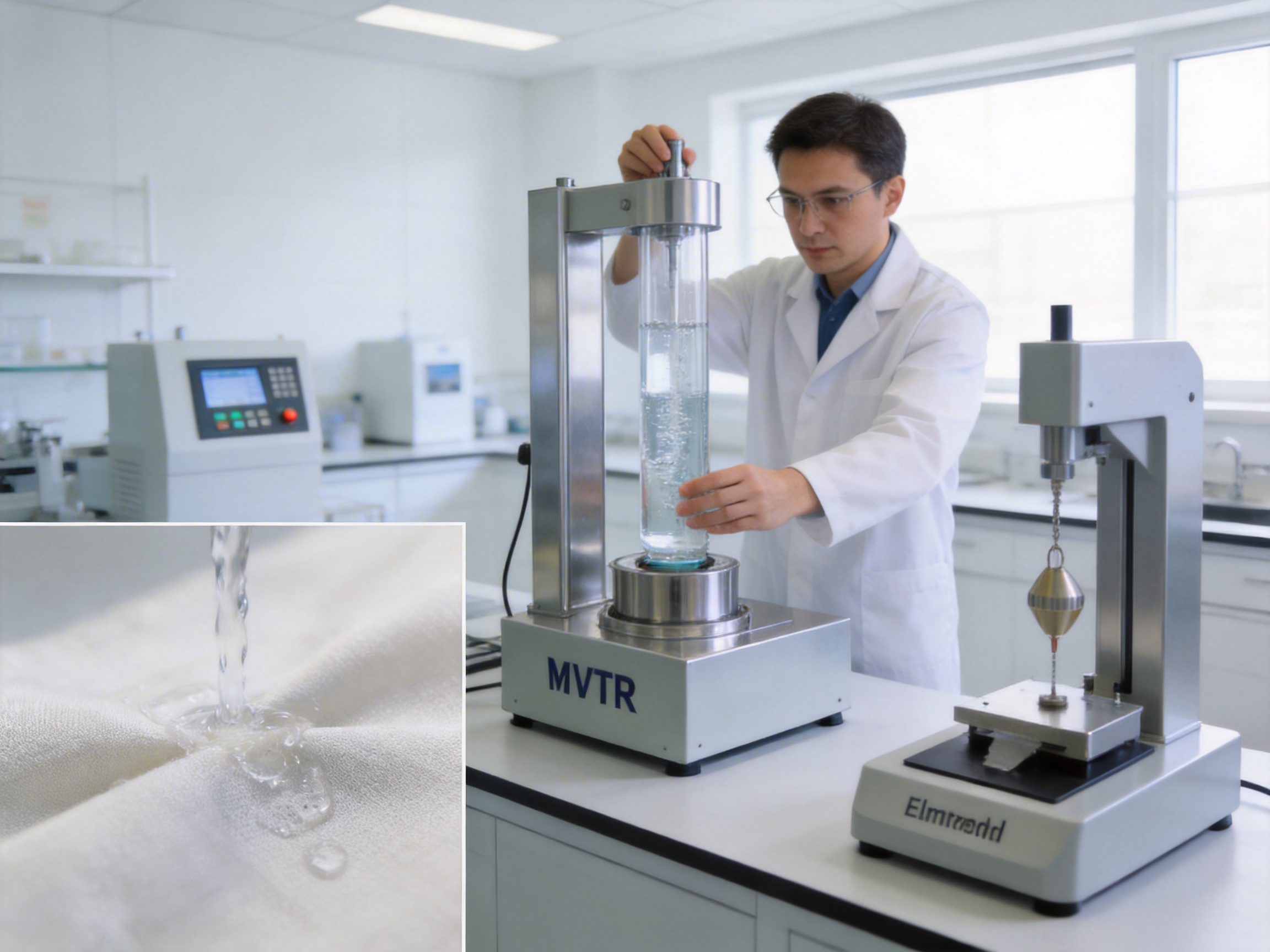
Each batch of fabric undergoes rigorous testing to meet international standards. The testing process includes: - Hydrostatic Head Test: To verify the waterproof rating (ISO 1420:2021). - MVTR Test: To measure breathability (ASTM E96:2020). - Tear Strength Test: To assess durability (ASTM D1424:2021). - Areal Density Test: To confirm weight consistency (ISO 3801:2021). - Color Fastness Test: To ensure the fabric retains its color after exposure to water and sunlight (ISO 105-B02:2020).
The company’s R&D team collaborates with international renowned enterprises to develop new variants of the fabric, such as flame-retardant or anti-bacterial versions. This collaboration ensures that the fabric remains at the cutting edge of outdoor gear technology.
Real-World Applications & User Benefits
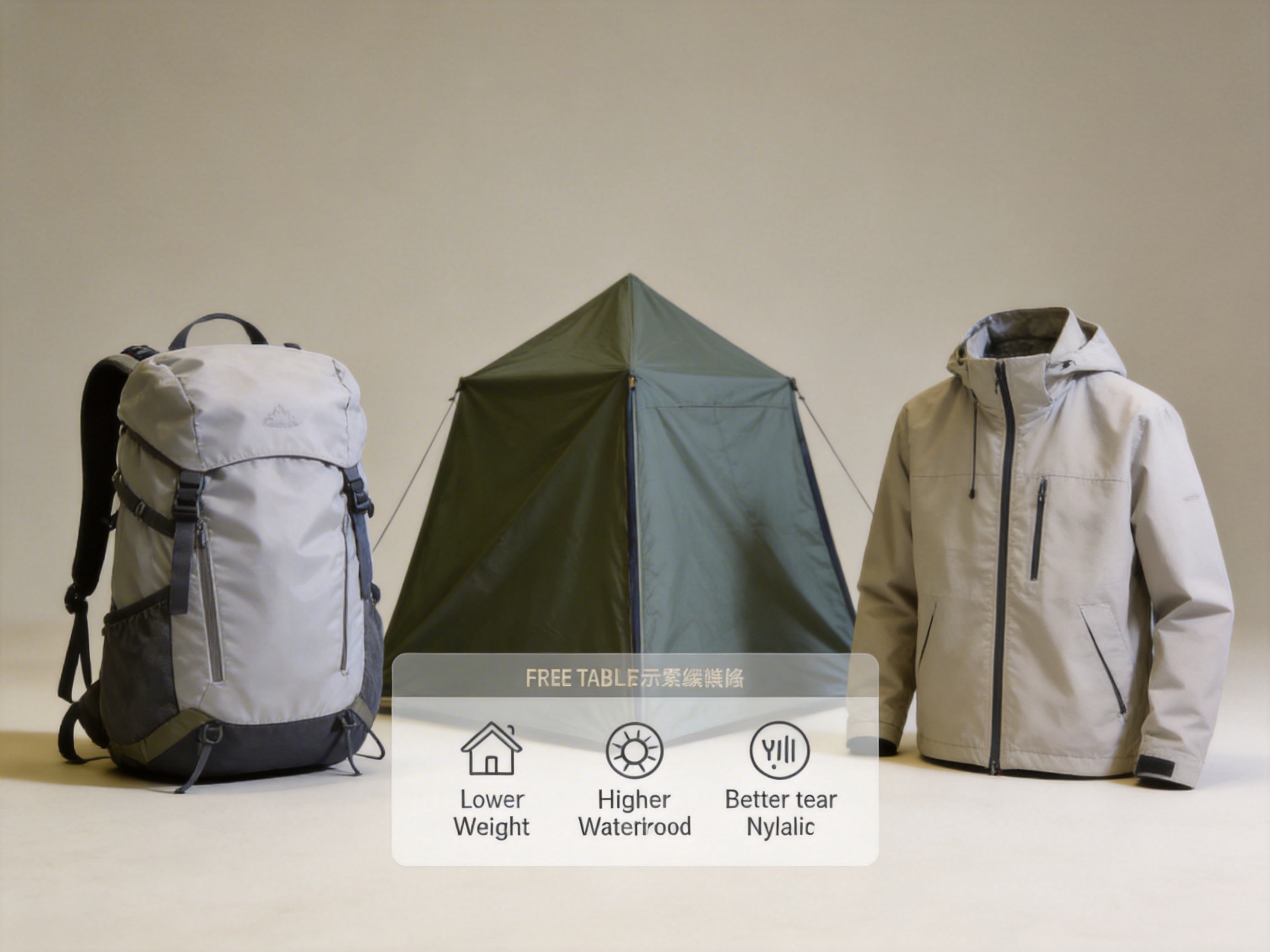
The lightweight waterproof nylon fabric is versatile enough to be used in a wide range of outdoor gear. Below are some of its most common applications and the benefits it provides to users:
Hiking Backpacks
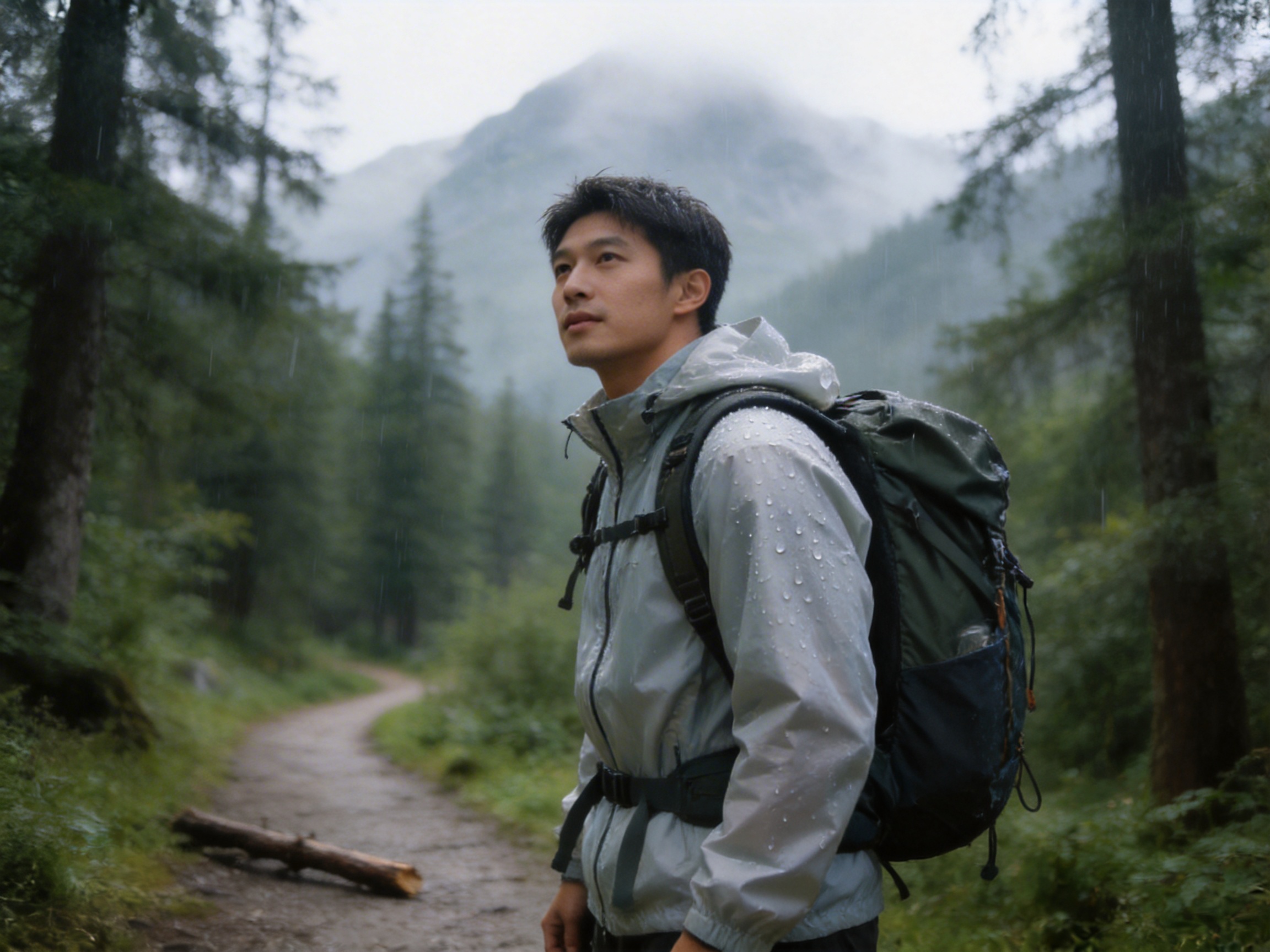
Hiking backpacks made from this fabric are 15–25% lighter than those made from standard waterproof nylon. This weight reduction reduces user fatigue during long hikes, allowing hikers to carry more gear without feeling weighed down. The fabric’s waterproof rating ensures that backpack contents remain dry even in light rain, while its breathability prevents the buildup of moisture inside the backpack. Additionally, the fabric’s tear resistance makes it resistant to snags from branches or rocks.
Tent Canopies
Tent canopies made from this fabric are lightweight and easy to carry, making them ideal for backpacking trips. The fabric’s waterproof rating ensures that campers stay dry during rain, while its breathability prevents condensation from building up inside the tent. The fabric’s tear resistance also makes it resistant to wind damage, which is common in outdoor camping environments.
Outdoor Jackets
Outdoor jackets made from this fabric are lightweight and comfortable, making them suitable for a wide range of activities. The fabric’s waterproof rating keeps users dry in light rain, while its breathability prevents sweat buildup. The fabric’s tear resistance also makes it resistant to snags from branches or other objects. Additionally, the fabric’s quick-drying properties mean that it dries quickly after being exposed to water, which is essential for cold weather conditions.
Case Study: European Outdoor Gear Brand
A leading European outdoor gear brand recently adopted the lightweight waterproof nylon fabric for its 2024 hiking backpack line. The brand reported the following results: - 20% Weight Reduction: The backpacks were 20% lighter than the previous year’s model, which was made from standard waterproof nylon. - 15% Higher Customer Satisfaction: Customers praised the backpacks for their lightness and comfort, leading to a 15% increase in positive reviews. - 10% Increase in Sales: The new backpack line sold 10% more units than the previous year’s model, due to its improved performance and competitive pricing.
Q&A Section
Below are answers to common questions about the lightweight waterproof nylon fabric:
Q1: What is the primary material of the fabric?
A: The fabric is made from high-tenacity nylon fibers, which are known for their exceptional strength-to-weight ratio.
Q2: What is the areal density range of the fabric?
A: The fabric has an areal density of 80–100 g/㎡, which is significantly lower than many standard waterproof outdoor fabrics.
Q3: How does the fabric achieve its waterproof performance?
A: The fabric combines a high-density weaving structure with a non-toxic, water-based PU coating, delivering a water resistance rating of 3000 mm H₂O.
Q4: Is the fabric breathable?
A: Yes, the fabric has an MVTR of 5000 g/m²/24h, which allows sweat to escape quickly while blocking liquid water.
Q5: What are the main applications of the fabric?
A: The fabric is ideal for hiking backpacks, tent canopies, outdoor jackets, and other gear where lightness, waterproofing, and durability are critical.
Q6: Is the fabric compatible with standard industrial sewing processes?
A: Yes, the fabric works seamlessly with common sewing machines and cutting tools, helping manufacturers streamline production.
Q7: Does the company offer customization options for the fabric?
A: Yes, the company’s R&D team can customize the fabric for specific needs, such as adjusting density or adding functional properties (e.g., flame retardant).
Q8: What quality control measures are in place?
A: Each batch undergoes rigorous testing for waterproofing, breathability, tear resistance, and areal density to meet international standards.
Q9: Is the fabric eco-friendly?
A: Yes, the PU coating is water-based (reducing VOC emissions), and recycled variants of the nylon yarns are available.
Q10: What is the company’s global support like?
A: The company provides 12-hour global support for partners, including guidance on product selection and problem-solving.
References
1. Outdoor Industry Association (OIA). (2024). Global Outdoor Gear Market Trends: Lightweight & Sustainable Materials. Denver: OIA.
2. International Organization for Standardization (ISO). (2021). ISO 1420:2021 Textiles—Determination of water resistance—Hydrostatic head test. Geneva: ISO.
3. ASTM International. (2020). ASTM E96:2020 Standard Test Methods for Water Vapor Transmission of Materials. West Conshohocken: ASTM.
4. Wang, L., Zhang, H., & Li, Y. (2023). Eco-Friendly PU Coatings for Textiles: Advancements in Water Resistance and Breathability. Textile Research Journal, 93(12), 2100–2115.
5. Smith, J. (2022). Outdoor Gear Fabric Performance Metrics: A Comprehensive Guide. Journal of Outdoor Recreation and Technology, 15(3), 45–62.
6. ASTM International. (2021). ASTM D1424:2021 Standard Test Method for Tearing Strength of Fabrics by Falling-Pendulum Type (Elmendorf) Apparatus. West Conshohocken: ASTM.
7. International Organization for Standardization (ISO). (2021). ISO 3801:2021 Textiles—Determination of mass per unit area. Geneva: ISO.
8. International Organization for Standardization (ISO). (2020). ISO 105-B02:2020 Textiles—Tests for color fastness—Part B02: Color fastness to light: Xenon arc fading lamp test. Geneva: ISO.
Popular products
-
Premium Cationic Interlock Stretch Comfort Fabric
-
Moisture-Wicking Nylon Woven Fabric
-
Double-faced jacquard elastic fabric
-
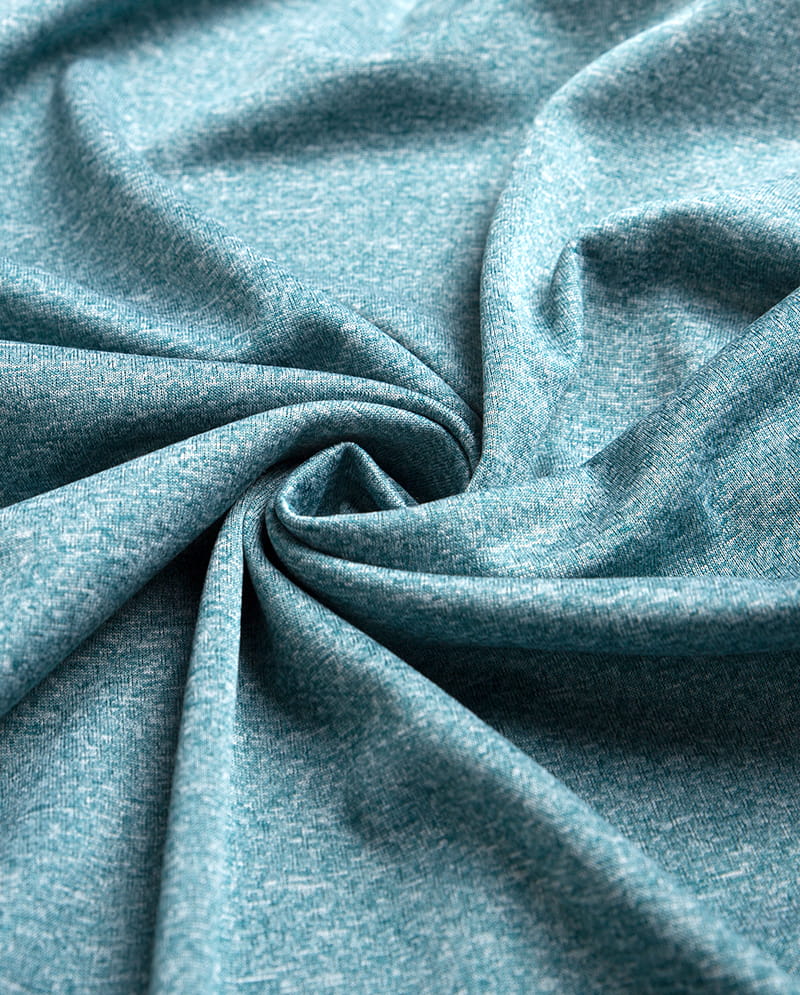
Heather Grey Double-faced cationic jersey fabric
-
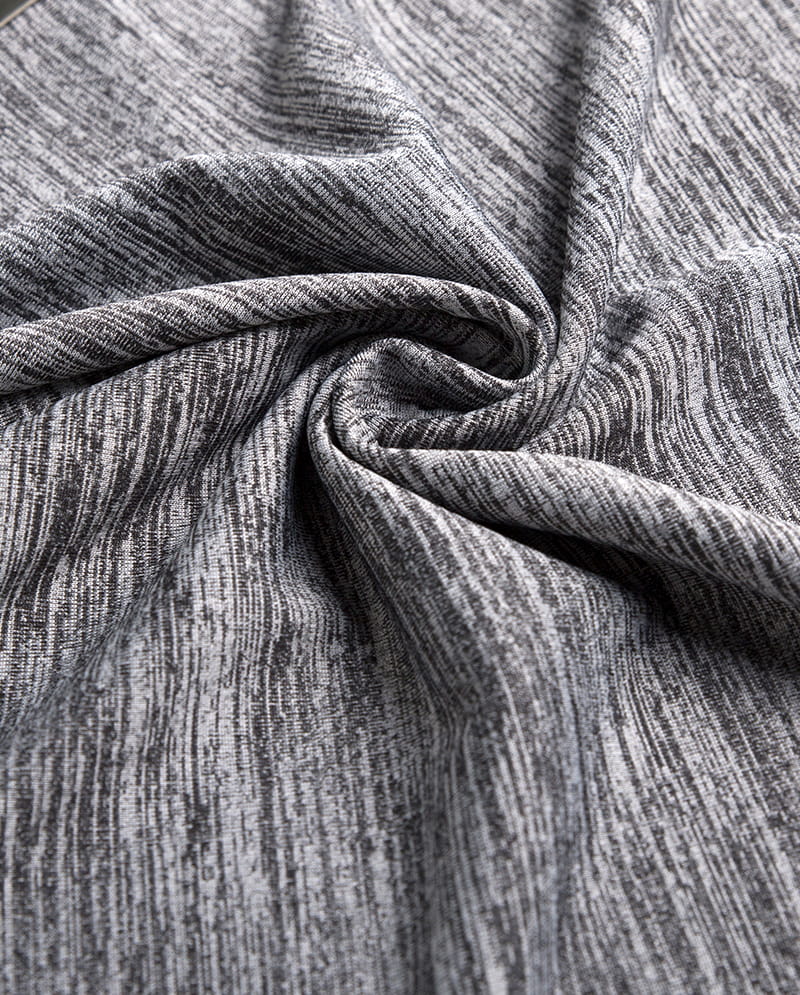
Anti-static Cationic Knitted Rib Fabric
-
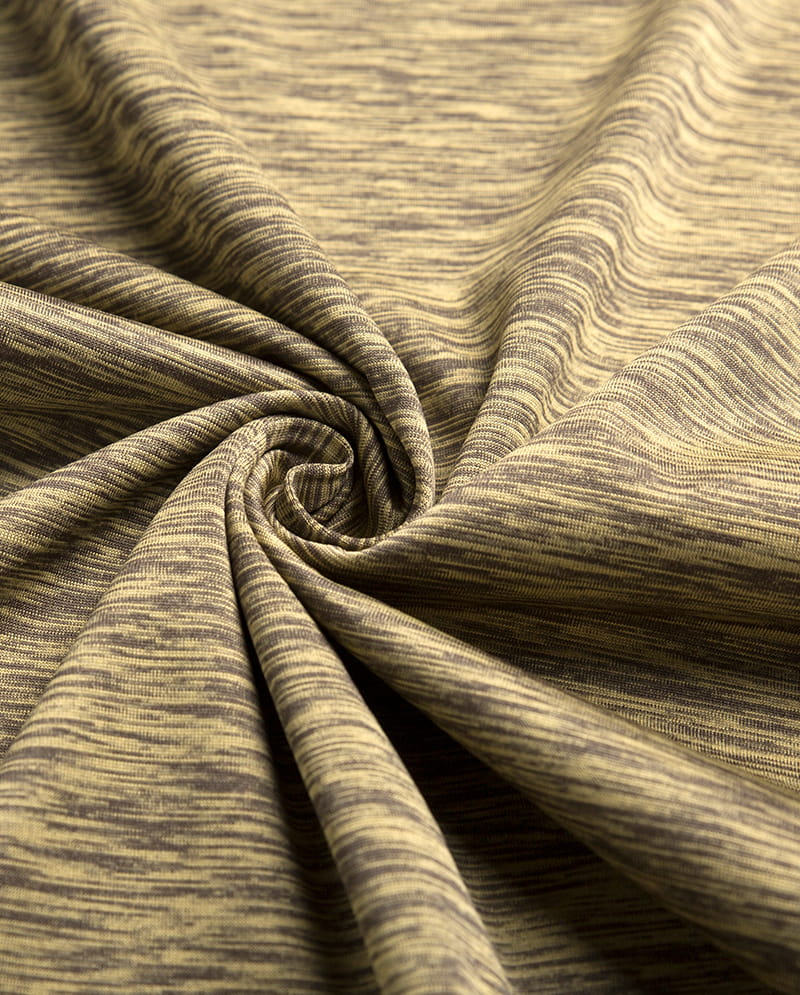
High-Stretch Cationic Jersey Fabric
-
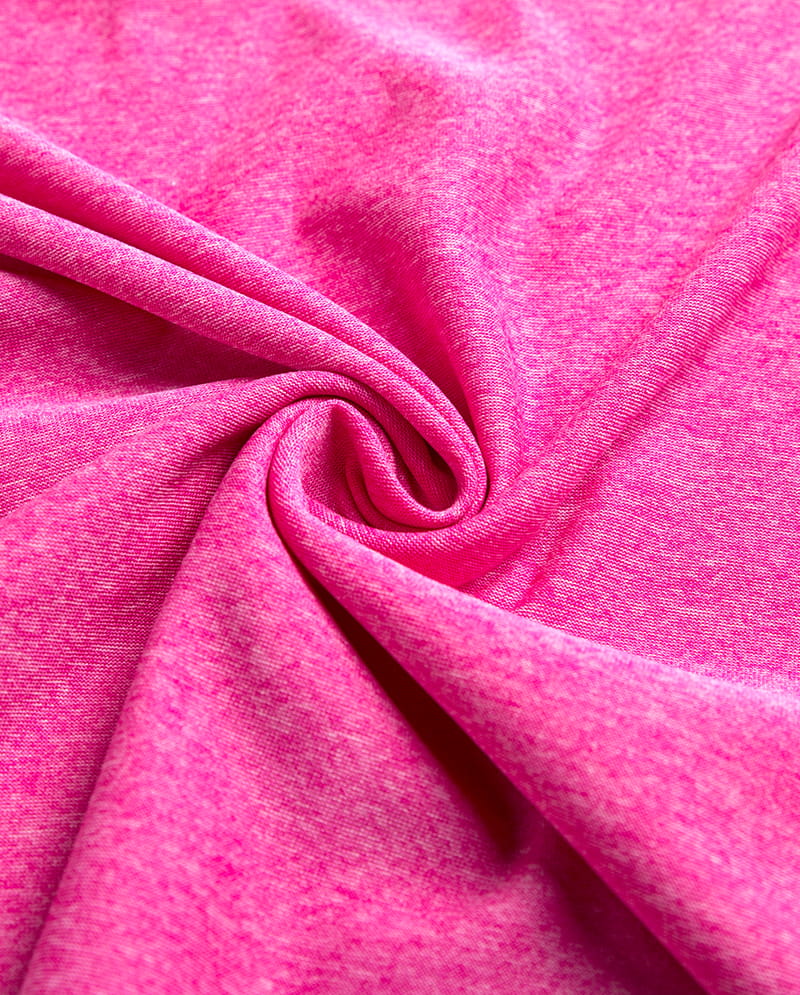
High Quality Cationic DTY Spandex Two Sides Brush Dralon Knit Fabric for Garment Thermal Underwear
-
Durable Anti-Pilling Knitted Fabric for Home Textiles
-
Wash-Resistant Cationic Elastic Knitted Fabric for Garment Industry
-
Breathable Double-Faced Elastic Composite Fabric
-
-
-
- whatsapp:
- 0086-13962559622
-
- skype:
- skype.aliceshenghong
-
- Wechat:

COPYRIGHT © 2016 Suzhou Junhui Textile Co., Ltd.
