

 EN
EN English
 中文简体
中文简体Knitted vs Woven Fabrics: Key Differences & Best Uses Explained
Content
The Fundamental Difference
The primary distinction between knitted and woven fabrics lies in their construction method. Woven fabrics are created by interlacing two sets of yarns at right angles on a loom, while knitted fabrics are formed by interlocking loops of yarn in rows. This fundamental structural difference determines everything from how the fabric feels and drapes to its durability and appropriate applications.
Woven fabrics include materials like denim, canvas, and oxford cloth, characterized by their stability and crisp structure. Knitted fabrics encompass jersey, rib knit, and interlock, known for their stretch and comfort. Understanding these differences helps you select the right fabric for clothing, upholstery, or any textile project.
Construction Methods Explained
Woven Fabric Construction
Woven fabrics are created on a loom using two distinct yarn systems: the warp (lengthwise threads) and the weft (crosswise threads). The weft yarn passes over and under the warp threads in various patterns, creating different weave structures. The three basic weaves are plain weave, twill weave, and satin weave, each producing distinct characteristics.
In plain weave, the weft passes alternately over and under each warp thread, creating a balanced, durable fabric like muslin or taffeta. Twill weaves create diagonal patterns seen in denim and gabardine, while satin weaves produce smooth, lustrous surfaces by floating yarns over multiple threads.
Knitted Fabric Construction
Knitted fabrics are constructed by forming interlocking loops of yarn, either by hand or machine. There are two main categories: weft knitting and warp knitting. Weft knitting produces fabric in a horizontal direction and includes common types like jersey and ribbing, while warp knitting creates fabric vertically and is used for materials like tricot and raschel knits.
The looped structure allows knitted fabrics to stretch significantly in multiple directions, making them ideal for form-fitting garments like t-shirts, sweaters, and athletic wear.
Performance Characteristics Comparison
| Property | Woven Fabrics | Knitted Fabrics |
|---|---|---|
| Stretch | Minimal to none (unless elastane added) | High elasticity (20-40% stretch typical) |
| Durability | Very durable, resistant to tearing | Less durable, prone to snagging and runs |
| Wrinkle Resistance | More prone to wrinkling | Naturally wrinkle-resistant |
| Breathability | Good airflow in loose weaves | Excellent breathability |
| Shape Retention | Excellent, maintains crisp edges | Can lose shape over time |
| Fraying | Frays when cut, requires finishing | Edges curl but don't fray easily |
Stretch and Recovery
Knitted fabrics can stretch 20-40% in multiple directions due to their looped structure, while woven fabrics typically offer minimal stretch unless woven with elastane fibers. This makes knits ideal for activewear and comfortable everyday clothing. A study by the Textile Research Journal found that jersey knit fabrics can recover up to 95% of their original shape after stretching, compared to only 60-70% for standard woven fabrics.
Durability and Longevity
Woven fabrics generally outlast knitted fabrics in high-wear applications. The interlaced structure makes them resistant to tearing and abrasion, which is why denim jeans and work wear are traditionally woven. However, woven fabrics are more susceptible to permanent creasing and require more maintenance like ironing. Knitted fabrics resist wrinkles naturally but are vulnerable to snags, pulls, and runs that can unravel entire sections if not repaired promptly.
Best Applications for Each Fabric Type
When to Choose Woven Fabrics
Woven fabrics excel in applications requiring structure, durability, and formality:
- Tailored garments: Dress shirts, suits, blazers, and formal wear benefit from the crisp structure woven fabrics provide
- Workwear and denim: Heavy-duty applications like jeans, overalls, and protective clothing leverage the superior tear resistance
- Home textiles: Upholstery, curtains, and bedding often use woven fabrics for their stability and ability to hold printed patterns clearly
- Bags and accessories: Canvas and other woven materials provide the necessary structure for totes, backpacks, and wallets
When to Choose Knitted Fabrics
Knitted fabrics are the superior choice for comfort, flexibility, and easy care:
- Casual and athletic wear: T-shirts, hoodies, yoga pants, and sports jerseys capitalize on the stretch and breathability of knits
- Undergarments and loungewear: The softness and elasticity of knitted fabrics make them ideal for intimate apparel and pajamas
- Sweaters and cold-weather gear: Thicker knits trap air effectively, providing excellent insulation
- Medical and compression garments: The controlled stretch allows for therapeutic compression and support
Care and Maintenance Differences
Proper care extends the life of both fabric types, but their maintenance requirements differ significantly:
Woven Fabric Care
- Washing: Can generally withstand higher temperatures and more aggressive washing, though delicate weaves like silk require gentle treatment
- Drying: Line drying or low heat tumble drying recommended to prevent excessive shrinkage, which can be 3-5% for cotton wovens
- Ironing: Usually required to maintain a crisp appearance, especially for dress shirts and formal wear
- Storage: Should be folded or hung to prevent permanent creasing along fold lines
Knitted Fabric Care
- Washing: Use gentle cycles with cool water to prevent distortion and pilling; hand washing is recommended for delicate knits like cashmere
- Drying: Lay flat to dry to maintain shape, as hanging can cause stretching; avoid high heat which can damage fibers
- Ironing: Rarely necessary due to natural wrinkle resistance; use low heat with steam if needed
- Storage: Fold sweaters and heavy knits to prevent hanger marks and stretching at the shoulders
Cost and Production Considerations
The manufacturing process significantly impacts the final cost and availability of each fabric type. Woven fabrics typically require more complex machinery and longer production times, as looms must interlace individual threads precisely. However, once set up, weaving can be highly efficient for large-scale production, making basic woven cottons relatively affordable at approximately $3-8 per yard for standard qualities.
Knitting machines can produce fabric more quickly and with less waste, as the continuous yarn structure requires fewer cuts and joins. This efficiency makes basic knits like jersey cotton cost-competitive at $4-10 per yard. However, complex knit patterns or high-quality materials like merino wool knits can command premium prices of $20-50 per yard.
From an environmental perspective, knitting generates approximately 15-20% less waste than weaving because it uses continuous yarns and can be easily unraveled for recycling. Modern seamless knitting technology has further reduced waste by creating entire garments without cutting or sewing.
How to Identify Fabric Type
Distinguishing between knitted and woven fabrics becomes intuitive once you understand what to look for:
Visual Inspection
Examine the fabric closely under good lighting. Woven fabrics display a clear crosshatch pattern where horizontal and vertical threads intersect at right angles. Knitted fabrics show a series of interlocking loops, often appearing as V-shapes or braids on the surface.
Stretch Test
Pull the fabric gently in both directions. Knitted fabrics will stretch significantly, often 20-40%, while woven fabrics show minimal give unless they contain elastane. Knits also recover their shape when released, whereas wovens remain relatively rigid.
Edge Examination
Look at a cut edge of the fabric. Woven fabrics will fray, with individual threads pulling away from the edge. Knitted fabrics won't fray in the traditional sense but may curl at the edges, and if you pull a thread, you can potentially unravel entire rows.
Drape Test
Hold the fabric up and observe how it falls. Woven fabrics generally have a stiffer, more structured drape with defined creases and edges. Knitted fabrics drape more fluidly and conform to shapes more readily, creating softer folds.
Popular products
-
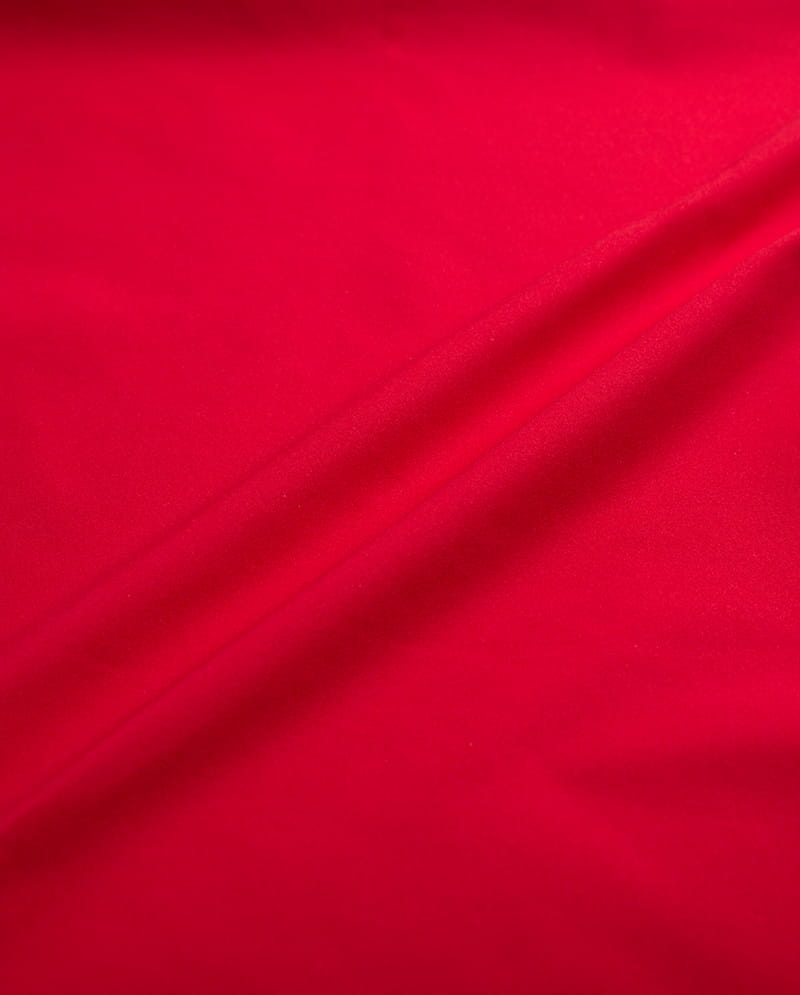
Premium Cationic Interlock Stretch Comfort Fabric
-
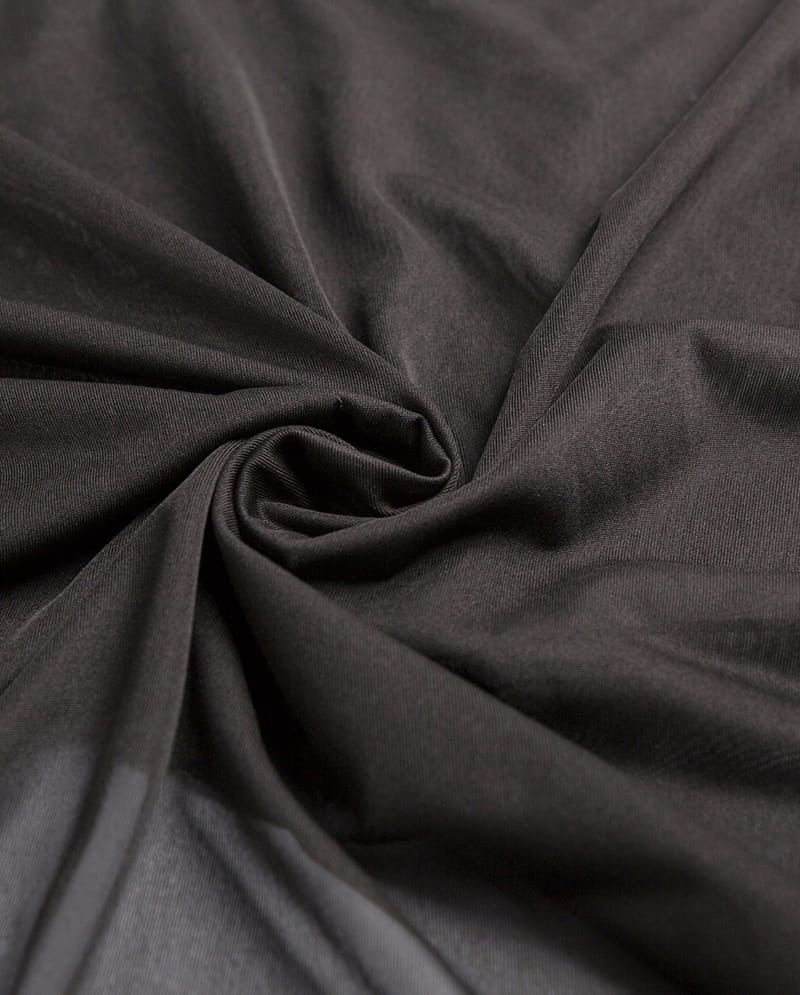
Moisture-Wicking Nylon Woven Fabric
-
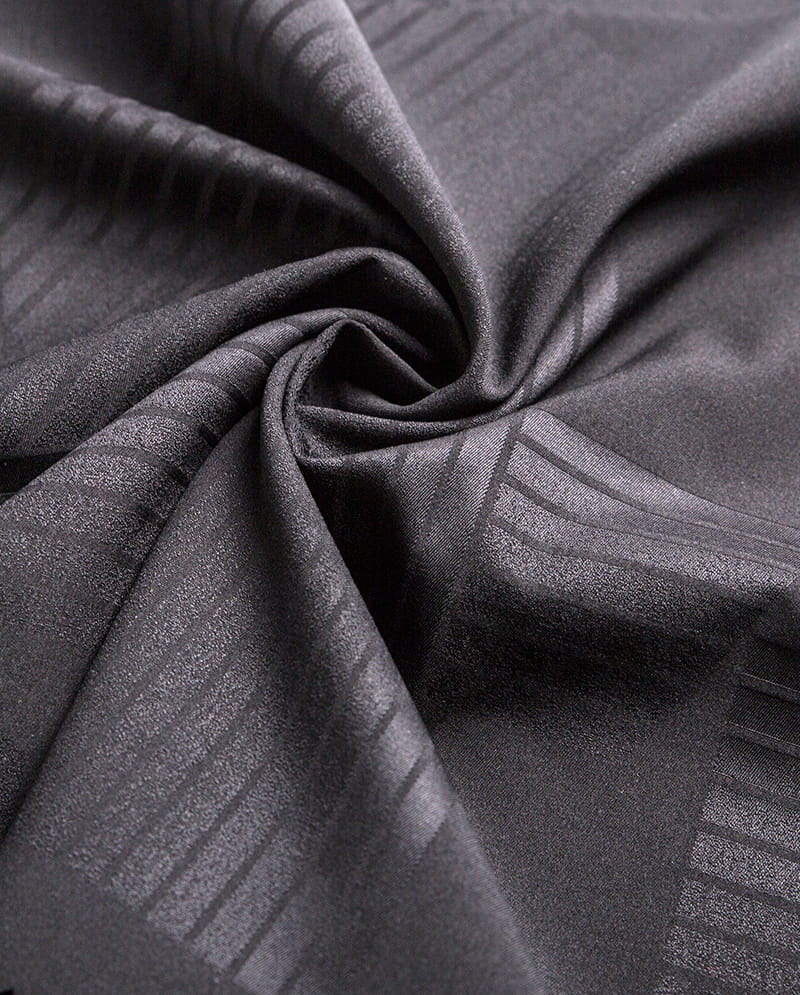
Double-faced jacquard elastic fabric
-
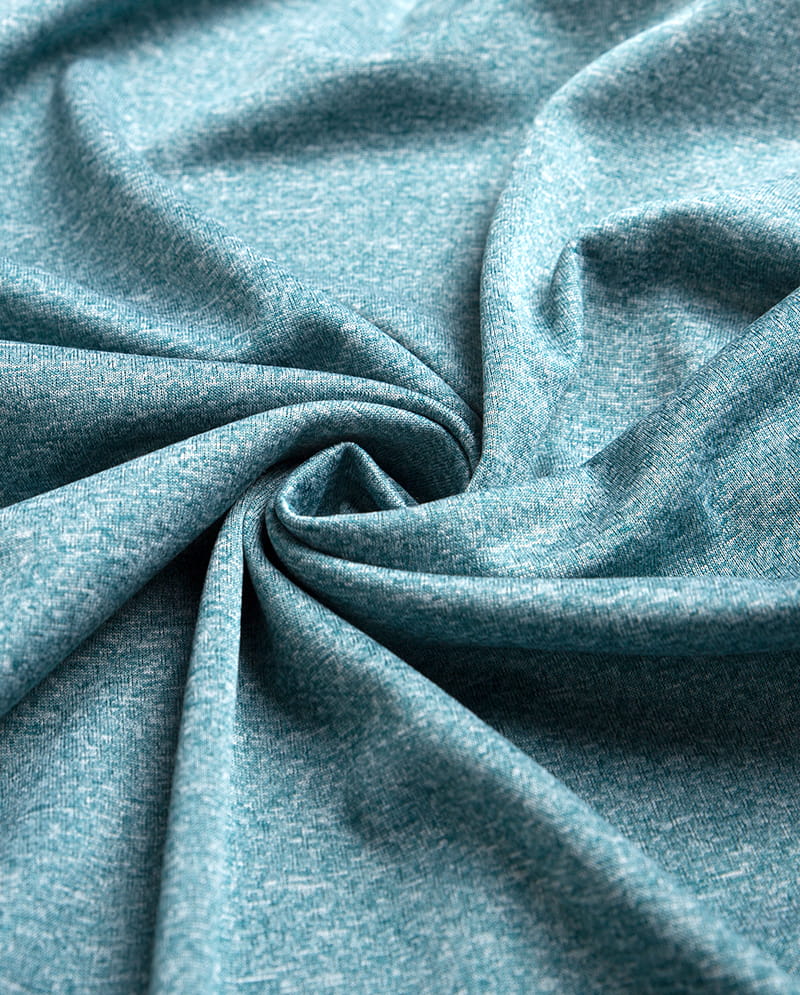
Heather Grey Double-faced cationic jersey fabric
-
Anti-static Cationic Knitted Rib Fabric
-
High-Stretch Cationic Jersey Fabric
-
High Quality Cationic DTY Spandex Two Sides Brush Dralon Knit Fabric for Garment Thermal Underwear
-
Durable Anti-Pilling Knitted Fabric for Home Textiles
-
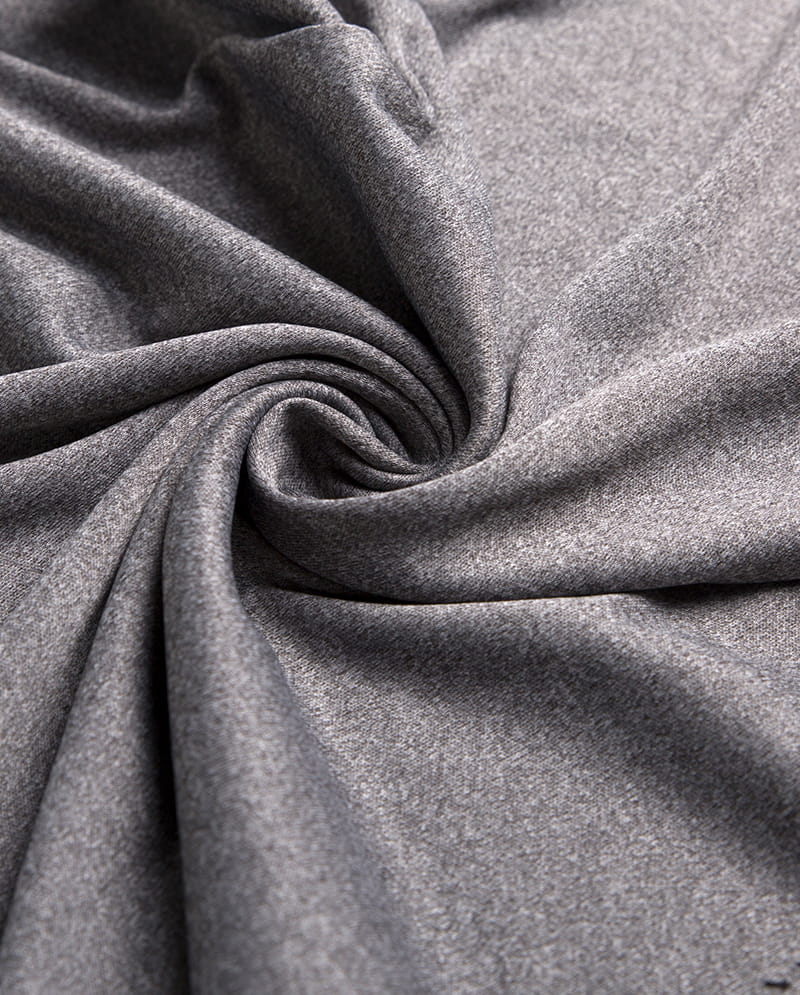
Wash-Resistant Cationic Elastic Knitted Fabric for Garment Industry
-
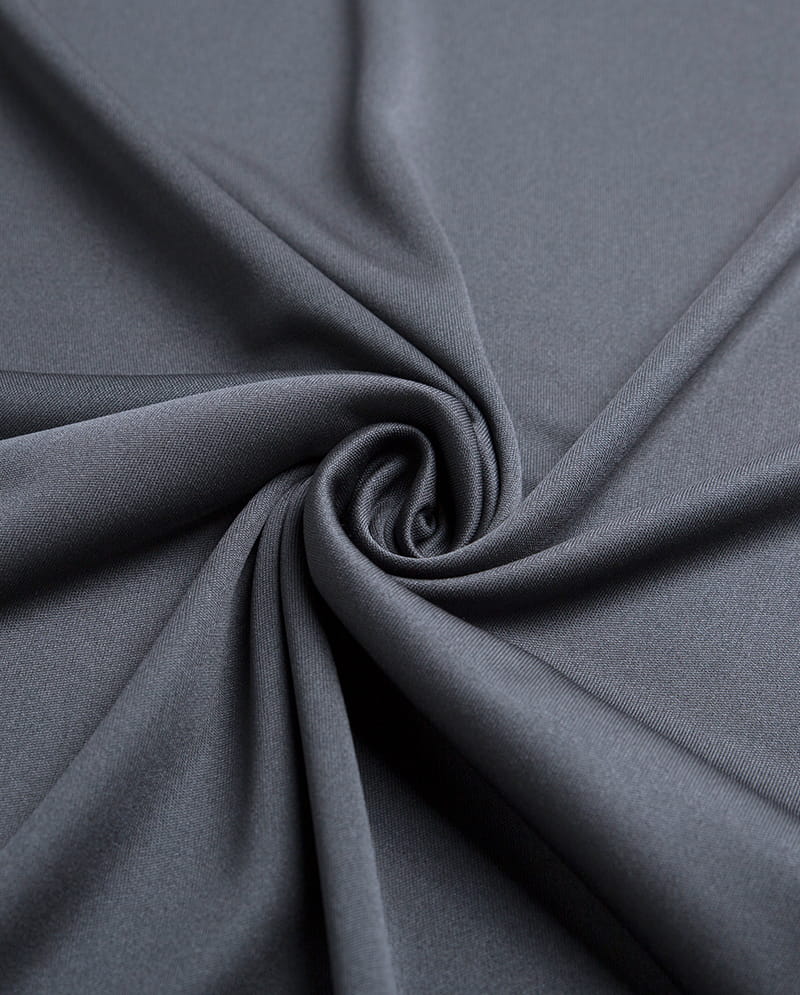
Breathable Double-Faced Elastic Composite Fabric
-
-
-
- whatsapp:
- 0086-13962559622
-
- skype:
- skype.aliceshenghong
-
- Wechat:

COPYRIGHT © 2016 Suzhou Junhui Textile Co., Ltd.
