

 EN
 English
 中文简体
Is Viscose Bad for You? Skin Safety, Solvent Risks and Sourcing Facts Explained
Content
A viscose blouse can feel cooler than cotton on a humid afternoon and still leave a red band across your waist by evening. Both experiences are real, and neither of them makes the fibre toxic.
Is viscose bad for you? For the person wearing a finished, properly washed garment, the available evidence does not support a meaningful health risk. The concerns that do hold up sit at two ends of the supply chain: the carbon disulfide used to dissolve wood pulp, and the finishing chemistry that can remain in the cloth.
Three different questions get mixed together whenever this fibre is discussed: is it safe against skin, is it safe to manufacture, and is it a responsible material choice. The answers do not line up, and that mismatch is where most of the confusion comes from.
The Short Answer on Viscose Safety
No credible body of evidence links finished viscose fabric to cancer, hormone disruption or systemic illness in wearers; the documented health risks are occupational and process-related.
Viscose is a regenerated cellulose fibre. Wood pulp is steeped in sodium hydroxide, reacted with carbon disulfide to form cellulose xanthate, then extruded into an acid bath where the dissolved cellulose re-forms as continuous filament.
That sequence explains nearly every question people ask about the material, including several that do not apply to consumers at all. Once it is clear what viscose is, the risks that survive scrutiny fall into three buckets.
- Mill exposure. Carbon disulfide is a neurotoxic solvent, and the best-documented harm is among workers in plants with weak recovery systems, not among people wearing the output.
- Residual chemistry. Sulphur compounds, alkali carry-over, dye liquors and formaldehyde-releasing easy-care resins can survive an incomplete wash and are the most common cause of contact complaints.
- Wear behaviour. Viscose holds moisture and loses roughly half its strength when wet, so it clings, stretches and holds warmth against skin in ways that aggravate irritation that already exists.
Where the Health Concerns Actually Come From
Every concern about viscose that holds up under scrutiny traces back to the chemistry used to make or finish it, not to the cellulose the fibre is built from.
Carbon disulfide is a mill problem before it is a wardrobe problem
Carbon disulfide is what makes the viscose route inexpensive and, historically, hazardous. Exposure in poorly controlled plants has been associated with neurological symptoms, cardiovascular effects and reproductive harm in workers. Modern lines capture and reuse most of the solvent; older or unregulated operations recover far less. That is a good reason to ask where a fabric was produced. It is not a reason to fear the shirt on your back.
What can still be sitting in the cloth
Finishing is where a wearer's exposure actually happens: sulphur residues from incomplete rinsing, alkali carry-over, unfixed dye, softeners and formaldehyde-releasing resins used to control shrinkage. These are the substances behind most reports of contact dermatitis, and they are exactly what OEKO-TEX Standard 100 and similar limits are written to control.
A fibre can be entirely safe against skin and still be a poor choice for the people who make it. An honest answer keeps both statements on the table.
Conventional viscose against closed-loop lyocell
Conventional viscose
Xanthation with carbon disulfide; solvent recovery varies widely with the age of the line; wastewater carries sulphur compounds and dissolved pulp.
Closed-loop lyocell
Cellulose dissolved directly in an amine oxide solvent; modern lines recover well over 90 percent of the solvent and recycle process water.
Both routes end at the same place chemically. The difference is in what the factory has to handle day to day, not in what the finished fibre does to your skin.
Viscose on Skin: Rashes, Humidity and Wet Strength
Most skin reactions reported with viscose come from dyes, finishes or trapped moisture rather than from an immune reaction to cellulose itself.
Viscose absorbs more water than almost any other common apparel fibre, which is why it feels cool at first and clammy later. The bars below show typical moisture regain values at standard conditions.
Indicative moisture regain, standard conditions. Polyester is shown for contrast.
Why the fabric feels damp and why that matters
Wet viscose drops to roughly half of its dry strength. Garments stretch at the seam, cling to the small of the back and dry slowly in still air, so moisture sits against skin for longer than it would under cotton. For most people this is a comfort issue. For anyone with atopic dermatitis or a tendency to heat rash, it is often the actual trigger, and it is mechanical rather than chemical.
If your skin flares under viscose but stays calm under cotton, the finish or the fabric structure is the likelier culprit than the fibre family.
Who is most likely to notice a problem
- People with eczema or broken skin, where any residue or friction has an easier route in.
- Wearers in hot, humid conditions, where slow drying keeps the fabric saturated for hours.
- Anyone testing unwashed garments straight from the bag, before surplus finish has been rinsed away.
How Viscose Compares With the Fibres You Would Swap It For
Viscose sits mid-table on skin comfort and near the bottom on wet durability, which is precisely why it is so often blended with polyester or elastane.
| Fibre | Moisture regain | Process chemistry | Wet strength | Practical note |
| Viscose | About 13% | Carbon disulfide xanthation | Low, roughly half of dry | Cool drape, needs thorough rinsing and gentle washing |
| Modal | About 12.5% | Modified xanthation, higher pulp purity | Low to moderate | Softer hand, slightly better wet behaviour |
| Lyocell | About 11.5% | Amine oxide, closed loop | Moderate | Better wet resilience, higher cost per metre |
| Cotton | About 8.5% | Mechanical, agricultural inputs | High when wet | Less drape, stronger abrasion resistance |
| Virgin polyester | Under 1% | Melt spinning from PET | High | Fast drying, low uptake, prone to odour retention |
| Recycled polyester | Under 1% | Melt spinning from recycled PET | High | Same performance profile with traceable recycled content |
The table is a starting point, not a verdict. A tight viscose jersey worn next to the skin behaves very differently from a loose viscose crepe in the same climate, and a well-rinsed fabric behaves differently from a cheap one that never saw enough water.
Practical rule: if the requirement is quick drying and low moisture uptake, no cellulose fibre will beat polyester. If the requirement is drape and a cool hand feel, viscose or lyocell will beat polyester on every wearer test.
What to Ask Before You Buy Viscose or Any Substitute
The fibre name on a care label tells you very little; the questions that change your actual exposure profile are about finishing, rinsing and certification.
- Ask for the finishing route, not just the fibre. Whether the fabric is washed to a sulphur residue limit, and whether easy-care resins are part of the finish, matters more than the pulp source.
- Request the certificates. OEKO-TEX Standard 100 covers residual chemistry against skin; GRS covers recycled content claims and traceability.
- Test the garment, not the swatch. Wash twice at 40 degrees, then wear it against skin for a full day in humid weather before approving a bulk order.
- Specify the alternative honestly. Low moisture regain and fast drying point to polyester; drape and cool touch point back to cellulose.
Buyers who move away from viscose usually move in one of two directions: better cellulose, or engineered polyester. On the polyester side, the specification that matters is the same one behind our own differential yarn range, from recycled draw textured yarn through to moisture-wicking functional yarn and bio-based PEF variants.
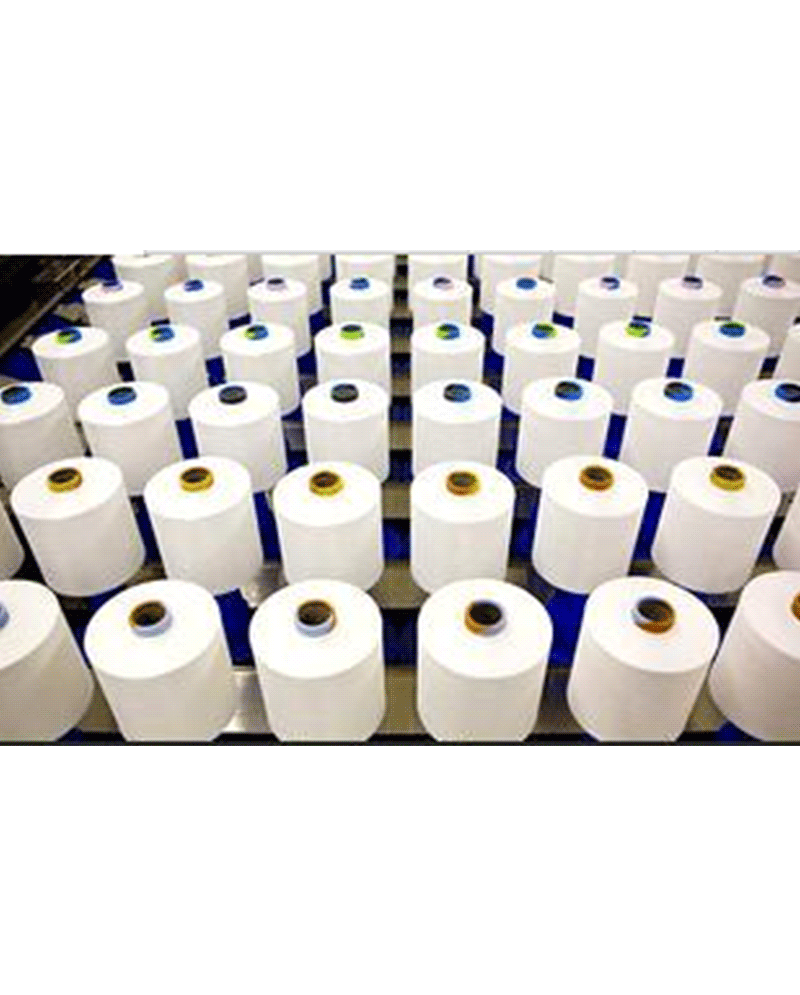 Recycled Semi-Dull DTY High-Strength Polyester YarnRecycled draw-textured polyester with high strength and consistent denier, positioned for sportswear, outdoor gear, home textiles and industrial fabrics.View Product →
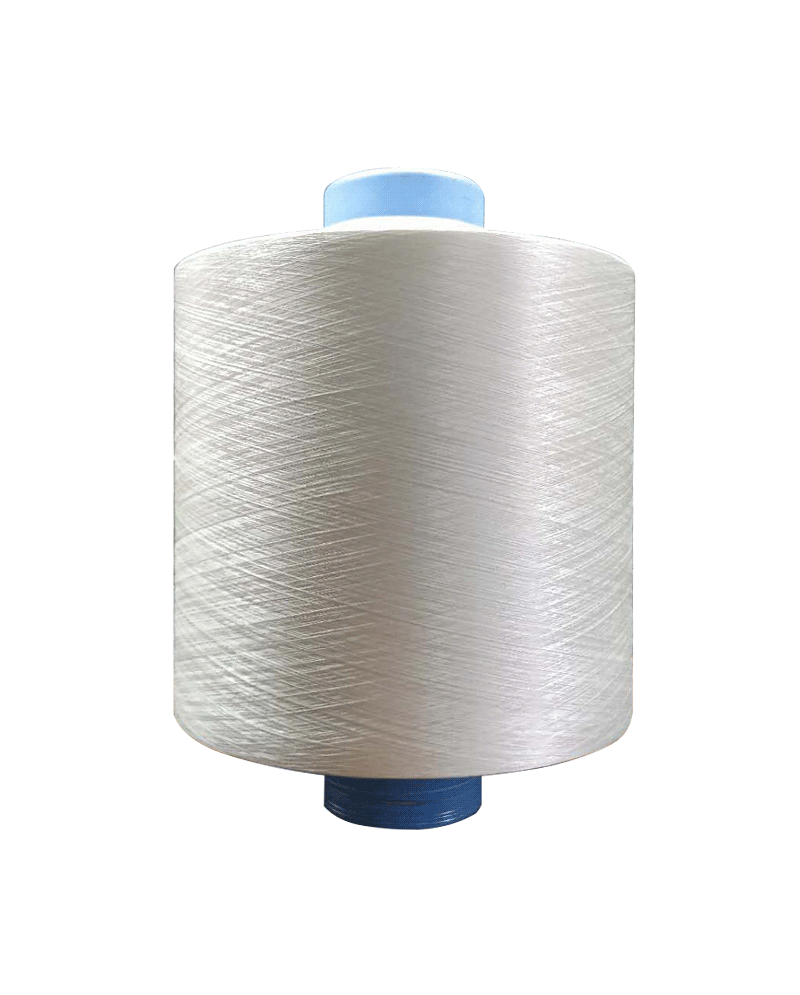 Moisture-Wicking Quick-Dry Functional DTY YarnProfiled functional DTY designed to absorb and diffuse perspiration quickly, suited to sportswear, casualwear, shirts and underwear with OEM/ODM support.View Product →
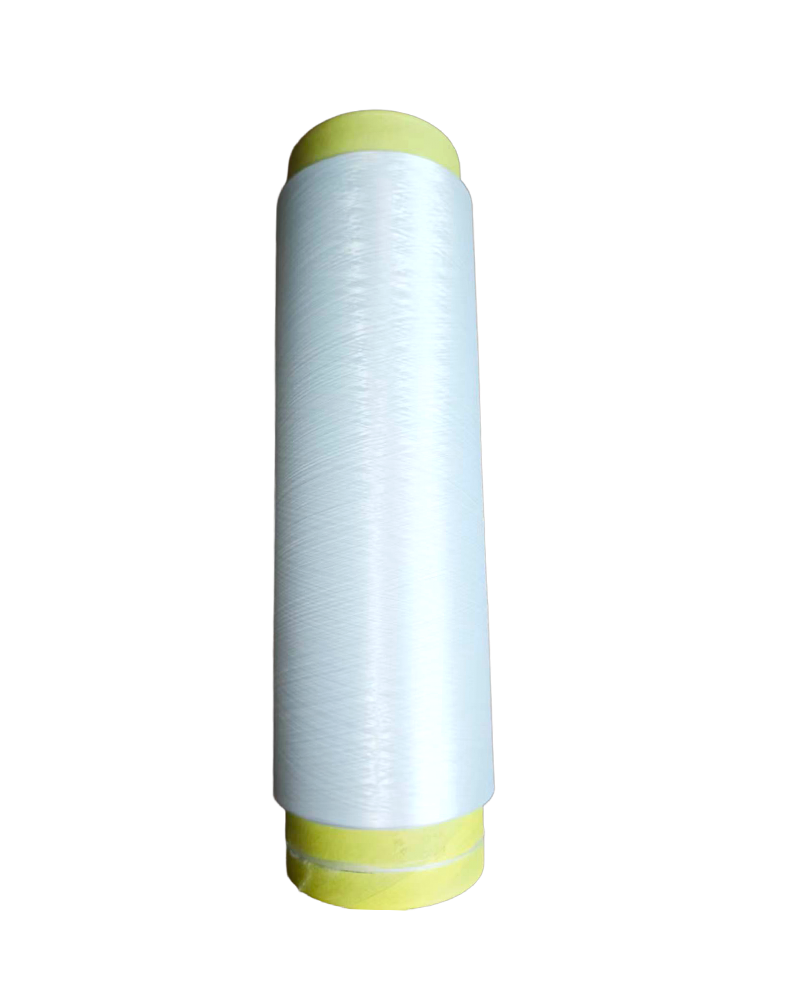 Semi-Dull Bio-Based PEF DTY Yarn 150D/144FVersatile bio-based PEF draw-textured yarn with semi-dull luster and built-in cooling, antibacterial and UV-resistant properties for knitwear, wovens and home textiles.View Product →
Certification claims are worth verifying rather than assuming. The mill record behind the recycled line is summarised in the GRS certification note, and the wider product and factory background sits on the company profile page.
Frequently Asked Questions
Short version: the fibre is rarely the risk. The process and the finish are.
Is viscose toxic to wear?
No. Finished, properly washed viscose is not considered toxic against skin, and there is no consistent evidence of dermal toxicity from the fibre itself. Reactions that do occur are usually traced to dyes, softeners or formaldehyde-based finishes rather than to cellulose.
Does viscose cause rashes?
It can contribute, but usually indirectly. Viscose holds moisture against skin and loses strength when wet, so friction and prolonged dampness aggravate irritation. Where a rash appears with one specific garment and nowhere else, suspect the dye or the finish first.
Is viscose safe for sensitive skin or eczema?
Many people with sensitive skin wear it without problems, especially after two washes. If your skin barrier is already compromised, a smooth lyocell or a well-rinsed cotton is the lower-risk first layer, and close-fitting viscose worn all day in heat is the version to avoid.
Is viscose worse for you than polyester?
They fail in different ways. Viscose carries process and residue questions but biodegrades and absorbs moisture; polyester is chemically stable, dries fast and holds odour, and it sheds microfibres in the wash. Neither is a health hazard in normal wear, so the decision usually comes down to comfort and to what you can verify about the mill.
Popular products
-
Premium Cationic Interlock Stretch Comfort Fabric
-
Moisture-Wicking Nylon Woven Fabric
-
Double-faced jacquard elastic fabric
-
Heather Grey Double-faced cationic jersey fabric
-
Anti-static Cationic Knitted Rib Fabric
-
High-Stretch Cationic Jersey Fabric
-
High Quality Cationic DTY Spandex Two Sides Brush Dralon Knit Fabric for Garment Thermal Underwear
-
Durable Anti-Pilling Knitted Fabric for Home Textiles
-
Wash-Resistant Cationic Elastic Knitted Fabric for Garment Industry
-
Breathable Double-Faced Elastic Composite Fabric
-
-
-
- whatsapp:
- 0086-13962559622
-
- skype:
- skype.aliceshenghong
-
- Wechat:


COPYRIGHT © 2016 Suzhou Junhui Textile Co., Ltd.
