
 EN
EN English
 中文简体
中文简体The Nature of FDY Yarn Luster
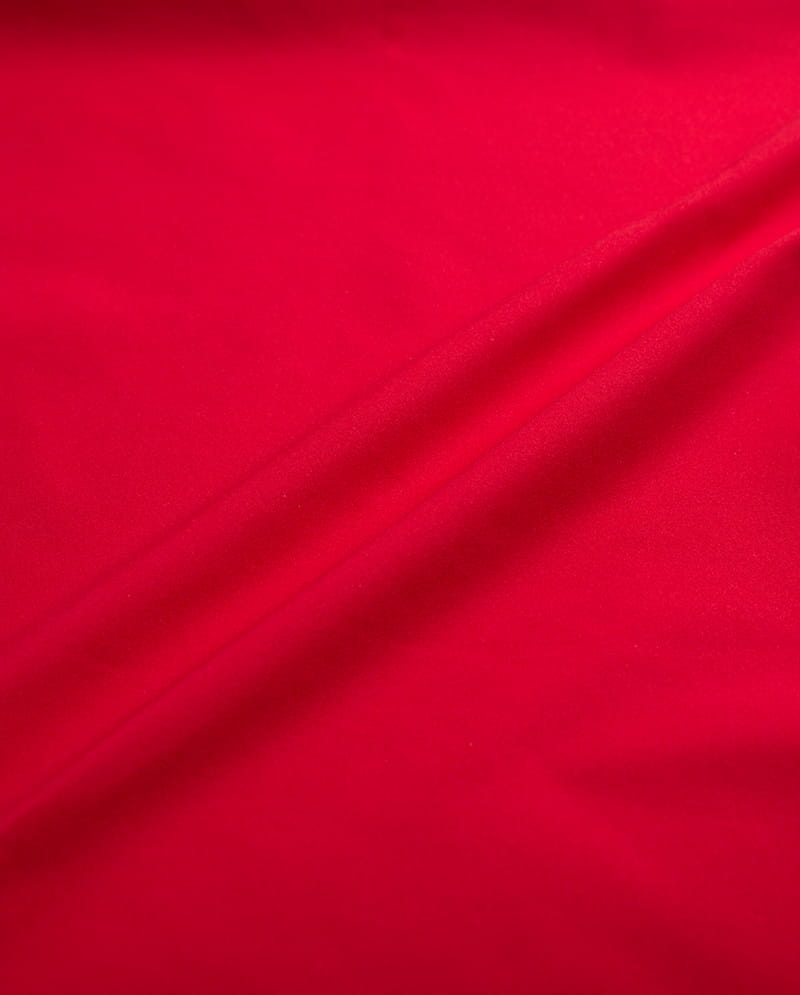
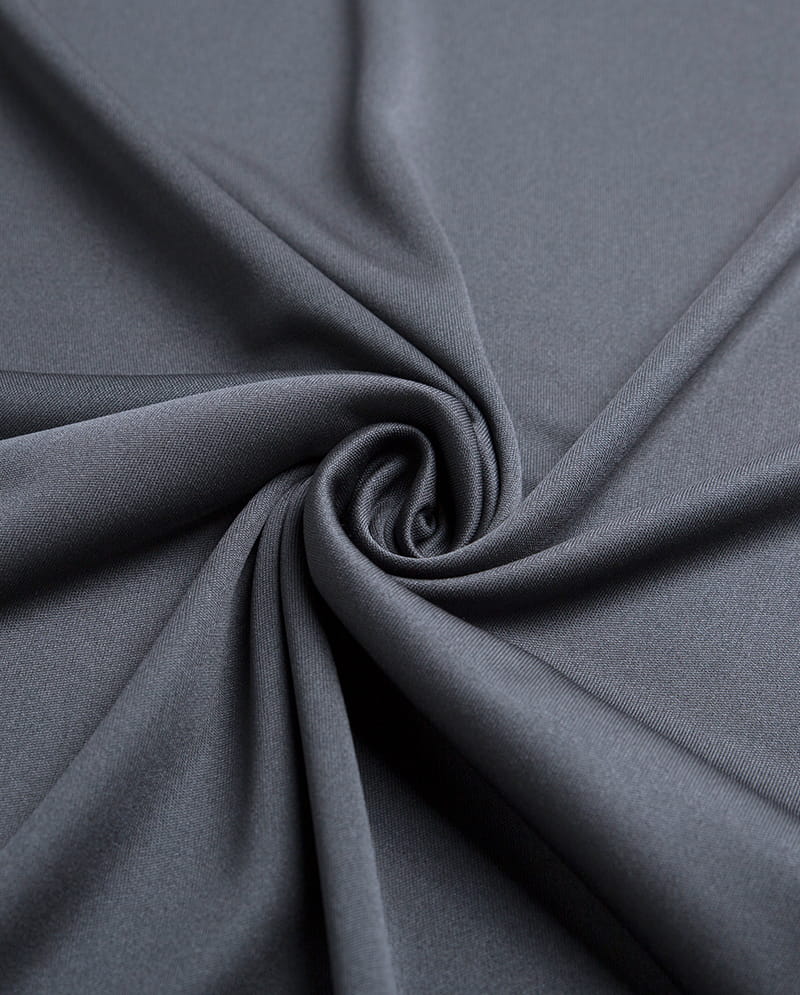
Fully Drawn Yarn (FDY) is characterized by its inherently high and consistent luster. This shine is a direct result of its production process, where the polymer is completely drawn and crystallized in a continuous, integrated spin-draw process. This creates a smooth, uniform filament surface with minimal light scattering. The molecular chains are highly aligned parallel to the fiber axis, allowing light to reflect in a consistent, mirror-like manner. The luster level can be precisely engineered at the polymer stage by adding delustrants, most commonly titanium dioxide (TiO2), resulting in standard variants:
- Bright: Minimal or no delustrant, yielding maximum shimmer.
- Semi-Dull: A moderate amount of TiO2, offering a softened, versatile sheen.
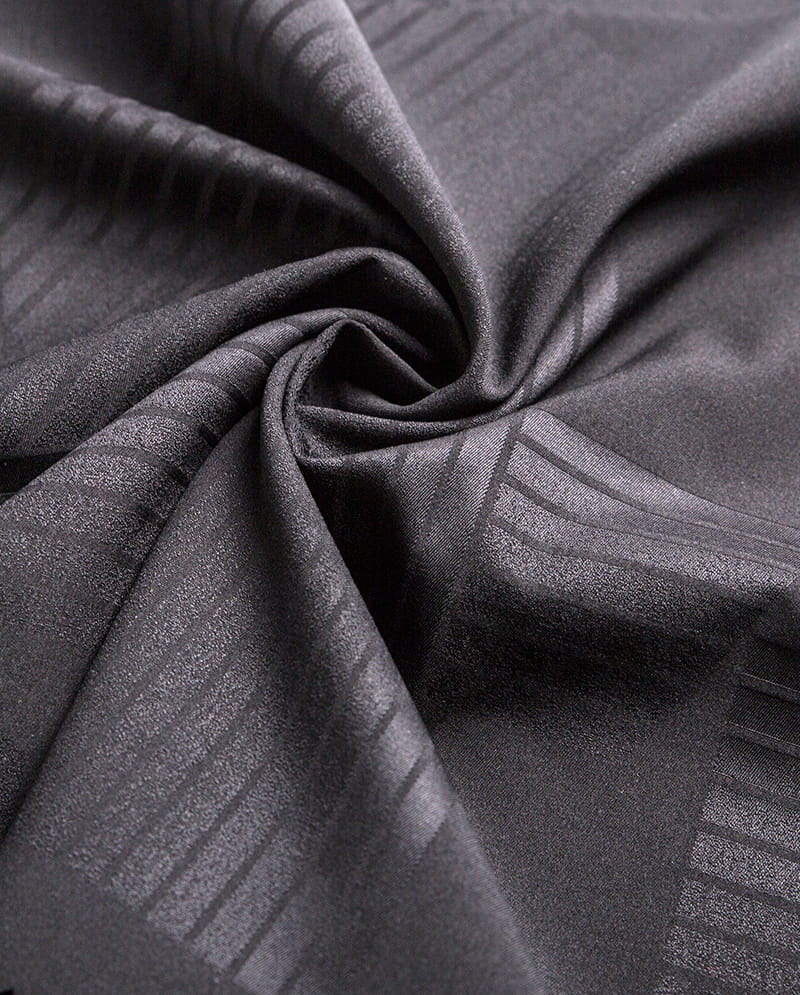
- Full-Dull: A higher concentration of delustrant, creating a near-matte surface that significantly diffuses light.
A Comparative Analysis of Yarn Luster
To understand FDY's luster profile, a direct comparison with other major yarn types is essential. The key differentiator lies in the filament surface geometry and orientation, which dictates how light is reflected.
FDY vs. Partially Oriented Yarn (POY)
POY is the undrawn precursor to FDY. Its molecular chains are less aligned, giving it a lower inherent luster and a slightly opaque appearance. POY's luster is not "final"; it is designed to be further processed through drawing or texturing. FDY, being fully drawn, possesses a finalized, sharper, and more permanent luster.
FDY vs. Drawn Textured Yarn (DTY)
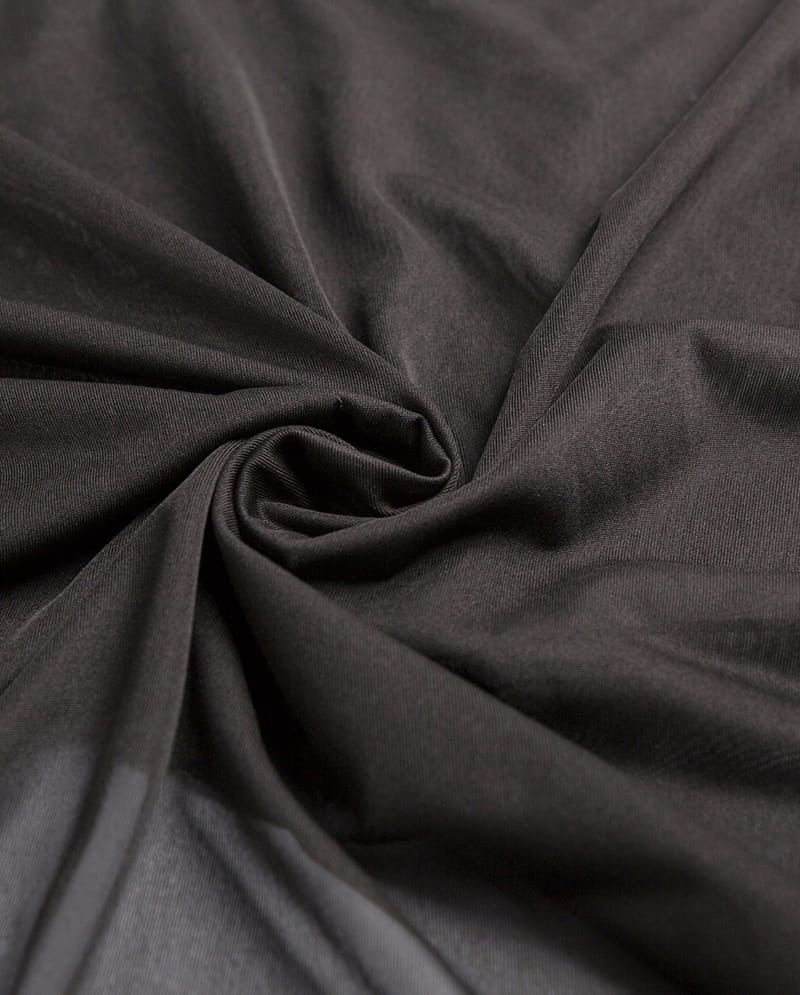
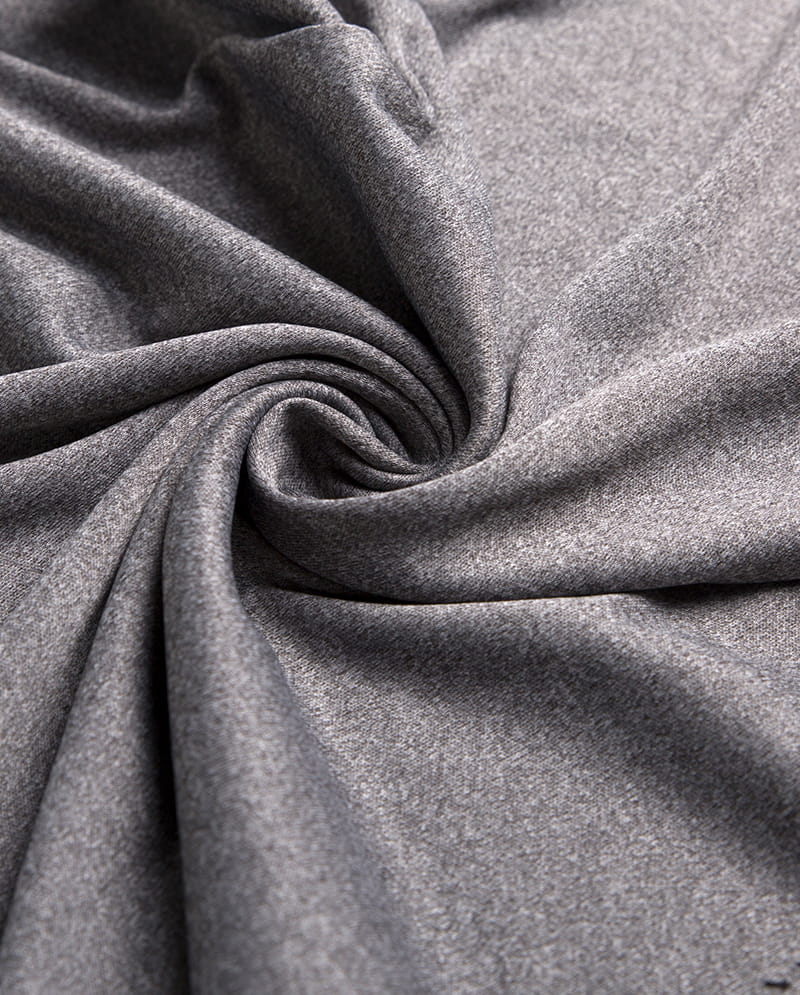
This is the most stark contrast. DTY is created by texturing POY, introducing crimps, loops, and coils. This highly irregular, three-dimensional surface scatters light in all directions, drastically reducing direct reflection. Consequently, DTY has a subdued, soft, and sometimes sparkly luster (depending on texture) that is fundamentally different from the smooth, linear shine of FDY.

FDY vs. Spun Yarns (e.g., Cotton, Polyester Spun)
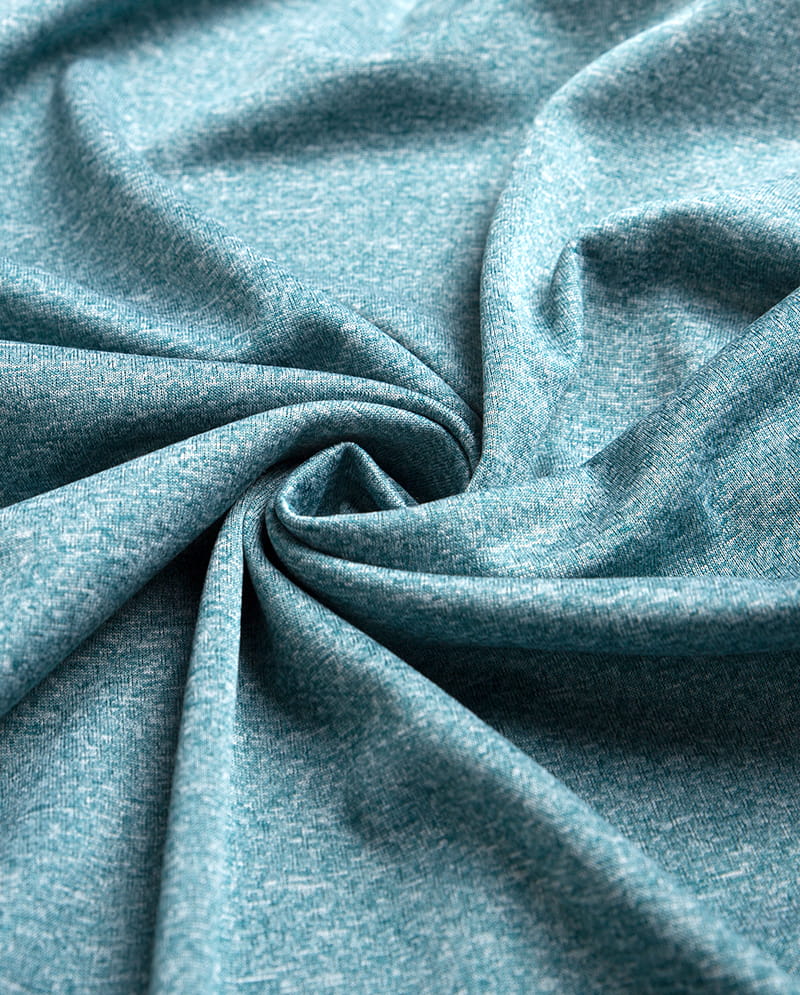
Spun yarns consist of short staple fibers twisted together. Their surface is covered with protruding fiber ends, creating microscopic irregularities. This fibrous halo traps and diffuses light, giving spun yarns a matte, opaque, and non-reflective appearance. The luster of FDY is categorically higher and more metallic in comparison.
| Yarn Type | Surface Character | Luster Quality | Typical Luster Ranking (High to Low) |
| Bright FDY | Smooth, Continuous Filament | Sharp, Metallic, Mirror-like | 1 (Highest) |
| Semi-Dull FDY | Smooth with Light Diffusion | Soft, Silky Sheen | 2 |
| Full-Dull FDY / DTY | Micro-textured or Dull Surface | Near-Matte to Sparkly Soft | 3 |
| Spun Yarn (Polyester/Cotton) | Fibrous, Hairy | Dull, Opaque, Non-reflective | 4 (Lowest) |
Practical Implications for Fabric Selection and Design
The choice between FDY and other yarns based on luster is a critical design decision with tangible effects on the final product.
- Formalwear & Linings: Bright or semi-dull FDY is preferred for linings, satins, and formal fabrics where a smooth, luxurious shine is desired. Its luster conveys elegance and slickness.
- Casual & Everyday Wear: DTY or spun yarns are often chosen for their matte, natural, and soft visual hand, which aligns with casual aesthetics. FDY in these contexts can appear too "synthetic" or shiny.
- Functional Textiles: FDY's smooth surface, linked to its luster, offers practical benefits like inherent water repellency (for umbrellas, raincoats) and ease of cleaning, making it ideal for technical applications.
- Visual Depth and Texture: Designers frequently combine FDY with DTY or spun yarns in a single fabric. The contrasting luster levels (e.g., a shiny FDY warp with a matte DTY weft) create intricate visual depth, patterns, and texture without changing the color.
Technical Considerations in Processing and Dyeing
The luster of FDY is not just aesthetic; it interacts with downstream processes. The smooth surface of FDY allows for even, rapid dye uptake, resulting in vibrant and deep colors that further enhance the reflective quality. However, any imperfections, such as drawing inconsistencies or oil stains, are more visible on bright FDY than on dull or textured yarns due to the uninterrupted light reflection. This demands higher quality control during production. Furthermore, the luster is permanently set during the spin-draw process and is less susceptible to change during textile finishing compared to the more malleable structure of POY or textured yarns.