

 EN
EN English
 中文简体
中文简体Hollow Warm Functional Yarn for Lightweight Thermal Comfort
Content
- 1 Product Overview
- 2 Key Performance Advantages
- 3 Comparison with Conventional Thermal Yarns
- 4 How the Hollow Structure Creates Warmth
- 5 Lightweight Comfort for Modern Apparel
- 6 Moisture Absorption and Quick-Drying Benefits
- 7 Softness and Durability After Washing
- 8 Application Areas
- 9 Manufacturing Strength Behind the Product
- 10 Advanced Manufacturing Process
- 11 Quality Control and Testing Standards
- 12 Advantages Over Competitors
- 13 Role in Sustainable and Efficient Textile Development
- 14 Fabric Development Recommendations
- 15 Commercial Value for Brands and Mills
- 16 Why Hollow Warm Yarn Fits Current Market Trends
- 17 Q&A Section
- 17.1 What is hollow warm functional yarn?
- 17.2 How much hollow space does the yarn have?
- 17.3 How does it compare with ordinary polyester yarn?
- 17.4 Is the yarn suitable for thermal underwear?
- 17.5 Can it be used for outdoor apparel?
- 17.6 What specifications are available?
- 17.7 Does the yarn remain soft after washing?
- 17.8 Why is moisture management important in warm clothing?
- 17.9 What makes this yarn different from bulky thermal yarn?
- 17.10 Can the manufacturer support customized yarn development?
- 18 Conclusion
- 19 References
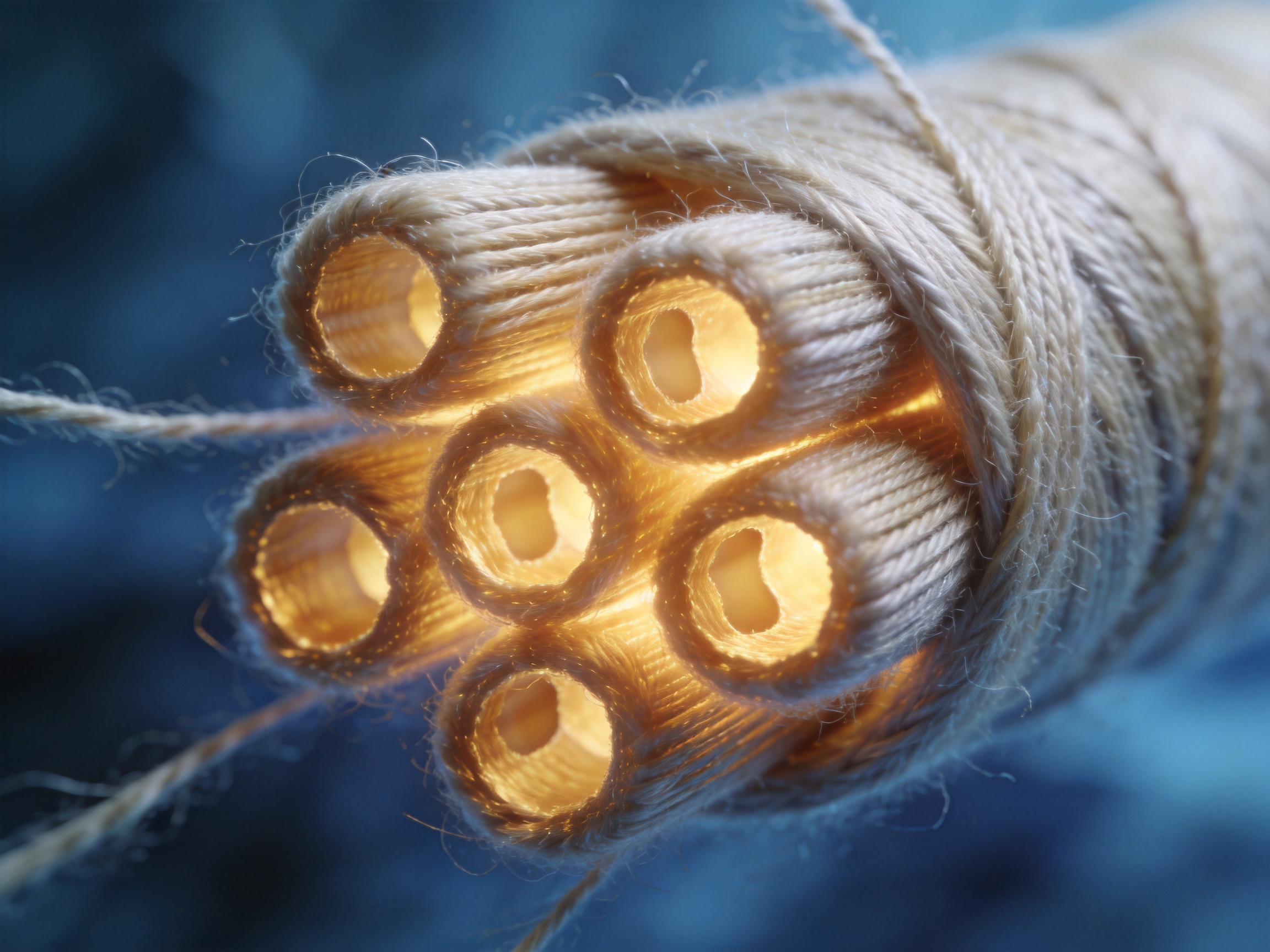
Hollow warm functional yarn is designed for modern textile applications that require warmth, comfort, low weight, softness, moisture management, and dependable process performance. Unlike conventional polyester yarns that rely mainly on fabric thickness to deliver insulation, this yarn uses a special hollow cross-sectional structure to trap still air inside the fiber. Because still air has low thermal conductivity, the yarn creates a natural insulation layer that helps reduce heat loss while keeping the fabric lighter and more comfortable to wear.
The product is especially suitable for winter clothing, outdoor garments, thermal underwear, casual wear, sweaters, and other apparel categories where consumers expect warmth without bulk. Its hollow degree of at least 22% gives the fiber an internal air chamber, allowing fabrics to maintain thermal performance while reducing fiber weight by approximately 20% to 22% compared with similar solid-fiber constructions. In practical clothing design, this means garments can feel lighter, softer, and less restrictive while still providing reliable warmth.
In addition to thermal insulation, hollow warm functional yarn offers long-lasting softness, good moisture absorption, and quick-drying performance. These properties help keep the skin dry and comfortable during daily wear and active outdoor use. The yarn is developed for customers who need a functional textile solution that balances technical performance with commercial reliability, processing stability, and broad application flexibility.
Product Overview
Hollow warm functional yarn belongs to the functional yarn category and is produced to meet the increasing demand for high-performance synthetic fibers in apparel and textile manufacturing. The product is available in practical specifications such as 75/72 and 150/144, which are suitable for various fabric structures, including knitted, woven, brushed, and layered materials.
The “D/F” expression refers to denier and filament count, two important indicators in yarn selection. Denier indicates yarn fineness, while filament count affects softness, coverage, bulk, and hand feel. For example, 75/72 offers a fine, soft, and flexible profile for lightweight warmth, while 150/144 provides greater coverage, fuller texture, and stronger thermal potential for heavier winter fabrics and outdoor garments.
The core value of this yarn lies in its hollow structure. During manufacturing, the fiber is formed with a special cross section rather than a simple solid round profile. The internal hollow space stores static air inside the filament. This reduces the overall density of the yarn and improves insulation efficiency. Compared with many ordinary polyester yarns, it can enhance warmth retention by approximately 65%, making it a strong material choice for winter and thermal fabric development.
The product is not only warm but also lightweight. Traditional approaches to warmth often involve increasing yarn thickness, fabric weight, brushing intensity, or adding multilayer structures. These methods can improve insulation, but they may also make garments bulky, heavy, less breathable, and less comfortable during movement. Hollow warm functional yarn solves this challenge by improving insulation at the fiber-structure level, allowing designers and fabric mills to create warmer textiles without excessive mass.
Key Performance Advantages
The first major advantage is improved warmth retention. The hollow cavity inside the fiber captures air and forms a stable thermal barrier. Because air is a poor heat conductor when it remains still, the yarn helps slow heat transfer from the body to the surrounding environment. This structure-based insulation allows fabrics to achieve strong thermal performance without relying only on high thickness or high fabric density.
The second advantage is reduced weight. With a hollow degree of at least 22%, the fiber contains less solid polymer volume than a comparable solid filament. This leads to a weight reduction of around 20% to 22%. For garment brands, this can improve wearing comfort, reduce fatigue during outdoor activity, and support the development of lightweight winter products. For fabric producers, the lower density may also help optimize fabric hand feel and drape.
The third advantage is durable softness. Some thermal materials become stiff or rough after repeated washing, brushing, or wearing. Hollow warm functional yarn is designed to retain softness and comfort over time. This is important for thermal underwear, sweaters, casual wear, and close-to-skin apparel, where tactile comfort strongly affects consumer satisfaction.
The fourth advantage is moisture comfort. Warm garments must not only retain heat; they must also manage moisture. If perspiration accumulates inside clothing, the wearer may feel cold, damp, and uncomfortable. This yarn supports moisture absorption and quick-drying performance, helping fabrics move excess moisture away from the skin and release it more efficiently. The result is a drier and more balanced microclimate during wear.
The fifth advantage is good processing adaptability. Functional yarn must perform well not only in laboratory testing but also in weaving, knitting, dyeing, finishing, garment production, and repeated consumer use. Hollow warm functional yarn is engineered for stable textile processing, helping manufacturers reduce defects, maintain consistent fabric quality, and support large-scale production.
Comparison with Conventional Thermal Yarns
Many conventional thermal yarns depend on bulk, thickness, or surface raising to provide warmth. While these methods remain useful, they can create limitations. Thicker yarns increase garment weight. Highly brushed fabrics may pill or lose appearance after repeated use. Dense structures can reduce breathability. Some thermal materials may feel heavy, less flexible, or too warm during moderate activity.
Hollow warm functional yarn provides a more advanced solution because its insulation mechanism is built into the filament itself. The yarn does not simply add mass; it adds internal air space. This allows the fabric to achieve warmth through a more efficient structure. The hollow cross section improves thermal resistance while preserving softness and reducing weight.
Compared with ordinary solid polyester yarn, the hollow warm yarn offers a better warmth-to-weight ratio. Compared with many low-cost thermal alternatives, it provides more reliable comfort and more refined fabric hand feel. Compared with some imported functional yarns, it offers a dependable alternative with strong technical performance, stable specifications, and responsive supply support.
| Feature | Hollow Warm Functional Yarn | Conventional Solid Polyester Yarn | Common Bulky Thermal Yarn |
|---|---|---|---|
| Insulation principle | Internal hollow air chamber traps static air | Mainly depends on fabric density and thickness | Mainly depends on bulk and raised surface |
| Weight | Reduced by about 20% to 22% | Normal solid-fiber weight | Often heavier due to added bulk |
| Warmth retention | Improved by about 65% compared with conventional yarns | Moderate | Good, but often with extra thickness |
| Comfort | Soft, light, warm, and moisture-managing | Stable but less function-focused | Warm but may feel bulky |
| Application flexibility | Thermal underwear, outdoor wear, casual wear, sweaters | General apparel and home textiles | Winter garments and brushed fabrics |
How the Hollow Structure Creates Warmth
The science behind the yarn is based on thermal conductivity and air retention. Heat naturally moves from a warmer body to a cooler environment. Clothing reduces this heat loss by creating barriers that slow conduction, convection, and radiation. Fiber structure plays an important role in this process. When a filament contains a hollow core, the air inside the fiber becomes part of the insulation system.
Still air is one of the most effective natural insulating materials available in textile structures. It is commonly used in down, fleece, hollow fibers, and multilayer fabrics. The challenge is to trap the air in a stable and durable way. Hollow warm functional yarn captures air inside each filament, which means the insulation is not dependent only on surface loft. Even when the fabric is compressed slightly during wear, the internal hollow structure continues to contribute to warmth.
The hollow degree of at least 22% is significant because it provides enough internal air volume to support thermal insulation while maintaining fiber strength and processing stability. If the hollow ratio is too low, the thermal benefit may be limited. If it is too high without proper engineering, the filament may become weak or difficult to process. The product achieves a practical balance between hollow structure, yarn strength, comfort, and fabric performance.
The lower thermal conductivity of the hollow filament helps lock in body heat. At the same time, the yarn can be used in fabric structures that allow moisture vapor to escape. This balance is essential for real-world comfort. A garment that is warm but traps sweat can become uncomfortable. A garment that is breathable but lacks insulation may not be suitable for cold weather. Hollow warm functional yarn supports both warmth and dryness.
Lightweight Comfort for Modern Apparel
Consumer expectations for winter clothing have changed. Many people no longer want heavy coats, thick underwear, or bulky sweaters that limit movement. They want garments that are warm, light, soft, easy to wash, quick to dry, and suitable for both indoor and outdoor environments. Hollow warm functional yarn directly answers this trend by offering warmth without unnecessary weight.
For thermal underwear, the yarn helps create fabrics that fit close to the body while maintaining warmth. Close-fitting garments must be soft, flexible, and breathable. A heavy or stiff yarn would reduce comfort. Hollow warm yarn can provide a smoother and lighter hand, making it suitable for base layers worn for long periods.
For outdoor gear, weight reduction is especially important. Hikers, runners, campers, and travelers need clothing that provides warmth but does not add excessive load. The yarn’s improved warmth-to-weight ratio allows fabric developers to design lightweight mid-layers, linings, fleece-like fabrics, and knitted thermal garments. When combined with appropriate fabric engineering, it can support apparel that performs well during movement and changing weather conditions.
For casual wear, comfort and appearance are equally important. Consumers expect sweaters, hoodies, joggers, and winter casual garments to feel pleasant, maintain shape, and remain comfortable after washing. Hollow warm functional yarn contributes to soft touch, practical warmth, and easy-care performance, making it suitable for everyday apparel collections.

Moisture Absorption and Quick-Drying Benefits
Warmth is only one part of cold-weather comfort. Moisture control is equally important. When the body sweats, moisture can accumulate between the skin and the garment. If the fabric dries slowly, the wearer may experience clamminess and heat loss. This is particularly problematic in winter, when damp clothing can quickly make the body feel cold.
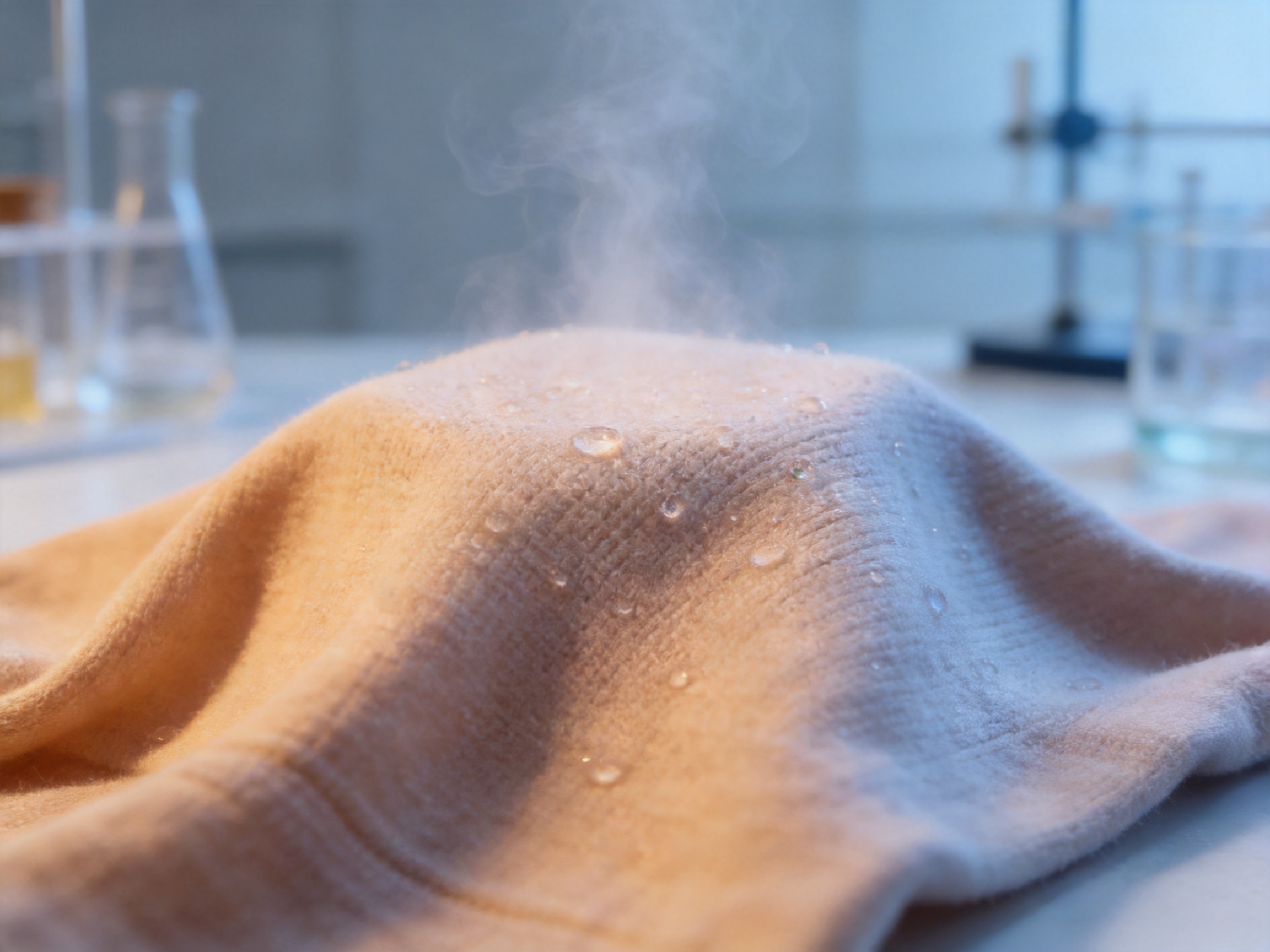
Hollow warm functional yarn is designed with good moisture absorption and quick-drying capabilities. In fabric form, this helps move moisture away from the skin and release it into the outer environment. The result is a more balanced wearing experience: warm when the temperature is low, yet not overly damp during activity.
This property is useful in sportswear, outdoor apparel, commuter clothing, and thermal underwear. A person walking outdoors in cold weather may perspire during movement and then cool down when activity decreases. Fabrics made with moisture-managing hollow warm yarn help reduce the discomfort caused by moisture retention. They support a drier inner climate, which can improve both comfort and perceived warmth.
Quick-drying performance also supports easy care. Garments that dry faster after washing are more convenient for consumers and more practical for travel. In commercial apparel, quick-drying value can be an important selling point, especially for winter activewear and functional casual wear.
Softness and Durability After Washing
Softness is a critical feature for any yarn used in apparel. A fabric may perform well in thermal tests, but if it feels rough or stiff, consumers may reject it. Hollow warm functional yarn is developed to provide lasting softness even after repeated washing. This is valuable for garments that come into direct contact with the skin, such as underwear, base layers, and sweaters.
The filament count contributes to this comfort. Higher filament counts, such as 75/72 and 150/144, allow the yarn to create a finer and smoother surface. More filaments can improve flexibility, fullness, and hand feel. When properly textured and finished, the yarn can produce fabrics with pleasant softness, gentle drape, and stable appearance.
Durability after washing also matters for brand reputation. Consumers expect functional garments to retain performance, size, and feel over time. If a thermal fabric loses softness, becomes flat, pills excessively, or dries slowly after washing, the value of the garment declines. By combining hollow structure with controlled manufacturing and quality testing, the yarn supports long-term textile performance.
Application Areas
Hollow warm functional yarn can be used in a wide range of apparel and textile applications. Its combination of warmth, low weight, softness, and moisture comfort makes it suitable for product lines that require both performance and comfort.
Winter Clothing
Winter clothing must protect the wearer from cold while remaining comfortable for daily use. Hollow warm yarn helps create jackets, linings, pants, pullovers, and layered garments with improved thermal efficiency. Because the yarn reduces weight, garments can remain comfortable for commuting, shopping, travel, and outdoor leisure.
Outdoor Gear
Outdoor apparel often requires a balance between warmth, breathability, durability, and packability. The yarn can be used in mid-layer fabrics, fleece-like knits, lightweight insulation layers, and soft thermal linings. Its hollow structure supports heat retention, while its quick-drying character helps improve comfort during physical activity.
Thermal Underwear
Thermal underwear is worn close to the skin, so softness and moisture control are essential. Hollow warm functional yarn can help produce base-layer fabrics that feel gentle, dry faster, and maintain warmth without excessive thickness. This makes it useful for both daily thermal underwear and performance base layers.
Casual Wear
Casual wear consumers want warmth, style, comfort, and easy maintenance. Hoodies, sweatshirts, joggers, cardigans, and casual sweaters can benefit from the yarn’s lightweight insulation. The yarn allows designers to develop garments that feel cozy but not heavy.
Sweaters
Sweaters require a soft hand, good bulk, warmth, and attractive appearance. Hollow warm yarn can be used to create sweater fabrics that retain heat while reducing garment weight. It is suitable for both classic winter sweaters and lighter transitional-season styles.
Manufacturing Strength Behind the Product
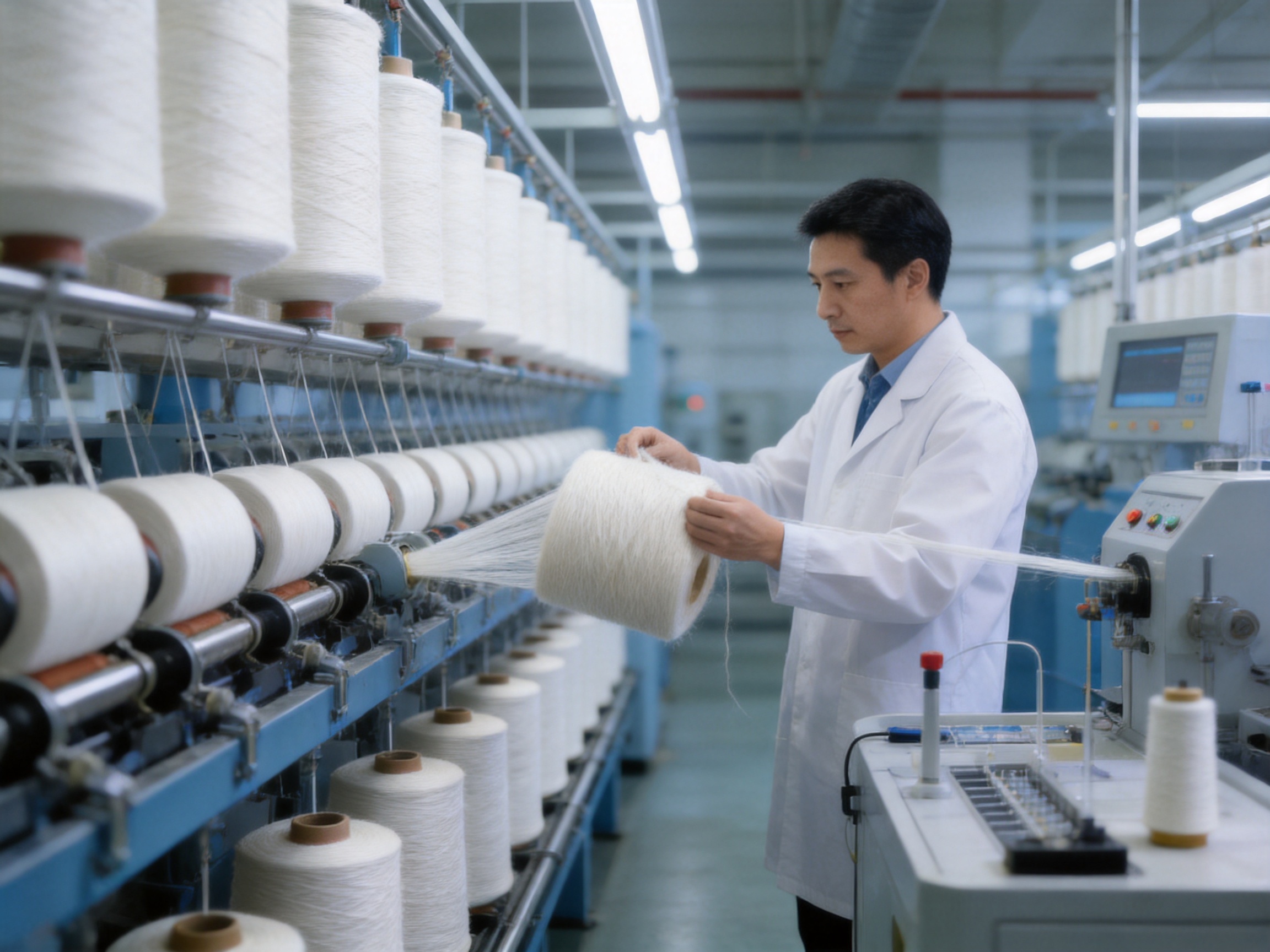
High-quality hollow warm functional yarn requires more than a special concept. It requires precise polymer selection, spinneret design, spinning control, cooling management, drawing, texturing, winding, inspection, and application testing. The manufacturer behind this product has developed expertise in differentiated yarns, recycled yarns, polyester drop-dyed yarns, microfine yarns, flame-retardant yarns, cationic dyeing yarns, and knitting fabric products. This broad technical foundation supports the production of hollow warm functional yarn with stable quality and practical commercial value.
The company was founded in 2015 and has focused on the development and sale of differential yarn and functional textile materials. Its professional research and development team works on environmental protection, functional yarn, and fabric applications. Cooperation and technical discussion with internationally recognized enterprises help the company stay aligned with global textile trends and performance requirements.
More than 90% of its products are exported, and customers are located in 36 countries. This export-oriented experience is important because different markets have different expectations for quality, testing, packaging, delivery, color consistency, fabric performance, and technical documentation. A company that serves global customers must maintain stable production and responsive support.
The company’s service philosophy emphasizes customer success. Technical specialists are prepared to assist with product selection, fabric development, and problem solving. Fast response capability is particularly valuable in textile supply chains, where delays in yarn selection or technical troubleshooting can affect sampling, bulk production, dyeing schedules, and garment delivery.
Advanced Manufacturing Process
The production of hollow warm functional yarn begins with raw material control. Polyester chips or suitable polymer materials must meet strict requirements for viscosity, cleanliness, thermal stability, and spinning performance. Inconsistent raw materials can cause filament breakage, uneven denier, poor dyeing, or unstable hollow formation. Therefore, material inspection is the first step in quality assurance.
After material preparation, the polymer is melted under controlled temperature conditions. Melt uniformity is essential. If the temperature is too low, the melt may not flow smoothly through the spinneret. If it is too high, polymer degradation may occur. The goal is to produce a stable melt that can form filaments with the required hollow cross section.
The spinneret is one of the most important components in hollow yarn production. Unlike ordinary round-hole spinnerets, a hollow fiber spinneret must create a special flow pattern that forms an internal cavity inside each filament. The geometry must be accurate and consistent across multiple holes. Precision spinneret design helps maintain hollow degree, filament shape, and yarn uniformity.
After extrusion, the filaments are cooled through controlled quenching. Cooling conditions strongly affect cross-sectional stability, crystallinity, orientation, and physical properties. If cooling is uneven, the hollow structure may deform or the filament may develop inconsistent strength. Controlled airflow, temperature, and distance help stabilize the hollow section.
The yarn is then drawn to improve molecular orientation and mechanical properties. Drawing must be carefully controlled to avoid collapsing the hollow structure while achieving sufficient strength and dimensional stability. The process parameters are adjusted according to denier, filament count, and intended application.
For DTY applications, texturing is used to create elasticity, bulk, softness, and fabric coverage. Texturing conditions, including temperature, speed, twist, and heat setting, influence hand feel and fabric behavior. Proper texturing allows the hollow warm yarn to retain its insulation value while becoming more suitable for knitting and weaving.
Finally, winding and package formation are controlled to ensure smooth downstream processing. Good package shape, stable tension, and low defect levels are essential for knitting mills and weaving mills. Poor winding can cause yarn breaks, uneven feeding, or production stoppages. The manufacturer’s process control helps customers use the yarn efficiently in bulk production.
Quality Control and Testing Standards
Functional yarn must be tested from multiple perspectives. The product is designed to comply with international standards, exceed national quality requirements, and serve as a reliable alternative to overseas counterparts. This approach is important for buyers who need both technical performance and supply confidence.
Quality control may include denier testing, filament count verification, tensile strength, elongation, evenness, crimp performance, shrinkage, oil content, package appearance, hollow degree analysis, moisture behavior, and thermal performance evaluation. These tests help confirm that the yarn meets the intended specification and can perform consistently during fabric production.
Thermal testing is especially important for hollow warm functional yarn. Warmth retention must be measurable, not only described. Testing can compare fabrics made with hollow yarn against fabrics made with conventional yarn under controlled conditions. The reported improvement of approximately 65% in warmth retention reflects the functional value of the hollow cross-sectional design.
Wash durability testing is also important. Functional textiles are expected to survive repeated laundering. The yarn’s softness, insulation effect, moisture behavior, and fabric appearance should remain stable after washing. This durability supports consumer trust and reduces quality complaints for garment brands.
Advantages Over Competitors
Hollow warm functional yarn offers several competitive advantages in the functional textile market. The first is its strong warmth-to-weight ratio. Many competing yarns can provide warmth only by increasing thickness or fabric mass. This product improves warmth through internal air retention, making it possible to develop lighter garments with comparable or superior thermal comfort.
The second advantage is balanced comfort. Some thermal yarns focus only on warmth and ignore moisture management. Others offer quick drying but insufficient insulation. Hollow warm yarn combines low thermal conductivity, lightweight structure, softness, moisture absorption, and quick drying. This balanced performance makes it suitable for wider apparel use.
The third advantage is practical specification availability. With specifications such as 75/72 and 150/144, the yarn can be applied to both lightweight and medium-weight fabrics. This gives fabric developers flexibility in creating thermal underwear, casual knits, outdoor layers, sweaters, and lining fabrics.
The fourth advantage is manufacturing know-how in differentiated yarns. The producer is not limited to one simple product type. Its experience includes recycled yarn, flame-retardant yarn, cationic dyeing yarn, microfine yarn, polyester drop-dyed yarn, and knitting fabrics. This broad capability allows it to understand how functional yarns behave in real textile applications and how to support customers with customized solutions.
The fifth advantage is export experience. Serving customers in 36 countries requires stable quality, communication ability, documentation support, and reliable delivery. Buyers looking for an alternative to overseas functional yarn suppliers can benefit from a manufacturer that already understands international market expectations.
The sixth advantage is customer support. The company states that its experts are ready to provide guidance and support within 12 hours globally. In textile development, rapid technical response can reduce trial-and-error costs. If a customer faces issues in knitting, dyeing, finishing, or fabric hand adjustment, fast support can help keep projects on schedule.
Role in Sustainable and Efficient Textile Development
Although hollow warm functional yarn is primarily valued for warmth and comfort, it can also support more efficient textile design. Because the fiber reduces weight while improving insulation, fabric developers may be able to reduce excessive material use in certain applications. Lighter garments can require less material by weight and may be more efficient in transportation and consumer use.
The manufacturer’s broader product portfolio includes recycled yarn and other environmentally oriented materials. This background is relevant because modern textile buyers increasingly evaluate suppliers based on functional performance, environmental awareness, and responsible product development. Hollow warm yarn can be part of a larger strategy that includes recycled content, performance fabrics, and differentiated yarn solutions.
In many markets, consumers are looking for products that last longer and perform better. A garment that remains soft, warm, and comfortable after repeated washing can reduce replacement frequency and improve user satisfaction. Durability is an important but sometimes overlooked part of sustainability. By supporting long-term performance, hollow warm functional yarn contributes to better product value.
Fabric Development Recommendations
To achieve the best results, fabric developers should select yarn specifications according to the target garment type. For lightweight thermal underwear, 75/72 may be appropriate because it offers softness, flexibility, and fine fabric texture. For warmer sweaters, mid-layers, and heavier casual garments, 150/144 can provide more coverage and fuller hand feel.
Fabric structure should also be considered. Knitted structures can improve stretch, softness, and comfort. Rib, interlock, fleece, terry, and double-knit constructions may all be explored depending on the desired warmth and hand feel. Woven structures can be used for linings, lightweight thermal layers, and functional outerwear components.
Finishing should be designed to protect the yarn’s hollow structure and preserve softness. Excessive mechanical stress, unsuitable heat settings, or overly aggressive finishing may affect hand feel or fabric stability. Proper finishing can enhance warmth, improve surface touch, and maintain dimensional performance.
Dyeing and color development should be tested according to the final fabric composition and end-use requirements. The company’s experience with cationic dyeing yarn, polyester drop-dyed yarn, and other differentiated yarns can help customers explore color and functional combinations. Technical consultation during sampling can reduce risk before bulk production.
Commercial Value for Brands and Mills
For garment brands, hollow warm functional yarn creates a clear product story. Consumers can understand the benefits: warmer, lighter, softer, and drier. The hollow structure provides a tangible technical explanation that can be used in product positioning. Instead of simply claiming that a garment is warm, brands can explain that the yarn traps static air inside the fiber to create insulation.
For fabric mills, the yarn provides an opportunity to develop differentiated thermal fabrics. In competitive textile markets, standard fabrics often face price pressure. Functional yarns allow mills to offer higher-value products with measurable performance. Hollow warm yarn can be used to create collections for winter sportswear, outdoor casual wear, thermal underwear, and lightweight sweaters.
For sourcing teams, the product offers an alternative to overseas functional yarn suppliers. The yarn is developed to meet international standards and exceed national requirements. Combined with export experience and fast technical support, it can help buyers reduce sourcing risk while maintaining performance expectations.
For designers, the yarn expands creative possibilities. Because it provides warmth without excessive bulk, designers can create slimmer silhouettes, lighter layers, and more comfortable winter garments. This is especially useful in urban apparel, where consumers want clothing that looks clean and modern while still protecting against cold.
Why Hollow Warm Yarn Fits Current Market Trends
The global apparel market is moving toward multifunctional comfort. Consumers increasingly expect clothing to perform in daily life, travel, sports, and changing weather. A single garment may need to be warm outdoors, comfortable indoors, breathable during movement, and easy to care for after washing. Hollow warm functional yarn fits this trend because it combines several benefits in one material.
Lightweight warmth is also an important trend. Heavy clothing can be inconvenient for commuting, travel, and active lifestyles. Many consumers prefer layering systems rather than one bulky garment. Hollow warm yarn supports lightweight layering by improving insulation efficiency at the yarn level.
Soft touch remains a major purchasing factor. Even highly technical garments must feel good. The yarn’s fine filament options and durable softness help meet this requirement. This makes it suitable not only for performance apparel but also for casual and fashion-oriented winter collections.
Moisture comfort continues to gain importance. People now understand that staying dry is part of staying warm. Quick-drying and moisture-managing properties can improve perceived quality and user satisfaction. Hollow warm functional yarn provides this added value beyond simple insulation.
Q&A Section
What is hollow warm functional yarn?
Hollow warm functional yarn is a polyester-based functional yarn with a special hollow cross-sectional structure. The internal hollow space traps static air, creating a natural insulation layer that helps retain body heat while reducing yarn weight.
How much hollow space does the yarn have?
The yarn has a hollow degree of at least 22%. This level is designed to provide effective air retention while maintaining yarn strength, process stability, and fabric usability.
How does it compare with ordinary polyester yarn?
Compared with conventional yarns, hollow warm functional yarn can improve warmth retention by approximately 65% and reduce fiber weight by about 20% to 22%. It also offers softness, moisture absorption, and quick-drying performance.
Is the yarn suitable for thermal underwear?
Yes. The yarn is very suitable for thermal underwear because it is lightweight, soft, warm, and capable of moisture management. These features are important for close-to-skin garments.
Can it be used for outdoor apparel?
Yes. It can be used in outdoor gear, mid-layers, linings, and thermal knitted fabrics. Its warmth-to-weight ratio and quick-drying character make it useful for active outdoor conditions.
What specifications are available?
Common specifications include 75/72 and 150/144. These options support different fabric weights, textures, and warmth requirements.
Does the yarn remain soft after washing?
Yes. The yarn is designed for long-lasting softness after repeated washes. This helps garments maintain comfort and consumer appeal over time.
Why is moisture management important in warm clothing?
Moisture trapped near the skin can make the wearer feel cold and uncomfortable. Hollow warm functional yarn helps fabrics absorb and release moisture more effectively, supporting a dry and comfortable wearing environment.
What makes this yarn different from bulky thermal yarn?
Bulky thermal yarns often rely on thickness or raised surfaces for warmth. Hollow warm functional yarn uses internal air chambers inside the filament, allowing warmth with less weight and reduced bulk.
Can the manufacturer support customized yarn development?
Yes. The manufacturer has experience with differentiated yarns and can accept orders for various special yarn types. Its technical team can support product selection, sampling, and application problem solving.
Conclusion
Hollow warm functional yarn is a strong material solution for the next generation of lightweight thermal textiles. Its hollow cross-sectional structure, with a hollow degree of at least 22%, enables the yarn to trap static air and create a natural insulation layer. This design improves warmth retention by about 65% compared with conventional yarns while reducing fiber weight by approximately 20% to 22%.
The product delivers more than warmth. It combines lightweight comfort, lasting softness, moisture absorption, quick drying, low thermal conductivity, and broad application flexibility. These advantages make it suitable for winter clothing, outdoor gear, thermal underwear, casual wear, and sweaters. It helps fabric developers and garment brands create products that are warm without being bulky, soft without losing durability, and functional without sacrificing everyday comfort.
Behind the product is a manufacturer with strong experience in functional and differentiated yarns, a professional research and development team, international market experience, and responsive customer support. Its capabilities in raw material control, precision spinning, hollow cross-section formation, drawing, texturing, winding, testing, and application support help ensure that the yarn is not only technically advanced but also commercially practical.
For brands seeking better winter comfort, mills developing high-value thermal fabrics, and buyers looking for reliable alternatives to imported functional yarns, hollow warm functional yarn offers a compelling balance of performance, quality, and supply confidence. It represents a practical step forward in textile innovation: warmer, lighter, softer, drier, and better suited to the needs of modern consumers.
References
1. Morton, W. E., and Hearle, J. W. S. Physical Properties of Textile Fibres. Woodhead Publishing.
2. Hearle, J. W. S., Hollick, L., and Wilson, D. K. Yarn Texturing Technology. Woodhead Publishing.
3. Saville, B. P. Physical Testing of Textiles. Woodhead Publishing.
4. Kadolph, S. J. Textiles. Pearson Education.
5. Hu, J. Structure and Mechanics of Woven Fabrics. Woodhead Publishing.
6. Das, A., and Alagirusamy, R. Science in Clothing Comfort. Woodhead Publishing.
7. Textile Institute. Textile Terms and Definitions. The Textile Institute.

Popular products
-
Premium Cationic Interlock Stretch Comfort Fabric
-
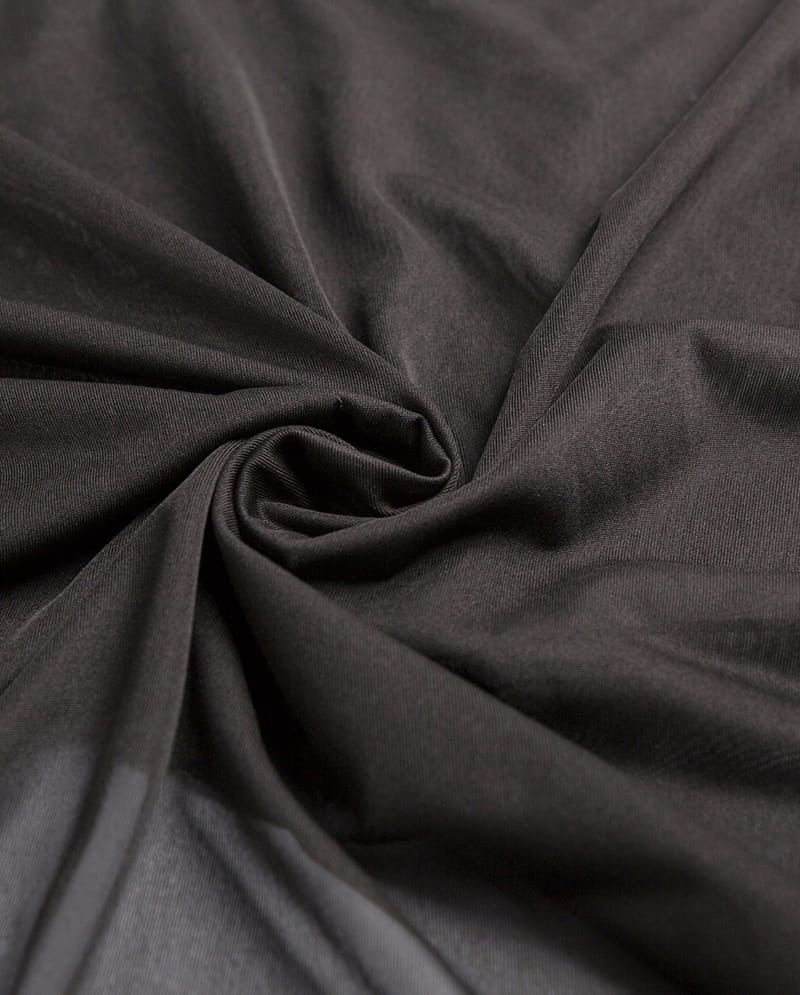
Moisture-Wicking Nylon Woven Fabric
-
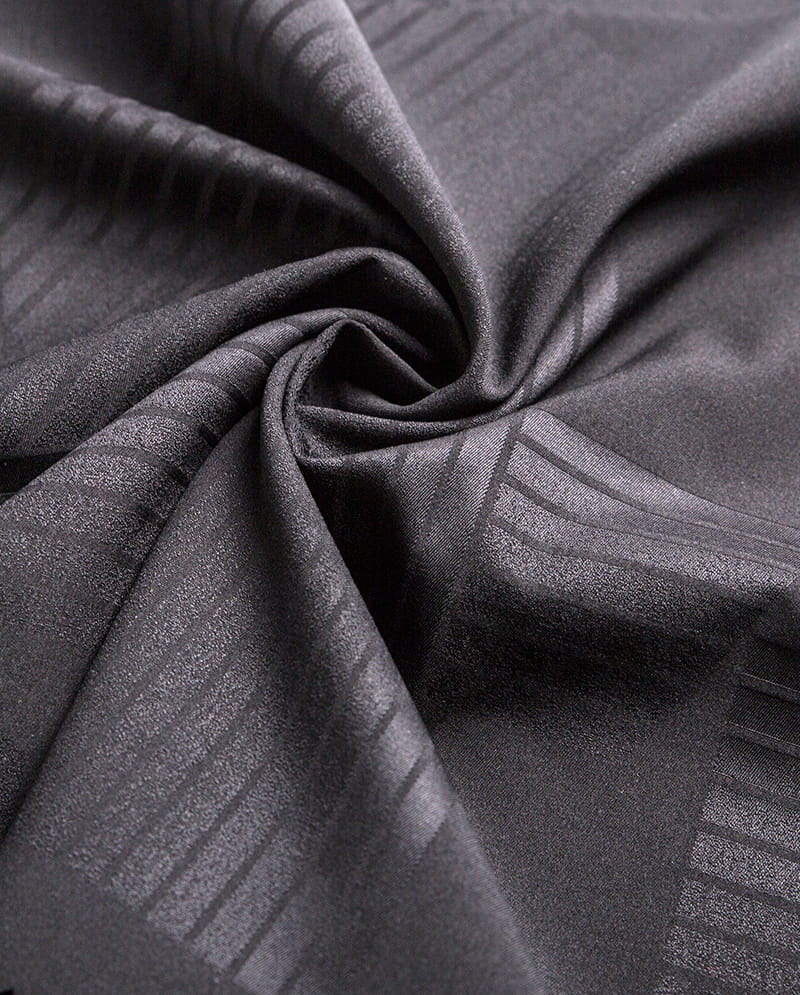
Double-faced jacquard elastic fabric
-
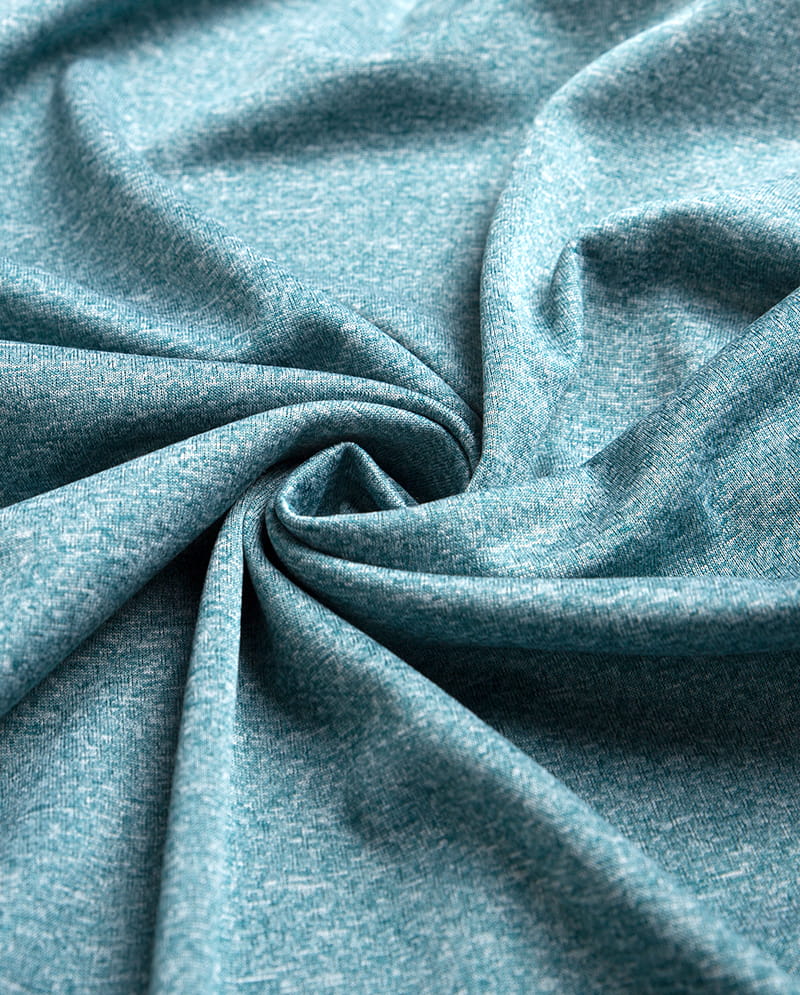
Heather Grey Double-faced cationic jersey fabric
-
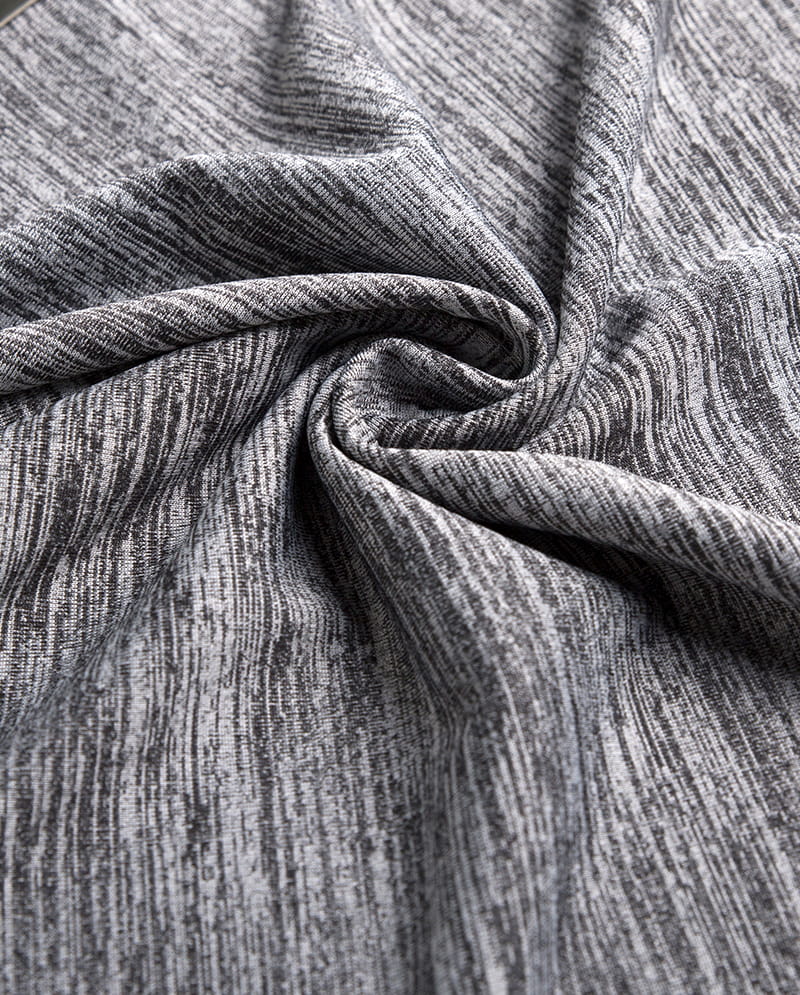
Anti-static Cationic Knitted Rib Fabric
-
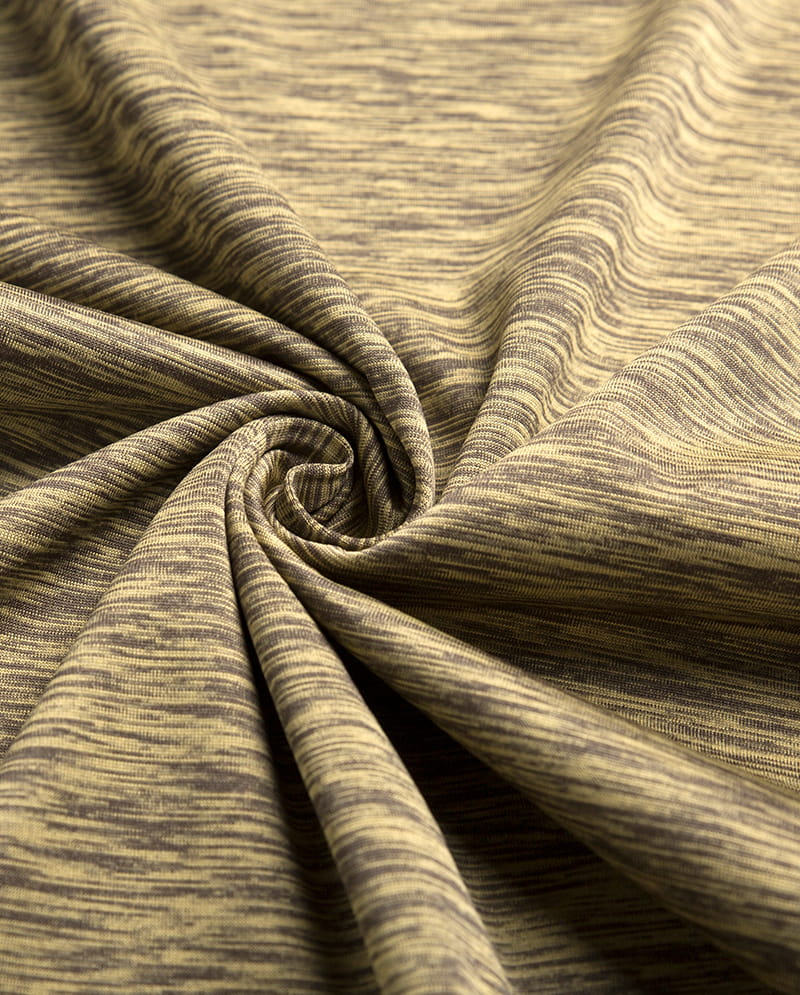
High-Stretch Cationic Jersey Fabric
-
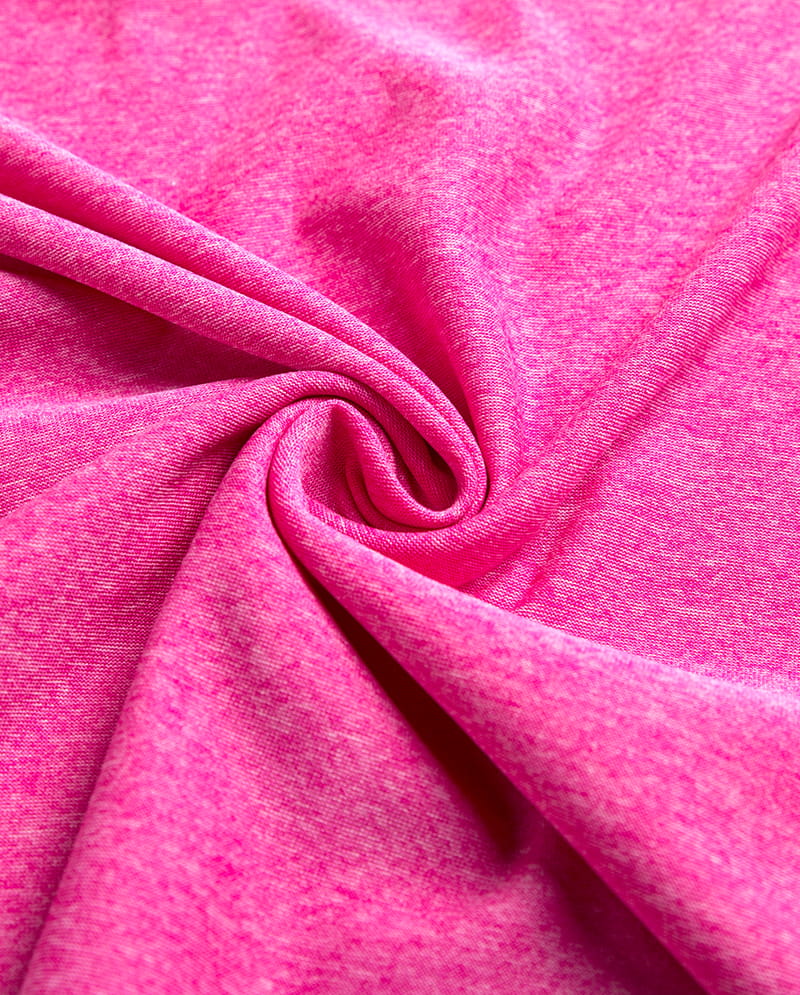
High Quality Cationic DTY Spandex Two Sides Brush Dralon Knit Fabric for Garment Thermal Underwear
-
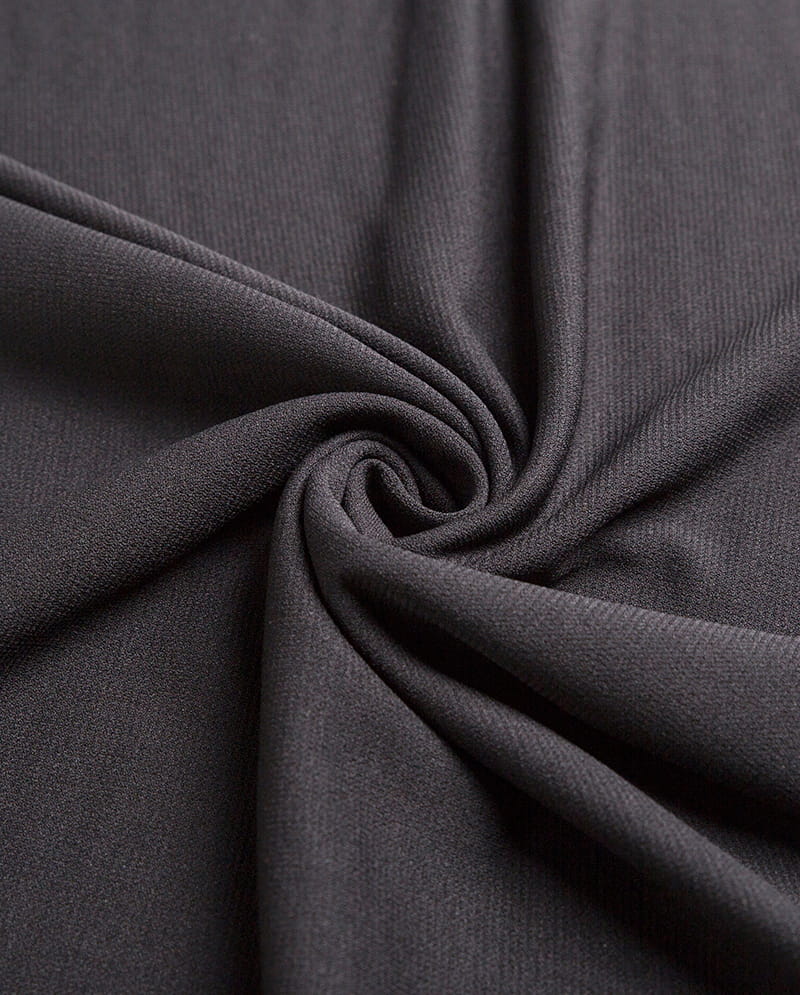
Durable Anti-Pilling Knitted Fabric for Home Textiles
-
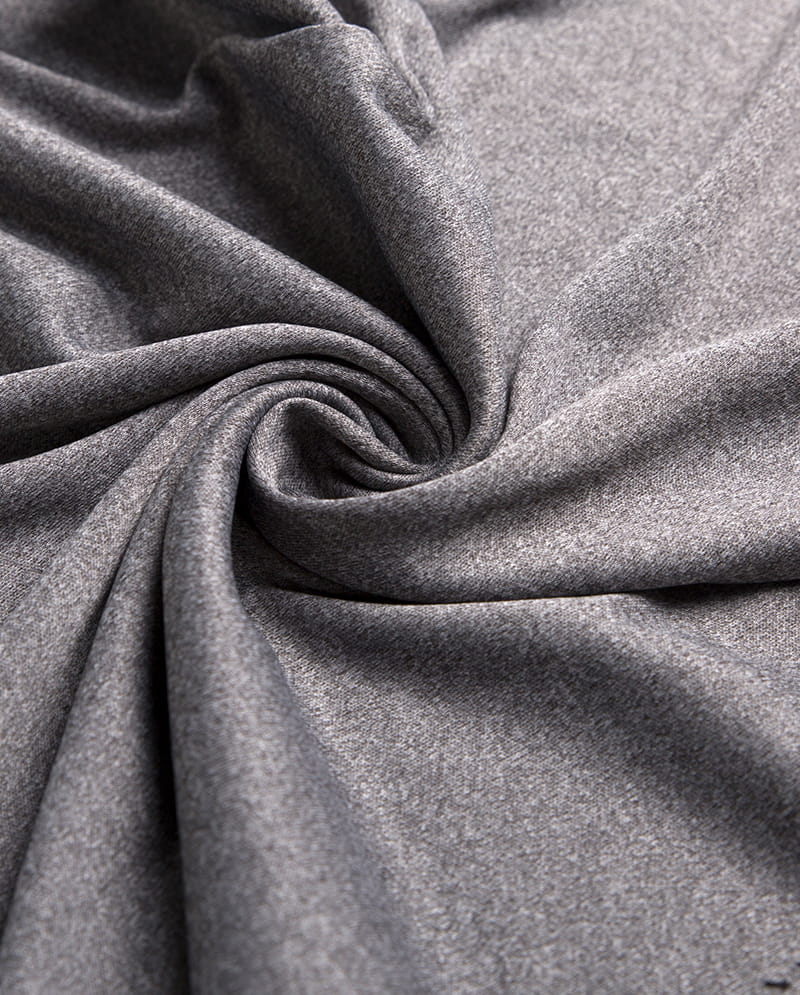
Wash-Resistant Cationic Elastic Knitted Fabric for Garment Industry
-
Breathable Double-Faced Elastic Composite Fabric
-
-
-
- whatsapp:
- 0086-13962559622
-
- skype:
- skype.aliceshenghong
-
- Wechat:


COPYRIGHT © 2016 Suzhou Junhui Textile Co., Ltd.
