

 EN
EN English
 中文简体
中文简体Hollow Warm Functional Yarn for Lightweight Thermal Comfort and High-Performance Textiles
Content
- 1 Understanding the Structure of Hollow Warm Functional Yarn
- 2 Key Performance Advantages
- 3 Specification Overview
- 4 Advantages Over Conventional Thermal Yarns
- 5 Manufacturing Excellence Behind the Product
- 6 Company Strengths Supporting Stable Supply
- 7 Performance in Fabric Development
- 8 Comfort Science: Warmth, Dryness, and Softness
- 9 Quality Standards and Testing Philosophy
- 10 Sustainability and Material Efficiency
- 11 Application Scenarios
- 12 How Fabric Mills Can Use Hollow Warm Yarn Effectively
- 13 Comparison With Competing Materials
- 14 Commercial Value for Brands and Buyers
- 15 Why Hollow Warm Functional Yarn Meets Modern Textile Trends
- 16 Technical Support and Customer Collaboration
- 17 Q&A Section
- 17.1 What is hollow warm(D/F) functional yarn?
- 17.2 What does the hollow degree of at least 22% mean?
- 17.3 How much warmer is it than conventional yarn?
- 17.4 How much weight can be reduced?
- 17.5 What specifications are available?
- 17.6 Is the yarn suitable for close-to-skin garments?
- 17.7 Does the yarn remain soft after washing?
- 17.8 Can it be used for outdoor clothing?
- 17.9 How does it compare with heavy thermal yarn?
- 17.10 Can it replace imported functional yarn?
- 18 Conclusion
- 19 References
- 20 Product: Hollow warm(D/F) Functional Yarn
Hollow warm functional yarn is designed for textile manufacturers, apparel developers, fabric mills, and sourcing teams that need reliable warmth without unnecessary weight. In modern clothing, thermal comfort is no longer measured only by how thick a garment feels. Consumers now expect winter clothing, outdoor gear, thermal underwear, casualwear, sweaters, and performance layers to feel soft, breathable, quick drying, lightweight, and durable after repeated use. Hollow warm(D/F) functional yarn answers this demand through a special hollow cross-sectional fiber structure that traps static air, reduces thermal conductivity, and helps fabrics maintain a comfortable microclimate around the body.
The core advantage of this yarn is its hollow structure. With a hollow degree of at least 22%, the yarn can hold more still air inside and around the fiber. Since still air is an effective natural insulating medium, this structure helps slow heat loss and improves warmth retention. Compared with conventional yarns, the hollow warm functional yarn can improve warmth retention by approximately 65% while reducing fiber weight by around 20% to 22%. This combination gives fabric designers a valuable opportunity: they can create textiles that feel lighter, softer, and more comfortable while still delivering reliable thermal performance.
Unlike traditional heavy thermal yarns that depend mainly on bulk, density, or thick fabric construction, hollow warm functional yarn achieves insulation through structural engineering. Its special fiber geometry forms a natural thermal insulation layer while allowing excess moisture to move away from the skin. The result is a yarn that supports warmth, dryness, and comfort at the same time. For apparel brands seeking a balance between function and comfort, this yarn provides a practical route to upgrade fabric performance without making garments bulky or stiff.
Suzhou Junhui Textile Co., Ltd. and Suzhou Xiaoran New Material Co., Ltd. have developed and supplied differentiated yarns for global customers, including functional yarn, recycled yarn, cationic dyeing yarn, flame-retardant yarn, microfine yarn, polyester drop-dyed yarn, and knitting fabric products. Their experience in functional yarn development, export service, and product customization allows them to support buyers who require both technical performance and stable commercial supply. Hollow warm(D/F) functional yarn reflects this technical direction: it is not simply a standard polyester yarn, but a performance material engineered for comfort, warmth, and modern textile value.
Hollow warm(D/F) Functional Yarn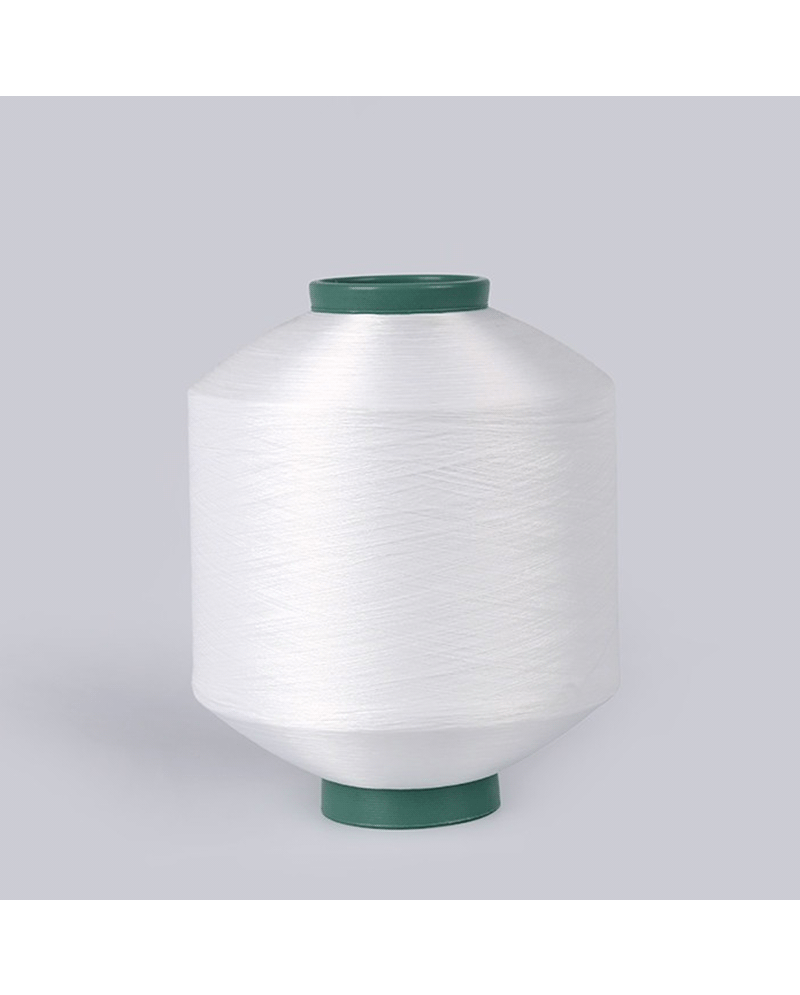
Understanding the Structure of Hollow Warm Functional Yarn
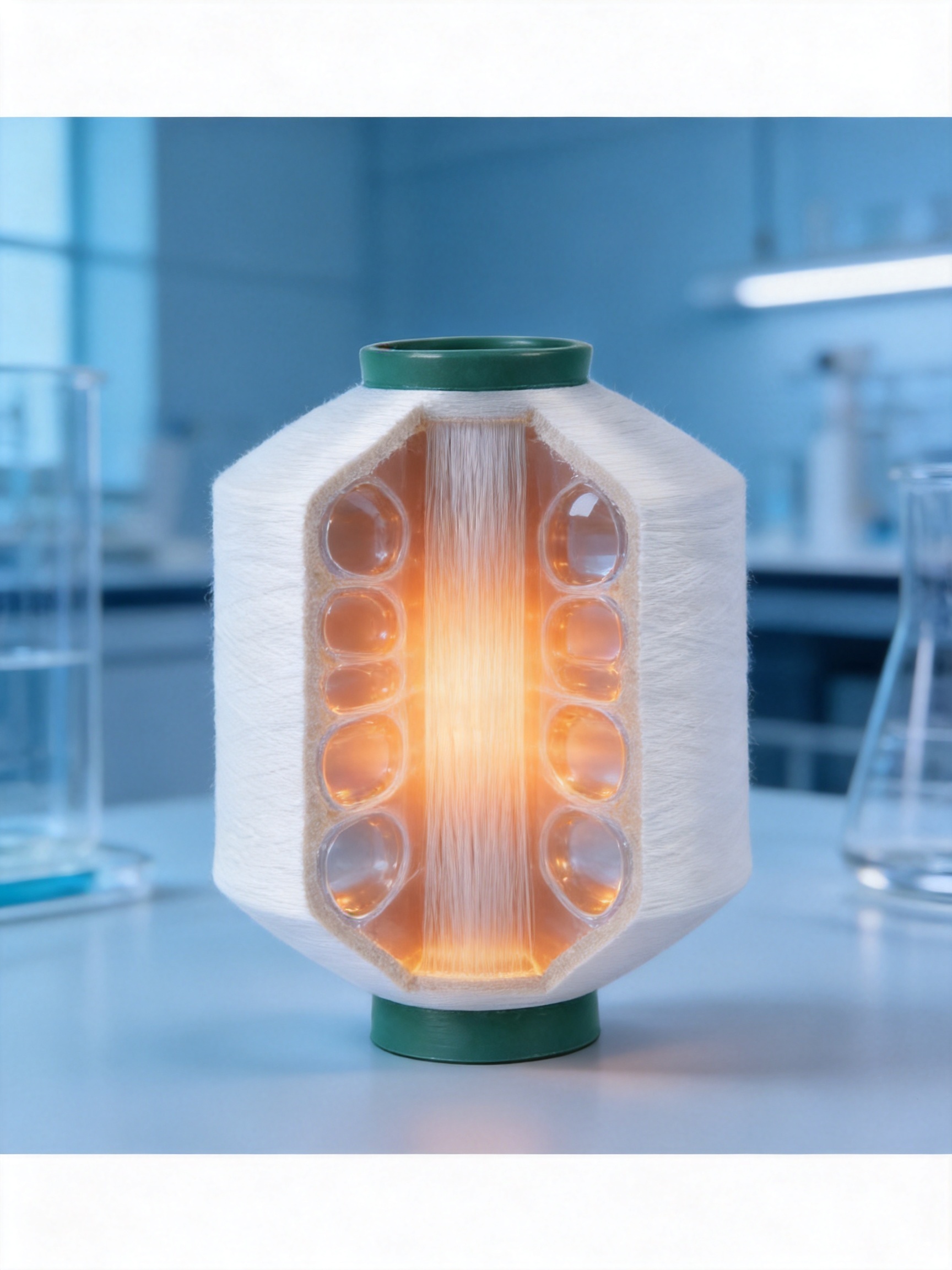
The performance of hollow warm functional yarn begins at the fiber cross section. A conventional solid polyester filament has a compact internal structure. It can provide strength, dimensional stability, dyeing compatibility, and general textile performance, but it does not naturally contain an internal air chamber. A hollow filament, by contrast, is formed with a hollow cavity inside the fiber. This inner space changes the way the fiber interacts with heat, moisture, and weight.
The hollow degree of the product is at least 22%, meaning that a significant portion of the fiber cross-sectional area is air space rather than polymer mass. This reduces the total weight of the fiber and improves its insulating ability. The hollow area traps static air, and static air has low thermal conductivity. When yarns with this structure are woven or knitted into fabric, they help build a fabric layer that slows the transfer of heat from the body to the outside environment.
This principle is widely valued in winter textiles and outdoor materials. Many high-performance cold-weather fabrics rely on trapped air, loft, or layered structures to provide insulation. Hollow warm functional yarn brings this idea directly into the filament itself. Instead of depending only on thick fabric construction, the fiber itself participates in warmth retention. This gives textile engineers more freedom to design fabrics that are warm but not excessively heavy.
The D/F specification system describes denier and filament count. For hollow warm(D/F) functional yarn, available specifications include 75/72 and 150/144. These specifications are suitable for a range of knitted and woven applications. A finer or moderate denier can be used for thermal underwear and lightweight comfort layers, while a heavier specification can support sweaters, winter casualwear, and outdoor textiles that require additional coverage and structure. The multi-filament composition contributes to softness, flexibility, and fabric surface comfort.
Because the yarn has a hollow cross section, careful production control is essential. The hollow cavity must remain stable during spinning, drawing, texturing, heat setting, winding, transport, and downstream fabric production. If the hollow shape collapses or becomes inconsistent, the warmth-retention effect may be reduced. Therefore, manufacturing accuracy is a major part of the product’s competitive value. Advanced spinning control, precision spinneret design, stable polymer flow, suitable cooling, and controlled drawing conditions all contribute to the final yarn quality.
Key Performance Advantages
Hollow warm functional yarn offers a combination of advantages that are especially valuable in today’s apparel market. The first and most important benefit is warmth retention. By trapping static air within the hollow fiber structure, the yarn helps create a natural thermal barrier. This slows the movement of heat away from the body and supports a warmer wearing experience in cold conditions.
The second advantage is light weight. Many traditional warm fabrics depend on thick yarns or dense structures, which can make garments heavy and less comfortable. Hollow warm yarn reduces fiber weight by approximately 20% to 22% compared with conventional yarns. This weight reduction can improve wearer mobility, reduce fatigue during outdoor activities, and help brands produce garments that feel modern, soft, and comfortable rather than bulky.
The third advantage is softness. The yarn is designed to maintain long-lasting softness even after repeated washing. This is critical because thermal garments are often worn close to the skin. Thermal underwear, base layers, sweaters, casual pullovers, and winter shirts must remain pleasant to touch after daily wear and home laundering. A yarn that loses softness quickly can reduce consumer satisfaction and brand reputation. Hollow warm functional yarn addresses this concern by offering durable comfort.
The fourth advantage is moisture absorption and quick drying. Warmth alone is not enough for modern thermal textiles. If a fabric traps sweat near the skin, the wearer may feel clammy, cold, or uncomfortable after activity. Hollow warm functional yarn supports moisture movement and quick drying, helping the fabric maintain a dry and comfortable microclimate. This is important for outdoor gear, sports-related winter apparel, commuting clothing, and daily casualwear.
The fifth advantage is low thermal conductivity. The hollow structure and trapped air reduce heat transfer. This enables fabrics to lock in body heat while still allowing excess moisture to escape. The result is a balanced comfort profile: warm when the environment is cold, lighter than thick conventional alternatives, and more breathable than many heavy thermal materials.
The sixth advantage is design versatility. Hollow warm(D/F) yarn can be applied in winter clothing, outdoor gear, thermal underwear, casual wear, and sweaters. It can be developed into knitted fabrics, woven fabrics, layered textiles, brushed fabrics, fleece-like surfaces, and blended textile structures depending on the final application. This flexibility allows fabric mills to create differentiated products for multiple market segments.
Specification Overview
| Product Item | Available D/F Specification | Main Performance Focus | Typical Applications |
|---|---|---|---|
| Hollow warm functional yarn | 75/72 | Lightweight warmth, softness, comfort, quick drying | Thermal underwear, base layers, light winter tops, casual wear |
| Hollow warm functional yarn | 150/144 | Enhanced coverage, warmth retention, soft bulk, stable comfort | Sweaters, winter clothing, outdoor gear, warm knitted fabrics |
| Functional yarn family | Customized differentiation yarn options available | Functional performance according to end-use requirements | Sportswear, casualwear, shirts, underwear, outerwear, specialty fabrics |
The specifications listed above are part of a broader functional yarn product system. In addition to hollow warm yarn, the company’s product range includes fire-retardant yarn, antibacterial yarn, moisture-wicking yarn, cotton-like yarn, ACY yarn, recycled yarn series, normal DTY series, CD series, high-elastic series, PBT/PET yarn, and other differentiated yarns. This broad product structure gives customers more possibilities for fabric development. For example, a buyer may combine hollow warm yarn with moisture-wicking yarn concepts, cationic dyeing effects, recycled yarn requirements, or elastic yarn structures to create a more customized textile solution.
Advantages Over Conventional Thermal Yarns
In the market, many thermal yarns and fabrics compete by claiming warmth. However, the method used to achieve warmth matters greatly. Conventional thermal fabrics often rely on heavier yarn count, brushed surfaces, thick knitting, dense weaving, or multilayer construction. These approaches can be effective, but they may also create limitations such as extra weight, reduced breathability, slower drying, higher material usage, and bulkier garment silhouettes. Hollow warm functional yarn provides a more efficient path because it builds warmth into the fiber structure itself.
Compared with a standard solid polyester filament, hollow warm yarn uses less polymer mass for a comparable fiber volume. The internal air cavity contributes to insulation while reducing weight. This means that textile manufacturers can pursue warmth without simply increasing fabric thickness. In garment design, this is a major advantage. Consumers want winter products that are comfortable in daily movement, easy to layer, and not restrictive. A lighter thermal yarn helps achieve these goals.
Compared with low-quality hollow yarns, the advantage lies in structural consistency and wash durability. Hollow yarn production requires accurate control. If the fiber cavity is unstable, inconsistent, or easily damaged, thermal performance may decline during fabric production or after washing. The hollow warm(D/F) yarn described here is designed for long-lasting softness and stable comfort after repeated washing. This makes it more suitable for commercial apparel products that must satisfy consumers beyond the first purchase.
Compared with imported alternatives, the yarn offers reliable quality while serving as a practical replacement for overseas products. The product is tested according to international standards, exceeds national quality requirements, and is positioned as a dependable option for customers seeking performance, stable supply, and cost-effective procurement. For mills and brands, this can reduce sourcing complexity and support faster development cycles.
Compared with thick natural fiber thermal yarns, hollow warm functional yarn offers easier care, quick-drying performance, and controlled filament uniformity. Natural fibers may provide comfort and warmth, but they can vary in quality, shrinkage, drying speed, and durability depending on grade and processing. Hollow polyester functional yarn provides engineered consistency, making it suitable for large-scale production and repeated order stability.
Compared with ordinary polyester yarn, hollow warm yarn provides a distinct functional selling point. Ordinary polyester is widely used, cost-effective, strong, and versatile, but it does not automatically deliver advanced warmth retention or lightweight insulation. Hollow warm yarn upgrades polyester’s advantages by adding thermal functionality through cross-sectional engineering. This makes it valuable for brands that need a clear performance story and measurable benefits.
Manufacturing Excellence Behind the Product
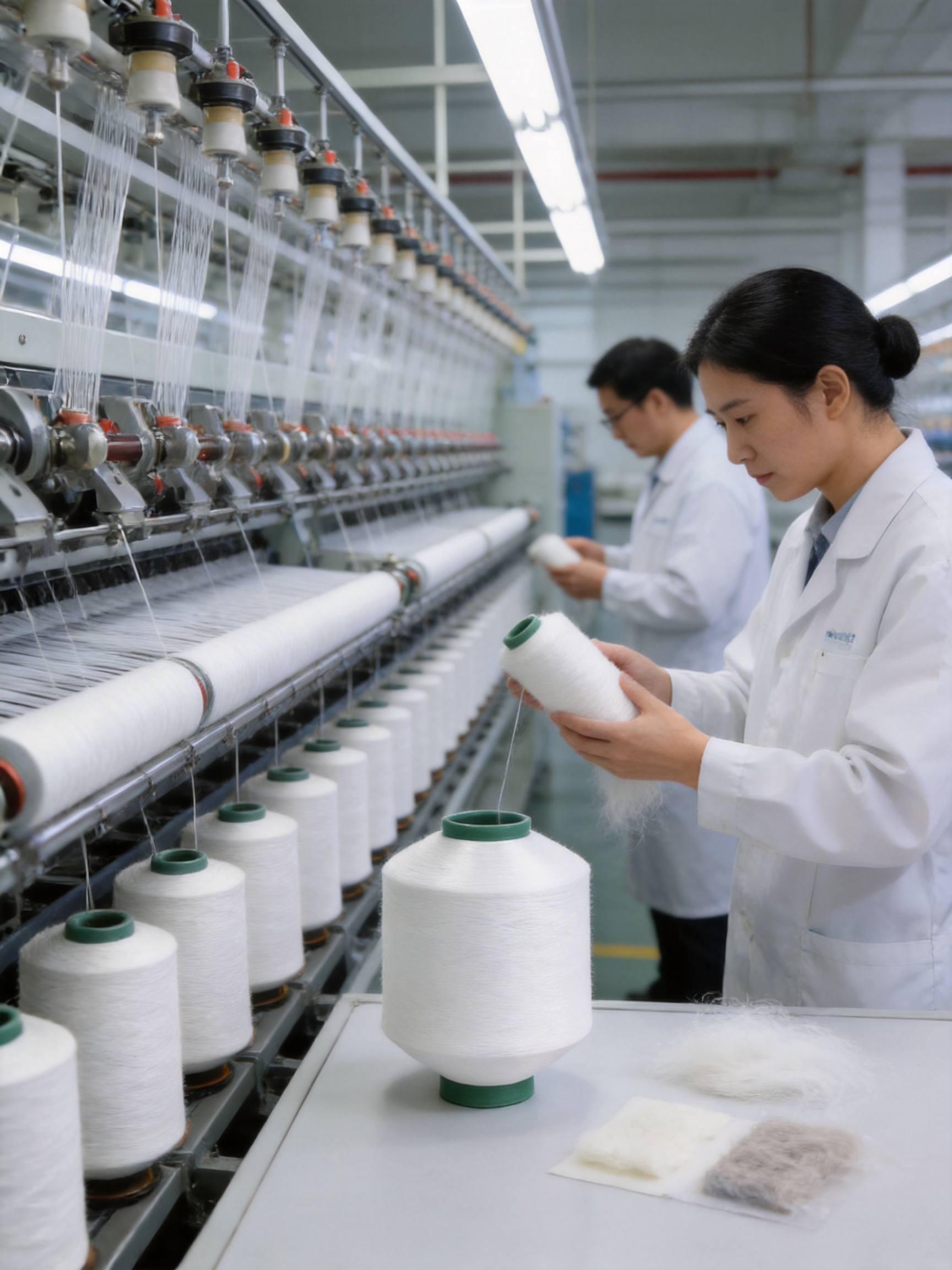
The quality of hollow warm functional yarn depends not only on the idea of a hollow fiber but also on the manufacturing process used to produce it. Advanced manufacturing begins with raw material selection. Polyester chips or suitable polymer inputs must have stable intrinsic viscosity, purity, moisture control, and melt behavior. Consistency at this stage is essential because small variations can affect spinning stability, filament formation, and final yarn performance.
Before spinning, polymer materials are typically dried under controlled conditions to remove moisture. Moisture in polyester processing can cause hydrolysis, reduce molecular weight, create filament breakage, and affect yarn strength. Proper drying helps ensure smooth extrusion and stable spinning. For functional yarns, this preparation is even more important because the cross-sectional shape must be maintained precisely.
The spinneret is one of the most important technologies in hollow fiber production. A hollow cross section requires a specially designed spinneret hole structure. The polymer melt must flow around the spinneret geometry and form a continuous filament with an internal cavity. The shape must remain open, even, and stable after extrusion. Spinneret precision, cleaning quality, hole design, and polymer flow distribution all influence the final hollow degree and filament uniformity.
After extrusion, the filaments enter a cooling or quenching zone. Cooling must be controlled carefully. If cooling is too fast, too slow, uneven, or unstable, the cross-sectional shape may be affected. Proper airflow, temperature, and filament path control help solidify the hollow structure while preserving filament quality. This stage is important for achieving the targeted hollow degree of at least 22%.
Drawing is another key process. The filaments must be oriented to improve strength, dimensional stability, and textile performance. However, excessive or poorly controlled drawing can deform the hollow cavity. Therefore, the draw ratio, temperature, speed, and tension must be managed according to the fiber design. The goal is to create a yarn that has reliable mechanical performance while retaining its thermal structure.
Texturing is used to improve bulk, elasticity, softness, and fabric hand feel. For hollow warm(D/F) yarn, texturing can further enhance comfort by increasing yarn volume and supporting air retention in the fabric. The process must be tuned so that the yarn gains desirable crimp and softness without damaging the hollow cross section. Heat-setting conditions must also be controlled to stabilize the yarn and support downstream processing.
Winding and package formation affect how well the yarn performs in knitting, weaving, dyeing, and finishing. Uniform package density, stable tension, and clean winding reduce problems such as broken ends, uneven unwinding, or tension variation during fabric production. For customers, consistent package quality helps improve production efficiency and reduce waste.
Quality control is applied throughout the process. Important indicators may include denier consistency, filament count, hollow degree, tensile strength, elongation, crimp performance, oil pickup, appearance quality, dyeing performance, thermal insulation, moisture behavior, and washing durability. A reliable supplier does not treat functional yarn as a one-time product but as a controlled system from raw material to finished package.
Company Strengths Supporting Stable Supply
Suzhou Junhui Textile Co., Ltd. and Suzhou Xiaoran New Material Co., Ltd. focus on the development and sale of differentiated yarns and related textile materials. Since their establishment in 2015, they have built capabilities in recycled yarn, polyester drop-dyed yarn, microfine yarn, flame-retardant yarn, cationic dyeing yarn, knitting fabric products, and other functional yarn solutions. This experience supports the development of hollow warm functional yarn because thermal yarn production requires both polymer knowledge and textile application understanding.
One of the company’s strengths is its professional research and development orientation. Functional yarns must be designed with end-use performance in mind. The yarn must not only look good in a specification sheet; it must work in real fabric production and real garments. R&D capability helps connect fiber structure, spinning process, fabric design, finishing behavior, and customer application requirements.
The company also maintains cooperation and technical discussion with internationally recognized enterprises in areas such as environmental protection, functional yarn, and fabric application. This global view is important because textile markets are increasingly shaped by sustainability, performance standards, comfort requirements, and fast product development. Suppliers that understand international expectations can better support customers who export garments or supply global brands.
More than 90% of the company’s products are exported, and its customer base reaches many countries. This export experience is valuable for buyers because it indicates familiarity with international communication, order management, documentation, packaging expectations, quality consistency, and delivery discipline. For yarn buyers, especially those sourcing from overseas, stable communication and reliable response times are often as important as product performance.
The company emphasizes service and customer success. Its experts are prepared to provide professional guidance and support in product selection and problem solving. For functional yarns, this matters greatly. A customer may need advice on yarn specification, fabric construction, dyeing route, finishing method, or application suitability. Technical support can reduce trial-and-error costs and help customers launch products faster.
Another strength is product breadth. A supplier that offers only one yarn type may be limited when customers require multi-functional solutions. In contrast, a product list covering recycled series, normal series, CD series, high-elastic series, PBT/PET yarn, fire-retardant yarn, antibacterial yarn, moisture-wicking yarn, cotton-like yarn, hollow warm yarn, and ACY yarn allows broader design combinations. This can simplify sourcing for fabric mills and brands seeking multiple yarn categories from a coordinated supplier.
Performance in Fabric Development
Hollow warm functional yarn can be used in a variety of fabric constructions. In knitted fabrics, it can create a soft, comfortable, and elastic hand feel. Knitting is often used for thermal underwear, base layers, sweaters, casual tops, and winter loungewear. The multi-filament structure helps create a smooth surface and comfortable touch, while the hollow cross section contributes warmth without excessive fabric weight.
In woven fabrics, hollow warm yarn can support lightweight thermal linings, casual outerwear materials, shirting with warmth, and layered cold-weather textiles. Woven construction can provide dimensional stability and surface structure, while the yarn contributes thermal comfort. Depending on fabric density, finishing, and yarn selection, woven fabrics can be designed for daily wear or outdoor applications.
For brushed or raised fabrics, the hollow warm yarn can enhance warmth while maintaining a pleasant surface. Brushing can increase fabric loft and air retention, and when combined with a hollow fiber structure, the thermal effect can be improved. However, the finishing process should be properly controlled to avoid excessive damage to filaments. A supplier with textile application knowledge can help customers choose suitable processing parameters.
For layered garments, hollow warm yarn is especially useful because it reduces weight. A base layer made with hollow warm yarn can provide warmth close to the body, while mid-layers or outer layers can add protection from wind and weather. Since the yarn has moisture absorption and quick-drying capabilities, it can help reduce discomfort during activity.
For sweaters and casual winter wear, softness and durability are essential. Consumers often judge sweaters by hand feel, warmth, weight, appearance, and resistance to repeated washing. Hollow warm functional yarn supports a soft hand and lightweight warmth, helping brands create sweaters that are comfortable for long wear. The 150/144 specification is particularly relevant for fabrics requiring fuller coverage and soft thermal bulk.
For thermal underwear, the 75/72 specification can be applied where lightweight comfort and skin-friendly softness are priorities. Thermal underwear must be warm but not oppressive, soft but not weak, and quick drying enough for daily wear. Hollow warm yarn’s structure supports these goals by combining insulation, moisture movement, and lower fiber weight.
Comfort Science: Warmth, Dryness, and Softness
Thermal comfort is a combination of several sensations and measurable properties. A warm garment must reduce heat loss, but it must also manage moisture and allow comfortable movement. If a fabric is warm but heavy, the wearer may feel tired. If it is warm but not breathable, the wearer may sweat and then feel cold. If it is warm but rough, it will not be accepted for close-to-skin clothing. Hollow warm functional yarn is valuable because it addresses these comfort factors together.
The hollow cavity supports insulation through trapped air. Air that does not move freely transfers heat slowly. By embedding air space inside the fiber, the yarn improves the fabric’s ability to retain body heat. This is especially useful in cold-weather garments where heat loss must be reduced without adding excessive fabric weight.
The reduced fiber weight improves wearing comfort. A garment made with lighter thermal yarn can feel less restrictive and more suitable for long daily use. For outdoor activities, lighter clothing helps movement and layering. For casualwear, it improves ease and softness. For thermal underwear, it reduces the sense of heaviness under outer garments.
Moisture absorption and quick drying help regulate the body’s microclimate. During walking, commuting, skiing, hiking, or indoor-outdoor transitions, the body may produce moisture even in cold weather. If that moisture remains near the skin, comfort drops quickly. Hollow warm yarn supports a drier feel by allowing excess moisture to escape. This helps keep the skin more comfortable and reduces the risk of chill after activity.
Softness after washing is also important. Many consumers wash winter base layers and casual garments repeatedly throughout a season. If a yarn becomes harsh, flattened, or uncomfortable after washing, the garment loses value. Hollow warm functional yarn is described as having long-lasting softness that remains after repeated washes, which supports end-user satisfaction and repeat purchasing.
Quality Standards and Testing Philosophy
Functional yarn should be evaluated through appropriate test standards. The hollow warm functional yarn complies with international standards, exceeds national quality requirements, and is positioned as a reliable alternative to overseas products. This testing philosophy gives buyers confidence that the yarn is not only promoted as functional but also controlled according to recognized performance expectations.
Important testing areas may include thermal insulation performance, hollow degree, yarn evenness, tensile strength, elongation, shrinkage, crimp stability, dyeing consistency, moisture behavior, quick-drying performance, wash durability, and fabric hand feel. Depending on customer application, additional tests may be requested. For example, thermal underwear developers may focus on warmth, softness, stretch recovery, and skin comfort. Outdoor fabric manufacturers may focus on drying speed, abrasion resistance, dimensional stability, and layered fabric performance.
The ability to meet international expectations is especially important for export-oriented customers. Many textile buyers supply garments to multiple markets and must satisfy different performance standards, safety expectations, and quality control systems. A supplier with export experience and technical testing awareness can help reduce risk in the supply chain.
Quality control also supports production efficiency. Yarn defects can cause fabric defects, machine stops, dyeing problems, shade variation, or garment rejection. By controlling yarn quality at the source, the company helps downstream customers improve productivity and reduce waste. In a competitive market, this reliability can be a major advantage over lower-cost but inconsistent alternatives.
Sustainability and Material Efficiency
Although hollow warm functional yarn is primarily designed for thermal comfort, its lightweight structure also supports material efficiency. Because the hollow fiber contains internal air space, it can reduce fiber weight by around 20% to 22% while maintaining warmth. This may help reduce material consumption in certain fabric designs, depending on construction and performance targets.
The company’s broader product portfolio includes recycled yarn series, which reflects attention to environmental protection and differentiated materials. For customers seeking more sustainable textile solutions, the ability to discuss recycled content, functional performance, and yarn engineering within the same supplier network is useful. Modern textile development increasingly requires a balance between comfort, performance, cost, and environmental responsibility.
Material efficiency is not only about raw material reduction. It is also about durability. A yarn that maintains softness and performance after repeated washing can help garments remain useful for longer. Durability supports sustainability because longer-lasting products reduce replacement frequency and improve consumer value. Hollow warm functional yarn’s wash-resistant softness contributes to this broader goal.
Quick-drying performance may also reduce energy use during garment care, depending on fabric construction and drying method. Fabrics that dry faster can be more convenient for consumers and may require less drying time. In activewear and travel clothing, quick drying also improves usability because garments can be washed and reused more easily.
Application Scenarios
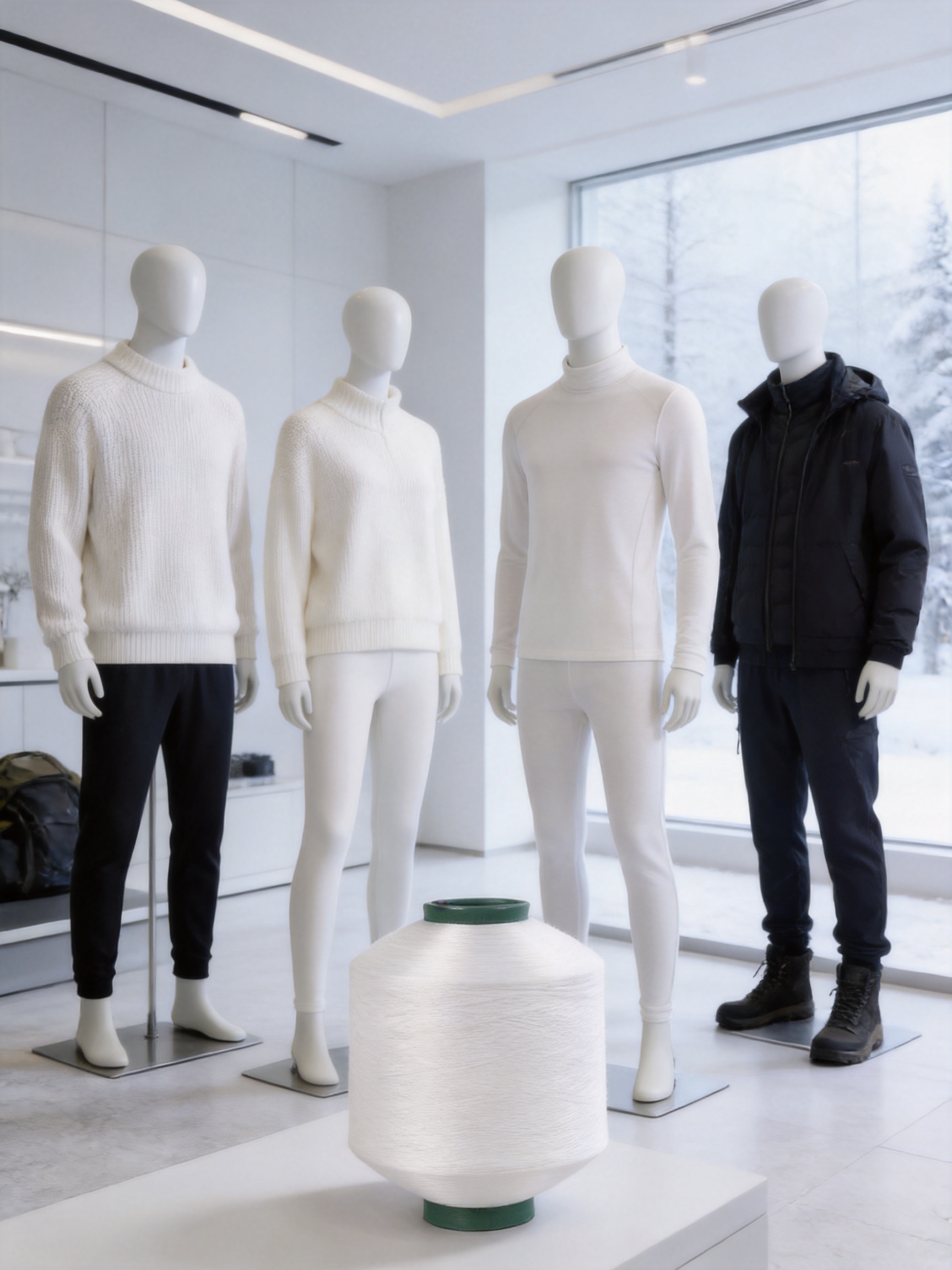
Winter clothing is one of the most direct applications. Jackets, warm shirts, pullovers, linings, and cold-weather casual garments can benefit from lightweight warmth. Hollow warm yarn allows designers to reduce bulk while preserving thermal comfort. This is valuable for urban winter clothing, where consumers want warmth but also a clean silhouette and easy movement.
Outdoor gear is another important application. Outdoor users need garments that balance warmth, weight, moisture management, and durability. A heavy garment can become tiring during hiking or travel, while a garment that does not dry well can become uncomfortable after sweating. Hollow warm functional yarn supports the development of outdoor layers that feel lighter and drier while retaining warmth.
Thermal underwear requires close-to-skin comfort. The yarn’s softness, lightweight nature, and moisture behavior make it suitable for base-layer fabrics. Since it can lock in body heat and allow moisture to escape, it helps maintain comfort during daily wear and activity. The 75/72 specification can be particularly useful for soft and lightweight thermal fabrics.
Casual wear benefits from comfort-driven performance. Many consumers prefer garments that look ordinary but feel more comfortable in changing weather. Hollow warm yarn can be used in casual tops, pants, hoodies, knitwear, and daily winter layers to provide hidden functionality without changing the garment’s familiar appearance.
Sweaters can use hollow warm yarn to achieve a warm yet lightweight hand. Traditional sweaters can sometimes feel heavy, especially after washing or when worn for long periods. Hollow warm yarn helps reduce weight while maintaining thermal comfort. The 150/144 specification can support fuller knitted structures and soft winter textures.
Shirts and underwear can also benefit when combined with moisture-related performance design. Although hollow warm yarn is mainly positioned for warmth, the broader functional yarn system includes moisture-wicking yarn and cool dry yarn concepts. This creates opportunities for blended or combined solutions where warmth, dryness, and breathability are engineered together.
How Fabric Mills Can Use Hollow Warm Yarn Effectively
To achieve the best results, fabric mills should select the yarn specification according to fabric target, machine type, gauge, density, and finishing route. For light thermal underwear or close-fitting layers, finer and softer constructions may be preferred. For sweaters and heavier winter fabrics, a fuller specification may provide better coverage and warmth.
Knitting tension should be controlled to avoid unnecessary stress on the yarn. Although hollow warm yarn is designed for stable performance, excessive tension during processing may influence filament behavior and fabric hand feel. Proper machine settings help preserve softness, bulk, and thermal function.
Dyeing and finishing should be planned according to the yarn’s polymer type, fabric construction, and performance target. Temperature, time, pH, mechanical action, and finishing chemicals can influence hand feel and dimensional stability. Customers should work with technical support when developing new fabric styles to ensure that performance is maintained after processing.
For brushed or fleece-like finishes, process intensity should be controlled. Raising can improve warmth by increasing surface loft, but excessive mechanical treatment may damage filaments or reduce fabric durability. A balanced finishing route can combine the yarn’s hollow insulation with fabric surface air retention.
Garment developers should evaluate final fabric performance after washing. Since the yarn is designed to retain long-lasting softness, wash testing can demonstrate its value clearly. Brands can use this performance to support product claims related to comfort, lightness, warmth, and durability.
Comparison With Competing Materials
| Material Type | Main Warmth Method | Common Limitation | Advantage of Hollow Warm Functional Yarn |
|---|---|---|---|
| Conventional solid polyester yarn | Basic fabric thickness and density | Limited built-in insulation | Hollow cross section traps static air and improves warmth retention |
| Heavy thermal yarn | Higher mass and bulk | Can feel heavy or restrictive | Reduces fiber weight by about 20% to 22% while supporting warmth |
| Low-grade hollow yarn | Irregular hollow structure | Unstable performance and possible loss after processing | Controlled hollow degree and long-lasting softness after repeated washing |
| Natural heavy warm yarn | Natural fiber bulk and density | May dry slowly and vary in consistency | Engineered filament uniformity with quick-drying comfort |
| Imported functional yarn alternatives | Specialized performance design | Potentially higher cost and longer supply cycle | Reliable replacement option meeting international standards and exceeding national requirements |
This comparison shows why hollow warm functional yarn can be a strong choice for competitive textile development. It does not depend only on thickness or weight. Instead, it uses fiber architecture to create warmth, softness, and comfort. For buyers, this means better design flexibility and clearer product differentiation.
Commercial Value for Brands and Buyers
From a brand perspective, hollow warm functional yarn provides a strong story that can be communicated to consumers. The product offers a unique hollow cross-sectional structure, a hollow degree of at least 22%, improved warmth retention, reduced fiber weight, softness after repeated washing, moisture absorption, and quick drying. These are meaningful benefits that consumers can understand and feel in daily use.
From a sourcing perspective, the yarn provides performance with supply support. The company offers custom textile fabric yarn solutions and has experience serving customers in many countries. Its export orientation, professional R&D team, and broad differentiated yarn portfolio help buyers reduce sourcing risk. For fabric mills and apparel manufacturers, this combination of product performance and service capability can be more valuable than a simple low-price offer.
From a product development perspective, hollow warm yarn enables new fabric concepts. A brand can create lightweight thermal underwear, soft winter sweaters, breathable warm casualwear, outdoor base layers, or thermal linings. The yarn can also be explored with other functional yarns to achieve combined properties such as warmth plus moisture wicking, warmth plus elasticity, or warmth plus recycled content depending on development goals.
From a cost-performance perspective, the ability to replace overseas products is important. Importing specialty yarns can involve higher costs, longer lead times, communication difficulties, and supply uncertainty. A reliable domestic functional yarn supplier with international-standard quality provides buyers with more flexibility and potentially stronger value.
Why Hollow Warm Functional Yarn Meets Modern Textile Trends
Modern textile trends are shaped by comfort, sustainability, performance, and versatility. Consumers are no longer satisfied with garments that perform well in only one dimension. A warm garment must also be light. A soft garment must also be durable. An outdoor garment must also manage moisture. A casual garment must provide comfort without looking overly technical. Hollow warm functional yarn fits these trends because it combines multiple comfort advantages in one engineered filament.
The lightweight warmth trend is especially important. Urban consumers want winter garments that are easy to wear indoors and outdoors. Outdoor consumers want packable and efficient clothing systems. Travelers want garments that provide warmth without luggage weight. Hollow warm yarn supports all these needs through its reduced fiber weight and insulation structure.
The functional comfort trend is also important. Performance textiles are moving beyond professional sports and outdoor markets into everyday clothing. A casual sweater, shirt, or underwear item can now include moisture management, thermal comfort, quick drying, and softness. Hollow warm yarn helps bring technical comfort into daily garments.
The durability trend matters because consumers expect products to retain quality after washing. A functional claim must survive real use. Long-lasting softness and stable thermal comfort help brands build consumer trust. This is especially important for thermal underwear and winter basics, where customers often purchase repeatedly if comfort is reliable.
The customization trend is equally important. Fabric mills and brands often need special specifications, dyeing effects, elastic combinations, or environmental requirements. The supplier’s ability to accept orders for various differentiated yarns gives customers more space for innovation. Hollow warm yarn can be part of a wider material development strategy rather than a single isolated product.
Technical Support and Customer Collaboration
Functional yarn development is most successful when supplier and customer work together. A yarn may perform differently depending on knitting structure, weaving density, dyeing route, finishing method, and garment design. The company’s technical team can support product selection and problem solving, helping customers choose appropriate specifications and processing directions.
For example, a customer developing a lightweight thermal underwear fabric may need advice on yarn count, knitting gauge, fabric density, and finishing softness. A customer developing a warm sweater may need a different recommendation focused on bulk, surface touch, and dimensional stability. A customer developing outdoor fabric may need to test moisture behavior, drying speed, and layering compatibility.
Technical collaboration can also help reduce development time. Instead of running many independent trials, customers can start with proven yarn specifications such as 75/72 and 150/144 and adjust fabric design from there. Supplier experience with functional yarns can prevent common problems related to tension, heat setting, dyeing, or finishing.
Responsive service is important in international business. The company emphasizes global support within a short response window, which helps customers handle urgent questions during production. When a machine issue, dyeing question, or specification concern arises, timely communication can prevent delays and reduce losses.
Q&A Section
What is hollow warm(D/F) functional yarn?
Hollow warm(D/F) functional yarn is a functional polyester filament yarn with a special hollow cross-sectional structure. The hollow cavity traps static air, reduces thermal conductivity, and helps fabrics retain warmth while remaining lightweight and comfortable.
What does the hollow degree of at least 22% mean?
It means that at least 22% of the fiber cross-sectional area is designed as hollow space. This internal air cavity helps improve insulation and reduce fiber weight, which supports lightweight warmth in finished fabrics.
How much warmer is it than conventional yarn?
The yarn can enhance warmth retention by approximately 65% compared with conventional yarns. The actual warmth of the final fabric will also depend on fabric construction, density, finishing, and garment design.
How much weight can be reduced?
The hollow structure can reduce fiber weight by about 20% to 22% compared with conventional yarns. This helps create garments that feel lighter while still providing thermal comfort.
What specifications are available?
The listed hollow warm(D/F) specifications include 75/72 and 150/144. These options can serve different fabric needs, from lightweight thermal underwear to warmer sweaters and winter fabrics.
Is the yarn suitable for close-to-skin garments?
Yes. The yarn is designed with long-lasting softness, moisture absorption, quick-drying capability, and lightweight comfort, making it suitable for thermal underwear, base layers, and other garments worn close to the skin.
Does the yarn remain soft after washing?
Yes. One of its key advantages is long-lasting softness that remains intact after repeated washing. This helps finished garments maintain comfort during regular use.
Can it be used for outdoor clothing?
Yes. Its warmth retention, reduced weight, quick drying, and comfort make it suitable for outdoor gear, winter layers, and cold-weather performance apparel.
How does it compare with heavy thermal yarn?
Heavy thermal yarn often relies on mass and thickness for warmth, which can make garments bulky. Hollow warm functional yarn uses internal air insulation, allowing fabrics to be warm while remaining lighter and more comfortable.
Can it replace imported functional yarn?
The yarn is tested according to international standards, exceeds national quality requirements, and is positioned as a reliable alternative to overseas counterparts. This can help buyers improve sourcing flexibility and cost-performance balance.
Conclusion
Hollow warm functional yarn represents a practical and advanced solution for the next generation of lightweight thermal textiles. Its hollow cross-sectional structure, hollow degree of at least 22%, improved warmth retention, reduced fiber weight, long-lasting softness, moisture absorption, and quick-drying performance make it valuable for winter clothing, outdoor gear, thermal underwear, casual wear, and sweaters.
Its advantage over conventional competitors is clear. Instead of relying only on heavy fabric construction, it builds insulation into the fiber itself. This gives fabric mills and apparel brands more design freedom, better comfort potential, and stronger product differentiation. Compared with ordinary polyester, it offers functional warmth. Compared with heavy thermal yarns, it reduces weight. Compared with low-quality hollow yarns, it emphasizes stable structure and durable softness. Compared with imported alternatives, it offers a reliable and commercially practical replacement supported by export experience and technical service.
Behind the yarn is a manufacturing system that requires precision at every stage, from raw material preparation and spinneret design to cooling, drawing, texturing, heat setting, winding, and quality control. The company’s experience in differentiated yarns, professional R&D, broad product range, export service, and customer support strengthens the value of the product for global textile buyers.
For brands seeking warmer yet lighter garments, for mills developing functional fabrics, and for sourcing teams looking for dependable performance yarn, hollow warm(D/F) functional yarn provides a strong material foundation. It meets the modern textile demand for warmth, comfort, lightness, durability, and application flexibility, making it a competitive choice for high-value apparel and functional fabric innovation.
References
Textile Research Journal. Studies on hollow polyester fiber structure and thermal insulation behavior.
Journal of the Textile Institute. Research on filament yarn morphology, air retention, and comfort performance in synthetic fabrics.
International Organization for Standardization. Textile testing methods for thermal resistance, moisture management, and dimensional stability.
American Association of Textile Chemists and Colorists. Textile performance evaluation methods for moisture management and drying behavior.
Morton, W. E., and Hearle, J. W. S. Physical Properties of Textile Fibres.
Fourne, F. Synthetic Fibers: Machines and Equipment, Manufacture, Properties.
Horrocks, A. R., and Anand, S. C. Handbook of Technical Textiles.
Product: Hollow warm(D/F) Functional Yarn

Popular products
-
Premium Cationic Interlock Stretch Comfort Fabric
-
Moisture-Wicking Nylon Woven Fabric
-
Double-faced jacquard elastic fabric
-
Heather Grey Double-faced cationic jersey fabric
-
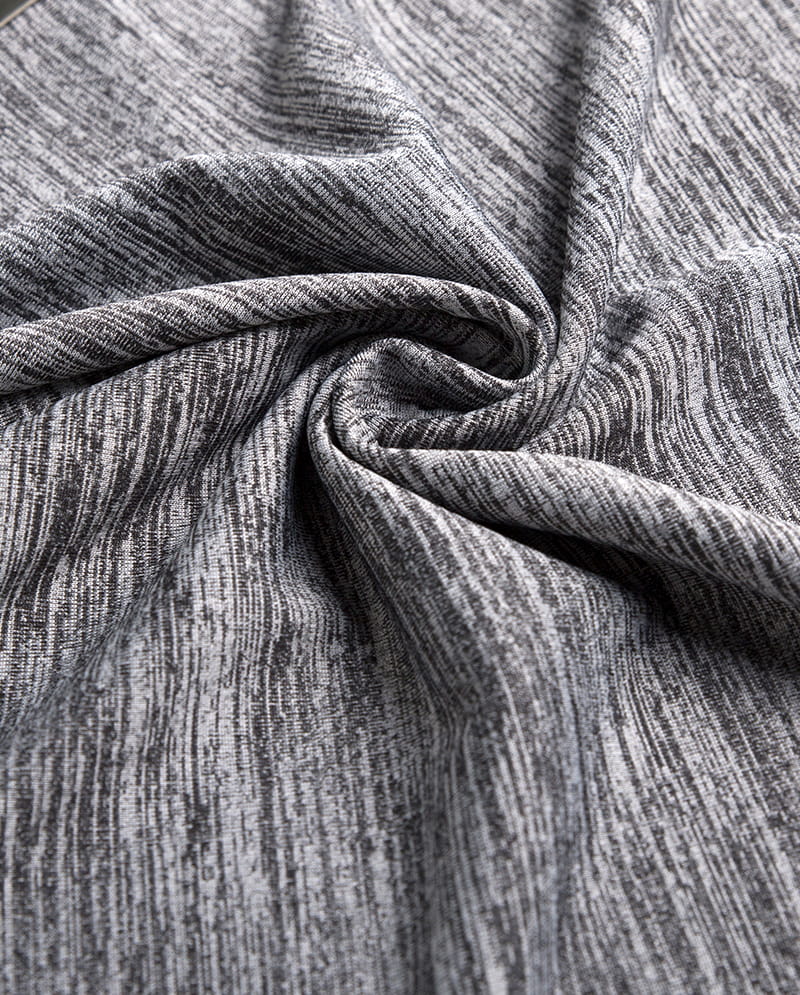
Anti-static Cationic Knitted Rib Fabric
-
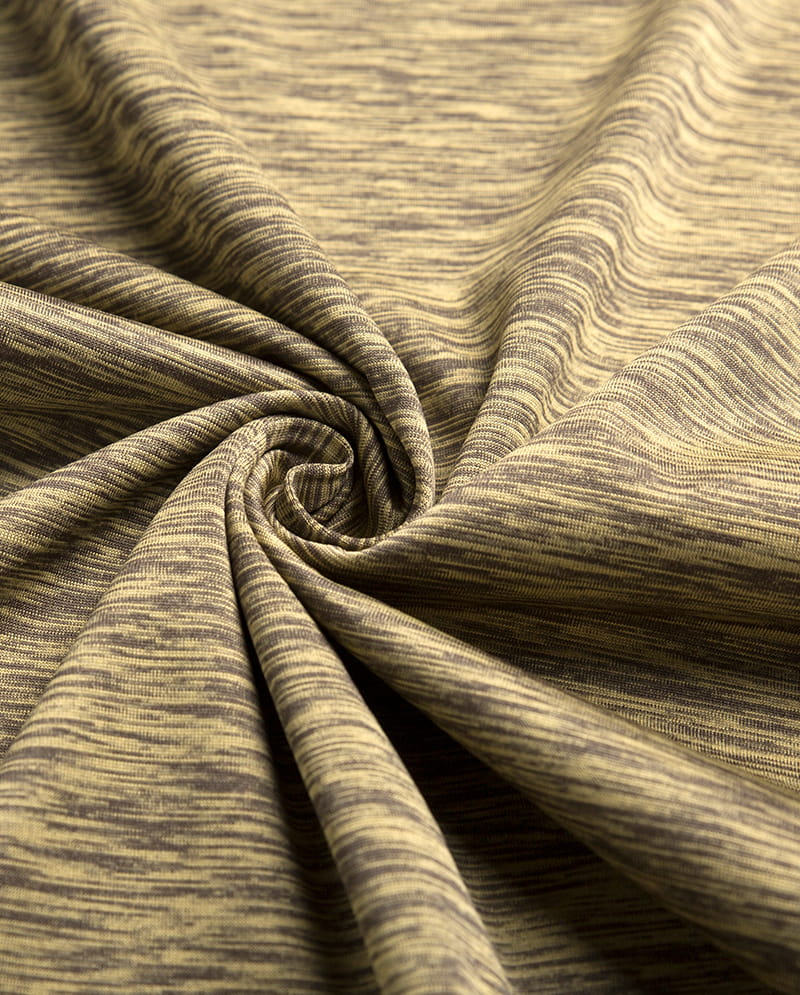
High-Stretch Cationic Jersey Fabric
-
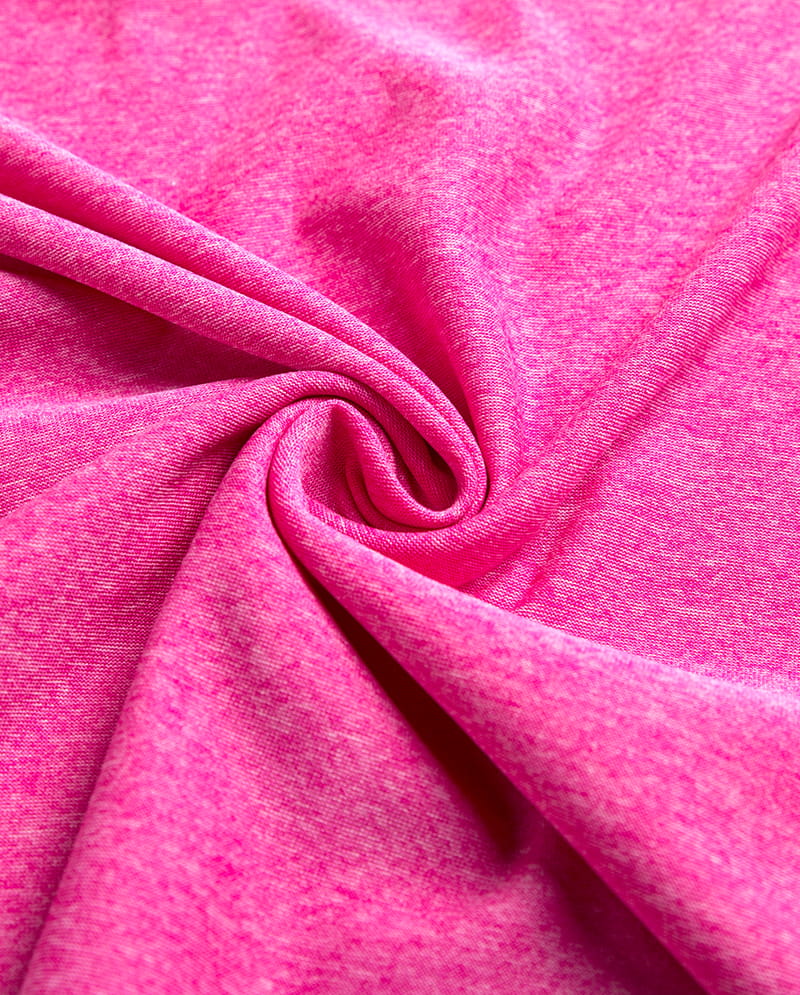
High Quality Cationic DTY Spandex Two Sides Brush Dralon Knit Fabric for Garment Thermal Underwear
-
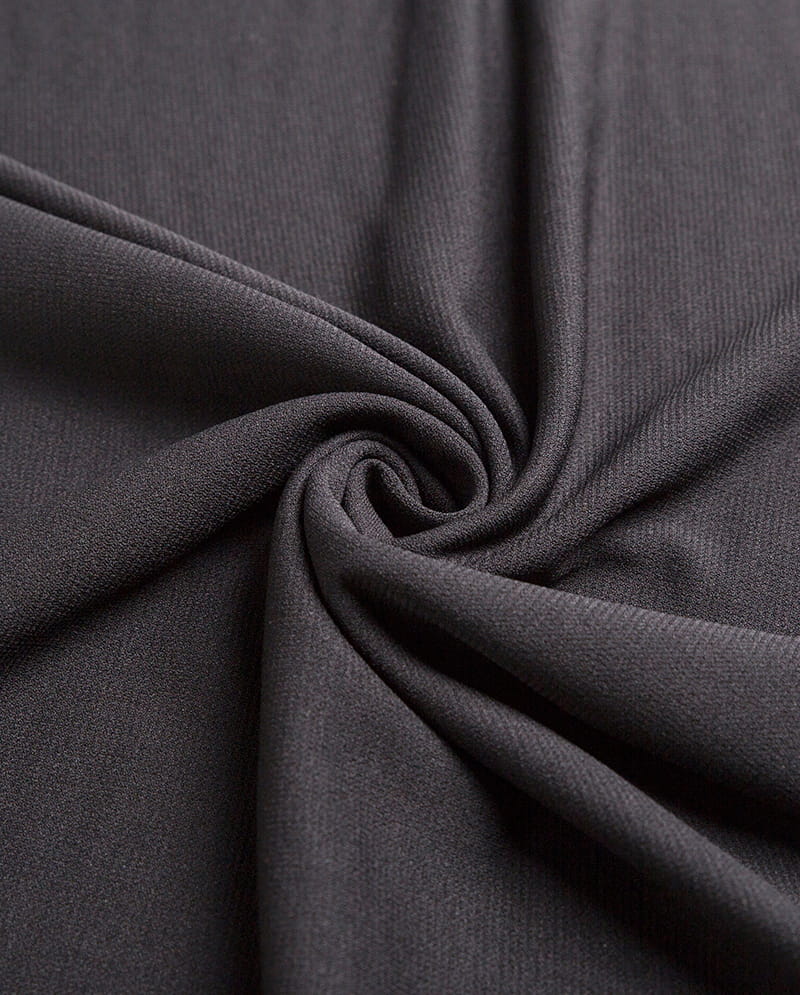
Durable Anti-Pilling Knitted Fabric for Home Textiles
-
Wash-Resistant Cationic Elastic Knitted Fabric for Garment Industry
-
Breathable Double-Faced Elastic Composite Fabric
-
-
-
- whatsapp:
- 0086-13962559622
-
- skype:
- skype.aliceshenghong
-
- Wechat:


COPYRIGHT © 2016 Suzhou Junhui Textile Co., Ltd.
