

 EN
EN English
 中文简体
中文简体High-Stretch Cationic Jersey Fabric for Performance Apparel and Everyday Comfort
Content
- 1 Product Overview
- 2 Core Material Composition and Fabric Logic
- 3 Key Performance Advantages
- 4 Comparison with Common Competing Fabrics
- 5 Manufacturing Strengths Behind the Fabric
- 6 Company Expertise and Export-Oriented Reliability
- 7 Yarn Platform Supporting Fabric Development
- 8 Application Areas
- 9 Comfort and Wearer Experience
- 10 Color and Design Possibilities
- 11 Durability in Daily Use
- 12 Care Convenience
- 13 Why Buyers Choose This Fabric
- 14 Quality Control Considerations
- 15 Customization Potential
- 16 Environmental and Functional Development Direction
- 17 Procurement Guidance for Apparel Brands
- 18 Q&A Section
- 18.1 What is high-stretch cationic jersey fabric?
- 18.2 What makes this fabric different from ordinary polyester jersey?
- 18.3 Is the fabric suitable for activewear?
- 18.4 Can it be used for underwear or close-to-skin garments?
- 18.5 What are the typical specifications?
- 18.6 Does the fabric resist fading?
- 18.7 Is the fabric easy to care for?
- 18.8 Can the fabric be customized?
- 18.9 Why is manufacturer capability important for this fabric?
- 19 Conclusion
- 20 References
- 21 Product: High-Stretch Cationic Jersey Fabric
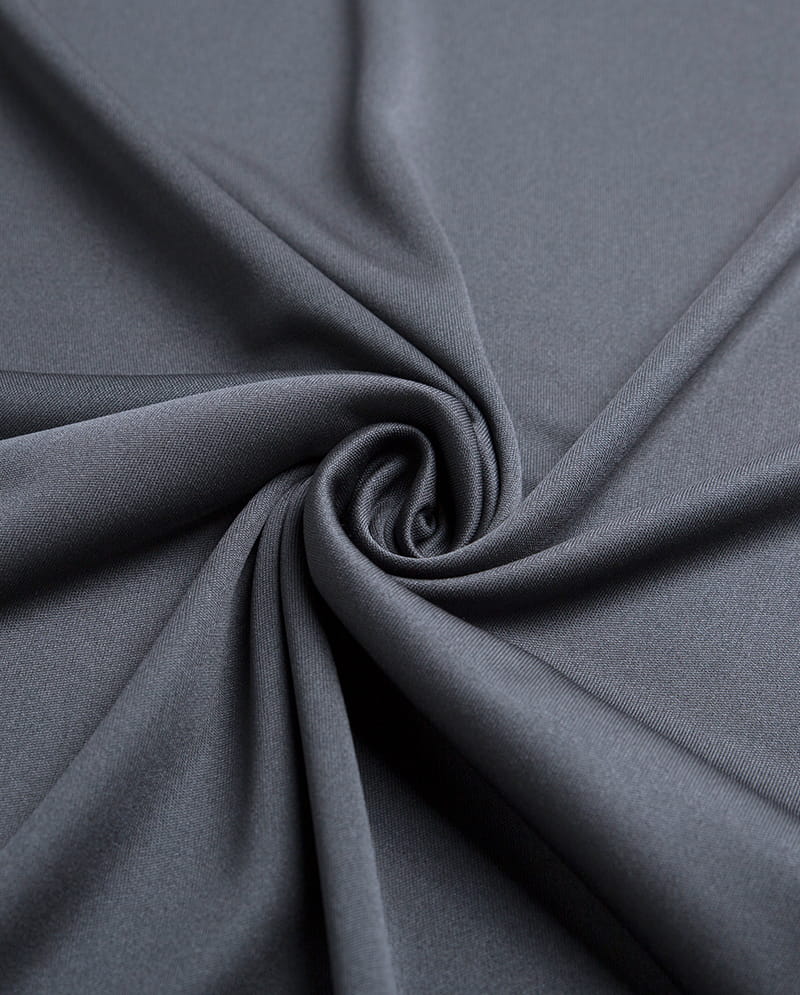
High-stretch cationic jersey fabric is a modern knitted textile designed for apparel brands, garment manufacturers, and fabric buyers who need a reliable balance of softness, elasticity, color performance, and practical durability. Built around modified cationic polyester and spandex, this fabric is engineered to deliver all-directional stretch, smooth hand feel, moisture management, and long-lasting appearance. It is especially suitable for sportswear, yoga pants, active tops, underwear, casual dresses, fitted garments, and versatile everyday apparel where comfort and resilience are equally important.
Unlike ordinary polyester jersey, high-stretch cationic jersey fabric is developed to support both visual appeal and functional performance. The cationic dyeing characteristics allow the fabric to achieve rich, uniform, and stable colors, while the stretch component gives the wearer freedom of movement. In competitive apparel markets, these features are valuable because consumers increasingly expect clothing to look attractive, feel comfortable, and perform under repeated washing and frequent wear.
The fabric typically comes in practical specifications such as 150–180 cm width and 130–180 gsm weight, making it adaptable for many garment patterns and manufacturing processes. Its medium-light weight range allows it to be used for both close-to-skin garments and outer casual pieces. The knitted jersey structure gives it flexibility and drape, while the polyester base contributes dimensional stability, abrasion resistance, anti-wrinkle behavior, and improved care convenience.
High-Stretch Cationic Jersey Fabric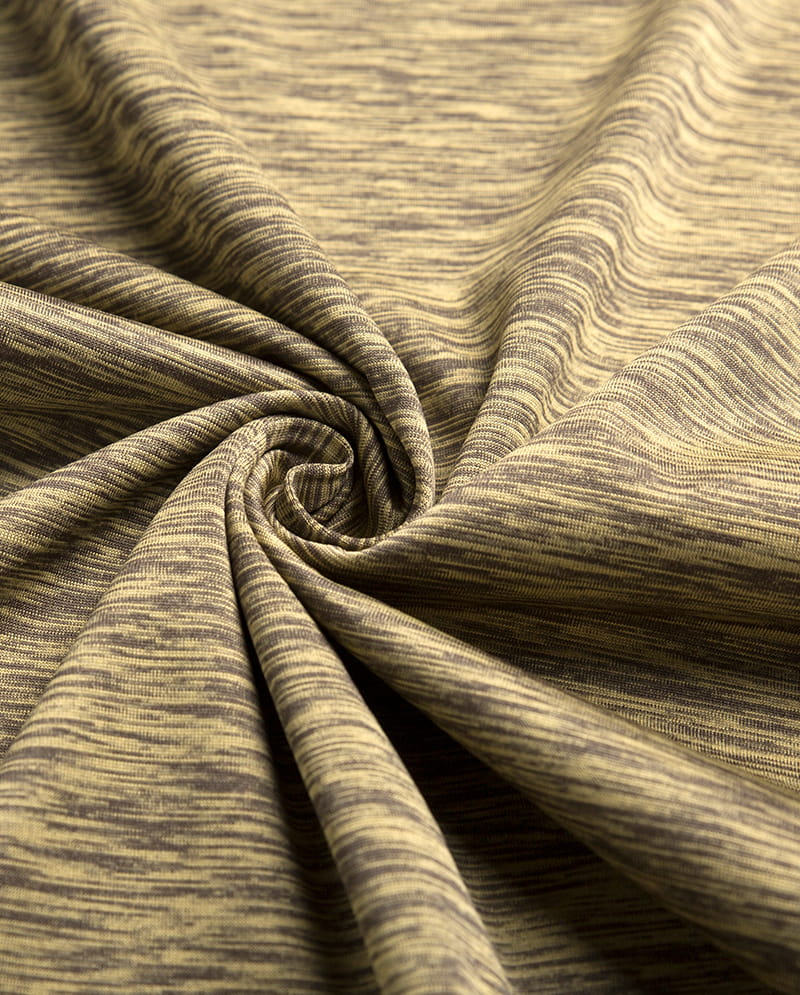
Product Overview
High-stretch cationic jersey fabric is a functional knitted textile made for brands that require a fabric capable of combining performance, comfort, and attractive color effects. The fabric uses cationic-modified polyester, which is known for its ability to absorb cationic dyes and produce vivid color expression. When blended with spandex, the material gains elastic recovery and multi-directional stretch, helping finished garments maintain shape after movement, washing, and repeated wear.
The structure of jersey fabric is naturally flexible because it is made with interlocking loops rather than a rigid woven construction. This gives the fabric a soft, pliable surface and good body conformance. When the jersey structure is enhanced with spandex, the result is a stretch fabric that moves with the wearer instead of restricting movement. This makes the material highly attractive for activewear, yoga clothing, base layers, dancewear, fitted tops, and athleisure apparel.
The cationic feature provides an additional advantage beyond standard stretch jersey. Cationic dyeing can create a bright, even, and premium-looking surface while improving color retention after laundering. This is important for garments that must maintain visual freshness over time. Consumers often judge apparel quality by color stability, pilling resistance, shape retention, and surface smoothness; this fabric is designed to perform well in all of these areas.
From a manufacturing perspective, the fabric is also practical. It is machine-wash compatible, generally easy to cut and sew, and suitable for scalable garment production. Its anti-wrinkle and shrink-resistant properties reduce post-wash care requirements, while its abrasion resistance supports long service life. For buyers, this creates a material that can help reduce complaints related to fading, deformation, rough hand feel, or early fabric deterioration.
Core Material Composition and Fabric Logic
The performance of high-stretch cationic jersey fabric comes from the combination of modified cationic polyester and spandex. Polyester provides strength, dimensional stability, quick-drying behavior, and resistance to daily wear. Cationic-modified polyester adds dyeing advantages, allowing the fabric to achieve vivid and uniform shades. Spandex contributes stretch and recovery, enabling garments to expand during movement and return to their original shape afterward.
This composition is especially valuable because each component supports a different requirement in modern apparel. Consumers want softness, but they also expect durability. They want elasticity, but they do not want garments to become loose after repeated use. They want deep colors, but they expect these colors to remain stable through laundering. A well-engineered cationic stretch jersey addresses all of these expectations in one fabric platform.
The jersey knitting process also contributes to comfort. Jersey fabrics typically have a smoother face and a looped back, giving a pleasant touch and natural flexibility. In high-stretch applications, the knitting tension, yarn selection, and finishing process must be carefully controlled. If the yarn is unstable or the spandex distribution is uneven, the fabric may curl, distort, shrink, or recover poorly. Advanced manufacturing control is therefore essential for consistent quality.
The fabric’s weight range of about 130–180 gsm gives it versatility. At the lower end, it can be used for lightweight tops, underwear, and summer activewear. At the higher end, it can support leggings, fitted casual dresses, and more durable sports garments. Widths around 150–180 cm support efficient marker planning and material utilization in apparel factories, which can help reduce cutting waste and improve production efficiency.
Key Performance Advantages
All-Directional Stretch
The defining advantage of this fabric is all-directional stretch. In activewear and close-fitting apparel, stretch is not only about comfort; it is also about garment functionality. Yoga pants, sports tops, dancewear, fitted dresses, and underwear must accommodate body movement without pulling, restricting, or losing shape. The spandex-enhanced jersey structure allows the fabric to stretch with the wearer and recover afterward, providing both flexibility and long-term fit stability.
Compared with ordinary polyester jersey or low-elastic knitted fabrics, high-stretch cationic jersey is better suited to dynamic movement. It reduces tension around knees, elbows, waistlines, shoulders, and hips. This can improve wearer confidence and comfort during exercise, commuting, travel, or everyday activities. For brands, this creates a product experience that feels more premium and performance-oriented.
Vibrant and Uniform Color
Cationic dyeing is a major competitive advantage. The modified polyester component can produce attractive color effects and uniform shade penetration. In the apparel market, color consistency matters from both a design and quality-control perspective. Uneven dyeing, dull shades, or rapid fading can reduce perceived value. High-stretch cationic jersey fabric is designed to maintain a fresh appearance after repeated washing, supporting long-term consumer satisfaction.
Color stability also benefits manufacturers. When fabric lots are more consistent, garment production becomes easier to manage. Shade variation between panels can create defects in finished garments, especially in solid-color activewear. A stable cationic dyeing process helps improve appearance consistency across production batches.
Soft and Smooth Hand Feel
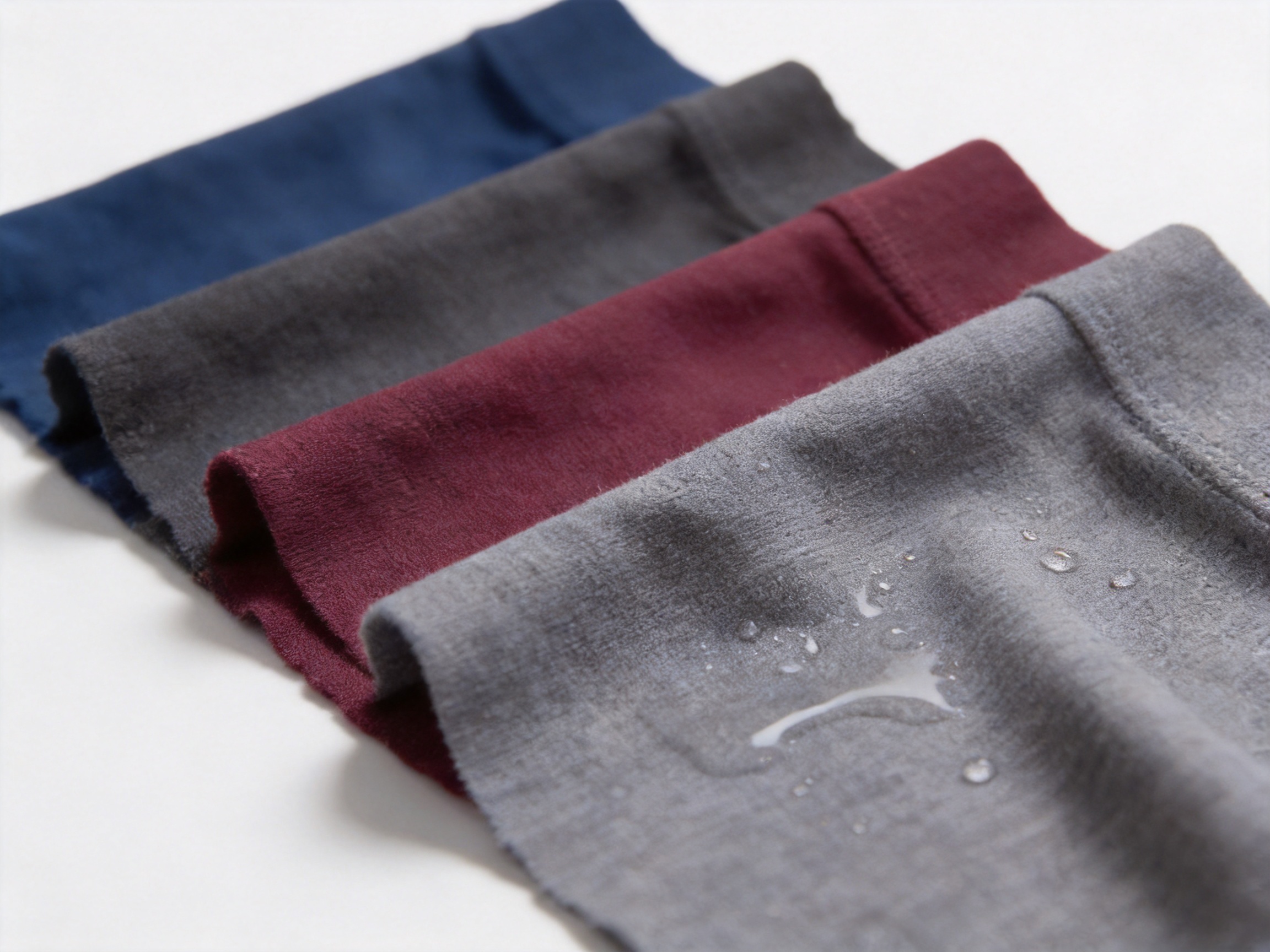
Comfort begins with touch. This fabric is soft and smooth, making it suitable for garments worn close to the skin. The jersey construction provides a natural softness, while proper finishing enhances surface smoothness. For underwear, yoga tops, active shirts, and casual dresses, skin-friendly comfort is a decisive selling point.
Many competing fabrics offer stretch but feel stiff, rough, or plastic-like. High-stretch cationic jersey is designed to avoid that problem by balancing elasticity with a pleasant hand feel. It supports both performance and comfort, which is especially important for garments worn for long periods.
Moisture-Wicking Performance
Moisture management is important in both sportswear and daily apparel. The fabric helps draw sweat away from the body and supports rapid evaporation, reducing discomfort caused by dampness. While it is not a substitute for specialized technical mesh in extreme sports, it provides practical moisture-wicking performance for yoga, gym training, casual exercise, travel, commuting, and daily wear.
This feature allows garment brands to position finished products as comfortable and performance-friendly. For consumers, moisture-wicking behavior helps improve freshness, reduces clinginess, and supports a more pleasant wearing experience.
Anti-Wrinkle and Shape Retention
The polyester base contributes anti-wrinkle performance, while the spandex component supports shape recovery. Garments made from this fabric generally require minimal ironing and retain their shape through frequent use. This is valuable for consumers who want easy-care clothing and for brands targeting travel wear, work-leisure apparel, or low-maintenance activewear.
Compared with cotton-rich jersey, which can wrinkle, shrink, and deform more easily, cationic polyester-spandex jersey offers improved dimensional stability. This makes it especially attractive for garments that must look neat after washing or packing.
Abrasion Resistance and Anti-Pilling Performance
Daily wear creates friction. Areas such as thighs, underarms, cuffs, waistbands, and seat panels are especially vulnerable to abrasion and pilling. High-stretch cationic jersey is engineered to provide good abrasion resistance and anti-pilling behavior, helping garments maintain a sleek surface. This is important for leggings, sportswear, fitted tops, and casual dresses where surface appearance strongly influences perceived quality.
Pilling is a common complaint in lower-grade knit fabrics. By using appropriate yarns, controlled knitting, and careful finishing, this fabric reduces the risk of early pilling and supports a cleaner surface over time.
Comparison with Common Competing Fabrics
High-stretch cationic jersey fabric competes with several common fabric types, including regular polyester jersey, cotton jersey, nylon-spandex jersey, and blended stretch knits. Each material has advantages, but high-stretch cationic jersey offers a particularly balanced combination of color performance, comfort, elasticity, easy care, and cost-effective durability.
Fabric Type |
Main Strength |
Common Limitation |
Advantage of High-Stretch Cationic Jersey |
Regular Polyester Jersey |
Durable and quick drying |
May lack premium stretch and color depth |
Better elasticity, improved color expression, and softer performance feel |
Cotton Jersey |
Natural touch and breathability |
Can shrink, wrinkle, absorb moisture, and deform |
Improved shape retention, faster drying, easier care, and more stable fit |
Nylon-Spandex Jersey |
Excellent elasticity and smoothness |
Often higher cost and different dyeing behavior |
Balanced performance with vivid cationic color and practical cost efficiency |
Low-Elastic Knitted Fabric |
Simple production and low price |
Limited movement comfort and poor recovery |
Superior all-directional stretch and better garment stability |
Heavy Performance Knit |
Strong compression and durability |
May feel too warm or restrictive for daily wear |
Medium-light comfort suitable for activewear and casual apparel |
Compared with regular polyester jersey, high-stretch cationic jersey provides a more refined wearing experience. Ordinary polyester knits can be durable but may not offer the same elasticity, surface richness, or color uniformity. When the garment must support movement and retain premium appearance, cationic stretch jersey has a clear advantage.
Compared with cotton jersey, the fabric offers better easy-care performance. Cotton is comfortable but can absorb moisture, dry slowly, wrinkle easily, and shrink depending on construction and finishing. For activewear and fitted garments, these limitations can become serious. High-stretch cationic jersey dries faster, maintains shape better, and needs less ironing.
Compared with nylon-spandex fabrics, high-stretch cationic jersey offers a strong balance of performance and value. Nylon can be very smooth and elastic, but it is often positioned at a higher price level. Cationic polyester-spandex jersey can provide excellent color, comfort, and elasticity while remaining practical for large-scale garment programs.
Manufacturing Strengths Behind the Fabric
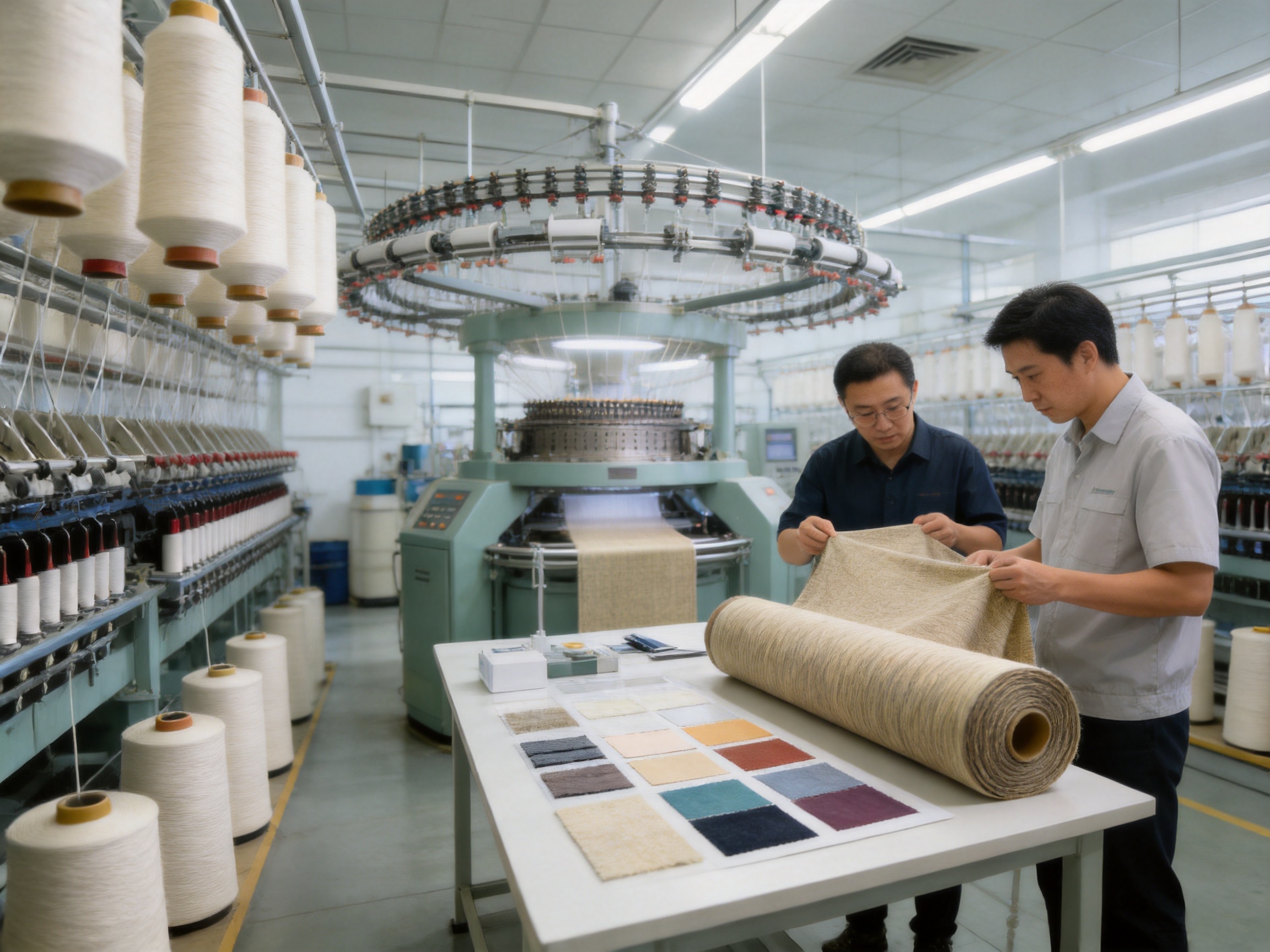
The quality of high-stretch cationic jersey depends not only on raw material selection but also on process control. Suzhou Junhui Textile Co., Ltd. and Suzhou Xiaoran New Materials Co., Ltd. focus on differential yarns and knitted fabric products, including recycled yarn, polyester drop-dyed yarn, microfine yarn, flame-retardant yarn, cationic dyeing yarn, and functional fabric solutions. This background gives the manufacturer strong technical understanding from yarn development through fabric application.
Advanced manufacturing begins with yarn selection. The yarn must be suitable for cationic dyeing, stable during knitting, and compatible with stretch requirements. If yarn quality is inconsistent, the finished fabric may show streaks, uneven dyeing, poor recovery, or surface defects. Professional yarn development helps ensure that the final jersey fabric achieves the desired softness, elasticity, and color performance.
Knitting control is equally important. High-stretch jersey must be knitted with balanced tension so that spandex distribution remains even throughout the fabric. Uneven tension may cause width variation, curling, skewing, or unstable shrinkage. Professional knitting production focuses on loop consistency, fabric density, and elastic recovery, helping the finished fabric meet garment factory requirements.
Dyeing and finishing complete the performance profile. Cationic dyeing must be controlled for shade consistency, color depth, and wash stability. Finishing must improve hand feel, stabilize dimensions, reduce shrinkage, and support anti-pilling behavior without damaging elasticity. A strong manufacturer understands how each process affects the next. This integrated approach is one reason the fabric performs better than basic commodity jersey.
Company Expertise and Export-Oriented Reliability
The manufacturer behind this product has a strong foundation in differential yarn and textile fabric development. Founded in 2015, the enterprise has focused on environmentally oriented and functional yarns and fabrics, including recycled series, cationic dyeing yarn, flame-retardant yarn, moisture-wicking yarn, antibacterial yarn, high-elastic yarn, and related knitted fabric applications. This broad technical portfolio supports the development of high-stretch cationic jersey fabric as a practical and performance-oriented product.
With more than 90 percent of products exported and customer relationships across 36 countries, the company has experience meeting international buyer expectations. Export markets often require consistent specifications, stable quality, responsive service, and reliable documentation. This experience strengthens the manufacturer’s ability to support apparel brands, importers, wholesalers, and garment factories.
The company also emphasizes professional research and development. Its team works on environmental protection, functional yarns, and fabric applications, which supports continuous improvement in product performance. For buyers, this means the manufacturer is not limited to basic fabric supply; it can also provide technical guidance, product selection support, and problem-solving assistance.
Responsive service is another practical strength. Textile sourcing often involves urgent questions about specifications, testing, color matching, bulk production, and delivery schedules. A supplier capable of responding quickly can help reduce delays and improve project coordination. The company’s commitment to global support within a short response window is valuable for buyers working across time zones.
Yarn Platform Supporting Fabric Development
A major advantage of the manufacturing system is the broad yarn platform behind the fabric. The product list includes recycled yarn series, normal polyester yarn series, cationic dyeing series, high-elastic series, and functional series. These yarn capabilities allow the company to customize fabric behavior according to customer needs.
The recycled series includes recycled semi-dull DTY, recycled semi-dull FDY, recycled full-dull DTY, recycled cationic DTY, recycled cationic blended DTY, and related specifications. This supports brands looking for more environmentally conscious sourcing options. Recycled polyester yarn can be used in fabric programs where sustainability messaging and material responsibility are important.
The normal series includes a wide range of DTY and FDY yarn specifications in different denier and filament counts. These options allow fabric designers to adjust softness, coverage, drape, opacity, and surface texture. Fine filament yarns can create a softer and smoother touch, while heavier yarns can improve body and durability.
The cationic series includes CD DTY, SD+CD DTY, and white-and-black effects. Cationic yarns are essential for creating special dyeing effects, mélange looks, two-tone appearances, and vivid color performance. This is especially relevant for fashion activewear and casual apparel where color distinction helps products stand out.
The high-elastic series includes high-elastic yarn, PBT/PET yarn, and related DDB yarn types. These yarns can support fabrics that require improved recovery, resilience, and comfortable stretch. For high-stretch cationic jersey, understanding high-elastic yarn behavior is important for achieving durable stretch performance.
The functional series includes fire-retardant, antibacterial, moisture-wicking, cotton-like, hollow warm, and covered yarn options. These capabilities allow the manufacturer to support custom fabric development beyond standard cationic jersey. For example, a customer may request enhanced moisture management, warmer touch, antibacterial finishing, or flame-retardant performance depending on the target market.
Application Areas
Sportswear
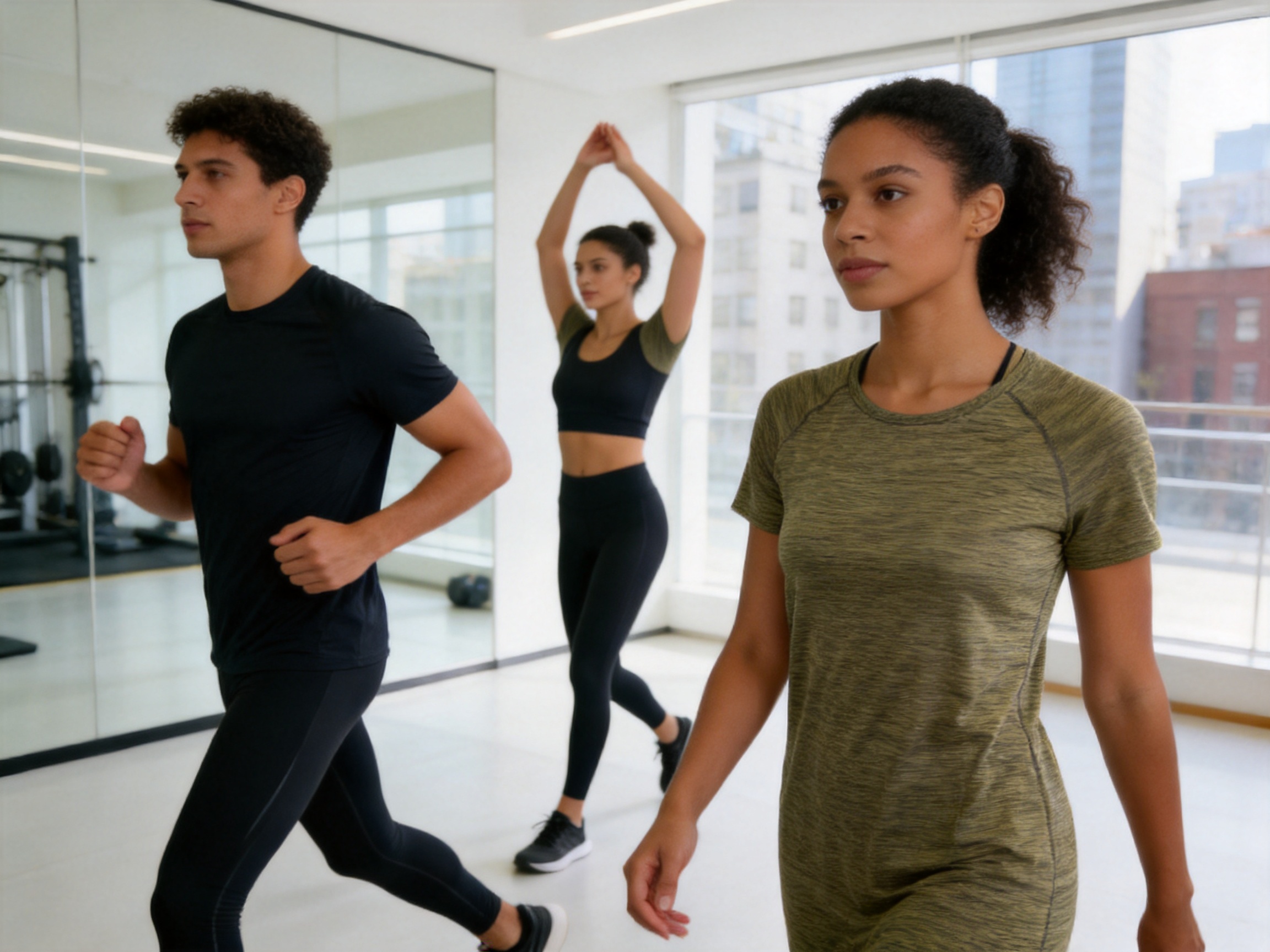
Sportswear requires mobility, sweat management, durability, and easy care. High-stretch cationic jersey fabric meets these needs through its elastic structure, moisture-wicking performance, abrasion resistance, and color stability. It can be used for gym tops, training shirts, fitted sportswear, warm-up garments, and lightweight performance layers.
For sportswear brands, the fabric’s ability to retain color and shape after washing is a major advantage. Consumers wash sports garments frequently, and fabrics that fade, pill, or stretch out quickly create dissatisfaction. This fabric is designed to maintain a fresh and functional appearance through repeated use.
Yoga Pants and Active Bottoms
Yoga and active bottoms require excellent stretch and recovery. The fabric must move during bending, stretching, squatting, and sitting without becoming transparent, sagging, or uncomfortable. In suitable weights and constructions, high-stretch cationic jersey can support fitted silhouettes while maintaining comfort.
The soft touch also matters because yoga apparel is often worn for long sessions and casual daily activities. A fabric that feels smooth against the skin and offers stable recovery helps improve wearer confidence and product value.
Active Tops and T-Shirts
For active tops, the fabric offers a balanced combination of drape, stretch, and moisture management. It can be used in slim-fit T-shirts, performance tops, athleisure shirts, and casual tops. The cationic dyeing effect supports rich color options, allowing brands to develop attractive seasonal collections.
Compared with ordinary cotton T-shirts, tops made from cationic stretch jersey can dry faster, resist wrinkles, and hold shape better. This makes them suitable for travel, commuting, light exercise, and everyday wear.
Underwear and Base Layers
Underwear and base layers require softness, elasticity, and close-to-skin comfort. High-stretch cationic jersey provides these features while also offering easy washing and shape retention. Its smooth touch helps reduce irritation, while stretch allows garments to fit comfortably without excessive compression.
Moisture-wicking behavior is especially useful in base layers because it helps manage perspiration and supports comfort during extended wear. For underwear brands, the fabric offers a modern synthetic alternative to traditional cotton blends.
Casual Dresses and Fashion Apparel
The fabric is not limited to sports applications. Its smooth appearance, stable color, and flexible drape make it suitable for casual dresses, fitted skirts, fashion tops, and comfortable daily garments. Designers can use the fabric to create simple silhouettes that are easy to wear and easy to maintain.
Because it resists wrinkles and shrinkage, it is well suited for travel-friendly fashion. Consumers can pack garments, wash them easily, and wear them with minimal care. This makes the fabric attractive for lifestyle apparel collections.
Comfort and Wearer Experience
Comfort is a combination of touch, fit, movement, moisture behavior, and temperature perception. High-stretch cationic jersey fabric performs well because it addresses several comfort dimensions at once. The smooth surface feels pleasant on the skin. The elastic structure allows movement. The moisture-wicking feature helps reduce dampness. The lightweight-to-medium weight range prevents the fabric from feeling too heavy for daily wear.
The fabric also supports psychological comfort. Garments that maintain shape and color help wearers feel confident. Stretch fabrics that recover properly prevent bagging at knees, elbows, and seat areas. Anti-pilling behavior preserves a neat appearance. These factors influence whether consumers continue wearing a garment and whether they trust the brand that made it.
In active lifestyles, clothing must transition between activities. A consumer may wear the same garment for morning exercise, commuting, errands, and casual social settings. High-stretch cationic jersey supports this lifestyle because it has the performance properties required for movement and the appearance qualities required for casual fashion.
Color and Design Possibilities
The cationic dyeing feature opens strong design possibilities. The fabric can achieve vibrant solid colors and may also support special visual effects depending on yarn combination and dyeing method. Cationic polyester can be used to create contrast, depth, and rich tone, which helps apparel collections appear more distinctive.
Color consistency is especially important in wholesale and bulk garment production. A shade mismatch between fabric lots can create production waste and customer complaints. Strong dyeing control helps maintain uniform appearance, supporting better quality assurance for brands and garment factories.
For fashion designers, the fabric’s color performance allows development of bright activewear, deep casual colors, and clean commercial shades. For sportswear brands, it helps produce visually strong garments that remain attractive after repeated washing.
Durability in Daily Use
Durability is not only about tensile strength. In apparel, durability includes resistance to abrasion, pilling, shrinkage, wrinkling, color fading, and loss of elasticity. High-stretch cationic jersey fabric is designed to provide a balanced durability profile. It is suitable for garments that will be worn and washed frequently.
The polyester component contributes strength and abrasion resistance. The spandex component supports recovery. The finishing process helps stabilize dimensions and improve surface performance. Together, these elements create a fabric that can withstand practical use in sportswear, underwear, active tops, and casual garments.
For apparel brands, better durability can reduce after-sales issues. Garments that keep their color, shape, and surface quality are more likely to generate repeat purchases. For wholesalers and distributors, durable fabrics help improve customer satisfaction across different markets.
Care Convenience
Modern consumers value easy-care clothing. High-stretch cationic jersey fabric is machine-wash compatible and generally requires minimal ironing. Its shrink-resistant and anti-wrinkle characteristics make it convenient for busy lifestyles. This is a strong advantage compared with fabrics that require delicate care, frequent ironing, or special drying conditions.
Easy-care performance is particularly important for activewear and underwear because these garments are washed often. If a fabric cannot tolerate repeated laundering, it will quickly lose value. This fabric is designed for practical maintenance, helping garments remain wearable and attractive over time.
Garment manufacturers should still follow appropriate care labeling based on final construction, trims, colors, and finishing. However, the base fabric provides a strong foundation for low-maintenance apparel programs.
Why Buyers Choose This Fabric
Buyers choose high-stretch cationic jersey fabric because it combines multiple advantages in one material. It is elastic, soft, colorful, moisture-wicking, wrinkle-resistant, shrink-resistant, abrasion-resistant, and suitable for a broad range of garments. This reduces the need to source separate fabrics for every function and allows brands to build coordinated product lines around a reliable textile base.
The fabric also offers strong commercial versatility. It can serve performance apparel, casualwear, underwear, and fashion categories. This makes it useful for wholesalers, fabric distributors, and garment factories that need flexible inventory options. A single fabric platform can support multiple end uses by adjusting weight, width, color, and finishing.
The manufacturer’s broader yarn and fabric capabilities add further value. Buyers can request custom yarn specifications, functional enhancements, recycled options, or different dyeing effects. This helps brands respond to changing market demands without changing suppliers frequently.
Quality Control Considerations
Quality control for high-stretch cationic jersey should include inspection of width, weight, color consistency, shrinkage, stretch recovery, pilling resistance, surface defects, and hand feel. Because the fabric is used in close-fitting apparel, even small variations can affect garment fit and comfort. A professional supplier must maintain stable control throughout production.
Color testing is important because cationic dyeing performance is a core selling point. Wash fastness, rubbing fastness, and shade consistency should be checked according to buyer requirements. Stretch recovery testing is also essential for activewear and fitted garments. Poor recovery can lead to bagging and deformation.
Dimensional stability is another key factor. Garments should maintain size after laundering. Proper heat setting and finishing help control shrinkage and improve cutting stability. For garment factories, stable fabric reduces production risks and improves finished-garment consistency.
Customization Potential
One of the strongest benefits of working with an experienced differential yarn and fabric manufacturer is customization. High-stretch cationic jersey can be adjusted in width, weight, yarn fineness, stretch level, color, hand feel, and functional finish. This allows buyers to develop fabrics aligned with target price points, garment categories, and market positioning.
For activewear, buyers may request stronger stretch recovery, moisture-wicking finishing, or higher abrasion resistance. For underwear, softness and skin comfort may be prioritized. For fashion dresses, drape, color richness, and anti-wrinkle behavior may be more important. For sustainable collections, recycled yarn options may be considered.
The company’s product list indicates the ability to accept orders for various differentiated yarns. This is valuable because modern apparel brands often need materials that are not fully standard. A supplier with yarn development experience can help translate performance goals into practical fabric specifications.
Environmental and Functional Development Direction
The textile industry is increasingly influenced by environmental responsibility and performance innovation. The manufacturer’s experience with recycled yarn and functional yarn reflects this trend. High-stretch cationic jersey fabric can be part of a more responsible material strategy when combined with recycled polyester options or optimized dyeing processes.
Recycled yarns help reduce reliance on virgin resources, while durable fabrics can support longer garment life. A garment that lasts longer and maintains appearance may reduce replacement frequency. Although sustainability depends on the full supply chain, material durability and responsible yarn selection are important steps.
Functional development also supports market differentiation. Moisture-wicking, antibacterial, hollow warm, cotton-like, and flame-retardant yarn technologies can be adapted for different fabric programs. This gives buyers opportunities to develop specialized products for sports, outdoor, casual, workwear, or comfort-focused apparel.
Procurement Guidance for Apparel Brands
When sourcing high-stretch cationic jersey fabric, buyers should begin by defining the target garment. A yoga legging, underwear piece, casual dress, and active T-shirt may all use stretch jersey, but each requires different weight, opacity, stretch, drape, and hand feel. Clear communication helps the supplier recommend suitable specifications.
Buyers should also provide color standards, testing requirements, expected order quantity, target price, and end-use information. If the garment will be sold in international markets, relevant testing standards should be discussed early. These may include color fastness, pilling, shrinkage, stretch recovery, and restricted substance requirements depending on the buyer’s market.
Sampling is essential. Lab dips confirm color direction, while fabric samples confirm hand feel, stretch, weight, and appearance. Garment proto samples help evaluate sewing performance, fit, recovery, and comfort. Once approved, bulk production should follow controlled standards to ensure consistency.
Q&A Section
What is high-stretch cationic jersey fabric?
High-stretch cationic jersey fabric is a knitted textile made mainly from modified cationic polyester and spandex. It combines soft touch, all-directional stretch, vivid dyeing performance, moisture-wicking behavior, and easy-care durability. It is suitable for sportswear, yoga apparel, underwear, active tops, casual dresses, and other comfortable garments.
What makes this fabric different from ordinary polyester jersey?
Ordinary polyester jersey may be durable and quick drying, but it often lacks premium stretch, rich color depth, and refined hand feel. High-stretch cationic jersey adds spandex for better elasticity and uses cationic dyeing characteristics for more vibrant, uniform, and fade-resistant color performance.
Is the fabric suitable for activewear?
Yes. The fabric is well suited for activewear because it stretches in multiple directions, helps wick moisture, resists wrinkles, and maintains shape after repeated use. It can be used for yoga pants, sports tops, training garments, and athleisure apparel.
Can it be used for underwear or close-to-skin garments?
Yes. Its soft and smooth hand feel makes it suitable for underwear and base layers. The stretch provides comfortable fit, while moisture-wicking performance supports daily comfort.
What are the typical specifications?
The fabric is commonly produced in widths around 150–180 cm and weights around 130–180 gsm. Specific requirements can be adjusted depending on garment use, buyer preference, and production feasibility.
Does the fabric resist fading?
The cationic dyeing process helps provide vibrant and uniform colors with good resistance to fading after repeated washing. Actual color fastness should be confirmed through testing according to the buyer’s standards.
Is the fabric easy to care for?
Yes. The fabric is generally machine-wash compatible, wrinkle-resistant, shrink-resistant, and quick drying. Finished garment care instructions should still be determined according to garment construction and trims.
Can the fabric be customized?
Yes. Weight, width, stretch level, yarn type, color, hand feel, and functional finishing can be customized. The manufacturer’s broad yarn platform supports differentiated fabric development for various apparel markets.
Why is manufacturer capability important for this fabric?
High-stretch cationic jersey requires controlled yarn quality, knitting tension, dyeing consistency, heat setting, and finishing. A manufacturer with strong yarn and fabric development experience can provide more stable quality, better customization, and stronger technical support.
Conclusion
High-stretch cationic jersey fabric is a practical and performance-oriented textile for modern apparel. It offers the stretch needed for active movement, the softness required for daily comfort, the color quality needed for attractive design, and the durability expected in frequently worn garments. Its combination of cationic polyester and spandex creates a fabric that is suitable for sportswear, yoga pants, active tops, underwear, casual dresses, and versatile lifestyle clothing.
Its advantages over competing fabrics are clear. Compared with ordinary polyester jersey, it provides better elasticity and richer color expression. Compared with cotton jersey, it offers improved shape retention, faster drying, and easier care. Compared with high-cost stretch alternatives, it provides balanced performance and commercial practicality. These qualities make it attractive for apparel brands, garment factories, wholesalers, and fabric distributors.
The manufacturing strength behind the fabric further increases its value. With expertise in differential yarns, recycled yarns, cationic dyeing yarns, high-elastic yarns, and functional yarns, the supplier can support both standard production and customized development. Export experience, technical service, and product development capability help buyers reduce sourcing risk and create more competitive garments.
For apparel programs that require comfort, movement, color stability, and long-lasting appearance, high-stretch cationic jersey fabric is a strong material choice. It reflects the direction of modern textiles: functional, attractive, easy to maintain, and adaptable to changing market needs.
References
1. Textile Institute. Textile Terms and Definitions. Textile Institute Publications.
2. Horrocks, A. R., and Anand, S. C. Handbook of Technical Textiles. Woodhead Publishing.
3. Lawrence, C. A. Fundamentals of Spun Yarn Technology. CRC Press.
4. Saville, B. P. Physical Testing of Textiles. Woodhead Publishing.
5. Kadolph, S. J. Textiles. Pearson Education.
6. Hearle, J. W. S., Hollick, L., and Wilson, D. K. Yarn Texturing Technology. Woodhead Publishing.
7. Cook, J. G. Handbook of Textile Fibres: Man-Made Fibres. Woodhead Publishing.
Product: High-Stretch Cationic Jersey Fabric

Popular products
-
Premium Cationic Interlock Stretch Comfort Fabric
-
Moisture-Wicking Nylon Woven Fabric
-
Double-faced jacquard elastic fabric
-
Heather Grey Double-faced cationic jersey fabric
-
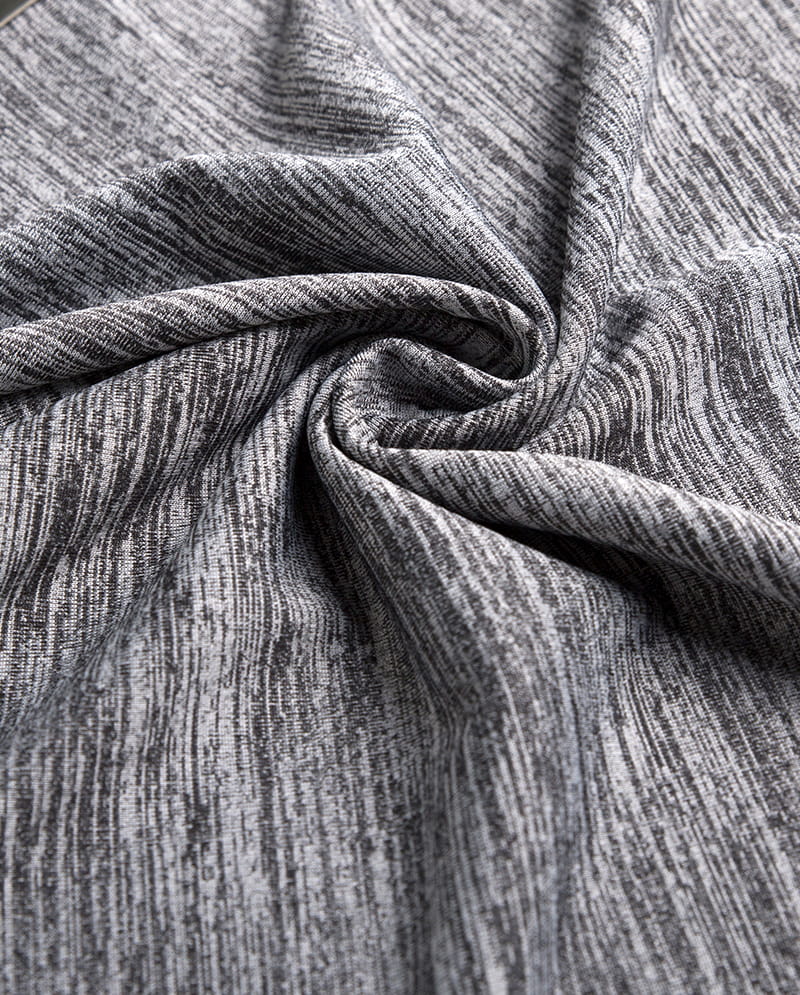
Anti-static Cationic Knitted Rib Fabric
-
High-Stretch Cationic Jersey Fabric
-
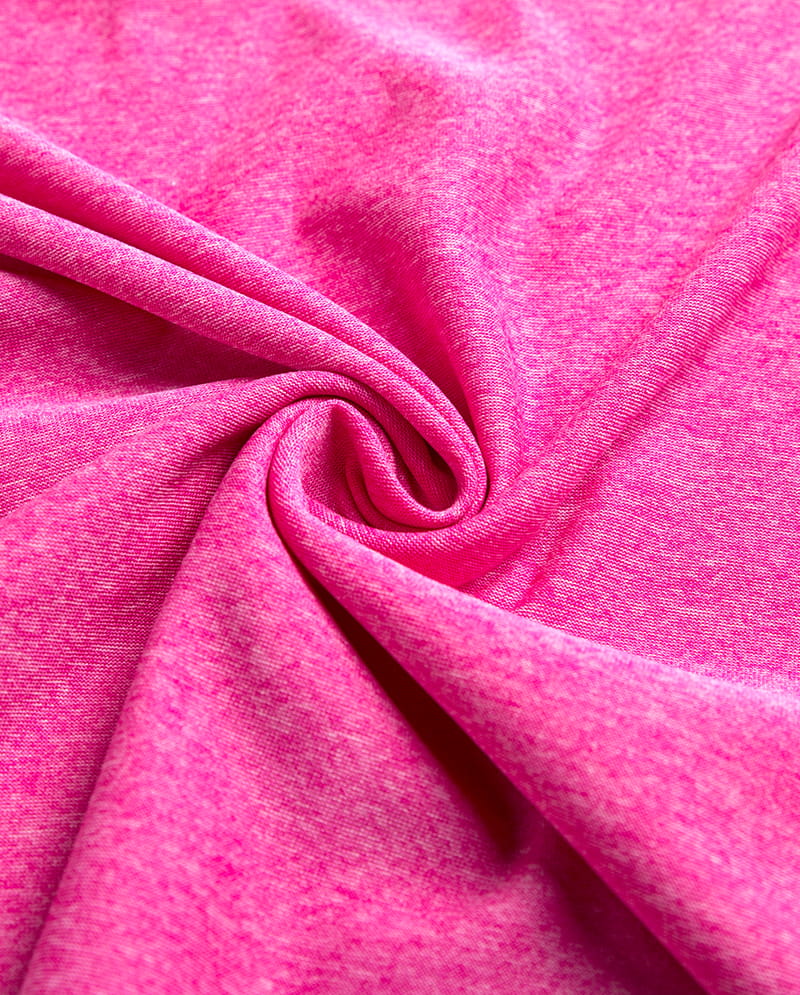
High Quality Cationic DTY Spandex Two Sides Brush Dralon Knit Fabric for Garment Thermal Underwear
-
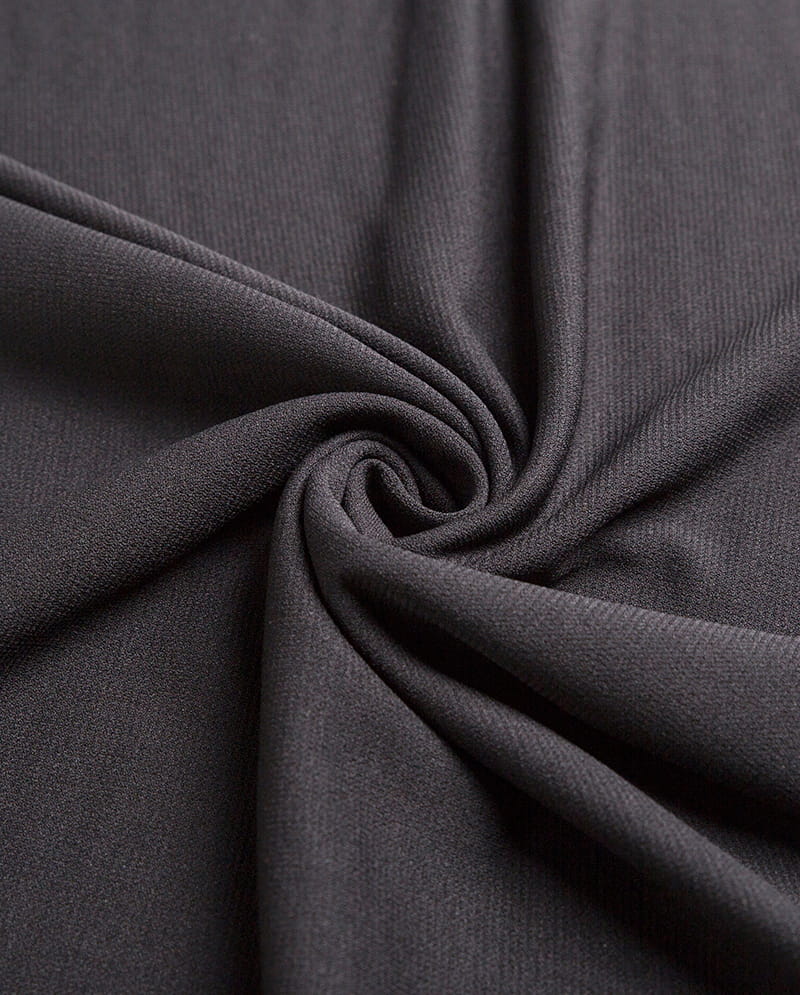
Durable Anti-Pilling Knitted Fabric for Home Textiles
-
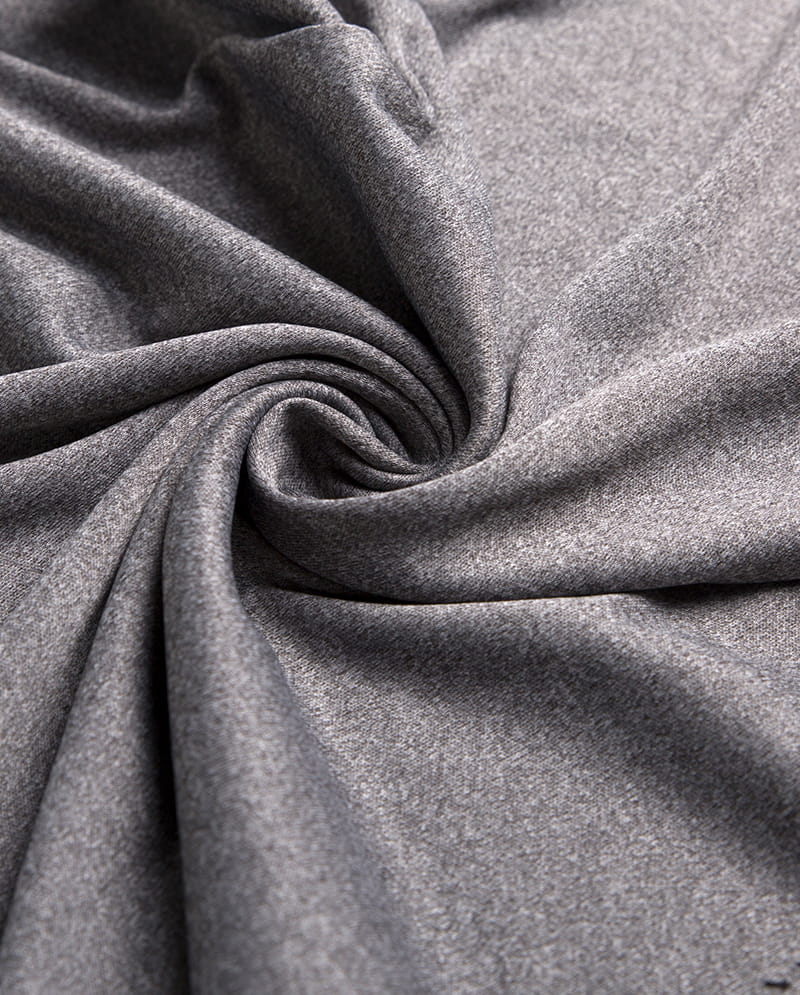
Wash-Resistant Cationic Elastic Knitted Fabric for Garment Industry
-
Breathable Double-Faced Elastic Composite Fabric
-
-
-
- whatsapp:
- 0086-13962559622
-
- skype:
- skype.aliceshenghong
-
- Wechat:


COPYRIGHT © 2016 Suzhou Junhui Textile Co., Ltd.
