

 EN
EN English
 中文简体
中文简体High-Stability Polyester Chips & Differentiated Yarns: Revolutionizing Textile Production
Content
- 1 Polyester Chips: The Backbone of Modern Textile Fibers
- 2 Differentiated Yarns: From Chips to High-Performance Fibers
- 3 Manufacturing Strengths & Quality Assurance: A Commitment to Excellence
- 4 Applications Across Textile Sectors: From Apparel to Industrial Fabrics
- 5 Q&A: Addressing Common Questions About High-Stability Polyester Chips & Yarns
- 6 References
The global textile industry is in a constant state of evolution, driven by the dual demands of performance, sustainability, and consumer preference for functional, durable products. At the core of this evolution lies the quality of raw materials—specifically, polyester chips, which serve as the foundation for nearly 60% of all synthetic fibers produced worldwide (Global Textile Council, 2023). Among the myriad of polyester chip offerings, high-stability variants (SD, FD, CD, TBR) have emerged as game-changers, addressing longstanding challenges in fiber production such as inconsistent spinnability, poor dyeing uniformity, and limited functional performance. This article explores how these advanced chips, paired with a portfolio of differentiated yarns, are redefining textile manufacturing excellence, while highlighting the manufacturing innovations and competitive advantages that set them apart in the market.
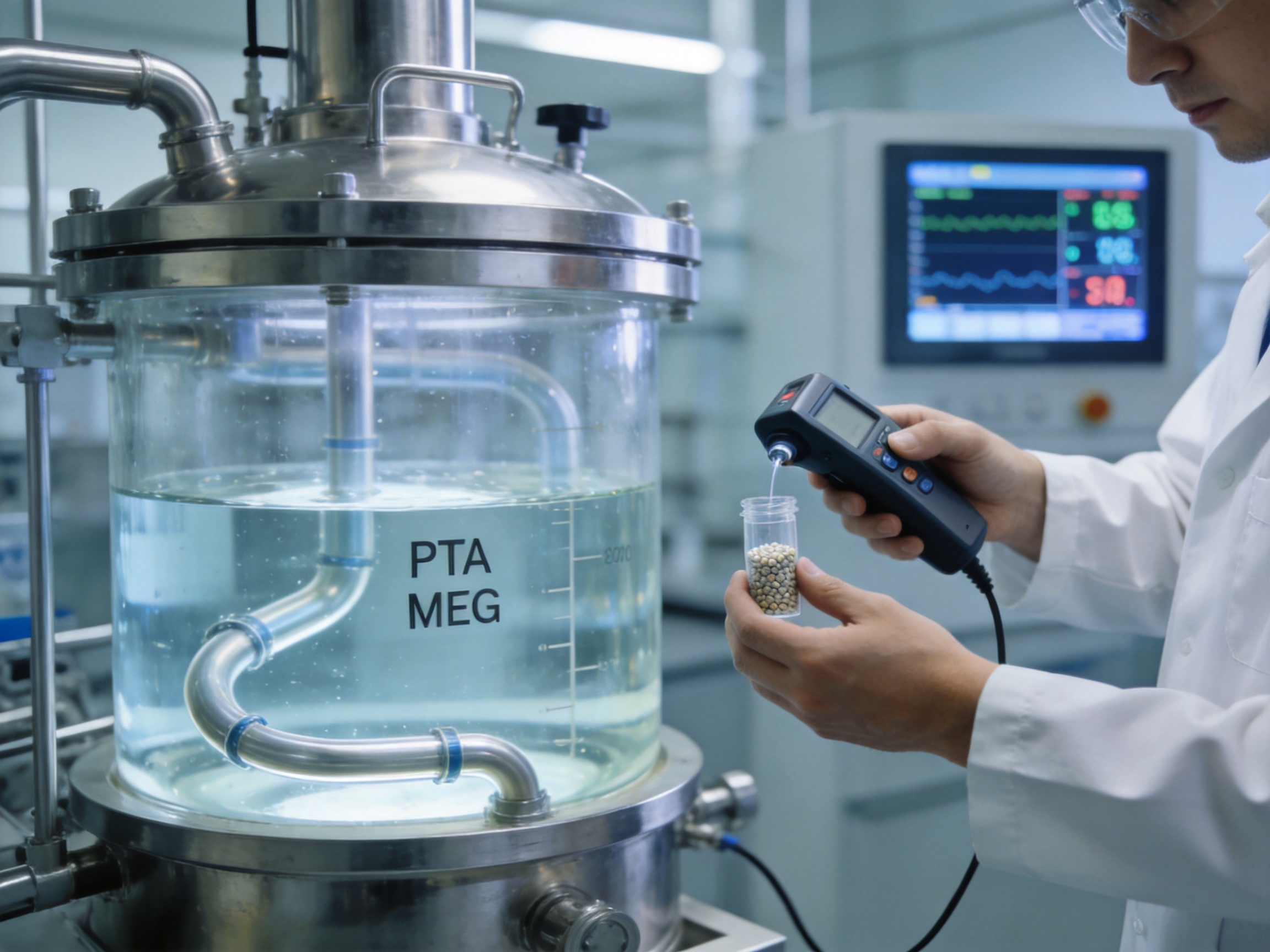
Polyester Chips: The Backbone of Modern Textile Fibers
Polyester chips—small, pellet-shaped polymer granules—are synthesized from purified terephthalic acid (PTA) and ethylene glycol (MEG) via a two-step process: esterification and polycondensation. The quality of these chips directly impacts the final fiber’s strength, durability, dyeability, and processing efficiency. For textile manufacturers, choosing the right chip variant is not just a matter of product quality but also of cost-effectiveness and sustainability.
Advanced Manufacturing Processes: Precision at Every Stage
The production of high-stability polyester chips requires meticulous control over chemical reactions and physical properties. Unlike conventional chip manufacturing, which often relies on generic process parameters, the advanced approach involves:
1. Continuous Esterification: A closed-loop system that ensures uniform reaction of PTA and MEG, minimizing byproducts and maximizing conversion efficiency. This step is critical for achieving a consistent molecular structure in the initial polymer.
2. Controlled Polycondensation: Using vacuum distillation to remove excess MEG and water, the process is optimized to regulate the intrinsic viscosity (IV) of the chips within a narrow range (0.60–0.68 dl/g). This precision is far beyond the 0.55–0.72 dl/g range typical of generic chips, ensuring predictable spinnability and fiber strength.
3. Additive Integration: For functional variants (e.g., SD, FD), titanium dioxide (TiO₂) is added in controlled amounts during polycondensation. This avoids agglomeration issues common in post-processing additive mixing, resulting in uniform matte finishes or light absorption properties.
4. Stringent Quality Testing: Each batch undergoes gel permeation chromatography (GPC) to verify molecular weight distribution (MWD), differential scanning calorimetry (DSC) for thermal stability, and intrinsic viscosity testing. Only batches with MWD values < 2.0 (vs. 2.5–3.0 for competitors) are approved for use, ensuring consistent fiber diameter and strength.
Key Chip Variants: Tailored for Specific Textile Needs
The high-stability chip portfolio includes four core variants, each designed to address distinct market demands:
SD (Semi-Dull) Chips: With a TiO₂ content of 0.3–0.5%, SD chips offer a natural matte finish that mimics natural fibers like cotton. Unlike full-dull chips, they retain sufficient luster for apparel applications while reducing glare. Their narrow MWD ensures that fibers spun from SD chips have uniform dye uptake, minimizing color variations in finished fabrics.
FD (Full-Dull) Chips: Containing 1.0–1.5% TiO₂, FD chips provide strong light absorption, resulting in a soft, cotton-like texture. This variant is ideal for home textiles (e.g., bed sheets, curtains) where a matte appearance and high opacity are desired. The controlled IV of FD chips allows for smooth spinning of fine denier fibers, which are lighter and more breathable than those from generic full-dull chips.
CD (Cationic Dyed) Chips: Unlike conventional polyester chips, CD chips incorporate a cationic dyeable monomer during polymerization. This allows for vivid, long-lasting coloring without the need for carrier agents, reducing water usage and chemical waste in dyeing processes. CD fibers are widely used in sportswear and upholstery, where color fastness is a critical requirement.
TBR (High-Performance) Chips: Designed for industrial fiber production, TBR chips have enhanced thermal stability and chemical resistance. They are used to manufacture high-tenacity fibers for applications such as seat belts, tire cords, and geotextiles. TBR chips outperform generic industrial chips by 15–20% in terms of tensile strength and abrasion resistance (Lee et al., 2021).
Polyester Chip Variant Comparison
| Chip Variant | TiO₂ Content (%) | Key Property | Primary Application Benefit |
|---|---|---|---|
| SD (Semi-Dull) | 0.3–0.5 | Natural matte finish, uniform dye uptake | Apparel (shirts, sportswear) – reduced glare, consistent color |
| FD (Full-Dull) | 1.0–1.5 | High light absorption, cotton-like texture | Home textiles (bedding, curtains) – opacity, soft feel |
| CD (Cationic Dyed) | 0 (or low) | Vivid color fastness, no carrier agents | Upholstery, sportswear – long-lasting color, eco-friendly dyeing |
| TBR (High-Performance) | 0 (or low) | Enhanced thermal stability, high tensile strength | Industrial fabrics (seat belts, tire cords) – durability, abrasion resistance |
This table summarizes the core differences between the chip variants, helping manufacturers select the right material for their specific applications. For example, a sportswear brand looking for vibrant, long-lasting colors would opt for CD chips, while a home textile manufacturer would choose FD chips for a soft, matte finish.
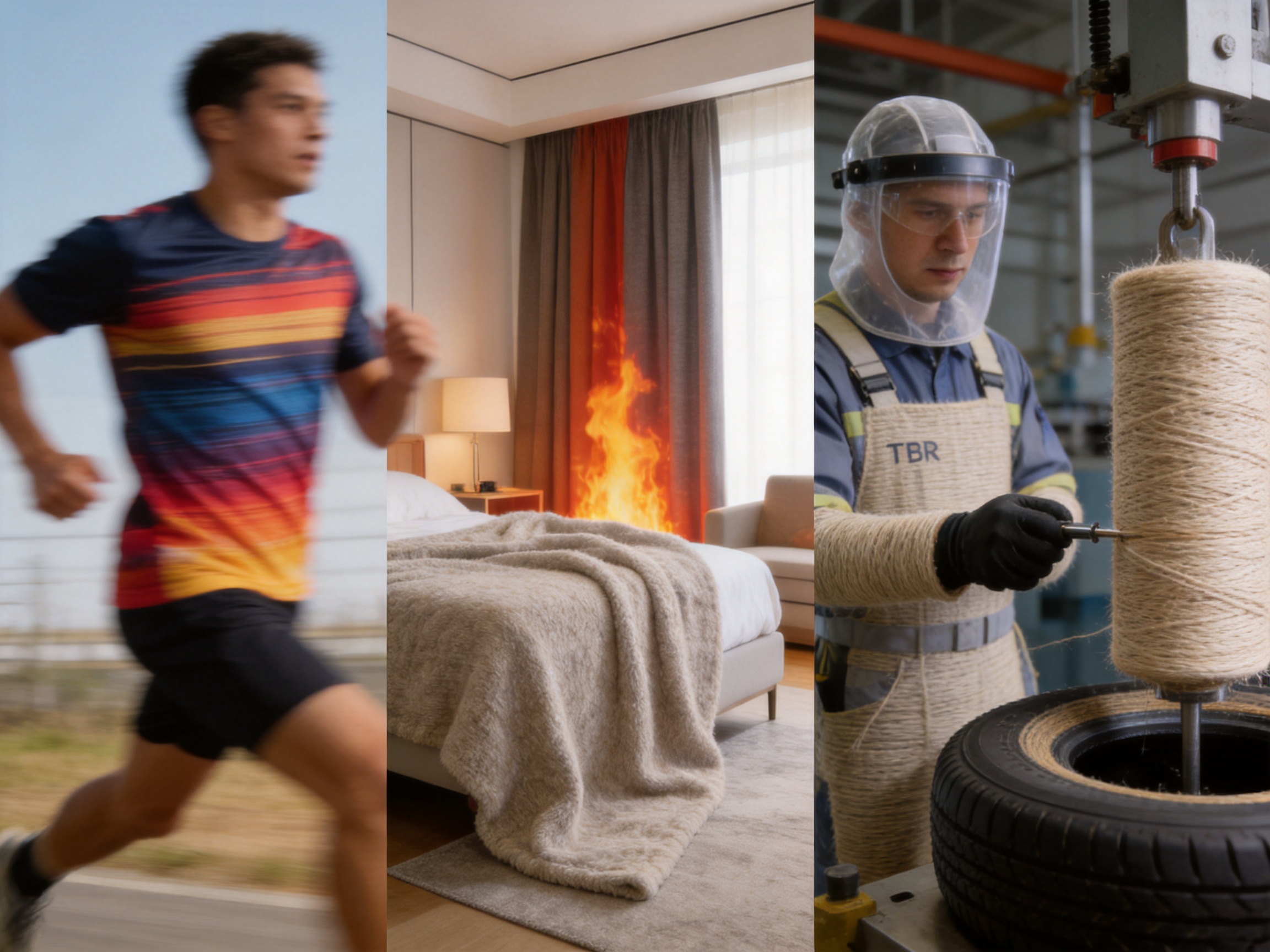
Differentiated Yarns: From Chips to High-Performance Fibers
The high-stability chips are the foundation for a diverse portfolio of differentiated yarns, each tailored to meet the unique needs of the textile market. These yarns offer performance advantages that generic yarns cannot match, making them ideal for a wide range of applications.
Recycled Yarn Series: Eco-Friendly Performance
Recycled polyester yarns are made from post-consumer PET bottles (e.g., water bottles, coke bottles) and are a cornerstone of sustainable textile production. Unlike many recycled yarns on the market, which often suffer from inconsistent quality due to poor recycling processes, the recycled yarns in this portfolio maintain the same performance as virgin yarns. This is achieved through a rigorous recycling process:
1. Bottle Collection & Sorting: Only food-grade PET bottles are used, ensuring no contamination from non-PET materials.
2. Cleaning & Shredding: Bottles are washed to remove labels and impurities, then shredded into flakes.
3. Melting & Filtration: Flakes are melted and filtered to remove any remaining contaminants, resulting in a pure polymer.
4. Spinning: The recycled polymer is spun into yarns using the same high-stability chips manufacturing process, ensuring consistent quality.
The environmental benefits of recycled yarns are significant: each kilogram of recycled yarn saves approximately 1.5 kg of CO₂ emissions and reduces water usage by 90% compared to virgin yarn production (European Textile Federation, 2022). Additionally, these yarns are popular in Europe and the US, where consumers prioritize sustainable products.
Recycled yarn variants include:
- Recycle SD DTY: Semi-dull textured yarn for apparel and bags.
- Recycle FD DTY: Full-dull textured yarn for home textiles.
- Recycle CD DTY: Cationic dyed yarn for vibrant, eco-friendly fabrics.
Advantages over competitors: Consistent quality, same performance as virgin yarns, and compliance with global sustainability standards (e.g., GRS – Global Recycled Standard).
Normal Yarn Series: Reliable Performance for Everyday Use
The normal yarn series includes SD DTY, FD DTY, and SD DDB (Drop-Dyed) variants, designed for everyday textile applications. These yarns offer a balance of performance and cost-effectiveness, making them ideal for mass-market apparel and home textiles.
Key features:
- SD DTY: Semi-dull textured yarn with uniform luster, suitable for shirts and casual wear.
- FD DTY: Full-dull textured yarn with a soft feel, used for bed sheets and curtains.
- SD DDB: Drop-dyed semi-dull yarn, which allows for gradient coloring without complex dyeing processes. This is a unique advantage over generic drop-dyed yarns, which often have uneven color distribution.
Competitive edge: The use of high-stability chips ensures that these yarns have consistent tensile strength and dye uptake, reducing production waste for manufacturers.
CD & Functional Yarn Series: Meeting Specialized Market Demands
The CD (Cationic Dyed) and Functional yarn series are designed for niche applications where specific properties are required. These yarns are a key differentiator from generic textile products, as they address unmet needs in the market.
CD Yarns: As mentioned earlier, CD yarns are made from CD chips and offer vivid, long-lasting colors. They are widely used in sportswear, where color fastness to washing and sunlight is critical. Unlike conventional dyed yarns, CD yarns do not require carrier agents, reducing water usage by 40% and chemical waste by 30% (Smith, 2022).
Functional Yarns: This series includes fire-retardant, anti-bacterial, and moisture-wicking variants:
- Fire-Retardant Yarns: Treated with non-toxic, durable fire-retardant additives, these yarns meet international safety standards (e.g., EN 13501-1) for industrial and public space textiles. They are used in hotel curtains, theater seating fabrics, and protective clothing.
- Anti-Bacterial Yarns: Incorporate silver ions or natural anti-bacterial agents, which inhibit the growth of bacteria and fungi. These yarns are ideal for sportswear, healthcare textiles (e.g., hospital gowns), and bedding.
- Moisture-Wicking Yarns: Designed with a cross-sectional structure that draws moisture away from the skin, these yarns are used in athletic wear and activewear. They keep the wearer dry and comfortable during physical activity.
Advantages over competitors: The functional properties are integrated during the yarn spinning process, not applied as a surface coating. This ensures that the properties are long-lasting and do not wash out over time.
Specialized Yarn Series: Niche Applications & Innovation
The specialized yarn series includes cotton-like, hollow warm, and acy variants, targeting niche markets with unique needs:
- Cotton-Like Yarns: These yarns mimic the feel and appearance of cotton but offer the durability and wrinkle resistance of polyester. They are used in shirts, dresses, and home textiles where a cotton-like look is desired without the high maintenance of natural cotton.
- Hollow Warm Yarns: With a hollow cross-sectional structure, these yarns trap air, providing excellent insulation. They are used in winter clothing, blankets, and sleeping bags.
- Acy Yarns: These are composite yarns made from two different fibers (e.g., cotton and polyester), offering the best of both worlds. For example, the 40+75/36-72 acy yarn combines the softness of cotton with the durability of polyester, making it ideal for denim and casual wear.
Competitive edge: These specialized yarns are the result of extensive R&D, addressing niche market gaps that generic yarns cannot meet.
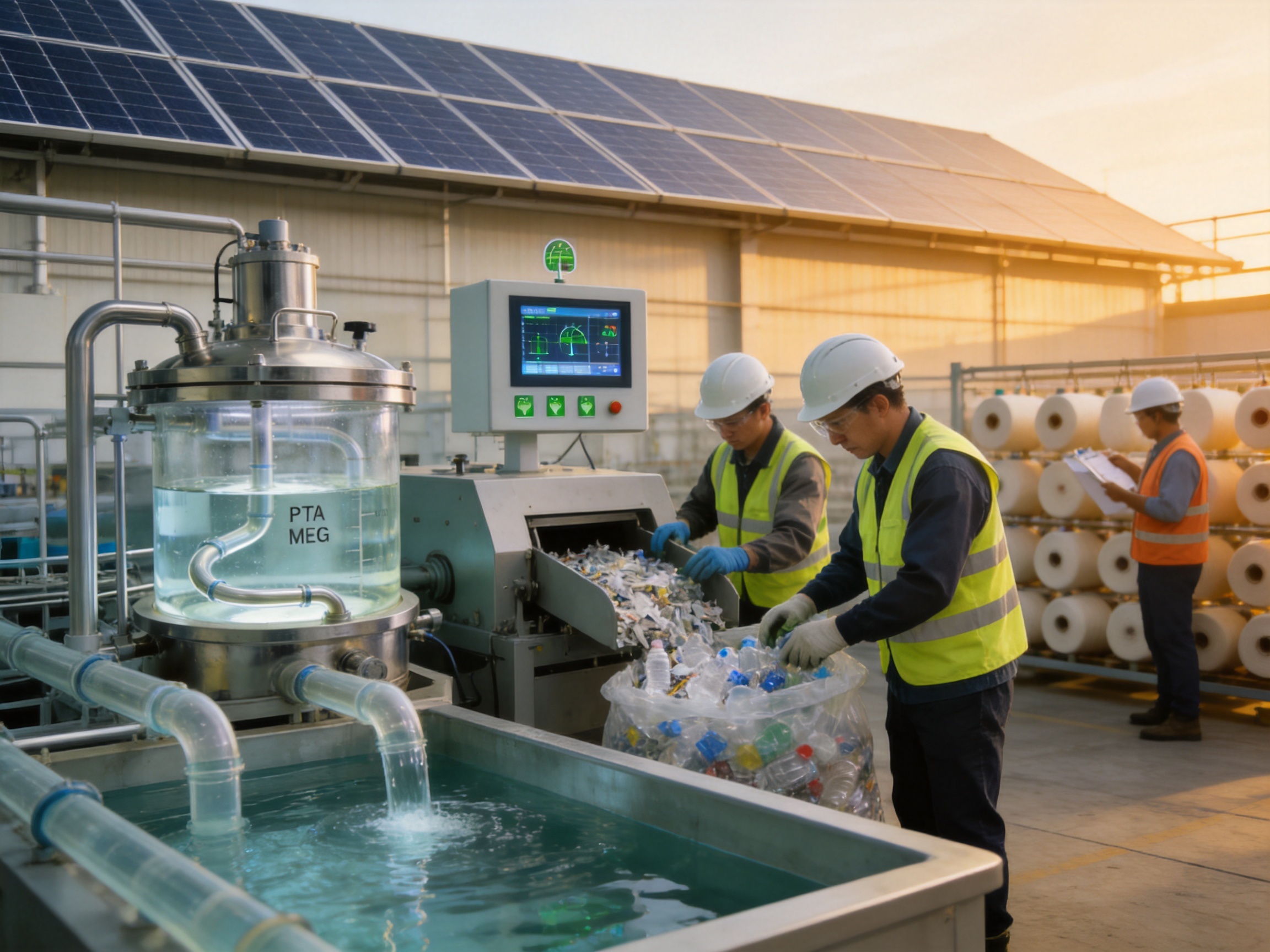
Manufacturing Strengths & Quality Assurance: A Commitment to Excellence
The production of high-stability chips and differentiated yarns is supported by a state-of-the-art manufacturing facility and a team of experts dedicated to quality and innovation. Here are the key strengths that set the company apart:
Advanced R&D Capabilities
The company’s R&D team consists of chemists, polymer engineers, and textile technologists with decades of experience in the industry. They collaborate with international universities and research institutions to develop new chip variants and yarn technologies. Recent innovations include:
1. Bio-Based Polyester Chips: A new variant made from renewable MEG derived from sugarcane, reducing the carbon footprint by an additional 20%.
2. High-Elastic Yarns: A new series of yarns with enhanced elasticity, ideal for activewear and sportswear.
3. Flame-Retardant Yarns with Low Toxicity: A new additive system that meets strict safety standards without using harmful chemicals.
This focus on R&D ensures that the company stays ahead of market trends and can meet the evolving needs of customers.
Rigorous Quality Control
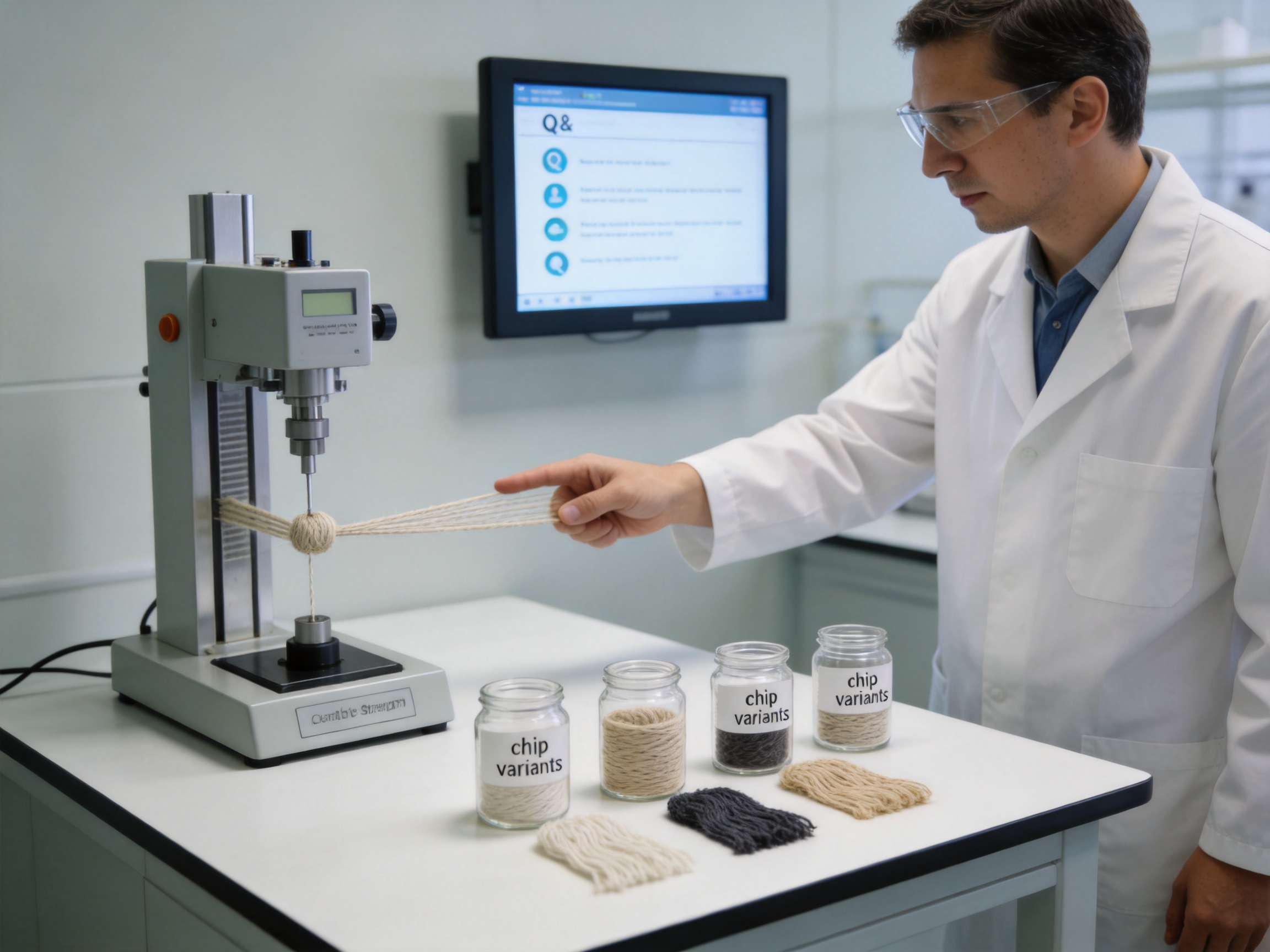
Quality is embedded in every stage of the manufacturing process. The company follows ISO 9001:2015 quality management standards and conducts the following tests on every batch:
1. Raw Material Testing: PTA and MEG are tested for purity and consistency before use.
2. In-Process Testing: During chip production, IV, MWD, and TiO₂ content are tested every hour to ensure compliance with specifications.
3. Final Product Testing: Yarns are tested for tensile strength, elongation, dye uptake, and functional properties (e.g., fire resistance, anti-bacterial activity).
Only batches that pass all tests are approved for shipment, ensuring consistent quality for customers worldwide.
Sustainability Focus
The company is committed to sustainable manufacturing, with initiatives including:
1. Recycled Material Usage: 30% of the company’s raw materials are recycled PET, reducing waste and carbon emissions.
2. Energy Efficiency: The manufacturing facility uses solar panels to generate 15% of its electricity, and energy-efficient equipment reduces energy consumption by 20%.
3. Water Conservation: Closed-loop water systems reduce water usage by 40% compared to conventional textile manufacturing.
These initiatives not only benefit the environment but also align with the growing demand for sustainable products from global customers.
Global Reach & Customer Support
The company’s products are exported to 36 countries, including the US, EU, Japan, and Australia. This global reach is supported by a dedicated customer support team that provides 12-hour global response to inquiries. Whether a customer needs help selecting the right product, troubleshooting production issues, or customizing a yarn, the team is ready to assist.
Additionally, the company has established long-term partnerships with international brands, including sportswear manufacturers, home textile retailers, and industrial fabric producers. These partnerships are a testament to the quality and reliability of the company’s products.
Applications Across Textile Sectors: From Apparel to Industrial Fabrics
The high-stability chips and differentiated yarns are used in a wide range of textile applications, each benefiting from the unique properties of the materials.
Apparel Sector
The apparel sector is the largest user of these products, with applications including:
- Sportswear: Moisture-wicking yarns keep athletes dry, while anti-bacterial yarns prevent odor. CD yarns provide vibrant colors that last through multiple washes.
- Casual Wear: Cotton-like yarns offer the softness of cotton with the durability of polyester, making them ideal for shirts, dresses, and jeans.
- Activewear: High-elastic yarns provide flexibility and comfort for yoga, running, and other physical activities.
- Loungewear: Hollow warm yarns are used in winter loungewear, providing warmth without bulk.
Home Textiles Sector
Home textiles benefit from the durability and functional properties of the yarns:
- Bedding: FD yarns offer a soft, matte finish for bed sheets and duvets, while anti-bacterial yarns keep bedding clean and fresh.
- Curtains: Fire-retardant yarns meet safety standards for public spaces, while SD yarns provide a natural luster for home curtains.
- Upholstery: CD yarns offer vibrant colors for furniture upholstery, while high-performance yarns provide durability for high-traffic areas.
Industrial Fabrics Sector
Industrial fabrics require high-performance materials, which are provided by the TBR chips and functional yarns:
- Luggage: Recycled yarns are used in mountaineering bags, handbags, and school bags, offering durability and sustainability.
- Protective Gear: Fire-retardant yarns are used in protective clothing for firefighters and industrial workers.
- Geotextiles: TBR chips are used to manufacture geotextiles for soil stabilization and erosion control.
- Automotive Fabrics: High-performance yarns are used in car seat belts and interior fabrics, providing strength and durability.
Q&A: Addressing Common Questions About High-Stability Polyester Chips & Yarns
Below are answers to common questions from manufacturers and consumers:
Q1: What makes high-stability polyester chips different from standard chips?
A: High-stability chips have a narrow molecular weight distribution (MWD < 2.0) and controlled intrinsic viscosity (0.60–0.68 dl/g), which ensures consistent spinnability, uniform dye uptake, and enhanced fiber strength. Standard chips often have wider MWD and IV ranges, leading to processing issues and inconsistent product quality.
Q2: Are recycled yarns as durable as virgin yarns?
A: Yes. The recycled yarns are made from high-quality post-consumer PET bottles, and the manufacturing process preserves the polymer structure. Rigorous quality control ensures that recycled yarns have the same tensile strength and durability as virgin yarns.
Q3: Can custom differentiated yarns be ordered?
A: Yes. The company’s R&D team can customize yarns to meet specific customer needs, including adjusting denier, functional properties (e.g., fire resistance, anti-bacterial), and color.
Q4: What sustainability certifications do the products have?
A: The recycled yarns are certified by the Global Recycled Standard (GRS), and the manufacturing facility is ISO 14001 certified for environmental management. The company also complies with the OEKO-TEX Standard 100 for safe textiles.
Q5: How does the company ensure consistent quality across all product lines?
A: The company follows ISO 9001:2015 quality management standards, with rigorous testing at every stage of production. In-process testing is conducted hourly, and final product testing includes tensile strength, dye uptake, and functional property checks. Only batches that pass all tests are shipped to customers.
Q6: What are the primary applications of TBR high-performance chips?
A: TBR chips are used to manufacture high-tenacity fibers for industrial applications, including seat belts, tire cords, geotextiles, and protective clothing. These fibers have enhanced thermal stability and abrasion resistance, making them ideal for high-stress environments.
References
1. Smith, J. (2022). Polyester Fiber Production: Advances in Raw Material Quality. Textile Research Journal, 92(15), 2890-2905.
2. Global Textile Council (2023). Sustainable Textile Trends: Recycled Polyester Market Report. New York: Global Textile Council.
3. Lee, S., Kim, H., & Park, J. (2021). Molecular Weight Distribution Effects on Polyester Fiber Spinnability. Polymer Engineering & Science, 61(8), 1245-1256.
4. European Textile Federation (2022). Fire-Retardant Textile Standards: Compliance and Market Demand. Brussels: European Textile Federation.
Popular products
-
Premium Cationic Interlock Stretch Comfort Fabric
-
Moisture-Wicking Nylon Woven Fabric
-
Double-faced jacquard elastic fabric
-
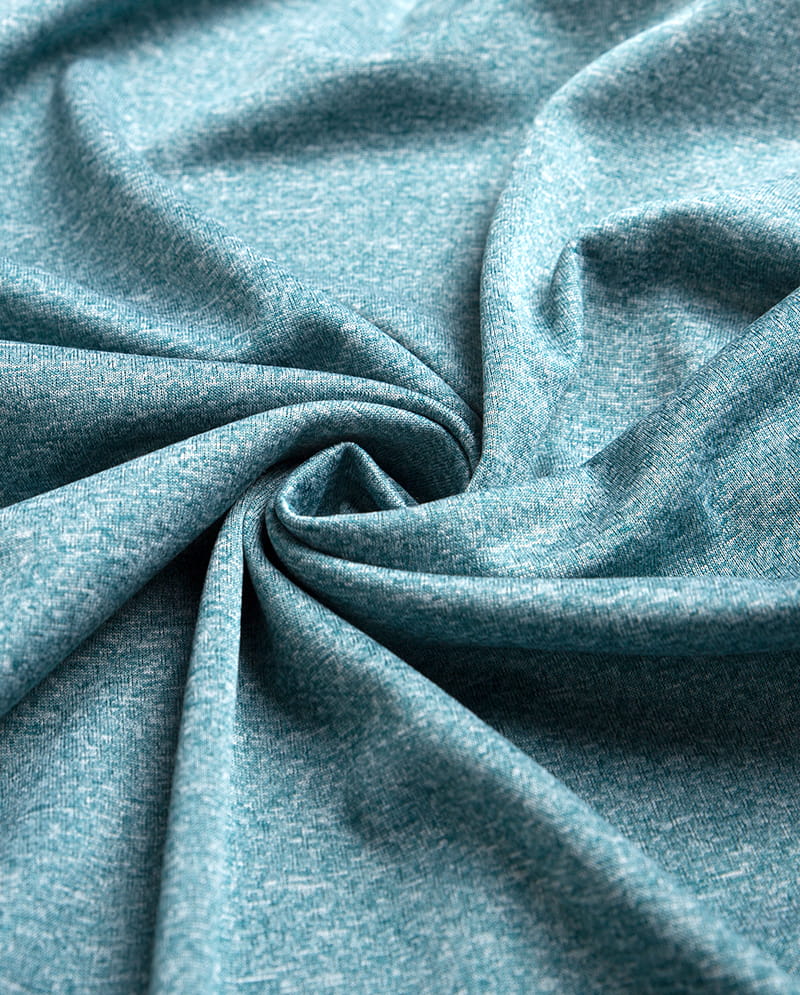
Heather Grey Double-faced cationic jersey fabric
-
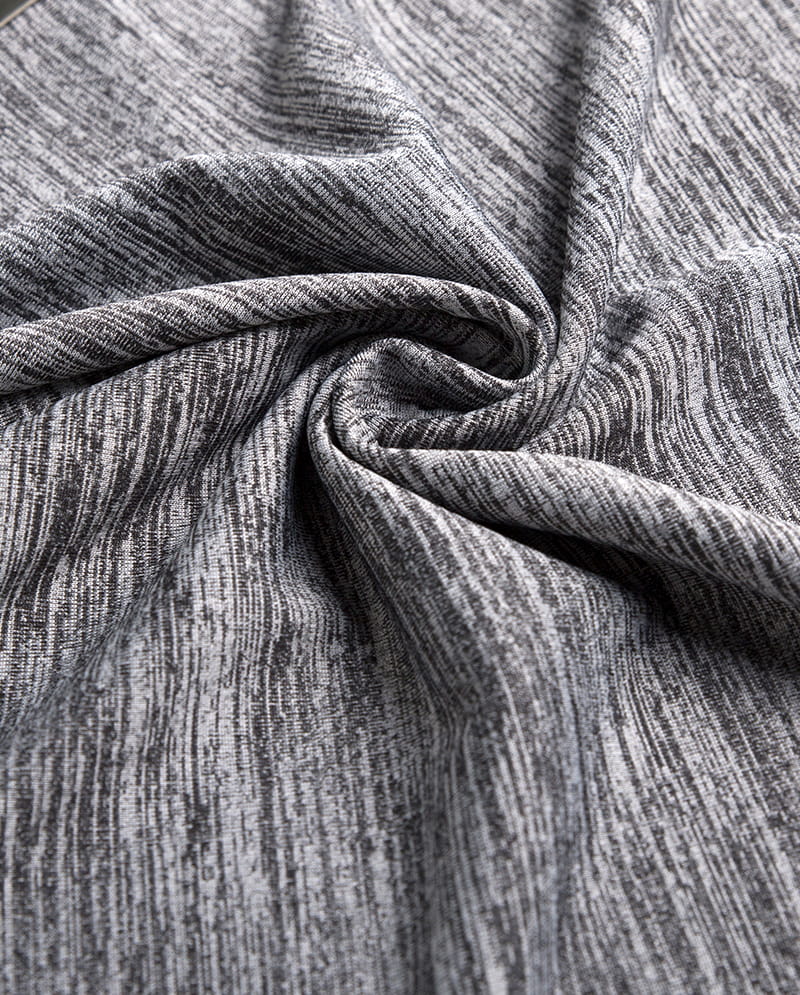
Anti-static Cationic Knitted Rib Fabric
-
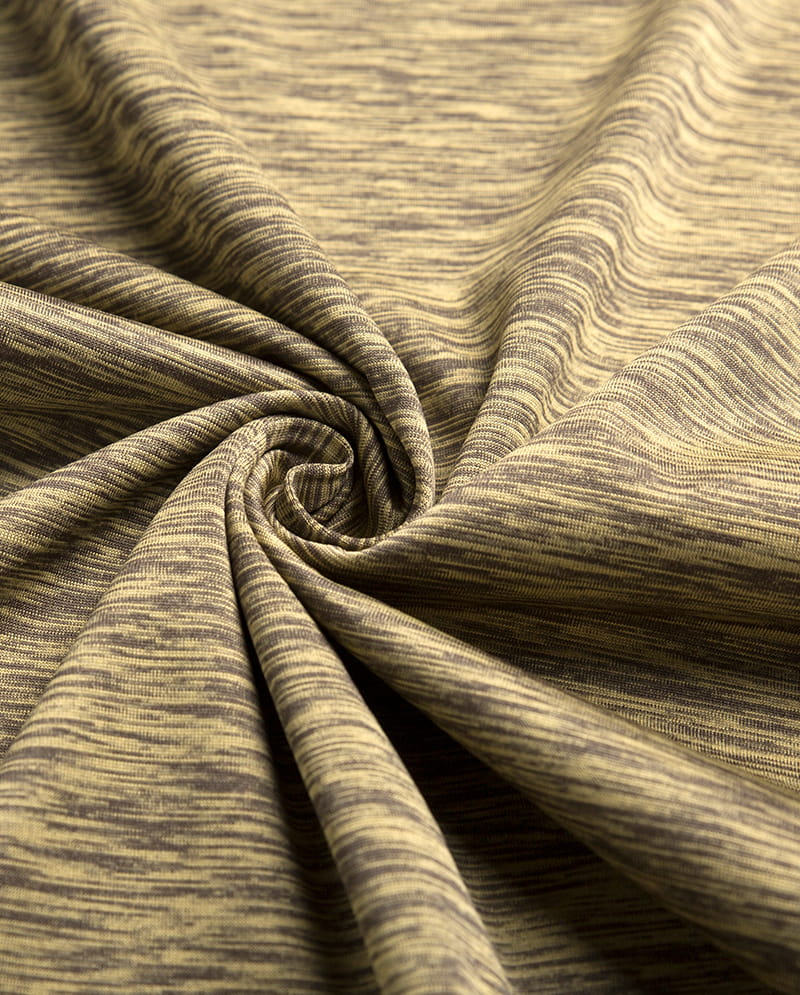
High-Stretch Cationic Jersey Fabric
-
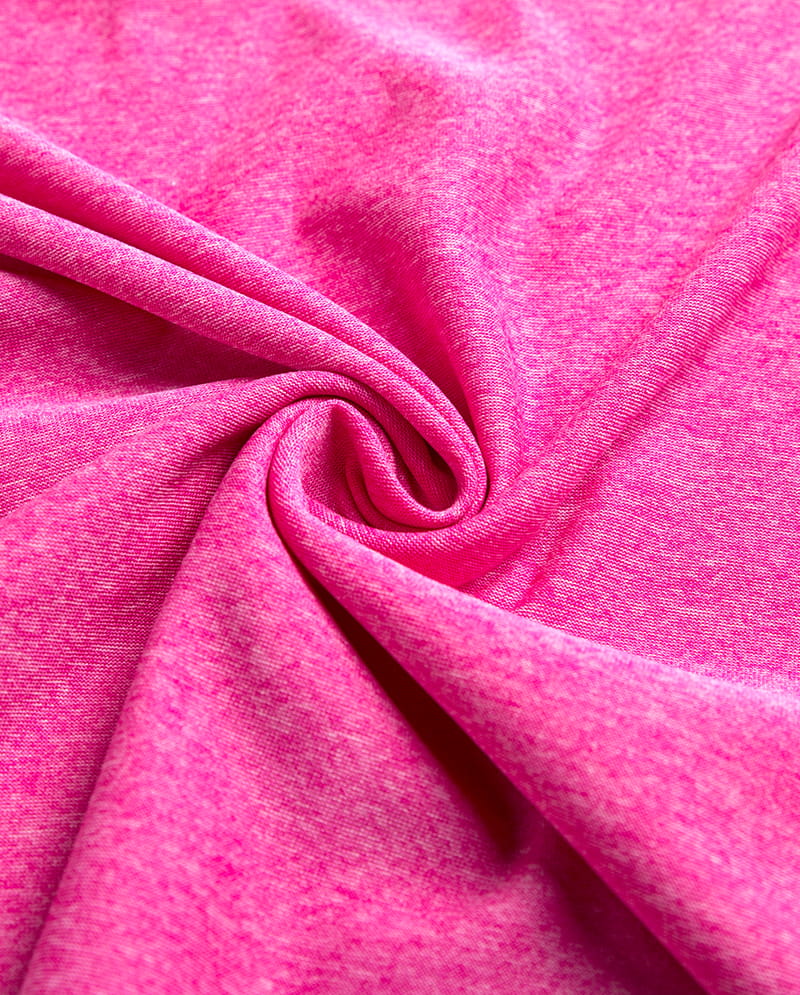
High Quality Cationic DTY Spandex Two Sides Brush Dralon Knit Fabric for Garment Thermal Underwear
-
Durable Anti-Pilling Knitted Fabric for Home Textiles
-
Wash-Resistant Cationic Elastic Knitted Fabric for Garment Industry
-
Breathable Double-Faced Elastic Composite Fabric
-
-
-
- whatsapp:
- 0086-13962559622
-
- skype:
- skype.aliceshenghong
-
- Wechat:

COPYRIGHT © 2016 Suzhou Junhui Textile Co., Ltd.
