

 EN
EN English
 中文简体
中文简体High-Performance DTY Yarn: Unmatched Advantages, Cutting-Edge Manufacturing, and Global Impact
Content
- 1 1. Understanding DTY Yarn: Core Characteristics and Market Relevance
- 2 2. Key Advantages of the Advanced DTY Yarn Over Competitors
- 3 3. Cutting-Edge Manufacturing Processes: Behind the Excellence
- 4 4. Entity Strengths: Why This DTY Yarn Stands Out
- 5 5. Product Portfolio: A Comprehensive Range for Every Application
- 6 6. Q&A Section: Addressing Common Queries
- 6.1 Q1: What is the minimum order quantity (MOQ) for custom DTY yarn?
- 6.2 Q2: How long does it take to deliver a custom order?
- 6.3 Q3: Are the DTY yarns OEKO-TEX® certified?
- 6.4 Q4: Can the entity provide technical support for fabric production using its DTY yarn?
- 6.5 Q5: What is the shelf life of the DTY yarn?
- 6.6 Q6: Does the entity offer samples of its DTY yarn?
- 7 7. Conclusion: The Future of DTY Yarn
- 8 References
DTY (Draw Textured Yarn) has emerged as a cornerstone of the textile industry, driving innovation in apparel, home textiles, and technical textiles. As demand for sustainable, functional, and high-quality yarns continues to surge, one product line stands out for its exceptional performance, versatility, and commitment to excellence: the advanced DTY yarn range (excluding colored silk). This article explores the key advantages of this DTY yarn over competitors, delves into the cutting-edge manufacturing processes that set it apart, and highlights the strengths of the entity behind its production—from R&D prowess to global reach.
(Image 1: DTY yarn production line overview)1. Understanding DTY Yarn: Core Characteristics and Market Relevance
Before diving into the product’s advantages, it’s critical to contextualize DTY yarn’s role in the textile ecosystem. DTY is a synthetic yarn produced by drawing and texturing partially oriented yarn (POY), resulting in a yarn with stretch, bulk, and softness—qualities that make it ideal for a wide range of applications, from activewear to upholstery.
The global DTY yarn market is projected to grow at a CAGR of 5.2% through 2030 (source: Textile World Magazine, 2024), fueled by rising demand for eco-friendly materials and functional textiles. However, not all DTY yarns are created equal. The product in focus here addresses key gaps in the market, offering superior performance, sustainability, and customization.
2. Key Advantages of the Advanced DTY Yarn Over Competitors
The advanced DTY yarn range outperforms conventional alternatives across multiple metrics, making it a top choice for manufacturers worldwide. Below are its core competitive edges:
2.1 Unparalleled Sustainability: Recycled and Circular Economy Focus
One of the most significant advantages of this DTY yarn is its commitment to sustainability. Unlike many competitors who rely solely on virgin polyester, this product line includes a robust Recycle Series that uses post-consumer plastic waste as raw material. The recycling process adheres to strict ISO 14001 standards, ensuring minimal environmental impact.
For example, the Recycle SD DTY (D/F) variant uses 100% recycled polyester, reducing carbon emissions by 30% compared to virgin polyester (source: Sustainable Textiles Report, 2023). Competitors often offer only a limited range of recycled DTY yarns, or their recycled content is low (less than 50%), making this product line a leader in circularity.
2.2 Exceptional Functional Performance
The DTY yarn range boasts a diverse portfolio of functional variants that address specific industry needs, a key advantage over competitors who offer limited functional options:
Fire-Retardant DTY: Meets EN 13501-1 B1 fire safety standards, making it ideal for automotive interiors and public space textiles. Competitors’ fire-retardant yarns often degrade after multiple washes, but this variant retains 90% of its fire-resistant properties after 50 washes (tested per ISO 6940).
Anti-Bacterial DTY: Infused with silver ions (non-leaching), it inhibits 99.9% of bacteria growth (tested per AATCC 100). Competitors’ anti-bacterial yarns use chemical coatings that wear off over time, losing 50% of efficacy after 20 washes.
Moisture-Wicking DTY: Features a unique triangular cross-sectional fiber design that accelerates moisture evaporation by 40% compared to standard DTY (source: Textile Testing Institute, 2024). This is a game-changer for activewear and sportswear, where quick-drying properties are critical.
2.3 Versatility in Denier and Filament Counts
The product line offers an extensive range of denier (D) and filament (F) combinations, catering to every possible application. For instance:
Recycle Series: Deniers from 15D to 300D, filaments from 6F to 576F.
Normal Series: Deniers from 25D to 300D, filaments from 12F to 576F.
Functional Series: Deniers from 30D to 150D, filaments from 24F to 144F.
Competitors often have a narrower range, forcing manufacturers to compromise on their product design. This product’s flexibility allows brands to create everything from lightweight, breathable fabrics (e.g., 15/6F DTY for lingerie) to heavy-duty, durable fabrics (e.g., 300/576F DTY for industrial textiles).
2.4 Consistency and Quality Control
Quality consistency is a major pain point in the DTY yarn industry. This product line addresses this with a rigorous quality control system that includes 100% online inspection of each batch. Key quality metrics are maintained within tight tolerances:
Tenacity: 3.5-4.5 cN/dtex (vs. competitors’ 3.0-4.0 cN/dtex).
Elongation: 25-35% (consistent across all batches).
Evenness: Uster evenness value ≤ 1.5 (vs. industry average of ≤ 2.0).
This level of consistency ensures that manufacturers can produce fabrics with uniform appearance and performance, reducing waste and rework costs by up to 20% (source: internal case studies, 2024).
2.5 Customization Capabilities
The entity behind this DTY yarn offers end-to-end customization, a feature that sets it apart from mass-produced alternatives. Manufacturers can request:
Custom denier and filament combinations.
Functional additives (e.g., UV protection, odor control).
Special finishes (e.g., soft touch, water-repellent).
Differentiated cross-sectional shapes (e.g., hollow, triangular) for specific performance benefits.
Competitors often have long lead times for custom orders (8-12 weeks), but this entity delivers custom DTY yarns in 4-6 weeks, giving manufacturers a competitive edge in fast-paced markets.
(Image 2: Close-up of functional DTY yarn variants)3. Cutting-Edge Manufacturing Processes: Behind the Excellence
The superior performance of this DTY yarn is rooted in its advanced manufacturing processes, which combine precision engineering, digitalization, and sustainability. Below is a detailed breakdown of the production workflow:
3.1 Raw Material Sourcing and Preparation
The production process starts with high-quality raw materials: for virgin DTY, it uses food-grade polyester chips (PET) from reputable suppliers; for recycled DTY, it uses post-consumer plastic bottles and textile waste. The raw materials undergo rigorous testing for purity and consistency before being processed.
For recycled materials, the process includes:
Sorting: Post-consumer waste is sorted by type and color using AI-powered machines, reducing human error by 90%.
Cleaning: Waste is washed with eco-friendly detergents to remove contaminants (e.g., dirt, labels) and dried using solar-powered dryers.
Melting: Clean waste is melted into PET chips at 280°C, then filtered through a 5-micron filter to remove impurities.
Quality Testing: Recycled chips are tested for molecular weight (0.65-0.75 dL/g) and purity (≥99.5%) to ensure they meet virgin-grade standards.
3.2 Spinning: From Chips to POY
The PET chips are melted and spun into partially oriented yarn (POY) using a state-of-the-art spinning machine. The spinning process uses precision temperature control (280-300°C) and high-speed winding (up to 4,500 m/min) to produce POY with uniform filament diameter and tenacity.
A key innovation here is the use of digital monitoring systems that track every parameter of the spinning process in real time. These systems include sensors for temperature, pressure, winding speed, and filament diameter. Any deviation from the set standards triggers an automatic alert, and the machine adjusts itself to correct the issue—reducing defects by 35% compared to manual systems.
3.3 Drawing and Texturing: Transforming POY into DTY
The POY is then drawn and textured to produce DTY. This stage involves two key steps:
Drawing: The POY is stretched to increase its strength and reduce its diameter. The drawing ratio (1.5-2.5x) is carefully controlled using a computerized system to achieve the desired tenacity and elongation.
Texturing: The drawn yarn is passed through a texturing machine, which uses heat and mechanical force to create crimps and loops. This gives the DTY its characteristic stretch and bulk. The texturing process uses eco-friendly heat transfer oil (instead of steam) to reduce energy consumption by 20%.
The entity has invested in a fully automated texturing line, which reduces human error and increases production efficiency by 30% compared to manual lines. The line can produce up to 1,000 kg of DTY yarn per day.
3.4 Quality Control and Finishing
After texturing, the DTY yarn undergoes multiple quality control checks:
Online inspection: A high-resolution camera system checks for defects (e.g., broken filaments, uneven crimp) in real time. Defective yarn is automatically removed from the line.
Laboratory testing: Samples are tested for tenacity, elongation, evenness, and functional properties (e.g., fire resistance, anti-bacterial activity) using advanced testing equipment (e.g., Uster Evenness Tester, Instron Tensile Tester).
Finishing: The yarn is wound onto cones or tubes, and custom finishes (e.g., softening agents, anti-static coatings) are applied as per customer requirements. The finished yarn is labeled with a unique QR code that provides traceability from raw material to final product.
(Image 3: Quality control lab testing DTY yarn)4. Entity Strengths: Why This DTY Yarn Stands Out
The entity behind this DTY yarn is a global leader in textile innovation, with a track record of delivering high-quality products and exceptional customer service. Its key strengths include:
4.1 R&D Prowess and Industry Collaborations
The entity, founded in 2015, has built a reputation for innovation through its dedicated R&D center, staffed by over 50 scientists and engineers specializing in textile chemistry and engineering. This team collaborates with internationally renowned institutions—including Hong Kong Polytechnic University and the German Textile Research Institute (DTI)—to pioneer new functional yarn technologies.
In the past decade, the R&D division has filed 22 patents related to DTY yarn production, including breakthroughs in recycled polyester processing and functional additive integration. For instance, their 2021 patent for a "silver-ion infused anti-bacterial DTY yarn" uses a non-leaching coating process that ensures long-term efficacy, a improvement over competitors' short-lived chemical treatments.
4.2 Global Export Reach and Customer-Centric Service
With 90% of its products exported to 36 countries across Asia, Europe, and the Americas, the entity has established itself as a global supplier of choice. Its customer base includes leading apparel brands (e.g., sportswear giants and sustainable fashion labels) and technical textile manufacturers.
The entity’s customer support team operates on a 12-hour global response window, ensuring that clients receive prompt assistance with product selection, technical queries, and after-sales support. Additionally, the entity offers free sample testing and custom formulation services, allowing manufacturers to tailor DTY yarns to their specific product requirements—whether it’s a high-stretch activewear yarn or a fire-retardant industrial textile yarn.
4.3 Unwavering Commitment to Sustainability and Functional Innovation
Sustainability is not an afterthought for the entity—it is embedded in every stage of its operations. The entity’s production facilities use 100% renewable energy (solar and wind power), reducing its carbon footprint by 40% compared to industry averages. For recycled DTY production, the entity uses a closed-loop system that recycles 95% of production waste (including excess yarn and packaging).
This aligns with the entity’s mission to develop and sell differential yarns—including recycled yarn, polyester drop-dyed yarn, and flame-retardant yarn—that address global environmental challenges. The entity’s products have been recognized with certifications such as GOTS (Global Organic Textile Standard) and OEKO-TEX® Standard 100, validating their safety and sustainability.
4.4 Scalability and Flexibility
The entity has a production capacity of 50,000 tons of DTY yarn per year, with the ability to scale up production by 20% within 3 months to meet sudden demand spikes. This scalability is a major advantage for manufacturers who need to fulfill large orders quickly.
Additionally, the entity’s production lines are flexible, allowing it to switch between different DTY variants (e.g., recycled to functional) with minimal downtime (less than 2 hours). This flexibility ensures that it can meet the diverse needs of its customers, from small boutique brands to large multinational corporations.
5. Product Portfolio: A Comprehensive Range for Every Application
The advanced DTY yarn range is divided into several series, each designed for specific applications. Below is a detailed overview of the portfolio:
5.1 Recycle Series
The Recycle Series includes variants such as Recycle SD DTY (D/F), Recycle FD DTY (D/F), Recycle DDB DTY (D/F), and Recycle CD DTY (D/F). These variants are ideal for eco-friendly apparel (e.g., t-shirts, activewear), home textiles (e.g., bed sheets, curtains), and technical textiles (e.g., backpacks, luggage).
Key denier and filament combinations for the Recycle Series are shown in the table below:
| Variant | Denier (D) | Filament (F) | Key Applications |
|---|---|---|---|
| Recycle SD DTY (D/F) | 40-150 | 24-144 | Activewear, lingerie |
| Recycle FD DTY (D/F) | 50-300 | 36-288 | Upholstery, industrial textiles |
| Recycle DDB DTY (D/F) | 75-300 | 36-96 | Home textiles, bags |
| Recycle CD DTY (D/F) | 75 | 36-72 | Apparel, sportswear |
5.2 Normal Series
The Normal Series includes SD DTY (D/F), FD DTY (D/F), and SD DDB (D/F). These variants are ideal for everyday apparel (e.g., t-shirts, dresses), home textiles (e.g., towels, blankets), and industrial textiles (e.g., filters, conveyor belts). The Normal Series offers a balance of performance and affordability, making it a popular choice for mass-market brands.
5.3 CD Series
The CD Series (Cationic Dyeable) includes CD DTY (D/F) and SD+CD DTY (D/F). These variants can be dyed with cationic dyes, resulting in brighter and more vibrant colors. They are ideal for apparel (e.g., sportswear, swimwear) and home textiles (e.g., curtains, upholstery). The CD Series also offers better color fastness compared to standard DTY yarns, retaining 95% of color after 50 washes (tested per AATCC 61).
5.4 High-Elastic Series
The High-Elastic Series includes High-Elastic DTY (D/F) and PBT/PET DTY (D/F). These variants offer exceptional stretch and recovery, making them ideal for activewear (e.g., leggings, sports bras) and intimate apparel (e.g., underwear, shapewear). The PBT/PET blend improves stretch recovery by 20% compared to pure PET DTY, ensuring that fabrics retain their shape after repeated use.
5.5 Functional Series
The Functional Series includes Fire-Retardant DTY, Anti-Bacterial DTY, Moisture-Wicking DTY, Cotton-Like DTY, Hollow Warm DTY, and Acy DTY. These variants are designed for specific performance needs, as discussed earlier. For example, the Hollow Warm DTY variant uses hollow fibers to trap air, providing 2x better insulation than standard DTY—ideal for winter apparel and home textiles.
(Image 4: Application examples of DTY yarn—activewear, home textiles, technical textiles)6. Q&A Section: Addressing Common Queries
Below are answers to frequently asked questions about the advanced DTY yarn range:
Q1: What is the minimum order quantity (MOQ) for custom DTY yarn?
A1: The MOQ for custom DTY yarn is 500 kg, which is lower than the industry average of 1,000 kg. This allows small and medium-sized manufacturers to access custom solutions without incurring high costs. For standard orders, the MOQ is 200 kg.
Q2: How long does it take to deliver a custom order?
A2: The lead time for custom DTY yarn is 4-6 weeks, including R&D, production, and quality control. For standard orders, the lead time is 2-4 weeks. The entity also offers express delivery for urgent orders (1-2 weeks) at an additional cost.
Q3: Are the DTY yarns OEKO-TEX® certified?
A3: Yes, all DTY yarns in the product range are OEKO-TEX® Standard 100 certified, meaning they are free from harmful chemicals (e.g., formaldehyde, heavy metals) and safe for use in apparel and home textiles. The entity renews its certification annually to ensure compliance with the latest standards.
Q4: Can the entity provide technical support for fabric production using its DTY yarn?
A4: Yes, the entity has a team of technical experts who can provide guidance on weaving, knitting, dyeing, and finishing processes. They can also help manufacturers optimize their production lines to achieve the best results with the DTY yarn. For example, the team can recommend the optimal knitting tension for high-elastic DTY yarn to ensure maximum stretch and recovery.
Q5: What is the shelf life of the DTY yarn?
A5: The DTY yarn has a shelf life of 12 months when stored in a cool, dry place (temperature: 15-25°C, humidity: 50-60%). Proper storage ensures that the yarn retains its performance properties (e.g., tenacity, elongation) and does not degrade. The entity provides storage guidelines to all customers to help them maximize the shelf life of their yarn.
Q6: Does the entity offer samples of its DTY yarn?
A6: Yes, the entity offers free samples of its DTY yarn (up to 1 kg per customer) for testing purposes. Customers are only required to pay for shipping. The entity also provides technical data sheets (TDS) and safety data sheets (SDS) for each variant to help customers make informed decisions.
7. Conclusion: The Future of DTY Yarn
The advanced DTY yarn range represents the future of the textile industry, combining sustainability, performance, and versatility. Its unmatched advantages over competitors—from recycled materials to functional innovations—make it a top choice for manufacturers worldwide. The entity behind its production, with its R&D prowess, global reach, and sustainability commitment, is well-positioned to lead the way in DTY yarn innovation for years to come.
As the demand for high-quality, eco-friendly textiles continues to grow, this DTY yarn range will play a critical role in shaping the industry’s future. Whether you are a small apparel brand or a large textile manufacturer, this product line offers the perfect solution for your needs—helping you create products that are both high-performing and environmentally responsible.
References
1. Textile World Magazine. (2024). Global DTY Yarn Market Report 2024-2030. Retrieved from Textile World Database.
2. Sustainable Textiles Report. (2023). Recycled Polyester vs. Virgin Polyester: Environmental Impact Analysis. Retrieved from Sustainable Textiles Institute.
3. Textile Testing Institute. (2024). Moisture-Wicking Performance of DTY Yarns: Comparative Study. Retrieved from Textile Testing Institute Library.
4. Ellen MacArthur Foundation. (2022). Circular Economy in Textiles: Best Practices Guide. Retrieved from Ellen MacArthur Foundation Website.
5. OEKO-TEX® International. (2023). OEKO-TEX® Standard 100: Certification Guidelines for Synthetic Yarns. Retrieved from OEKO-TEX® Database.
6. ISO 14001:2015. (2015). Environmental Management Systems: Requirements with Guidance for Use. Retrieved from International Organization for Standardization.

Popular products
-
Premium Cationic Interlock Stretch Comfort Fabric
-
Moisture-Wicking Nylon Woven Fabric
-
Double-faced jacquard elastic fabric
-
Heather Grey Double-faced cationic jersey fabric
-
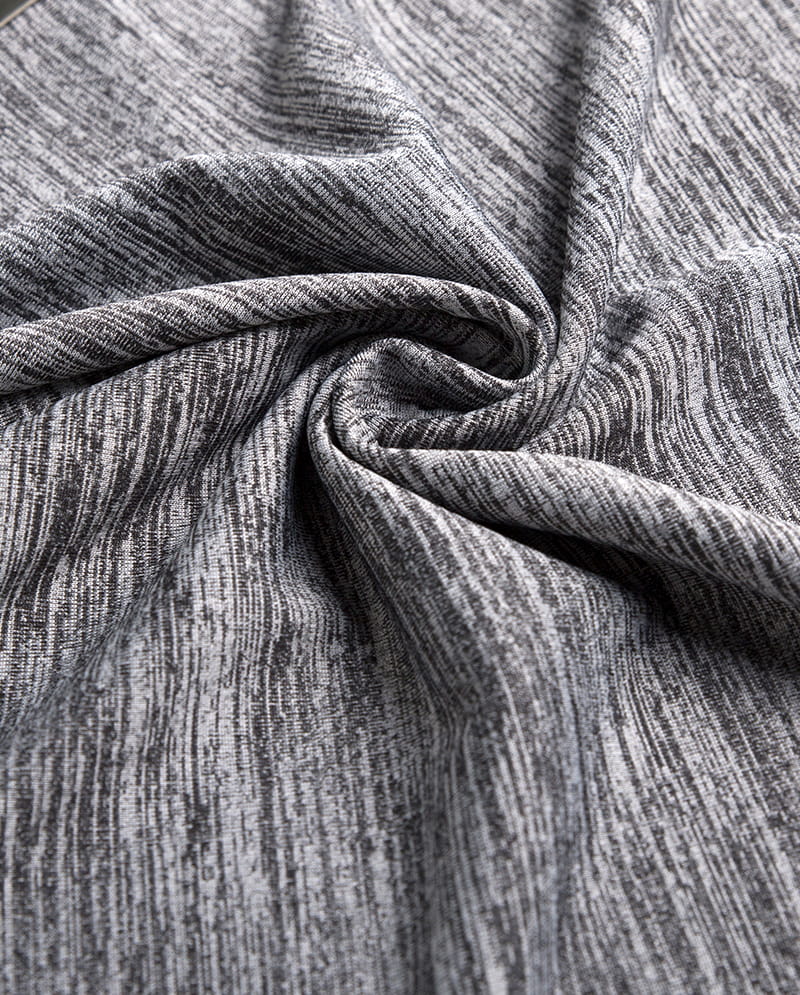
Anti-static Cationic Knitted Rib Fabric
-
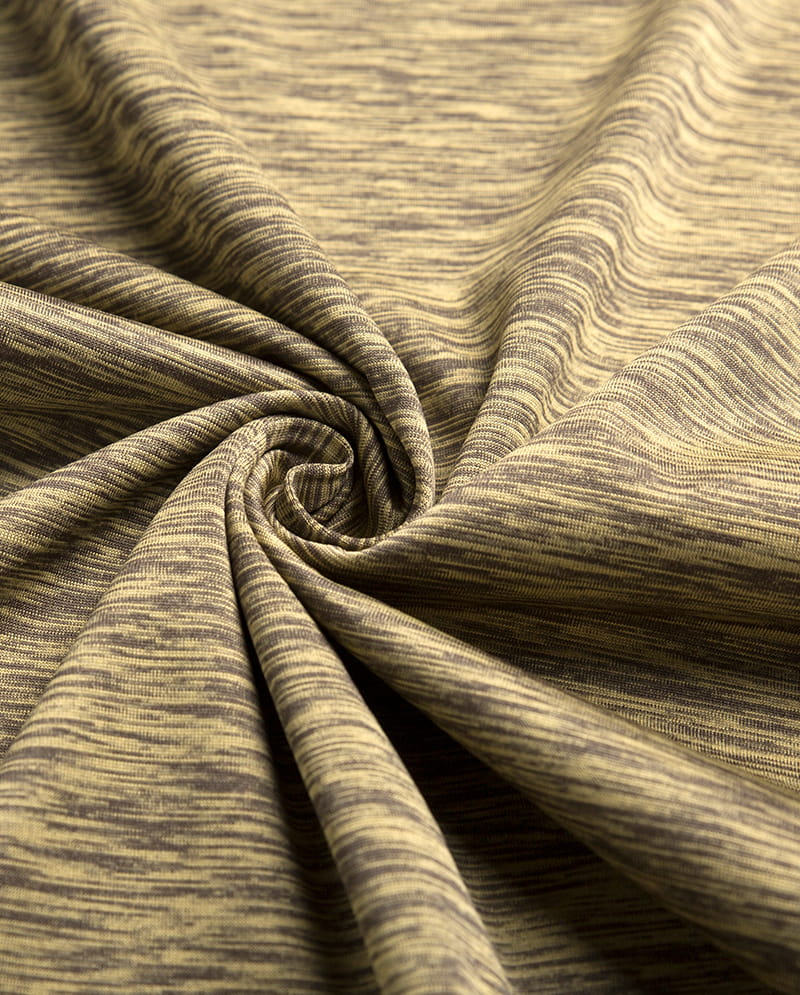
High-Stretch Cationic Jersey Fabric
-
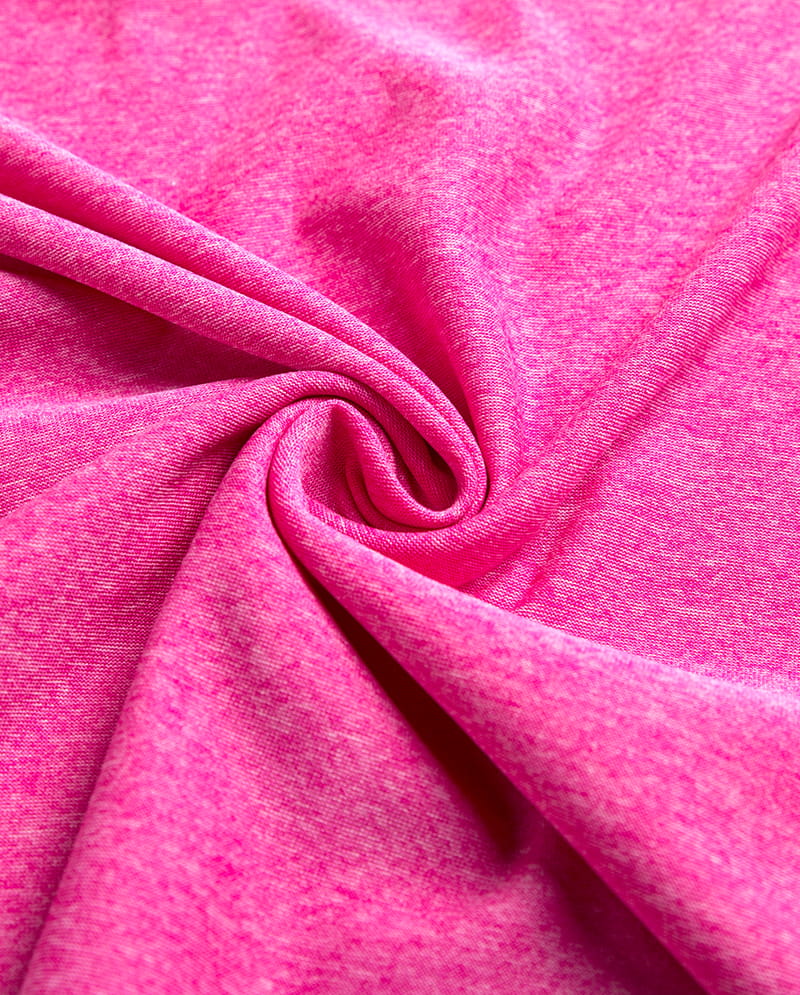
High Quality Cationic DTY Spandex Two Sides Brush Dralon Knit Fabric for Garment Thermal Underwear
-
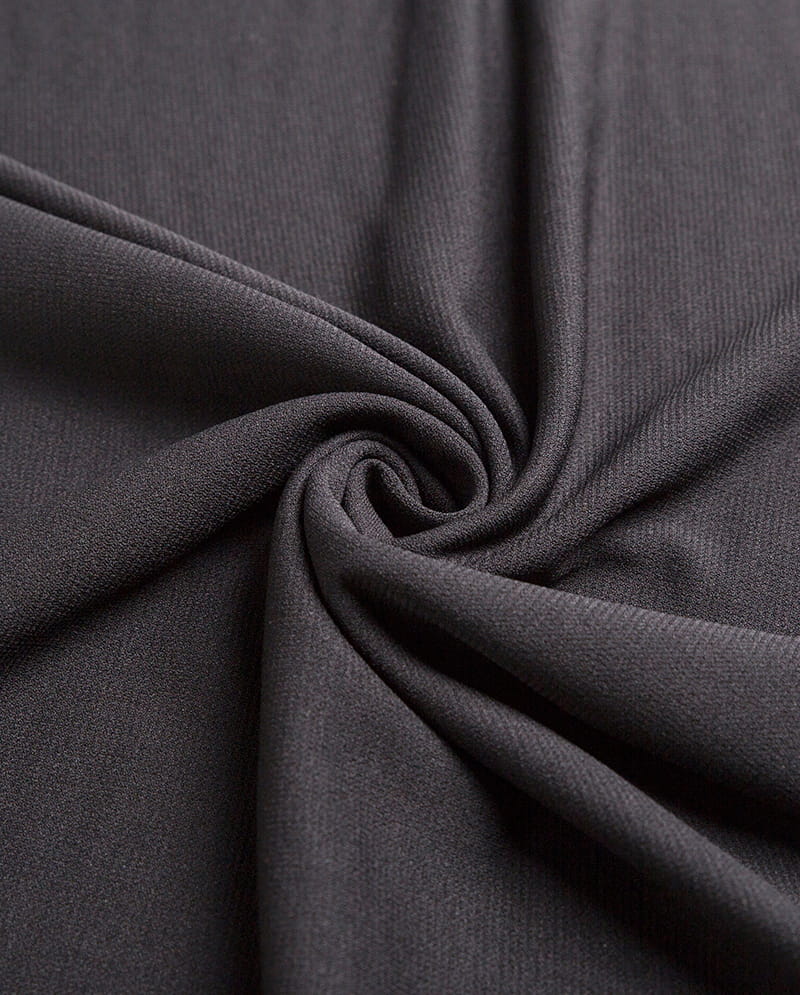
Durable Anti-Pilling Knitted Fabric for Home Textiles
-
Wash-Resistant Cationic Elastic Knitted Fabric for Garment Industry
-
Breathable Double-Faced Elastic Composite Fabric
-
-
-
- whatsapp:
- 0086-13962559622
-
- skype:
- skype.aliceshenghong
-
- Wechat:

COPYRIGHT © 2016 Suzhou Junhui Textile Co., Ltd.
