

 EN
 English
 中文简体
High-Performance Cationic DTY Spandex Two-Sided Brushed Knit Fabric for Thermal Underwear
Content
- 1 Why Two-Sided Brushed Fabric Is Suitable for Thermal Underwear
- 2 Fiber Composition and the Function of Each Component
- 3 Key Product Advantages
- 4 Technical Specifications at a Glance
- 5 Advanced Manufacturing Approach
- 6 Advantages Over Conventional Thermal Fabrics
- 7 Manufacturing Strengths and Supply Capabilities
- 8 Product Development Considerations for Buyers
- 9 Recommended Applications
- 10 Care, Durability, and Consumer Guidance
- 11 Sustainability and Responsible Product Planning
- 12 Quality Assurance Priorities
- 13 Q&A
- 13.1 What is the main use of this fabric?
- 13.2 What makes the fabric warm?
- 13.3 Is the fabric suitable for wearing directly against the skin?
- 13.4 Why is cationic DTY used in the fabric?
- 13.5 What does spandex contribute?
- 13.6 What is the advantage of two-sided brushing?
- 13.7 What is the approximate fabric weight?
- 13.8 What is the approximate cuttable width?
- 13.9 Can the fabric be produced in custom colors?
- 13.10 Can recycled materials be considered?
- 13.11 Is the material suitable for sportswear?
- 13.12 How should buyers evaluate the fabric before placing a bulk order?
- 13.13 Can the manufacturer supply other yarn types?
- 13.14 What type of technical support is available?
- 14 Conclusion
- 15 References
- 16 Product: High Quality Cationic DTY Spandex Two Sides Brush Dralon Knit Fabric for Garment Thermal Underwear
Thermal underwear must provide warmth without excessive weight, softness without sacrificing durability, and stretch without losing its original shape. It also needs to manage moisture effectively because the wearer may move between indoor heating, outdoor cold, exercise, and changing weather conditions throughout the day. The high-quality cationic DTY spandex two-sided brushed Dralon knit fabric described in this article is designed to address these requirements in one balanced textile construction.
Combining cationic draw-textured polyester yarn, spandex, and Dralon modified acrylic fiber, the fabric provides a warm, soft, elastic, and comfortable surface for next-to-skin garments. Its two-sided brushing creates a plush hand feel on both faces, while the carefully selected fiber combination supports thermal insulation, moisture management, color performance, and long-term wear.
The fabric is especially suitable for men’s and women’s thermal underwear, base layers, winter pajamas, lightweight loungewear, children’s cold-weather clothing, sports undershirts, leggings, and other garments that require a combination of comfort and warmth. With a reported weight of approximately 230–235 grams per square meter and a cuttable width of approximately 180–185 centimeters, it offers a practical balance between coverage, insulation, fabric efficiency, and ease of garment production.
Why Two-Sided Brushed Fabric Is Suitable for Thermal Underwear
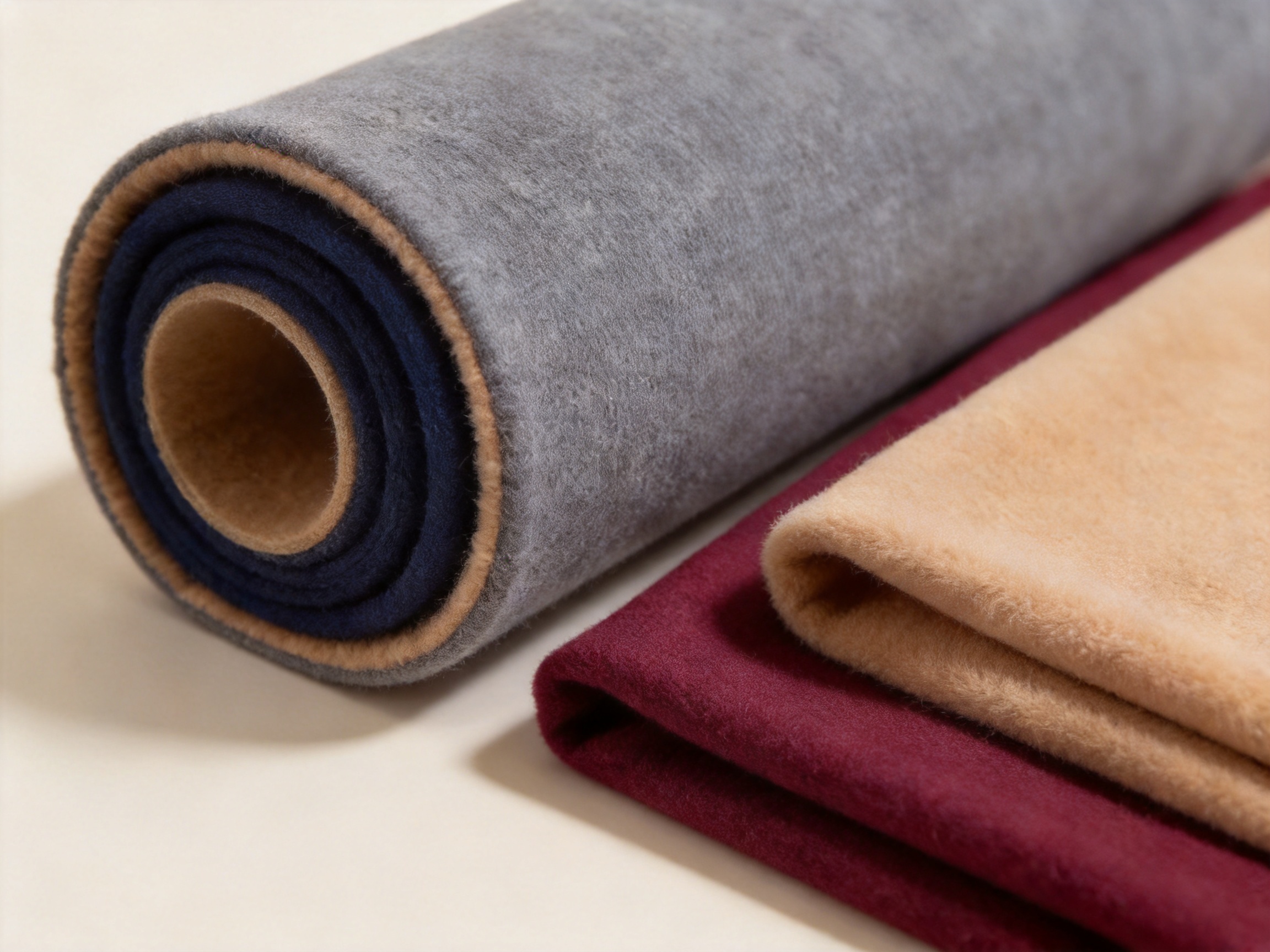
Thermal underwear is worn close to the skin, so surface comfort is one of its most important performance factors. A fabric may offer excellent insulation but still be unsuitable for daily use if it feels rough, stiff, overly heavy, or irritating. The two-sided brushing process gives this material a soft raised surface on both sides. As a result, the inside can feel gentle against the body while the outside maintains a warm, comfortable handle beneath shirts, sweaters, jackets, or other layers.
Brushing raises selected fibers from the knitted surface to create a fine, fleece-like texture. This structure helps increase the amount of still air held near the skin. Still air is a relatively poor conductor of heat, so the trapped air contributes to warmth without requiring a very thick fabric. This is especially valuable in thermal underwear, where excessive bulk can restrict movement and make layering uncomfortable.
Because both sides are brushed, the fabric can provide a consistent soft touch regardless of garment orientation. The construction is also well suited to reversible comfort requirements, such as long-sleeve tops, leggings, body-hugging base layers, and garments with areas that may rub against one another during movement. The brushed surface helps create a warm sensory experience while the knitted base continues to provide flexibility.
Compared with many conventional single-sided brushed fabrics, a two-sided brushed construction can offer a more uniform thermal sensation. It reduces the difference between the body-facing side and the outer side of the material. This makes it useful for garments intended to be worn directly against the skin, particularly in cold conditions where the fabric’s touch and insulation are experienced continuously.
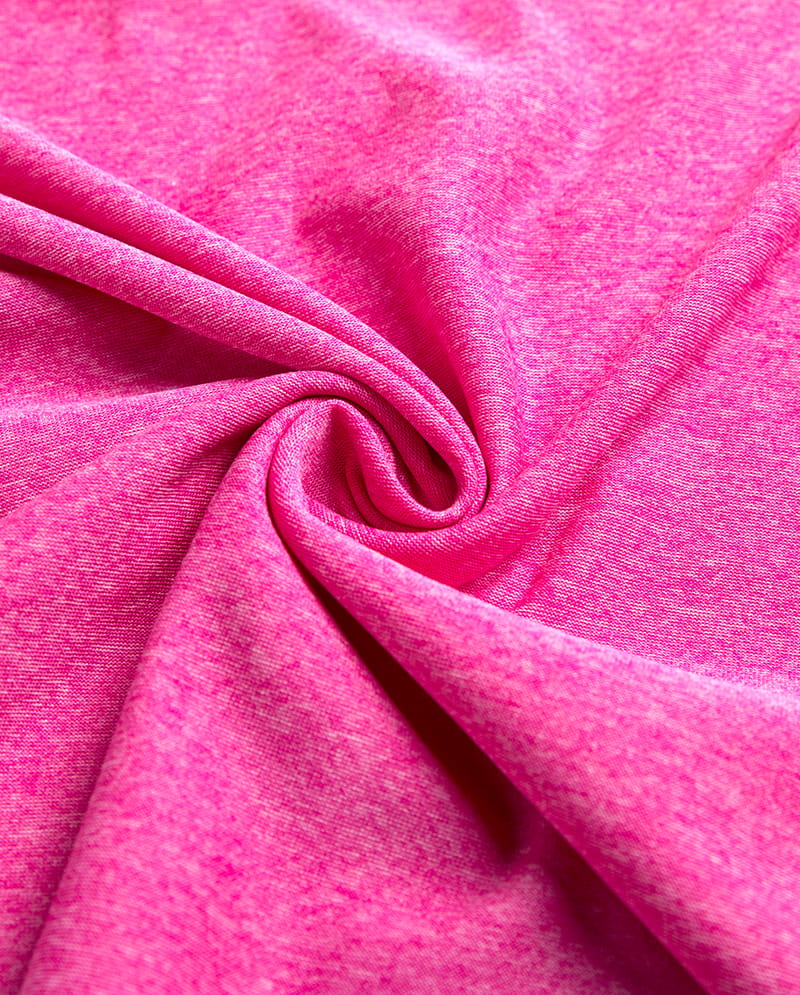
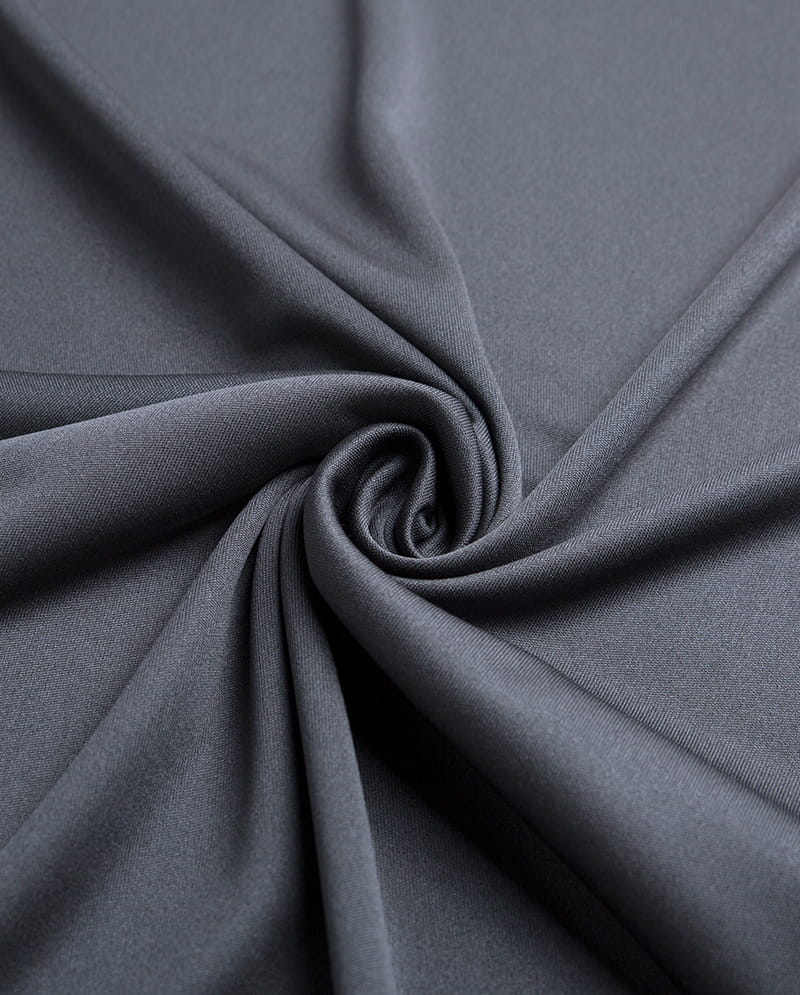
High Quality Cationic DTY Spandex Two Sides Brush Dralon Knit Fabric for Garment Thermal Underwear
Fiber Composition and the Function of Each Component
Cationic DTY Polyester
Cationic DTY polyester forms an important part of the fabric’s performance profile. DTY, or draw-textured yarn, is manufactured by applying drawing and texturing processes to polyester filaments. The resulting yarn has improved bulk, softness, and textile handle compared with a completely flat filament yarn. In knitted fabric, textured yarn can contribute to a more comfortable surface, better coverage, and a fuller appearance.
The cationic dyeable feature allows the polyester component to achieve distinctive color effects and strong color expression when processed with suitable dye systems. Cationic polyester is often selected for fabrics that require enhanced color vibrancy, contrast, mélange effects, or special visual depth. In this product, the cationic yarn supports an attractive appearance while helping the fabric retain its visual quality through regular care and washing.
Polyester also contributes to dimensional stability, abrasion resistance, and practical durability. For thermal underwear, these characteristics are important because garments are typically washed frequently and may be exposed to repeated stretching during dressing, sitting, walking, and exercise. A polyester-based construction can help the garment maintain a reliable service life when appropriate knitting, dyeing, finishing, and garment-care practices are used.
Spandex for Stretch and Recovery
Spandex provides the elastic response required for close-fitting thermal garments. Thermal underwear generally performs best when it remains close to the body without feeling restrictive. A fabric with suitable spandex content can stretch as the wearer bends, reaches, walks, or exercises, then recover toward its original dimensions after movement.
This stretch is valuable in sleeves, waistbands, cuffs, torso panels, leg openings, and body-contouring areas. It also helps reduce the sensation of stiffness associated with some heavy winter fabrics. Instead of depending only on a loose garment shape for warmth, designers can create closer-fitting products that work efficiently as a first clothing layer.
Spandex also supports fit consistency. When a knitted garment is repeatedly pulled on and removed, the elastic component helps limit permanent deformation. The exact performance depends on spandex percentage, knitting parameters, finishing conditions, garment pattern, sewing quality, and laundering. Nevertheless, the combination of stretch and recovery gives this fabric a strong advantage over non-stretch thermal materials.
Dralon Modified Acrylic Fiber
Dralon, described in the product information as a modified acrylic fiber, contributes softness, warmth, and a lightweight feel. The fiber’s structure is designed to retain air, helping improve thermal insulation while preventing the fabric from becoming unnecessarily dense or heavy. This quality is particularly useful for thermal underwear, where the goal is to deliver warmth in a lightweight layer.
Modified acrylic fibers are often valued for their wool-like softness and comfortable surface. In a brushed knit structure, this softness can be enhanced further because the raised fibers create a cushioned handle. The result is a fabric suitable for consumers who want warmth but do not want the coarse sensation sometimes associated with traditional wool or rough synthetic fleece.
The fiber combination also allows the fabric to achieve a visual and tactile balance. Polyester supports durability and color performance, spandex supplies elasticity, and the acrylic component contributes warmth and a soft hand. Rather than relying on one fiber to provide every characteristic, the construction uses different materials for complementary functions.
Key Product Advantages
Soft Next-to-Skin Comfort
The two-sided brushed surface creates an ultra-soft touch intended for prolonged contact with the body. This is a major advantage for base layers, which may be worn continuously for many hours. A softer surface can reduce the likelihood of discomfort caused by rough yarns, hard fibers, or exposed construction elements.
The fabric is especially appropriate for consumers with high expectations for comfort in thermal products. Its cloud-like hand feel supports premium positioning in underwear, sleepwear, and winter leisure garments. It can also help manufacturers create products that feel warmer and more luxurious without relying solely on increased fabric weight.
Warmth Without Excessive Bulk
Thermal performance is supported by both the brushed surface and the air-retaining characteristics of the modified acrylic component. The raised fibers create additional surface loft, while the fiber structure helps trap air. Together, these features provide warmth in a relatively lightweight format.
This approach offers an advantage over very thick thermal fabrics that may be difficult to layer. A 230–235 GSM material can provide noticeable warmth while remaining practical under shirts, knitwear, coats, and work uniforms. The fabric can therefore serve consumers who need insulation but also value mobility and a streamlined silhouette.
Flexible Movement
The spandex content gives the knitted structure the flexibility required for active daily use. The wearer can move freely without excessive pulling at the shoulders, elbows, knees, waist, or hips. This makes the fabric suitable not only for traditional thermal underwear but also for active base layers and cold-weather sports apparel.
Stretch also supports modern garment design. Manufacturers can develop slim silhouettes, ergonomic panels, fitted tops, and body-contouring leggings while maintaining comfort. For consumers, a closer fit can help reduce gaps between the fabric and skin, supporting better heat retention than a loose garment that allows cold air to circulate freely.
Color Vibrancy and Appearance Retention
Cationic DTY polyester is selected for its ability to produce vivid and attractive colors. This is important because thermal underwear is no longer limited to plain white, black, or beige products. Consumers increasingly expect coordinated colors, fashion shades, subtle mélange effects, and visually refined surfaces.
The fabric can support product ranges that include classic neutrals, seasonal colors, deep winter tones, and differentiated color effects. Color fastness and appearance retention are influenced by dye selection, dyeing conditions, heat setting, finishing, and care instructions. When these processes are properly controlled, the fabric can retain an appealing appearance through repeated laundering.
Moisture Management
Warmth alone is not enough for a comfortable base layer. If moisture remains against the skin, the wearer may feel clammy, especially during exercise, commuting, or rapid changes in temperature. The fabric is described as having moisture-wicking capability, helping move perspiration away from the skin and supporting a drier wearing environment.
The knitted structure, textured yarn, and finishing treatment all influence moisture movement. A well-designed fabric can help spread moisture over a larger surface area, where it may evaporate more readily. This improves comfort during everyday activity and reduces the unpleasant sensation associated with damp thermal underwear.
Moisture management also contributes to broader seasonal versatility. Although the product is primarily intended for cold-weather applications, a breathable stretch base layer may remain useful during moderate weather, indoor activities, travel, and low-intensity outdoor exercise.
Lightweight Insulation
Traditional warmth is sometimes associated with thick materials, but modern textile engineering focuses on achieving a better warmth-to-weight ratio. The combination of brushed surfaces, textured polyester, spandex, and hollow or air-retaining acrylic characteristics supports this objective.
Lightweight insulation improves packing efficiency and garment comfort. Consumers can carry several base layers without excessive luggage weight, while clothing brands can create warm products that are easier to store, ship, and display. Retailers may also benefit from a product that occupies less volume than heavy fleece or bulky wool alternatives.
Broad Application Potential
The product is suitable for more than one garment category. Its softness and warmth support thermal underwear and pajamas. Its stretch and recovery support sports base layers, leggings, fitted tops, and children’s winter clothing. Its color capability supports fashion-oriented products, while its medium weight supports practical mass-market production.
Potential applications include long-sleeve thermal shirts, camisoles, leggings, long johns, sleep sets, winter underdresses, children’s base layers, motorcycle undergarments, hiking base layers, indoor loungewear, and cold-weather workwear undergarments. Product developers can adjust patterns, colors, surface finishes, and garment construction to target different markets.
Technical Specifications at a Glance
| Item | Product Information | Practical Benefit |
|---|---|---|
| Fabric category | Knitted fabric | Flexible construction with comfortable stretch and drape |
| Main composition | Cationic DTY polyester, spandex, and modified acrylic fiber | Combines color performance, elasticity, softness, and warmth |
| Surface treatment | Two-sided brushing | Soft touch and added surface loft on both sides |
| Approximate weight | 230–235 GSM | Medium-weight insulation suitable for base layers |
| Approximate cuttable width | 180–185 centimeters | Efficient layout potential for garment manufacturing |
| Stretch component | Spandex | Improved movement, fit, and recovery |
| Thermal function | Air-retaining and brushed structure | Warmth without the bulk of very heavy fabrics |
| Moisture function | Moisture-wicking performance | Helps support a drier next-to-skin environment |
| Color feature | Cationic dyeable polyester | Vivid color effects and attractive visual depth |
| Target products | Thermal underwear, base layers, sleepwear, leggings, and winter apparel | Suitable for diverse seasonal clothing programs |
| Safety information | Reported Oeko-Tex Standard 100 compliance | Supports suitability for products used close to the skin |
Advanced Manufacturing Approach
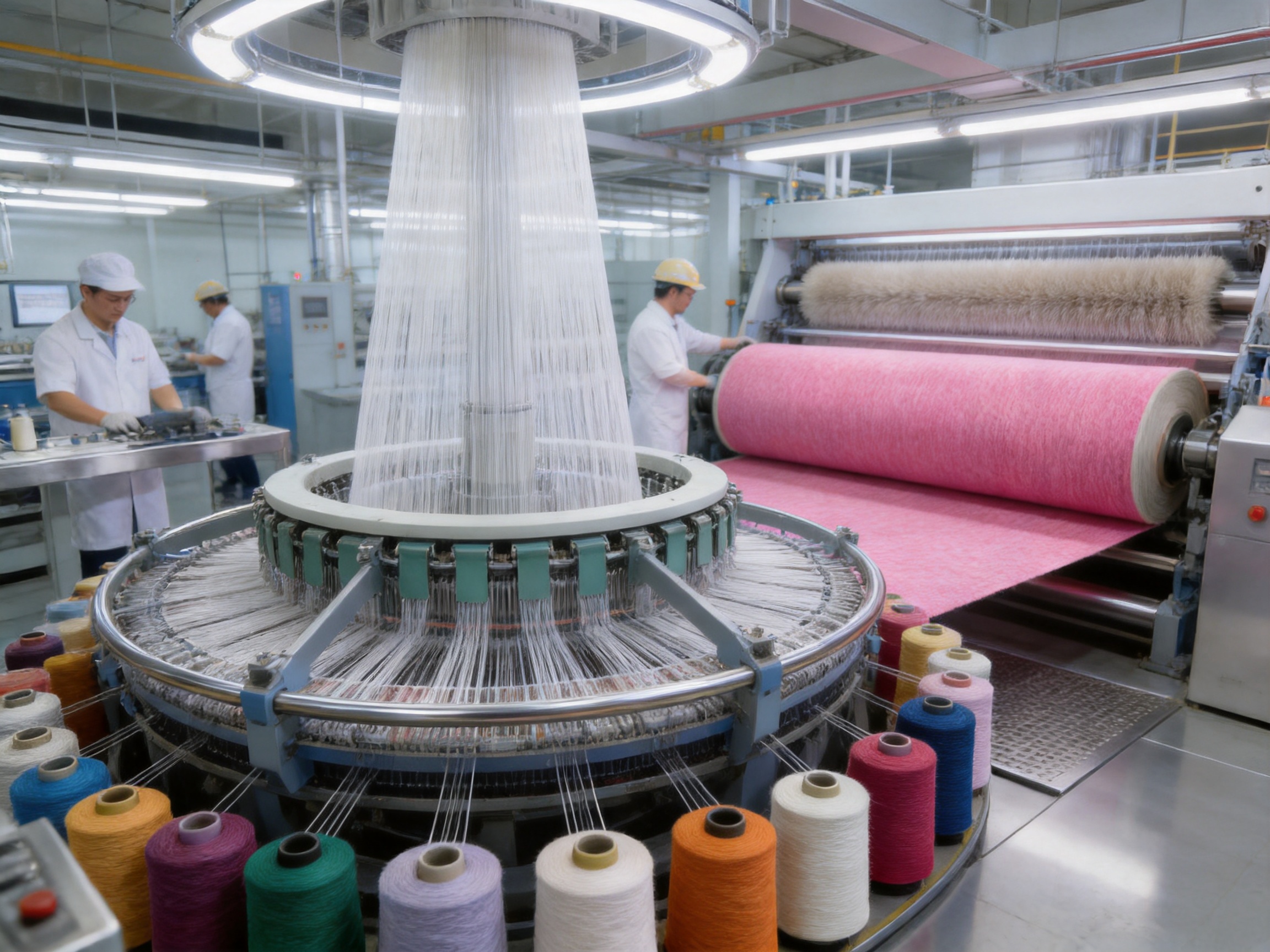
The final quality of a brushed stretch fabric depends on more than the fiber recipe. Yarn quality, knitting precision, dyeing control, heat setting, brushing intensity, finishing, inspection, and packing must work together. Suzhou Junhui Textile Co., Ltd. and Suzhou Xiaoran New Materials Co., Ltd. focus on differential yarns, functional yarn products, and knitted fabrics, providing a manufacturing foundation for developing this type of material.
Specialized Yarn Development
The supplied product portfolio includes recycled yarn, polyester dope-dyed yarn, microfine yarn, flame-retardant yarn, cationic dyeing yarn, and other differentiated yarn products. This broad technical range is important because fabric performance begins at the yarn stage. By working with different yarn structures and functions, the manufacturer can select or develop materials suited to specific hand-feel, color, elasticity, warmth, moisture, and sustainability requirements.
The product list includes recycled SD DTY, recycled FDY, recycled FD DTY, recycled SD plus CD DTY, recycled DDB DTY, recycled CD DTY, normal-series DTY, CD-series yarns, high-elastic yarns, PBT/PET yarns, fire-retardant yarns, antibacterial yarns, moisture-wicking yarns, hollow warm yarns, cotton-like yarns, and other differentiated products.
This variety gives product developers more flexibility than a supplier that only offers a narrow range of standard polyester yarns. For example, a buyer may begin with a cationic brushed fabric and later request a recycled version, a moisture-enhanced construction, a hollow warm yarn option, or a different color effect. A broad internal product knowledge base can help shorten the development process and improve communication between yarn selection and fabric production.
Control of Yarn Fineness and Filament Configuration
The product list covers a wide range of denier and filament combinations, including specifications such as 30/24, 50/72, 75/36, 100/72, 150/144, and other configurations. Denier and filament count influence yarn thickness, surface touch, coverage, luster, bulk, and fabric appearance.
Finer filament configurations can support a softer surface and more refined hand feel, while different denier levels can be selected for coverage, durability, or cost targets. By offering multiple yarn specifications, the manufacturer can adjust the balance between softness, warmth, stretch, opacity, surface effect, and production efficiency.
This capability is valuable for thermal underwear brands because different markets may require different fabric weights and sensations. A premium underwear collection may prioritize an exceptionally smooth and soft hand, while a workwear base layer may prioritize durability and economical performance. Yarn selection provides one of the earliest opportunities to tailor the final product.
Knitting and Fabric Construction
Knitting transforms the yarn into a flexible fabric structure capable of stretching in multiple directions. For thermal underwear, the knitting process must support stable dimensions, smooth appearance, adequate cover, and compatibility with brushing. The loop structure must also work with spandex so that the finished material remains elastic rather than becoming stiff or unstable.
Production parameters such as machine gauge, stitch length, yarn tension, feeding ratio, fabric density, and spandex control can influence the final result. Consistent control is essential because small changes in knitting conditions may affect GSM, width, elongation, recovery, spirality, surface uniformity, and brushing response.
A stable knitting process helps produce rolls that are easier for garment manufacturers to cut and sew. Uniform width and weight can improve marker planning, reduce cutting waste, and support more predictable garment sizing. In stretch fabrics, consistency is especially important because variations in tension can lead to differences in fit between production lots.
Dyeing and Cationic Color Development
Cationic dyeing yarn requires appropriate dyeing knowledge and process management. The objective is to achieve even color penetration, strong visual depth, consistent shade, and reliable fastness without damaging the elastic component or weakening the knitted structure.
Important controls may include pretreatment, dye selection, bath conditions, temperature profile, pH management, time, washing, and drying. The fabric must be handled carefully because excessive heat or tension can affect spandex recovery and final dimensions. Proper process control helps maintain the intended color and performance of the material.
Cationic yarn can also be used to create differentiated visual effects when combined with other polyester components. This gives designers more options than a plain single-tone fabric. The resulting surface may be suitable for understated premium products, sportswear-inspired thermal garments, or fashion collections that require more visual character.
Two-Sided Brushing and Surface Finishing
Brushing is a critical stage for this product. The process must raise fibers sufficiently to create softness and warmth while avoiding excessive fiber damage, uneven nap, pilling problems, or loss of dimensional stability. Two-sided brushing requires balanced treatment of both fabric surfaces.
The brushing intensity, machine settings, fabric tension, speed, and number of passes may all influence the final hand feel. A carefully controlled process can produce a uniform nap with a pleasant touch and consistent appearance across the width of the roll. Over-brushing may create excessive shedding or weaken the surface, while under-brushing may fail to deliver the desired thermal and tactile benefits.
After brushing, finishing and heat-setting operations may be used to support width stability, reduce unwanted shrinkage, and establish the final handle. The exact sequence depends on the fabric construction, fiber blend, color, and buyer requirements. The finished fabric should be evaluated for weight, width, stretch, recovery, surface evenness, color, pilling tendency, and dimensional change.
Functional Finishing and Testing
The company’s wider functional yarn portfolio includes antibacterial, moisture-wicking, and fire-retardant categories. This demonstrates experience in developing materials for specific performance requirements. For the cationic brushed thermal fabric, moisture management and next-to-skin safety are particularly relevant.
Testing can include fabric weight, cuttable width, bursting strength, tensile strength, tear resistance, abrasion, pilling, color fastness to washing and rubbing, shrinkage, stretch, recovery, moisture behavior, and hand feel. Where certification is claimed, appropriate documentation should be maintained and supplied according to the buyer’s compliance requirements.
The provided information states that the fabric meets Oeko-Tex Standard 100 certification requirements. Buyers should request the applicable certificate, scope, validity, and product reference before making compliance claims in consumer-facing marketing. Traceable documentation helps brands communicate responsibly and supports confidence in products designed for sensitive-skin and intimate-apparel applications.
Advantages Over Conventional Thermal Fabrics
Compared with Plain Polyester Jersey
Plain polyester jersey can be lightweight and economical, but it may not provide the same plush touch or surface warmth as a two-sided brushed construction. The brushed fabric offers a more insulating, cushioned feel and can create a premium sensory experience. Its cationic yarn also supports more distinctive color development than a basic undifferentiated polyester jersey.
The addition of spandex further improves the fit and mobility of the fabric. A plain polyester jersey without elastic fiber may stretch less effectively around the body and may not recover as well after repeated movement. The product described here is therefore better suited to close-fitting thermal garments.
Compared with Heavy Fleece
Heavy fleece can provide substantial warmth, but it may be too bulky for use beneath everyday clothing. It can also occupy more storage and shipping volume. The 230–235 GSM brushed knit offers a more moderate construction that can be worn as a base layer without creating excessive thickness.
The knitted stretch structure also improves movement compared with some heavier fleece materials. Consumers can layer the fabric under work shirts, jackets, uniforms, or sweaters while preserving a more streamlined fit.
Compared with Wool-Based Thermal Materials
Wool is valued for warmth and natural comfort, but some consumers are sensitive to its surface feel, care requirements, or price. The cationic polyester, spandex, and modified acrylic combination provides a synthetic alternative with a soft brushed touch, stretch, color flexibility, and easier industrial processing.
The fabric can also support consumers who prefer machine-washable synthetic garments. Care performance will depend on the final blend and garment construction, but the material is designed for practical repeated use and a consistent appearance.
Compared with Single-Sided Brushed Fabric
Single-sided brushed fabrics can provide warmth on one face, but they may offer a less uniform touch. Two-sided brushing increases the amount of soft surface available to the wearer and provides more consistent comfort when the fabric contacts the body or folds over itself.
For thermal underwear, this distinction is significant because the fabric is often worn beneath other garments and may experience continuous contact with the skin. A soft surface on both faces supports a more complete comfort experience.
Manufacturing Strengths and Supply Capabilities
Suzhou Junhui Textile Co., Ltd. and Suzhou Xiaoran New Materials Co., Ltd. were founded in June 2015 and focus on the development and sale of differentiated yarns and knitted fabric products. Their stated product scope includes recycled yarns, polyester dope-dyed yarns, specialty yarns, functional yarns, cationic dyeing yarns, and knitting fabrics.
The companies report that more than 90 percent of their products are exported and that they have developed customer relationships in 36 countries. This international experience can be valuable for buyers who require communication across time zones, export documentation, packaging coordination, and consistent production planning.
The company also describes a professional research and development team working with internationally recognized enterprises on environmental protection, functional yarns, and fabric applications. Such collaboration can support the conversion of performance requirements into practical yarn and fabric specifications.
A further strength is the company’s wide product portfolio. Buyers can discuss standard and differentiated yarn options within the same supplier network, including recycled series, normal series, cationic dyeing series, high-elastic products, PBT/PET constructions, functional yarns, hollow warm yarns, cotton-like yarns, and other specialized options.
The supplied product information states that orders for various differentiated yarns can be accepted. This suggests flexibility for buyers developing multiple fabric programs or seeking alternatives to standard polyester. Custom discussions may cover yarn composition, denier, filament count, color, function, fabric structure, weight, width, brushing, and application.
Customer support is described as being available globally within 12 hours. Responsive communication can be particularly useful during sample development, color approval, technical problem solving, production scheduling, and shipment coordination. For international textile programs, timely communication helps reduce delays and prevents specification misunderstandings.
Product Development Considerations for Buyers
Confirming the Composition
Before bulk production, buyers should confirm the exact fiber percentages and yarn specifications. The product description identifies cationic DTY polyester, spandex, and Dralon modified acrylic fiber, but the precise blend ratio may vary according to the selected construction. Composition affects warmth, stretch, recovery, dyeing behavior, weight, cost, and care instructions.
Evaluating Stretch and Recovery
Thermal underwear needs an appropriate balance between stretch and stability. Excessive stretch may cause the garment to lose shape, while insufficient stretch may create pressure or restrict movement. Buyers should test elongation and recovery in both the lengthwise and crosswise directions and assess the fabric after repeated extension cycles.
Garment-level testing is also recommended because seams, elastic openings, and pattern shapes can influence the final fit. The fabric may perform differently in a close-fitting top, a high-waisted legging, or a children’s garment with smaller pattern pieces.
Checking Brushing Uniformity
Brushed fabric should be inspected across the full roll width and length. Buyers should look for consistent nap, color, softness, coverage, and absence of streaks or pressure marks. The surface should also be evaluated for shedding and pilling after laundering and abrasion testing.
Testing Dimensional Stability
Knitted fabrics containing spandex and brushed fibers require careful dimensional testing. Shrinkage, skew, spirality, width change, and recovery should be measured after the intended washing method. This information helps garment manufacturers determine cutting allowances and establish accurate care labels.
Matching Fabric Weight and Width to the Garment
The reported 230–235 GSM weight is suitable for medium-weight thermal applications, but buyers should confirm whether the target garment requires a lighter or heavier material. Cuttable width should also be checked after finishing rather than relying solely on greige width. The stated 180–185 centimeter cuttable width offers favorable potential for efficient marker planning, but actual usable width should be verified for every production lot.
Reviewing Compliance Documents
For underwear and other close-to-skin products, buyers should request applicable safety and chemical compliance documents. The product information states Oeko-Tex Standard 100 compliance, and the buyer should verify the certificate details, product scope, testing status, and validity period. Additional requirements may apply depending on the destination market, retailer, or brand policy.
Recommended Applications
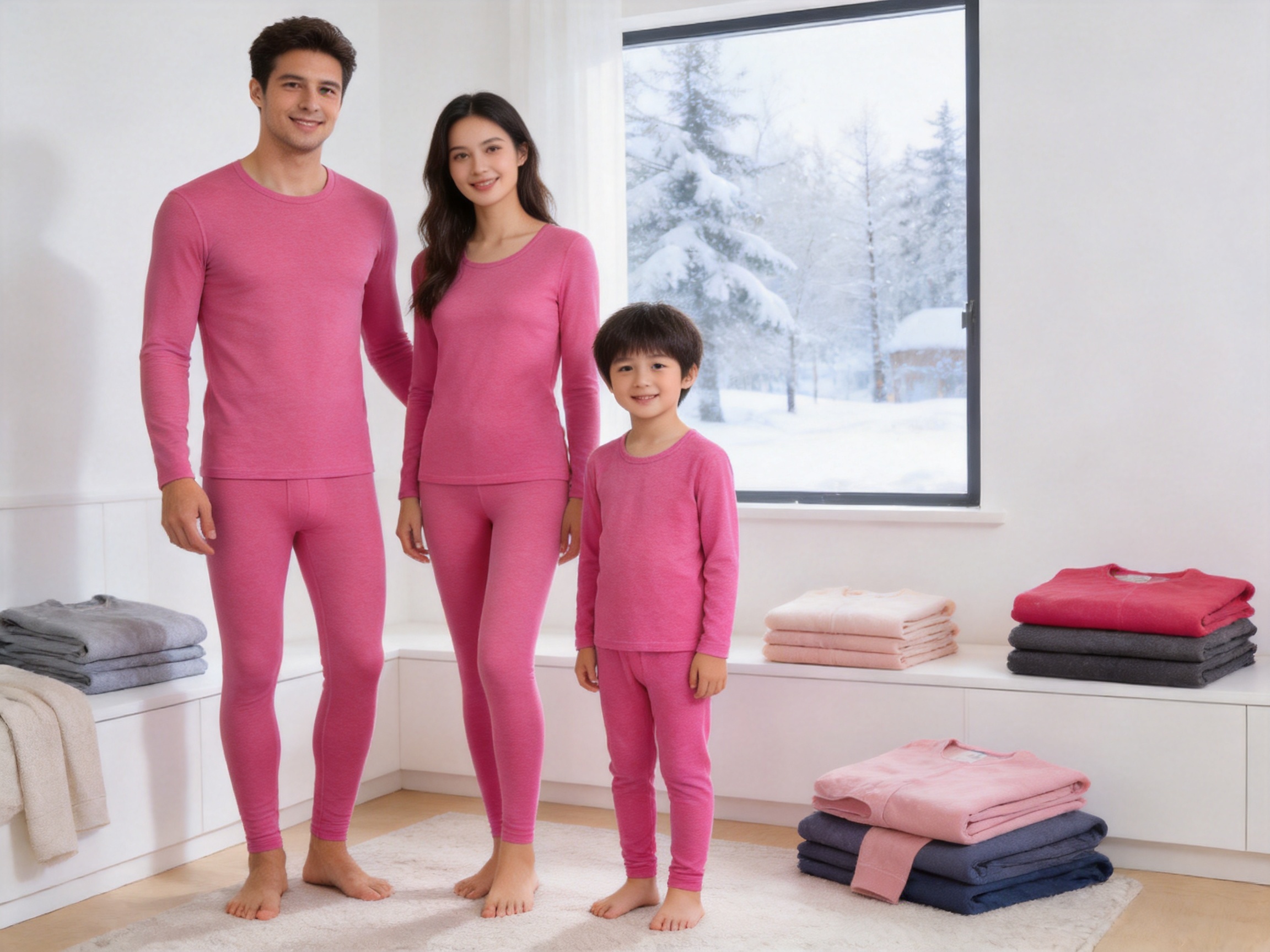
For men’s thermal underwear, the fabric can be used in long-sleeve tops, undershirts, long underwear, fitted leggings, and coordinated winter sets. Its stretch helps accommodate active movement, while its brushed surface creates a warm layer beneath workwear or outdoor clothing.
For women’s thermal apparel, the fabric is suitable for close-fitting tops, leggings, camisoles, bodysuits, sleepwear, and layering pieces. The color capability of cationic polyester allows brands to develop products beyond basic neutral shades.
For children’s winter clothing, softness and warmth are important considerations. The two-sided brushed surface can provide a comfortable hand feel, while the stretch supports play and movement. As with all children’s products, buyers should confirm applicable safety requirements and ensure that garment design does not create avoidable hazards.
For sports and outdoor base layers, moisture management and stretch are particularly valuable. The fabric can support hiking, travel, winter training, cycling underlayers, skiing accessories, and other activities where the wearer needs warmth without heavy outer clothing.
For sleepwear and loungewear, the plush handle and moderate weight can create a comfortable winter product. The fabric’s visual options also allow manufacturers to create coordinated family sets, premium pajamas, or seasonal homewear collections.
Care, Durability, and Consumer Guidance
Care instructions should be established through testing on the finished garment rather than assumed solely from the fiber names. In general, consumers should follow the care label supplied by the garment manufacturer. Washing conditions, detergent type, tumble drying, ironing, and exposure to high heat can influence color, stretch recovery, surface softness, and overall service life.
Because the fabric contains spandex, excessive heat should generally be avoided unless specifically approved by testing. High temperatures may affect elastic recovery. Gentle washing and appropriate drying can help preserve the brushed surface and reduce unnecessary mechanical stress.
Color care is also important. Cationic dyeable polyester can provide strong color expression, but actual fastness depends on dyeing and finishing quality. Washing new garments according to the care label and separating highly colored items during initial washes may help reduce the risk of unwanted transfer.
Regular inspection of the brushed surface can help brands identify pilling or abrasion issues during product development. Pilling depends on fiber type, yarn structure, brushing, friction, garment design, and laundering. It should be evaluated under realistic use conditions and compared with the performance requirements of the target market.
Sustainability and Responsible Product Planning
The company’s product portfolio includes recycled yarn series, demonstrating an ability to discuss materials with recycled content. If buyers are seeking a recycled version of the thermal fabric, they should confirm the exact recycled component, chain-of-custody documentation, certification status, and any effect on color, hand feel, stretch, and performance.
Sustainability should be assessed across the entire product life cycle. A durable fabric that remains comfortable and attractive through repeated use can reduce the need for frequent replacement. Efficient fabric width can support improved cutting utilization, while suitable weight can reduce material consumption compared with unnecessarily heavy alternatives.
Responsible development also requires accurate marketing. Claims about recycled content, biodegradability, safety, moisture management, thermal performance, and certification should be supported by appropriate evidence. Technical data sheets, laboratory reports, and certification documents help brands communicate clearly to customers and regulatory authorities.
Quality Assurance Priorities
A reliable inspection program should begin with incoming yarn control. Yarn appearance, denier, filament count, color, elasticity, and packaging should be checked against the approved specification. Consistent yarn quality supports stable knitting and reduces variation in the finished fabric.
During knitting, production teams should monitor fabric weight, width, tension, loop formation, surface defects, and roll length. After dyeing, shade matching, color fastness, width, shrinkage, and fabric appearance should be evaluated. After brushing, the nap should be checked for uniformity, softness, shedding, and surface damage.
Final inspection should include both visual and laboratory-based evaluation. A roll inspection system can identify holes, stains, barre, needle lines, uneven brushing, color variation, creases, and other defects. Laboratory testing can verify the characteristics most important to the buyer’s end use.
Clear approval standards are essential. Buyers should define acceptable tolerances for GSM, width, color difference, stretch, recovery, shrinkage, pilling, and defect levels before bulk production. This creates a common reference for the supplier, garment factory, inspection team, and brand.
Q&A
What is the main use of this fabric?
The main use is thermal underwear and other close-fitting cold-weather garments. It can also be used for base layers, leggings, pajamas, loungewear, children’s winter apparel, sports undergarments, and lightweight outdoor clothing.
What makes the fabric warm?
Warmth comes from the two-sided brushed surface, which creates additional loft and helps hold still air, together with the air-retaining characteristics of the modified acrylic component. The medium fabric weight provides insulation without the bulk of very heavy winter materials.
Is the fabric suitable for wearing directly against the skin?
Yes. The fabric is developed for next-to-skin use and features a soft brushed surface on both sides. The product information also states Oeko-Tex Standard 100 compliance. Buyers should request current certification documents for the specific product and production order.
Why is cationic DTY used in the fabric?
Cationic DTY polyester supports a soft textured hand, attractive color development, surface bulk, durability, and visual depth. It can produce vibrant color effects and is suitable for differentiated fashion and thermal products.
What does spandex contribute?
Spandex provides stretch and recovery. It allows the fabric to follow body movement, supports close-fitting garment patterns, and helps the garment return toward its original shape after use.
What is the advantage of two-sided brushing?
Two-sided brushing creates a soft, warm surface on both faces of the fabric. This provides more consistent comfort than a construction brushed on only one side, particularly when the fabric is worn directly against the body.
What is the approximate fabric weight?
The reported weight is approximately 230–235 grams per square meter. The final tolerance should be confirmed in the technical specification and verified during production inspection.
What is the approximate cuttable width?
The reported cuttable width is approximately 180–185 centimeters. Actual usable width should be confirmed after finishing and before bulk cutting.
Can the fabric be produced in custom colors?
Cationic DTY is suitable for color development and can support a range of shades and visual effects. Buyers should provide color standards and approve laboratory dips or strike-offs before bulk dyeing.
Can recycled materials be considered?
The company offers recycled yarn series, so buyers can discuss recycled alternatives or blended constructions. The exact recycled percentage, certification, appearance, and performance should be confirmed for the requested fabric.
Is the material suitable for sportswear?
It can be suitable for sports and outdoor base layers because it combines stretch, warmth, softness, and moisture-wicking characteristics. The final suitability should be confirmed through activity-specific testing, especially for high perspiration or high-abrasion uses.
How should buyers evaluate the fabric before placing a bulk order?
Buyers should request a sample, confirm composition and weight, test stretch and recovery, evaluate color and brushing uniformity, wash the fabric or finished garment, and review compliance documentation. It is also advisable to approve a sealed sample before bulk production.
Can the manufacturer supply other yarn types?
The company’s stated portfolio includes recycled yarn, normal-series yarn, cationic dyeing yarn, high-elastic yarn, PBT/PET yarn, antibacterial yarn, moisture-wicking yarn, fire-retardant yarn, hollow warm yarn, cotton-like yarn, and other differentiated products.
What type of technical support is available?
The company describes a professional research and development team and support for product selection and problem solving. Buyers can discuss fabric construction, yarn specification, functional requirements, color, weight, width, application, and production issues with the technical team.
Conclusion
The high-quality cationic DTY spandex two-sided brushed Dralon knit fabric provides a well-balanced solution for modern thermal underwear. Its main advantages come from the coordinated use of three functional components: cationic DTY polyester for color, durability, and textured softness; spandex for stretch and recovery; and modified acrylic fiber for lightweight warmth and a gentle hand.
The two-sided brushed finish improves next-to-skin comfort and creates a warm surface on both faces. The medium weight of approximately 230–235 GSM offers insulation while remaining suitable for layering. The reported 180–185 centimeter cuttable width supports efficient garment production, and the moisture-wicking feature helps improve comfort during daily activity.
Beyond the individual fabric, the manufacturer’s broader strengths include differentiated yarn development, functional material options, recycled series, specialized yarn specifications, international export experience, research and development capability, and support for customized product requirements. These capabilities give brands and garment manufacturers a practical platform for developing thermal fabrics with different color, stretch, sustainability, and performance targets.
For buyers seeking a soft, flexible, colorful, and warm fabric for underwear and base layers, this construction offers a strong alternative to plain jersey, heavy fleece, single-sided brushed fabric, and less flexible traditional thermal materials. Proper sampling, testing, certification review, and bulk-production inspection will ensure that the final fabric meets the requirements of its intended market.
References
1. Product technical information supplied for cationic DTY spandex two-sided brushed Dralon knit fabric, including composition, weight, width, applications, and performance descriptions.
2. Product portfolio information supplied for recycled, normal, cationic, high-elastic, functional, cotton-like, hollow warm, and other differentiated yarn series.
3. Textile industry terminology relating to draw-textured yarn, filament count, denier, knitted fabric construction, brushing, heat setting, stretch recovery, and moisture management.
4. Oeko-Tex Standard 100 framework for the assessment of harmful substances in textile products intended for contact with the skin.
5. General textile quality-control practices for fabric weight, width, dimensional stability, color fastness, pilling, abrasion, tensile performance, and production inspection.
Product: High Quality Cationic DTY Spandex Two Sides Brush Dralon Knit Fabric for Garment Thermal Underwear

Popular products
-
Premium Cationic Interlock Stretch Comfort Fabric
-
Moisture-Wicking Nylon Woven Fabric
-
Double-faced jacquard elastic fabric
-
Heather Grey Double-faced cationic jersey fabric
-
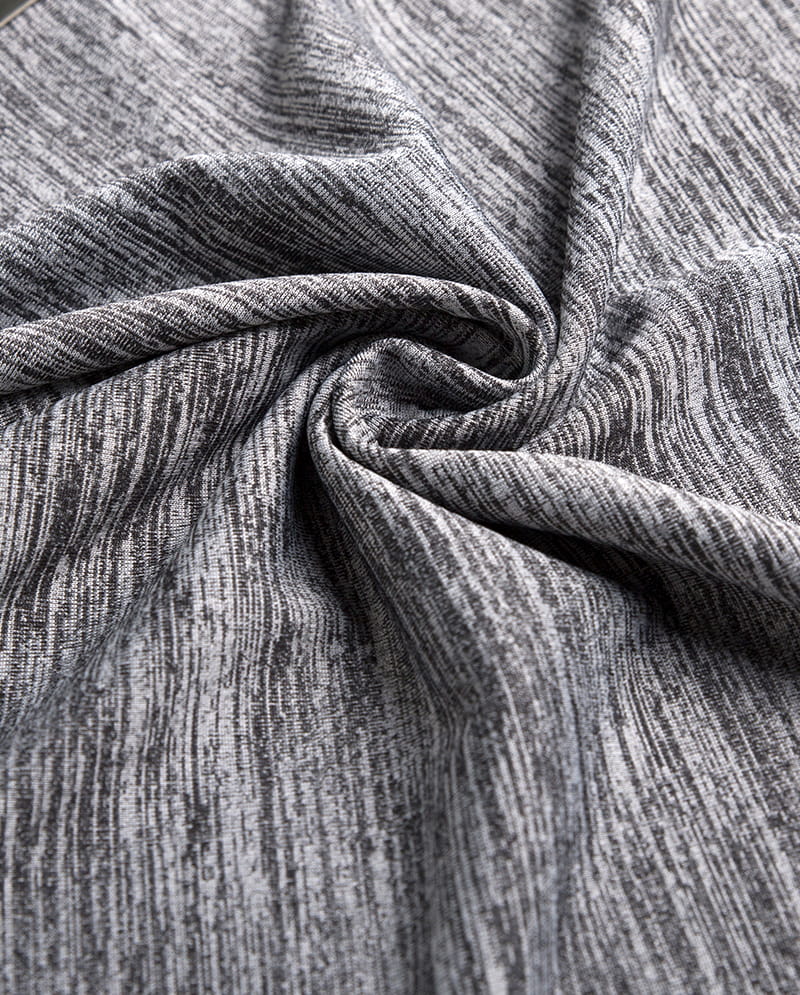
Anti-static Cationic Knitted Rib Fabric
-
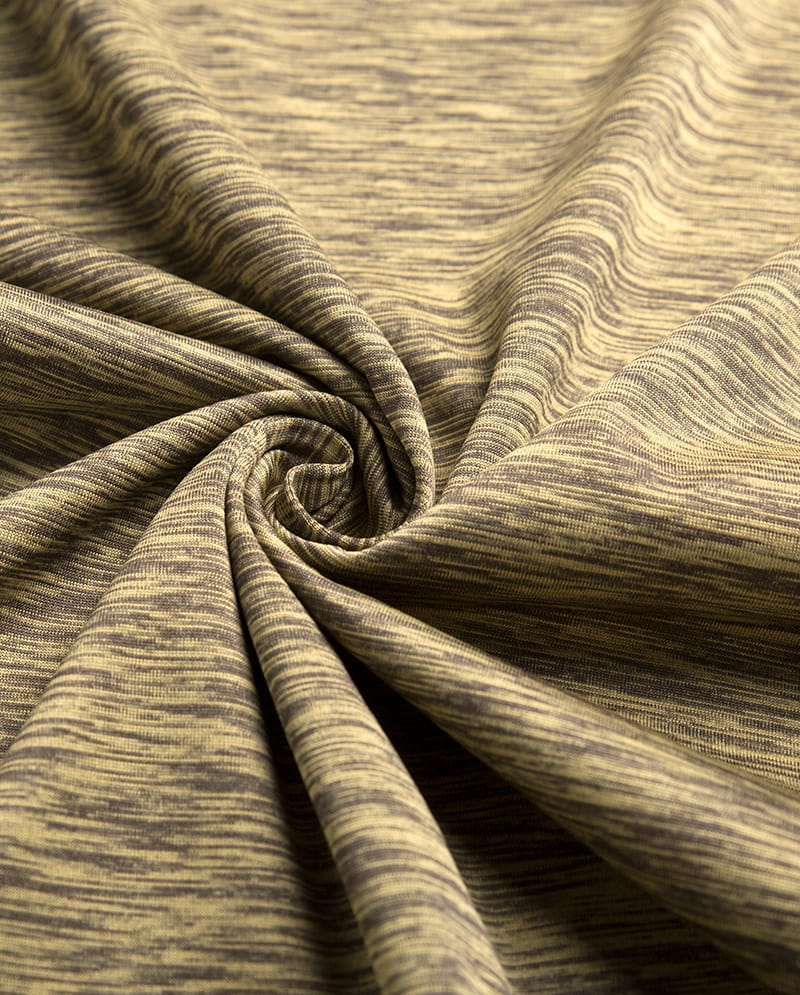
High-Stretch Cationic Jersey Fabric
-
High Quality Cationic DTY Spandex Two Sides Brush Dralon Knit Fabric for Garment Thermal Underwear
-
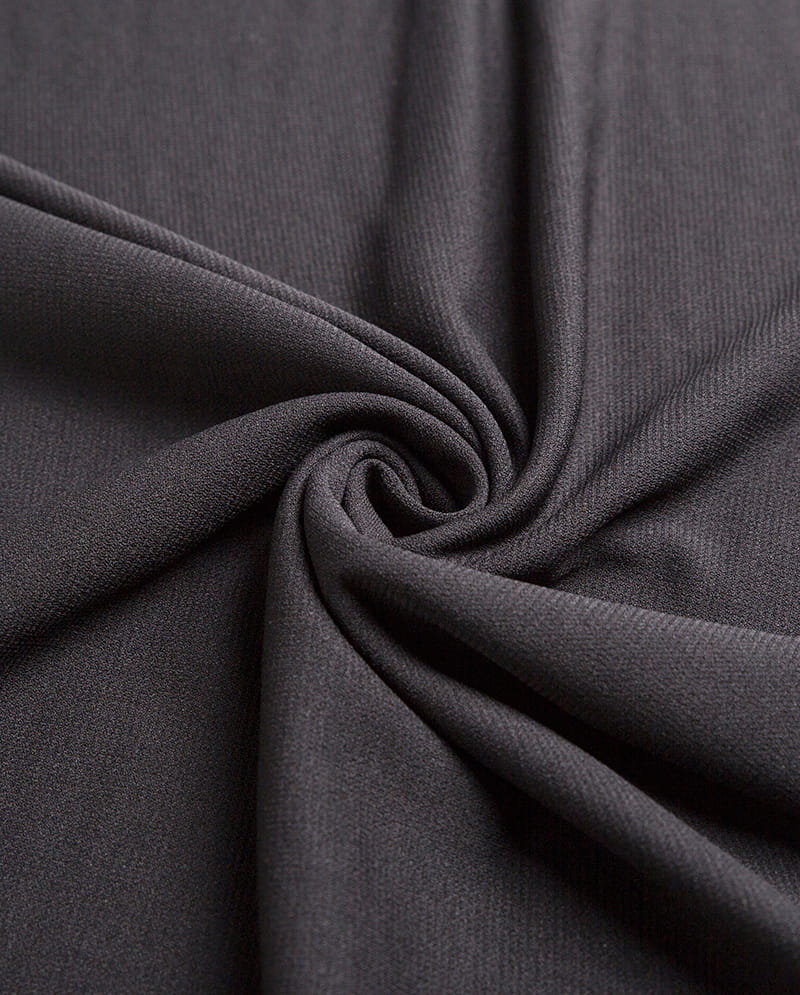
Durable Anti-Pilling Knitted Fabric for Home Textiles
-
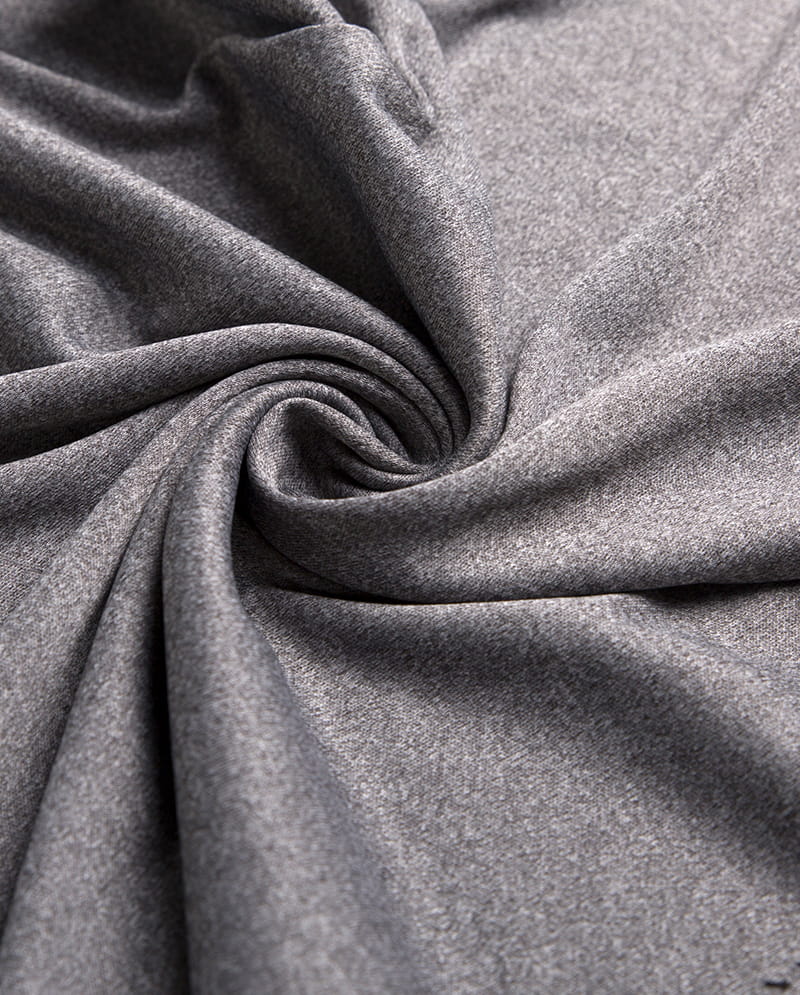
Wash-Resistant Cationic Elastic Knitted Fabric for Garment Industry
-
Breathable Double-Faced Elastic Composite Fabric
-
-
-
- whatsapp:
- 0086-13962559622
-
- skype:
- skype.aliceshenghong
-
- Wechat:


COPYRIGHT © 2016 Suzhou Junhui Textile Co., Ltd.
