

 EN
EN English
 中文简体
中文简体High-Performance Brushed Cationic Thermal Knit Fabric for Modern Underwear
Content
- 1 Product Overview: A Thermal Knit Built for Comfort and Performance
- 2 Core Fiber Composition and Why It Matters
- 3 Advantages Over Competing Thermal Underwear Fabrics
- 4 Performance Table: Key Product Features
- 5 Two-Sided Brushing: The Difference the Wearer Can Feel
- 6 Color Vibrancy and Fastness from Cationic DTY
- 7 Stretch, Recovery, and the Importance of Spandex
- 8 Lightweight Warmth from Dralon
- 9 Moisture-Wicking Comfort for Daily Wear
- 10 Skin Safety and Oeko-Tex Standard 100 Certification
- 11 Manufacturing Strengths Behind the Fabric
- 12 Process Flow: From Yarn Concept to Finished Fabric
- 13 Company Advantages in Global Textile Supply
- 14 Sustainability and Responsible Textile Development
- 15 Application Potential in Garment Development
- 16 Why This Fabric Supports Better Consumer Satisfaction
- 17 Quality Factors Buyers Should Consider
- 18 Commercial Value for Brands and Manufacturers
- 19 Q&A: Common Questions About the Fabric
- 19.1 What is the main purpose of this fabric?
- 19.2 Why is the fabric brushed on both sides?
- 19.3 What makes cationic DTY useful in this product?
- 19.4 How does Dralon improve warmth?
- 19.5 Why is spandex important for thermal underwear?
- 19.6 Is the fabric suitable for sensitive skin?
- 19.7 What is the approximate weight and width?
- 19.8 How does it compare with cotton thermal underwear fabric?
- 19.9 How does it compare with ordinary polyester thermal fabric?
- 19.10 Can the fabric be used for both men’s and women’s thermal underwear?
- 19.11 What company strengths support this product?
- 20 Conclusion
- 21 References
- 22 Product: High Quality Cationic DTY Spandex Two Sides Brush Dralon Knit Fabric for Garment Thermal Underwear
Thermal underwear is no longer judged only by how much warmth it provides. Today’s garment makers and consumers expect a fabric that is warm, light, soft, flexible, breathable, durable, color-rich, skin-safe, and suitable for repeated washing. The High Quality Cationic DTY Spandex Two Sides Brush Dralon Knit Fabric for Garment Thermal Underwear is designed to meet these modern expectations through a balanced combination of cationic DTY polyester, spandex, and Dralon modified acrylic fiber. It is a knitted fabric engineered for close-to-skin garments where comfort, insulation, stretch recovery, and reliable appearance are essential.
This fabric is positioned for premium thermal underwear, base layers, warm inner garments, loungewear, and other apparel that requires both warmth and softness. With a medium weight of approximately 230 to 235 GSM and a cuttable width of about 180 to 185 CM, it offers garment manufacturers a practical construction for efficient cutting and stable production. Its two-sided brushed surface creates a plush hand feel on both the inner and outer faces, allowing the material to deliver a gentle, cloud-like touch while maintaining the functional benefits of a technical knit.
The product’s value comes from the way each component contributes to performance. Cationic DTY polyester supports vivid coloration and attractive dyeing effects. Spandex gives the fabric elastic comfort, allowing the garment to move with the body without feeling restrictive. Dralon contributes lightweight warmth through a fiber structure that helps trap insulating air. Together, these elements form a fabric that competes strongly against conventional polyester thermal knits, ordinary acrylic blends, cotton-heavy winter underwear fabrics, and bulky fleece materials.
For garment brands, the fabric offers more than a pleasant touch. It supports better fit, efficient garment construction, moisture management, wash durability, and dependable quality. It also benefits from the manufacturing and product development background of Suzhou Junhui Textile Co., Ltd. and Suzhou Xiaoran New Materials Co., Ltd., companies focused on differential yarns, functional yarns, recycled yarns, cationic dyeing yarns, and knitted fabric products. Their experience in yarn selection, knitting, finishing, and functional textile application strengthens the reliability of the finished fabric.
High Quality Cationic DTY Spandex Two Sides Brush Dralon Knit Fabric for Garment Thermal Underwear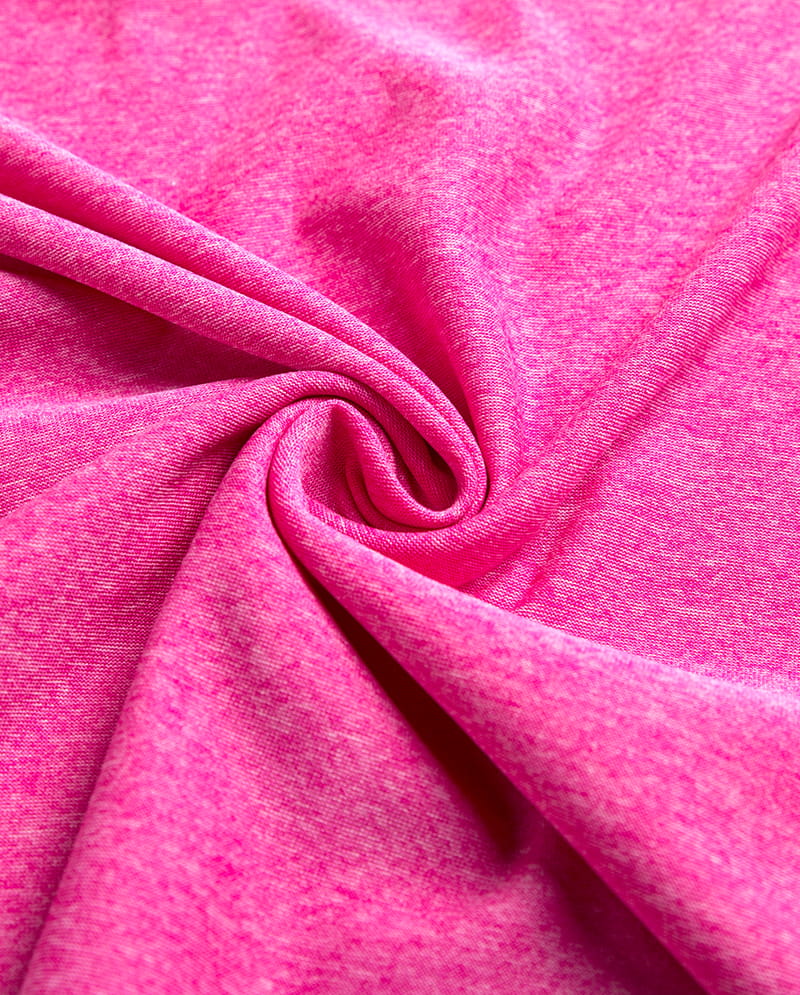
Product Overview: A Thermal Knit Built for Comfort and Performance
The fabric is a cationic DTY spandex two sides brush Dralon knit fabric intended primarily for garment thermal underwear. Its structure and finishing process are designed to answer the most important questions in base-layer fabric development: Is it warm without being bulky? Is it soft enough for direct skin contact? Does it stretch and recover? Does it keep its color after washing? Can it support efficient garment manufacturing? This fabric is developed to answer yes to each of these points.
Its two-sided brushed finish is one of its most visible and touchable advantages. Brushing raises fine fibers on the surface of the fabric, creating a soft nap that improves the sensation against the skin. Because both sides are brushed, the garment can feel soft on the inside while maintaining a premium surface appearance on the outside. This is especially important for thermal underwear, where the inner face must be comfortable during all-day wear and the outer face should remain neat under layered clothing.
The medium weight of 230 to 235 GSM provides a useful balance between warmth and mobility. Very lightweight fabrics may lack enough insulation for cold conditions, while overly heavy fabrics can feel bulky, restrict movement, and slow drying. This fabric occupies a practical middle range, making it suitable for daily winter underwear, men’s and women’s base layers, warm leggings, thermal tops, soft sleepwear, and similar garments that require comfort over long periods.
The cuttable width of 180 to 185 CM gives garment factories flexibility in marker planning and cutting efficiency. Wider fabrics can help reduce waste when making body-hugging garments such as thermal tops, bottoms, and close-fit underwear sets. In competitive apparel manufacturing, fabric utilization affects cost, production speed, and sustainability. A stable width, combined with reliable weight and finishing consistency, helps manufacturers control production quality more effectively.
Another key advantage is the combination of cationic DTY polyester and Dralon. Cationic DTY provides texture, bulk, softness, and dyeing performance. Dralon, a modified acrylic fiber, contributes warmth and a pleasant hand feel. The inclusion of spandex brings stretch and recovery. This multi-fiber approach is more advanced than simple single-fiber fabrics because it allows the final textile to combine several strengths rather than relying on one material to do everything.
Core Fiber Composition and Why It Matters
A successful thermal underwear fabric begins with the correct fiber strategy. Each fiber must contribute a functional role while remaining compatible with knitting, dyeing, brushing, and garment production. In this fabric, the principal performance elements are cationic DTY polyester, spandex, and Dralon modified acrylic fiber. Their combined effect gives the textile warmth, softness, stretch, color appeal, and wearing comfort.
Cationic DTY Polyester
DTY, or draw textured yarn, is widely used in knitted fabrics because of its softness, stretch-like texture, bulk, and dimensional performance. Cationic DTY adds a further advantage: it can create more vivid dyeing results and improved color effects compared with many ordinary polyester yarns. In fashion and underwear production, color consistency and color attractiveness are not minor details. Even thermal underwear, often worn as an inner layer, must look appealing on retail shelves and maintain its appearance after washing.
Cationic dyeable polyester is valued because it allows richer shades and different dyeing behaviors. It can help create fabrics with a more premium visual quality, supporting both solid colors and special tone effects depending on the design. For brands developing seasonal underwear collections, this gives more freedom in color planning. When combined with proper finishing and quality control, cationic DTY helps the fabric resist a dull or washed-out appearance.
Spandex
Spandex is essential for modern underwear because the body is always moving. Thermal underwear must stretch during bending, sitting, walking, sleeping, exercising, and layering. A fabric without enough elasticity may feel tight at the elbows, knees, waist, hips, or shoulders. It may also bag out after wearing. Spandex solves this by providing elastic extension and recovery.
In this fabric, spandex helps the garment fit closely while still allowing freedom of movement. A close fit improves thermal performance because it reduces cold air gaps between the fabric and the skin. However, closeness without stretch can be uncomfortable. The spandex component helps achieve the ideal combination: a body-following fit that feels flexible rather than restrictive. This is a major advantage over many traditional thermal fabrics that rely only on bulk for warmth.
Dralon Modified Acrylic Fiber
Dralon is known for warmth, softness, and lightness. Its fiber structure helps trap air, which improves insulation without requiring excessive fabric thickness. In cold-weather clothing, trapped air is a key part of thermal performance. Air is a poor conductor of heat, so fibers that hold small pockets of air can slow heat loss from the body. This helps the wearer feel warm while avoiding the heavy, bulky sensation associated with some winter fabrics.
Dralon also contributes a wool-like comfort without some of the irritation that certain wearers associate with coarse wool. For skin-contact garments such as thermal underwear, low irritation is very important. The two-sided brushing enhances this benefit by creating an even softer surface. The result is a fabric suitable for garments that may be worn for many hours, including during sleep or indoor winter activity.
Advantages Over Competing Thermal Underwear Fabrics
The thermal underwear market includes cotton blends, ordinary polyester knits, wool blends, acrylic fabrics, fleece-backed materials, and various brushed synthetic textiles. Each category has strengths, but many also involve trade-offs. The cationic DTY spandex two-sided brushed Dralon knit fabric is competitive because it reduces several common compromises.
Compared with Cotton Thermal Fabrics
Cotton is familiar and comfortable, but it absorbs moisture easily and dries slowly. In cold conditions, moisture retention can cause discomfort because damp fabric draws heat away from the body and creates a clammy feeling. Cotton-heavy thermal underwear may feel soft at first, but during active use it can become wet and slow to recover.
The cationic DTY and Dralon blend is designed to manage moisture more effectively and keep the wearer drier. Moisture-wicking performance helps move perspiration away from the skin, improving comfort in changing temperatures. The fabric also keeps a lighter feel than many cotton thermal materials of comparable warmth. For active daily wear, commuting, indoor-outdoor transitions, and winter layering, this gives the fabric an important practical advantage.
Compared with Ordinary Polyester Knits
Standard polyester knit fabrics can be durable and quick drying, but they may lack warmth, softness, and premium appearance if not specially engineered. Some ordinary polyester underwear fabrics feel slick, plastic-like, or insufficiently insulating. Others pill easily after brushing if the yarn and finishing are not well controlled.
This fabric improves on ordinary polyester through cationic DTY yarn selection, Dralon blending, spandex elasticity, and two-sided brushing. Cationic DTY supports enhanced color vibrancy. Dralon improves warmth and softness. Spandex improves fit and movement. The brushed surface gives a warmer and more luxurious feel than a plain polyester jersey. These combined features allow the fabric to target higher-value thermal underwear rather than basic commodity products.
Compared with Heavy Fleece Thermal Materials
Fleece-backed fabrics can be warm, but they are often bulky. When worn under trousers, shirts, uniforms, or winter outerwear, bulky underwear can restrict movement and create pressure points. Thick fleece may also overheat the wearer indoors. For modern consumers, adaptable comfort is often more important than maximum thickness.
The 230 to 235 GSM construction of this fabric provides warmth in a more moderate and wearable form. Its brushed surfaces add soft insulation, while Dralon helps trap air without excessive weight. The result is suitable for thermal underwear that can be worn under everyday clothing. This advantage is especially valuable for office workers, students, travelers, and outdoor users who need warmth without looking or feeling over-layered.
Compared with Wool Blends
Wool is naturally warm and moisture-regulating, but it can be expensive, may irritate sensitive skin, and often requires careful washing. Some consumers also prefer vegan or non-animal fiber alternatives. Wool blends can be excellent in premium outdoor markets, but they are not always ideal for mass thermal underwear production where cost control, color consistency, and easy care are important.
The cationic DTY spandex Dralon knit offers a soft, warm, and skin-friendly alternative. It aims to provide insulation and comfort while supporting efficient dyeing, stable production, and easier garment care. Its Oeko-Tex Standard 100 certification supports suitability for skin-contact use, giving brands and consumers additional confidence in safety.
Performance Table: Key Product Features
Feature |
Product Characteristic |
Benefit for Thermal Underwear |
Fiber system |
Cationic DTY polyester, spandex, and Dralon modified acrylic fiber |
Combines color quality, stretch, warmth, and softness in one fabric |
Surface finish |
Two-sided brushed finish |
Soft hand feel on both sides and improved cozy comfort |
Fabric weight |
Approximately 230 to 235 GSM |
Balanced warmth without excessive bulk |
Cuttable width |
Approximately 180 to 185 CM |
Efficient cutting for thermal tops, bottoms, and underwear sets |
Elasticity |
Spandex-enhanced stretch and recovery |
Better fit, freedom of movement, and shape retention |
Color performance |
Cationic DTY supports vivid dyeing and color fastness |
Attractive appearance through repeated washing |
Thermal function |
Dralon helps trap insulating air |
Lightweight warmth suitable for daily winter wear |
Moisture comfort |
Moisture-wicking performance |
Helps reduce clamminess during temperature changes |
Safety standard |
Oeko-Tex Standard 100 certified |
Supports use in close-to-skin garments and sensitive applications |
Two-Sided Brushing: The Difference the Wearer Can Feel
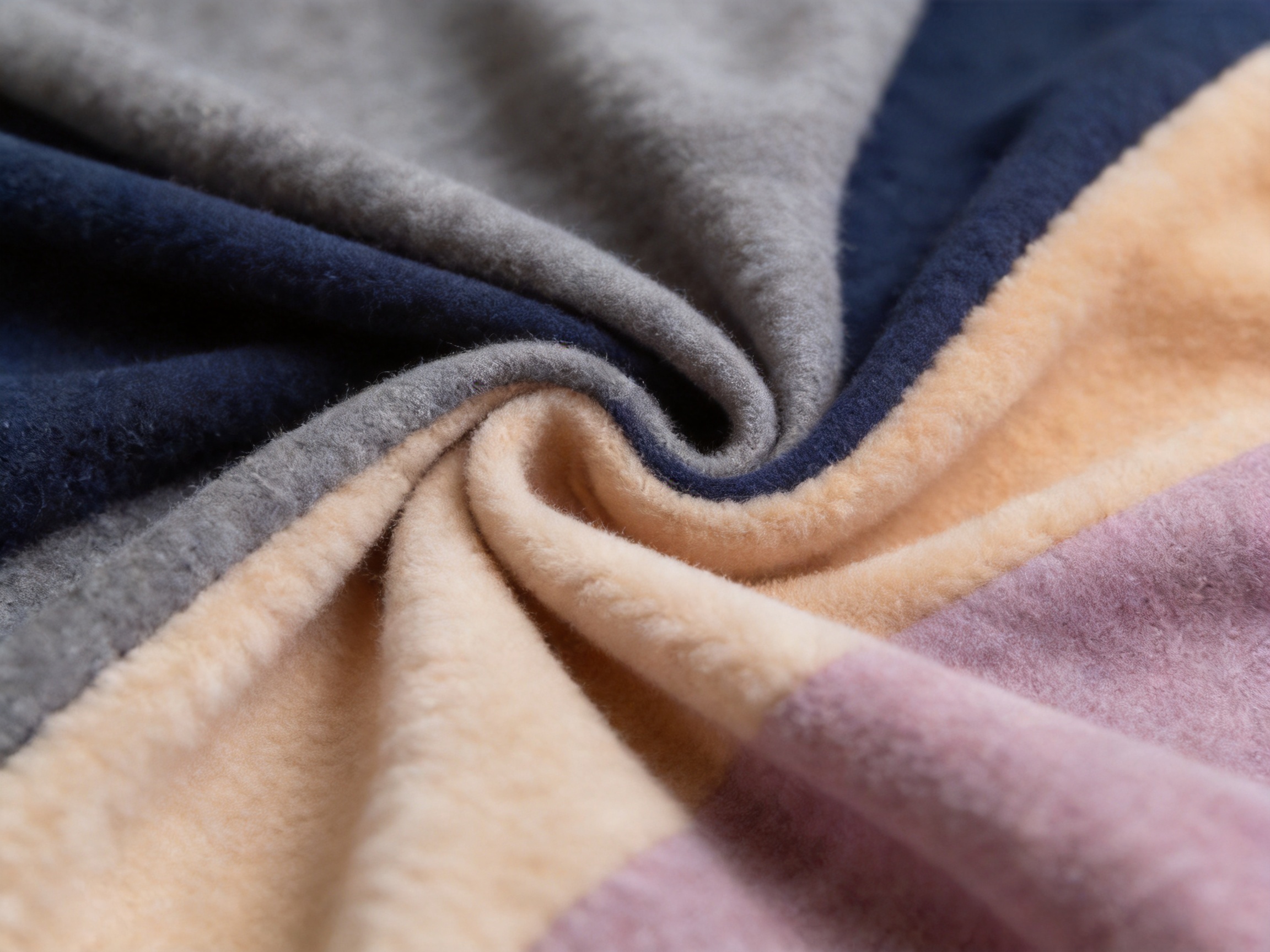
Many technical fabric advantages are invisible to the end user, but brushing is immediately noticeable. When a consumer touches thermal underwear in a store or wears it for the first time, the surface feel strongly influences perceived quality. A harsh, flat, or cold surface can reduce product appeal even if the material has good laboratory performance. Two-sided brushing solves this by turning the knit into a warmer, softer, more inviting fabric.
During the brushing process, fine fibers are raised from the fabric surface in a controlled way. This creates a soft nap and increases the amount of still air held near the fabric surface. The inner brushed side improves skin comfort and warmth. The outer brushed side improves the garment’s plush hand and visual fullness. When properly controlled, brushing can enhance softness without damaging the fabric structure or causing excessive fiber loss.
The quality of brushing depends on yarn selection, fabric construction, machine settings, brushing intensity, and finishing control. Too little brushing may fail to provide enough softness. Too much brushing may weaken the fabric or cause pilling. A professional textile manufacturer must balance these conditions carefully. The product reflects this balance by offering a cloud-like touch while retaining the stability needed for garment production.
For thermal underwear, two-sided brushing also supports psychological comfort. Consumers associate softness with warmth and care. When fabric feels gentle against the skin, it encourages longer wear and improves satisfaction. This is especially important for underwear garments, which often generate repeat purchases if the wearer finds them comfortable.
Color Vibrancy and Fastness from Cationic DTY
Color is an important part of modern thermal underwear design. The market has moved beyond basic white, black, and gray. Brands now offer seasonal colors, soft neutrals, deep winter tones, heather effects, and fashionable shade ranges. Cationic DTY gives fabric developers more flexibility in color presentation and helps achieve a richer visual effect.
Cationic dyeable polyester has different dyeing characteristics from standard polyester. When used correctly, it supports bright shades, improved dye uptake, and attractive contrast effects in blends. For garment brands, this can support better collection planning. For example, women’s thermal tops may require soft rose, beige, lavender, or warm gray shades, while men’s thermal underwear may require navy, charcoal, black, forest green, or deep brown. Children’s and family thermal products may require brighter colors. A fabric that holds color well across these categories is commercially valuable.
Fastness is just as important as initial beauty. Thermal underwear is washed frequently because it is worn close to the skin. Poor dye fastness can cause fading, staining, or a worn appearance after only a few wash cycles. The product’s cationic DTY component helps the fabric retain its appearance through repeated washing when proper dyeing and finishing procedures are followed. This supports brand reputation and reduces consumer complaints.
Color consistency also matters in garment production. If fabric shade varies between rolls or lots, cutting rooms and sewing lines can experience matching problems. Experienced yarn and fabric suppliers reduce this risk through controlled raw material sourcing, production planning, and testing. The company’s background in cationic dyeing yarn and differential yarn development helps support this requirement.
Stretch, Recovery, and the Importance of Spandex
Thermal underwear must fit close to the body to work effectively. A loose garment allows cold air to move between skin and fabric, reducing insulation. However, a tight garment without proper stretch can feel uncomfortable. This is why spandex is a key component in the fabric. It gives the material the ability to stretch during movement and return toward its original shape afterward.
Stretch performance is important across the entire garment. In thermal tops, the shoulder, elbow, chest, and waist areas experience repeated stress. In thermal bottoms, the knee, hip, thigh, and waistband areas must move constantly. If the fabric cannot recover, the garment may become baggy at the knees or elbows. If the fabric is too rigid, it may restrict movement and discourage wear.
The spandex-enhanced construction supports active comfort. It allows the underwear to function under layered clothing, during commuting, outdoor walking, light exercise, travel, work, and relaxation. The wearer can bend, sit, stretch, and move without feeling trapped. This is a strong advantage over many traditional thermal fabrics that provide warmth but fail to provide modern ergonomic comfort.
Spandex also contributes to garment aesthetics. A fabric with good stretch recovery creates cleaner lines and a smoother fit. This matters even for innerwear because consumers often wear thermal tops as visible lounge layers or under open shirts and jackets. A neat fit can increase perceived garment quality.
Lightweight Warmth from Dralon
Warmth is the central purpose of thermal underwear, but warmth must be achieved intelligently. Simply making a fabric thicker can increase insulation, but it can also create bulk, slow drying, and discomfort. Dralon offers a more refined route to warmth. Its modified acrylic fiber character helps trap air and create soft insulation while keeping the fabric relatively light.
The hollow or air-trapping nature associated with Dralon helps build a thermal barrier. This supports heat retention in cold environments and improves comfort during indoor-outdoor transitions. The wearer can stay warm during commuting or outdoor activity without feeling overly heavy once indoors. For many consumers, this balanced thermal comfort is more useful than extreme insulation.
Dralon also contributes to the fabric’s soft hand. Acrylic-type fibers are often used in winter textiles because of their wool-like warmth and pleasant touch. When combined with two-sided brushing, Dralon helps create a cozy surface suitable for skin-contact garments. This can make the fabric especially appealing for thermal underwear worn by people with sensitivity to rougher fibers.
From a product development viewpoint, Dralon helps brands create garments that feel premium without relying entirely on expensive natural fibers. It offers an effective balance of warmth, softness, and cost-performance, which is essential for commercial thermal underwear programs.
Moisture-Wicking Comfort for Daily Wear
Cold-weather clothing must manage moisture as well as temperature. A wearer may be cold outdoors, warm in public transportation, active while walking, and then still again indoors. These changing conditions cause the body to produce varying amounts of moisture. If moisture remains trapped against the skin, the wearer feels clammy and uncomfortable. In cold conditions, dampness can also make the body feel colder.
The fabric is engineered to wick moisture away from the skin, helping maintain a drier microclimate. This is particularly important for base layers because they sit directly against the body. A good base layer should reduce the discomfort of perspiration and allow the wearer to move through different environments without needing to change clothing frequently.
Moisture-wicking performance also supports hygiene and freshness by reducing the period during which dampness remains against the skin. While fabric care and garment construction also influence comfort, the material’s moisture management ability is a key part of the user experience. For brands, this feature can be highlighted in product descriptions for everyday winter wear, travel underwear, light outdoor base layers, and active thermal garments.
Skin Safety and Oeko-Tex Standard 100 Certification
Thermal underwear is a close-to-skin product. It may be worn for many hours and sometimes during sleep. Therefore, fabric safety is not optional. The product meets Oeko-Tex Standard 100 certification, which is widely recognized in the textile industry for testing harmful substances in textile products. This certification gives garment brands and consumers greater confidence that the material is suitable for sensitive applications.
For manufacturers selling to international markets, safety certification can simplify product approval and support compliance expectations from retailers and buyers. Many buyers increasingly require recognized textile safety standards before sourcing fabrics for underwear, children’s wear, sleepwear, and base layers. Certification can therefore become a commercial advantage, not only a technical claim.
Skin comfort also depends on surface softness, breathability, stretch, and moisture management. The two-sided brushing helps reduce mechanical irritation, while spandex supports a comfortable fit that avoids excessive pressure. Moisture-wicking helps reduce clamminess. Together with certification, these factors make the fabric suitable for garments designed for prolonged direct contact with the skin.

Manufacturing Strengths Behind the Fabric
A high-quality fabric depends not only on its formulation but also on the manufacturer’s ability to control processes from yarn development to finishing. Suzhou Junhui Textile Co., Ltd. and Suzhou Xiaoran New Materials Co., Ltd. have built their business around differential yarns, functional yarns, recycled yarns, polyester drop-dyed yarns, microfine yarns, flame-retardant yarns, cationic dyeing yarns, and knitting fabric products. This product benefits from that wider knowledge base.
The company’s manufacturing strength begins with yarn expertise. Because the enterprise develops and sells many types of differential yarn, it understands how yarn count, filament number, texture, luster, dyeing behavior, and functional treatment influence final fabric performance. The provided product list includes recycled series, normal series, cationic dyeable series, high-elastic series, and functional series such as fire-retardant, antibacterial, moisture-wicking, cotton-like, hollow warm, and air-covered yarn options. This wide technical base allows the company to match yarn to fabric function rather than relying on generic materials.
Advanced manufacturing in this context means more than owning machines. It means integrating yarn choice, knitting parameters, dyeing behavior, brushing control, heat setting, inspection, and customer-specific requirements. For a thermal underwear fabric, the manufacturer must ensure stable GSM, consistent width, even brushing, reliable stretch, proper shade control, and acceptable shrinkage. Each stage affects the next. Poor yarn selection can create uneven dyeing. Poor knitting can create streaks or instability. Poor brushing can create pilling or weak spots. Professional process control reduces these risks.
The company’s R&D team also strengthens product development. According to the provided company information, the team works with internationally known enterprises on research, development, and application in environmental protection and functional yarn and fabric. This indicates an orientation toward innovation, not only commodity fabric supply. In a competitive textile market, the ability to develop functional and sustainable materials is increasingly important.
Process Flow: From Yarn Concept to Finished Fabric
The production of a premium brushed thermal knit fabric can be understood as a chain of controlled steps. Each step must be planned to preserve comfort, performance, and appearance. While exact proprietary production settings are not disclosed, the general manufacturing logic includes yarn preparation, knitting, dyeing or color development, finishing, brushing, heat setting, inspection, and packaging.
Yarn Selection and Preparation
The process begins with selecting cationic DTY polyester, spandex, and Dralon components suitable for the target fabric. The yarns must be compatible in tension, shrinkage, dyeing behavior, and hand feel. DTY yarn contributes texture and body. Spandex must be inserted with controlled tension so that the final fabric has balanced elasticity. Dralon must be blended or arranged in a way that supports warmth and brushing performance.
Yarn quality is checked to reduce problems such as broken filaments, uneven denier, poor package formation, or inconsistent dyeing. Because Suzhou Junhui Textile Co., Ltd. works with many yarn categories, including cationic dyeing and high-elastic yarns, it has relevant experience in choosing yarns for specific fabric targets.
Knitting
Knitting converts the yarn system into a fabric structure. For thermal underwear, the knitted structure must provide softness, stretch, dimensional stability, and enough density to support brushing. Machine settings influence loop length, fabric weight, width, elasticity, and surface uniformity. If the structure is too loose, it may lack stability. If it is too tight, it may reduce softness and stretch.
The knitting process must also manage spandex carefully. Improper spandex feeding can cause uneven stretch, curling, streaking, or width instability. A stable knitting process helps ensure that the fabric performs consistently across the full width and length of the roll.
Dyeing and Color Development
The cationic DTY component gives the fabric a strong platform for vivid color. Dyeing must be controlled for temperature, time, pH, liquor ratio, dyestuff compatibility, and washing-off procedures. Proper control supports shade accuracy, fastness, and repeatability. In blended fabrics, different fibers may absorb dye differently, so technical expertise is needed to achieve the desired look.
For export-oriented production, shade consistency between batches is crucial. Buyers may place repeat orders and expect color continuity. A supplier with experience in colored yarns and cationic dyeing yarn can better support this need.
Finishing and Brushing
After dyeing, the fabric undergoes finishing processes to refine its hand feel, width, GSM, and performance. Brushing is a central finishing stage for this product. The fabric is brushed on both sides to create its signature soft surface. Machine speed, brush roller type, pressure, and number of passes must be selected carefully. The goal is to raise a fine and even nap without damaging the fabric.
Finishing may also include softening, moisture-management treatment, drying, and heat setting. Heat setting helps stabilize width, reduce shrinkage, and improve dimensional performance. In stretch fabrics, heat setting must preserve elasticity while reducing distortion. This balance is technically important because thermal underwear must retain shape after washing and wearing.
Inspection and Quality Control
Finished fabric inspection verifies appearance and performance. Common checks include width, GSM, color shade, surface defects, brushing uniformity, stretch and recovery, hand feel, shrinkage, pilling tendency, and fastness. Fabric intended for underwear may also be checked against safety and buyer-specific requirements. Quality control helps ensure that each roll delivered to garment manufacturers can be cut and sewn with confidence.
Company Advantages in Global Textile Supply
Suzhou Junhui Textile Co., Ltd. was founded in 2015 and is committed to developing and selling differential yarns and knitted fabric products. Its product focus includes recycled yarn, polyester drop-dyed yarn, microfine yarn, flame-retardant yarn, cationic dyeing yarn, and functional fabric. This range demonstrates versatility across both performance and sustainability-oriented textile categories.
The company reports that more than 90 percent of its products are exported and that it has established cooperative relationships with customers in 36 countries. This international market experience is important because export customers often require clear communication, stable quality, documentation, repeatability, and responsiveness. A fabric supplier serving global buyers must understand diverse market expectations, from color preference and fabric hand to compliance and delivery timelines.
The company also emphasizes service orientation and states that its experts are ready to help within 12 hours globally. In fabric sourcing, quick technical support can be highly valuable. Garment manufacturers may need help with fabric selection, color development, testing questions, cutting behavior, or problem solving during production. Responsive support reduces delays and strengthens buyer confidence.
Another advantage is the company’s wide product list. The available yarn categories include recycled semi-dull DTY and FDY, full-dull DTY, cationic dyeable DTY, semi-dull plus cationic DTY, dope dyed black yarn, high-elastic yarn, PBT/PET yarn, flame-retardant yarn, antibacterial yarn, moisture-wicking yarn, cotton-like yarn, hollow warm yarn, and air-covered yarn. This broad portfolio allows the company to develop fabrics for different market levels and functions. Buyers looking for thermal, sustainable, functional, color-rich, or elastic textiles can discuss multiple solutions with one supplier.
Sustainability and Responsible Textile Development
Environmental responsibility is increasingly important in the textile industry. Consumers, brands, and retailers are paying more attention to recycled materials, safe chemistry, efficient production, and long-lasting garments. While this specific thermal fabric focuses on cationic DTY, spandex, and Dralon performance, it is supported by a company that also develops recycled yarns and environmental protection applications.
Durability itself is a sustainability advantage. A thermal underwear fabric that maintains softness, color, and shape through repeated washing can extend garment life. Longer-lasting garments reduce replacement frequency and may reduce waste. Color fastness, stretch recovery, and dimensional stability are therefore not only quality features but also responsible product attributes.
Oeko-Tex Standard 100 certification also supports responsible manufacturing by addressing harmful substance concerns. For close-to-skin textiles, safer chemistry is a major part of sustainable product value. Buyers can combine this certification with their own garment-level testing and responsible sourcing programs.
The company’s ability to supply recycled yarn categories may also support future customization. Brands seeking lower-impact thermal underwear collections may work with the supplier to explore recycled polyester, functional yarn combinations, or other differentiated materials. A supplier with both performance and recycled yarn experience is better positioned for evolving market demands.
Application Potential in Garment Development
The main application for this fabric is garment thermal underwear, including tops, bottoms, sets, leggings, base layers, and close-fitting winter innerwear. However, its performance profile also makes it suitable for related categories. The soft brushed surface, moderate weight, stretch, and warmth can support lounge garments, sleepwear, winter T-shirts, children’s warm layers, lightweight outdoor base layers, and soft casualwear.
For men’s thermal underwear, the fabric can provide warmth without bulk under shirts, uniforms, trousers, or outdoor jackets. For women’s thermal underwear, it can support close-fitting silhouettes with a soft hand and comfortable stretch. For family thermal products, the skin-safe and washable characteristics are valuable. For travel garments, the fabric’s warmth, comfort, and moisture-wicking performance make it practical for changing climates.
Garment designers can use the fabric in both simple and premium designs. Its two-sided brushed texture gives a luxurious hand even in basic silhouettes. Its color performance allows more attractive palettes. Its stretch supports slim fit and ergonomic patterning. Its width supports efficient cutting. These factors help brands create products that feel better than ordinary thermal underwear while remaining practical for scaled production.
Why This Fabric Supports Better Consumer Satisfaction
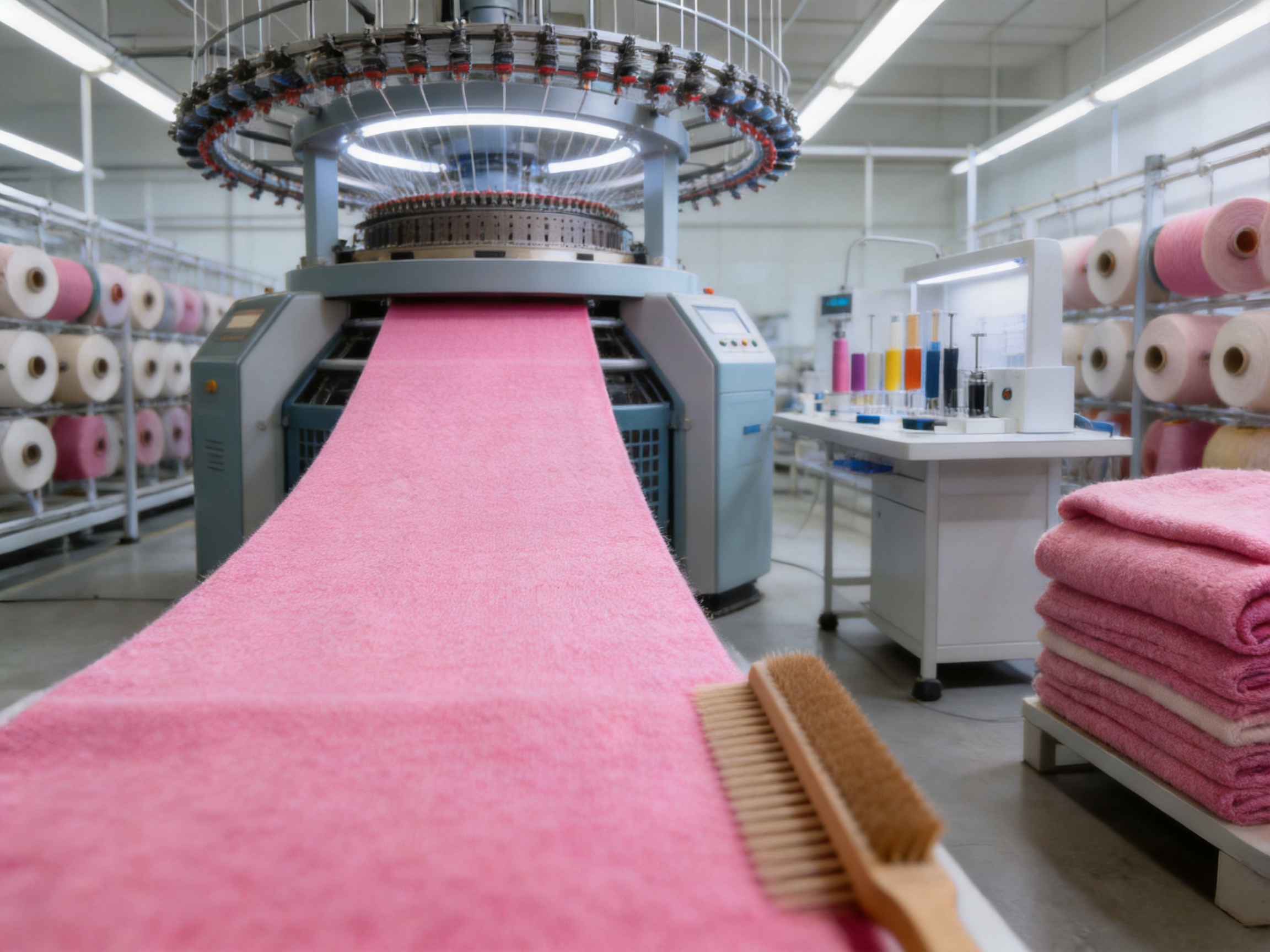
Consumer satisfaction in thermal underwear comes from repeated daily experiences. The first touch matters, but so do the tenth wash, the fit after a full day, the warmth during a cold morning, and the comfort indoors. This fabric is designed around those repeated experiences. Its softness encourages immediate purchase appeal. Its stretch supports daily motion. Its moisture-wicking property reduces discomfort. Its color fastness supports long-term appearance. Its medium weight reduces bulk. Its Dralon component supports warmth. Its certification supports confidence.
Many competing fabrics excel in one area but fail in another. A fabric may be warm but bulky, soft but weak, stretchy but unstable, cheap but unattractive, or colorful but poor in wash fastness. The strength of this product is its balance. It does not depend on a single feature; rather, it integrates multiple performance benefits into one knitted textile.
For brands, balanced performance reduces risk. A fabric that satisfies many requirements can be used across a wider product range. It can support different colorways, sizes, and market segments. It can help reduce returns caused by discomfort, shrinkage, poor recovery, or fading. It also provides clear selling points for online and offline product descriptions.
Quality Factors Buyers Should Consider
When sourcing this type of fabric, buyers should evaluate several technical and commercial factors. First, they should confirm GSM and width according to garment requirements. The stated 230 to 235 GSM and 180 to 185 CM cuttable width are suitable for many thermal underwear patterns, but buyers may need sampling and garment trials.
Second, buyers should assess hand feel on both sides. The two-sided brushing should be even, soft, and stable. It should not shed excessively or create weak areas. Third, stretch and recovery should be tested in the direction required by the garment design. Thermal tops and bottoms need movement comfort, and different patterns may require specific stretch values.
Fourth, color fastness should be evaluated according to the target market. Washing, rubbing, perspiration, and light fastness may be important depending on product use. Fifth, shrinkage and dimensional stability should be checked after washing. Underwear must maintain fit, and excessive shrinkage can cause customer dissatisfaction.
Sixth, buyers should consider certification and compliance needs. Oeko-Tex Standard 100 is a strong foundation, but some retailers may require additional garment-level tests. Finally, buyers should work with the supplier on order planning, color development, lead time, and packaging requirements. A responsive supplier can help solve technical issues before mass production.
Commercial Value for Brands and Manufacturers
This fabric offers commercial value because it aligns with several important market trends. Consumers want thermal underwear that feels soft and comfortable rather than rough or bulky. They want garments that can be worn indoors and outdoors. They want easy-care materials with attractive colors. They want skin-safe fabrics. Brands want fabrics that support efficient manufacturing, stable quality, and clear product claims. This material addresses these needs in a practical way.
The fabric can help brands upgrade from basic thermal underwear to a more premium product line. The two-sided brushed finish and Dralon warmth create a strong tactile selling point. The cationic DTY component supports attractive colors. The spandex content supports body comfort. The moisture-wicking feature supports functional claims. Oeko-Tex certification supports trust. These benefits can justify stronger market positioning compared with ordinary thermal knits.
For factories, the fabric’s cuttable width and stable medium weight can support production efficiency. Its stretch and softness make it suitable for modern silhouettes. Its balanced warmth can reduce the need for overly complex garment constructions. A single well-designed fabric can therefore support multiple SKUs, including tops, bottoms, sets, and seasonal color programs.
Q&A: Common Questions About the Fabric
What is the main purpose of this fabric?
The fabric is mainly designed for garment thermal underwear, including warm tops, bottoms, base layers, leggings, and close-to-skin winter garments. It can also be used for soft loungewear, sleepwear, and lightweight warm casualwear.
Why is the fabric brushed on both sides?
Two-sided brushing improves softness, warmth, and comfort on both the inner and outer surfaces. The inner side feels gentle against the skin, while the outer side gives the garment a fuller and more premium hand feel.
What makes cationic DTY useful in this product?
Cationic DTY supports vivid dyeing, attractive color effects, and good appearance retention. It also contributes to the soft, textured character of the knit, making it suitable for higher-quality thermal garments.
How does Dralon improve warmth?
Dralon helps trap insulating air within and around the fabric structure. This improves warmth while keeping the fabric lighter and less bulky than many traditional heavy thermal materials.
Why is spandex important for thermal underwear?
Spandex provides stretch and recovery. It allows the garment to fit close to the body without restricting movement, helping preserve warmth while improving comfort during daily activity.
Is the fabric suitable for sensitive skin?
The fabric is designed for close-to-skin use and meets Oeko-Tex Standard 100 certification. Its two-sided brushed surface also provides a soft touch that helps reduce irritation during all-day wear.
What is the approximate weight and width?
The fabric has a medium weight of approximately 230 to 235 GSM and a cuttable width of approximately 180 to 185 CM. This supports warmth, comfort, and efficient garment cutting.
How does it compare with cotton thermal underwear fabric?
Compared with cotton-heavy fabrics, this fabric offers better moisture-wicking comfort, lighter warmth, faster drying potential, and stronger shape support through spandex. Cotton may feel familiar, but it can retain moisture and feel clammy in cold conditions.
How does it compare with ordinary polyester thermal fabric?
Ordinary polyester may be durable but can lack warmth, softness, and premium color. This fabric improves performance through cationic DTY, Dralon warmth, spandex stretch, and two-sided brushing.
Can the fabric be used for both men’s and women’s thermal underwear?
Yes. Its balanced weight, soft touch, stretch, and width make it suitable for men’s and women’s thermal tops, bottoms, and underwear sets.
What company strengths support this product?
The product is supported by Suzhou Junhui Textile Co., Ltd. and Suzhou Xiaoran New Materials Co., Ltd., which focus on differential yarns, functional yarns, cationic dyeing yarns, recycled yarns, and knitted fabrics. Their R&D capability, export experience, and broad yarn portfolio help support consistent fabric development and customer service.
Conclusion
The High Quality Cationic DTY Spandex Two Sides Brush Dralon Knit Fabric for Garment Thermal Underwear is a strong solution for brands seeking a warmer, softer, more flexible, and more visually appealing material for modern thermal underwear. It combines the color advantages of cationic DTY, the movement comfort of spandex, and the lightweight insulation of Dralon. Its two-sided brushed finish gives the wearer an immediate sense of softness and warmth, while its medium 230 to 235 GSM weight helps avoid unnecessary bulk.
Compared with cotton, ordinary polyester, heavy fleece, and some wool blends, the fabric offers a practical balance of warmth, comfort, moisture management, stretch, color quality, and easy-care potential. It is particularly suitable for close-to-skin garments where the consumer expects comfort through long hours of wear and repeated washing.
The manufacturing background behind the product further strengthens its value. With expertise in differential yarns, cationic dyeing yarns, functional yarns, recycled yarns, and knitted fabric development, Suzhou Junhui Textile Co., Ltd. and Suzhou Xiaoran New Materials Co., Ltd. provide more than a standard fabric supply. They provide technical understanding, product range, export experience, R&D support, and responsive service for global buyers.
For garment manufacturers, this fabric can support efficient cutting, stable production, attractive color programs, premium hand feel, and clear consumer benefits. For brands, it creates an opportunity to offer thermal underwear that feels better, performs better, and stands apart from basic winter innerwear. In a market where consumers expect warmth without heaviness and softness without weakness, this fabric offers a compelling and commercially valuable answer.
References
Oeko-Tex Association. Standard 100 by Oeko-Tex: General Principles and Testing Criteria.
Textile Institute. Textile Terms and Definitions, Technical Reference Edition.
Horrocks, A. R., and Anand, S. C. Handbook of Technical Textiles.
Sinclair, R. Textiles and Fashion: Materials, Design and Technology.
Collier, B. J., and Epps, H. H. Textile Testing and Analysis.
Adanur, S. Wellington Sears Handbook of Industrial Textiles.
Industry guidance on draw textured yarn, cationic dyeable polyester, acrylic thermal fibers, and knitted fabric finishing practices.
Product: High Quality Cationic DTY Spandex Two Sides Brush Dralon Knit Fabric for Garment Thermal Underwear

Popular products
-
Premium Cationic Interlock Stretch Comfort Fabric
-
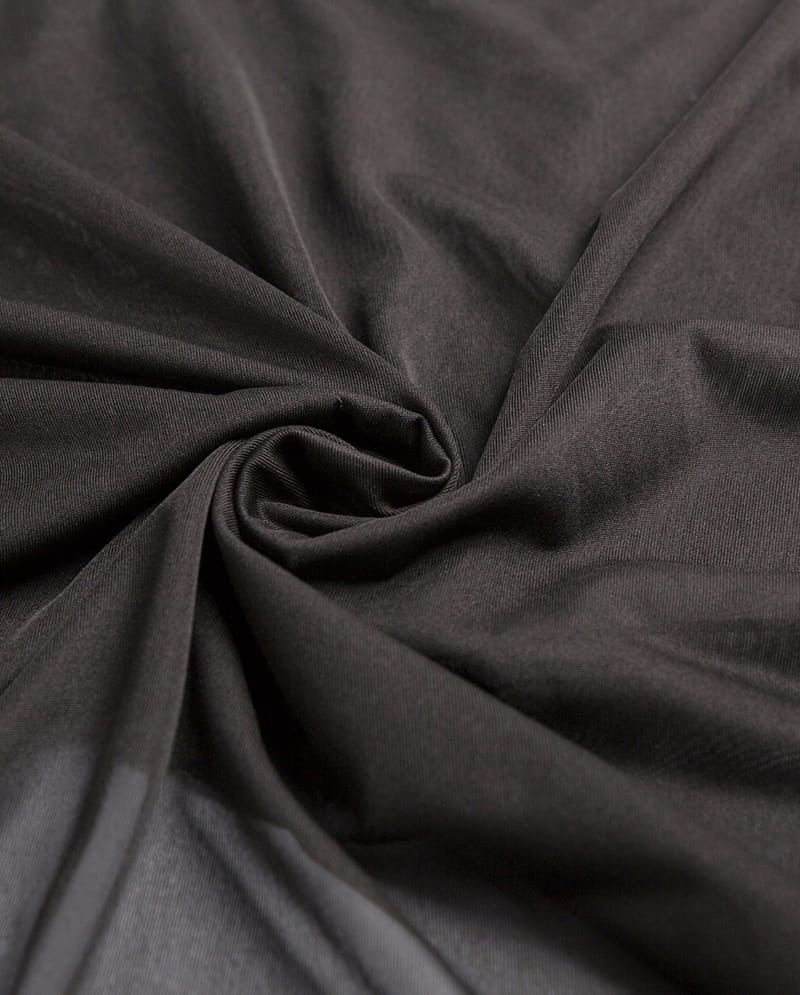
Moisture-Wicking Nylon Woven Fabric
-
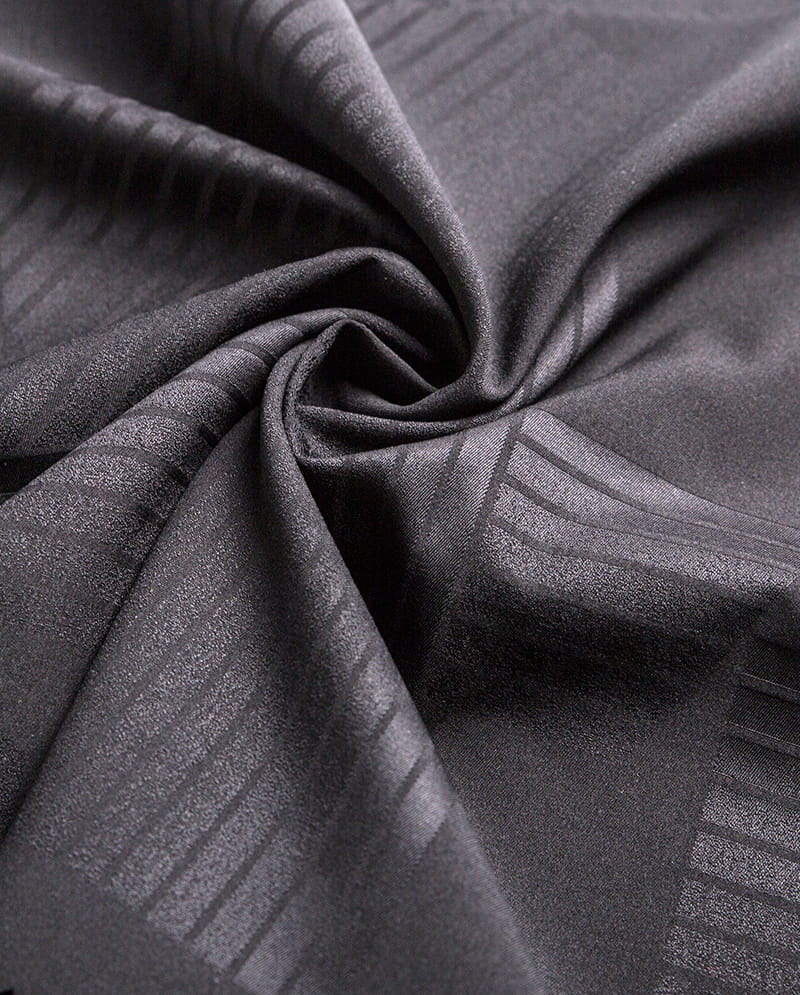
Double-faced jacquard elastic fabric
-
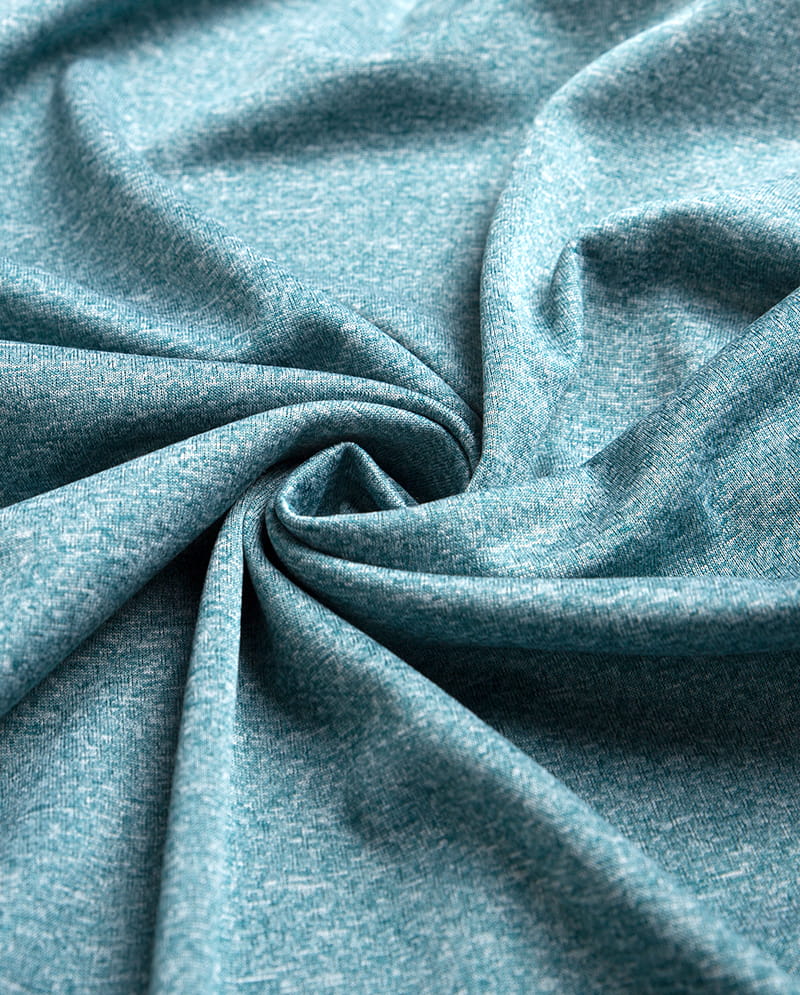
Heather Grey Double-faced cationic jersey fabric
-
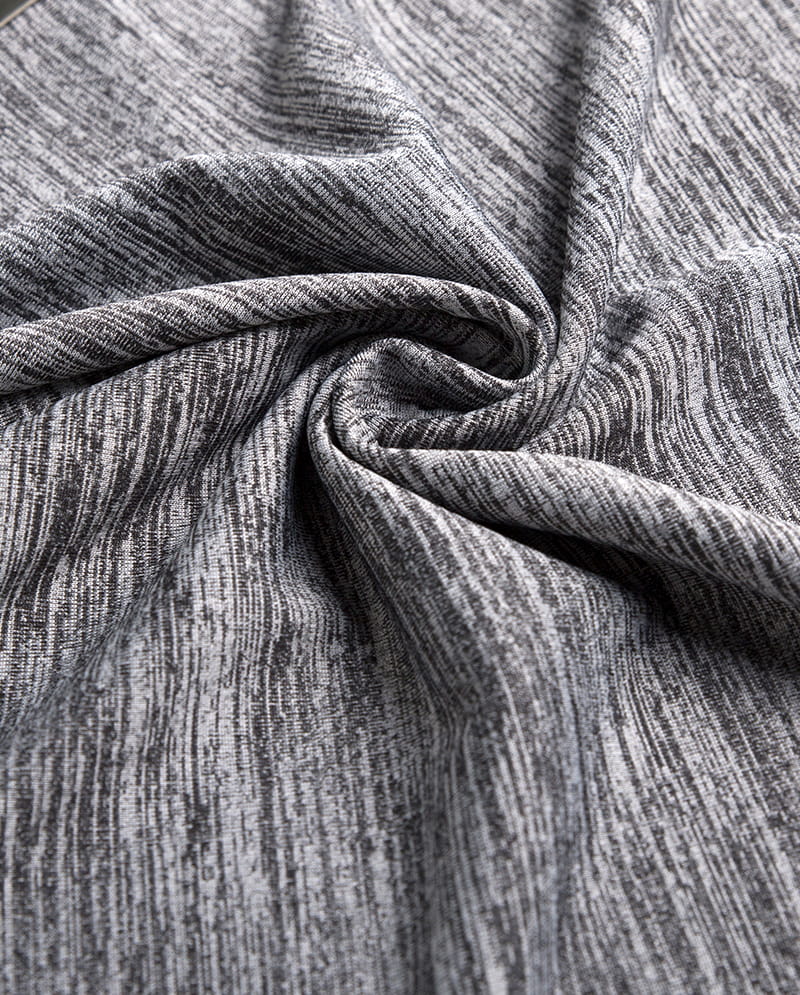
Anti-static Cationic Knitted Rib Fabric
-
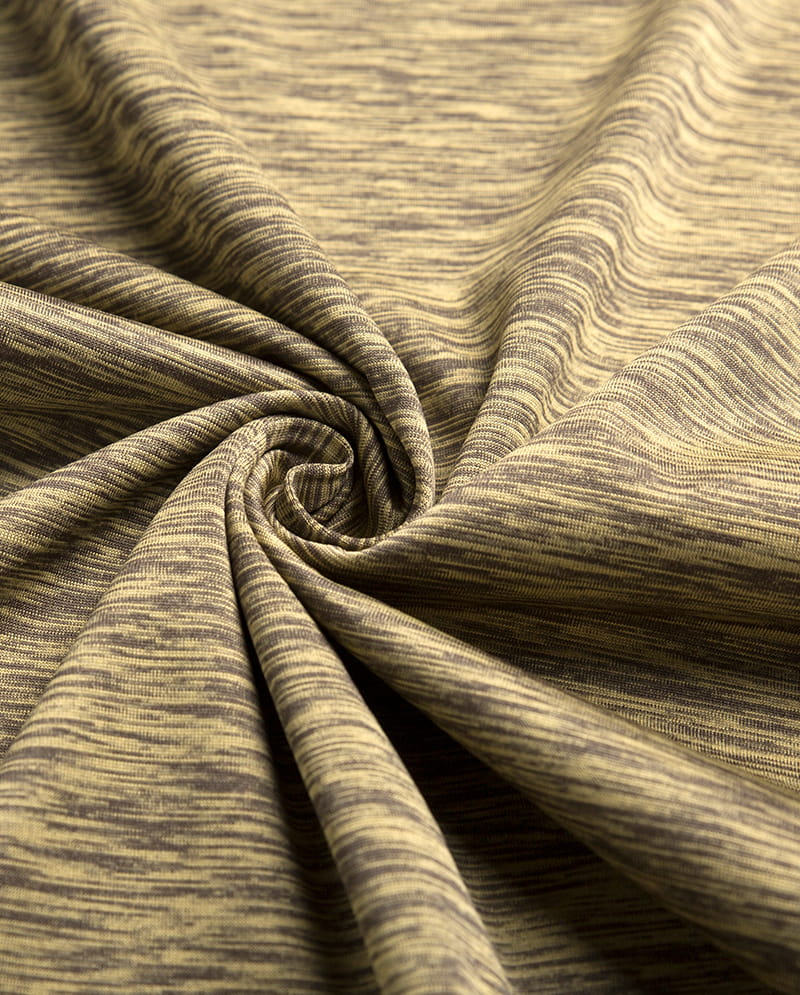
High-Stretch Cationic Jersey Fabric
-
High Quality Cationic DTY Spandex Two Sides Brush Dralon Knit Fabric for Garment Thermal Underwear
-
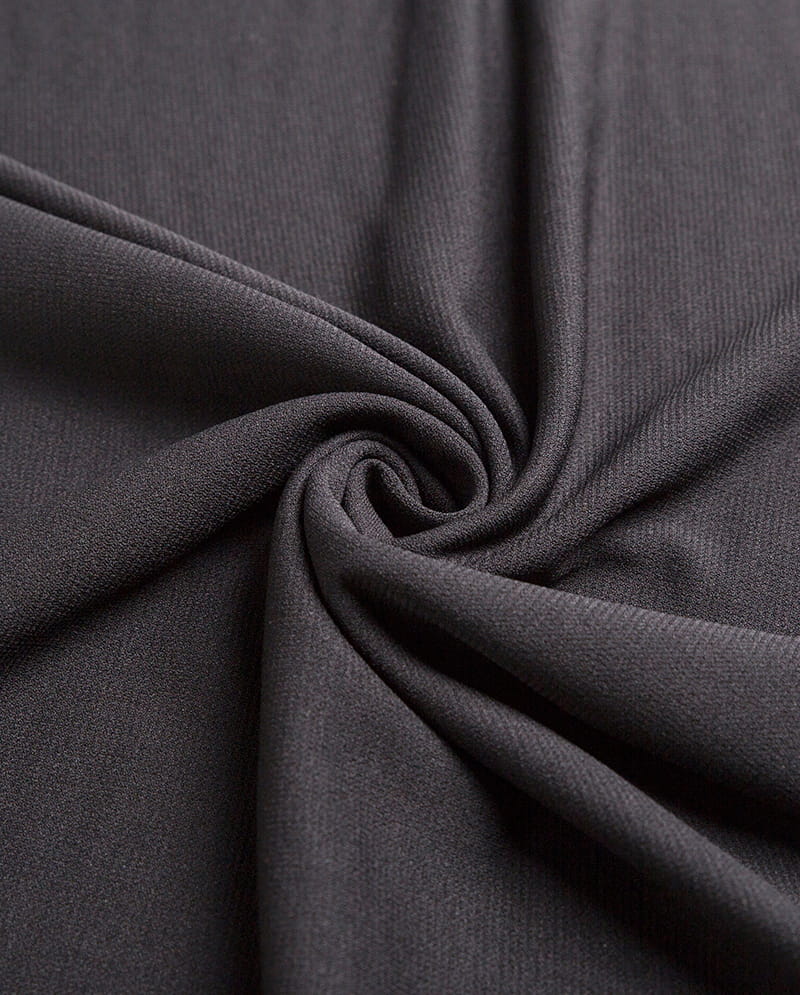
Durable Anti-Pilling Knitted Fabric for Home Textiles
-
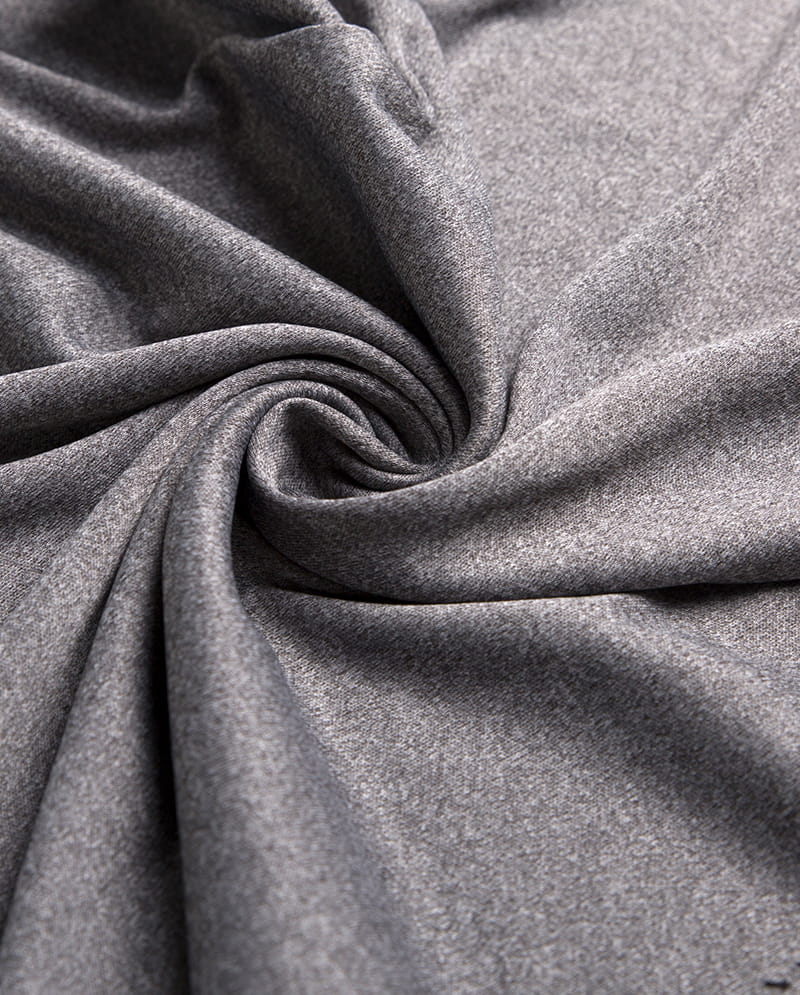
Wash-Resistant Cationic Elastic Knitted Fabric for Garment Industry
-
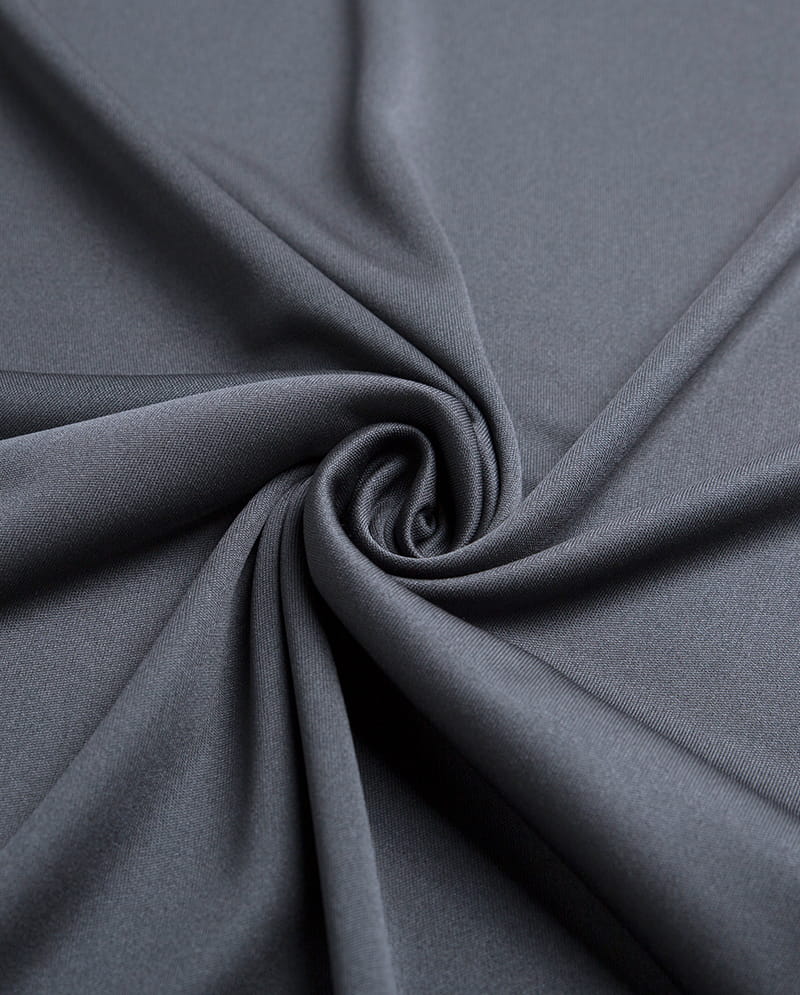
Breathable Double-Faced Elastic Composite Fabric
-
-
-
- whatsapp:
- 0086-13962559622
-
- skype:
- skype.aliceshenghong
-
- Wechat:


COPYRIGHT © 2016 Suzhou Junhui Textile Co., Ltd.
