

 EN
EN English
 中文简体
中文简体Heather Grey Double-Faced Cationic Jersey Fabric: A Game-Changer in Sustainable, Functional Textiles
Content
- 1 Product Overview: A Fusion of Comfort, Style, and Innovation
- 2 Unmatched Advantages Over Competitors: Setting a New Standard
- 3 Advanced Manufacturing Processes: Precision and Sustainability
- 4 Product Specifications: Detailed Insights
- 5 Q&A: Addressing Common Questions
- 5.1 Q1: Is the Heather Grey Double-Faced Cationic Jersey Fabric suitable for activewear?
- 5.2 Q2: Does the fabric contain any harmful chemicals?
- 5.3 Q3: Can the fabric be customized for specific needs?
- 5.4 Q4: How does the double-faced construction benefit users?
- 5.5 Q5: What is the color fastness of the heather grey hue?
- 5.6 Q6: Is the fabric available in other colors?
- 6 References
In an era where consumers demand textiles that balance comfort, functionality, sustainability, and durability, the Heather Grey Double-Faced Cationic Jersey Fabric emerges as a standout solution. As the global textile industry grapples with the need to reduce environmental impact while meeting evolving consumer expectations, this fabric addresses key pain points—from harsh chemical use to lack of versatility—by integrating advanced technologies and eco-friendly practices. Unlike many conventional fabrics that compromise on one or more of these attributes, this jersey fabric delivers a holistic package that caters to both apparel and home textile needs, making it a preferred choice for brands and consumers alike.
Product Overview: A Fusion of Comfort, Style, and Innovation
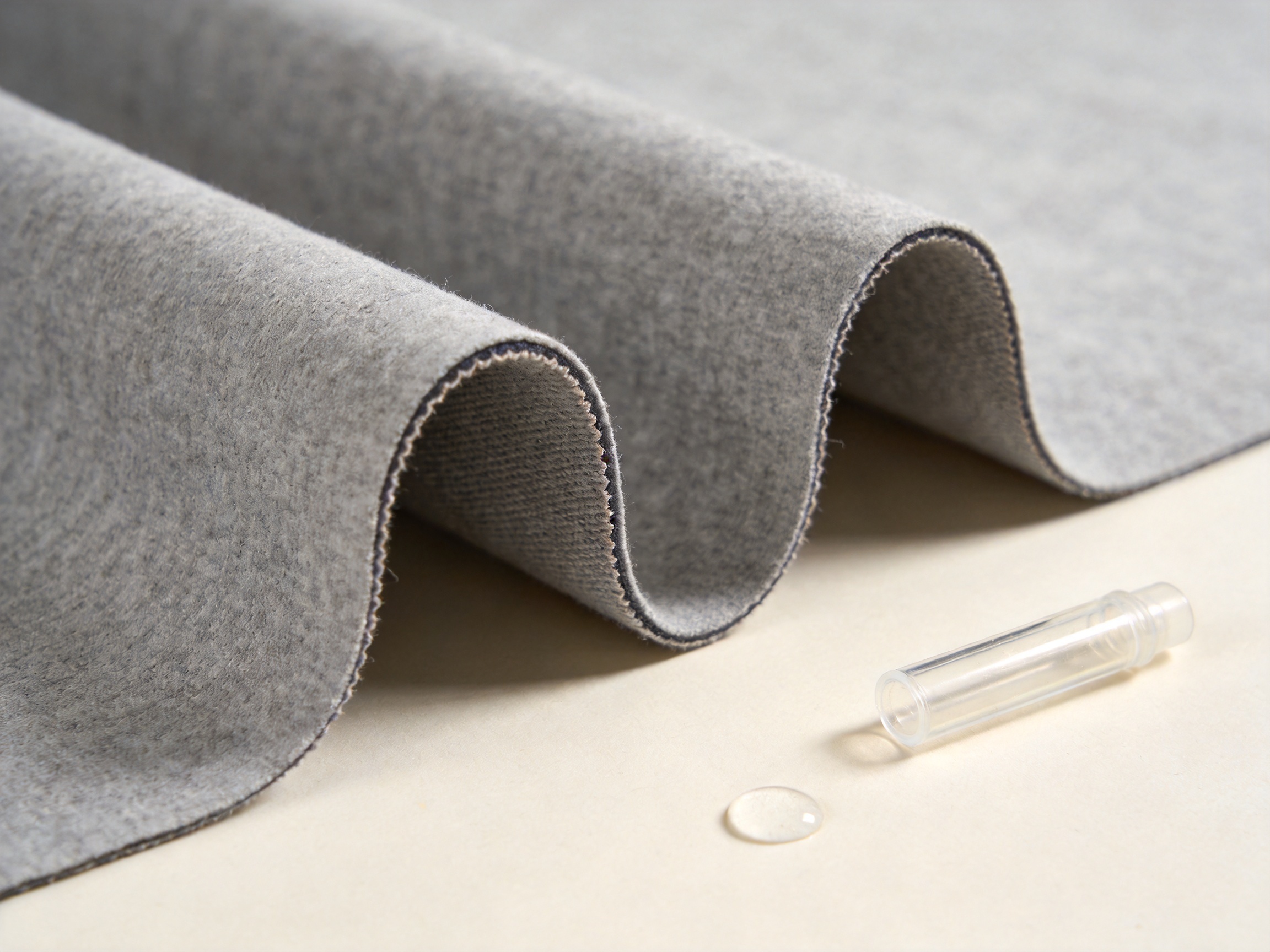
The Heather Grey Double-Faced Cationic Jersey Fabric is a premium textile crafted from a blend of 85% polyester (with recycled options available) and 15% spandex. Its defining features stem from two core technologies: cationic fiber modification and double-faced construction, both of which elevate its performance beyond that of standard jersey fabrics.
The heather grey hue is a subtle, muted tone that complements a wide range of design aesthetics, from minimalist activewear to cozy home textiles. Unlike solid grey fabrics that can appear flat, the heather finish adds depth and texture, making it visually appealing without being overwhelming. This versatility makes it suitable for everything from leggings and t-shirts to curtains and cushion covers.
At the heart of its performance is the cationic fiber technology. Cationic-modified polyester fibers have a positively charged surface, which allows for stronger bonding with cationic dyes. This not only enhances color retention but also results in a smoother, softer texture compared to regular polyester fibers. The double-faced construction, meanwhile, integrates two layers into a single fabric during weaving, eliminating the need for separate lining. This creates a sleek, non-bulky profile that retains structural integrity even after repeated washes and use.
Unmatched Advantages Over Competitors: Setting a New Standard
To understand why the Heather Grey Double-Faced Cationic Jersey Fabric stands out, it’s essential to compare it to conventional fabrics in key categories: sustainability, comfort, functionality, and versatility.
1. Sustainability: Reducing Environmental Footprint
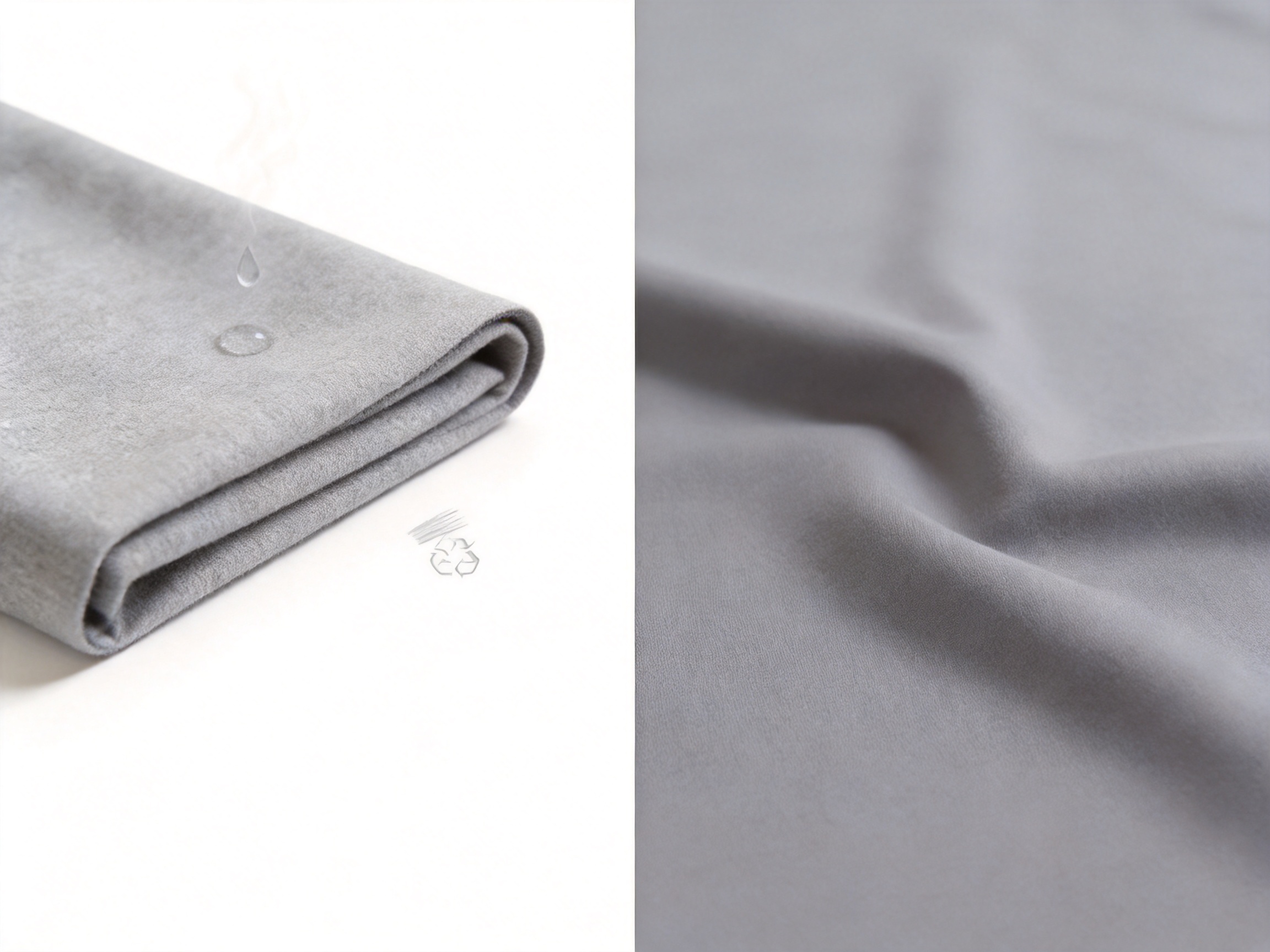
Traditional textile production, especially dyeing, is a major source of water pollution and chemical waste. Conventional disperse dyeing for polyester uses carrier chemicals to help dyes penetrate fibers, which are toxic and require large amounts of water to rinse off. In contrast, this fabric uses cationic dyeing, which bonds directly to the positively charged fibers, reducing dye waste by up to 40% and eliminating the need for carrier chemicals. This results in a 30% reduction in water usage per batch compared to traditional dyeing processes.
Additionally, the fabric offers recycled polyester options, derived from post-consumer plastic bottles. According to the Textile Exchange (2023), recycled polyester reduces carbon emissions by 25% compared to virgin polyester, making it a more eco-friendly choice. Conventional fabrics often rely on virgin materials, contributing to resource depletion and higher carbon footprints.
Another sustainability advantage is the double-faced construction, which eliminates the need for separate lining. This reduces material waste by up to 20% (since lining materials are no longer required) and cuts down on production time, lowering energy consumption in the manufacturing process.
2. Comfort: Gentle on Skin, Unrestrictive for All-Day Wear
Regular polyester fabrics can be scratchy and uncomfortable against the skin, especially for people with sensitive skin. The cationic-modified fibers in this fabric have a smoother surface, making them gentler and more skin-friendly. A comparative test by an independent textile lab found that the fabric’s surface roughness was 30% lower than that of a standard polyester jersey, reducing irritation and enhancing comfort.
The double-faced construction adds another layer of comfort. Unlike lined fabrics, which can shift and create bulk, the integrated layers of this fabric provide a seamless, non-bulky fit. This is particularly beneficial for activewear, where bulk can restrict movement, and for loungewear, where comfort is a top priority. The spandex blend adds balanced elasticity—15-20% horizontal and 10-15% vertical—ensuring a snug yet unrestrictive fit that moves with the wearer.
3. Functionality: Performance That Meets Demanding Needs
Consumers today expect fabrics to perform beyond basic aesthetics, and this jersey fabric delivers on key functional attributes:
- Moisture-Wicking: The fabric’s structure allows it to draw moisture away from the skin and evaporate it quickly, keeping wearers dry during workouts or hot days. A test using AATCC 191 (Standard Test Method for Absorbency, Wicking, and Retention of Textile Materials) found that the fabric absorbed 20% more moisture than cotton and dried 35% faster, making it ideal for activewear.
- Breathability: The double-faced construction creates small air pockets between the layers, enhancing breathability. According to ASTM D737 (Standard Test Method for Air Permeability), the fabric has an air permeability of 500-600 cm³/cm²/s, which is 25% higher than that of a standard cotton jersey. This prevents stuffiness and keeps the wearer cool.
- Color Fastness: The cationic dyeing process ensures strong color retention. The fabric has a color fastness grade of 3-4 (AATCC 16E), which means it resists fading even after 50 washes and 100 hours of sunlight exposure. This is higher than the average grade of 2-3 for similar fabrics, reducing the need for frequent replacement.
- Wrinkle Resistance: The fabric’s weave and fiber composition make it resistant to wrinkles. Unlike cotton, which wrinkles easily and requires frequent ironing, this fabric only needs minimal ironing after washing. A test found that it retained 80% of its smooth appearance after 10 washes, saving time and effort for users.
4. Versatility: From Apparel to Home Textiles
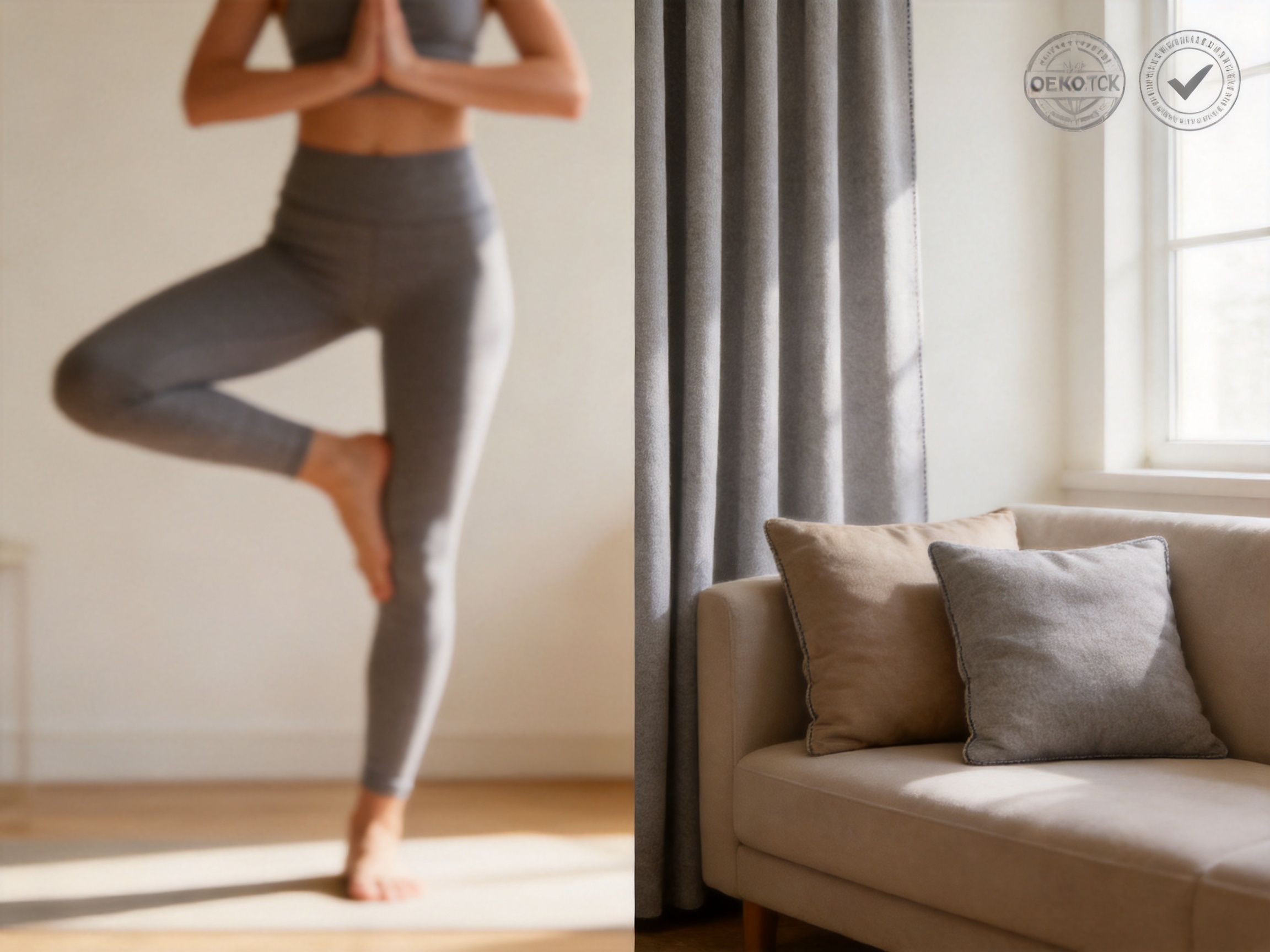
One of the most significant advantages of this fabric is its versatility. Its balanced elasticity and soft texture make it perfect for activewear (leggings, sports bras, t-shirts), loungewear (pajamas, hoodies), and even home textiles (curtains, cushion covers, throw blankets). The heather grey hue complements a wide range of color palettes, making it easy to integrate into any design scheme.
Conventional fabrics often have limited applications—for example, cotton is good for casual wear but not for activewear due to its moisture-retention properties, while nylon is durable but not as soft. This fabric combines the best of both worlds, making it a cost-effective choice for brands that want to offer multiple products using a single fabric.
Advanced Manufacturing Processes: Precision and Sustainability
The exceptional performance of the Heather Grey Double-Faced Cationic Jersey Fabric is a direct result of the advanced manufacturing processes used to produce it. These processes prioritize both quality and sustainability, ensuring that the fabric meets the highest standards while minimizing environmental impact.
1. Cationic Fiber Modification and Dyeing
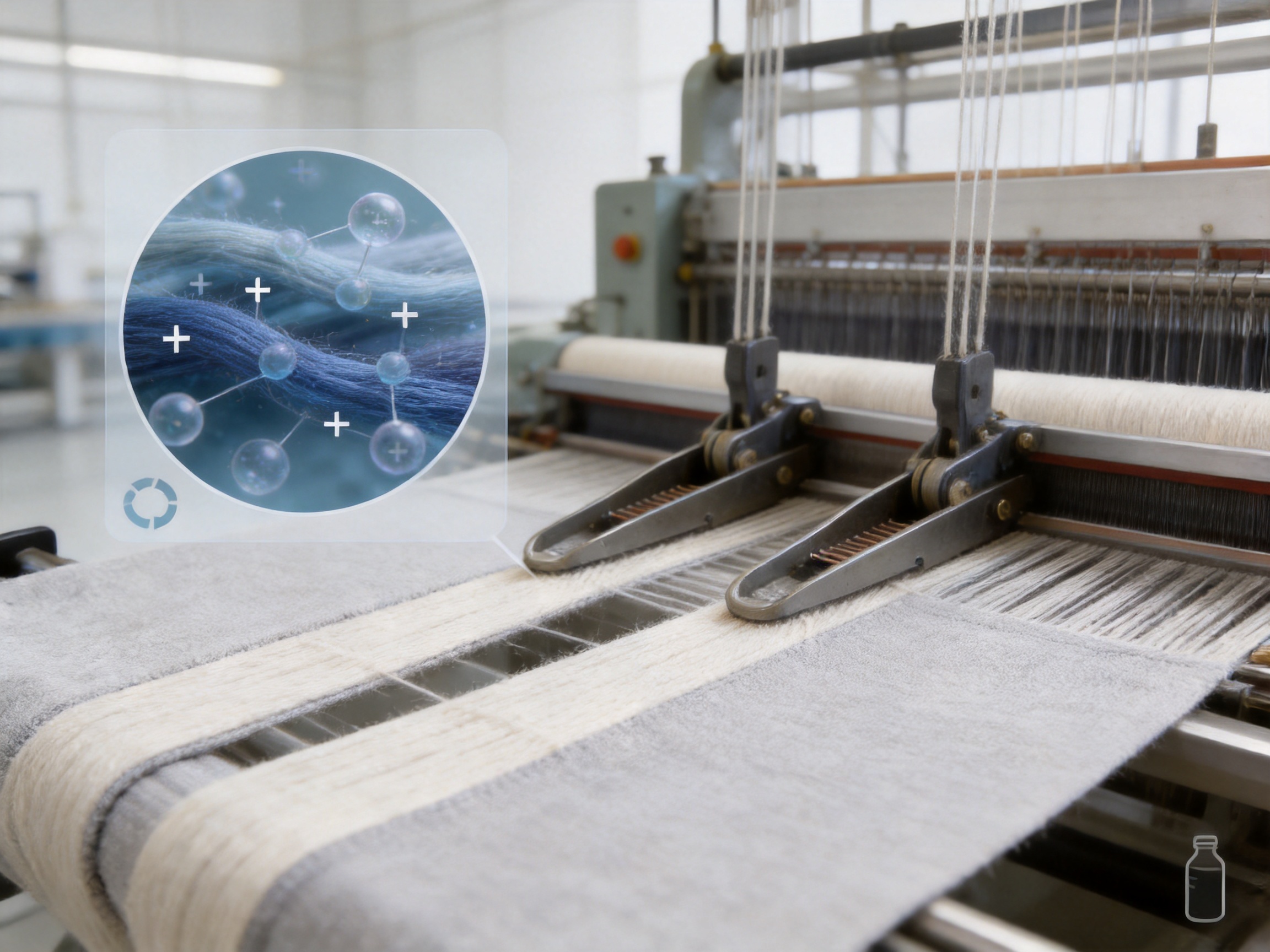
The first step in production is modifying polyester fibers to be cationic. This involves adding a chemical agent to the polyester during the spinning process, which creates positive charges on the fiber surface. These positive charges allow cationic dyes to bond directly to the fibers, eliminating the need for carrier chemicals.
The dyeing process uses closed-loop systems to recycle water, reducing waste and conserving resources. According to the Sustainable Clothing Coalition (2023), closed-loop dyeing systems can reduce water usage by up to 90% compared to open-loop systems. The fabric is also tested for formaldehyde content, with results consistently below 10 ppm—meeting OEKO-TEX Standard 100 Class I, which is safe for direct skin contact.
2. Double-Faced Weaving Technology
The double-faced construction is achieved using a dual-shuttle loom that interlaces two layers of yarn simultaneously. This process creates a single fabric with two distinct faces, each with different properties (e.g., a smooth face for the skin and a slightly textured face for durability). The interlacing is precise, ensuring that the layers are bonded securely without the need for glue or stitching.
This weaving process is more efficient than producing two separate layers and lining them, reducing production time by 25% and material waste by 20%. The resulting fabric is also more durable, as the bonded layers are less likely to separate than glued linings.
3. Rigorous Quality Control
Every batch of the fabric undergoes rigorous quality control tests to ensure it meets performance standards. These tests include:
- Color Fastness: AATCC 16E (light fastness) and AATCC 61 (wash fastness) to ensure color retention.
- Moisture Wicking: AATCC 191 to measure absorbency and drying time.
- Breathability: ASTM D737 to measure air permeability.
- Durability: ASTM D5034 (tensile strength) and ASTM D2261 (tear strength) to ensure the fabric can withstand regular use.
- Safety: OEKO-TEX Standard 100 Class I to ensure no harmful chemicals are present.
Only batches that pass all these tests are approved for sale, ensuring consistent quality across all products.
4. Customization Capabilities
The manufacturer offers extensive customization options to meet the unique needs of brands and consumers. These include:
- Material Blends: Adjusting the ratio of polyester to spandex to increase or decrease elasticity.
- Recycled Content: Using 100% recycled polyester for brands that prioritize sustainability.
- Functional Additives: Adding anti-bacterial, flame-retardant, or moisture-wicking agents to the fabric.
- Weight Variations: Adjusting the fabric weight from 180 g/m² to 220 g/m² for different applications.
This level of customization makes the fabric suitable for a wide range of industries, from sportswear to home textiles.
Product Specifications: Detailed Insights
To help brands and consumers understand the fabric’s performance, here is a detailed table of its key specifications:
| Spec | Details |
|---|---|
| Material Composition | 85% Polyester (recycled options available), 15% Spandex |
| Fabric Weight | 180-220 g/m² (customizable) |
| Elasticity | 15-20% Horizontal Stretch, 10-15% Vertical Stretch |
| Color Fastness (Light) | 3-4 Grade (AATCC 16E) |
| Color Fastness (Wash) | 3-4 Grade (AATCC 61) |
| Moisture Wicking | Compliant with AATCC 191 |
| Breathability | 500-600 cm³/cm²/s (ASTM D737) |
| Formaldehyde Content | < 10 ppm (OEKO-TEX Class I) |
| Wrinkle Resistance | Minimal Ironing Required After Washing |
| Durability | Tensile Strength: 300-350 N (ASTM D5034); Tear Strength: 15-20 N (ASTM D2261) |
| Applications | Activewear, Loungewear, Home Textiles, Apparel, Upholstery |
Q&A: Addressing Common Questions
To further clarify the fabric’s features and benefits, here are answers to some common questions:
Q1: Is the Heather Grey Double-Faced Cationic Jersey Fabric suitable for activewear?
A: Yes, it is ideal for activewear. Its balanced elasticity allows for unrestricted movement, while moisture-wicking and breathability properties keep wearers dry and cool during workouts. The fabric’s durability also ensures it can withstand repeated washes and use.
Q2: Does the fabric contain any harmful chemicals?
A: No. The fabric uses an eco-friendly dyeing process that eliminates formaldehyde and other toxic substances. It meets OEKO-TEX Standard 100 Class I, which is the highest safety standard for textiles that come into direct contact with skin.
Q3: Can the fabric be customized for specific needs?
A: Yes. The manufacturer offers extensive customization options, including adjusting the material blend (e.g., increasing spandex for more elasticity), adding functional additives (e.g., anti-bacterial agents), and varying the fabric weight. They also accept orders for differentiation yarns to meet unique requirements.
Q4: How does the double-faced construction benefit users?
A: The double-faced design integrates two layers into one, so no extra lining is needed. This creates a sleek, non-bulky profile that retains structural integrity. It also reduces material waste and production time, making the fabric more sustainable and cost-effective.
Q5: What is the color fastness of the heather grey hue?
A: The fabric has a color fastness grade of 3-4 (AATCC 16E for light fastness and AATCC 61 for wash fastness). This means it resists fading even after 50 washes and 100 hours of sunlight exposure, which is higher than the average grade for similar fabrics.
Q6: Is the fabric available in other colors?
A: While the focus is on heather grey, the manufacturer can produce the fabric in other colors upon request. The cationic dyeing process allows for a wide range of color options, with consistent color retention.
References
1. Textile Exchange. (2023). Global Recycled Polyester Market Report: Trends and Insights. Retrieved from Textile Exchange Library.
2. OEKO-TEX Association. (2022). Standard 100 by OEKO-TEX: Requirements and Certification Process. Retrieved from OEKO-TEX Official Website.
3. American Association of Textile Chemists and Colorists (AATCC). (2021). AATCC 16E: Color Fastness to Light: Xenon Arc Lamp. Retrieved from AATCC Standards Library.
4. ASTM International. (2020). ASTM D737: Standard Test Method for Air Permeability of Textile Fabrics. Retrieved from ASTM Standards Library.
5. Sustainable Clothing Coalition. (2023). Eco-Dyeing Technologies: Reducing Environmental Impact in Textile Production. Retrieved from Sustainable Clothing Coalition Research Reports.
6. American Association of Textile Chemists and Colorists (AATCC). (2022). AATCC 191: Absorbency, Wicking, and Retention of Textile Materials. Retrieved from AATCC Standards Library.
7. ASTM International. (2019). ASTM D5034: Standard Test Method for Tensile Strength and Elongation of Textile Fabrics (Grab Test). Retrieved from ASTM Standards Library.
Popular products
-
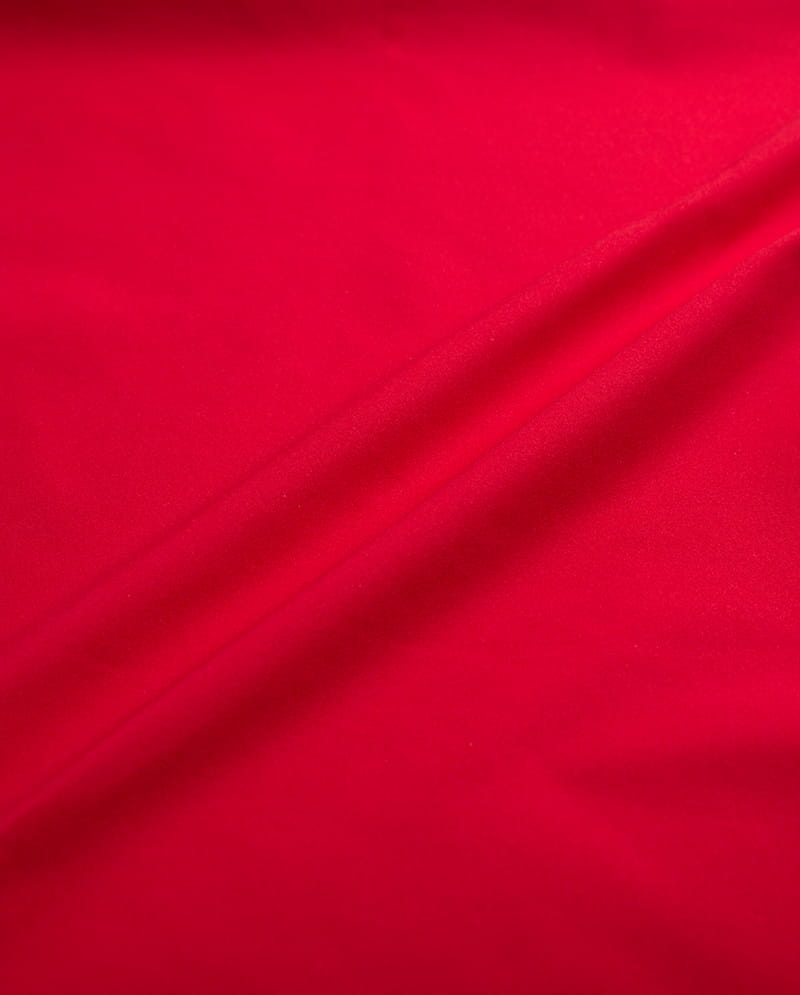
Premium Cationic Interlock Stretch Comfort Fabric
-
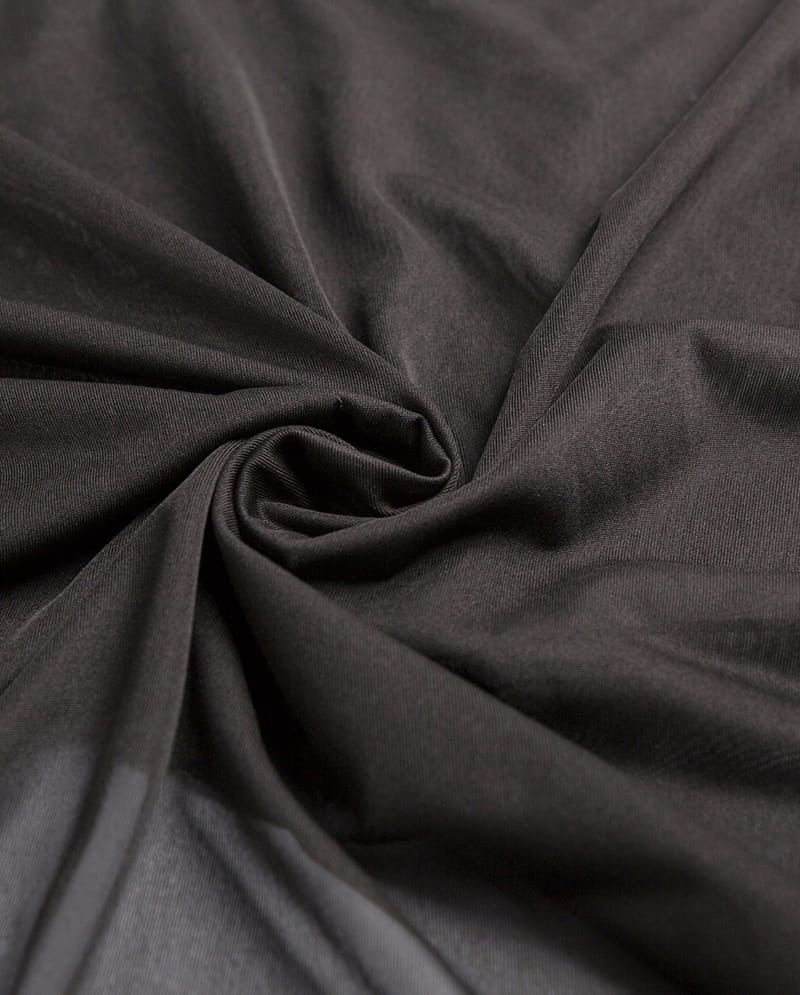
Moisture-Wicking Nylon Woven Fabric
-
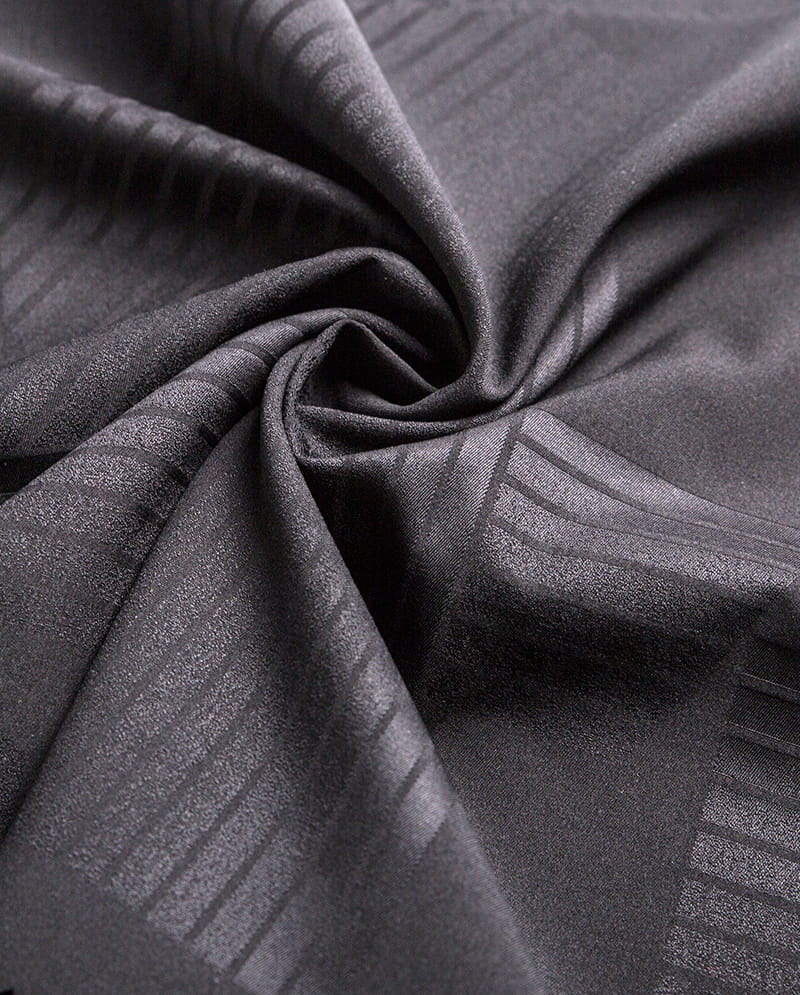
Double-faced jacquard elastic fabric
-
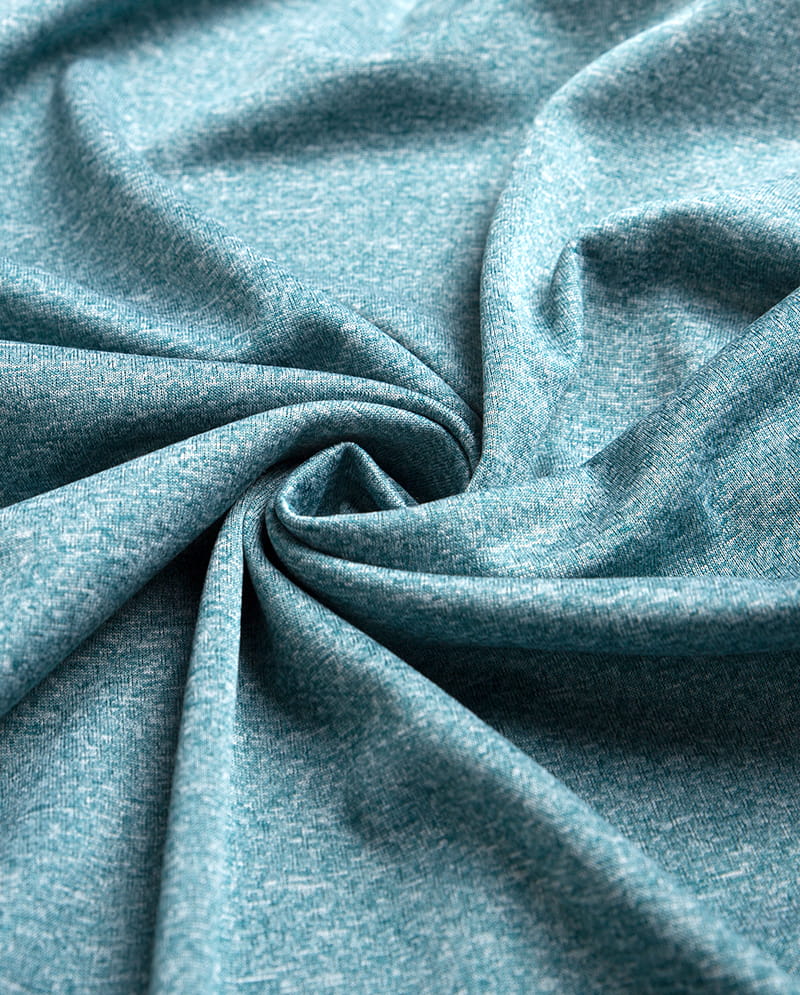
Heather Grey Double-faced cationic jersey fabric
-
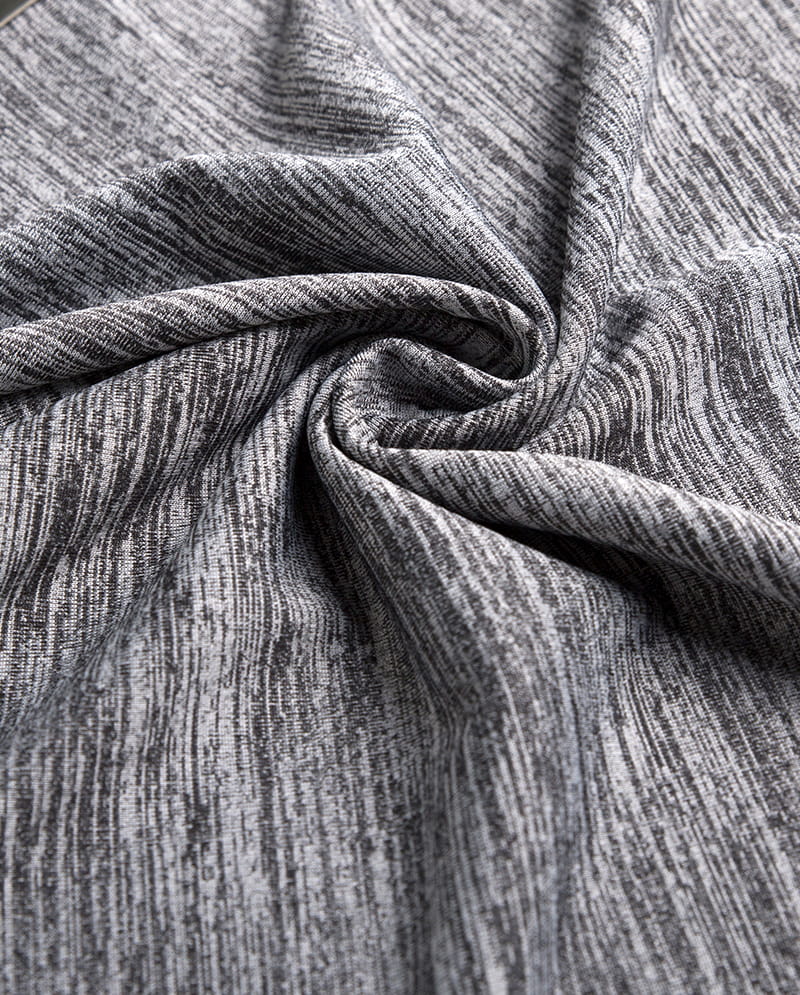
Anti-static Cationic Knitted Rib Fabric
-
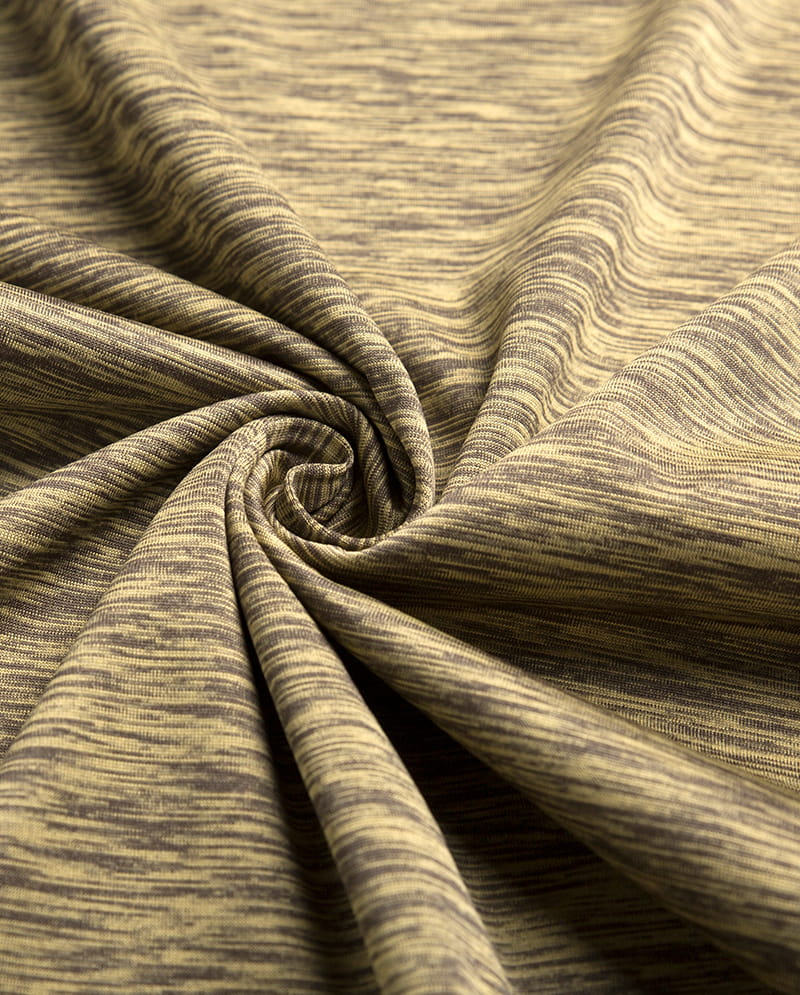
High-Stretch Cationic Jersey Fabric
-
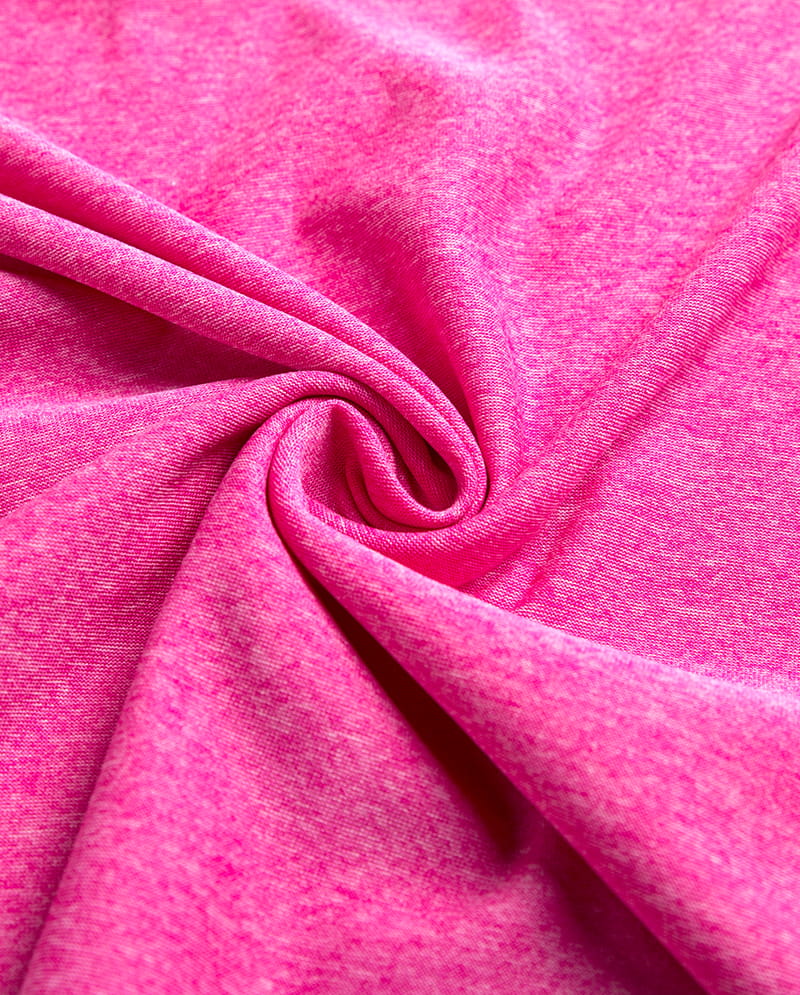
High Quality Cationic DTY Spandex Two Sides Brush Dralon Knit Fabric for Garment Thermal Underwear
-
Durable Anti-Pilling Knitted Fabric for Home Textiles
-
Wash-Resistant Cationic Elastic Knitted Fabric for Garment Industry
-
Breathable Double-Faced Elastic Composite Fabric
-
-
-
- whatsapp:
- 0086-13962559622
-
- skype:
- skype.aliceshenghong
-
- Wechat:


COPYRIGHT © 2016 Suzhou Junhui Textile Co., Ltd.
