

 EN
EN English
 中文简体
中文简体Fire-Retardant Functional Yarn for Safer High-Performance Textiles
Content
- 1 Understanding Fire-Retardant Functional Yarn
- 2 Core Product Specifications
- 3 Advantages Over Conventional Competitor Yarns
- 4 How Embedded Flame-Retardant Modification Improves Durability
- 5 Manufacturing Strengths Behind Stable Fire-Retardant Yarn
- 6 Quality Control for Functional Reliability
- 7 Applications in Protective Clothing
- 8 Applications in Industrial and Interior Fabrics
- 9 Compatibility With Blending and Fabric Engineering
- 10 Why D/F Selection Matters
- 11 Competitive Value for Textile Manufacturers
- 12 Company Capabilities and Market Experience
- 13 Manufacturing Process Flow From Material to Yarn
- 14 Performance Considerations for Finished Fabrics
- 15 Sustainability and Responsible Functional Textiles
- 16 Q&A: Fire-Retardant Functional Yarn
- 16.1 What does Fire-retardant (D/F) Functional Yarn mean?
- 16.2 How is this yarn different from ordinary polyester yarn?
- 16.3 Is the flame-retardant performance only a surface coating?
- 16.4 What specifications are available?
- 16.5 Can the yarn be used for knitting and weaving?
- 16.6 Can it be blended with other fibers?
- 16.7 What applications are suitable for this yarn?
- 16.8 Does the yarn guarantee that every finished fabric will pass flame tests?
- 16.9 Why should manufacturers choose this yarn over surface-treated fabrics?
- 16.10 What support can customers receive?
- 17 Conclusion
- 18 References
Fire-retardant functional yarn is becoming an essential material for modern textile manufacturers that need fabrics with higher safety, stronger durability, and reliable processing performance. As markets for protective apparel, industrial uniforms, interior textiles, public-space fabrics, and functional home textiles continue to expand, fabric producers increasingly require yarns that do more than provide appearance and comfort. They need yarns engineered to help inhibit flame spread, maintain stable quality during weaving or knitting, and support differentiated fabric development.
Fire-retardant (D/F) Functional Yarn is designed for these requirements. The “D/F” structure refers to denier and filament specifications, allowing fabric developers to select yarn combinations according to hand feel, thickness, cover, strength, drape, elasticity, and end-use performance. Compared with ordinary polyester yarn or surface-treated flame-retardant yarn, this product is developed with flame-retardant functionality incorporated into the fiber structure. This approach helps provide more durable performance because the flame-retardant effect is not simply attached to the yarn surface.
For textile manufacturers, the value of this yarn is not limited to flame resistance. It also supports weaving, knitting, blending, texturing, and downstream finishing. It can be used independently or combined with cotton, polyester, spandex, cationic dyeable yarn, recycled yarn, or other differentiated fibers to create fabrics with balanced comfort, performance, and safety. The result is a practical functional yarn solution for companies seeking dependable production efficiency and competitive fabric value.
Suzhou Junhui Textile Co., Ltd. and Suzhou Xiaoran New Material Co., Ltd. focus on the development and sale of differential yarns, including recycled yarn, polyester drop-dyed yarn, microfine yarn, flame-retardant yarn, cationic dyeing yarn, and knitting fabric products. With professional research and development support, broad export experience, and cooperation with customers in many countries, the company is positioned to provide customized functional yarn solutions for global textile applications.
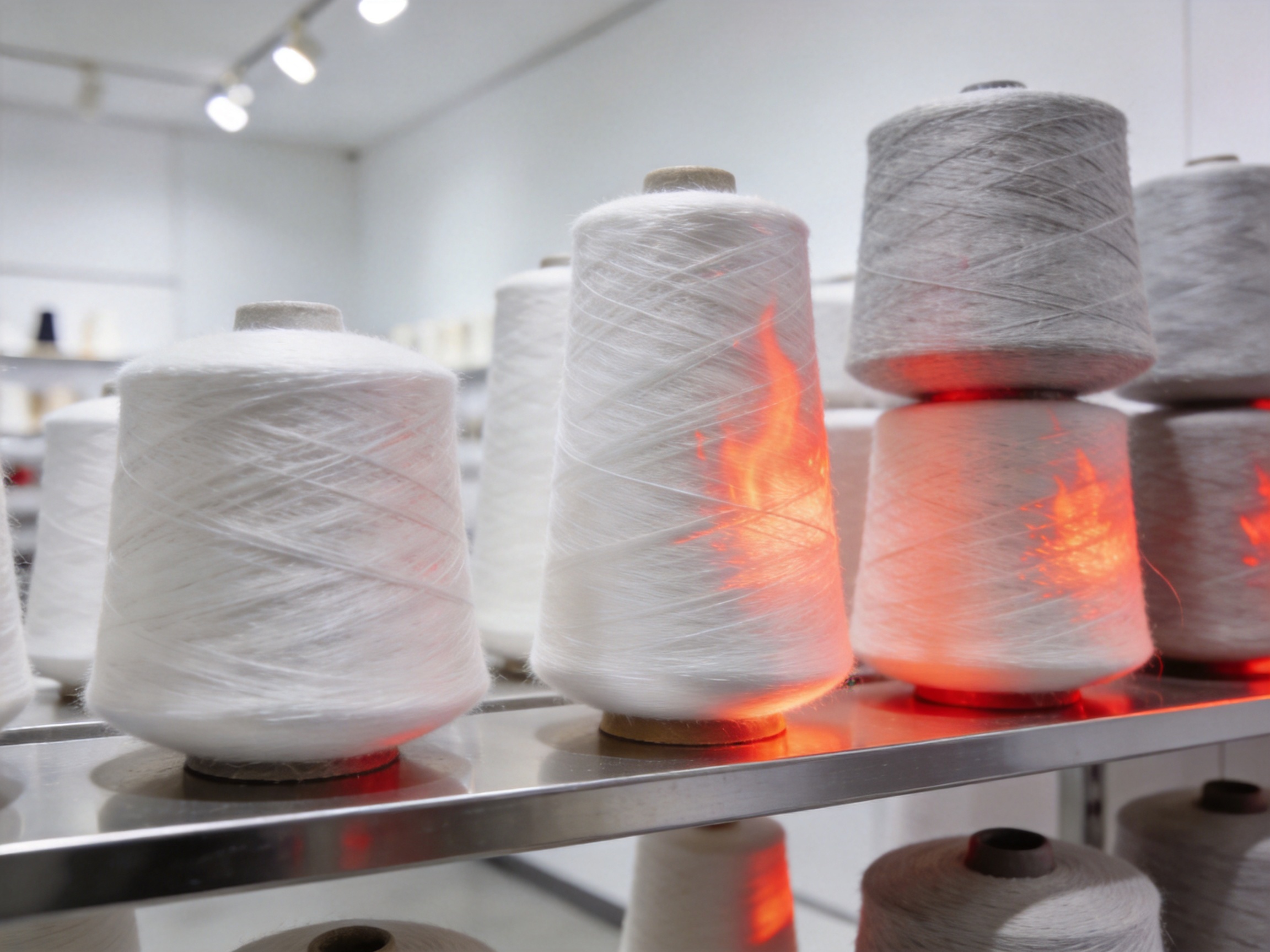
Understanding Fire-Retardant Functional Yarn
Fire-retardant yarn is a textile yarn engineered to help slow ignition, reduce flame propagation, and improve the safety profile of finished fabrics. Unlike conventional yarns that may burn rapidly or melt aggressively when exposed to flame, a properly designed flame-retardant yarn helps the fabric resist combustion and limit damage under controlled test conditions. This makes it suitable for products used in environments where fire safety is a key concern.
Fire-retardant (D/F) Functional Yarn is developed as a high-performance textile material for industrial and daily-use fabrics. It is especially valuable where fabrics must offer both functional safety and practical processability. Many end users need fabrics that can be cut, sewn, dyed, finished, washed, and worn repeatedly without losing their core functional character. A yarn with stable flame-retardant properties helps fabric manufacturers build this reliability from the fiber stage.
The yarn’s flame-retardant performance comes from a reliable modification process that embeds flame-retardant components into the fiber structure. This is a major advantage over surface coating methods. Surface treatments may provide an initial flame-retardant effect, but the performance can decline after abrasion, repeated washing, heavy use, or finishing steps. By contrast, fiber-integrated flame retardancy is designed to remain more consistent because the active components are part of the fiber itself.
Another important feature is compatibility with ordinary textile equipment. Fabric mills often need functional yarns that do not require excessive machine adjustment or complicated processing changes. This yarn maintains good weaving and knitting processability, making it practical for a wide range of fabric structures. It can be applied in warp knitting, weft knitting, woven fabrics, blends, and composite textile systems depending on the chosen specification and fabric design.
Core Product Specifications
Fire-retardant (D/F) Functional Yarn is available in several denier and filament combinations that help manufacturers design fabrics for different thickness, softness, coverage, and performance requirements. The supplied functional series includes common specifications such as 50/48-72, 75/36-48-72, and 150/48-72-96-144. These specifications support both lighter and medium-weight applications, giving fabric developers flexibility in designing end products for apparel, uniforms, upholstery, home textiles, and technical materials.
The denier value indicates the linear density of the yarn. A lower denier generally supports lighter, finer fabrics, while a higher denier may provide more coverage, body, and strength. The filament number influences softness, bulk, luster, and fabric hand feel. For example, higher filament counts may create a softer, smoother, and more refined fabric touch, while lower filament counts may be selected where different texture, strength, or processing behavior is required.
Specification Group |
Available D/F Options |
Typical Fabric Direction |
Key Design Benefit |
Lightweight fire-retardant yarn |
50/48, 50/72 |
Light apparel fabrics, linings, knitted materials |
Soft touch, fine texture, flexible processing |
Medium-light fire-retardant yarn |
75/36, 75/48, 75/72 |
Uniform fabrics, functional sports or casual fabrics, home textiles |
Balanced coverage, comfort, and durability |
Medium fire-retardant yarn |
150/48, 150/72, 150/96, 150/144 |
Protective garments, interior textiles, woven fabrics, heavier knits |
Improved body, strength, opacity, and fabric stability |
These options allow manufacturers to adjust fabric properties without changing the functional objective. A textile producer may select 50D yarn for a lighter and softer fabric, 75D yarn for a balanced apparel or decorative fabric, and 150D yarn for stronger and more substantial applications. This flexibility is one of the important commercial advantages of the product.
Advantages Over Conventional Competitor Yarns
The first major advantage of Fire-retardant (D/F) Functional Yarn is long-lasting functionality. Many competing flame-retardant fabrics are made by applying chemical finishes to ordinary yarn or fabric. While such treatments can be useful, they may be affected by washing, friction, ironing, dyeing, coating, or environmental exposure. A yarn produced with flame-retardant components integrated into the fiber structure provides a more dependable foundation for durable fire-retardant textiles.
The second advantage is processability. Some flame-retardant yarns may create difficulties during knitting or weaving because of uneven yarn strength, excessive hairiness, unstable elongation, poor winding, inconsistent oiling, or low compatibility with high-speed equipment. This product is developed with attention to stable yarn formation, controlled D/F specifications, and reliable downstream performance. That means fabric producers can focus on fabric development rather than constantly adjusting equipment to compensate for yarn instability.
The third advantage is design flexibility. Competitors may offer only limited flame-retardant yarn sizes or may focus on one narrow market. The available 50D, 75D, and 150D groups provide practical options for multiple textile categories. Manufacturers can select fine filament counts for soft, comfortable fabrics or stronger structures for industrial and interior applications. This helps customers expand product lines without changing suppliers for every new development.
The fourth advantage is suitability for blending. Fire-retardant yarn can be used alone or blended with other fibers such as cotton, polyester, spandex, cationic dyeable polyester, recycled yarn, and other functional fibers. This is important because modern fabrics often need several functions at once, including comfort, stretch, color depth, moisture management, antibacterial performance, or environmental value. A yarn that works well in blended constructions gives fabric designers more freedom.
The fifth advantage is reduced risk of molten drop hazards. Ordinary polyester can melt and drip when exposed to flame, potentially causing secondary injury. The fire-retardant design helps finished fabrics inhibit flame spread and can reduce hazards associated with burning behavior when the fabric structure is properly engineered and tested. For safety-focused textile applications, this characteristic is highly valuable.
The sixth advantage is export-oriented consistency. The company’s products are supplied to customers across many international markets, and more than 90% of products are exported. Such experience helps the company understand the expectations of global buyers, including stable specifications, responsive service, sample development, documentation support, and dependable communication. In functional textiles, consistency across repeat orders is often as important as the initial performance.
How Embedded Flame-Retardant Modification Improves Durability
Flame-retardant textiles can generally be produced in two ways: by surface finishing or by functional fiber modification. Surface finishing applies flame-retardant chemicals to the fabric after it has been woven or knitted. This approach can be convenient and cost-effective for certain applications. However, it may change the fabric hand feel, reduce breathability, affect color, or lose performance after repeated washing and abrasion.
Functional fiber modification takes a different approach. In this method, flame-retardant components are introduced into the fiber system so the performance is built into the yarn. Fire-retardant (D/F) Functional Yarn adopts this principle. Because the flame-retardant elements are embedded in the fiber structure rather than simply placed on the surface, the resulting yarn provides a stronger base for long-term functional fabrics.
This built-in approach helps solve one of the biggest challenges in flame-retardant textile production: performance retention. A fabric may pass an initial flame test but fail after several laundering cycles if the functional agent is removed or damaged. When the yarn itself carries the function, the fabric manufacturer has a better chance of achieving stable results throughout product use, provided that fabric structure, finishing, and care conditions are properly controlled.
Another benefit is fabric comfort. Heavy surface coatings may make a fabric stiff, sticky, or less breathable. Fiber-integrated flame retardancy can help maintain a more natural textile hand feel. This is especially important for garments, uniforms, and home textile products that require daily comfort. Users are more likely to accept protective fabrics when they are comfortable enough to wear or use regularly.
Embedded modification also supports cleaner design. A fabric producer can reduce dependence on heavy after-finishing and may simplify certain production routes. While final finishing may still be needed for color, hand feel, waterproofing, or other functions, the flame-retardant foundation is already present in the yarn. This can help improve production planning and reduce the uncertainty associated with post-treatment performance.
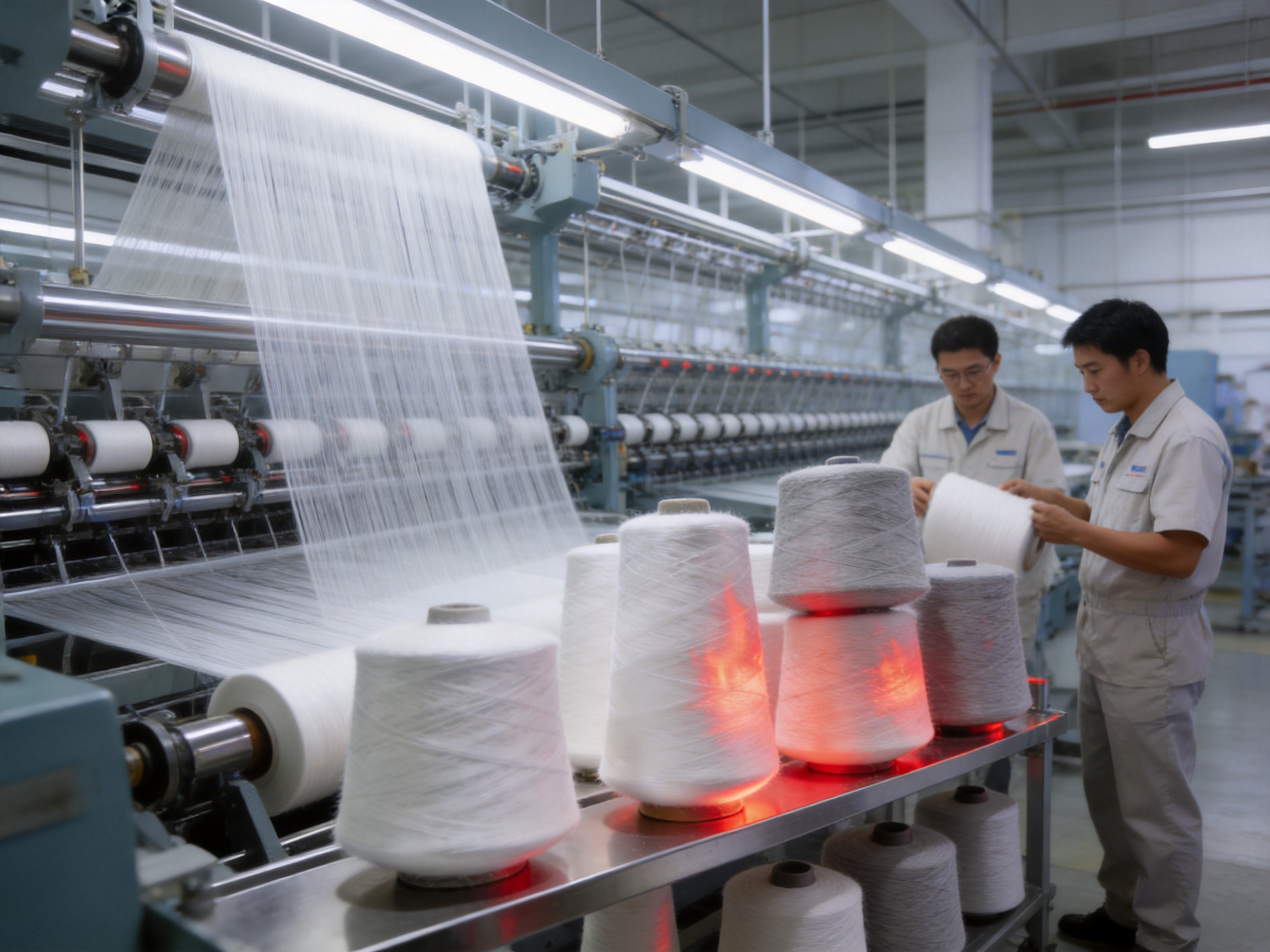
Manufacturing Strengths Behind Stable Fire-Retardant Yarn
Advanced manufacturing is essential for functional yarn because even a good formula cannot succeed without stable production control. Fire-retardant yarn must balance chemical functionality with spinning behavior, drawing performance, texturing stability, winding quality, and downstream fabric performance. If any stage is poorly controlled, the yarn may show uneven dyeing, weak strength, broken filaments, poor package formation, or inconsistent flame-retardant behavior.
The company’s manufacturing and development strengths are based on experience in differentiated yarns, including recycled yarn, cationic dyeing yarn, flame-retardant yarn, microfine yarn, polyester drop-dyed yarn, and knitting fabric products. This broad product base is important because functional yarn development often requires cross-technology knowledge. For example, flame-retardant yarn may need to be combined with cationic dyeable effects, recycled content, high-filament softness, or fabric-level performance requirements.
The manufacturing process begins with material selection. Polyester chips or modified polymer materials must be selected according to yarn quality targets. Moisture content, intrinsic viscosity, additive dispersion, melt stability, and cleanliness all influence spinning performance. Proper preparation helps reduce defects such as broken filaments, uneven yarn thickness, weak points, and excessive lint.
During melt spinning, the polymer is heated, filtered, extruded through spinnerets, and cooled into filaments. For fire-retardant yarn, dispersion and compatibility of flame-retardant components are especially important. Poor dispersion may create weak points or uneven burning behavior. Controlled filtration, extrusion, quenching, and filament formation help create uniform yarn quality.
Drawing and orientation are also critical. The yarn must achieve suitable strength and elongation for downstream processing. If the yarn is too weak, it may break during weaving or knitting. If elongation is unstable, fabric dimensions may vary. By controlling draw ratios, temperature, speed, and tension, manufacturers can achieve more consistent physical properties.
Texturing is another key step for DTY-style applications. Draw textured yarn provides bulk, elasticity, and improved fabric cover compared with flat filament yarn. For flame-retardant DTY, the texturing process must preserve the functional performance while giving the yarn stable crimp, good package formation, and reliable unwinding. This is important for high-speed knitting and weaving.
Intermingling and winding quality influence fabric production efficiency. Proper interlacing helps maintain yarn integrity and reduces filament separation during processing. Stable winding reduces tension variation and improves package unwinding. These details may seem small, but in industrial textile production, they directly affect machine efficiency, fabric quality, and cost control.
Quality Control for Functional Reliability
Quality control for fire-retardant yarn must cover both textile performance and functional performance. Standard yarn testing may include denier consistency, filament count verification, tenacity, elongation, shrinkage, oil pickup, intermingling level, package weight, appearance, and evenness. Functional testing may include flame behavior evaluation according to relevant customer or market requirements.
Final fabric fire performance depends on yarn properties, fabric construction, weight, finishing, dyeing, blending ratio, and care treatment. Therefore, responsible suppliers do not treat yarn performance as the only factor. Instead, they work with customers to support fabric-level testing and development. This is especially important for protective clothing, public facility textiles, and interior fabrics where safety standards may apply.
The company’s professional research and development team supports customers in product selection and problem solving. This technical assistance is valuable because many fabric defects are not caused by one single factor. For example, a flame-retardant fabric may show different test results depending on fabric density, finishing temperature, dyeing conditions, or blending design. Technical support helps customers identify the best route from yarn selection to final fabric performance.
Traceability is another important element of quality control. Functional yarn buyers often need repeatable results across multiple shipments. Stable lot management, sample retention, inspection records, and production control help reduce variation. For export customers, this consistency supports smoother communication and stronger confidence in repeat orders.
Applications in Protective Clothing
Protective clothing is one of the most important application areas for fire-retardant functional yarn. Workers in industrial environments may face sparks, heat exposure, electrical risks, welding operations, or other hazards. While yarn alone does not define complete garment protection, using a fire-retardant yarn helps create fabrics that are more suitable for safety-oriented apparel development.
For industrial uniforms, fabric must provide a balance of protection, durability, comfort, and cost efficiency. A garment that is protective but uncomfortable may not be worn correctly. A fabric that is comfortable but lacks functional reliability may not meet safety expectations. Fire-retardant (D/F) Functional Yarn helps fabric manufacturers address both sides by offering flame-retardant performance together with textile processability and selectable hand feel.
The 75D and 150D specifications are particularly relevant for uniform fabrics. They can be used in woven or knitted structures depending on the required fabric weight and flexibility. A 75D yarn may support lighter workwear or lining fabrics, while 150D yarn can be considered for more substantial protective garments. Fabric developers can also blend the yarn with spandex covered yarn or other fibers to achieve stretch, recovery, and improved wearer comfort.
In daily-use protective apparel, appearance is also important. Modern workers expect uniforms that look professional and feel comfortable. Fire-retardant yarn can be used in fabric constructions that support color, texture, and design diversity. When combined with appropriate dyeing and finishing, it enables manufacturers to create safety-oriented garments without sacrificing textile aesthetics.
Applications in Industrial and Interior Fabrics
Industrial textiles often require durability, dimensional stability, and functional safety. Fire-retardant yarn can be used in fabrics for workspaces, equipment covers, curtains, protective linings, storage areas, and other industrial environments where ignition risk should be reduced. Because the yarn is compatible with common textile equipment, manufacturers can adapt it to various industrial fabric constructions.
Interior fabrics are another important category. Hotels, offices, public transportation, theaters, schools, and commercial buildings may require fabrics with improved flame-resistant characteristics. Curtains, wall coverings, upholstery components, decorative panels, and other interior textile products may benefit from fire-retardant yarn. In these settings, flame resistance must often be combined with appearance, softness, color stability, and long service life.
For home textiles, fire safety is increasingly valued, especially for products used near heat sources or in public accommodation settings. Fire-retardant yarn can be used in bedding components, decorative fabrics, upholstery fabrics, and household textile accessories. The yarn’s ability to maintain processability helps producers create comfortable fabrics rather than rigid technical materials.
Interior fabrics also need strong design flexibility. A supplier with multiple D/F options gives textile manufacturers more freedom to create fabric weight and texture variations. Fine filament yarns can support smoother surfaces, while higher denier yarns support greater body and coverage. This flexibility is one reason functional yarns are becoming more important in decorative textile markets.
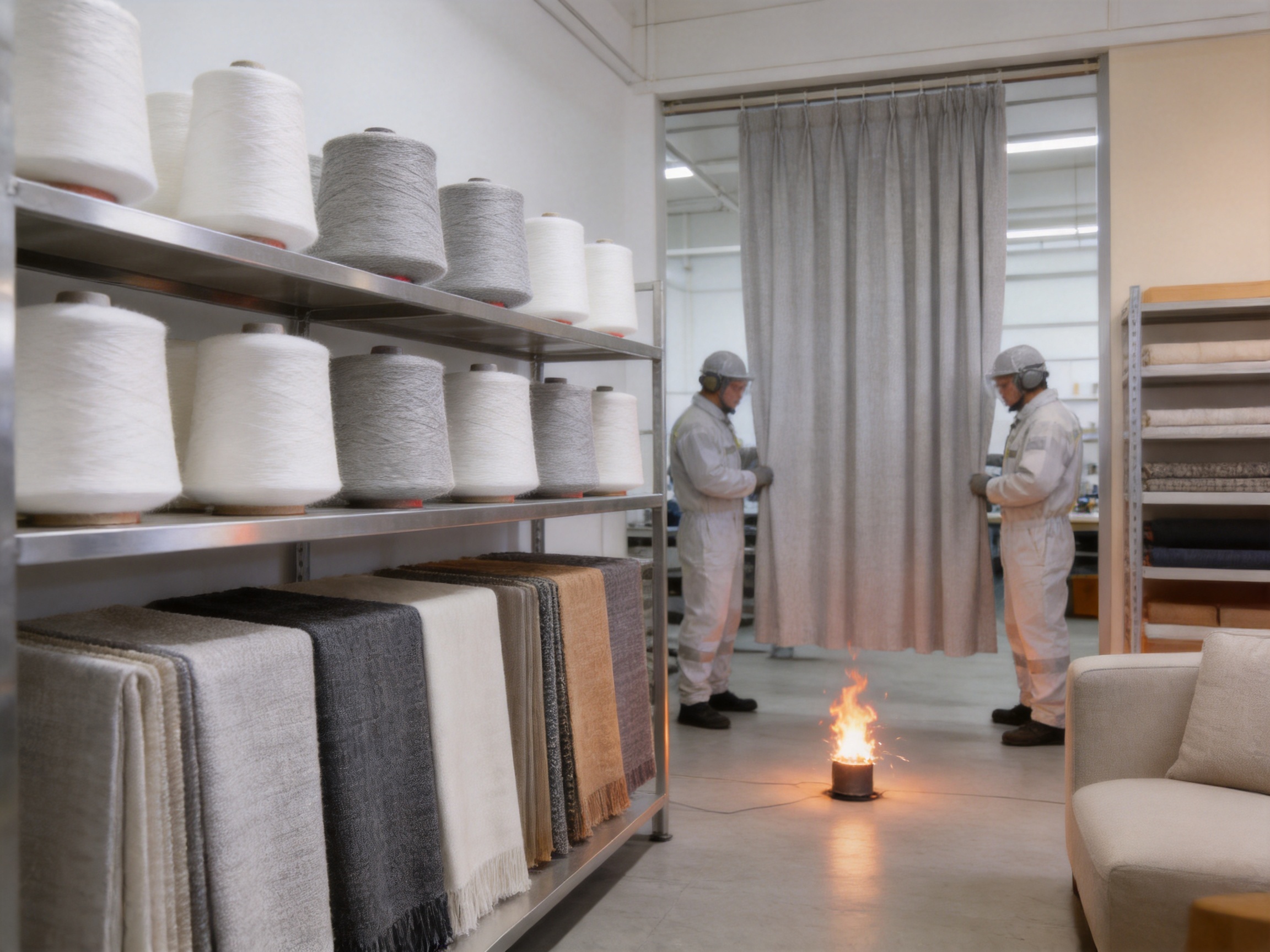
Compatibility With Blending and Fabric Engineering
Modern textile products are rarely designed around a single property. A fabric may need flame retardancy, stretch, moisture management, softness, color effects, durability, and environmental value at the same time. Fire-retardant (D/F) Functional Yarn supports this trend because it can be used independently or blended with other fibers to adjust overall fabric performance.
Blending with cotton can improve moisture absorption and natural comfort. Blending with polyester can improve strength, wrinkle resistance, and dimensional stability. Blending with spandex or spandex covered yarn can create stretch and recovery for garments that require freedom of movement. Blending with cationic dyeable yarn can create two-tone or differential dyeing effects. Blending with recycled yarn can support sustainability-oriented product lines.
Spandex covered yarn is especially useful for stretch fabrics. It uses spandex filament as the core and wraps filament yarn or short fiber around it in a spiral form. This structure creates stretch yarn with elastic recovery. When fire-retardant yarn is used together with stretch yarn, fabric developers can create functional stretch textiles suitable for workwear, uniforms, sports-inspired protection, and fitted garments.
Fabric engineering requires careful selection of yarn count, filament count, twist, density, weave or knit structure, and finishing method. A lighter 50D fire-retardant yarn may be suitable for fine knits, linings, or lightweight protective layers. A 75D yarn may serve balanced apparel and home textile constructions. A 150D yarn can help provide stronger coverage and fabric body for industrial, uniform, and interior textile applications.
Because the company accepts orders for various differentiated yarns, customers can explore customized combinations beyond standard specifications. This is valuable for product developers who need unique hand feel, special color effects, high filament softness, environmental positioning, or multi-functional performance. Customization is a strong advantage in competitive textile markets where buyers constantly seek new fabric concepts.
Why D/F Selection Matters
Denier and filament selection has a direct effect on finished fabric properties. Many buyers focus on the functional label, such as “fire-retardant,” but the physical structure of the yarn is equally important. Two yarns with the same flame-retardant function can produce very different fabrics if their denier and filament counts differ.
A 50/72 yarn, for example, may create a finer and softer fabric than a 50/48 yarn because the same total denier is divided among more filaments. The individual filaments are finer, which can improve hand feel and drape. A 75/36 yarn may provide a different texture and strength balance than 75/72. A 150/144 yarn may offer a softer, fuller surface than a lower-filament 150D yarn.
This is why D/F flexibility is a practical advantage. Fabric manufacturers can select the exact specification that matches their machine type, fabric design, performance target, and price structure. A competitor offering only one or two flame-retardant yarn options may force customers to compromise. A broader specification range helps customers optimize both function and commercial value.
D/F selection also affects dyeing and finishing behavior. Finer filaments may absorb and reflect color differently than coarser filaments. Fabric density and surface area influence finishing chemical pickup, drying behavior, and tactile result. When developing flame-retardant fabrics, customers should consider D/F selection early in the design process instead of treating it as a simple purchasing detail.
Competitive Value for Textile Manufacturers
Textile manufacturers operate in a demanding market. They need stable supply, competitive pricing, reliable quality, fast development, and products that help them win orders. Fire-retardant (D/F) Functional Yarn provides competitive value because it addresses both functional performance and production practicality.
First, the yarn helps manufacturers move into higher-value fabric categories. Ordinary polyester yarn is widely available and price competition can be intense. Functional yarn allows mills to produce differentiated fabrics for protective apparel, public-space interiors, industrial uses, and specialty home textiles. These markets often place greater value on performance, consistency, and technical service.
Second, the yarn helps reduce the limitations of post-finishing. If a manufacturer relies only on after-treatment to create flame retardancy, the fabric may face problems with hand feel, durability, and wash resistance. Built-in flame-retardant yarn gives the fabric a stronger functional foundation, which may improve development efficiency and long-term customer confidence.
Third, the yarn supports product line expansion. A mill can use 50D, 75D, and 150D options to develop different fabric weights and applications. This makes it possible to serve multiple buyers with one core functional yarn family. A company producing uniforms can also explore interior fabrics, while a home textile producer can develop safer decorative materials.
Fourth, technical support and quick response matter. The company states that its experts are ready to help customers globally within 12 hours. For export buyers and fabric developers, fast communication can reduce trial delays, solve quality questions, and improve sampling speed. In functional textiles, responsive service is often a deciding factor when choosing a supplier.
Company Capabilities and Market Experience
Suzhou Junhui Textile Co., Ltd. and Suzhou Xiaoran New Material Co., Ltd. were founded in June 2015 and have built their business around differential yarn development and sales. Their product scope includes recycled yarn, polyester drop-dyed yarn, microfine yarn, flame-retardant yarn, cationic dyeing yarn, and knitting fabric products. This diversified foundation gives them a strong position in functional and customized textile solutions.
The company has a professional R&D team and cooperates with internationally recognized enterprises for research, development, and application in environmental protection and functional yarn and fabric. This R&D orientation is important because textile markets are changing rapidly. Customers no longer want only standard yarns; they want products that support sustainability, safety, comfort, color innovation, and special performance.
With products exported to many countries and a customer base across 36 countries, the company has strong international service experience. Export markets often require careful communication, consistent documentation, stable packaging, and reliable delivery coordination. This global experience helps the company understand different textile standards, buyer expectations, and development timelines.
The company’s location in Shengze Town, Wujiang Area, Suzhou City, Jiangsu Province, China, places it within one of China’s important textile regions. This location supports access to textile supply chains, processing resources, talent, and market information. For customers, a supplier based in a strong textile cluster can provide advantages in sampling, customization, and production coordination.
The company also emphasizes customer success as its foothold. This service philosophy is significant for functional yarn buyers because they may need guidance in product selection, fabric development, problem solving, and performance optimization. A supplier that can support technical development is more valuable than a supplier that only sells standard goods.
Manufacturing Process Flow From Material to Yarn
The production of reliable fire-retardant functional yarn involves a sequence of controlled steps. Each step contributes to the final yarn’s consistency, processability, and performance. Although exact processing parameters are proprietary, the general workflow reflects the discipline required for functional filament yarn production.
The first step is raw material preparation. Polyester chips or modified materials are dried and prepared to control moisture and ensure stable melting. Moisture control is essential because excess water can cause polymer degradation, poor spinning, and weak yarn. Material cleanliness also affects spinneret performance and filament uniformity.
The second step is flame-retardant modification and melt preparation. Flame-retardant components must be compatible with the polymer system and evenly distributed. Stable dispersion helps prevent weak points and supports more uniform flame-retardant behavior. Melt filtration helps remove impurities and protect spinning quality.
The third step is spinning. The molten polymer is extruded through spinnerets to form continuous filaments. Cooling conditions must be controlled to create uniform filament structure. Uneven quenching can produce variation in orientation, shrinkage, and strength. For functional yarn, this stage must preserve both textile performance and flame-retardant effectiveness.
The fourth step is drawing and orientation. Filaments are stretched under controlled conditions to improve strength and dimensional stability. Draw ratio, temperature, and speed must be matched to the polymer and functional additive system. Proper drawing helps create yarn that can withstand downstream production tension.
The fifth step is texturing or further processing when DTY-style properties are required. Texturing gives the yarn bulk, crimp, and improved fabric cover. Stable false-twist or texturing conditions are important for elasticity, package quality, and fabric appearance. The yarn must maintain consistent crimp and avoid excessive broken filaments.
The sixth step is winding and inspection. Yarn packages must be formed with stable tension and proper density for easy unwinding. Inspection checks appearance, package defects, physical properties, and other quality factors. Only yarn that meets requirements should move forward to packing and shipment.
Performance Considerations for Finished Fabrics
Although the yarn provides the functional foundation, finished fabric performance must be verified at the fabric level. Flame-retardant behavior depends on fabric weight, construction, density, air permeability, blending ratio, finishing chemicals, dyeing conditions, washing method, and garment design. A loosely knitted fabric may burn differently from a tightly woven fabric made with the same yarn.
Therefore, customers should test final fabrics according to the standards required by their target market. Common flame-related evaluations may include vertical burning, limiting oxygen index, afterflame time, afterglow time, char length, smoke behavior, and molten dripping observation. The relevant test method depends on the application, country, and buyer requirement.
Finishing conditions should also be controlled. Excessively high temperatures, incompatible chemicals, or aggressive finishing methods may influence hand feel, strength, color, or functional performance. Fabric developers should consult with the yarn supplier when designing finishing routes for safety-focused products.
Garment design matters as well. Seams, accessories, linings, reflective tapes, labels, and closures may affect the safety performance of the final product. If a fabric is intended for protective clothing, the entire garment system should be evaluated, not only the shell fabric. Functional yarn is one critical component in a broader safety design.
Sustainability and Responsible Functional Textiles
The textile industry is increasingly focused on environmental responsibility. Functional yarn development must consider not only performance but also durability, resource efficiency, and long product life. A durable fire-retardant yarn can contribute to sustainability by helping fabrics maintain function over repeated use, reducing the need for frequent replacement.
The company’s experience with recycled yarn and environmentally oriented functional yarn development supports the growing market demand for responsible textiles. While fire-retardant performance and recycled content require careful technical balancing, the broader capability in differentiated yarns allows customers to explore more sustainable product directions.
Durability is an often-overlooked part of sustainability. If a flame-retardant effect disappears quickly after washing, the product may fail early or require replacement. Fiber-integrated flame-retardant design can help extend functional life, depending on fabric construction and use conditions. Longer-lasting performance supports better value and may reduce waste over time.
Responsible textile development also means providing accurate information. Functional claims should be supported by testing, and final fabrics should be evaluated according to appropriate standards. The company’s technical support can help customers develop realistic specifications and avoid overclaiming. This is important for safety-related textile products where reliability and transparency are essential.
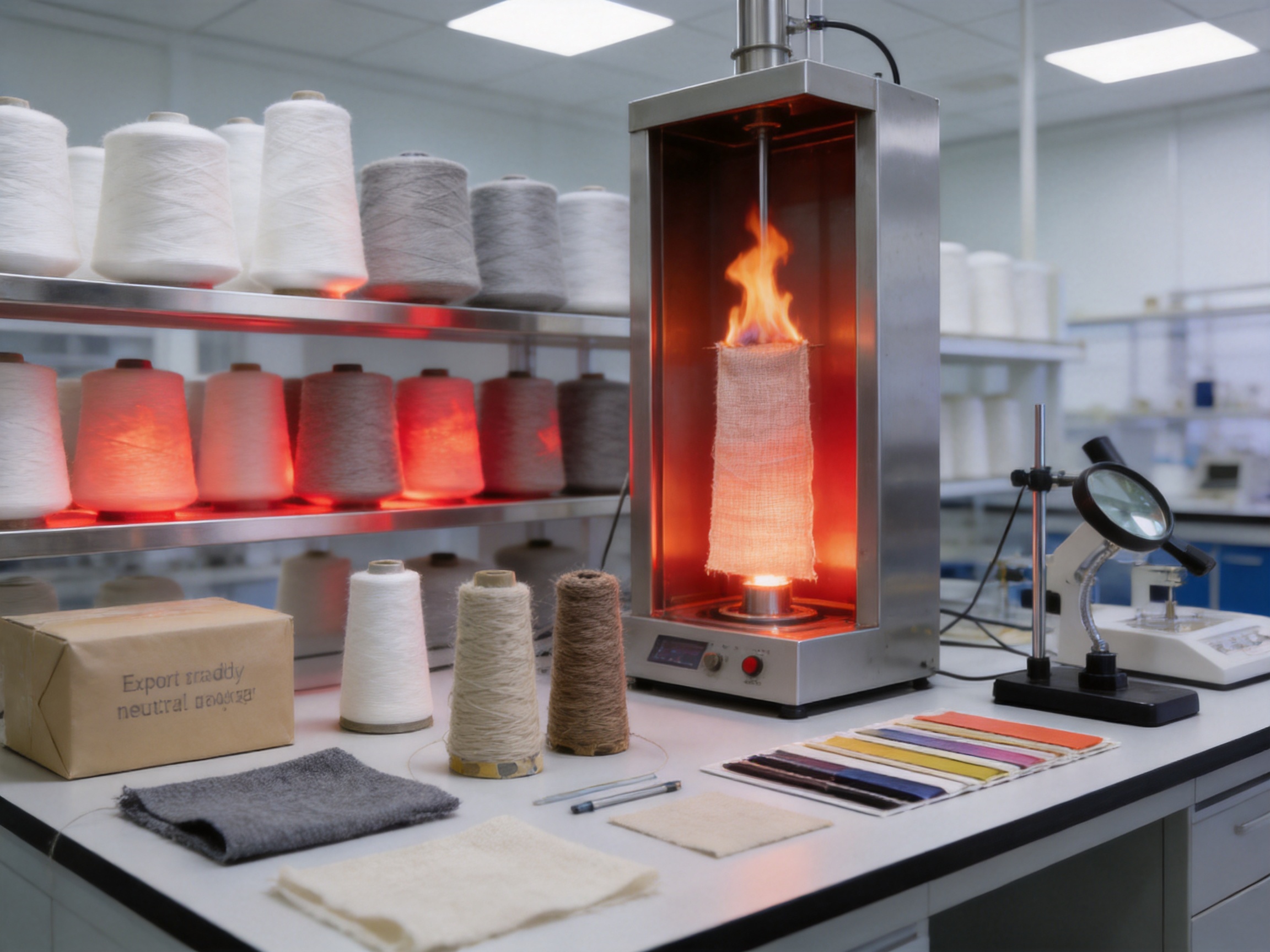
Q&A: Fire-Retardant Functional Yarn
What does Fire-retardant (D/F) Functional Yarn mean?
It refers to a functional yarn designed with flame-retardant properties and specified by denier and filament count. The D/F format helps fabric manufacturers choose yarn thickness and filament structure according to fabric performance, softness, strength, and application needs.
How is this yarn different from ordinary polyester yarn?
Ordinary polyester yarn may burn, melt, and drip when exposed to flame. Fire-retardant functional yarn is engineered to help inhibit flame spread and reduce burning-related hazards in properly designed fabrics. It provides a safer foundation for protective, industrial, interior, and home textile applications.
Is the flame-retardant performance only a surface coating?
No. The yarn uses a flame-retardant modification approach in which functional components are embedded into the fiber structure rather than simply coated on the surface. This helps improve durability and reduces the risk of performance loss caused by washing or abrasion.
What specifications are available?
Common Fire-retardant (D/F) Functional Yarn specifications include 50/48-72, 75/36-48-72, and 150/48-72-96-144. These options allow textile manufacturers to develop lightweight, medium-light, and medium-weight fabrics for different end uses.
Can the yarn be used for knitting and weaving?
Yes. The yarn is designed with good weaving and knitting processability and can be used on common textile equipment. It can be applied in different fabric structures depending on the selected specification and processing conditions.
Can it be blended with other fibers?
Yes. It can be used alone or blended with cotton, polyester, spandex, cationic dyeable yarn, recycled yarn, and other differentiated fibers. Blending helps adjust comfort, elasticity, dyeing effect, environmental value, and fabric hand feel.
What applications are suitable for this yarn?
Suitable applications include protective clothing, industrial operation uniforms, interior fabrics, curtains, upholstery components, home textiles, lining materials, and other textile products that require improved flame-resistant characteristics.
Does the yarn guarantee that every finished fabric will pass flame tests?
No yarn alone can guarantee every fabric result. Final flame-retardant performance depends on fabric construction, weight, finishing, dyeing, blending ratio, washing conditions, and the required test method. Fabric-level testing is recommended for each final product.
Why should manufacturers choose this yarn over surface-treated fabrics?
Surface-treated fabrics may lose performance after washing, abrasion, or finishing. Fire-retardant yarn with built-in functionality provides a more durable foundation, better design flexibility, and potentially more stable long-term fabric performance.
What support can customers receive?
Customers can receive support in product selection, specification matching, fabric development, and problem solving. The company has an R&D team and export service experience, helping customers develop suitable functional textile solutions.
Conclusion
Fire-retardant (D/F) Functional Yarn provides a practical and competitive solution for textile manufacturers seeking safer and higher-value fabric products. Its key strength lies in the integration of flame-retardant functionality into the fiber structure, helping deliver more durable performance than many surface-treated alternatives. With D/F options such as 50/48-72, 75/36-48-72, and 150/48-72-96-144, the yarn supports a wide range of fabric weights, textures, and applications.
The product offers advantages in durability, processability, blending flexibility, and application diversity. It can be used in protective apparel, industrial uniforms, interior textiles, home textiles, and other safety-oriented fabric categories. Its compatibility with knitting and weaving equipment helps textile mills adopt functional yarn technology without unnecessary production complexity.
Behind the product is a company with experience in differentiated yarns, functional textile development, export markets, and customer-focused technical support. Suzhou Junhui Textile Co., Ltd. and Suzhou Xiaoran New Material Co., Ltd. combine R&D capability, production understanding, and global service experience to help customers develop reliable fire-retardant textile solutions.
As global demand for safer, more durable, and more functional fabrics continues to grow, fire-retardant functional yarn will play an increasingly important role in textile innovation. For manufacturers who want to move beyond ordinary yarn and build competitive fabrics for demanding markets, Fire-retardant (D/F) Functional Yarn offers a strong foundation for performance, design, and long-term value.
References
Horrocks, A. R., and Price, D. Flame Retardant Materials. Woodhead Publishing.
Weil, E. D., and Levchik, S. V. Flame Retardants for Plastics and Textiles: Practical Applications. Hanser Publications.
Morgan, A. B., and Wilkie, C. A. Non-Halogenated Flame Retardant Handbook. Wiley.
Schindler, W. D., and Hauser, P. J. Chemical Finishing of Textiles. Woodhead Publishing.
Sinclair, R. Textiles and Fashion: Materials, Design and Technology. Woodhead Publishing.
International textile testing literature on vertical flame testing, limiting oxygen index evaluation, and performance assessment of flame-retardant fabrics.

Popular products
-
Premium Cationic Interlock Stretch Comfort Fabric
-
Moisture-Wicking Nylon Woven Fabric
-
Double-faced jacquard elastic fabric
-
Heather Grey Double-faced cationic jersey fabric
-
Anti-static Cationic Knitted Rib Fabric
-
High-Stretch Cationic Jersey Fabric
-
High Quality Cationic DTY Spandex Two Sides Brush Dralon Knit Fabric for Garment Thermal Underwear
-
Durable Anti-Pilling Knitted Fabric for Home Textiles
-
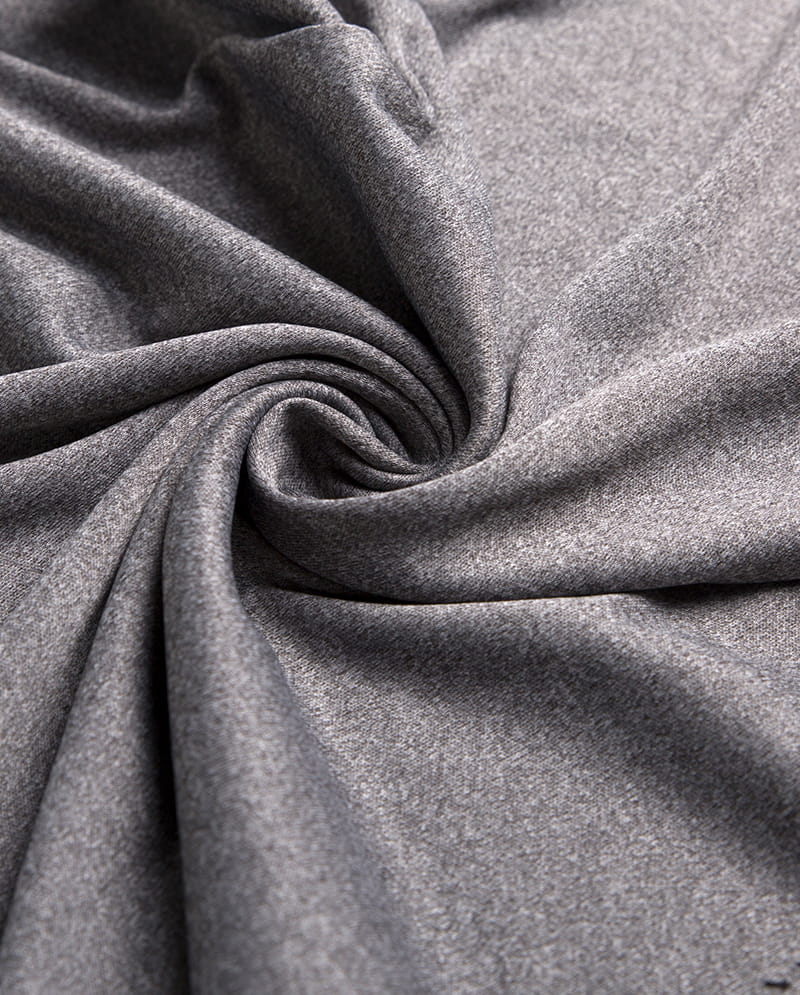
Wash-Resistant Cationic Elastic Knitted Fabric for Garment Industry
-
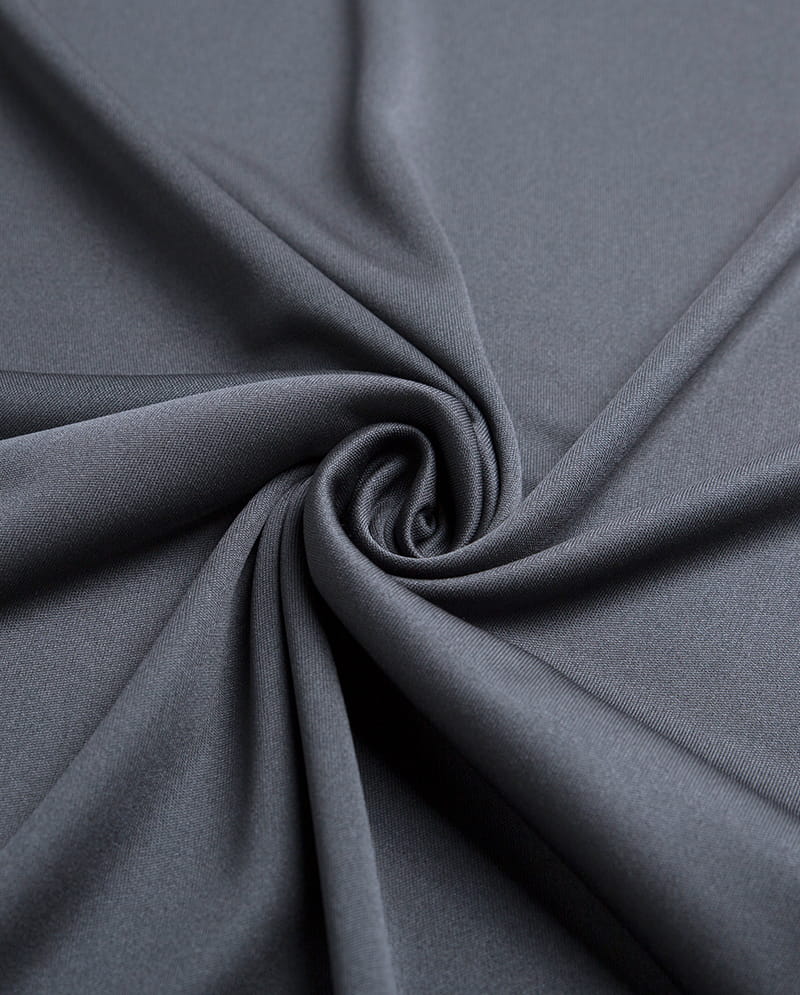
Breathable Double-Faced Elastic Composite Fabric
-
-
-
- whatsapp:
- 0086-13962559622
-
- skype:
- skype.aliceshenghong
-
- Wechat:

COPYRIGHT © 2016 Suzhou Junhui Textile Co., Ltd.
