

 EN
EN English
 中文简体
中文简体FDY Yarn: Properties, Applications & Manufacturing Guide
Content
What Is FDY Yarn?
When a weaving mill specifies yarn for high-speed air‑jet looms or warp knitting machines, the elongation at break usually narrows the options to a single category. FDY yarn (fully drawn yarn) consistently delivers elongation in the 20–30% range, a property that prevents barre, pick‑out, and dimensional drift during finishing.
FDY is a continuous polyester filament yarn that has been fully drawn and heat‑set during a single spin‑draw process. Unlike partially oriented yarn (POY) or drawn textured yarn (DTY), FDY does not require a secondary drawing step before fabric formation. The molecular chains are already oriented and crystallised, giving the yarn its characteristic low elongation, high tenacity, and excellent dimensional stability.
Producers manufacture FDY by extruding polyester melt through spinnerets, cooling the filaments, and then drawing them between heated godets at ratios typically between 1.5 and 3.0. The yarn is simultaneously heat‑set under controlled tension and wound onto precision‑wound packages ready for direct use in weaving, warp knitting, or narrow‑fabric production. This fully integrated process eliminates the need for a separate draw‑twisting operation, reducing handling damage and process cost for the fabric manufacturer.
FDY Production Process
Polymer Drying and Extrusion
High‑viscosity polyester chip with an intrinsic viscosity (IV) of 0.62–0.68 dl/g is dried to a moisture content below 30 ppm. The dried polymer feeds into extruders operating at 285–295 °C. Melt filtration through 15–25 μm screens removes gels and particulates that could cause filament breaks. Multiple spinneret orifices, ranging from 12 to 288 holes depending on the final denier per filament (dpf), shape the molten stream into individual filaments.
Drawing and Heat Setting
After quenching with controlled cross‑flow air, the solidified filaments pass over a first cold godet and then onto heated draw godets. The critical draw zone between the first and second godet sets stretches the yarn to achieve the target elongation. For a typical 75 denier/36 filament FDY, the draw ratio might be 2.4–2.8. Following drawing, the yarn enters a relaxation zone on a third godet where it is heat‑set at 160–190 °C to lock in the oriented structure and control shrinkage. Interlace jets apply compressed air to create a network of filaments, improving cohesion without adding twist.
Winding and Quality Checks
Fully drawn yarn winds onto bobbins at speeds of 3,500–5,500 m/min under precisely controlled tension. Online sensors monitor denier, evenness, and broken filaments, automatically grading each package. Off‑line testing confirms tenacity (≥3.8 cN/dtex for standard grades), elongation (CV <3.0%), oil pick‑up (0.5–1.2%), and Uster evenness. Batches that fail to meet the specification are reprocessed or downgraded.
Key Performance Properties
FDY yarn is ordered against a narrow set of physical parameters because the downstream fabric process is unforgiving. Tenacity uniformity (CV% below 3.0) ensures that each warp end shares the load equally during weaving, preventing single‑end breaks on high‑speed air‑jet looms. A typical specification for 75D/36F semi‑dull round FDY is shown alongside comparative yarn types in the table below.
| Property | FDY | POY | DTY |
|---|---|---|---|
| Tenacity (cN/dtex) | 3.8–5.5 | 2.0–2.5 | 2.5–3.5 |
| Elongation at break (%) | 20–30 | 110–130 | 18–30 |
| Boiling water shrinkage (%) | 4–8 | 40–60 | 3–7 |
Dye uptake consistency is another factor that separates reliable FDY from commodity supply. Even a 2% deviation in dye take‑up creates visible end‑to‑end shade variation in flat‑woven fabrics. Reputable mills specify a dye‑uptake tolerance of ±0.5 on a 0–10 scale and request dye‑check panels before shipping. Oil pick‑up aids processability but must remain within a tight window; too little oil creates static and broken filaments, while too much oil leads to soiling of loom parts and uneven dyeing.
Industrial Applications
Apparel and Sportswear
Warp‑knit fabrics for activewear, lingerie, and lining materials rely on fine‑denier FDY (20D–50D) for a smooth, non‑stretch hand. Circular‑knit constructions also use FDY when the designer requires a crisp drape and low shrinkage after repeated laundering. Bright, trilobal cross‑section FDY adds lustre to fashion garments without post‑treatment.
Home Textiles and Upholstery
Medium‑denier FDY (75D–150D) forms the base warp or weft in printed curtain fabrics, mattress ticking, and upholstery. The yarn’s dimensional stability minimises seam puckering during heat‑transfer printing, a process that can reach 200 °C. For blackout lining, dull FDY with a high cover factor is preferred because it blocks light effectively and withstands repeated mechanical cleaning.
Technical and Industrial Fabrics
Warp‑knit geotextiles and reinforcing scrims made from high‑tenacity FDY (≥5.0 cN/dtex) offer consistent modulus and predictable soil‑fabric interaction. In automotive interiors, FDY is used for seat‑belt webbing and airbag fabrics, where elongation under load must be strictly limited. Narrow‑fabric producers also select FDY for zipper tapes, webbing, and labels because the yarn runs clean at high speed with minimal change‑over loss.
How to Source Quality FDY Yarn
Evaluating an FDY supplier goes beyond comparing price per kilogram. The following checks protect fabric quality and line efficiency.
Checking Specification Sheets
Request a full technical data sheet that states denier, filament count, tenacity, elongation, and shrinkage with both the average and the coefficient of variation (CV%). A reliable supplier will also report Uster evenness (U% or CVm) and IPI (imperfections). If the data sheet only lists nominal values without CV, the batch‑to‑batch consistency is unverified.
Testing Incoming Yarn
Set up a simple incoming inspection protocol: measure actual denier and tenacity on at least three bobbins per shipment, check interlace nodes with a dipping test, and run a dye contrast panel on a sample of fabric knitted under controlled conditions. The most revealing single test is a full‑package unwinding trial at 600 m/min on a tension‑monitored winder; tension spikes above 1 cN/dtex often reveal hidden broken filaments or poor package build.
Certifications and Traceability
For brands that require recycled content, insist on GRS (Global Recycled Standard) certification and batch‑level traceability to the PET bottle or post‑industrial waste source. For OEKO‑TEX compliance, verify that the certificate covers the specific denier/filament and luster. A mill that can provide a Uster Classimat report alongside every shipment eliminates the guesswork from fault analysis and slashes off‑quality costs.
Conclusion
FDY yarn remains the workhorse filament for applications that cannot tolerate high elongation or uneven dye uptake. Matching the denier‑per‑filament, luster, and shrinkage specification to the fabric formation method—whether it is water‑jet weaving, warp knitting, or narrow‑fabric production—prevents the majority of field failures. During vendor selection, prioritise mills that supply full statistical data, not just nominal averages, and be prepared to run a small‑lot trial before committing to a container. When sourced with discipline, FDY yarn delivers a finished fabric that is dimensionally stable, visually uniform, and cost‑competitive across the entire value chain.
Popular products
-
Premium Cationic Interlock Stretch Comfort Fabric
-
Moisture-Wicking Nylon Woven Fabric
-
Double-faced jacquard elastic fabric
-
Heather Grey Double-faced cationic jersey fabric
-
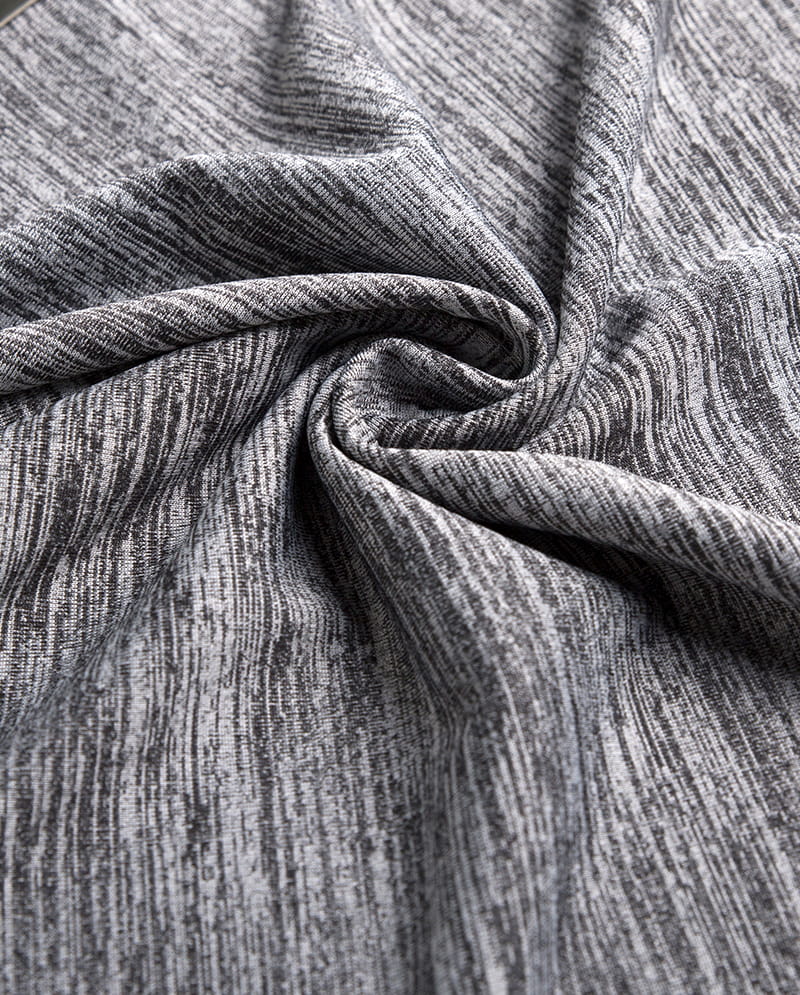
Anti-static Cationic Knitted Rib Fabric
-
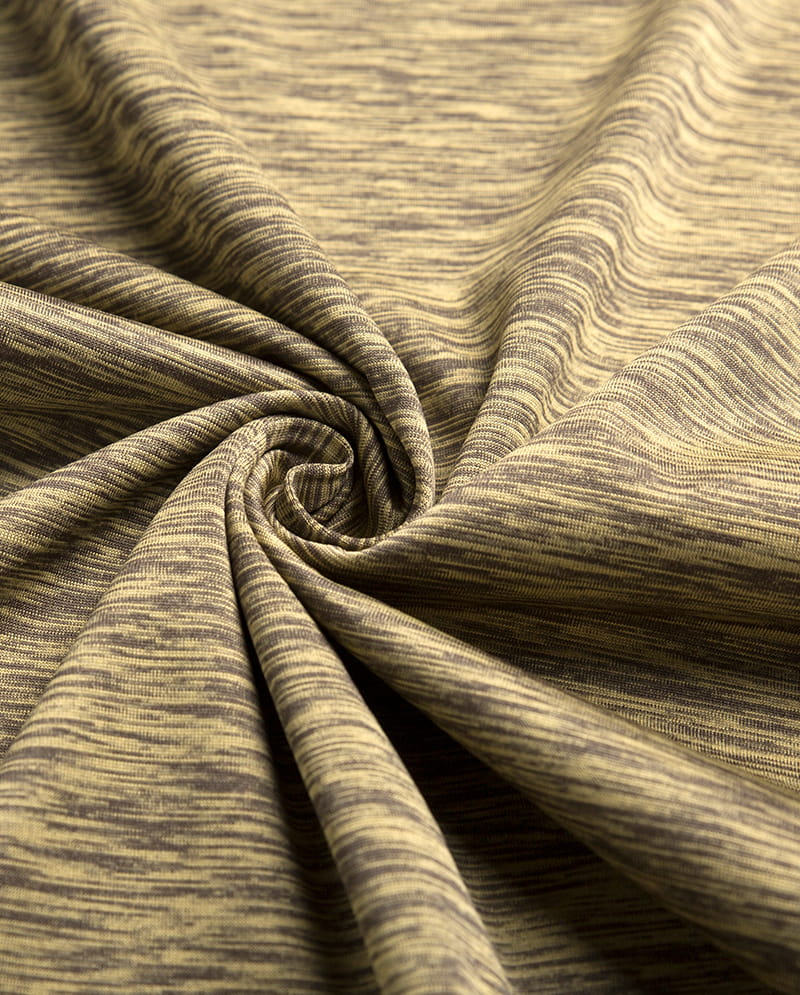
High-Stretch Cationic Jersey Fabric
-
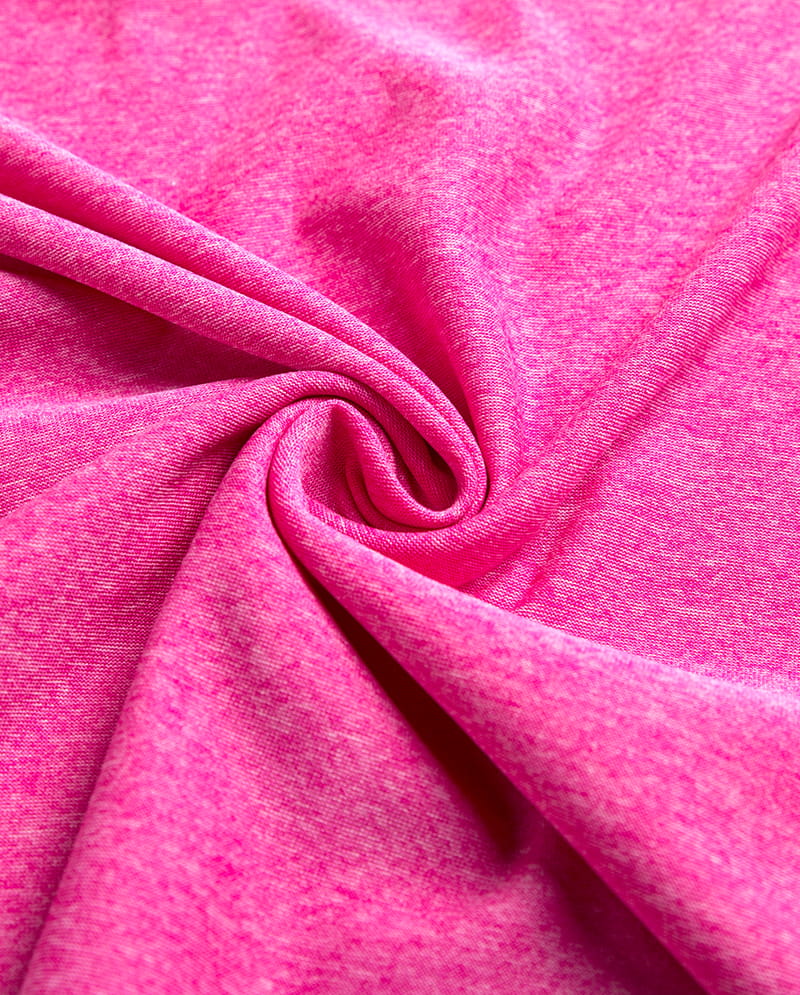
High Quality Cationic DTY Spandex Two Sides Brush Dralon Knit Fabric for Garment Thermal Underwear
-
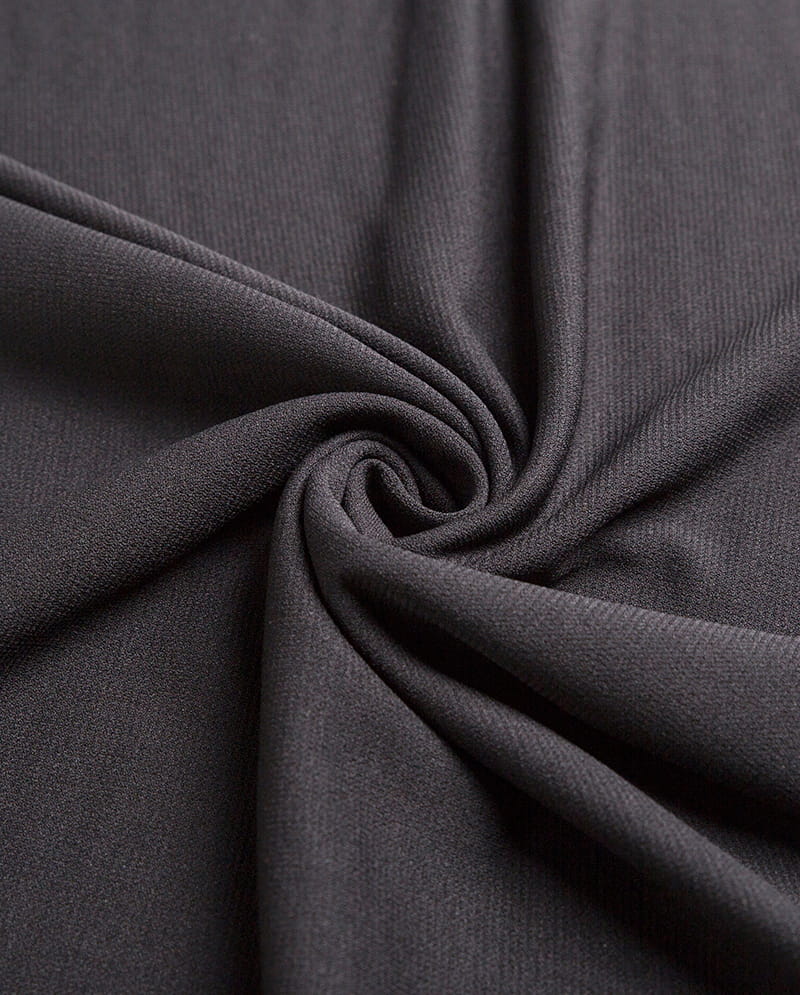
Durable Anti-Pilling Knitted Fabric for Home Textiles
-
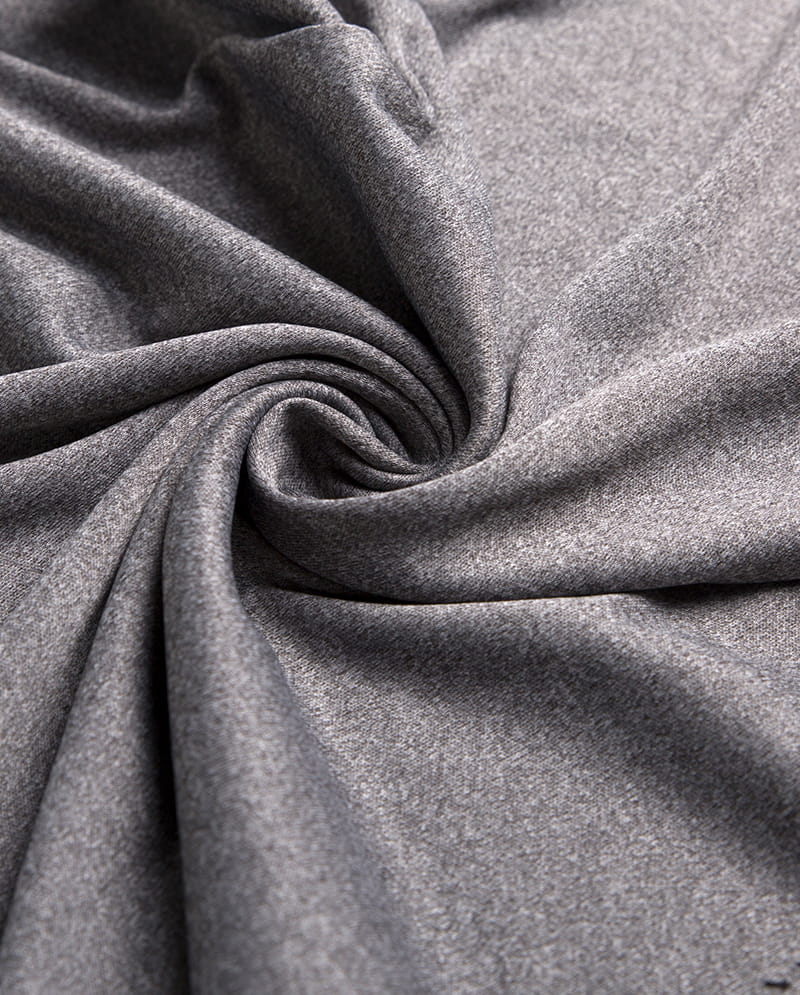
Wash-Resistant Cationic Elastic Knitted Fabric for Garment Industry
-
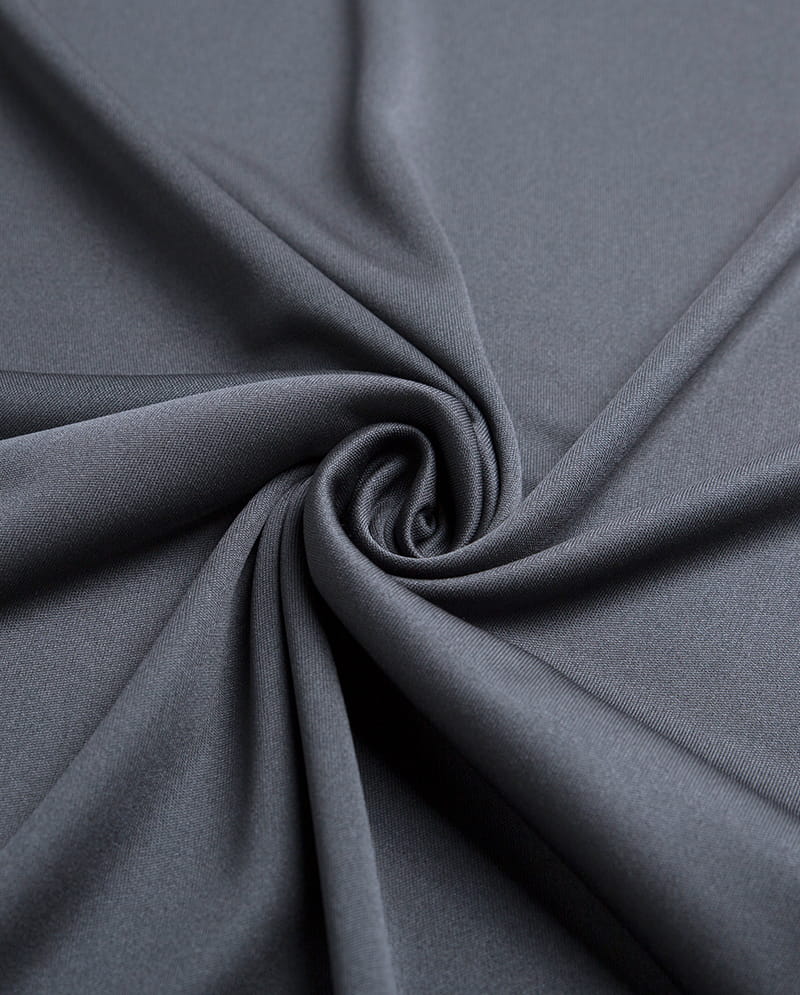
Breathable Double-Faced Elastic Composite Fabric
-
-
-
- whatsapp:
- 0086-13962559622
-
- skype:
- skype.aliceshenghong
-
- Wechat:

COPYRIGHT © 2016 Suzhou Junhui Textile Co., Ltd.
