

 EN
EN English
 中文简体
中文简体FDY Yarn (Full Draw Yarn): Properties, Specs & Selection Guide
Content
- 1 What Is FDY Yarn — And Why Does It Matter for Your Fabric?
- 2 Core Properties You Should Know
- 3 SD, FD, CD — What the Luster Codes Actually Mean
- 4 Denier and Filament Count: How to Read the Numbers
- 5 FDY vs. DTY vs. POY: Which One Do You Actually Need?
- 6 Recycled FDY: Same Specs, Lower Footprint
- 7 Practical Selection Checklist
What Is FDY Yarn — And Why Does It Matter for Your Fabric?
FDY — Full Draw Yarn — is a continuous filament polyester yarn produced through a one-step spin-draw process. Unlike POY (Partially Oriented Yarn), which requires a second texturing step, FDY exits the line already fully oriented. The result: a yarn that is dimensionally stable, smooth-surfaced, and ready for direct weaving or knitting.
That difference in process isn't just technical trivia. It translates directly into tighter specs, more consistent dye uptake, and fewer surprises on the loom.
Core Properties You Should Know
FDY's performance profile is defined by four characteristics that matter most in production:
- High tenacity (≥ 4.2 cN/dtex): The molecular chains are fully aligned during drawing, giving the yarn consistent tensile strength across the package.
- Low boiling water shrinkage: Typically below 1–3%, which means your fabric dimensions hold stable through dyeing and finishing — far better than untextured POY.
- Smooth, uniform surface: The filaments interlock at controlled interlace points, enabling clean yarn-to-yarn adhesion in weaving without surface irregularities that cause shade variation.
- Elongation at break: ~44–49%: Enough stretch for handling and fabric formation, without the bulk or crimp of textured yarns like DTY.
These properties make FDY yarn the go-to base material wherever a clean hand feel and predictable dimensional behavior are non-negotiable.
SD, FD, CD — What the Luster Codes Actually Mean
Most suppliers list FDY in three luster variants. Here's what each means in practical terms:
| Code | Luster Level | Best For |
|---|---|---|
| SD (Semi-Dull) | Matte, natural look | Apparel linings, shirts, everyday wovens |
| FD (Full Dull) | No sheen | Functional fabrics, sportswear base layers |
| CD (Cationic Dyeable) | Variable | Two-tone dyeing, fashion fabrics requiring deep colors at low temperature |
CD-type FDY uses modified polyester that accepts cationic dyes — dyes that bind at lower temperatures and produce richer, deeper tones than standard disperse dyeing. If your downstream process involves multi-color effects or atmospheric pressure dyeing, CD is worth considering over standard SD.
Denier and Filament Count: How to Read the Numbers
FDY is specified as D/F — denier over filament count. A yarn listed as 75D/72F means 75 denier total, distributed across 72 individual filaments. More filaments at the same denier = finer individual fibers = softer hand feel. Fewer filaments = coarser, stronger individual fibers.
Common specifications in the market range from 15D/6F (very fine, lingerie and lightweight linings) up to 300D/576F for heavier wovens and technical applications. The typical mid-range options — 75D/36F, 75D/72F, 150D/144F — cover most apparel and home textile needs and offer the best balance of availability and price stability.
For buyers sourcing standard polyester FDY in SD, FD and CD variants, the D/F ratio is one of the first specs to nail down — it affects not just the fabric feel, but also the loom settings, weaving efficiency, and dyeing behavior.
FDY vs. DTY vs. POY: Which One Do You Actually Need?
The three yarn types serve different purposes and are not interchangeable:
- FDY — smooth, flat, no crimp. Direct-use in weaving and knitting. Suits structured fabrics, linings, high-definition prints.
- DTY (Draw Textured Yarn) — crimped via a false-twist texturing process. Adds bulk, softness, and stretch. Preferred for knitted fabrics, sportswear, and fleece.
- POY (Partially Oriented Yarn) — intermediate product, not for direct fabric use. Typically converted into DTY through texturing.
If your product requires a flat, smooth surface with good luster — woven shirts, sarees, curtains, linings, ties — FDY is the correct choice. If you want stretch and bulk, DTY is the right starting point.
Recycled FDY: Same Specs, Lower Footprint
Recycled FDY — made from rPET chips derived from post-consumer PET bottles — offers comparable tenacity, shrinkage, and luster to virgin FDY. The key practical difference is certification: GRS (Global Recycled Standard) documentation is increasingly required by EU and US buyers as part of supply chain compliance.
From a production standpoint, recycled and virgin FDY run on the same equipment and meet equivalent physical specs. The decision often comes down to your customer's requirements and whether you need a traceable sustainability claim on the finished product. Recycled FDY yarn is now available across standard D/F ranges — 50D to 300D — with SD and CD luster options.
Practical Selection Checklist
Before placing an FDY order, confirm these five points with your supplier:
- Luster code — SD / FD / CD based on dyeing method and end-use aesthetics
- D/F specification — denier determines fabric weight; filament count determines hand feel
- Boiling water shrinkage — ask for the test data, not just a label claim
- Interlace level — low, medium, or high, depending on your downstream process (weaving requires firmer interlace than knitting)
- Virgin vs. recycled — if GRS certification matters to your buyer, confirm it at the order stage, not after shipment
FDY is not a single product — it's a family of specifications. Getting these five points right before sampling saves significant rework time downstream.
Popular products
-
Premium Cationic Interlock Stretch Comfort Fabric
-
Moisture-Wicking Nylon Woven Fabric
-
Double-faced jacquard elastic fabric
-
Heather Grey Double-faced cationic jersey fabric
-
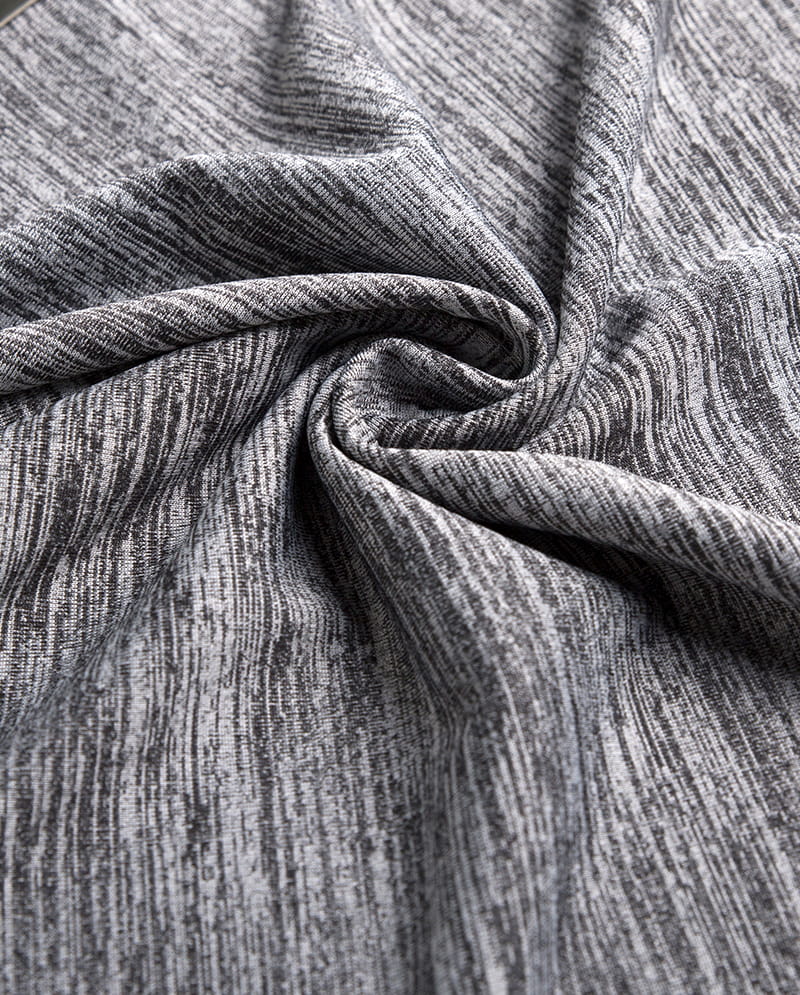
Anti-static Cationic Knitted Rib Fabric
-
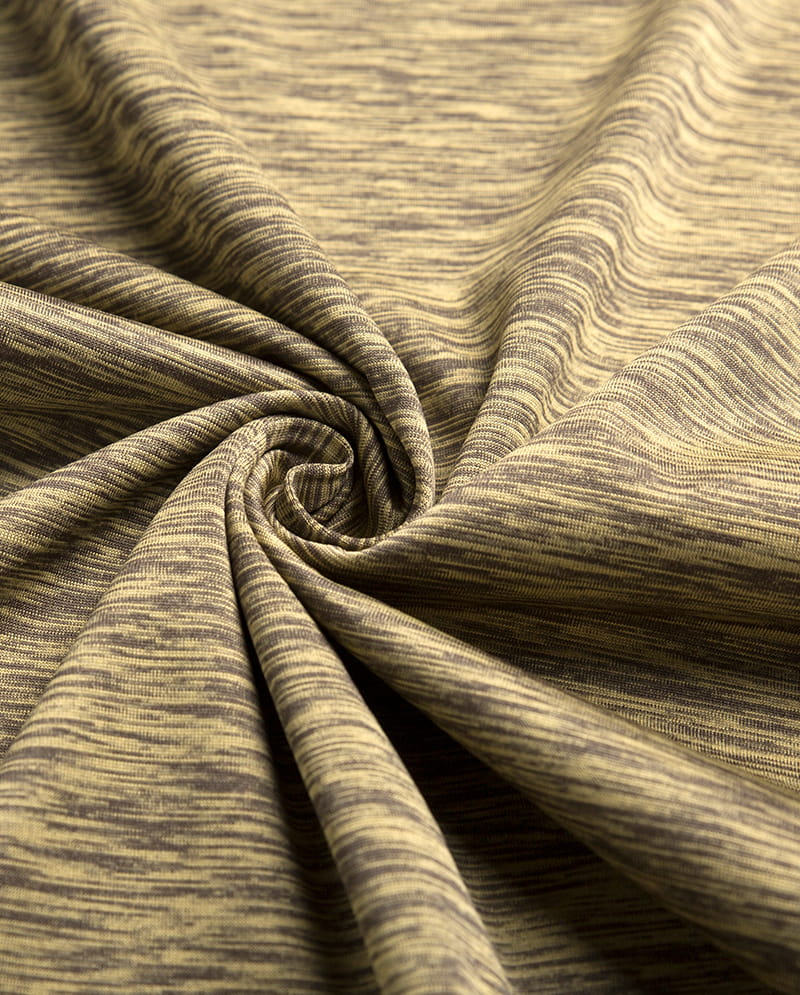
High-Stretch Cationic Jersey Fabric
-
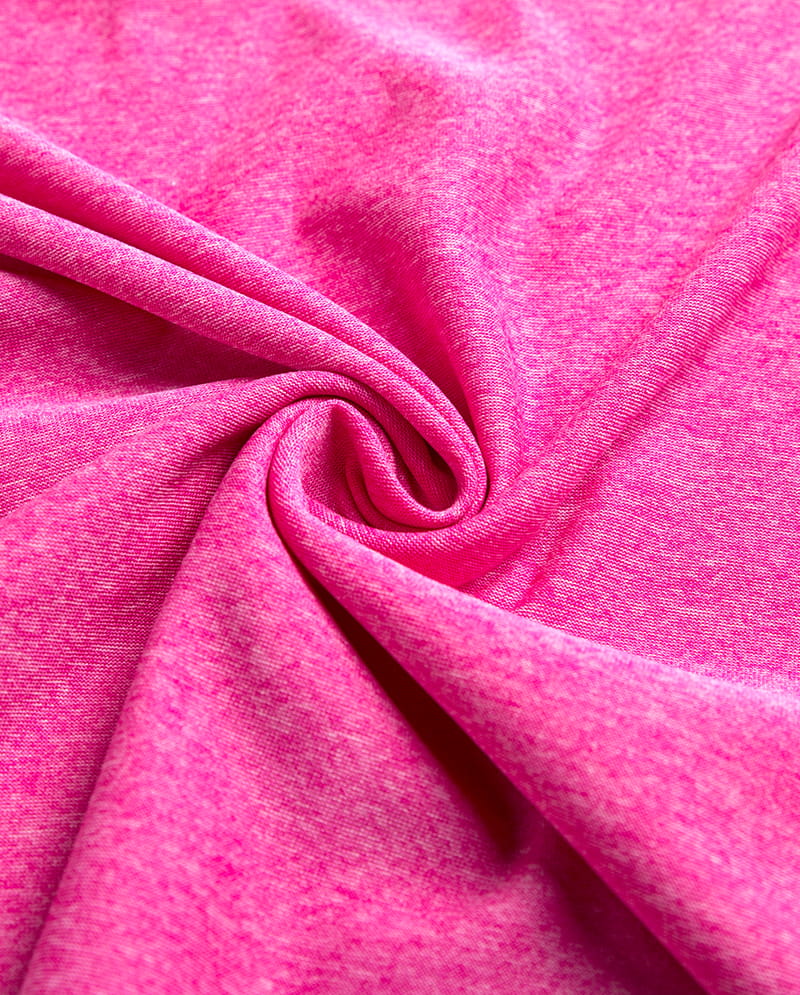
High Quality Cationic DTY Spandex Two Sides Brush Dralon Knit Fabric for Garment Thermal Underwear
-
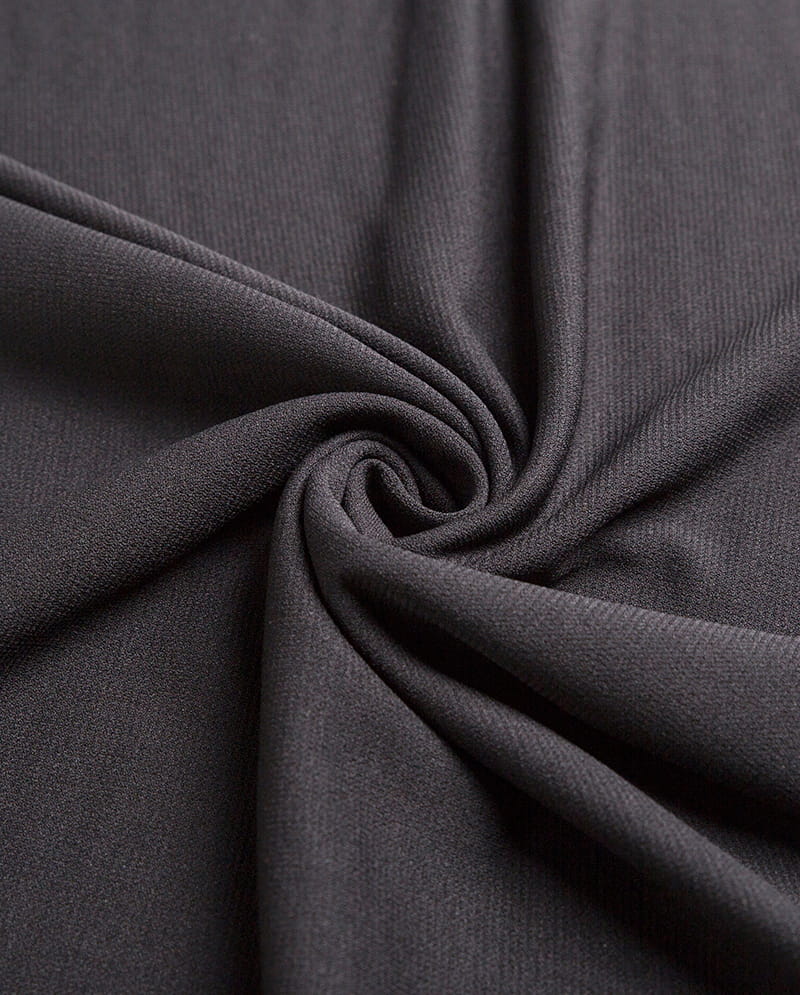
Durable Anti-Pilling Knitted Fabric for Home Textiles
-
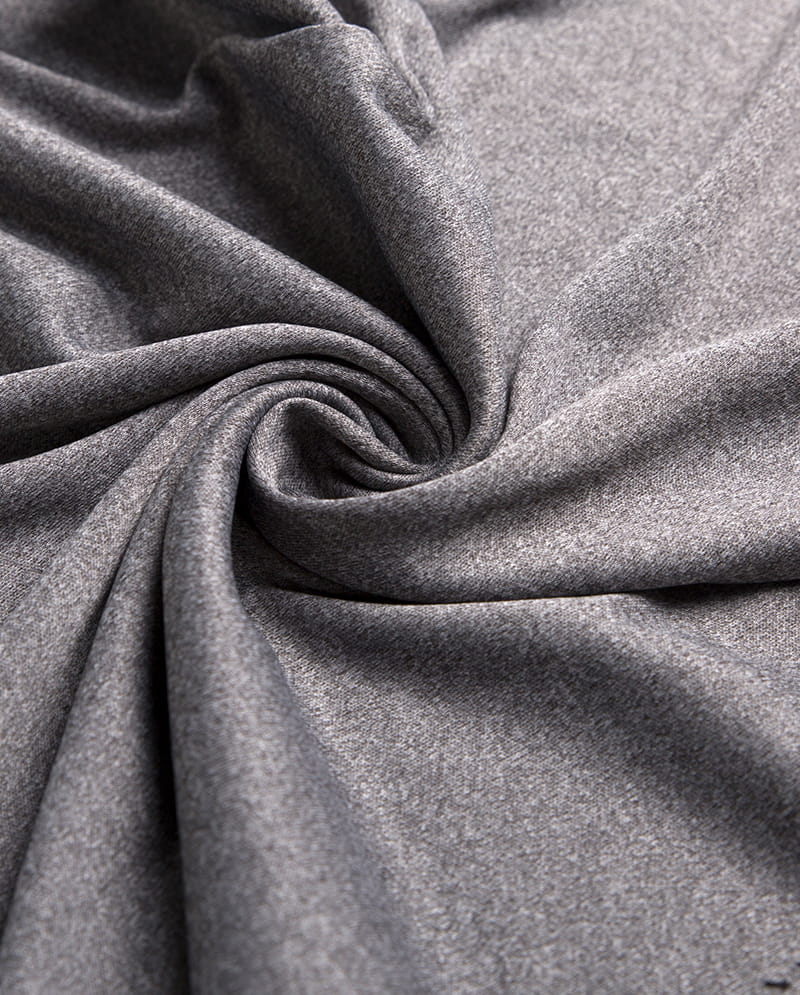
Wash-Resistant Cationic Elastic Knitted Fabric for Garment Industry
-
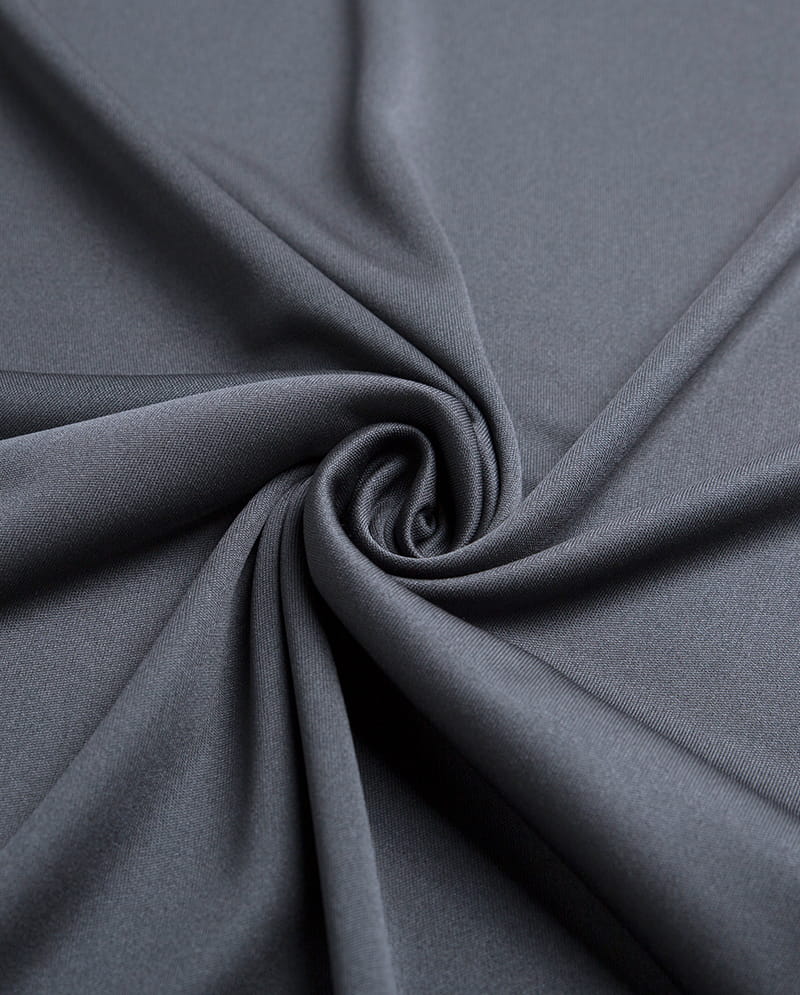
Breathable Double-Faced Elastic Composite Fabric
-
-
-
- whatsapp:
- 0086-13962559622
-
- skype:
- skype.aliceshenghong
-
- Wechat:

COPYRIGHT © 2016 Suzhou Junhui Textile Co., Ltd.
