

 EN
EN English
 中文简体
中文简体FDY Yarn (Full Draw Yarn): Properties, Specs & Buyer's Selection Guide
Content
Most fabric problems — uneven dyeing, seam slippage, premature pilling — trace back to one decision made long before cutting and sewing: the choice of yarn. FDY (Full Draw Yarn) eliminates many of those variables before they start. Here's how it works, what specs actually matter, and how to choose the right grade for your application.
What Is FDY (Full Draw Yarn)?
FDY, or Fully Drawn Yarn, is a continuous-filament synthetic yarn — most commonly polyester — produced through a single-step spin-draw process. Unlike POY (Partially Oriented Yarn), which requires a secondary drawing step, FDY exits the production line with its molecular chains already fully aligned and heat-set. The result: high tenacity, minimal elongation, and a smooth, lustrous surface that is ready for direct use on weaving or knitting machines.
This "ready-to-use" quality is the defining advantage over other yarn types. Because the polymer is already crystallized and oriented, there is far less variation during downstream processing — fewer loom stops, more consistent dye uptake, and better fabric dimensional stability.
Key Technical Specs and What They Mean for Buyers
Two numbers appear on every FDY specification sheet: denier (D) and filament count (F). Denier describes the linear mass density — lower numbers mean finer, softer yarn, while higher numbers mean thicker, heavier yarn. Filament count describes how many continuous strands are bundled together — more filaments per denier creates a softer drape and better coverage.
| Denier/Filament (D/F) | Yarn Character | Typical Application |
|---|---|---|
| 30D/24F – 75D/36F | Fine, silky, lightweight | Lingerie, linings, chiffon |
| 75D/72F – 150D/144F | Balanced softness + strength | Sportswear, woven fabrics, home textiles |
| 150D/48F – 300D/96F | Heavy-duty, durable | Upholstery, bags, industrial sewing threads |
Beyond denier and filament count, buyers should check three additional parameters. Luster grade (Semi-Dull/SD, Fully Dull/FD, or Bright/CD) determines how much light the fabric reflects — SD is the most versatile for apparel, while FD gives a matte appearance preferred in technical or military textiles. Tenacity above 4.5 g/den is generally considered suitable for most woven applications. Boil-off shrinkage below 2.5% is the benchmark for dimensional stability in finished garments.
FDY vs. POY vs. DTY: When to Use Which
These three yarn types often cause confusion, but the decision is straightforward once you know the production logic. POY is an intermediate product — it must be further drawn or textured before use. FDY is the finished, fully oriented filament. DTY (Draw Textured Yarn) starts from POY and goes through a false-twist texturing step, which introduces crimps and loops to create a bulkier, softer feel.
Use FDY when you need a smooth, shiny fabric surface, high strength, and low shrinkage: linings, taffeta, georgette, and technical textiles. Use DTY yarn for fabrics that require a soft, cotton-like hand feel — fleece, casual knitwear, and activewear. Never substitute FDY into a machine configured for POY; the near-zero elongation will cause excessive yarn breakage.
FDY Variants Worth Knowing
Standard polyester FDY covers most apparel and home-textile needs, but several specialized variants solve specific performance challenges.
- Recycled FDY (rPET FDY) — Made from post-consumer PET bottles. Leading grades achieve tenacity within 5% of virgin PET, making them a credible sustainability choice without sacrificing performance. GRS (Global Recycled Standard) certification is the key verification to request from suppliers.
- Cationic-dyeable FDY (CD FDY) — Modified to accept cationic dyes at low temperatures, enabling vivid, deep color without the high-temperature dyeing that standard polyester requires. Ideal for two-tone and mixed-fiber fabrics.
- Flame-retardant FDY — Permanently fire-retardant through a built-in modifier rather than a surface treatment, so washing and friction don't degrade the protection. Suited for room and vehicle interiors, military-grade clothing, and safety workwear.
- Functional FDY — Encompasses moisture-wicking, antibacterial, and hollow-warm variants, each engineered for a specific performance end-use such as sportswear or thermal innerwear.
Suzhou Junhui Textile's full FDY product range covers Normal FDY and Recycled FDY, available in SD, FD, and CD luster grades across a wide denier spectrum — from 15D/6F lightweight to 300D/96F heavy-duty constructions.
How to Evaluate an FDY Supplier
Consistent quality matters more than price per kilogram. Two reels of "150D/48F FDY" from different suppliers can behave completely differently in the dye bath or on the loom. Before committing to a supplier, run dye trials on at least three consecutive production lots. Accept the supplier's yarn only if color deviation (Delta E) stays at or below 0.5 and physical properties vary no more than ±3% across lots.
Also verify packaging: yarn should be wound on bobbins with no edge damage, sealed in moisture-barrier bags with desiccant, and palletized to prevent crushing. Crushed bobbins cause tension spikes during unwinding, which directly translates to weaving defects. Finally, ask whether the supplier holds any relevant certifications — GRS for recycled content, or Oeko-Tex Standard 100 for harmful-substance limits — and request test reports rather than certificates alone.
Practical Applications Across Industries
FDY's combination of strength, smoothness, and dimensional stability makes it the default choice for a wide range of end products. In apparel, it underpins woven shirts, dresses, sportswear linings, and swimwear. In home textiles, it appears in curtains, upholstery, bedding shells, and window-treatment fabrics. Industrial uses range from sewing threads and seat belts to tire cords and geotextiles — applications where consistent tensile strength under load is non-negotiable.
For buyers sourcing recycled FDY yarn for sustainable textile production, the performance parity with virgin polyester means there is rarely a technical reason to avoid it — the main variable is traceability documentation from the supplier.
Quick Checklist Before You Order FDY Yarn
- Define the denier and filament count based on the target fabric weight and hand feel.
- Choose the luster grade (SD / FD / CD) based on the dyeing method and fabric aesthetics required.
- Specify shrinkage tolerance — for garments, boil-off shrinkage below 2.5% is standard.
- Confirm tenacity requirement — above 4.5 g/den for most woven applications.
- Request lot-to-lot consistency data and run your own dye trials before bulk orders.
- Check certifications: GRS if recycled content matters; Oeko-Tex if end-product safety labeling is needed.
Popular products
-
Premium Cationic Interlock Stretch Comfort Fabric
-
Moisture-Wicking Nylon Woven Fabric
-
Double-faced jacquard elastic fabric
-
Heather Grey Double-faced cationic jersey fabric
-
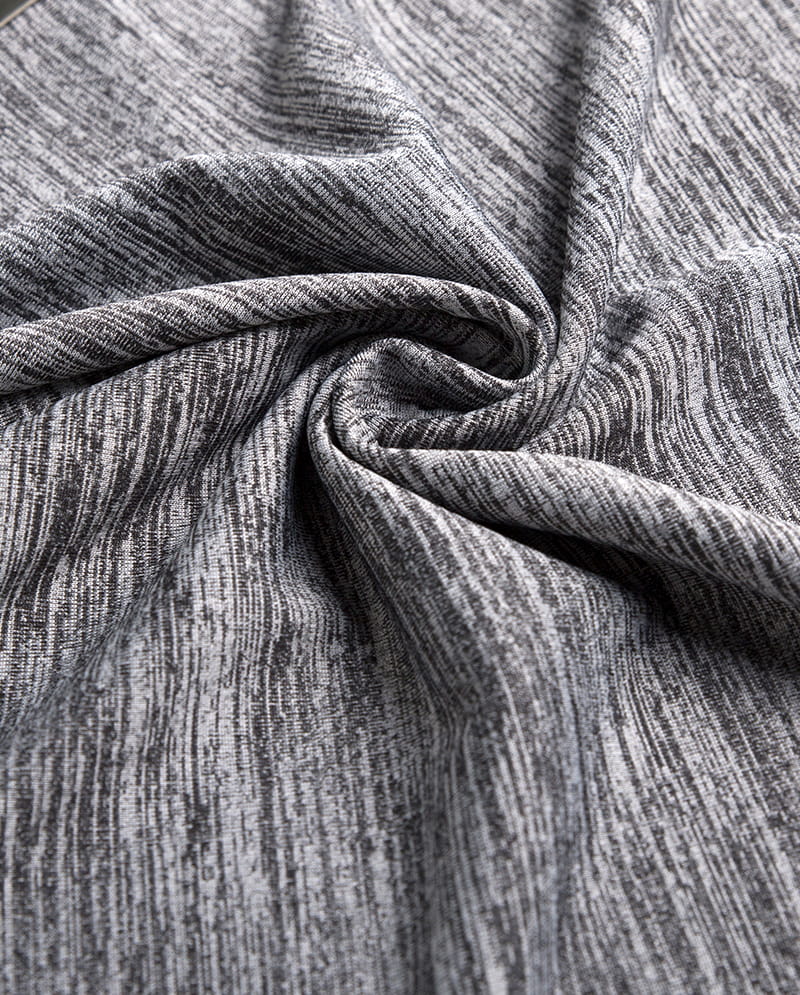
Anti-static Cationic Knitted Rib Fabric
-
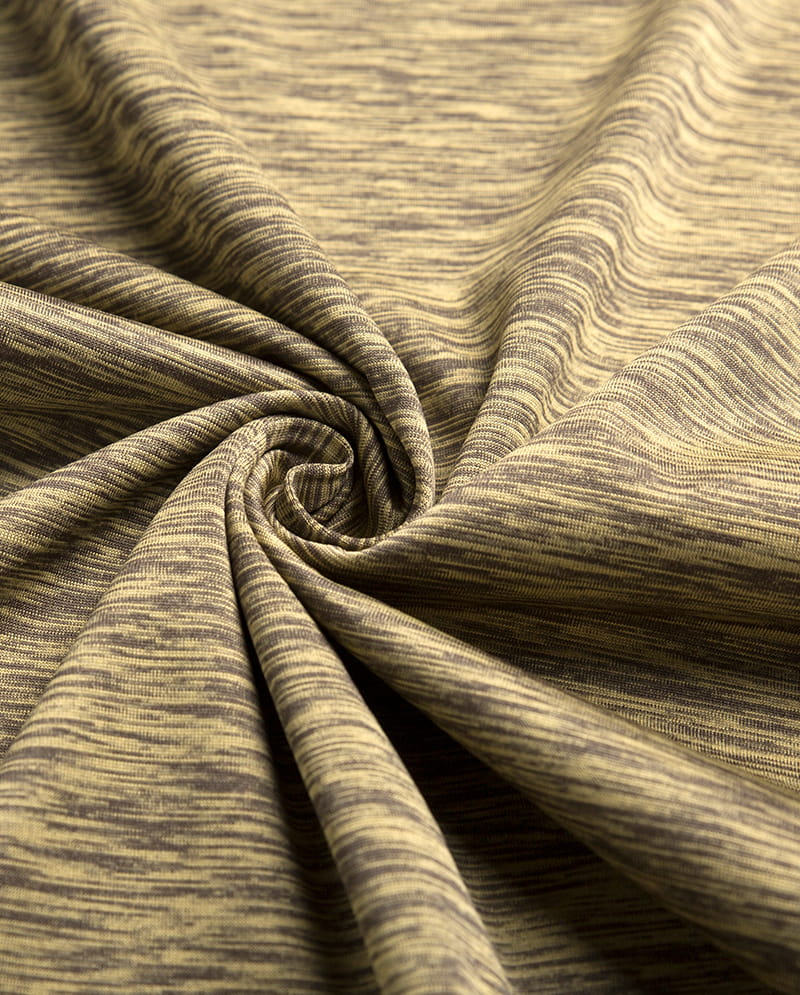
High-Stretch Cationic Jersey Fabric
-
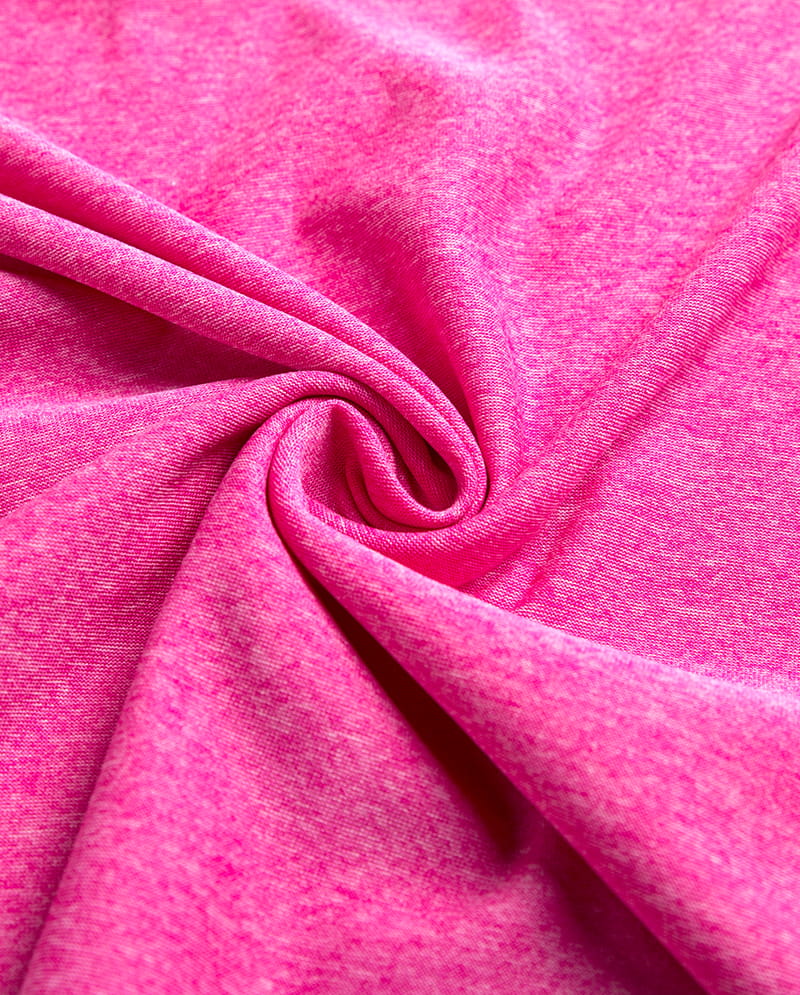
High Quality Cationic DTY Spandex Two Sides Brush Dralon Knit Fabric for Garment Thermal Underwear
-
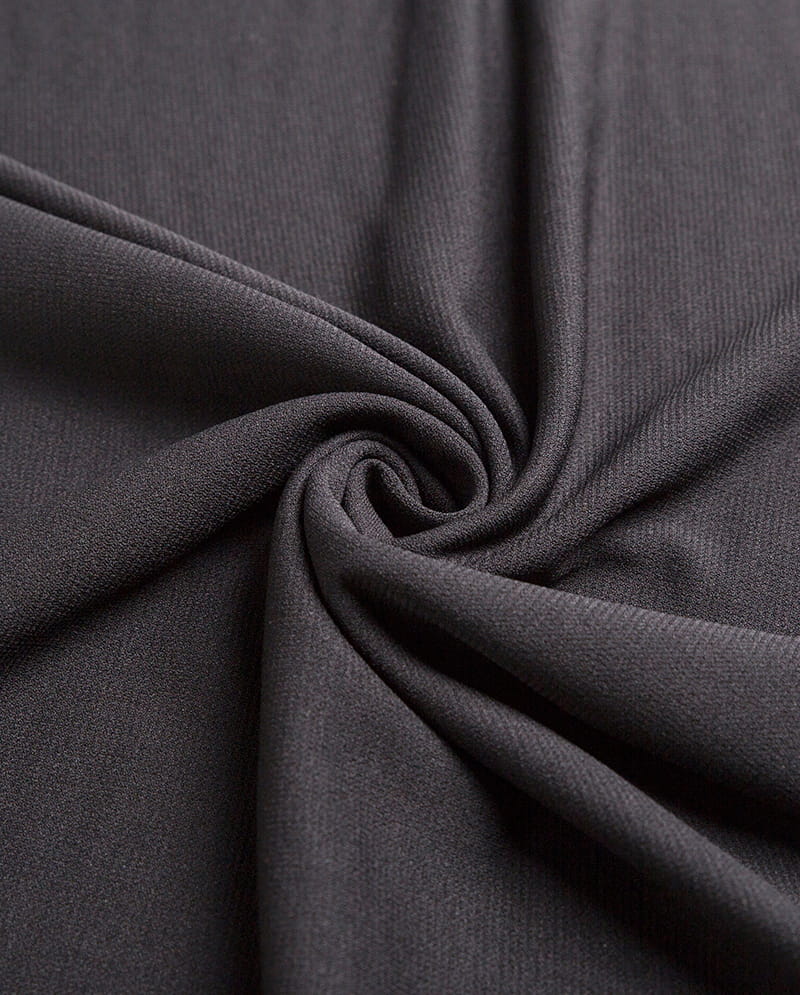
Durable Anti-Pilling Knitted Fabric for Home Textiles
-
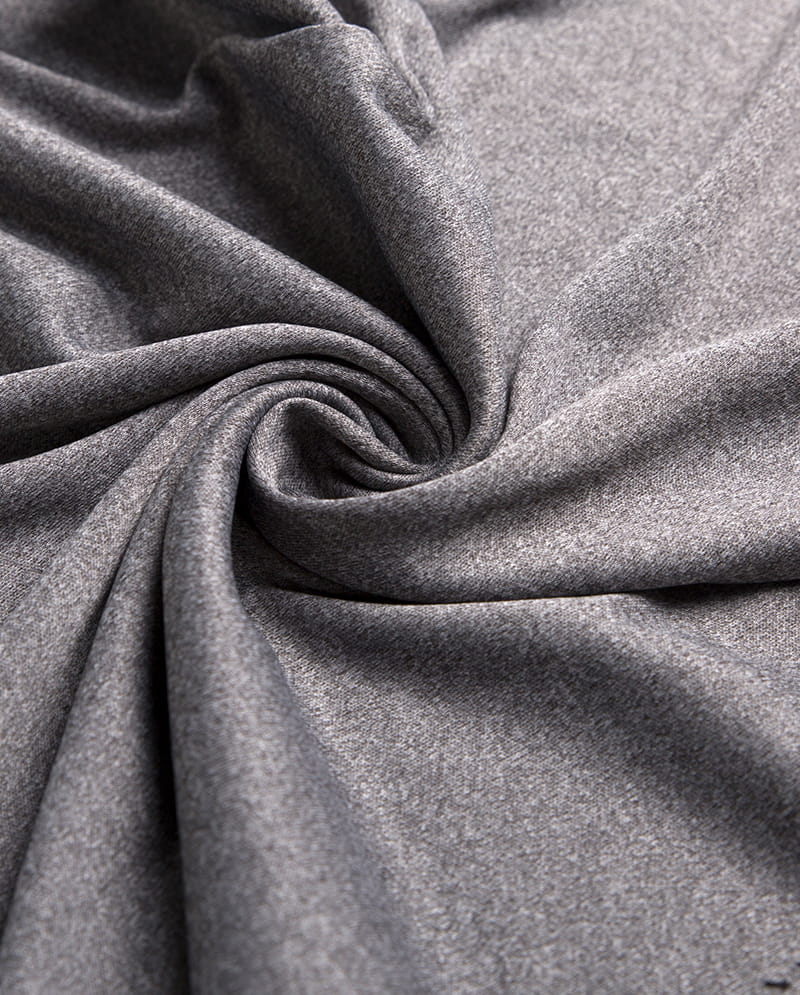
Wash-Resistant Cationic Elastic Knitted Fabric for Garment Industry
-
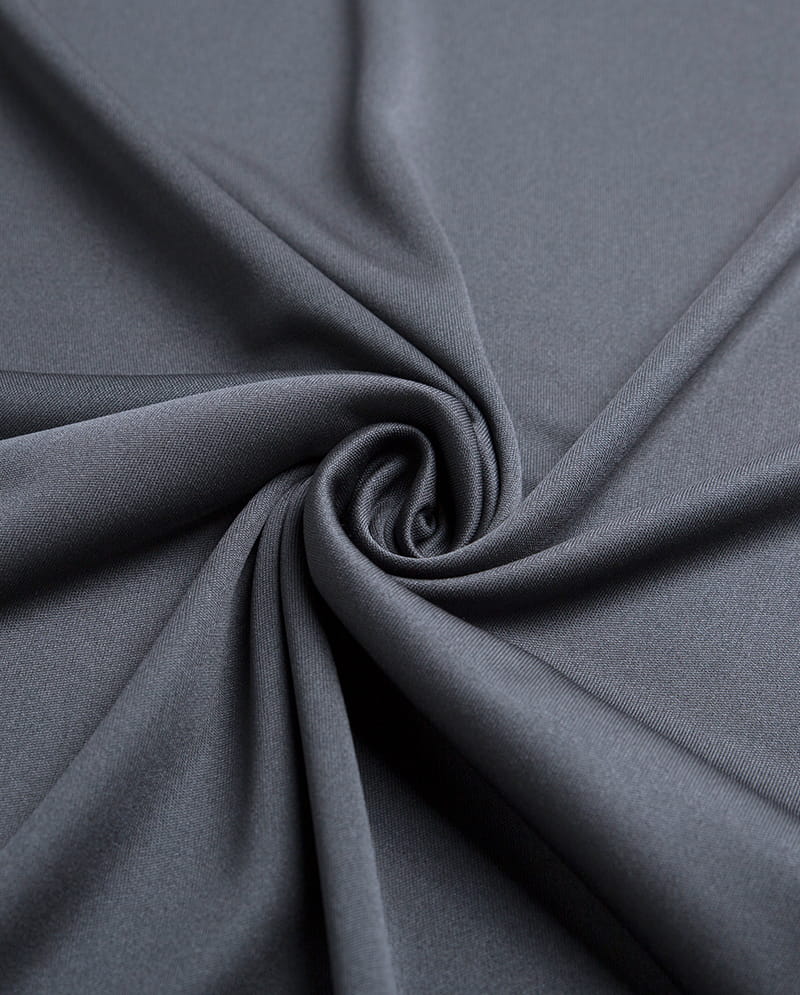
Breathable Double-Faced Elastic Composite Fabric
-
-
-
- whatsapp:
- 0086-13962559622
-
- skype:
- skype.aliceshenghong
-
- Wechat:

COPYRIGHT © 2016 Suzhou Junhui Textile Co., Ltd.
