

 EN
EN English
 中文简体
中文简体Eco-Friendly SD+CD DTY(D/F) Low-Shrink Recycled Yarn for High-Performance Textiles
Content
- 1 Understanding the Product: What SD+CD DTY(D/F) Low-Shrink Recycled Yarn Means
- 2 Recycled PET as a Sustainable Foundation
- 3 Core Product Advantages Over Conventional and Competing Yarns
- 4 Product Specification Overview
- 5 Advanced Manufacturing Process
- 6 Company Manufacturing Strengths and Technical Advantages
- 7 Why Low Shrinkage Matters in Textile Production
- 8 Cationic Dyeability and Design Potential
- 9 Applications in Apparel and Activewear
- 10 Applications in Bags, Luggage, and Outdoor Products
- 11 Applications in Home Textiles and Interiors
- 12 Comparison with Ordinary Recycled Polyester Yarn
- 13 Quality Control and Consistency
- 14 Processing Recommendations for Manufacturers
- 15 Market Value for Sustainable Textile Collections
- 16 Why Choose This Yarn for Competitive Textile Production
- 17 Frequently Asked Questions
- 17.1 What is Eco-Friendly SD+CD DTY(D/F) Low-Shrink Recycled Yarn?
- 17.2 What does SD mean in this yarn?
- 17.3 What does CD mean?
- 17.4 What does DTY mean?
- 17.5 Why is low shrinkage important?
- 17.6 Is this yarn suitable for apparel?
- 17.7 Can the yarn be used for bags and luggage?
- 17.8 Does recycled yarn perform as well as virgin polyester yarn?
- 17.9 What specifications are available?
- 17.10 Can the yarn support sustainability certification?
- 17.11 What makes this yarn different from ordinary recycled polyester yarn?
- 17.12 What should manufacturers consider before bulk production?
- 18 Conclusion
- 19 References
- 20 Product: Eco-Friendly SD+CD DTY(D/F) Low-Shrink Recycled Yarn
Eco-Friendly SD+CD DTY(D/F) Low-Shrink Recycled Yarn is designed for textile manufacturers seeking a balance between sustainability, process reliability, aesthetic flexibility, and long-term fabric performance. Made from recycled PET resources, including post-consumer plastic bottles and other polyester waste streams, this yarn supports circular production while maintaining the practical qualities expected from modern polyester filament yarns. It combines semi-dull appearance, cationic dyeability, draw-textured softness, dimensional stability, and recycled material value in one versatile product.
As global apparel, home textile, luggage, and industrial fabric markets continue to demand environmentally responsible materials, recycled yarn is no longer considered a niche option. It has become a practical solution for brands and manufacturers that need to reduce carbon impact, improve resource efficiency, and answer consumer expectations for greener textiles. This SD+CD DTY(D/F) low-shrink recycled yarn is especially suitable for applications where fabric appearance, dyeing performance, shrinkage control, and reliable downstream processing are critical.
The product belongs to the recycled yarn category and is closely related to polyester DTY yarn, FDY yarn, POY yarn, polyester chips, and textile fabric manufacturing. It is produced to help fabric mills, knitting factories, weaving mills, dyeing houses, and garment suppliers integrate sustainable materials without sacrificing fabric handle, stability, color expression, or production efficiency. Compared with ordinary recycled polyester yarns, the SD+CD structure gives it broader styling potential, while the low-shrink property helps reduce deformation and quality loss during heat treatment and washing.
Eco-Friendly SD+CD DTY(D/F) Low-Shrink Recycled Yarn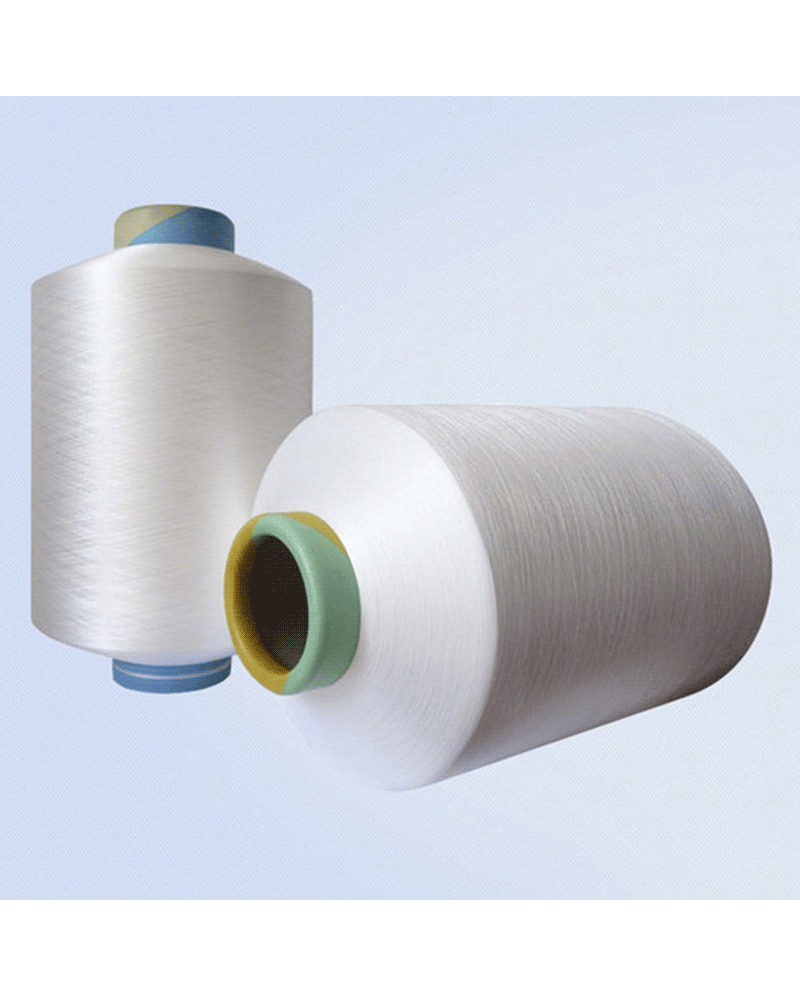
Understanding the Product: What SD+CD DTY(D/F) Low-Shrink Recycled Yarn Means
The name of the yarn contains several important technical meanings. “SD” refers to semi-dull polyester, a type of yarn with a softer and more natural luster than bright polyester. Semi-dull yarn is widely used when manufacturers want fabrics that do not look overly glossy but still maintain clean color and a refined surface. This makes it suitable for fashion apparel, sportswear, casualwear, lining fabric, bag fabric, upholstery, and home textile materials.
“CD” refers to cationic dyeable polyester. Cationic dyeable yarn can be dyed with cationic dyes, creating bright, vivid, and differentiated color effects. When combined with standard polyester components or semi-dull components, CD yarn allows two-tone, melange, heather, shadow, stripe, or contrast dyeing effects. For textile designers and mills, this feature creates more possibilities without requiring complicated fabric structures or expensive post-finishing procedures.
“DTY” stands for draw textured yarn. DTY is produced through a texturing process that gives the yarn bulk, elasticity, crimp, and a softer hand feel. Unlike flat filament yarns, DTY has a more comfortable texture and improved cover, making it desirable in knitted fabrics, woven fabrics, elastic textiles, sports fabrics, and functional fabrics. The draw textured structure also contributes to abrasion resistance, resilience, and fabric fullness.
“D/F” refers to denier and filament count. Denier indicates yarn fineness, while filament count refers to the number of individual filaments in the yarn. The combination of denier and filament count determines the texture, softness, coverage, strength, and application range of the yarn. Available specifications for recycled SD+CD DTY(D/F) commonly include 50/48, 50/72, 75/48, 75/72, 80/72, 100/72, 100/108, 100/144, 125/72, 125/144, 150/72, 150/108, 150/144, 300/96, 300/144, and 300/288, giving manufacturers flexibility for different fabric weights and end uses.
The low-shrink characteristic is one of the most important performance advantages of the product. Under standard hot-air testing conditions, shrinkage can be controlled at a low level, commonly around or below 3% depending on the exact specification and processing requirement. This helps maintain fabric width, garment size, surface flatness, seam stability, and dimensional accuracy after dyeing, heat setting, finishing, and washing.
Recycled PET as a Sustainable Foundation
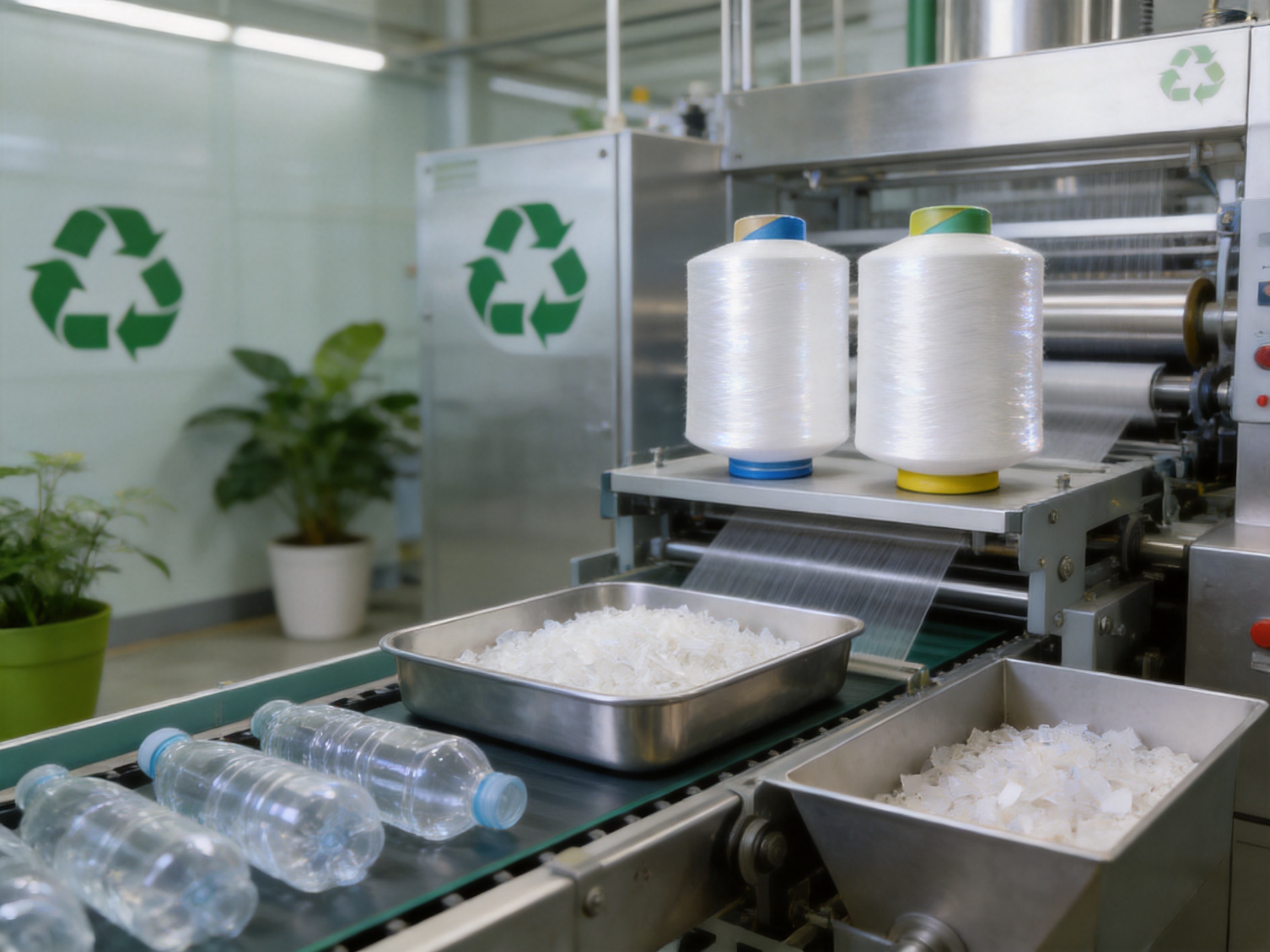
The yarn is made from recycled PET, a regenerated polyester material obtained from waste polyester resources such as discarded water bottles, beverage bottles, packaging, and other PET-based materials. Instead of allowing plastic waste to enter landfills, oceans, or incineration streams, recycling converts it into valuable textile raw material. In many markets, recycled PET fabric is also known as RPET fabric or coke bottle green cloth because of its origin from recycled beverage bottles.
The recycling process generally includes collection, sorting, washing, crushing, melting, filtration, pelletizing or direct spinning preparation, and yarn production. By turning waste into high-value yarn, the process supports a circular economy and reduces dependence on virgin petroleum-based resources. For brands that need measurable sustainability claims, recycled PET yarn can support responsible sourcing programs and help meet procurement requirements from environmentally conscious buyers.
Compared with conventional virgin polyester, recycled PET yarn can reduce the environmental burden associated with raw material extraction and new polymer production. While exact environmental savings depend on the recycling system, energy source, logistics, and production technology, recycled polyester is widely recognized as a lower-impact alternative when properly manufactured and certified. The product can also be supplied with sustainability documentation such as GRS certification, helping customers verify recycled content and traceability.
For export-oriented textile producers, verified recycled yarn is increasingly important. European and American markets, in particular, have strong demand for fabrics made from recycled fibers. Apparel brands, outdoor product companies, luggage brands, school bag manufacturers, home textile retailers, and automotive fabric suppliers often require materials that align with sustainability targets. This yarn provides a practical route to meet those requirements while preserving the usability of polyester.
Core Product Advantages Over Conventional and Competing Yarns
One of the strongest advantages of this recycled yarn is that it does not force manufacturers to choose between sustainability and performance. Some recycled yarns in the market may show unstable dyeing, excessive shrinkage, inconsistent yarn evenness, weak strength, or poor processing behavior. This product is engineered to reduce those concerns through controlled raw material selection, stable spinning, precision texturing, and strict inspection.
The first competitive advantage is dimensional stability. Low shrinkage is valuable in nearly every textile process. During dyeing and heat setting, yarns and fabrics experience heat, moisture, mechanical tension, and chemical exposure. If shrinkage is not controlled, fabric width may change, fabric GSM may shift, pattern alignment may distort, and garment sizes may become inconsistent. Low-shrink recycled SD+CD DTY helps reduce these risks, making production planning more predictable.
The second advantage is dyeing versatility. The SD+CD combination supports cationic dyeing effects, allowing fabric developers to create differentiated colors and visual textures. When used strategically in knitting or weaving, it can produce subtle two-tone effects, contrast effects, and vivid shades that ordinary polyester cannot easily achieve. This gives designers more freedom and helps fabric suppliers offer higher-value textile products.
The third advantage is a refined semi-dull appearance. Bright polyester may be useful in some applications, but many modern fabrics require a more natural, elegant, or premium look. Semi-dull yarn reduces harsh shine and creates a balanced surface. This is especially useful for garments, bags, upholstery, and home textiles where the finished product needs a sophisticated appearance.
The fourth advantage is draw-textured comfort and bulk. DTY has a crimped structure that gives fabric softness, elasticity, improved coverage, and a fuller hand. In knitted fabrics, it helps create stretch, recovery, and comfort. In woven fabrics, it can improve texture, drape, and surface density. In bags and luggage fabrics, it contributes to durability and a strong tactile feel.
The fifth advantage is compatibility with standard textile processes. Manufacturers do not need to redesign their entire production line to use this yarn. It can be used in knitting, weaving, dyeing, heat setting, finishing, coating, laminating, and sewing processes similar to conventional polyester DTY, provided the correct process parameters are applied. This reduces adoption barriers and makes sustainable material conversion more practical.
The sixth advantage is application breadth. The yarn can be used for activewear, fashion fabric, mountaineering bags, handbags, luggage, school bags, briefcases, shopping bags, gift bags, storage boxes, home textiles, linings, upholstery, automotive interiors, and functional fabrics. Its combination of recycled content, low shrinkage, and dyeing flexibility makes it suitable for both consumer and industrial applications.
Product Specification Overview
Product Attribute |
Description |
Practical Benefit |
Material Source |
Recycled PET from post-consumer and polyester waste resources |
Supports circular economy, reduces dependence on virgin polyester, and improves sustainability value |
Yarn Type |
SD+CD DTY(D/F) |
Combines semi-dull luster, cationic dyeability, and draw-textured performance |
Appearance |
Semi-dull, refined, natural surface |
Suitable for premium apparel, bags, home textiles, and functional fabrics |
Dyeing Feature |
Cationic dyeable component |
Enables vivid colors, two-tone effects, melange looks, and design flexibility |
Shrinkage Performance |
Low-shrink design, commonly controlled around or below 3% under standard hot-air conditions |
Improves dimensional stability during dyeing, finishing, heat setting, and washing |
Texture |
Draw textured, crimped, soft, and elastic |
Improves hand feel, comfort, fabric coverage, resilience, and abrasion resistance |
Common Specifications |
50D, 75D, 80D, 100D, 125D, 150D, 300D with multiple filament counts |
Allows selection for lightweight, medium-weight, and heavy-duty fabrics |
Suitable Processes |
Knitting, weaving, dyeing, finishing, and industrial textile processing |
Easy integration into existing production lines |
Typical Applications |
Apparel, activewear, bags, luggage, school bags, home textiles, interiors, and industrial fabrics |
Meets broad market needs with one adaptable yarn platform |
Sustainability Support |
Recycled content traceability and certification support such as GRS |
Helps customers build credible eco-friendly product claims |
Advanced Manufacturing Process
The performance of recycled yarn depends not only on the recycled material itself but also on how carefully the material is selected, purified, spun, textured, and tested. A recycled yarn made from unstable flakes or poorly controlled chips may result in uneven dye uptake, broken filaments, high defect rates, and inconsistent fabric performance. Therefore, advanced manufacturing control is essential for achieving a recycled yarn that can compete with virgin polyester yarn.
The production process begins with raw material selection. PET waste must be sorted to reduce contamination from PVC, labels, caps, adhesives, colored impurities, and non-polyester materials. High-quality recycled PET requires careful washing, drying, and filtration. Moisture control is especially important because PET is sensitive to hydrolysis during high-temperature processing. Excess moisture can reduce polymer strength and cause unstable spinning.
After preparation, the recycled material is melted and filtered to remove fine particles and impurities. Advanced filtration helps improve spinning stability and reduce spinneret blockage. Clean melt flow is essential for producing uniform filaments. Inconsistent melt quality can lead to broken ends, uneven denier, poor tensile performance, and dyeing defects. This stage is one of the key differences between high-quality recycled yarn and lower-grade recycled yarn.
The spinning stage transforms molten recycled PET into continuous filaments. Precise control of temperature, pressure, spinneret design, cooling air, winding speed, and polymer viscosity helps create filaments with consistent thickness and strength. For SD+CD yarn, the manufacturing process must also manage the characteristics of semi-dull and cationic dyeable components so that the final yarn delivers stable dyeing performance and desired appearance.
Texturing is the stage that converts filament yarn into DTY. Through draw texturing, the yarn is stretched, heated, twisted, untwisted, and set to create crimp and bulk. The process must be carefully adjusted to control elasticity, shrinkage, crimp stability, tenacity, elongation, and package formation. For low-shrink recycled yarn, heat setting and process tension are particularly important. The goal is to create a yarn that remains stable under later dyeing and finishing temperatures.
Package winding quality also matters. A good yarn package should have proper density, stable shape, even winding, and suitable unwinding performance. Poor package formation can cause tension fluctuation in knitting or weaving, leading to stripes, broken ends, or uneven fabric. Reliable yarn packaging helps downstream customers operate at higher efficiency and lower defect rates.
Quality testing follows production. Common inspection items include denier deviation, filament count, tenacity, elongation, shrinkage, oil content, yarn evenness, intermingling, dyeing consistency, package appearance, and defect inspection. For cationic dyeable yarn, dyeing tests may be used to verify color uptake and shade stability. For low-shrink yarn, hot-air shrinkage tests confirm dimensional performance.
Company Manufacturing Strengths and Technical Advantages
Suzhou Junhui Textile Co., Ltd. and Suzhou Xiaoran New Material Co., Ltd. are focused on the development and sales of differentiated yarns and related textile materials. Their product range includes recycled yarn, polyester drop-dyed yarn, cationic dyeing yarn, microfine yarn, flame-retardant yarn, functional yarn, knitting fabric products, and other specialty textile solutions. This background gives the company practical knowledge not only of yarn production but also of how yarn behaves in fabric and finished goods.
The company’s strength lies in its specialization in differentiated yarn. Standard commodity polyester yarn is widely available, but specialty yarn requires deeper control of raw materials, polymer properties, spinning conditions, texturing parameters, dyeing behavior, and customer application requirements. The SD+CD DTY(D/F) low-shrink recycled yarn reflects this differentiated approach because it integrates recycled content, semi-dull luster, cationic dyeability, draw-textured structure, and low shrinkage into one product.
A professional research and development team supports product improvement and application development. By working with internationally recognized enterprises and customers from many markets, the company can understand changing requirements for environmental protection, functional textiles, and performance fabrics. This is important because recycled yarn is not only a raw material; it is part of a full textile supply chain involving design, fabric engineering, dyeing, finishing, certification, and market positioning.
The company exports a large share of its products and has established cooperative relationships with customers in many countries. Export experience is valuable because international buyers often require stable quality, documentation, communication efficiency, packaging reliability, and after-sales support. Textile manufacturers serving global brands must meet strict requirements, and a yarn supplier with international experience is better positioned to support those demands.
Customer service is another important strength. The company emphasizes fast technical support and product guidance, helping customers select proper yarn specifications and solve processing problems. For example, a fabric mill may need advice on choosing between 75/72 and 150/144, or a dyeing factory may need process guidance to achieve stable two-tone effects. Responsive support reduces trial-and-error costs and helps customers bring new fabrics to market faster.
Manufacturing flexibility is also a competitive advantage. The product list covers many recycled and normal series yarns, including recycled SD DTY, recycled FDY, recycled FD DTY, recycled DDB DTY, recycled CD DTY, recycled SD+CD DTY, standard SD DTY, FD DTY, CD DTY, SD+CD DTY, high-elastic series, functional series, fire-retardant yarn, antibacterial yarn, moisture-wicking yarn, hollow warm yarn, and cotton-like yarn. Such a wide product platform allows customers to source multiple related yarn types from one supplier.
Why Low Shrinkage Matters in Textile Production
Shrinkage is one of the most practical quality challenges in textile manufacturing. If yarn shrinkage is too high or inconsistent, the fabric may become distorted after dyeing, finishing, washing, or heat exposure. This may result in roll-to-roll variation, unstable fabric width, inconsistent garment measurements, poor seam matching, and customer complaints. Low-shrink yarn helps reduce these risks before they occur.
In knitting, yarn shrinkage can influence loop size, fabric density, weight, stretch, and recovery. A low-shrink DTY helps maintain more consistent fabric geometry. This is valuable for activewear, sportswear, underwear, casualwear, and elastic fabrics where fit and comfort are essential. It can also reduce finishing adjustment requirements and improve production yield.
In weaving, shrinkage affects warp and weft stability, fabric width, surface flatness, and pattern alignment. For bag fabrics, luggage fabrics, lining fabrics, and upholstery, dimensional stability supports better cutting, sewing, coating, laminating, and final product shape. In industrial applications, controlled shrinkage may improve compatibility with composite structures and finishing treatments.
During dyeing and heat setting, low-shrink yarn helps the dyeing house maintain predictable process results. Excessive shrinkage may require additional heat-setting correction, which consumes time, energy, and cost. It may also affect shade appearance because fabric density changes can influence color depth. By using low-shrink yarn, mills can improve consistency and reduce reprocessing.
For end users, low shrinkage improves long-term satisfaction. Garments retain their size better after washing. Bags and luggage maintain shape more effectively. Home textiles remain smoother and more dimensionally stable. Automotive or interior fabrics can preserve fit and appearance under changing temperature and humidity conditions. These benefits support the value of the finished product.
Cationic Dyeability and Design Potential
Cationic dyeable polyester is valued because it expands the visual language of polyester fabrics. When SD+CD yarn is used alone or combined with ordinary polyester yarn, fabric designers can produce effects that would otherwise require complex yarn-dyeing, printing, or finishing. This allows mills to create unique textures and color contrasts while maintaining efficient production.
Two-tone fabric is one of the most common advantages. Because the CD component accepts cationic dyes differently from regular polyester, the fabric can show different color depths or shades in one dyeing process. This creates depth and visual movement. In sportswear, it can produce energetic and modern surfaces. In casualwear, it can create a soft melange effect. In luggage or bags, it can create distinctive branding texture.
Cationic dyeability also helps achieve vivid shades with strong color expression. This is useful in fashion, children’s products, outdoor gear, and decorative textiles. Color fastness depends on dye selection and processing, but CD yarns are widely used to create bright, durable colors. When properly processed, the yarn can provide reliable shade repeatability and attractive fabric appearance.
The semi-dull component balances the color effect by reducing excessive shine. This makes the finished fabric appear more natural and premium. For many brands, this balance is important because consumers may associate harsh shine with lower-grade synthetic fabric. A controlled semi-dull luster can create a more comfortable visual impression while retaining polyester’s practical strength.
Applications in Apparel and Activewear
Eco-Friendly SD+CD DTY(D/F) Low-Shrink Recycled Yarn is well suited for apparel fabrics because it delivers softness, resilience, color flexibility, and sustainability value. In knitted garments, it can be used for T-shirts, sports tops, leggings, jackets, casualwear, linings, and performance fabrics. The DTY texture improves comfort against the skin and provides better fabric fullness than flat filament yarn.
Activewear brands increasingly require recycled materials, but they also need stretch, recovery, abrasion resistance, moisture management compatibility, and dimensional stability. While this yarn itself is not necessarily a moisture-wicking yarn unless combined with related functional finishing or fiber design, it can be used in performance fabric systems where recycled content and structural stability are important. Its low shrinkage supports garments that maintain shape after repeated washing.
For fashion apparel, the SD+CD dyeing effect allows designers to create heathered, two-tone, shadow, or contrast fabrics. These effects can increase product value without relying solely on printing. The yarn can also be combined with spandex, cotton, rayon, nylon, or other polyester yarns to create blended fabrics with different stretch, hand feel, and visual character.
In outerwear and casual jackets, recycled DTY can help create durable woven or knitted surfaces. The semi-dull appearance gives a refined look, while cationic dyeability can create subtle depth. Low shrinkage helps maintain garment panels and seam alignment, especially after finishing and laundering. This is important for both performance and appearance.
Applications in Bags, Luggage, and Outdoor Products
Recycled PET yarn has strong potential in bags and luggage because many brands in this field want to promote environmental responsibility. Products such as mountaineering bags, handbags, school bags, briefcases, shopping bags, gift bags, storage boxes, and travel luggage can all benefit from recycled polyester fabric. The yarn provides a material story that consumers can understand: discarded bottles and polyester waste are transformed into useful, durable textile products.
Bag and luggage fabrics require strength, abrasion resistance, dimensional stability, coating compatibility, and attractive appearance. DTY yarn contributes texture and resilience, while low shrinkage helps maintain fabric dimensions during finishing and coating. For coated bag fabric, dimensional stability is especially important because shrinkage can lead to uneven coating, curling, or surface distortion.
The SD+CD effect can also help bag fabric stand out. Two-tone surfaces, subtle contrasts, and vivid color options can be used for fashion bags, outdoor backpacks, school bags, and promotional products. Instead of using only solid-color plain polyester, manufacturers can create fabrics with greater depth and identity. This improves market competitiveness.
For outdoor bags, recycled yarn can support sustainability claims while still delivering practical durability. The fabric may be combined with water-repellent finishing, PU coating, PVC-free coating, lamination, or reinforcement treatments depending on the application. The yarn’s compatibility with common textile processes makes it a flexible base material for technical bag fabrics.
Applications in Home Textiles and Interiors
Home textile and interior markets are also moving toward recycled materials. Curtains, upholstery, cushion covers, decorative fabrics, mattress ticking, blankets, and storage products can all incorporate recycled polyester yarn. The semi-dull appearance is especially suitable for interiors because it gives a more comfortable and less synthetic look.
Low shrinkage is valuable for home textiles because large fabric panels must remain dimensionally stable. Curtains should hang evenly, upholstery should fit accurately, and decorative fabrics should maintain their surface after cleaning or heat exposure. Using a low-shrink yarn reduces the risk of puckering, distortion, and poor fit.
Cationic dyeability gives home textile designers more color and texture options. Two-tone effects can create depth in upholstery fabrics or decorative woven patterns. The yarn can be used with different weaving structures to produce plain, twill, jacquard, dobby, and textured fabrics. This flexibility helps manufacturers serve both functional and decorative markets.
In automotive interiors, dimensional stability, abrasion resistance, color consistency, and controlled appearance are essential. Recycled yarns are increasingly considered for automotive fabrics as vehicle manufacturers pursue sustainability goals. SD+CD DTY low-shrink recycled yarn can be part of fabric systems used for seat covers, interior panels, liners, or decorative components, depending on final performance requirements and testing standards.
Comparison with Ordinary Recycled Polyester Yarn
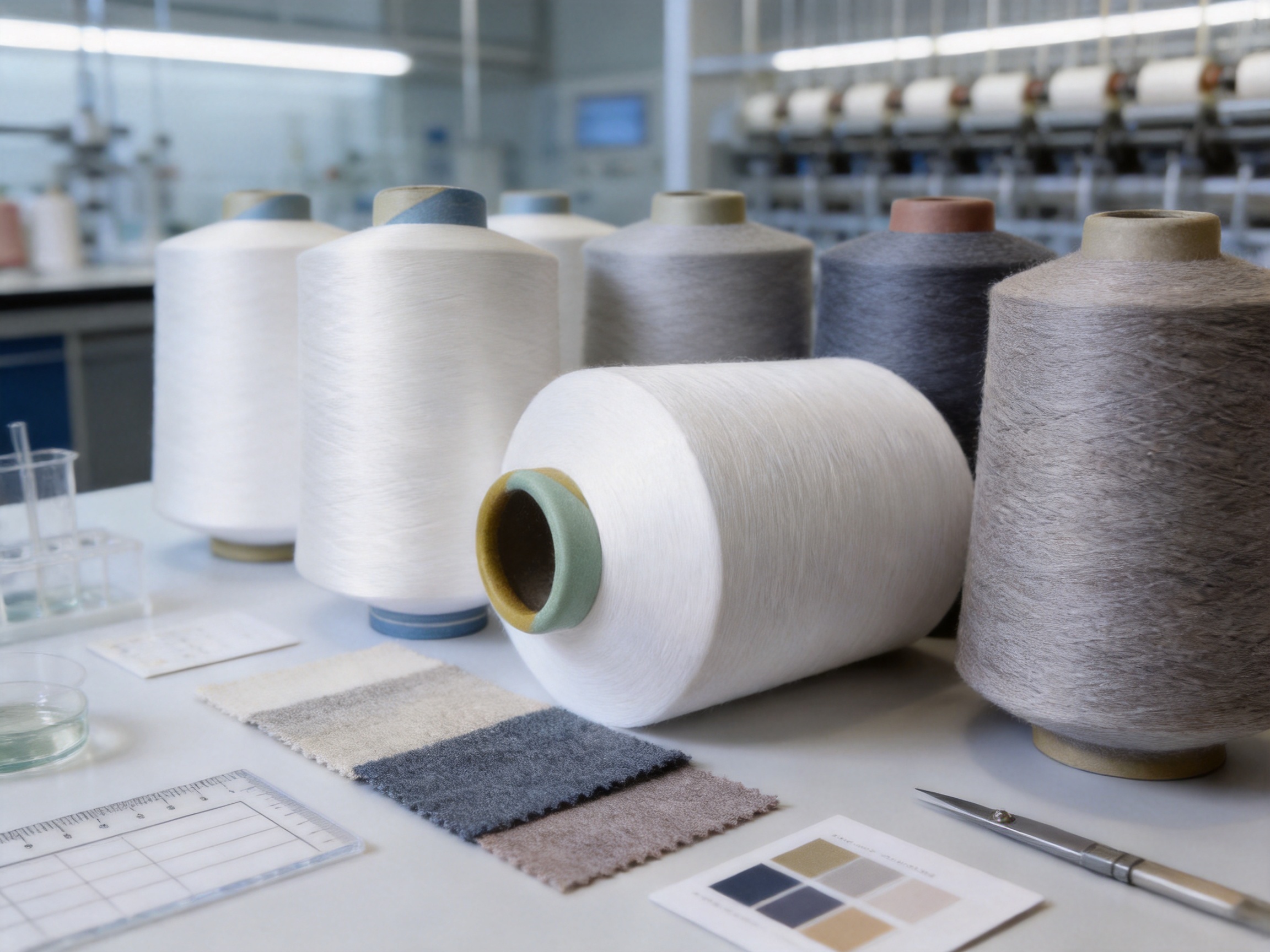
Not all recycled polyester yarns are equal. Ordinary recycled polyester yarn may provide recycled content but may lack special dyeing features, shrinkage control, or refined appearance. This product is positioned as a higher-value recycled yarn because it integrates multiple performance features into one material. For manufacturers, this can reduce the need to use several different yarns or finishing methods to achieve the same result.
Compared with standard recycled DTY, the SD+CD version offers more design flexibility. Standard recycled DTY may dye as a normal polyester yarn and produce only single-tone effects unless additional processes are used. SD+CD yarn enables cationic dyeing contrast, giving fabric developers a more creative platform. This can help mills differentiate their collections and respond to brand requests for unique sustainable fabrics.
Compared with recycled yarns that have higher shrinkage, the low-shrink design improves process reliability. A cheaper yarn may appear cost-effective at purchase, but if it causes fabric distortion, dyeing variation, cutting loss, or customer rejection, the total cost becomes higher. Low-shrink yarn can contribute to better production yield and fewer quality problems.
Compared with virgin SD+CD DTY, the recycled version offers environmental value while maintaining practical performance. For many brands, this is the ideal direction: shift from virgin polyester toward recycled polyester without changing fabric quality dramatically. The ability to replace conventional yarns with recycled alternatives is a strong advantage in modern sourcing.
Quality Control and Consistency
Quality consistency is essential for yarn customers. A fabric mill may use hundreds or thousands of kilograms of yarn in one production lot. If the yarn varies between packages or batches, the final fabric may show streaks, dyeing differences, tension marks, or uneven texture. Therefore, quality control must be built into every production stage.
Raw material inspection helps prevent contamination and viscosity variation. Melt filtration and spinning control reduce filament defects. Texturing control stabilizes crimp, shrinkage, and elasticity. Package inspection ensures smooth unwinding. Laboratory testing verifies the physical and dyeing properties. Together, these measures help deliver a yarn that customers can trust.
For recycled yarn, traceability is also a form of quality control. Customers need confidence that the yarn truly contains recycled material and meets certification requirements. Documentation such as transaction certificates, recycled content records, and GRS-related support can help customers meet brand audits and sustainability reporting needs.
The company’s export experience reinforces quality discipline. International markets often require repeatable specifications, accurate labeling, proper packaging, and reliable shipment. By serving customers across many countries, the company gains knowledge of different standards, fabric applications, and buyer expectations. This improves its ability to support demanding textile supply chains.
Processing Recommendations for Manufacturers
Although the yarn is designed for compatibility with standard textile processes, manufacturers should still optimize processing conditions based on fabric structure, machine type, dyeing method, and target performance. Trial production is recommended before bulk orders, especially when developing new fabrics or new dyeing effects. Proper tension, heat setting, dyeing temperature, and finishing conditions help maximize performance.
In knitting, yarn tension should be kept stable to avoid barre, uneven loops, or fabric streaks. Machine gauge and stitch length should be selected according to yarn denier and fabric target. For fine fabrics, lower denier and higher filament counts may improve softness and coverage. For heavier fabrics, 150D or 300D options can provide strength and body.
In weaving, warp preparation and weft insertion should account for yarn texture and elasticity. Package unwinding should be smooth, and tension should be controlled to prevent snarling or filament damage. The yarn can be used in plain weave, twill, dobby, jacquard, and other fabric structures depending on the desired texture.
In dyeing, mills should design recipes according to the cationic dyeable component and final color effect. The relationship between CD yarn and other polyester components should be carefully tested. Dye selection, pH, temperature, holding time, dispersing agents, and washing procedures can influence shade, fastness, and contrast. Laboratory dips and pilot production help ensure accurate bulk results.
In finishing, heat setting should be optimized to preserve fabric hand while achieving dimensional stability. Excessive heat or tension may affect elasticity and surface character, while insufficient setting may reduce stability. Because the yarn is already designed for low shrinkage, proper finishing can further improve the final fabric’s stability and appearance.
Market Value for Sustainable Textile Collections
For textile manufacturers, sustainable yarn is not only a material choice but also a market strategy. Brands need products that tell a credible environmental story. Consumers increasingly ask where materials come from and whether products contribute to waste reduction. Recycled PET yarn offers a clear and understandable message: plastic waste is transformed into useful textile products.
However, sustainability alone is not enough. Buyers also demand attractive colors, stable quality, comfortable texture, durability, and competitive pricing. This is where SD+CD DTY(D/F) low-shrink recycled yarn creates value. It combines environmental responsibility with fabric design possibilities and production reliability. That combination helps manufacturers develop sustainable collections that are commercially realistic.
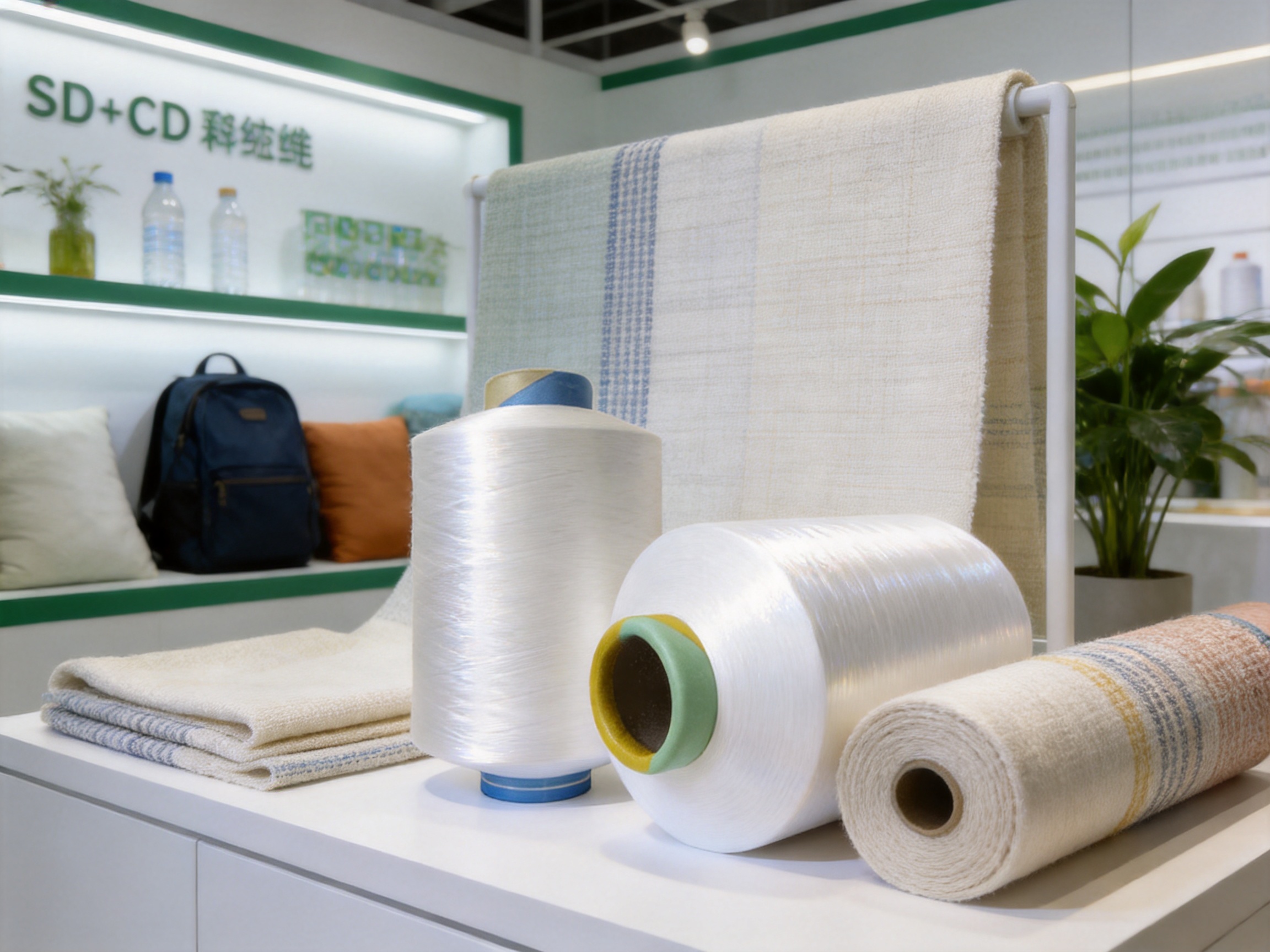
For fabric suppliers, using this yarn can support product differentiation. Instead of offering basic recycled polyester fabric, suppliers can present low-shrink, cationic dyeable, semi-dull, textured recycled fabric with special visual effects. This makes samples more attractive to brands and increases the chance of entering higher-value product categories.
For garment and product brands, the yarn can support sustainability claims while maintaining performance. It can be used in apparel, bags, home goods, and interiors where recycled content is valued. If supported by certification and proper documentation, it helps brands communicate responsible sourcing more confidently.
Why Choose This Yarn for Competitive Textile Production
In a competitive textile market, raw material selection affects not only cost but also product identity, quality, processing efficiency, and customer acceptance. Eco-Friendly SD+CD DTY(D/F) Low-Shrink Recycled Yarn gives manufacturers several advantages at the same time. It helps reduce environmental impact, creates attractive dyeing effects, improves dimensional stability, and supports a refined fabric appearance.
Its competitive edge comes from integration. Many yarns offer only one advantage: recycled content, softness, special dyeing, or low shrinkage. This yarn brings those characteristics together. For mills that want to simplify sourcing and improve fabric development, an integrated yarn solution is highly valuable.
The company behind the product also provides strength through broad yarn experience, differentiated product development, export capability, responsive service, and application support. Customers can access not only one yarn but also related solutions in recycled yarn, CD yarn, high-elastic yarn, flame-retardant yarn, antibacterial yarn, moisture-wicking yarn, hollow warm yarn, and other functional materials. This supports long-term product development partnerships.
From a manufacturing perspective, the yarn can help reduce downstream problems linked to shrinkage and dyeing inconsistency. From a design perspective, it enables richer colors and textures. From a sustainability perspective, it converts waste PET into valuable textile material. From a business perspective, it helps customers meet market demand for responsible and differentiated products.
Frequently Asked Questions
What is Eco-Friendly SD+CD DTY(D/F) Low-Shrink Recycled Yarn?
It is a recycled polyester draw textured yarn made from recycled PET resources. It combines semi-dull appearance, cationic dyeability, draw-textured softness, and low-shrink performance. The yarn is designed for textile manufacturers that need sustainable material with reliable processing performance and flexible fabric design potential.
What does SD mean in this yarn?
SD means semi-dull. Semi-dull yarn has a softer and more natural luster than bright polyester. It is suitable for fabrics that require a refined, elegant, or premium appearance without excessive shine.
What does CD mean?
CD means cationic dyeable. This feature allows the yarn to be dyed with cationic dyes and to create vivid colors or two-tone effects when combined with other polyester yarns. It is useful for fashion, sportswear, bags, home textiles, and decorative fabrics.
What does DTY mean?
DTY means draw textured yarn. It is produced through a texturing process that gives the yarn crimp, bulk, softness, elasticity, and improved fabric coverage. DTY is widely used in knitting and weaving.
Why is low shrinkage important?
Low shrinkage helps fabrics maintain stable dimensions during dyeing, heat setting, finishing, washing, and use. It reduces the risk of fabric distortion, garment size change, uneven surfaces, and production waste. This improves both manufacturing efficiency and final product quality.
Is this yarn suitable for apparel?
Yes. It can be used in activewear, casualwear, fashion fabrics, jackets, linings, and other apparel products. Its soft DTY texture, semi-dull appearance, and dyeing flexibility make it suitable for many garment applications.
Can the yarn be used for bags and luggage?
Yes. Recycled PET yarn is widely used in mountaineering bags, handbags, school bags, luggage, briefcases, shopping bags, gift bags, and storage products. The yarn provides durability, recycled material value, dimensional stability, and attractive color possibilities.
Does recycled yarn perform as well as virgin polyester yarn?
High-quality recycled yarn can perform very close to virgin polyester yarn when raw materials and manufacturing processes are well controlled. This product is designed to offer reliable strength, dyeing behavior, texture, and low shrinkage while adding recycled content value.
What specifications are available?
Common SD+CD DTY(D/F) recycled specifications include 50/48, 50/72, 75/48, 75/72, 80/72, 100/72, 100/108, 100/144, 125/72, 125/144, 150/72, 150/108, 150/144, 300/96, 300/144, and 300/288. Exact availability can be confirmed according to production planning and customer requirements.
Can the yarn support sustainability certification?
Yes. The yarn can be supported by recycled content documentation and certification systems such as GRS, depending on the order and supply chain requirements. Certification helps customers make credible sustainability claims and meet brand audit needs.
What makes this yarn different from ordinary recycled polyester yarn?
Ordinary recycled polyester yarn may provide recycled content only. This product adds semi-dull appearance, cationic dyeability, draw-textured comfort, and low-shrink stability. These features help manufacturers produce more attractive and reliable fabrics.
What should manufacturers consider before bulk production?
Manufacturers should conduct trial production to confirm yarn specification, machine settings, dyeing recipe, heat-setting conditions, and final fabric performance. Proper process optimization helps achieve the best results in color, hand feel, shrinkage, and dimensional stability.
Conclusion
Eco-Friendly SD+CD DTY(D/F) Low-Shrink Recycled Yarn is a strong solution for textile manufacturers that want sustainable materials with dependable performance and creative design potential. It transforms recycled PET resources into a high-value textile yarn while offering semi-dull elegance, cationic dyeing flexibility, draw-textured softness, and low-shrink stability.
Its advantages are practical and commercially meaningful. It helps reduce plastic waste, supports circular textile development, improves fabric dimensional stability, creates vivid and differentiated color effects, and integrates smoothly into standard knitting, weaving, dyeing, and finishing processes. Compared with ordinary recycled yarn, it offers a more complete performance package for modern textile production.
With strong manufacturing capability, differentiated yarn expertise, professional technical support, and export experience, the supplier is well positioned to serve customers developing recycled apparel, bags, luggage, home textiles, interiors, and functional fabrics. For companies seeking a reliable recycled polyester yarn that supports both sustainability and market competitiveness, this SD+CD DTY(D/F) low-shrink recycled yarn is a valuable choice.
References
Textile Exchange. Preferred Fiber and Materials Market Report.
Global Recycled Standard. Certification Requirements and Implementation Guidance.
Fourne, F. Synthetic Fibers: Machines and Equipment, Manufacture, Properties.
Deopura, B. L., Alagirusamy, R., Joshi, M., and Gupta, B. Polyesters and Polyamides.
Horrocks, A. R., and Anand, S. C. Handbook of Technical Textiles.
European Outdoor Group. Guidance on Recycled Polyester in Outdoor Textile Products.
Product: Eco-Friendly SD+CD DTY(D/F) Low-Shrink Recycled Yarn
Popular products
-
Premium Cationic Interlock Stretch Comfort Fabric
-
Moisture-Wicking Nylon Woven Fabric
-
Double-faced jacquard elastic fabric
-
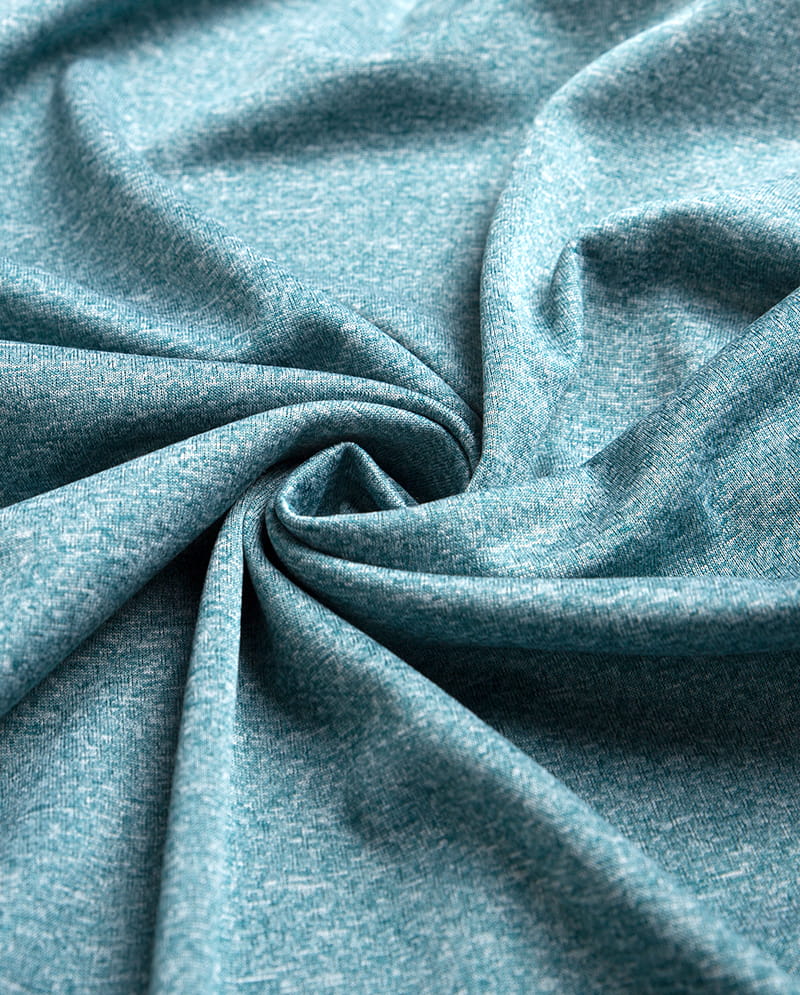
Heather Grey Double-faced cationic jersey fabric
-
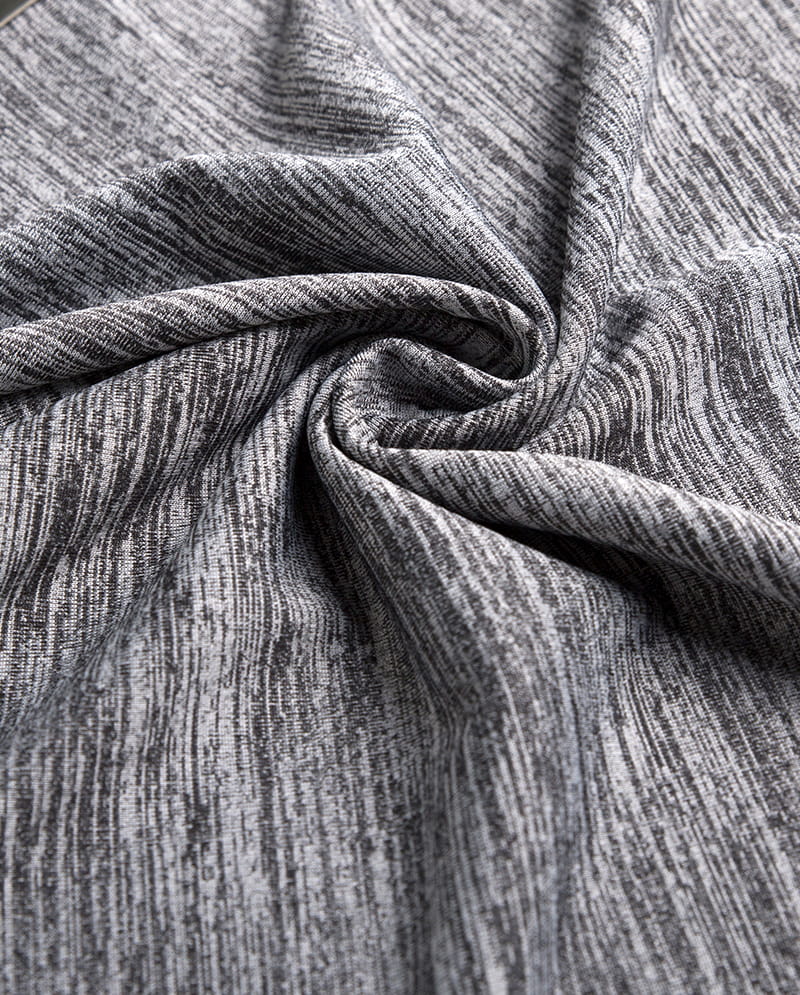
Anti-static Cationic Knitted Rib Fabric
-
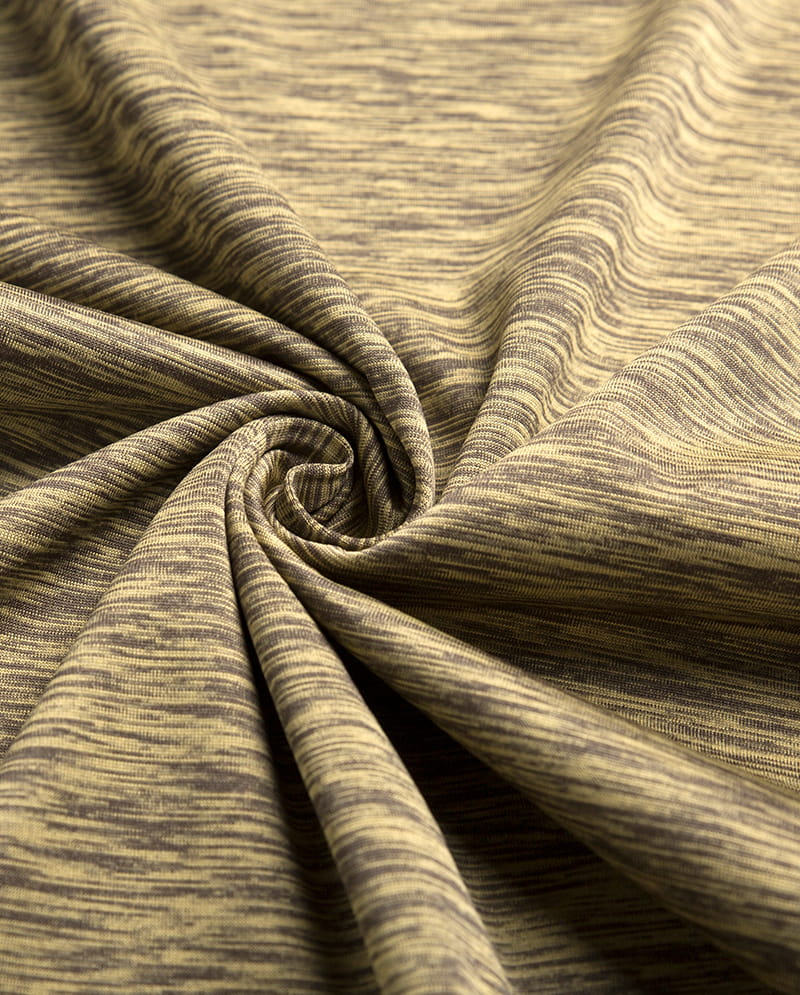
High-Stretch Cationic Jersey Fabric
-
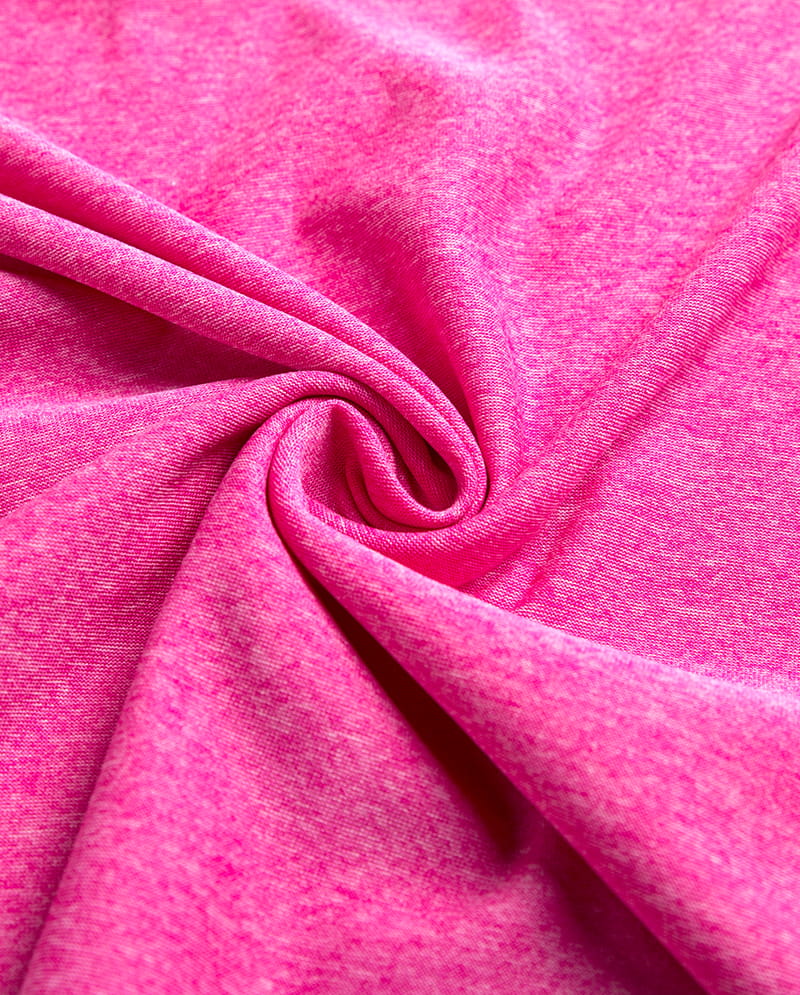
High Quality Cationic DTY Spandex Two Sides Brush Dralon Knit Fabric for Garment Thermal Underwear
-
Durable Anti-Pilling Knitted Fabric for Home Textiles
-
Wash-Resistant Cationic Elastic Knitted Fabric for Garment Industry
-
Breathable Double-Faced Elastic Composite Fabric
-
-
-
- whatsapp:
- 0086-13962559622
-
- skype:
- skype.aliceshenghong
-
- Wechat:

COPYRIGHT © 2016 Suzhou Junhui Textile Co., Ltd.
