

 EN
EN English
 中文简体
中文简体Eco-Friendly Recycled FDY Yarn for High-Performance Sustainable Textiles
Content
- 1 What Is SD/FD/CD/TBR Recycled FDY Yarn?
- 2 Core Sustainability Value
- 3 Performance Advantages Over Conventional Alternatives
- 4 Available Product Directions and Typical Specifications
- 5 Advanced Manufacturing Process
- 6 Why Manufacturing Strength Matters
- 7 Design Freedom Through Luster Selection
- 8 Dope-Dyed Color Advantages
- 9 Applications in Apparel
- 10 Applications in Home Textiles
- 11 Applications in Industrial and Technical Textiles
- 12 Customization and Differentiated Yarn Capability
- 13 Quality Control and Consistency
- 14 Competitive Advantages in the Global Textile Market
- 15 How to Select the Right Recycled FDY Yarn
- 16 Supply Chain and Service Strength
- 17 Contribution to Brand Sustainability Goals
- 18 Q&A Section
- 18.1 Q1: What raw materials are used to make this recycled FDY yarn?
- 18.2 Q2: Is recycled FDY yarn weaker than virgin polyester FDY?
- 18.3 Q3: What do SD, FD, CD, and TBR mean?
- 18.4 Q4: What are the main applications of this yarn?
- 18.5 Q5: Why is dope-dyed recycled FDY considered more sustainable?
- 18.6 Q6: Can the yarn be customized?
- 18.7 Q7: Why should textile mills choose a supplier with differentiated yarn capability?
- 18.8 Q8: What quality factors should buyers check before ordering?
- 19 Conclusion
- 20 References
- 21 Product: Eco-Friendly SD/FD/CD/TBR Recycled FDY Yarn
Eco-friendly SD/FD/CD/TBR recycled FDY yarn is a practical answer to one of the most important questions facing today’s textile industry: how can manufacturers create attractive, durable, and cost-competitive fabrics while reducing dependence on virgin petroleum resources? This yarn is engineered from 100% recycled PET materials, including post-consumer plastic bottles and textile waste, and it is designed to deliver reliable performance in weaving, knitting, apparel, home textile, and selected industrial applications.
As sustainability becomes a purchasing requirement rather than a marketing extra, recycled filament yarn has moved from a niche material into a mainstream textile solution. Recycled FDY yarn, especially in SD, FD, CD, and TBR variants, gives fabric developers more freedom to design sustainable products without sacrificing hand feel, dimensional stability, strength, dyeing performance, or visual appeal. It combines the familiar advantages of polyester with a lower environmental footprint and broad processing compatibility.
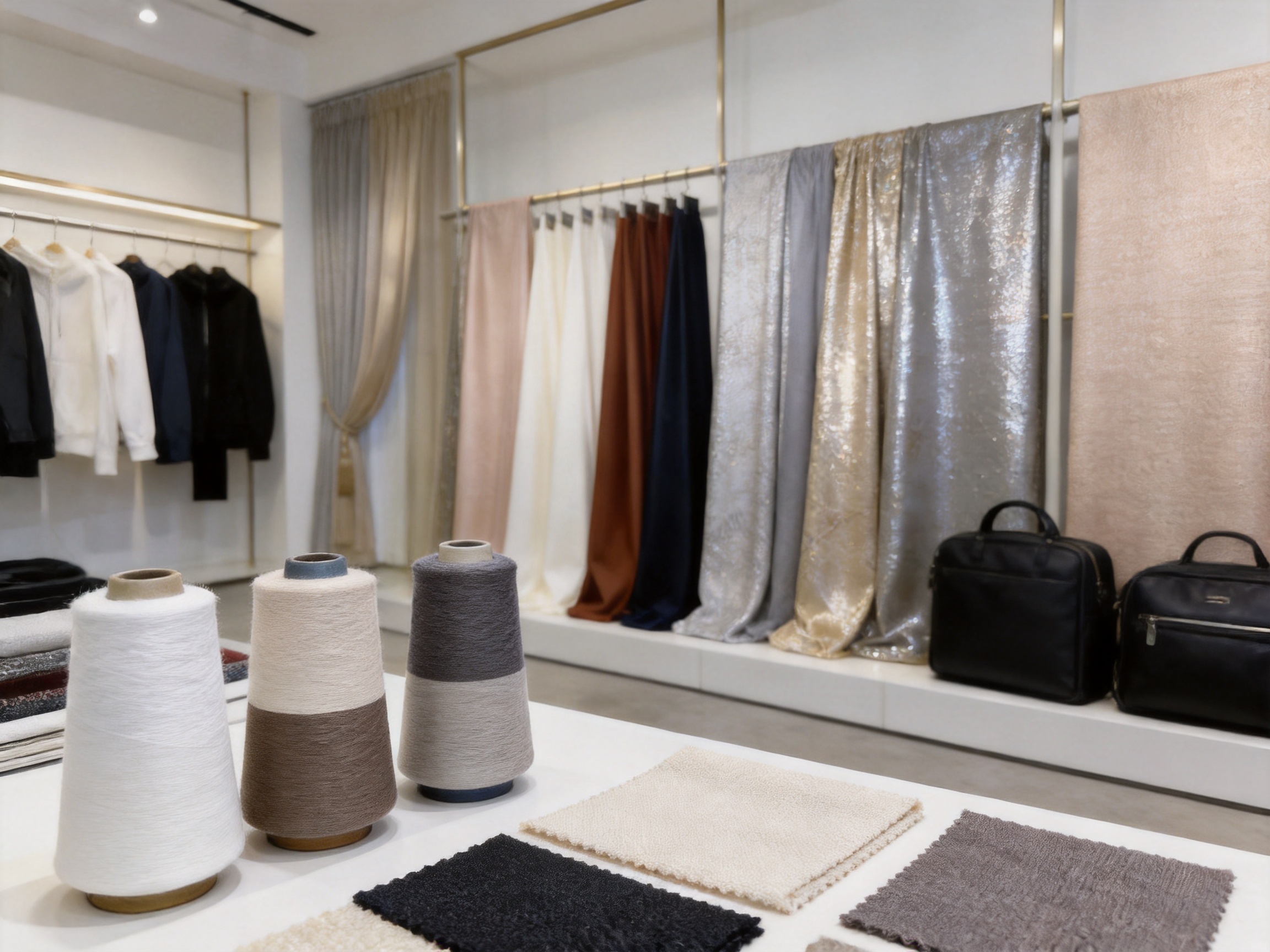
The product is especially suitable for manufacturers that need a stable, versatile, and scalable yarn source. It can be used for sportswear, casual wear, linings, curtains, upholstery fabrics, automotive interior textiles, decorative fabrics, bags, and other textile products that require a balance of durability and environmental responsibility. Compared with many conventional yarn alternatives, it offers a stronger sustainability story, customizable luster options, dependable mechanical properties, and compatibility with modern fabric production systems.
Eco-Friendly SD/FD/CD/TBR Recycled FDY Yarn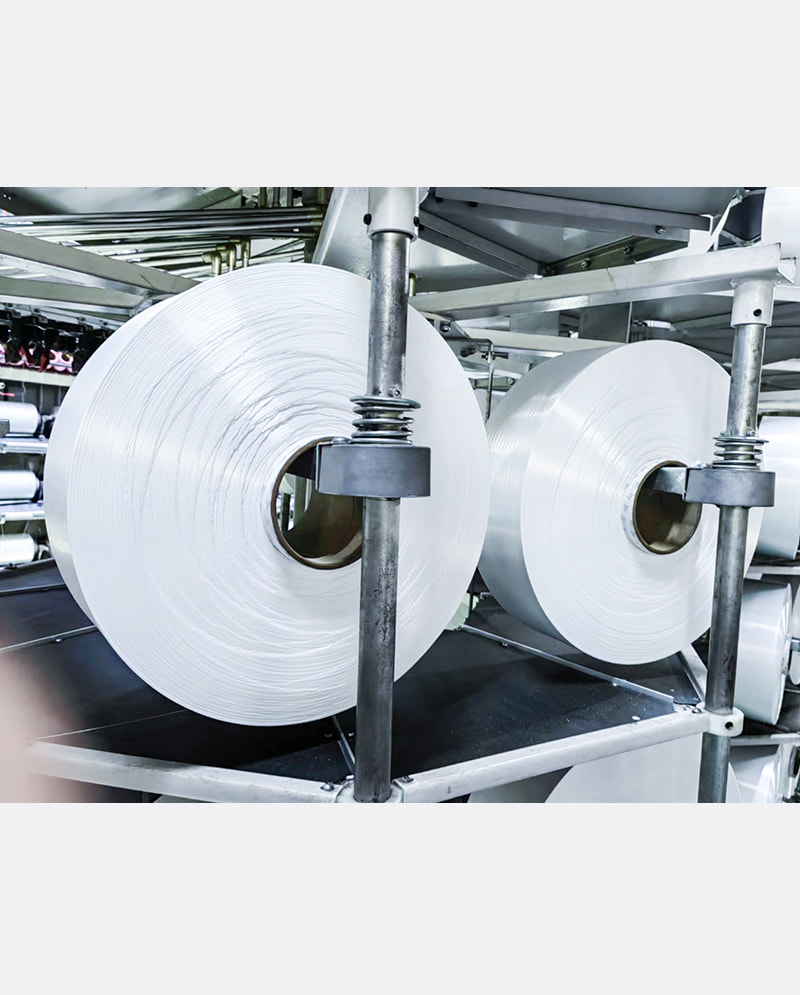
What Is SD/FD/CD/TBR Recycled FDY Yarn?
FDY stands for fully drawn yarn. It is a continuous filament yarn produced through spinning and drawing processes that give the yarn stable molecular orientation, controlled elongation, and good dimensional consistency. Because FDY is already drawn during production, it is suitable for direct use in many weaving and knitting applications without requiring additional texturing steps.
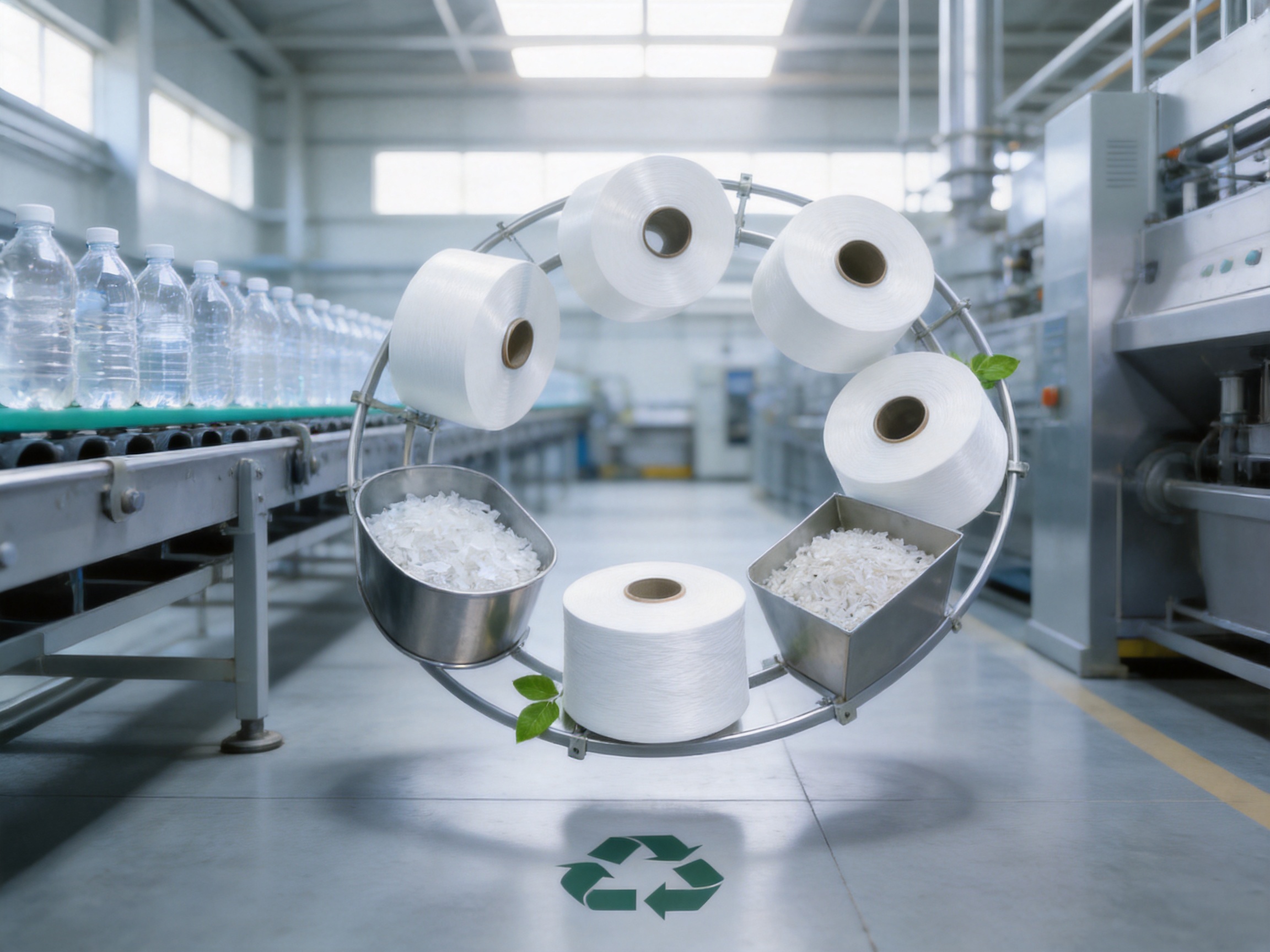
Recycled FDY yarn is made by converting recycled PET resources into high-quality polyester filament. Common recycled inputs include post-consumer PET bottles and selected polyester textile waste. These materials are processed, cleaned, melted, filtered, extruded, cooled, drawn, and wound into filament yarn. When properly manufactured, recycled FDY can provide performance comparable to virgin polyester yarn while significantly reducing the use of fossil-based raw materials.
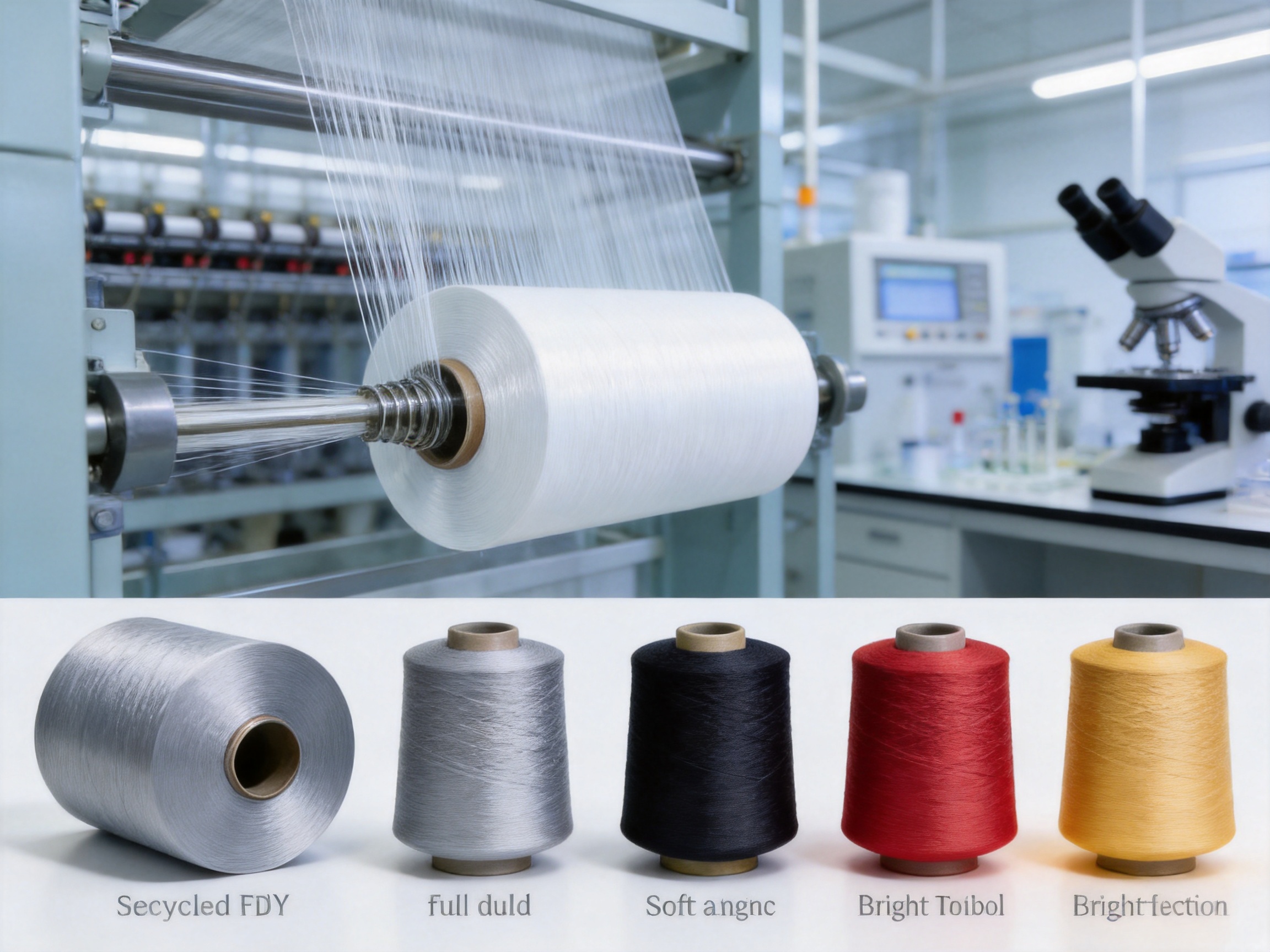
The product described here is available in several functional and aesthetic variants: SD, FD, CD, and TBR. SD generally refers to semi-dull yarn, which has a balanced, soft luster suitable for many apparel and home textile fabrics. FD refers to full dull yarn, which provides a matte appearance and a refined textile surface. CD refers to cationic-dyeable yarn, which can create special dyeing effects and color contrast when combined with regular polyester. TBR generally refers to bright or trilobal bright effects, offering a shinier, more reflective appearance for decorative or fashion-oriented fabrics.
These variants help fabric producers match yarn behavior to end-use requirements. A sportswear brand may choose semi-dull recycled FDY for a clean and versatile look. A home textile producer may select full dull yarn for elegant curtains or upholstery. A fashion fabric mill may use CD yarn to create two-tone or mélange effects. A decorative textile developer may choose TBR yarn where brightness, sheen, and visual texture are important.
Core Sustainability Value
The main advantage of recycled FDY yarn is its contribution to a circular textile economy. Instead of relying only on virgin petroleum-based polyester, the yarn uses recycled PET resources that might otherwise enter landfill, incineration, or uncontrolled environmental waste streams. By transforming used plastic bottles and polyester waste into new filament yarn, the product helps extend the life cycle of materials already in circulation.
Each ton of this recycled polyester yarn can help reduce approximately 3.8 tons of crude oil consumption and around 3 tons of carbon emissions, depending on processing conditions, energy sources, and life-cycle calculation methods. These reductions are significant for brands and mills that need to document progress toward lower-impact sourcing.
For manufacturers supplying global apparel and home textile markets, recycled content is increasingly important. Retailers, importers, and brand owners often request recycled raw materials supported by recognized certification systems. GRS certification is especially valuable because it supports traceability, recycled content verification, and responsible processing requirements. This makes the yarn more suitable for export-oriented production and sustainability-driven procurement programs.
Environmental value is not limited to raw material substitution. When dope-dyeing technology is used, color can be introduced during the polymer or spinning stage instead of relying only on traditional piece dyeing or yarn dyeing. This can reduce water consumption by more than 90% in suitable applications, while also reducing wastewater discharge, dyeing auxiliaries, and energy demand associated with wet processing.
Performance Advantages Over Conventional Alternatives
One reason recycled FDY yarn is gaining acceptance is that it retains the inherent strengths of polyester. Polyester is known for tensile strength, abrasion resistance, dimensional stability, wrinkle resistance, and easy-care performance. High-quality recycled FDY yarn can maintain these advantages while offering an improved sustainability profile.
Compared with some low-grade recycled yarns, premium recycled FDY has better uniformity, fewer filament defects, more stable dyeing performance, and stronger batch-to-batch consistency. This matters because weaving and knitting efficiency depends heavily on yarn regularity. Poor yarn can cause broken ends, uneven fabric appearance, dyeing variation, and production loss. A well-controlled recycled FDY yarn reduces these risks and helps mills maintain productivity.
Compared with virgin polyester FDY, recycled FDY has a clear environmental advantage. It supports reduced crude oil dependence and carbon reduction goals while still offering comparable fabric strength and processing reliability. For many fabric applications, the wearer or end user does not need to compromise on appearance or performance in order to choose a more sustainable textile.
Compared with natural fibers in certain applications, recycled polyester FDY offers stronger dimensional control, faster drying, higher resistance to deformation, and easier maintenance. While natural fibers remain valuable in many markets, recycled polyester filament is often more suitable for performance clothing, durable home textiles, lightweight fabrics, and industrial textile applications where strength and stability are key.
Compared with staple recycled yarns, recycled FDY filament can offer smoother surfaces, cleaner fabric texture, lower hairiness, and more controlled fabric construction. This makes it particularly useful in warp knitting, circular knitting, water-jet weaving, air-jet weaving, and other processes that require stable continuous filament behavior.
Available Product Directions and Typical Specifications
The recycled yarn range includes recycled SD FDY, recycled FD DTY, recycled SD DTY, recycled SD+CD DTY, recycled CD DTY, and other differentiated yarns. Although the highlighted product is recycled FDY, the broader product system is important because it allows mills to source related yarns for complete fabric development. A fabric project may require FDY for warp, DTY for weft, CD yarn for contrast dyeing, and functional yarn for performance zones.
The specifications available include common denier and filament combinations such as 50/72, 75/36, 75/72, 150/144, and additional customized D/F options. D/F means denier and filament count. Denier refers to yarn fineness, while filament count affects softness, coverage, texture, and fabric hand. A higher filament count at the same denier usually gives a softer, finer touch, while lower filament counts may provide a different surface structure and strength profile.
Product Direction |
Typical Options |
Main Benefits |
Suitable Applications |
Recycled SD FDY |
50/72, 75/36, 75/72, 150/144 |
Balanced semi-dull appearance, stable processing, versatile use |
Apparel, lining, sportswear, woven and knitted fabrics |
Recycled FD FDY |
Customized full dull D/F options |
Matte appearance, refined surface, low-glare textile effect |
Fashion fabrics, curtains, upholstery, premium casual wear |
Recycled CD Yarn |
75/36, 75/72, 100/72, 150/144, 300/96 |
Cationic dyeing effect, color contrast, design flexibility |
Two-tone fabrics, decorative textiles, fashion materials |
Recycled SD+CD Yarn |
50/48-72, 75/48-72, 100/72-108-144, 150/72-108-144 |
Combination dyeing effects and improved fabric styling options |
Jacquard fabrics, fashion textiles, home decoration |
TBR Bright Yarn |
Customized bright and trilobal bright options |
Higher shine, decorative reflection, vivid appearance |
Fashion fabrics, decorative textiles, special surface effects |
Functional Recycled Yarn Options |
Fire-retardant, antibacterial, moisture-wicking, hollow warm |
Added performance for technical and comfort applications |
Sportswear, uniforms, home textiles, functional fabrics |
Advanced Manufacturing Process
The performance of recycled FDY yarn depends strongly on the manufacturing process. Recycled raw material must be carefully selected and processed to remove contamination, improve melt stability, and ensure consistent spinning behavior. The production system begins with recycled PET sourcing and classification. Post-consumer bottles and textile waste must be sorted according to quality, polymer type, color, and contamination level.
After sorting, the material is cleaned and prepared for reprocessing. Clean recycled PET is transformed into chips or flakes suitable for melt spinning. During this stage, quality control is essential. Moisture, dust, labels, adhesives, foreign polymers, and degraded material can negatively affect yarn quality. Advanced filtration and drying help maintain stable viscosity and reduce spinning defects.
The PET material is then melted under controlled temperature conditions. Polymer melt quality is one of the most important factors in FDY production. If the melt is unstable, the final yarn may show uneven denier, weak points, broken filaments, poor dyeing uniformity, or inconsistent elongation. High-quality production therefore depends on accurate temperature control, filtration, pressure stability, and controlled residence time.
After melting and filtration, the polymer is extruded through spinnerets to form continuous filaments. Spinneret precision directly affects filament uniformity. The filaments are cooled, solidified, and then drawn to orient the polymer molecules. This drawing process gives FDY yarn its final strength, elongation behavior, and dimensional stability. The yarn is then wound into packages under controlled tension.
In advanced production, online monitoring and laboratory testing are used to verify yarn performance. Tests may include linear density, tenacity, elongation, oil content, shrinkage, intermingling, appearance, dyeing consistency, and package quality. These controls help ensure the yarn performs smoothly in downstream weaving and knitting.
For dope-dyed recycled FDY, color masterbatch or pigment is introduced before filament formation. Because the color is built into the fiber rather than applied only to the surface, the yarn can show good color fastness and reduced dependence on conventional dyeing. This process is particularly attractive for brands that want vibrant, repeatable colors with lower water and wastewater impact.
Why Manufacturing Strength Matters
Recycled yarn manufacturing is more complex than ordinary virgin polyester production because recycled feedstock can vary. Differences in raw material origin, polymer degradation, color, and contamination require stronger process control. A capable manufacturer must understand both recycled material behavior and high-speed filament spinning requirements.
The company behind this product has focused on differential yarn development and sales since 2015. Its product system includes recycled yarn, polyester dope-dyed yarn, microfine yarn, flame-retardant yarn, cationic-dyeable yarn, functional yarn, and knitting fabric products. This broad technical foundation is important because modern textile buyers often need more than one yarn type. They need a partner capable of supporting product selection, technical problem solving, and customized development.
A professional research and development team gives the manufacturer an advantage in differentiated yarn. Textile markets change quickly. Brands may request lower carbon materials, special colors, antibacterial effects, moisture management, flame retardancy, high elasticity, cationic dyeing, or cotton-like hand feel. A supplier with strong R&D capability can respond faster and provide practical yarn combinations rather than offering only standard commodity items.
The company’s export orientation is also valuable. With products exported to many countries, the manufacturer is familiar with international quality expectations, documentation needs, and communication requirements. This matters for buyers who need stable supply, responsive service, and technical support across time zones. The ability to respond within a short time frame helps reduce delays when customers face urgent production questions.
Design Freedom Through Luster Selection
One of the strongest advantages of SD/FD/CD/TBR recycled FDY yarn is the range of visual effects it can support. Luster is not only an aesthetic issue; it affects how a fabric is perceived in fashion, home decoration, and technical markets. The same yarn count can create very different fabric value depending on whether the yarn is semi-dull, full dull, cationic dyeable, or bright.
Semi-dull recycled FDY is a highly versatile choice. It offers a moderate, controlled sheen that works well in sportswear, casual fabric, lining, and many woven or knitted materials. It avoids excessive glare while still maintaining a clean polyester appearance. For mills that need one yarn suitable for multiple fabric programs, semi-dull is often a practical selection.
Full dull recycled FDY creates a softer, more matte textile appearance. This can improve the perceived quality of fashion fabrics, upholstery, curtains, and premium casual wear. Full dull yarn can also help reduce shine in garments where a more natural or subdued look is preferred. It is useful when designers want polyester performance without an overly synthetic visual effect.
Cationic-dyeable recycled yarn opens creative possibilities. When combined with regular polyester, CD yarn can create two-tone, heather, mélange, or contrast effects. This allows fabric designers to produce richer surfaces without overly complicated construction. CD yarn is especially valuable in decorative fabrics, jacquards, fashion textiles, and home textile materials.
TBR or bright recycled yarn is suitable when brilliance and reflection are desired. It can create decorative shine, stronger color brightness, and a more vivid surface. In fashion fabrics, accessories, and decorative textiles, this brightness can help products stand out in competitive markets.
Dope-Dyed Color Advantages
Color is one of the most resource-intensive areas of textile production. Conventional dyeing can consume significant amounts of water, energy, dyestuff, auxiliaries, and wastewater treatment capacity. Dope-dyed recycled FDY offers a more efficient alternative for many color programs.
In dope dyeing, color is incorporated before yarn formation. This can deliver excellent color consistency and reduce water use dramatically compared with traditional dyeing routes. For large-volume orders, the advantages can include lower water consumption, reduced wastewater generation, strong color fastness, and repeatable shade control.
Dope-dyed yarn is particularly useful for basic colors, brand colors, uniform programs, automotive interior textiles, outdoor-related textiles, and home furnishing fabrics where color consistency and fastness are important. When combined with recycled PET, dope dyeing strengthens the overall sustainability profile of the fabric.
Another advantage is production stability. Since the color is already in the yarn, downstream mills may simplify certain dyeing steps or reduce the risk of fabric shade variation caused by dyeing process differences. This can help improve lead times and reduce quality disputes in supply chains.
Applications in Apparel
Eco-friendly recycled FDY yarn is widely suitable for apparel fabrics. In sportswear, it provides strength, dimensional stability, quick-drying behavior, and compatibility with lightweight constructions. When combined with moisture-wicking functional yarns or elastic systems, it can support activewear that is comfortable, durable, and more sustainable.
For casual wear, recycled FDY supports smooth fabric surfaces, stable color, and easy-care performance. Semi-dull and full dull options allow designers to control the appearance from clean modern shine to soft matte texture. The yarn can be used in woven shirts, dresses, linings, lightweight jackets, fashion pants, and blended fabric structures.
In fashion applications, CD and TBR variants offer additional value. Cationic effects help create multi-tone surfaces, while bright yarns bring decorative shine. These effects allow recycled polyester to move beyond basic sustainability messaging and into more expressive design categories. Brands can promote both environmental responsibility and visual differentiation.
Recycled FDY can also contribute to consistent garment performance. Polyester has good wrinkle resistance and shape retention, making it suitable for garments that need to maintain appearance after repeated wear and washing. For export apparel, this reliability is essential because retailers expect low complaint rates and stable quality across large production lots.
Applications in Home Textiles
Home textiles require durability, color stability, and design flexibility. Recycled FDY yarn fits these requirements in curtains, upholstery, bedding-related fabrics, decorative fabrics, table textiles, and wall coverings. Its dimensional stability helps fabrics maintain shape, while its abrasion resistance supports longer service life.
Full dull recycled FDY is especially attractive for home textiles where a refined and understated surface is preferred. Curtains and upholstery fabrics often benefit from reduced glare and a more premium matte appearance. Semi-dull yarns provide versatility for broader product lines, while bright yarns can be used for decorative accents.
Dope-dyed recycled FDY can be valuable in home textile products that require color fastness and consistency. Curtains and upholstery may be exposed to light, friction, and long-term use. A stable yarn color system can improve customer satisfaction and reduce shade variation between production batches.
For home textile brands, recycled content is becoming an important selling point. Consumers increasingly look for products that combine comfort, style, and environmental responsibility. By using recycled FDY yarn, manufacturers can develop collections that meet both design and sustainability expectations.
Applications in Industrial and Technical Textiles
Although fashion and home textiles are major markets, recycled FDY yarn also has potential in selected industrial and technical textile applications. Automotive interiors, luggage fabrics, industrial linings, packaging textiles, and functional fabric systems can benefit from polyester’s strength and stability.
Automotive interiors are an important example. These applications often require consistent color, abrasion resistance, dimensional control, and reliable supply. Recycled polyester yarn can help automotive textile suppliers support sustainability targets while maintaining performance requirements. Dope-dyed yarn may also help improve color consistency in large production programs.
In luggage and bag fabrics, recycled FDY offers durability and a sustainability story that appeals to modern consumers. Strong polyester filament can support woven constructions that resist abrasion and maintain appearance. Bright or semi-dull options can be selected depending on the desired product style.
For technical applications, yarn selection should always be matched to specific performance standards. However, the availability of functional yarn directions, including flame-retardant, antibacterial, moisture-wicking, hollow warm, and high-elastic series, shows that the manufacturer can support more specialized development beyond ordinary recycled filament.
Customization and Differentiated Yarn Capability
The product list includes many differentiated yarn categories, including recycled series, normal series, CD series, high-elastic series, functional series, cotton-like yarn, hollow warm yarn, and ACY options. This range demonstrates the ability to support customized textile development rather than only standard yarn supply.
Customization may involve denier, filament count, luster, color, dyeing behavior, functional additive, elasticity, package form, and application-specific processing requirements. For example, one customer may need 75/72 semi-dull recycled FDY for warp knitting, while another may need cationic-dyeable yarn for two-tone woven fabric. A third customer may request dope-dyed recycled yarn in a stable brand color for a large apparel program.
Customization is valuable because textile production is highly application-specific. A yarn that performs well in one fabric may not be ideal for another. Differences in loom type, knitting gauge, fabric density, finishing process, dyeing route, and end-use requirements can all affect yarn selection. Technical support helps buyers avoid costly trial-and-error.
The company’s statement that it can accept orders for various differentiated yarns is important for fabric mills that need flexible sourcing. Instead of working with multiple suppliers for recycled yarn, CD yarn, functional yarn, and elastic yarn, buyers can coordinate development through a supplier with a broad product base.
Quality Control and Consistency
Quality consistency is one of the most important advantages in competitive yarn supply. Textile mills need yarn that runs smoothly, reduces machine stoppage, and produces fabric with stable appearance. For recycled FDY yarn, quality control must cover both raw material and final yarn properties.
Important quality indicators include denier uniformity, filament count accuracy, tenacity, elongation, shrinkage, oil pickup, package formation, intermingling, and dyeing consistency. If any of these indicators are unstable, fabric production can suffer. Uneven yarn may cause streaks, bars, broken ends, or tension variation. Poor package formation may affect unwinding performance. Unstable dyeing behavior can lead to shade problems.
Advanced manufacturing processes help reduce these risks. Controlled drying prevents hydrolytic degradation. Fine filtration removes impurities that could break filaments. Stable spinning and drawing conditions improve molecular orientation and mechanical properties. Accurate winding ensures better downstream unwinding and tension control.
The advantage of working with an experienced supplier is not limited to the yarn itself. Technical communication, sample support, and problem analysis are equally important. When fabric mills encounter weaving defects, dyeing variation, or finishing issues, quick support can help identify whether the cause relates to yarn, machine settings, fabric design, or processing conditions.
Competitive Advantages in the Global Textile Market
The market for sustainable textiles is increasingly competitive. Many suppliers now offer recycled polyester yarn, but not all recycled yarn is equal. Buyers should compare suppliers based on raw material traceability, certification support, yarn consistency, customization ability, color technology, export experience, and responsiveness.
This recycled FDY yarn stands out because it combines environmental value with practical textile performance. It is not merely a recycled material; it is a production-ready yarn system with multiple luster and dyeing options. SD, FD, CD, and TBR variants allow it to serve different market segments, from mainstream apparel to decorative textiles and home furnishing fabrics.
Compared with suppliers that focus only on commodity yarn, the manufacturer’s differentiated yarn portfolio gives customers more design options. Recycled yarn can be combined with cationic dyeing, dope dyeing, flame retardancy, moisture-wicking, high elasticity, or hollow warmth depending on project requirements. This integrated capability supports higher-value fabric development.
Compared with suppliers that lack export experience, a company serving customers in many countries is better positioned to understand international expectations. Export customers often require documentation, stable packaging, timely communication, and consistent quality across repeat orders. A responsive support system helps buyers reduce supply-chain risk.
Compared with low-cost, low-control recycled yarn, premium recycled FDY can reduce hidden costs. Cheaper yarn may appear attractive initially, but if it causes downtime, fabric defects, dyeing claims, or shipment delays, the real cost becomes much higher. Reliable yarn protects production efficiency and customer reputation.
How to Select the Right Recycled FDY Yarn
Selecting the correct yarn begins with the final fabric application. Apparel, upholstery, sportswear, lining, automotive textiles, and decorative fabrics all have different requirements. The buyer should consider fabric weight, surface appearance, strength, elasticity, dyeing method, finishing process, and sustainability documentation.
The first decision is usually denier and filament count. Fine denier yarns can create lightweight, soft fabrics. Higher denier yarns may provide more body, coverage, and durability. Higher filament counts often improve softness and drape, while lower filament counts may create different tactile and mechanical effects.
The second decision is luster. Semi-dull is suitable for general-purpose use. Full dull is better for matte, refined appearances. Bright or TBR yarn is suitable for decorative shine. CD yarn is ideal for dyeing contrast and two-tone fabric design.
The third decision is color route. If the project needs reduced water impact, strong color consistency, and large-volume production, dope-dyed recycled FDY may be preferred. If the fabric requires flexible small-batch colors or special finishing effects, conventional dyeing may still be considered, depending on the product.
The fourth decision is certification and documentation. Buyers serving global brands should confirm recycled content documentation and certification requirements in advance. GRS-certified materials can support traceability and compliance programs, but each supply chain must ensure that documentation matches the final product claim.
Supply Chain and Service Strength
In textile sourcing, product quality and service quality are connected. A technically strong yarn supplier can help customers shorten development time, reduce trial risks, and improve production efficiency. This is especially important for recycled and functional yarns because buyers may need support in selecting specifications and adjusting fabric processes.
The company provides professional guidance in product selection and problem solving. Its experts are prepared to support global customers within a short response period, which is valuable for export buyers working under tight production schedules. Quick communication can help resolve questions about yarn count, application suitability, dyeing performance, and processing recommendations.
The company’s broad customer base across many countries indicates experience with different market needs. European buyers may focus strongly on sustainability documentation and regulatory expectations. North American buyers may prioritize brand compliance and consistent supply. Asian textile mills may need fast sampling and technical adjustment. A flexible supplier can adapt communication and service to these different requirements.
Because more than 90% of products are exported, the manufacturer understands the importance of stable packaging, shipping coordination, repeat-order consistency, and international business communication. For buyers, these operational strengths can be as important as the yarn specification itself.
Contribution to Brand Sustainability Goals
Brands increasingly need measurable sustainability actions. Using recycled FDY yarn helps create a clear material-level improvement. It allows brands to reduce virgin polyester use, support plastic waste recovery, and communicate circular material choices to consumers.
The environmental impact data associated with recycled polyester, such as reduced crude oil consumption and carbon emissions, can support sustainability reporting. While final impact depends on exact production conditions and life-cycle boundaries, recycled PET yarn generally offers a meaningful improvement over virgin fossil-based polyester in raw material sourcing.
Dope-dyed recycled FDY strengthens this advantage further by addressing dyeing impact. Water reduction is especially important because textile dyeing and finishing are often criticized for high water use and wastewater discharge. A yarn that supports lower-water coloration can help brands make progress in both material sustainability and process sustainability.
For consumer-facing products, recycled content also provides a simple and understandable story. Consumers may not understand every technical detail of filament yarn, but they can understand the transformation of plastic bottles and textile waste into new fabrics. This story can add value to garments, home textiles, bags, and accessories.
Q&A Section
Q1: What raw materials are used to make this recycled FDY yarn?
The yarn is made from 100% recycled PET materials, including post-consumer plastic bottles and selected textile waste. These materials are processed into polyester feedstock and spun into continuous filament yarn.
Q2: Is recycled FDY yarn weaker than virgin polyester FDY?
High-quality recycled FDY yarn can offer performance comparable to virgin polyester in many applications. It retains polyester’s tensile strength, abrasion resistance, dimensional stability, and easy-care properties when produced with proper raw material control and advanced spinning technology.
Q3: What do SD, FD, CD, and TBR mean?
SD usually means semi-dull, offering a balanced luster. FD means full dull, giving a matte appearance. CD means cationic-dyeable, supporting special dyeing and two-tone effects. TBR generally refers to bright or trilobal bright effects, providing stronger shine and decorative reflection.
Q4: What are the main applications of this yarn?
It is suitable for apparel such as sportswear and casual wear, home textiles such as curtains and upholstery, and selected industrial uses such as automotive interiors, bags, and durable textile fabrics.
Q5: Why is dope-dyed recycled FDY considered more sustainable?
Dope dyeing introduces color before yarn formation, reducing the need for traditional wet dyeing in suitable applications. It can cut water consumption by more than 90% and reduce wastewater, energy use, and chemical auxiliaries.
Q6: Can the yarn be customized?
Yes. Customization can include denier, filament count, luster, color, dyeing behavior, and functional properties. The broader product range also includes flame-retardant, antibacterial, moisture-wicking, high-elastic, hollow warm, and cationic yarn options.
Q7: Why should textile mills choose a supplier with differentiated yarn capability?
Differentiated yarn capability allows mills to develop more competitive fabrics. Instead of using only standard yarn, buyers can combine recycled content with special luster, color effects, functional performance, or elasticity, improving both product value and market appeal.
Q8: What quality factors should buyers check before ordering?
Buyers should check denier uniformity, tenacity, elongation, shrinkage, oil content, package quality, dyeing consistency, certification documentation, and suitability for the intended weaving or knitting process.
Conclusion
Eco-friendly SD/FD/CD/TBR recycled FDY yarn is a strong material choice for textile manufacturers that want to combine sustainability, stable performance, and design flexibility. Made from 100% recycled PET materials, it reduces reliance on virgin petroleum resources while helping divert plastic and polyester waste from less valuable disposal routes.
Its advantages extend beyond environmental claims. The yarn offers good tensile strength, abrasion resistance, dimensional stability, and reliable processing performance. With semi-dull, full dull, cationic-dyeable, and bright variants, it supports a wide range of fabric styles. With dope-dyeing technology, it can reduce water consumption and improve color consistency. With customization options, it can meet the needs of apparel, home textile, decorative, and selected industrial markets.
The manufacturer’s strengths in recycled yarn, dope-dyed yarn, cationic yarn, functional yarn, and differentiated textile development provide important competitive value. A professional R&D team, export experience, broad product range, and responsive technical service help customers develop better fabrics with lower risk and stronger market relevance.
For brands, mills, and sourcing teams seeking a practical sustainable yarn, recycled FDY offers an effective balance between environmental responsibility and commercial performance. It enables circular material use, supports modern sustainability goals, and provides the textile versatility needed in today’s fast-changing global market.
References
Textile Exchange. Preferred Fiber and Materials Market Report.
Global Recycled Standard. Certification requirements and recycled content verification guidance.
European Commission Joint Research Centre. Environmental impact studies on textile fibers and polyester recycling.
International Organization for Standardization. Standards related to textile testing, recycled materials, and environmental management.
Fletcher, K. Sustainable Fashion and Textiles: Design Journeys.
Shen, L., Worrell, E., and Patel, M. Open-loop recycling: A life cycle assessment of PET bottle-to-fiber recycling.
Product: Eco-Friendly SD/FD/CD/TBR Recycled FDY Yarn

Popular products
-
Premium Cationic Interlock Stretch Comfort Fabric
-
Moisture-Wicking Nylon Woven Fabric
-
Double-faced jacquard elastic fabric
-
Heather Grey Double-faced cationic jersey fabric
-
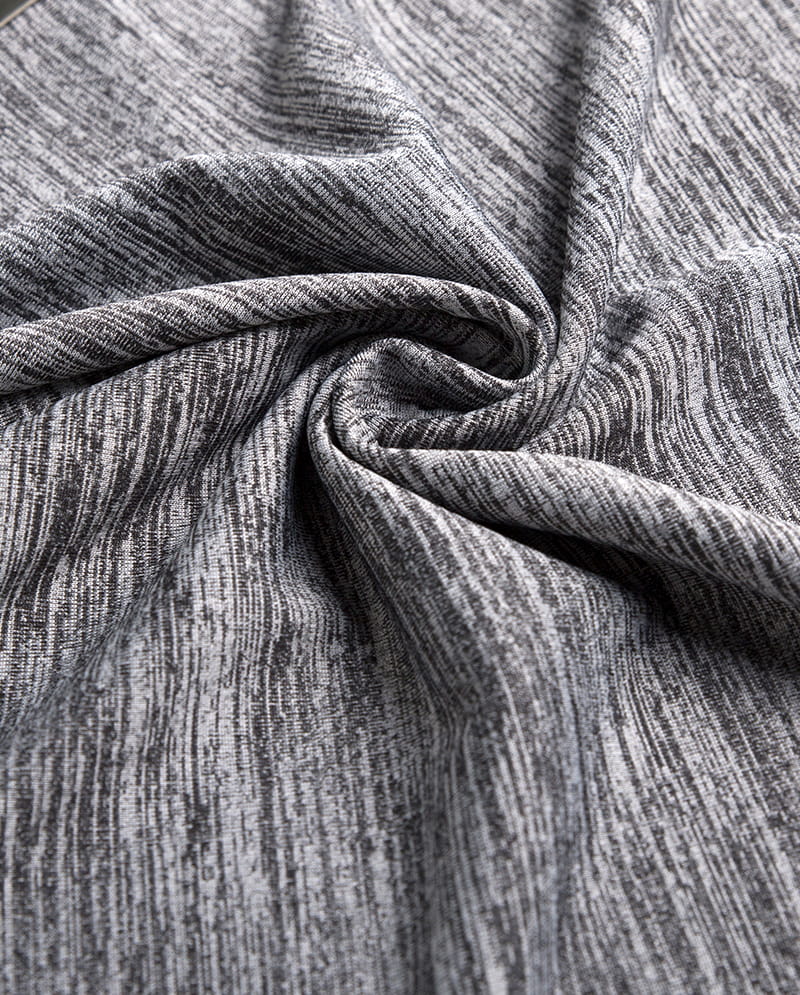
Anti-static Cationic Knitted Rib Fabric
-
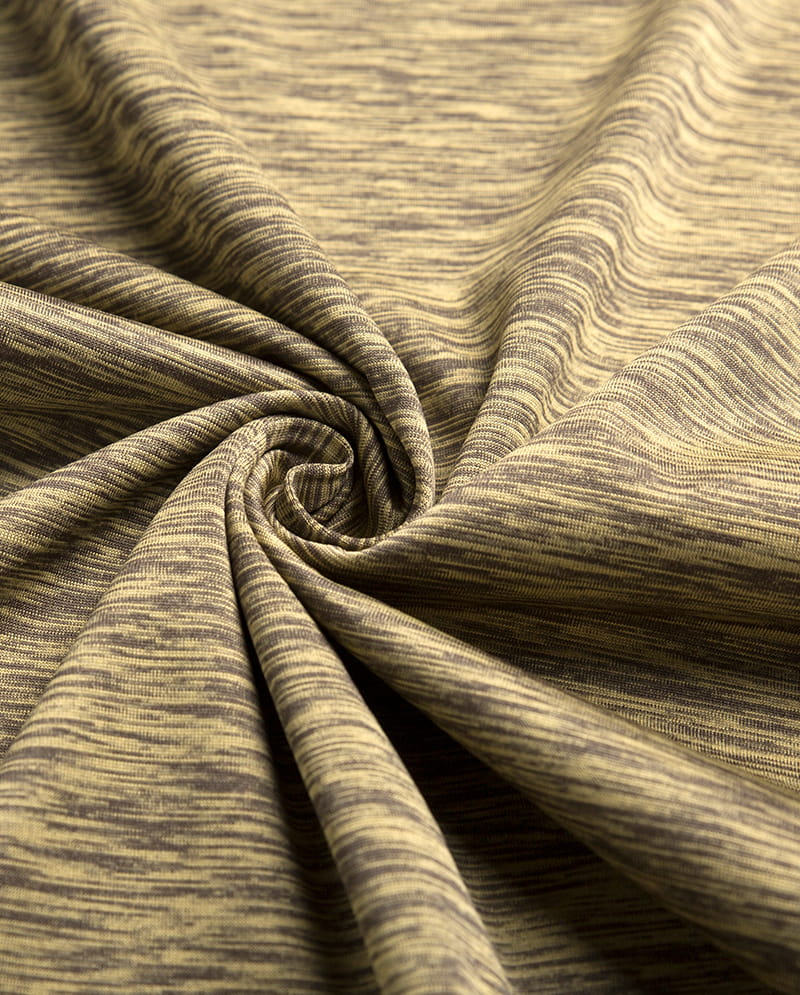
High-Stretch Cationic Jersey Fabric
-
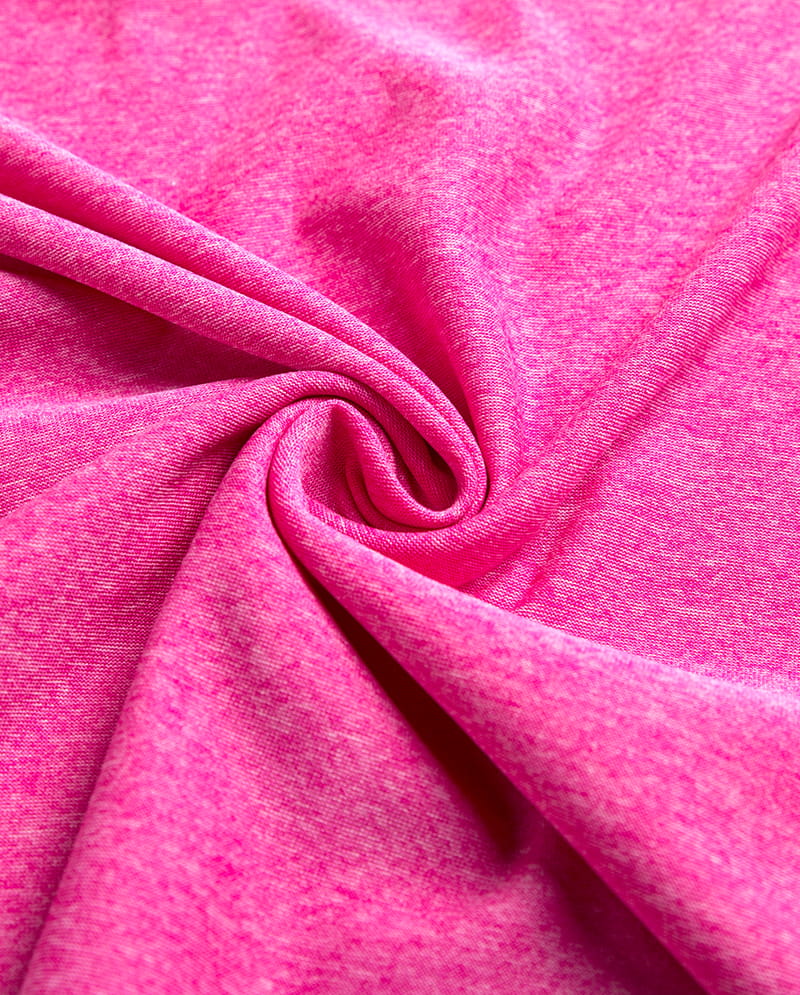
High Quality Cationic DTY Spandex Two Sides Brush Dralon Knit Fabric for Garment Thermal Underwear
-
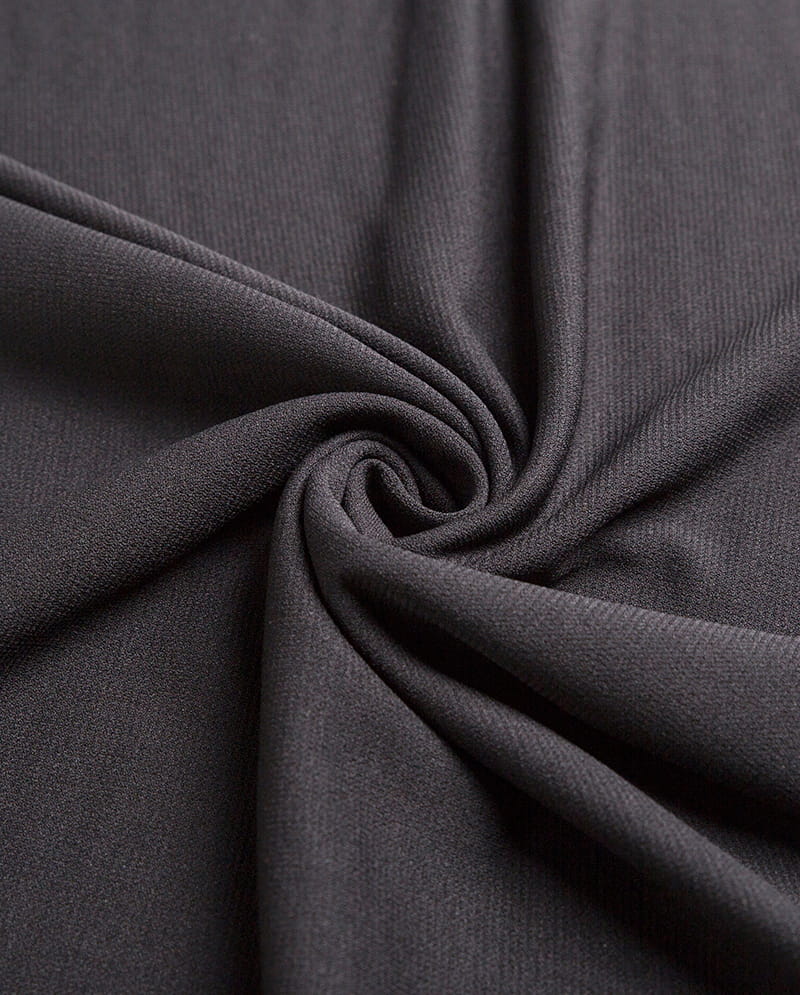
Durable Anti-Pilling Knitted Fabric for Home Textiles
-
Wash-Resistant Cationic Elastic Knitted Fabric for Garment Industry
-
Breathable Double-Faced Elastic Composite Fabric
-
-
-
- whatsapp:
- 0086-13962559622
-
- skype:
- skype.aliceshenghong
-
- Wechat:

COPYRIGHT © 2016 Suzhou Junhui Textile Co., Ltd.
