

 EN
EN English
 中文简体
中文简体Eco-Friendly Recycled FDY and DTY Yarn for Sustainable Textile Manufacturing
Content
- 1 What Is Eco-Friendly FDY and DTY Recycled Yarn?
- 2 Material Advantages of Recycled Polyester
- 3 FDY Performance for Smooth and Stable Fabrics
- 4 DTY Performance for Softness, Stretch, and Comfort
- 5 Wide Product Selection for Different Textile Requirements
- 6 Color, Luster, and Visual Design Flexibility
- 7 Manufacturing Processes Supporting Product Reliability
- 8 Technical Strengths Compared with Conventional Alternatives
- 9 Applications in Apparel and Sportswear
- 10 Applications in Bags, Luggage, and Accessories
- 11 Home Textile and Industrial Possibilities
- 12 Functional and Differential Yarn Expertise
- 13 Quality Control and Production Consistency
- 14 Customization and Development Support
- 15 How to Select the Correct Recycled Yarn
- 16 Recommended Application and Development Workflow
- 17 Environmental Value and Responsible Purchasing
- 18 Why Work with an Experienced Export Supplier?
- 19 Frequently Asked Questions
- 19.1 What is the difference between recycled FDY and recycled DTY?
- 19.2 What raw materials are used to make the recycled yarn?
- 19.3 Can recycled yarn be used on conventional textile machinery?
- 19.4 Is recycled yarn suitable for sportswear?
- 19.5 Can the yarn be dyed in different colors?
- 19.6 What does a specification such as 75/36 mean?
- 19.7 Can the company develop custom yarn?
- 19.8 Which products can be made from recycled FDY and DTY?
- 19.9 Does recycled yarn have the same performance as virgin polyester?
- 19.10 What documentation should buyers request?
- 19.11 How should recycled yarn be stored?
- 19.12 How can buyers begin a product inquiry?
- 20 Conclusion
- 21 References
- 22 Product: Eco-Friendly FD DTY(D/F) Recycled Textile Yarn
The textile industry is entering a period in which performance, cost efficiency, design flexibility, and environmental responsibility must be considered together. Manufacturers, brands, and fabric developers increasingly require yarns that provide dependable processing and attractive fabric performance while helping reduce the environmental impact of finished products. Eco-Friendly FD DTY (D/F) Recycled Textile Yarn responds to this demand by combining recycled polyester raw materials with the practical advantages of fully drawn yarn and draw textured yarn.
This recycled yarn is developed for manufacturers seeking a reliable alternative to conventional virgin polyester yarn. It can be used in apparel, sportswear, home textiles, bags, luggage, accessories, and various industrial textile applications. The product is designed to provide a balance of strength, softness, elasticity, dimensional stability, dyeability, and processing versatility.
Produced by Suzhou Junhui Textile Co., Ltd. and Suzhou Xiaoran New Materials Co., Ltd., the yarn is part of a broad differential-yarn portfolio that includes recycled, functional, high-elastic, cationic-dyeable, flame-retardant, moisture-wicking, antibacterial, cotton-like, hollow-warm, and other specialty products. This product range enables buyers to source standard and customized yarn solutions from an experienced textile supplier rather than relying on a single-purpose product line.
What Is Eco-Friendly FDY and DTY Recycled Yarn?
FDY means fully drawn yarn. During production, the polyester filaments are drawn and oriented within the spinning process, creating a smooth and relatively stable yarn with consistent tensile properties. FDY is commonly selected when a fabric requires a clean surface, reliable dimensional behavior, and a more uniform appearance.
DTY means draw textured yarn. It is produced by applying drawing and texturing processes to polyester filaments. The resulting yarn has greater bulk, softness, stretch recovery, and a more textile-like hand feel than a flat filament yarn. DTY is frequently used in knitted and woven fabrics where comfort, coverage, elasticity, and surface texture are important.
The D/F designation refers to denier and filament count. Denier expresses the linear density of the yarn, while the filament number indicates how many individual filaments make up the yarn. For example, a specification such as 75/36 represents a yarn with a nominal 75-denier size and 36 filaments. The available product list includes a wide selection of denier and filament combinations, allowing textile manufacturers to select a construction that matches their fabric weight, handle, appearance, and end-use requirements.
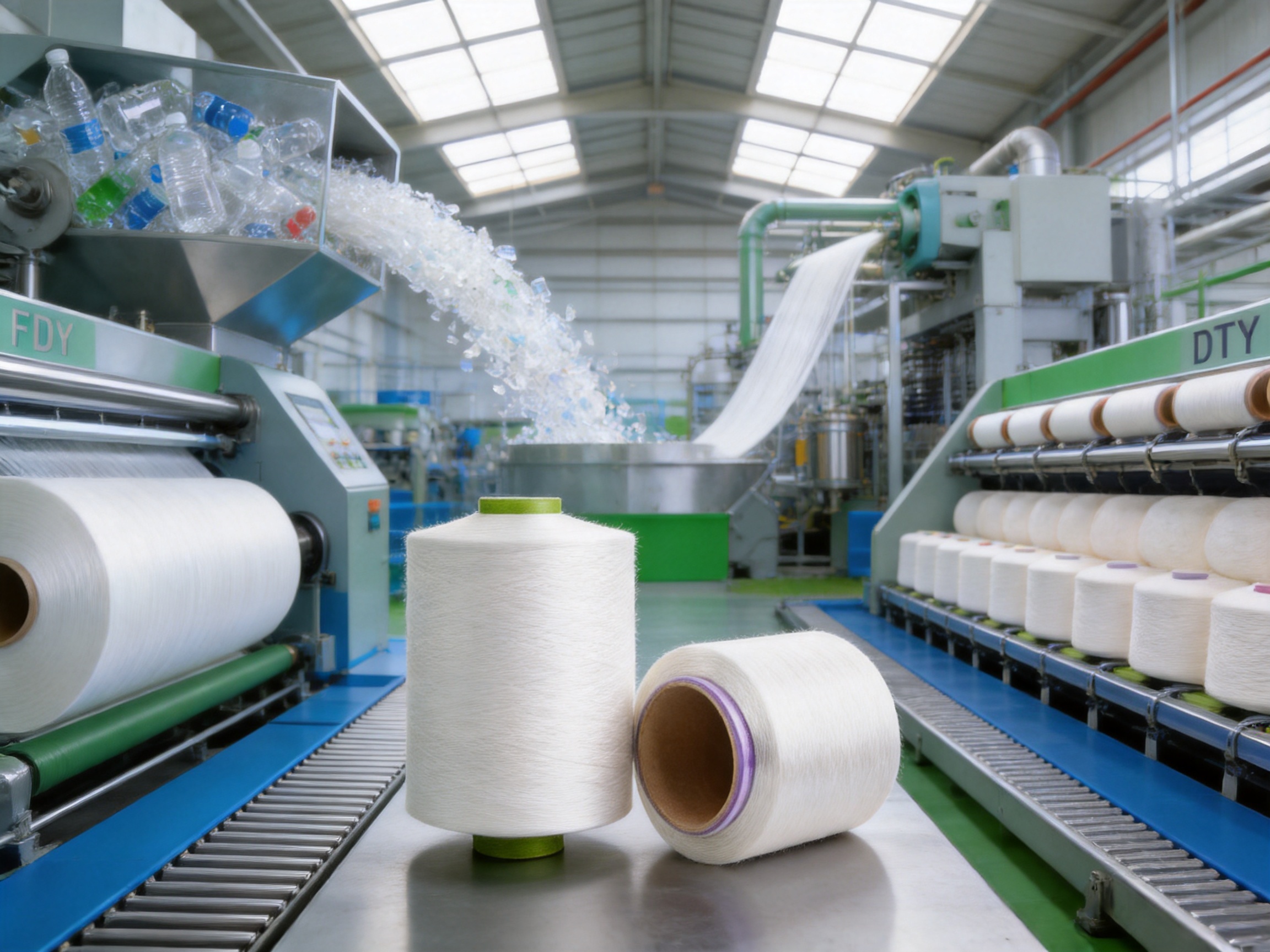
Recycled polyester yarn is manufactured from recovered polyester materials, including post-consumer PET waste such as discarded plastic bottles and suitable industrial textile waste. Through sorting, cleaning, processing, melting, filtration, spinning, drawing, and texturing, the recovered material is converted into usable textile filament yarn. This approach supports a more circular material flow by giving value to resources that might otherwise be sent to landfill or downcycled into lower-value applications.
Material Advantages of Recycled Polyester
The most visible advantage of recycled polyester is its contribution to resource efficiency. Instead of depending entirely on newly extracted petroleum-based raw materials, recycled polyester makes use of existing polymer resources. The precise environmental savings depend on the source material, energy mix, process design, transportation, and calculation method, but using recycled feedstock can help reduce the need for virgin polyester production.
Recycled yarn also helps brands communicate a clear sustainability message. Consumers increasingly examine the source of fibers used in clothing, bags, household goods, and accessories. Products made with recycled PET yarn can support sustainability programs and circular-economy initiatives when accompanied by appropriate documentation and supply-chain controls.
Another advantage is the compatibility of recycled polyester with established textile machinery. Because the material remains polyester-based, it can be processed in many of the same knitting, weaving, dyeing, and finishing systems used for conventional polyester yarn. This reduces the need for manufacturers to redesign their entire production process when introducing recycled content.
Recycled polyester is also suitable for a broad range of textile applications. It can be engineered into smooth FDY, soft DTY, semi-dull yarn, cationic-compatible yarn, high-elastic yarn, and other differential products. This versatility gives buyers the opportunity to select recycled materials without sacrificing every aspect of fabric design.
For environmentally conscious product developers, the value of recycled yarn is not limited to the raw material itself. It can help create a more responsible product story across the entire supply chain. Recycled yarn may be used in recycled sportswear, sustainable casualwear, shopping bags, backpacks, travel accessories, curtains, bedding, and decorative textiles. It can also be combined with functional technologies to create products that address performance and environmental objectives at the same time.
FDY Performance for Smooth and Stable Fabrics
The FDY variant is well suited to fabrics requiring a smooth and consistent filament structure. Its drawn molecular orientation supports tensile strength and dimensional stability, making it appropriate for fabrics that need to retain their shape during use and care.
FDY can provide a clean and even surface appearance. This characteristic is useful for woven fabrics, linings, lightweight apparel, scarves, uniforms, home-textile constructions, and other products where a sleek finish is preferred. It can also serve as a base material for further fabric finishing, coating, printing, or specialized treatment.
One of the practical benefits of FDY is its predictable behavior during downstream processing. Yarn uniformity helps reduce unexpected variation during weaving and knitting. Stable yarn tension can support smoother machine operation, while consistent filament distribution contributes to a more even fabric appearance.
FDY is also suitable for applications in which strength-to-weight performance matters. Fabrics made from appropriately selected FDY can be lightweight while maintaining useful resistance to wear and repeated handling. This makes the yarn relevant to apparel, lining materials, bags, lightweight home textiles, and selected industrial products.
For buyers comparing recycled FDY with conventional alternatives, the key consideration is not simply whether the yarn is recycled. The yarn must also meet the mechanical, appearance, and processing requirements of the intended fabric. Product selection should therefore consider denier, filament count, luster, color, winding quality, oiling, package form, and the specific requirements of the knitting or weaving equipment.
DTY Performance for Softness, Stretch, and Comfort
DTY offers a different performance profile. Through texturing, the filament yarn develops additional bulk and a more flexible structure. This can improve softness, fabric coverage, stretch, and recovery, depending on the selected specification and processing conditions.
DTY is especially useful for garments worn close to the body. Sportswear, leggings, casualwear, underwear, fashion garments, and knitted tops often benefit from a soft hand feel and comfortable movement. The textured structure can also help create a more natural textile appearance than a completely flat filament yarn.
DTY can support moisture-management designs when combined with appropriate fabric construction and finishing. The yarn itself does not automatically guarantee a specific moisture-wicking result; fabric structure, cross-section, finishing chemistry, and garment design also influence performance. However, the softness, flexibility, and surface characteristics of DTY make it a practical option for comfort-focused products.
Its elasticity and bulk can also improve fabric coverage. A suitable DTY may help designers create opaque, comfortable, and visually rich fabrics without using unnecessarily heavy constructions. This can be valuable in sportswear, knitwear, home furnishings, and accessories.
The product portfolio includes numerous recycled DTY specifications, including recycled SD DTY, recycled FD DTY, recycled SD plus CD DTY, recycled DDB DTY, and recycled CD DTY. These variants allow manufacturers to select different luster, dyeing, texture, and visual effects according to the target product.
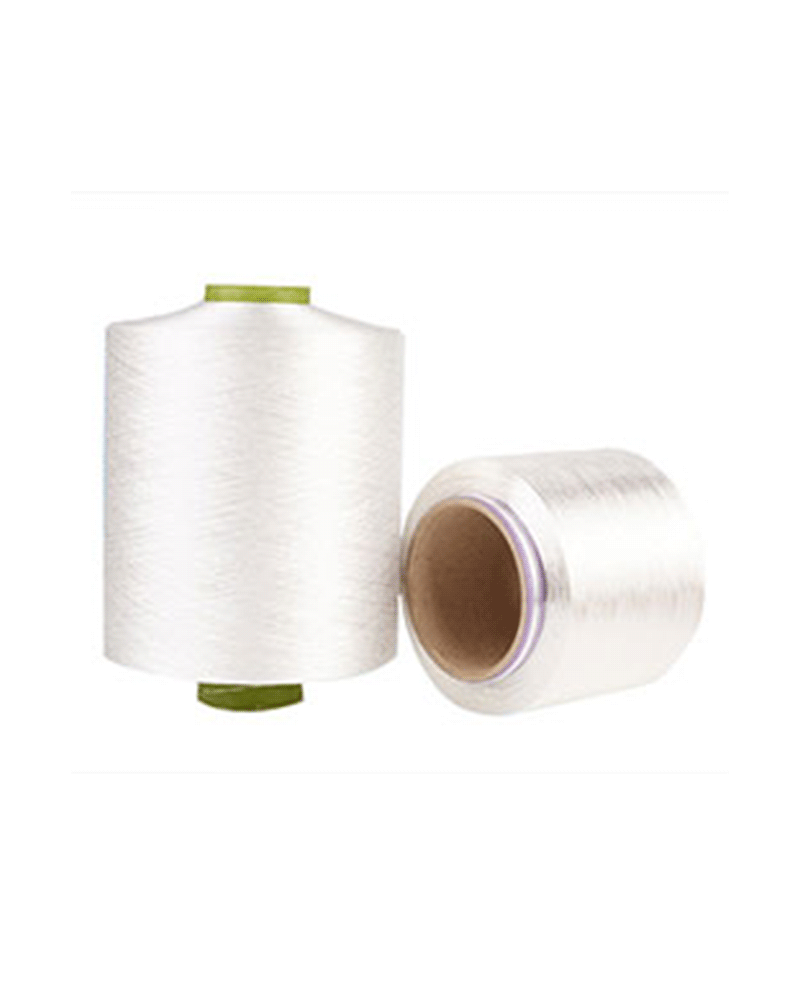
Eco-Friendly FD DTY(D/F) Recycled Textile Yarn
Wide Product Selection for Different Textile Requirements
A major advantage of this product offering is its broad range of available yarn constructions. The recycled series includes recycled SD DTY, recycled SD FDY, recycled FD DTY, recycled SD plus CD DTY, recycled DDB DTY, and recycled CD DTY. The listed specifications cover fine, medium, and heavier yarn options, as well as different filament counts.
| Product group | Representative specifications | Typical design purpose |
|---|---|---|
| Recycled SD DTY | 15/6, 20/12-24, 30/12-24-36, 50/36-48-72, 75/36-72-144 | Soft, practical, and versatile textured fabrics |
| Recycled SD FDY | 40/24-72, 50/24-36-48-72, 66/24, 75/36-72-144, 100/72 | Smooth fabrics with stable filament performance |
| Recycled FD DTY | 50/72, 75/36, 75/72, 150/144 | Textured recycled fabrics requiring softness and body |
| Recycled SD plus CD DTY | 50/48-72, 75/48-72, 80/72, 100/72-108-144 | Mixed visual effects and differentiated dyeing appearance |
| Recycled DDB DTY | 75/36-72, 150/48, 300/96 | Special surface effects and varied fabric aesthetics |
| Recycled CD DTY | 75/36-72, 100/72-108-144, 150/72-108-144, 300/96-144-288 | Cationic-dyeing and color-effect applications |
The specifications in the product list are representative of the company’s available range. Buyers should confirm current availability, luster, color, package weight, winding details, and minimum order requirements before placing an order. The company also states that it can accept orders for many kinds of differentiated yarn, which provides additional flexibility for custom development.
Compared with suppliers offering only one or two recycled filament options, a wider selection can simplify sourcing for textile groups that manufacture several product categories. A buyer may need a fine filament for lightweight sportswear, a medium DTY for knitted garments, a larger denier for bags, and a specialty yarn for fashion effects. Access to multiple constructions from one supplier can reduce the administrative burden of managing separate development channels.
Color, Luster, and Visual Design Flexibility
Textile appearance is influenced by yarn luster, filament structure, dye behavior, fabric construction, and finishing. The product range includes semi-dull and full-dull related categories, as well as cationic and mixed-effect yarns. These choices enable fabric developers to move beyond a basic recycled-polyester appearance.
Semi-dull yarn can create a balanced surface with controlled brightness. It is useful for everyday apparel, sportswear, home textiles, and commercial fabrics where a modern but not overly reflective look is desired. Full-dull yarn can provide a softer visual effect and may be selected for products requiring reduced shine.
Cationic-dyeing yarn can be used to create contrasting or two-tone visual effects when paired with conventional polyester in an appropriate fabric construction. This can support fashion fabrics, sportswear, decorative textiles, and other products where color differentiation is part of the design concept.
The product list also identifies white and black yarn options, including selected black specifications. Solution coloration or dope-dyed approaches may reduce the need for some conventional dyeing steps, depending on the product and customer requirements. However, the precise coloration process should be confirmed with the supplier for each item.
Strong dye absorption is identified as one of the product’s functional benefits. Good dye uptake can help create rich and durable colors, although final colorfastness depends on dye selection, dyeing conditions, fabric construction, washing, finishing, and testing. The yarn is therefore suitable for manufacturers seeking color flexibility while maintaining the sustainability advantages of recycled content.
Manufacturing Processes Supporting Product Reliability
Advanced recycled yarn manufacturing begins with responsible raw-material preparation. Recovered PET bottles and suitable polyester waste must be sorted and processed before they can become consistent textile feedstock. Contaminants, incompatible polymers, labels, caps, moisture, and other unwanted materials can affect melt quality and filament performance. Careful preparation is therefore essential.
The recycling process generally includes collection, sorting, cleaning, crushing, drying, melting, filtration, and pelletizing or direct spinning. The resulting recycled polymer must have suitable viscosity, cleanliness, thermal stability, and consistency for textile production. A controlled material flow helps reduce variation between batches.
In the melt-spinning stage, the polymer is heated and extruded through spinnerets to form continuous filaments. Filament formation requires careful control of temperature, pressure, throughput, cooling, and winding speed. Even small changes can influence denier variation, filament uniformity, tensile performance, and yarn appearance.
For FDY, drawing and orientation are integrated into the production route to create a smooth and stable yarn. The drawing ratio and thermal conditions affect strength, elongation, shrinkage, and dimensional behavior. Consistent control is important because downstream knitting and weaving operations depend on predictable yarn tension and performance.
For DTY, the partially oriented or drawn filaments undergo texturing. Texturing changes the filament geometry and creates bulk, softness, and stretch-related properties. False-twist texturing and related methods require accurate control of heater temperature, spindle or friction conditions, draw ratio, overfeed, yarn speed, and interlacing. These variables influence crimp, cohesion, bulk, and fabric hand feel.
Quality management continues after spinning and texturing. Yarn packages must be wound evenly and prepared for efficient downstream use. Poor package formation can lead to unwinding problems, tension fluctuations, broken filaments, and machine stoppages. Proper winding and packaging are therefore important parts of a reliable recycled-yarn supply program.
The manufacturing companies behind this product have developed a professional research and development team focused on differential yarn, environmental protection, functional yarn, and fabric applications. Their work with internationally recognized enterprises supports the development of yarns designed for real manufacturing conditions rather than laboratory performance alone.
Technical Strengths Compared with Conventional Alternatives
Recycled FDY and DTY yarn can provide many of the practical properties expected from polyester while offering an improved raw-material profile. The comparison with virgin yarn should be made specification by specification, because performance depends on polymer quality, spinning conditions, texturing parameters, and quality control. Nevertheless, the product is designed to offer a competitive combination of sustainability and functionality.
In terms of strength, FDY is appropriate for fabrics that require reliable tensile performance and dimensional stability. DTY provides greater softness and texture while retaining useful mechanical properties. Both yarn types can be selected according to fabric weight and end-use demands.
In terms of comfort, DTY has an advantage over flat filament yarn because its textured structure can improve softness, bulk, and flexibility. This makes it especially suitable for garments and fabrics where touch and movement are important. FDY remains advantageous when a smooth, clean, and stable surface is needed.
In terms of durability, polyester is valued for resistance to abrasion, repeated handling, and wrinkling. Recycled polyester yarn can support durable products such as bags, luggage, backpacks, uniforms, curtains, and activewear. Product durability still depends on yarn size, fabric construction, finishing, seam design, and end-use conditions.
In terms of design flexibility, the broad product portfolio is a significant advantage. Buyers can choose among recycled and normal series products, SD and FD constructions, CD and SD plus CD combinations, high-elastic materials, PBT/PET blends, and functional yarns. This range helps manufacturers develop multiple fabric appearances and performance profiles without changing to an entirely different supplier network.
In terms of sustainability, recycled feedstock provides a clear advantage over products made solely from virgin polymer. It can help reduce dependence on newly produced petroleum-based material and support waste-diversion objectives. For buyers making environmental claims, chain-of-custody records, recycled-content documentation, and relevant third-party certifications should be requested where required by the target market.
Applications in Apparel and Sportswear
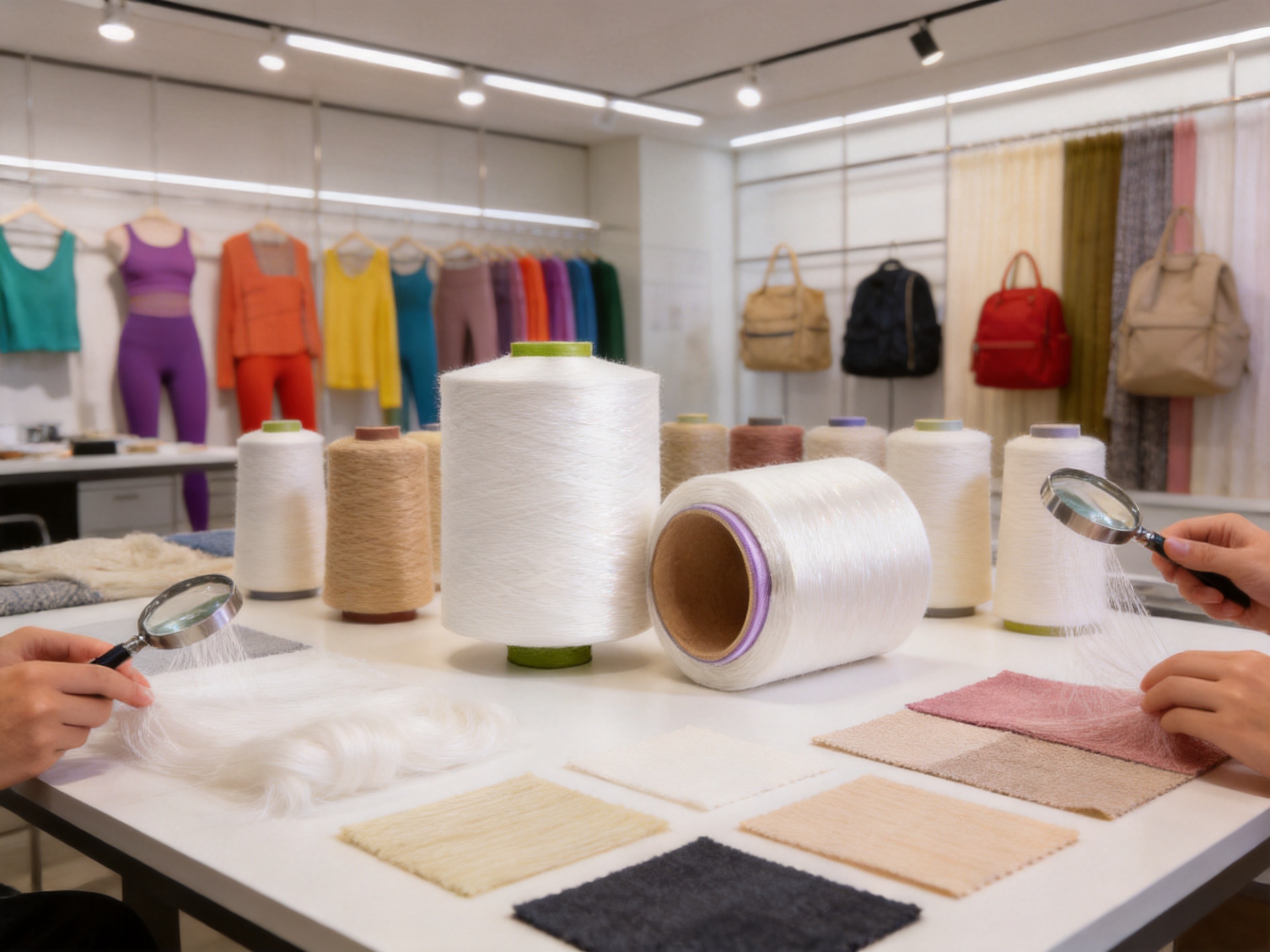
Recycled DTY is well suited to sportswear because athletes and active consumers require fabrics that combine stretch, softness, comfort, and durability. It can be used in leggings, tracksuits, training tops, outdoor garments, base layers, and casual activewear. Fabric engineers can select a suitable denier and filament count to balance coverage, weight, drape, and breathability.
Recycled FDY can be used in woven sportswear, lining fabrics, lightweight jackets, wind-resistant constructions, and smooth apparel surfaces. Its stable filament structure can support clean fabric geometry and consistent appearance.
Casualwear is another important application. Recycled yarn can be used in T-shirts, knit tops, skirts, dresses, trousers, shirts, and fashion fabrics. DTY can deliver a soft hand feel, while FDY can provide a smooth finish. Cationic or mixed-effect yarns can add visual interest for collections that require special color contrast.
Uniforms and workwear can also benefit from recycled polyester. These products often require resistance to abrasion, repeated laundering, dimensional stability, and dependable color. Yarn selection should be matched to the required weight, weave, finishing, and performance testing program.
Manufacturers should evaluate the final fabric rather than the yarn alone. Testing may include tensile strength, elongation, shrinkage, pilling, colorfastness, abrasion resistance, moisture management, and dimensional change after washing. A development sample should be knitted or woven under conditions close to bulk production before approval.
Applications in Bags, Luggage, and Accessories
Recycled PET yarn has become especially popular for bags and accessories because these products can communicate sustainability directly to consumers. The supplied material identifies applications including mountaineering bags, handbags, school bags, luggage, clothing accessories, briefcases, fashion bags, storage boxes, gift bags, shopping bags, and related products.
For bags, yarn selection depends on the required fabric strength, thickness, abrasion resistance, coating compatibility, and visual effect. Heavier recycled DTY or FDY constructions can be considered for robust woven fabrics. Finer yarns may be useful for linings, pockets, lightweight packable products, or fashion accessories.
Recycled yarn can also be used in webbing, decorative panels, interior compartments, and mixed-material constructions. When combined with coatings, laminations, mesh structures, or water-resistant finishes, it can support products designed for travel, outdoor use, and daily commuting.
The product’s sustainability profile can provide marketing value for bag brands. A bag made with recycled polyester may help a brand demonstrate progress toward responsible material sourcing. Environmental claims should remain accurate and should identify the percentage and source of recycled content supported by supplier documentation.
Home Textile and Industrial Possibilities
Home textiles require yarns that can deliver appearance, comfort, dimensional stability, and resistance to regular use. Recycled FDY and DTY can be considered for curtains, bedding, cushion covers, upholstery-related fabrics, blankets, decorative textiles, and storage products.
FDY is useful when a smooth and uniform woven surface is desired. DTY can add softness, bulk, and a more comfortable hand feel to knitted or woven home fabrics. The correct selection depends on whether the product prioritizes drape, coverage, texture, strength, or visual brightness.
Industrial applications may include filtration-support fabrics, packaging textiles, protective covers, reinforcement fabrics, automotive-related textile components, and other products. These applications require more specific technical evaluation, and the yarn must be tested against the relevant mechanical, thermal, chemical, and safety requirements.
Functional yarns in the wider product portfolio expand the possibilities further. Fire-retardant yarn, antibacterial yarn, moisture-wicking yarn, cotton-like yarn, hollow-warm yarn, and high-elastic yarn can support specialized product development. These options demonstrate the company’s ability to work across both environmental and performance-oriented textile categories.
Functional and Differential Yarn Expertise
The company’s product list shows that recycled yarn is part of a larger strategy centered on differential yarn. Differential yarn is developed to provide a specific appearance, hand feel, comfort feature, dyeing effect, or performance characteristic beyond standard polyester.
The normal series includes SD DTY, FD DTY, and SD DDB products in a variety of denier and filament combinations. The CD series includes CD DTY, SD plus CD DTY, and selected white and black options. The high-elastic series includes high-elastic yarn, PBT/PET yarn, and PBT/PET DDB yarn. These categories allow buyers to compare recycled and conventional constructions according to the technical needs of each product.
The functional series includes fire-retardant, antibacterial, and moisture-wicking yarn. Additional products include cotton-like yarn in 32S, 40S, and 80S formats; hollow-warm yarn; and Acy yarn constructions. This broad technical scope is valuable for buyers who want to combine environmental goals with comfort, safety, warmth, or special appearance.
Because different yarn properties interact during fabric formation, an experienced supplier can provide important guidance during product selection. Denier, filament number, luster, cross-section, texturing, elasticity, dyeing behavior, and fabric construction should be considered as a complete system. Choosing a yarn solely by price or recycled content may lead to processing or performance problems later.
Quality Control and Production Consistency
Recycled material requires strong process control because feedstock may contain greater variation than newly produced polymer. A reliable production system should monitor raw-material preparation, polymer condition, spinning stability, filament formation, drawing, texturing, winding, and final package quality.
Important yarn properties can include linear density, filament count, tensile strength, elongation, crimp, shrinkage, interlace level, oil content, moisture content, appearance, and package build. The exact quality-control program should be adapted to the product specification and the buyer’s machinery.
Visual inspection can identify slubs, broken filaments, contamination, uneven winding, color variation, and other defects. Instrument testing provides quantitative data that can be compared between lots. Maintaining clear batch records supports traceability and makes it easier to investigate any issue found during knitting, weaving, dyeing, or finishing.
For export customers, packaging and logistics are also part of product quality. Yarn should be protected from moisture, dust, compression damage, and rough handling. Clear labeling should identify product type, specification, lot information, package quantity, and other details needed by the receiving factory.
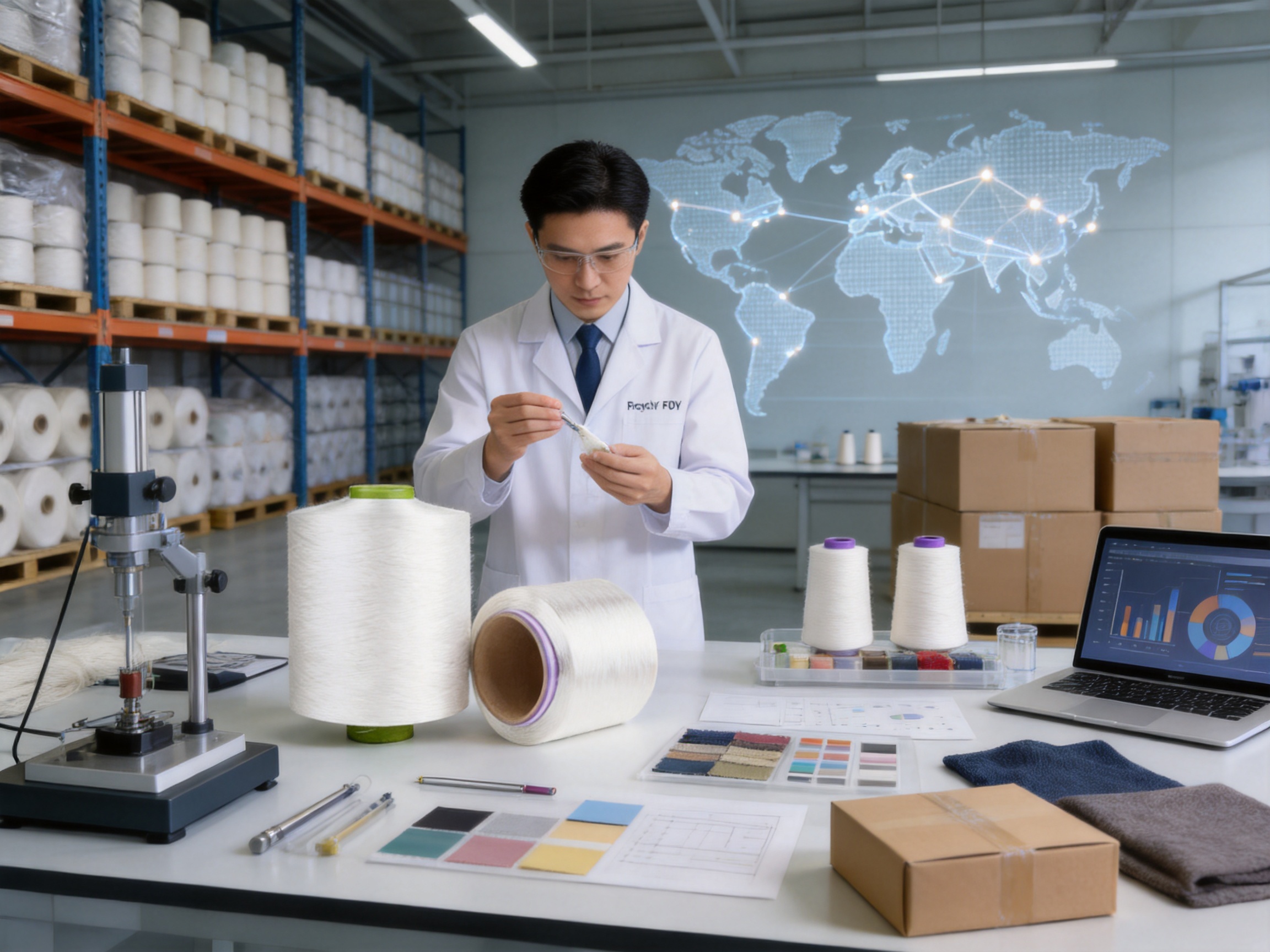
The supplier’s export experience is an additional strength. More than 90 percent of its products are stated to be exported, and the company has established cooperative relationships with customers in 36 countries. International experience can help with communication, documentation, packaging expectations, lead-time coordination, and technical support across different markets.
Customization and Development Support
Textile manufacturers often require yarns that are not available as standard catalog items. They may need a particular denier, filament count, luster, color, elasticity, dyeing effect, package format, or functional finish. The company states that it can accept orders for all kinds of differentiated yarn, subject to technical review and production feasibility.
Customization normally begins with a discussion of the intended application. Buyers should provide information about the fabric type, machine gauge, knitting or weaving method, target weight, dyeing route, finishing process, desired hand feel, performance requirements, estimated volume, and delivery schedule.
The supplier can then recommend a suitable yarn construction and prepare samples for evaluation. Sample development should include both yarn testing and fabric testing. A yarn that performs well in isolation may behave differently under a particular machine setting or fabric structure, so practical trials are essential.
Development support is especially important for recycled products. Buyers may need assistance with recycled-content documentation, color development, blending ratios, and process adjustments. The company’s professional R&D team is positioned to discuss environmental-protection and functional-yarn applications with customers and industrial partners.
Technical communication can be conducted during the early stage of sourcing rather than after a production problem occurs. The company states that its experts are ready to provide guidance or support within 12 hours globally. Fast response can help customers make quicker decisions when preparing samples, resolving processing issues, or coordinating production schedules.
How to Select the Correct Recycled Yarn
The first decision is whether the fabric requires a flat or textured filament. Choose FDY when smoothness, stability, clean appearance, and consistent filament behavior are priorities. Choose DTY when softness, bulk, comfort, elasticity, and a more textured textile hand feel are needed.
The second decision concerns denier and filament count. Finer yarns are generally suitable for lightweight fabrics and delicate surfaces, while heavier yarns can provide greater body and coverage. A higher filament count may create a softer and finer touch, while other combinations may deliver a more pronounced texture or different visual effect.
The third decision concerns luster. Semi-dull yarn offers controlled brightness, while full-dull yarn creates a more subdued appearance. The choice should be made together with the planned dyeing and finishing process.
The fourth decision concerns color and dyeing. If the fabric requires special contrast or two-tone effects, CD or SD plus CD yarn may be appropriate. If the product requires black or colored yarn with reduced downstream dyeing, the buyer should discuss available dope-dyed or pre-colored options.
The fifth decision concerns performance. Sportswear may require softness, stretch, moisture management, and colorfastness. Bags may prioritize abrasion resistance and tensile strength. Home textiles may require drape, comfort, dimensional stability, and easy care. Industrial applications may require additional testing for heat, chemicals, or flame behavior.
Finally, buyers should evaluate supply capability. Confirm the available specification, sample lead time, production lead time, minimum order quantity, packaging, payment terms, shipping terms, quality documentation, and technical service before confirming a large order.
Recommended Application and Development Workflow
A successful sourcing project should begin with a clear product brief. The brief should identify the final product, target market, fabric construction, required recycled content, performance expectations, color range, expected annual volume, and compliance needs.
Next, the buyer should request technical data and representative samples. If the product is intended for knitting, sample knitting should be conducted using machine conditions similar to bulk production. For woven applications, the yarn should be evaluated for warping, sizing, weaving tension, and surface appearance.
After fabric formation, the material should be dyed and finished using the planned production route. Testing should then assess appearance, hand feel, shrinkage, tensile properties, elongation, pilling, abrasion, colorfastness, and any application-specific requirements.
A pilot order can follow successful sample approval. During pilot production, the buyer should monitor machine efficiency, yarn breaks, fabric defects, dyeing behavior, and final-product performance. Feedback from the pilot can be used to refine the specification before bulk purchasing.
This structured process reduces risk and helps ensure that sustainability goals do not compromise production efficiency. It also gives the supplier practical information that can support future improvements or new differentiated-yarn developments.
Environmental Value and Responsible Purchasing
Recycled polyester is an important tool for reducing material waste, but responsible purchasing requires a complete view of the supply chain. Buyers should ask how the recycled feedstock is sourced, processed, documented, and tracked. They should also confirm the proportion of recycled content and whether the product meets the environmental requirements of the target market.
Environmental performance can be influenced by transportation distance, energy consumption, water use, production waste, packaging, and the service life of the final product. A durable textile that remains in use for a long period can provide greater practical value than a product that is quickly discarded, even if both contain recycled material.
Brands should avoid making broad or unsupported claims. Statements such as recycled, sustainable, environmentally friendly, or carbon-reduced should be supported by relevant evidence and presented in accordance with applicable advertising and labeling rules. The supplier can provide product information, while the brand remains responsible for its final consumer communication.
Recycled FDY and DTY are most effective when integrated into a broader sustainability strategy. That strategy may include recycled packaging, efficient cutting, repair programs, responsible chemical management, longer product life, take-back systems, and improved end-of-life recovery.
Why Work with an Experienced Export Supplier?
International textile purchasing involves more than finding a competitive yarn price. Buyers need a supplier capable of consistent production, technical communication, sample development, packaging, export documentation, and responsive problem solving.
Suzhou Junhui Textile Co., Ltd. and Suzhou Xiaoran New Materials Co., Ltd. were founded in June 2015 and focus on the development and sale of differential yarn and knitting-fabric products. Their product scope covers recycled yarn, polyester drop-dyed yarn, microfine yarn, flame-retardant yarn, cationic-dyeing yarn, SHAWLIENCE, and other specialized materials.
The company’s products are reported to be exported to customers in 36 countries, with more than 90 percent of production serving international markets. This international orientation suggests experience with diverse customer requirements and overseas supply arrangements.
The company also emphasizes customer service and technical cooperation. Its stated objective is to support customer success through product selection, research, development, and problem resolution. This approach can be valuable for manufacturers that need more than a catalog supplier and prefer a partner able to discuss fabric applications and process requirements.
Another strength is the combination of standard inventory-style products and customized differentiated yarn development. Buyers can begin with an established recycled FDY or DTY specification and later request adjustments for a particular fabric or brand program.
Frequently Asked Questions
What is the difference between recycled FDY and recycled DTY?
Recycled FDY is a smooth, fully drawn filament yarn with stable tensile and dimensional properties. Recycled DTY is a draw textured yarn with greater bulk, softness, flexibility, and stretch-related performance. FDY is often selected for smooth and stable fabrics, while DTY is commonly used for comfortable, textured, or elastic fabrics.
What raw materials are used to make the recycled yarn?
The product is made from recovered polyester resources, including post-consumer PET waste such as discarded plastic bottles and suitable industrial textile scraps. The recovered material is processed into a form suitable for polyester filament production.
Can recycled yarn be used on conventional textile machinery?
In many cases, recycled polyester yarn can be processed on polyester knitting and weaving equipment. However, machine settings may need adjustment according to yarn type, denier, filament count, winding condition, and fabric construction. A production trial is recommended before bulk manufacturing.
Is recycled yarn suitable for sportswear?
Yes. Recycled FDY and DTY can be used in sportswear, depending on the required fabric construction and performance. DTY is useful for softness, comfort, and stretch-related properties, while FDY can provide smoothness and stability. Moisture management, colorfastness, and stretch performance should be tested on the finished fabric.
Can the yarn be dyed in different colors?
Yes. The product information identifies strong dye absorption and includes a range of yarn types with different visual and dyeing effects. Exact color availability, dyeing behavior, and colorfastness should be confirmed through laboratory and fabric trials.
What does a specification such as 75/36 mean?
The first number generally indicates denier, or linear density, and the second number indicates filament count. A 75/36 yarn therefore has a nominal 75-denier size and 36 individual filaments. Buyers should confirm the supplier’s technical specification and test method for each item.
Can the company develop custom yarn?
The company states that it can accept orders for many kinds of differentiated yarn. Custom development may involve denier, filament count, luster, color, elasticity, dyeing behavior, functional properties, or package requirements. Technical feasibility, minimum order quantity, and development time should be discussed in advance.
Which products can be made from recycled FDY and DTY?
Applications include apparel, sportswear, casualwear, home textiles, curtains, bedding, bags, backpacks, luggage, school bags, handbags, shopping bags, gift bags, storage products, and selected industrial textiles.
Does recycled yarn have the same performance as virgin polyester?
Recycled polyester can provide performance comparable to virgin polyester when the feedstock, polymer preparation, spinning, texturing, and quality-control systems are properly managed. Actual performance depends on the specific yarn specification and should be confirmed through testing for the intended application.
What documentation should buyers request?
Buyers should request a technical data sheet, recycled-content information, lot and traceability details, test reports where available, packaging specifications, and any certifications required for the target market. Environmental claims should be based on documentation appropriate to the claim.
How should recycled yarn be stored?
Yarn should be stored in a clean, dry, and well-ventilated environment, protected from moisture, dust, direct sunlight, excessive heat, and physical damage. Packages should remain properly sealed until they are ready for production.
How can buyers begin a product inquiry?
Buyers can provide the intended application, yarn type, denier and filament count, luster, color, estimated quantity, delivery destination, and any performance or compliance requirements. The supplier can then recommend suitable specifications and arrange sample development.
Conclusion
Eco-Friendly FD DTY (D/F) Recycled Textile Yarn offers textile manufacturers a practical way to combine recycled material sourcing with dependable polyester performance. The FDY option supports smoothness, strength, and dimensional stability, while the DTY option provides softness, bulk, elasticity, and comfort. Together, they address a wide range of fabric requirements.
The product’s competitive strength comes from more than recycled content. It is supported by a broad specification range, experience in differential yarn, functional product development, export capability, and technical assistance. Recycled SD DTY, recycled SD FDY, recycled FD DTY, recycled CD DTY, recycled SD plus CD DTY, and recycled DDB DTY give buyers multiple routes to achieve the desired fabric appearance and performance.
With applications spanning sportswear, casualwear, bags, luggage, home textiles, accessories, and industrial fabrics, the yarn can support both sustainability-focused brands and performance-oriented manufacturers. Careful specification selection, sampling, fabric testing, and supply-chain documentation will help buyers achieve the best results.
For companies seeking to reduce dependence on virgin polyester while maintaining design flexibility and manufacturing efficiency, recycled FDY and DTY yarn represent a valuable material option. Through its product development capabilities and customer-focused technical support, the supplier is positioned to help manufacturers move from initial concept to stable production.
References
1. Product information and specification list supplied for Eco-Friendly FD DTY (D/F) Recycled Textile Yarn.
2. Technical descriptions of recycled polyester filament yarn, including FDY and DTY characteristics, supplied in the product materials.
3. Company information regarding differential yarn development, export markets, research and development, and customer support.
4. General textile-industry principles concerning polyester filament spinning, drawing, texturing, dyeing, knitting, weaving, and fabric testing.
5. General circular-economy guidance concerning the use of recovered PET and industrial polyester waste in textile production.
Product: Eco-Friendly FD DTY(D/F) Recycled Textile Yarn

Popular products
-
Premium Cationic Interlock Stretch Comfort Fabric
-
Moisture-Wicking Nylon Woven Fabric
-
Double-faced jacquard elastic fabric
-
Heather Grey Double-faced cationic jersey fabric
-
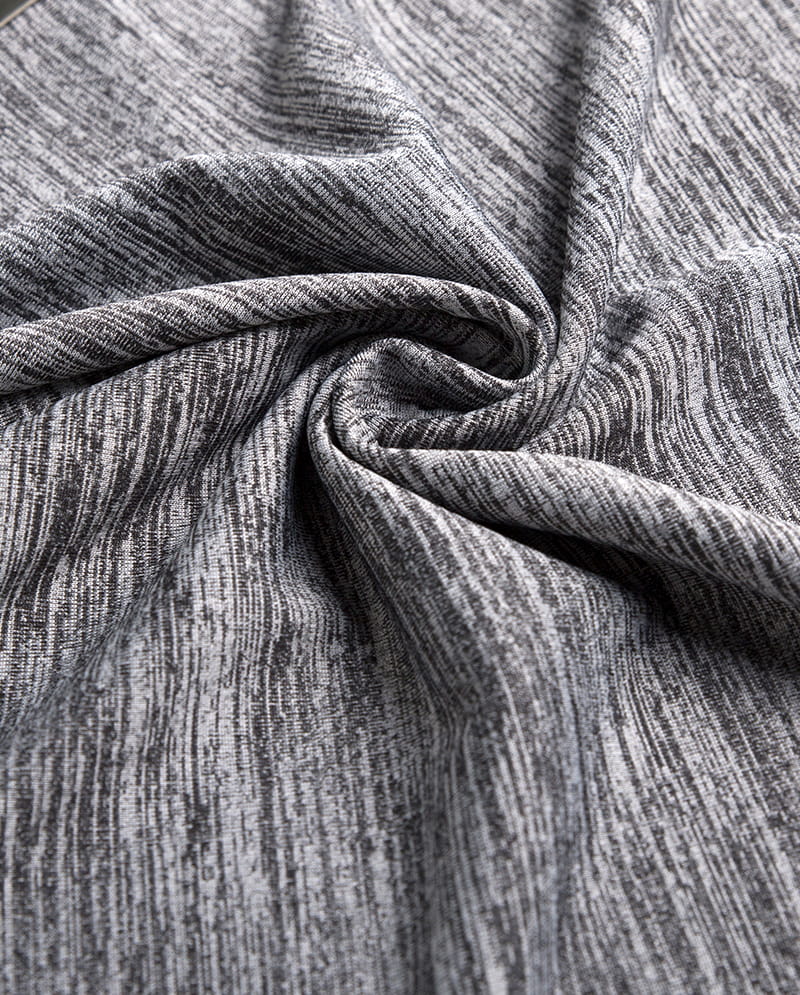
Anti-static Cationic Knitted Rib Fabric
-
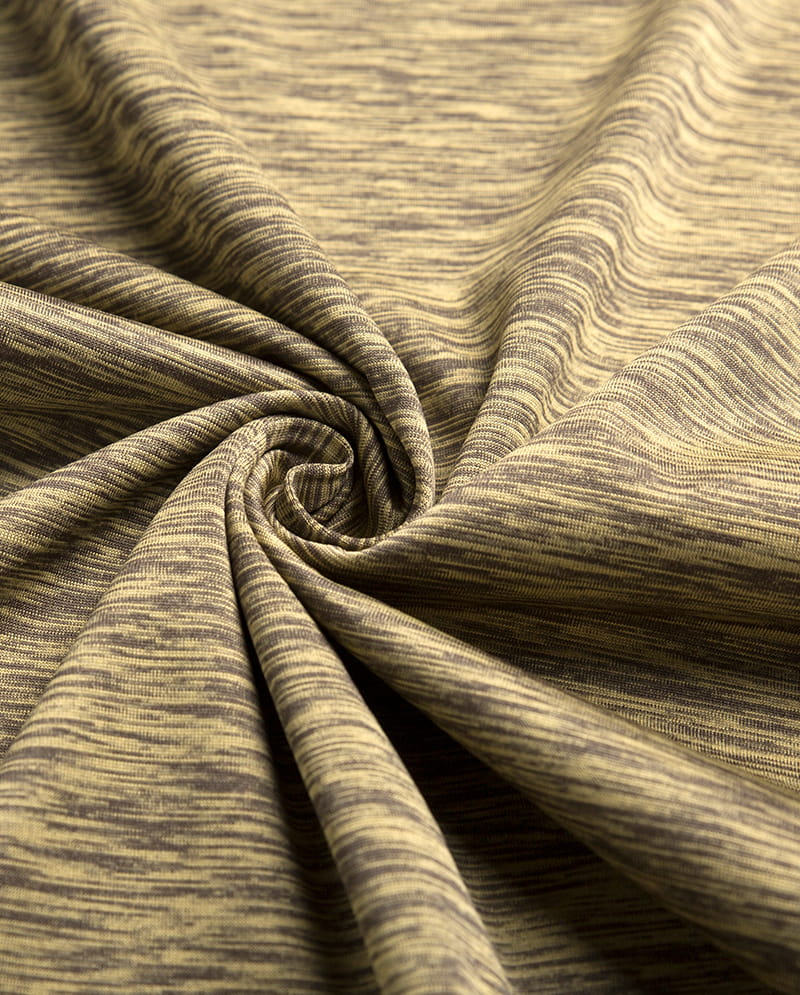
High-Stretch Cationic Jersey Fabric
-
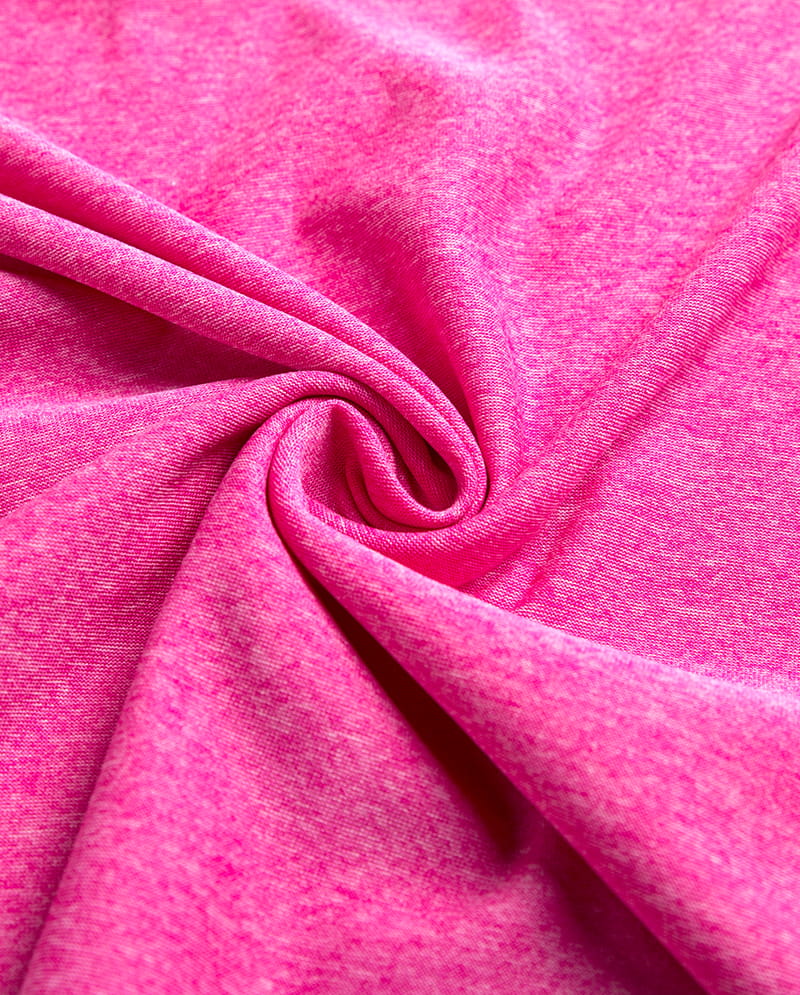
High Quality Cationic DTY Spandex Two Sides Brush Dralon Knit Fabric for Garment Thermal Underwear
-
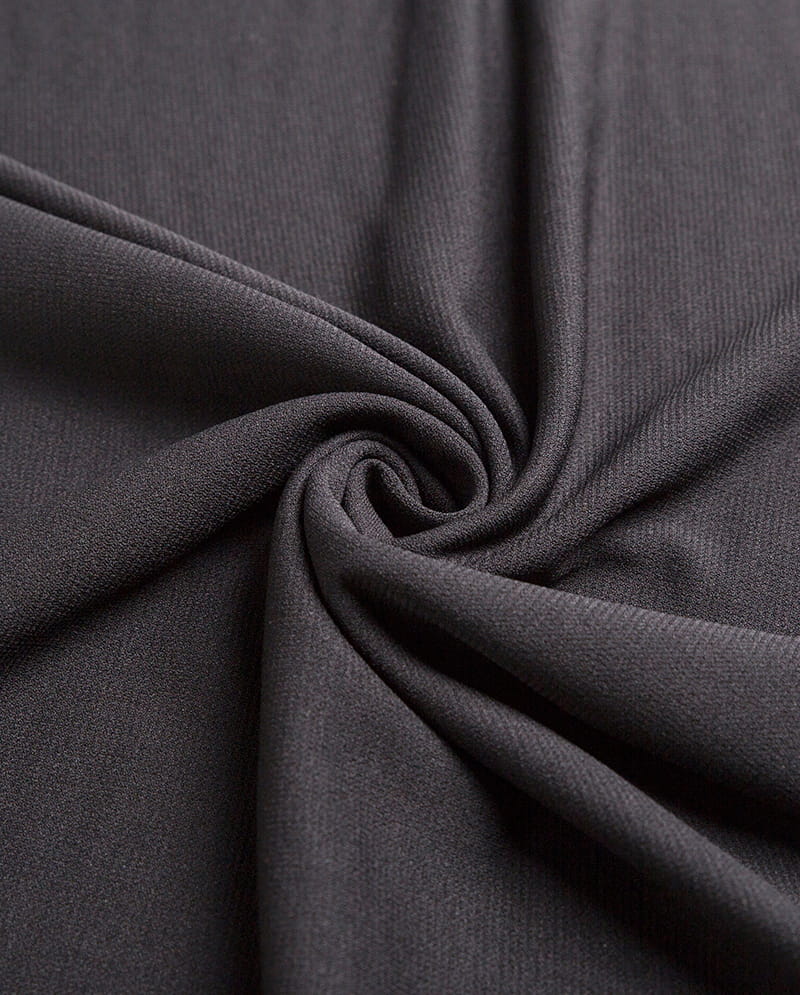
Durable Anti-Pilling Knitted Fabric for Home Textiles
-
Wash-Resistant Cationic Elastic Knitted Fabric for Garment Industry
-
Breathable Double-Faced Elastic Composite Fabric
-
-
-
- whatsapp:
- 0086-13962559622
-
- skype:
- skype.aliceshenghong
-
- Wechat:

COPYRIGHT © 2016 Suzhou Junhui Textile Co., Ltd.
