

 EN
EN English
 中文简体
中文简体Eco-Friendly PBT/PET (D/F) High-Elastic Yarn for Sustainable Performance Textiles
Content
- 1 Understanding PBT/PET High-Elastic Yarn
- 2 Why the Combination of PBT and PET Matters
- 3 Core Product Advantages
- 4 Performance Comparison with Common Alternatives
- 5 Sustainability as a Practical Textile Value
- 6 Advanced Manufacturing and Process Control
- 7 Company Strengths Supporting Reliable Supply
- 8 Advantages in Dyeing and Color Performance
- 9 Comfort and Wearability
- 10 Application Areas
- 11 Customization Through D/F Specifications
- 12 How the Yarn Supports Competitive Product Development
- 13 Processing Considerations for Fabric Manufacturers
- 14 Quality Assurance and Consistency
- 15 Why This Yarn Offers Advantages Over Competitors
- 16 Role in Sustainable Brand Strategy
- 17 Procurement and Collaboration Benefits
- 18 Future Outlook for PBT/PET High-Elastic Yarn
- 19 Q&A Section
- 19.1 Q1: What is eco-friendly PBT/PET high-elastic yarn?
- 19.2 Q2: What does D/F mean?
- 19.3 Q3: How does this yarn compare with spandex?
- 19.4 Q4: Is the yarn suitable for swimwear?
- 19.5 Q5: Can the yarn be dyed at low temperature?
- 19.6 Q6: What are the main application areas?
- 19.7 Q7: Why is recycled sourcing important?
- 19.8 Q8: What support can buyers expect from the supplier?
- 20 Conclusion
- 21 References
- 22 Product: Eco-friendly PBT/PET (D/F) High-elastic Yarn
Eco-friendly PBT/PET (D/F) high-elastic yarn is a next-generation textile raw material designed for brands, fabric mills, garment manufacturers, and product developers that need a practical balance of sustainability, comfort, resilience, dyeing performance, and long-term durability.
As consumer demand shifts toward responsible materials and higher functional value, conventional yarns are increasingly expected to do more than provide basic fabric structure. They must support active lifestyles, improve wearing comfort, reduce environmental impact, simplify processing, and deliver reliable performance in repeated use. This is where PBT/PET high-elastic yarn becomes especially valuable.
Made by combining the complementary properties of PBT and PET polymers, this yarn offers an elastic recovery performance close to spandex while maintaining the processing familiarity and durability of polyester-based materials. It can be engineered by denier and filament count, allowing the yarn to meet different requirements for fineness, softness, bulk, coverage, texture, and stretch response.
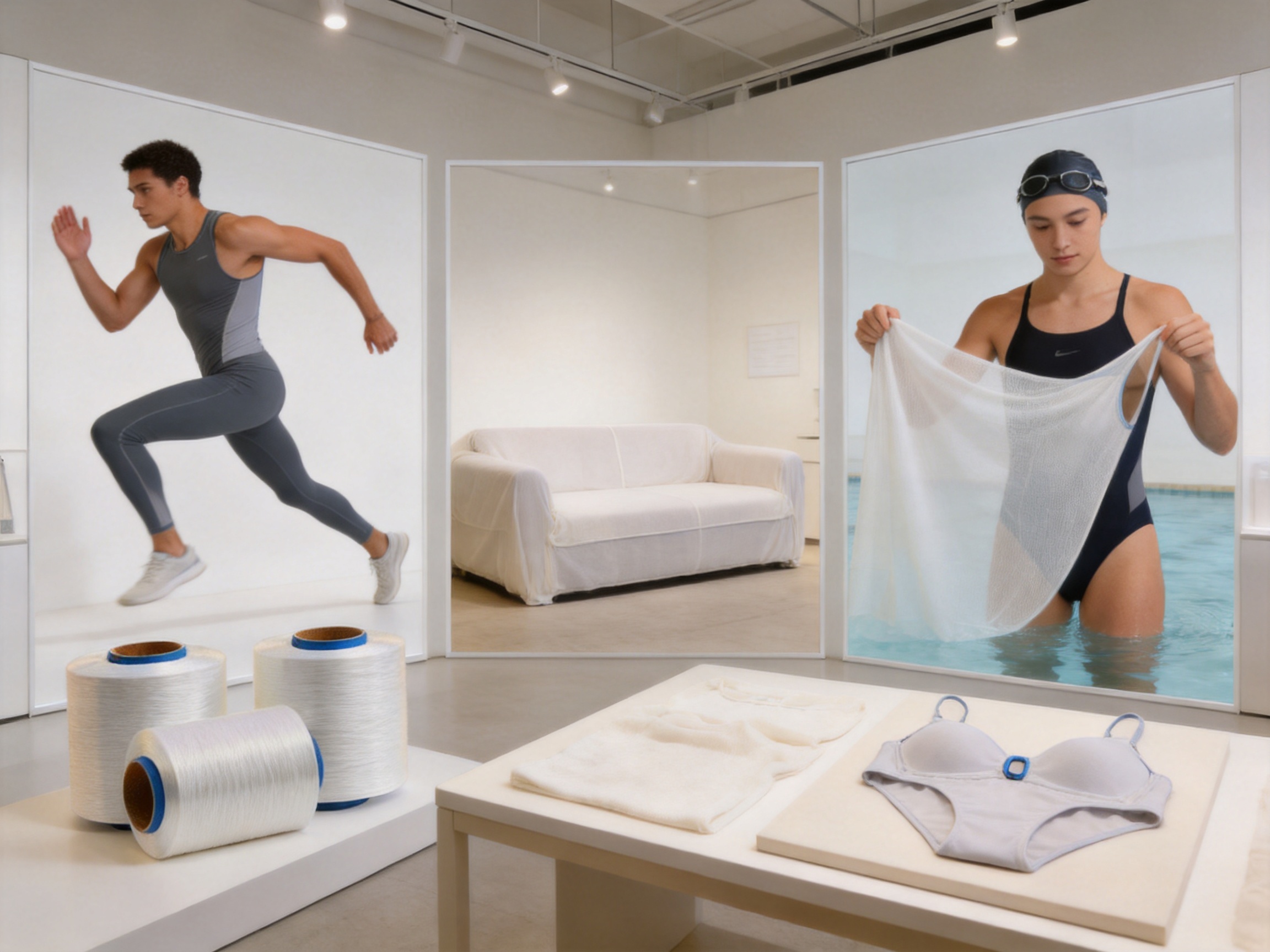
The product is particularly suitable for sportswear, swimwear, intimate apparel, knitted fabrics, casual wear, seamless garments, and home textile applications. Its advantages include rapid rebound, excellent shape retention, soft touch, bright dyeability, low-temperature dyeing potential, quick drying, anti-static behavior, chlorine resistance, and strong color fastness against sunlight and friction.
Suzhou Junhui Textile Co., Ltd. develops and supplies differentiated yarns and functional textile materials for international markets. With professional research and development capabilities, export experience, and a customer-focused service system, the company supports buyers that require stable quality, application guidance, and customized textile solutions.
Eco-friendly PBT/PET (D/F) High-elastic Yarn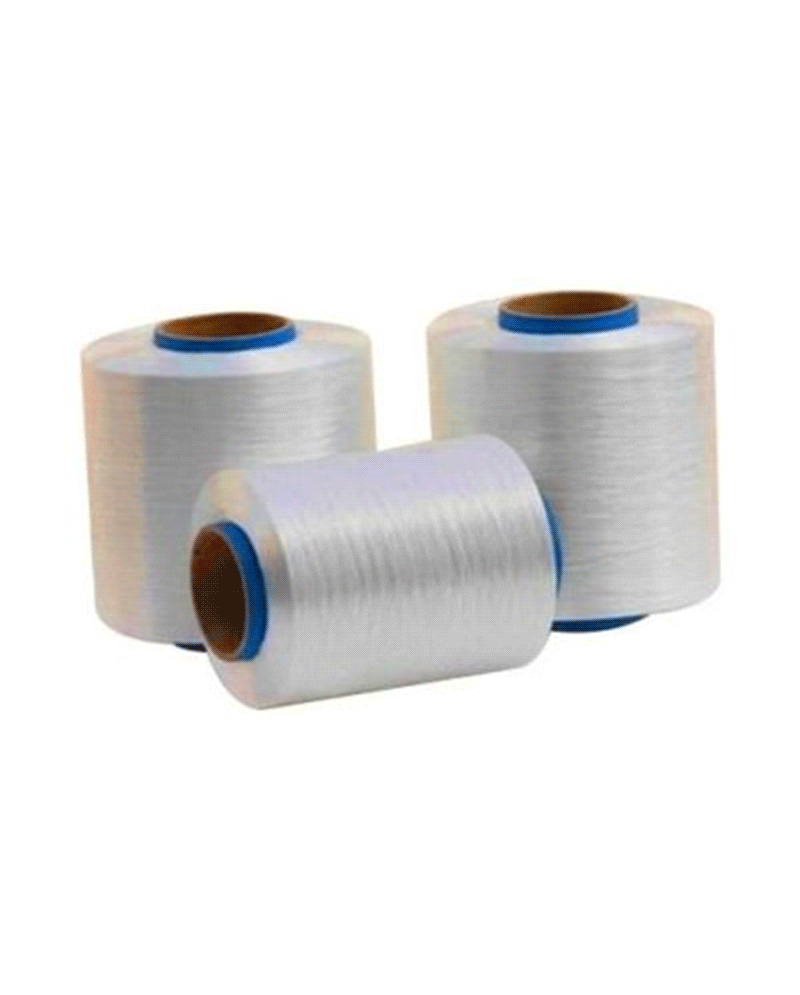
Understanding PBT/PET High-Elastic Yarn
PBT/PET high-elastic yarn is produced by combining polybutylene terephthalate, commonly known as PBT, with polyethylene terephthalate, commonly known as PET. Both polymers belong to the polyester family, yet they behave differently in fiber form. PET is widely known for its strength, dimensional stability, abrasion resistance, and broad textile compatibility. PBT contributes a softer hand, spring-like elasticity, excellent resilience, and favorable dyeing behavior.
When these two polymers are applied together in a high-elastic yarn structure, the result is a material that can stretch and recover repeatedly without depending entirely on traditional elastane or spandex. This gives textile manufacturers a useful alternative when they want elasticity but also require better chlorine resistance, simpler care, improved dimensional stability, or enhanced fabric durability.
The “D/F” specification refers to denier and filament count. Denier indicates yarn thickness or linear density, while filament count describes how many individual filaments make up the yarn. By adjusting these two parameters, manufacturers can create yarns with different texture, coverage, softness, strength, stretch, and surface appearance. For example, a finer denier and higher filament count can produce a smoother, softer textile, while a heavier denier can provide better coverage and structure.
This flexibility makes the yarn suitable for both lightweight and medium-weight fabrics. It can be used in circular knitting, warp knitting, weaving, covered yarn production, composite fabric development, and blended fabric structures. It can also be designed for end uses where the textile must remain comfortable under motion, such as leggings, training tops, cycling garments, yoga apparel, swimwear, underwear, and elastic home textile products.
The eco-friendly aspect of the yarn comes from the use of recycled sources, helping reduce dependence on virgin petroleum-based resources and supporting the reuse of plastic materials. In modern textile supply chains, this is increasingly important because sustainability is no longer only a marketing concept; it is a procurement requirement for many brands, retailers, and international buyers.
Why the Combination of PBT and PET Matters
The strength of this yarn lies in the synergy between PBT and PET. PET provides mechanical reliability and compatibility with common textile processes, while PBT improves elasticity, softness, and dyeing flexibility. Instead of relying on one polymer alone, the combination makes it possible to engineer a more balanced material for performance fabrics.
Traditional PET yarn is strong and durable, but its elastic recovery is limited compared with high-stretch materials. Spandex has outstanding elasticity, but it can be sensitive to chlorine, high heat, oxidation, and long-term exposure to certain chemicals. Nylon is soft and strong but may absorb more moisture and may not always provide the same quick-drying profile expected from polyester-based performance textiles. PBT/PET high-elastic yarn helps bridge these performance gaps.
In activewear, a fabric must stretch when the wearer moves and then recover when the movement stops. Poor recovery leads to bagging at knees, elbows, waistbands, or seat areas. With rapid rebound and shape retention, PBT/PET high-elastic yarn helps garments maintain a clean fit and professional appearance through repeated use.
In swimwear, chlorine resistance is critical because pool water can damage many elastic fibers over time. PBT-containing yarns are often valued for improved resistance in chlorinated environments, making them useful for swimwear, aquatic training garments, and resort textiles. When combined with PET, the yarn can deliver durability, color performance, and practical processing advantages.
In intimate apparel and skin-contact fabrics, softness and smoothness are essential. The smooth fiber surface of PBT/PET high-elastic yarn contributes to a gentle, skin-friendly hand feel. It can help reduce scratchiness and improve comfort, especially in garments worn for long hours.
In home textiles, shape stability and durability are important. Elastic sofa covers, stretch bedding components, cushion fabrics, decorative textiles, and fitted textile products can benefit from yarns that recover well and withstand repeated stretching.
Core Product Advantages
The main advantage of eco-friendly PBT/PET high-elastic yarn is its ability to combine stretch performance with sustainability and polyester-based durability. This makes it a commercially practical material rather than a niche solution.
First, the yarn provides excellent elastic recovery. Its rebound performance is close to that of spandex, which allows fabrics to stretch comfortably and return to their intended shape. This performance is particularly valuable in fitted garments and active fabrics where deformation can quickly reduce product quality.
Second, the yarn supports low-temperature dyeing, which can reduce energy consumption during textile coloration. Compared with dyeing systems that require higher temperatures, lower-temperature dyeing can help mills reduce process intensity, improve operational efficiency, and support sustainability goals.
Third, the yarn offers bright and lasting color. With color fastness against sunlight and friction reaching grade 4–5 under suitable processing conditions, it helps finished fabrics retain a fresh appearance during use. This is important for sportswear, swimwear, and fashion textiles where color appeal directly affects consumer satisfaction.
Fourth, the yarn has a smooth surface and a soft, skin-friendly touch. Comfort is not only about stretch; it is also about how the fabric feels against the body. A fabric may be technically strong but commercially weak if the touch is harsh. PBT/PET high-elastic yarn supports fabrics that feel pleasant and wearable.
Fifth, the yarn has quick-drying characteristics. Polyester-based fibers generally absorb less moisture than natural fibers, allowing water to move through the fabric and evaporate more efficiently. For activewear and swimwear, quick drying improves comfort and helps reduce the heavy, wet feeling associated with slower-drying textiles.
Sixth, the yarn can provide anti-static performance. Static control is useful in synthetic textiles because it improves wearing comfort, reduces clinging, and helps maintain a cleaner appearance.
Seventh, the yarn demonstrates chlorine resistance. This gives it a competitive advantage in swimwear and pool-related applications where repeated exposure to chlorinated water can weaken or damage many elastic materials.
Eighth, the product supports environmental responsibility because it can be crafted from recycled sources. By reducing reliance on virgin petroleum and helping divert plastic waste from disposal streams, the yarn aligns with sustainable development goals and responsible textile sourcing strategies.
Performance Comparison with Common Alternatives
Choosing a textile yarn is rarely about one single property. Buyers must compare elasticity, cost, durability, dyeing behavior, sustainability, touch, process compatibility, and end-use reliability. PBT/PET high-elastic yarn performs well because it offers a balanced profile across many of these requirements.
| Material Option | Main Strength | Common Limitation | Advantage of PBT/PET High-Elastic Yarn |
|---|---|---|---|
| Conventional PET Yarn | Durability, dimensional stability, broad availability | Limited elastic recovery | Improves stretch and rebound while retaining polyester practicality |
| Spandex or Elastane | Very high stretch and recovery | Can be vulnerable to chlorine, heat, and long-term degradation | Provides spandex-like recovery with better suitability for chlorine-resistant applications |
| Nylon Yarn | Softness, strength, abrasion resistance | Higher moisture absorption and different dyeing behavior | Offers quick-drying polyester-family performance with soft hand feel |
| Generic Recycled Polyester | Eco-conscious sourcing and durability | May lack high elasticity and premium comfort | Combines recycled sourcing with elastic functionality and improved touch |
| Low-Grade Elastic Yarn | Low initial cost | Inconsistent recovery, poor dyeing, unstable quality | Provides controlled D/F specifications, strong color performance, and reliable rebound |
This comparison shows why the product is attractive for manufacturers that need more than a commodity yarn. It does not only replace one material; it solves several problems at the same time. It improves stretch compared with ordinary PET, provides better chlorine suitability than many elastic alternatives, offers a more comfortable hand than many basic synthetic yarns, and supports sustainability objectives through recycled sourcing.
For brands, this means fewer compromises in product development. A sportswear line can achieve comfort and stretch without depending fully on vulnerable elastic fibers. A swimwear line can improve resistance to pool exposure. A home textile producer can create fitted products with better recovery. A fabric mill can offer customers a differentiated material with clear performance claims.
Sustainability as a Practical Textile Value
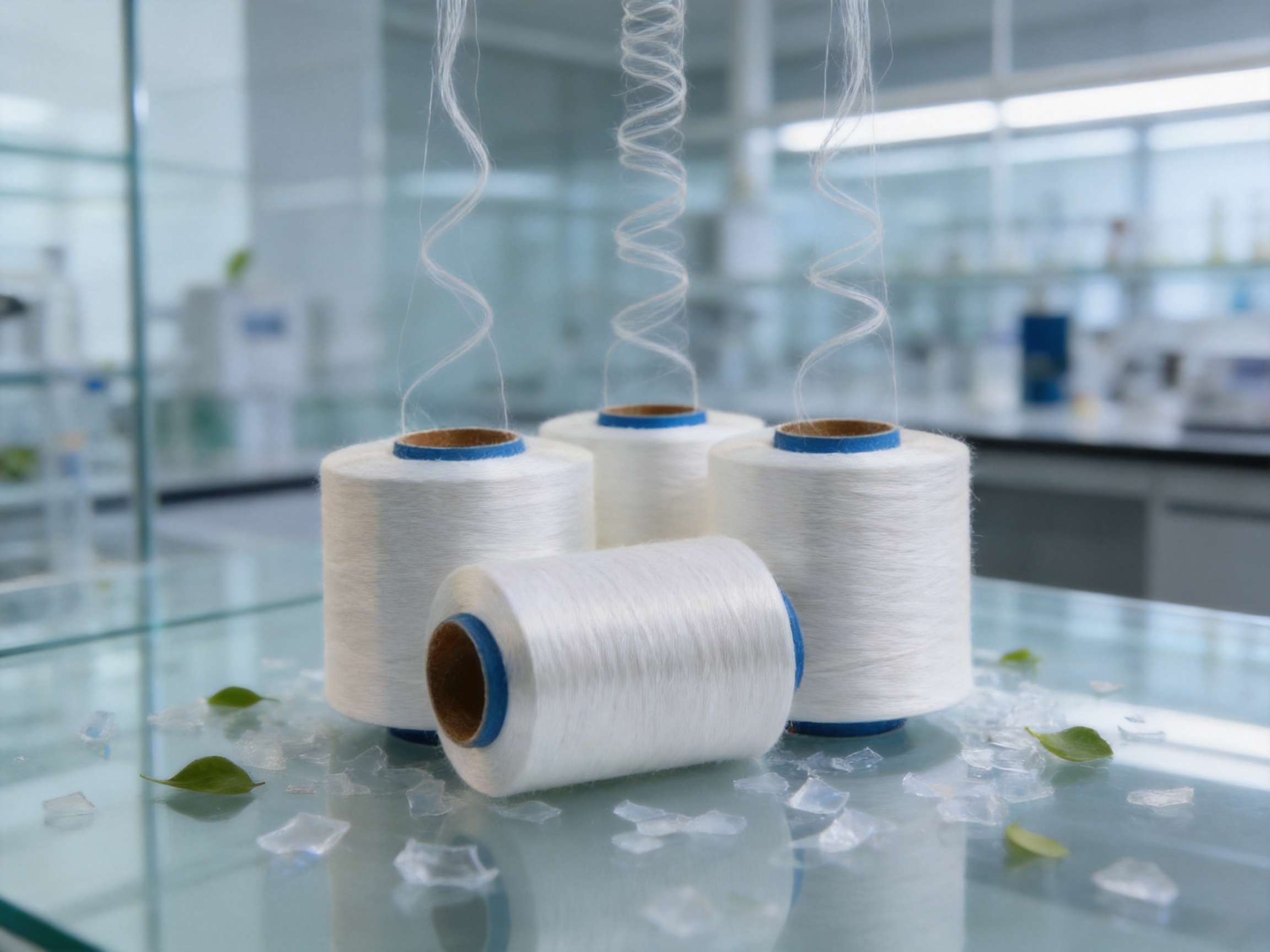
Sustainability in textiles must be measurable, practical, and compatible with industrial production. Eco-friendly PBT/PET high-elastic yarn contributes to sustainability in several ways. The use of recycled sources helps reduce the need for virgin raw materials. This can decrease dependence on petroleum resources and support circular material use.
Plastic waste is a global environmental challenge. When suitable recycled material streams are transformed into textile-grade polymers and fibers, waste can gain a second life as functional fabric. This does not eliminate all environmental concerns associated with synthetic textiles, but it represents a meaningful step toward resource efficiency.
The yarn’s low-temperature dyeing potential provides another sustainability benefit. Dyeing is one of the most energy-intensive stages in textile manufacturing. If a material can be dyed effectively at lower temperatures, mills may reduce energy consumption, shorten processing cycles, and lower emissions associated with thermal energy use.
Durability is also an environmental advantage. A garment that maintains shape, color, and comfort for a longer period helps reduce the need for premature replacement. In the context of sustainable fashion, product lifespan matters. High-elastic recovery helps prevent deformation, while good color fastness helps fabrics look newer for longer.
The yarn also supports responsible product design because it allows manufacturers to create functional textiles without excessive material complexity. When a yarn can provide elasticity, dyeability, quick drying, softness, and chlorine resistance in one material platform, product developers may simplify fabric structures and reduce dependence on difficult-to-manage blends.
For buyers working with sustainability standards, recycled-content yarns can be incorporated into broader environmental strategies. These may include product lifecycle improvement, responsible sourcing, reduced energy processing, waste reduction, and transparent supply chain communication.
Advanced Manufacturing and Process Control
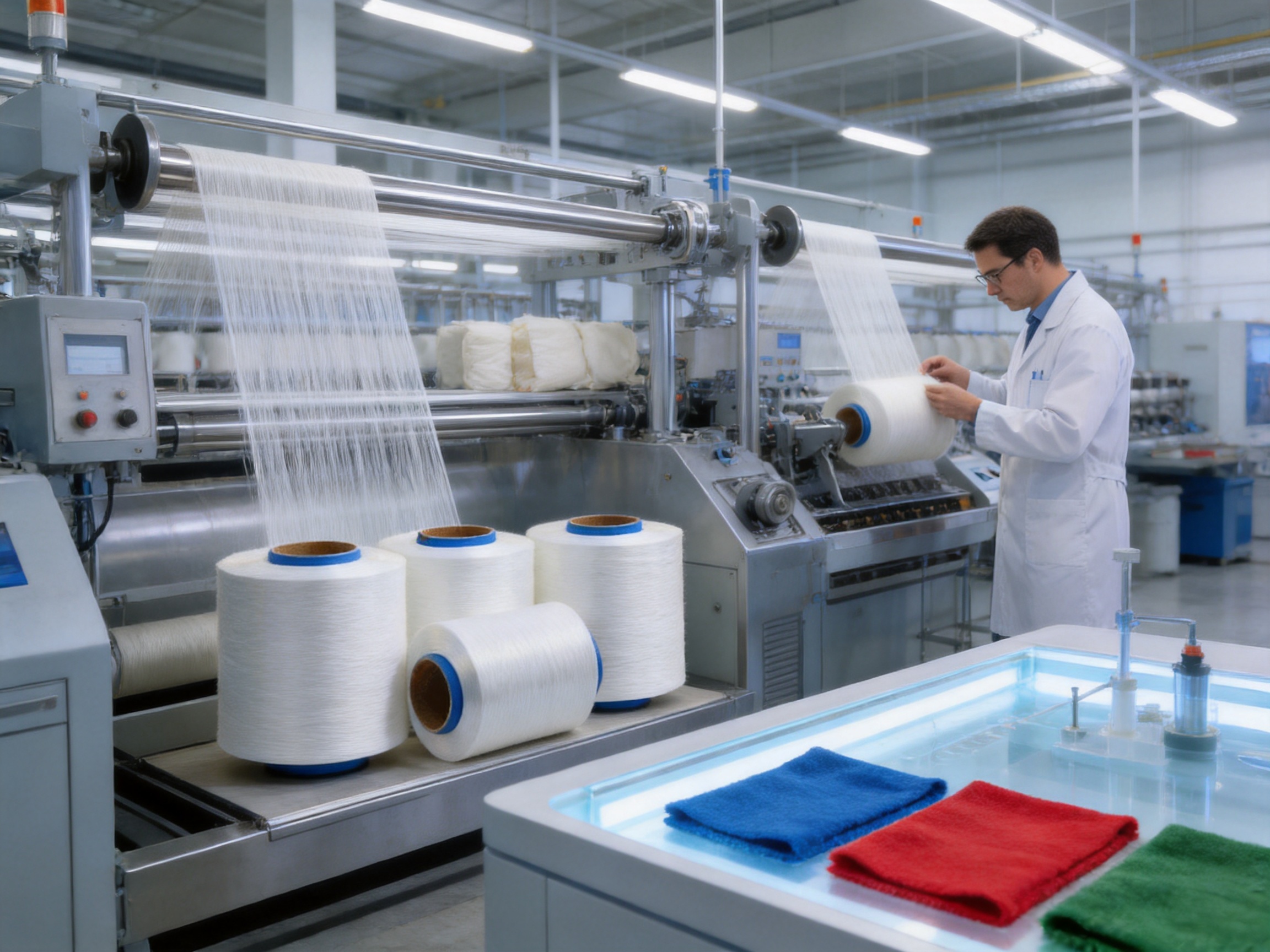
High-quality PBT/PET high-elastic yarn depends on careful control throughout the manufacturing chain. The performance of the final yarn is not determined only by the polymer type. It is shaped by raw material selection, chip preparation, melt stability, spinning parameters, filament formation, drawing, texturing, heat setting, winding, testing, and packaging.
Suzhou Junhui Textile Co., Ltd. focuses on differentiated yarn development, including recycled yarn, polyester dope-dyed yarn, microfine yarn, flame-retardant yarn, cationic dyeing yarn, functional yarns, and knitting fabric products. This background is important because PBT/PET high-elastic yarn requires technical experience in polymer behavior and textile application.
The manufacturing process begins with the selection of suitable polymer materials. Recycled sources must be processed carefully to achieve stable quality. Impurities, inconsistent viscosity, and irregular melting behavior can lead to filament breakage, uneven dyeing, weak strength, or unstable elasticity. Proper material preparation and quality inspection help prevent these problems.
During melt spinning, polymer chips are heated and melted under controlled conditions. The melt must flow evenly through spinnerets to form continuous filaments. Temperature, pressure, filtration, spinneret design, and throughput must be carefully managed. If the melt is unstable, the yarn may show uneven thickness or weak points. Consistent spinning improves the uniformity of the denier and filament structure.
After extrusion, the filaments are cooled and solidified. Cooling conditions influence fiber structure, orientation, crystallinity, and future elastic behavior. Controlled quenching helps produce filaments with stable physical properties. The yarn is then drawn to align molecular chains and improve strength, elongation, and dimensional stability.
Texturing is a critical stage for high-elastic yarn. Through controlled mechanical and thermal treatment, the yarn gains bulk, crimp, stretch, and recovery. Proper texturing creates the spring-like behavior that makes the yarn valuable in stretch fabrics. If texturing is too weak, the fabric may lack elasticity. If it is too aggressive, the yarn may lose stability or become difficult to process.
Heat setting helps stabilize the yarn structure and define its recovery behavior. This step must be balanced carefully. Excessive heat may reduce elasticity or affect dyeing performance, while insufficient heat setting may cause unstable shrinkage. Experienced process control ensures that yarns perform consistently in later fabric production.
Winding quality is also important. Even the best yarn can create problems if it is wound poorly. Proper package density, tension, and shape support smooth unwinding during knitting, weaving, or warping. Stable winding reduces yarn breaks, machine stoppages, and production waste for downstream customers.
Quality inspection is essential. Typical evaluation may include denier uniformity, filament integrity, tensile strength, elongation, elastic recovery, shrinkage, dyeing performance, color fastness potential, oil content, and package appearance. For international buyers, consistent lot-to-lot quality is often as important as the initial sample result.
Company Strengths Supporting Reliable Supply
Suzhou Junhui Textile Co., Ltd. and Suzhou Xiaoran New Materials Co., Ltd. were founded in 2015 with a commitment to developing and selling differentiated yarns and knitting fabric products. Their product direction includes recycled yarn, polyester dope-dyed yarn, SHAWLIENCE, microfine yarn, flame-retardant yarn, cationic dyeing yarn, and other functional textile materials.
The company’s professional R&D team works with well-known enterprises on research, development, and application of environmental protection and functional yarn and fabric. This technical collaboration supports continuous improvement and helps the company respond to changing market needs.
More than 90% of the company’s products are exported, and customers are located in 36 countries. This international experience is valuable because different markets have different expectations for quality, testing, documentation, color performance, sustainability claims, and application support. A supplier with global export experience is better positioned to understand these requirements.
The company is service-oriented and emphasizes customer success. For buyers, this matters because yarn selection is rarely a simple purchase. Customers may need help choosing denier and filament specifications, evaluating dyeing conditions, improving fabric hand feel, solving processing issues, or matching yarn performance to final product applications.
The company’s support system is designed to provide professional guidance and problem-solving assistance. Experts are ready to respond globally within 12 hours, which can reduce delays in sampling, production troubleshooting, and order planning. In textile manufacturing, fast technical communication can prevent costly downtime.
The company is located in Shengze Town, Wujiang Area, Suzhou City, Jiangsu Province, China, a region known for textile production and supply chain resources. This industrial location can support access to textile processing partners, logistics networks, raw material channels, and skilled technical personnel.
For buyers seeking PBT/PET high-elastic yarn, these strengths help reduce sourcing risk. The product is not offered as an isolated commodity but as part of a broader technical and service platform that includes R&D, export experience, application knowledge, and quality-oriented supply.
Advantages in Dyeing and Color Performance
Color is a major selling point in textile products. Even highly functional fabric may fail commercially if the color is dull, uneven, or unstable. Eco-friendly PBT/PET high-elastic yarn provides superior dyeability and can achieve bright, long-lasting colors through energy-saving low-temperature dyeing.
Low-temperature dyeing can be especially attractive for mills seeking cost savings and environmental improvement. Lower dyeing temperatures may reduce energy demand and help protect fiber properties. In high-elastic yarns, dyeing conditions must be carefully controlled because excessive temperature or harsh processing can influence elasticity and recovery.
The yarn can reach color fastness levels of 4–5 against sunlight and friction under suitable dyeing and finishing conditions. This means that fabrics made with the yarn can maintain color appearance during normal use, exposure, and rubbing. For sportswear, friction occurs during movement and washing. For swimwear, sunlight exposure is common. For intimate apparel, repeated contact and laundering are routine. Strong color fastness helps improve consumer confidence and reduce complaints.
The yarn’s smooth surface contributes to a clean and refined fabric appearance. It can help produce textiles with a bright color effect and pleasant visual quality. For brands that sell fashion performance apparel, appearance and function must work together. PBT/PET high-elastic yarn supports both.
Compared with some elastic fibers that are difficult to dye or require complex fabric structures for color matching, PBT/PET yarn can help simplify coloration. Because it belongs to the polyester family, it can fit more easily into existing polyester dyeing systems while providing enhanced stretch performance. This creates value for mills that already process polyester fabrics and want to upgrade their elastic product offerings.
Comfort and Wearability
Comfort is one of the most important reasons to choose high-elastic yarn. A garment must move with the body, recover after movement, and feel pleasant during extended wear. PBT/PET high-elastic yarn contributes to comfort through elasticity, smooth touch, quick drying, and anti-static behavior.
The yarn’s elastic recovery helps reduce restriction during motion. When used in sportswear, it allows the fabric to stretch during running, bending, lifting, cycling, swimming, and training. The garment can follow the body without excessive pressure or sagging.
The smooth fiber surface helps create a soft hand feel. This is particularly important in intimate apparel, base layers, yoga wear, and swimwear because these products often contact the skin directly. A harsh or rough texture can reduce satisfaction even if the garment has good technical performance.
Quick drying improves comfort after sweating or water exposure. In active situations, moisture management is essential. While yarn structure alone does not determine complete moisture behavior, polyester-family materials are well suited for quick-drying fabric systems. When combined with appropriate fabric construction and finishing, PBT/PET high-elastic yarn can help create textiles that dry faster and feel lighter.
Anti-static performance helps reduce clinging and discomfort. Static can cause synthetic garments to stick to the body or attract dust. Reducing static improves wearability and appearance, especially in dry environments.
Shape retention also contributes to comfort. Fabrics that lose shape may become loose in some areas and tight in others. They may twist, sag, or bag after repeated wear. High elastic recovery helps garments maintain the intended fit, improving both appearance and comfort.
Application Areas
Sportswear
Sportswear requires stretch, recovery, durability, color stability, breathability, and comfort. PBT/PET high-elastic yarn is suitable for leggings, training tops, compression-inspired garments, gym wear, running apparel, cycling clothing, and yoga fabrics. Its rebound helps garments maintain shape during repeated motion, while quick-drying properties support active comfort.
For sportswear brands, this yarn offers a way to combine sustainable material sourcing with performance claims. The use of recycled sources supports environmental storytelling, while the technical properties support real user benefits.
Swimwear
Swimwear must resist chlorine, sunlight, stretching, friction, and repeated wet-dry cycles. Traditional elastic materials can degrade in chlorinated environments, leading to sagging, thinning, or reduced recovery. PBT/PET high-elastic yarn offers chlorine resistance and strong color fastness, making it a practical choice for swimwear and aquatic apparel.
It can be used in training swimsuits, fashion swimwear, children’s swim products, resort wear, and aquatic fitness garments. Its quick-drying character also improves comfort after leaving the water.
Intimate Apparel
Intimate apparel demands softness, fit, recovery, and skin comfort. PBT/PET high-elastic yarn can support lightweight and smooth fabrics that remain comfortable during daily wear. Its soft surface and elastic behavior help products fit the body without excessive tightness.
Applications may include underwear, bras, seamless garments, shapewear components, and sleepwear with stretch comfort. Because the yarn can be engineered by D/F specification, it can support different levels of fineness and hand feel.
Home Textiles
Home textile products often require durability, recovery, and a stable appearance. PBT/PET high-elastic yarn can be used in stretch sofa covers, fitted bedding, cushion textiles, decorative covers, and other elastic household fabrics. Shape recovery helps products stay neat and well-fitted after repeated use.
The yarn’s color fastness and durability help maintain appearance, while its smooth touch supports comfort in products that contact skin.
Fashion and Casual Wear
Modern fashion increasingly blends performance and comfort. Consumers expect casual garments to stretch, recover, dry quickly, and feel soft. PBT/PET high-elastic yarn can be used in trousers, dresses, skirts, lightweight jackets, casual tops, and stretch woven or knitted fabrics.
For fashion brands, the yarn provides a way to combine style, sustainability, and practical performance without relying solely on traditional elastic fiber systems.
Customization Through D/F Specifications
Denier and filament count are powerful design tools. The right D/F combination determines how a yarn behaves in fabric. A finer yarn can produce lighter, smoother, softer fabrics. A higher filament count can improve softness and coverage. A heavier yarn can create stronger, more structured textiles.
For activewear, a fabric developer may choose a specification that balances stretch, opacity, and recovery. For intimate apparel, a softer and finer specification may be preferred. For home textiles, a stronger or bulkier specification may be more appropriate. For swimwear, a balance of recovery, chlorine resistance, color performance, and fabric density may be required.
Customization is one of the major advantages of working with a technically capable supplier. Instead of selecting only from standard yarns, buyers can discuss application goals and receive guidance on suitable specifications. This can shorten development time and improve the likelihood of successful fabric production.
D/F engineering also affects dyeing and finishing. Yarn fineness, filament distribution, and surface area influence dye uptake, fabric hand feel, and final appearance. By matching yarn design with fabric construction and finishing conditions, manufacturers can create more refined products.
How the Yarn Supports Competitive Product Development
The textile market is highly competitive. Brands must differentiate products while controlling cost, quality, delivery, and sustainability expectations. PBT/PET high-elastic yarn helps product developers build stronger value propositions.
For example, a sportswear brand can advertise stretch comfort, recycled sourcing, quick drying, shape retention, and bright colors. A swimwear manufacturer can emphasize chlorine resistance, color stability, recovery, and sustainability. An intimate apparel brand can highlight softness, fit, skin-friendly comfort, and long-lasting shape. A home textile supplier can promote durable stretch and a neat fitted appearance.
Compared with low-grade elastic yarns, this product reduces the risk of poor recovery and deformation. Compared with ordinary polyester yarns, it adds high-elastic performance. Compared with spandex-dependent structures, it offers an alternative with stronger suitability in certain chemical and chlorine environments. Compared with generic recycled yarns, it provides functional differentiation beyond recycled content alone.
This is important because sustainability alone may not be enough to win consumers if the product performs poorly. Likewise, performance alone may not satisfy modern procurement teams if the material lacks environmental responsibility. PBT/PET high-elastic yarn combines both directions.
Processing Considerations for Fabric Manufacturers
To gain the best performance from PBT/PET high-elastic yarn, fabric manufacturers should consider yarn handling, machine settings, tension control, dyeing conditions, and finishing parameters.
During knitting or weaving, tension should be controlled to avoid overstretching the yarn before fabric formation. Excessive tension can affect fabric recovery and dimensional behavior. Proper package unwinding and stable feeding help maintain consistent fabric quality.
Needle selection, machine gauge, stitch length, and fabric density should be matched with the yarn specification. A high-elastic yarn can behave differently from conventional PET yarn, so trial production is recommended when developing a new fabric structure.
During dyeing, low-temperature conditions may be used where appropriate. Dye type, liquor ratio, temperature curve, holding time, pH, and post-treatment all influence final color and performance. Mills should optimize dyeing recipes based on the yarn specification and fabric construction.
Finishing should preserve elasticity and hand feel. Excessive heat, harsh chemicals, or over-tensioned finishing may reduce stretch performance. Gentle and controlled finishing conditions help maintain recovery, softness, and dimensional stability.
Testing after fabric production is recommended. Important tests may include elastic recovery, elongation, shrinkage, color fastness to rubbing, color fastness to light, color fastness to washing, chlorine resistance, pilling resistance, bursting strength, and hand feel evaluation.
Quality Assurance and Consistency
Consistent yarn quality is essential for efficient textile production. If a yarn varies between lots, fabric mills may experience dyeing differences, uneven stretch, machine stoppages, shade variation, or inconsistent hand feel. Therefore, quality assurance must be integrated into each production stage.
For PBT/PET high-elastic yarn, important quality indicators include denier accuracy, filament count consistency, tensile properties, elongation, elastic recovery, oiling uniformity, winding quality, dyeing behavior, and cleanliness. These indicators affect downstream processing and final product value.
Raw material inspection helps ensure polymer stability. Melt filtration helps reduce impurities. Spinning control supports uniform filament formation. Drawing and texturing control influence strength and elasticity. Winding inspection helps prevent package-related issues. Final testing confirms that the yarn meets customer requirements.
The company’s experience in differentiated yarns and international exports supports quality management. Export customers often require stable documentation, repeatable performance, and technical communication. Meeting these needs strengthens long-term cooperation.
For buyers, the benefit is lower production risk. A stable yarn can reduce waste, improve machine efficiency, support consistent dyeing, and help maintain delivery schedules.
Why This Yarn Offers Advantages Over Competitors
PBT/PET high-elastic yarn competes in a market filled with ordinary polyester yarns, spandex blends, nylon stretch materials, and recycled polyester products. Its advantage is not based on a single claim but on a combination of benefits.
Compared with ordinary polyester, it offers much better elasticity and recovery. Ordinary polyester may be durable, but it usually cannot provide the same stretch comfort or shape retention. PBT/PET high-elastic yarn allows polyester-family fabrics to move into higher-performance categories.
Compared with spandex-heavy structures, it can provide better resistance in chlorine-related applications and improved durability in certain use environments. While spandex remains important where extreme stretch is required, PBT/PET high-elastic yarn provides an attractive alternative or complement when long-term resilience and chemical resistance are priorities.
Compared with nylon, it offers quick-drying behavior and compatibility with polyester-based processing systems. Nylon has many strengths, but PBT/PET can be a better fit for brands seeking polyester-family sustainability and dyeing strategies.
Compared with generic recycled polyester yarn, it provides functional value beyond recycled content. Many recycled yarns are marketed mainly on sustainability, but they may not solve performance problems. PBT/PET high-elastic yarn combines recycled sourcing with elasticity, dyeability, softness, chlorine resistance, and color fastness.
Compared with low-cost elastic yarns, it offers better reliability. Low price can become expensive if the yarn causes fabric defects, poor recovery, dyeing failures, or customer complaints. A high-quality yarn supports better total value by improving production stability and final product performance.
Another competitive advantage is supplier support. A technically capable textile company can help customers select specifications, troubleshoot production, and develop application-specific solutions. This service value is often decisive in international purchasing.
Role in Sustainable Brand Strategy
Textile brands are under increasing pressure to reduce environmental impact while still delivering attractive products. Eco-friendly PBT/PET high-elastic yarn supports this strategy because it aligns with several important trends: recycled materials, longer product life, energy-saving dyeing, functional comfort, and versatile application.
Consumers are more aware of textile waste and plastic pollution. Recycled-source yarns can help communicate a responsible material story. However, consumers also expect products to perform. If a recycled garment loses shape quickly or fades after limited use, the sustainability message becomes weak. This yarn helps avoid that problem by supporting durability and color stability.
Energy-saving dyeing is another important communication point for brands and mills. Lower-temperature dyeing can contribute to reduced processing impact. When combined with bright color and strong fastness, it supports both environmental and commercial goals.
Brands can use PBT/PET high-elastic yarn in capsule collections, performance lines, swimwear ranges, yoga apparel, sustainable basics, and functional home products. It is especially valuable when a brand wants to upgrade from standard recycled polyester to a more advanced recycled functional yarn.
Procurement and Collaboration Benefits
For wholesale buyers, fabric factories, garment manufacturers, and brand sourcing teams, yarn procurement must consider more than price. Reliability, technical communication, customization ability, export experience, and after-sales support are all important.
Suzhou Junhui Textile Co., Ltd. offers custom textile fabric yarn solutions and supports buyers seeking differentiated materials. With products exported to many countries, the company understands the importance of stable supply, responsive communication, and application support.
Buyers can benefit from discussing final product goals before confirming yarn specifications. Important questions include: What fabric type will be produced? What stretch level is required? Is the fabric for swimwear, sportswear, intimate apparel, or home textiles? What dyeing conditions will be used? Is recycled content required? What hand feel is expected? What testing standards must be met?
By answering these questions early, the supplier and buyer can reduce sampling rounds and avoid mismatched materials. This collaborative approach is one of the strengths of working with a professional yarn supplier rather than a purely transactional vendor.
Fast response is another practical benefit. Textile production schedules are often tight. If a mill encounters a dyeing issue or a garment factory needs urgent clarification, timely technical support can protect delivery timelines. The company’s commitment to global assistance within 12 hours helps buyers manage risk.
Future Outlook for PBT/PET High-Elastic Yarn
The future of textile materials will be shaped by sustainability, functionality, comfort, and supply chain transparency. PBT/PET high-elastic yarn is well positioned in this environment because it responds to all four trends.
As active lifestyles continue to influence everyday fashion, stretch textiles will remain important. Consumers want clothing that adapts to movement, whether they are exercising, traveling, working, or relaxing. High-elastic yarns will therefore continue to expand beyond traditional sportswear.
Swimwear and aquatic apparel will also benefit from materials with chlorine resistance and recovery. As consumers expect longer-lasting products, yarns that help reduce deformation and color loss will gain value.
Sustainable materials will become increasingly important in procurement. Recycled-source yarns that also provide high performance are likely to be preferred over materials that offer only basic recycled content. PBT/PET high-elastic yarn fits this need by combining environmental responsibility with functional differentiation.
Advances in D/F engineering, texturing technology, dyeing optimization, and fabric construction will further expand possible applications. The yarn can be adapted for softer fabrics, stronger fabrics, finer gauges, richer colors, and more specialized performance requirements.
Q&A Section
Q1: What is eco-friendly PBT/PET high-elastic yarn?
It is a high-performance elastic yarn made by combining PBT and PET polymers, often from recycled sources. It provides excellent stretch and recovery, soft touch, dyeability, quick drying, anti-static behavior, and chlorine resistance.
Q2: What does D/F mean?
D/F means denier and filament count. Denier describes yarn thickness, while filament count describes the number of individual filaments in the yarn. Adjusting D/F helps control softness, texture, coverage, strength, and fabric appearance.
Q3: How does this yarn compare with spandex?
The yarn offers elastic recovery close to spandex while providing advantages such as chlorine resistance, polyester-family durability, and practical dyeing performance. Spandex is still useful for extreme stretch, but PBT/PET high-elastic yarn is a strong alternative or complement in many applications.
Q4: Is the yarn suitable for swimwear?
Yes. Its chlorine resistance, quick-drying character, shape recovery, and color fastness make it suitable for swimwear, aquatic training garments, and pool-related textile products.
Q5: Can the yarn be dyed at low temperature?
Yes. The yarn supports energy-saving low-temperature dyeing under appropriate process conditions. This can help reduce energy consumption while producing bright and long-lasting colors.
Q6: What are the main application areas?
Main applications include sportswear, swimwear, intimate apparel, yoga wear, training garments, seamless apparel, stretch casual wear, fitted home textiles, sofa covers, bedding components, and other elastic fabric products.
Q7: Why is recycled sourcing important?
Recycled sourcing helps reduce reliance on virgin petroleum resources and supports the reuse of plastic materials. It allows textile products to better align with sustainability goals while maintaining functional performance.
Q8: What support can buyers expect from the supplier?
Buyers can receive product selection guidance, D/F specification recommendations, application support, and technical communication. The company emphasizes customer success and offers global response support within 12 hours.
Conclusion
Eco-friendly PBT/PET (D/F) high-elastic yarn is a strong material choice for textile manufacturers and brands seeking a combination of sustainability, elasticity, dyeing performance, comfort, durability, and application versatility. By combining PBT and PET polymers, the yarn delivers rapid rebound and shape retention close to spandex while maintaining useful polyester-family advantages.
Its recycled-source foundation supports environmental responsibility. Its low-temperature dyeing potential helps reduce energy use. Its color fastness, chlorine resistance, quick-drying character, anti-static behavior, and soft touch make it suitable for demanding applications such as sportswear, swimwear, intimate apparel, and home textiles.
The yarn also offers clear competitive advantages over ordinary polyester, low-grade elastic yarns, generic recycled yarns, and some spandex-dependent structures. It provides not only sustainability but also real functional improvement.
Supported by advanced manufacturing control, differentiated yarn expertise, professional R&D capabilities, international export experience, and responsive technical service, this product offers practical value for buyers who need dependable textile raw materials. For companies developing next-generation performance fabrics, PBT/PET high-elastic yarn provides a reliable path toward products that are more comfortable, more durable, more sustainable, and more competitive.
References
1. Textile Institute. Textile Terms and Definitions. The Textile Institute, latest edition.
2. Hearle, J. W. S. Physical Properties of Textile Fibres. Woodhead Publishing.
3. McIntyre, J. E. Synthetic Fibres: Nylon, Polyester, Acrylic, Polyolefin. Woodhead Publishing.
4. Horrocks, A. R., and Anand, S. C. Handbook of Technical Textiles. Woodhead Publishing.
5. Blackburn, R. S. Sustainable Textiles: Life Cycle and Environmental Impact. Woodhead Publishing.
6. Kadolph, S. J. Textiles. Pearson Education.
7. Elsasser, V. H. Textiles: Concepts and Principles. Fairchild Books.
8. Saville, B. P. Physical Testing of Textiles. Woodhead Publishing.
Product: Eco-friendly PBT/PET (D/F) High-elastic Yarn

Popular products
-
Premium Cationic Interlock Stretch Comfort Fabric
-
Moisture-Wicking Nylon Woven Fabric
-
Double-faced jacquard elastic fabric
-
Heather Grey Double-faced cationic jersey fabric
-
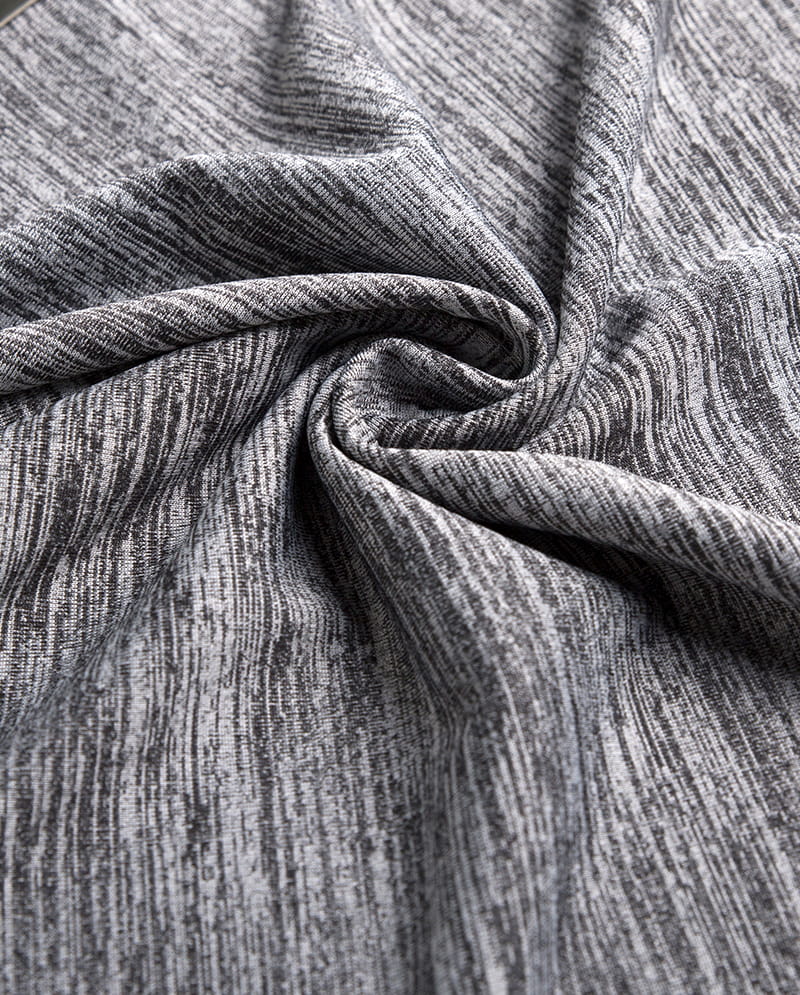
Anti-static Cationic Knitted Rib Fabric
-
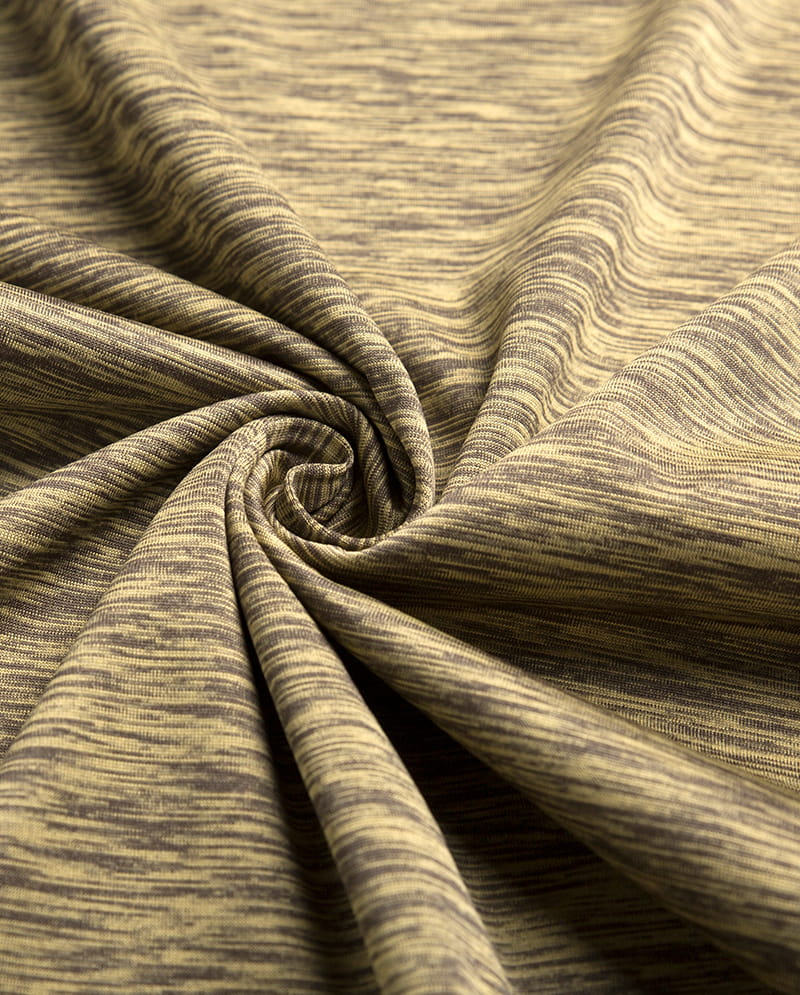
High-Stretch Cationic Jersey Fabric
-
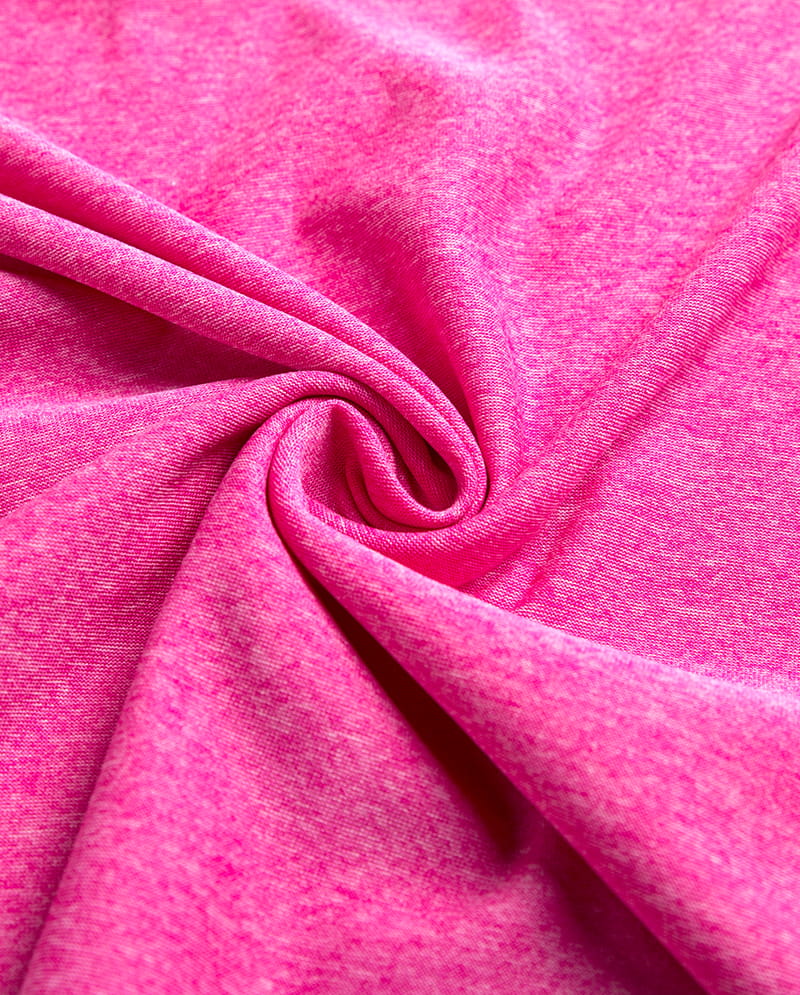
High Quality Cationic DTY Spandex Two Sides Brush Dralon Knit Fabric for Garment Thermal Underwear
-
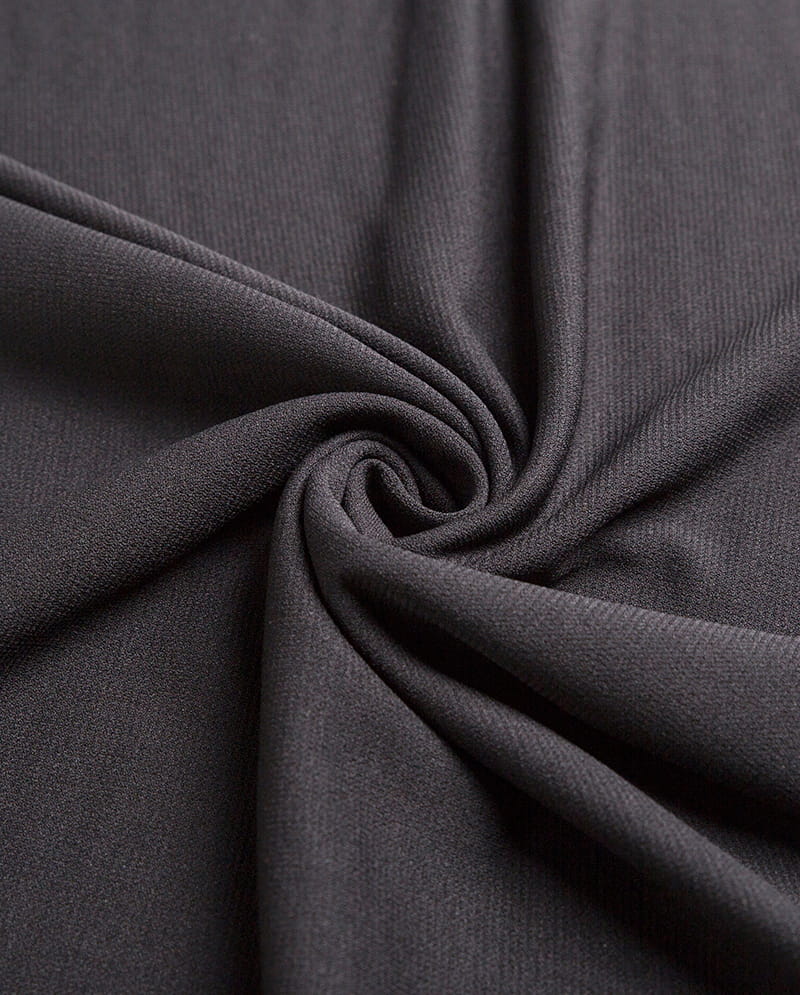
Durable Anti-Pilling Knitted Fabric for Home Textiles
-
Wash-Resistant Cationic Elastic Knitted Fabric for Garment Industry
-
Breathable Double-Faced Elastic Composite Fabric
-
-
-
- whatsapp:
- 0086-13962559622
-
- skype:
- skype.aliceshenghong
-
- Wechat:

COPYRIGHT © 2016 Suzhou Junhui Textile Co., Ltd.
