

 EN
EN English
 中文简体
中文简体Durable Flame-Retardant Normal FDY Yarn for Safer Functional Textiles
Content
- 1 Product Overview
- 2 Core Advantages Over Ordinary Polyester Filament Yarn
- 3 Key Technical and Commercial Features
- 4 Why FDY Structure Matters
- 5 Flame-Retardant Performance Designed for Real Use
- 6 Thermal Insulation and Antistatic Benefits
- 7 Applications in Decoration Materials
- 8 Applications in Automotive Interior Textiles
- 9 Applications in Clothing Production
- 10 Applications in Military and Professional Supplies
- 11 Manufacturing Strength Behind the Product
- 12 Advanced Process Control and Quality Consistency
- 13 Broad Product System and Specification Flexibility
- 14 Competitive Advantages in the Market
- 15 Design Possibilities with SD, FD, CD, and TBR Options
- 16 Sustainability and Responsible Textile Development
- 17 How the Yarn Supports Fabric Manufacturers
- 18 Recommended Selection Considerations
- 19 Service Strength and Global Customer Support
- 20 Q&A Section
- 20.1 What is Durable SD/FD/CD TBR Normal FDY Yarn?
- 20.2 Why is this yarn better than ordinary polyester FDY?
- 20.3 What does permanent flame-retardant effect mean?
- 20.4 Can this yarn be used for automotive interiors?
- 20.5 Is the yarn suitable for clothing?
- 20.6 What are the benefits of SD, FD, CD, and TBR options?
- 20.7 Does the yarn require special finishing?
- 20.8 What industries can benefit most from this yarn?
- 20.9 Why is the manufacturer’s R&D strength important?
- 20.10 Can customized yarn specifications be discussed?
- 21 Conclusion
- 22 References
- 23 Product: Durable SD/FD/CD TBR Normal FDY Yarn
Modern textile buyers increasingly expect yarns to do more than provide strength, color, and hand feel. In automotive interiors, public decoration materials, protective clothing, institutional textiles, and military-related supplies, a yarn must also contribute to safety, durability, thermal comfort, and stable processing performance. Durable SD/FD/CD TBR Normal FDY Yarn is developed for this demanding environment. It is a fully drawn polyester filament yarn designed to combine reliable flame-retardant performance, low smoke release, melting resistance, antistatic behavior, thermal insulation, and long-term structural stability.
This product belongs to the Normal FDY Yarn category, yet its functional value is closer to a high-performance safety textile material. As an FDY filament, it has already been fully drawn during spinning, giving it stable dimensions, consistent tensile behavior, and excellent suitability for weaving, knitting, and composite fabric development. The yarn is intended for applications where ordinary polyester filament may not provide enough safety assurance, especially where flame spread, dripping, static accumulation, and durability under repeated friction or washing are key concerns.
Durable SD/FD/CD TBR Normal FDY Yarn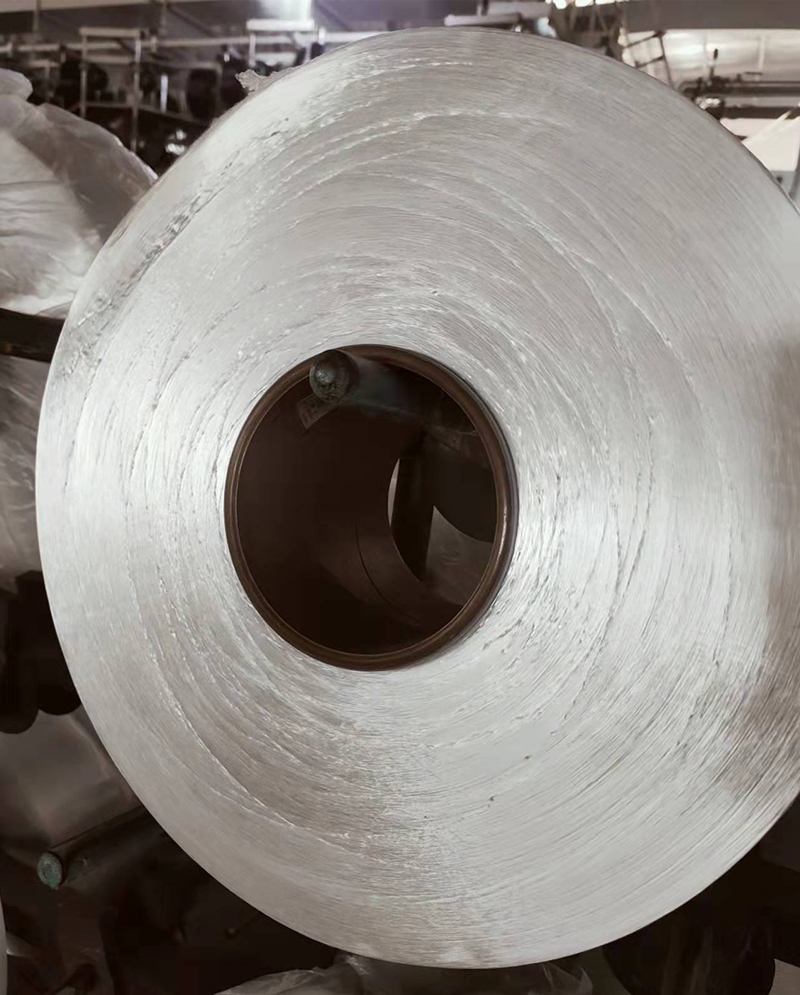
Product Overview
Durable SD/FD/CD TBR Normal FDY Yarn is a synthetic filament yarn engineered for functional textile manufacturing. It is suitable for applications such as interior decoration materials, vehicle interior fabrics, clothing production, military supplies, and other textile products where safety and endurance are important. The yarn emphasizes permanent flame-retardant effect, meaning washing and friction do not significantly reduce its flame-retardant performance. This is an important advantage over surface-treated flame-retardant materials, which may lose effectiveness after repeated laundering or abrasion.
The product is available within a broader yarn system that includes semi-dull, full-dull, cationic dyeable, and bright or trilobal bright options. This allows fabric developers to select the desired appearance, dyeing behavior, opacity, brightness, and tactile style while maintaining the core functional target. The flexibility of SD, FD, CD, and TBR options makes the yarn useful for both technical and decorative applications. A manufacturer can create a restrained matte fabric for uniforms, a fuller covered fabric for interiors, or a more lustrous fabric for decorative use.
Unlike standard commodity yarns designed mainly for cost efficiency, this yarn is positioned around functional stability. It supports flame protection, smoke reduction, melting resistance, durability, thermal insulation, and antistatic performance in one material platform. For buyers, this reduces the need to combine too many finishing steps or rely solely on post-treatment chemistry. For fabric producers, it offers a more dependable route to consistent finished textile performance.
Core Advantages Over Ordinary Polyester Filament Yarn
The most important advantage of this FDY yarn is its flame-retardant capability. Ordinary polyester can shrink, melt, drip, and contribute to flame spread when exposed to heat. In many applications, this behavior is unacceptable. Durable SD/FD/CD TBR Normal FDY Yarn is designed to help prevent the rapid spread of flame, reduce smoke release, and resist melting behavior. This gives fabric manufacturers a safer material foundation when producing textiles for interiors, apparel, and protective uses.
The second advantage is permanence. Many competitive products rely on topical flame-retardant finishing. Such finishes may perform well at first, but repeated washing, friction, dry cleaning, or long-term use can weaken their effect. A durable flame-retardant yarn solution provides a more stable answer because the functional effect is built into the yarn system rather than depending only on surface coating. This helps finished fabrics maintain performance over time and reduces risk for end users.
The third advantage is balanced comfort and usability. A safety-focused yarn should not be so stiff, brittle, or difficult to process that it limits fabric design. As an FDY yarn, the product offers smooth filament continuity, stable tension, and good downstream processing compatibility. It can be applied to woven, knitted, and decorative textile constructions according to product requirements. The yarn also offers thermal insulation and antistatic properties, helping fabrics feel more secure and comfortable in real-world use.
The fourth advantage is versatility. The yarn can serve room decoration, car interior materials, clothing production, and military-related textile supplies. These markets have different standards for appearance, hand feel, weight, abrasion resistance, and finishing compatibility. The availability of multiple filament counts and series options helps producers match the material to the final fabric construction rather than forcing one rigid specification across all projects.
Key Technical and Commercial Features
Feature |
Performance Meaning |
Value for Textile Manufacturers |
Fully Drawn Yarn Structure |
Stable filament orientation and dimensional consistency |
Improves processing stability in weaving, knitting, and fabric finishing |
Flame-Retardant Performance |
Helps prevent flame spread and improves safety behavior under heat exposure |
Suitable for interiors, apparel, and protective textile applications |
Low Smoke Release |
Reduces smoke output during flame exposure |
Supports safer enclosed-space applications such as vehicle and room interiors |
Melting Resistance |
Improves behavior against heat-related deformation and dripping risks |
Enhances textile reliability in safety-focused fabric constructions |
Permanent Effect |
Washing and friction do not easily reduce flame-retardant properties |
Extends product life and reduces dependence on temporary surface treatments |
Thermal Insulation |
Supports heat protection and comfort |
Useful for clothing, protective supplies, and interior textiles |
Antistatic Performance |
Helps suppress static accumulation |
Improves comfort, cleanliness, and usability in dry environments |
SD/FD/CD/TBR Options |
Different appearance, dyeing, opacity, and brightness possibilities |
Gives designers more flexibility for technical and decorative textiles |
Why FDY Structure Matters
FDY, or fully drawn yarn, is valued for its stable physical structure. During production, filaments are drawn to achieve orientation and strength before winding. This creates yarn that can be used directly in weaving or knitting without requiring additional drawing steps. For fabric mills, this means more predictable processing, fewer interruptions caused by unstable elongation, and more consistent fabric quality.
In flame-retardant and functional textile applications, stability is especially important. If yarn elongation, shrinkage, or tension varies too much, the finished fabric may show uneven density, streaks, deformation, or inconsistent performance. A well-controlled FDY yarn supports uniform fabric geometry, which helps maintain the performance designed into the textile. The result is not only better appearance but also more reliable functional behavior.
FDY yarn also supports smoother surfaces and good dimensional control. This is useful for automotive fabrics, decorative panels, lining materials, upholstery components, uniform fabrics, and technical cloth. When the yarn has flame-retardant, antistatic, and thermal properties, the advantages of FDY become even more valuable because the fabric producer can build a safer fabric without sacrificing production efficiency.
Flame-Retardant Performance Designed for Real Use
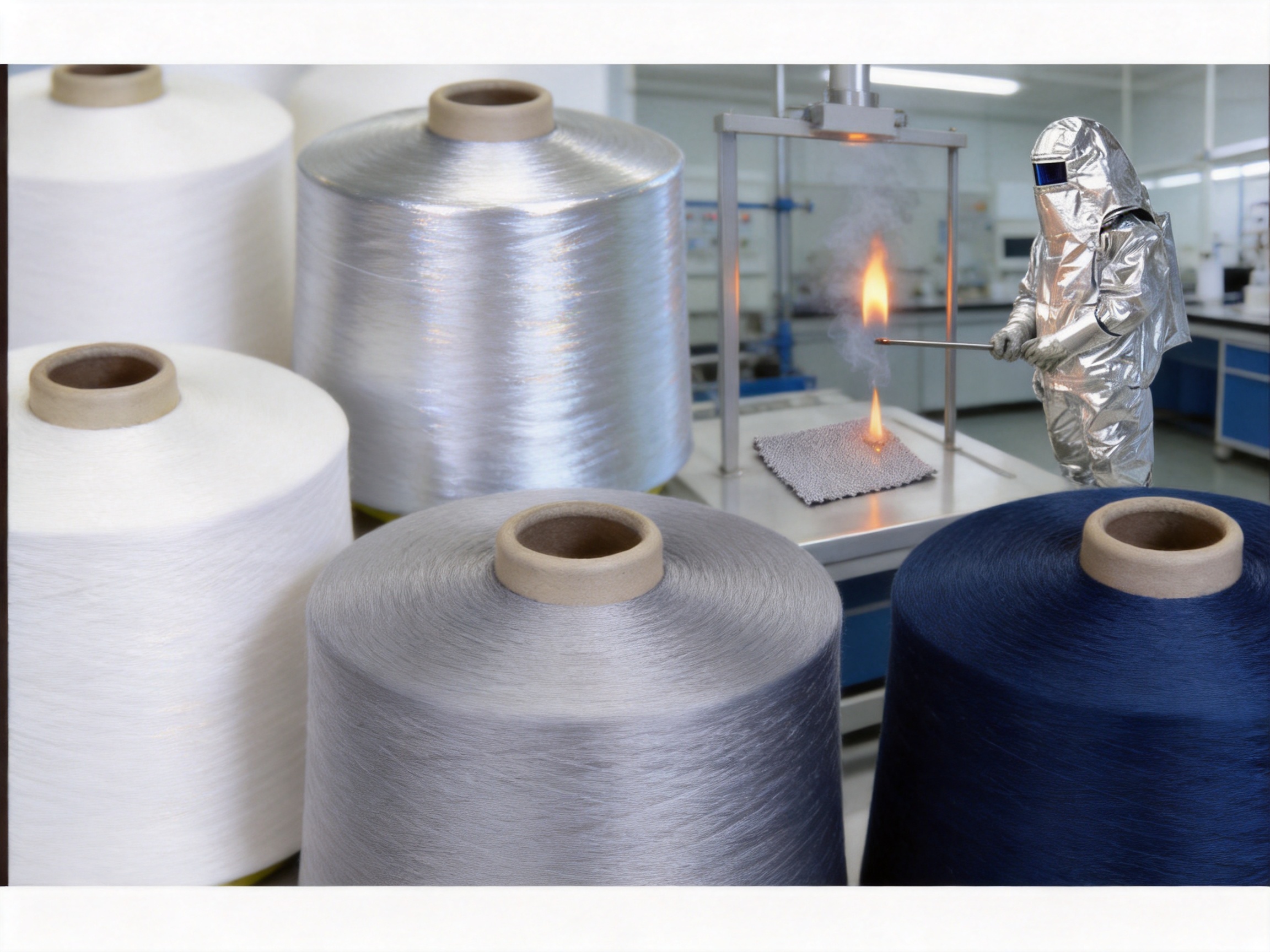
Safety textiles are judged not only by laboratory results but also by durability in daily service. A fabric may be washed, rubbed, folded, exposed to sunlight, installed in tight spaces, or used for long periods. Durable SD/FD/CD TBR Normal FDY Yarn is designed with this reality in mind. Its flame-retardant effect is described as permanent, meaning common wear factors such as washing and friction do not remove the functional protection in the same way they may remove a coating or finish.
This gives the yarn a strong advantage against competitors that rely primarily on after-finishing. Surface finishes can add cost, alter fabric hand feel, affect color, increase stiffness, and reduce breathability. They may also require careful control during finishing and can create inconsistent performance if applied unevenly. A yarn-level flame-retardant approach provides a more integrated solution and helps fabric manufacturers maintain consistent safety behavior from batch to batch.
The yarn’s low smoke release is also significant. In interior spaces, smoke can be one of the most dangerous factors during fire exposure. Materials that generate less smoke can support safer evacuation and reduce the burden on enclosed environments. This makes the yarn relevant for vehicle interiors, wall coverings, curtains, seating fabrics, and other decorative or functional textiles used indoors.
Melting resistance further strengthens the safety profile. Ordinary thermoplastic fibers may melt and drip under heat, creating secondary hazards. A yarn that resists melting behavior supports better textile integrity and reduces concerns for applications where heat exposure is possible. For clothing, military supplies, and interior textiles, this property can provide meaningful added value.
Thermal Insulation and Antistatic Benefits
The yarn is also designed to provide good thermal insulation. Thermal insulation in textile form does not simply mean blocking heat; it also relates to comfort, warmth retention, and protection from sudden temperature changes. In clothing production, this can contribute to wearable comfort. In interior materials, it can support a more pleasant tactile environment. In military or professional supplies, it can help create fabric systems that support thermal management.
Antistatic performance is another practical feature. Static electricity can cause discomfort, dust attraction, fabric clinging, and handling problems during production. In some environments, static buildup can also become a safety or quality concern. By helping suppress static accumulation, the yarn improves both manufacturing efficiency and end-user comfort. This is particularly useful in dry climates, indoor environments, vehicle cabins, and synthetic textile constructions where static is common.
When thermal insulation and antistatic behavior are combined with flame-retardant performance, the yarn becomes more than a single-function material. It becomes a platform for comprehensive protection. This multi-functional value is one of its strongest advantages over commodity yarns and many competing functional yarns that solve only one problem at a time.
Applications in Decoration Materials
Room decoration materials demand a combination of appearance, durability, safety, and processability. Curtains, wall coverings, upholstery fabrics, decorative panels, and public-space textiles must often meet expectations for color, texture, and long-term stability. However, these products may also be used in enclosed spaces where flame spread and smoke release are serious concerns. Durable SD/FD/CD TBR Normal FDY Yarn addresses this need by providing a functional yarn base for decorative textiles.
The availability of semi-dull, full-dull, cationic dyeable, and bright options allows fabric developers to achieve different visual effects. Semi-dull yarns can provide a soft, natural luster. Full-dull yarns can improve opacity and reduce shine, making them suitable for refined interior styles. Cationic dyeable options can support special dyeing and color effects. TBR or bright filament options can create stronger reflection and decorative brilliance.
For hotels, offices, theaters, transportation hubs, schools, and public buildings, decoration materials need to remain attractive while supporting safety expectations. A yarn that maintains flame-retardant performance after friction and washing is especially valuable because decorative fabrics are often cleaned or exposed to repeated contact. The product’s durability helps extend textile service life, supporting lower replacement frequency and better long-term value.
Applications in Automotive Interior Textiles
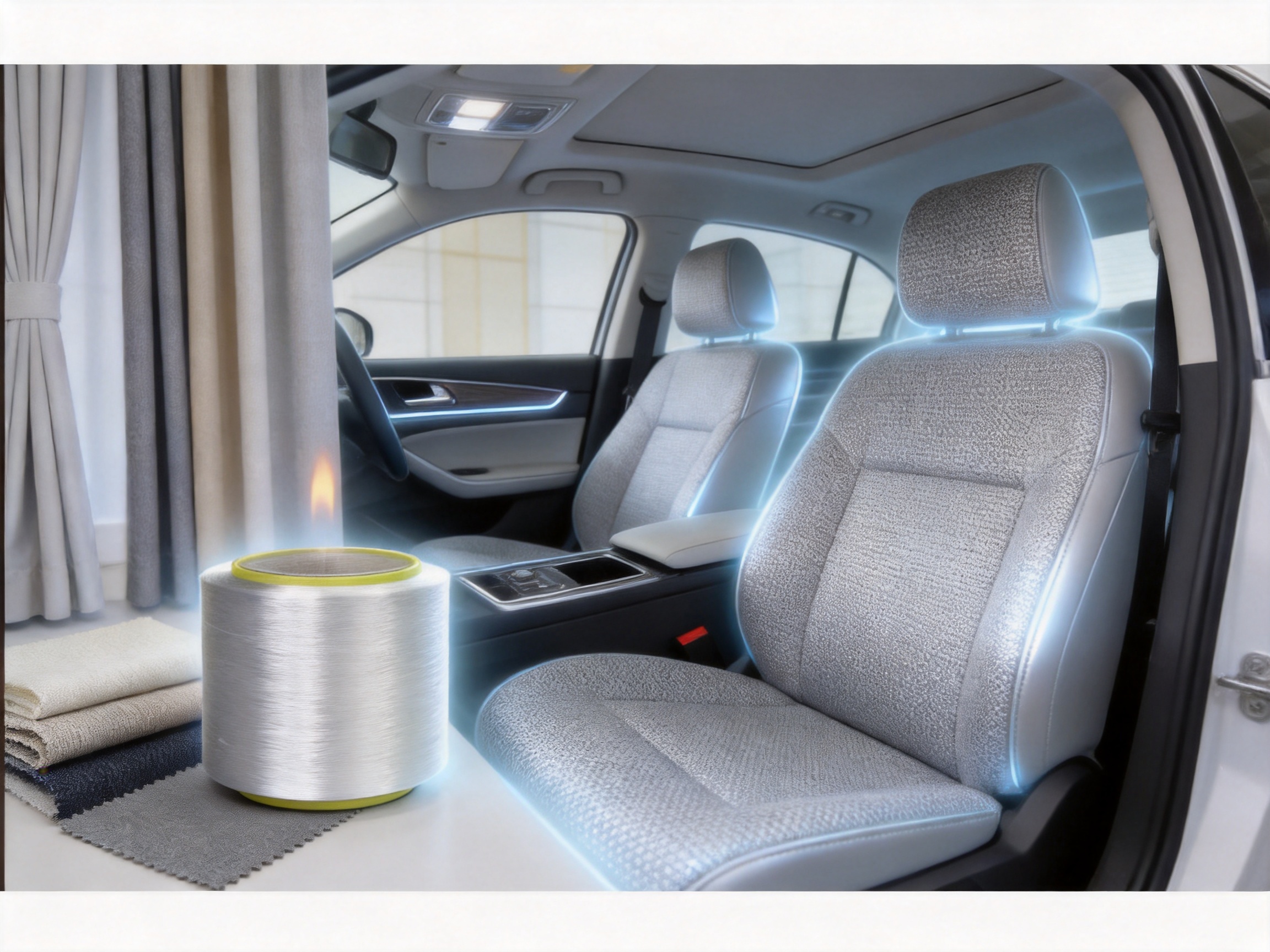
Vehicle interiors are one of the most important markets for functional flame-retardant yarns. Car seats, door panels, headliners, trunk liners, sunshades, carpets, and other interior textiles are used in enclosed spaces where safety, smoke behavior, wear resistance, and aesthetics must be balanced. Durable SD/FD/CD TBR Normal FDY Yarn is suitable for this type of application because it combines flame-retardant capability, low smoke release, melting resistance, antistatic performance, and stable FDY processing behavior.
Automotive textiles must endure friction, compression, temperature changes, cleaning, and ultraviolet exposure depending on the component. Although final performance depends on full fabric design and finishing, choosing a durable yarn foundation is essential. A yarn that maintains function after friction gives manufacturers a better starting point for long-life vehicle textile products.
Another benefit is design flexibility. Vehicle interiors increasingly use different textures, matte surfaces, patterned fabrics, and color combinations. The SD/FD/CD/TBR options help developers create a visual style that fits the vehicle brand or component function. For example, full-dull yarn can reduce glare in interior panels, while bright or trilobal effects can be used selectively for decorative contrast.
Applications in Clothing Production
Clothing production requires yarns that can be processed efficiently and worn comfortably. Flame-retardant clothing, workwear, public-service uniforms, protective garments, and specialty apparel must combine safety with textile comfort. Durable SD/FD/CD TBR Normal FDY Yarn can help fabric manufacturers develop garments that require flame-retardant stability, thermal insulation, and antistatic behavior.
The permanent flame-retardant effect is especially relevant for clothing because garments are repeatedly washed and rubbed during normal use. A flame-retardant function that remains stable after washing provides a clear advantage over products that depend only on surface treatments. This improves confidence for buyers, garment producers, and end users.
Thermal insulation can support warmth and comfort, while antistatic performance helps reduce clinging and discomfort. The FDY structure contributes to smooth processing and stable fabric formation. Depending on fabric design, the yarn can be used in woven or knitted materials, linings, outer layers, and blended constructions with other functional yarns.
Applications in Military and Professional Supplies
Military and professional supplies often require higher reliability than ordinary consumer textiles. Materials may be used in uniforms, liners, covers, bags, tent components, interior fabrics, and other functional systems. While exact specifications depend on the final product and applicable standards, a yarn with flame-retardant, antistatic, durable, and thermal-protection characteristics provides an important foundation.
Durable SD/FD/CD TBR Normal FDY Yarn is suitable for applications where textile failure can create serious consequences. Its resistance to flame spread and low smoke release support safety. Its durable flame-retardant effect supports repeated use. Its antistatic properties help improve usability in dry or synthetic-rich environments. Its thermal insulation adds comfort and protective value.
For professional textile manufacturers, the product also helps simplify material sourcing. Instead of relying on multiple separate treatments to achieve flame resistance, antistatic behavior, and durability, they can begin with a functional yarn that already addresses several major performance goals.
Manufacturing Strength Behind the Product
The performance of functional yarn depends on manufacturing control. Suzhou Junhui Textile Co., Ltd. and Suzhou Xiaoran New Material Co., Ltd. are committed to the development and sale of differential yarns, including recycled yarn, polyester drop-dyed yarn, microfine yarn, flame-retardant yarn, cationic dyeing yarn, and knitting fabric products. This broad product background gives the company strong experience in functional polymer and filament development.
The company was founded in June 2015 and has built its market position around differentiated yarn solutions. Its professional research and development team works on environmental protection, functional yarn, and fabric applications. The company cooperates with many internationally renowned enterprises in research, development, and application. This strengthens its ability to respond to changing market requirements and develop yarns for specialized textile sectors.
More than 90 percent of the company’s products are exported, and its customer base extends to 36 countries. This international presence means the company must understand different market expectations, fabric styles, quality requirements, and delivery standards. Export experience also improves communication with overseas customers, helping buyers obtain suitable product selections and technical guidance.
Manufacturing strength is not limited to production volume. For functional yarns, it includes raw material control, polymer modification, spinning stability, drawing accuracy, winding quality, package consistency, and testing discipline. A small variation in yarn properties can create large differences in fabric quality. The company’s focus on differential yarn helps ensure that functional performance is treated as a core production target rather than an afterthought.
Advanced Process Control and Quality Consistency
Functional FDY yarn production requires precise process control. The polymer must be prepared to support both filament formation and flame-retardant performance. The spinning process must create uniform filaments. Drawing conditions must give the yarn stable strength and elongation. Winding must produce packages that unwind smoothly during downstream processing. Each step influences final fabric quality.
Compared with many commodity competitors, a specialist in differentiated yarn can provide more focused technical control. Flame-retardant yarns must meet both textile performance expectations and safety-related requirements. If the flame-retardant component is unevenly distributed, performance may vary. If spinning conditions are unstable, filament breakage or uneven dyeing may occur. If winding is poor, fabric mills may face stoppages and waste.
Advanced manufacturing therefore gives this product a competitive advantage. Stable FDY production supports uniform denier, consistent filament count, reliable tenacity, controlled elongation, and smooth package formation. These characteristics improve downstream efficiency and reduce fabric defects. For buyers, this means fewer production risks and more predictable finished goods.
Quality consistency also supports repeat orders. Textile manufacturers must reproduce colors, textures, hand feel, and performance across multiple lots. A reliable yarn supplier helps reduce lot-to-lot variation. This is particularly important for automotive interiors, uniforms, hotel decoration, and other markets where replacement production must match existing fabric quality.
Broad Product System and Specification Flexibility
One major company strength is the breadth of its product list. The available yarn portfolio includes normal series, recycled series, CD series, high-elastic series, functional series, cotton-like yarn, hollow warm yarn, and air-covered yarn options. Specifications cover many denier and filament combinations, such as 30/24, 50/48, 75/36, 75/72, 100/72, 150/48, 150/144, 300/96, and other variations. This broad specification base makes it easier for customers to match yarn selection with fabric design.
For Durable SD/FD/CD TBR Normal FDY Yarn, such flexibility matters because safety applications are not all the same. Lightweight apparel may require finer denier and softer hand feel. Upholstery may require greater body and abrasion resistance. Decorative fabrics may need particular luster or dyeing behavior. Military supplies may require strength, stability, and functional consistency. A supplier with a wide product platform can help customers select the best construction rather than forcing a compromise.
The company also states that it can accept orders for many kinds of differentiation yarn. This is important for product developers who need custom or semi-custom yarn solutions. A customer may need flame retardancy with cationic dyeing, recycled content with functional finishing compatibility, high elasticity with soft hand feel, or a particular filament count for a proprietary fabric. The ability to discuss and adapt yarn selection is a strong advantage in competitive textile markets.
Competitive Advantages in the Market
Durable SD/FD/CD TBR Normal FDY Yarn competes against ordinary polyester FDY, topical flame-retardant finished yarns or fabrics, and other functional yarns with narrower performance. Its strongest competitive advantage is the combination of safety and durability. Flame-retardant effect that remains stable after washing and friction provides long-term value. Low smoke release and melting resistance further strengthen its safety profile. Thermal insulation and antistatic behavior add comfort and practical usability.
Another advantage is design freedom. Some safety materials have limited aesthetic range, making them difficult to use in decorative or consumer-facing products. This yarn platform allows different visual directions through semi-dull, full-dull, cationic dyeable, and bright options. As a result, manufacturers can create fabrics that are not only safer but also attractive and marketable.
Processing reliability is also a key advantage. If a functional yarn causes frequent machine stops, uneven dyeing, high breakage, or poor fabric appearance, its functional benefits may not justify the production cost. The FDY structure and controlled manufacturing approach help support stable downstream use. This is important for large-volume customers who need both performance and production efficiency.
The company’s export experience adds another layer of competitiveness. Serving customers in many countries requires responsiveness, documentation awareness, quality communication, and flexible logistics coordination. Buyers seeking a long-term supply partner benefit from a company that understands international textile business and offers professional guidance within a global service framework.
Design Possibilities with SD, FD, CD, and TBR Options
SD, or semi-dull, yarns are widely used when a moderate, soft luster is desired. Semi-dull fabrics can appear refined and balanced, making them suitable for apparel, lining, curtain, and interior fabrics. In safety-focused decoration textiles, semi-dull yarn can help create a comfortable visual effect without excessive shine.
FD, or full-dull, yarns offer a more matte appearance and improved opacity. Full-dull options are useful for uniforms, workwear, vehicle interiors, and decorative fabrics where glare reduction is valuable. In automotive interiors, for example, lower reflectivity can improve visual comfort. In clothing, a matte surface can create a more professional appearance.
CD, or cationic dyeable, yarns support special dyeing behavior. Cationic dyeability can be used for two-tone effects, heather effects, contrast dyeing, and improved design complexity. This is valuable for decorative materials and apparel fabrics that require distinctive appearance while still needing functional performance.
TBR, commonly associated with trilobal bright effects, can create higher brilliance and stronger light reflection. Such yarns are useful when decorative shine or visual depth is desired. In interior textiles, bright effects can be used carefully to create premium styles. When combined with flame-retardant functionality, TBR yarn gives designers a way to create safer fabrics without losing decorative expression.
Sustainability and Responsible Textile Development
The textile industry is moving toward safer, more durable, and more responsible materials. While flame-retardant function is mainly a safety feature, durability also has sustainability value. A textile that maintains performance through washing and friction may last longer and require replacement less often. Longer product life can reduce waste and improve total value for customers.
The company’s broader product portfolio includes recycled yarn and environmental-protection-related yarn development. This indicates a manufacturing direction aligned with modern market expectations. Customers increasingly seek suppliers who understand both performance and sustainability. The ability to develop recycled, functional, cationic dyeable, and specialty yarns allows the company to participate in responsible textile innovation.
For buyers, sustainability is not only about raw material origin. It is also about product reliability, reduced failure, fewer rejected batches, efficient processing, and long service life. A stable functional FDY yarn contributes to these goals by reducing downstream waste and improving finished product durability.
How the Yarn Supports Fabric Manufacturers
Fabric manufacturers must balance cost, performance, appearance, and production efficiency. Durable SD/FD/CD TBR Normal FDY Yarn supports this balance by providing built-in functional properties while maintaining FDY processing advantages. It can help reduce reliance on heavy finishing, simplify product design, and improve final fabric reliability.
In weaving, stable FDY yarn can support uniform fabric density and fewer yarn-related defects. In knitting, consistent tension and filament quality can help improve loop formation and fabric surface. In finishing, functional stability can help preserve target performance after washing, heat setting, dyeing, or mechanical treatment, depending on the chosen process. While each fabric must be tested according to final requirements, a reliable yarn base improves the chance of successful development.
The yarn is also useful for product differentiation. In highly competitive textile markets, many suppliers offer similar commodity polyester fabrics. By using a flame-retardant, antistatic, thermally protective FDY yarn, fabric manufacturers can develop higher-value products for specialized markets. This can improve margins and open doors to customers in interiors, automotive, protective apparel, and institutional textiles.
Recommended Selection Considerations
When selecting this yarn, manufacturers should consider the final application, fabric weight, construction, required appearance, dyeing method, and performance standards. For decorative interior materials, visual style and flame behavior may be the leading concerns. For clothing, comfort, washing durability, and hand feel may be more important. For military or professional supplies, strength, repeatability, and safety properties may take priority.
Denier and filament count should be selected according to fabric target. Finer yarns generally support lighter, softer fabrics. Higher denier yarns can provide more body, coverage, and strength. Filament count influences hand feel, surface smoothness, and bulk. Semi-dull, full-dull, cationic dyeable, and TBR options should be chosen according to color, luster, opacity, and design effect.
Customers should also confirm testing requirements early in development. Flame-retardant, smoke, melting, antistatic, and durability performance can be affected by fabric construction, finishing, coating, lamination, and laundering conditions. Collaborative testing between yarn supplier, fabric mill, finisher, and end user helps ensure that the final textile meets its target application.
Service Strength and Global Customer Support
A functional yarn product is most valuable when supported by knowledgeable service. Suzhou Junhui Textile Co., Ltd. emphasizes customer success and professional support in product selection and problem solving. The company states that its experts are ready to assist customers globally within 12 hours. This responsiveness is valuable for textile mills facing urgent production decisions, sample deadlines, or technical challenges.
International buyers often need more than a price quotation. They may require specification recommendations, sample planning, product comparison, dyeing suggestions, package information, application guidance, and repeat-order coordination. A supplier with R&D resources and export experience can provide more useful support than a purely trading-oriented source.
The company’s experience with customers in 36 countries also supports better communication across different textile markets. Requirements in automotive interiors, apparel, home textiles, and professional supplies vary widely. A broad export background helps the supplier understand these differences and provide more practical suggestions.
Q&A Section
What is Durable SD/FD/CD TBR Normal FDY Yarn?
It is a high-performance fully drawn polyester filament yarn designed for functional textiles. It combines flame-retardant behavior, low smoke release, melting resistance, durability, thermal insulation, and antistatic properties. It is suitable for applications such as interior decoration materials, car interior fabrics, clothing production, and military supplies.
Why is this yarn better than ordinary polyester FDY?
Ordinary polyester FDY mainly offers strength and processability, but it may not provide sufficient flame safety, smoke reduction, or melting resistance. This yarn is designed with safety-focused functions, including permanent flame-retardant effect, low smoke release, and better durability under washing and friction. It therefore offers higher value for technical and safety-related textile applications.
What does permanent flame-retardant effect mean?
Permanent flame-retardant effect means that washing and friction do not easily remove or weaken the flame-retardant function. This is different from some surface-treated materials where the flame-retardant finish may gradually decrease after laundering or abrasion.
Can this yarn be used for automotive interiors?
Yes. The yarn is suitable for car interior decoration materials because it offers flame-retardant capability, low smoke release, melting resistance, antistatic behavior, and design flexibility. These properties are useful for enclosed interior environments where safety and durability are important.
Is the yarn suitable for clothing?
Yes. It can be used in clothing production, especially for garments that require flame-retardant stability, thermal insulation, antistatic comfort, and durability. Final garment performance depends on the complete fabric structure and finishing process.
What are the benefits of SD, FD, CD, and TBR options?
SD provides a semi-dull appearance with soft luster. FD provides a full-dull matte appearance and better opacity. CD supports cationic dyeing effects and design variety. TBR can create a brighter, more reflective decorative effect. These options help fabric developers match safety performance with desired appearance.
Does the yarn require special finishing?
The yarn already provides important functional properties, which can reduce dependence on heavy topical finishing. However, final fabric finishing should be selected according to end-use requirements. Testing is recommended after weaving, knitting, dyeing, finishing, coating, or lamination.
What industries can benefit most from this yarn?
Industries that benefit most include home and public interior decoration, automotive textiles, protective clothing, professional workwear, military-related supplies, institutional textiles, and functional fabric manufacturing.
Why is the manufacturer’s R&D strength important?
Functional yarn requires precise material development and process control. A professional R&D team helps improve flame-retardant performance, yarn stability, dyeing compatibility, and application suitability. It also helps customers solve technical challenges during product development.
Can customized yarn specifications be discussed?
Yes. The company’s product system includes many differentiated yarn categories and specifications, and it can accept orders for various differentiated yarns. Customers can discuss denier, filament count, appearance, dyeing behavior, and functional requirements according to their application.
Conclusion
Durable SD/FD/CD TBR Normal FDY Yarn is a practical and high-value solution for textile manufacturers seeking safer, more durable, and more versatile filament yarn. Its key strengths include flame-retardant performance, low smoke release, melting resistance, permanent functional durability, thermal insulation, antistatic behavior, and stable FDY processing. These characteristics make it suitable for room and vehicle interiors, decoration materials, clothing production, military supplies, and other functional textile applications.
Compared with ordinary polyester yarn and many surface-treated alternatives, this yarn offers stronger long-term reliability because its flame-retardant effect is not easily reduced by washing or friction. Its multi-functional performance helps manufacturers develop fabrics that meet modern expectations for safety, comfort, appearance, and durability. The availability of SD, FD, CD, and TBR options further expands design possibilities, allowing technical textiles to maintain attractive visual and tactile qualities.
Behind the product is a company with experience in differentiated yarn development, professional R&D capability, broad product coverage, international export experience, and customer-oriented technical support. For textile manufacturers seeking a dependable partner in functional yarn innovation, this product provides a strong foundation for safer and higher-value fabrics.
References
Textile Institute. Textile Terms and Definitions.
Horrocks, A. R., and Price, D. Fire Retardant Materials.
Lewin, M. Handbook of Fiber Chemistry.
Shishoo, R. Textiles in Automotive Engineering.
Alongi, J., Carosio, F., and Malucelli, G. Current Emerging Techniques to Impart Flame Retardancy to Fabrics.
Fourne, F. Synthetic Fibers: Machines and Equipment, Manufacture, Properties.
Textile Research Journal. Studies on Flame-Retardant Polyester Fibers and Functional Textile Performance.
Product: Durable SD/FD/CD TBR Normal FDY Yarn

Popular products
-
Premium Cationic Interlock Stretch Comfort Fabric
-
Moisture-Wicking Nylon Woven Fabric
-
Double-faced jacquard elastic fabric
-
Heather Grey Double-faced cationic jersey fabric
-
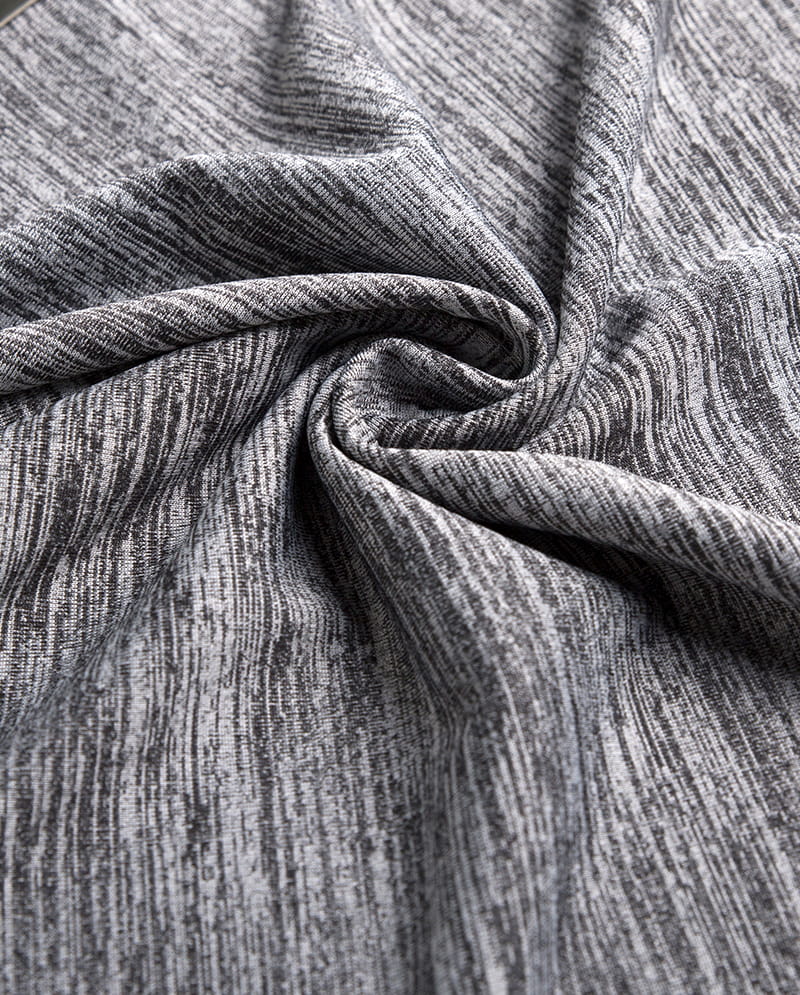
Anti-static Cationic Knitted Rib Fabric
-
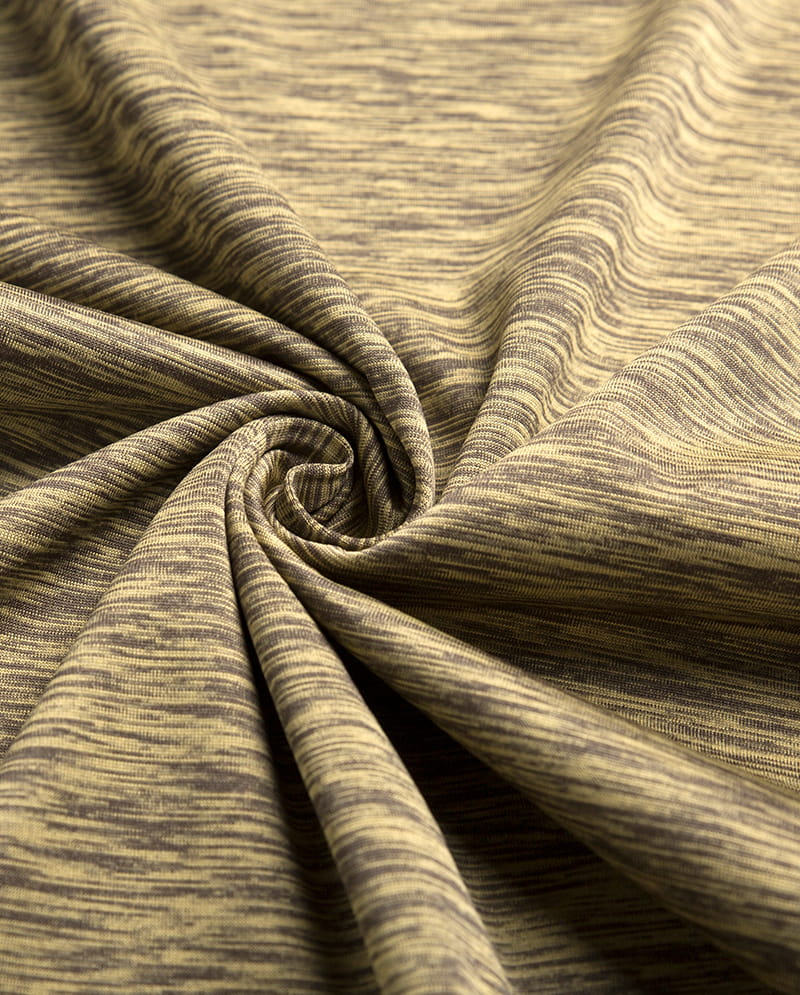
High-Stretch Cationic Jersey Fabric
-
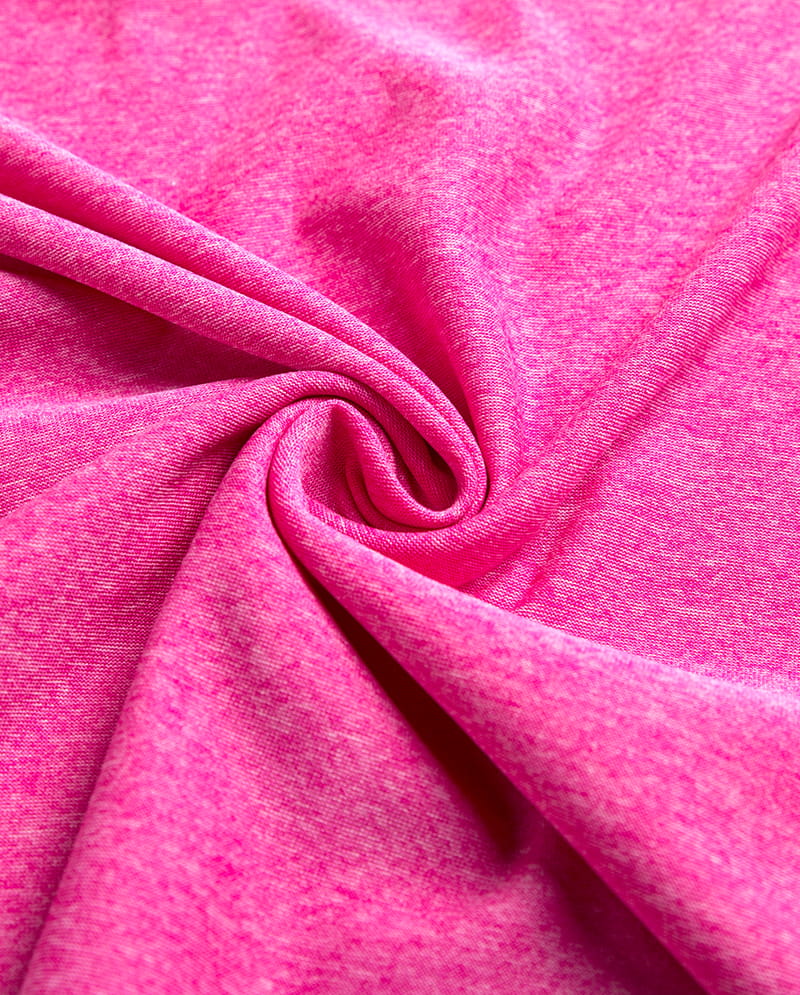
High Quality Cationic DTY Spandex Two Sides Brush Dralon Knit Fabric for Garment Thermal Underwear
-
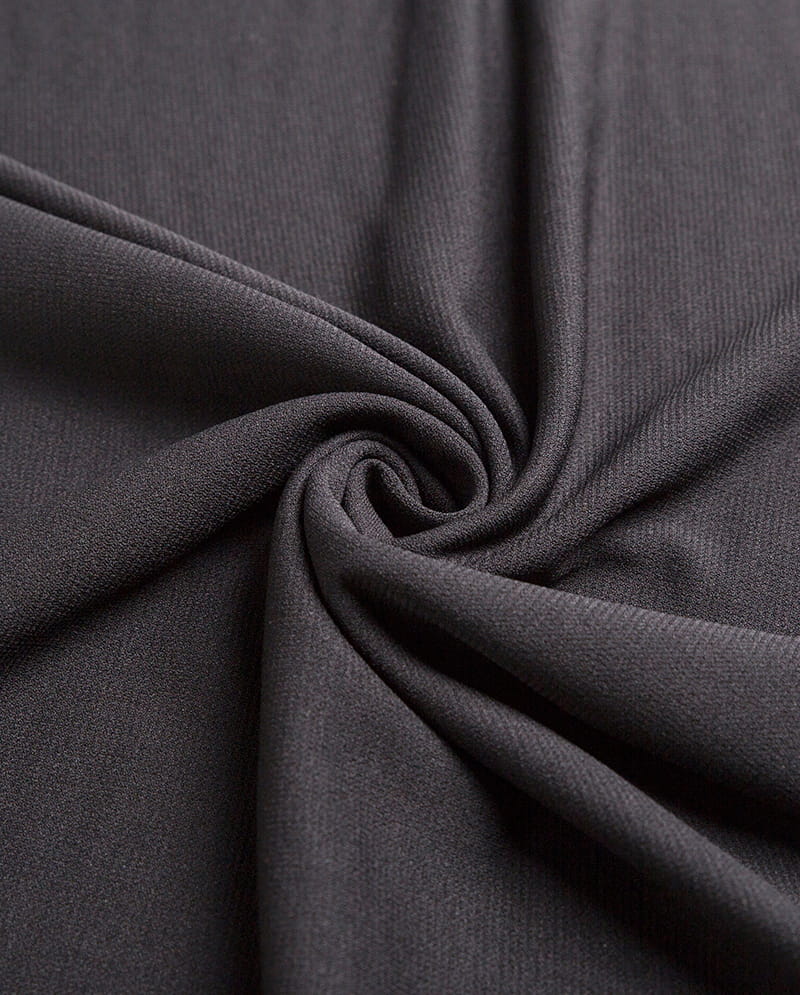
Durable Anti-Pilling Knitted Fabric for Home Textiles
-
Wash-Resistant Cationic Elastic Knitted Fabric for Garment Industry
-
Breathable Double-Faced Elastic Composite Fabric
-
-
-
- whatsapp:
- 0086-13962559622
-
- skype:
- skype.aliceshenghong
-
- Wechat:

COPYRIGHT © 2016 Suzhou Junhui Textile Co., Ltd.
