

 EN
 English
 中文简体
Durable Anti-Pilling Knitted Fabric for Long-Lasting Home Textiles
Content
- 1 Why Anti-Pilling Performance Matters in Home Textiles
- 2 Product Overview
- 3 Construction Designed for Daily Household Use
- 4 Anti-Pilling Technology and Surface Stability
- 5 Advantages Compared with Conventional Home Textile Fabrics
- 6 Suitable Applications
- 7 Yarn Portfolio Supporting Fabric Development
- 8 Advanced Manufacturing Approach
- 9 Environmental and Functional Development
- 10 Benefits for Textile Manufacturers and Buyers
- 11 Comparison with Alternative Material Strategies
- 12 Recommended Product Development Process
- 13 Care and Maintenance Recommendations
- 14 Quality Considerations for Bulk Purchasing
- 15 Supplier Strengths and International Service
- 16 How the Product Creates Competitive Value
- 17 Q&A
- 17.1 What is the main purpose of this knitted fabric?
- 17.2 How does the fabric help reduce pilling?
- 17.3 Is the fabric suitable for machine washing?
- 17.4 What products can be made from this fabric?
- 17.5 Can the fabric be made with recycled yarn?
- 17.6 Are custom yarn specifications available?
- 17.7 What functional yarn options are available?
- 17.8 How should buyers evaluate anti-pilling performance?
- 17.9 What makes this product different from a standard knitted fabric?
- 17.10 Can the fabric be developed for different price levels?
- 18 Conclusion
- 19 References
- 20 Product: Durable Anti-Pilling Knitted Fabric for Home Textiles
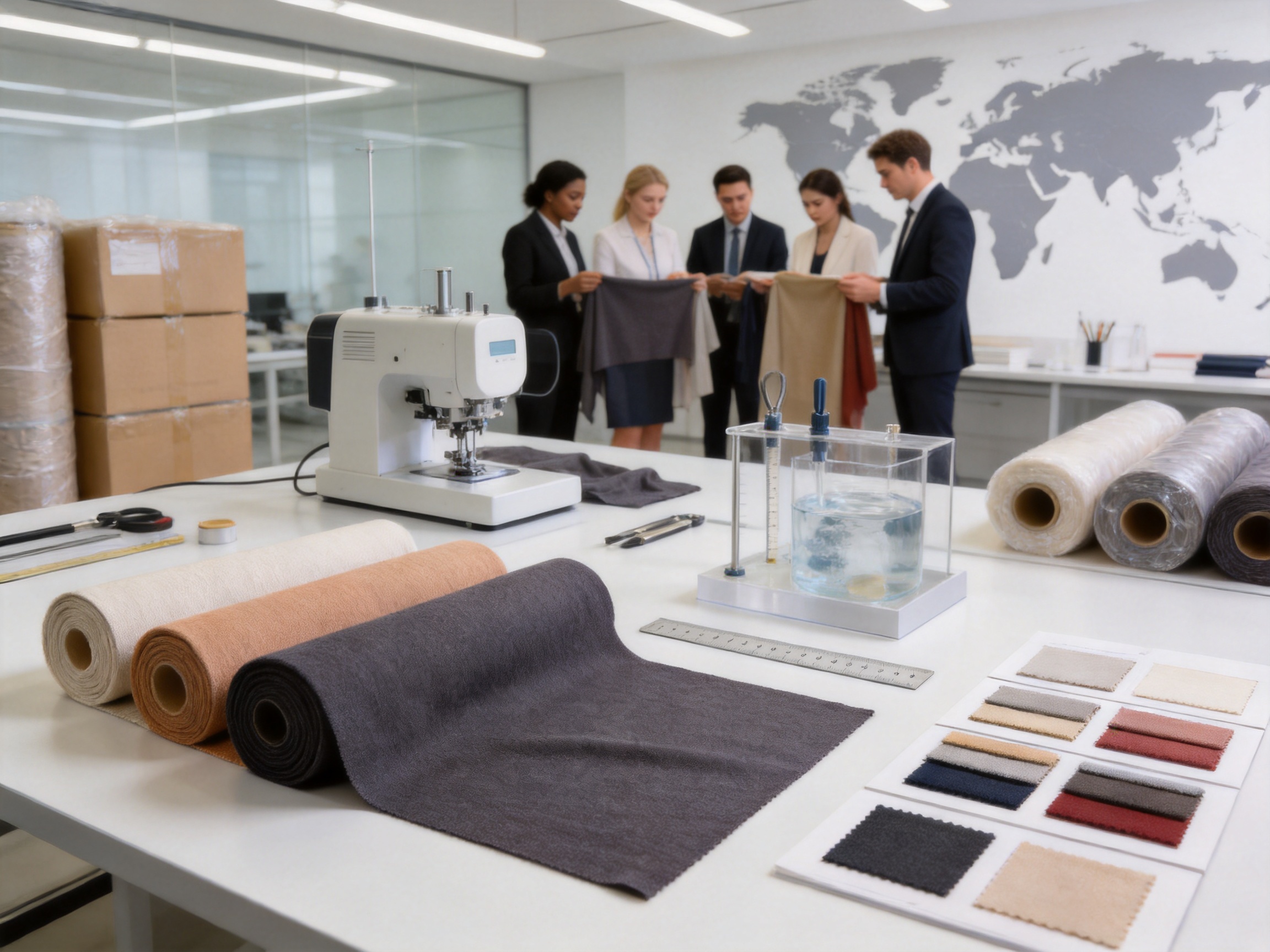
Home textiles are expected to provide comfort, attractive appearance, and dependable service through repeated daily use. Bedding, sofa covers, cushion cases, blankets, decorative throws, and other household products are exposed to constant friction, washing, body contact, and changes in temperature and humidity. Over time, unsuitable fabrics may develop pills, lose their shape, feel rough, or become difficult to maintain. Durable anti-pilling knitted fabric offers a practical solution by combining a comfortable hand feel with improved resistance to surface wear.
This knitted fabric is developed for manufacturers and buyers who need a dependable material for long-lasting home textile products. Its structure is designed to provide softness, breathability, flexibility, and easy care while reducing the formation of pills caused by loose fibers and repeated abrasion. The fabric is supported by a broad selection of polyester and differentiated yarns, allowing buyers to select suitable constructions for different applications, performance requirements, and price levels.
Produced by Suzhou Junhui Textile Co., Ltd. and Suzhou Xiaoran New Materials Co., Ltd., the product benefits from experience in differentiated yarn development, recycled yarn, polyester yarn, functional yarn, and knitting fabric. The companies serve customers in international markets and maintain an R&D-oriented approach to environmental protection, functional materials, and textile applications.
Why Anti-Pilling Performance Matters in Home Textiles
Pilling occurs when short fibers or loose filaments migrate to the surface of a fabric and become entangled through friction. These entangled fibers form small balls, commonly called pills. Although pilling does not always indicate immediate structural failure, it can make a product look old, uneven, and poorly maintained. In home textiles, where products are frequently touched, sat on, washed, and moved, pilling can become a significant concern.
Anti-pilling performance is especially important for sofa covers and cushion cases because these products experience concentrated rubbing in the same areas. Bedding is also exposed to regular friction from body movement, laundering, and contact with other fabrics. Throws and decorative household fabrics may be handled often and displayed in visible locations, making surface appearance a major part of perceived quality.
A fabric with improved resistance to pilling can help household products retain a smoother and cleaner appearance for a longer period. It may also reduce replacement frequency, support better customer satisfaction, and help manufacturers position finished products as durable and economical. For retailers and product developers, consistent surface performance can be an important advantage when comparing fabrics from different suppliers.
Product Overview
The Durable Anti-Pilling Knitted Fabric for Home Textiles is made for applications that require a balance between comfort and service life. The fabric uses a precision-knitted structure with closely formed loops. This construction supports a stable surface and provides the elasticity commonly associated with knitted materials.
Its anti-pilling property is supported by the selection of high-quality fiber raw materials and a specialized post-finishing process. The objective is to reduce the amount of fiber shedding and surface entanglement that typically leads to pilling. The result is a textile material intended to maintain a smoother appearance after repeated washing and friction.
The fabric is soft enough for products that come into direct or frequent contact with the skin, yet durable enough for practical household use. It is also breathable, allowing air circulation through the fabric structure. This characteristic can help reduce a stuffy feeling in bedding and other products used for extended periods.
Easy-care performance is another important feature. The fabric is designed to be compatible with regular machine washing when appropriate care instructions are followed. Its knitted construction and finishing are intended to help the material retain its usability without excessive deformation during normal household maintenance.
Performance area |
Product benefit |
Typical home textile applications |
Anti-pilling surface |
Helps maintain a smoother appearance after friction and washing |
Bedding, sofa covers, cushion cases, throws |
Knitted construction |
Provides flexibility, softness, and comfortable drape |
Stretchable covers, household furnishings, comfort products |
Breathable structure |
Supports air circulation and comfortable use |
Bed products, blankets, cushion covers |
Easy-care design |
Suitable for regular maintenance when care instructions are followed |
Washable household products |
Yarn customization |
Allows selection of different yarn types and functional properties |
Customized textile collections and finished products |
Construction Designed for Daily Household Use
The performance of a knitted fabric begins with its construction. In a knitted structure, yarns are formed into interconnected loops rather than being arranged as separate perpendicular warp and weft systems. This loop formation gives knitted fabrics flexibility, softness, and the ability to follow curved or irregular surfaces.
For home textiles, these qualities are useful because sofa cushions, mattress surfaces, pillows, and decorative furnishings often require a fabric that can accommodate movement and dimensional changes. A rigid material may resist shaping or create uncomfortable tension at corners and seams. A well-designed knitted fabric can provide a more forgiving fit while maintaining a comfortable appearance.
The fabric described here uses tight loop formation to support surface stability. A compact and controlled knitted structure can reduce the movement of loose fibers toward the surface. It also supports a more uniform appearance during cutting, sewing, and finishing. The final performance depends on the selected yarn, knitting parameters, finishing conditions, and intended end use, so product specifications should be confirmed for each application.
Knitted construction also contributes to a soft hand. This is important for bedding and cushion products, where the material may remain in contact with the user for hours. A fabric that combines a smooth surface with moderate flexibility can improve the perceived quality of a finished home textile without requiring an excessively heavy construction.
Anti-Pilling Technology and Surface Stability
The anti-pilling performance of this product is based on both material selection and post-finishing. The first step is to use appropriate fiber and yarn characteristics. Yarn uniformity, filament arrangement, surface hairiness, and strength can all influence the way a fabric responds to friction. When the yarn structure is carefully controlled, fewer loose elements are available to form visible pills.
The second step is the knitted fabric process. Knitting parameters influence loop density, fabric compactness, surface regularity, stretch, and recovery. A controlled knitting process helps maintain consistency across the width and length of the fabric. Uniformity is important because areas with uneven tension or excessive looseness may wear differently during use.
The third step is post-finishing. Finishing can be used to improve the handle, stabilize the material, and reduce the tendency of fibers to migrate. The product information identifies a specialized post-finishing process intended to support a smooth surface after repeated washing and friction. Exact finishing conditions can be adjusted according to the fiber type, fabric weight, color, and customer requirements.
Anti-pilling should not be understood as complete immunity to every form of surface change. All textile materials may show some wear under severe abrasion, improper washing, or contact with rough surfaces. However, a fabric engineered for anti-pilling performance can offer a stronger defense against common household conditions than a standard fabric without such treatment.
For manufacturers, this means that anti-pilling performance can be integrated into a broader quality strategy. Yarn selection, knitting control, finishing, inspection, and care labeling should work together. A supplier that can support several of these stages is better positioned to help customers develop a reliable finished product.
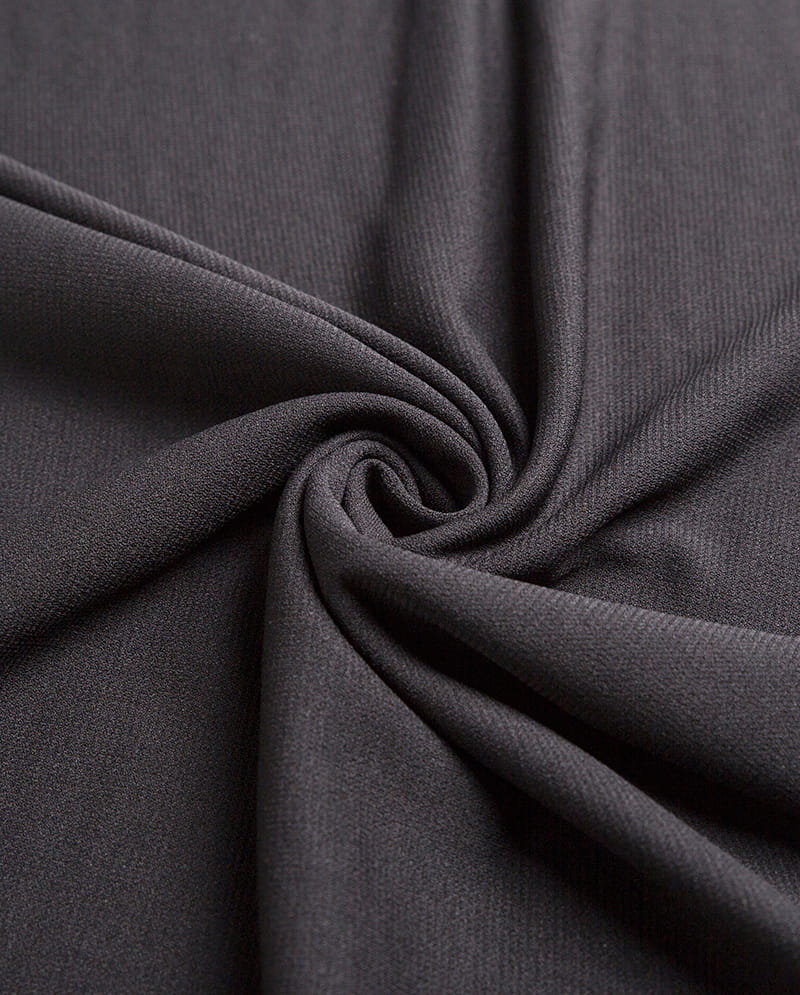
Durable Anti-Pilling Knitted Fabric for Home Textiles
Advantages Compared with Conventional Home Textile Fabrics
The main advantage of this knitted fabric is its balanced performance. Some fabrics may provide softness but wear quickly. Others may offer durability but feel stiff or uncomfortable. This product is designed to combine a pleasant hand feel with resistance to surface deterioration.
Compared with a basic knitted fabric made without anti-pilling consideration, the product is intended to maintain a cleaner surface after repeated friction. This can be valuable for sofa covers, cushion cases, and bedding that are used continuously rather than occasionally. A smoother appearance can help finished products retain their visual appeal over a longer selling and service period.
Compared with rigid woven materials, the knitted structure offers greater flexibility and comfort. It can adapt more easily to rounded cushion shapes, mattress edges, and soft furnishings. This may simplify product development for designs that require stretch or a relaxed drape.
Compared with fabrics that require complicated maintenance, the easy-care design supports regular household use. Customers generally prefer materials that can be cleaned without specialized procedures. When a product is suitable for machine washing under recommended conditions, it can provide a more convenient ownership experience.
Compared with narrowly focused fabrics, this product offers a broad platform for customization. The associated yarn portfolio includes recycled yarn, standard polyester yarn, cationic dyeing yarn, high-elastic yarn, PBT/PET yarn, functional yarn, hollow warm yarn, cotton-like yarn, and other differentiated options. This allows a buyer to develop several product levels from one supply relationship.
Suitable Applications
Bedding and Bed Covers
Bedding requires a comfortable surface, good dimensional behavior, and reliable resistance to repeated washing. The soft hand and breathable knitted construction make this fabric suitable for bedding components, bed covers, fitted products, and other sleeping-area textiles. The anti-pilling property helps the surface remain attractive when the material is exposed to nightly movement and laundering.
For bedding manufacturers, the choice of yarn can be adjusted according to the desired weight, touch, color effect, and functional performance. Recycled polyester options may support collections with environmental positioning, while cotton-like or hollow warm yarns may be considered where a particular touch or thermal effect is required.
Sofa Covers and Upholstery Accessories
Sofa covers and cushion cases are exposed to high levels of localized friction. People sit, lean, move, and place objects on these surfaces every day. A fabric that resists pilling can help reduce the worn appearance that often develops on frequently used seating products.
The flexibility of knitted fabric is useful for fitted sofa covers and removable cushion cases. It can follow contours more easily than many rigid fabrics and may help create a smooth fit when the pattern and dimensions are correctly designed. The selected construction should be matched with the required stretch, recovery, seam performance, and upholstery design.
Cushion Cases
Cushion cases combine decorative value with practical use. They are often handled, repositioned, washed, and exposed to friction from furniture surfaces. An anti-pilling knitted fabric can help maintain a neat appearance while providing a soft and comfortable touch.
For decorative collections, buyers may combine different yarn effects, colors, and surface finishes. The manufacturer’s ability to supply differentiated yarns can support coordinated cushion, throw, and sofa textile programs.
Throws and Decorative Household Products
Throws are commonly used in living rooms and bedrooms, where appearance is important. They may be folded, unfolded, washed, and rubbed against other materials. The knitted structure can create a comfortable drape, while the anti-pilling design supports a more attractive surface during regular use.
The fabric may also be considered for household accessories, depending on the required weight and construction. Final suitability should be evaluated through sampling and testing because product requirements vary between lightweight decorative items and heavier functional covers.
Yarn Portfolio Supporting Fabric Development
A major strength of the supply platform is the range of yarn categories available for fabric development. The product list includes recycled and normal polyester yarn series, cationic series, high-elastic series, functional series, cotton-like yarn, hollow warm yarn, and Acy yarn combinations. This broad selection allows buyers to compare materials according to appearance, performance, sustainability objectives, and budget.
Recycled yarn series include recycled SD DTY, recycled SD FDY, recycled FD DTY, recycled SD plus CD DTY, recycled DDB DTY, and recycled CD DTY. The available counts cover multiple deniers and filament configurations, including options such as 15/6, 20/12-24, 30/12-24-36, 50/36-48-72, 75/36-72-144, 100/36-48-96-144, 150/48-96-144-288, and 300/96-192-288-576. Exact availability and specifications should be confirmed for each order.
The normal series includes SD DTY, FD DTY, and SD DDB yarns in a range of denier and filament combinations. These options can be used for standard fabric development where buyers require stable polyester performance and a broad choice of yarn fineness.
The CD series includes CD DTY, SD plus CD DTY, and selected white and black yarn products. Cationic-dyeable yarn can support color contrast, special dyeing effects, and differentiated visual results. This can be useful for home textile collections that require more than a basic solid-color appearance.
The high-elastic series includes high-elastic yarn, PBT/PET yarn, and PBT/PET DDB yarn. These materials may be considered for products that require additional flexibility or recovery. The final stretch performance depends on the yarn combination, knitting construction, finishing, and fabric design.
The functional series includes fire-retardant, anti-bacterial, and moisture-wicking yarn options. These yarns can support specialized home textile programs where additional functional requirements are important. Any performance claim for a finished fabric should be confirmed through appropriate testing because yarn-level properties may change after knitting, dyeing, and finishing.
Cotton-like yarn, hollow warm yarn, and Acy yarn provide additional development possibilities. Cotton-like yarn can be used when a soft natural-fiber-style touch is desired. Hollow warm yarn may be considered for products where lightness and warmth are priorities. Acy combinations can create differentiated effects through the use of different yarn components.
The supplier also states that it can accept orders for many types of differentiated yarn. This flexibility is valuable for buyers who need a custom construction rather than a standard catalog product.
Advanced Manufacturing Approach
The manufacturing strength behind the fabric is based on coordinated development rather than a single processing step. The companies’ product range covers raw-material selection, differentiated yarn development, knitting fabric, and functional textile applications. This creates an integrated basis for discussing product requirements from the yarn stage through the finished fabric stage.
Material Selection
Material selection begins with the intended use. A bedding fabric may prioritize softness, breathability, and wash performance. A sofa cover may require stronger abrasion resistance, stretch, and dimensional stability. A decorative throw may emphasize drape, color, warmth, or visual texture. By offering multiple yarn families, the manufacturer can help align the material with the application.
Recycled polyester can be selected when a product development program includes recycled-content objectives. Standard polyester may be appropriate where consistent performance and cost efficiency are the primary considerations. Functional yarns may be evaluated when the finished product requires additional properties. This choice-based approach is more adaptable than relying on one fixed yarn for every application.
Precision Knitting
Precision knitting is central to the performance of the fabric. Controlled loop formation helps establish a consistent surface, predictable stretch, and suitable drape. It also supports the tight structure described for anti-pilling performance.
During development, knitting parameters can be matched with yarn fineness, filament configuration, fabric weight, and end-use requirements. Control of tension and loop formation is important because uneven construction can affect appearance, shrinkage, recovery, and surface wear. A disciplined knitting process helps provide a more stable foundation for finishing and inspection.
Post-Finishing
Post-finishing is used to refine the fabric after knitting. The stated process is designed to support a smooth surface and improve resistance to pilling caused by repeated washing and friction. Finishing may also influence softness, hand feel, appearance, and dimensional behavior.
Because different fibers and constructions respond differently, finishing conditions should be selected according to the specific product. Recycled yarn, cationic yarn, high-elastic yarn, and functional yarn may each require appropriate process consideration. The purpose is to preserve the desired yarn characteristics while producing a fabric that is practical for home textile manufacturing.
Quality and Application Support
Quality control should evaluate more than appearance alone. For this type of fabric, relevant considerations may include pilling resistance, dimensional change, color fastness, abrasion performance, stretch and recovery, fabric weight, width, surface uniformity, and washing behavior. Testing requirements should be agreed upon between the buyer and supplier before mass production.
The companies describe a professional R&D team that works with internationally recognized enterprises on environmental protection, functional yarn, and fabric research, development, and application. This collaborative orientation can help translate customer requirements into practical material solutions.
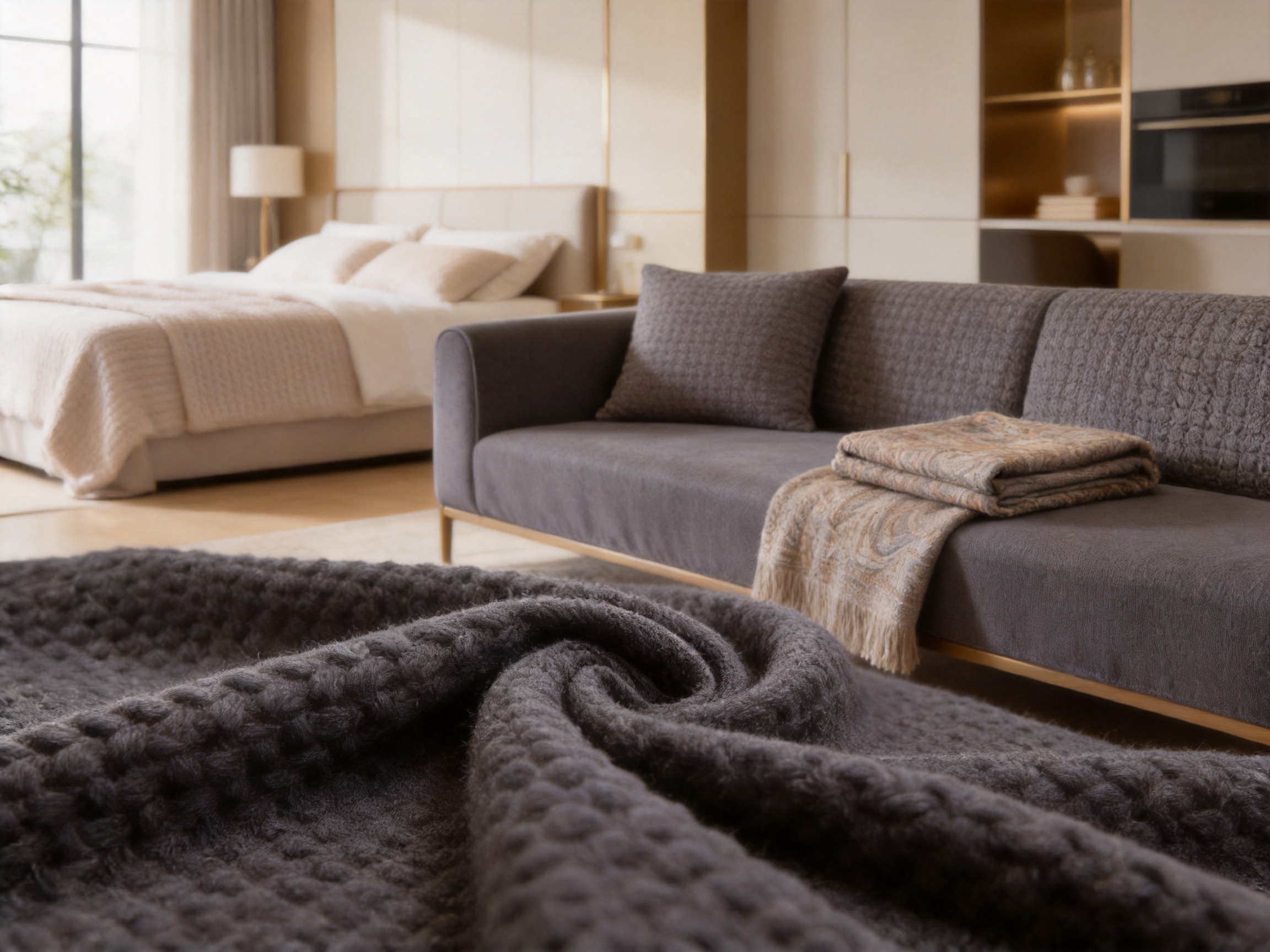
Environmental and Functional Development
Environmental considerations are increasingly important in textile purchasing. The recycled yarn series provides a material option for product programs that seek to include recycled polyester. Recycled content can be incorporated into a broader sustainability strategy that also considers energy use, chemical management, product durability, packaging, transport, and end-of-life treatment.
Durability is itself an important sustainability factor. A home textile that remains attractive and functional for a longer period may reduce the frequency of replacement. Anti-pilling performance can support this objective by helping the surface retain a more acceptable appearance during use. However, environmental claims should always be supported by relevant documentation, certification, and traceability information where required by the buyer or market.
The functional yarn series also supports the development of more specialized textile products. Fire-retardant yarn may be assessed for applications with specific flame-performance requirements. Anti-bacterial yarn may be considered for products where hygiene-related performance is requested. Moisture-wicking yarn may be useful for materials that need to manage perspiration or moisture more effectively.
Functional properties should be evaluated at the finished-fabric or finished-product level. A yarn may have a specific characteristic, but knitting, dyeing, finishing, washing, and product construction can affect the final result. Responsible product development therefore requires testing under the conditions relevant to the intended application.
Benefits for Textile Manufacturers and Buyers
For manufacturers, the product offers a platform that can support different market segments. A single basic fabric may be developed into standard, recycled, colored, functional, or comfort-focused product lines by changing the yarn, construction, or finish. This flexibility can reduce the need to search for unrelated suppliers for every collection.
The broad yarn catalog also supports sampling and customization. Buyers can request a specific denier, filament arrangement, color effect, elasticity level, or functional feature. The product list includes many combinations, while the supplier states that it can accept orders for different types of differentiated yarn.
For importers and wholesalers, a durable anti-pilling fabric may offer a strong value proposition. End customers generally evaluate home textiles through appearance, comfort, washing convenience, and service life. A material that performs reliably in these areas can support a more competitive finished product.
For brand and product developers, the fabric can help create collections with a clear performance message. “Soft and durable,” “easy-care,” “recycled-content option,” “breathable,” and “anti-pilling” are all development directions that can be considered, provided the final product is tested and the claims are accurately documented.
For consumers, the practical benefit is straightforward: a household textile that remains comfortable and attractive with less intensive maintenance can provide better long-term value. Reduced pilling can make the product look newer for longer, while machine-wash compatibility can simplify routine care.
Comparison with Alternative Material Strategies
When selecting a home textile fabric, buyers commonly compare knitted polyester fabric with standard polyester fabric, cotton-rich fabrics, blended constructions, and untreated knitted materials. Each option has advantages, but the correct choice depends on the required performance and cost.
Compared with untreated polyester knitted fabric, an anti-pilling construction places greater emphasis on surface stability. This can be beneficial where frequent friction is expected. The trade-off is that buyers must confirm the required testing and finishing specifications rather than selecting only by fiber content.
Compared with cotton-rich fabrics, polyester knitted fabric may offer advantages in drying speed, shape retention, and resistance to some forms of everyday wear. Cotton-rich materials may provide a familiar natural touch, but they can behave differently during washing and drying. The cotton-like yarn option offers a way to explore a softer natural-fiber-style hand while retaining the development flexibility of polyester-based materials.
Compared with very heavy fabrics, a knitted construction may provide a lighter and more flexible solution for covers, bedding, and cushion products. This can assist with handling, storage, and laundering. The appropriate weight must still be chosen according to the intended product because heavier applications may require additional structure.
Compared with suppliers offering only one yarn category, a supplier with recycled, standard, cationic, elastic, and functional yarn options can provide a broader development pathway. This is particularly useful for customers who plan to expand from basic products into environmentally positioned or performance-focused collections.
Recommended Product Development Process
A successful fabric project should begin with a clear product brief. Buyers should define the finished product, target market, expected washing frequency, desired hand feel, required stretch, color range, fabric weight, width, and packaging format. It is also useful to identify the expected retail price and the performance standards required in the destination market.
The next step is yarn selection. Buyers may compare normal polyester, recycled polyester, cationic yarn, high-elastic yarn, cotton-like yarn, hollow warm yarn, or functional yarn. Sample development should consider not only the visual appearance but also the relationship between yarn type and knitted construction.
After the first fabric samples are produced, testing should be conducted under realistic conditions. Potential tests may include pilling resistance, abrasion, washing dimensional change, color fastness to washing and rubbing, air permeability, tensile or bursting strength, stretch recovery, and fabric weight. The exact test method should be agreed upon in advance.
Care instructions should be developed at the same time. Machine washing, water temperature, detergent selection, drying method, ironing, and exposure to rough surfaces can all influence the service life of a textile. Clear care labeling helps consumers obtain the expected benefits from the fabric.
Before bulk production, the buyer and supplier should confirm the approved sample, construction, yarn specification, color standard, inspection method, packaging, lead time, and documentation requirements. This procedure reduces misunderstandings and helps maintain consistency between sampling and mass production.
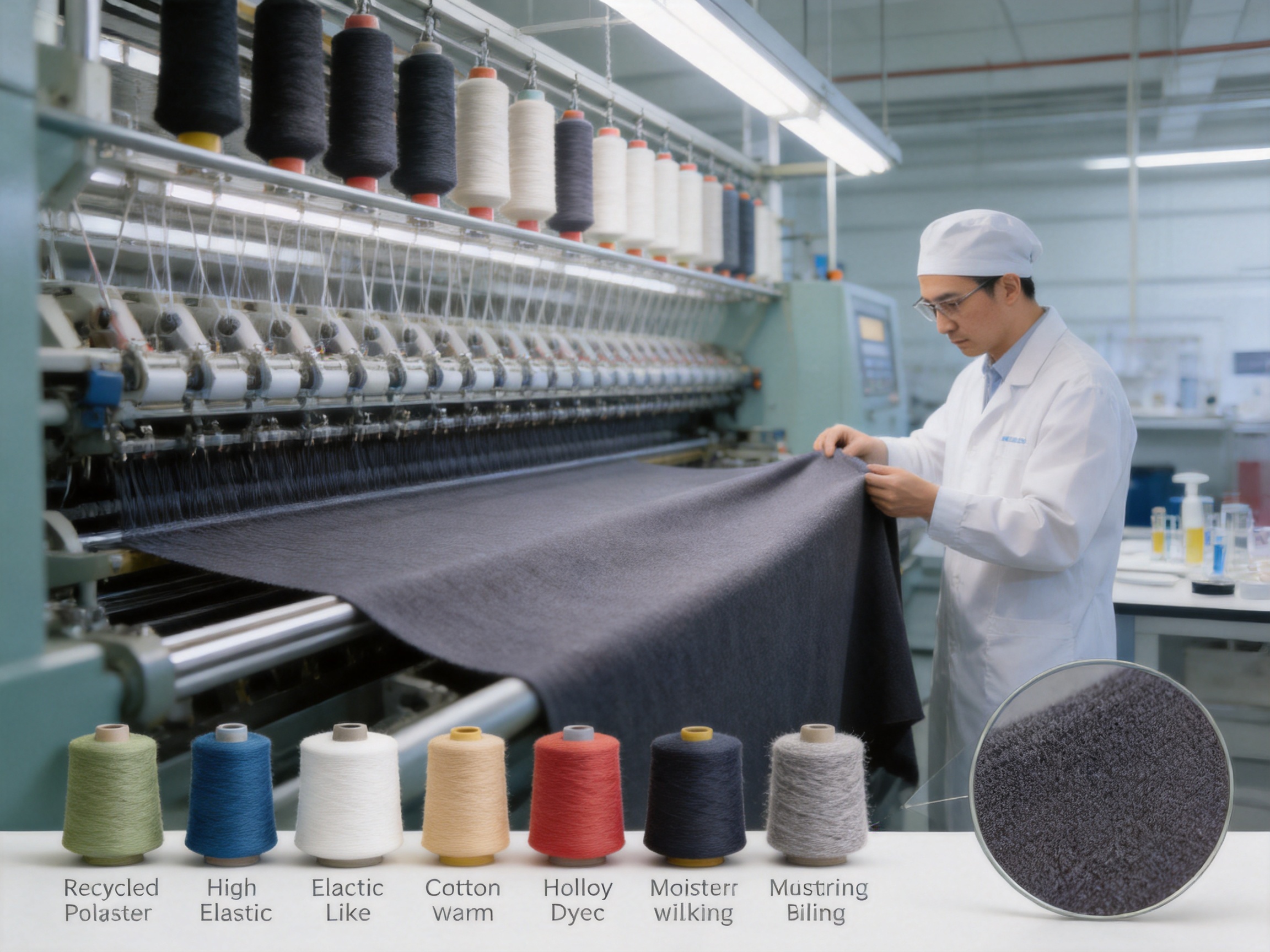
Care and Maintenance Recommendations
Even a durable anti-pilling fabric requires suitable care. Products should be washed according to the supplier’s recommendations and the final garment or home textile care label. Overloading a washing machine, using excessively high temperatures, or mixing the fabric with rough items may increase abrasion.
Separating the product from garments with zippers, hooks, or abrasive surfaces can help protect the knitted surface. Mild detergent and an appropriate washing cycle may support color and surface preservation. Excessive mechanical action should be avoided unless the product has been specifically designed for heavy-duty laundering.
Drying conditions can also influence dimensional stability. Where possible, the finished product should be dried according to the approved care instructions. High heat may affect some knitted constructions, elastic components, or functional finishes. Proper storage is recommended to prevent unnecessary compression, snagging, or contact with sharp objects.
Quality Considerations for Bulk Purchasing
Bulk buyers should evaluate both the fabric and the production system. Important questions include whether the fabric width is consistent, whether the surface is uniform, whether the color matches the approved standard, and whether the knitted structure remains stable after washing.
For anti-pilling products, buyers should request test results or samples that demonstrate performance under an agreed method. Pilling results can vary depending on the test instrument, cycle number, rubbing conditions, and evaluation standard. A clear testing agreement ensures that supplier and buyer interpret performance requirements in the same way.
Buyers should also confirm the yarn composition and any recycled or functional claims. If recycled content is required, documentation regarding material source and chain of custody may be necessary. If the fabric is marketed as anti-bacterial, fire-retardant, or moisture-wicking, the claim should be supported by appropriate test reports for the finished material.
Inspection should cover rolls from different production lots when appropriate. Factors such as fabric weight, width, shade, surface appearance, holes, streaks, contamination, and knitting defects can affect the usability of the final material. Early communication about acceptable tolerance levels helps avoid delays during shipment or production.
Supplier Strengths and International Service
Suzhou Junhui Textile Co., Ltd. and Suzhou Xiaoran New Materials Co., Ltd. were founded in June 2015 and focus on the development and sale of differentiated yarn and knitting fabric products. Their stated product scope includes recycled yarn, polyester dope-dyed yarn, SHAWLIENCE, microfine yarn, flame-retardant yarn, cationic-dyeing yarn, and knitted fabrics.
The companies report that more than 90 percent of their products are exported and that they have established cooperative relationships with customers in 36 countries. This international orientation indicates experience in serving buyers with different product standards, logistics requirements, and application expectations.
Their R&D team works on environmental protection and functional yarn and fabric applications. This is relevant to buyers who need assistance with product selection, performance matching, and problem solving rather than simply purchasing a standard material.
The company also states that its experts are available to provide support within 12 hours globally. Responsive communication can be valuable when buyers need quick clarification on yarn counts, fabric construction, sample adjustments, testing, or production planning.
The company’s location in Shengze Town, Wujiang Area, Suzhou City, Jiangsu Province, places it in a major Chinese textile manufacturing region. This regional environment provides access to textile supply chains, processing resources, technical knowledge, and export logistics.
How the Product Creates Competitive Value
The competitive value of this fabric comes from the combination of product performance and development flexibility. Anti-pilling performance addresses a visible problem in daily home textile use. The knitted structure provides comfort and adaptability. The yarn portfolio creates options for recycled, functional, colored, elastic, warm, and cotton-like products.
Many products compete on price alone, but a low initial price may not represent the best value if the fabric pills quickly, loses its appearance, or requires difficult care. A more durable fabric can support a stronger total-value proposition by reducing complaints, returns, premature replacement, and dissatisfaction.
The supplier’s ability to discuss both fabric and yarn helps customers make more informed decisions. If a fabric does not meet a requirement, the solution may involve changing the yarn, knitting structure, density, or finishing process. Access to several development variables provides more practical flexibility than choosing from finished fabrics without technical support.
For customers seeking differentiated products, the range of yarn categories can support collections that are not limited to ordinary solid-color polyester. Cationic effects, high elasticity, recycled content, moisture management, warmth, and soft-touch constructions can all be considered as part of a product strategy.
Q&A
What is the main purpose of this knitted fabric?
The main purpose is to provide a durable and comfortable material for home textile products that are exposed to repeated use, friction, and washing. It is especially suitable for bedding, sofa covers, cushion cases, throws, and related household applications.
How does the fabric help reduce pilling?
The fabric combines suitable fiber and yarn selection, a controlled knitted structure with tight loop formation, and a specialized post-finishing process. These measures are intended to reduce loose-fiber movement, surface entanglement, and the formation of visible pills during normal use.
Is the fabric suitable for machine washing?
The product is designed to be compatible with regular machine washing when appropriate care instructions are followed. The precise washing conditions should be confirmed for the selected construction and final product, because temperature, detergent, mechanical action, and drying can affect textile performance.
What products can be made from this fabric?
Potential applications include bedding, bed covers, sofa covers, cushion cases, throws, blankets, and other household textile products. The appropriate fabric weight, stretch, width, and finishing should be selected according to the application.
Can the fabric be made with recycled yarn?
Yes. The available product range includes several recycled polyester yarn series, including recycled SD DTY, recycled SD FDY, recycled FD DTY, recycled SD plus CD DTY, recycled DDB DTY, and recycled CD DTY. Specific recycled content, yarn count, documentation, and availability should be confirmed for each project.
Are custom yarn specifications available?
The supplier states that it can accept orders for many types of differentiated yarn. Buyers can discuss denier, filament configuration, yarn category, color effect, elasticity, functional requirements, and intended end use during product development.
What functional yarn options are available?
The product list includes fire-retardant, anti-bacterial, and moisture-wicking yarn series. It also includes high-elastic, PBT/PET, hollow warm, cotton-like, cationic, recycled, and other differentiated options. Finished-fabric testing is recommended before making a performance claim.
How should buyers evaluate anti-pilling performance?
Buyers should agree on a recognized testing method, test cycles, evaluation criteria, and acceptance level with the supplier. Testing should be performed on the finished fabric or finished product because knitting, dyeing, finishing, and laundering can influence the final result.
What makes this product different from a standard knitted fabric?
It is developed specifically around the needs of long-lasting home textiles. Its product concept combines anti-pilling performance, a comfortable knitted structure, breathability, easy-care characteristics, and access to a broad differentiated-yarn platform.
Can the fabric be developed for different price levels?
The available yarn range and construction options can support different product levels. Standard polyester, recycled polyester, functional yarn, elastic yarn, and specialty yarns may be evaluated according to the required performance and target cost. Final pricing depends on specifications, order quantity, finishing, color, and other production factors.
Conclusion
Durable Anti-Pilling Knitted Fabric for Home Textiles is designed to address the practical demands of modern household products. Its controlled knitted structure supports softness, flexibility, and breathability, while yarn selection and post-finishing are used to improve resistance to pilling and surface wear.
The fabric is suitable for bedding, sofa covers, cushion cases, throws, and other home textile applications where comfort, appearance, and easy maintenance are important. Its strongest competitive advantage is the balance between everyday comfort and long-term usability, supported by a broad selection of recycled, standard, cationic, elastic, warm, cotton-like, and functional yarn options.
With experience in differentiated yarn, recycled materials, functional textiles, and knitting fabrics, Suzhou Junhui Textile Co., Ltd. and Suzhou Xiaoran New Materials Co., Ltd. can support buyers from material selection through fabric development and production planning. Their R&D orientation, export experience, and international customer service provide a practical foundation for manufacturers seeking reliable textile materials and customized solutions.
For the best result, buyers should define the intended application, approve samples, confirm testing requirements, and select care instructions before mass production. When these steps are followed, anti-pilling knitted fabric can help create home textile products that remain comfortable, attractive, and useful through extended daily use.
References
1. Product information and technical material supplied for Durable Anti-Pilling Knitted Fabric for Home Textiles.
2. Product list for recycled, normal, cationic, high-elastic, functional, cotton-like, hollow warm, and differentiated polyester yarns.
3. General textile quality-control principles for knitted fabrics, including pilling, abrasion, dimensional stability, color fastness, and fabric inspection.
4. General textile care and maintenance practices for washable knitted home textile products.
5. General material-development principles for recycled polyester, functional yarns, and differentiated textile fabrics.
Product: Durable Anti-Pilling Knitted Fabric for Home Textiles
Popular products
-
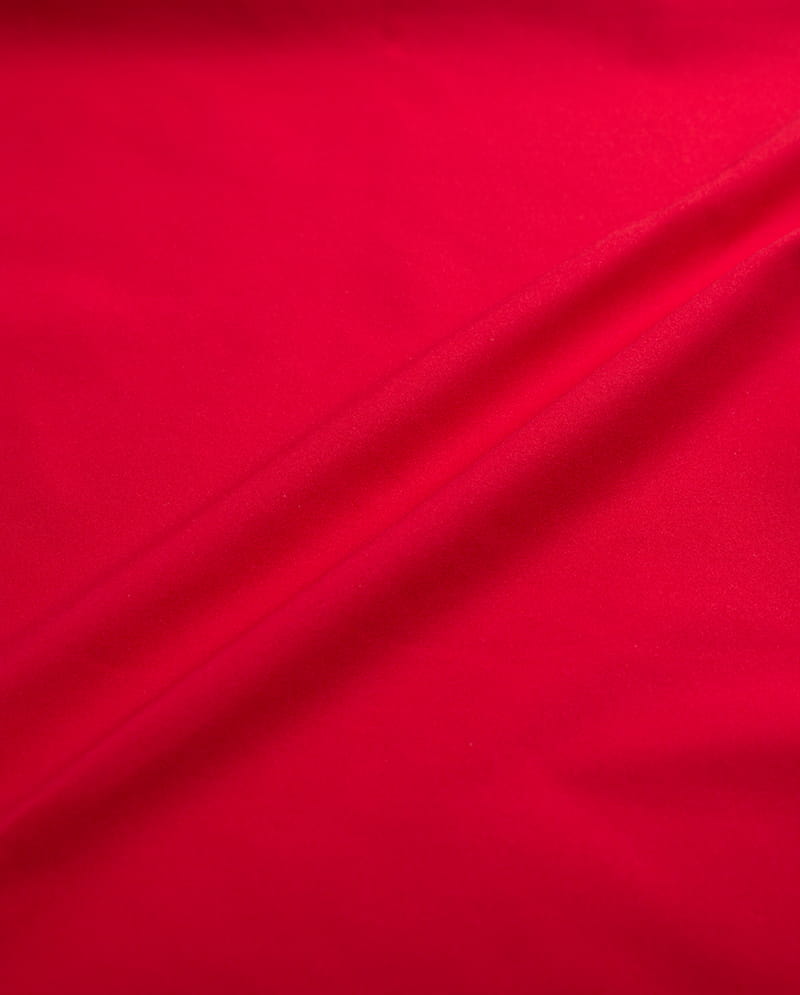
Premium Cationic Interlock Stretch Comfort Fabric
-
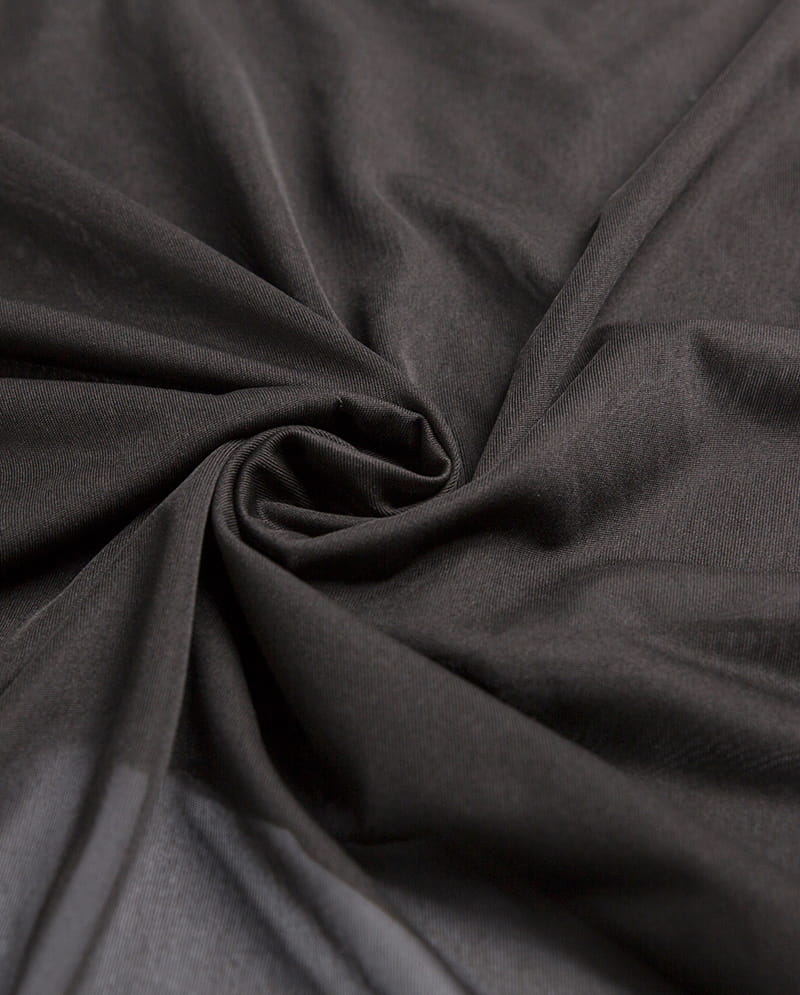
Moisture-Wicking Nylon Woven Fabric
-
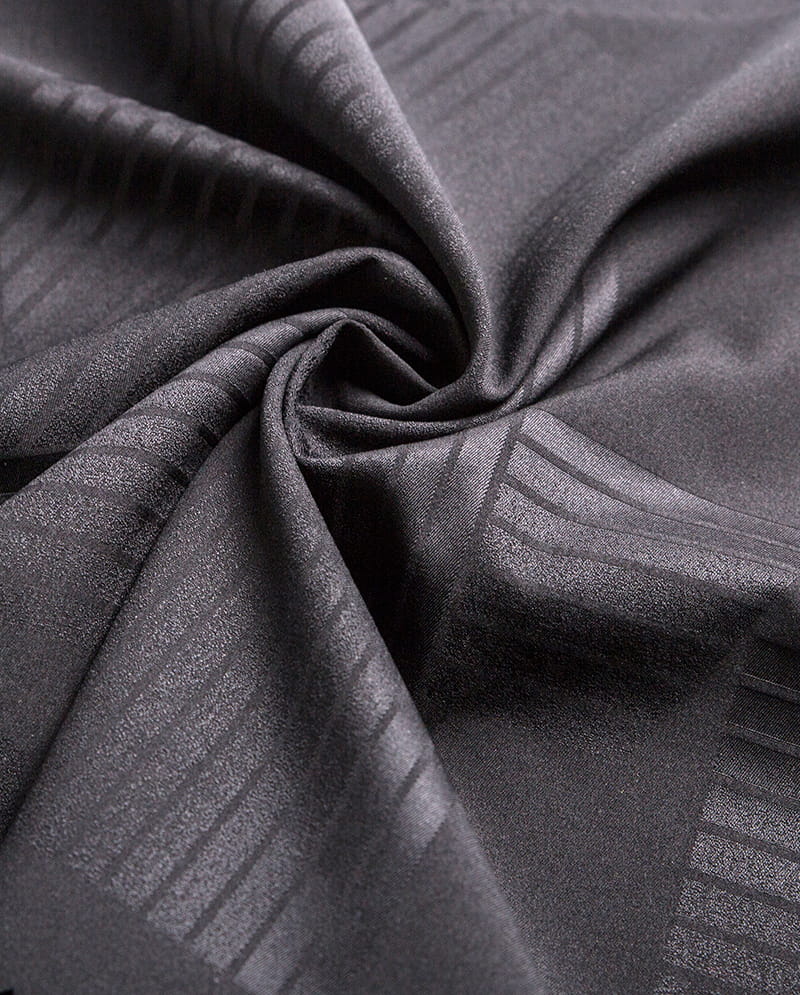
Double-faced jacquard elastic fabric
-
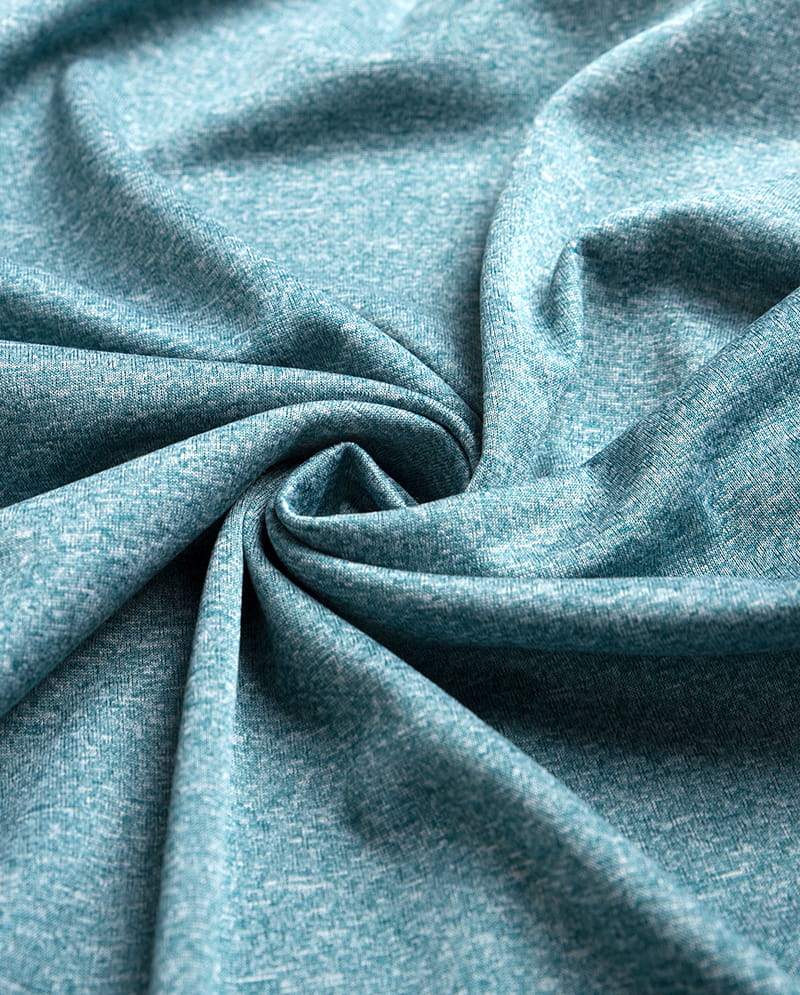
Heather Grey Double-faced cationic jersey fabric
-
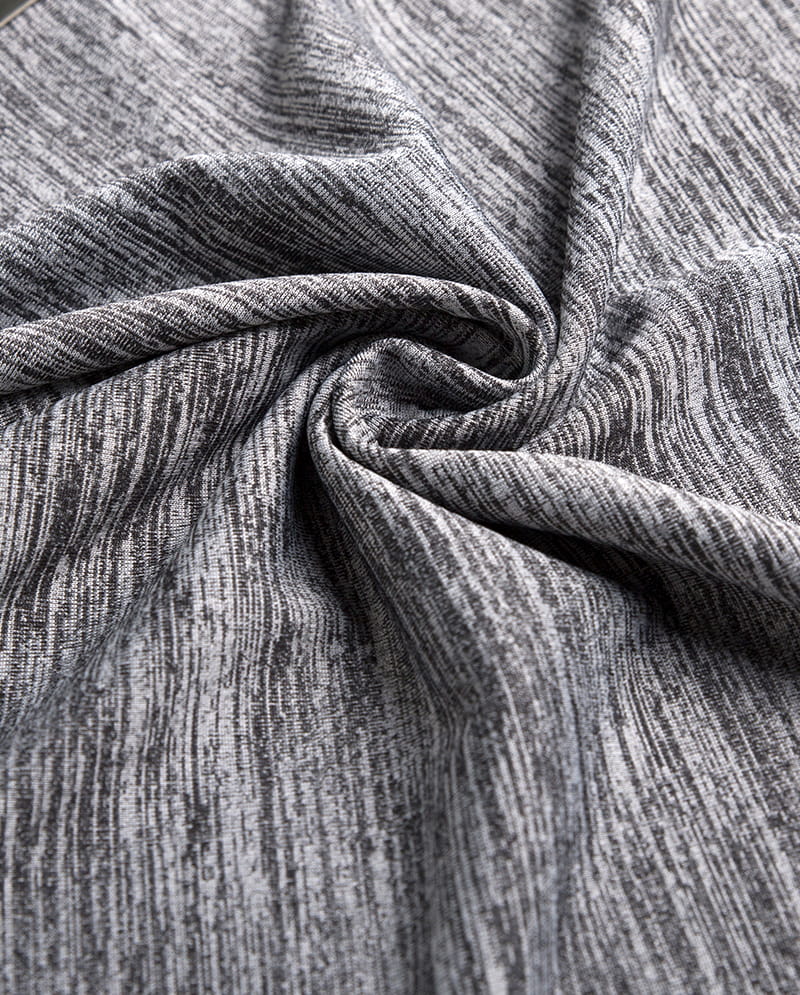
Anti-static Cationic Knitted Rib Fabric
-
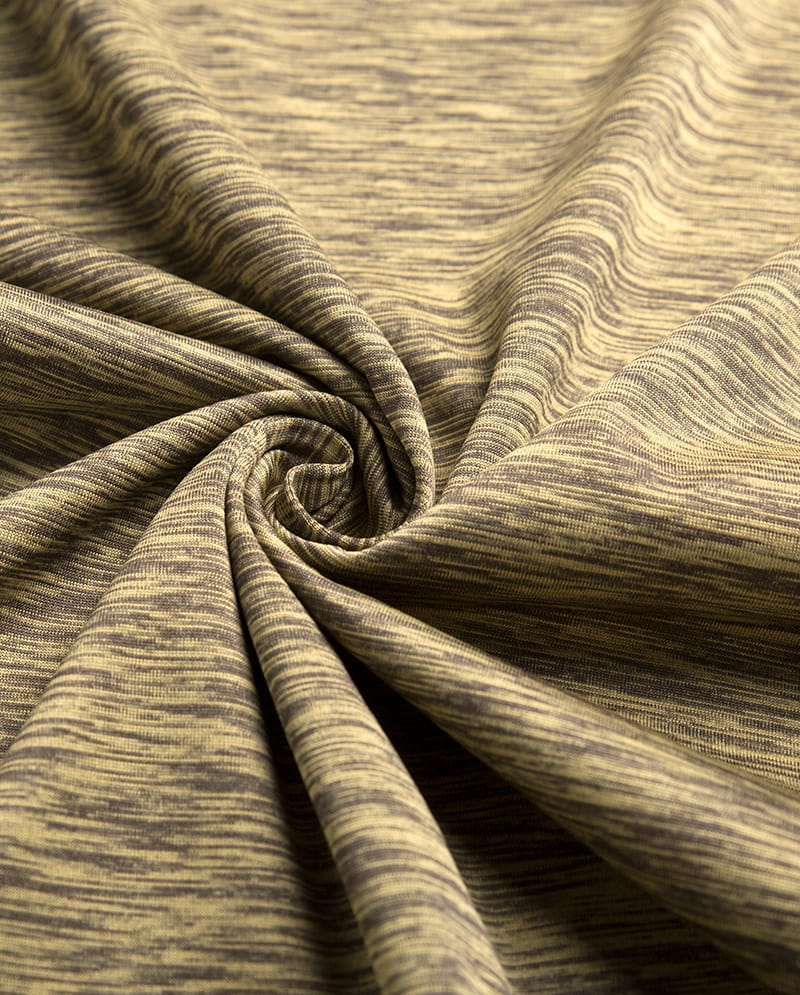
High-Stretch Cationic Jersey Fabric
-
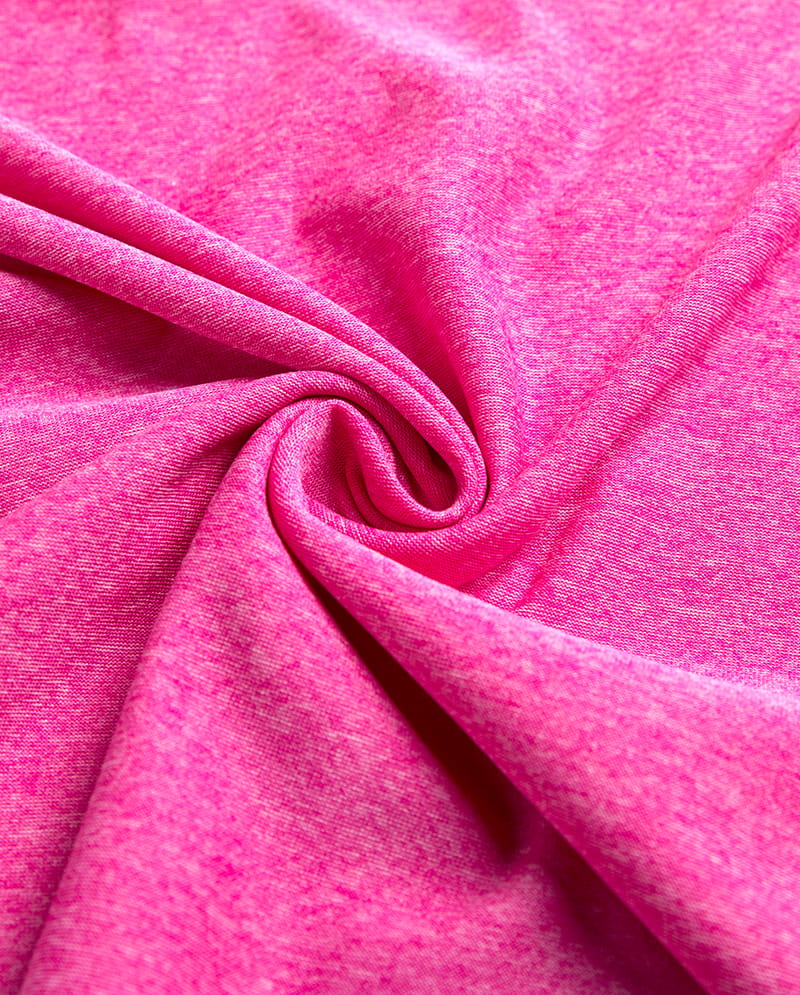
High Quality Cationic DTY Spandex Two Sides Brush Dralon Knit Fabric for Garment Thermal Underwear
-
Durable Anti-Pilling Knitted Fabric for Home Textiles
-
Wash-Resistant Cationic Elastic Knitted Fabric for Garment Industry
-
Breathable Double-Faced Elastic Composite Fabric
-
-
-
- whatsapp:
- 0086-13962559622
-
- skype:
- skype.aliceshenghong
-
- Wechat:

COPYRIGHT © 2016 Suzhou Junhui Textile Co., Ltd.
