

 EN
EN English
 中文简体
中文简体DTY Yarn: What It Is, How It's Made, and Why It Matters
Content
What Is DTY Yarn?
DTY stands for Draw Textured Yarn — a type of polyester filament yarn produced through a simultaneous drawing and texturing process. The result is a soft, stretchy, and bulky yarn that closely mimics the appearance and hand feel of natural fibers such as wool or cotton. DTY is one of the most widely used synthetic yarns in the global textile industry, serving applications from activewear and hosiery to home furnishings and automotive fabrics.
Unlike POY (Partially Oriented Yarn), which requires further processing, or FDY (Fully Drawn Yarn), which is smooth and flat, DTY undergoes a thermomechanical texturing step that introduces crimps, loops, and coils into each filament. This gives the yarn its characteristic loftiness, elasticity, and moisture-wicking capability — making it especially valuable for performance and comfort-driven fabric constructions.
How DTY Yarn Is Manufactured
The production of DTY yarn starts with POY (Partially Oriented Yarn) as the raw input. POY is fed into a draw-texturing machine (DTY machine), where it passes through a series of heated pins, draw rollers, and a false-twist spindle — all simultaneously. This integrated process is known as draw texturing.
Key stages in the process include:
- Drawing: Stretches the POY filament to achieve the target denier and molecular orientation.
- False-twist texturing: A spindle twists the yarn while it's heated, then releases the twist — creating a permanent helical crimp in each filament.
- Heat setting: Fixes the textured structure to ensure dimensional stability during downstream processing and end use.
- Winding: The finished DTY is wound onto cheese packages or cones, ready for weaving, knitting, or embroidery.
Machine settings — including draw ratio, heater temperature, and twist multiplier — are carefully calibrated according to the desired denier (75D, 150D, 300D, etc.), filament count, and end-use application. Even small variations in these parameters affect the yarn's elongation, bulkiness, and dye uptake behavior.
Key Specifications and What They Mean
When sourcing DTY yarn, buyers encounter a range of technical specifications. Understanding each parameter is essential for matching the yarn to the right fabric construction.
| Specification | Common Range | Impact on Fabric |
|---|---|---|
| Denier (D) | 50D – 600D | Lower denier = lighter, sheerer fabric; higher = heavier, more opaque |
| Filament Count (F) | 24F – 288F | More filaments = softer hand feel and finer texture |
| Twist Direction | S-twist / Z-twist | Affects fabric surface torque; often used in pairs to balance |
| Luster | Bright / Semi-dull / Full-dull | Controls sheen level; full-dull looks closest to natural fiber |
| Elasticity (Elongation %) | 20% – 35% | Higher elongation = more stretch and recovery in the finished fabric |
Beyond these core parameters, DTY is also classified by its intermingling (interlacing) level — low, medium, or high — which affects how the filaments bond together and how easily the yarn processes on downstream knitting or weaving machines. High-intermingled DTY is preferred for high-speed circular knitting due to its improved cohesion.
Primary Applications of DTY Yarn
DTY yarn's combination of softness, stretch, and cost efficiency makes it the material of choice across a broad spectrum of end markets:
- Sportswear and activewear: Fine-denier DTY (75D/72F or 150D/144F) is widely used in moisture-wicking jerseys, yoga pants, and compression garments, where stretch recovery and breathability are critical.
- Hosiery and legwear: Low-denier DTY (50D–75D) provides the fine gauge and transparency required for tights and stockings.
- Warp and weft knitting: DTY is a staple input for interlock, jersey, and tricot fabrics used in lingerie, swimwear, and casual apparel.
- Home textiles: Heavier deniers (300D–600D) are used in sofa upholstery, curtain fabrics, and cushion covers where abrasion resistance and bulk are priorities.
- Embroidery thread: Bright-luster DTY in fine deniers gives embroidery a vivid, silky appearance at a fraction of the cost of real silk thread.
In recent years, recycled DTY yarn (rDTY) — produced from post-consumer PET bottles or recycled polyester chips — has gained significant traction in sustainable fashion supply chains. Brands and retailers requiring GRS (Global Recycled Standard) certification increasingly specify rDTY as a drop-in replacement for virgin DTY, with comparable performance characteristics.
DTY vs. FDY vs. POY: Choosing the Right Yarn
Selecting between DTY, FDY, and POY is one of the most fundamental decisions in polyester yarn sourcing. Each type has a distinct structure, processing requirement, and optimal application range.
POY is an intermediate product — it must be further processed into DTY or FDY before use in fabric production. Its low cost makes it attractive for integrated mills that handle texturing in-house, but it is not suitable for direct weaving or knitting.
FDY is smooth, flat, and inelastic. It is the preferred choice for fine woven fabrics such as chiffon, georgette, and taffeta, where a clean, lustrous surface is desired and stretch is not required. FDY also excels in high-speed air-jet weaving due to its high tenacity and dimensional stability.
DTY occupies the middle ground — it is the go-to yarn wherever softness, bulk, and moderate stretch are required alongside reasonable production cost. For knit-heavy product categories and any application where the fabric must feel comfortable against the skin, DTY consistently outperforms FDY on tactile quality metrics.
In practice, many fabric constructions deliberately combine DTY in one direction (e.g., weft) with FDY in the other (warp) to balance stretch with dimensional stability — a technique widely used in stretch suiting and technical outerwear fabrics.
Popular products
-
Premium Cationic Interlock Stretch Comfort Fabric
-
Moisture-Wicking Nylon Woven Fabric
-
Double-faced jacquard elastic fabric
-
Heather Grey Double-faced cationic jersey fabric
-
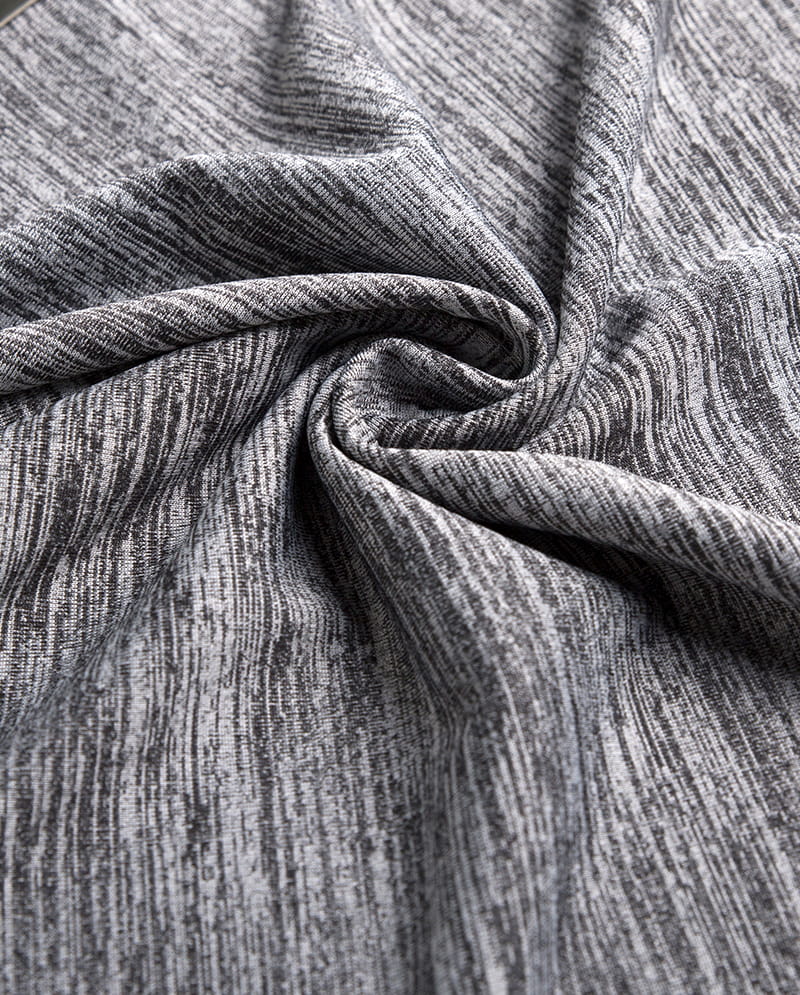
Anti-static Cationic Knitted Rib Fabric
-
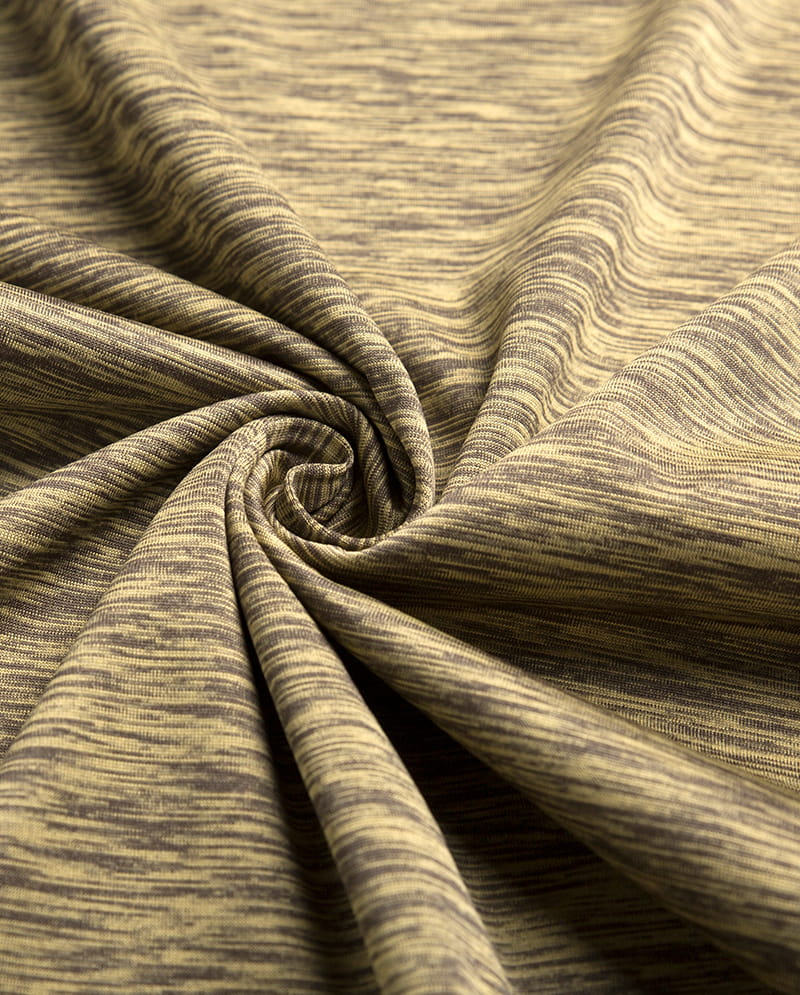
High-Stretch Cationic Jersey Fabric
-
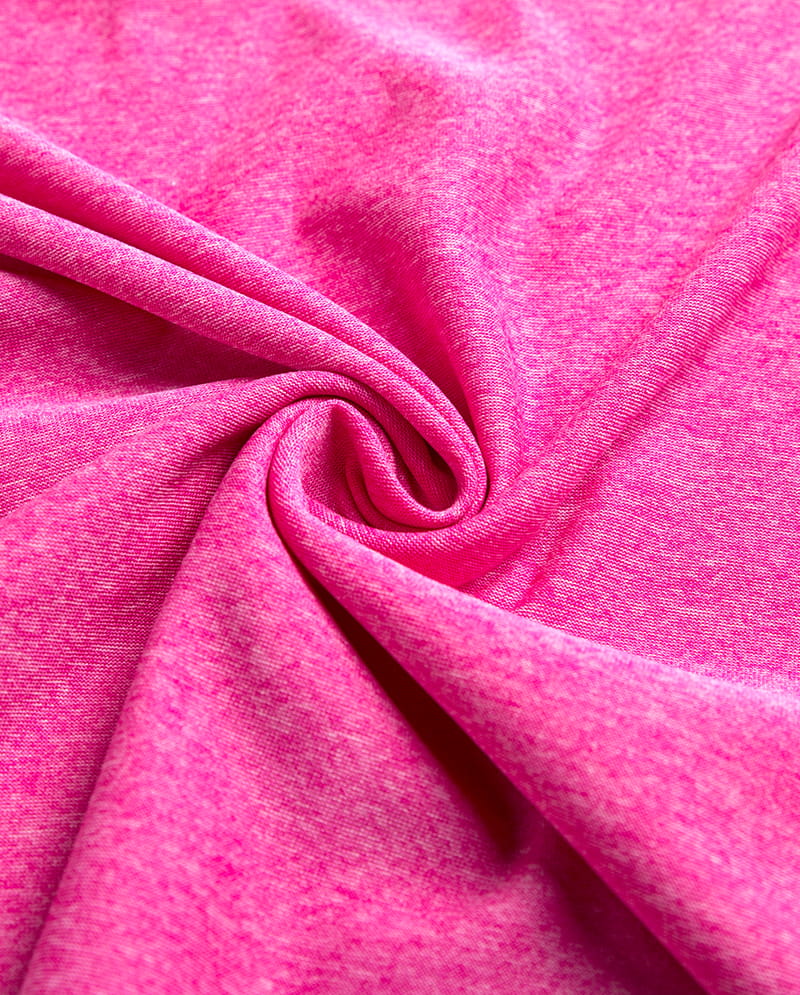
High Quality Cationic DTY Spandex Two Sides Brush Dralon Knit Fabric for Garment Thermal Underwear
-
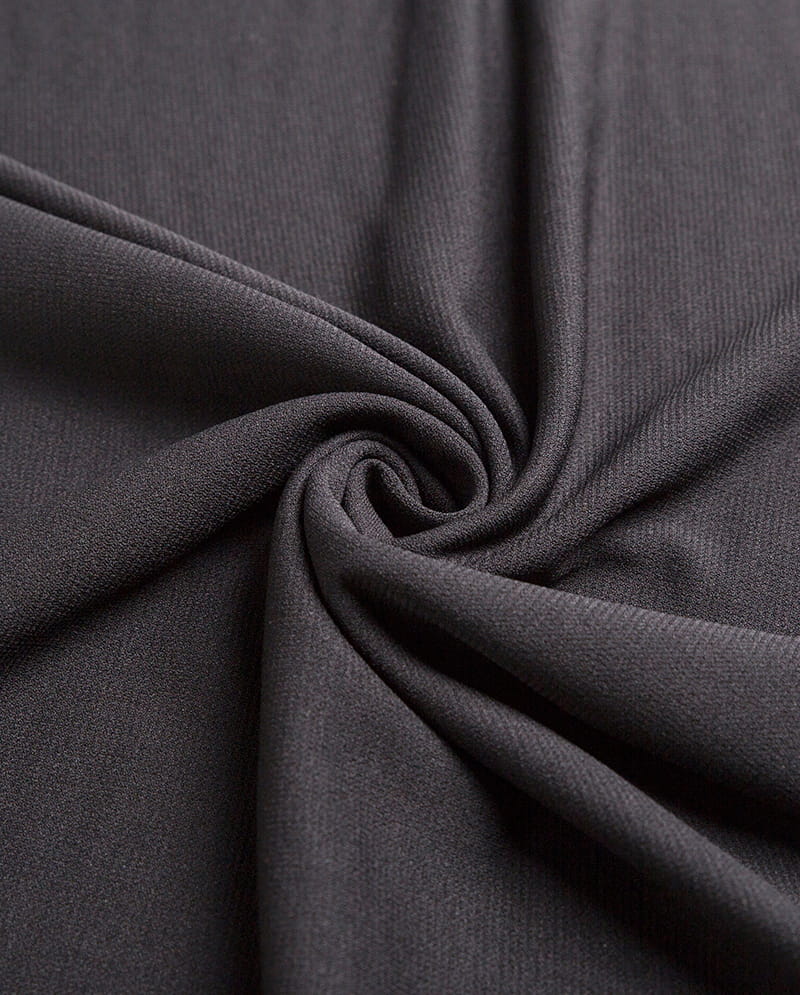
Durable Anti-Pilling Knitted Fabric for Home Textiles
-
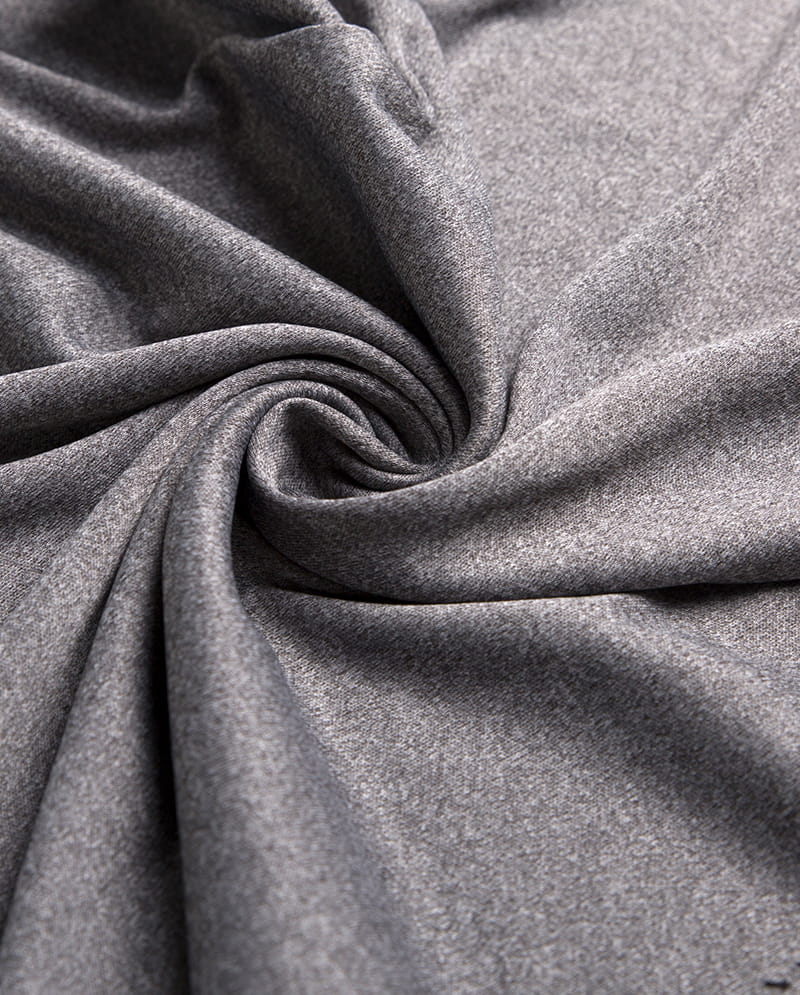
Wash-Resistant Cationic Elastic Knitted Fabric for Garment Industry
-
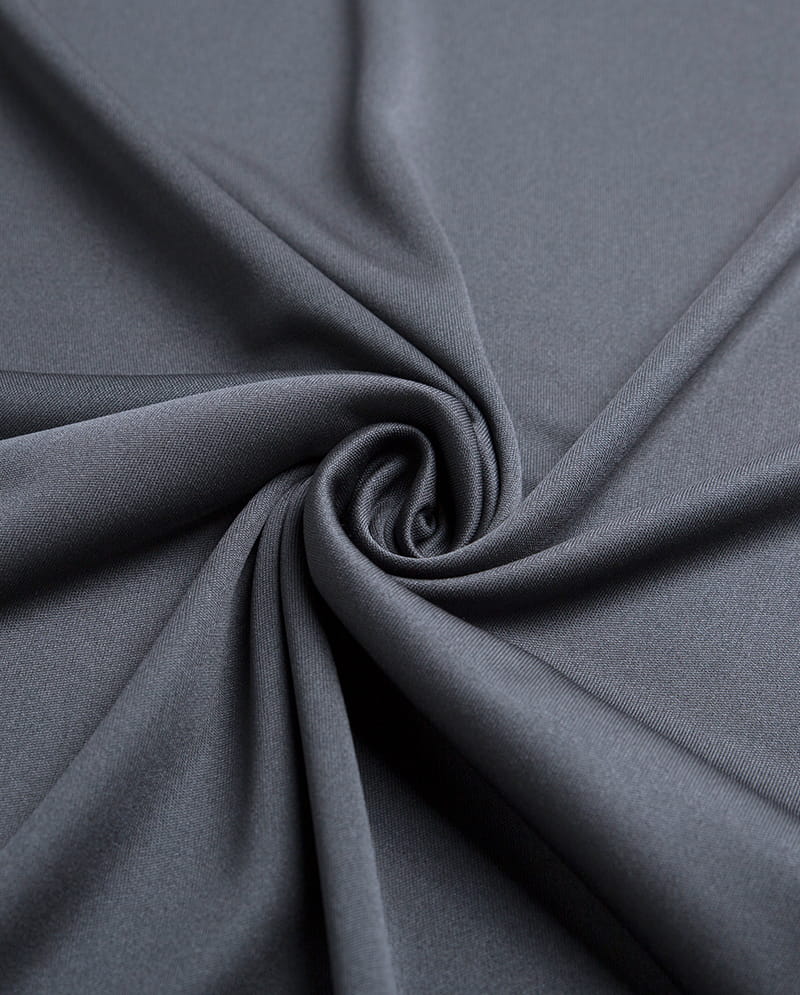
Breathable Double-Faced Elastic Composite Fabric
-
-
-
- whatsapp:
- 0086-13962559622
-
- skype:
- skype.aliceshenghong
-
- Wechat:

COPYRIGHT © 2016 Suzhou Junhui Textile Co., Ltd.
