

 EN
EN English
 中文简体
中文简体DTY Yarn Explained: Production Logic, Performance Control, and Practical Applications
Content
- 1 Understanding What DTY Yarn Really Is
- 2 DTY Yarn Production Process and Key Control Points
- 3 Common DTY Yarn Specifications and Their Practical Meaning
- 4 DTY Yarn Performance Characteristics in Finished Fabrics
- 5 Selecting DTY Yarn Based on End-Use Requirements
- 6 Quality Control Factors That Define Reliable DTY Yarn
- 7 DTY Yarn in Cost Control and Production Efficiency
- 8 Practical Outlook for DTY Yarn Applications
Understanding What DTY Yarn Really Is
DTY yarn, short for Draw Textured Yarn, is a fully drawn, false-twist textured filament yarn primarily made from polyester. Unlike partially oriented yarn, DTY undergoes simultaneous drawing and texturing, giving it stable elasticity, bulk, and softness. These characteristics make DTY yarn suitable for weaving and knitting without additional drawing processes, improving efficiency in downstream textile production.
From a practical standpoint, DTY is valued not for novelty, but for consistency. Its controlled crimp structure enhances fabric resilience while maintaining uniform appearance across large production batches. This balance between performance and process stability explains why DTY dominates synthetic filament markets.
DTY Yarn Production Process and Key Control Points
DTY yarn is produced through a draw-texturing machine where partially oriented yarn is simultaneously stretched, heated, twisted, and cooled. The false-twist method introduces permanent crimp without actual twisting remaining in the final yarn. Each stage directly affects yarn quality and must be tightly controlled.
- Drawing ratio determines final tensile strength and elongation balance.
- Heater temperature influences crimp stability and bulk retention.
- Twist intensity affects yarn elasticity and fabric recovery.
- Cooling efficiency locks in texture and prevents uneven crimp.
Manufacturers focusing on high-quality DTY typically invest in precise temperature zoning and online tension monitoring to reduce variability between spindles.
Common DTY Yarn Specifications and Their Practical Meaning
DTY yarn is defined by several measurable parameters that directly influence fabric performance. Understanding these specifications helps buyers select the correct yarn for their end use rather than relying on generic grades.
| Parameter | Typical Range | Practical Impact |
| Denier | 50D–300D | Controls fabric weight and coverage |
| Filament Count | 24F–144F | Affects softness and surface smoothness |
| Elongation | 20%–40% | Determines elasticity and comfort |
| Crimp Contraction | 6%–12% | Influences bulk and thermal retention |
DTY Yarn Performance Characteristics in Finished Fabrics
DTY yarn contributes specific functional advantages to textiles. Its textured structure traps air, enhancing insulation, while elastic recovery improves garment shape retention. These properties are not theoretical; they directly affect wear performance and customer satisfaction.
In knitted fabrics, DTY enables better stretch without the need for spandex in moderate elasticity applications. In woven fabrics, it improves drape and reduces wrinkle formation, particularly in lightweight polyester constructions.
Selecting DTY Yarn Based on End-Use Requirements
Choosing the right DTY yarn starts with defining the fabric’s functional priorities. Not all DTY performs equally, and mismatched specifications often lead to production issues or suboptimal fabric behavior.
- For sportswear, prioritize higher elongation and stable crimp recovery.
- For upholstery, focus on higher denier and abrasion resistance.
- For fashion fabrics, balance filament count with surface aesthetics.
Clear communication between yarn suppliers and fabric mills reduces trial-and-error costs and accelerates time to market.
Quality Control Factors That Define Reliable DTY Yarn
Consistent DTY yarn quality depends on more than visual inspection. Key performance metrics should be tested routinely to ensure production stability.
- Evenness and CV% to prevent fabric streaking.
- Crimp stability under heat to avoid finishing deformation.
- Oil content consistency to maintain smooth weaving performance.
Suppliers who document these parameters transparently tend to build longer-term partnerships with downstream manufacturers.
DTY Yarn in Cost Control and Production Efficiency
DTY yarn’s biggest commercial advantage lies in its readiness for direct use. Eliminating additional drawing steps reduces energy consumption, labor, and machine downtime. For high-volume producers, this translates into measurable cost savings over time.
When evaluated beyond price per kilogram, DTY often delivers superior overall value by minimizing waste, reprocessing, and quality complaints.
Practical Outlook for DTY Yarn Applications
DTY yarn remains a foundational material in modern textiles because it solves practical problems reliably. Its adaptability across apparel, home textiles, and technical fabrics ensures continued relevance even as sustainability and efficiency standards evolve.
For manufacturers and buyers alike, understanding DTY yarn at the process and performance level is the most effective way to make informed, cost-conscious decisions.
Popular products
-
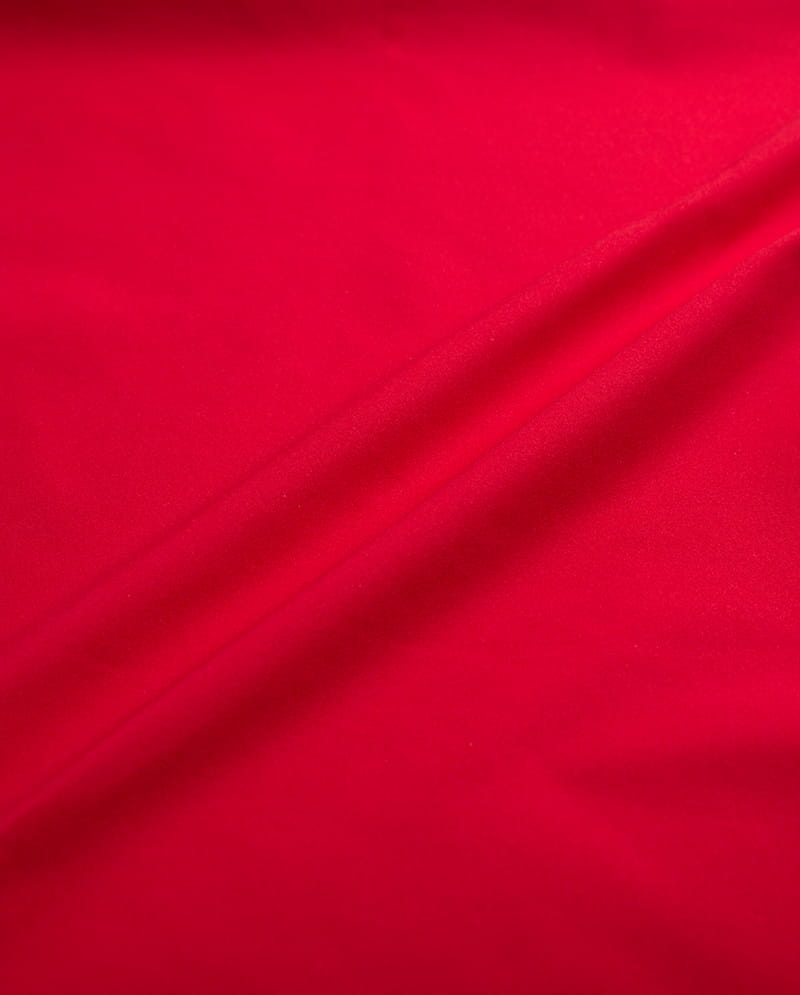
Premium Cationic Interlock Stretch Comfort Fabric
-
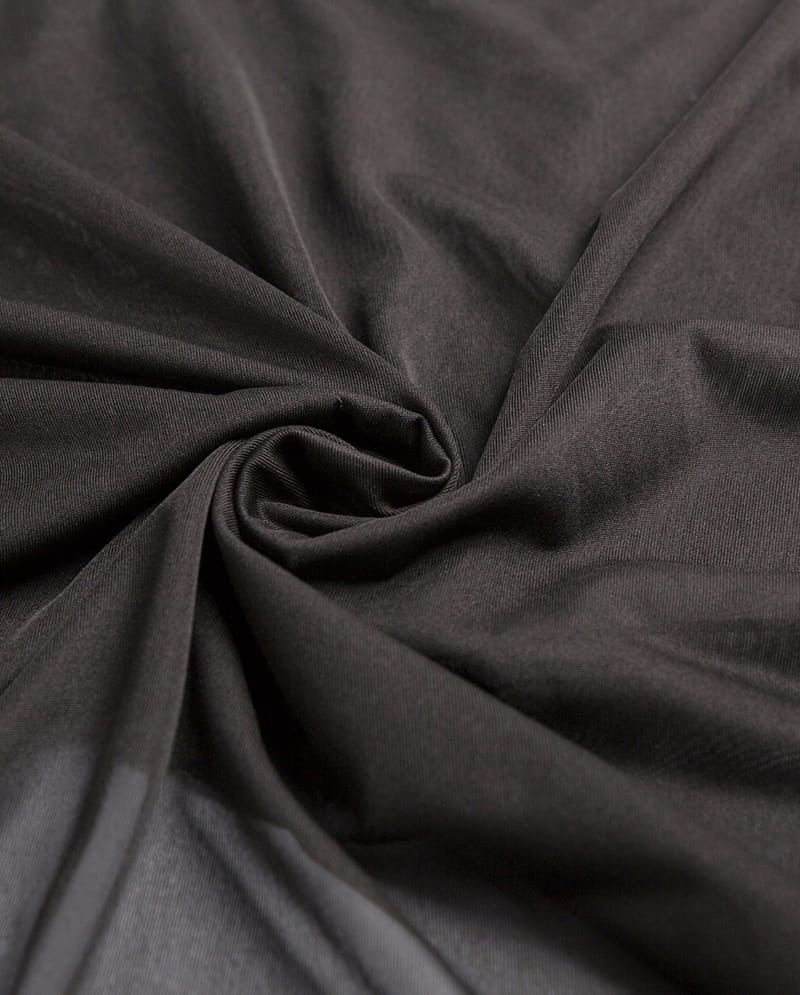
Moisture-Wicking Nylon Woven Fabric
-
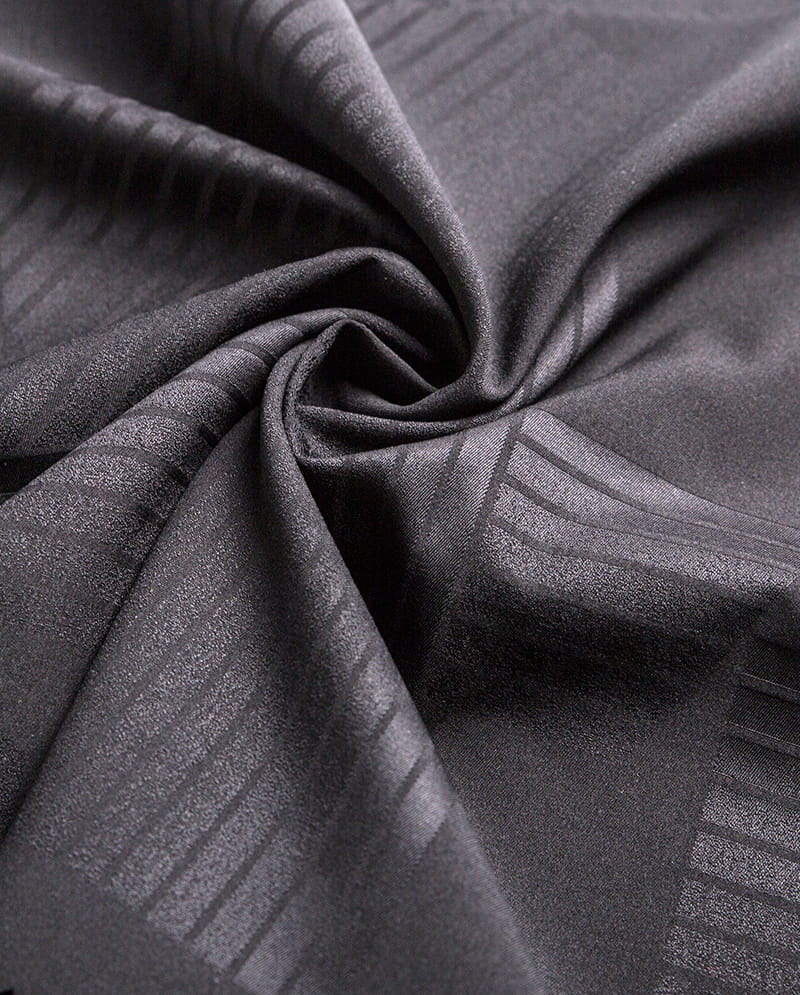
Double-faced jacquard elastic fabric
-
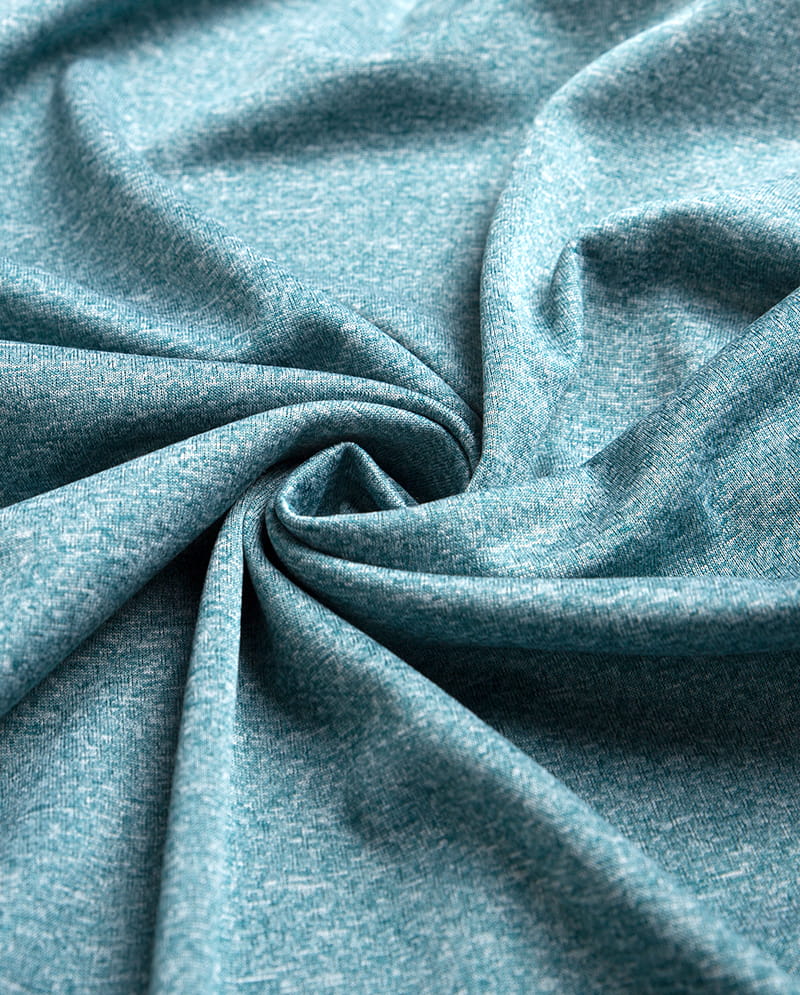
Heather Grey Double-faced cationic jersey fabric
-
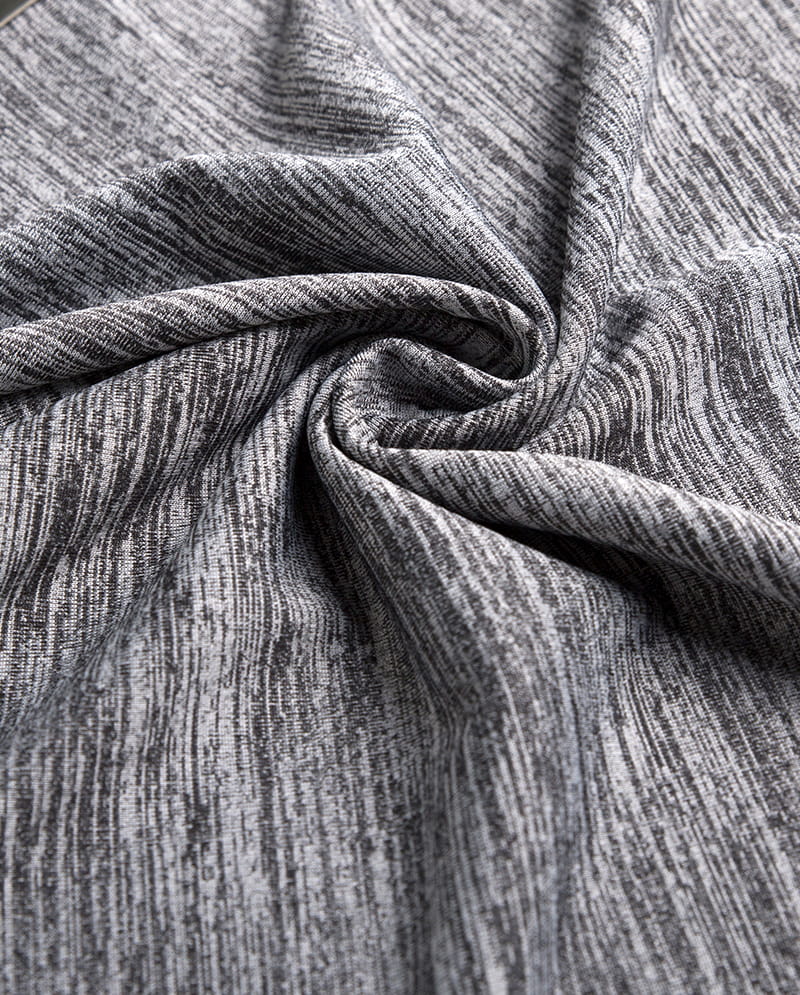
Anti-static Cationic Knitted Rib Fabric
-
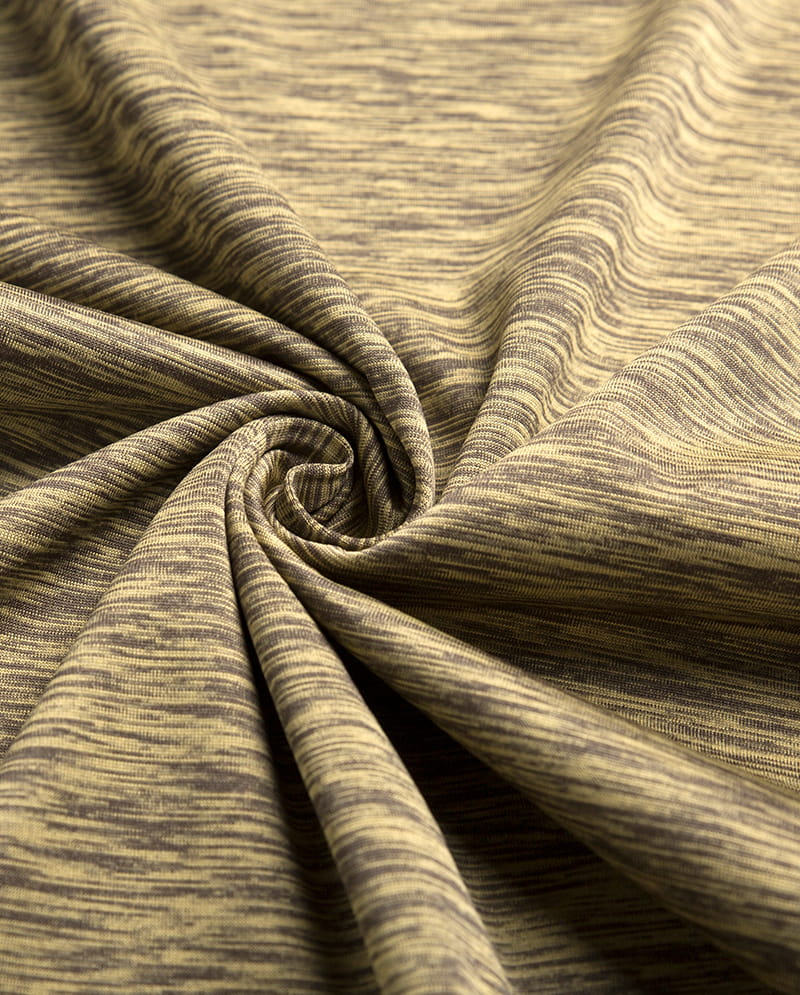
High-Stretch Cationic Jersey Fabric
-
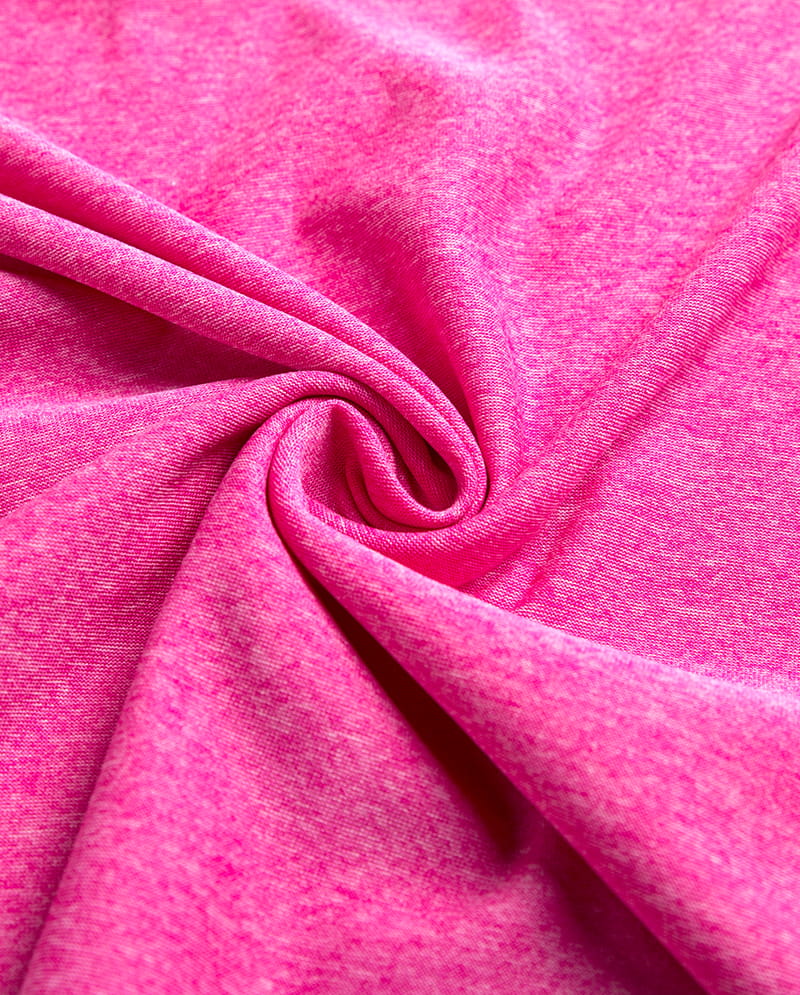
High Quality Cationic DTY Spandex Two Sides Brush Dralon Knit Fabric for Garment Thermal Underwear
-
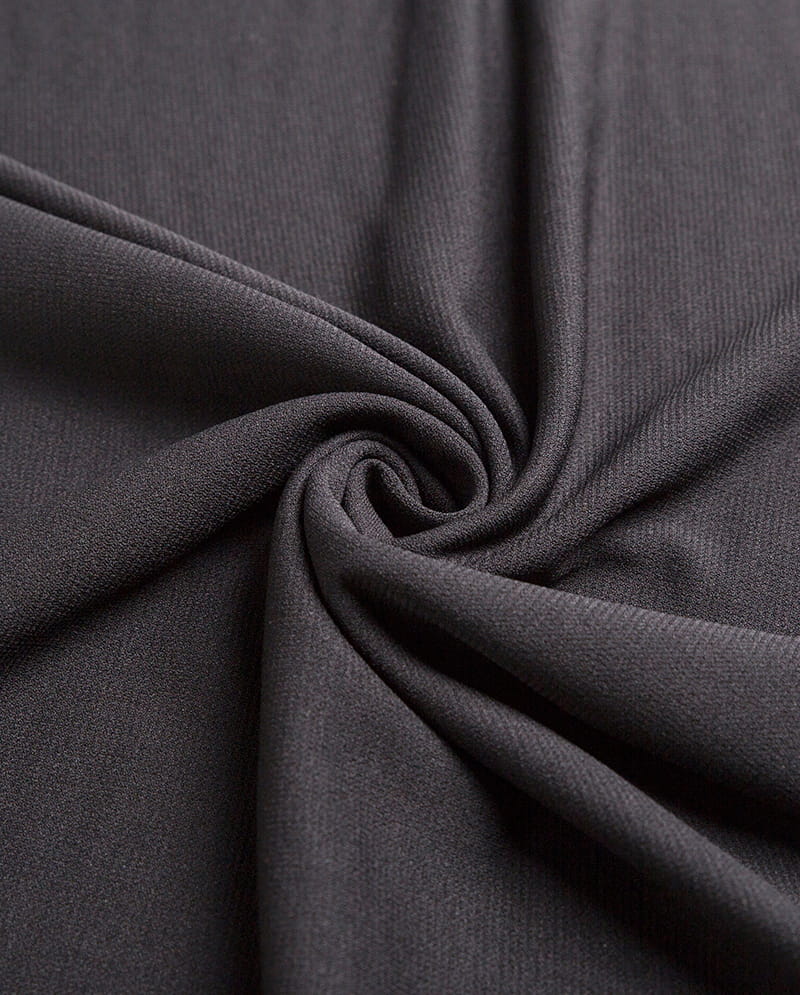
Durable Anti-Pilling Knitted Fabric for Home Textiles
-
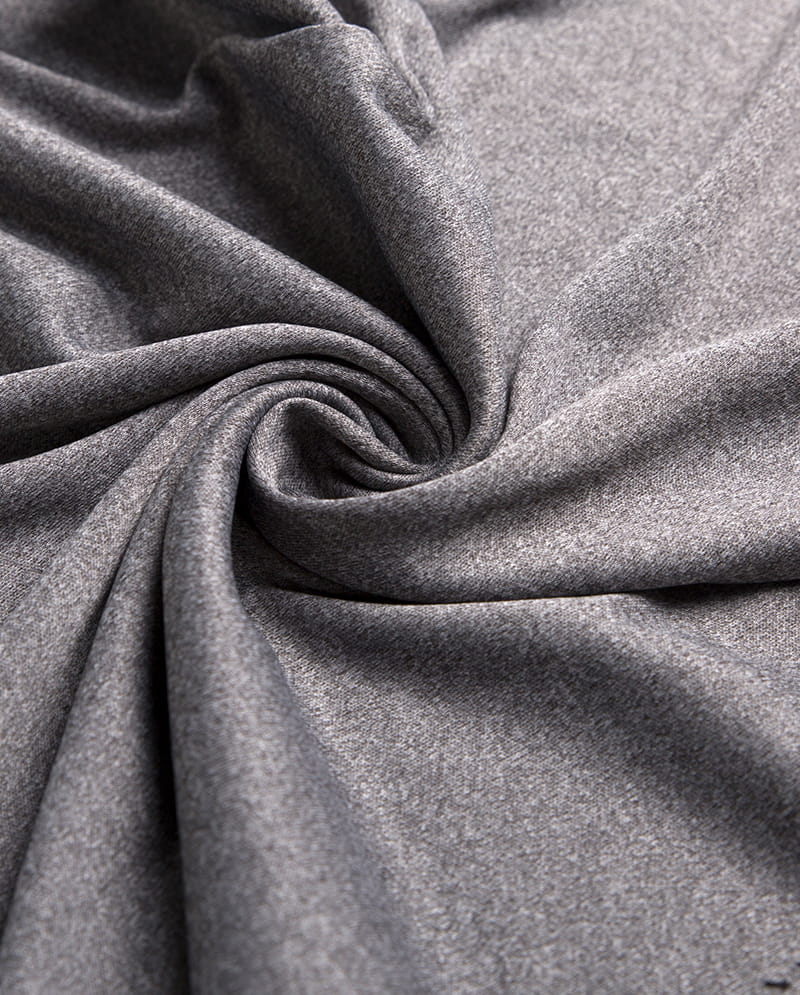
Wash-Resistant Cationic Elastic Knitted Fabric for Garment Industry
-
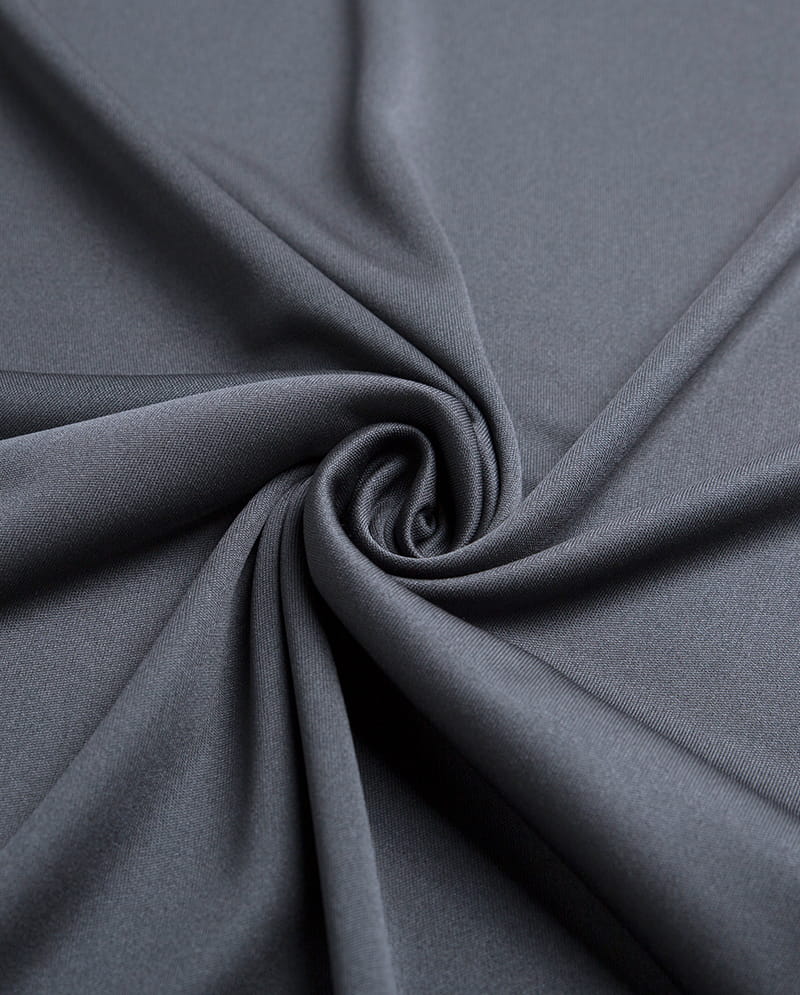
Breathable Double-Faced Elastic Composite Fabric
-
-
-
- whatsapp:
- 0086-13962559622
-
- skype:
- skype.aliceshenghong
-
- Wechat:


COPYRIGHT © 2016 Suzhou Junhui Textile Co., Ltd.
