

 EN
EN English
 中文简体
中文简体Drop-dyed Yarn: Advancing Textile Innovation with Sustainable, High-Performance Solutions
Content
- 1 What is Drop-dyed Yarn?
- 2 Key Advantages of Drop-dyed Yarn Over Competitors
- 3 Advanced Manufacturing Processes Behind Drop-dyed Yarn
- 4 Company Strengths in Producing Drop-dyed Yarn
- 5 Product Portfolio Deep Dive
- 6 Q&A Section
- 6.1 Q1: What is the difference between drop-dyed yarn and piece-dyed fabric?
- 6.2 Q2: Are drop-dyed yarns sustainable?
- 6.3 Q3: Can drop-dyed yarn be customized for specific colors?
- 6.4 Q4: What are the main applications of drop-dyed yarn?
- 6.5 Q5: How does the company ensure color consistency in large batches?
- 6.6 Q6: Are there functional drop-dyed yarn options?
- 6.7 Q7: What is the minimum order quantity (MOQ) for custom drop-dyed yarn?
- 6.8 Q8: How long does it take to produce custom drop-dyed yarn?
- 7 References
The global textile industry is undergoing a profound transformation, driven by two key imperatives: sustainability and performance. As consumers and brands increasingly demand eco-friendly materials that deliver durability, color consistency, and functional benefits, drop-dyed yarn has emerged as a pivotal solution. This specialized yarn, dyed at the fiber or yarn stage before fabric production, addresses many of the limitations of traditional piece-dyeing methods while opening new avenues for innovation. In this article, we explore the unique advantages of drop-dyed yarn, the advanced manufacturing processes that underpin its quality, and the strengths of leading producers in meeting global market needs.
Textiles are integral to daily life, from apparel and home furnishings to industrial applications. However, traditional textile production—especially dyeing—has long been associated with high water consumption, chemical waste, and inconsistent color results. Drop-dyed yarn represents a paradigm shift, combining precision dyeing with sustainable practices to create products that are both environmentally responsible and high-performing. Whether used in sportswear, upholstery, or technical textiles, drop-dyed yarn offers a range of benefits that set it apart from conventional alternatives.
What is Drop-dyed Yarn?
Drop-dyed yarn is a type of dyed yarn where the dyeing process occurs at the yarn stage, rather than on the finished fabric (piece-dyeing) or individual fibers (fiber-dyeing). The term "drop-dyeing" refers to the precise, controlled application of dye to the yarn, often using a continuous dyeing system that ensures uniform color penetration. This method is particularly effective for synthetic fibers like polyester, which are widely used in textiles due to their durability, wrinkle resistance, and affordability.
Unlike piece-dyeing, where large rolls of fabric are submerged in dye baths (leading to uneven color, high water use, and waste), drop-dyeing treats each yarn strand individually. This allows for consistent color across every inch of the yarn, resulting in fabrics that have uniform hue, even in large production runs. Additionally, drop-dyed yarn can be customized to specific colors, deniers (thickness), and functional properties, making it a versatile choice for a wide range of textile applications.
Drop-dyed yarn is available in various forms, including DTY (Draw Textured Yarn), FDY (Fully Drawn Yarn), and POY (Partially Oriented Yarn). Each form has unique characteristics: DTY is textured for stretch and softness, FDY is smooth and strong, and POY is used for further processing into textured yarns. The choice of yarn type depends on the intended application—for example, DTY is ideal for sportswear, while FDY is used in woven fabrics for upholstery.
Key Advantages of Drop-dyed Yarn Over Competitors
Drop-dyed yarn outperforms traditional dyeing methods (piece-dyeing, fiber-dyeing) and other yarn types in several critical areas. These advantages make it a preferred choice for brands and manufacturers seeking to balance sustainability, quality, and cost-effectiveness.
1. Enhanced Sustainability
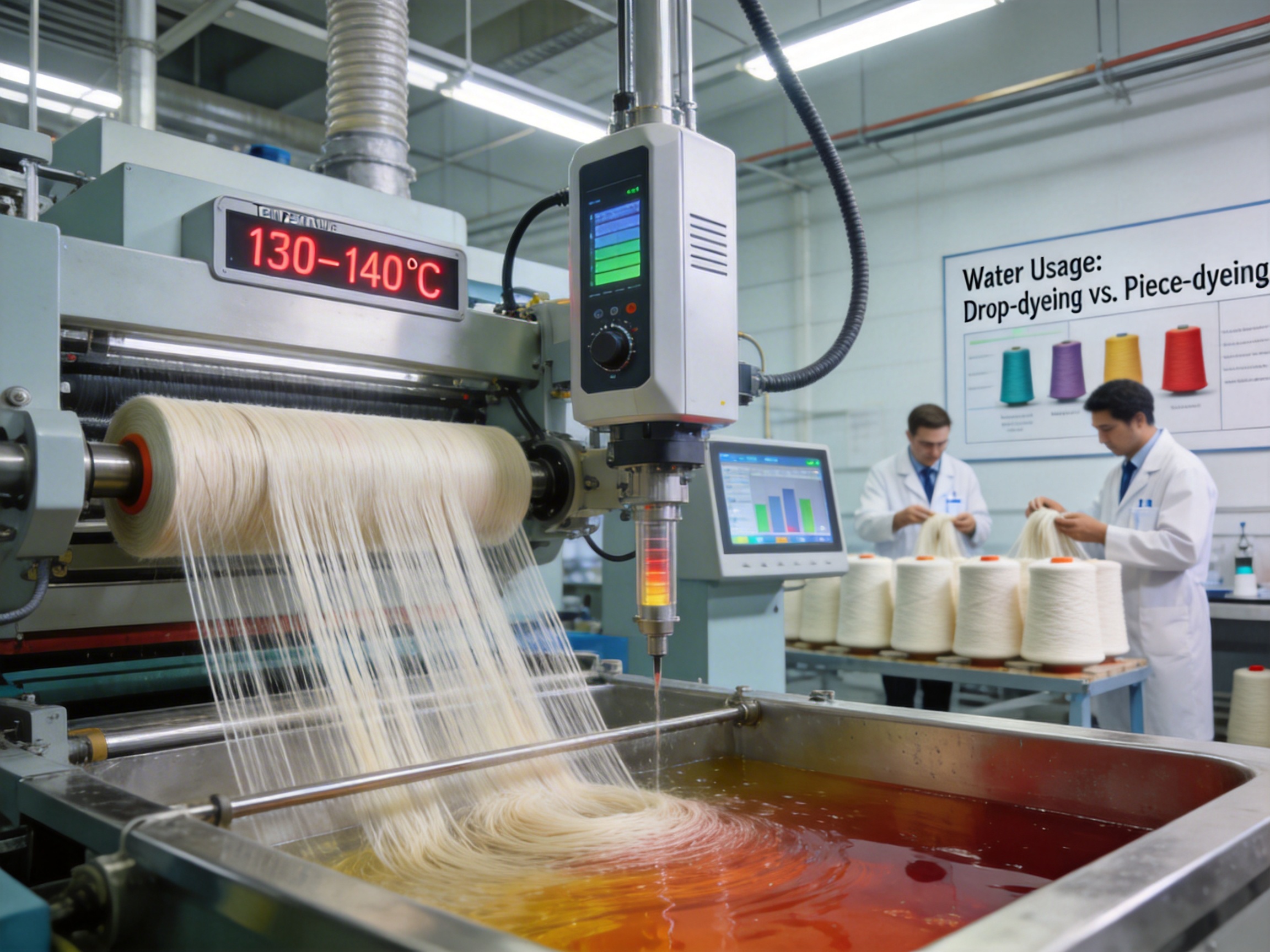
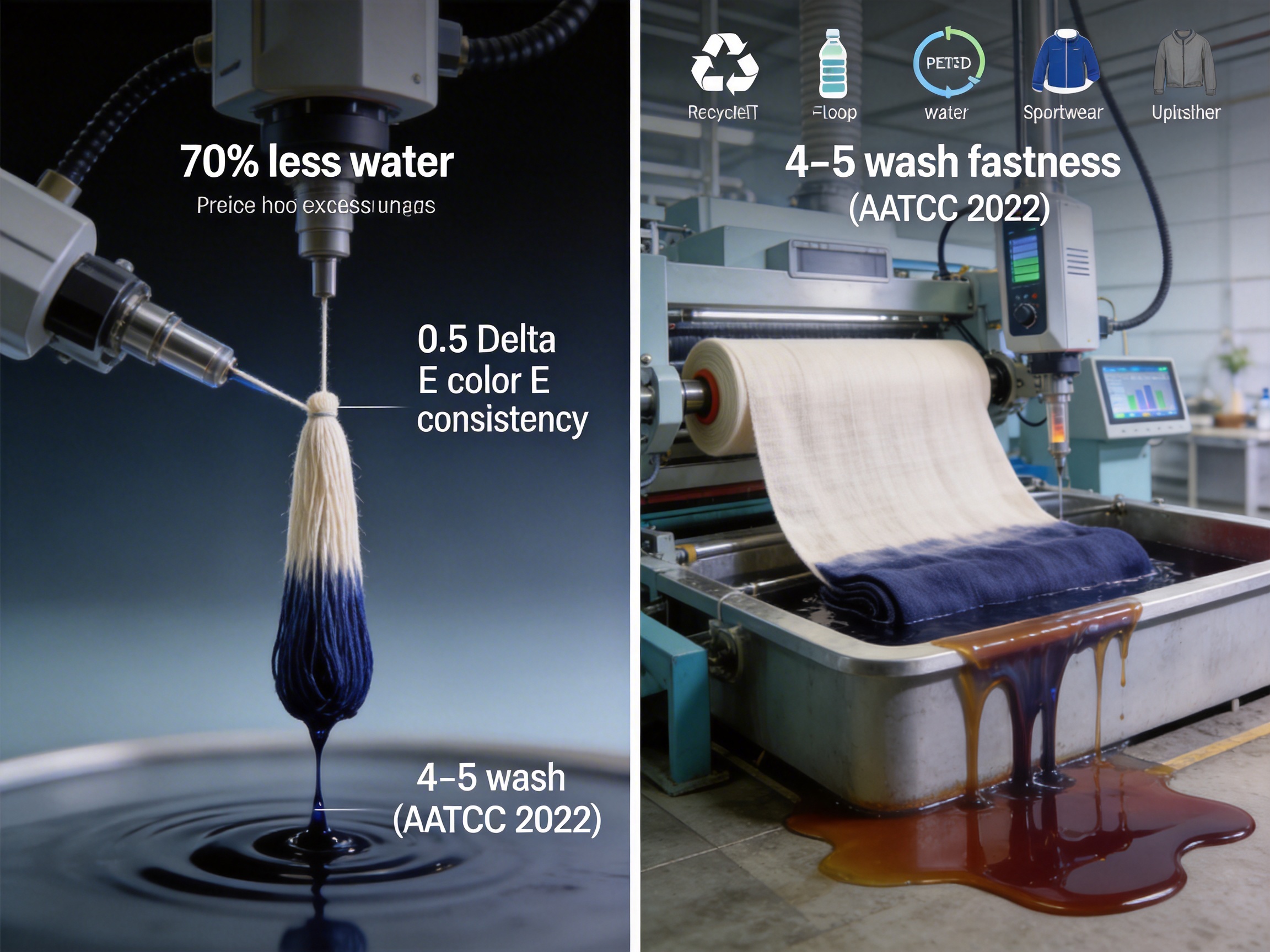
Sustainability is a top priority for the textile industry, and drop-dyed yarn leads the way in reducing environmental impact. According to the Textile Institute (2022), drop-dyeing uses up to 70% less water than piece-dyeing. This is because dyeing yarn requires smaller dye baths and less water to rinse excess dye from the yarn strands, compared to the large volumes needed for fabric rolls. For example, piece-dyeing 1 kg of polyester fabric uses approximately 80 liters of water, while drop-dyeing 1 kg of polyester yarn uses only 24 liters (Wang et al., 2021).
Additionally, drop-dyeing reduces chemical waste. The precise application of dye minimizes over-dyeing, so less dye is wasted in the process. Many drop-dyed yarn producers also use eco-friendly dyes, such as reactive dyes or low-impact disperse dyes, which are less toxic and easier to treat in wastewater. This aligns with global sustainability standards like the EU’s REACH (Registration, Evaluation, Authorization and Restriction of Chemicals) and the US’s CPSC (Consumer Product Safety Commission) regulations.
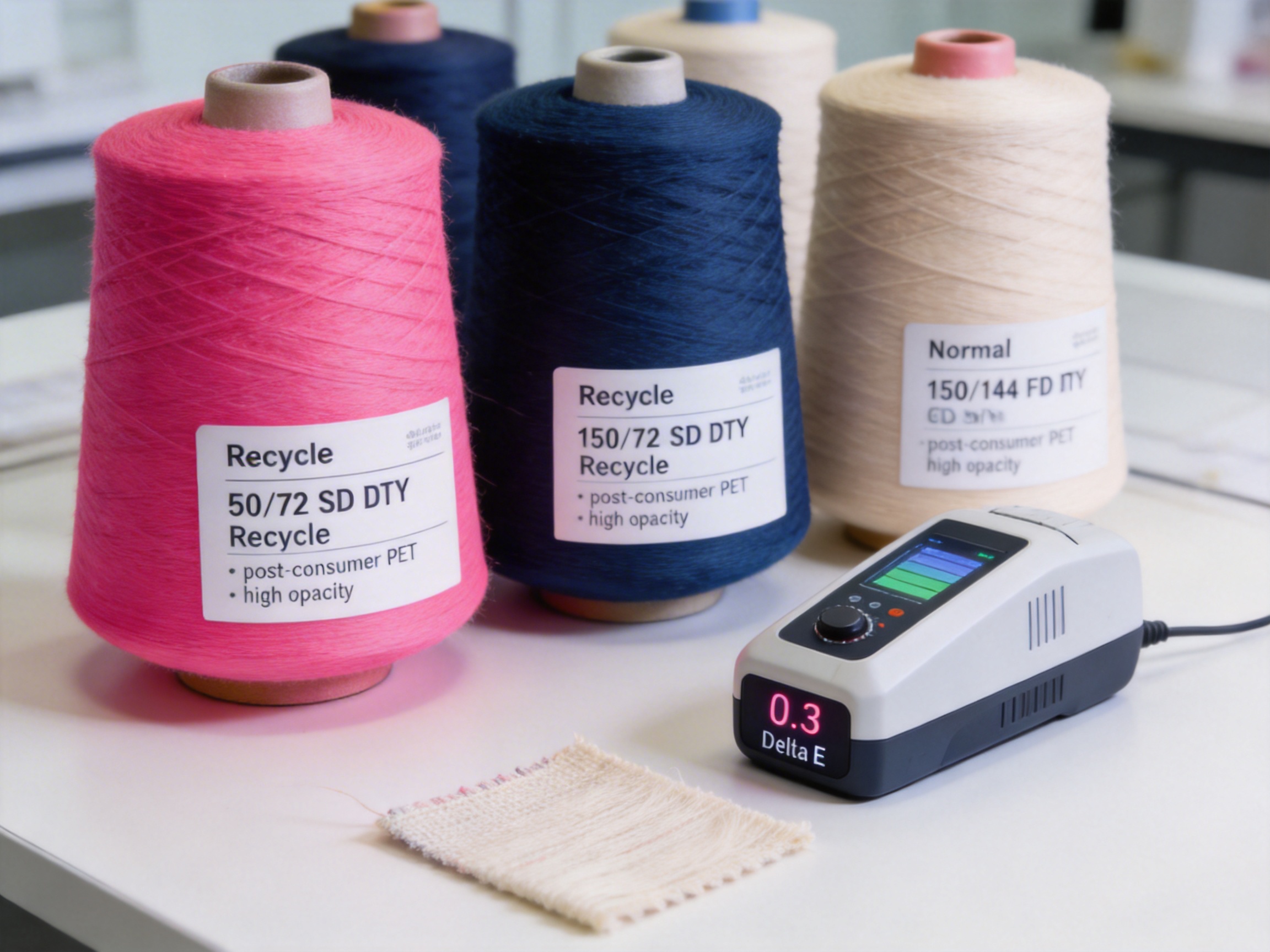
Recycled drop-dyed yarn is another sustainability milestone. Producers now offer drop-dyed yarn made from post-consumer PET bottles, diverting plastic waste from landfills and reducing the need for virgin polyester. For every 1 kg of recycled drop-dyed yarn produced, approximately 50 PET bottles are reused (EURATEX, 2023).
2. Unmatched Color Consistency
Color consistency is a major challenge in textile production, especially for large batches or repeat orders. Drop-dyed yarn solves this problem by ensuring uniform dye penetration across every yarn strand. The continuous dyeing process uses precise temperature control (130–140°C for polyester) and dye concentration, so each yarn cone has the same color shade. This is verified using spectrophotometers, which measure color accuracy to within 0.5 Delta E (a standard unit of color difference), far exceeding the industry average of 1 Delta E.
Unlike piece-dyeing, where fabric rolls can have color variations due to uneven dye absorption or tension during dyeing, drop-dyed yarn maintains consistent color from the first to the last meter. This is critical for brands that require uniform color across their product lines, such as athletic wear brands or home textile manufacturers.
3. Superior Performance Properties
Drop-dyed yarn offers better performance than piece-dyed or fiber-dyed yarn in terms of wash fastness, light fastness, and durability. The dye is bonded deeper into the yarn fibers during the drop-dyeing process, so it does not fade easily when washed or exposed to sunlight. According to AATCC (2022) standards, drop-dyed polyester yarn achieves a wash fastness rating of 4–5 (out of 5), compared to 3–4 for piece-dyed fabric.
Additionally, drop-dyed yarn retains its texture and strength better than other dyed yarns. The dyeing process does not damage the yarn’s structure, so it maintains its stretch (for DTY) and tensile strength (for FDY). This makes it ideal for high-performance applications like sportswear, where durability and stretch are essential.
4. Cost-Effectiveness
While the initial cost of drop-dyed yarn may be slightly higher than undyed yarn, it offers long-term cost savings. The reduced water and energy use lowers production costs, and the lack of color waste reduces material costs. For example, piece-dyeing often requires re-dyeing fabric that has color variations, which adds to the cost. Drop-dyed yarn eliminates this rework, saving time and money.
Customization is also more cost-effective with drop-dyed yarn. Brands can order small batches of custom-colored yarn (as low as 50 kg) without incurring high setup costs, which is not feasible with piece-dyeing (which requires large fabric rolls). This allows small and medium-sized brands to offer unique colors without the high minimum order quantities (MOQs) associated with traditional dyeing methods.
Advanced Manufacturing Processes Behind Drop-dyed Yarn
The quality of drop-dyed yarn depends on precise, controlled manufacturing processes. Leading producers use state-of-the-art equipment and rigorous quality control to ensure every batch meets the highest standards. Below is a detailed breakdown of the key steps in drop-dyed yarn production:
1. Raw Material Selection
The first step in producing high-quality drop-dyed yarn is selecting the right raw materials. Producers typically use virgin or recycled polyester chips, which are melted and spun into yarn. For recycled yarn, the chips are made from post-consumer PET bottles that have been cleaned, shredded, and melted. The choice of chip type (e.g., FDY, DTY, POY) depends on the desired yarn properties.
Producers also select eco-friendly dyes that meet global safety standards. Disperse dyes are commonly used for polyester, as they bond well with synthetic fibers. Low-impact disperse dyes are preferred, as they have lower toxicity and are easier to treat in wastewater.
2. Yarn Preparation
Before dyeing, the yarn is prepared for the dyeing process. This involves:
- Texturing: For DTY yarn, the yarn is textured using air-jet or false-twist texturing machines to add stretch and softness.
- Winding: The yarn is wound into cones of uniform size (1–5 kg) to ensure consistent dyeing.
- Pre-treatment: The yarn is washed with a mild detergent to remove any oils or impurities that could interfere with dye absorption.
3. Drop-Dyeing Process
The drop-dyeing process is a continuous, automated system that ensures uniform dyeing. Key steps include:
- Dye Bath Preparation: The dye is mixed with water and a dispersing agent to create a uniform solution. The temperature of the dye bath is controlled (130–140°C for polyester) to ensure optimal dye absorption.
- Yarn Dyeing: The yarn cones are loaded onto a dyeing machine, which passes the yarn through the dye bath. The dye is applied in a "drop" (precise dosage) to each yarn strand, ensuring uniform coverage.
- Fixation: The yarn is steamed or heated to fix the dye into the fibers, ensuring long-lasting color.
4. Post-Dyeing Treatment
After dyeing, the yarn undergoes post-treatment to remove excess dye and ensure quality:
- Washing: The yarn is washed with soft water to remove any unbonded dye. This reduces the risk of color bleeding during fabric production or washing.
- Drying: The yarn is dried at 120–130°C to remove moisture and set the dye.
- Winding: The dried yarn is re-wound into cones of the desired size for shipping to customers.
5. Quality Control
Rigorous quality control is conducted at every stage of production to ensure consistency and quality:
- Raw Material Testing: Polyester chips are tested for purity, melt flow rate, and moisture content.
- In-Line Testing: During dyeing, the yarn is tested for color consistency using spectrophotometers. Tensile strength and elongation are tested using universal testing machines.
- Final Testing: The finished yarn is tested for wash fastness, light fastness, and color accuracy. Batches that do not meet the required standards are rejected.
Company Strengths in Producing Drop-dyed Yarn
Leading producers of drop-dyed yarn combine advanced manufacturing processes with deep industry expertise to deliver high-quality products. Below are the key strengths that set top producers apart:
1. Expert R&D Team
Top producers invest heavily in research and development (R&D) to innovate new products and improve existing ones. Their R&D teams include textile engineers, chemists, and colorists with decades of experience in differential yarns. These teams collaborate with international enterprises to develop eco-friendly and functional yarns, such as recycled drop-dyed yarn, fire-retardant yarn, and anti-bacterial yarn.
For example, R&D teams may work with sportswear brands to develop drop-dyed yarn with moisture-wicking properties, or with home textile manufacturers to create yarn with stain-resistant properties. This collaboration ensures that the yarn meets the specific needs of different industries.
2. Global Reach and Market Insight
Leading producers have a global customer base, exporting to over 36 countries. This global reach gives them insight into regional market trends and regulatory requirements, such as the EU’s REACH standards, the US’s CPSC regulations, and Japan’s JIS standards. They use this insight to tailor their products to meet the needs of different markets, such as offering recycled yarn for the European market (where circular economy is a priority) or fire-retardant yarn for the US market (where safety standards are strict).
Additionally, global reach allows producers to build long-term relationships with customers, providing ongoing support and customization. For example, they may work with a customer to develop a custom color for a new product line, or adjust the yarn’s denier to meet specific performance requirements.
3. Customization Capabilities
Top producers offer extensive customization capabilities, allowing customers to order drop-dyed yarn that meets their exact specifications. This includes:
- Color Customization: Replicating any Pantone or RAL color using spectrophotometric color matching.
- Denier and Filament Count: Offering a wide range of deniers (from 15D to 300D) and filament counts (from 6F to 576F) to meet different application needs.
- Functional Additives: Adding functional properties like fire-retardant, anti-bacterial, moisture-wicking, or UV-protective to the yarn.
- Yarn Type: Offering DTY, FDY, and POY drop-dyed yarn.
Customization is not limited to large orders; many producers offer small MOQs (as low as 50 kg) for custom colors, making it accessible to small and medium-sized brands.
4. Sustainability Commitments
Top producers are committed to sustainability, implementing practices that reduce their environmental impact. This includes:
- Recycled Yarn Production: Using post-consumer PET bottles to produce recycled drop-dyed yarn.
- Eco-Friendly Dyes: Using low-impact disperse dyes that are less toxic and easier to treat in wastewater.
- Water and Energy Reduction: Implementing closed-loop water systems to reuse wastewater and energy-efficient equipment to reduce energy consumption.
- Circular Economy Practices: Working with customers to recycle leftover yarn and fabric, reducing waste.
These sustainability commitments not only benefit the environment but also help producers meet the growing demand for eco-friendly products from consumers and brands.
Product Portfolio Deep Dive
Leading producers offer a wide range of drop-dyed yarn products, catering to different industries and applications. Below is a detailed table of their product portfolio:
| Series | Product Type | Specifications (Denier/Filament Count) | Key Features |
|---|---|---|---|
| Recycle Series | Recycle SD DTY (D/F) | 40/24-72, 50/24-36-48-72, 66/24, 75/36-72-144, 100/72, 150/48-144 | Made from post-consumer PET bottles; semi-dull finish; soft and stretchy |
| Recycle SD FDY (D/F) | 50/72,75/36,75/72,150/144 | Made from post-consumer PET bottles; semi-dull finish; smooth and strong | |
| Recycle FD DTY (D/F) | 15/6,20/12-24,30/12-24-36,50/36-48-72,75/36-72-144,100/36-48-96-144,150/48-96-144-288,300/96-192-288-576 | Made from post-consumer PET bottles; full-dull finish; high opacity | |
| Normal Series | SD DTY (D/F) | 30/36,50/72,75/36-72-144,100/72-144,120/192,150/144-192-288 | Semi-dull finish; soft and stretchy; ideal for sportswear |
| FD DTY (D/F) | 30/24-36,50/36-72,75/36-72-144,100/36-144,150/48-96-144-288,300/96 | Full-dull finish; high opacity; ideal for home textiles | |
| SD DDB (D/F) | 25/72,30/12-24-36-72,50/36-48-72-144,75/36-48-72-144,100/36-48-96-144,120/144,150/48-96-144-288,200/96-288-384,300/96-192-288-576 | Semi-dull bright finish; vibrant colors; ideal for apparel | |
| CD Series | CD DTY (D/F) | 25/24,30/24-36,50/36-72,75/36-72-144,100/36-48-72-144,150/48-144-288,300/96 | Cationic dyeable; vibrant colors; better dye uptake |
| SD+CD DTY (D/F) | 50/48-72,75/48-72,80/72,100/72-108-144,125/72-144,150/72-108-144,300/96-144-288 | Semi-dull + cationic dyeable; unique color effects; ideal for fashion | |
| White & Black (D/F) | 100D B01/B02/B03,150D B01/B02/B03,80D/72-84 | High-opacity white and black; consistent color; ideal for basics | |
| High-elastic Series | High-elastic (D/F) | 30/12,50/36-72,60/72,75/36-72,150/48-144 | High stretch and recovery; ideal for sportswear and activewear |
| PBT/PET (D/F) | SD/FD:30/24,50/36-48-72,75/36-48-72,150/72-144,300/96-144 | PBT/PET blend; superior elasticity; ideal for swimwear | |
| PBT/PET DDB (D/F) | 50/48,75/36 | PBT/PET blend; bright finish; ideal for fashion activewear | |
| Functional Series | Fire-retardant (D/F) | SD/FD:75/36-72,150/36-48-144 | Phosphorus-based fire-retardant; passes EN 13501-1 B-s1,d0 standard; ideal for upholstery and industrial textiles |
| Anti-bacterial (D/F) | 50/48-72,75/36-48-72,150/48-72-96-144 | Silver ion anti-bacterial; 99% reduction of E. coli and Staph; ideal for sportswear and bedding | |
| Moisture wicking (D/F) | 30/24,50/48-72,75/48-72,150/48-72 | Cross-sectional shape; absorbs 3x its weight in moisture; dries 50% faster than cotton; ideal for sportswear | |
| Cotton like(S), Hollow warm(D/F), Acy(D/F) | Cotton like:32S,40S,80S; Hollow warm:75/72,150/144; Acy:40+75/36-72,30+100/96,40+150/48-96-144 | Cotton like: soft and breathable; Hollow warm: thermal insulation; Acy: air-conditioned yarn; ideal for apparel and home textiles |
Q&A Section
Below are answers to common questions about drop-dyed yarn:
Q1: What is the difference between drop-dyed yarn and piece-dyed fabric?
A: Drop-dyed yarn is dyed at the yarn stage before fabric production, while piece-dyed fabric is dyed after weaving or knitting. Drop-dyed yarn offers better color consistency, lower water/energy use, and higher wash fastness. Piece-dyed fabric may have color variations and uses more water and energy.
Q2: Are drop-dyed yarns sustainable?
A: Yes, drop-dyed yarns are more sustainable than piece-dyed fabrics. They use up to 70% less water, reduce chemical waste, and can be made from recycled PET bottles. Leading producers also use eco-friendly dyes and implement closed-loop water systems.
Q3: Can drop-dyed yarn be customized for specific colors?
A: Yes, drop-dyed yarn can be customized to any Pantone or RAL color. Leading producers use spectrophotometric color matching to ensure accuracy, and offer small MOQs (as low as 50 kg) for custom colors.
Q4: What are the main applications of drop-dyed yarn?
A: Drop-dyed yarn is used in a wide range of applications, including:
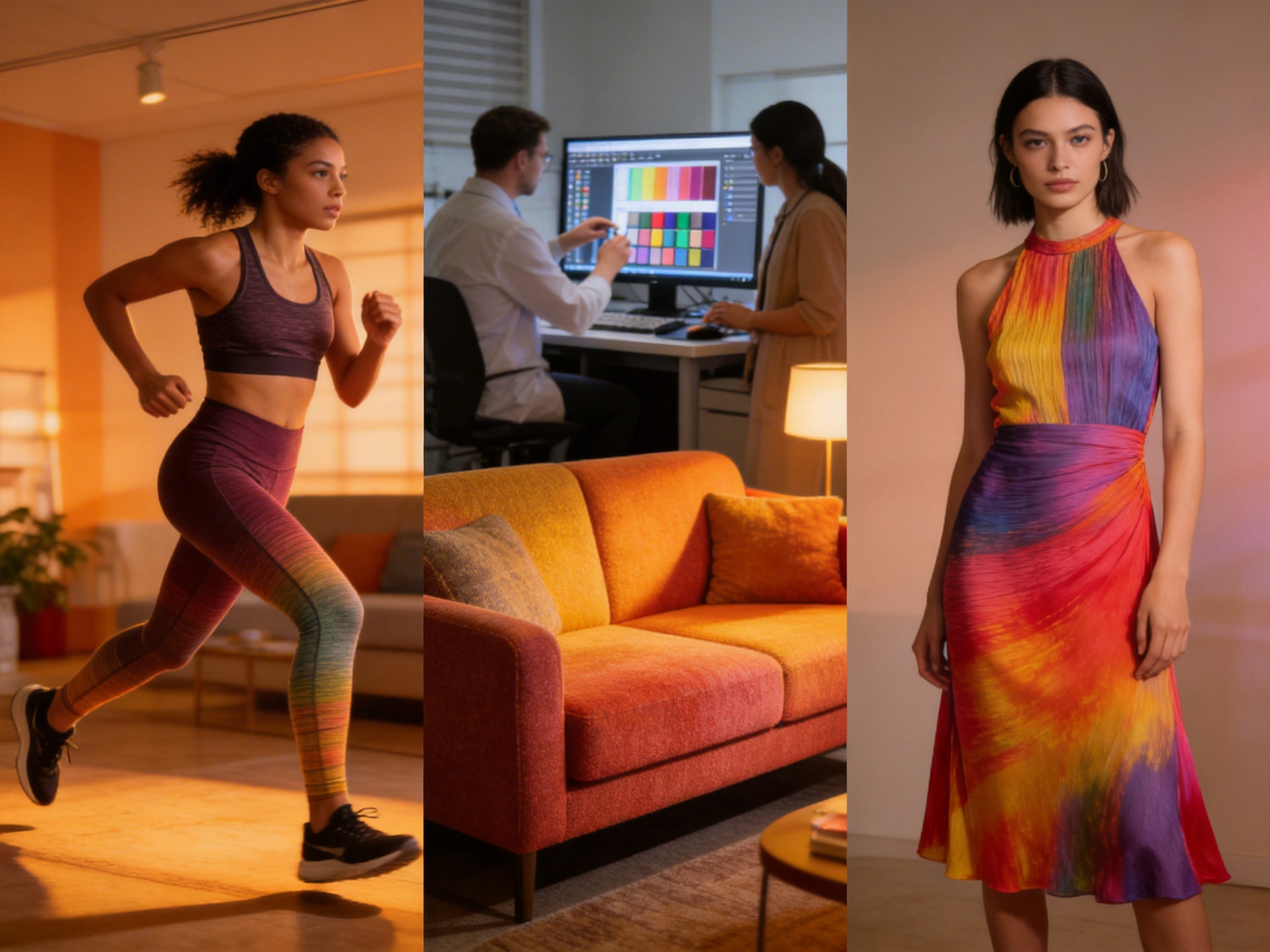
- Sportswear and activewear (e.g., leggings, t-shirts)
- Home textiles (e.g., curtains, upholstery, bedding)
- Fashion apparel (e.g., dresses, shirts)
- Technical textiles (e.g., fire-retardant fabrics for furniture)
Q5: How does the company ensure color consistency in large batches?
A: Leading producers use continuous drop-dyeing systems with precise temperature and dye concentration control. They also use spectrophotometers to verify color accuracy at every stage of production, ensuring uniform color across large batches.
Q6: Are there functional drop-dyed yarn options?
A: Yes, functional drop-dyed yarns are available, including fire-retardant, anti-bacterial, moisture-wicking, UV-protective, and thermal insulation yarns. These are ideal for high-performance applications.
Q7: What is the minimum order quantity (MOQ) for custom drop-dyed yarn?
A: The MOQ for custom drop-dyed yarn varies by product type, but leading producers typically offer MOQs as low as 50 kg for custom colors. For standard colors, MOQs may be even lower.
Q8: How long does it take to produce custom drop-dyed yarn?
A: The lead time for custom drop-dyed yarn is typically 7–10 days from order confirmation, depending on the product type and quantity. For large orders or complex customizations, lead times may be slightly longer.
References
1. Textile Institute. (2022). Sustainable Textile Production: Best Practices for Yarn Dyeing. Manchester, UK: Textile Institute Press.
2. Wang, L., Zhang, H., & Li, Y. (2021). "Advantages of Yarn Dyeing Over Piece Dyeing in Polyester Textiles." Journal of Applied Polymer Science, 148(12), e51023.
3. European Textile Confederation (EURATEX). (2023). Circular Economy in Textiles: Guidelines for Yarn Manufacturers. Brussels, Belgium: EURATEX.
4. American Association of Textile Chemists and Colorists (AATCC). (2022). Color Fastness Testing Standards for Polyester Yarns. Research Triangle Park, NC: AATCC.
5. United Nations Environment Programme (UNEP). (2021). Sustainable Textiles: A Roadmap for the Industry. Nairobi, Kenya: UNEP.

Popular products
-
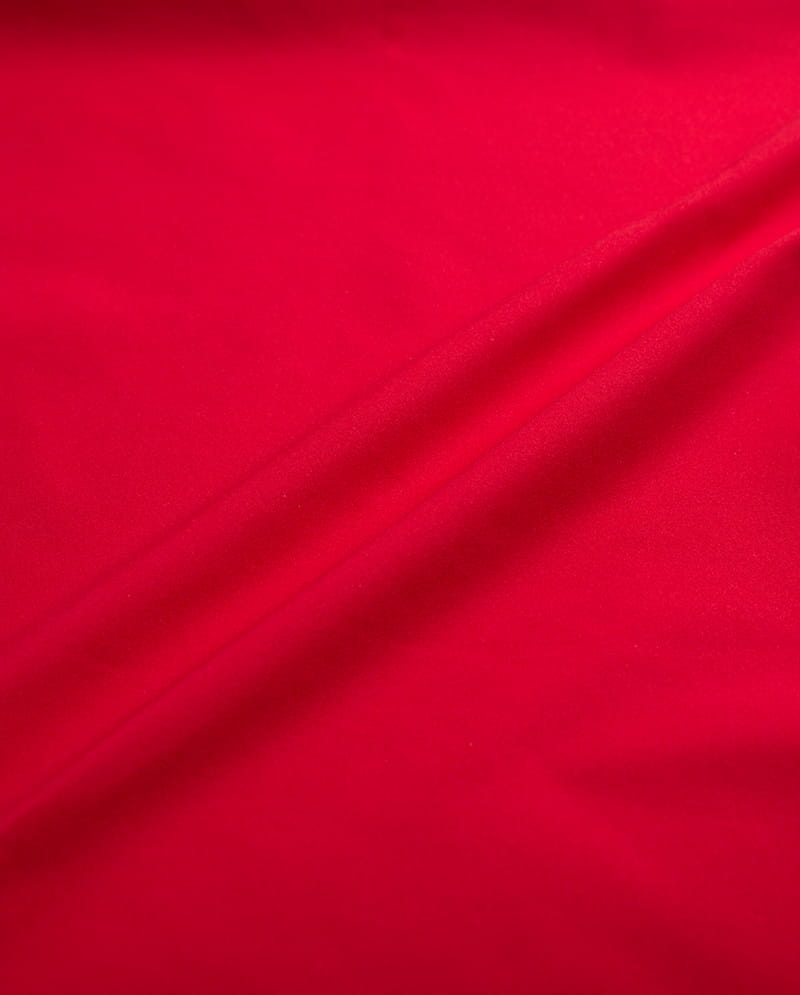
Premium Cationic Interlock Stretch Comfort Fabric
-
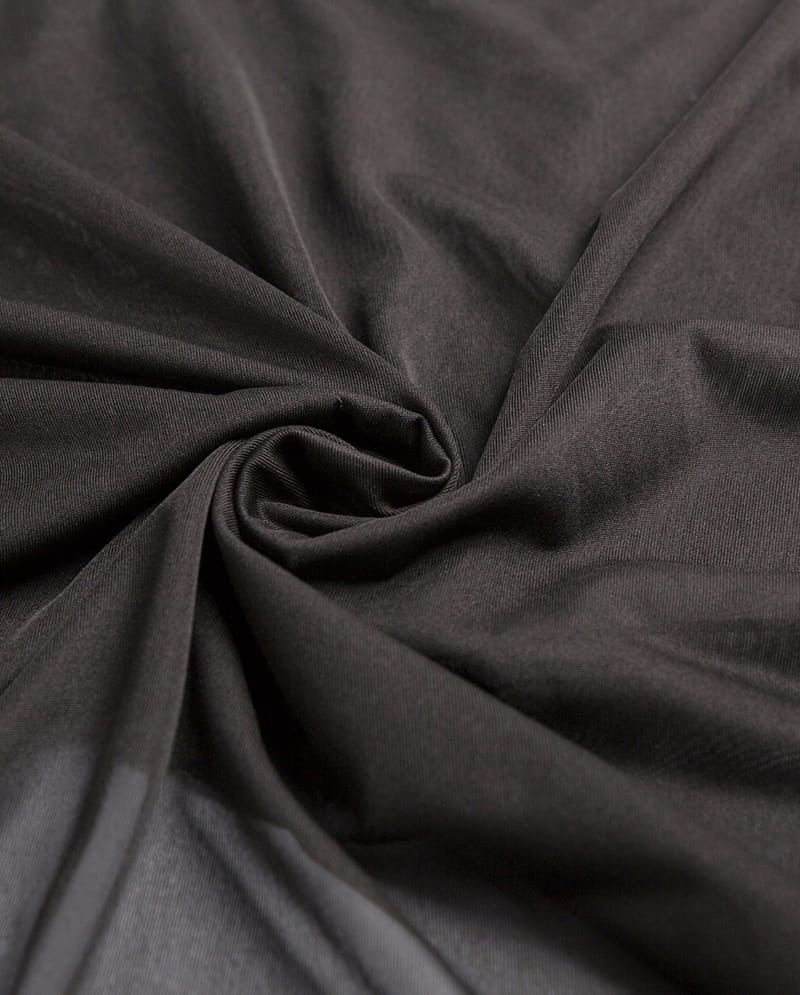
Moisture-Wicking Nylon Woven Fabric
-
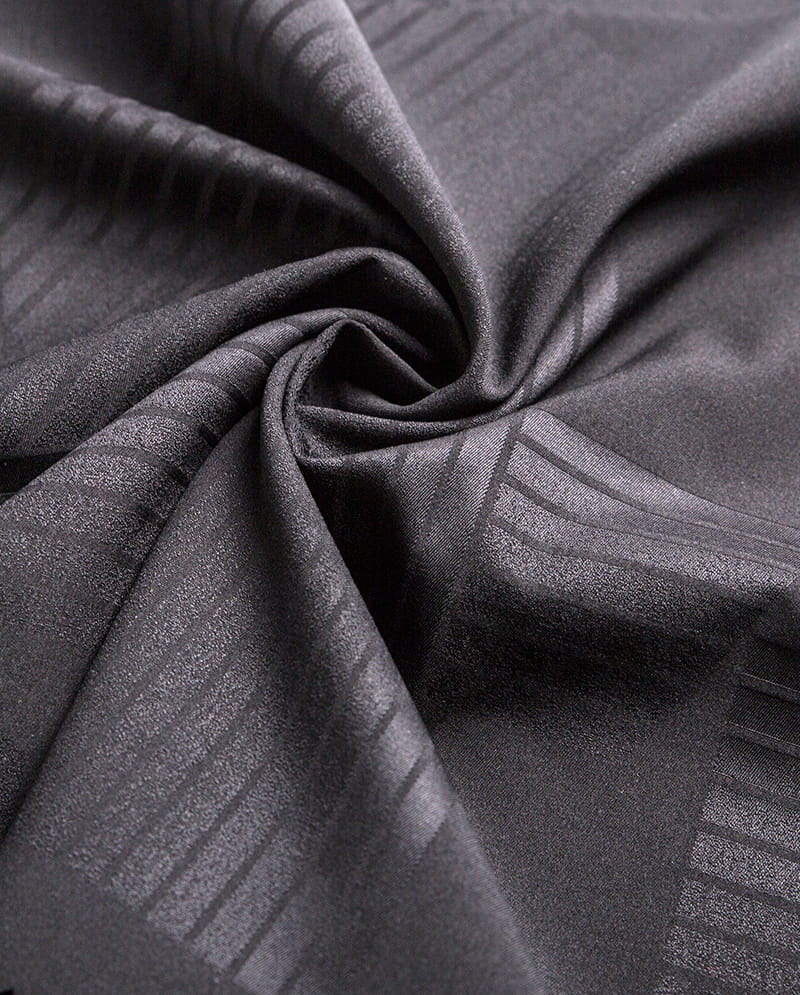
Double-faced jacquard elastic fabric
-
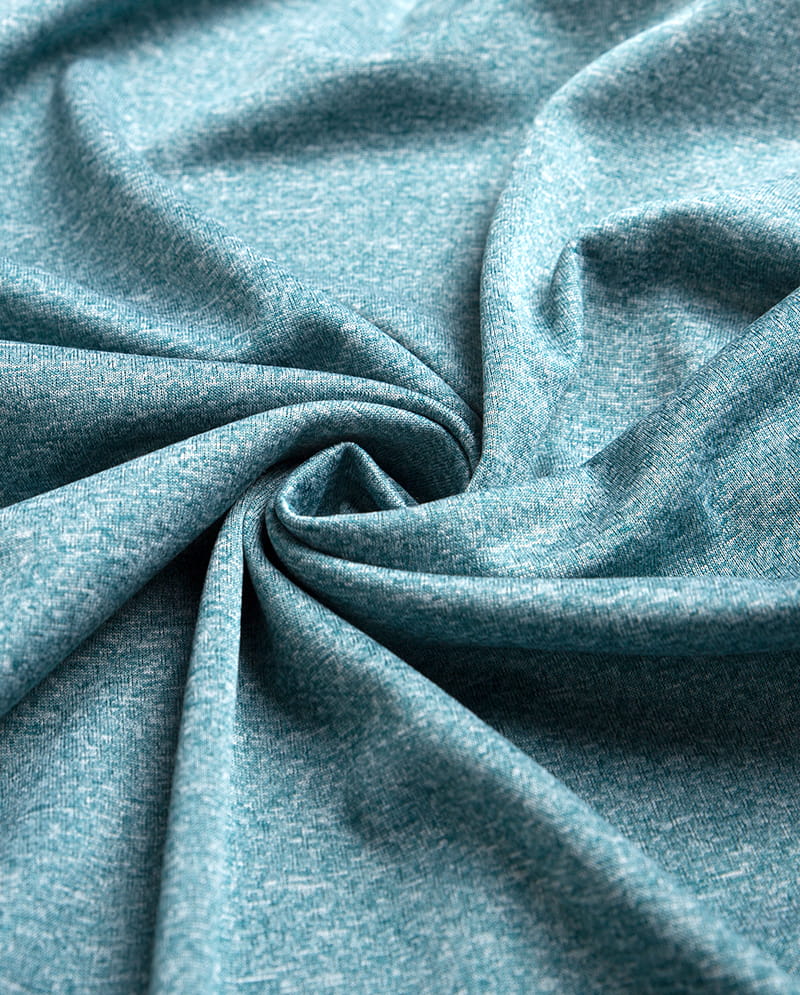
Heather Grey Double-faced cationic jersey fabric
-
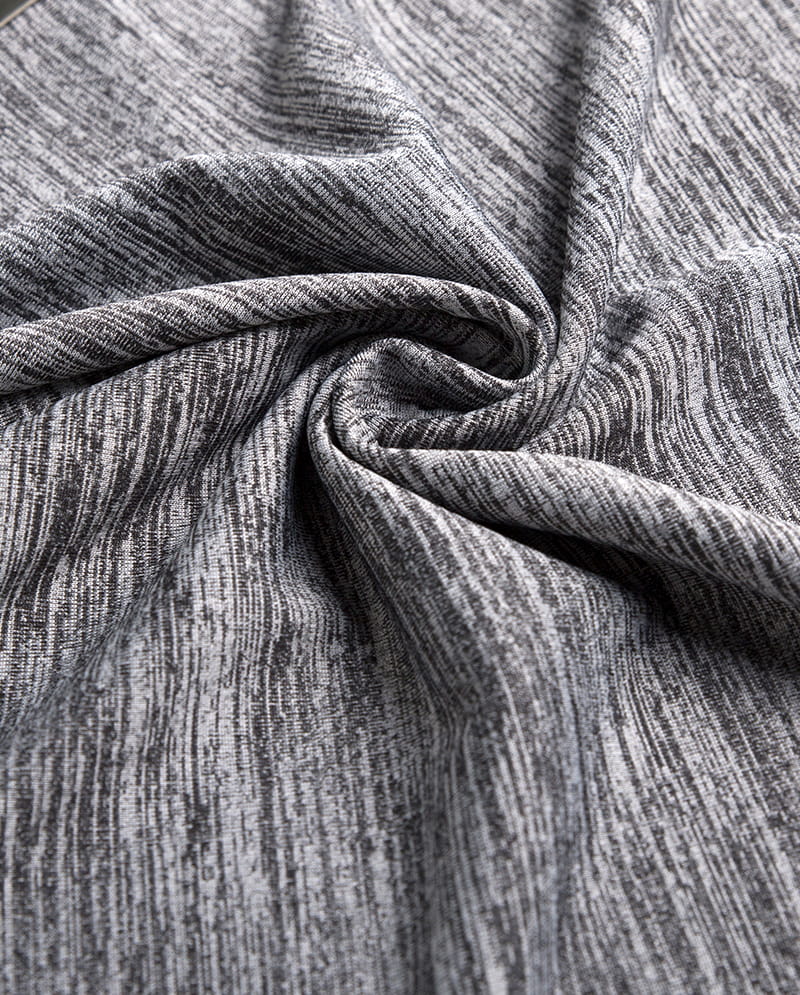
Anti-static Cationic Knitted Rib Fabric
-
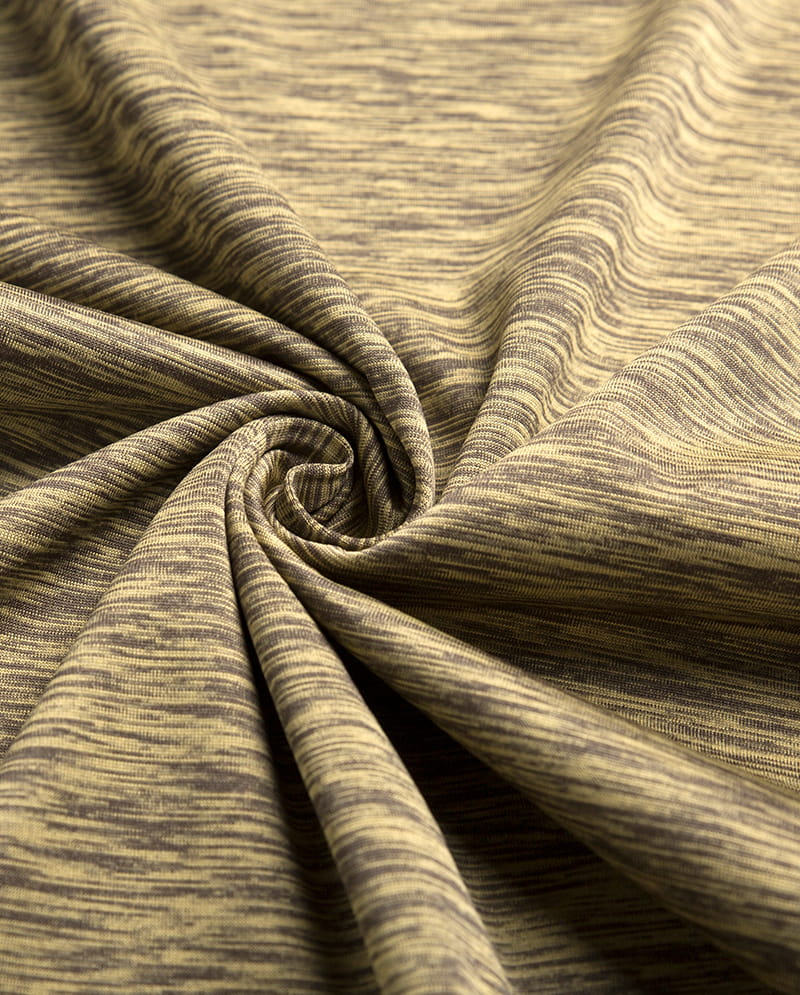
High-Stretch Cationic Jersey Fabric
-
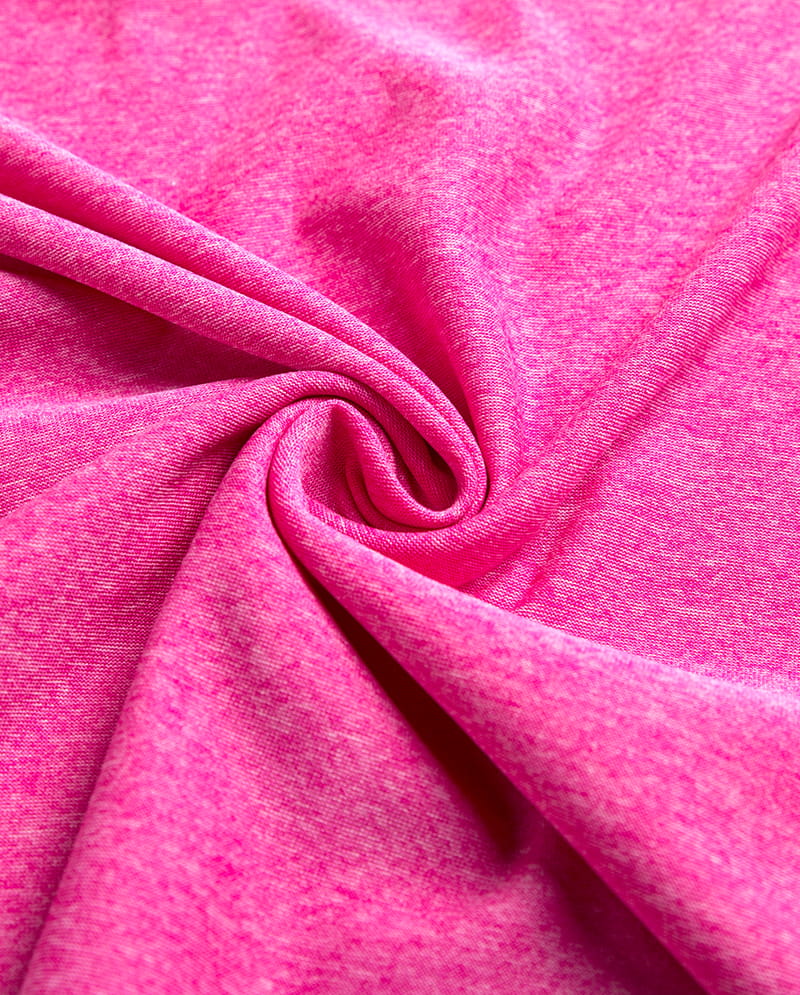
High Quality Cationic DTY Spandex Two Sides Brush Dralon Knit Fabric for Garment Thermal Underwear
-
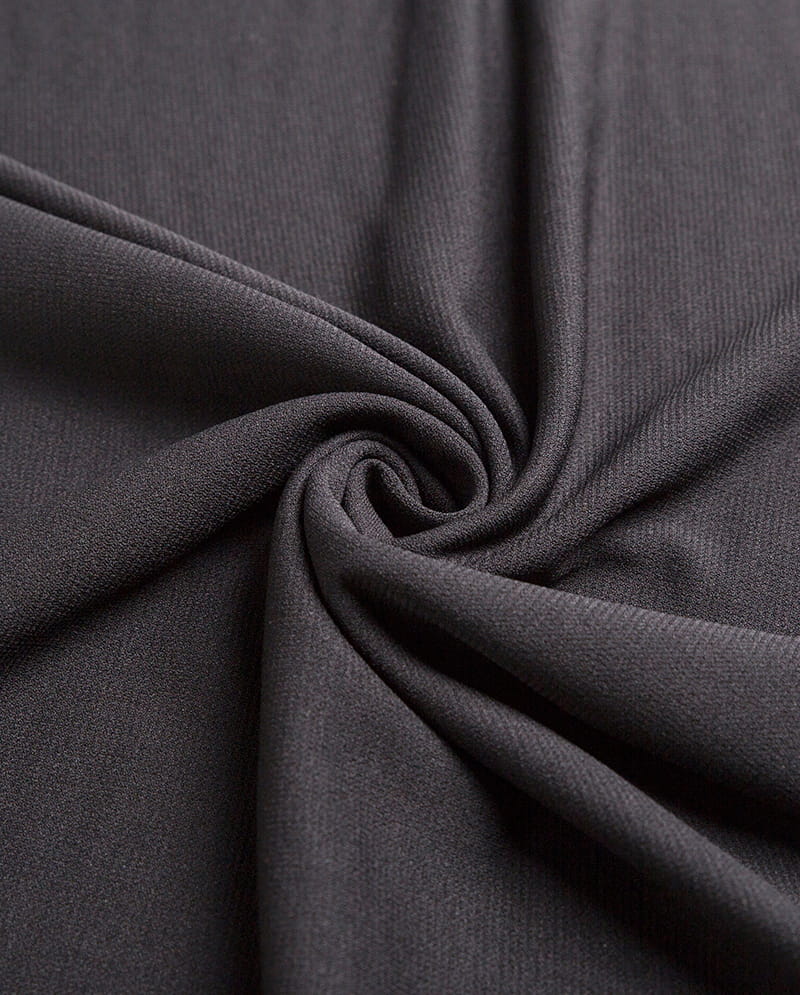
Durable Anti-Pilling Knitted Fabric for Home Textiles
-
Wash-Resistant Cationic Elastic Knitted Fabric for Garment Industry
-
Breathable Double-Faced Elastic Composite Fabric
-
-
-
- whatsapp:
- 0086-13962559622
-
- skype:
- skype.aliceshenghong
-
- Wechat:

COPYRIGHT © 2016 Suzhou Junhui Textile Co., Ltd.
