

 EN
 English
 中文简体
Drop-Dyed Yarn: Advanced Color, Performance, and Sustainable Textile Solutions
Content
- 1 What Is Drop-Dyed Yarn?
- 2 Why Drop-Dyed Yarn Is Important for Modern Textile Production
- 3 Key Advantages Compared with Conventional Alternatives
- 4 Product Portfolio and Available Specifications
- 5 Understanding SD, FD, DTY, and CD Yarn Options
- 6 Recycled Drop-Dyed Yarn for Sustainable Collections
- 7 Advanced Manufacturing and Process Strengths
- 8 Functional Product Families
- 9 Applications Across Textile Markets
- 10 How Drop-Dyed Yarn Compares with Other Coloration Methods
- 11 Quality Control Considerations for Buyers
- 12 Why Choose an Experienced Differential Yarn Supplier?
- 13 Recommended Development Process
- 14 Environmental and Commercial Value
- 15 Q&A About Drop-Dyed Yarn
- 15.1 What is the main difference between drop-dyed yarn and conventionally dyed yarn?
- 15.2 Is drop-dyed yarn suitable for recycled textile products?
- 15.3 Can drop-dyed yarn be used for sportswear?
- 15.4 What do SD and FD mean?
- 15.5 What does DTY mean?
- 15.6 What does CD yarn offer?
- 15.7 Can the yarn be customized?
- 15.8 How should buyers test drop-dyed yarn?
- 15.9 Is drop-dyed yarn always more sustainable?
- 15.10 What information should be included in an inquiry?
- 16 Conclusion
- 17 References
- 18 Product: Drop-dyed Yarn
Drop-dyed yarn is a specialized polyester yarn designed to deliver reliable color, stable performance, and flexible application possibilities across modern textile manufacturing. Unlike conventional undyed yarns that require a separate dyeing process after fabric formation, drop-dyed yarn is produced with color incorporated during the spinning and yarn-manufacturing stages. This approach can help textile producers simplify downstream processing, improve color consistency, reduce water consumption, and create fabrics with distinctive visual and functional characteristics.
As demand for sustainable, efficient, and differentiated textile materials continues to grow, buyers are looking for yarn suppliers that can provide more than standard specifications. They need a partner capable of supplying recycled yarn, dope-dyed yarn, functional yarn, high-elastic yarn, cationic-dyeable yarn, and other customized solutions. Suzhou Junhui Textile Co., Ltd., together with Suzhou Xiaoran New Material Co., Ltd., has developed a broad product portfolio serving these requirements. The companies focus on differential yarn and knitting fabric products, with extensive experience in research, development, production, and international sales.
This article examines the characteristics of drop-dyed yarn, its advantages compared with conventional alternatives, the available specifications and product families, and the manufacturing strengths that support stable supply. It also explains how buyers can select the appropriate yarn for apparel, home textiles, sportswear, technical fabrics, and other applications.
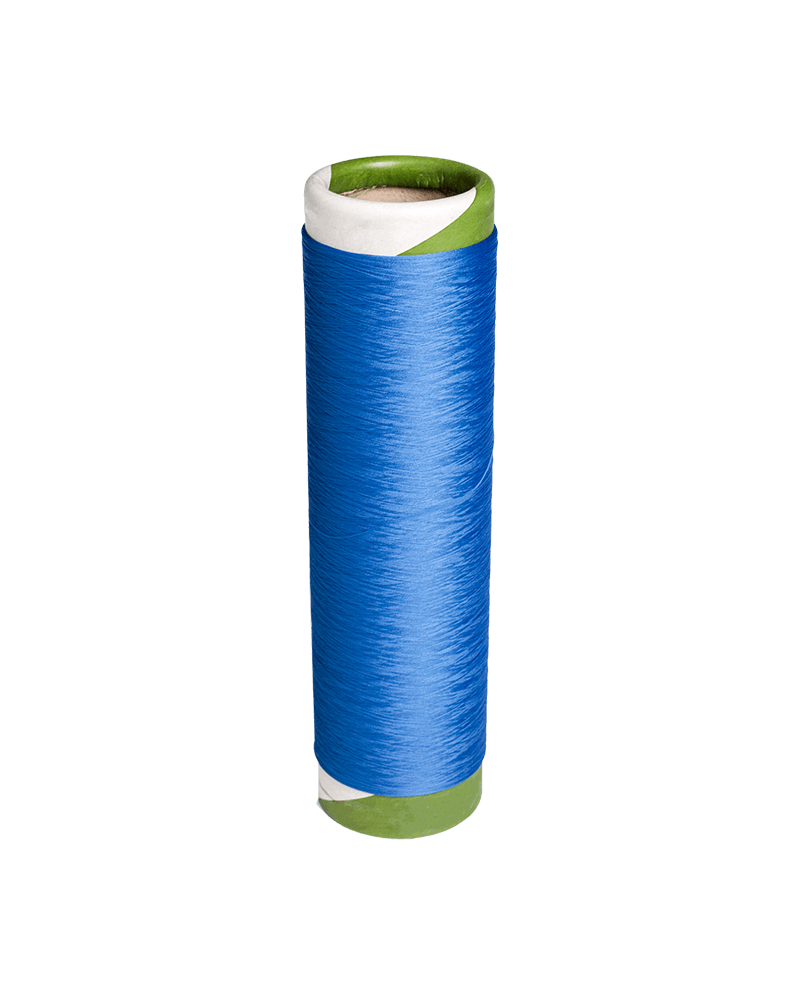
Drop-dyed Yarn
What Is Drop-Dyed Yarn?
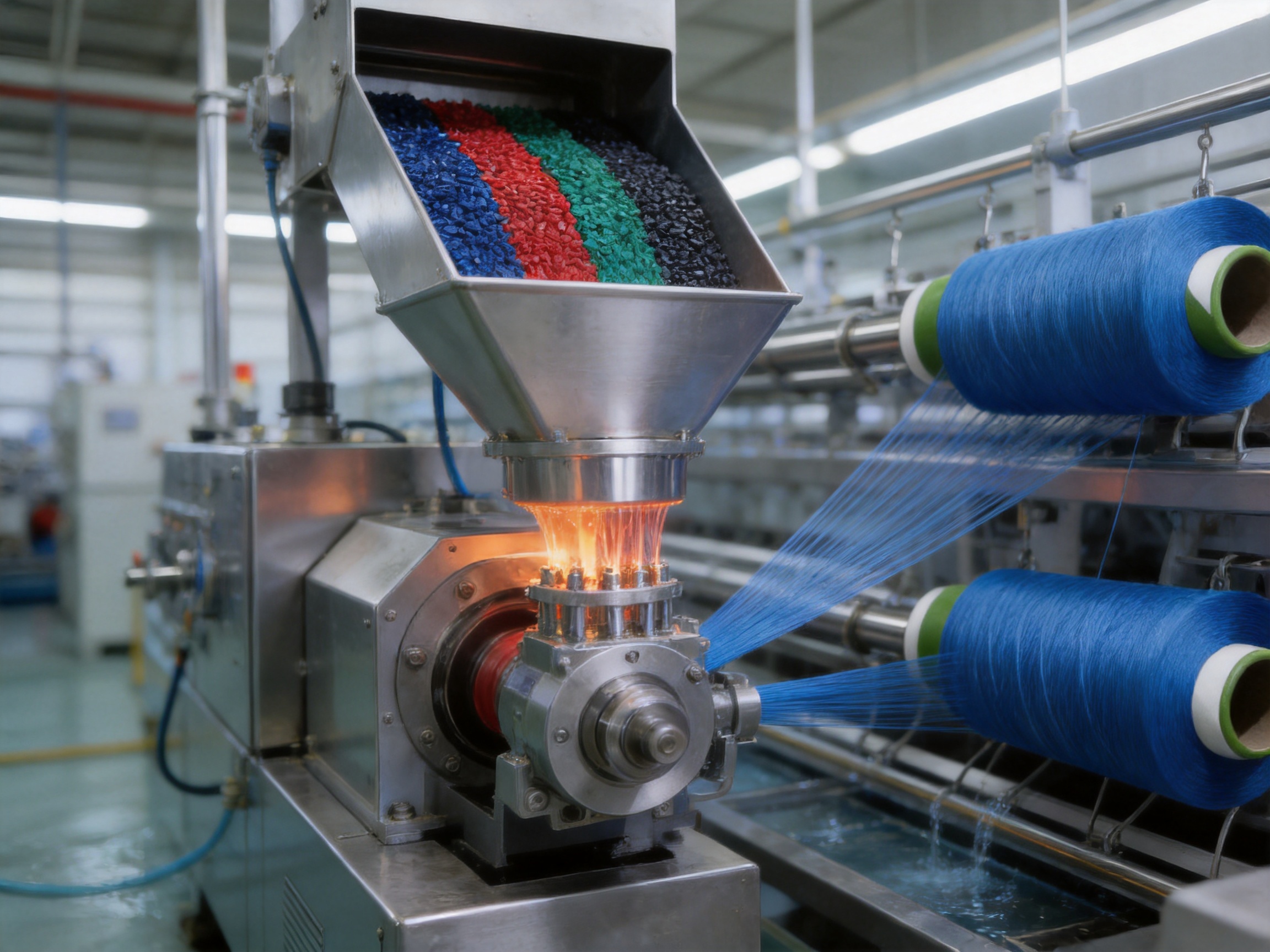
Drop-dyed yarn is commonly understood as yarn whose color is added during the polymer or spinning process rather than applied only after the yarn or fabric has been made. In polyester production, color masterbatch or pigment can be introduced into the polymer stream before extrusion. The colored polymer is then transformed into filaments, drawn, textured, or otherwise processed according to the intended specification.
This method is different from conventional piece dyeing. In piece dyeing, a fabric is first manufactured in a neutral color and then immersed in a dye bath. In yarn dyeing, the yarn is colored after spinning but before fabric formation. In drop dyeing, the color is integrated earlier in the production route. This earlier color integration can improve the relationship between color, polymer, and filament structure.
The term “drop-dyed” is used in different ways across textile markets, and exact production methods may vary according to the yarn type, color, polymer composition, and customer specification. For this reason, buyers should confirm technical details such as color system, color fastness requirements, denier, filament count, luster, cross-section, elongation, shrinkage, twist, intermingling, and end use before placing an order.
Drop-dyed polyester yarn can be supplied in several forms, including partially oriented yarn, fully drawn yarn, drawn textured yarn, cationic-dyeable yarn, recycled yarn, high-elastic yarn, and functional yarn. The product portfolio provided by Suzhou Junhui Textile Co., Ltd. includes many of these categories and covers both standard and differentiated requirements.
Why Drop-Dyed Yarn Is Important for Modern Textile Production
The textile industry is under continuous pressure to reduce resource consumption while maintaining attractive appearance and reliable performance. Customers increasingly expect products that combine color quality, comfort, durability, and responsible manufacturing. Drop-dyed yarn can support these goals by moving color addition closer to the polymer-forming stage.
Traditional dyeing can require significant quantities of water, heat, auxiliaries, and wastewater treatment. The total environmental impact depends on the fiber, dye class, process conditions, and wastewater management system, but eliminating or reducing a later dyeing stage may help manufacturers lower resource use. Drop-dyed yarn may also reduce the number of process steps needed before fabric finishing.
For manufacturers operating large knitting or weaving facilities, process simplification can provide practical advantages. Fewer wet-processing steps may shorten production schedules and reduce exposure to dye-lot variation. It can also help make production planning more predictable, especially when the same color is used repeatedly in different fabric constructions.
Another important benefit is color uniformity. Because the colorant is introduced during filament formation, the color can be distributed throughout the polymer rather than remaining primarily on the outer surface. When properly designed and manufactured, this structure may provide strong resistance to color loss caused by washing, abrasion, and ordinary use. Actual performance depends on the colorant, yarn construction, finishing process, and applicable test standard.
Key Advantages Compared with Conventional Alternatives
Reduced Dependence on Wet Dyeing
One of the principal advantages of drop-dyed yarn is the potential to reduce or eliminate a separate dyeing stage. Conventional textile dyeing typically requires water, heating, chemicals, rinsing, drying, and wastewater treatment. A textile manufacturer using pre-colored yarn may be able to simplify its production route, particularly for products that do not require post-dyeing or complex color effects.
This can be valuable for factories seeking to improve environmental performance and operating efficiency. It may also reduce the risk of shade variation caused by differences in dye-bath temperature, liquor ratio, dye concentration, or fabric pretreatment. When color is established during yarn production, the fabric manufacturer can concentrate more closely on knitting, weaving, finishing, and quality control.
Improved Color Stability
Drop-dyed yarn is designed to offer stable and repeatable color. Since pigment or masterbatch is incorporated into the polymer structure, the resulting color is not dependent only on surface deposition. This can support resistance to washing and rubbing, particularly in applications where long-term appearance is important.
Color stability is especially relevant to sportswear, uniforms, outdoor products, upholstery, luggage fabrics, and other articles that may experience repeated washing or friction. It is still important to conduct application-specific testing because performance varies according to the color shade, yarn type, fabric construction, finishing chemistry, and care conditions.
Consistent Production Across Multiple Orders
For international buyers, repeatability is a major purchasing factor. Brands and fabric mills often need the same shade and yarn performance across several production cycles. A controlled drop-dyeing system can help support repeat orders by using documented color formulations and manufacturing procedures.
Consistency also depends on raw-material control, calibrated equipment, process monitoring, laboratory testing, and accurate record keeping. A supplier with a broad technical product range can assist customers in selecting a suitable specification and maintaining continuity as an order moves from sampling to bulk production.
Wide Application Flexibility
Drop-dyed yarn can be developed for numerous fabric structures and end uses. It may be used in circular knitting, warp knitting, weaving, socks, seamless garments, sportswear, casualwear, home textiles, decorative fabrics, and certain technical textile applications. Different lusters, filament counts, deniers, and cross-sectional designs can be selected to achieve different hand feelings and appearances.
The product list associated with Suzhou Junhui Textile Co., Ltd. includes SD DTY, FD DTY, CD DTY, SD+CD DTY, DDB DTY, recycled yarn, high-elastic yarn, PBT/PET yarn, fire-retardant yarn, anti-bacterial yarn, moisture-wicking yarn, hollow warm yarn, cotton-like yarn, and cationic-related products. This range makes it possible to combine color requirements with comfort, elasticity, warmth, moisture management, or special finishing performance.
Potential Resource and Cost Advantages
When a downstream dyeing step is reduced, manufacturers may save on water, energy, dyes, auxiliaries, labor, and wastewater treatment. The exact economic result depends on order size, fabric construction, color requirements, equipment configuration, and local processing costs. Nevertheless, drop-dyed yarn can be an attractive option for companies seeking a more streamlined supply chain.
In addition, color integration can reduce the risk of certain dyeing defects, including uneven coloration, crease marks, batch-to-batch shade variation, and incomplete fixation. Preventing these issues at an earlier stage may help reduce reprocessing and material waste.
Product Portfolio and Available Specifications
The supplier’s product list includes both recycled and normal polyester yarn series. Specifications are generally presented using denier and filament count formats, such as 50/72, 75/36, 100/144, or 150/288. In these formats, the first number generally indicates yarn denier while the second indicates the number of filaments. Buyers should confirm the exact specification, luster, performance, package type, and tolerance with the technical sales team before purchase.
| Product Family | Representative Specifications | Typical Characteristics | Potential Applications |
|---|---|---|---|
| Recycled SD DTY | 15/6, 20/12-24, 30/12-24-36, 50/36-48-72, 75/36-72-144, 100/36-48-96-144, 150/48-96-144-288, 300/96-192-288-576 | Recycled polyester, semi-dull appearance, textured structure | Apparel, knitted fabrics, home textiles, sustainable collections |
| Recycled FD DTY | 50/72, 75/36, 75/72, 150/144 | Recycled polyester with a brighter appearance and textured performance | Fashion fabrics, sportswear, decorative fabrics |
| Recycled SD+CD DTY | 50/48-72, 75/48-72, 80/72, 100/72-108-144, 125/72-144, 150/72-108-144, 300/96-144-288 | Combined luster or color-difference effects | Novelty fabrics, visual texture, premium apparel |
| Normal SD DTY | 25/72, 30/12-24-36-72, 50/36-48-72-144, 75/36-48-72-144, 100/36-48-96-144, 150/48-96-144-288, 300/96-192-288-576 | Versatile semi-dull textured polyester yarn | Knitting, weaving, garments, furnishings |
| Normal FD DTY | 30/36, 50/72, 75/36-72-144, 100/72-144, 120/192, 150/144-192-288 | Bright textured yarn with smooth visual appeal | Fashion fabrics, linings, lightweight textiles |
| CD DTY | 25/24, 30/24-36, 50/36-72, 75/36-72-144, 100/36-48-72-144, 150/48-144-288, 300/96 | Cationic-dyeable or color-differentiation potential | Two-tone fabrics, mixed-color effects, fashion applications |
| High-Elastic Yarn | 30/12, 50/36-72, 60/72, 75/36-72, 150/48-144 | Enhanced stretch and recovery characteristics | Sportswear, fitted garments, active fabrics |
| Functional Yarn | Fire-retardant 75/36-72 and 150/36-48-144; moisture-wicking 30/24 to 150/48-72 | Performance-oriented properties for specialized fabric design | Protective apparel, activewear, uniforms, technical textiles |
| Cotton-Like and Hollow Warm Yarn | 32S, 40S, 80S; hollow warm 75/72 and 150/144 | Soft handle, cotton-like appearance, or thermal comfort potential | Casualwear, underwear, warm garments, knitted products |
The listed specifications demonstrate that the product range is not limited to one standard yarn construction. Buyers can select a fine denier for lightweight fabrics, a higher denier for greater coverage, a larger filament count for a softer surface, or a special combination for a distinctive appearance. The appropriate choice depends on fabric weight, machine gauge, knitting or weaving speed, finishing route, and final performance requirements.
Understanding SD, FD, DTY, and CD Yarn Options
Semi-Dull Yarn
SD, or semi-dull yarn, is designed to provide a softer and less reflective appearance than fully bright yarn. It is widely used where a subdued, elegant, and practical surface is preferred. Semi-dull yarn can be suitable for apparel, sportswear, uniforms, home textiles, and knitted fabrics.
Fully Bright Yarn
FD, or fully bright yarn, offers a more vivid and reflective appearance. It can enhance the visual brilliance of fabrics and may be selected for fashion fabrics, linings, decorative materials, and products where a cleaner or brighter surface is desired.
Drawn Textured Yarn
DTY, or drawn textured yarn, is produced by drawing and texturing filament yarn. The process creates bulk, stretch, resilience, and a more yarn-like hand. DTY is widely used in knitting and weaving because it can provide comfort and coverage while supporting a broad range of fabric effects.
Cationic-Dyeable Yarn
CD yarn is associated with cationic dyeing characteristics and is often used to create contrast, mélange, two-tone, or special color effects when combined with other polyester yarns. CD DTY and SD+CD DTY products can help fabric developers create differentiated surfaces without relying solely on printing or complex post-dyeing processes.
Recycled Drop-Dyed Yarn for Sustainable Collections
Recycled yarn is an important part of the supplied product portfolio. Recycled polyester can help brands and manufacturers incorporate post-consumer or post-industrial material into textile products, subject to the specific raw-material source and certification requirements of the order.
Recycled drop-dyed yarn combines two important development directions: the use of recycled polymer and the integration of color during yarn production. This combination can help reduce dependence on conventional wet processing while supporting products marketed around recycled content and resource efficiency.
However, responsible purchasing requires clear documentation. Buyers should confirm the source of recycled material, the applicable chain-of-custody system, the percentage of recycled content, and any certification needed for the target market. They should also request laboratory data for color fastness, tensile strength, elongation, shrinkage, and other relevant properties.
The recycled series includes SD DTY, SD FDY, FD DTY, DDB DTY, CD DTY, and SD+CD DTY options. This range gives textile designers more flexibility than a single recycled yarn type. They can select a recycled yarn based on luster, filament count, texture, visual effect, and intended fabric construction.
Advanced Manufacturing and Process Strengths
Polymer and Colorant Preparation
Reliable drop-dyed yarn begins with careful polymer and colorant preparation. The polyester raw material must be selected according to the targeted denier, filament count, luster, strength, and end-use requirements. Color masterbatch or pigment must be compatible with the polymer and sufficiently dispersed to avoid streaks, spots, or unstable shade.
Accurate weighing and controlled mixing are essential. Small changes in colorant concentration can influence shade, opacity, brightness, and production stability. A professional manufacturing system therefore requires defined formulas, traceable raw materials, and process instructions that can be repeated from sample development through bulk production.
Controlled Melt Spinning
During melt spinning, polymer is heated and transformed into a flowing melt before being extruded through spinnerets. The extrusion process determines the initial filament formation. Temperature, pressure, throughput, cooling conditions, and winding speed all influence the structure and performance of the resulting yarn.
For drop-dyed products, stable melt conditions are particularly important because colorant dispersion and polymer flow must remain consistent. Proper process control helps reduce filament defects and supports uniform denier across the package. The objective is to create filaments that can withstand subsequent drawing, texturing, knitting, weaving, and finishing operations.
Drawing and Texturing
DTY products undergo drawing and texturing to develop bulk, elasticity, softness, and a more natural textile hand. Drawing aligns polymer molecules and influences strength and elongation. Texturing introduces crimp or bulk, making the filament more suitable for fabrics that require comfort and coverage.
Texturing conditions must be adapted to the yarn specification. Denier, filament count, heater temperature, draw ratio, false-twist conditions, overfeed, and winding tension can all influence final performance. Careful adjustment is necessary when producing fine denier, high filament count, recycled, high-elastic, or functional products.
Package Winding and Handling
Even a well-spun yarn can create problems if package winding is inconsistent. Package density, shape, hardness, winding tension, and edge quality affect unwinding performance on knitting and weaving machines. Stable packages can reduce yarn breaks and support smoother downstream production.
Packaging must also protect the yarn from moisture, dust, compression, and transport damage. International shipments may require careful loading and documentation to preserve product condition during long-distance transportation.
Laboratory and Production Inspection
Quality management should include both laboratory testing and in-process inspection. Typical evaluation items may include denier, filament count, tensile strength, elongation, crimp properties, shrinkage, oil content, intermingling, appearance, package weight, and color difference.
For functional yarn, additional tests may be required. Fire-retardant yarn may require evaluation under a specified flame-retardancy standard. Anti-bacterial yarn may need testing against defined microorganisms. Moisture-wicking yarn may require moisture transport and drying assessments. These properties should not be assumed solely from the product name; they must be verified according to the buyer’s required test method.
Research and Development Capability
Suzhou Junhui Textile Co., Ltd. and Suzhou Xiaoran New Material Co., Ltd. report a professional research and development team focused on differential yarn, environmental protection, functional yarn, and fabric applications. This orientation is important because modern textile development often requires cooperation between the yarn supplier, fabric mill, garment maker, and brand.
A capable R&D team can help customers compare different deniers, filament counts, lusters, and functional options. It can also support sample development, process troubleshooting, and the adaptation of yarn to specific knitting or weaving conditions. The company states that its experts are available to assist customers globally within 12 hours, which can be valuable when production schedules are tight or technical questions arise across time zones.
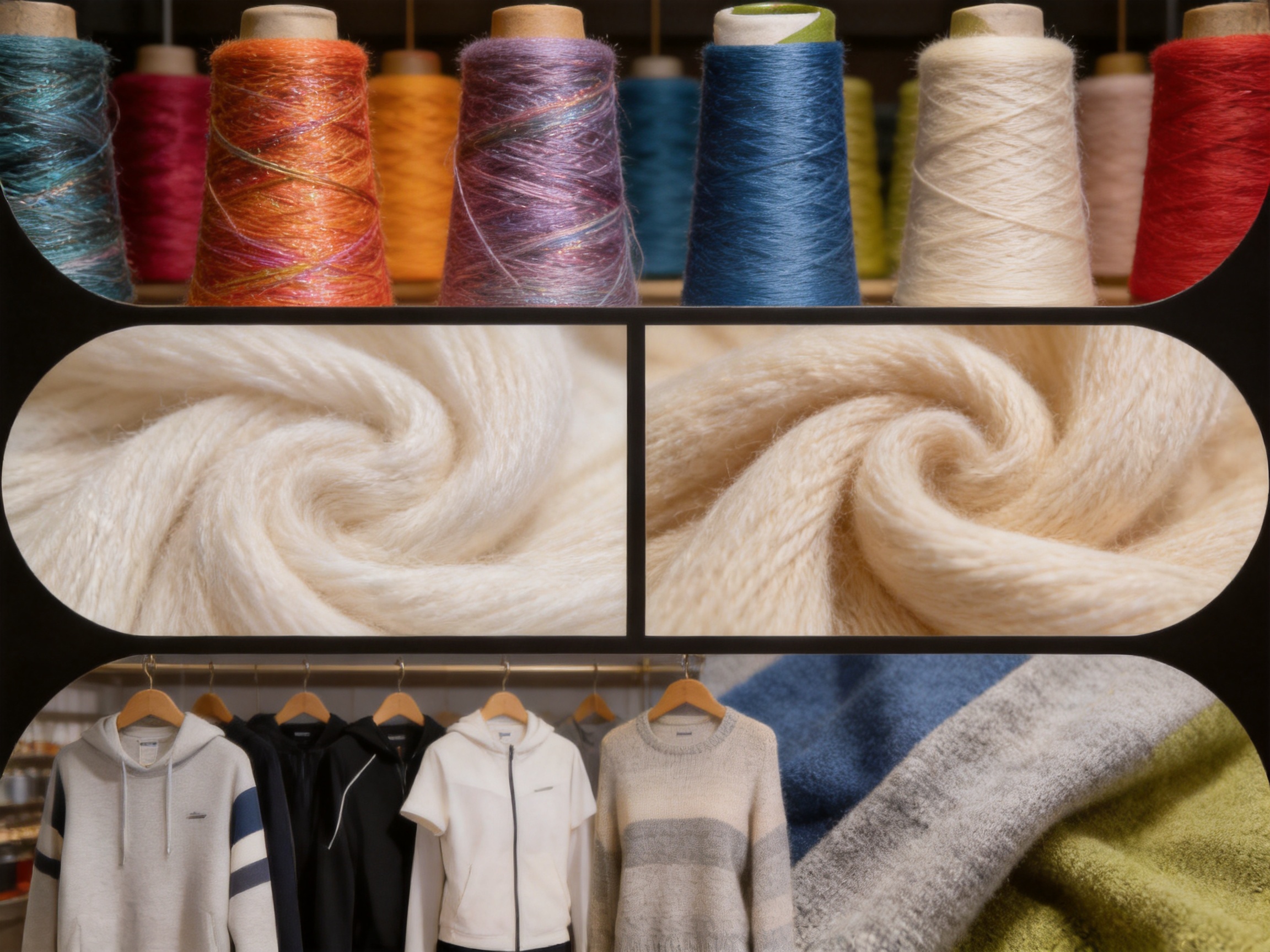
Functional Product Families
High-Elastic Yarn
High-elastic yarn is intended for fabrics requiring stretch, recovery, and body movement. The listed high-elastic series includes 30/12, 50/36-72, 60/72, 75/36-72, and 150/48-144. Additional SD/FD high-elastic products include 30/24, 50/36-48-72, 75/36-48-72, 150/72-144, and 300/96-144.
These yarns may be suitable for fitted garments, sportswear, dancewear, leggings, active uniforms, and other products where comfort and mobility are important. The final stretch behavior depends on yarn construction, fabric structure, machine settings, finishing, and the use of any complementary elastic fiber.
PBT/PET Yarn
PBT/PET yarn combines polybutylene terephthalate and polyethylene terephthalate components to create a differentiated polyester-based yarn. The supplied list includes PBT/PET options such as 50/48 and 75/36, along with PBT/PET DDB products.
This type of yarn may be considered where designers want elastic or recovery characteristics within a polyester-based fabric system. As with all stretch-related products, buyers should conduct fabric-level tests rather than evaluating the yarn alone.
Fire-Retardant Yarn
Fire-retardant yarn is developed for applications where flame behavior is an important consideration. The listed specifications include SD/FD 75/36-72 and SD/FD 150/36-48-144. Potential applications may include workwear, uniforms, protective fabrics, transportation interiors, and selected technical textiles.
Fire performance depends on the yarn composition, fabric weight, construction, finishing, and test method. A buyer should identify the required standard and obtain test reports for the finished fabric or final product. A yarn described as fire-retardant should not automatically be considered compliant with every national or industry regulation.
Anti-Bacterial Yarn
Anti-bacterial yarn is intended for fabrics where odor control, hygiene, or microbial-growth reduction is desired. The supplied product list identifies anti-bacterial yarn in the functional series. It may be considered for sportswear, socks, underwear, medical-related textiles, uniforms, and home products.
Performance should be evaluated according to the target microorganism, test method, number of washing cycles, and intended use. Product developers should also consider skin contact, chemical compatibility, regulatory requirements, and the durability of the treatment or additive.
Moisture-Wicking Yarn
Moisture-wicking yarn is designed to support the movement and evaporation of perspiration. Listed options include 30/24, 50/48-72, 75/48-72, and 150/48-72. These products may be appropriate for activewear, base layers, uniforms, outdoor garments, and summer fabrics.
Moisture management is strongly influenced by fabric geometry. Fiber cross-section, capillary channels, knit density, fabric weight, finishing, and garment design all affect the final result. Yarn selection should therefore be combined with fabric engineering and performance testing.
Cotton-Like and Hollow Warm Yarn
Cotton-like yarn is available in 32S, 40S, and 80S options. It is designed to provide a softer, more cotton-inspired hand while retaining the processing advantages of polyester. This can be useful for casualwear, underwear, shirts, knitted garments, and products requiring easy care and dimensional stability.
Hollow warm yarn is listed in 75/72 and 150/144 specifications. Hollow structures can help create a lighter and warmer textile by trapping air within or between fibers. The actual thermal performance depends on yarn structure, fabric thickness, loft, finishing, and garment construction.
Applications Across Textile Markets
Apparel and Fashion Fabrics
Drop-dyed yarn is suitable for a broad range of apparel products, including dresses, shirts, skirts, trousers, jackets, sportswear, casualwear, and knitwear. SD yarn can provide a restrained surface, while FD yarn can create more brilliance. CD and SD+CD combinations can add contrast or a two-tone effect.
Fashion brands can use differentiated yarns to develop collections with a distinct visual identity. Color integrated into the yarn may also support repeatable production across seasonal collections, provided the color formula and material specification are properly controlled.
Sportswear and Activewear
Sportswear requires a combination of comfort, elasticity, moisture management, durability, and color stability. High-elastic yarn, moisture-wicking yarn, recycled yarn, and drop-dyed polyester can be combined to develop fabrics for training garments, leggings, running apparel, cycling products, and outdoor clothing.
For activewear, the yarn should be evaluated together with fabric stretch, recovery, pilling resistance, snag resistance, breathability, drying speed, and resistance to perspiration. A well-selected yarn is an important starting point but not the only factor determining garment performance.
Home Textiles
Drop-dyed yarn can be used for curtains, cushions, upholstery, blankets, bedding, decorative knitted products, and other home textiles. Color stability is valuable in products exposed to sunlight, cleaning, friction, and extended use. Higher denier yarns can help create coverage and durability, while finer multifilament yarns can provide a smoother surface.
Uniforms and Workwear
Uniform manufacturers often require consistent color across repeated orders. Drop-dyed yarn can support this requirement while reducing reliance on post-fabric dyeing. Functional options such as fire-retardant, moisture-wicking, high-elastic, and recycled yarn can be selected according to the working environment.
Knitting and Weaving Applications
The product range includes yarns suitable for circular knitting, warp knitting, and woven fabric production. DTY is commonly selected for its bulk and comfort, while FDY or other smooth filament options may be used where a cleaner surface and lower hairiness are required.
Before bulk production, fabric mills should test the yarn on the intended machine. Important factors include yarn tension, feeding stability, breakage rate, needle or heddle behavior, fabric width, shrinkage, dye or finishing compatibility, and final appearance.
How Drop-Dyed Yarn Compares with Other Coloration Methods
| Coloration Method | Main Stage of Color Addition | Typical Strengths | Important Considerations |
|---|---|---|---|
| Drop-dyed or dope-dyed yarn | During polymer or filament formation | Potentially lower wet processing, strong color integration, repeatable shades | Color changes may require production planning; formula and raw-material control are essential |
| Yarn dyeing | After spinning and before fabric formation | Good for yarn-dyed patterns and detailed fabric effects | Requires dyeing resources, water, heat, and wastewater management |
| Piece dyeing | After knitting or weaving | Flexible for fabric-level shade adjustment and large fabric lots | Can involve significant wet processing and potential shade variation |
| Pigment printing | On the surface of finished fabric | Suitable for graphics, patterns, and localized designs | Surface handle, rubbing, printing quality, and durability must be managed |
No single coloration method is ideal for every product. Drop-dyed yarn is particularly attractive when a manufacturer values repeatable solid colors, reduced wet processing, long-term color stability, and efficient production. Yarn dyeing or printing may remain preferable when the product requires complex patterns, rapid color changes, or special surface designs.
Quality Control Considerations for Buyers
When purchasing drop-dyed yarn, buyers should request a complete technical specification rather than relying only on the product name. The specification should identify the yarn category, denier, filament count, luster, color reference, package weight, oil content, strength, elongation, shrinkage, and other applicable properties.
Color evaluation should be performed under agreed lighting conditions. Buyers may use a physical standard, a laboratory color value, a Pantone-related reference, or an approved sample. The acceptable color difference should be established before production. For repeat orders, retained samples and production records can help maintain continuity.
Physical performance tests should reflect the final application. Apparel yarn may require tests for pilling, abrasion, washing, perspiration, and dimensional stability. Home textile yarn may require light fastness, rubbing, and cleaning resistance. Technical yarn may require flame behavior, moisture management, anti-bacterial performance, or other specialized assessments.
Packaging and logistics should also be discussed. Buyers should confirm cone or tube size, net and gross weight, carton configuration, labeling, palletization, moisture protection, and shipping documentation. Clear communication at the quotation stage can prevent avoidable problems later.
Why Choose an Experienced Differential Yarn Supplier?
Differential yarn development requires more than basic spinning capacity. It involves understanding how polymer selection, color, filament geometry, texturing, elasticity, finishing, and fabric construction interact. An experienced supplier can help customers avoid selecting a yarn that looks suitable on paper but performs poorly on the intended machine or fabric.
Suzhou Junhui Textile Co., Ltd. and Suzhou Xiaoran New Material Co., Ltd. were founded in June 2015 and focus on developing and selling differential yarn and knitting fabric products. Their portfolio includes recycled yarn, polyester drop-dyed yarn, special-effect yarn, microfine yarn, flame-retardant yarn, cationic-dyeing yarn, and other functional products.
The companies report that more than 90 percent of their products are exported and that they have established cooperative relationships with customers in 36 countries. This international experience can support communication about packaging, documentation, quality expectations, export procedures, and market-specific requirements.
The company’s stated customer-service philosophy emphasizes long-term cooperation and customer success. For buyers, this can mean access to technical guidance during product selection, sampling, testing, and problem solving. It is especially useful when a customer is developing a new fabric and needs to compare several yarn constructions before finalizing the order.

Recommended Development Process
Step One: Define the End Use
Begin by identifying the final product. A lightweight blouse, compression garment, upholstery fabric, winter knit, protective uniform, and sports shirt require different yarn properties. The end use determines whether the priority should be softness, strength, stretch, warmth, moisture transport, flame resistance, color durability, or appearance.
Step Two: Select the Yarn Family
Choose between recycled and conventional polyester, SD and FD luster, DTY and other filament structures, CD or SD+CD options, high-elastic products, functional products, or cotton-like and hollow warm constructions. The supplier’s broad product list makes it possible to compare several alternatives within one sourcing relationship.
Step Three: Confirm Technical Parameters
Confirm denier, filament count, yarn type, color, package, strength, elongation, shrinkage, and any special functional requirement. If the yarn will be combined with another fiber, test compatibility in advance. For cationic or contrast effects, evaluate the interaction between the different yarn components in the proposed fabric structure.
Step Four: Develop a Sample Fabric
Yarn performance should be evaluated in the intended fabric construction. A sample may be knitted or woven using the same machine gauge, stitch density, warp arrangement, or finishing route planned for bulk production. Assess appearance, hand, stretch, dimensional stability, shade, and processing behavior.
Step Five: Approve Color and Performance
Approve a physical color standard and establish acceptable tolerances. Functional claims should be supported by test reports using agreed methods. The buyer and supplier should also define inspection procedures for bulk production, including sampling frequency and handling of nonconforming material.
Step Six: Plan Repeat Orders
For long-term programs, maintain records of the approved yarn specification, color formula, sample, test data, package details, and production lot. This information helps reduce uncertainty when the same yarn is ordered again months later.
Environmental and Commercial Value
Drop-dyed yarn offers a practical way for textile manufacturers to connect environmental objectives with commercial performance. Reducing wet processing may help lower water and energy demand, while recycled yarn can support material-circularity goals. At the same time, stable color and broad specification choices can help brands create attractive products with reliable performance.
Environmental value should be assessed across the entire product life cycle. Buyers should consider raw-material origin, energy consumption, production waste, dyeing requirements, finishing chemicals, transport, durability, and end-of-life options. A durable product that maintains its appearance through repeated use may provide additional value by reducing replacement frequency.
Transparency is also essential. Sustainability claims should be supported by appropriate documentation and should accurately describe the recycled content, process benefits, certifications, and limitations of the product. Responsible suppliers can help customers communicate these points more accurately.
Q&A About Drop-Dyed Yarn
What is the main difference between drop-dyed yarn and conventionally dyed yarn?
Drop-dyed yarn receives its color during polymer or filament formation, while conventionally dyed yarn is colored after spinning or after fabric production. Drop dyeing can reduce the need for later wet processing and can provide color integrated into the fiber structure. The exact advantages depend on the yarn, colorant, production method, and application.
Is drop-dyed yarn suitable for recycled textile products?
Yes. Recycled polyester can be used to produce drop-dyed yarn, and the supplier’s portfolio includes recycled SD DTY, FD DTY, CD DTY, DDB DTY, and combined SD+CD DTY options. Buyers should confirm recycled content, raw-material source, and any certification required by the target market.
Can drop-dyed yarn be used for sportswear?
Yes. High-elastic, moisture-wicking, recycled, and functional yarn options can be considered for sportswear. However, the final garment’s stretch, drying speed, breathability, abrasion resistance, and comfort depend on fabric construction and finishing as well as yarn selection.
What do SD and FD mean?
SD generally refers to semi-dull yarn, which has a softer and less reflective appearance. FD generally refers to fully bright yarn, which offers a brighter and more reflective surface. The best choice depends on the desired appearance and final application.
What does DTY mean?
DTY means drawn textured yarn. It is processed to introduce bulk, crimp, stretch, and a more textile-like hand. DTY is widely used in knitted and woven fabrics for apparel, home textiles, and other applications.
What does CD yarn offer?
CD generally refers to cationic-dyeable yarn. It can be used alone or with other polyester yarns to create contrast, two-tone, mélange, or special color effects. The exact result depends on the dyeing system, fabric construction, and combination of yarn types.
Can the yarn be customized?
The supplied product information states that orders for various types of differentiation yarn can be accepted. Customization should be discussed in detail, including denier, filament count, luster, color, recycled content, elasticity, functional properties, package format, and minimum order quantity.
How should buyers test drop-dyed yarn?
Buyers should first inspect yarn appearance, package quality, color, denier, and winding condition. They should then run the yarn on the intended knitting or weaving equipment and test the finished fabric for color fastness, strength, elongation, shrinkage, pilling, abrasion, and any application-specific performance.
Is drop-dyed yarn always more sustainable?
Drop-dyed yarn may reduce water and chemical use by avoiding or reducing later dyeing, but sustainability depends on the entire supply chain. Raw materials, energy use, recycled content, manufacturing waste, durability, transportation, and end-of-life treatment should all be considered before making a sustainability claim.
What information should be included in an inquiry?
A useful inquiry should include the intended application, yarn type, denier, filament count, luster, color, estimated quantity, fabric construction, machine type, required functional properties, packaging requirements, destination market, and testing or certification needs. Providing this information helps the supplier recommend a more accurate product.
Conclusion
Drop-dyed yarn is a valuable solution for textile manufacturers seeking stable color, efficient production, broad design flexibility, and reduced dependence on conventional wet dyeing. Its advantages can include integrated coloration, repeatable appearance, potential resource savings, and suitability for a wide range of fabric applications.
The product portfolio supplied by Suzhou Junhui Textile Co., Ltd. and Suzhou Xiaoran New Material Co., Ltd. covers recycled, normal, cationic, high-elastic, functional, cotton-like, hollow warm, and other differential yarn categories. Available options include SD DTY, FD DTY, CD DTY, SD+CD DTY, DDB DTY, fire-retardant yarn, anti-bacterial yarn, moisture-wicking yarn, PBT/PET yarn, and recycled yarn in multiple denier and filament-count combinations.
Supported by research and development experience, international export activity, and a customer-oriented technical service approach, the companies are positioned to support textile buyers from initial yarn selection through sample development and bulk production. For manufacturers developing apparel, sportswear, home textiles, uniforms, technical fabrics, and sustainable collections, drop-dyed yarn can provide a practical foundation for improved color performance and more efficient textile production.
References
1. Supplier Product List for Recycled, Normal, CD, High-Elastic, Functional, and Differential Polyester Yarn.
2. Supplier Company Profile and Technical Product Information.
3. General Principles of Polyester Melt Spinning, Drawing, and False-Twist Texturing.
4. Textile Coloration and Color-Fastness Testing Practices.
5. General Guidance on Recycled Polyester Supply-Chain Documentation.
6. Textile Fabric Performance Evaluation Methods for Strength, Elongation, Shrinkage, Abrasion, Moisture Management, and Flame Behavior.
Product: Drop-dyed Yarn
Popular products
-
Premium Cationic Interlock Stretch Comfort Fabric
-
Moisture-Wicking Nylon Woven Fabric
-
Double-faced jacquard elastic fabric
-
Heather Grey Double-faced cationic jersey fabric
-
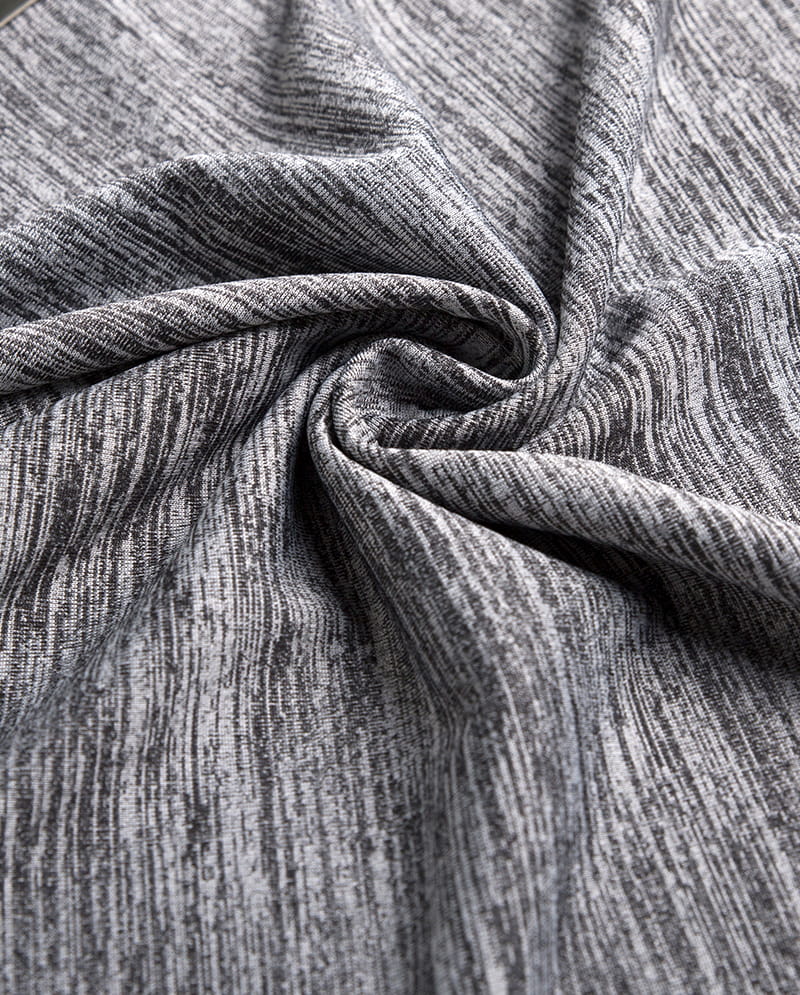
Anti-static Cationic Knitted Rib Fabric
-
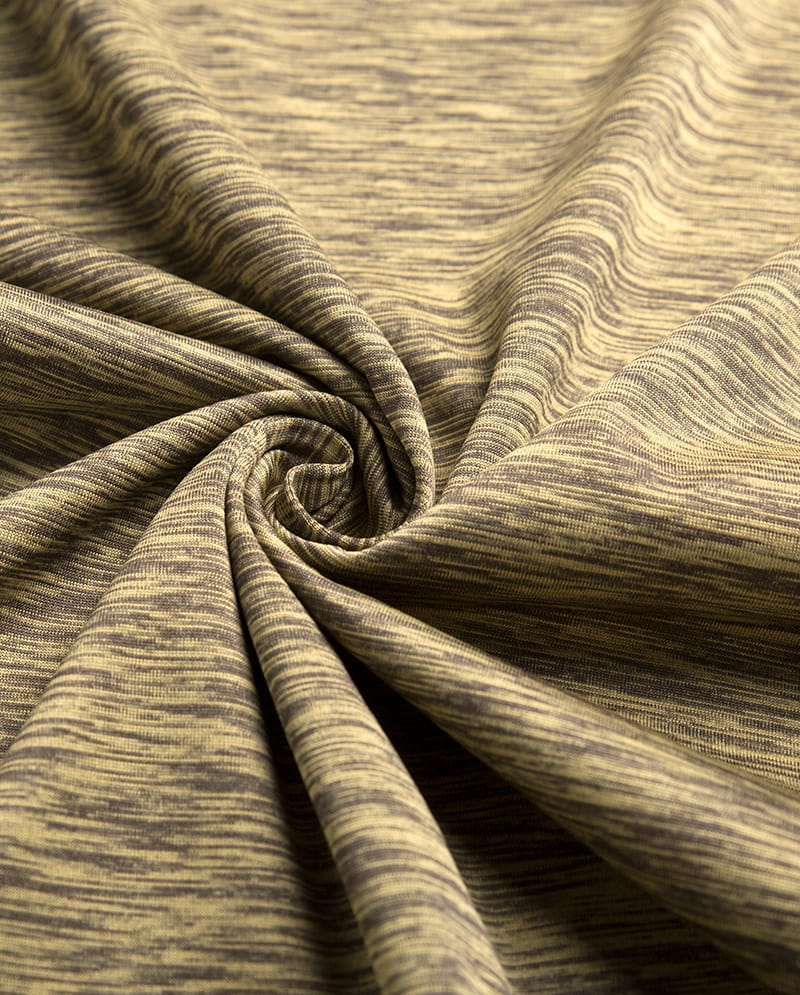
High-Stretch Cationic Jersey Fabric
-
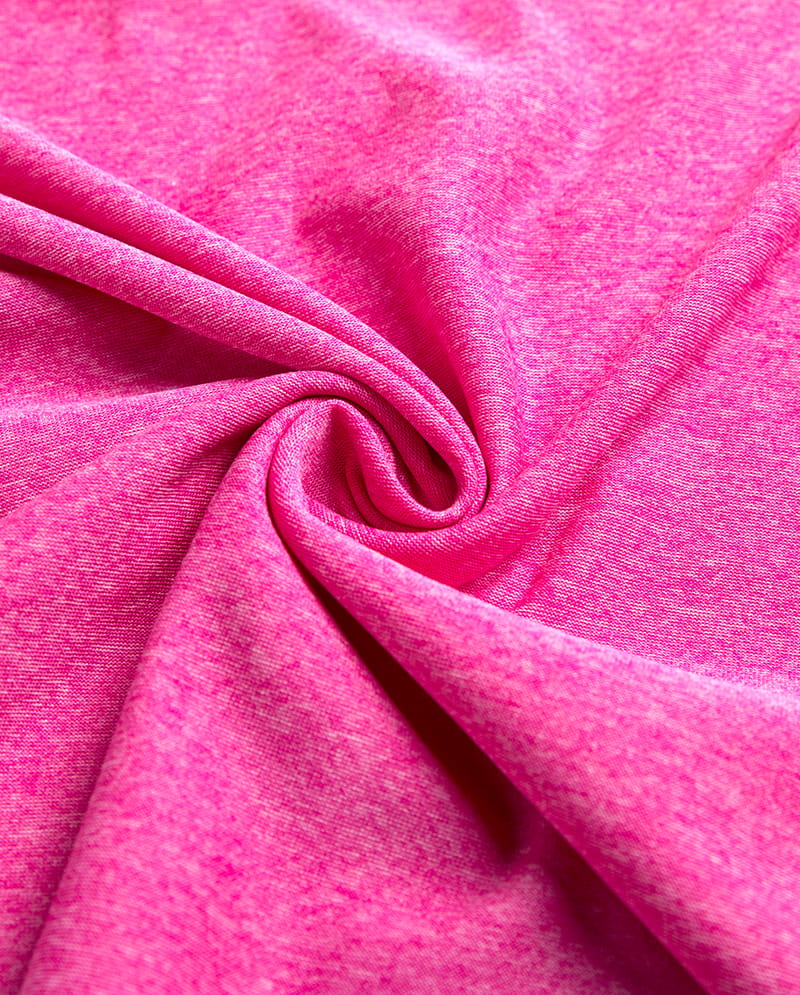
High Quality Cationic DTY Spandex Two Sides Brush Dralon Knit Fabric for Garment Thermal Underwear
-
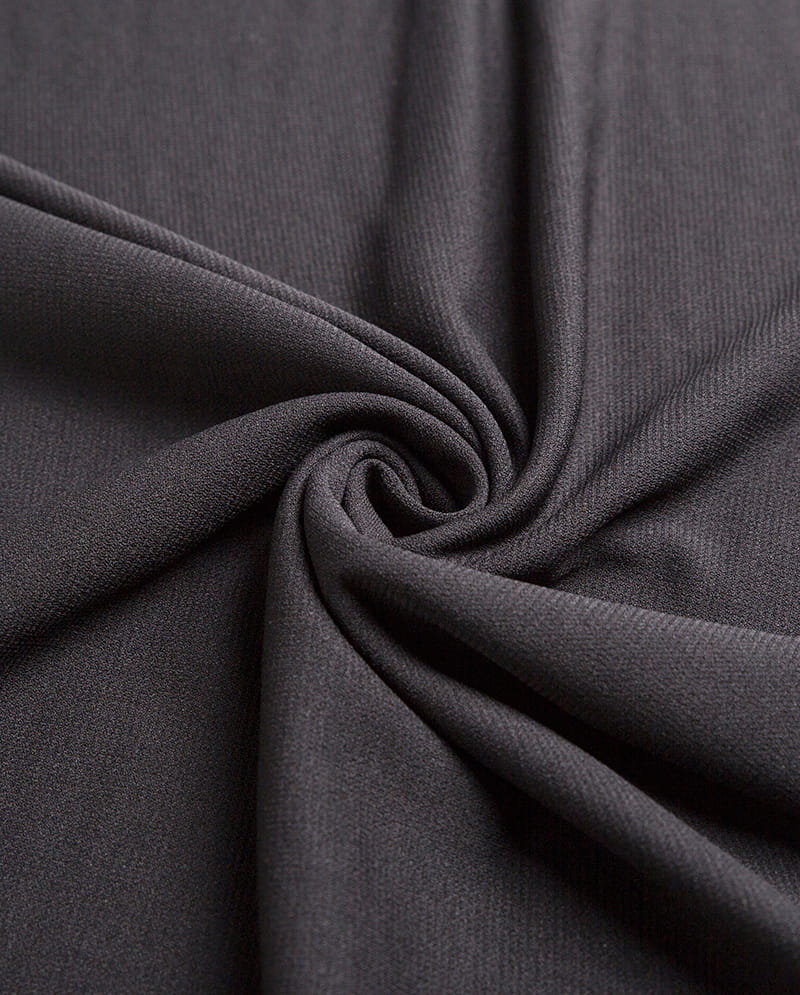
Durable Anti-Pilling Knitted Fabric for Home Textiles
-
Wash-Resistant Cationic Elastic Knitted Fabric for Garment Industry
-
Breathable Double-Faced Elastic Composite Fabric
-
-
-
- whatsapp:
- 0086-13962559622
-
- skype:
- skype.aliceshenghong
-
- Wechat:

COPYRIGHT © 2016 Suzhou Junhui Textile Co., Ltd.
