

 EN
EN English
 中文简体
中文简体Drop-Dyed Yarn: A Flexible, Sustainable, and Performance-Driven Solution for Modern Textiles
Content
- 1 Understanding Drop-Dyed Yarn
- 2 Why Colored Filament Yarn Is Increasingly Important
- 3 Product Portfolio and Specification Flexibility
- 4 Recycled Drop-Dyed Yarn for More Responsible Product Development
- 5 Color, Luster, and Design Possibilities
- 6 High-Elastic and PBT/PET Yarn Options
- 7 Functional Yarn for Performance Textiles
- 8 Cotton-Like, Hollow, and Specialized Constructions
- 9 Manufacturing Approach and Technical Strengths
- 10 Advantages Compared with Conventional Commodity Yarn Suppliers
- 11 Applications of Drop-Dyed Yarn
- 12 How Buyers Should Select the Correct Specification
- 13 Quality and Development Cooperation
- 14 Environmental and Commercial Value
- 15 Company Capability and International Service
- 16 Future Development of Drop-Dyed Yarn
- 17 Q&A About Drop-Dyed Yarn
- 17.1 What is drop-dyed yarn?
- 17.2 What is the difference between DTY and FDY?
- 17.3 Can drop-dyed yarn be made from recycled polyester?
- 17.4 What colors are available?
- 17.5 Can the yarn be customized?
- 17.6 What industries can use drop-dyed yarn?
- 17.7 Does colored yarn eliminate all dyeing processes?
- 17.8 How should functional yarn be evaluated?
- 17.9 What information should a buyer provide when requesting a quotation?
- 17.10 Why work with a supplier that offers multiple yarn families?
- 18 Conclusion
- 19 References
- 20 Product: Drop-dyed Yarn
Drop-dyed yarn is an important category within the modern polyester yarn market. It combines the design flexibility of colored filament yarn with the production efficiency, consistency, and functional potential required by today’s textile manufacturers. As fashion brands, sportswear companies, home-textile producers, and technical-fabric specialists search for more reliable and differentiated materials, colored yarns are becoming increasingly important in the early stages of textile development.
Suzhou Junhui Textile Co., Ltd. and Suzhou Xiaoran New Materials Co., Ltd. focus on the development and sale of differential yarn products, including recycled yarn, polyester drop-dyed yarn, microfine yarn, flame-retardant yarn, cationic-dyeing yarn, and knitting-fabric products. Their product portfolio demonstrates a broad understanding of the relationship between polymer selection, filament structure, color, elasticity, surface appearance, and end-use performance.
The company’s drop-dyed yarn offering is supported by an extensive product list covering standard, recycled, cationic, high-elastic, functional, hollow, cotton-like, and blended constructions. This breadth allows buyers to select yarns according to denier, filament count, luster, cross-section, elasticity, color effect, sustainability objectives, and fabric application. Instead of treating colored yarn as a single commodity, the company approaches it as a customizable textile material that can be adapted to different production requirements.
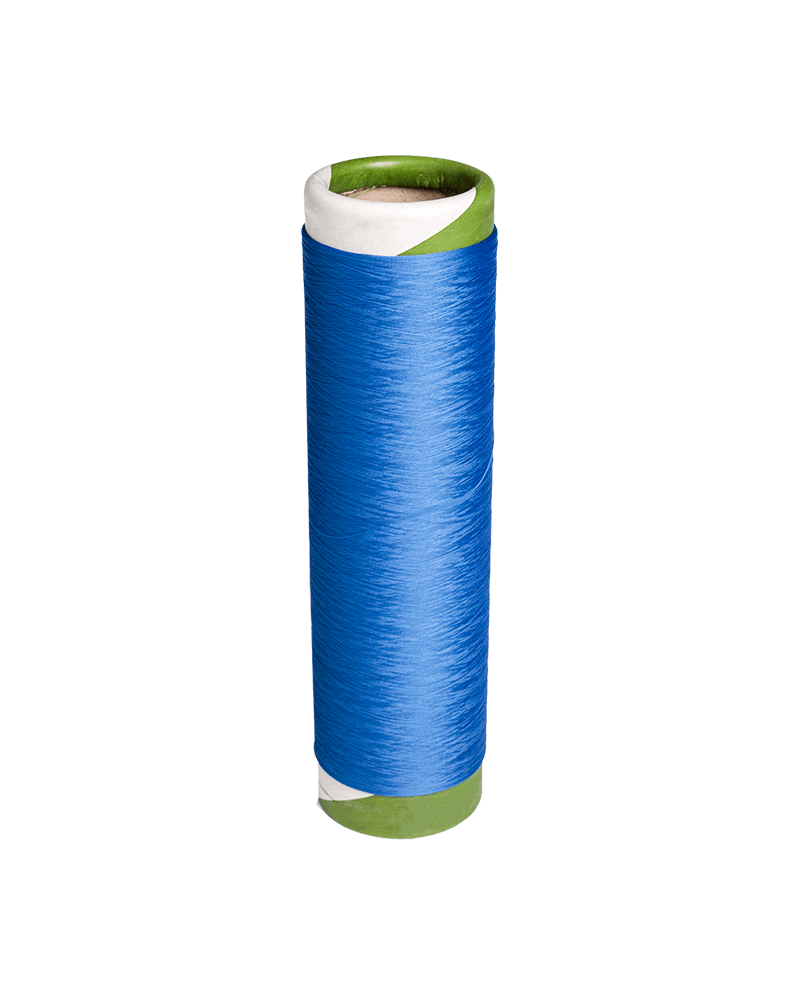
Drop-dyed Yarn
Understanding Drop-Dyed Yarn
Drop-dyed yarn is a colored synthetic yarn designed to provide a stable and attractive color effect throughout the filament structure. In the polyester yarn industry, the term is often associated with yarn that receives color during the polymer or spinning-related production stage rather than relying exclusively on conventional piece dyeing after fabric formation. This approach can help create a more integrated color result and may reduce the need for some downstream dyeing operations.
Unlike ordinary undyed yarn, which is supplied in a white or semi-dull form and colored later, drop-dyed yarn is developed with color performance in mind from the beginning. The yarn can be produced in different deniers and filament counts, allowing manufacturers to match the material to lightweight apparel, knitted garments, upholstery, home textiles, lining fabrics, sportswear, scarves, decorative fabrics, and other applications.
The final appearance of a drop-dyed yarn depends on several factors. These include polymer characteristics, colorant selection, pigment or masterbatch dispersion, spinning conditions, filament arrangement, yarn texturing, heat treatment, winding quality, and the intended luster. A solution-colored or dope-colored yarn may be supplied in bright, semi-dull, full-dull, black, white, or other customized appearances, depending on the customer’s requirements and the available production program.
For textile manufacturers, the value of drop-dyed yarn lies not only in its color. It also lies in the opportunity to combine color with yarn engineering. A single yarn can be specified according to its linear density, number of filaments, softness, bulk, stretch, moisture-management characteristics, recycled content, cationic-dyeing behavior, or flame-retardant function. This makes the product particularly useful for companies that need both visual differentiation and technical performance.
Why Colored Filament Yarn Is Increasingly Important
Textile production is changing from a model based on large volumes of standardized materials toward a more flexible model based on shorter product cycles, specialized fabric constructions, and greater design variety. Buyers increasingly request yarns that can create a specific appearance or hand feel while also satisfying requirements for efficiency and environmental responsibility.
Colored filament yarn can support this trend in several ways. First, it gives designers an expanded color vocabulary at the yarn stage. Yarn color can be used to create mélange effects, stripes, jacquard patterns, contrast surfaces, heathered appearances, or clean solid-color fabrics. Second, it can reduce the number of processing steps needed to obtain a finished visual effect. Third, it enables a manufacturer to coordinate color and performance in one material specification.
Polyester remains widely used because of its strength, dimensional stability, resistance to wrinkling, quick-drying characteristics, and compatibility with knitting and weaving processes. When polyester is produced in a colored form, it can be adapted to both fashion and industrial applications. The result is a material that offers a practical balance between cost, production efficiency, color stability, and application versatility.
Drop-dyed yarn is also useful where fabric producers want to avoid excessive dependence on post-dyeing. Post-dyeing remains essential for many textile constructions, but yarn coloration can provide an alternative route for selected products. The best choice depends on the fabric structure, color standard, quantity, equipment, and customer expectations. A professional yarn supplier can help determine whether a drop-dyed, cationic, recycled, or conventional yarn is most suitable for a particular project.
Product Portfolio and Specification Flexibility
One of the strongest features of the supplied product portfolio is its wide range of yarn specifications. The listed products include deniers such as 15D, 20D, 25D, 30D, 40D, 50D, 60D, 66D, 75D, 80D, 100D, 120D, 125D, 150D, 200D, and 300D. Filament counts extend from fine constructions such as 6 filaments or 12 filaments to larger filament counts such as 144, 192, 288, 384, and 576.
This range enables customers to select yarn according to fabric weight, coverage, handle, opacity, surface texture, and production method. Fine-denier yarns may be selected for delicate knitted fabrics, lightweight apparel, linings, and soft-touch materials. Medium and heavier deniers may be used for sportswear, sweaters, upholstery, curtains, home textiles, and fabrics that require stronger coverage or a more substantial hand.
Several yarn forms are offered in both single and multiple-filament configurations. The product list also includes DTY, FDY, and specialized constructions. DTY, or draw textured yarn, is valued for bulk, elasticity, softness, and a more textile-like appearance. FDY, or fully drawn yarn, is commonly used when a smoother and more stable filament structure is required. The choice between DTY and FDY depends on the downstream process and the desired fabric result.
The portfolio identifies SD and FD products, generally referring to semi-dull and full-dull appearances. These options allow fabric developers to control the degree of shine. A brighter yarn can create a clean and lively surface, while semi-dull or full-dull yarn can produce a softer, more subdued, and more sophisticated appearance. This is particularly important in apparel and interior textiles, where excessive luster may not be desirable.
Product family |
Representative options |
Typical value for fabric development |
Standard DTY |
25D to 300D; multiple filament counts |
Versatile textured yarn for apparel, knitting, and general textile applications |
FDY |
30D to 150D and selected higher specifications |
Smooth, stable filament yarn for woven and knitted constructions |
Recycled yarn |
Recycled SD DTY, FDY, FD DTY, CD DTY, and blended options |
Supports projects seeking recycled-material content and differentiated specifications |
Cationic and CD yarn |
Various DTY and SD+CD constructions |
Enables two-tone, contrast, and special dyeing effects |
High-elastic yarn |
30D to 150D; selected PBT/PET combinations |
Provides stretch-related design possibilities for active and fitted fabrics |
Functional yarn |
Flame-retardant, antibacterial, and moisture-wicking options |
Adds performance functions to apparel, home textiles, and technical fabrics |
Special appearance yarn |
Cotton-like, hollow warm, white and black, and Acy constructions |
Creates alternative hand feels, warmth effects, color effects, and surface character |
The company also states that it can accept orders for various kinds of differentiated yarn. This is important for buyers who do not want to be restricted to a narrow catalog. Custom development may involve denier, filament count, luster, color, recycled content, elasticity, function, or a combination of these characteristics.
Recycled Drop-Dyed Yarn for More Responsible Product Development
The recycled series is a significant part of the portfolio. It includes recycled SD DTY, recycled SD FDY, recycled FD DTY, recycled SD+CD DTY, recycled DDB DTY, and recycled CD DTY. The listed specifications cover a wide range of deniers and filament counts, including fine, medium, and heavier options.
Recycled polyester yarn can help textile producers respond to customer demand for materials with a reduced reliance on virgin polyester feedstock. It may be suitable for sportswear, casualwear, knitted fabrics, bags, home textiles, and other products where recycled content is part of the brand’s material strategy. The suitability of a particular recycled yarn should always be confirmed through technical documentation, sample testing, and the buyer’s own compliance requirements.
A key advantage of a recycled product range is that sustainability does not have to mean giving up specification flexibility. Buyers may still need semi-dull, full-dull, textured, cationic, or blended yarns. The recycled series shows an effort to provide these choices rather than offering only one basic recycled grade.
Recycled yarn development also requires careful attention to consistency. Recycled feedstock can vary according to its source and processing history, so control of raw material preparation, polymer quality, colorant dispersion, spinning conditions, and winding is important. A supplier with experience in differential yarn development is better positioned to coordinate these factors and help customers select a practical specification for their fabric process.
For brands and textile mills, the commercial value of recycled drop-dyed yarn includes more than a sustainability statement. It can support product storytelling, help meet customer preferences, and provide a differentiated material option. However, responsible communication should be supported by accurate information about recycled content, testing, traceability, and any relevant standards or certifications. Buyers should request the documentation required for their intended market.
Color, Luster, and Design Possibilities
Color is one of the primary reasons textile manufacturers choose drop-dyed yarn. When color is integrated into the yarn development process, it becomes possible to design a fabric around the behavior of the filament rather than adding color only after the fabric has been formed.
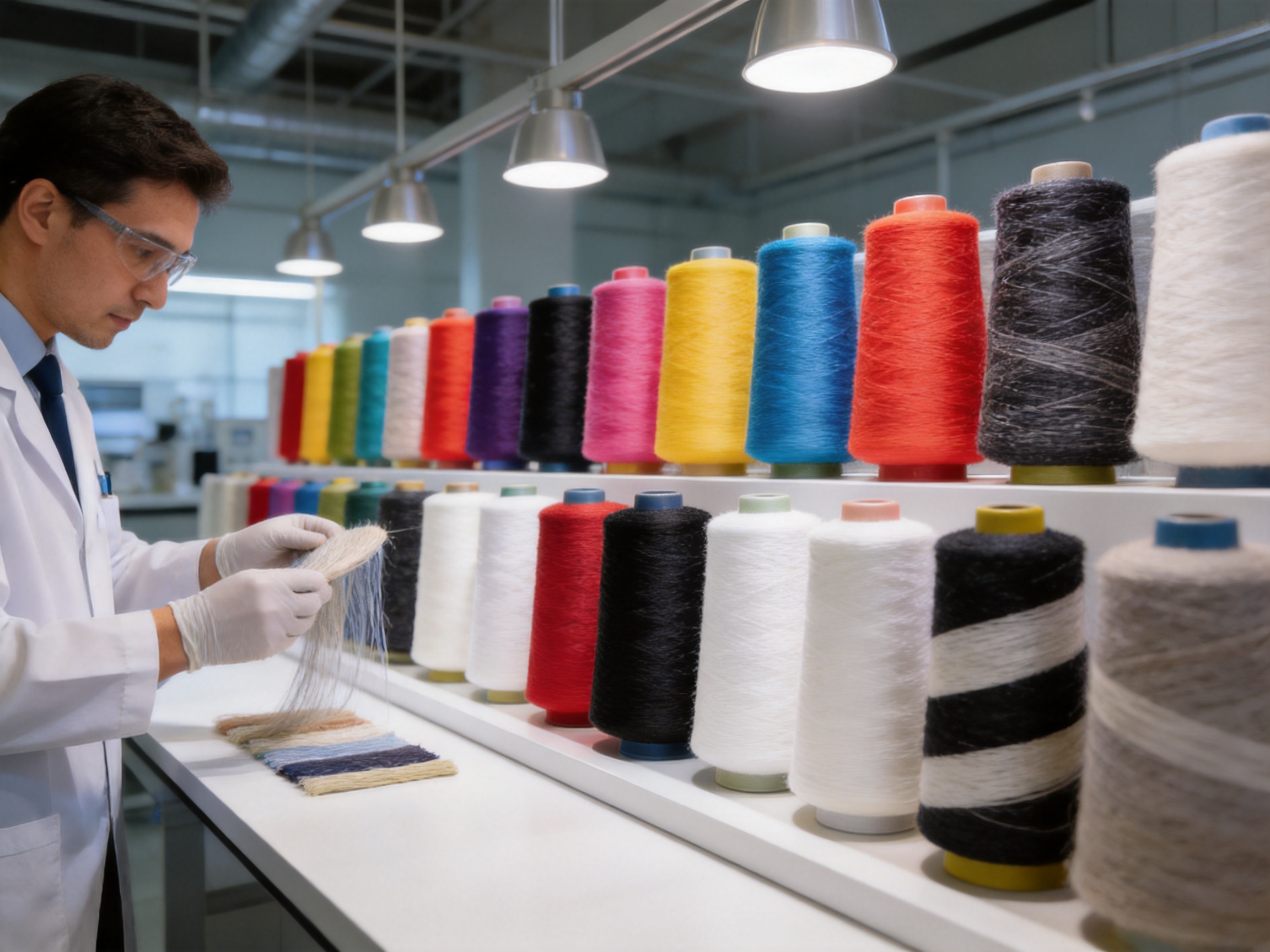
Solid-colored yarn can be used to create clean and consistent fabrics. Multiple colors can be combined in knitting or weaving to generate stripes, checks, geometric motifs, and decorative effects. Cationic or SD+CD constructions can create contrast between different filament components, producing two-tone or textured visual effects. White and black yarn options offer additional possibilities for monochrome products, contrast panels, sportswear details, and fashion fabrics.
Luster is another important design variable. Semi-dull yarn can offer a balanced appearance that is neither highly reflective nor completely matte. Full-dull yarn can create a more muted surface, which may be preferred for premium casualwear, home furnishings, and understated fashion. The correct selection depends on the fabric construction, color depth, finishing process, and target market.
Textured yarn can further enhance the visual result. DTY provides bulk and a more natural textile appearance than a completely smooth filament. It may help create fabrics with softness, stretch, cover, and a comfortable hand. In contrast, FDY is often selected where a smoother and cleaner surface is needed. By offering both forms, the supplier can serve a wider range of fabric developers.
High-Elastic and PBT/PET Yarn Options
The high-elastic series expands the use of colored yarn into applications that require flexibility and comfort. Listed high-elastic specifications include 30D, 50D, 60D, 75D, and 150D constructions, with several filament-count options. The portfolio also includes PBT/PET and PBT/PET DDB yarn.
High-elastic yarn can be useful for fitted garments, sportswear, leggings, underwear, socks, stretch knitwear, and other products where recovery and movement are important. The precise level of stretch, recovery, shrinkage, and compatibility with other yarns should be evaluated through sample development because the final fabric performance depends on knitting parameters, heat setting, finishing, and fiber combinations.
PBT/PET yarns can provide an alternative route to stretch-related performance. They may be selected when a fabric producer is seeking a balance among elasticity, softness, dimensional stability, and polyester compatibility. The presence of both standard high-elastic yarn and PBT/PET options gives buyers more than one technical path for developing stretch fabrics.
From a manufacturing perspective, elastic yarns require controlled processing. The relationship between polymer type, draw ratio, texturing, heat treatment, and winding tension can influence the final yarn behavior. A supplier with a dedicated differential-yarn development program can help customers identify the correct construction for the intended end use rather than treating every stretch request as the same technical problem.
Functional Yarn for Performance Textiles
The functional series includes flame-retardant, antibacterial, and moisture-wicking yarns. These products extend the company’s offering beyond appearance and basic textile performance. They are intended for manufacturers developing fabrics with additional functional characteristics.
Flame-Retardant Yarn
Flame-retardant yarn may be used in selected apparel, home-textile, transportation, institutional, and technical applications. The listed range includes SD and FD options in selected denier and filament combinations. The exact performance of a flame-retardant textile depends on the yarn specification, fabric structure, finishing process, construction weight, and applicable test method.
For this reason, buyers should not assess flame-retardant yarn solely by its product name. They should request test results and confirm that the finished fabric meets the requirements of the intended market. Proper technical communication between the yarn supplier, spinner, knitter, weaver, dye house, and final customer is essential.
Antibacterial Yarn
Antibacterial yarn can be considered for sportswear, underwear, socks, uniforms, bedding, towels, and other products in which odor management or hygiene-related performance is valued. The supplied product list includes several denier and filament-count options.
As with any performance claim, the result must be evaluated under a defined test method. Fabric construction, laundering, finishing, and use conditions can all influence the final effect. A professional development process should therefore include laboratory testing on the actual yarn and finished fabric.
Moisture-Wicking Yarn
Moisture-wicking yarn is relevant to activewear, outdoor garments, base layers, uniforms, and comfort-oriented knitted fabrics. The listed options range from fine to heavier specifications. Moisture management can be influenced by filament fineness, cross-sectional design, capillary channels, yarn texture, fabric density, and finishing.
The main advantage of including moisture-wicking yarn within a broader portfolio is that it allows buyers to coordinate comfort performance with color, recycled content, elasticity, and luster. A sportswear customer, for example, may require a colored, recycled, moisture-managing, and elastic yarn rather than a basic white polyester yarn.
Cotton-Like, Hollow, and Specialized Constructions
The cotton-like series includes 32S, 40S, and 80S options. These yarns are intended to provide a cotton-inspired appearance or hand feel while retaining the processing advantages associated with polyester. Cotton-like polyester can be useful for knitted apparel, casualwear, sweaters, home textiles, and products where softness and a natural visual effect are important.
Hollow warm yarn is listed in 75D and 150D specifications. A hollow structure can be used to support a lighter and warmer textile concept because air retained within or around the structure may contribute to insulation. The actual warmth, weight, compressibility, and drying behavior depend on the yarn and the final fabric construction.
Acy yarn constructions are also included, with combinations such as 40+75D, 30+100D, and 40+150D. These constructions may be used to create combined visual, textural, or performance effects. Multiple components can produce contrast, bulk, mixed luster, or different dyeing behavior. Such yarns can be especially useful for designers looking for a fabric surface that cannot be achieved with a single uniform filament.
These specialized products illustrate the company’s focus on differentiated yarn rather than only standard commodity yarn. The ability to develop various structures can help customers create fabrics with a distinctive appearance and provide a stronger point of difference in competitive markets.
Manufacturing Approach and Technical Strengths
The company’s manufacturing strength is reflected in the breadth of its product categories and the emphasis on research and development. Suzhou Junhui Textile Co., Ltd. and Suzhou Xiaoran New Materials Co., Ltd. were founded in June 2015 and are described as enterprises committed to developing and selling differential yarn and knitting-fabric products.
The companies report having a professional R&D team and working with internationally renowned enterprises on research, development, and applications related to environmental protection, functional yarn, and fabric. This orientation is important because advanced yarn manufacturing is not limited to operating spinning equipment. It requires knowledge of polymer behavior, color development, filament formation, texturing, fabric construction, testing, and customer application requirements.
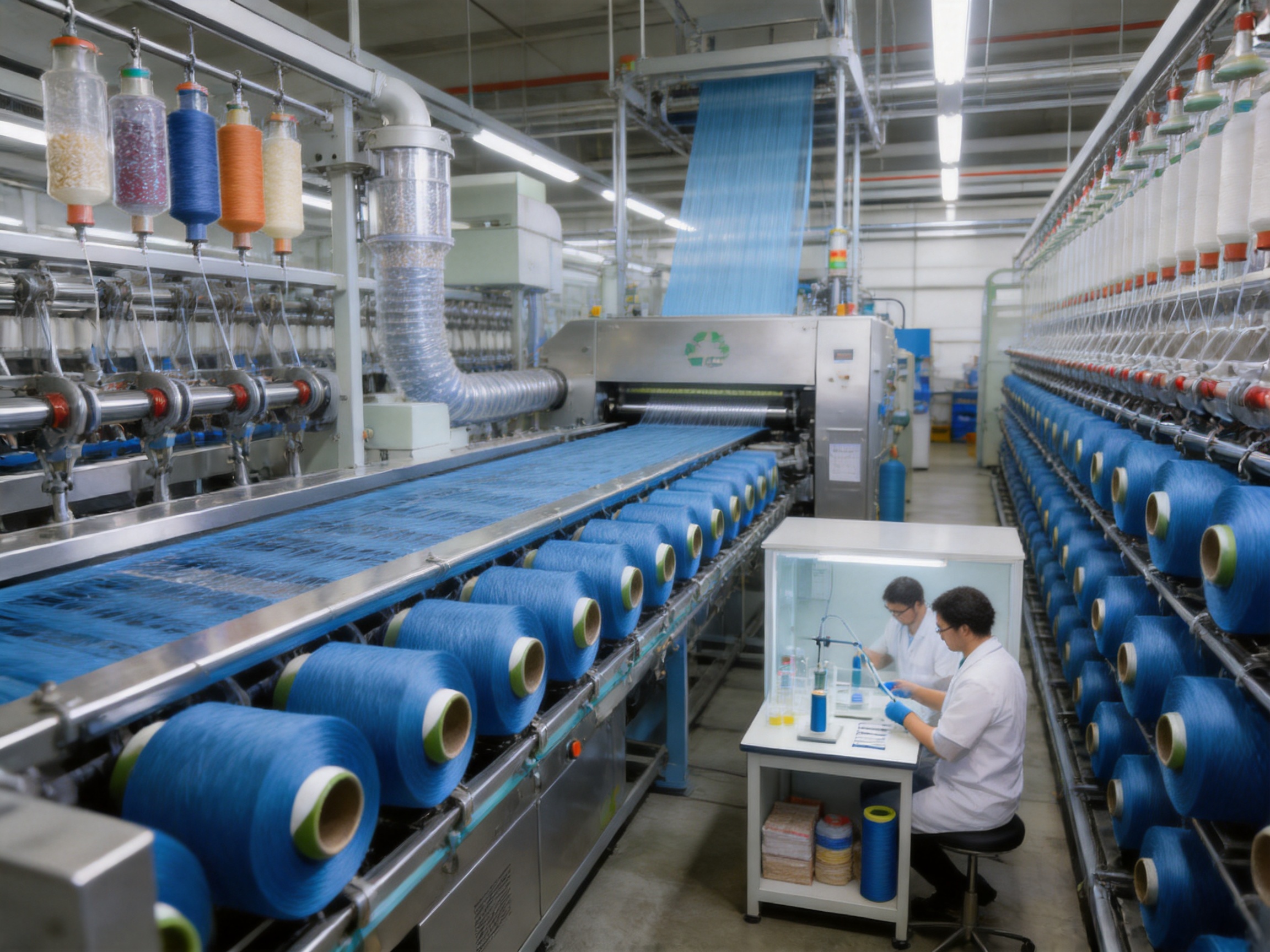
A practical manufacturing process for drop-dyed yarn can be understood as a sequence of closely connected control stages. The process begins with the selection and preparation of polyester raw material. For recycled products, additional attention is required for the consistency and quality of the recycled feedstock. The next stage involves the controlled addition and dispersion of colorant or masterbatch according to the target color and yarn appearance.
During spinning, polymer temperature, pressure, throughput, spinneret conditions, cooling, and winding must be coordinated. Small variations can influence filament uniformity, strength, elongation, color consistency, and downstream processability. For this reason, process stability is one of the key factors separating reliable colored yarn from inconsistent material.
After spinning, the yarn may undergo drawing, texturing, heat treatment, interlacing, and winding, depending on whether the final product is FDY, DTY, or another specialized construction. DTY production requires careful coordination of texturing conditions to create the desired crimp, bulk, elasticity, and hand feel. FDY production emphasizes a smooth and stable filament structure. Functional or blended yarns add further technical requirements.
Quality control should continue through packaging and shipment. Yarn buyers typically need consistency not only from one package to another but also from one production lot to another. Important checks may include denier, filament count, strength, elongation, shrinkage, evenness, oil content, interlace level, appearance, color, and package build. The exact inspection program should be agreed upon according to the product specification and end use.
The company’s wide list of specifications suggests an ability to organize production around different customer requirements. This is particularly valuable for buyers who need more than one yarn type. A supplier capable of providing recycled, standard, cationic, elastic, and functional yarns can simplify sourcing and reduce the need to coordinate with many separate vendors.
Advantages Compared with Conventional Commodity Yarn Suppliers
The first competitive advantage is product breadth. Many suppliers focus on one narrow category, such as standard DTY or FDY. The supplied portfolio covers standard yarn, recycled yarn, CD yarn, high-elastic yarn, PBT/PET yarn, functional yarn, cotton-like yarn, hollow warm yarn, and special blended constructions. This allows customers to explore multiple technical options through one development relationship.
The second advantage is customization. The company states that it can accept orders for various kinds of differentiated yarn. Customization can be especially important when a buyer is developing a new fabric, matching a brand color, changing from virgin to recycled material, or seeking a particular combination of softness and elasticity. A customized product can help a textile mill avoid compromising its design concept simply because a standard specification is unavailable.
The third advantage is the combination of appearance and function. Drop-dyed yarn is not limited to color. It can be considered alongside moisture management, antibacterial performance, flame retardancy, elasticity, cotton-like softness, hollow warmth, and cationic effects. This integrated approach is more useful than selecting visual color from one supplier and technical performance from another without coordinated development.
The fourth advantage is international experience. The company reports that more than 90 percent of its products are exported and that it has established cooperative relationships with customers in 36 countries. International business requires attention to communication, packaging, documentation, delivery coordination, product consistency, and different customer expectations. This experience can help overseas buyers establish a clearer development and purchasing process.
The fifth advantage is customer support. The company states that its experts are ready to provide guidance or support in product selection and problem solving within 12 hours globally. For textile manufacturers, response speed can be important when a knitting or weaving trial is delayed by a yarn question, when a color needs adjustment, or when a new specification must be evaluated quickly.
Applications of Drop-Dyed Yarn
Apparel and Fashion Fabrics
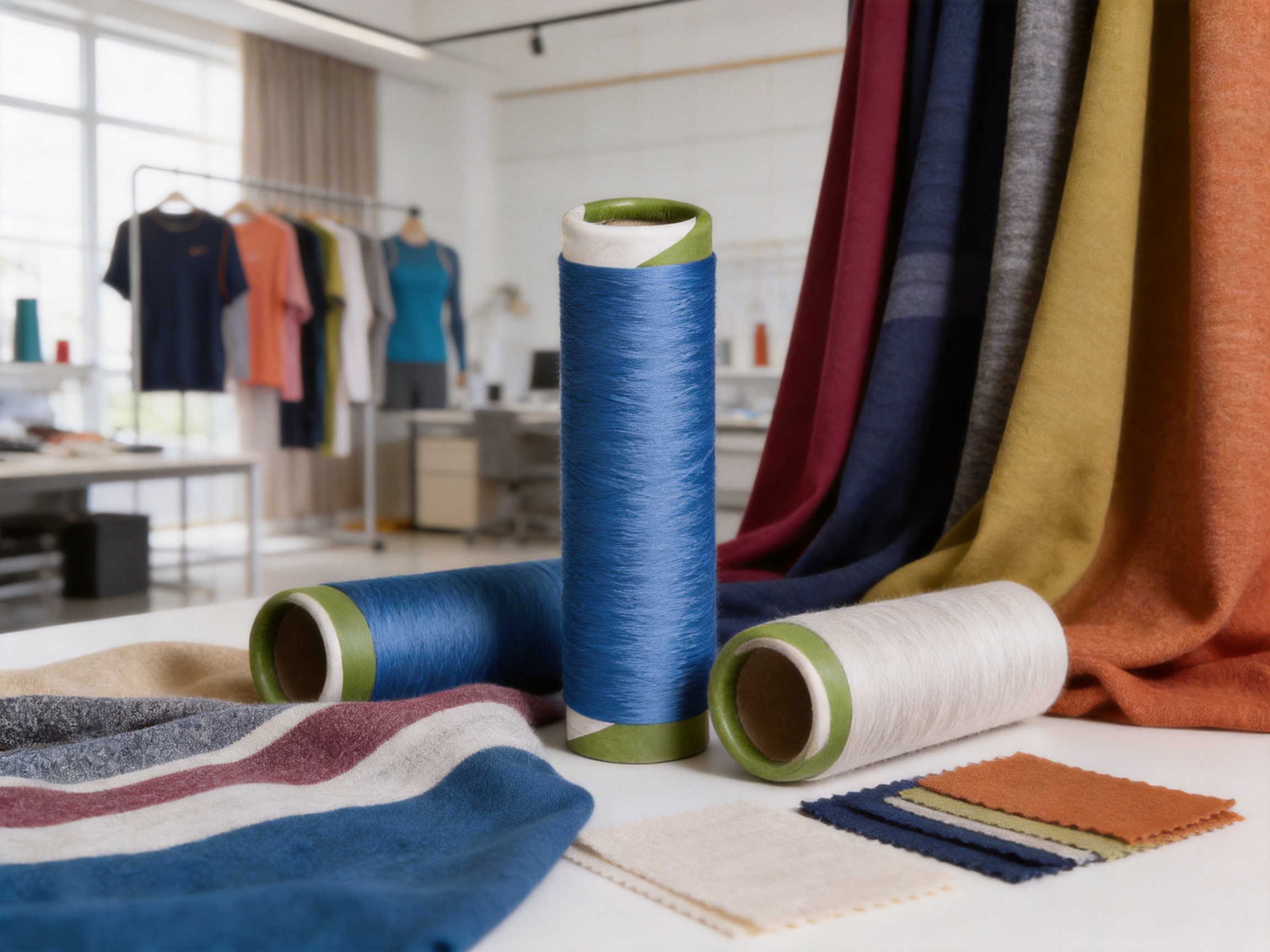
Drop-dyed yarn can be used in garments where color, softness, drape, stretch, and surface appearance are important. Common possibilities include T-shirts, dresses, sports tops, skirts, sweaters, leggings, underwear, scarves, and fashion knitwear. DTY can contribute bulk and comfort, while FDY can support a smoother appearance. Cotton-like and microfine options may be selected when a softer or more natural touch is required.
Sportswear and Activewear
Sportswear requires a careful balance of colorfastness, stretch, moisture management, comfort, durability, and appearance. High-elastic yarn, moisture-wicking yarn, recycled yarn, and colored filament yarn can be combined to create performance-oriented fabric concepts. Product selection should be based on actual testing because sportswear performance depends on the complete fabric system rather than the yarn alone.
Home Textiles
Home-textile applications may include curtains, upholstery, cushion covers, bed products, blankets, decorative fabrics, and household knitted items. Full-dull or semi-dull yarns can create different levels of visual softness, while hollow and cotton-like yarns can support warmth or comfort-oriented products. Flame-retardant yarn may be considered for certain interior applications subject to the relevant safety requirements.
Technical and Institutional Textiles
Functional yarns may support selected technical, uniform, transportation, hospitality, and institutional textile applications. Flame-retardant, antibacterial, and moisture-wicking characteristics can be valuable in these areas, but the final product must be tested against the required standards and conditions of use.
Knitting and Weaving
The product range includes yarns suitable for different textile processes. DTY is commonly associated with knitted and textured fabric applications, while FDY may be used in smooth knitted or woven structures. The appropriate choice depends on machine gauge, fabric density, yarn tension, finishing conditions, and the desired hand feel.
How Buyers Should Select the Correct Specification
The first consideration is end use. A yarn intended for lightweight underwear will not have the same requirements as one intended for upholstery. Buyers should define the expected fabric weight, softness, stretch, abrasion resistance, opacity, warmth, moisture behavior, and appearance before selecting the yarn.
The second consideration is denier and filament count. Denier influences the mass and general thickness of the yarn, while filament count affects softness, cover, surface feel, and filament fineness. Two yarns with the same total denier may feel different if their filament counts are different.
The third consideration is yarn form. DTY is often preferred for bulk, texture, and a more textile-like appearance. FDY may be selected for smoothness and dimensional stability. SD and FD versions provide different luster levels. CD or SD+CD yarns may be selected for special dyeing and contrast effects.
The fourth consideration is sustainability. If recycled content is required, the buyer should confirm the percentage, source, documentation, testing, and consistency expectations. Recycled yarn should be assessed not only for its environmental positioning but also for strength, elongation, color, shrinkage, and downstream processability.
The fifth consideration is function. A buyer requiring stretch, moisture management, antibacterial properties, or flame retardancy should identify the relevant test method and performance target. Product labels alone are not sufficient. The yarn, fabric, and finished product should be tested under realistic conditions.
The sixth consideration is color and luster. Buyers should provide a color standard, sample, or other clearly defined reference. They should also specify whether the desired appearance is bright, semi-dull, full-dull, white, black, solid, mélange, or contrast-based. Laboratory dips and fabric trials can help confirm the final result before bulk production.
The seventh consideration is production volume and delivery schedule. Custom yarn development may require technical discussion, sample production, testing, and approval. Early communication helps reduce the risk of delays and allows the supplier to recommend a realistic production plan.
Quality and Development Cooperation
Successful drop-dyed yarn projects depend on cooperation between the supplier and the textile manufacturer. The buyer should provide information about the knitting or weaving machine, fabric construction, finishing route, target hand feel, color standard, and final application. The supplier can then recommend a suitable yarn family and specification.
Sample testing should ideally be completed at both yarn and fabric levels. Yarn-level tests may evaluate linear density, strength, elongation, evenness, color, shrinkage, and appearance. Fabric-level tests may evaluate pilling, colorfastness, dimensional stability, moisture management, stretch recovery, abrasion, and any application-specific function.
Color approval should be based on physical samples whenever possible. Digital color references are helpful but cannot fully represent the interaction between yarn luster, fabric structure, lighting, and finishing. A small knitting or weaving trial can reveal whether the selected drop-dyed yarn produces the expected surface appearance.
For long-term supply, buyers should establish agreed specifications and tolerances. These may include acceptable variation in denier, strength, elongation, color difference, package weight, winding condition, and carton labeling. Clear documentation supports consistent production and helps both parties resolve any issue efficiently.
Environmental and Commercial Value
Drop-dyed yarn can offer environmental and commercial advantages when used in an appropriate production system. If color is incorporated during yarn manufacture, some downstream dyeing requirements may be reduced for selected applications. This can influence water use, energy use, processing time, and chemical consumption, although the actual benefit depends on the production route and the complete product lifecycle.
Recycled drop-dyed yarn can further support a lower-impact material strategy by using recycled polyester resources. It may help brands and manufacturers develop products aligned with recycled-material targets. Nevertheless, environmental claims should be specific, documented, and based on verifiable product information.
From a commercial perspective, differentiated yarn can help a fabric mill offer something beyond basic price competition. A fabric with a distinctive color effect, cotton-like hand, controlled luster, functional performance, or recycled content may create stronger value for downstream customers. It may also support shorter development cycles because the yarn supplier can contribute technical suggestions at an early stage.
The combination of broad specifications and customization is particularly useful for small and medium-sized textile companies. These businesses may not have the resources to maintain separate technical relationships for every yarn category. A supplier that can provide standard and specialized options can become a more efficient development partner.
Company Capability and International Service
Suzhou Junhui Textile Co., Ltd. is based in Shengze Town, Wujiang Area, Suzhou City, Jiangsu Province, China, an important textile production region. The company operates together with Suzhou Xiaoran New Materials Co., Ltd. and focuses on differential yarn, functional materials, recycled products, and knitting fabrics.
The company’s stated export share of more than 90 percent indicates substantial experience serving international customers. Its reported customer relationships in 36 countries demonstrate an international market orientation. This can be valuable for buyers who require communication across time zones, export documentation, coordinated samples, and support during product development.
The company’s stated commitment to customer success also reflects a service approach rather than a purely transactional sales model. For specialized yarn, technical service is important because the best product cannot be selected through a simple catalog description alone. The supplier must understand the customer’s fabric process and help connect yarn characteristics with the intended end result.
Its R&D orientation is another important strength. Differential yarn requires continuous development because customer needs change quickly. Recycled materials, functional additives, special cross-sections, elastic combinations, and new fabric trends all require ongoing technical work. A supplier that invests in research can respond more effectively to these changes.
Future Development of Drop-Dyed Yarn
The future of drop-dyed yarn is likely to be shaped by four major trends: sustainability, customization, performance, and process efficiency. Recycled polyester will continue to receive attention, especially when supported by reliable quality and transparent documentation. Customers will also seek yarns that combine recycled content with stretch, moisture management, softness, or special color effects.
Customization will become more important as brands shorten product cycles and search for distinctive materials. Instead of ordering only standard deniers and colors, buyers may request yarns designed for a specific fabric construction, hand feel, or seasonal collection. Suppliers with R&D capability and flexible production systems will be better positioned to support these requests.
Functional performance will also remain important. Consumers expect clothing and home textiles to provide comfort, easy care, freshness, warmth, or protection. Functional yarn can offer a way to introduce some of these characteristics at the fiber or filament level.
Finally, manufacturers will continue to seek efficient production routes. Drop-dyed yarn can be part of this effort when it reduces unnecessary downstream processing or simplifies the creation of colored fabrics. The most successful products will combine stable quality, attractive color, reliable processing, and a clear value proposition for the final customer.
Q&A About Drop-Dyed Yarn
What is drop-dyed yarn?
Drop-dyed yarn is a colored synthetic yarn developed so that color is incorporated during an early stage of yarn production rather than being applied only after the fabric is made. It can be supplied in different deniers, filament counts, luster levels, and yarn forms.
What is the difference between DTY and FDY?
DTY means draw textured yarn. It generally has a textured, bulky, and softer character. FDY means fully drawn yarn and is generally smoother and more stable. The best option depends on the fabric process and the desired appearance and hand feel.
Can drop-dyed yarn be made from recycled polyester?
Yes. The listed product portfolio includes several recycled yarn families, including recycled SD DTY, recycled SD FDY, recycled FD DTY, recycled CD DTY, and recycled SD+CD DTY. Buyers should confirm recycled content and request the documentation needed for their market.
What colors are available?
Color availability depends on the production program and customer requirements. The portfolio includes colored yarn, white and black options, cationic constructions, and yarns designed for special contrast or two-tone effects. Custom color development should be discussed using a physical standard or clearly defined reference.
Can the yarn be customized?
The company states that it can accept orders for various kinds of differentiated yarn. Customization may involve denier, filament count, luster, color, recycled content, elasticity, function, or blended construction.
What industries can use drop-dyed yarn?
Potential applications include apparel, sportswear, activewear, underwear, knitwear, home textiles, upholstery, curtains, blankets, technical fabrics, uniforms, and decorative fabrics. The correct product should be selected according to the final application and required tests.
Does colored yarn eliminate all dyeing processes?
Not necessarily. Drop-dyed yarn may reduce or change the need for some downstream dyeing operations, but the exact process depends on the fabric design, color effect, construction, and finishing requirements. Some products may still require additional dyeing or finishing.
How should functional yarn be evaluated?
Functional yarn should be evaluated through a defined test method on both the yarn and the finished fabric where appropriate. Flame retardancy, antibacterial performance, moisture management, stretch, and other functions can be affected by fabric construction and finishing.
What information should a buyer provide when requesting a quotation?
A buyer should provide the intended application, yarn type, denier, filament count, luster, color, recycled requirement, functional requirements, expected quantity, packaging preference, delivery destination, and any required testing or certification documentation.
Why work with a supplier that offers multiple yarn families?
A broad supplier portfolio can simplify sourcing and make it easier to compare standard, recycled, cationic, elastic, functional, and special-effect options. It also allows technical development to remain with one experienced partner when a project evolves.
Conclusion
Drop-dyed yarn is a versatile material for textile manufacturers seeking color, consistency, efficiency, and product differentiation. Its value increases when it is combined with the right denier, filament count, luster, texture, recycled content, elasticity, or functional performance. The extensive product portfolio described by Suzhou Junhui Textile Co., Ltd. and Suzhou Xiaoran New Materials Co., Ltd. provides buyers with a broad foundation for developing apparel, sportswear, home textiles, technical fabrics, and specialty knitted products.
The company’s strengths include a wide range of DTY and FDY products, recycled yarn development, cationic and contrast constructions, high-elastic and PBT/PET options, functional yarns, cotton-like and hollow yarns, and the ability to accept differentiated yarn orders. Its R&D team, international customer base, export experience, and stated technical-support commitment further strengthen its position as a development-oriented supplier.
For buyers, the most effective approach is to define the end use clearly, select the appropriate yarn family, test samples in the intended fabric construction, and confirm all technical and environmental claims through documentation. With careful selection and cooperation, drop-dyed yarn can help textile manufacturers create products that are visually attractive, technically capable, commercially distinctive, and better aligned with the evolving needs of the global textile market.
References
1. Product information and specification list supplied for Drop-dyed Yarn, including recycled, normal, CD, high-elastic, functional, cotton-like, hollow warm, and blended yarn series.
2. Company information supplied for Suzhou Junhui Textile Co., Ltd. and Suzhou Xiaoran New Materials Co., Ltd., including company history, research and development focus, export activity, and customer-service information.
3. General technical principles of polyester DTY, FDY, recycled polyester yarn, cationic-dyeing yarn, and functional filament yarn manufacturing.
4. General textile quality-control practices for denier, filament count, strength, elongation, shrinkage, color consistency, package quality, and fabric performance.
5. General industry guidance concerning recycled-material documentation, functional-textile testing, color approval, and end-use performance evaluation.
Product: Drop-dyed Yarn

Popular products
-
Premium Cationic Interlock Stretch Comfort Fabric
-
Moisture-Wicking Nylon Woven Fabric
-
Double-faced jacquard elastic fabric
-
Heather Grey Double-faced cationic jersey fabric
-
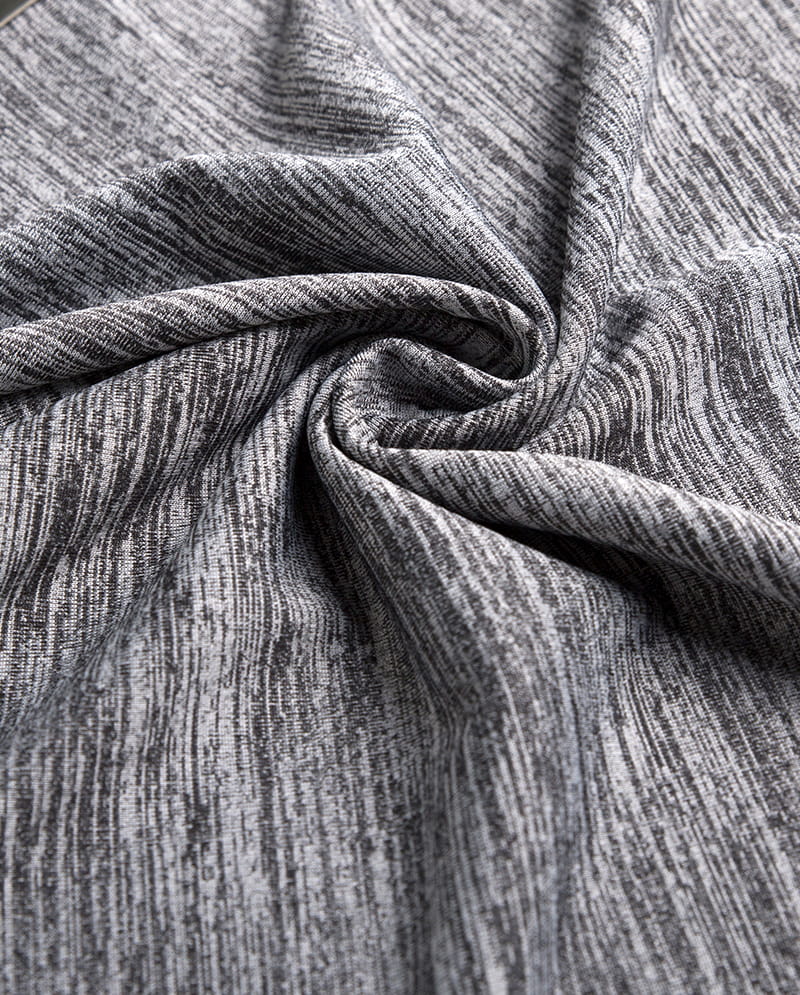
Anti-static Cationic Knitted Rib Fabric
-
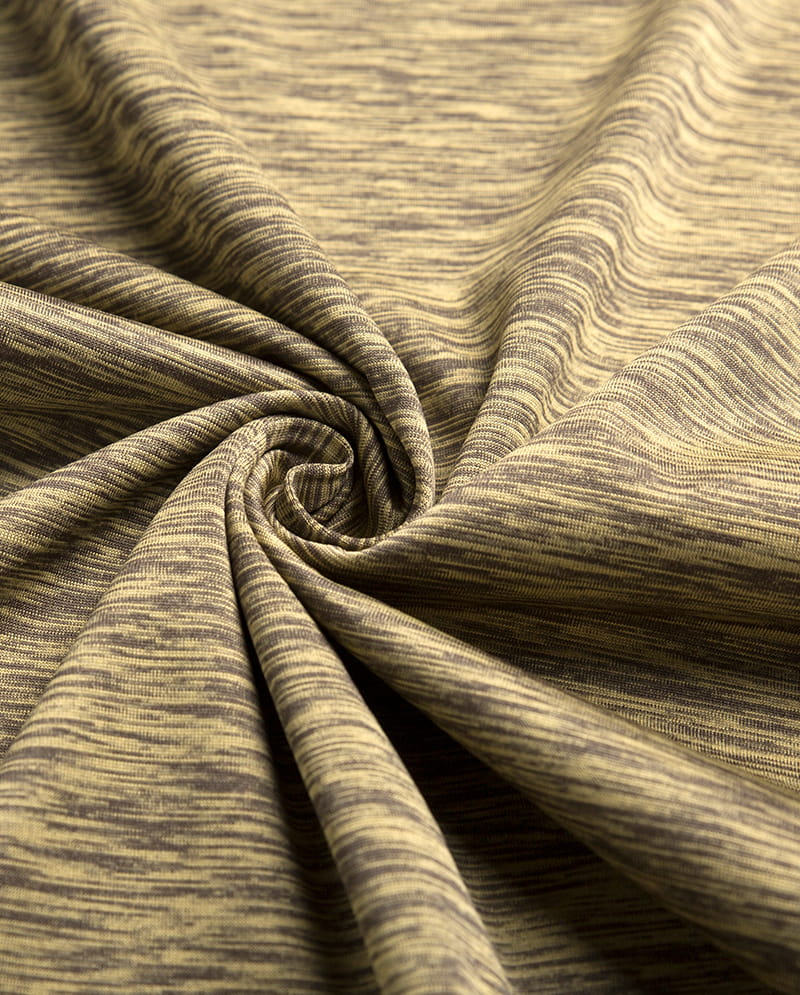
High-Stretch Cationic Jersey Fabric
-
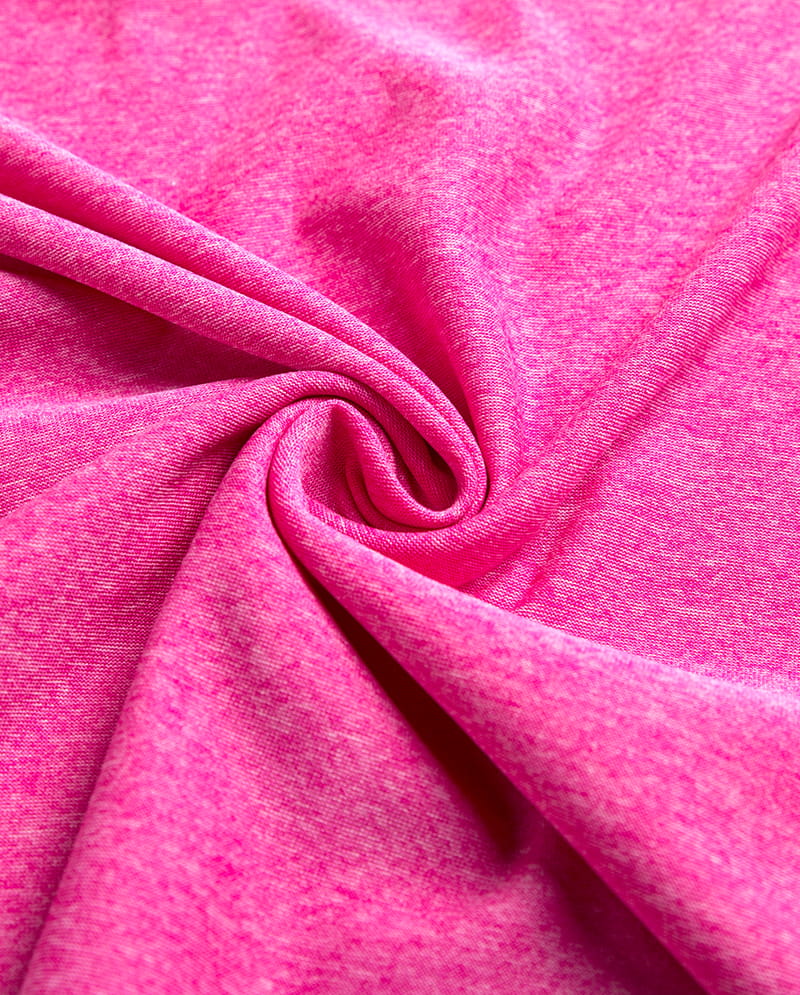
High Quality Cationic DTY Spandex Two Sides Brush Dralon Knit Fabric for Garment Thermal Underwear
-
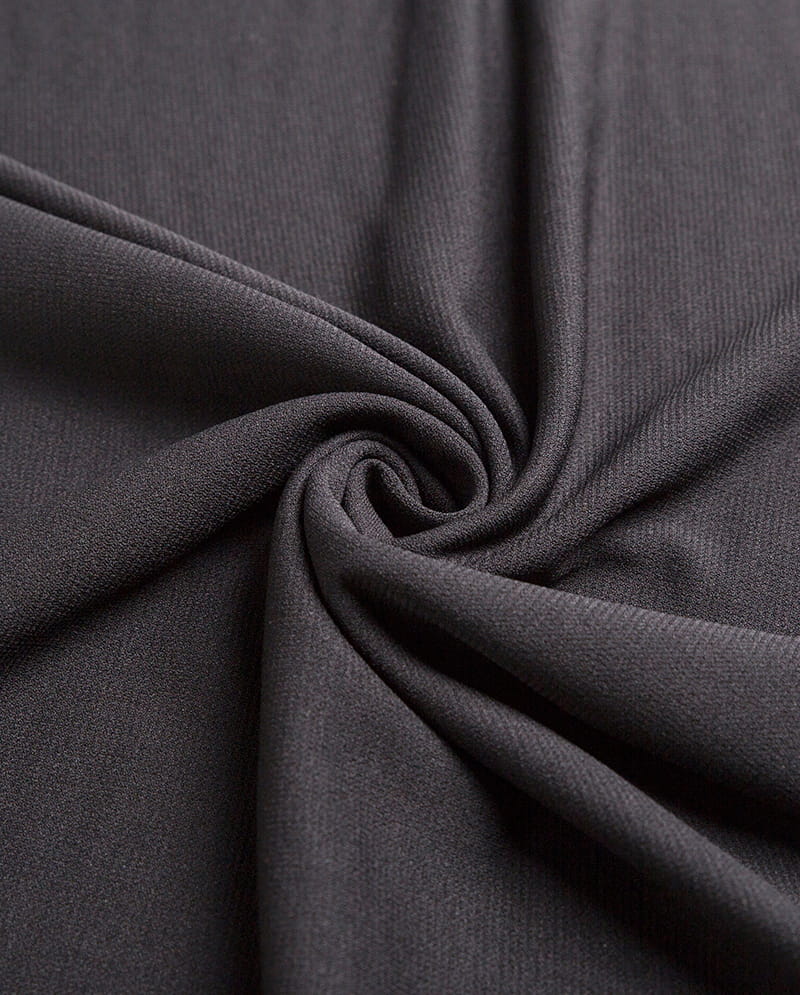
Durable Anti-Pilling Knitted Fabric for Home Textiles
-
Wash-Resistant Cationic Elastic Knitted Fabric for Garment Industry
-
Breathable Double-Faced Elastic Composite Fabric
-
-
-
- whatsapp:
- 0086-13962559622
-
- skype:
- skype.aliceshenghong
-
- Wechat:

COPYRIGHT © 2016 Suzhou Junhui Textile Co., Ltd.
