

 EN
EN English
 中文简体
中文简体Double-Faced Jacquard Elastic Fabric: Reversible Performance, Lasting Style, and Manufacturing Excellence
Content
- 1 Product Overview: What Makes Double-Faced Jacquard Elastic Fabric Different
- 2 Core Advantages Over Conventional Elastic Fabrics
- 3 Material Structure and Fiber Selection
- 4 Advanced Jacquard Weaving and Manufacturing Process
- 5 Company Manufacturing Strength and Global Service Capability
- 6 Design Possibilities and Visual Versatility
- 7 Comfort, Stretch, and Shape Recovery
- 8 Durability and Long-Term Value
- 9 Applications in Apparel
- 10 Applications in Accessories
- 11 Applications in Home Decor and Lifestyle Products
- 12 Sustainability and Responsible Material Options
- 13 Customization Possibilities
- 14 Quality Control and Testing Priorities
- 15 How the Fabric Helps Brands Compete
- 16 Practical Selection Guidance for Buyers
- 17 Q&A: Common Questions About Double-Faced Jacquard Elastic Fabric
- 17.1 What is double-faced jacquard elastic fabric?
- 17.2 How is it different from printed elastic fabric?
- 17.3 Can both sides really be used?
- 17.4 What fibers are commonly used?
- 17.5 Is the fabric suitable for skin-contact products?
- 17.6 Does the fabric recover after stretching?
- 17.7 Can recycled yarn be used?
- 17.8 What products can be made from this fabric?
- 17.9 Can the pattern be customized?
- 17.10 Why should buyers choose this fabric instead of ordinary elastic fabric?
- 18 Conclusion: A Fabric Built for Creative and Functional Textile Development
- 19 References
- 20 Product: Double-faced jacquard elastic fabric
Double-faced jacquard elastic fabric is a modern textile solution created for designers, garment manufacturers, accessory producers, and home textile developers who need more than a decorative material. It is engineered to provide reversible beauty, durable stretch, stable recovery, and long-lasting surface performance in one fabric structure. Unlike printed elastic fabrics that depend on surface coatings or transferred patterns, double-faced jacquard elastic fabric uses woven-in designs. The patterns are built directly into the textile during weaving, which means the design becomes part of the fabric rather than an added layer. This gives the fabric a premium appearance, improved durability, and greater resistance to fading, cracking, peeling, or abrasion.
The product is especially valuable because both sides of the fabric can be used. Each face may carry its own color effect, texture, and pattern expression, giving designers greater creative freedom. A single fabric can support reversible garments, contrast details, folded waistbands, straps, bands, cuffs, belts, trims, leggings, dresses, headbands, bag components, and decorative home textile applications. The reversible character also reduces material waste in development because one fabric can serve multiple visual purposes.
At the performance level, this fabric combines jacquard aesthetics with elastic functionality. It is commonly made from durable synthetic fibers such as polyester or polyamide, blended with elastic components to create four-way stretch and quick recovery. The result is a fabric that moves with the body, supports a snug fit, and returns to shape after repeated stretching. It resists wrinkles, shrinkage, deformation, and daily abrasion while remaining soft enough for skin-contact applications. For apparel and accessory markets where comfort, style, and durability must coexist, this balance is a major advantage.
The manufacturing strength behind this fabric is equally important. Advanced yarn development, differential yarn selection, precise jacquard weaving, stable tension control, and professional quality inspection all contribute to the final product. Suzhou Junhui Textile Co., Ltd. and Suzhou Xiaoran New Materials Co., Ltd. support this type of fabric with experience in recycled yarn, polyester dyed yarn, microfine yarn, flame-retardant yarn, cationic dyeable yarn, functional yarn, DTY yarn, FDY yarn, POY yarn, polyester chips, and knitting fabric products. This foundation enables the development of fabrics that are not only visually attractive but also practical, consistent, and adaptable to international market requirements.
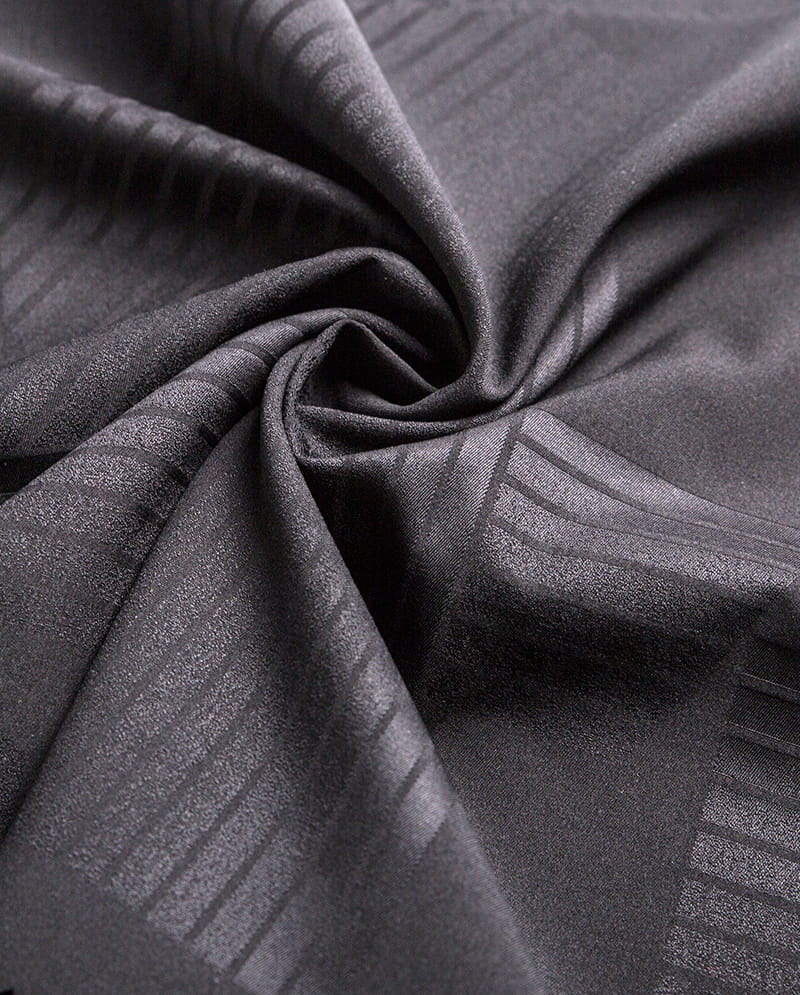
Double-faced jacquard elastic fabric
Product Overview: What Makes Double-Faced Jacquard Elastic Fabric Different
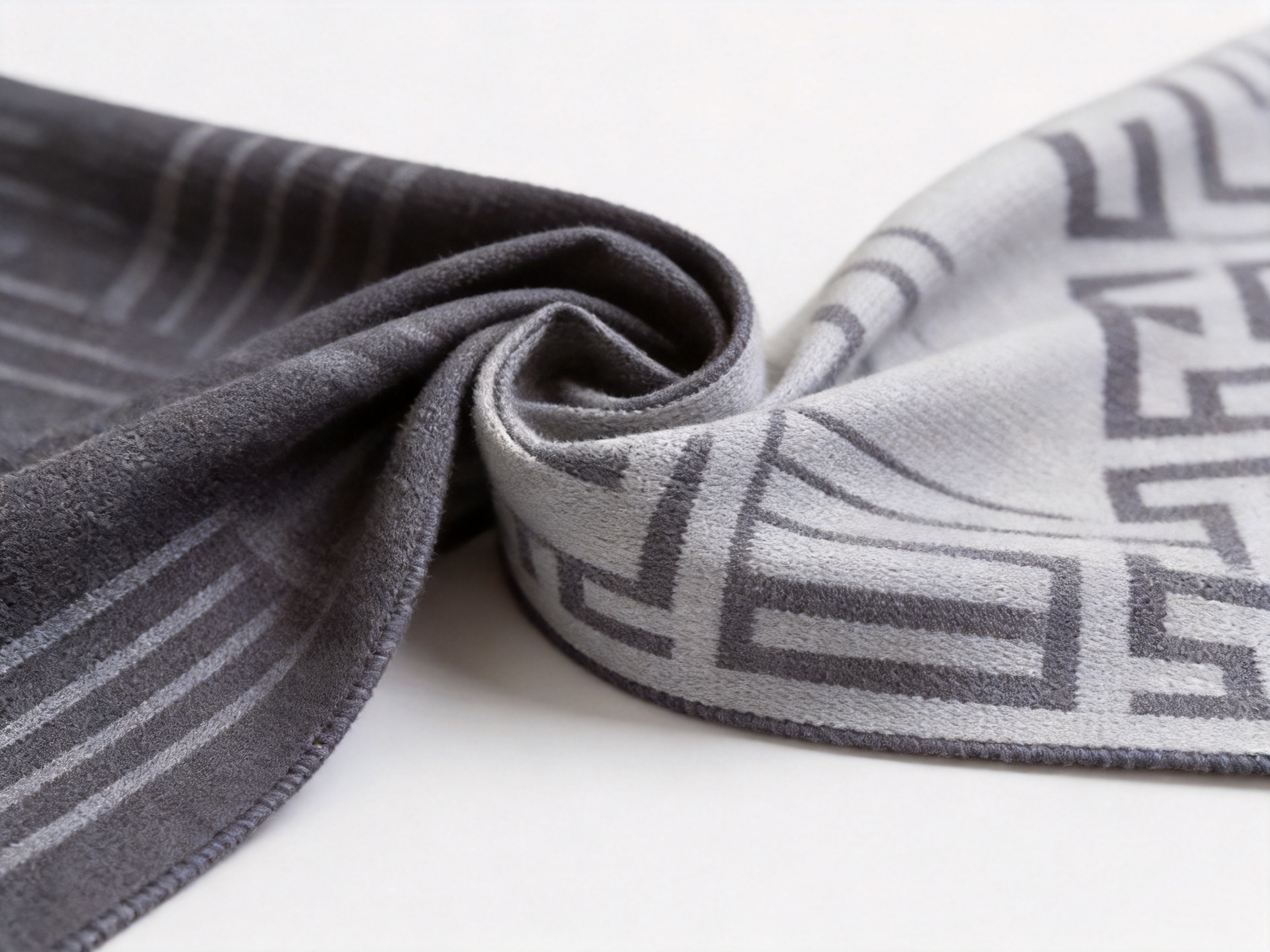
Double-faced jacquard elastic fabric is not a simple elastic band fabric and not merely a decorative woven material. It is a structured, reversible textile made through jacquard weaving, a process that allows complex patterns to be created directly in the fabric construction. The word “double-faced” means that both sides of the fabric are intentionally designed and usable. The two sides may show different colors, reversed patterns, contrasting textures, or coordinated design effects. This is particularly useful when a product needs to look finished from multiple angles or when a folded, twisted, or reversible structure is part of the design.
The jacquard technique is central to the product’s value. In ordinary printed fabrics, the pattern sits on the surface. With repeated washing, rubbing, stretching, or exposure to friction, the print may crack or fade. In jacquard fabric, the pattern is created by controlling the interlacement of yarns. This makes the design more stable and gives the material a rich, dimensional surface. The texture is not artificial; it is part of the woven structure. This increases perceived quality and makes the fabric suitable for premium apparel details, fashion accessories, and decorative textile elements.
The elastic performance is another defining feature. By integrating elastic components into the fabric structure, the material can stretch in multiple directions and recover quickly. This recovery is critical for products such as waistbands, leggings, cuffs, headbands, straps, and body-fitting clothing. A fabric that stretches but does not recover becomes loose, distorted, and uncomfortable. Double-faced jacquard elastic fabric is designed to avoid this weakness. It supports repeated movement while retaining shape.
The fabric also offers design flexibility. It can be produced in different colors, patterns, widths, weights, and texture effects depending on the intended application. A bold geometric jacquard may be used for fashion belts or bag straps, while a subtle tone-on-tone texture may be selected for premium garments. Soft-touch versions can serve close-to-skin apparel, while stronger constructions can be used for accessories that require higher tensile resistance. This flexibility makes the fabric a practical choice for both creative and technical product development.
Core Advantages Over Conventional Elastic Fabrics
Many elastic fabrics in the market provide stretch, but not all provide long-term appearance, reversible usability, and structural design stability. Double-faced jacquard elastic fabric stands out because it combines multiple advantages in a single material. For manufacturers, this can reduce the need for additional trims, printing processes, lining materials, or secondary decorative treatments. For designers, it offers a higher level of expression without sacrificing function.
The first major advantage is pattern durability. Printed elastic fabrics can lose clarity after washing, stretching, or friction. Heat-transfer patterns may peel, and coated designs may crack. Jacquard patterns are woven into the fabric itself, so they are more resistant to surface damage. This is especially important for parts that experience constant bending and rubbing, such as waistbands, shoulder straps, belts, cuffs, and bag handles.
The second advantage is reversible use. A standard fabric usually has one attractive side and one technical back side. In contrast, double-faced jacquard elastic fabric offers two usable faces. This expands design possibilities and can improve the finished appearance of products where both sides are visible. For example, a headband may twist during use, a belt may show its underside, a bag strap may be viewed from all angles, and a reversible garment may require two clean surfaces. This fabric solves these challenges naturally.
The third advantage is comfort combined with resilience. Some strong woven fabrics lack stretch, while some elastic fabrics lack stability. Double-faced jacquard elastic fabric is designed to provide both. It can stretch with body movement, recover quickly, and resist distortion. This makes it useful for active lifestyle products, fashion clothing, functional apparel details, and accessories that need repeated flexing.
The fourth advantage is premium texture. Jacquard construction creates depth and tactile interest. Even when the pattern is subtle, the fabric has a refined look that is difficult to achieve with flat printing. This allows brands and manufacturers to create products that look more sophisticated while maintaining functional performance.
The fifth advantage is production efficiency in design development. Because the fabric itself carries color, pattern, elasticity, and structure, it can replace multiple materials or processes. A manufacturer may reduce the need for separate decorative tape, printed overlays, lining fabrics, or post-printing treatments. This can simplify supply chains and support more consistent quality.
Feature |
Double-Faced Jacquard Elastic Fabric |
Common Printed Elastic Fabric |
Standard Plain Elastic Fabric |
Pattern Method |
Woven-in jacquard structure |
Surface print or transfer |
No structural pattern |
Durability of Design |
High resistance to fading, peeling, and cracking |
May fade, peel, or crack with use |
Limited decorative value |
Reversible Use |
Both faces can be designed and used |
Usually one-sided |
Usually one-sided or visually simple |
Stretch and Recovery |
Reliable four-way stretch with shape retention |
Depends on base fabric and print flexibility |
Good stretch possible, but less visual value |
Visual Quality |
Textured, premium, dimensional |
Flat surface appearance |
Basic appearance |
Typical Applications |
Fashion apparel, waistbands, leggings, straps, belts, headbands, home decor |
Casual apparel and promotional textiles |
Basic trims and support bands |
Material Structure and Fiber Selection
The performance of double-faced jacquard elastic fabric begins with yarn selection. A high-quality elastic jacquard fabric requires yarns with stable strength, consistent fineness, proper elongation behavior, and dependable dyeing performance. Polyester, polyamide, and elastic components are commonly selected because they provide durability, resilience, dimensional stability, and ease of care. Polyester is particularly valued for its abrasion resistance, wrinkle resistance, color performance, and suitability for a wide range of functional yarn modifications.
The availability of DTY, FDY, and POY yarn options supports flexible fabric engineering. DTY, or drawn textured yarn, can provide softness, bulk, and stretch-related comfort. FDY, or fully drawn yarn, offers strength, smoothness, and dimensional stability. POY, or partially oriented yarn, can be used as an intermediate yarn source for further processing. Polyester chips support upstream material consistency, which is important when controlling fiber performance from raw material to finished textile.
The supplied product range includes normal series, recycled series, cationic dyeable series, high-elastic series, functional series, cotton-like yarn, hollow warm yarn, and air-covered yarn options. These yarn resources enable customized textile development. For example, recycled polyester yarn may be selected for sustainability-driven collections. Cationic dyeable yarn may create special color effects or two-tone jacquard contrast. Flame-retardant yarn may be used for applications requiring improved safety performance. Moisture-wicking yarn can enhance comfort in activewear or sports accessories. Hollow warm yarn may add insulation properties for cold-season products.
This material diversity gives double-faced jacquard elastic fabric a competitive advantage. Instead of being limited to a single standard construction, the fabric can be adjusted according to required softness, stretch, color, weight, hand feel, abrasion resistance, and functional finish. A brand making premium leggings may require smooth stretch and high recovery. A bag manufacturer may prioritize tensile strength and abrasion resistance. A home textile designer may focus on texture, pattern, and colorfastness. With a strong yarn foundation, all these needs can be addressed more precisely.
Elastic components are incorporated to create stretch and recovery. Their placement and ratio must be carefully controlled. Too little elastic content may result in weak stretch, while too much may make the fabric overly tight, heavy, or difficult to sew. The ideal balance depends on application. Waistbands require firm holding power and recovery. Dresses and fashion panels may require softer drape. Headbands require comfort without excessive pressure. Bag straps require stability and controlled elongation rather than extreme stretch. Manufacturing expertise is essential to adjust the structure for each use.
Advanced Jacquard Weaving and Manufacturing Process
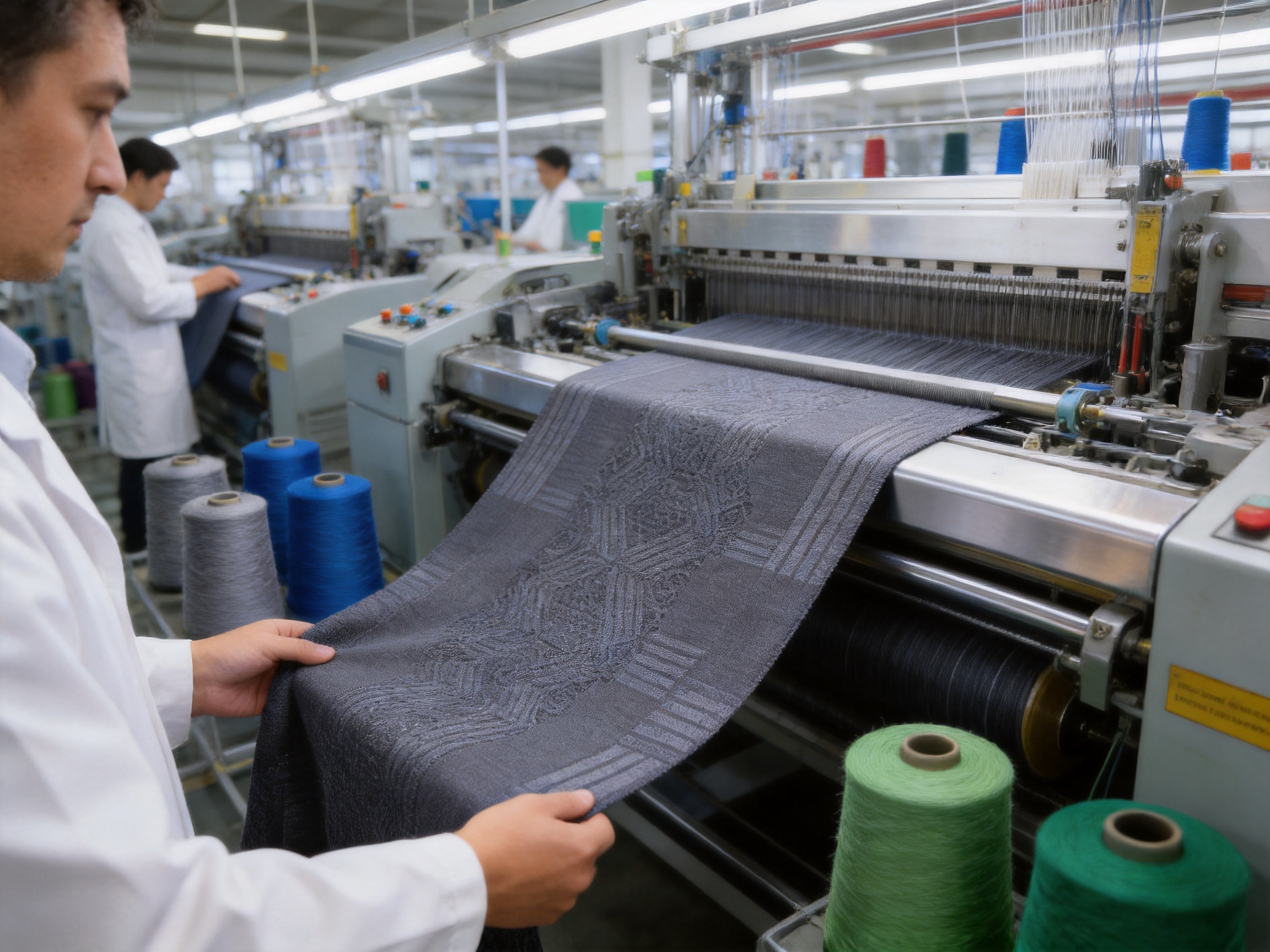
Jacquard weaving is a precise manufacturing process that allows individual yarn movements to be controlled to form complex designs. For double-faced elastic fabric, the process is more demanding because the fabric must maintain pattern clarity on both sides while also preserving stretch performance. The structure must be balanced so that one side does not distort the other, and the elastic yarns must be integrated without causing uneven tension, curling, or deformation.
The manufacturing process begins with product development. Designers and technicians determine the pattern, color arrangement, yarn type, fabric width, elasticity, hand feel, thickness, and end-use performance requirements. A jacquard design file is then prepared so that the loom can control the yarn interlacements accurately. At this stage, technical knowledge is as important as visual creativity. A pattern that looks attractive on screen must be translated into a stable woven construction.
Yarn preparation follows. Yarns must be checked for consistency, strength, and suitable package quality. In elastic fabric production, tension control is critical. If yarn tension varies, the final fabric may show uneven width, distorted patterns, or inconsistent stretch. Advanced production management helps maintain stable feeding, controlled take-up, and repeatable weaving conditions.
During weaving, jacquard mechanisms form the double-faced pattern while elastic components provide stretch. The fabric must be monitored for defects such as broken ends, color contamination, uneven edges, skipped yarns, and tension marks. Skilled operators and quality inspectors are essential because jacquard fabrics contain more structural complexity than plain woven materials. A small error may affect both pattern appearance and fabric function.
After weaving, finishing processes help stabilize the fabric. Heat setting may be used to improve dimensional stability and recovery. Washing, softening, drying, or functional finishing may be applied depending on the desired performance. The objective is to create a fabric that feels comfortable, maintains shape, resists shrinkage, and performs consistently during cutting, sewing, and end use.
Quality control is applied throughout the process. Appearance inspection checks pattern clarity, color consistency, surface cleanliness, and edge quality. Physical testing may assess stretch, recovery, width stability, weight, abrasion resistance, shrinkage, and colorfastness. For products intended for international markets, consistent testing and documentation help buyers reduce risk. The company’s commitment to professional research, development, and application in environmental and functional yarns supports this quality-focused manufacturing model.
Company Manufacturing Strength and Global Service Capability
Suzhou Junhui Textile Co., Ltd. and Suzhou Xiaoran New Materials Co., Ltd. have built their textile development around differential yarns and functional fabric products. Founded in 2015, the enterprise focuses on developing and selling recycled yarn, polyester drop-dyed yarn, microfine yarn, flame-retardant yarn, cationic dyeing yarn, and knitting fabric products. This background is highly relevant to double-faced jacquard elastic fabric because the fabric’s quality depends heavily on yarn quality and structural engineering.
A key company strength is its professional research and development capability. Textile markets change quickly. Buyers increasingly request sustainability, functionality, comfort, design uniqueness, and reliable delivery. A strong R&D team can evaluate new yarn combinations, test fabric structures, improve dyeing effects, and support application development. The company has experience discussing research, development, and application with internationally known enterprises, especially in environmental protection and functional yarn and fabric fields. This gives it a broader technical view and the ability to support customized textile solutions.
Another strength is export experience. More than ninety percent of the products are exported, and the customer base extends across many countries. This means the company is familiar with international buyer expectations, including stable quality, responsive service, specification clarity, sample development, packaging requirements, and communication efficiency. For fabric buyers, this matters because textile sourcing is not only about price. It is about whether the supplier can understand requirements, prevent defects, maintain consistency, and respond quickly when technical questions arise.
The company also emphasizes service orientation. Its experts are ready to provide professional guidance or support in product selection and problem solving within a global response framework. This is valuable for designers and manufacturers who may need help selecting suitable yarn counts, elasticity levels, color effects, or fabric structures. A buyer developing leggings may have different technical needs from a buyer developing bag straps. Responsive technical support reduces trial-and-error costs.
The product list includes a wide range of denier and filament options in recycled and normal series. Recycled semi-dull DTY, recycled semi-dull FDY, recycled full-dull DTY, cationic DTY, semi-dull plus cationic DTY, high-elastic yarn, PBT and PET yarn, fire-retardant yarn, anti-bacterial yarn, moisture-wicking yarn, cotton-like yarn, hollow warm yarn, and air-covered yarn options indicate broad production adaptability. This diversity allows the company to support textile buyers who need customized differentiation rather than standard commodity materials.
In competitive markets, this ability to combine yarn development with fabric manufacturing knowledge is a significant advantage. A supplier that understands yarn behavior can better control fabric hand feel, elasticity, dyeing performance, pattern sharpness, and durability. For double-faced jacquard elastic fabric, that integrated understanding helps create a product that is attractive, stable, and suitable for real-world use.
Design Possibilities and Visual Versatility
One of the strongest selling points of double-faced jacquard elastic fabric is its visual versatility. Because the pattern is woven rather than printed, the fabric can express texture, contrast, depth, and reversible color relationships. A designer may choose geometric patterns, stripes, abstract motifs, brand-inspired shapes, classic ornamental layouts, or subtle tonal textures. The double-faced structure can create complementary designs on both sides, making the fabric especially useful for premium product details.
In fashion apparel, visual flexibility is important because small details can define product value. A waistband with a woven jacquard pattern appears more refined than a plain elastic waistband. A dress panel with reversible jacquard texture can create movement and visual interest. Leggings with structured elastic details can combine comfort with fashion identity. A fabric that remains beautiful after stretching gives designers confidence that the finished garment will maintain its intended look during use.
For accessories, double-faced usability is even more important. Bag straps, belts, watch straps, hair bands, and headbands are often visible from both sides. A one-sided material may reveal a plain or unattractive back side during use. Double-faced jacquard elastic fabric avoids this problem. Both sides can contribute to the final design, which improves perceived quality and user satisfaction.
Home decor applications also benefit from jacquard texture. Throw pillows, decorative bands, cushion accents, and fabric trims can use the material to add dimensional pattern. Because the fabric resists wrinkles and deformation, it can maintain a neat appearance in decorative settings. The reversible quality allows designers to create products with coordinated front and back effects, reducing the need for separate decorative fabrics.
Color development can be customized according to project needs. Polyester and cationic dyeable yarn combinations can support interesting color contrast. Recycled yarn options can be used when sustainability messaging is important. Functional yarns may add performance properties without eliminating design appeal. This ability to merge color, texture, function, and elasticity is one of the fabric’s most important advantages over conventional materials.
Comfort, Stretch, and Shape Recovery
Elastic fabric must do more than stretch. It must stretch comfortably, recover reliably, and maintain a stable fit. Double-faced jacquard elastic fabric is designed with these requirements in mind. The four-way stretch allows movement in multiple directions, which is important for body-fitting apparel and flexible accessories. Quick recovery helps the fabric return to its original shape after being pulled, bent, twisted, or worn.
Comfort depends on several factors: fiber selection, fabric thickness, surface texture, elasticity level, and finishing. Synthetic fibers such as polyester or polyamide provide durability, but the fabric must be engineered to feel soft against the skin. Proper yarn selection and finishing can create a balanced hand feel. The jacquard texture adds sophistication, but it should not feel rough or irritating. This balance is especially important for waistbands, leggings, headbands, and close-fitting garments.
Shape retention is a major practical advantage. Low-quality elastic fabrics may become loose after repeated use. Waistbands may curl, straps may stretch out, and garment panels may lose fit. Double-faced jacquard elastic fabric is built for repeated stretching and recovery. When the elastic component is properly integrated and heat-set, the fabric can maintain performance over time.
The fabric’s resistance to wrinkles and shrinking also improves comfort and appearance. Consumers increasingly expect easy-care textiles. A fabric that stays neat after washing and wearing supports better customer satisfaction. For manufacturers, stable shrinkage helps reduce production problems because garments and accessories are more likely to maintain correct dimensions after finishing and laundering.
In performance-oriented products, moisture management or other functional yarns can be incorporated depending on requirements. Moisture-wicking versions may support activewear and sports accessories. Anti-bacterial options may be considered for close-contact applications. Fire-retardant yarn can support specialized fields where safety is important. This ability to combine elastic comfort with functional performance broadens the fabric’s market potential.
Durability and Long-Term Value
Durability is essential for elastic fabrics because they are often used in high-stress areas. Waistbands are stretched every time a garment is worn. Bag straps are pulled, rubbed, and exposed to repeated movement. Belts and headbands experience tension and friction. Decorative textile elements may be handled and washed repeatedly. A fabric that looks attractive at first but deteriorates quickly creates quality problems for manufacturers and dissatisfaction for consumers.
Double-faced jacquard elastic fabric addresses durability in several ways. First, woven-in patterns are more resistant to surface loss than printed designs. The design is not a fragile layer; it is part of the construction. Second, synthetic fibers such as polyester and polyamide provide abrasion resistance and strength. Third, elastic recovery prevents permanent deformation. Fourth, finishing processes can improve dimensional stability and hand feel.
Abrasion resistance is especially important for accessories. Bag straps and belts may rub against clothing, skin, metal hardware, or other surfaces. A high-quality jacquard elastic fabric can maintain pattern clarity and structural integrity under frequent use. This gives brands a more reliable product and reduces complaints related to premature wear.
Color durability is also important. The fabric can be developed with yarns and dyeing methods suitable for strong colorfastness. Because the pattern is structurally formed, the appearance remains stable even when the fabric bends or stretches. This is an advantage over surface designs that may show cracking when elongated.
Long-term value should be evaluated beyond initial material price. A cheaper printed elastic fabric may appear cost-effective at first, but if it fades, peels, stretches out, or creates production defects, the total cost increases. Double-faced jacquard elastic fabric offers value through durability, reduced need for secondary decoration, reversible usability, premium appearance, and fewer performance failures. For quality-focused manufacturers, this can create a stronger return on material investment.
Applications in Apparel
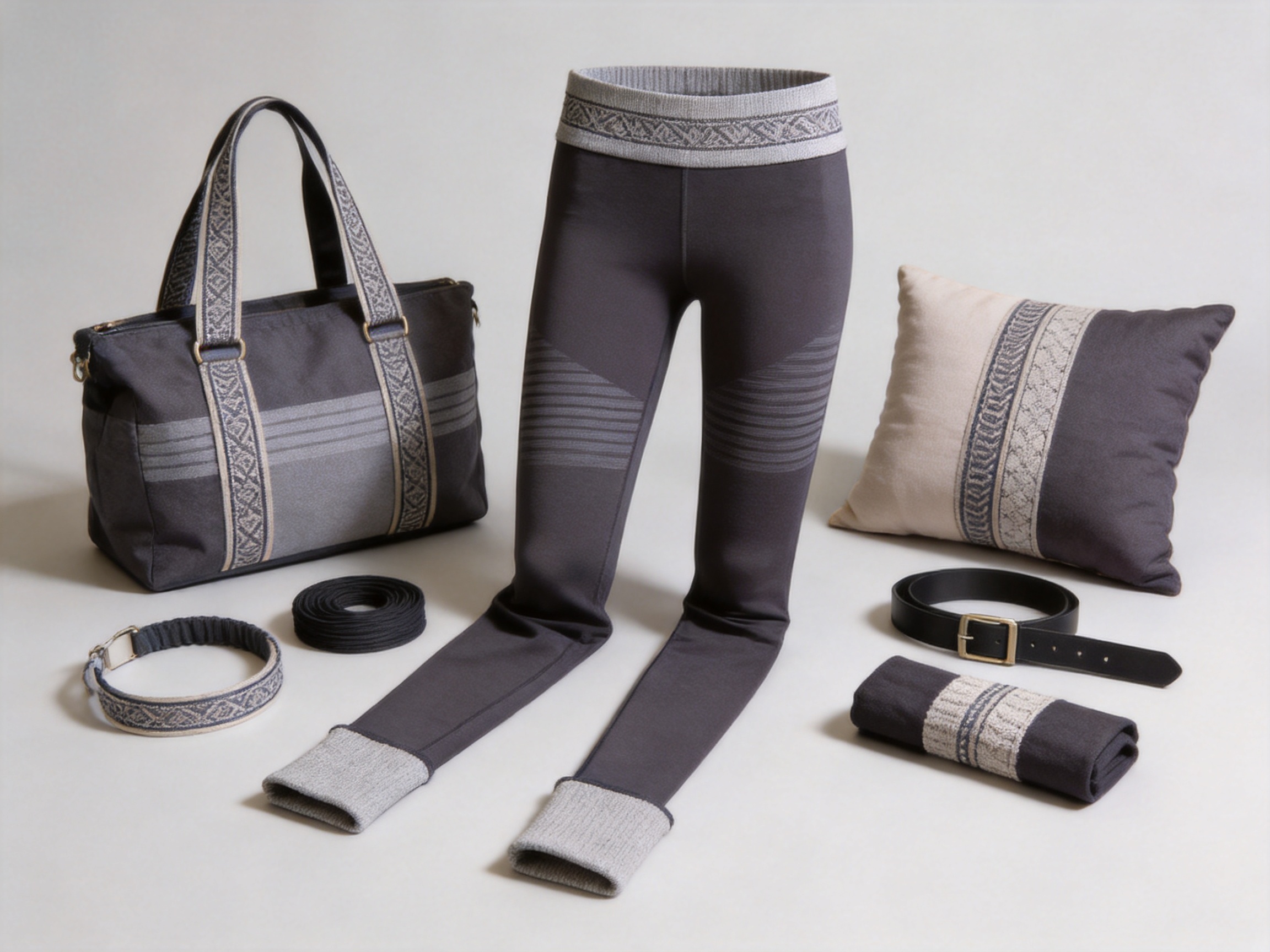
Double-faced jacquard elastic fabric is highly suitable for fashion apparel because it adds both structure and decoration. Waistbands are one of the most common applications. A jacquard elastic waistband can become a visible design feature rather than a hidden support component. It can provide firm yet comfortable holding power, return to shape after wear, and improve the garment’s overall appearance.
Leggings and active-inspired garments also benefit from this material. In leggings, elastic areas must stretch and recover repeatedly while staying comfortable against the body. Jacquard patterns can create a premium look, especially when used at the waist, side panels, cuffs, or decorative inserts. The fabric’s resistance to wrinkles and shrinkage supports everyday wear and laundering.
Dresses and skirts can use the fabric for waist sections, shoulder details, decorative bands, or reversible design elements. The double-faced structure is useful when the fabric may fold or move, revealing both sides. Designers can use contrast effects to create visual interest without adding separate trims.
Sportswear and athleisure products can use the fabric where stretch, recovery, and style are required. Moisture-wicking or anti-bacterial yarn options may be considered for performance-focused developments. The fabric can support movement while maintaining a fashionable surface, making it suitable for products that bridge active function and lifestyle aesthetics.
Children’s apparel may also benefit from the fabric’s soft stretch and durability, provided the construction is selected appropriately for comfort and safety. Elastic areas in children’s garments must be flexible and resistant to repeated washing. A woven jacquard pattern can provide visual appeal without relying on surface prints that may wear away.
Applications in Accessories
Accessories are an ideal field for double-faced jacquard elastic fabric because many accessory components are visible from multiple sides and experience frequent handling. Bag straps are a strong example. A strap made from double-faced jacquard elastic fabric can look finished on both sides, provide controlled flexibility, and resist abrasion during daily use. The woven pattern adds a premium identity to bags, backpacks, handbags, and travel accessories.
Belts and waist accessories can also use the fabric. Elastic belts require stretch and recovery, but they also need visual strength. Jacquard patterns can create classic, sporty, luxury, or modern looks depending on design. The double-faced construction makes the belt more attractive when adjusted or looped.
Headbands and hair accessories require comfort, elasticity, and attractive appearance. Double-faced jacquard elastic fabric can provide a soft fit while maintaining pattern quality. Because headbands may twist or reveal both sides during use, the reversible design is valuable. The fabric can be made in different widths and colors to support fashion collections, sports accessories, or lifestyle products.
Shoulder straps, suspenders, watch straps, decorative tapes, and elastic trims can also benefit from the fabric. In these applications, edge quality, tensile strength, pattern durability, and stretch stability are important. Jacquard weaving enables distinctive patterns that help products stand out in competitive markets.
For accessory manufacturers, using a fabric that combines decoration and function can simplify construction. Instead of sewing decorative layers onto an elastic base, manufacturers can use one integrated material. This may improve production efficiency, reduce bulk, and create a cleaner finished appearance.
Applications in Home Decor and Lifestyle Products
Although elastic jacquard fabric is often associated with apparel and accessories, it also has potential in home decor and lifestyle products. Throw pillows, cushion accents, decorative bands, storage items, furniture trims, and craft products can use the fabric to add texture and design. The reversible feature allows both sides to contribute to the final product, which is useful for items that may be turned, folded, or viewed from different angles.
Home decor products benefit from fabrics that resist wrinkles and maintain appearance. Double-faced jacquard elastic fabric can retain a neat look while adding tactile sophistication. A subtle jacquard pattern may suit modern interiors, while bold patterns may be used for decorative highlights. Because the pattern is woven in, it has a more premium feel than flat printed decoration.
Craft and DIY markets may also find value in the fabric. Designers and makers often need materials that are easy to use, attractive, and multifunctional. A reversible elastic jacquard fabric can be used for decorative bands, straps, covers, organizers, accessories, and handmade fashion items. Its flexibility makes it suitable for creative experimentation.
For lifestyle products, the fabric’s durability supports repeated use. Products such as yoga mat straps, bottle holders, organizers, and travel accessories may require elastic function and strong appearance. Jacquard patterns help differentiate such items from basic utility products.
Sustainability and Responsible Material Options
Sustainability has become a major consideration in textile sourcing. Buyers increasingly seek materials that reduce environmental impact while maintaining quality and performance. The availability of recycled yarn series gives double-faced jacquard elastic fabric an important sustainability pathway. Recycled semi-dull DTY, recycled semi-dull FDY, recycled full-dull DTY, recycled cationic DTY, and related yarn options can support product lines that emphasize responsible material selection.
Using recycled polyester yarn can help reduce reliance on virgin raw materials and support circular textile strategies. However, sustainability must not compromise quality. The yarn must still meet requirements for strength, dyeability, consistency, and fabric performance. A supplier with experience in recycled yarn development is better positioned to manage these challenges.
Durability itself is also a sustainability advantage. Products that last longer reduce replacement frequency. A fabric that resists fading, peeling, deformation, and abrasion can extend the usable life of garments and accessories. This supports a more responsible consumption model compared with low-cost materials that deteriorate quickly.
Efficient production can further support sustainability goals. Because double-faced jacquard elastic fabric integrates pattern and structure, it may reduce the need for additional printing, coating, lamination, or decorative attachments. Fewer secondary processes can simplify manufacturing and potentially reduce waste. Reversible use can also improve pattern layout efficiency and design flexibility.
Functional yarn options can support specialized sustainable product strategies. For example, moisture-wicking yarn may improve garment comfort and reduce the need for heavy finishing. Cationic dyeable yarn may support special dye effects under suitable conditions. The company’s commitment to environmental protection and functional textile research provides a foundation for future sustainable development.
Customization Possibilities
Customization is one of the main reasons buyers choose double-faced jacquard elastic fabric. Standard elastic materials may meet basic requirements, but they rarely provide a unique product identity. Jacquard weaving allows customers to develop exclusive patterns, color combinations, widths, elasticity levels, and surface effects. This is important for fashion brands, accessory labels, sportswear manufacturers, and home textile designers seeking differentiation.
Pattern customization can range from simple stripes to complex motifs. The jacquard structure allows precise control, although each design must be technically evaluated for stability and clarity. Very fine details may require suitable yarn counts and loom settings. Larger patterns may require careful repeat planning. Experienced technicians can help adjust designs to achieve the best balance between visual impact and fabric performance.
Color customization can be achieved through yarn selection and dyeing strategies. Polyester, cationic dyeable yarn, recycled yarn, full-dull yarn, semi-dull yarn, and other options can create different visual effects. Two-tone patterns, reversible color contrasts, matte finishes, bright effects, or subtle tonal textures can be developed according to buyer needs.
Elasticity customization is equally important. A waistband may need strong recovery and firm grip. A headband may need softer pressure. A bag strap may need controlled stretch and high stability. By adjusting yarn composition, elastic content, fabric density, and finishing, the fabric can be engineered for specific use cases.
Functional customization may include fire-retardant performance, anti-bacterial properties, moisture wicking, hollow warmth, cotton-like touch, or high-elastic behavior. Not every function is suitable for every fabric structure, so technical consultation is important. The company’s broad yarn portfolio supports differentiated development across multiple market categories.
Quality Control and Testing Priorities
Quality control for double-faced jacquard elastic fabric must address both appearance and performance. Because the fabric is decorative and functional, it must look right and perform correctly. A strong inspection system helps ensure that buyers receive fabric suitable for production and end-use requirements.
Appearance inspection includes checking pattern accuracy, color consistency, surface cleanliness, edge condition, width uniformity, and absence of weaving defects. Jacquard designs must be clear and consistent throughout the roll. Since both sides are usable, both faces should be inspected. This is more demanding than inspecting a one-sided fabric.
Physical performance testing should include stretch and recovery. The fabric should elongate according to specification and return to shape after repeated extension. Poor recovery may lead to garment or accessory failure. Testing can also evaluate tensile strength, seam performance, abrasion resistance, and dimensional stability.
Colorfastness testing is important for apparel and accessories that contact skin or other materials. Washing fastness, rubbing fastness, and perspiration fastness may be relevant depending on application. For dark colors or strong contrast jacquards, proper testing helps prevent staining or color transfer problems.
Shrinkage testing supports production reliability. If fabric changes size after washing or finishing, garment dimensions may become inaccurate. Heat setting and finishing control help stabilize the fabric. Buyers should communicate expected care conditions so that appropriate testing can be performed.
Functional testing may be required for special yarns. Flame-retardant, anti-bacterial, moisture-wicking, or thermal properties should be evaluated using relevant standards when needed. Clear communication between supplier and buyer ensures that performance claims align with actual product requirements.
How the Fabric Helps Brands Compete
In today’s textile market, brands compete on design, comfort, durability, sustainability, and value. Double-faced jacquard elastic fabric supports all these goals. It provides distinctive visual identity through woven patterns, improves user comfort through stretch and recovery, supports durability through structural design, and can incorporate recycled or functional yarn options.
For apparel brands, the fabric can transform basic garment areas into design features. A waistband, cuff, or side panel can become a signature element. This helps products stand out without requiring complicated garment construction. For accessory brands, the fabric adds premium detail to straps, belts, and bands. For home textile and lifestyle brands, it offers texture and reversible decoration.
The fabric also supports consistency. Because patterns are woven into the fabric, the design does not depend on a fragile surface print. This can reduce issues related to cracking or peeling during wear. Consistent stretch and recovery improve fit and comfort, which are essential for repeat customer satisfaction.
Customization helps brands create exclusivity. A unique jacquard pattern can become part of brand identity. Color and texture can be aligned with seasonal collections. Functional yarns can support performance claims. Recycled yarn options can support sustainability communication. These advantages make the fabric suitable for both established brands and emerging designers.
From a sourcing perspective, working with a supplier that understands yarn, fabric, and application development reduces risk. The company’s export experience, broad yarn range, and R&D orientation provide support for international buyers who need stable supply and technical guidance. In competitive markets, this partnership value can be as important as the fabric itself.
Practical Selection Guidance for Buyers
When selecting double-faced jacquard elastic fabric, buyers should begin with the end use. A fabric for waistbands should be evaluated differently from a fabric for bag straps or decorative pillows. The required stretch, recovery, thickness, hand feel, width, colorfastness, and abrasion resistance should be defined as clearly as possible.
For apparel, comfort and recovery are critical. Buyers should test the fabric against skin, evaluate stretch pressure, and check recovery after repeated elongation. Washing and shrinkage tests should be performed before bulk production. If the fabric will be used in activewear, moisture management and perspiration fastness may be important.
For accessories, tensile strength and abrasion resistance may be more important than softness. Bag straps, belts, and handles should be tested under stress and friction. Hardware compatibility should also be considered. The fabric should not fray excessively, distort under load, or lose pattern clarity after rubbing.
For decorative applications, visual effect, texture, and color consistency are key. The double-faced design should be evaluated under actual lighting and product construction conditions. If both sides will be visible, designers should check how the pattern appears when folded, twisted, or sewn.
Buyers should also consider sustainability and functional requirements early in development. If recycled yarn, flame-retardant properties, anti-bacterial performance, or moisture-wicking behavior is required, this should be discussed before sampling. Technical requirements may influence yarn choice, fabric structure, and finishing process.
Clear specification communication improves development efficiency. Useful information includes target application, desired width, weight, color, pattern file, stretch percentage, recovery expectation, washing requirement, functional requirement, order quantity, packaging preference, and testing standards. With complete information, the supplier can provide more accurate recommendations.
Q&A: Common Questions About Double-Faced Jacquard Elastic Fabric
What is double-faced jacquard elastic fabric?
It is a reversible elastic textile made with jacquard weaving technology. Both sides of the fabric can show designed patterns or color effects, and the material provides stretch and recovery for apparel, accessories, and decorative applications.
How is it different from printed elastic fabric?
The pattern is woven into the fabric rather than printed on the surface. This improves durability and reduces the risk of peeling, cracking, or fading. It also gives the fabric a richer texture and premium appearance.
Can both sides really be used?
Yes. The double-faced structure is designed so that both faces can be visually usable. Depending on the design, the two sides may show different colors, reversed patterns, or coordinated textures.
What fibers are commonly used?
The fabric is usually made from durable synthetic fibers such as polyester or polyamide combined with elastic components. Depending on the requirement, recycled yarn, cationic dyeable yarn, high-elastic yarn, moisture-wicking yarn, flame-retardant yarn, or other functional yarns may be selected.
Is the fabric suitable for skin-contact products?
Yes, it can be suitable for waistbands, leggings, headbands, and other skin-contact products when the correct yarns, structure, and finishing are chosen. Softness, stretch pressure, and colorfastness should be tested according to the intended use.
Does the fabric recover after stretching?
High-quality double-faced jacquard elastic fabric is engineered for reliable recovery. The elastic components and finishing process help the fabric return to shape after repeated stretching.
Can recycled yarn be used?
Yes. Recycled polyester yarn options can be used to support sustainability-focused products. The company’s recycled yarn series provides multiple yarn specifications for differentiated fabric development.
What products can be made from this fabric?
Common applications include waistbands, leggings, dresses, cuffs, straps, belts, headbands, bag straps, decorative trims, throw pillows, craft items, and lifestyle accessories.
Can the pattern be customized?
Yes. Jacquard weaving supports customized patterns, colors, widths, and reversible effects. Technical review is recommended to ensure that the design can be woven clearly and maintain proper stretch performance.
Why should buyers choose this fabric instead of ordinary elastic fabric?
It offers a stronger combination of design and function. Buyers receive reversible usability, woven-in pattern durability, four-way stretch, quick recovery, abrasion resistance, wrinkle resistance, and premium texture in one material.
Conclusion: A Fabric Built for Creative and Functional Textile Development
Double-faced jacquard elastic fabric is a high-value textile for markets that demand design flexibility, reliable performance, and long-lasting appearance. Its reversible structure gives designers two usable surfaces, while its jacquard weaving creates durable patterns that do not rely on fragile surface printing. Its elastic performance supports comfort, movement, and shape retention, making it practical for apparel, accessories, home decor, and lifestyle products.
The fabric’s competitive advantage comes from the integration of beauty and engineering. It is decorative without being delicate, elastic without being unstable, and versatile without sacrificing quality. It can serve fashion waistbands, leggings, dresses, bag straps, belts, headbands, throw pillows, trims, and many other applications. With proper customization, it can also support sustainability and functional performance through recycled yarn, moisture-wicking yarn, flame-retardant yarn, anti-bacterial yarn, cationic dyeable yarn, and other differential yarn options.
The manufacturing strengths behind the fabric are essential. Advanced yarn selection, jacquard weaving expertise, tension control, finishing stability, and quality inspection determine whether the final product performs successfully. Suzhou Junhui Textile Co., Ltd. and Suzhou Xiaoran New Materials Co., Ltd. bring experience in differential yarn development, functional textile research, global export service, and responsive technical support. This enables buyers to develop customized textile solutions that meet both creative goals and practical production requirements.
For brands and manufacturers looking to upgrade from ordinary elastic materials, double-faced jacquard elastic fabric offers a clear path forward. It helps products look better, last longer, feel more comfortable, and communicate higher value. In a textile market where consumers expect both style and function, this fabric provides a practical and attractive solution.
References
1. Kadolph, S. J. Textiles. Pearson Education.
2. Horrocks, A. R., and Anand, S. C. Handbook of Technical Textiles. Woodhead Publishing.
3. Goswami, B. C., Martindale, J. G., and Scardino, F. L. Textile Yarns: Technology, Structure, and Applications. Wiley-Interscience.
4. Adanur, S. Handbook of Weaving. CRC Press.
5. Saville, B. P. Physical Testing of Textiles. Woodhead Publishing.
6. Sinclair, R. Textiles and Fashion: Materials, Design and Technology. Woodhead Publishing.
Product: Double-faced jacquard elastic fabric
Popular products
-
Premium Cationic Interlock Stretch Comfort Fabric
-
Moisture-Wicking Nylon Woven Fabric
-
Double-faced jacquard elastic fabric
-
Heather Grey Double-faced cationic jersey fabric
-
Anti-static Cationic Knitted Rib Fabric
-
High-Stretch Cationic Jersey Fabric
-
High Quality Cationic DTY Spandex Two Sides Brush Dralon Knit Fabric for Garment Thermal Underwear
-
Durable Anti-Pilling Knitted Fabric for Home Textiles
-
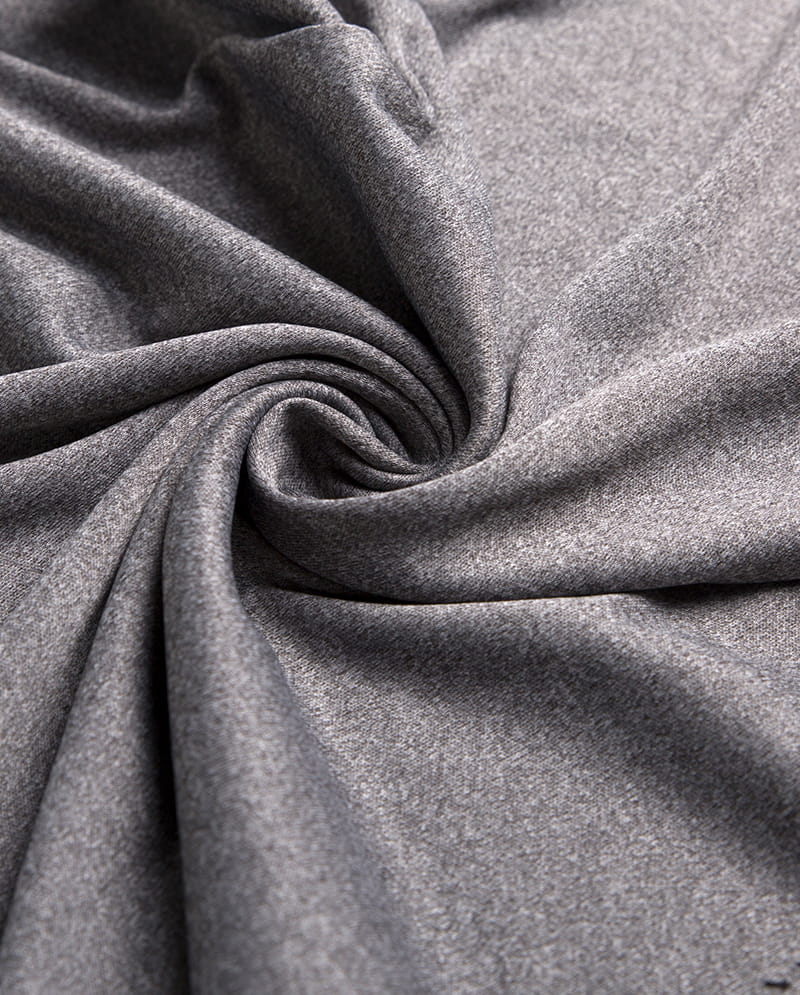
Wash-Resistant Cationic Elastic Knitted Fabric for Garment Industry
-
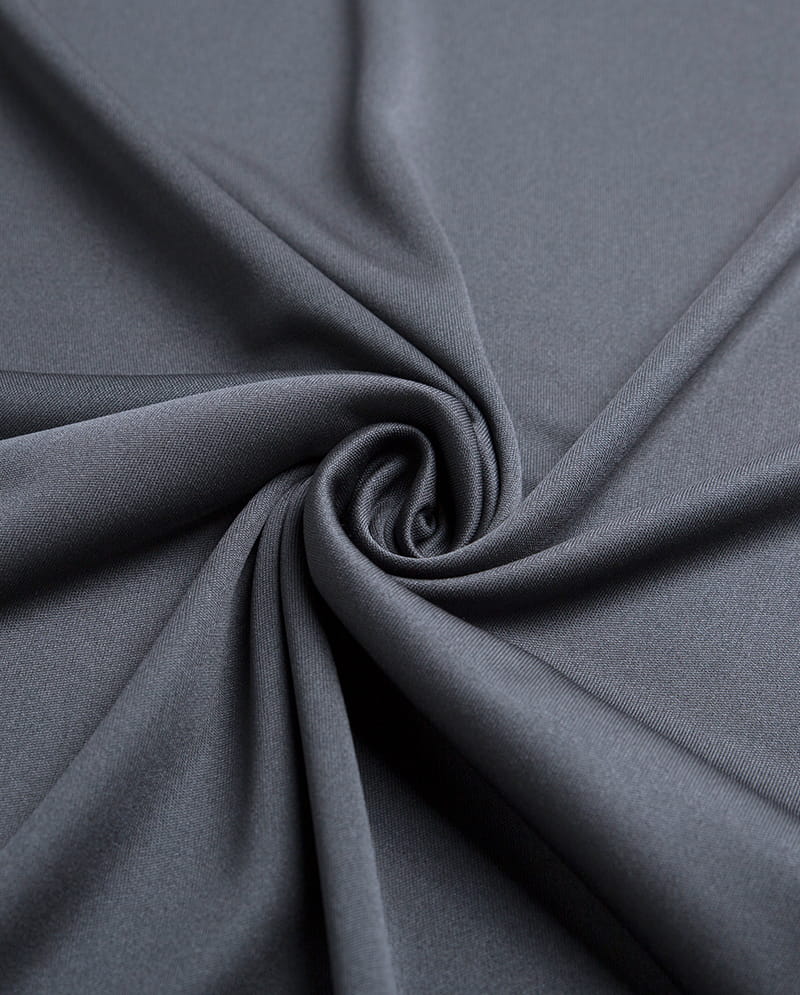
Breathable Double-Faced Elastic Composite Fabric
-
-
-
- whatsapp:
- 0086-13962559622
-
- skype:
- skype.aliceshenghong
-
- Wechat:


COPYRIGHT © 2016 Suzhou Junhui Textile Co., Ltd.
