

 EN
 English
 中文简体
Double-Faced Jacquard Elastic Fabric: Reversible Design, Reliable Stretch, and Advanced Textile Performance
Content
- 1 1. What Is Double-Faced Jacquard Elastic Fabric?
- 2 2. The Main Product Advantages
- 3 3. Why It Can Outperform Ordinary Printed or Single-Faced Fabrics
- 4 4. Advanced Jacquard Weaving Process
- 5 5. Fiber and Yarn Selection
- 6 6. Recycled and Functional Yarn Integration
- 7 7. Manufacturing Strengths of the Supplier
- 8 8. Quality Control from Yarn to Finished Fabric
- 9 9. Applications in Apparel
- 10 10. Applications in Accessories and Home Textiles
- 11 11. Customization Possibilities
- 12 12. Sustainability Considerations
- 13 13. Practical Benefits for International Buyers
- 14 14. Recommended Development Process
- 15 15. Care and Product-Life Guidance
- 16 16. Comparing Common Fabric Choices
- 17 17. Why Supplier Collaboration Matters
- 18 18. Frequently Asked Questions
- 18.1 What makes this fabric double-faced?
- 18.2 Is the fabric suitable for activewear?
- 18.3 Can the fabric be made with recycled yarn?
- 18.4 Does jacquard fabric fade easily?
- 18.5 Can the stretch level be customized?
- 18.6 What products can use this material?
- 18.7 Is it comfortable against the skin?
- 18.8 Can the two faces have different colors?
- 18.9 What information should a buyer provide when requesting a quotation?
- 18.10 Can the supplier help choose a suitable yarn?
- 19 19. Conclusion
- 20 References
- 21 Product: Double-faced jacquard elastic fabric
Double-faced jacquard elastic fabric combines decorative woven construction with functional stretch performance. Unlike ordinary printed fabric, its patterns are formed directly through the jacquard weaving process, allowing both sides to carry distinctive visual effects, colors, or structures. This creates a reversible textile that can be used from either face while maintaining a refined appearance, dependable durability, and comfortable elasticity.
Designed for apparel, accessories, and selected home textile applications, this fabric offers a practical balance between appearance and performance. It can be produced with synthetic fibers such as polyester or polyamide together with elastic components, allowing the finished material to stretch and recover repeatedly. Depending on the construction, it can provide a smooth hand feel, a textured surface, firm support, or a softer drape.
For buyers, designers, and manufacturers, the value of this material extends beyond its attractive pattern. The fabric is developed within a textile supply chain supported by differentiated yarn production, recycled yarn options, functional yarn technologies, and professional research and development. This integrated capability helps provide more consistent raw materials, greater customization, and improved control over the final fabric’s visual and physical characteristics.
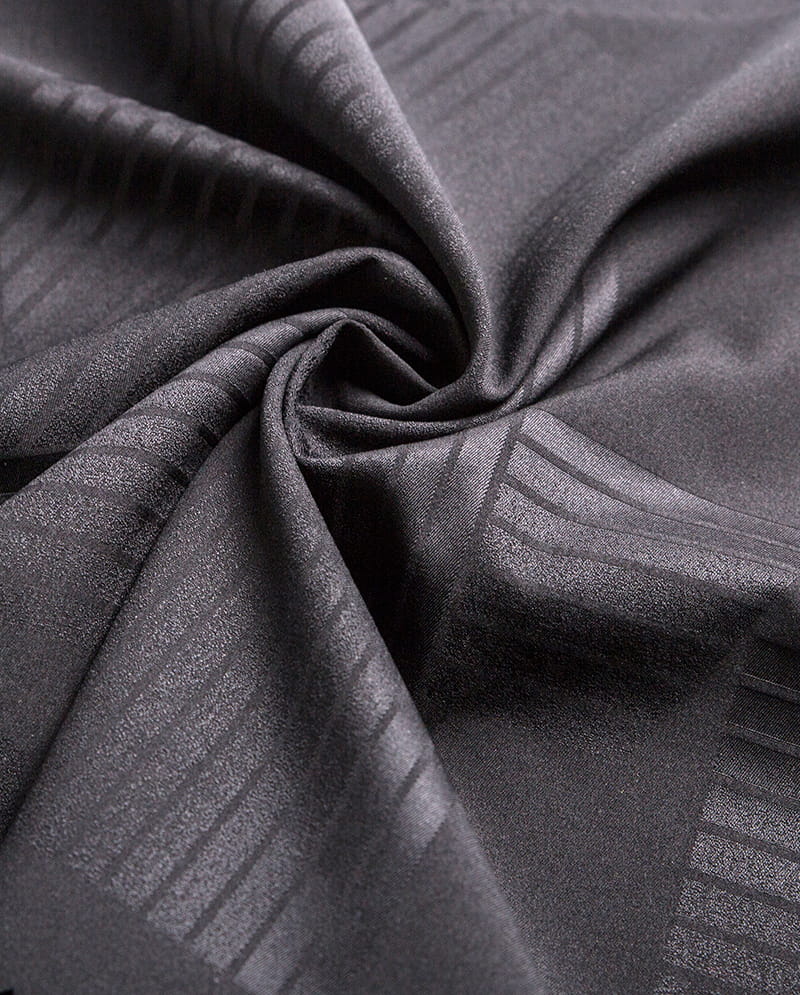
Double-faced jacquard elastic fabric
1. What Is Double-Faced Jacquard Elastic Fabric?
Double-faced jacquard elastic fabric is a woven material produced with a jacquard mechanism that controls individual warp or weft yarns to create complex patterns. In contrast to basic woven structures, jacquard weaving can form detailed motifs, geometric arrangements, tonal contrasts, raised textures, and reversible designs without relying exclusively on surface printing.
The term “double-faced” means that the two sides of the fabric are intentionally designed rather than treating one side as the face and the other as the back. The two faces may share a coordinated pattern, display contrasting colors, or use different visual effects. This makes the fabric suitable for reversible garments, visible edges, straps, waistbands, decorative panels, and products where both sides may be exposed during use.
The word “elastic” refers to the fabric’s ability to extend and recover. Elastic performance may be obtained through elastomeric yarns, elastic filaments, stretchable synthetic yarn combinations, or a carefully engineered weave structure. The exact degree of stretch depends on fiber selection, yarn size, weave density, finishing, and the intended application.
When these technologies are combined, the result is a textile that provides more than decoration. It can offer flexibility, shape retention, abrasion resistance, wrinkle resistance, and a comfortable fit. These characteristics make it especially useful for products that must move with the body or withstand frequent handling.
2. The Main Product Advantages
Reversible visual design
The most recognizable advantage of double-faced jacquard fabric is its two-sided appearance. Each face can contain a carefully controlled pattern, color arrangement, or texture. This gives designers more freedom than a conventional single-faced fabric because the material can be turned, folded, layered, or exposed from different directions without revealing an unfinished reverse side.
For fashion brands, reversible construction may support multiple styling options in one garment. A waistband can show one pattern on the outside and another on the inside. A belt or bag strap can use contrasting faces to create visual variation. A decorative trim can be folded over an edge while preserving a coordinated design on both sides.
Patterns woven into the structure
Jacquard patterns are integrated into the fabric during weaving. This differs from designs applied only after fabric formation. Because the pattern is structurally woven, it is less dependent on a surface coating and is not designed to peel away like a film. With suitable dyeing, finishing, and care, the fabric can maintain its appearance through repeated use.
The woven-in pattern also creates a more substantial visual effect. Depending on the construction, the design may be smooth and understated or textured and dimensional. This allows the same general product concept to serve minimalist sportswear, fashion apparel, accessories, and decorative applications.
Stretch and recovery
Elastic fabric must do more than stretch once. It should return toward its original dimensions after movement, fitting, or repeated use. Double-faced jacquard elastic fabric is designed to provide dependable extension together with recovery, helping garments retain their intended shape.
This benefit is especially important in waistbands, leggings, fitted dresses, headbands, and other products that experience repeated tension. Good recovery can help reduce sagging, deformation, and an untidy appearance. It can also support a secure fit without creating unnecessary stiffness.
Durability for demanding applications
The fabric can be made from durable synthetic fiber combinations that resist abrasion, wrinkles, and dimensional changes. Polyester-based constructions are valued for strength, stability, and ease of care, while polyamide-based options can provide a soft hand feel, flexibility, and good resistance to repeated movement.
The final result depends on the selected yarn and construction, but a properly engineered fabric can withstand regular handling and wear. This makes it suitable for both fashion products and accessories that are pulled, folded, stretched, or exposed to friction.
Comfortable tactile performance
Although jacquard fabrics may have a structured appearance, they do not necessarily feel hard or uncomfortable. Yarn selection, filament fineness, weave density, and finishing can be adjusted to create a smooth, soft, or lightly textured hand. This is useful for products worn directly against the skin, including waistbands, leggings, dresses, and headbands.
The fabric can be developed to balance support and comfort. A firmer construction may be appropriate for belts or structured accessories, while a softer and more flexible construction may be preferred for garments. This adjustable performance is one of the reasons jacquard elastic textiles remain relevant across multiple product categories.
Performance area |
Double-faced jacquard elastic fabric advantage |
Potential application |
Appearance |
Two coordinated or contrasting woven faces |
Reversible apparel, trims, straps |
Pattern durability |
Design integrated into the woven construction |
Garments and accessories exposed to regular use |
Stretch |
Flexible extension with recovery |
Waistbands, leggings, dresses, headbands |
Dimensional stability |
Resistance to shrinking and deformation when properly finished |
Fitted fashion and functional textiles |
Surface character |
Jacquard texture, contrast, or subtle relief |
Premium apparel and decorative products |
Customization |
Multiple fibers, yarn specifications, colors, and patterns |
Private-label and application-specific development |
3. Why It Can Outperform Ordinary Printed or Single-Faced Fabrics
Many textiles can display an attractive pattern, but not all provide the same structural or functional value. In ordinary printed fabric, the visual design is primarily placed on the surface. The reverse side may remain plain, and the appearance can depend heavily on the printing process and coating quality. Double-faced jacquard fabric takes a different approach by building the design into the woven structure.
This construction offers greater flexibility when a product exposes both faces. A printed textile may require lining, backing, or careful cutting to conceal the reverse side. A double-faced jacquard textile can reduce that limitation because the reverse is intentionally developed as part of the design concept.
Compared with simple woven elastic fabric, jacquard construction offers more design depth. It can create geometric patterns, contrasting blocks, tonal motifs, and textures that are difficult to achieve with a basic weave. This gives designers an opportunity to create a distinctive product without adding a separate decorative layer.
Compared with low-quality stretch material, an engineered elastic construction can deliver more reliable recovery and better dimensional stability. Performance is influenced by yarn quality and finishing, so responsible production and technical control remain essential. A fabric supplier with differentiated yarn capability can select a construction that suits the required balance of stretch, strength, appearance, and comfort.
4. Advanced Jacquard Weaving Process
Design preparation
The manufacturing process begins with the conversion of a visual concept into a workable jacquard design. Designers and technicians determine the repeat size, pattern density, color arrangement, face-to-face relationship, and intended fabric width. The design must also account for the behavior of elastic yarns and the tension requirements of the woven structure.
A pattern that looks balanced on a static screen may behave differently after weaving, dyeing, stretching, and finishing. For this reason, technical development must consider yarn dimensions, shrinkage, fabric density, and the effect of finishing on the final appearance. Proper preparation reduces pattern distortion and helps maintain consistency from sample to production.
Warp and weft planning
Warp yarns run along the length of the fabric, while weft yarns pass across its width. In a jacquard structure, the relationship between these yarn systems determines the pattern, stability, flexibility, and surface texture. Technicians select yarn counts, filament characteristics, colors, and tension settings according to the required result.
Elastic components must be handled with particular care. Excessive tension can reduce the desired recovery or produce uneven width. Insufficient control may lead to loose areas, unstable edges, or irregular pattern alignment. A well-organized production process coordinates yarn preparation, machine settings, and inspection procedures to maintain a stable structure.
Jacquard shedding and pattern formation
During weaving, the jacquard mechanism individually controls selected warp yarns to create the intended pattern. The loom forms openings, or sheds, through which the weft yarn is inserted. Repeated control of these yarns produces the motif and determines how the two faces interact.
High-quality jacquard production requires accurate electronic or mechanical pattern control, stable loom operation, and careful monitoring of yarn tension. Small variations may affect line definition, color placement, or the balance between the two faces. Advanced process management helps protect the clarity of the design while preserving the fabric’s stretch properties.
Edge and width management
Elastic fabrics can be sensitive to width variation and edge movement. During weaving and finishing, the fabric must be controlled to prevent excessive curling, distortion, or uneven tension. Width management is important for apparel manufacturers because unstable fabric can create cutting waste, inconsistent garment dimensions, and difficulties during sewing.
Appropriate settings may include controlled take-up, balanced warp tension, suitable selvedge construction, and finishing conditions matched to the fiber composition. These details are not always visible in the finished fabric, but they strongly influence production efficiency for downstream customers.
5. Fiber and Yarn Selection
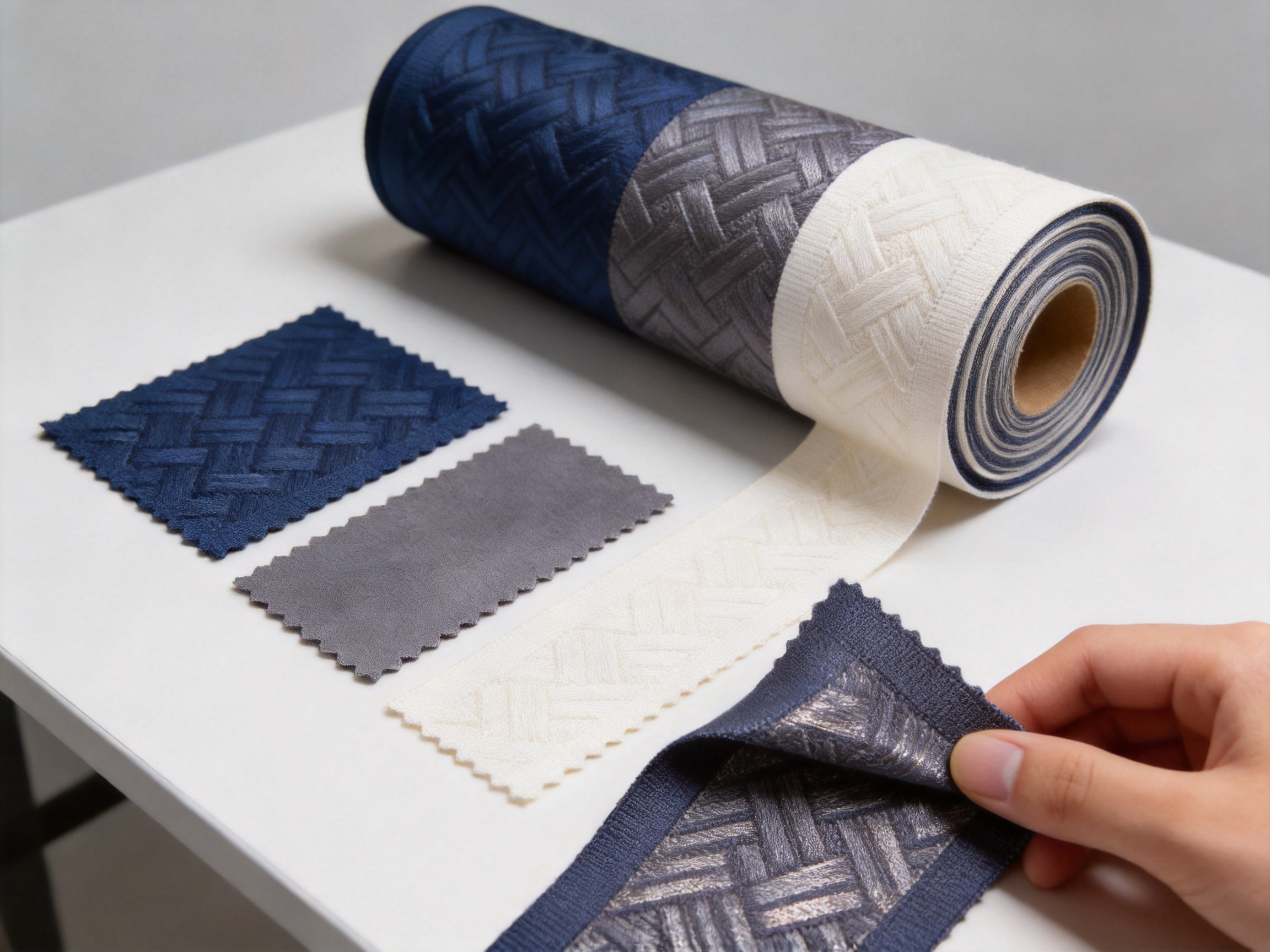
The performance of double-faced jacquard elastic fabric begins with the yarn. A fabric producer can adjust the final result by selecting different filament types, yarn counts, cross-sections, and functional properties. Polyester yarn is commonly selected for strength, dimensional stability, color consistency, and broad processing compatibility. Polyamide may be considered when a softer touch, flexibility, or high wear comfort is required.
Filament fineness also affects the hand feel and visual clarity. Fine filaments can create a smoother surface and more delicate appearance, while coarser or specially textured yarns may produce additional body, loft, or surface interest. Drawn, textured, cationic, hollow, cotton-like, and other differentiated yarn options can be used when the application calls for a specialized effect.
Elastic components must be chosen according to the required extension and recovery. Some applications need gentle comfort stretch, while others require firm support and repeated recovery. The yarn combination should be tested as a complete fabric rather than evaluated only as an individual yarn, because the weave structure and finishing process influence performance.
Color selection is also important. Solid-dyed yarns can create clean and consistent color fields, while differentiated or combined yarns can add subtle variation, contrast, or depth. Recycled yarn options may help customers address sustainability objectives while preserving a suitable appearance and performance profile.
6. Recycled and Functional Yarn Integration
The manufacturing strength behind this type of fabric is supported by access to multiple yarn categories. The supplied product information includes recycled series, normal series, cationic-dyeable series, high-elastic series, and functional series. These categories allow fabric developers to select materials according to the required end use instead of relying on one standard yarn for every project.
Recycled yarns can be used when a product requires a reduced reliance on virgin raw materials. Recycled semi-dull, full-dull, bright, cationic, and other differentiated options may be considered according to the desired appearance and technical specification. The final sustainability profile should be confirmed through appropriate documentation and production records, but the availability of recycled options gives buyers a practical starting point for more responsible product development.
High-elastic yarns and PBT/PET combinations can support fabrics that require repeated extension and recovery. Functional yarns may be selected for applications requiring flame-retardant, antibacterial, or moisture-wicking characteristics. Hollow warm yarns can contribute to a warmer hand, while cotton-like yarns can provide a more natural tactile impression in synthetic fiber constructions.
This breadth of yarn development is valuable because jacquard design and elastic performance are closely connected. A pattern that performs well with one yarn may not produce the same result with another. Having multiple yarn resources and technical knowledge within the supply chain makes it easier to adapt the construction to the buyer’s requirements.
7. Manufacturing Strengths of the Supplier
The production organization associated with this product has developed capabilities in differentiated yarn, knitting fabric, recycled materials, and functional textile products. Its business includes Suzhou Junhui Textile Co., Ltd. and Suzhou Xiaoran New Materials Co., Ltd., with operations focused on product development, sales, and technical support.
The companies were established in 2015 and have concentrated on developing specialized yarn categories, including recycled yarn, polyester dope-dyed yarn, microfine yarn, flame-retardant yarn, cationic-dyeable yarn, and other functional materials. This experience provides an important foundation for elastic jacquard fabric because the quality of the finished textile depends on the compatibility of yarn, weaving, dyeing, finishing, and application requirements.
A professional research and development team supports the organization’s work in environmental protection, functional yarn, and fabric application. Cooperation with internationally recognized enterprises has helped connect material development with practical market needs. This orientation is valuable for customers who require more than a catalog item and need assistance with product selection, sample development, or problem solving.
The company reports that more than 90 percent of its products are exported and that it has established customer relationships in 36 countries. International experience can help a textile supplier understand different documentation expectations, product specifications, quality concerns, and communication requirements. Global service support is also presented as a priority, with experts available to respond to customer needs within a stated 12-hour period.
8. Quality Control from Yarn to Finished Fabric
Incoming material control
Reliable fabric quality begins with raw material inspection. Yarn packages should be checked for count, color, winding quality, surface condition, and consistency. Elastic or specialized yarns require additional attention because variation in extension or tension can influence fabric width and recovery.
Recycled materials may require careful batch management to maintain consistent shade and performance. Different production lots should be identified and controlled so that a customer’s bulk order remains as uniform as possible. Clear traceability also helps with repeat orders and future product development.
Weaving inspection
During weaving, operators and technicians monitor broken ends, broken picks, missing yarns, pattern irregularities, width changes, and surface defects. Jacquard designs require particular attention because a small weaving error may be visible across the motif. Elastic fabrics also need monitoring for tension differences that could create uneven extension.
Process inspection should not be limited to the finished roll. Early detection allows defects to be corrected before a large quantity is produced. It also helps identify whether a problem originates from yarn preparation, machine settings, pattern programming, or environmental conditions.
Finishing and dimensional control
Finishing can influence the fabric’s softness, width, appearance, stretch, recovery, and dimensional stability. Heat setting, relaxation, washing, coating, or other treatments should be selected according to the fiber composition and end-use requirements. Excessive heat or tension may reduce elasticity, while insufficient stabilization may result in shrinkage or width variation.
Finished fabric can be evaluated for width, weight, appearance, stretch percentage, recovery, shrinkage, colorfastness, and surface uniformity. The appropriate test method depends on the customer’s standard and intended application. Buyers should communicate whether the fabric will be used in garments, accessories, home products, or other applications so that testing priorities can be aligned.
Quality checkpoint |
Typical control objective |
Importance to the buyer |
Yarn inspection |
Confirm count, consistency, color, and surface condition |
Supports stable weaving and repeatable fabric quality |
Pattern inspection |
Check motif alignment, clarity, and face-to-face coordination |
Protects the visual value of jacquard design |
Width inspection |
Control usable width and edge stability |
Reduces cutting problems and material waste |
Stretch testing |
Measure extension under defined conditions |
Ensures the fabric meets the intended fit requirement |
Recovery testing |
Evaluate return after repeated or controlled stretching |
Helps prevent sagging and permanent deformation |
Dimensional testing |
Assess shrinkage and stability after treatment |
Supports reliable garment sizing and production |
Appearance inspection |
Identify stains, broken yarns, irregular texture, and defects |
Protects finished-product appearance |
9. Applications in Apparel
Waistbands
Waistbands require a combination of stretch, recovery, comfort, and visual appeal. Double-faced jacquard elastic fabric can provide a more distinctive alternative to plain elastic tapes or single-color waistband fabrics. The reversible construction may allow the designer to display a contrast face on the outside while retaining a comfortable and coordinated inner face.
The fabric’s structure can be adjusted to provide firm support or softer flexibility. Designers may use wider constructions for skirts, trousers, sportswear, and fashion garments, or narrower formats for selected trims and fitted products.
Leggings and fitted garments
Leggings and close-fitting garments need fabric that moves with the body and returns to shape after wear. Elastic jacquard construction can add visual interest to panels, waist areas, side sections, or complete garments. The patterned surface can make a basic silhouette appear more sophisticated without requiring heavy embellishment.
When used in a larger garment area, the fabric should be evaluated for stretch direction, opacity, recovery, seam behavior, and comfort. The selected construction must also suit the garment’s intended activity level. A performance-oriented garment may require stronger recovery and moisture management, while a fashion garment may emphasize texture and hand feel.
Dresses and fashion apparel
In dresses, the fabric can be used for fitted sections, decorative panels, yokes, cuffs, belts, or complete designs. Its woven pattern can provide a premium appearance and reduce the need for additional printing or embroidery. Designers can coordinate the two faces to create reversible details, folded edges, or layered effects.
Because jacquard patterns are formed during weaving, the fabric can help create a more integrated visual identity. This is especially useful for collections that require a recognizable motif or texture across multiple product styles.
10. Applications in Accessories and Home Textiles
Bag straps and belts
Bag straps and belts are exposed to friction, bending, pulling, and repeated handling. A durable elastic jacquard construction can provide both structural interest and practical flexibility. The two faces may be coordinated with the bag body or used to create a contrasting design element.
For these applications, buyers should specify the required load, width, thickness, stretch level, edge finish, and attachment method. A material selected for a lightweight fashion belt may not be suitable for a heavily loaded bag strap. Technical consultation is therefore important when the fabric will serve a structural role.
Headbands and hair accessories
Headbands benefit from soft stretch and recovery. They must remain comfortable during wear while maintaining sufficient tension to stay in place. A jacquard elastic fabric can add pattern and texture to an otherwise simple accessory, and the reversible design can support multiple styling options.
For direct skin contact, the hand feel, edge softness, and finishing quality are especially important. Fine or cotton-like synthetic yarns may be considered when the product requires a smoother and more natural tactile impression.
Throw pillows and decorative products
Double-faced jacquard fabric can also be used for throw pillows, decorative bands, and selected home textile items. The patterned construction adds depth without relying solely on printing. A reversible pillow or cushion may use one face for a stronger motif and the other for a more understated coordination.
Elasticity is not always essential for home decoration, but moderate flexibility can assist with fitted covers, shaped panels, or decorative applications. Durability and resistance to wrinkles can also support a neat appearance during regular use.
11. Customization Possibilities
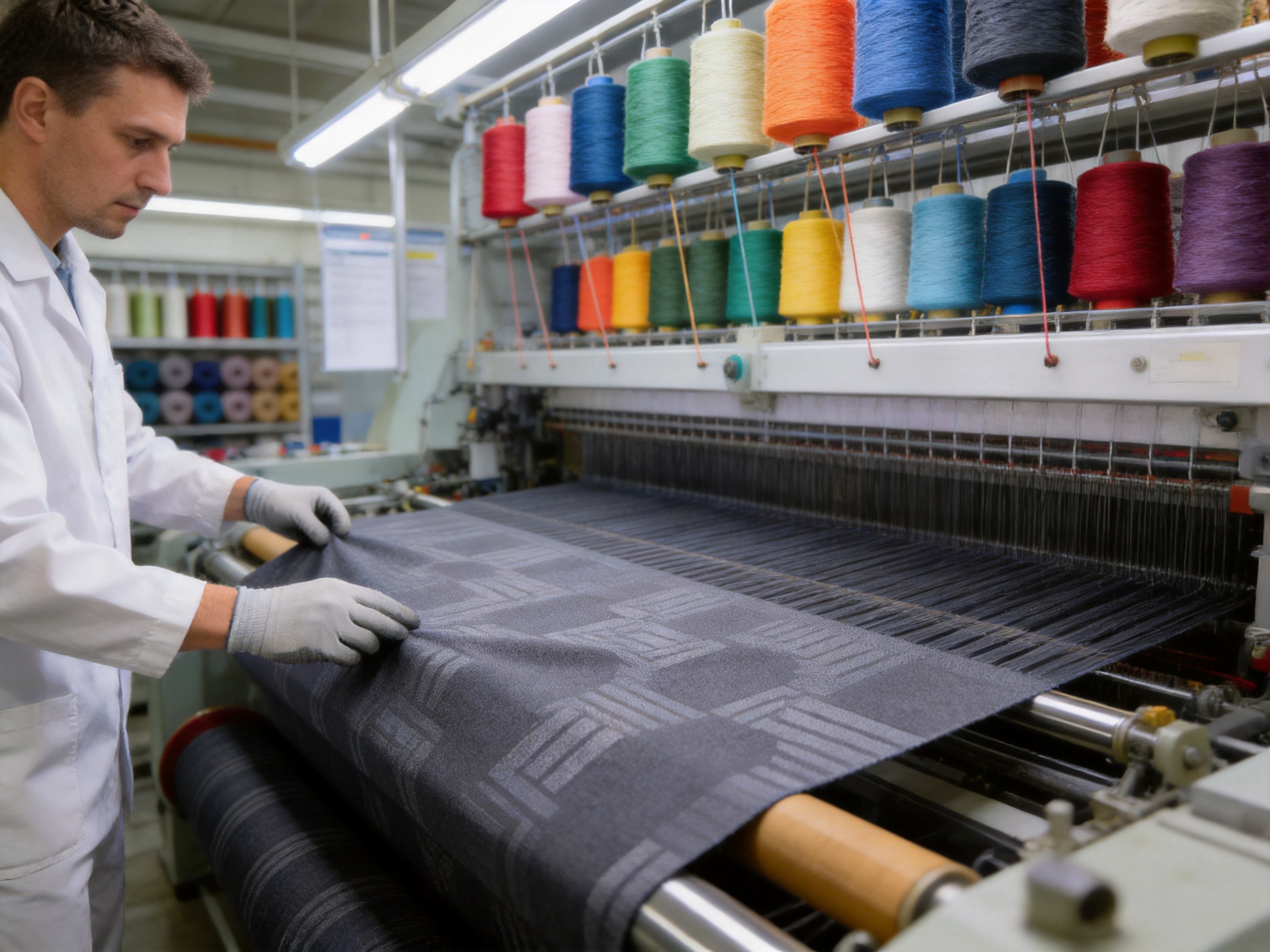
One of the most important benefits of working with a differentiated yarn and fabric supplier is the ability to customize the material according to its intended use. Customization may involve fiber composition, yarn count, filament profile, color, pattern, width, weight, stretch, recovery, texture, and finishing.
Customers may request a subtle jacquard effect for premium basics, a bold geometric pattern for fashion accessories, or a technical construction for sportswear. The two faces may use similar shades for a refined reversible effect or strong contrast for a more expressive design.
Color development can be coordinated with the customer’s seasonal palette or brand requirements. Depending on the yarn type and dyeing method, the supplier may offer solid colors, dope-dyed options, cationic effects, mixed-color appearances, or white and black combinations. Sampling is recommended because the interaction between yarn color, weave density, and jacquard pattern can change the final visual result.
Performance customization is equally important. A customer may require higher stretch for leggings, stronger recovery for waistbands, greater firmness for belts, or softer flexibility for headbands. The product can be developed by changing the elastic component, yarn combination, weave structure, and finishing conditions.
12. Sustainability Considerations
Textile buyers increasingly evaluate not only appearance and price but also material origin, durability, resource use, and product life. Recycled yarn options can support development strategies that incorporate recycled polyester or other recycled inputs. Longer-lasting fabrics may also contribute to more responsible consumption by reducing the need for frequent replacement.
A durable jacquard design can support product longevity when it maintains visual appeal and physical performance over repeated use. Wrinkle resistance, shape retention, and abrasion resistance may help products remain attractive for longer periods. However, sustainability claims should always be supported by accurate material records, certifications where applicable, and transparent production information.
Dope-dyed yarn options may reduce some dyeing requirements because color is introduced during polymer production rather than applied entirely after filament formation. The suitability of this approach depends on the required color range, order quantity, and application. Recycled, functional, and conventional yarns should be compared based on the complete product specification rather than on one attribute alone.
Responsible development also means avoiding unnecessary over-specification. A fabric should contain the performance properties required for its use, but not excessive materials or treatments that do not provide meaningful value. Close cooperation between buyer and supplier can help identify an efficient balance between design, durability, cost, and environmental objectives.
13. Practical Benefits for International Buyers
International customers often need more than a fabric roll. They may require technical communication, sampling, material selection, order coordination, export documentation, and responsive problem solving. A supplier with export experience and a broad customer base can provide a more organized development process.
The company’s export-oriented business and relationships in multiple countries indicate experience working with different markets. This can help when customers require specific fabric widths, packaging formats, test standards, color approvals, or production schedules. Buyers should still confirm every requirement before placing a bulk order, but an experienced supplier can help identify important questions at an early stage.
The company also states that its experts can provide global support within 12 hours. Fast communication is valuable during sampling and production because fabric decisions may affect pattern programming, yarn preparation, weaving, finishing, and delivery. Early clarification can prevent costly changes after production has begun.
For buyers developing a new product, the supplier’s yarn portfolio may reduce the need to contact separate companies for every material option. Recycled yarn, high-elastic yarn, functional yarn, cotton-like yarn, hollow warm yarn, and cationic-dyeable yarn can be evaluated within a broader development system. This may simplify the search for a material that meets both aesthetic and technical requirements.
14. Recommended Development Process
Step one: define the end use
The first step is to identify how the fabric will be used. A waistband, legging, belt, headband, and decorative pillow do not require the same construction. Buyers should state whether the material will contact skin, carry load, undergo repeated washing, or experience high abrasion.
Step two: confirm technical targets
Important targets include width, weight, thickness, stretch direction, stretch percentage, recovery, color, pattern repeat, hand feel, shrinkage, and finishing. If the fabric must meet a specific standard for colorfastness, safety, or performance, that requirement should be identified before sampling.
Step three: select yarn options
The buyer and supplier can compare normal, recycled, high-elastic, functional, cationic, cotton-like, or other differentiated yarn options. Fiber selection should be based on the end-use requirements and desired cost level. It is often useful to request several constructions so that appearance and performance can be compared directly.
Step four: develop the jacquard pattern
The pattern should be reviewed for repeat size, scale, contrast, reversibility, and compatibility with the fabric width. Some patterns may look attractive in a small sample but become too dense or too subtle when produced at full width. Digital visualization and physical sampling should be used together.
Step five: conduct sample testing
Samples should be evaluated for appearance, touch, stretch, recovery, dimensional stability, sewing performance, and laundering response. For garments, the material should be tested in a representative construction because seam placement and garment tension can influence the final result.
Step six: approve bulk production standards
Before bulk production, the buyer should approve a sealed sample or reference standard covering color, pattern, hand feel, width, and performance. Clear standards improve communication and help both parties identify whether a variation is acceptable or requires correction.
15. Care and Product-Life Guidance
Care instructions should be matched to the actual fiber and finishing system. Although synthetic fabrics generally offer good ease of care, excessive heat, harsh chemicals, and unsuitable ironing conditions may affect elasticity or surface appearance. Buyers should conduct care testing before printing final garment labels or product instructions.
For stretch garments, repeated high-temperature drying can gradually influence recovery. Gentle washing and controlled drying may help preserve the material’s original properties. Accessories should be protected from unnecessary sharp abrasion and excessive pulling, especially when the fabric contains a decorative textured surface.
Proper care contributes to the fabric’s overall value. A material that retains its color, pattern, shape, and comfort through regular use can support customer satisfaction and reduce replacement frequency. Suppliers can assist buyers by recommending care guidelines based on the selected yarn, weave, and finishing process.
16. Comparing Common Fabric Choices
Fabric type |
Visual capability |
Stretch potential |
Typical limitation |
Printed plain weave |
Strong surface graphics on one primary face |
Depends on fiber and construction |
Reverse side may be plain; surface design may wear |
Single-faced jacquard |
Detailed woven pattern with one main face |
Depends on yarn and structure |
Less suitable when both sides are exposed |
Basic elastic woven fabric |
Usually simple or solid appearance |
Good when properly engineered |
Limited pattern depth and decorative versatility |
Double-faced jacquard elastic fabric |
Reversible patterns, colors, and textures |
Designed for flexible extension and recovery |
Requires careful pattern and tension control |
This comparison does not mean that one textile is appropriate for every application. Printed fabric may be preferred for large photographic graphics, and plain elastic fabric may be more economical for basic industrial uses. Double-faced jacquard elastic fabric is particularly valuable when the buyer wants an integrated combination of reversible appearance, woven pattern, flexibility, and premium surface character.
17. Why Supplier Collaboration Matters
Jacquard elastic fabric is a coordinated product rather than a simple commodity. Its final performance depends on the relationship between yarn, machine, pattern, tension, finishing, and application. If these elements are developed separately, the result may not meet the buyer’s expectations.
A supplier with yarn development experience can identify whether a problem is caused by the material or by the fabric structure. For example, weak recovery may require a different elastic component, while pattern distortion may require a change in warp tension or repeat design. A soft hand feel may be achieved through filament selection and finishing rather than through a heavy surface treatment.
Collaboration also supports faster development. Instead of selecting a generic fabric and trying to adapt it to an unsuitable product, buyers can define the intended use first and develop the construction around that requirement. This approach can reduce sampling cycles and improve the probability that the first production order will meet expectations.
18. Frequently Asked Questions
What makes this fabric double-faced?
Both sides are intentionally designed through the weaving process. They may share a coordinated pattern, use different colors, or display contrasting textures. The reverse side is not merely an unfinished backing.
Is the fabric suitable for activewear?
It can be suitable for selected activewear and fitted garments when the construction provides the required stretch, recovery, comfort, breathability, and care performance. Buyers should request testing based on the planned activity and garment design.
Can the fabric be made with recycled yarn?
Yes. Recycled yarn options are included within the supplier’s product portfolio. The exact recycled content, certification status, color range, and performance should be confirmed for each development.
Does jacquard fabric fade easily?
Jacquard patterns are woven into the structure rather than applied only as a surface film. However, colorfastness still depends on fiber type, dyeing method, finishing, washing conditions, and exposure. Appropriate colorfastness testing should be completed for the intended use.
Can the stretch level be customized?
Stretch and recovery can often be adjusted through elastic yarn selection, yarn combination, weave density, and finishing conditions. The buyer should specify the required extension and recovery during the sampling stage.
What products can use this material?
Common applications include waistbands, leggings, dresses, headbands, belts, bag straps, decorative trims, throw pillows, and other products that benefit from woven pattern, flexibility, or reversible appearance.
Is it comfortable against the skin?
The fabric can be developed with soft synthetic filaments, fine yarns, cotton-like yarns, and suitable finishing. Comfort depends on the final construction, so a physical sample should be assessed before approval for direct-contact garments.
Can the two faces have different colors?
Yes. The two faces can be coordinated in similar shades or designed with stronger contrast. The final effect depends on yarn colors, jacquard programming, weave structure, and finishing.
What information should a buyer provide when requesting a quotation?
The buyer should provide the intended application, desired width, approximate weight, pattern or color requirements, stretch direction, target stretch and recovery, composition preference, order quantity, testing requirements, and delivery destination.
Can the supplier help choose a suitable yarn?
Yes. The supplier’s product range includes recycled, normal, high-elastic, functional, cationic-dyeable, cotton-like, hollow warm, and other differentiated yarn categories. Technical staff can compare options according to appearance, performance, sustainability objectives, and cost.
19. Conclusion
Double-faced jacquard elastic fabric is a versatile textile solution for customers who want more than a basic stretch material. Its woven-in patterns, reversible design, reliable flexibility, and durable synthetic fiber options create a strong combination of style and function. The fabric can be adapted for apparel, accessories, and home textile products, with construction changes made according to the intended use.
Its advantages over ordinary printed or single-faced textiles include a more integrated pattern, two-sided usability, improved design flexibility, and the ability to combine decorative texture with stretch performance. When produced with suitable yarns and controlled weaving and finishing processes, it can offer dependable shape retention, comfort, abrasion resistance, wrinkle resistance, and dimensional stability.
The supplier’s strength lies in its broader material and development capabilities. Recycled yarn, high-elastic yarn, functional yarn, cationic-dyeable yarn, microfine yarn, flame-retardant yarn, moisture-wicking yarn, cotton-like yarn, and other differentiated products provide a strong foundation for customization. Its research and development focus, export experience, international customer base, and technical support further assist buyers developing specialized textile products.
For the best result, customers should approach the material as a jointly developed textile rather than a standard commodity. Clear application information, carefully selected yarns, accurate pattern development, sample testing, and defined bulk standards can help ensure that the final fabric delivers the expected visual and technical performance.

References
1. Textile Institute, textile terminology and woven fabric construction principles.
2. Textile Exchange, guidance on recycled textile materials and responsible fiber selection.
3. International Organization for Standardization, general principles for textile testing, dimensional stability, colorfastness, and fabric performance.
4. Technical literature on jacquard weaving, electronic pattern control, warp tension, and fabric structure.
5. Technical literature on polyester, polyamide, elastic fibers, textured filaments, and yarn recovery behavior.
6. Supplier product information for recycled yarn, differentiated yarn, high-elastic yarn, functional yarn, and woven fabric development.
7. Apparel engineering references covering stretch fabric selection, garment fit, recovery testing, and care performance.
Product: Double-faced jacquard elastic fabric

Popular products
-
Premium Cationic Interlock Stretch Comfort Fabric
-
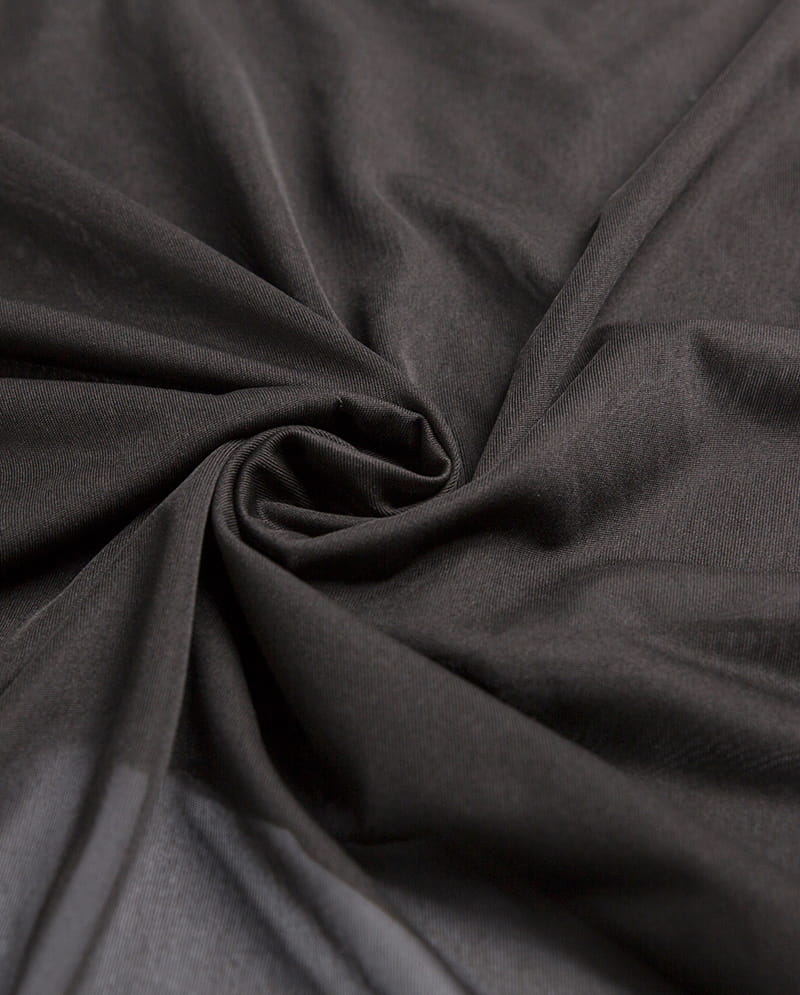
Moisture-Wicking Nylon Woven Fabric
-
Double-faced jacquard elastic fabric
-
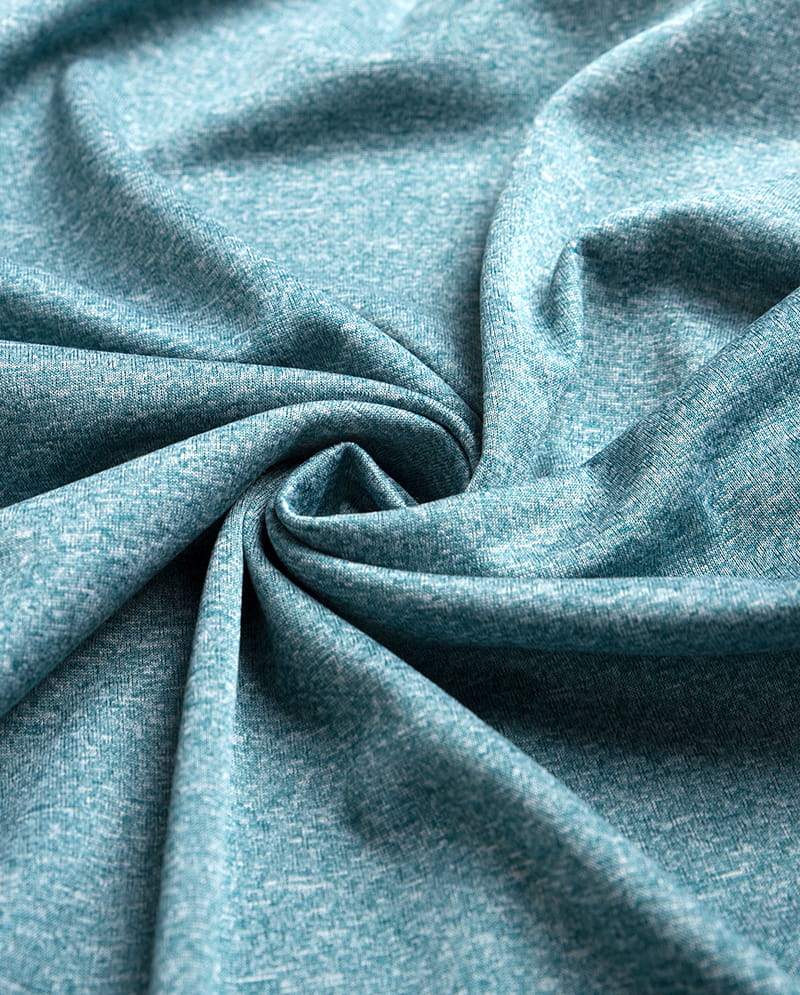
Heather Grey Double-faced cationic jersey fabric
-
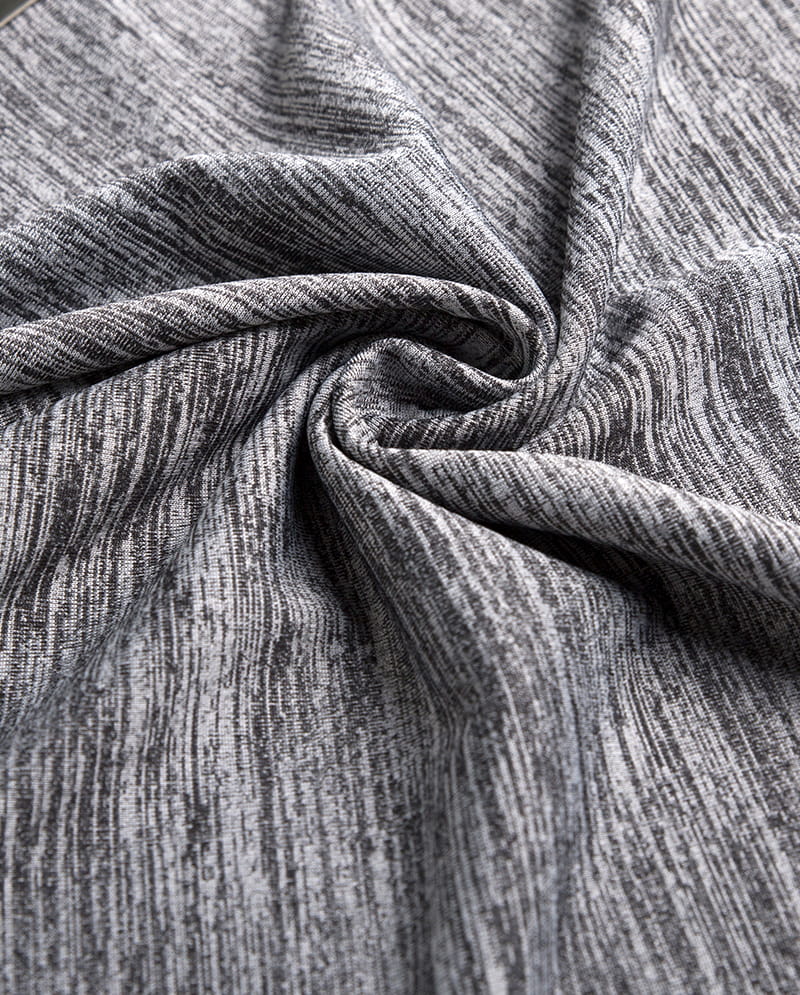
Anti-static Cationic Knitted Rib Fabric
-
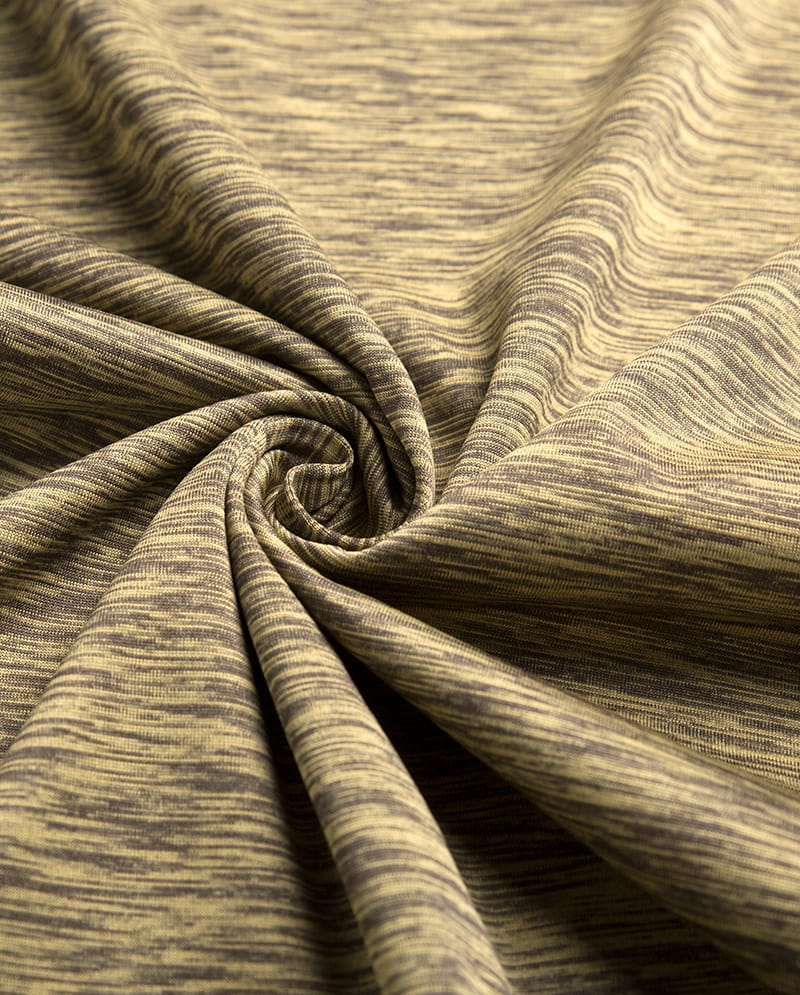
High-Stretch Cationic Jersey Fabric
-
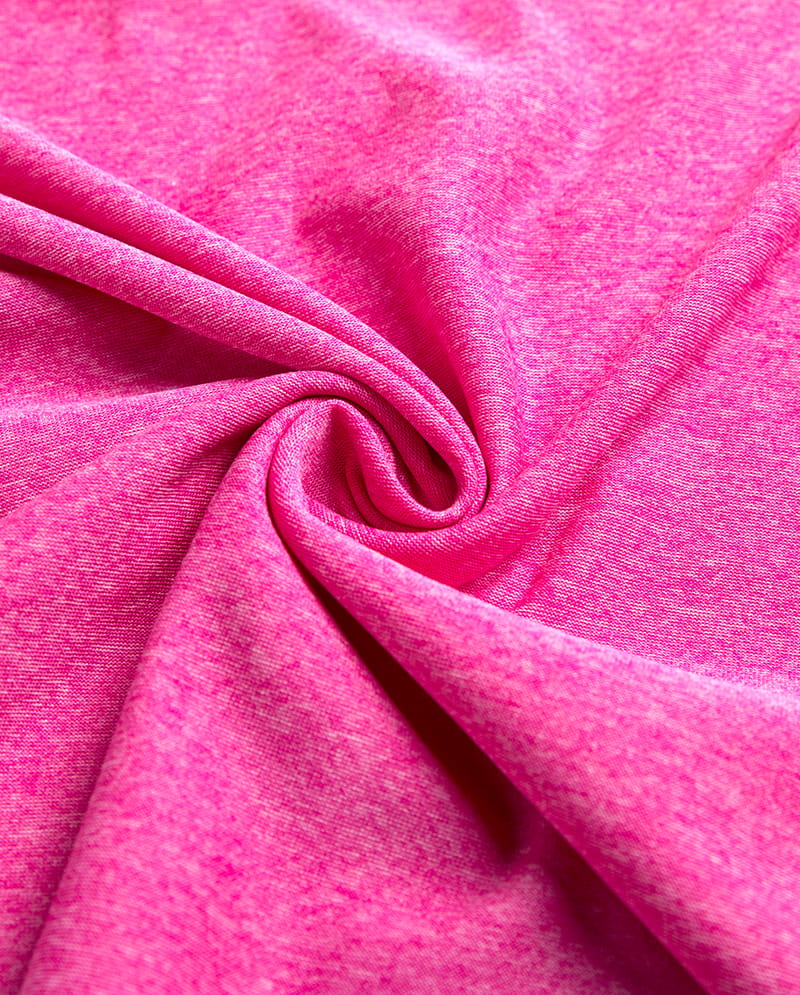
High Quality Cationic DTY Spandex Two Sides Brush Dralon Knit Fabric for Garment Thermal Underwear
-
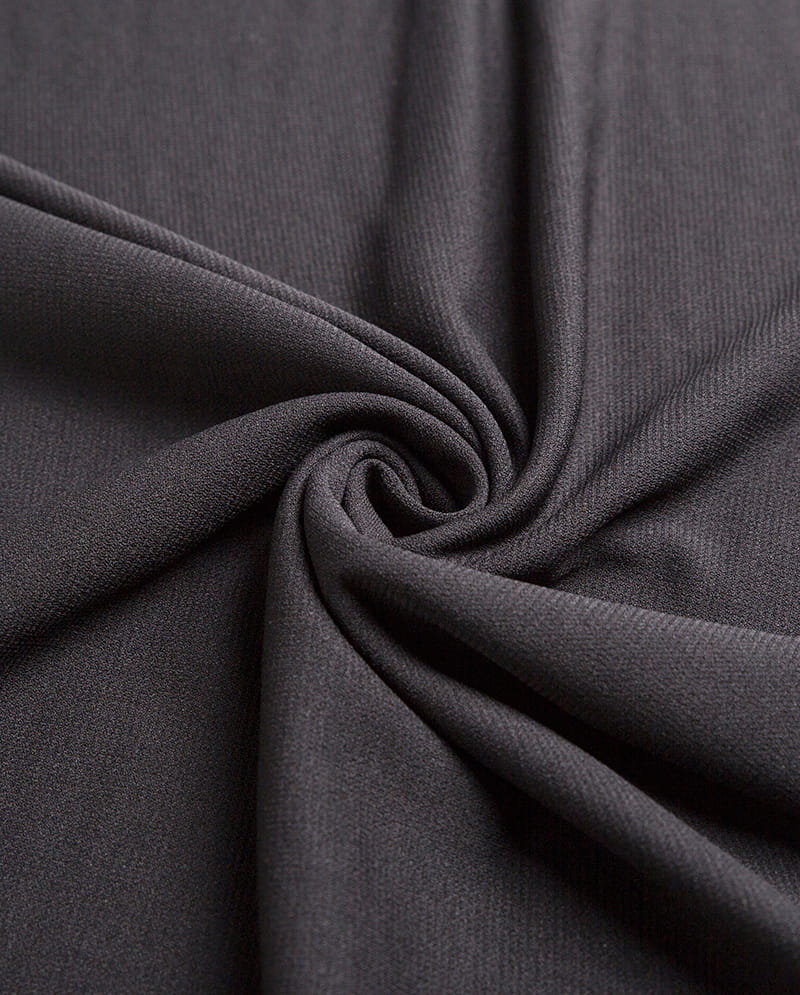
Durable Anti-Pilling Knitted Fabric for Home Textiles
-
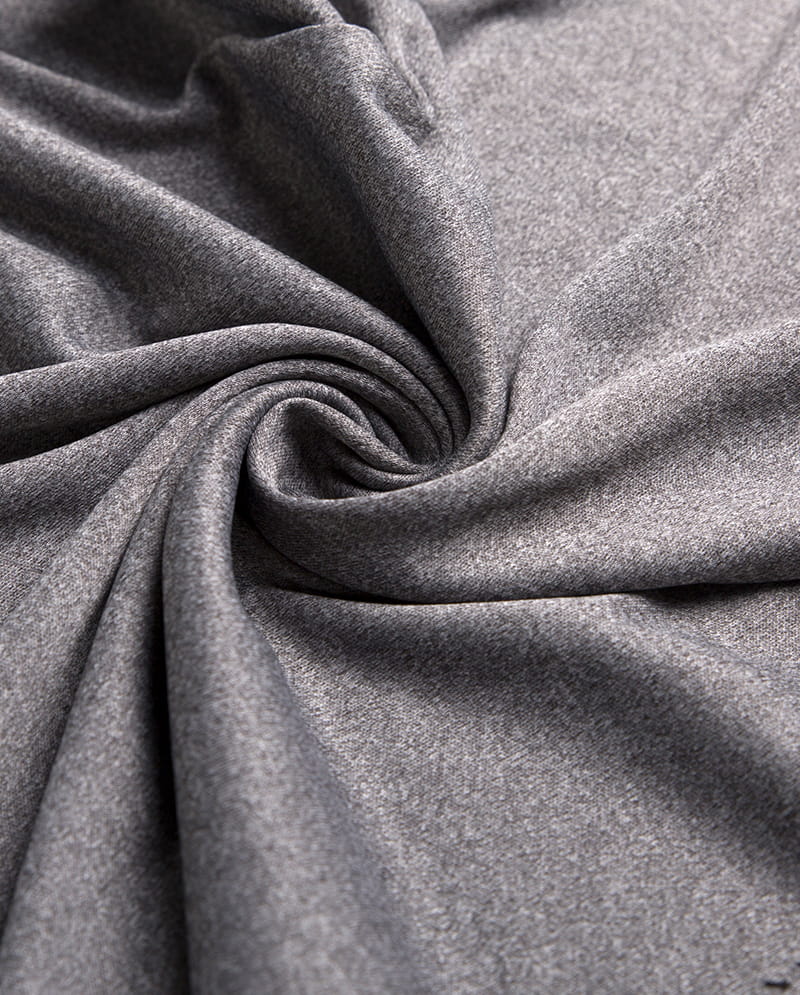
Wash-Resistant Cationic Elastic Knitted Fabric for Garment Industry
-
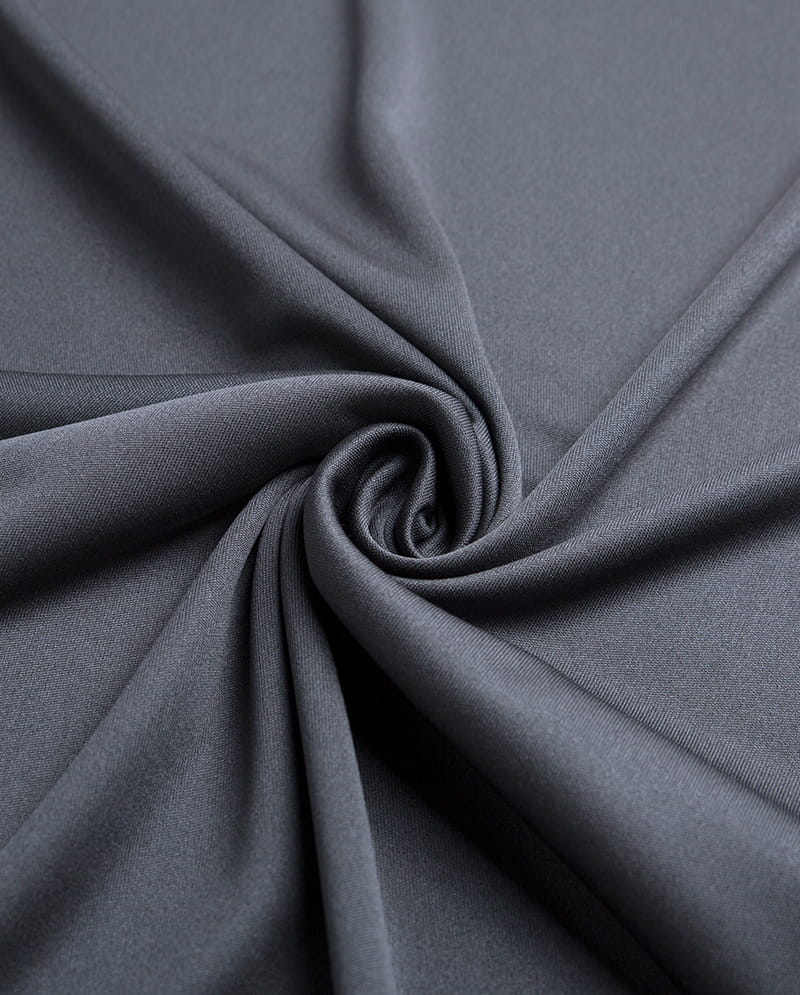
Breathable Double-Faced Elastic Composite Fabric
-
-
-
- whatsapp:
- 0086-13962559622
-
- skype:
- skype.aliceshenghong
-
- Wechat:

COPYRIGHT © 2016 Suzhou Junhui Textile Co., Ltd.
