

 EN
EN English
 中文简体
中文简体Do You Know The Classification of These Textile Yarns?
There are many varieties of textile yarns with different properties. It can be pure spun yarn made of natural fibers or various chemical staple fibers, a blended yarn made of several fibers, or a filament yarn made from the direct spinning of chemical fibers. . Generally, it can be classified according to the raw material used for the yarn, the thickness of the yarn, the spinning method, the spinning system, the structure of the yarn and the use of the yarn.
According to yarn raw materials:
1. Pure spinning is a yarn spun from a fiber material, such as cotton yarn, wool yarn, hemp yarn and silk yarn. Such yarns are suitable for making pure textiles.
2. Blended yarn is a yarn spun from two or more fibers, such as polyester and cotton blended yarn, wool and viscose blended yarn, etc. Such yarns are used in fabrics that highlight the advantages of both fibers.
Subdivided by yarn thickness:
1. Coarse yarn: Coarse yarn refers to the yarn of 32 texes and above (18 British inches and below). These yarns are suitable for thick fabrics such as tweed, denim, etc.
2. Medium special yarn: Medium special yarn refers to the yarn of 21~32 special (19~28 British count in imperial system). This type of yarn is suitable for medium-thickness fabrics, such as plain cloth, gabardine, khaki, etc.
3. Fine special yarn: Fine special yarn refers to the yarn of 11~20 special (29~54 British count in imperial system). Such yarns are suitable for thin fabrics such as muslin, poplin, etc.
4. Extra-fine special yarn: Extra-fine special yarn refers to the yarn of 10 texes and below (English 58 and above). This kind of yarn is suitable for high-grade fine fabrics, such as high-count shirts, worsted cardigans, etc.
If you want to know more about yarn classification, please click here: microfine yarn manufacturers.
Popular products
-
Premium Cationic Interlock Stretch Comfort Fabric
-
Moisture-Wicking Nylon Woven Fabric
-
Double-faced jacquard elastic fabric
-
Heather Grey Double-faced cationic jersey fabric
-
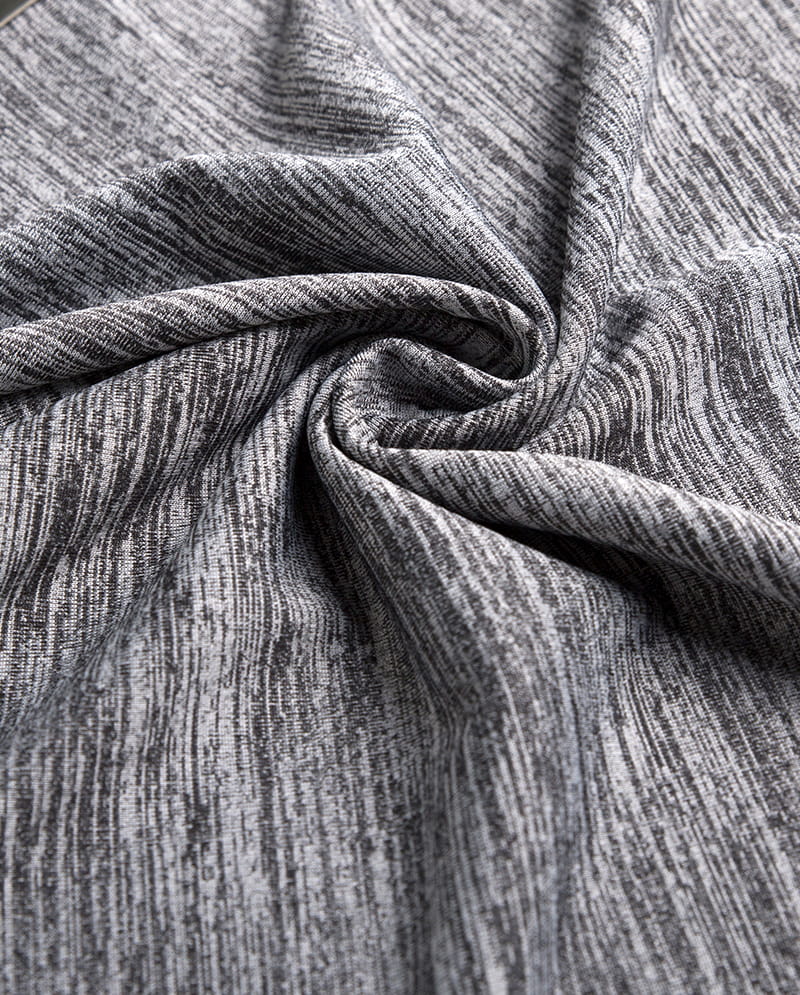
Anti-static Cationic Knitted Rib Fabric
-
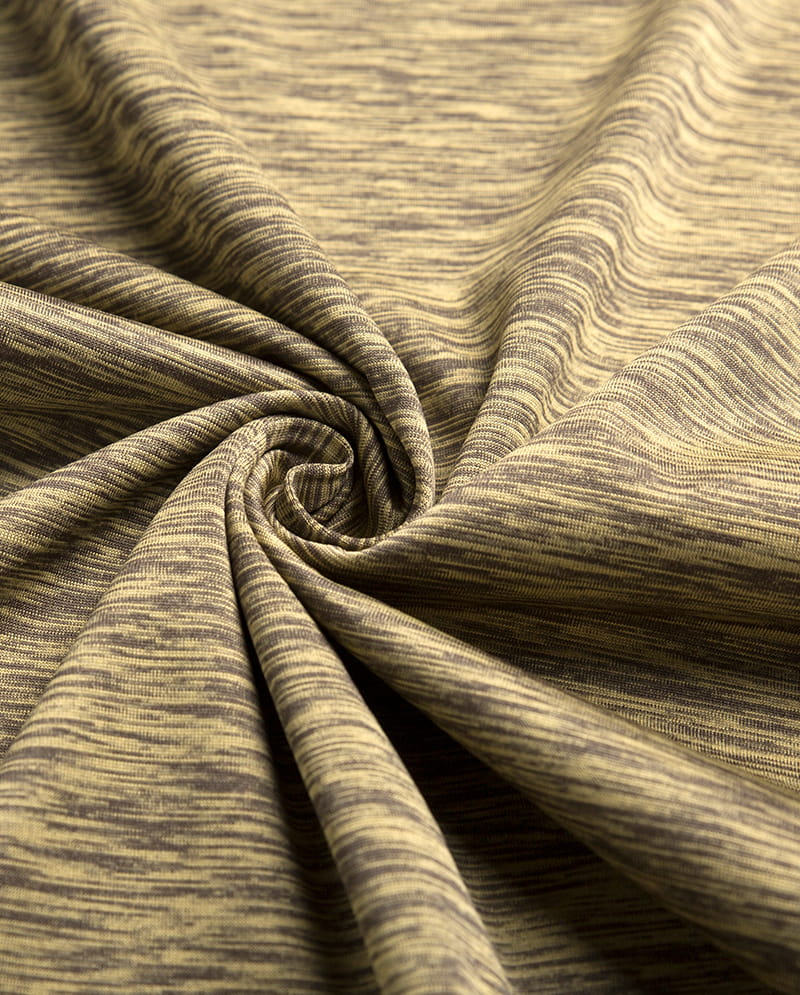
High-Stretch Cationic Jersey Fabric
-
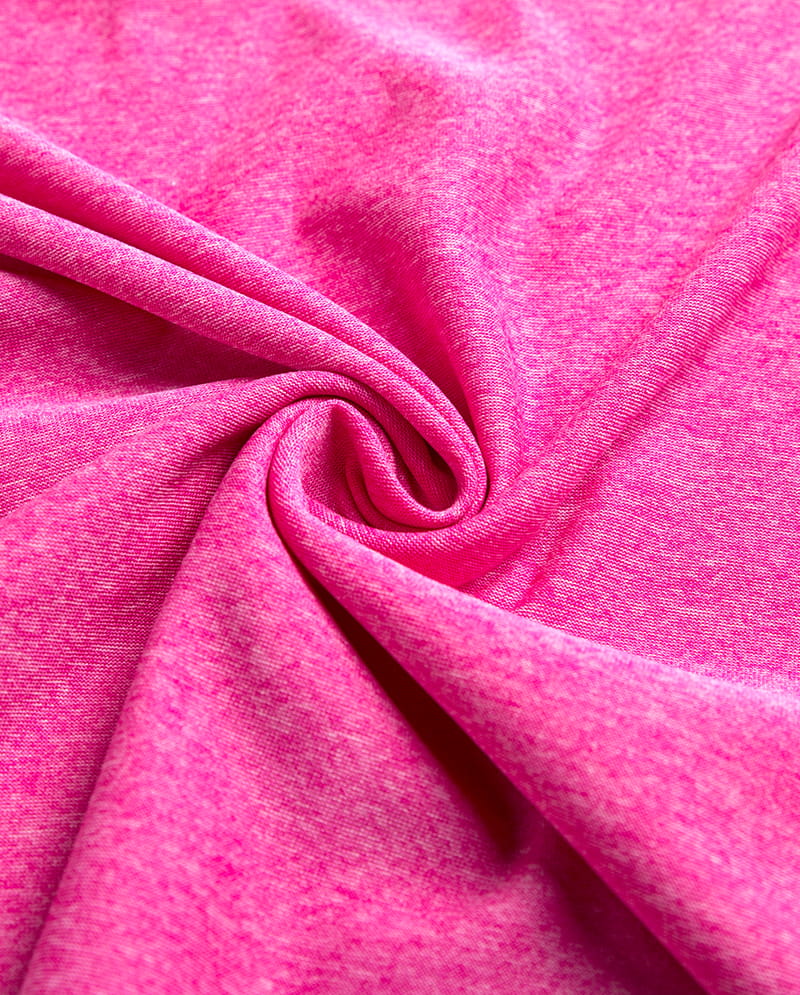
High Quality Cationic DTY Spandex Two Sides Brush Dralon Knit Fabric for Garment Thermal Underwear
-
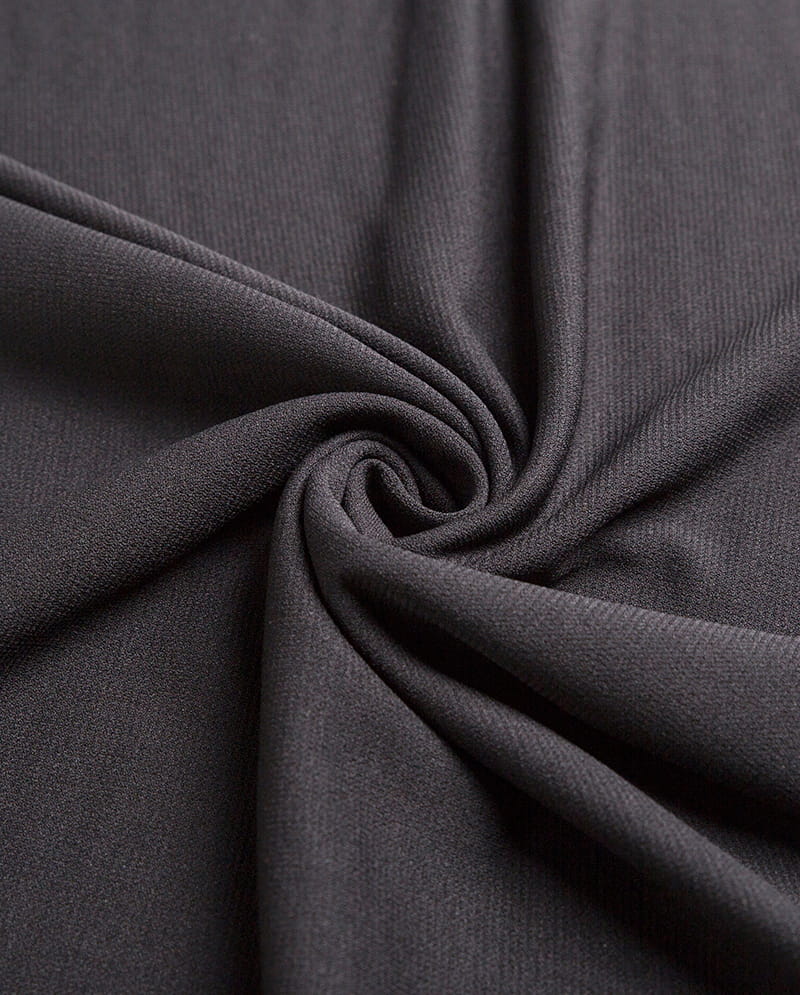
Durable Anti-Pilling Knitted Fabric for Home Textiles
-
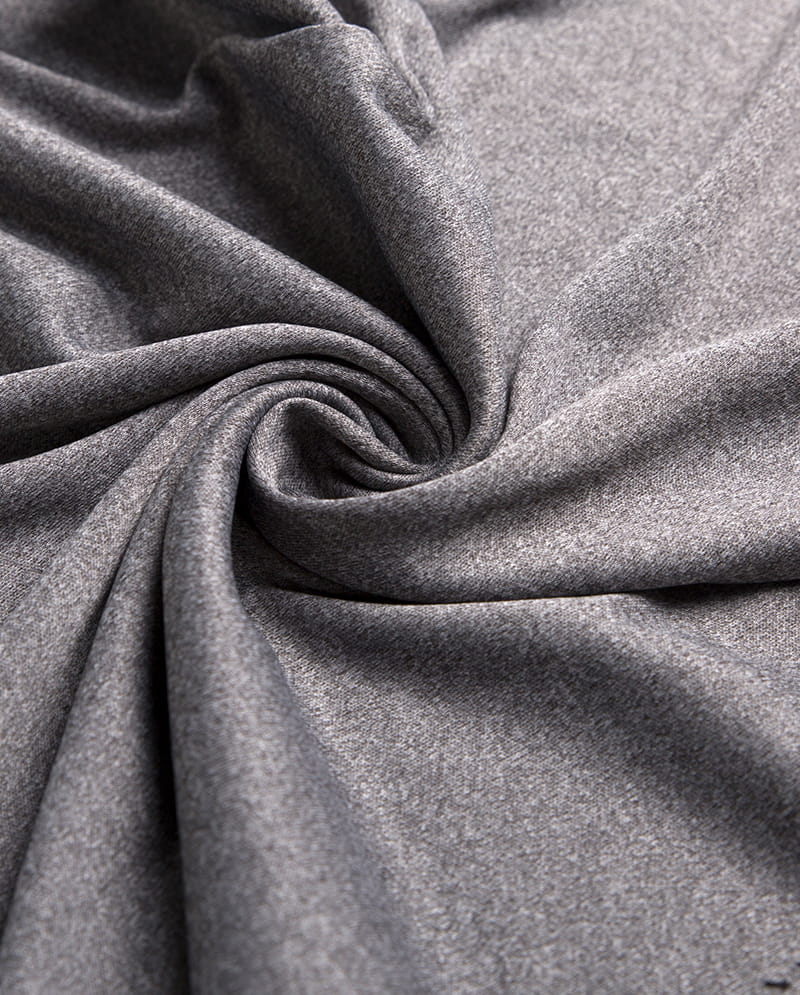
Wash-Resistant Cationic Elastic Knitted Fabric for Garment Industry
-
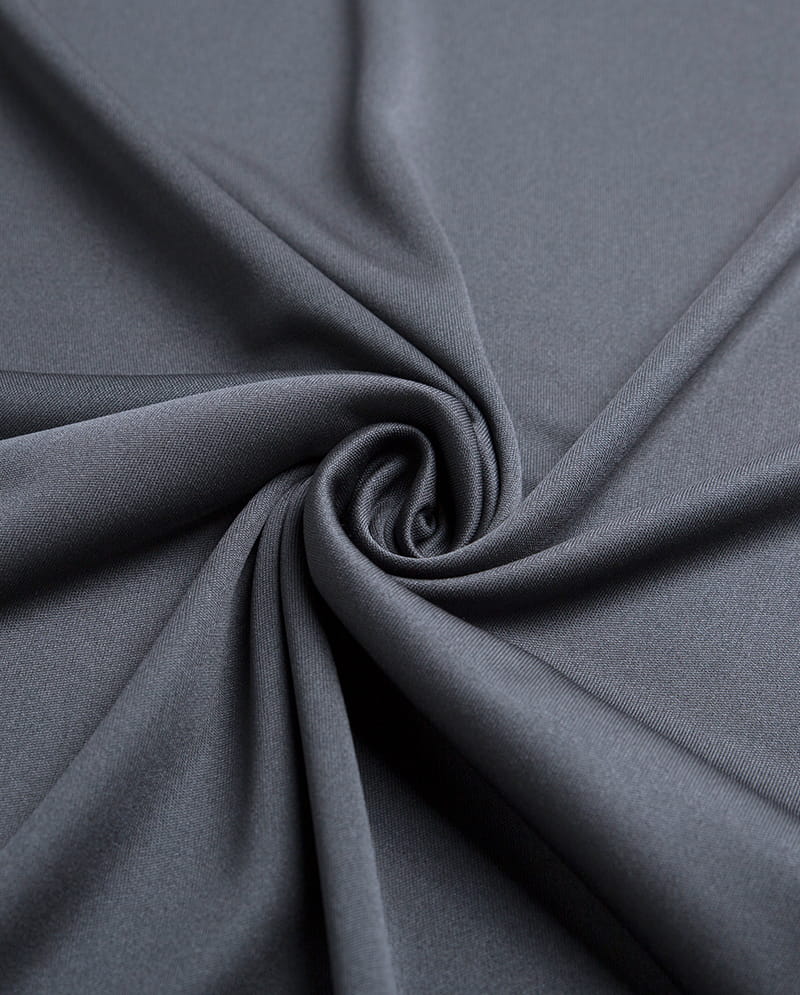
Breathable Double-Faced Elastic Composite Fabric
-
-
-
- whatsapp:
- 0086-13962559622
-
- skype:
- skype.aliceshenghong
-
- Wechat:

COPYRIGHT © 2016 Suzhou Junhui Textile Co., Ltd.
